








Is the requirement of having a ketubah a Torah law or rabbinic? This is a subject of debate. Shmuel holds that since the law is rabbinic, the rabbis believe a husband to claim that he found a “petach patuach” and the woman was not a virgin. Rava explains that he is believed since he wouldn’t spend all this time and money on a wedding celebration for no reason. That gives him a presumption of telling the truth. Rabban Shimon ben Gamliel held that ketuba is a Torah law. However, a braita is brought that contradicts and two resolutions are suggested, each requires emending the text of the braita. A number of actual cases that were brought in front of rabbis in different time periods are mentioned. In each case, the husband claimed there was no blood from the hymen and the woman claimed she was a virgin. In each case, the rabbi found a way to show that the woman was still a virgin. Each case it was proven in a different manner. The virgin’s ketuba is 200 zuz and a widow’s is 100, maneh. Thus the word widow in Hebrew (almana) is derived from that. If it was instituted by the rabbis, how can it be that the Torah used the word almana, referring to something that would be relevant only in the future? The meaning and source of a number of words are brought.
Ketubot 10

Share this shiur:
Want to dedicate learning? Get started here:
Ketubot 10
אִיתְּמַר, אָמַר רַב נַחְמָן אָמַר שְׁמוּאֵל מִשּׁוּם רַבִּי שִׁמְעוֹן בֶּן אֶלְעָזָר: חֲכָמִים תִּקְּנוּ לָהֶם לִבְנוֹת יִשְׂרָאֵל, לִבְתוּלָה מָאתַיִם, וּלְאַלְמָנָה מָנֶה. וְהֵם הֶאֱמִינוּהוּ, שֶׁאִם אָמַר ״פֶּתַח פָּתוּחַ מָצָאתִי״ — נֶאֱמָן. אִם כֵּן — מָה הוֹעִילוּ חֲכָמִים בְּתַקָּנָתָם?
§ It was stated: Rav Naḥman said that Shmuel said in the name of Rabbi Shimon ben Elazar: The Sages instituted the marriage contract for Jewish women: For a virgin two hundred dinars and for a widow one hundred dinars. And they deemed the groom credible in that if he says with regard to his virgin bride: I encountered an unobstructed orifice and she is not a virgin, he is deemed credible, causing her to lose her marriage contract. The Gemara asks: If so, and the Sages deemed him credible, what did the Sages accomplish in their ordinance that the marriage contract of a virgin is two hundred dinars, if his claim that she is not a virgin is effective?
אָמַר רָבָא: חֲזָקָה, אֵין אָדָם טוֹרֵחַ בַּסְּעוּדָה וּמַפְסִידָהּ.
Rava said: The ordinance is effective due to the presumption that a person does not exert himself to prepare a wedding feast and then cause it to be lost. Investing in the wedding preparations clearly indicates that the groom’s intention is to marry the bride and rejoice with her. If, nevertheless, he claims that she is not a virgin, apparently he is telling the truth.
תָּנָא: הוֹאִיל וּקְנַס חֲכָמִים הוּא — לֹא תִּגְבֶּה אֶלָּא מִן הַזִּיבּוּרִית. קְנָסָא? מַאי קְנָסָא?! אֶלָּא אֵימָא: הוֹאִיל וְתַקָּנַת חֲכָמִים הוּא — לֹא תִּגְבֶּה אֶלָּא מִן הַזִּיבּוּרִית. רַבָּן שִׁמְעוֹן בֶּן גַּמְלִיאֵל אוֹמֵר: כְּתוּבַּת אִשָּׁה מִן הַתּוֹרָה.
§ A Sage taught in a baraita: Since payment of the marriage contract is a penalty instituted by the Sages, she may collect only from the husband’s land of the most inferior quality. The Gemara asks: A penalty? What penalty is there in a marriage contract? Rather, emend the baraita and say: Since it is a rabbinic ordinance and not a Torah obligation, she may collect only from the husband’s land of the most inferior quality. Rabban Shimon ben Gamliel says: The marriage contract of a woman is an obligation by Torah law.
וּמִי אָמַר רַבָּן שִׁמְעוֹן בֶּן גַּמְלִיאֵל הָכִי? וְהָתַנְיָא: ״כֶּסֶף יִשְׁקֹל כְּמֹהַר הַבְּתוּלוֹת״: שֶׁיְּהֵא זֶה, כְּמוֹהַר הַבְּתוּלוֹת, וּמוֹהַר הַבְּתוּלוֹת כָּזֶה. מִכָּאן סָמְכוּ חֲכָמִים לִכְתוּבַּת אִשָּׁה מִן הַתּוֹרָה. רַבָּן שִׁמְעוֹן בֶּן גַּמְלִיאֵל אוֹמֵר: כְּתוּבַּת אִשָּׁה אֵינָהּ מִדִּבְרֵי תוֹרָה, אֶלָּא מִדִּבְרֵי סוֹפְרִים!
The Gemara asks: And did Rabban Shimon ben Gamliel say that? But isn’t it taught in a baraita that it is written with regard to a seducer: “He shall pay money according to the dowry of virgins” (Exodus 22:16)? The Torah establishes that this fine will be like the dowry of a virgin, and that the dowry of a virgin will be like this fine, i.e., fifty silver sela, or two hundred dinars. From here the Sages based their determination that a woman’s marriage contract is an obligation by Torah law. Rabban Shimon ben Gamliel says: The marriage contract of a woman is not an obligation by Torah law, but is by rabbinic law.
אֵיפוֹךְ. וּמַאי חָזֵית דְּאָפְכַתְּ בָּתְרָיְיתָא, אֵיפוֹךְ קַמַּיְיתָא?
The Gemara resolves the contradiction between the statements of Rabban Shimon ben Gamliel: Reverse the attribution of opinions in this baraita. The Gemara asks: And what did you see that led you to reverse the attribution of opinions in the latter baraita? Reverse the attribution of opinions in the former, in the baraita, and say that Rabban Shimon ben Gamliel is the one who holds that the marriage contract is a rabbinic ordinance.
הָא שָׁמְעִינַן לֵיהּ לְרַבָּן שִׁמְעוֹן בֶּן גַּמְלִיאֵל דְּאָמַר כְּתוּבַּת אִשָּׁה מִדְּאוֹרָיְיתָא. דִּתְנַן, רַבָּן שִׁמְעוֹן בֶּן גַּמְלִיאֵל אוֹמֵר — נוֹתֵן לָהּ מִמְּעוֹת קַפּוֹטְקְיָא.
The Gemara answers: The reason is that we learned that it is Rabban Shimon ben Gamliel who said elsewhere that the marriage contract of a woman is an obligation by Torah law, as we learned in a mishna (110b) that Rabban Shimon ben Gamliel says that if a man marries a woman in Cappadocia, where the currency is more valuable, and he divorces her in Eretz Yisrael, he gives her payment for the marriage contract from the money of Cappadocia. From the fact that he is obligated to pay the marriage contract in the currency of the place where he undertook the obligation, apparently the marriage contract of a woman is an obligation by Torah law.
וְאִי בָּעֵית אֵימָא: כּוּלָּהּ רַבָּן שִׁמְעוֹן בֶּן גַּמְלִיאֵל הִיא, וְחַסּוֹרֵי מִיחַסְּרָא, וְהָכִי קָתָנֵי: מִכָּאן סָמְכוּ חֲכָמִים לִכְתוּבַּת אִשָּׁה מִן הַתּוֹרָה. כְּתוּבַּת אַלְמָנָה אֵינָהּ מִדִּבְרֵי תוֹרָה, אֶלָּא מִדִּבְרֵי סוֹפְרִים, שֶׁרַבָּן שִׁמְעוֹן בֶּן גַּמְלִיאֵל אוֹמֵר: כְּתוּבַּת אַלְמָנָה אֵינָהּ מִדִּבְרֵי תוֹרָה, אֶלָּא מִדִּבְרֵי סוֹפְרִים.
And if you wish, say instead that the entire latter baraita is in accordance with the opinion of Rabban Shimon ben Gamliel, but the baraita is incomplete and it is teaching the following: From here, the Sages based their determination that a woman’s marriage contract in the case of a virgin is an obligation by Torah law. However, the marriage contract of a widow is not an obligation by Torah law but is an ordinance by rabbinic law, as Rabban Shimon ben Gamliel says: The marriage contract of a widow is not an obligation by Torah law but is an ordinance by rabbinic law.
הַהוּא דַּאֲתָא לְקַמֵּיהּ דְּרַב נַחְמָן, אֲמַר לֵיהּ: פֶּתַח פָּתוּחַ מָצָאתִי. אֲמַר לֵיהּ רַב נַחְמָן: אַסְּבוּהוּ כּוּפְרֵי, מְבָרַכְתָּא חֲבִיטָא לֵיהּ?
§ The Gemara relates: A certain man who had never been married came before Rav Naḥman and said to him: I encountered an unobstructed orifice when I consummated the marriage. Rav Naḥman said in his regard: Flog him with palm branches [kufrei]; prostitutes [mevarakhta] are common around him. As he was never previously married, how was he able to determine whether or not the orifice was unobstructed, if he did not gain experience with prostitutes?
וְהָא רַב נַחְמָן הוּא דְּאָמַר מְהֵימַן! מְהֵימַן, וּמַסְּבִינַן לֵיהּ כּוּפְרֵי. רַב אַחַאי מְשַׁנֵּי: כָּאן בְּבָחוּר, כָּאן בְּנָשׂוּי.
The Gemara asks: But isn’t Rav Naḥman he who said that he is deemed credible when he claims that he encountered an unobstructed orifice? The Gemara answers: Yes, he is deemed credible, and nevertheless, we flog him with palm branches. Rav Aḥai answered: Here, in the case where he is flogged, it is with regard to a bachelor, who is not accorded credibility, because he lacks experience. There, in the case where he is accorded credibility, it is with regard to one who has been married.
הַהוּא דַּאֲתָא לְקַמֵּיהּ דְּרַבָּן גַּמְלִיאֵל, אֲמַר לֵיהּ: פֶּתַח פָּתוּחַ מָצָאתִי. אֲמַר לֵיהּ: שֶׁמָּא הִטֵּיתָהּ? אֶמְשׁוֹל לְךָ מָשָׁל: לְמָה הַדָּבָר דּוֹמֶה? לְאָדָם שֶׁהָיָה מְהַלֵּךְ בְּאִישׁוֹן לַיְלָה וַאֲפֵילָה, הִיטָּה — מְצָאוֹ פָּתוּחַ, לֹא הִיטָּה — מְצָאוֹ נָעוּל.
The Gemara relates a similar incident from an earlier era: A certain man who came before Rabban Gamliel said to him: I encountered an unobstructed orifice. Rabban Gamliel said to him: Perhaps you diverted your approach and therefore, you encountered no obstruction? I will tell you a parable to which this is similar. It is similar to a man who was walking in the blackness of night and darkness and he arrived at the entrance to the house; if he diverts the object preventing the door from opening, he finds it open; if he does not divert it, he finds it locked. Perhaps you too diverted your approach and entered from a different angle and that is why you did not encounter an obstruction.
אִיכָּא דְּאָמְרִי, הָכִי אֲמַר לֵיהּ: שֶׁמָּא בְּמֵזִיד הִטֵּיתָהּ, וַעֲקַרְתְּ לְדַשָּׁא וְעָבְרָא? אֶמְשׁוֹל לְךָ מָשָׁל: לְמָה הַדָּבָר דּוֹמֶה? לְאָדָם שֶׁהוּא מְהַלֵּךְ בְּאִישׁוֹן לַיְלָה וַאֲפֵילָה, הִיטָּה בְּמֵזִיד — מְצָאוֹ פָּתוּחַ, לֹא הִיטָּה בְּמֵזִיד — מְצָאוֹ נָעוּל.
Some say this is what Rabban Gamliel said to him: Maybe you diverted your approach intentionally and you displaced the door and the bolt. I will tell you a parable to which this is similar. It is similar to a man who is walking in the blackness of night and darkness and he arrives at his entrance. If he diverts intentionally, he finds it open; if he does not divert intentionally, he finds it locked.
הַהוּא דַּאֲתָא לְקַמֵּיהּ דְּרַבָּן גַּמְלִיאֵל בַּר רַבִּי, אֲמַר לֵיהּ: רַבִּי, בָּעַלְתִּי וְלֹא מָצָאתִי דָּם. אָמְרָה לוֹ: רַבִּי, בְּתוּלָה הָיִיתִי. אָמַר לָהֶם: הָבִיאוּ לִי אוֹתוֹ סוּדָר. הֵבִיאוּ לוֹ הַסּוּדָר, וּשְׁרָאוֹ בְּמַיִם וְכִבְּסוֹ, וּמָצָא עָלָיו כַּמָּה טִיפֵּי דָמִים. אָמַר לוֹ: לֵךְ זְכֵה בְּמִקָּחֶךָ.
The Gemara relates: A certain man who came before Rabban Gamliel bar Rabbi Yehuda HaNasi said to him: My teacher, I engaged in intercourse and did not find blood. The bride said to him: My teacher, I was a virgin. Rabban Gamliel bar Rabbi Yehuda HaNasi said to them: Bring me that cloth [sudar] on which you consummated the marriage. They brought him the cloth, and he soaked it in water and laundered it and found upon it several drops of blood from the rupture of the hymen. Rabban Gamliel bar Rabbi Yehuda HaNasi said to the groom: Go take possession of your acquisition, as she was a virgin and there is no need for concern.
אֲמַר לֵיהּ הוּנָא מָר בְּרֵיהּ דְּרָבָא מִפַּרְזִקְיָא לְרַב אָשֵׁי: אֲנַן נָמֵי נַעֲבֵיד הָכִי. אֲמַר לֵיהּ:
Huna Mar, son of Rava, from Parzakya, said to Rav Ashi: Let us do so as well in similar cases and examine whether there is blood that is obscured by semen or another substance. Rav Ashi said to him:
גִּיהוּץ שֶׁלָּנוּ, כְּכִבּוּס שֶׁלָּהֶם. וְאִי אָמְרַתְּ נֶיעְבַּד גִּיהוּץ — מְעַבְּרָא לֵיהּ חוּמַרְתָּא.
Our calendering in Babylonia, which includes passing an abrasive stone over the garments to scrape off dirt, is like their laundering in Eretz Israel, and only in that manner do the garments in Babylonia reach that level of cleanliness. And if you say: Let us perform the process of calendering on cloths brought as proof that she was not a virgin, the stone removes any trace of blood. Therefore, the process would be ineffective.
הַהוּא דַּאֲתָא לְקַמֵּיהּ דְּרַבָּן גַּמְלִיאֵל בַּר רַבִּי, אֲמַר לֵיהּ: רַבִּי, בָּעַלְתִּי וְלֹא מָצָאתִי דָּם. אֲמַרָה לֵיהּ: רַבִּי, עֲדַיִין בְּתוּלָה אֲנִי. אָמַר לָהֶן: הָבִיאוּ לִי שְׁתֵּי שְׁפָחוֹת, אַחַת בְּתוּלָה וְאַחַת בְּעוּלָה. הֵבִיאוּ לוֹ, וְהוֹשִׁיבָן עַל פִּי חָבִית שֶׁל יַיִן, בְּעוּלָה — רֵיחָהּ נוֹדֵף, בְּתוּלָה — אֵין רֵיחָהּ נוֹדֵף. אַף זוֹ הוֹשִׁיבָה וְלֹא הָיָה רֵיחָהּ נוֹדֵף. אָמַר לוֹ: לֵךְ זְכֵה בְּמִקָּחֶךָ.
The Gemara relates: A certain man who came before Rabban Gamliel bar Rabbi Yehuda HaNasi said to him: My teacher, I engaged in intercourse and did not find blood. The bride said to him: My teacher, I am still a virgin. Rabban Gamliel bar Rabbi Yehuda HaNasi said to them: Bring me two maidservants, one a virgin and one a non-virgin, to conduct a trial. They brought him the two maidservants, and he seated them on the opening of a barrel of wine. From the non-virgin, he discovered that the scent of the wine in the barrel diffuses from her mouth; from the virgin he discovered that the scent does not diffuse from her mouth. Then, he also seated that bride on the barrel, and the scent of the wine did not diffuse from her mouth. Rabban Gamliel bar Rabbi Yehuda HaNasi said to the groom: Go take possession of your acquisition, as she is a virgin.
וְנִבְדּוֹק מֵעִיקָּרָא בְּגַוַּוהּ? גְּמָרָא הֲוָה שְׁמִיעַ לֵיהּ, מַעֲשֶׂה לָא הֲוָה חָזֵי, וְסָבַר דִּלְמָא לָא קִים לֵיהּ בְּגַוַּוהּ דְּמִלְּתָא שַׁפִּיר, וְלָאו אוֹרַח אַרְעָא לְזַלְזוֹלֵי בִּבְנוֹת יִשְׂרָאֵל.
The Gemara asks: Since Rabban Gamliel was familiar with this method of examination, let him use it to examine her initially. Why was the trial with the maidservants necessary? The Gemara answers: He learned that it was effective through tradition; however, he had never seen it in action, and he thought perhaps he was not sufficiently expert in that manner of examination, and it is improper conduct to demean Jewish women by subjecting them to that indignity for naught. Once he established the effectiveness of that method, he proceeded to examine the bride to resolve the matter.
הַהוּא דַּאֲתָא לְקַמֵּיהּ דְּרַבָּן גַּמְלִיאֵל הַזָּקֵן, אָמַר לוֹ: רַבִּי, בָּעַלְתִּי וְלֹא מָצָאתִי דָּם, אָמְרָה לוֹ: רַבִּי, מִמִּשְׁפַּחַת דּוֹרְקְטִי אֲנִי, שֶׁאֵין לָהֶן לֹא דַּם נִדָּה וְלֹא דַּם בְּתוּלִים. בָּדַק רַבָּן גַּמְלִיאֵל בִּקְרוֹבוֹתֶיהָ, וּמָצָא כִּדְבָרֶיהָ. אָמַר לוֹ: לֵךְ זְכֵה בְּמִקָּחֶךָ, אַשְׁרֶיךָ שֶׁזָּכִיתָ לְמִשְׁפַּחַת דּוֹרְקְטִי.
The Gemara relates: A certain man who came before Rabban Gamliel the Elder said to him: My teacher, I engaged in intercourse and did not find blood. The bride said to him: My teacher, I am from the family of Dorketi, who have neither menstrual blood nor blood from the rupture of the hymen. Rabban Gamliel investigated among her relatives to determine whether the claim with regard to her family was true, and discovered that the truth was in accordance with her statement. He said to him: Go take possession of your acquisition. Happy are you that you were privileged to marry a member of the Dorketi family, as those forms of blood will never pose a problem for you.
מַאי ״דּוֹרְקְטִי״ — דּוֹר קָטוּעַ. אָמַר רַבִּי חֲנִינָא: תַּנְחוּמִים שֶׁל הֶבֶל נִיחֲמוֹ רַבָּן גַּמְלִיאֵל לְאוֹתוֹ הָאִישׁ. דְּתָנֵי רַבִּי חִיָּיא: כְּשֵׁם שֶׁהַשְּׂאוֹר יָפֶה לְעִיסָּה, כָּךְ דָּמִים יָפִים לָאִשָּׁה. וְתָנָא מִשּׁוּם רַבִּי מֵאִיר: כׇּל אִשָּׁה שֶׁדָּמֶיהָ מְרוּבִּין — בָּנֶיהָ מְרוּבִּים.
The Gemara elaborates: What is the meaning of Dorketi? It means truncated generation [dor katua]. Rabbi Ḥanina said: Rabban Gamliel consoled that man with vain words of consolation, because the absence of blood in this woman is a drawback. As Rabbi Ḥiyya taught: Just as leaven is fortuitous for dough, so too, blood is fortuitous for a woman. And it was taught in the name of Rabbi Meir: Any woman whose blood is plentiful, her children are plentiful. This bride, who lacks blood, will not produce many children.
אִתְּמַר. רַבִּי יִרְמְיָה בַּר אַבָּא אָמַר: ״זְכֵה בְּמִקָּחֶךָ״ אֲמַר לֵיהּ, וְרַבִּי יוֹסֵי בַּר אָבִין אָמַר: ״נִתְחַיַּיבְ[תָּ] בְּמִקָּחֶךָ״ אֲמַר לֵיהּ. בִּשְׁלָמָא לְמַאן דְּאָמַר ״נִתְחַיַּיבְ[תָּ]״ — הַיְינוּ דְּרַבִּי חֲנִינָא. אֶלָּא לְמַאן דְּאָמַר ״זְכֵה״, מַאי זְכוּתָא? דְּלָא אָתֵי לִידֵי סְפֵק נִדָּה.
It was stated that there is a dispute with regard to Rabban Gamliel’s reply. Rabbi Yirmeya bar Abba said that Rabban Gamliel said to the groom: Exercise your privilege and take possession of your acquisition. And Rabbi Yosei bar Avin said that Rabban Gamliel said to him: It is your misfortune to take possession of your acquisition. Granted, according to the one who says: It is your misfortune, that is in accordance with the opinion of Rabbi Ḥanina, who said the consolation was vain. However, according to the one who says: Exercise your privilege, what is the privilege to which he is referring? The Gemara answers: The privilege is that thanks to the condition of the women of this family, he will not come to a situation of uncertainty whether she has the halakhic status of a menstruating woman.
הַהוּא דַּאֲתָא לְקַמֵּיהּ דְּרַבִּי, אֲמַר לֵיהּ: רַבִּי בָּעַלְתִּי וְלֹא מָצָאתִי דָּם, אָמְרָה לוֹ: רַבִּי עֲדַיִין בְּתוּלָה אֲנִי. וּשְׁנֵי בַצּוֹרֶת הֲוָה, רָאָה רַבִּי שֶׁפְּנֵיהֶם שְׁחוֹרִים. צִוָּה עֲלֵיהֶן וְהִכְנִיסוּם לַמֶּרְחָץ, וְהֶאֱכִילוּם וְהִשְׁקוּם, וְהִכְנִיסוּם לַחֶדֶר. בָּעַל, וּמָצָא דָּם. אָמַר לוֹ: לֵךְ זְכֵה בְּמִקָּחֶךָ. קָרֵי רַבִּי עֲלֵיהֶם: ״צָפַד עוֹרָם עַל עַצְמָם יָבֵשׁ הָיָה כָעֵץ״.
The Gemara relates: A certain man who came before Rabbi Yehuda HaNasi said to him: My teacher, I engaged in intercourse and did not find blood. The bride said to him: My teacher, I was still a virgin. And the Gemara comments that this incident was during years of drought. Rabbi Yehuda HaNasi saw that their faces were black due to hunger. He instructed his attendants to tend to them and they took them into the bathhouse and bathed them and they fed them and gave them drink. Then they took them into a room, and the groom engaged in intercourse with her and found blood, as it was due to the famine that there was no blood. Rabbi Yehuda HaNasi said to him: Go take possession of your acquisition. Rabbi Yehuda HaNasi read this verse in their regard: “Their skin is shriveled upon their bones, it is withered, it has become like a stick” (Lamentations 4:8), in the sense that no blood flows from them.
מַתְנִי׳ בְּתוּלָה — כְּתוּבָּתָהּ מָאתַיִם, וְאַלְמָנָה — מָנֶה. בְּתוּלָה, אַלְמָנָה, גְּרוּשָׁה וַחֲלוּצָה מִן הָאֵירוּסִין — כְּתוּבָּתָן מָאתַיִם, וְיֵשׁ לָהֶן טַעֲנַת בְּתוּלִים.
MISHNA: With regard to a virgin, her marriage contract is two hundred dinars, and with regard to a widow, her marriage contract is one hundred dinars. With regard to a virgin who is a widow, a divorcée, or a ḥalutza who achieved that status from a state of betrothal, before marriage and before consummation of the marriage, for all of these their marriage contract is two hundred dinars, and they are subject to a claim concerning their virginity, as their presumptive status of virginity is intact.
גְּמָ׳ מַאי ״אַלְמָנָה״? אָמַר רַב חָנָא בַּגְדָּתָאָה: ״אַלְמָנָה״ — עַל שֵׁם מָנֶה. אַלְמָנָה מִן הָאֵירוּסִין, מַאי אִיכָּא לְמֵימַר! אַיְּידֵי דְּהָא קָרֵי לַהּ אַלְמָנָה, הָא נָמֵי קָרֵי לַהּ אַלְמָנָה.
GEMARA: What is the relationship between the term almana and its meaning, widow? Rav Ḥana of Baghdad said: A widow is called an almana after the maneh, one hundred dinars, which is the sum of her marriage contract. The Gemara asks: With regard to a widow from betrothal, whose marriage contract is two hundred dinars and not a maneh, what is there to say? The Gemara answers: Since they called this widow from marriage almana, this widow from betrothal they also called almana.
אַלְמָנָה דִּכְתִיבָא בְּאוֹרָיְיתָא, מַאי אִיכָּא לְמֵימַר? דַּעֲתִידִין רַבָּנַן דִּמְתַקְּנִי לַהּ מָנֶה. וּמִי כָּתֵב קְרָא לְעָתִיד? אִין, דִּכְתִיב: ״וְשֵׁם הַנָּהָר הַשְּׁלִישִׁי חִדֶּקֶל הוּא הַהוֹלֵךְ קִדְמַת אַשּׁוּר״, וְתָנָא רַב יוֹסֵף: אַשּׁוּר זוֹ סְלֵיקָא. וּמִי הֲוַאי? אֶלָּא דַּעֲתִידָה. הָכָא נָמֵי דַּעֲתִידָה.
The Gemara asks: That explains the use of almana in the terminology of the Sages. However, with regard to the term almana that is written in the Torah, what is there to say? The rabbinic ordinance that the marriage contract of a widow is a maneh was not yet instituted. The Gemara answers: The Torah employs the term almana because the Sages are destined to institute the sum of a maneh for her in her marriage contract. The Gemara asks: And is a verse written for the future? The Gemara answers: Yes, indeed it is, as it is written: “And the name of the third river is Tigris; that is it which goes toward the east of Asshur” (Genesis 2:14). And Rav Yosef taught: Asshur, that is Seleucia. And did that city exist when the Torah was written? Rather, the Torah is referring to that city because it was destined to exist in the future. Here too, the Torah employs the term almana because a widow was destined to have a marriage contract of a maneh instituted for her.
וְאָמַר רַב חָנָא בַּגְדָּתָאָה: ״מָטָר״ — מַשְׁקֶה, מַרְוֶה, וּמְזַבֵּל, וּמְעַדֵּן, וּמַמְשִׁיךְ. אָמַר רָבָא בַּר רַבִּי יִשְׁמָעֵאל, וְאִיתֵּימָא רַב יֵימַר בַּר שֶׁלֶמְיָא, מַאי קְרָא: ״תְּלָמֶיהָ רַוֵּה נַחֵת גְּדוּדֶיהָ בִּרְבִיבִים תְּמֹגְגֶנָּה צִמְחָהּ תְּבָרֵךְ״.
Apropos the statement of Rav Ḥana of Baghdad, the Gemara cites additional statements of his. And Rav Ḥana of Baghdad said: Rain irrigates, saturates, and fertilizes the land, and refines the fruit and causes it to proliferate. Rava bar Rabbi Yishmael, and some say it was Rav Yeimar bar Shelamya who said: What is the verse that alludes to this? “Watering its ridges abundantly, settling its furrows, You make it soft with showers, You bless its growth” (Psalms 65:11). “Watering its ridges abundantly” indicates that the rain irrigates and saturates the land, “You make it soft with showers” indicates that it fertilizes the land, and “You bless its growth” indicates that it refines the fruit and causes it to proliferate.
אָמַר רַבִּי אֶלְעָזָר: ״מִזְבֵּחַ״ — מֵזִיחַ, וּמֵזִין, מְחַבֵּב, מְכַפֵּר. הַיְינוּ מְכַפֵּר, הַיְינוּ מֵזִיחַ! מֵזִיחַ גְּזֵירוֹת, וּמְכַפֵּר עֲוֹנוֹת.
Rabbi Elazar said: The term mizbe’aḥ, altar, is a rough acrostic representing its qualities. It moves [meziaḥ] sins and sustains [mezin], because as a result of the offerings sacrificed on the altar, sustenance is provided to all. It endears [meḥabev], and atones [mekhapper]. Mizbe’aḥ evokes the letters mem and zayin from the first two qualities, bet from meḥabev and the kaf from mekhapper. The Gemara asks: This quality, that the altar atones, is the same as that quality, that it moves sins. Why are they listed separately? The Gemara answers: The altar moves evil decrees, and atones for sins.
וְאָמַר רַב חָנָא בַּגְדָּתָאָה: תַּמְרֵי מְשַׁחֲנָן, מַשְׂבְּעָן, מְשַׁלְשְׁלָן, מְאַשְּׁרָן וְלָא מְפַנְּקָן. אָמַר רַב: אָכַל תְּמָרִים אַל יוֹרֶה. מֵיתִיבִי: תְּמָרִים, שַׁחֲרִית וְעַרְבִית — יָפוֹת, בְּמִנְחָה — רָעוֹת. בַּצׇּהֳרַיִם — אֵין כְּמוֹתָן, וּמְבַטְּלוֹת שְׁלֹשָׁה דְּבָרִים: מַחְשָׁבָה רָעָה, וְחוֹלִי מֵעַיִם, וְתַחְתּוֹנִיּוֹת!
And Rav Ḥana of Baghdad said: Dates warm and satiate, loosen the bowels, strengthen, but do not pamper. Rav said: If one ate dates he should not issue halakhic rulings, as dates are intoxicating. The Gemara raises an objection: With regard to dates, in the morning and evening they have a positive effect on one who eats them; in the afternoon, they have a negative effect on one who eats them. At noon, their positive effect is unparalleled, and they negate three matters: A troubling thought, intestinal illness, and hemorrhoids. Apparently, the effect of dates is primarily a positive one.
מִי אָמְרִינַן דְּלָא מְעַלּוּ? עַלּוֹיֵי מְעַלּוּ, וּלְפִי שַׁעְתָּא טָרְדָא. מִידֵּי דְּהָוֵה אַחַמְרָא. דְּאָמַר מָר הַשּׁוֹתֶה רְבִיעִית יַיִן — אַל יוֹרֶה. וְאִיבָּעֵית אֵימָא: לָא קַשְׁיָא, הָא — מִקַּמֵּי נַהֲמָא. הָא — לְבָתַר נַהֲמָא. דְּאָמַר אַבָּיֵי, אֲמַרָה לִי אֵם: תַּמְרֵי מִקַּמֵּי נַהֲמָא — כִּי נַרְגָּא לְדִיקּוּלָא. בָּתַר נַהֲמָא — כִּי עָבְרָא לְדַשָּׁא.
The Gemara answers that there is no contradiction. Did we say that they are not exemplary? They are exemplary, and at the same time cause temporary distraction and intoxication, just as it is in the case of wine, as the Master said: One who drinks a quarter-log of wine should not issue halakhic rulings. And if you wish, say instead: This apparent contradiction is not difficult. This statement, which prohibits issuing a ruling under the influence of dates, is referring to one eating dates before he eats bread, when eating them can lead to intoxication. That statement, which enumerates the salutary effects of dates, is referring to one eating dates after he eats bread. As Abaye said: My mother told me that dates eaten before eating bread are destructive like an ax to a palm tree; dates eaten after eating bread are beneficial like a bolt to a door, which provides support.
״דַּשָּׁא״, אָמַר רָבָא: דֶּרֶךְ שָׁם. ״דַּרְגָּא״ — אָמַר רָבָא: דֶּרֶךְ גַּג. ״פּוּרְיָא״ — אָמַר רַב פָּפָּא: שֶׁפָּרִין וְרָבִין עָלֶיהָ. אָמַר רַב נַחְמָן בַּר יִצְחָק:
Apropos the term door [dasha], the Gemara cites statements referring to its etymology as well as that of several other Aramaic terms. With regard to the word dasha, door, Rava said: It is an acrostic for derekh sham, meaning through there. With regard to the word darga, ladder or stair, Rava said: It is an acrostic for derekh gag, meaning way to the roof. With regard to the word purya, bed, Rav Pappa said: It is an acrostic for parin veravin aleha, meaning one procreates upon it. Rav Naḥman bar Yitzḥak said:

New to Talmud?
Check out our resources designed to help you navigate a page of Talmud – and study at the pace, level and style that fits you.
The Hadran Women’s Tapestry
Meet the diverse women learning Gemara at Hadran and hear their stories.
Retirement and Covid converged to provide me with the opportunity to commit to daily Talmud study in October 2020. I dove into the middle of Eruvin and continued to navigate Seder Moed, with Rabannit Michelle as my guide. I have developed more confidence in my learning as I completed each masechet and look forward to completing the Daf Yomi cycle so that I can begin again!

San Diego, United States
After reading the book, “ If All The Seas Were Ink “ by Ileana Kurshan I started studying Talmud. I searched and studied with several teachers until I found Michelle Farber. I have been studying with her for two years. I look forward every day to learn from her.

Virginia, United States
I had tried to start after being inspired by the hadran siyum, but did not manage to stick to it. However, just before masechet taanit, our rav wrote a message to the shul WhatsApp encouraging people to start with masechet taanit, so I did! And this time, I’m hooked! I listen to the shiur every day , and am also trying to improve my skills.
Yad Binyamin, Israel
It happened without intent (so am I yotzei?!) – I watched the women’s siyum live and was so moved by it that the next morning, I tuned in to Rabbanit Michelle’s shiur, and here I am, still learning every day, over 2 years later. Some days it all goes over my head, but others I grasp onto an idea or a story, and I ‘get it’ and that’s the best feeling in the world. So proud to be a Hadran learner.

Zichron Yaakov, Israel
Studying has changed my life view on הלכה and יהדות and time. It has taught me bonudaries of the human nature and honesty of our sages in their discourse to try and build a nation of caring people .

Kfar Saba, Israel

Jerusalem, Israel
When I was working and taking care of my children, learning was never on the list. Now that I have more time I have two different Gemora classes and the nach yomi as well as the mishna yomi daily.

Jerusalem, Israel
In early 2020, I began the process of a stem cell transplant. The required extreme isolation forced me to leave work and normal life but gave me time to delve into Jewish text study. I did not feel isolated. I began Daf Yomi at the start of this cycle, with family members joining me online from my hospital room. I’ve used my newly granted time to to engage, grow and connect through this learning.
Worcester, United States
I learned Mishnayot more than twenty years ago and started with Gemara much later in life. Although I never managed to learn Daf Yomi consistently, I am learning since some years Gemara in depth and with much joy. Since last year I am studying at the International Halakha Scholars Program at the WIHL. I often listen to Rabbanit Farbers Gemara shiurim to understand better a specific sugyiah. I am grateful for the help and inspiration!

Berlin, Germany
As Jewish educator and as a woman, I’m mindful that Talmud has been kept from women for many centuries. Now that we are privileged to learn, and learning is so accessible, it’s my intent to complete Daf Yomi. I am so excited to keep learning with my Hadran community.
Denver, United States
Having never learned Talmud before, I started Daf Yomi in hopes of connecting to the Rabbinic tradition, sharing a daily idea on Instagram (@dafyomiadventures). With Hadran and Sefaria, I slowly gained confidence in my skills and understanding. Now, part of the Pardes Jewish Educators Program, I can’t wait to bring this love of learning with me as I continue to pass it on to my future students.

Pennsylvania, United States
I had tried to start after being inspired by the hadran siyum, but did not manage to stick to it. However, just before masechet taanit, our rav wrote a message to the shul WhatsApp encouraging people to start with masechet taanit, so I did! And this time, I’m hooked! I listen to the shiur every day , and am also trying to improve my skills.
Yad Binyamin, Israel

Philadelphia, United States
See video
Raanana, Israel
Hadran entered my life after the last Siyum Hashaas, January 2020. I was inspired and challenged simultaneously, having never thought of learning Gemara. With my family’s encouragement, I googled “daf yomi for women”. A perfecr fit!
I especially enjoy when Rabbanit Michelle connects the daf to contemporary issues to share at the shabbat table e.g: looking at the Kohen during duchaning. Toda rabba

Jerusalem, Israel
When we heard that R. Michelle was starting daf yomi, my 11-year-old suggested that I go. Little did she know that she would lose me every morning from then on. I remember standing at the Farbers’ door, almost too shy to enter. After that first class, I said that I would come the next day but couldn’t commit to more. A decade later, I still look forward to learning from R. Michelle every morning.

Ra’anana, Israel
I started learning at the beginning of this Daf Yomi cycle because I heard a lot about the previous cycle coming to an end and thought it would be a good thing to start doing. My husband had already bought several of the Koren Talmud Bavli books and they were just sitting on the shelf, not being used, so here was an opportunity to start using them and find out exactly what was in them. Loving it!

Borehamwood, United Kingdom
I started Daf during the pandemic. I listened to a number of podcasts by various Rebbeim until one day, I discovered Rabbanit Farbers podcast. Subsequently I joined the Hadran family in Eruvin. Not the easiest place to begin, Rabbanit Farber made it all understandable and fun. The online live group has bonded together and have really become a supportive, encouraging family.

Edmonton, Alberta, Canada
After experiences over the years of asking to join gemara shiurim for men and either being refused by the maggid shiur or being the only women there, sometimes behind a mechitza, I found out about Hadran sometime during the tail end of Masechet Shabbat, I think. Life has been much better since then.
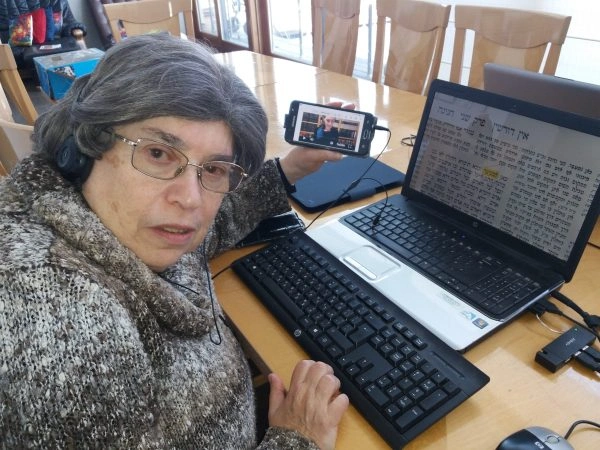
London, United Kingdom
I was exposed to Talmud in high school, but I was truly inspired after my daughter and I decided to attend the Women’s Siyum Shas in 2020. We knew that this was a historic moment. We were blown away, overcome with emotion at the euphoria of the revolution. Right then, I knew I would continue. My commitment deepened with the every-morning Virtual Beit Midrash on Zoom with R. Michelle.

Zichron Yaakov, Israel
Ketubot 10
אִיתְּמַר, אָמַר רַב נַחְמָן אָמַר שְׁמוּאֵל מִשּׁוּם רַבִּי שִׁמְעוֹן בֶּן אֶלְעָזָר: חֲכָמִים תִּקְּנוּ לָהֶם לִבְנוֹת יִשְׂרָאֵל, לִבְתוּלָה מָאתַיִם, וּלְאַלְמָנָה מָנֶה. וְהֵם הֶאֱמִינוּהוּ, שֶׁאִם אָמַר ״פֶּתַח פָּתוּחַ מָצָאתִי״ — נֶאֱמָן. אִם כֵּן — מָה הוֹעִילוּ חֲכָמִים בְּתַקָּנָתָם?
§ It was stated: Rav Naḥman said that Shmuel said in the name of Rabbi Shimon ben Elazar: The Sages instituted the marriage contract for Jewish women: For a virgin two hundred dinars and for a widow one hundred dinars. And they deemed the groom credible in that if he says with regard to his virgin bride: I encountered an unobstructed orifice and she is not a virgin, he is deemed credible, causing her to lose her marriage contract. The Gemara asks: If so, and the Sages deemed him credible, what did the Sages accomplish in their ordinance that the marriage contract of a virgin is two hundred dinars, if his claim that she is not a virgin is effective?
אָמַר רָבָא: חֲזָקָה, אֵין אָדָם טוֹרֵחַ בַּסְּעוּדָה וּמַפְסִידָהּ.
Rava said: The ordinance is effective due to the presumption that a person does not exert himself to prepare a wedding feast and then cause it to be lost. Investing in the wedding preparations clearly indicates that the groom’s intention is to marry the bride and rejoice with her. If, nevertheless, he claims that she is not a virgin, apparently he is telling the truth.
תָּנָא: הוֹאִיל וּקְנַס חֲכָמִים הוּא — לֹא תִּגְבֶּה אֶלָּא מִן הַזִּיבּוּרִית. קְנָסָא? מַאי קְנָסָא?! אֶלָּא אֵימָא: הוֹאִיל וְתַקָּנַת חֲכָמִים הוּא — לֹא תִּגְבֶּה אֶלָּא מִן הַזִּיבּוּרִית. רַבָּן שִׁמְעוֹן בֶּן גַּמְלִיאֵל אוֹמֵר: כְּתוּבַּת אִשָּׁה מִן הַתּוֹרָה.
§ A Sage taught in a baraita: Since payment of the marriage contract is a penalty instituted by the Sages, she may collect only from the husband’s land of the most inferior quality. The Gemara asks: A penalty? What penalty is there in a marriage contract? Rather, emend the baraita and say: Since it is a rabbinic ordinance and not a Torah obligation, she may collect only from the husband’s land of the most inferior quality. Rabban Shimon ben Gamliel says: The marriage contract of a woman is an obligation by Torah law.
וּמִי אָמַר רַבָּן שִׁמְעוֹן בֶּן גַּמְלִיאֵל הָכִי? וְהָתַנְיָא: ״כֶּסֶף יִשְׁקֹל כְּמֹהַר הַבְּתוּלוֹת״: שֶׁיְּהֵא זֶה, כְּמוֹהַר הַבְּתוּלוֹת, וּמוֹהַר הַבְּתוּלוֹת כָּזֶה. מִכָּאן סָמְכוּ חֲכָמִים לִכְתוּבַּת אִשָּׁה מִן הַתּוֹרָה. רַבָּן שִׁמְעוֹן בֶּן גַּמְלִיאֵל אוֹמֵר: כְּתוּבַּת אִשָּׁה אֵינָהּ מִדִּבְרֵי תוֹרָה, אֶלָּא מִדִּבְרֵי סוֹפְרִים!
The Gemara asks: And did Rabban Shimon ben Gamliel say that? But isn’t it taught in a baraita that it is written with regard to a seducer: “He shall pay money according to the dowry of virgins” (Exodus 22:16)? The Torah establishes that this fine will be like the dowry of a virgin, and that the dowry of a virgin will be like this fine, i.e., fifty silver sela, or two hundred dinars. From here the Sages based their determination that a woman’s marriage contract is an obligation by Torah law. Rabban Shimon ben Gamliel says: The marriage contract of a woman is not an obligation by Torah law, but is by rabbinic law.
אֵיפוֹךְ. וּמַאי חָזֵית דְּאָפְכַתְּ בָּתְרָיְיתָא, אֵיפוֹךְ קַמַּיְיתָא?
The Gemara resolves the contradiction between the statements of Rabban Shimon ben Gamliel: Reverse the attribution of opinions in this baraita. The Gemara asks: And what did you see that led you to reverse the attribution of opinions in the latter baraita? Reverse the attribution of opinions in the former, in the baraita, and say that Rabban Shimon ben Gamliel is the one who holds that the marriage contract is a rabbinic ordinance.
הָא שָׁמְעִינַן לֵיהּ לְרַבָּן שִׁמְעוֹן בֶּן גַּמְלִיאֵל דְּאָמַר כְּתוּבַּת אִשָּׁה מִדְּאוֹרָיְיתָא. דִּתְנַן, רַבָּן שִׁמְעוֹן בֶּן גַּמְלִיאֵל אוֹמֵר — נוֹתֵן לָהּ מִמְּעוֹת קַפּוֹטְקְיָא.
The Gemara answers: The reason is that we learned that it is Rabban Shimon ben Gamliel who said elsewhere that the marriage contract of a woman is an obligation by Torah law, as we learned in a mishna (110b) that Rabban Shimon ben Gamliel says that if a man marries a woman in Cappadocia, where the currency is more valuable, and he divorces her in Eretz Yisrael, he gives her payment for the marriage contract from the money of Cappadocia. From the fact that he is obligated to pay the marriage contract in the currency of the place where he undertook the obligation, apparently the marriage contract of a woman is an obligation by Torah law.
וְאִי בָּעֵית אֵימָא: כּוּלָּהּ רַבָּן שִׁמְעוֹן בֶּן גַּמְלִיאֵל הִיא, וְחַסּוֹרֵי מִיחַסְּרָא, וְהָכִי קָתָנֵי: מִכָּאן סָמְכוּ חֲכָמִים לִכְתוּבַּת אִשָּׁה מִן הַתּוֹרָה. כְּתוּבַּת אַלְמָנָה אֵינָהּ מִדִּבְרֵי תוֹרָה, אֶלָּא מִדִּבְרֵי סוֹפְרִים, שֶׁרַבָּן שִׁמְעוֹן בֶּן גַּמְלִיאֵל אוֹמֵר: כְּתוּבַּת אַלְמָנָה אֵינָהּ מִדִּבְרֵי תוֹרָה, אֶלָּא מִדִּבְרֵי סוֹפְרִים.
And if you wish, say instead that the entire latter baraita is in accordance with the opinion of Rabban Shimon ben Gamliel, but the baraita is incomplete and it is teaching the following: From here, the Sages based their determination that a woman’s marriage contract in the case of a virgin is an obligation by Torah law. However, the marriage contract of a widow is not an obligation by Torah law but is an ordinance by rabbinic law, as Rabban Shimon ben Gamliel says: The marriage contract of a widow is not an obligation by Torah law but is an ordinance by rabbinic law.
הַהוּא דַּאֲתָא לְקַמֵּיהּ דְּרַב נַחְמָן, אֲמַר לֵיהּ: פֶּתַח פָּתוּחַ מָצָאתִי. אֲמַר לֵיהּ רַב נַחְמָן: אַסְּבוּהוּ כּוּפְרֵי, מְבָרַכְתָּא חֲבִיטָא לֵיהּ?
§ The Gemara relates: A certain man who had never been married came before Rav Naḥman and said to him: I encountered an unobstructed orifice when I consummated the marriage. Rav Naḥman said in his regard: Flog him with palm branches [kufrei]; prostitutes [mevarakhta] are common around him. As he was never previously married, how was he able to determine whether or not the orifice was unobstructed, if he did not gain experience with prostitutes?
וְהָא רַב נַחְמָן הוּא דְּאָמַר מְהֵימַן! מְהֵימַן, וּמַסְּבִינַן לֵיהּ כּוּפְרֵי. רַב אַחַאי מְשַׁנֵּי: כָּאן בְּבָחוּר, כָּאן בְּנָשׂוּי.
The Gemara asks: But isn’t Rav Naḥman he who said that he is deemed credible when he claims that he encountered an unobstructed orifice? The Gemara answers: Yes, he is deemed credible, and nevertheless, we flog him with palm branches. Rav Aḥai answered: Here, in the case where he is flogged, it is with regard to a bachelor, who is not accorded credibility, because he lacks experience. There, in the case where he is accorded credibility, it is with regard to one who has been married.
הַהוּא דַּאֲתָא לְקַמֵּיהּ דְּרַבָּן גַּמְלִיאֵל, אֲמַר לֵיהּ: פֶּתַח פָּתוּחַ מָצָאתִי. אֲמַר לֵיהּ: שֶׁמָּא הִטֵּיתָהּ? אֶמְשׁוֹל לְךָ מָשָׁל: לְמָה הַדָּבָר דּוֹמֶה? לְאָדָם שֶׁהָיָה מְהַלֵּךְ בְּאִישׁוֹן לַיְלָה וַאֲפֵילָה, הִיטָּה — מְצָאוֹ פָּתוּחַ, לֹא הִיטָּה — מְצָאוֹ נָעוּל.
The Gemara relates a similar incident from an earlier era: A certain man who came before Rabban Gamliel said to him: I encountered an unobstructed orifice. Rabban Gamliel said to him: Perhaps you diverted your approach and therefore, you encountered no obstruction? I will tell you a parable to which this is similar. It is similar to a man who was walking in the blackness of night and darkness and he arrived at the entrance to the house; if he diverts the object preventing the door from opening, he finds it open; if he does not divert it, he finds it locked. Perhaps you too diverted your approach and entered from a different angle and that is why you did not encounter an obstruction.
אִיכָּא דְּאָמְרִי, הָכִי אֲמַר לֵיהּ: שֶׁמָּא בְּמֵזִיד הִטֵּיתָהּ, וַעֲקַרְתְּ לְדַשָּׁא וְעָבְרָא? אֶמְשׁוֹל לְךָ מָשָׁל: לְמָה הַדָּבָר דּוֹמֶה? לְאָדָם שֶׁהוּא מְהַלֵּךְ בְּאִישׁוֹן לַיְלָה וַאֲפֵילָה, הִיטָּה בְּמֵזִיד — מְצָאוֹ פָּתוּחַ, לֹא הִיטָּה בְּמֵזִיד — מְצָאוֹ נָעוּל.
Some say this is what Rabban Gamliel said to him: Maybe you diverted your approach intentionally and you displaced the door and the bolt. I will tell you a parable to which this is similar. It is similar to a man who is walking in the blackness of night and darkness and he arrives at his entrance. If he diverts intentionally, he finds it open; if he does not divert intentionally, he finds it locked.
הַהוּא דַּאֲתָא לְקַמֵּיהּ דְּרַבָּן גַּמְלִיאֵל בַּר רַבִּי, אֲמַר לֵיהּ: רַבִּי, בָּעַלְתִּי וְלֹא מָצָאתִי דָּם. אָמְרָה לוֹ: רַבִּי, בְּתוּלָה הָיִיתִי. אָמַר לָהֶם: הָבִיאוּ לִי אוֹתוֹ סוּדָר. הֵבִיאוּ לוֹ הַסּוּדָר, וּשְׁרָאוֹ בְּמַיִם וְכִבְּסוֹ, וּמָצָא עָלָיו כַּמָּה טִיפֵּי דָמִים. אָמַר לוֹ: לֵךְ זְכֵה בְּמִקָּחֶךָ.
The Gemara relates: A certain man who came before Rabban Gamliel bar Rabbi Yehuda HaNasi said to him: My teacher, I engaged in intercourse and did not find blood. The bride said to him: My teacher, I was a virgin. Rabban Gamliel bar Rabbi Yehuda HaNasi said to them: Bring me that cloth [sudar] on which you consummated the marriage. They brought him the cloth, and he soaked it in water and laundered it and found upon it several drops of blood from the rupture of the hymen. Rabban Gamliel bar Rabbi Yehuda HaNasi said to the groom: Go take possession of your acquisition, as she was a virgin and there is no need for concern.
אֲמַר לֵיהּ הוּנָא מָר בְּרֵיהּ דְּרָבָא מִפַּרְזִקְיָא לְרַב אָשֵׁי: אֲנַן נָמֵי נַעֲבֵיד הָכִי. אֲמַר לֵיהּ:
Huna Mar, son of Rava, from Parzakya, said to Rav Ashi: Let us do so as well in similar cases and examine whether there is blood that is obscured by semen or another substance. Rav Ashi said to him:
גִּיהוּץ שֶׁלָּנוּ, כְּכִבּוּס שֶׁלָּהֶם. וְאִי אָמְרַתְּ נֶיעְבַּד גִּיהוּץ — מְעַבְּרָא לֵיהּ חוּמַרְתָּא.
Our calendering in Babylonia, which includes passing an abrasive stone over the garments to scrape off dirt, is like their laundering in Eretz Israel, and only in that manner do the garments in Babylonia reach that level of cleanliness. And if you say: Let us perform the process of calendering on cloths brought as proof that she was not a virgin, the stone removes any trace of blood. Therefore, the process would be ineffective.
הַהוּא דַּאֲתָא לְקַמֵּיהּ דְּרַבָּן גַּמְלִיאֵל בַּר רַבִּי, אֲמַר לֵיהּ: רַבִּי, בָּעַלְתִּי וְלֹא מָצָאתִי דָּם. אֲמַרָה לֵיהּ: רַבִּי, עֲדַיִין בְּתוּלָה אֲנִי. אָמַר לָהֶן: הָבִיאוּ לִי שְׁתֵּי שְׁפָחוֹת, אַחַת בְּתוּלָה וְאַחַת בְּעוּלָה. הֵבִיאוּ לוֹ, וְהוֹשִׁיבָן עַל פִּי חָבִית שֶׁל יַיִן, בְּעוּלָה — רֵיחָהּ נוֹדֵף, בְּתוּלָה — אֵין רֵיחָהּ נוֹדֵף. אַף זוֹ הוֹשִׁיבָה וְלֹא הָיָה רֵיחָהּ נוֹדֵף. אָמַר לוֹ: לֵךְ זְכֵה בְּמִקָּחֶךָ.
The Gemara relates: A certain man who came before Rabban Gamliel bar Rabbi Yehuda HaNasi said to him: My teacher, I engaged in intercourse and did not find blood. The bride said to him: My teacher, I am still a virgin. Rabban Gamliel bar Rabbi Yehuda HaNasi said to them: Bring me two maidservants, one a virgin and one a non-virgin, to conduct a trial. They brought him the two maidservants, and he seated them on the opening of a barrel of wine. From the non-virgin, he discovered that the scent of the wine in the barrel diffuses from her mouth; from the virgin he discovered that the scent does not diffuse from her mouth. Then, he also seated that bride on the barrel, and the scent of the wine did not diffuse from her mouth. Rabban Gamliel bar Rabbi Yehuda HaNasi said to the groom: Go take possession of your acquisition, as she is a virgin.
וְנִבְדּוֹק מֵעִיקָּרָא בְּגַוַּוהּ? גְּמָרָא הֲוָה שְׁמִיעַ לֵיהּ, מַעֲשֶׂה לָא הֲוָה חָזֵי, וְסָבַר דִּלְמָא לָא קִים לֵיהּ בְּגַוַּוהּ דְּמִלְּתָא שַׁפִּיר, וְלָאו אוֹרַח אַרְעָא לְזַלְזוֹלֵי בִּבְנוֹת יִשְׂרָאֵל.
The Gemara asks: Since Rabban Gamliel was familiar with this method of examination, let him use it to examine her initially. Why was the trial with the maidservants necessary? The Gemara answers: He learned that it was effective through tradition; however, he had never seen it in action, and he thought perhaps he was not sufficiently expert in that manner of examination, and it is improper conduct to demean Jewish women by subjecting them to that indignity for naught. Once he established the effectiveness of that method, he proceeded to examine the bride to resolve the matter.
הַהוּא דַּאֲתָא לְקַמֵּיהּ דְּרַבָּן גַּמְלִיאֵל הַזָּקֵן, אָמַר לוֹ: רַבִּי, בָּעַלְתִּי וְלֹא מָצָאתִי דָּם, אָמְרָה לוֹ: רַבִּי, מִמִּשְׁפַּחַת דּוֹרְקְטִי אֲנִי, שֶׁאֵין לָהֶן לֹא דַּם נִדָּה וְלֹא דַּם בְּתוּלִים. בָּדַק רַבָּן גַּמְלִיאֵל בִּקְרוֹבוֹתֶיהָ, וּמָצָא כִּדְבָרֶיהָ. אָמַר לוֹ: לֵךְ זְכֵה בְּמִקָּחֶךָ, אַשְׁרֶיךָ שֶׁזָּכִיתָ לְמִשְׁפַּחַת דּוֹרְקְטִי.
The Gemara relates: A certain man who came before Rabban Gamliel the Elder said to him: My teacher, I engaged in intercourse and did not find blood. The bride said to him: My teacher, I am from the family of Dorketi, who have neither menstrual blood nor blood from the rupture of the hymen. Rabban Gamliel investigated among her relatives to determine whether the claim with regard to her family was true, and discovered that the truth was in accordance with her statement. He said to him: Go take possession of your acquisition. Happy are you that you were privileged to marry a member of the Dorketi family, as those forms of blood will never pose a problem for you.
מַאי ״דּוֹרְקְטִי״ — דּוֹר קָטוּעַ. אָמַר רַבִּי חֲנִינָא: תַּנְחוּמִים שֶׁל הֶבֶל נִיחֲמוֹ רַבָּן גַּמְלִיאֵל לְאוֹתוֹ הָאִישׁ. דְּתָנֵי רַבִּי חִיָּיא: כְּשֵׁם שֶׁהַשְּׂאוֹר יָפֶה לְעִיסָּה, כָּךְ דָּמִים יָפִים לָאִשָּׁה. וְתָנָא מִשּׁוּם רַבִּי מֵאִיר: כׇּל אִשָּׁה שֶׁדָּמֶיהָ מְרוּבִּין — בָּנֶיהָ מְרוּבִּים.
The Gemara elaborates: What is the meaning of Dorketi? It means truncated generation [dor katua]. Rabbi Ḥanina said: Rabban Gamliel consoled that man with vain words of consolation, because the absence of blood in this woman is a drawback. As Rabbi Ḥiyya taught: Just as leaven is fortuitous for dough, so too, blood is fortuitous for a woman. And it was taught in the name of Rabbi Meir: Any woman whose blood is plentiful, her children are plentiful. This bride, who lacks blood, will not produce many children.
אִתְּמַר. רַבִּי יִרְמְיָה בַּר אַבָּא אָמַר: ״זְכֵה בְּמִקָּחֶךָ״ אֲמַר לֵיהּ, וְרַבִּי יוֹסֵי בַּר אָבִין אָמַר: ״נִתְחַיַּיבְ[תָּ] בְּמִקָּחֶךָ״ אֲמַר לֵיהּ. בִּשְׁלָמָא לְמַאן דְּאָמַר ״נִתְחַיַּיבְ[תָּ]״ — הַיְינוּ דְּרַבִּי חֲנִינָא. אֶלָּא לְמַאן דְּאָמַר ״זְכֵה״, מַאי זְכוּתָא? דְּלָא אָתֵי לִידֵי סְפֵק נִדָּה.
It was stated that there is a dispute with regard to Rabban Gamliel’s reply. Rabbi Yirmeya bar Abba said that Rabban Gamliel said to the groom: Exercise your privilege and take possession of your acquisition. And Rabbi Yosei bar Avin said that Rabban Gamliel said to him: It is your misfortune to take possession of your acquisition. Granted, according to the one who says: It is your misfortune, that is in accordance with the opinion of Rabbi Ḥanina, who said the consolation was vain. However, according to the one who says: Exercise your privilege, what is the privilege to which he is referring? The Gemara answers: The privilege is that thanks to the condition of the women of this family, he will not come to a situation of uncertainty whether she has the halakhic status of a menstruating woman.
הַהוּא דַּאֲתָא לְקַמֵּיהּ דְּרַבִּי, אֲמַר לֵיהּ: רַבִּי בָּעַלְתִּי וְלֹא מָצָאתִי דָּם, אָמְרָה לוֹ: רַבִּי עֲדַיִין בְּתוּלָה אֲנִי. וּשְׁנֵי בַצּוֹרֶת הֲוָה, רָאָה רַבִּי שֶׁפְּנֵיהֶם שְׁחוֹרִים. צִוָּה עֲלֵיהֶן וְהִכְנִיסוּם לַמֶּרְחָץ, וְהֶאֱכִילוּם וְהִשְׁקוּם, וְהִכְנִיסוּם לַחֶדֶר. בָּעַל, וּמָצָא דָּם. אָמַר לוֹ: לֵךְ זְכֵה בְּמִקָּחֶךָ. קָרֵי רַבִּי עֲלֵיהֶם: ״צָפַד עוֹרָם עַל עַצְמָם יָבֵשׁ הָיָה כָעֵץ״.
The Gemara relates: A certain man who came before Rabbi Yehuda HaNasi said to him: My teacher, I engaged in intercourse and did not find blood. The bride said to him: My teacher, I was still a virgin. And the Gemara comments that this incident was during years of drought. Rabbi Yehuda HaNasi saw that their faces were black due to hunger. He instructed his attendants to tend to them and they took them into the bathhouse and bathed them and they fed them and gave them drink. Then they took them into a room, and the groom engaged in intercourse with her and found blood, as it was due to the famine that there was no blood. Rabbi Yehuda HaNasi said to him: Go take possession of your acquisition. Rabbi Yehuda HaNasi read this verse in their regard: “Their skin is shriveled upon their bones, it is withered, it has become like a stick” (Lamentations 4:8), in the sense that no blood flows from them.
מַתְנִי׳ בְּתוּלָה — כְּתוּבָּתָהּ מָאתַיִם, וְאַלְמָנָה — מָנֶה. בְּתוּלָה, אַלְמָנָה, גְּרוּשָׁה וַחֲלוּצָה מִן הָאֵירוּסִין — כְּתוּבָּתָן מָאתַיִם, וְיֵשׁ לָהֶן טַעֲנַת בְּתוּלִים.
MISHNA: With regard to a virgin, her marriage contract is two hundred dinars, and with regard to a widow, her marriage contract is one hundred dinars. With regard to a virgin who is a widow, a divorcée, or a ḥalutza who achieved that status from a state of betrothal, before marriage and before consummation of the marriage, for all of these their marriage contract is two hundred dinars, and they are subject to a claim concerning their virginity, as their presumptive status of virginity is intact.
גְּמָ׳ מַאי ״אַלְמָנָה״? אָמַר רַב חָנָא בַּגְדָּתָאָה: ״אַלְמָנָה״ — עַל שֵׁם מָנֶה. אַלְמָנָה מִן הָאֵירוּסִין, מַאי אִיכָּא לְמֵימַר! אַיְּידֵי דְּהָא קָרֵי לַהּ אַלְמָנָה, הָא נָמֵי קָרֵי לַהּ אַלְמָנָה.
GEMARA: What is the relationship between the term almana and its meaning, widow? Rav Ḥana of Baghdad said: A widow is called an almana after the maneh, one hundred dinars, which is the sum of her marriage contract. The Gemara asks: With regard to a widow from betrothal, whose marriage contract is two hundred dinars and not a maneh, what is there to say? The Gemara answers: Since they called this widow from marriage almana, this widow from betrothal they also called almana.
אַלְמָנָה דִּכְתִיבָא בְּאוֹרָיְיתָא, מַאי אִיכָּא לְמֵימַר? דַּעֲתִידִין רַבָּנַן דִּמְתַקְּנִי לַהּ מָנֶה. וּמִי כָּתֵב קְרָא לְעָתִיד? אִין, דִּכְתִיב: ״וְשֵׁם הַנָּהָר הַשְּׁלִישִׁי חִדֶּקֶל הוּא הַהוֹלֵךְ קִדְמַת אַשּׁוּר״, וְתָנָא רַב יוֹסֵף: אַשּׁוּר זוֹ סְלֵיקָא. וּמִי הֲוַאי? אֶלָּא דַּעֲתִידָה. הָכָא נָמֵי דַּעֲתִידָה.
The Gemara asks: That explains the use of almana in the terminology of the Sages. However, with regard to the term almana that is written in the Torah, what is there to say? The rabbinic ordinance that the marriage contract of a widow is a maneh was not yet instituted. The Gemara answers: The Torah employs the term almana because the Sages are destined to institute the sum of a maneh for her in her marriage contract. The Gemara asks: And is a verse written for the future? The Gemara answers: Yes, indeed it is, as it is written: “And the name of the third river is Tigris; that is it which goes toward the east of Asshur” (Genesis 2:14). And Rav Yosef taught: Asshur, that is Seleucia. And did that city exist when the Torah was written? Rather, the Torah is referring to that city because it was destined to exist in the future. Here too, the Torah employs the term almana because a widow was destined to have a marriage contract of a maneh instituted for her.
וְאָמַר רַב חָנָא בַּגְדָּתָאָה: ״מָטָר״ — מַשְׁקֶה, מַרְוֶה, וּמְזַבֵּל, וּמְעַדֵּן, וּמַמְשִׁיךְ. אָמַר רָבָא בַּר רַבִּי יִשְׁמָעֵאל, וְאִיתֵּימָא רַב יֵימַר בַּר שֶׁלֶמְיָא, מַאי קְרָא: ״תְּלָמֶיהָ רַוֵּה נַחֵת גְּדוּדֶיהָ בִּרְבִיבִים תְּמֹגְגֶנָּה צִמְחָהּ תְּבָרֵךְ״.
Apropos the statement of Rav Ḥana of Baghdad, the Gemara cites additional statements of his. And Rav Ḥana of Baghdad said: Rain irrigates, saturates, and fertilizes the land, and refines the fruit and causes it to proliferate. Rava bar Rabbi Yishmael, and some say it was Rav Yeimar bar Shelamya who said: What is the verse that alludes to this? “Watering its ridges abundantly, settling its furrows, You make it soft with showers, You bless its growth” (Psalms 65:11). “Watering its ridges abundantly” indicates that the rain irrigates and saturates the land, “You make it soft with showers” indicates that it fertilizes the land, and “You bless its growth” indicates that it refines the fruit and causes it to proliferate.
אָמַר רַבִּי אֶלְעָזָר: ״מִזְבֵּחַ״ — מֵזִיחַ, וּמֵזִין, מְחַבֵּב, מְכַפֵּר. הַיְינוּ מְכַפֵּר, הַיְינוּ מֵזִיחַ! מֵזִיחַ גְּזֵירוֹת, וּמְכַפֵּר עֲוֹנוֹת.
Rabbi Elazar said: The term mizbe’aḥ, altar, is a rough acrostic representing its qualities. It moves [meziaḥ] sins and sustains [mezin], because as a result of the offerings sacrificed on the altar, sustenance is provided to all. It endears [meḥabev], and atones [mekhapper]. Mizbe’aḥ evokes the letters mem and zayin from the first two qualities, bet from meḥabev and the kaf from mekhapper. The Gemara asks: This quality, that the altar atones, is the same as that quality, that it moves sins. Why are they listed separately? The Gemara answers: The altar moves evil decrees, and atones for sins.
וְאָמַר רַב חָנָא בַּגְדָּתָאָה: תַּמְרֵי מְשַׁחֲנָן, מַשְׂבְּעָן, מְשַׁלְשְׁלָן, מְאַשְּׁרָן וְלָא מְפַנְּקָן. אָמַר רַב: אָכַל תְּמָרִים אַל יוֹרֶה. מֵיתִיבִי: תְּמָרִים, שַׁחֲרִית וְעַרְבִית — יָפוֹת, בְּמִנְחָה — רָעוֹת. בַּצׇּהֳרַיִם — אֵין כְּמוֹתָן, וּמְבַטְּלוֹת שְׁלֹשָׁה דְּבָרִים: מַחְשָׁבָה רָעָה, וְחוֹלִי מֵעַיִם, וְתַחְתּוֹנִיּוֹת!
And Rav Ḥana of Baghdad said: Dates warm and satiate, loosen the bowels, strengthen, but do not pamper. Rav said: If one ate dates he should not issue halakhic rulings, as dates are intoxicating. The Gemara raises an objection: With regard to dates, in the morning and evening they have a positive effect on one who eats them; in the afternoon, they have a negative effect on one who eats them. At noon, their positive effect is unparalleled, and they negate three matters: A troubling thought, intestinal illness, and hemorrhoids. Apparently, the effect of dates is primarily a positive one.
מִי אָמְרִינַן דְּלָא מְעַלּוּ? עַלּוֹיֵי מְעַלּוּ, וּלְפִי שַׁעְתָּא טָרְדָא. מִידֵּי דְּהָוֵה אַחַמְרָא. דְּאָמַר מָר הַשּׁוֹתֶה רְבִיעִית יַיִן — אַל יוֹרֶה. וְאִיבָּעֵית אֵימָא: לָא קַשְׁיָא, הָא — מִקַּמֵּי נַהֲמָא. הָא — לְבָתַר נַהֲמָא. דְּאָמַר אַבָּיֵי, אֲמַרָה לִי אֵם: תַּמְרֵי מִקַּמֵּי נַהֲמָא — כִּי נַרְגָּא לְדִיקּוּלָא. בָּתַר נַהֲמָא — כִּי עָבְרָא לְדַשָּׁא.
The Gemara answers that there is no contradiction. Did we say that they are not exemplary? They are exemplary, and at the same time cause temporary distraction and intoxication, just as it is in the case of wine, as the Master said: One who drinks a quarter-log of wine should not issue halakhic rulings. And if you wish, say instead: This apparent contradiction is not difficult. This statement, which prohibits issuing a ruling under the influence of dates, is referring to one eating dates before he eats bread, when eating them can lead to intoxication. That statement, which enumerates the salutary effects of dates, is referring to one eating dates after he eats bread. As Abaye said: My mother told me that dates eaten before eating bread are destructive like an ax to a palm tree; dates eaten after eating bread are beneficial like a bolt to a door, which provides support.
״דַּשָּׁא״, אָמַר רָבָא: דֶּרֶךְ שָׁם. ״דַּרְגָּא״ — אָמַר רָבָא: דֶּרֶךְ גַּג. ״פּוּרְיָא״ — אָמַר רַב פָּפָּא: שֶׁפָּרִין וְרָבִין עָלֶיהָ. אָמַר רַב נַחְמָן בַּר יִצְחָק:
Apropos the term door [dasha], the Gemara cites statements referring to its etymology as well as that of several other Aramaic terms. With regard to the word dasha, door, Rava said: It is an acrostic for derekh sham, meaning through there. With regard to the word darga, ladder or stair, Rava said: It is an acrostic for derekh gag, meaning way to the roof. With regard to the word purya, bed, Rav Pappa said: It is an acrostic for parin veravin aleha, meaning one procreates upon it. Rav Naḥman bar Yitzḥak said:

