Search

Ketubot 2

Want to dedicate learning? Get started here:

English
עברית
podcast placeholder

0:00
0:00


podcast placeholder

0:00
0:00


Summary

Ketubot bookmark and checklist

Today’s daf is sponsored by Suri Stern in honor of Rabbanit Michelle Farber who rocked teaching this long and hard Masechet Yevamot and my sisters in Hadran Long Island who persevered through this difficult masechet with their usual humor. לכו מחיל אל חיל!

Today’s daf is sponsored by the Hadran Daf Yomi women of Hashmonaim to Phyllis, Gittel Pasha bat Masha Rachel for the continued refuah. “In addition to being a pillar of hesed and torah learning in our community, you have become so central in our daf learning, creating a WhatsApp daf yomi group with daily posts and other related materials so we can access it all with the flick of a finger. You have left us with huge shoes to fill in your absence and are waiting for your return in good health and vigor, as we continue to daven daily for you. Ken Yihi Ratzon!”

On what day do people get married and why? If the woman was a virgin, then on Wednesday and widows on Thursday. Why? The Mishna explains why virgins on Friday – since the courts meet on Thursday, they would marry on Wednesday so that if she was not actually a virgin, the husband can bring her to court the following morning to claim that she had lied about being a virgin, as the courts meet on Thursday. But as courts also met on Monday, why don’t they marry also on Sunday? To answer the question, they add that they wanted to give the husband three days (from Shabbat) to prepare the meal for the wedding in order to provide a proper feast for his wife. As a result, if the date passes after which the husband was already supposed to marry the wife (generally a year after the betrothal), the man needs to already provide sustenance for the woman, but only beginning from Wednesday as based on the takana of the rabbis that people should get married on Wednesday. If there was some reason beyond his control that the wedding was delayed, he does not need to start paying for her sustenance. What if the wedding was delayed because of the woman – a reason beyond her control? What would be/not be considered beyond her control? Rava said that this issue of making a claim that there were circumstances beyond’s one control (ones), does not apply for a divorce document, a get, that was given upon condition. From where does he learn this? The Gemara makes several attempts to bring a source, but in the end, they are unable to prove it from sources and they explain that Rava came to this conclusion using his own reasoning.

Today’s daily daf tools:

Ketubot 2

בְּתוּלָה נִשֵּׂאת לַיּוֹם הָרְבִיעִי וְאַלְמָנָה לַיּוֹם הַחֲמִישִׁי. שֶׁפַּעֲמַיִם בְּשַׁבָּת בָּתֵּי דִינִין יוֹשְׁבִין בָּעֲיָירוֹת: בַּיּוֹם הַשֵּׁנִי וּבַיּוֹם הַחֲמִישִׁי, שֶׁאִם הָיָה לוֹ טַעֲנַת בְּתוּלִים, הָיָה מַשְׁכִּים לְבֵית דִּין.

MISHNA: A virgin is married on Wednesday and a widow on Thursday. The reason for the former is that twice a week courts convene in the towns, on Monday and Thursday, so that if the husband had a claim concerning the bride’s virginity when consummating the marriage on Wednesday night, he would go early the next day to court and make his claim.

גְּמָ׳ אָמַר רַב יוֹסֵף אָמַר רַב יְהוּדָה אָמַר שְׁמוּאֵל: מִפְּנֵי מָה אָמְרוּ בְּתוּלָה נִשֵּׂאת לַיּוֹם הָרְבִיעִי? לְפִי שֶׁשָּׁנִינוּ: הִגִּיעַ זְמַן וְלֹא נִישְּׂאוּ — אוֹכְלוֹת מִשֶּׁלּוֹ, וְאוֹכְלוֹת בִּתְרוּמָה.

GEMARA: Rav Yosef said that Rav Yehuda said that Shmuel said: Due to what reason did they say that a virgin is married on Wednesday? It is because we learned in a mishna elsewhere (57a): If the time that the groom designated for the wedding arrived, and the wedding was postponed, and they were not married, the brides are entitled to eat from his food and, if he is a priest, eat teruma.

יָכוֹל הִגִּיעַ זְמַן בְּאֶחָד בְּשַׁבָּת יְהֵא מַעֲלֶה לָהּ מְזוֹנוֹת? לְכָךְ שָׁנִינוּ: בְּתוּלָה נִשֵּׂאת לַיּוֹם הָרְבִיעִי.

One might think that if the designated time arrived on Sunday, and the wedding was postponed, he would provide her sustenance beginning on Sunday. Therefore, we learned: A virgin is married on Wednesday. Until Wednesday, the designated time is not considered to have arrived, even if the original date was earlier in the week.

אָמַר רַב יוֹסֵף: מָרֵיהּ דְּאַבְרָהָם! תָּלֵי תַּנְיָא בִּדְלָא תַּנְיָא?! הֵי תַּנְיָא וְהֵי לָא תַּנְיָא? הָא תַּנְיָא וְהָא תַּנְיָא! אֶלָּא: תָּלֵי תַּנְיָא דִּמְפָרֵשׁ טַעְמָא בִּדְתַנְיָא דְּלָא מְפָרֵשׁ טַעְמָא.

After citing the statements above, Rav Yosef said in astonishment: Lord of Abraham, Shmuel makes that which is taught dependent on that which is not taught, using the latter to explain the former. The Gemara asks: Which is taught and which is not taught? Both this mishna is taught and that mishna is taught. The Gemara answers: Rather, Shmuel makes the halakha that is taught in the mishna here, whose reason is explicit, dependent on a halakha that is taught in the later mishna, whose reason is not explicit. Citation of the later mishna contributed nothing to the understanding of the mishna here.

אֶלָּא אִי אִיתְּמַר הָכִי אִיתְּמַר. אָמַר רַב יְהוּדָה אָמַר שְׁמוּאֵל: מִפְּנֵי מָה אָמְרוּ בְּתוּלָה נִשֵּׂאת לַיּוֹם הָרְבִיעִי? שֶׁאִם הָיָה לוֹ טַעֲנַת בְּתוּלִים — הָיָה מַשְׁכִּים לְבֵית דִּין. וְתִינָּשֵׂא בְּאֶחָד בְּשַׁבָּת, שֶׁאִם הָיָה לוֹ טַעֲנַת בְּתוּלִים הָיָה מַשְׁכִּים לְבֵית דִּין? שָׁקְדוּ חֲכָמִים עַל תַּקָּנַת בְּנוֹת יִשְׂרָאֵל, שֶׁיְּהֵא טוֹרֵחַ בִּסְעוּדָה שְׁלֹשָׁה יָמִים, אֶחָד בְּשַׁבָּת וְשֵׁנִי בַּשַּׁבָּת וּשְׁלִישִׁי בַּשַּׁבָּת, וּבָרְבִיעִי כּוֹנְסָהּ.

Rather, if it was stated, this is how it was stated: Rav Yehuda said that Shmuel said: Due to what reason did the Sages in the mishna say that a virgin is married on Wednesday? It is so that if the husband had a claim concerning the bride’s virginity, he would go early the next day to court and make his claim. The Gemara asks: But if that is the reason, let her marry on Sunday, as then too, if the husband had a claim concerning the bride’s virginity, he would go early the next day to court and make his claim. The Gemara answers: The Sages were assiduous in seeing to the well-being of Jewish women and instituted that the wedding take place on Wednesday, so that the groom would exert himself in arranging the wedding feast for three days: Sunday, Monday, and Tuesday, and on Wednesday, he marries her.

וְעַכְשָׁו שֶׁשָּׁנִינוּ ״שָׁקְדוּ״, אוֹתָהּ שֶׁשָּׁנִינוּ ״הִגִּיעַ זְמַן וְלֹא נִישְּׂאוּ, אוֹכְלוֹת מִשֶּׁלּוֹ וְאוֹכְלוֹת בִּתְרוּמָה״, הִגִּיעַ זְמַן בְּאֶחָד בְּשַׁבָּת, מִתּוֹךְ שֶׁאֵינוֹ יָכוֹל לִכְנוֹס — אֵינוֹ מַעֲלֶה לָהּ מְזוֹנוֹת.

The Gemara continues: And now that we learned that the reason for the ruling in the mishna that a woman is married on Wednesday is that the Sages were assiduous in this matter, then with regard to that halakha, which we learned in the later mishna: If the time arrived and they were not married, the brides are entitled to eat from his food and eat teruma, one may conclude: If the time arrived on Sunday, since he is unable to marry her because he is busy preparing the wedding feast, he is not obligated to provide her sustenance until Wednesday.

לְפִיכָךְ: חָלָה הוּא אוֹ שֶׁחָלְתָה הִיא אוֹ שֶׁפֵּירְסָה נִדָּה — אֵינוֹ מַעֲלֶה לָהּ מְזוֹנוֹת.

Therefore, according to the same line of reasoning, if the husband fell ill, or if the bride fell ill, or in a case where she began to menstruate [peirsa nidda] and the wedding had to be postponed, he similarly need not provide her sustenance from the designated time, as he did not initiate the delay.

וְאִיכָּא דְּבָעֵי לַהּ מִיבַּעְיָא: חָלָה הוּא, מַהוּ? הָתָם טַעְמָא מַאי — מִשּׁוּם דַּאֲנִיס, וְהָכָא נָמֵי הָא אֲנִיס. אוֹ דִּלְמָא: הָתָם אֲנִיס בְּתַקַּנְתָּא דְּתַקִּינוּ לֵיה רַבָּנַן, הָכָא לָא.

And there are those who raised it as a dilemma: If the groom fell ill, what is the ruling with regard to his obligation to provide her sustenance? There, in the case where the designated time arrived on Sunday, what is the reason that he is exempt? It is due to the fact that he was forced to postpone the wedding by circumstances beyond his control. And here too, isn’t he forced by circumstances beyond his control, and he should therefore be exempt? Or, perhaps there is a distinction between the cases. There, he was forced by an ordinance that was instituted by the Sages that a virgin marries on Wednesday, and they exempted him from providing for her until then. However, here, that is not the case. Therefore, despite the existence of circumstances beyond his control, he is not exempt from providing her sustenance due to his illness.

וְאִם תִּמְצֵי לוֹמַר חָלָה הוּא מַעֲלֶה לָהּ מְזוֹנוֹת: חָלְתָה הִיא, מַהוּ? מָצֵי אָמַר לַהּ: אֲנָא הָא קָאֵימְנָא, אוֹ דִלְמָא מָצְיָא אָמְרָה לֵיהּ: ״נִסְתַּחֲפָה שָׂדֵהוּ״.

And if you say that if he fell ill, he provides her sustenance at the time designated for the wedding, then if she fell ill, what is the ruling? Can he say to her: I am standing here prepared to wed you, and if you are not prepared, it is not my fault? Or perhaps she can say to him that his field was inundated, i.e., her illness is tantamount to a natural disaster that befell him, and he must nevertheless provide for her.

וְאִם תִּמְצֵי לוֹמַר אָמְרָה לֵיהּ ״נִסְתַּחֲפָה שָׂדֵהוּ״ — פֵּירְסָה נִדָּה, מַהוּ?

And if you say that if she fell ill she can say to him that his field was inundated, if she became a menstruating woman and the wedding was postponed, what is the ruling? Is this too considered an unavoidable circumstance, like illness, and he must provide for her, or was this predictable?

בִּשְׁעַת וִוסְתָּהּ, לָא תִּיבְּעֵי לָךְ

If she began menstruating at the time of her set period [vista], do not raise the dilemma,

דְּלָא מָצְיָא אָמְרָה לֵיהּ ״נִסְתַּחֲפָה שָׂדֵהוּ״. כִּי תִּיבְּעֵי לָךְ שֶׁלֹּא בִּשְׁעַת וִוסְתָּהּ, מַאי? כֵּיוָן דְּלָא בִּשְׁעַת וִוסְתָּהּ הָוְיָא, מָצְיָא אָמְרָה לֵיהּ ״נִסְתַּחֲפָה שָׂדֵהוּ״, אוֹ דִלְמָא כֵּיוָן דְּאִיכָּא נְשֵׁי דְּקָא מְשַׁנְּיָיא וִוסְתַּיְיהוּ — כִּשְׁעַת וִוסְתָּהּ דָּמֵי.

as it is clear that she cannot say to him that his field was inundated. Here, the circumstances were avoidable, and postponement of the wedding is attributable to her. When you should raise a dilemma is in a case where menstruation began not at the time of her set period. What is the ruling there? Since it is not the time of her set period, it is comparable to the case of her illness, and she can say to him that his field was inundated. Or, perhaps since there are some women whose set period changes, it is avoidable, and its legal status is like menstruation at the time of her set period, and postponement of the wedding is attributable to her.

פָּשֵׁיט רַב אַחַאי: הִגִּיעַ זְמַן וְלֹא נִישְּׂאוּ — אוֹכְלוֹת מִשֶּׁלּוֹ וְאוֹכְלוֹת בִּתְרוּמָה. ״לֹא נָשְׂאוּ״ לָא קָתָנֵי, אֶלָּא ״לֹא נִישְּׂאוּ״.

Rav Aḥai resolved these dilemmas through a careful reading of the mishna: If the time arrived and they were not married, the brides are entitled to eat from his food and eat teruma. It doesn’t teach: And the grooms didn’t marry, in the active form. Rather, it teaches: And the brides were not married, in the passive form.

הֵיכִי דָמֵי: אִי דְּקָא מְעַכְּבָן אִינְהִי — אַמַּאי אוֹכְלוֹת מִשֶּׁלּוֹ וְאוֹכְלוֹת בִּתְרוּמָה? אֶלָּא לָאו, דְּאִיתְּנִיס כִּי הַאי גַוְונָא, וְקָתָנֵי: אוֹכְלוֹת מִשֶּׁלּוֹ וְאוֹכְלוֹת בִּתְרוּמָה.

The Gemara asks: What are the circumstances described in the phrase: They were not married? If the brides postpone the marriage, why do they eat from his food and eat teruma? Rather, is it not referring to a case where they were compelled by circumstances beyond their control in that manner, e.g., the bride falling ill or beginning to menstruate, and it teaches: The brides eat from his food and eat teruma, and his bad fortune is responsible for his situation.

אָמַר רַב אָשֵׁי: לְעוֹלָם אֵימָא לָךְ כׇּל אוּנְסָא, לָא אָכְלָה, וּדְקָא מְעַכְּבִי אִינְהוּ. וּבְדִין הוּא דְּאִיבְּעִי לֵיהּ לְמִיתְנֵי ״לֹא נָשְׂאוּ״, וְאַיְּידֵי דִּתְנָא רֵישָׁא בְּדִידְהִי, תְּנָא נָמֵי סֵיפָא בְּדִידְהִי.

Rav Ashi said: Actually, I will say to you: In any case of unavoidable circumstances, whether they affect him or they affect her, she doesn’t eat from his food, and the mishna is referring to a case where grooms postpone the wedding. And by right, the tanna should have taught: They didn’t marry, which would have established that grooms caused the postponement. And since the tanna taught the first clause of the mishna cited above in terms of a bride: The Sages give a virgin twelve months, it taught the latter clause in terms of a bride. Therefore, no inference may be drawn from the formulation of the latter clause. Only if the groom postpones the wedding is he obligated to provide sustenance for the women when the time designated for the wedding arrives.

אָמַר רָבָא: וּלְעִנְיַן גִּיטִּין אֵינוֹ כֵּן. אַלְמָא קָסָבַר רָבָא אֵין אוֹנֶס בְּגִיטִּין.

Rava said: And although delays caused by circumstances beyond his control exempt the groom from providing support to his betrothed at the time originally designated for the wedding, with regard to bills of divorce that is not so. Apparently, Rava maintains that unavoidable circumstances have no legal standing with regard to bills of divorce. If one stipulated that the bill of divorce will take effect only with the fulfillment of a condition, even if that condition was fulfilled due to circumstances beyond his control, the bill of divorce takes effect.

מְנָא לֵיהּ לְרָבָא הָא? אִילֵּימָא מֵהָא דִּתְנַן: ״הֲרֵי זֶה גִּיטֵּיךְ אִם לֹא בָּאתִי מִכָּאן וְעַד שְׁנֵים עָשָׂר חֹדֶשׁ״, וּמֵת בְּתוֹךְ שְׁנֵים עָשָׂר חֹדֶשׁ — אֵינוֹ גֵּט. מֵת הוּא דְּאֵינוֹ גֵּט, הָא חָלָה — הֲרֵי זֶה גֵּט.

The Gemara asks: From where does Rava learn this principle? If we say it is from that which we learned in a mishna (Gittin 76b) with regard to one who said to his wife: This is your bill of divorce, if I do not return from now until the conclusion of twelve months, and he died within those twelve months, the document is not a bill of divorce. Therefore, if she has no children from her deceased husband, the halakhot of levirate marriage would apply to her. The Gemara infers: If he died, that is when it is not a bill of divorce, since a divorce cannot take effect posthumously. By inference, in cases involving other circumstances beyond his control, e.g., if he fell ill, and therefore did not return, it is a bill of divorce and it takes effect. Apparently, if the reason for his failure to arrive is a circumstance beyond his control, the divorce takes effect.

וְדִלְמָא לְעוֹלָם אֵימָא לָךְ חָלָה נָמֵי אֵינוֹ גֵּט, וְהִיא גּוּפָא קָא מַשְׁמַע לַן, דְּאֵין גֵּט לְאַחַר מִיתָה.

The Gemara refutes that proof. And perhaps, actually I will say to you that in the case where he falls ill it is also not a bill of divorce, and the mishna cited the case of death merely as an example of circumstances beyond his control. And the reason that example itself was chosen is to teach us that there is no bill of divorce posthumously. Even if the divorce is not conditional, and the husband simply states that it will take effect after he dies, it is not a valid bill of divorce.

אֵין גֵּט לְאַחַר מִיתָה — הָא תְּנָא לֵיהּ רֵישָׁא: ״הֲרֵי זֶה גִּיטֵּיךְ אִם מַתִּי״, ״הֲרֵי זֶה גִּיטֵּיךְ מֵחוֹלִי זֶה״, ״הֲרֵי זֶה גִּיטֵּיךְ לְאַחַר מִיתָה״ — לֹא אָמַר כְּלוּם.

The Gemara asks: Does it come to teach that there is no bill of divorce posthumously? Wasn’t it already taught in the first clause of the mishna (Gittin 72a) that if one on his deathbed said to his wife: This is your bill of divorce if I die, or: This is your bill of divorce if I die from this illness, or: This is your bill of divorce after I die, he said nothing. The bill of divorce does not take effect after his death.

דִּלְמָא לְאַפּוֹקֵי מִדְּרַבּוֹתֵינוּ. דְּתַנְיָא: וְרַבּוֹתֵינוּ הִתִּירוּהָ לְהִנָּשֵׂא, וְאָמְרִינַן: מַאן רַבּוֹתֵינוּ? אָמַר רַב יְהוּדָה אָמַר שְׁמוּאֵל: בֵּי דִינָא דִּשְׁרוֹ מִשְׁחָא. סָבְרִי לַהּ כְּרַבִּי יוֹסֵי, דְּאָמַר: זְמַנּוֹ שֶׁל שְׁטָר מוֹכִיחַ עָלָיו.

The Gemara answers: Perhaps it was necessary for the first clause to mention specifically the case of death, to exclude that which our Rabbis said and not to exclude the case of one who fell ill, as it is taught in a baraita: And our Rabbis permitted her to remarry, in a case where he died within the twelve months that he stipulated. And we said: Who are our Rabbis mentioned here? Rav Yehuda said that Shmuel said: It is the court that permitted the oil of gentiles for consumption. In this regard, they hold in accordance with the opinion of Rabbi Yosei, who said: The time written in a document proves when it takes effect. The fact that a certain date is written in the bill of divorce indicates that one’s intention was that the divorce take effect from the day that it was written and delivered, not after his death. In any event, there is proof neither for nor against Rava’s opinion from this baraita.

וְאֶלָּא מִסֵּיפָא: ״מֵעַכְשָׁיו אִם לֹא בָּאתִי מִכָּאן וְעַד שְׁנֵים עָשָׂר חֹדֶשׁ״, וּמֵת בְּתוֹךְ שְׁנֵים עָשָׂר חֹדֶשׁ — הֲרֵי זֶה גֵּט. מֵת, וְהוּא הַדִּין לְחָלָה.

And rather, proof may be cited from the latter clause of the mishna. If a man says to his wife: This is your bill of divorce from now if I do not return from now until the conclusion of twelve months, and he died within those twelve months, this document is a bill of divorce. This is the halakha in a case where he dies, and the same is true if he fell ill. If the divorce takes effect when his failure to return is attributable to death, the ultimate circumstance beyond his control, all the more so should it take effect if it is attributable to a less extreme circumstance.

דִּלְמָא מֵת דַּוְקָא, דְּלָא נִיחָא לֵיהּ דְּתִפּוֹל קַמֵּי יָבָם!

The Gemara rejects that proof: Perhaps the divorce takes effect specifically in the case where he died, because he is not amenable to have his wife happen before her yavam, his brother, if he had no children. However, if other circumstances beyond his control caused the condition to be fulfilled, where levirate marriage is not a consideration, his intention is that the bill of divorce will not take effect.

אֶלָּא מֵהָא: דְּהָהוּא דַּאֲמַר לְהוּ ״אִי לָא אָתֵינָא מִיכָּן וְעַד תְּלָתִין יוֹמִין לֶיהֱוֵי גִּיטָּא״, אֲתָא בְּסוֹף תְּלָתִין יוֹמִין וּפַסְקֵיהּ מַבָּרָא. אֲמַר לְהוּ: חֲזוֹ דַּאֲתַאי, חֲזוֹ דַּאֲתַאי. אָמַר שְׁמוּאֵל: לָאו שְׁמֵיהּ מַתְיָא.

Rather, proof may be cited from this case, where a certain man who said to the agents with whom he entrusted the bill of divorce: If I do not return from now until after thirty days have passed, let this be a bill of divorce. He came at the end of thirty days, before the deadline passed, but was prevented from crossing the river by the ferry that was located on the other side of the river, so he did not come within the designated time. He said to the people across the river: See that I have come, see that I have come. Shmuel said: This is not considered to be a return. Apparently, even if the condition was fulfilled due to circumstances beyond his control, the condition is considered fulfilled.

וְדִלְמָא אוּנְסָא דִּשְׁכִיחַ שָׁאנֵי. דְּכֵיוָן דְּאִיבְּעִי לֵיהּ לְאַתְנוֹיֵי וְלָא אַתְנִי — אִיהוּ דְּאַפְסֵיד אַנַּפְשֵׁיהּ.

The Gemara rejects that proof: And perhaps unavoidable circumstances that are common and could be anticipated, e.g., the ferry is located at the other side of the river, are different, since he should have stipulated that exception when establishing the condition, and he did not stipulate it, he brought the failure to arrive upon himself. Although he regrets it now, at the time his intent was that even if the condition were fulfilled due to that circumstance, the divorce would take effect. In contrast, however, if the condition is fulfilled due to an uncommon circumstance that could not have been anticipated, the divorce would not take effect.

אֶלָּא רָבָא סְבָרָא דְנַפְשֵׁיהּ קָאָמַר: מִשּׁוּם צְנוּעוֹת וּמִשּׁוּם פְּרוּצוֹת. מִשּׁוּם צְנוּעוֹת — דְּאִי אָמְרַתְּ לָא לֶהֱוֵי גֵּט,

Rather, Rava is stating a halakha based on his own reasoning. Circumstances beyond one’s control are not a factor in determining whether or not a condition is fulfilled, and this is due to virtuous women and due to licentious women. The Gemara articulates: There is concern due to virtuous women, as, if you said: Let it not be a bill of divorce, if the reason that the condition was not fulfilled was due to circumstances beyond his control,

Today’s daily daf tools:

New to Talmud?

Check out our resources designed to help you navigate a page of Talmud – and study at the pace, level and style that fits you. 

The Hadran Women’s Tapestry

Meet the diverse women learning Gemara at Hadran and hear their stories. 

I’ve been learning since January 2020, and in June I started drawing a phrase from each daf. Sometimes it’s easy (e.g. plants), sometimes it’s very hard (e.g. korbanot), and sometimes it’s loads of fun (e.g. bird racing) to find something to draw. I upload my pictures from each masechet to #DafYomiArt. I am enjoying every step of the journey.

Gila Loike
Gila Loike

Ashdod, Israel

I had no formal learning in Talmud until I began my studies in the Joint Program where in 1976 I was one of the few, if not the only, woman talmud major. It was superior training for law school and enabled me to approach my legal studies with a foundation . In 2018, I began daf yomi listening to Rabbanit MIchelle’s pod cast and my daily talmud studies are one of the highlights of my life.

Krivosha_Terri_Bio
Terri Krivosha

Minneapolis, United States

I start learning Daf Yomi in January 2020. The daily learning with Rabbanit Michelle has kept me grounded in this very uncertain time. Despite everything going on – the Pandemic, my personal life, climate change, war, etc… I know I can count on Hadran’s podcast to bring a smile to my face.
Deb Engel
Deb Engel

Los Angeles, United States

I started Daf during the pandemic. I listened to a number of podcasts by various Rebbeim until one day, I discovered Rabbanit Farbers podcast. Subsequently I joined the Hadran family in Eruvin. Not the easiest place to begin, Rabbanit Farber made it all understandable and fun. The online live group has bonded together and have really become a supportive, encouraging family.

Leah Goldford
Leah Goldford

Edmonton, Alberta, Canada

I had dreamed of doing daf yomi since I had my first serious Talmud class 18 years ago at Pardes with Rahel Berkovitz, and then a couple of summers with Leah Rosenthal. There is no way I would be able to do it without another wonderful teacher, Michelle, and the Hadran organization. I wake up and am excited to start each day with the next daf.

Beth Elster
Beth Elster

Irvine, United States

I started learning Jan 2020 when I heard the new cycle was starting. I had tried during the last cycle and didn’t make it past a few weeks. Learning online from old men didn’t speak to my soul and I knew Talmud had to be a soul journey for me. Enter Hadran! Talmud from Rabbanit Michelle Farber from a woman’s perspective, a mother’s perspective and a modern perspective. Motivated to continue!

Keren Carter
Keren Carter

Brentwood, California, United States

Attending the Siyyum in Jerusalem 26 months ago inspired me to become part of this community of learners. So many aspects of Jewish life have been illuminated by what we have learned in Seder Moed. My day is not complete without daf Yomi. I am so grateful to Rabbanit Michelle and the Hadran Community.

Nancy Kolodny
Nancy Kolodny

Newton, United States

The first month I learned Daf Yomi by myself in secret, because I wasn’t sure how my husband would react, but after the siyyum on Masechet Brachot I discovered Hadran and now sometimes my husband listens to the daf with me. He and I also learn mishnayot together and are constantly finding connections between the different masechtot.

Laura Warshawsky
Laura Warshawsky

Silver Spring, Maryland, United States

Geri Goldstein got me started learning daf yomi when I was in Israel 2 years ago. It’s been a challenge and I’ve learned a lot though I’m sure I miss a lot. I quilt as I listen and I want to share what I’ve been working on.

Rebecca Stulberg
Rebecca Stulberg

Ottawa, Canada

I started learning Dec 2019 after reading “If all the Seas Were Ink”. I found
Daily daf sessions of Rabbanit Michelle in her house teaching, I then heard about the siyum and a new cycle starting wow I am in! Afternoon here in Sydney, my family and friends know this is my sacred time to hide away to live zoom and learn. Often it’s hard to absorb and relate then a gem shines touching my heart.

Dianne Kuchar
Dianne Kuchar

Dover Heights, Australia

What a great experience to learn with Rabbanit Michelle Farber. I began with this cycle in January 2020 and have been comforted by the consistency and energy of this process throughout the isolation period of Covid. Week by week, I feel like I am exploring a treasure chest with sparkling gems and puzzling antiquities. The hunt is exhilarating.

Marian Frankston
Marian Frankston

Pennsylvania, United States

Michelle has been an inspiration for years, but I only really started this cycle after the moving and uplifting siyum in Jerusalem. It’s been an wonderful to learn and relearn the tenets of our religion and to understand how the extraordinary efforts of a band of people to preserve Judaism after the fall of the beit hamikdash is still bearing fruits today. I’m proud to be part of the chain!

Judith Weil
Judith Weil

Raanana, Israel

I went to day school in Toronto but really began to learn when I attended Brovenders back in the early 1980’s. Last year after talking to my sister who was learning Daf Yomi, inspired, I looked on the computer and the Hadran site came up. I have been listening to each days shiur in the morning as I work. I emphasis listening since I am not sitting with a Gamara. I listen while I work in my studio.

Rachel Rotenberg
Rachel Rotenberg

Tekoa, Israel

When I began learning Daf Yomi at the beginning of the current cycle, I was preparing for an upcoming surgery and thought that learning the Daf would be something positive I could do each day during my recovery, even if I accomplished nothing else. I had no idea what a lifeline learning the Daf would turn out to be in so many ways.

Laura Shechter
Laura Shechter

Lexington, MA, United States

I started learning Daf Yomi to fill what I saw as a large gap in my Jewish education. I also hope to inspire my three daughters to ensure that they do not allow the same Talmud-sized gap to form in their own educations. I am so proud to be a part of the Hadran community, and I have loved learning so many of the stories and halachot that we have seen so far. I look forward to continuing!
Dora Chana Haar
Dora Chana Haar

Oceanside NY, United States

I saw an elderly man at the shul kiddush in early March 2020, celebrating the siyyum of masechet brachot which he had been learning with a young yeshiva student. I thought, if he can do it, I can do it! I began to learn masechet Shabbat the next day, Making up masechet brachot myself, which I had missed. I haven’t missed a day since, thanks to the ease of listening to Hadran’s podcast!
Judith Shapiro
Judith Shapiro

Minnesota, United States

I started my Daf Yomi journey at the beginning of the COVID19 pandemic.

Karena Perry
Karena Perry

Los Angeles, United States

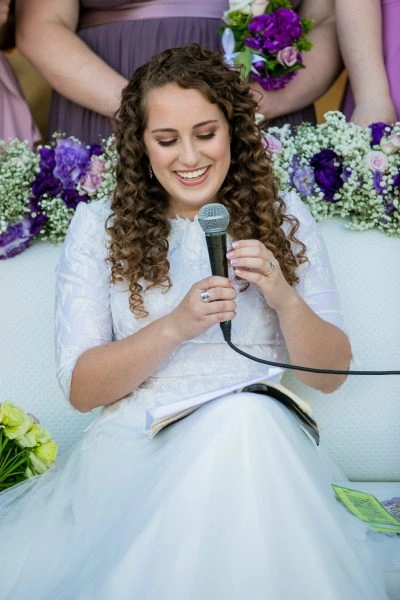
In my Shana bet at Migdal Oz I attended the Hadran siyum hash”as. Witnessing so many women so passionate about their Torah learning and connection to God, I knew I had to begin with the coming cycle. My wedding (June 24) was two weeks before the siyum of mesechet yoma so I went a little ahead and was able to make a speech and siyum at my kiseh kallah on my wedding day!

Sharona Guggenheim Plumb

Givat Shmuel, Israel

Hearing and reading about the siyumim at the completion of the 13 th cycle Daf Yomi asked our shul rabbi about starting the Daf – he directed me to another shiur in town he thought would allow a woman to join, and so I did! Love seeing the sources for the Divrei Torah I’ve been hearing for the past decades of living an observant life and raising 5 children .

Jill Felder
Jill Felder

Pittsburgh, Pennsylvania, United States

I had tried to start after being inspired by the hadran siyum, but did not manage to stick to it. However, just before masechet taanit, our rav wrote a message to the shul WhatsApp encouraging people to start with masechet taanit, so I did! And this time, I’m hooked! I listen to the shiur every day , and am also trying to improve my skills.

Laura Major
Laura Major

Yad Binyamin, Israel

Ketubot 2

בְּתוּלָה נִשֵּׂאת לַיּוֹם הָרְבִיעִי וְאַלְמָנָה לַיּוֹם הַחֲמִישִׁי. שֶׁפַּעֲמַיִם בְּשַׁבָּת בָּתֵּי דִינִין יוֹשְׁבִין בָּעֲיָירוֹת: בַּיּוֹם הַשֵּׁנִי וּבַיּוֹם הַחֲמִישִׁי, שֶׁאִם הָיָה לוֹ טַעֲנַת בְּתוּלִים, הָיָה מַשְׁכִּים לְבֵית דִּין.

MISHNA: A virgin is married on Wednesday and a widow on Thursday. The reason for the former is that twice a week courts convene in the towns, on Monday and Thursday, so that if the husband had a claim concerning the bride’s virginity when consummating the marriage on Wednesday night, he would go early the next day to court and make his claim.

גְּמָ׳ אָמַר רַב יוֹסֵף אָמַר רַב יְהוּדָה אָמַר שְׁמוּאֵל: מִפְּנֵי מָה אָמְרוּ בְּתוּלָה נִשֵּׂאת לַיּוֹם הָרְבִיעִי? לְפִי שֶׁשָּׁנִינוּ: הִגִּיעַ זְמַן וְלֹא נִישְּׂאוּ — אוֹכְלוֹת מִשֶּׁלּוֹ, וְאוֹכְלוֹת בִּתְרוּמָה.

GEMARA: Rav Yosef said that Rav Yehuda said that Shmuel said: Due to what reason did they say that a virgin is married on Wednesday? It is because we learned in a mishna elsewhere (57a): If the time that the groom designated for the wedding arrived, and the wedding was postponed, and they were not married, the brides are entitled to eat from his food and, if he is a priest, eat teruma.

יָכוֹל הִגִּיעַ זְמַן בְּאֶחָד בְּשַׁבָּת יְהֵא מַעֲלֶה לָהּ מְזוֹנוֹת? לְכָךְ שָׁנִינוּ: בְּתוּלָה נִשֵּׂאת לַיּוֹם הָרְבִיעִי.

One might think that if the designated time arrived on Sunday, and the wedding was postponed, he would provide her sustenance beginning on Sunday. Therefore, we learned: A virgin is married on Wednesday. Until Wednesday, the designated time is not considered to have arrived, even if the original date was earlier in the week.

אָמַר רַב יוֹסֵף: מָרֵיהּ דְּאַבְרָהָם! תָּלֵי תַּנְיָא בִּדְלָא תַּנְיָא?! הֵי תַּנְיָא וְהֵי לָא תַּנְיָא? הָא תַּנְיָא וְהָא תַּנְיָא! אֶלָּא: תָּלֵי תַּנְיָא דִּמְפָרֵשׁ טַעְמָא בִּדְתַנְיָא דְּלָא מְפָרֵשׁ טַעְמָא.

After citing the statements above, Rav Yosef said in astonishment: Lord of Abraham, Shmuel makes that which is taught dependent on that which is not taught, using the latter to explain the former. The Gemara asks: Which is taught and which is not taught? Both this mishna is taught and that mishna is taught. The Gemara answers: Rather, Shmuel makes the halakha that is taught in the mishna here, whose reason is explicit, dependent on a halakha that is taught in the later mishna, whose reason is not explicit. Citation of the later mishna contributed nothing to the understanding of the mishna here.

אֶלָּא אִי אִיתְּמַר הָכִי אִיתְּמַר. אָמַר רַב יְהוּדָה אָמַר שְׁמוּאֵל: מִפְּנֵי מָה אָמְרוּ בְּתוּלָה נִשֵּׂאת לַיּוֹם הָרְבִיעִי? שֶׁאִם הָיָה לוֹ טַעֲנַת בְּתוּלִים — הָיָה מַשְׁכִּים לְבֵית דִּין. וְתִינָּשֵׂא בְּאֶחָד בְּשַׁבָּת, שֶׁאִם הָיָה לוֹ טַעֲנַת בְּתוּלִים הָיָה מַשְׁכִּים לְבֵית דִּין? שָׁקְדוּ חֲכָמִים עַל תַּקָּנַת בְּנוֹת יִשְׂרָאֵל, שֶׁיְּהֵא טוֹרֵחַ בִּסְעוּדָה שְׁלֹשָׁה יָמִים, אֶחָד בְּשַׁבָּת וְשֵׁנִי בַּשַּׁבָּת וּשְׁלִישִׁי בַּשַּׁבָּת, וּבָרְבִיעִי כּוֹנְסָהּ.

Rather, if it was stated, this is how it was stated: Rav Yehuda said that Shmuel said: Due to what reason did the Sages in the mishna say that a virgin is married on Wednesday? It is so that if the husband had a claim concerning the bride’s virginity, he would go early the next day to court and make his claim. The Gemara asks: But if that is the reason, let her marry on Sunday, as then too, if the husband had a claim concerning the bride’s virginity, he would go early the next day to court and make his claim. The Gemara answers: The Sages were assiduous in seeing to the well-being of Jewish women and instituted that the wedding take place on Wednesday, so that the groom would exert himself in arranging the wedding feast for three days: Sunday, Monday, and Tuesday, and on Wednesday, he marries her.

וְעַכְשָׁו שֶׁשָּׁנִינוּ ״שָׁקְדוּ״, אוֹתָהּ שֶׁשָּׁנִינוּ ״הִגִּיעַ זְמַן וְלֹא נִישְּׂאוּ, אוֹכְלוֹת מִשֶּׁלּוֹ וְאוֹכְלוֹת בִּתְרוּמָה״, הִגִּיעַ זְמַן בְּאֶחָד בְּשַׁבָּת, מִתּוֹךְ שֶׁאֵינוֹ יָכוֹל לִכְנוֹס — אֵינוֹ מַעֲלֶה לָהּ מְזוֹנוֹת.

The Gemara continues: And now that we learned that the reason for the ruling in the mishna that a woman is married on Wednesday is that the Sages were assiduous in this matter, then with regard to that halakha, which we learned in the later mishna: If the time arrived and they were not married, the brides are entitled to eat from his food and eat teruma, one may conclude: If the time arrived on Sunday, since he is unable to marry her because he is busy preparing the wedding feast, he is not obligated to provide her sustenance until Wednesday.

לְפִיכָךְ: חָלָה הוּא אוֹ שֶׁחָלְתָה הִיא אוֹ שֶׁפֵּירְסָה נִדָּה — אֵינוֹ מַעֲלֶה לָהּ מְזוֹנוֹת.

Therefore, according to the same line of reasoning, if the husband fell ill, or if the bride fell ill, or in a case where she began to menstruate [peirsa nidda] and the wedding had to be postponed, he similarly need not provide her sustenance from the designated time, as he did not initiate the delay.

וְאִיכָּא דְּבָעֵי לַהּ מִיבַּעְיָא: חָלָה הוּא, מַהוּ? הָתָם טַעְמָא מַאי — מִשּׁוּם דַּאֲנִיס, וְהָכָא נָמֵי הָא אֲנִיס. אוֹ דִּלְמָא: הָתָם אֲנִיס בְּתַקַּנְתָּא דְּתַקִּינוּ לֵיה רַבָּנַן, הָכָא לָא.

And there are those who raised it as a dilemma: If the groom fell ill, what is the ruling with regard to his obligation to provide her sustenance? There, in the case where the designated time arrived on Sunday, what is the reason that he is exempt? It is due to the fact that he was forced to postpone the wedding by circumstances beyond his control. And here too, isn’t he forced by circumstances beyond his control, and he should therefore be exempt? Or, perhaps there is a distinction between the cases. There, he was forced by an ordinance that was instituted by the Sages that a virgin marries on Wednesday, and they exempted him from providing for her until then. However, here, that is not the case. Therefore, despite the existence of circumstances beyond his control, he is not exempt from providing her sustenance due to his illness.

וְאִם תִּמְצֵי לוֹמַר חָלָה הוּא מַעֲלֶה לָהּ מְזוֹנוֹת: חָלְתָה הִיא, מַהוּ? מָצֵי אָמַר לַהּ: אֲנָא הָא קָאֵימְנָא, אוֹ דִלְמָא מָצְיָא אָמְרָה לֵיהּ: ״נִסְתַּחֲפָה שָׂדֵהוּ״.

And if you say that if he fell ill, he provides her sustenance at the time designated for the wedding, then if she fell ill, what is the ruling? Can he say to her: I am standing here prepared to wed you, and if you are not prepared, it is not my fault? Or perhaps she can say to him that his field was inundated, i.e., her illness is tantamount to a natural disaster that befell him, and he must nevertheless provide for her.

וְאִם תִּמְצֵי לוֹמַר אָמְרָה לֵיהּ ״נִסְתַּחֲפָה שָׂדֵהוּ״ — פֵּירְסָה נִדָּה, מַהוּ?

And if you say that if she fell ill she can say to him that his field was inundated, if she became a menstruating woman and the wedding was postponed, what is the ruling? Is this too considered an unavoidable circumstance, like illness, and he must provide for her, or was this predictable?

בִּשְׁעַת וִוסְתָּהּ, לָא תִּיבְּעֵי לָךְ

If she began menstruating at the time of her set period [vista], do not raise the dilemma,

דְּלָא מָצְיָא אָמְרָה לֵיהּ ״נִסְתַּחֲפָה שָׂדֵהוּ״. כִּי תִּיבְּעֵי לָךְ שֶׁלֹּא בִּשְׁעַת וִוסְתָּהּ, מַאי? כֵּיוָן דְּלָא בִּשְׁעַת וִוסְתָּהּ הָוְיָא, מָצְיָא אָמְרָה לֵיהּ ״נִסְתַּחֲפָה שָׂדֵהוּ״, אוֹ דִלְמָא כֵּיוָן דְּאִיכָּא נְשֵׁי דְּקָא מְשַׁנְּיָיא וִוסְתַּיְיהוּ — כִּשְׁעַת וִוסְתָּהּ דָּמֵי.

as it is clear that she cannot say to him that his field was inundated. Here, the circumstances were avoidable, and postponement of the wedding is attributable to her. When you should raise a dilemma is in a case where menstruation began not at the time of her set period. What is the ruling there? Since it is not the time of her set period, it is comparable to the case of her illness, and she can say to him that his field was inundated. Or, perhaps since there are some women whose set period changes, it is avoidable, and its legal status is like menstruation at the time of her set period, and postponement of the wedding is attributable to her.

פָּשֵׁיט רַב אַחַאי: הִגִּיעַ זְמַן וְלֹא נִישְּׂאוּ — אוֹכְלוֹת מִשֶּׁלּוֹ וְאוֹכְלוֹת בִּתְרוּמָה. ״לֹא נָשְׂאוּ״ לָא קָתָנֵי, אֶלָּא ״לֹא נִישְּׂאוּ״.

Rav Aḥai resolved these dilemmas through a careful reading of the mishna: If the time arrived and they were not married, the brides are entitled to eat from his food and eat teruma. It doesn’t teach: And the grooms didn’t marry, in the active form. Rather, it teaches: And the brides were not married, in the passive form.

הֵיכִי דָמֵי: אִי דְּקָא מְעַכְּבָן אִינְהִי — אַמַּאי אוֹכְלוֹת מִשֶּׁלּוֹ וְאוֹכְלוֹת בִּתְרוּמָה? אֶלָּא לָאו, דְּאִיתְּנִיס כִּי הַאי גַוְונָא, וְקָתָנֵי: אוֹכְלוֹת מִשֶּׁלּוֹ וְאוֹכְלוֹת בִּתְרוּמָה.

The Gemara asks: What are the circumstances described in the phrase: They were not married? If the brides postpone the marriage, why do they eat from his food and eat teruma? Rather, is it not referring to a case where they were compelled by circumstances beyond their control in that manner, e.g., the bride falling ill or beginning to menstruate, and it teaches: The brides eat from his food and eat teruma, and his bad fortune is responsible for his situation.

אָמַר רַב אָשֵׁי: לְעוֹלָם אֵימָא לָךְ כׇּל אוּנְסָא, לָא אָכְלָה, וּדְקָא מְעַכְּבִי אִינְהוּ. וּבְדִין הוּא דְּאִיבְּעִי לֵיהּ לְמִיתְנֵי ״לֹא נָשְׂאוּ״, וְאַיְּידֵי דִּתְנָא רֵישָׁא בְּדִידְהִי, תְּנָא נָמֵי סֵיפָא בְּדִידְהִי.

Rav Ashi said: Actually, I will say to you: In any case of unavoidable circumstances, whether they affect him or they affect her, she doesn’t eat from his food, and the mishna is referring to a case where grooms postpone the wedding. And by right, the tanna should have taught: They didn’t marry, which would have established that grooms caused the postponement. And since the tanna taught the first clause of the mishna cited above in terms of a bride: The Sages give a virgin twelve months, it taught the latter clause in terms of a bride. Therefore, no inference may be drawn from the formulation of the latter clause. Only if the groom postpones the wedding is he obligated to provide sustenance for the women when the time designated for the wedding arrives.

אָמַר רָבָא: וּלְעִנְיַן גִּיטִּין אֵינוֹ כֵּן. אַלְמָא קָסָבַר רָבָא אֵין אוֹנֶס בְּגִיטִּין.

Rava said: And although delays caused by circumstances beyond his control exempt the groom from providing support to his betrothed at the time originally designated for the wedding, with regard to bills of divorce that is not so. Apparently, Rava maintains that unavoidable circumstances have no legal standing with regard to bills of divorce. If one stipulated that the bill of divorce will take effect only with the fulfillment of a condition, even if that condition was fulfilled due to circumstances beyond his control, the bill of divorce takes effect.

מְנָא לֵיהּ לְרָבָא הָא? אִילֵּימָא מֵהָא דִּתְנַן: ״הֲרֵי זֶה גִּיטֵּיךְ אִם לֹא בָּאתִי מִכָּאן וְעַד שְׁנֵים עָשָׂר חֹדֶשׁ״, וּמֵת בְּתוֹךְ שְׁנֵים עָשָׂר חֹדֶשׁ — אֵינוֹ גֵּט. מֵת הוּא דְּאֵינוֹ גֵּט, הָא חָלָה — הֲרֵי זֶה גֵּט.

The Gemara asks: From where does Rava learn this principle? If we say it is from that which we learned in a mishna (Gittin 76b) with regard to one who said to his wife: This is your bill of divorce, if I do not return from now until the conclusion of twelve months, and he died within those twelve months, the document is not a bill of divorce. Therefore, if she has no children from her deceased husband, the halakhot of levirate marriage would apply to her. The Gemara infers: If he died, that is when it is not a bill of divorce, since a divorce cannot take effect posthumously. By inference, in cases involving other circumstances beyond his control, e.g., if he fell ill, and therefore did not return, it is a bill of divorce and it takes effect. Apparently, if the reason for his failure to arrive is a circumstance beyond his control, the divorce takes effect.

וְדִלְמָא לְעוֹלָם אֵימָא לָךְ חָלָה נָמֵי אֵינוֹ גֵּט, וְהִיא גּוּפָא קָא מַשְׁמַע לַן, דְּאֵין גֵּט לְאַחַר מִיתָה.

The Gemara refutes that proof. And perhaps, actually I will say to you that in the case where he falls ill it is also not a bill of divorce, and the mishna cited the case of death merely as an example of circumstances beyond his control. And the reason that example itself was chosen is to teach us that there is no bill of divorce posthumously. Even if the divorce is not conditional, and the husband simply states that it will take effect after he dies, it is not a valid bill of divorce.

אֵין גֵּט לְאַחַר מִיתָה — הָא תְּנָא לֵיהּ רֵישָׁא: ״הֲרֵי זֶה גִּיטֵּיךְ אִם מַתִּי״, ״הֲרֵי זֶה גִּיטֵּיךְ מֵחוֹלִי זֶה״, ״הֲרֵי זֶה גִּיטֵּיךְ לְאַחַר מִיתָה״ — לֹא אָמַר כְּלוּם.

The Gemara asks: Does it come to teach that there is no bill of divorce posthumously? Wasn’t it already taught in the first clause of the mishna (Gittin 72a) that if one on his deathbed said to his wife: This is your bill of divorce if I die, or: This is your bill of divorce if I die from this illness, or: This is your bill of divorce after I die, he said nothing. The bill of divorce does not take effect after his death.

דִּלְמָא לְאַפּוֹקֵי מִדְּרַבּוֹתֵינוּ. דְּתַנְיָא: וְרַבּוֹתֵינוּ הִתִּירוּהָ לְהִנָּשֵׂא, וְאָמְרִינַן: מַאן רַבּוֹתֵינוּ? אָמַר רַב יְהוּדָה אָמַר שְׁמוּאֵל: בֵּי דִינָא דִּשְׁרוֹ מִשְׁחָא. סָבְרִי לַהּ כְּרַבִּי יוֹסֵי, דְּאָמַר: זְמַנּוֹ שֶׁל שְׁטָר מוֹכִיחַ עָלָיו.

The Gemara answers: Perhaps it was necessary for the first clause to mention specifically the case of death, to exclude that which our Rabbis said and not to exclude the case of one who fell ill, as it is taught in a baraita: And our Rabbis permitted her to remarry, in a case where he died within the twelve months that he stipulated. And we said: Who are our Rabbis mentioned here? Rav Yehuda said that Shmuel said: It is the court that permitted the oil of gentiles for consumption. In this regard, they hold in accordance with the opinion of Rabbi Yosei, who said: The time written in a document proves when it takes effect. The fact that a certain date is written in the bill of divorce indicates that one’s intention was that the divorce take effect from the day that it was written and delivered, not after his death. In any event, there is proof neither for nor against Rava’s opinion from this baraita.

וְאֶלָּא מִסֵּיפָא: ״מֵעַכְשָׁיו אִם לֹא בָּאתִי מִכָּאן וְעַד שְׁנֵים עָשָׂר חֹדֶשׁ״, וּמֵת בְּתוֹךְ שְׁנֵים עָשָׂר חֹדֶשׁ — הֲרֵי זֶה גֵּט. מֵת, וְהוּא הַדִּין לְחָלָה.

And rather, proof may be cited from the latter clause of the mishna. If a man says to his wife: This is your bill of divorce from now if I do not return from now until the conclusion of twelve months, and he died within those twelve months, this document is a bill of divorce. This is the halakha in a case where he dies, and the same is true if he fell ill. If the divorce takes effect when his failure to return is attributable to death, the ultimate circumstance beyond his control, all the more so should it take effect if it is attributable to a less extreme circumstance.

דִּלְמָא מֵת דַּוְקָא, דְּלָא נִיחָא לֵיהּ דְּתִפּוֹל קַמֵּי יָבָם!

The Gemara rejects that proof: Perhaps the divorce takes effect specifically in the case where he died, because he is not amenable to have his wife happen before her yavam, his brother, if he had no children. However, if other circumstances beyond his control caused the condition to be fulfilled, where levirate marriage is not a consideration, his intention is that the bill of divorce will not take effect.

אֶלָּא מֵהָא: דְּהָהוּא דַּאֲמַר לְהוּ ״אִי לָא אָתֵינָא מִיכָּן וְעַד תְּלָתִין יוֹמִין לֶיהֱוֵי גִּיטָּא״, אֲתָא בְּסוֹף תְּלָתִין יוֹמִין וּפַסְקֵיהּ מַבָּרָא. אֲמַר לְהוּ: חֲזוֹ דַּאֲתַאי, חֲזוֹ דַּאֲתַאי. אָמַר שְׁמוּאֵל: לָאו שְׁמֵיהּ מַתְיָא.

Rather, proof may be cited from this case, where a certain man who said to the agents with whom he entrusted the bill of divorce: If I do not return from now until after thirty days have passed, let this be a bill of divorce. He came at the end of thirty days, before the deadline passed, but was prevented from crossing the river by the ferry that was located on the other side of the river, so he did not come within the designated time. He said to the people across the river: See that I have come, see that I have come. Shmuel said: This is not considered to be a return. Apparently, even if the condition was fulfilled due to circumstances beyond his control, the condition is considered fulfilled.

וְדִלְמָא אוּנְסָא דִּשְׁכִיחַ שָׁאנֵי. דְּכֵיוָן דְּאִיבְּעִי לֵיהּ לְאַתְנוֹיֵי וְלָא אַתְנִי — אִיהוּ דְּאַפְסֵיד אַנַּפְשֵׁיהּ.

The Gemara rejects that proof: And perhaps unavoidable circumstances that are common and could be anticipated, e.g., the ferry is located at the other side of the river, are different, since he should have stipulated that exception when establishing the condition, and he did not stipulate it, he brought the failure to arrive upon himself. Although he regrets it now, at the time his intent was that even if the condition were fulfilled due to that circumstance, the divorce would take effect. In contrast, however, if the condition is fulfilled due to an uncommon circumstance that could not have been anticipated, the divorce would not take effect.

אֶלָּא רָבָא סְבָרָא דְנַפְשֵׁיהּ קָאָמַר: מִשּׁוּם צְנוּעוֹת וּמִשּׁוּם פְּרוּצוֹת. מִשּׁוּם צְנוּעוֹת — דְּאִי אָמְרַתְּ לָא לֶהֱוֵי גֵּט,

Rather, Rava is stating a halakha based on his own reasoning. Circumstances beyond one’s control are not a factor in determining whether or not a condition is fulfilled, and this is due to virtuous women and due to licentious women. The Gemara articulates: There is concern due to virtuous women, as, if you said: Let it not be a bill of divorce, if the reason that the condition was not fulfilled was due to circumstances beyond his control,

Want to follow content and continue where you left off?

Create an account today to track your progress, mark what you’ve learned, and follow the shiurim that speak to you.

Clear all items from this list?

This will remove ALL the items in this section. You will lose any progress or history connected to them. This is irreversible.

Cancel
Yes, clear all

Are you sure you want to delete this item?

You will lose any progress or history connected to this item.

Cancel
Yes, delete