Search

Ketubot 22

Want to dedicate learning? Get started here:

English
עברית
podcast placeholder

0:00
0:00


podcast placeholder

0:00
0:00


Summary

Today’s daf is dedicated by Tova and David Kestenbaum in honor of the engagement of their son, Gilad, to Noa Goldrich, daughter of Adina (ob”m) and Rafi Goldrich of Chashmonaim.

Today’s daf is sponsored by Manes and Silvia Kogan in honor of their children, Daniela, Ilan and Abby. יהי רצון שה׳ ימלא משאלות לבם לטובה.

A number of situations are raised where judges may testify about each other in which they are not believed or it may just look like there is some untruth. If a woman says she was married but divorced or she was taken into captivity but not raped by a gentile, in what circumstances is she believed/not believed? If there were witnesses that she was married/taken into captivity, she is not believed. But if she was already remarried, we allow her to stay married. What is the source for believing her in the case that there were no witnesses and since she is the one who forbade herself, we believe her when she says she is now permitted? If a woman said she was married and then said she is single, we do not believe her, unless she can provide us with a good reason as to why she said she was married, as in the case of a woman who was trying to avoid inappropriate suitors. There is a debate regarding a case where there is contradictory testimony about whether the husband died or divorced her – if she already remarried, can she stay remarried? Rabbi Yochanan distinguishes between the case of death and divorce – why? Three different explanations are brought.

Ketubot 22

תְּרֵי וּתְרֵי נִינְהוּ. אִי עַרְעָר דִּפְגַם מִשְׁפָּחָה, גִּלּוּי מִלְּתָא בְּעָלְמָא הוּא. לְעוֹלָם אֵימָא לָךְ עַרְעָר דְּגַזְלָנוּתָא, וְקָאָמְרִי הָנֵי: יָדְעִינַן בֵּיהּ דַּעֲבַד תְּשׁוּבָה.

the witnesses who testified that he is unfit and the judges who testified that he is fit are two witnesses and two witnesses who contradict them, and in that case, the allegation of theft is not completely eliminated. If it was a challenge based on an allegation of flawed lineage, e.g., he is a Canaanite slave and therefore unfit to serve as a judge, that is a mere revealing of a matter that will ultimately be revealed in any case and does not require actual testimony. Therefore, there is no conflict of interest preventing the judges from asserting his fitness after they signed. The Gemara concludes: Actually, I will say to you that it was a challenge based on an allegation of theft, and these judges say: We know about him that he repented and is now fit to serve as a judge. In that case, their testimony does not contradict the original testimony that he was guilty of theft.

אָמַר רַבִּי זֵירָא: הָא מִלְּתָא מֵרַבִּי אַבָּא שְׁמִיעַ לִי, וְאִי לָאו רַבִּי אַבָּא דְּמִן עַכּוֹ, שְׁכַחְתַּהּ: שְׁלֹשָׁה שֶׁיָּשְׁבוּ לְקַיֵּים אֶת הַשְּׁטָר וּמֵת אֶחָד מֵהֶם — צְרִיכִין לְמִיכְתַּב: ״בְּמוֹתַב תְּלָתָא הֲוֵינָא, וְחַד לֵיתוֹהִי״.

§ Rabbi Zeira said: This matter, I heard from Rabbi Abba, and if it was not for Rabbi Abba of Akko, I would have forgotten it. With regard to a case of three judges who convened as a tribunal to ratify a document, and one of them died before signing the ratification, the surviving judges must emend the standard formula of the ratification and write: We were convened in a session of three judges, and one of the judges is no longer alive. In that way it is clear that although only two judges signed, the document was ratified by three judges.

אָמַר רַב נַחְמָן בַּר יִצְחָק: וְאִי כְּתַב בֵּיהּ: שְׁטָרָא דְּנַן נְפַק לִקְדָמַנָא בֵּי דִינָא — תּוּ לָא צְרִיךְ. וְדִלְמָא בֵּית דִּין חָצוּף הוּא, וּכְדִשְׁמוּאֵל. דְּאָמַר שְׁמוּאֵל: שְׁנַיִם שֶׁדָּנוּ, דִּינֵיהֶם דִּין, אֶלָּא שֶׁנִּקְרָא בֵּית דִּין חָצוּף.

Rav Naḥman bar Yitzḥak said: And if the judges wrote in the ratification: This document was produced before us, the court; they no longer need to add that they were three judges, as, when unmodified, the term court connotes a tribunal of three judges. The Gemara asks: And perhaps it was an impudent court, and that is in accordance with the opinion of Shmuel, as Shmuel said: Two judges who convened a tribunal and judged, their verdict is a binding verdict; however, because they contravened the rabbinic ordinance mandating that a court be comprised of three judges, they are called an impudent court. Therefore, writing: Before us, the court, does not rule out the possibility that the document was ratified by fewer than three judges.

דִּכְתִיב בֵּיהּ: ״בֵּי דִינָא דְּרַבַּנָא אָשֵׁי״. וְדִלְמָא רַבָּנַן דְּבֵי רַב אָשֵׁי כְּדִשְׁמוּאֵל סְבִירָא לְהוּ! דִּכְתִיב בֵּיהּ: ״וְאָמַר לַנָא רַבַּנָא אָשֵׁי״.

The Gemara answers: It is clear that the document was ratified by the requisite three judges, as it is written in the ratification: Before us, the court of our teacher Rav Ashi, which presumably conforms to rabbinic protocol. The Gemara asks: And perhaps the Rabbis of the court of Rav Ashi hold in accordance with the opinion of Shmuel and they convened an impudent court, whose ruling is binding. The Gemara answers: It is clear, as it is written in the ratification: Before us, the court of our teacher Rav Ashi, and our teacher Rav Ashi said to us how to ratify the document.

מַתְנִי׳ הָאִשָּׁה שֶׁאָמְרָה: ״אֵשֶׁת אִישׁ הָיִיתִי וּגְרוּשָׁה אֲנִי״ — נֶאֱמֶנֶת. שֶׁהַפֶּה שֶׁאָסַר, הוּא הַפֶּה שֶׁהִתִּיר. וְאִם יֵשׁ עֵדִים שֶׁהָיְתָה אֵשֶׁת אִישׁ, וְהִיא אוֹמֶרֶת: ״גְּרוּשָׁה אֲנִי״, אֵינָהּ נֶאֱמֶנֶת. אָמְרָה: ״נִשְׁבֵּיתִי, וּטְהוֹרָה אֲנִי״ — נֶאֱמֶנֶת. שֶׁהַפֶּה שֶׁאָסַר, הוּא הַפֶּה שֶׁהִתִּיר. וְאִם יֵשׁ עֵדִים שֶׁנִּשְׁבֵּית, וְהִיא אוֹמֶרֶת: ״טְהוֹרָה אֲנִי״ — אֵינָהּ נֶאֱמֶנֶת. וְאִם מִשֶּׁנִּשֵּׂאת בָּאוּ עֵדִים — הֲרֵי זוֹ לֹא תֵּצֵא.

MISHNA: With regard to a woman who said: I was a married woman and now I am a divorcée, she is deemed credible and permitted to remarry, as the mouth that prohibited and established that she was married is the mouth that permitted, and established that she is divorced. However, if there are witnesses that she was a married woman, and she says: I am a divorcée, she is not deemed credible. Similarly, with regard to a woman who said: I was taken captive but I am pure, as I was not raped in captivity, she is deemed credible and permitted to marry a priest, as the mouth that prohibited and established that she was taken captive is the mouth that permitted and established that she was not defiled. But if there are witnesses that she was taken captive, and she says: I am pure, she is not deemed credible. And if witnesses came after she married, this woman need not leave her husband.

גְּמָ׳ אָמַר רַב אַסִּי: מִנַּיִן לְהַפֶּה שֶׁאָסַר הוּא הַפֶּה שֶׁהִתִּיר מִן הַתּוֹרָה? שֶׁנֶּאֱמַר: ״אֶת בִּתִּי נָתַתִּי לָאִישׁ הַזֶּה לְאִשָּׁה״. ״לָאִישׁ״ — אָסְרָה, ״הַזֶּה״ — הִתִּירָה.

GEMARA: Rav Asi said: From where in the Torah is the principle: The mouth that prohibited is the mouth that permitted, derived? It is derived as it is stated: “I gave my daughter to this man [la’ish hazeh] as a wife” (Deuteronomy 22:16). When the father said that he married her off “to the man [la’ish]” without revealing his identity, he rendered her forbidden to all men. When he then says “this [hazeh],” thereby identifying the man to whom he married her off, he renders her permitted to her husband.

לְמָה לִי קְרָא? סְבָרָא הִיא: הוּא אַסְרַהּ, וְהוּא שָׁרֵי לַהּ! אֶלָּא כִּי אִיצְטְרִיךְ קְרָא, לְכִדְרַב הוּנָא אָמַר רַב. דְּאָמַר רַב הוּנָא אָמַר רַב: מִנַּיִן לָאָב שֶׁנֶּאֱמָן לֶאֱסוֹר אֶת בִּתּוֹ מִן הַתּוֹרָה, שֶׁנֶּאֱמַר: ״אֶת בִּתִּי נָתַתִּי לָאִישׁ״. ״הַזֶּה״ לְמָה לִי?

The Gemara asks: Why do I need to derive this from the verse? It is based on logic: He rendered her forbidden and he rendered her permitted. Rather, where this verse is necessary, is in order to derive the halakha that Rav Huna said that Rav said, as Rav Huna said that Rav said: From where in the Torah is it derived that a father is deemed credible to render his daughter forbidden? It is derived as it is stated: “I gave my daughter to the man [la’ish]” (Deuteronomy 22:16). The Gemara asks: Why do I need the subsequent term “this [hazeh]”?

מִיבְּעֵי לֵיהּ לְכִדְתָנֵי רַבִּי יוֹנָה. דְּתָנֵי רַבִּי יוֹנָה: ״אֶת בִּתִּי נָתַתִּי לָאִישׁ הַזֶּה״. ״הַזֶּה״ — וְלֹא לַיָּבָם.

The Gemara explains: The verse is necessary to derive the halakha that Rabbi Yona taught; as Rabbi Yona taught in a baraita that in the verse: “I gave my daughter to this man,” written in the context of a husband slandering his wife, “this” is written to infer: The halakhot in this passage apply to a man who slanders his wife and not to the yavam, in the case of levirate marriage.

תָּנוּ רַבָּנַן: הָאִשָּׁה שֶׁאָמְרָה ״אֵשֶׁת אִישׁ אֲנִי״, וְחָזְרָה וְאָמְרָה ״פְּנוּיָה אֲנִי״ — נֶאֱמֶנֶת. וְהָא שַׁוְּויַהּ לְנַפְשַׁהּ חֲתִיכָה דְּאִיסּוּרָא? אָמַר רָבָא בַּר רַב הוּנָא: כְּגוֹן שֶׁנָּתְנָה אַמַּתְלָא לִדְבָרֶיהָ. תַּנְיָא נָמֵי הָכִי: אָמְרָה אֵשֶׁת אִישׁ אֲנִי, וְחָזְרָה וְאָמְרָה: פְּנוּיָה אֲנִי — אֵינָהּ נֶאֱמֶנֶת. וְאִם נָתְנָה אַמַּתְלָא לִדְבָרֶיהָ — נֶאֱמֶנֶת.

§ The Sages taught with regard to the woman who said: I am a married woman, and then said: I am unmarried, that she is deemed credible. The Gemara asks: But didn’t she render herself an entity of prohibition? When she said that she was married she rendered herself forbidden to all men. How then can she abrogate the prohibition? The Gemara answers that Rava bar Rav Huna said: It is referring to a case where she provided a rationale [amatla] for her initial statement and explained why she said that she was a married woman. That was also taught in a baraita with regard to the woman who said: I am a married woman, and then said: I am unmarried, that she is not deemed credible. And if she provided a rationale for her initial statement, she is deemed credible.

וּמַעֲשֶׂה נָמֵי בְּאִשָּׁה אַחַת גְּדוֹלָה שֶׁהָיְתָה גְּדוֹלָה בְּנוֹי, וְקָפְצוּ עָלֶיהָ בְּנֵי אָדָם לְקַדְּשָׁהּ. וְאָמְרָה לָהֶם: ״מְקוּדֶּשֶׁת אֲנִי״. לְיָמִים עָמְדָה וְקִידְּשָׁה אֶת עַצְמָהּ. אָמְרוּ לָהּ חֲכָמִים: מָה רָאִית לַעֲשׂוֹת כֵּן? אָמְרָה לָהֶם: בַּתְּחִלָּה שֶׁבָּאוּ עָלַי אֲנָשִׁים שֶׁאֵינָם מְהוּגָּנִים, אָמַרְתִּי: ״מְקוּדֶּשֶׁת אֲנִי״, עַכְשָׁיו שֶׁבָּאוּ עָלַי אֲנָשִׁים מְהוּגָּנִים, עָמַדְתִּי וְקִדַּשְׁתִּי אֶת עַצְמִי. וְזוֹ הֲלָכָה הֶעֱלָה רַב אַחָא שַׂר הַבִּירָה לִפְנֵי חֲכָמִים בְּאוּשָׁא, וְאָמְרוּ: אִם נָתְנָה אַמַּתְלָא לִדְבָרֶיהָ — נֶאֱמֶנֶת.

And there was also an incident involving an important woman who was outstanding in beauty, and many men were clamoring to betroth her. And she said to them: I am already betrothed. Sometime later she arose and betrothed herself to a man. The Sages said to her: What did you see that led you to do so? She said to them: Initially, when unscrupulous people approached me seeking to marry me, I said: I am betrothed. Now that scrupulous people approached me, I arose and betrothed myself to one of them. And the Gemara notes: This halakha was raised by Rav Aḥa Sar HaBira before the Sages in Usha, the seat of the Sanhedrin, and the Sages said: If she provided a rationale for her statement, she is deemed credible.

בְּעָא מִינֵּיהּ שְׁמוּאֵל מֵרַב: אָמְרָה ״טְמֵאָה אֲנִי״, וְחָזְרָה וְאָמְרָה ״טְהוֹרָה אֲנִי״, מַהוּ? אֲמַר לֵיהּ: אַף בְּזוֹ, אִם נָתְנָה

Shmuel raised a dilemma before Rav: If a woman said to her husband: I am ritually impure as I am menstruating, and then said: I am pure, what is the halakha? Is she permitted based on her latter statement, or did she render herself an entity of prohibition with her first statement and therefore remains forbidden? Rav said to him: Even in that case, if she provided a

אַמַּתְלָא לִדְבָרֶיהָ — נֶאֱמֶנֶת. תְּנָא מִינֵּיהּ אַרְבָּעִים זִימְנִין, וַאֲפִילּוּ הָכִי לָא עֲבַד שְׁמוּאֵל עוֹבָדָא בְּנַפְשֵׁיהּ.

rationale for her statement, she is deemed credible. The Gemara relates: Shmuel learned this halakha from him forty times to ensure that he would not forget it, and even so, when confronted with a similar situation, Shmuel did not rely on that lenient ruling and did not take action with regard to himself and his wife.

תָּנוּ רַבָּנַן: שְׁנַיִם אוֹמְרִים ״מֵת״, וּשְׁנַיִם אוֹמְרִים ״לֹא מֵת״. שְׁנַיִם אוֹמְרִים ״נִתְגָּרְשָׁה״, וּשְׁנַיִם אוֹמְרִים ״לֹא נִתְגָּרְשָׁה״ — הֲרֵי זוֹ לֹא תִּנָּשֵׂא, וְאִם נִשֵּׂאת — לֹא תֵּצֵא. רַבִּי מְנַחֵם בַּר יוֹסֵי אוֹמֵר: תֵּצֵא. אָמַר רַבִּי מְנַחֵם בַּר יוֹסֵי: אֵימָתַי אֲנִי אוֹמֵר תֵּצֵא, בִּזְמַן שֶׁבָּאוּ עֵדִים, וְאַחַר כָּךְ נִשֵּׂאת. אֲבָל נִשֵּׂאת וְאַחַר כָּךְ בָּאוּ עֵדִים — לֹא תֵּצֵא.

§ The Sages taught that if two witnesses say: The husband died, and two witnesses say: He did not die; or if two witnesses say: This woman was divorced, and two witnesses say: She was not divorced, this woman may not remarry as there is no unequivocal testimony that she is unmarried. And if she remarried, she need not leave her husband. Rabbi Menaḥem bar Yosei says: She must leave her husband. And Rabbi Menaḥem bar Yosei said: When do I say that she must leave her husband? It is in a case where witnesses came to testify that she is still married and she remarried thereafter. However, if she remarried and the witnesses came thereafter, she need not leave her husband based on the uncertainty created by contradictory witnesses.

מִכְּדֵי תְּרֵי וּתְרֵי נִינְהוּ, הַבָּא עָלֶיהָ בְּאָשָׁם תָּלוּי קָאֵי! אָמַר רַב שֵׁשֶׁת: כְּגוֹן שֶׁנִּשֵּׂאת לְאֶחָד מֵעֵדֶיהָ. הִיא גּוּפַהּ בְּאָשָׁם תָּלוּי קָיְימָא! בְּאוֹמֶרֶת: ״בָּרִי לִי״.

The Gemara asks: After all, they are two witnesses testifying that she is married and two witnesses testifying that she is not; how then can the ruling be that after remarrying she need not leave her husband? In that case, one who engages in intercourse with her stands liable to bring a guilt-offering for uncertainty. For any prohibition whose certain violation renders one liable to bring a sin-offering, its uncertain violation renders one liable to bring a guilt-offering for uncertainty. Rav Sheshet said: This is a case where she married one of her witnesses who testified that she is unmarried. As far as he is concerned, there is no uncertainty. The Gemara asks: She herself stands liable to bring a guilt-offering for uncertainty, as she has no independent knowledge whether her husband died. The Gemara answers that this is a case where she says: It is clear to me that he died.

אָמַר רַבִּי יוֹחָנָן, שְׁנַיִם אוֹמְרִים: ״מֵת״, וּשְׁנַיִם אוֹמְרִים: ״לֹא מֵת״ — הֲרֵי זוֹ לֹא תִּנָּשֵׂא, וְאִם נִשֵּׂאת — לֹא תֵּצֵא. שְׁנַיִם אוֹמְרִים ״נִתְגָּרְשָׁה״, וּשְׁנַיִם אוֹמְרִים ״לֹא נִתְגָּרְשָׁה״ — הֲרֵי זוֹ לֹא תִּנָּשֵׂא, וְאִם נִשֵּׂאת — תֵּצֵא.

§ Rabbi Yoḥanan said that if two witnesses say: The husband died, and two witnesses say: He did not die, this woman may not remarry. And if she remarried she need not leave her husband. If two witnesses say: This woman was divorced, and two witnesses say: She was not divorced, this woman may not remarry. And if she remarried she must leave her husband.

מַאי שְׁנָא רֵישָׁא וּמַאי שְׁנָא סֵיפָא? אָמַר אַבָּיֵי: תַּרְגְּמַהּ בְּעֵד אֶחָד. עֵד אֶחָד אוֹמֵר ״מֵת״, הֵימְנוּהוּ רַבָּנַן כְּבֵי תְרֵי, וְכִדְעוּלָּא. דְּאָמַר עוּלָּא: כׇּל מָקוֹם שֶׁהֶאֱמִינָה תּוֹרָה עֵד אֶחָד — הֲרֵי כָּאן שְׁנַיִם, וְהַאי דְּקָאָמַר ״לֹא מֵת״ — הָוֵה לֵיהּ חַד, וְאֵין דְּבָרָיו שֶׁל אֶחָד בִּמְקוֹם שְׁנַיִם.

The Gemara asks: What is different in the first clause of Rabbi Yoḥanan’s statement, where, if she remarried, she need not leave her husband, and what is the different in the second clause, where, if she remarried, she must leave her husband? Abaye said: Interpret Rabbi Yoḥanan’s statement in a case where each testimony was given by one witness. If one witness says: The husband died, the Sages instituted an ordinance and accorded him credibility like that of two witnesses in order to enable his wife to remarry. And that is in accordance with the opinion of Ulla, as Ulla said: Wherever the Torah deemed one witness credible, his legal status there is that of two witnesses. And the legal status of that second witness who says: He did not die, is that of one witness, and the statement of one witness has no validity in a place where there is the testimony of two witnesses. Therefore, she need not leave her husband.

אִי הָכִי, אֲפִילּוּ לְכַתְּחִלָּה נָמֵי! מִשּׁוּם דְּרַב אַסִּי. דְּאָמַר רַב אַסִּי: ״הָסֵר מִמְּךָ עִקְּשׁוּת פֶּה וּלְזוּת שְׂפָתַיִם הַרְחֵק מִמֶּךָּ״.

The Gemara asks: If so, that this is a case of the testimony of two witnesses against the testimony of one witness, it should be permitted for her to remarry even ab initio. The Gemara answers that she may not remarry ab initio due to the opinion of Rav Asi, as Rav Asi said that in any case of uncertainty, the verse “Remove from you a crooked mouth, and perverse lips put far from you” (Proverbs 4:24) applies. Although it is not a strictly prohibited action, it is, nevertheless, inappropriate.

סֵיפָא, עֵד אֶחָד אוֹמֵר ״נִתְגָּרְשָׁה״, וְעֵד אֶחָד אוֹמֵר ״לֹא נִתְגָּרְשָׁה״, תַּרְוַיְיהוּ בְּאֵשֶׁת אִישׁ קָמַסְהֲדִי. וְהַאי דְּקָאָמַר נִתְגָּרְשָׁה — הָוֵה לֵיהּ חַד, וְאֵין דְּבָרָיו שֶׁל אֶחָד בִּמְקוֹם שְׁנַיִם.

In the latter clause of Rabbi Yoḥanan’s statement, where one witness says: This woman was divorced, and one witness says: She was not divorced, both of them are testifying that she was a married woman, and that witness who says: She was divorced, is one witness, and the statement of one witness has no validity in a place where there is the testimony of two witnesses. Therefore, even if she remarried she must leave her husband.

רָבָא אָמַר: לְעוֹלָם תְּרֵי וּתְרֵי נִינְהוּ. וְרָאָה רַבִּי יוֹחָנָן דְּבָרָיו שֶׁל רַבִּי מְנַחֵם בַּר יוֹסֵי בְּגֵרוּשִׁין, וְלֹא רָאָה בְּמִיתָה. מַאי טַעְמָא? מִיתָה — אֵינָהּ יְכוֹלָה מַכְחַשְׁתּוֹ, גֵּרוּשִׁין — יְכוֹלָה מַכְחַשְׁתּוֹ.

Rava explained the difference between the two cases in Rabbi Yoḥanan’s statement and said: Actually it is a case where they are two witnesses testifying that she is married and two testifying that she is not, and Rabbi Yoḥanan saw the statement of Rabbi Menaḥem bar Yosei as correct in the case of divorce but did not see it as correct in the case of death. What is the reason that he distinguishes between the two cases? In the case of death, if ultimately her husband returns alive, she is unable to deny that he is alive. Therefore, the woman’s decision to remarry is credible, as if she were not certain that he was dead, she would not have remarried. However, in the case of divorce, if her husband returns and claims that he did not divorce her, she is able to deny his claim. Therefore, her decision to remarry is suspect, and the Sages penalized her and established that she must leave her husband.

וּמִי חֲצִיפָה כּוּלֵּי הַאי? וְהָאָמַר רַב הַמְנוּנָא: הָאִשָּׁה שֶׁאָמְרָה לְבַעְלָהּ ״גֵּרַשְׁתַּנִי״ — נֶאֱמֶנֶת. חֲזָקָה אֵין אִשָּׁה מְעִיזָּה פָּנֶיהָ בִּפְנֵי בַּעְלָהּ! הָנֵי מִילֵּי הֵיכָא דְּלֵיכָּא עֵדִים דְּקָא מְסַיְּיעִי לַהּ, אֲבָל הֵיכָא דְּאִיכָּא עֵדִים דְּקָא מְסַיְּיעִי לַהּ — מְעִיזָּה וּמְעִיזָּה.

The Gemara asks: And is the woman impudent to that extent, that she would lie in the presence of her husband and claim that he divorced her? But didn’t Rav Hamnuna say with regard to a woman who said to her husband: You divorced me, she is deemed credible, as there is a presumption that a woman is not insolent in the presence of her husband? The Gemara answers: This statement that she is not insolent applies only in a case where there are no witnesses who are supporting her; however, in a case where there are witnesses who are supporting her, she would certainly be insolent.

רַב אַסִּי אָמַר: כְּגוֹן דְּאָמְרִי עֵדִים ״עַכְשָׁיו מֵת״, ״עַכְשָׁיו גֵּירְשָׁהּ״. מִיתָה לֵיכָּא לְבָרוּרַהּ. גֵּירוּשִׁין אִיכָּא לְבָרוּרַהּ, דְּאָמְרִינַן לָהּ: אִם אִיתָא דְּהָכִי הֲוָה, אַחֲזִי לַן גִּיטִּיךְ.

Rav Asi explained the difference between the two cases in Rabbi Yoḥanan’s statement and said that it is a case where the witnesses say: He died now, or: He divorced her now. With regard to the husband’s death, there is no way to immediately clarify whether or not he is dead. With regard to divorce there is a way to immediately clarify whether or not he divorced her, as we say to the woman: If it is so that this is what happened, show us your bill of divorce. Since the testimony was that the divorce was now, it is not feasible that she lost the bill of divorce. If she fails to produce the bill of divorce, the witnesses that testify that she is divorced are apparently false witnesses. Therefore, even if she remarried she must leave her husband.

תָּנוּ רַבָּנַן: שְׁנַיִם אוֹמְרִים ״נִתְקַדְּשָׁה״, וּשְׁנַיִם אוֹמְרִים ״לֹא נִתְקַדְּשָׁה״ — הֲרֵי זוֹ לֹא תִּנָּשֵׂא, וְאִם נִשֵּׂאת לֹא תֵּצֵא. שְׁנַיִם אוֹמְרִים ״נִתְגָּרְשָׁה״, וּשְׁנַיִם אוֹמְרִים ״לֹא נִתְגָּרְשָׁה״ — הֲרֵי זו לֹא תִּנָּשֵׂא, וְאִם נִשֵּׂאת — תֵּצֵא.

§ The Sages taught: In a case where two witnesses say: This woman was betrothed, and two witnesses say: She was not betrothed, this woman may not marry another, and if she remarried, she need not leave her husband. In a case where two witnesses say: This woman was divorced, and two witnesses say: She was not divorced, this woman may not remarry. And if she remarried, she must leave her husband.

New to Talmud?

Check out our resources designed to help you navigate a page of Talmud – and study at the pace, level and style that fits you. 

The Hadran Women’s Tapestry

Meet the diverse women learning Gemara at Hadran and hear their stories. 

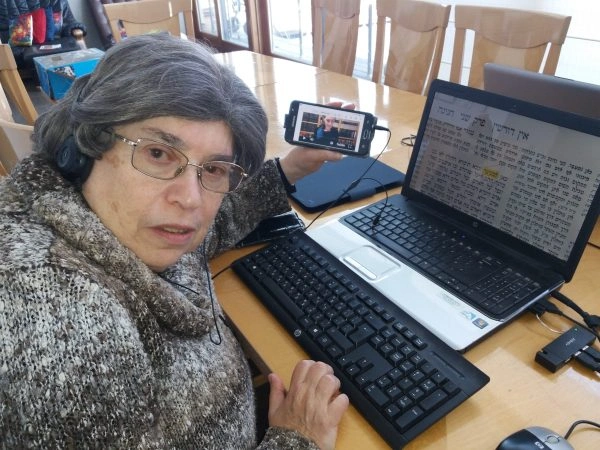
I started learning Daf Yomi inspired by תָּפַסְתָּ מְרוּבֶּה לֹא תָּפַסְתָּ, תָּפַסְתָּ מוּעָט תָּפַסְתָּ. I thought I’d start the first page, and then see. I was swept up into the enthusiasm of the Hadran Siyum, and from there the momentum kept building. Rabbanit Michelle’s shiur gives me an anchor, a connection to an incredible virtual community, and an energy to face whatever the day brings.

Medinah Korn
Medinah Korn

בית שמש, Israel

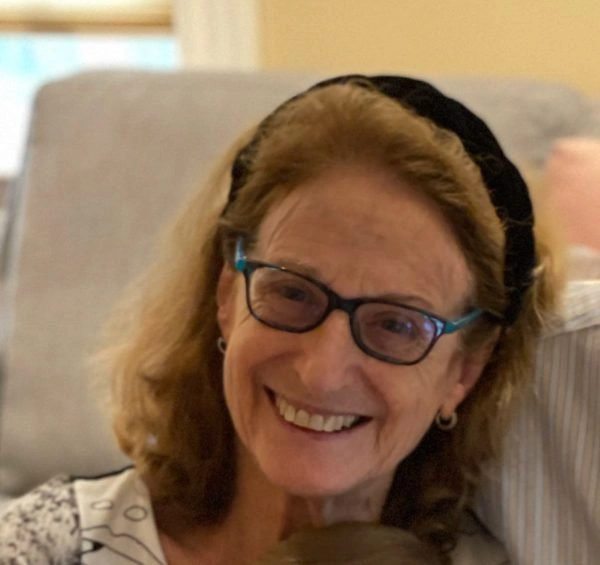
The start of my journey is not so exceptional. I was between jobs and wanted to be sure to get out every day (this was before corona). Well, I was hooked after about a month and from then on only looked for work-from-home jobs so I could continue learning the Daf. Daf has been a constant in my life, though hurricanes, death, illness/injury, weddings. My new friends are Rav, Shmuel, Ruth, Joanna.
Judi Felber
Judi Felber

Raanana, Israel

I started learning at the beginning of the cycle after a friend persuaded me that it would be right up my alley. I was lucky enough to learn at Rabbanit Michelle’s house before it started on zoom and it was quickly part of my daily routine. I find it so important to see for myself where halachot were derived, where stories were told and to get more insight into how the Rabbis interacted.

Deborah Dickson
Deborah Dickson

Ra’anana, Israel

I graduated college in December 2019 and received a set of shas as a present from my husband. With my long time dream of learning daf yomi, I had no idea that a new cycle was beginning just one month later, in January 2020. I have been learning the daf ever since with Michelle Farber… Through grad school, my first job, my first baby, and all the other incredible journeys over the past few years!
Sigal Spitzer Flamholz

Bronx, United States

When we heard that R. Michelle was starting daf yomi, my 11-year-old suggested that I go. Little did she know that she would lose me every morning from then on. I remember standing at the Farbers’ door, almost too shy to enter. After that first class, I said that I would come the next day but couldn’t commit to more. A decade later, I still look forward to learning from R. Michelle every morning.

Ruth Leah Kahan
Ruth Leah Kahan

Ra’anana, Israel

Ive been learning Gmara since 5th grade and always loved it. Have always wanted to do Daf Yomi and now with Michelle Farber’s online classes it made it much easier to do! Really enjoying the experience thank you!!

Lisa Lawrence
Lisa Lawrence

Neve Daniel, Israel

Having never learned Talmud before, I started Daf Yomi in hopes of connecting to the Rabbinic tradition, sharing a daily idea on Instagram (@dafyomiadventures). With Hadran and Sefaria, I slowly gained confidence in my skills and understanding. Now, part of the Pardes Jewish Educators Program, I can’t wait to bring this love of learning with me as I continue to pass it on to my future students.

Hannah-G-pic
Hannah Greenberg

Pennsylvania, United States

I began my journey with Rabbanit Michelle more than five years ago. My friend came up with a great idea for about 15 of us to learn the daf and one of us would summarize weekly what we learned.
It was fun but after 2-3 months people began to leave. I have continued. Since the cycle began Again I have joined the Teaneck women.. I find it most rewarding in so many ways. Thank you

Dena Heller
Dena Heller

New Jersey, United States

I started learning with rabbis. I needed to know more than the stories. My first teacher to show me “the way of the Talmud” as well as the stories was Samara Schwartz.
Michelle Farber started the new cycle 2 yrs ago and I jumped on for the ride.
I do not look back.

Jenifer Nech
Jenifer Nech

Houston, United States

I start learning Daf Yomi in January 2020. The daily learning with Rabbanit Michelle has kept me grounded in this very uncertain time. Despite everything going on – the Pandemic, my personal life, climate change, war, etc… I know I can count on Hadran’s podcast to bring a smile to my face.
Deb Engel
Deb Engel

Los Angeles, United States

Robin Zeiger
Robin Zeiger

Tel Aviv, Israel

See video

Susan Fisher
Susan Fisher

Raanana, Israel

After experiences over the years of asking to join gemara shiurim for men and either being refused by the maggid shiur or being the only women there, sometimes behind a mechitza, I found out about Hadran sometime during the tail end of Masechet Shabbat, I think. Life has been much better since then.

Madeline Cohen
Madeline Cohen

London, United Kingdom

Inspired by Hadran’s first Siyum ha Shas L’Nashim two years ago, I began daf yomi right after for the next cycle. As to this extraordinary journey together with Hadran..as TS Eliot wrote “We must not cease from exploration and the end of all our exploring will be to arrive where we began and to know the place for the first time.

Susan Handelman
Susan Handelman

Jerusalem, Israel

Attending the Siyyum in Jerusalem 26 months ago inspired me to become part of this community of learners. So many aspects of Jewish life have been illuminated by what we have learned in Seder Moed. My day is not complete without daf Yomi. I am so grateful to Rabbanit Michelle and the Hadran Community.

Nancy Kolodny
Nancy Kolodny

Newton, United States

When we heard that R. Michelle was starting daf yomi, my 11-year-old suggested that I go. Little did she know that she would lose me every morning from then on. I remember standing at the Farbers’ door, almost too shy to enter. After that first class, I said that I would come the next day but couldn’t commit to more. A decade later, I still look forward to learning from R. Michelle every morning.

Ruth Leah Kahan
Ruth Leah Kahan

Ra’anana, Israel

I began learning the daf in January 2022. I initially “flew under the radar,” sharing my journey with my husband and a few close friends. I was apprehensive – who, me? Gemara? Now, 2 years in, I feel changed. The rigor of a daily commitment frames my days. The intellectual engagement enhances my knowledge. And the virtual community of learners has become a new family, weaving a glorious tapestry.

Gitta Jaroslawicz-Neufeld

Far Rockaway, United States

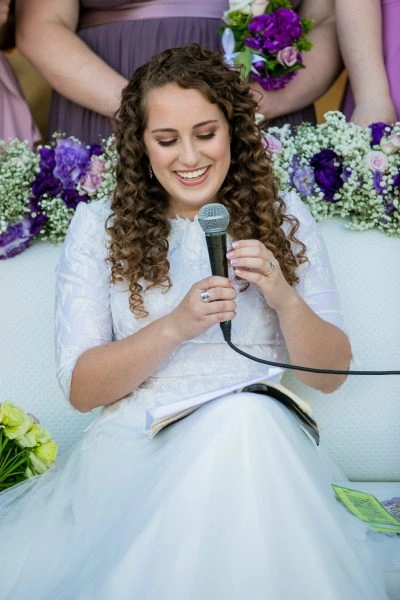
In my Shana bet at Migdal Oz I attended the Hadran siyum hash”as. Witnessing so many women so passionate about their Torah learning and connection to God, I knew I had to begin with the coming cycle. My wedding (June 24) was two weeks before the siyum of mesechet yoma so I went a little ahead and was able to make a speech and siyum at my kiseh kallah on my wedding day!

Sharona Guggenheim Plumb

Givat Shmuel, Israel

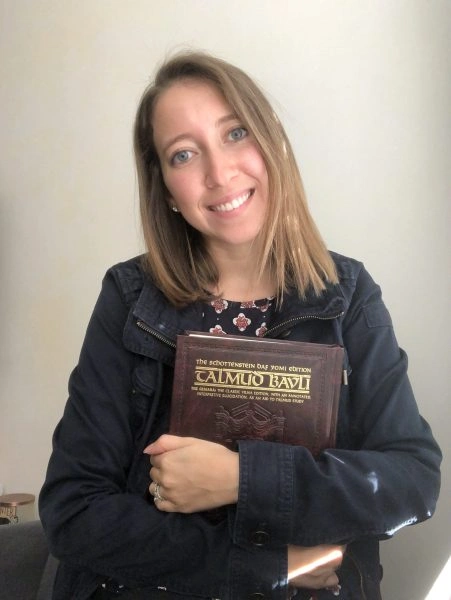
I decided to learn one masechet, Brachot, but quickly fell in love and never stopped! It has been great, everyone is always asking how it’s going and chering me on, and my students are always making sure I did the day’s daf.

Yafit Fishbach
Yafit Fishbach

Memphis, Tennessee, United States

I started learning Jan 2020 when I heard the new cycle was starting. I had tried during the last cycle and didn’t make it past a few weeks. Learning online from old men didn’t speak to my soul and I knew Talmud had to be a soul journey for me. Enter Hadran! Talmud from Rabbanit Michelle Farber from a woman’s perspective, a mother’s perspective and a modern perspective. Motivated to continue!

Keren Carter
Keren Carter

Brentwood, California, United States

Ketubot 22

תְּרֵי וּתְרֵי נִינְהוּ. אִי עַרְעָר דִּפְגַם מִשְׁפָּחָה, גִּלּוּי מִלְּתָא בְּעָלְמָא הוּא. לְעוֹלָם אֵימָא לָךְ עַרְעָר דְּגַזְלָנוּתָא, וְקָאָמְרִי הָנֵי: יָדְעִינַן בֵּיהּ דַּעֲבַד תְּשׁוּבָה.

the witnesses who testified that he is unfit and the judges who testified that he is fit are two witnesses and two witnesses who contradict them, and in that case, the allegation of theft is not completely eliminated. If it was a challenge based on an allegation of flawed lineage, e.g., he is a Canaanite slave and therefore unfit to serve as a judge, that is a mere revealing of a matter that will ultimately be revealed in any case and does not require actual testimony. Therefore, there is no conflict of interest preventing the judges from asserting his fitness after they signed. The Gemara concludes: Actually, I will say to you that it was a challenge based on an allegation of theft, and these judges say: We know about him that he repented and is now fit to serve as a judge. In that case, their testimony does not contradict the original testimony that he was guilty of theft.

אָמַר רַבִּי זֵירָא: הָא מִלְּתָא מֵרַבִּי אַבָּא שְׁמִיעַ לִי, וְאִי לָאו רַבִּי אַבָּא דְּמִן עַכּוֹ, שְׁכַחְתַּהּ: שְׁלֹשָׁה שֶׁיָּשְׁבוּ לְקַיֵּים אֶת הַשְּׁטָר וּמֵת אֶחָד מֵהֶם — צְרִיכִין לְמִיכְתַּב: ״בְּמוֹתַב תְּלָתָא הֲוֵינָא, וְחַד לֵיתוֹהִי״.

§ Rabbi Zeira said: This matter, I heard from Rabbi Abba, and if it was not for Rabbi Abba of Akko, I would have forgotten it. With regard to a case of three judges who convened as a tribunal to ratify a document, and one of them died before signing the ratification, the surviving judges must emend the standard formula of the ratification and write: We were convened in a session of three judges, and one of the judges is no longer alive. In that way it is clear that although only two judges signed, the document was ratified by three judges.

אָמַר רַב נַחְמָן בַּר יִצְחָק: וְאִי כְּתַב בֵּיהּ: שְׁטָרָא דְּנַן נְפַק לִקְדָמַנָא בֵּי דִינָא — תּוּ לָא צְרִיךְ. וְדִלְמָא בֵּית דִּין חָצוּף הוּא, וּכְדִשְׁמוּאֵל. דְּאָמַר שְׁמוּאֵל: שְׁנַיִם שֶׁדָּנוּ, דִּינֵיהֶם דִּין, אֶלָּא שֶׁנִּקְרָא בֵּית דִּין חָצוּף.

Rav Naḥman bar Yitzḥak said: And if the judges wrote in the ratification: This document was produced before us, the court; they no longer need to add that they were three judges, as, when unmodified, the term court connotes a tribunal of three judges. The Gemara asks: And perhaps it was an impudent court, and that is in accordance with the opinion of Shmuel, as Shmuel said: Two judges who convened a tribunal and judged, their verdict is a binding verdict; however, because they contravened the rabbinic ordinance mandating that a court be comprised of three judges, they are called an impudent court. Therefore, writing: Before us, the court, does not rule out the possibility that the document was ratified by fewer than three judges.

דִּכְתִיב בֵּיהּ: ״בֵּי דִינָא דְּרַבַּנָא אָשֵׁי״. וְדִלְמָא רַבָּנַן דְּבֵי רַב אָשֵׁי כְּדִשְׁמוּאֵל סְבִירָא לְהוּ! דִּכְתִיב בֵּיהּ: ״וְאָמַר לַנָא רַבַּנָא אָשֵׁי״.

The Gemara answers: It is clear that the document was ratified by the requisite three judges, as it is written in the ratification: Before us, the court of our teacher Rav Ashi, which presumably conforms to rabbinic protocol. The Gemara asks: And perhaps the Rabbis of the court of Rav Ashi hold in accordance with the opinion of Shmuel and they convened an impudent court, whose ruling is binding. The Gemara answers: It is clear, as it is written in the ratification: Before us, the court of our teacher Rav Ashi, and our teacher Rav Ashi said to us how to ratify the document.

מַתְנִי׳ הָאִשָּׁה שֶׁאָמְרָה: ״אֵשֶׁת אִישׁ הָיִיתִי וּגְרוּשָׁה אֲנִי״ — נֶאֱמֶנֶת. שֶׁהַפֶּה שֶׁאָסַר, הוּא הַפֶּה שֶׁהִתִּיר. וְאִם יֵשׁ עֵדִים שֶׁהָיְתָה אֵשֶׁת אִישׁ, וְהִיא אוֹמֶרֶת: ״גְּרוּשָׁה אֲנִי״, אֵינָהּ נֶאֱמֶנֶת. אָמְרָה: ״נִשְׁבֵּיתִי, וּטְהוֹרָה אֲנִי״ — נֶאֱמֶנֶת. שֶׁהַפֶּה שֶׁאָסַר, הוּא הַפֶּה שֶׁהִתִּיר. וְאִם יֵשׁ עֵדִים שֶׁנִּשְׁבֵּית, וְהִיא אוֹמֶרֶת: ״טְהוֹרָה אֲנִי״ — אֵינָהּ נֶאֱמֶנֶת. וְאִם מִשֶּׁנִּשֵּׂאת בָּאוּ עֵדִים — הֲרֵי זוֹ לֹא תֵּצֵא.

MISHNA: With regard to a woman who said: I was a married woman and now I am a divorcée, she is deemed credible and permitted to remarry, as the mouth that prohibited and established that she was married is the mouth that permitted, and established that she is divorced. However, if there are witnesses that she was a married woman, and she says: I am a divorcée, she is not deemed credible. Similarly, with regard to a woman who said: I was taken captive but I am pure, as I was not raped in captivity, she is deemed credible and permitted to marry a priest, as the mouth that prohibited and established that she was taken captive is the mouth that permitted and established that she was not defiled. But if there are witnesses that she was taken captive, and she says: I am pure, she is not deemed credible. And if witnesses came after she married, this woman need not leave her husband.

גְּמָ׳ אָמַר רַב אַסִּי: מִנַּיִן לְהַפֶּה שֶׁאָסַר הוּא הַפֶּה שֶׁהִתִּיר מִן הַתּוֹרָה? שֶׁנֶּאֱמַר: ״אֶת בִּתִּי נָתַתִּי לָאִישׁ הַזֶּה לְאִשָּׁה״. ״לָאִישׁ״ — אָסְרָה, ״הַזֶּה״ — הִתִּירָה.

GEMARA: Rav Asi said: From where in the Torah is the principle: The mouth that prohibited is the mouth that permitted, derived? It is derived as it is stated: “I gave my daughter to this man [la’ish hazeh] as a wife” (Deuteronomy 22:16). When the father said that he married her off “to the man [la’ish]” without revealing his identity, he rendered her forbidden to all men. When he then says “this [hazeh],” thereby identifying the man to whom he married her off, he renders her permitted to her husband.

לְמָה לִי קְרָא? סְבָרָא הִיא: הוּא אַסְרַהּ, וְהוּא שָׁרֵי לַהּ! אֶלָּא כִּי אִיצְטְרִיךְ קְרָא, לְכִדְרַב הוּנָא אָמַר רַב. דְּאָמַר רַב הוּנָא אָמַר רַב: מִנַּיִן לָאָב שֶׁנֶּאֱמָן לֶאֱסוֹר אֶת בִּתּוֹ מִן הַתּוֹרָה, שֶׁנֶּאֱמַר: ״אֶת בִּתִּי נָתַתִּי לָאִישׁ״. ״הַזֶּה״ לְמָה לִי?

The Gemara asks: Why do I need to derive this from the verse? It is based on logic: He rendered her forbidden and he rendered her permitted. Rather, where this verse is necessary, is in order to derive the halakha that Rav Huna said that Rav said, as Rav Huna said that Rav said: From where in the Torah is it derived that a father is deemed credible to render his daughter forbidden? It is derived as it is stated: “I gave my daughter to the man [la’ish]” (Deuteronomy 22:16). The Gemara asks: Why do I need the subsequent term “this [hazeh]”?

מִיבְּעֵי לֵיהּ לְכִדְתָנֵי רַבִּי יוֹנָה. דְּתָנֵי רַבִּי יוֹנָה: ״אֶת בִּתִּי נָתַתִּי לָאִישׁ הַזֶּה״. ״הַזֶּה״ — וְלֹא לַיָּבָם.

The Gemara explains: The verse is necessary to derive the halakha that Rabbi Yona taught; as Rabbi Yona taught in a baraita that in the verse: “I gave my daughter to this man,” written in the context of a husband slandering his wife, “this” is written to infer: The halakhot in this passage apply to a man who slanders his wife and not to the yavam, in the case of levirate marriage.

תָּנוּ רַבָּנַן: הָאִשָּׁה שֶׁאָמְרָה ״אֵשֶׁת אִישׁ אֲנִי״, וְחָזְרָה וְאָמְרָה ״פְּנוּיָה אֲנִי״ — נֶאֱמֶנֶת. וְהָא שַׁוְּויַהּ לְנַפְשַׁהּ חֲתִיכָה דְּאִיסּוּרָא? אָמַר רָבָא בַּר רַב הוּנָא: כְּגוֹן שֶׁנָּתְנָה אַמַּתְלָא לִדְבָרֶיהָ. תַּנְיָא נָמֵי הָכִי: אָמְרָה אֵשֶׁת אִישׁ אֲנִי, וְחָזְרָה וְאָמְרָה: פְּנוּיָה אֲנִי — אֵינָהּ נֶאֱמֶנֶת. וְאִם נָתְנָה אַמַּתְלָא לִדְבָרֶיהָ — נֶאֱמֶנֶת.

§ The Sages taught with regard to the woman who said: I am a married woman, and then said: I am unmarried, that she is deemed credible. The Gemara asks: But didn’t she render herself an entity of prohibition? When she said that she was married she rendered herself forbidden to all men. How then can she abrogate the prohibition? The Gemara answers that Rava bar Rav Huna said: It is referring to a case where she provided a rationale [amatla] for her initial statement and explained why she said that she was a married woman. That was also taught in a baraita with regard to the woman who said: I am a married woman, and then said: I am unmarried, that she is not deemed credible. And if she provided a rationale for her initial statement, she is deemed credible.

וּמַעֲשֶׂה נָמֵי בְּאִשָּׁה אַחַת גְּדוֹלָה שֶׁהָיְתָה גְּדוֹלָה בְּנוֹי, וְקָפְצוּ עָלֶיהָ בְּנֵי אָדָם לְקַדְּשָׁהּ. וְאָמְרָה לָהֶם: ״מְקוּדֶּשֶׁת אֲנִי״. לְיָמִים עָמְדָה וְקִידְּשָׁה אֶת עַצְמָהּ. אָמְרוּ לָהּ חֲכָמִים: מָה רָאִית לַעֲשׂוֹת כֵּן? אָמְרָה לָהֶם: בַּתְּחִלָּה שֶׁבָּאוּ עָלַי אֲנָשִׁים שֶׁאֵינָם מְהוּגָּנִים, אָמַרְתִּי: ״מְקוּדֶּשֶׁת אֲנִי״, עַכְשָׁיו שֶׁבָּאוּ עָלַי אֲנָשִׁים מְהוּגָּנִים, עָמַדְתִּי וְקִדַּשְׁתִּי אֶת עַצְמִי. וְזוֹ הֲלָכָה הֶעֱלָה רַב אַחָא שַׂר הַבִּירָה לִפְנֵי חֲכָמִים בְּאוּשָׁא, וְאָמְרוּ: אִם נָתְנָה אַמַּתְלָא לִדְבָרֶיהָ — נֶאֱמֶנֶת.

And there was also an incident involving an important woman who was outstanding in beauty, and many men were clamoring to betroth her. And she said to them: I am already betrothed. Sometime later she arose and betrothed herself to a man. The Sages said to her: What did you see that led you to do so? She said to them: Initially, when unscrupulous people approached me seeking to marry me, I said: I am betrothed. Now that scrupulous people approached me, I arose and betrothed myself to one of them. And the Gemara notes: This halakha was raised by Rav Aḥa Sar HaBira before the Sages in Usha, the seat of the Sanhedrin, and the Sages said: If she provided a rationale for her statement, she is deemed credible.

בְּעָא מִינֵּיהּ שְׁמוּאֵל מֵרַב: אָמְרָה ״טְמֵאָה אֲנִי״, וְחָזְרָה וְאָמְרָה ״טְהוֹרָה אֲנִי״, מַהוּ? אֲמַר לֵיהּ: אַף בְּזוֹ, אִם נָתְנָה

Shmuel raised a dilemma before Rav: If a woman said to her husband: I am ritually impure as I am menstruating, and then said: I am pure, what is the halakha? Is she permitted based on her latter statement, or did she render herself an entity of prohibition with her first statement and therefore remains forbidden? Rav said to him: Even in that case, if she provided a

אַמַּתְלָא לִדְבָרֶיהָ — נֶאֱמֶנֶת. תְּנָא מִינֵּיהּ אַרְבָּעִים זִימְנִין, וַאֲפִילּוּ הָכִי לָא עֲבַד שְׁמוּאֵל עוֹבָדָא בְּנַפְשֵׁיהּ.

rationale for her statement, she is deemed credible. The Gemara relates: Shmuel learned this halakha from him forty times to ensure that he would not forget it, and even so, when confronted with a similar situation, Shmuel did not rely on that lenient ruling and did not take action with regard to himself and his wife.

תָּנוּ רַבָּנַן: שְׁנַיִם אוֹמְרִים ״מֵת״, וּשְׁנַיִם אוֹמְרִים ״לֹא מֵת״. שְׁנַיִם אוֹמְרִים ״נִתְגָּרְשָׁה״, וּשְׁנַיִם אוֹמְרִים ״לֹא נִתְגָּרְשָׁה״ — הֲרֵי זוֹ לֹא תִּנָּשֵׂא, וְאִם נִשֵּׂאת — לֹא תֵּצֵא. רַבִּי מְנַחֵם בַּר יוֹסֵי אוֹמֵר: תֵּצֵא. אָמַר רַבִּי מְנַחֵם בַּר יוֹסֵי: אֵימָתַי אֲנִי אוֹמֵר תֵּצֵא, בִּזְמַן שֶׁבָּאוּ עֵדִים, וְאַחַר כָּךְ נִשֵּׂאת. אֲבָל נִשֵּׂאת וְאַחַר כָּךְ בָּאוּ עֵדִים — לֹא תֵּצֵא.

§ The Sages taught that if two witnesses say: The husband died, and two witnesses say: He did not die; or if two witnesses say: This woman was divorced, and two witnesses say: She was not divorced, this woman may not remarry as there is no unequivocal testimony that she is unmarried. And if she remarried, she need not leave her husband. Rabbi Menaḥem bar Yosei says: She must leave her husband. And Rabbi Menaḥem bar Yosei said: When do I say that she must leave her husband? It is in a case where witnesses came to testify that she is still married and she remarried thereafter. However, if she remarried and the witnesses came thereafter, she need not leave her husband based on the uncertainty created by contradictory witnesses.

מִכְּדֵי תְּרֵי וּתְרֵי נִינְהוּ, הַבָּא עָלֶיהָ בְּאָשָׁם תָּלוּי קָאֵי! אָמַר רַב שֵׁשֶׁת: כְּגוֹן שֶׁנִּשֵּׂאת לְאֶחָד מֵעֵדֶיהָ. הִיא גּוּפַהּ בְּאָשָׁם תָּלוּי קָיְימָא! בְּאוֹמֶרֶת: ״בָּרִי לִי״.

The Gemara asks: After all, they are two witnesses testifying that she is married and two witnesses testifying that she is not; how then can the ruling be that after remarrying she need not leave her husband? In that case, one who engages in intercourse with her stands liable to bring a guilt-offering for uncertainty. For any prohibition whose certain violation renders one liable to bring a sin-offering, its uncertain violation renders one liable to bring a guilt-offering for uncertainty. Rav Sheshet said: This is a case where she married one of her witnesses who testified that she is unmarried. As far as he is concerned, there is no uncertainty. The Gemara asks: She herself stands liable to bring a guilt-offering for uncertainty, as she has no independent knowledge whether her husband died. The Gemara answers that this is a case where she says: It is clear to me that he died.

אָמַר רַבִּי יוֹחָנָן, שְׁנַיִם אוֹמְרִים: ״מֵת״, וּשְׁנַיִם אוֹמְרִים: ״לֹא מֵת״ — הֲרֵי זוֹ לֹא תִּנָּשֵׂא, וְאִם נִשֵּׂאת — לֹא תֵּצֵא. שְׁנַיִם אוֹמְרִים ״נִתְגָּרְשָׁה״, וּשְׁנַיִם אוֹמְרִים ״לֹא נִתְגָּרְשָׁה״ — הֲרֵי זוֹ לֹא תִּנָּשֵׂא, וְאִם נִשֵּׂאת — תֵּצֵא.

§ Rabbi Yoḥanan said that if two witnesses say: The husband died, and two witnesses say: He did not die, this woman may not remarry. And if she remarried she need not leave her husband. If two witnesses say: This woman was divorced, and two witnesses say: She was not divorced, this woman may not remarry. And if she remarried she must leave her husband.

מַאי שְׁנָא רֵישָׁא וּמַאי שְׁנָא סֵיפָא? אָמַר אַבָּיֵי: תַּרְגְּמַהּ בְּעֵד אֶחָד. עֵד אֶחָד אוֹמֵר ״מֵת״, הֵימְנוּהוּ רַבָּנַן כְּבֵי תְרֵי, וְכִדְעוּלָּא. דְּאָמַר עוּלָּא: כׇּל מָקוֹם שֶׁהֶאֱמִינָה תּוֹרָה עֵד אֶחָד — הֲרֵי כָּאן שְׁנַיִם, וְהַאי דְּקָאָמַר ״לֹא מֵת״ — הָוֵה לֵיהּ חַד, וְאֵין דְּבָרָיו שֶׁל אֶחָד בִּמְקוֹם שְׁנַיִם.

The Gemara asks: What is different in the first clause of Rabbi Yoḥanan’s statement, where, if she remarried, she need not leave her husband, and what is the different in the second clause, where, if she remarried, she must leave her husband? Abaye said: Interpret Rabbi Yoḥanan’s statement in a case where each testimony was given by one witness. If one witness says: The husband died, the Sages instituted an ordinance and accorded him credibility like that of two witnesses in order to enable his wife to remarry. And that is in accordance with the opinion of Ulla, as Ulla said: Wherever the Torah deemed one witness credible, his legal status there is that of two witnesses. And the legal status of that second witness who says: He did not die, is that of one witness, and the statement of one witness has no validity in a place where there is the testimony of two witnesses. Therefore, she need not leave her husband.

אִי הָכִי, אֲפִילּוּ לְכַתְּחִלָּה נָמֵי! מִשּׁוּם דְּרַב אַסִּי. דְּאָמַר רַב אַסִּי: ״הָסֵר מִמְּךָ עִקְּשׁוּת פֶּה וּלְזוּת שְׂפָתַיִם הַרְחֵק מִמֶּךָּ״.

The Gemara asks: If so, that this is a case of the testimony of two witnesses against the testimony of one witness, it should be permitted for her to remarry even ab initio. The Gemara answers that she may not remarry ab initio due to the opinion of Rav Asi, as Rav Asi said that in any case of uncertainty, the verse “Remove from you a crooked mouth, and perverse lips put far from you” (Proverbs 4:24) applies. Although it is not a strictly prohibited action, it is, nevertheless, inappropriate.

סֵיפָא, עֵד אֶחָד אוֹמֵר ״נִתְגָּרְשָׁה״, וְעֵד אֶחָד אוֹמֵר ״לֹא נִתְגָּרְשָׁה״, תַּרְוַיְיהוּ בְּאֵשֶׁת אִישׁ קָמַסְהֲדִי. וְהַאי דְּקָאָמַר נִתְגָּרְשָׁה — הָוֵה לֵיהּ חַד, וְאֵין דְּבָרָיו שֶׁל אֶחָד בִּמְקוֹם שְׁנַיִם.

In the latter clause of Rabbi Yoḥanan’s statement, where one witness says: This woman was divorced, and one witness says: She was not divorced, both of them are testifying that she was a married woman, and that witness who says: She was divorced, is one witness, and the statement of one witness has no validity in a place where there is the testimony of two witnesses. Therefore, even if she remarried she must leave her husband.

רָבָא אָמַר: לְעוֹלָם תְּרֵי וּתְרֵי נִינְהוּ. וְרָאָה רַבִּי יוֹחָנָן דְּבָרָיו שֶׁל רַבִּי מְנַחֵם בַּר יוֹסֵי בְּגֵרוּשִׁין, וְלֹא רָאָה בְּמִיתָה. מַאי טַעְמָא? מִיתָה — אֵינָהּ יְכוֹלָה מַכְחַשְׁתּוֹ, גֵּרוּשִׁין — יְכוֹלָה מַכְחַשְׁתּוֹ.

Rava explained the difference between the two cases in Rabbi Yoḥanan’s statement and said: Actually it is a case where they are two witnesses testifying that she is married and two testifying that she is not, and Rabbi Yoḥanan saw the statement of Rabbi Menaḥem bar Yosei as correct in the case of divorce but did not see it as correct in the case of death. What is the reason that he distinguishes between the two cases? In the case of death, if ultimately her husband returns alive, she is unable to deny that he is alive. Therefore, the woman’s decision to remarry is credible, as if she were not certain that he was dead, she would not have remarried. However, in the case of divorce, if her husband returns and claims that he did not divorce her, she is able to deny his claim. Therefore, her decision to remarry is suspect, and the Sages penalized her and established that she must leave her husband.

וּמִי חֲצִיפָה כּוּלֵּי הַאי? וְהָאָמַר רַב הַמְנוּנָא: הָאִשָּׁה שֶׁאָמְרָה לְבַעְלָהּ ״גֵּרַשְׁתַּנִי״ — נֶאֱמֶנֶת. חֲזָקָה אֵין אִשָּׁה מְעִיזָּה פָּנֶיהָ בִּפְנֵי בַּעְלָהּ! הָנֵי מִילֵּי הֵיכָא דְּלֵיכָּא עֵדִים דְּקָא מְסַיְּיעִי לַהּ, אֲבָל הֵיכָא דְּאִיכָּא עֵדִים דְּקָא מְסַיְּיעִי לַהּ — מְעִיזָּה וּמְעִיזָּה.

The Gemara asks: And is the woman impudent to that extent, that she would lie in the presence of her husband and claim that he divorced her? But didn’t Rav Hamnuna say with regard to a woman who said to her husband: You divorced me, she is deemed credible, as there is a presumption that a woman is not insolent in the presence of her husband? The Gemara answers: This statement that she is not insolent applies only in a case where there are no witnesses who are supporting her; however, in a case where there are witnesses who are supporting her, she would certainly be insolent.

רַב אַסִּי אָמַר: כְּגוֹן דְּאָמְרִי עֵדִים ״עַכְשָׁיו מֵת״, ״עַכְשָׁיו גֵּירְשָׁהּ״. מִיתָה לֵיכָּא לְבָרוּרַהּ. גֵּירוּשִׁין אִיכָּא לְבָרוּרַהּ, דְּאָמְרִינַן לָהּ: אִם אִיתָא דְּהָכִי הֲוָה, אַחֲזִי לַן גִּיטִּיךְ.

Rav Asi explained the difference between the two cases in Rabbi Yoḥanan’s statement and said that it is a case where the witnesses say: He died now, or: He divorced her now. With regard to the husband’s death, there is no way to immediately clarify whether or not he is dead. With regard to divorce there is a way to immediately clarify whether or not he divorced her, as we say to the woman: If it is so that this is what happened, show us your bill of divorce. Since the testimony was that the divorce was now, it is not feasible that she lost the bill of divorce. If she fails to produce the bill of divorce, the witnesses that testify that she is divorced are apparently false witnesses. Therefore, even if she remarried she must leave her husband.

תָּנוּ רַבָּנַן: שְׁנַיִם אוֹמְרִים ״נִתְקַדְּשָׁה״, וּשְׁנַיִם אוֹמְרִים ״לֹא נִתְקַדְּשָׁה״ — הֲרֵי זוֹ לֹא תִּנָּשֵׂא, וְאִם נִשֵּׂאת לֹא תֵּצֵא. שְׁנַיִם אוֹמְרִים ״נִתְגָּרְשָׁה״, וּשְׁנַיִם אוֹמְרִים ״לֹא נִתְגָּרְשָׁה״ — הֲרֵי זו לֹא תִּנָּשֵׂא, וְאִם נִשֵּׂאת — תֵּצֵא.

§ The Sages taught: In a case where two witnesses say: This woman was betrothed, and two witnesses say: She was not betrothed, this woman may not marry another, and if she remarried, she need not leave her husband. In a case where two witnesses say: This woman was divorced, and two witnesses say: She was not divorced, this woman may not remarry. And if she remarried, she must leave her husband.

Want to follow content and continue where you left off?

Create an account today to track your progress, mark what you’ve learned, and follow the shiurim that speak to you.

Clear all items from this list?

This will remove ALL the items in this section. You will lose any progress or history connected to them. This is irreversible.

Cancel
Yes, clear all

Are you sure you want to delete this item?

You will lose any progress or history connected to this item.

Cancel
Yes, delete