








This month’s shiurim are sponsored by Shoshana Shur for the refuah shleima of Meira Bat Zelda Zahava.
Ketubot 32

August 07, 2022 | י׳ באב תשפ״ב
Share this shiur:
Want to dedicate learning? Get started here:
English
עברית

0:00
0:00
0:00
0:00
Summary
Ketubot 32
וְקַיְימָא לַן דְּאֵינוֹ לוֹקֶה וּמְשַׁלֵּם. אָמַר עוּלָּא, לָא קַשְׁיָא: כָּאן בַּאֲחוֹתוֹ נַעֲרָה, כָּאן בַּאֲחוֹתוֹ בּוֹגֶרֶת.
And since we maintain in general that one is not both flogged and liable to pay, if one receives lashes for having relations with his sister, why must he pay the fine as well? Ulla said: This is not difficult; here, the halakha in the mishna is with regard to his sister who is a young woman, for whom one pays a fine and is not flogged, whereas there, the halakha in the mishna is with regard to his sister who is a grown woman, for whom one does not pay a fine.
אֲחוֹתוֹ בּוֹגֶרֶת נָמֵי, הָא אִיכָּא בּוֹשֶׁת וּפְגָם! בְּשׁוֹטָה. וְהָא אִיכָּא צַעֲרָא! בִּמְפוּתָּה.
The Gemara asks: In the case of one who has relations with his sister who is a grown woman, too, although he does not pay a fine, isn’t there compensation for humiliation and degradation? He should be exempt from lashes in that case as well. The Gemara answers: There, the halakha in the mishna is with regard to his sister who is an imbecile, with regard to whom there is no humiliation or degradation beyond her status as an imbecile. The Gemara asks: But isn’t there payment for pain even in the rape of an imbecile? The Gemara responds: The halakha is with regard to a seduced woman, who is not entitled to payment for pain, as she engaged in relations willingly.
הַשְׁתָּא דְּאָתֵית לְהָכִי, אֲפִילּוּ תֵּימָא אֲחוֹתוֹ נַעֲרָה, בִּיתוֹמָה וּמְפוּתָּה.
The Gemara comments: Now that you have arrived at this explanation that the mishna is referring to a seduced woman, the mishna can be understood even if you say it is referring to his sister who is a young woman. The reason that the seducer does not pay the fine is that the halakha is with regard to one who is an orphan and a seduced woman. Were her father alive, he would receive the payment. Because he died, the payment goes to her. Since she willingly participated in the relations, she relinquished her right to the payment, and the seducer is therefore liable to receive lashes.
אַלְמָא קָסָבַר עוּלָּא: כָּל הֵיכָא דְּאִיכָּא מָמוֹן וּמַלְקוֹת — מָמוֹנָא מְשַׁלֵּם, מִילְקָא לָא לָקֵי. מְנָא לֵיהּ לְעוּלָּא הָא? גָּמַר מֵחוֹבֵל בַּחֲבֵירוֹ: מָה חוֹבֵל בַּחֲבֵירוֹ דְּאִיכָּא מָמוֹן וּמַלְקוֹת — מָמוֹנָא מְשַׁלֵּם, מִילְקָא לָא לָקֵי; אַף כֹּל הֵיכָא דְּאִיכָּא מָמוֹן וּמַלְקוֹת — מָמוֹנָא מְשַׁלֵּם, מִילְקָא לָא לָקֵי.
The Gemara observes: Apparently, Ulla maintains that in any case where there is liability to both pay money and receive lashes, e.g., one who has forced relations with his sister who is a young woman, one pays money but is not flogged. The Gemara asks: From where does Ulla derive this principle? The Gemara answers: He derives it from the halakha of one who injures another. Just as with regard to one who injures another where there is liability to both pay money for the injury and receive lashes for violating the prohibition “Lest he continues to strike him” (Deuteronomy 25:3), the halakha there is that one pays money but is not flogged, so too, in any case where there is liability to both pay money and receive lashes, one pays money but is not flogged.
מָה לְחוֹבֵל בַּחֲבֵירוֹ — שֶׁכֵּן חַיָּיב בַּחֲמִשָּׁה דְּבָרִים. וְאִי מָמוֹנָא לְקוּלָּא — שֶׁכֵּן הוּתַּר מִכְּלָלוֹ בְּבֵית דִּין.
The Gemara asks: What is the basis for the comparison between other cases and the case of one who injures another? One who injures another cannot serve as a paradigm for cases of liability for both money and lashes because the case of one who injures another is particularly stringent, as he is liable to pay five types of indemnity: Injury, pain, medical costs, loss of livelihood, and humiliation. And if payment of money is a more lenient form of punishment than lashes, one could infer a fortiori: If in the stringent case of injuring another, one receives the more lenient punishment, all the more so would he receive the more lenient punishment in less stringent cases; nevertheless, one who injures another cannot serve as a paradigm for cases of liability for both money and lashes. The reason is that there is also a lenient aspect with regard to injuring another, as it is permitted, in departure from its norm, in court. The court administers lashes, injuring those convicted. The leniency is that its application is selective.
אֶלָּא גָּמַר מֵעֵדִים זוֹמְמִין: מָה עֵדִים זוֹמְמִין דְּאִיכָּא מָמוֹן וּמַלְקוֹת — מָמוֹנָא מְשַׁלֵּם, מִילְקָא לָא לָקֵי; אַף כֹּל הֵיכָא דְּאִיכָּא מָמוֹן וּמַלְקוֹת — מָמוֹנָא מְשַׁלֵּם, מִילְקָא לָא לָקֵי.
Rather, the Gemara states that Ulla derives this principle from the halakha of false, conspiring witnesses. Just as with regard to conspiring witnesses, where there is liability to both pay money, if they falsely testified to render one liable for payment, and receive lashes, for violating the prohibition “You shall not bear false witness against your neighbor” (Exodus 20:13), and the halakha is that one pays money but is not flogged, so too, in any case where there is liability to both pay money and receive lashes, one pays money but is not flogged.
מָה לְעֵדִים זוֹמְמִין — שֶׁכֵּן אֵינָן צְרִיכִים הַתְרָאָה. וְאִי מָמוֹנָא לְקוּלָּא הוּא — שֶׁכֵּן לֹא עָשׂוּ מַעֲשֶׂה!
The Gemara asks: What is the basis for the comparison of other cases to the case of conspiring witnesses? Conspiring witnesses cannot serve as a paradigm for cases of liability for both money and lashes because the case of conspiring witnesses is particularly stringent, as they do not require forewarning. As a rule, the courts administer punishment only to one who was forewarned not to perform the transgression. The fact that this is not a requirement in the case of conspiring witnesses indicates that it is a particularly stringent prohibition. Therefore, no proof can be cited from the case of conspiring witnesses to other cases with regard to monetary payment instead of lashes. And if payment of money is a more lenient form of punishment than lashes, the case of conspiring witnesses also has a lenient aspect, as they did not perform an action but merely spoke.
אֶלָּא גָּמַר מִתַּרְוַיְיהוּ: מָה הַצַּד הַשָּׁוֶה שֶׁבָּהֶן, דְּאִיכָּא מָמוֹן וּמַלְקוֹת — מָמוֹנָא מְשַׁלֵּם, מִילְקָא לָא לָקֵי; אַף כֹּל הֵיכָא דְּאִיכָּא מָמוֹן וּמַלְקוֹת — מָמוֹנָא מְשַׁלֵּם, מִילְקָא לָא לָקֵי. מָה לְהַצַּד הַשָּׁוֶה שֶׁבָּהֶן — שֶׁכֵּן יֵשׁ בָּהֶן צַד חָמוּר, וְאִי מָמוֹנָא לְקוּלָּא הוּא — שֶׁכֵּן יֵשׁ בָּהֶן צַד הַקַּל.
Rather, Ulla derives the principle from both of them, the cases of one who injures another and of conspiring witnesses. The common denominator of both cases is that there is liability to both pay money and receive lashes and the halakha is that one pays money but is not flogged; so too, in any case where there is liability to both pay money and receive lashes, one pays money but is not flogged. The Gemara asks: What is the basis for the comparison of other cases to the common denominator of both cases, as they have an element of stringency that does not exist in other prohibitions in that one who injures another pays five types of indemnity, and conspiring witnesses are flogged without forewarning? And if payment of money is a more lenient form of punishment than lashes, other cases cannot be derived from it, as they have an element of leniency that does not exist in other prohibitions. The prohibition in the case of one who injures another is selectively applied, as it is permitted, in departure from its norm, in court, and the case of conspiring witnesses is lenient because they performed no action.
אֶלָּא עוּלָּא ״תַּחַת״ ״תַּחַת״ גָּמַר. כְּתִיב הָכָא: ״תַּחַת אֲשֶׁר עִנָּהּ״, וּכְתִיב הָתָם: ״עַיִן תַּחַת עַיִן״. מָה הָתָם — מָמוֹנָא מְשַׁלֵּם, מִילְקָא לָא לָקֵי; אַף כֹּל הֵיכָא דְּאִיכָּא מָמוֹנָא וּמַלְקוֹת — מָמוֹנָא מְשַׁלֵּם, מִילְקָא לָא לָקֵי.
Rather, Ulla derives the fact that one pays and is not flogged by means of a verbal analogy between the terms for and for. The verse states with regard to rape: “And the man who lay with her shall give to the father of the young woman fifty shekels of silver, and to him she shall be as a wife, because [taḥat] he tormented her” (Deuteronomy 22:29), and it states there, with regard to injury: “An eye for [taḥat] an eye” (Exodus 21:24). Just as there, with regard to injury, one pays money and is not flogged, so too, in any case where there is liability to both pay money and receive lashes, one pays money but is not flogged.
רַבִּי יוֹחָנָן אָמַר, אֲפִילּוּ תֵּימָא אֲחוֹתוֹ נַעֲרָה: כָּאן שֶׁהִתְרוּ בּוֹ, כָּאן שֶׁלֹּא הִתְרוּ בּוֹ.
§ In proposing a different resolution to the apparent contradiction between the mishna here that rules that one pays a fine for raping his sister and the mishna in Makkot that rules that one is flogged in that case, Rabbi Yoḥanan said: Even if you say that both mishnayot are referring to his sister who is a young woman, there it is referring to a case where the witnesses forewarned him, and therefore the rapist is flogged; here, it is referring to a case where the witnesses did not forewarn him. Since no lashes are administered without forewarning, the rapist pays the fine.
אַלְמָא קָסָבַר רַבִּי יוֹחָנָן: כׇּל הֵיכָא דְּאִיכָּא מָמוֹן וּמַלְקוֹת וְאַתְרוֹ בֵּיהּ — מִילְקָא לָקֵי, מָמוֹנָא לָא מְשַׁלֵּם. מְנָא לֵיהּ לְרַבִּי יוֹחָנָן הָא? אָמַר קְרָא: ״כְּדֵי רִשְׁעָתוֹ״, מִשּׁוּם רִשְׁעָה אַחַת אַתָּה מְחַיְּיבוֹ, וְאִי אַתָּה מְחַיְּיבוֹ מִשּׁוּם שְׁתֵּי רִשְׁעָיוֹת. וּסְמִיךְ לֵיהּ ״אַרְבָּעִים יַכֶּנּוּ״.
The Gemara observes: Apparently, Rabbi Yoḥanan maintains that in any case where there is liability to both pay money and receive lashes, and the witnesses forewarned him, he is flogged but does not pay money. The Gemara asks: From where does Rabbi Yoḥanan derive this principle? The Gemara explains that he derives it from that which the verse states with regard to one sentenced to lashes in the court: “The judge shall cause him to lie down, and to be beaten before him, according to the measure of his wickedness” (Deuteronomy 25:2), from which it is inferred: For one act of wickedness, i.e., punishment, you can render him liable, but you cannot render him liable for two acts of wickedness. And juxtaposed to this it states: “Forty he shall strike him” (Deuteronomy 25:3), indicating that the punishment that is administered when one is liable to receive two punishments is lashes and not payment.
וַהֲרֵי חוֹבֵל בַּחֲבֵירוֹ, דְּאִיכָּא מָמוֹן וּמַלְקוֹת — מָמוֹנָא מְשַׁלֵּם, מִילְקָא לָא לָקֵי! וְכִי תֵּימָא: הָנֵי מִילֵּי הֵיכָא דְּלָא אַתְרוֹ בֵּיהּ, אֲבָל אַתְרוֹ בֵּיהּ — מִילְקָא לָקֵי, מָמוֹנָא לָא מְשַׁלֵּם, וְהָאָמַר רַבִּי אַמֵּי אָמַר רַבִּי יוֹחָנָן: הִכָּהוּ הַכָּאָה שֶׁאֵין בָּהּ שָׁוֶה פְּרוּטָה — לוֹקֶה. הֵיכִי דָמֵי? אִי דְּלָא אַתְרוֹ בֵּיהּ, אַמַּאי לוֹקֶה? אֶלָּא פְּשִׁיטָא דְּאַתְרוֹ בֵּיהּ, וְטַעְמָא — דְּלֵית בֵּהּ שָׁוֶה פְּרוּטָה, הָא אִית בֵּהּ שָׁוֶה פְּרוּטָה — מָמוֹנָא מְשַׁלֵּם, מִילְקָא לָא לָקֵי!
The Gemara asks: And what of the case of one who injures another where there is liability to both pay money and receive lashes, in which case one pays money but is not flogged? And lest you say that this applies only when the witnesses did not forewarn him, but if they forewarned him before he struck his friend he is flogged but does not pay money, didn’t Rabbi Ami say that Rabbi Yoḥanan said: If one struck another with a blow that does not cause damage that amounts to the value of a peruta, he is flogged? The Gemara asks: What are the circumstances of that case? If it is a case where the witnesses did not forewarn him, why is he flogged? No lashes are administered without forewarning. Rather, obviously it is a case where they forewarned him, and the reason he is flogged is that there is not damage that amounts to the value of a peruta. The damages are not quantifiable. The Gemara infers: However, if there is damage that amounts to the value of a peruta, he pays money and is not flogged, even though he was forewarned.
כִּדְאָמַר רַבִּי אִילְעָא: בְּפֵירוּשׁ רִיבְּתָה תּוֹרָה עֵדִים זוֹמְמִין לְתַשְׁלוּמִין, הָכָא נָמֵי: בְּפֵירוּשׁ רִיבְּתָה תּוֹרָה חוֹבֵל בַּחֲבֵירוֹ לְתַשְׁלוּמִין. וְהֵיכָא אִיתְּמַר דְּרַבִּי אִילְעָא — אַהָא: מְעִידִין אָנוּ אֶת אִישׁ פְּלוֹנִי שֶׁחַיָּיב לַחֲבֵירוֹ מָאתַיִם זוּז, וְנִמְצְאוּ זוֹמְמִין — לוֹקִין וּמְשַׁלְּמִין, שֶׁלֹּא הַשֵּׁם הַמְּבִיאָן לִידֵי מַכּוֹת מְבִיאָן לִידֵי תַּשְׁלוּמִין, דִּבְרֵי רַבִּי מֵאִיר. וַחֲכָמִים אוֹמְרִים: כׇּל הַמְשַׁלֵּם אֵינוֹ לוֹקֶה.
The Gemara answers that the fact that conspiring witnesses pay money can be explained in accordance with that which Rabbi Ile’a said in a different context: The Torah explicitly amplified the case of conspiring witnesses to include liability for payment. The Torah employed language indicating that conspiring witnesses who testified falsely in order to render one liable for payment must pay the sum and are not flogged. Here, too, with regard to injury, the Torah explicitly amplified the case of one who injures another to include liability for payment. The Gemara asks: And where is this statement of Rabbi Ile’a stated? The Gemara answers that it is stated concerning this mishna (Makkot 4a). If witnesses said: We testify that so-and-so owes another two hundred dinar, and these witnesses were discovered to be conspiring witnesses; they are flogged and pay, as the source [shem] that brings them to liability to receive lashes does not bring them to liability for payment. Each liability has an independent source; the source for lashes is: “You shall not bear false witness against your neighbor,” (Exodus 20:13) while the source for payment is: “You shall do unto him as he conspired” (Deuteronomy 19:19). This is the statement of Rabbi Meir. And the Rabbis say: Anyone who pays is not flogged.
וְנֵימָא: כׇּל הַלּוֹקֶה אֵינוֹ מְשַׁלֵּם! אָמַר רַבִּי אִילְעָא: בְּפֵירוּשׁ רִיבְּתָה תּוֹרָה עֵדִים זוֹמְמִין לְתַשְׁלוּמִין. הֵיכָן רִיבְּתָה תּוֹרָה? מִכְּדֵי כְּתִיב: ״וַעֲשִׂיתֶם לוֹ כַּאֲשֶׁר זָמַם לַעֲשׂוֹת לְאָחִיו״, ״יָד בְּיָד״ לְמָה לִי? דָּבָר הַנִּיתָּן מִיָּד לְיָד, וּמַאי נִיהוּ — מָמוֹן.
And with regard to that mishna, the Gemara asks: Let us say, on the contrary, that anyone who is flogged does not pay. Rabbi Ile’a said: The Torah explicitly amplified the case of conspiring witnesses for payment, not lashes. The Gemara asks: Where did the Torah amplify the case of conspiring witnesses? The Gemara explains: Now, since it states with regard to conspiring witnesses: “And you shall do unto him as he conspired to do unto his brother” (Deuteronomy 19:19); why do I require the Torah to state in his punishment: “A hand for a hand” (Deuteronomy 19:21)? This indicates that the punishment that takes precedence is one in which there is an item that is given from hand to hand, and what is that item? It is money.
חוֹבֵל בַּחֲבֵירוֹ נָמֵי, מִכְּדֵי כְּתִיב: ״כַּאֲשֶׁר עָשָׂה כֵּן יֵעָשֶׂה לוֹ״, ״כֵּן יִנָּתֵן בּוֹ״, לְמָה לִי? דָּבָר שֶׁיֵּשׁ בּוֹ נְתִינָה, וּמַאי נִיהוּ — מָמוֹן.
The same can be said with regard to one who injures another. Now, since it states: “And a man who places a blemish upon his counterpart, as he has done so shall be done to him” (Leviticus 24:19), why do I require the Torah to state: “As one who places a blemish upon a man, so shall be placed [yinnaten] upon him” (Leviticus 24:20)? This teaches that this is referring to an item that involves giving [netina], and what is that item? It is money.
וְרַבִּי יוֹחָנָן: מַאי טַעְמָא לָא אָמַר כְּעוּלָּא? אִם כֵּן, בִּטַּלְתָּ ״עֶרְוַת אֲחוֹתְךָ… לֹא תְגַלֶּה״.
The Gemara asks: And Rabbi Yoḥanan, what is the reason that he did not say the same halakha as Ulla, that where there is liability to both pay money and receive lashes, one pays money but is not flogged? The Gemara answers: If so, if that were the case, you have rendered moot the prohibition “The nakedness of your sister…you shall not uncover” (Leviticus 18:9) in that contrary to the standard prohibitions, no lashes would be administered for its violation.
Follow 
New to Talmud?
Check out our resources designed to help you navigate a page of Talmud – and study at the pace, level and style that fits you.
The Hadran Women’s Tapestry
Meet the diverse women learning Gemara at Hadran and hear their stories.

Jill Shames
Jerusalem, Israel
When I began learning Daf Yomi at the beginning of the current cycle, I was preparing for an upcoming surgery and thought that learning the Daf would be something positive I could do each day during my recovery, even if I accomplished nothing else. I had no idea what a lifeline learning the Daf would turn out to be in so many ways.

Laura Shechter
Lexington, MA, United States
I started my journey on the day I realized that the Siyum was happening in Yerushalayim and I was missing out. What? I told myself. How could I have not known about this? How can I have missed out on this opportunity? I decided that moment, I would start Daf Yomi and Nach Yomi the very next day. I am so grateful to Hadran. I am changed forever because I learn Gemara with women. Thank you.
Linda Brownstein
Mitspe, Israel
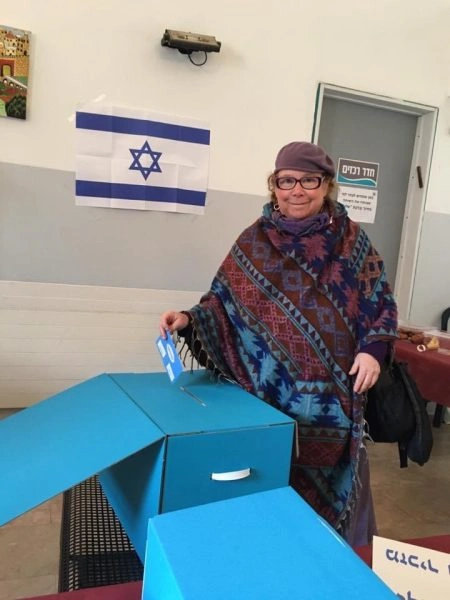
After experiences over the years of asking to join gemara shiurim for men and either being refused by the maggid shiur or being the only women there, sometimes behind a mechitza, I found out about Hadran sometime during the tail end of Masechet Shabbat, I think. Life has been much better since then.
Madeline Cohen
London, United Kingdom
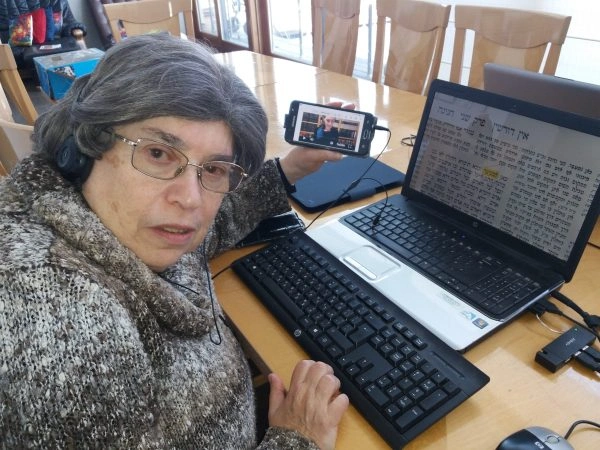
In my Shana bet at Migdal Oz I attended the Hadran siyum hash”as. Witnessing so many women so passionate about their Torah learning and connection to God, I knew I had to begin with the coming cycle. My wedding (June 24) was two weeks before the siyum of mesechet yoma so I went a little ahead and was able to make a speech and siyum at my kiseh kallah on my wedding day!

Sharona Guggenheim Plumb
Givat Shmuel, Israel
I started learning Dec 2019 after reading “If all the Seas Were Ink”. I found
Daily daf sessions of Rabbanit Michelle in her house teaching, I then heard about the siyum and a new cycle starting wow I am in! Afternoon here in Sydney, my family and friends know this is my sacred time to hide away to live zoom and learn. Often it’s hard to absorb and relate then a gem shines touching my heart.

Dianne Kuchar
Dover Heights, Australia
Geri Goldstein got me started learning daf yomi when I was in Israel 2 years ago. It’s been a challenge and I’ve learned a lot though I’m sure I miss a lot. I quilt as I listen and I want to share what I’ve been working on.

Rebecca Stulberg
Ottawa, Canada
I saw an elderly man at the shul kiddush in early March 2020, celebrating the siyyum of masechet brachot which he had been learning with a young yeshiva student. I thought, if he can do it, I can do it! I began to learn masechet Shabbat the next day, Making up masechet brachot myself, which I had missed. I haven’t missed a day since, thanks to the ease of listening to Hadran’s podcast!
Judith Shapiro
Minnesota, United States
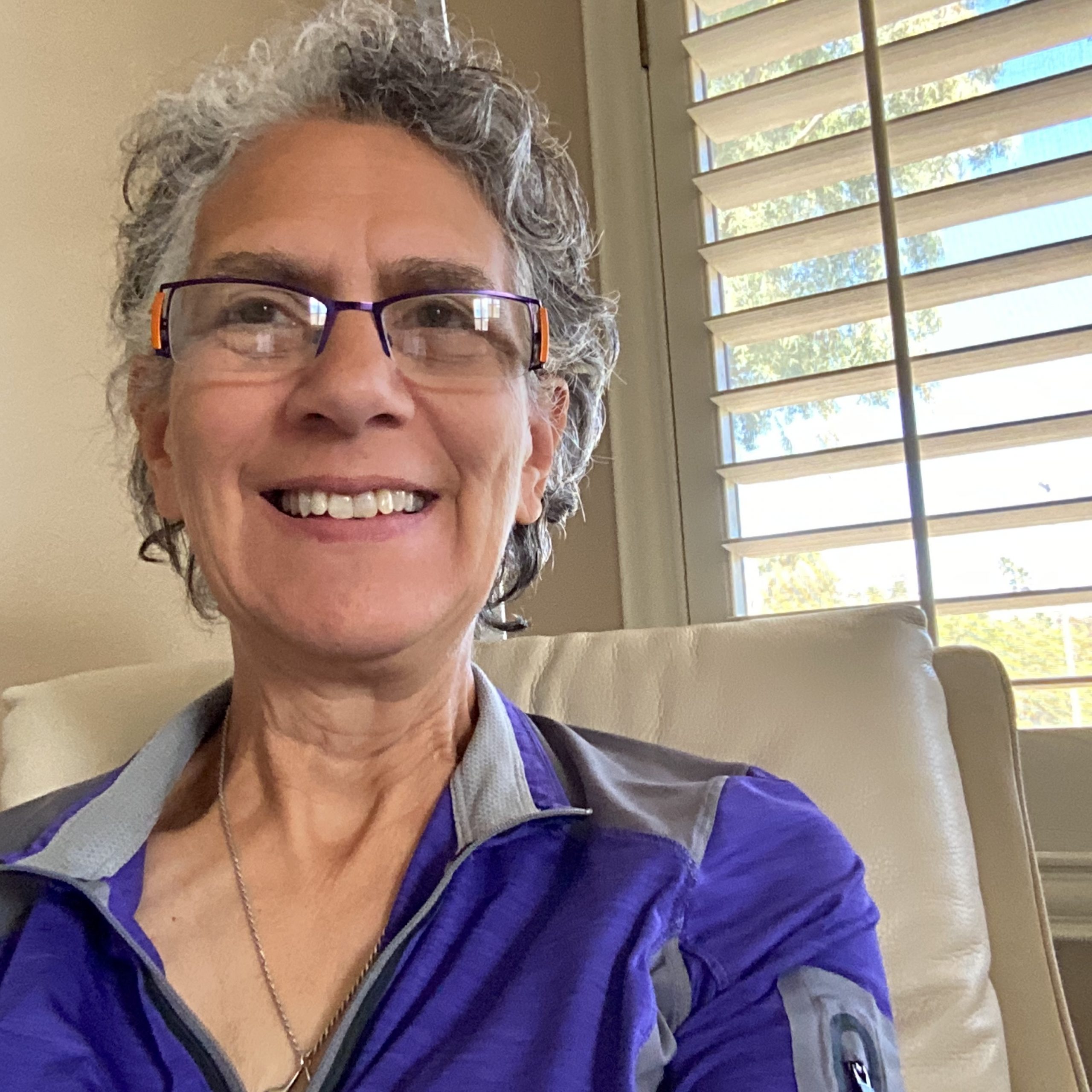
Since I started in January of 2020, Daf Yomi has changed my life. It connects me to Jews all over the world, especially learned women. It makes cooking, gardening, and folding laundry into acts of Torah study. Daf Yomi enables me to participate in a conversation with and about our heritage that has been going on for more than 2000 years.
Shira Eliaser
Skokie, IL, United States
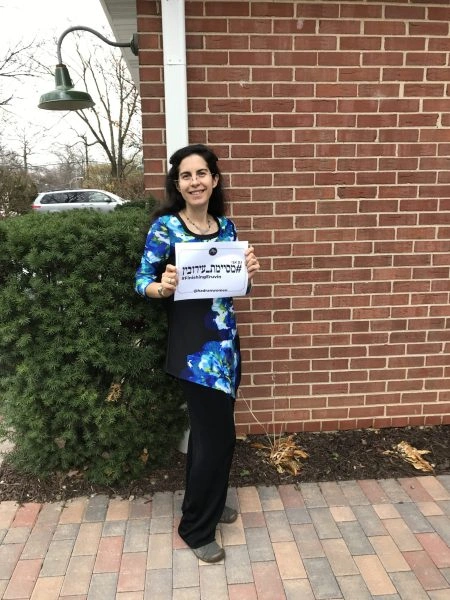
My husband learns Daf, my son learns Daf, my son-in-law learns Daf.
When I read about Hadran’s Siyyum HaShas 2 years ago, I thought- I can learn Daf too!
I had learned Gemara in Hillel HS in NJ, & I remembered loving it.
Rabbanit Michelle & Hadran have opened my eyes & expanding my learning so much in the past few years. We can now discuss Gemara as a family.
This was a life saver during Covid

Renee Braha
Brooklyn, NY, United States
3 years ago, I joined Rabbanit Michelle to organize the unprecedented Siyum HaShas event in Jerusalem for thousands of women. The whole experience was so inspiring that I decided then to start learning the daf and see how I would go…. and I’m still at it. I often listen to the Daf on my bike in mornings, surrounded by both the external & the internal beauty of Eretz Yisrael & Am Yisrael!

Lisa Kolodny
Raanana, Israel
I started learning Gemara at the Yeshivah of Flatbush. And I resumed ‘ברוך ה decades later with Rabbanit Michele at Hadran. I started from Brachot and have had an exciting, rewarding experience throughout seder Moed!

Anne Mirsky
Maale Adumim, Israel
In early January of 2020, I learned about Siyyum HaShas and Daf Yomi via Tablet Magazine’s brief daily podcast about the Daf. I found it compelling and fascinating. Soon I discovered Hadran; since then I have learned the Daf daily with Rabbanit Michelle Cohen Farber. The Daf has permeated my every hour, and has transformed and magnified my place within the Jewish Universe.

Lisa Berkelhammer
San Francisco, CA , United States
It has been a pleasure keeping pace with this wonderful and scholarly group of women.

Janice Block
Beit Shemesh, Israel
Years ago, I attended the local Siyum HaShas with my high school class. It was inspiring! Through that cycle and the next one, I studied masekhtot on my own and then did “daf yomi practice.” The amazing Hadran Siyum HaShas event firmed my resolve to “really do” Daf Yomi this time. It has become a family goal. We’ve supported each other through challenges, and now we’re at the Siyum of Seder Moed!

Elisheva Brauner
Jerusalem, Israel
I’ve been wanting to do Daf Yomi for years, but always wanted to start at the beginning and not in the middle of things. When the opportunity came in 2020, I decided: “this is now the time!” I’ve been posting my journey daily on social media, tracking my progress (#DafYomi); now it’s fully integrated into my daily routines. I’ve also inspired my partner to join, too!

Joséphine Altzman
Teaneck, United States
I started to listen to Michelle’s podcasts four years ago. The minute I started I was hooked. I’m so excited to learn the entire Talmud, and think I will continue always. I chose the quote “while a woman is engaged in conversation she also holds the spindle”. (Megillah 14b). It reminds me of all of the amazing women I learn with every day who multi-task, think ahead and accomplish so much.
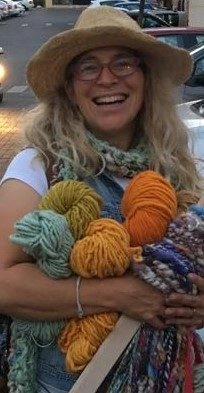
Julie Mendelsohn
Zichron Yakov, Israel
While vacationing in San Diego, Rabbi Leah Herz asked if I’d be interested in being in hevruta with her to learn Daf Yomi through Hadran. Why not? I had loved learning Gemara in college in 1971 but hadn’t returned. With the onset of covid, Daf Yomi and Rabbanit Michelle centered me each day. Thank-you for helping me grow and enter this amazing world of learning.

Meryll Page
Minneapolis, MN, United States
A few years back, after reading Ilana Kurshan’s book, “If All The Seas Were Ink,” I began pondering the crazy, outlandish idea of beginning the Daf Yomi cycle. Beginning in December, 2019, a month before the previous cycle ended, I “auditioned” 30 different podcasts in 30 days, and ultimately chose to take the plunge with Hadran and Rabbanit Michelle. Such joy!

Cindy Dolgin
HUNTINGTON, United States
I decided to learn one masechet, Brachot, but quickly fell in love and never stopped! It has been great, everyone is always asking how it’s going and chering me on, and my students are always making sure I did the day’s daf.
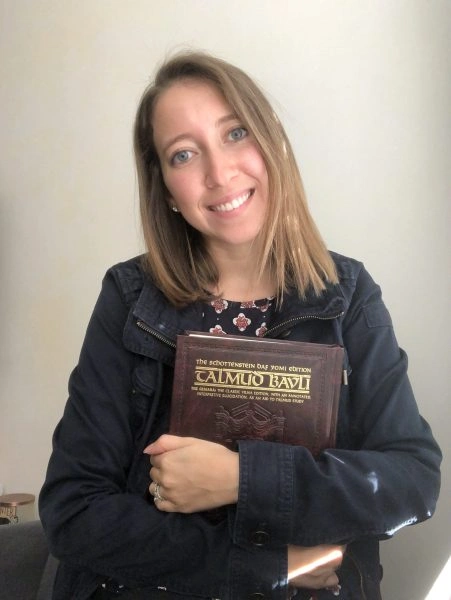
Yafit Fishbach
Memphis, Tennessee, United States
Ketubot 32
וְקַיְימָא לַן דְּאֵינוֹ לוֹקֶה וּמְשַׁלֵּם. אָמַר עוּלָּא, לָא קַשְׁיָא: כָּאן בַּאֲחוֹתוֹ נַעֲרָה, כָּאן בַּאֲחוֹתוֹ בּוֹגֶרֶת.
And since we maintain in general that one is not both flogged and liable to pay, if one receives lashes for having relations with his sister, why must he pay the fine as well? Ulla said: This is not difficult; here, the halakha in the mishna is with regard to his sister who is a young woman, for whom one pays a fine and is not flogged, whereas there, the halakha in the mishna is with regard to his sister who is a grown woman, for whom one does not pay a fine.
אֲחוֹתוֹ בּוֹגֶרֶת נָמֵי, הָא אִיכָּא בּוֹשֶׁת וּפְגָם! בְּשׁוֹטָה. וְהָא אִיכָּא צַעֲרָא! בִּמְפוּתָּה.
The Gemara asks: In the case of one who has relations with his sister who is a grown woman, too, although he does not pay a fine, isn’t there compensation for humiliation and degradation? He should be exempt from lashes in that case as well. The Gemara answers: There, the halakha in the mishna is with regard to his sister who is an imbecile, with regard to whom there is no humiliation or degradation beyond her status as an imbecile. The Gemara asks: But isn’t there payment for pain even in the rape of an imbecile? The Gemara responds: The halakha is with regard to a seduced woman, who is not entitled to payment for pain, as she engaged in relations willingly.
הַשְׁתָּא דְּאָתֵית לְהָכִי, אֲפִילּוּ תֵּימָא אֲחוֹתוֹ נַעֲרָה, בִּיתוֹמָה וּמְפוּתָּה.
The Gemara comments: Now that you have arrived at this explanation that the mishna is referring to a seduced woman, the mishna can be understood even if you say it is referring to his sister who is a young woman. The reason that the seducer does not pay the fine is that the halakha is with regard to one who is an orphan and a seduced woman. Were her father alive, he would receive the payment. Because he died, the payment goes to her. Since she willingly participated in the relations, she relinquished her right to the payment, and the seducer is therefore liable to receive lashes.
אַלְמָא קָסָבַר עוּלָּא: כָּל הֵיכָא דְּאִיכָּא מָמוֹן וּמַלְקוֹת — מָמוֹנָא מְשַׁלֵּם, מִילְקָא לָא לָקֵי. מְנָא לֵיהּ לְעוּלָּא הָא? גָּמַר מֵחוֹבֵל בַּחֲבֵירוֹ: מָה חוֹבֵל בַּחֲבֵירוֹ דְּאִיכָּא מָמוֹן וּמַלְקוֹת — מָמוֹנָא מְשַׁלֵּם, מִילְקָא לָא לָקֵי; אַף כֹּל הֵיכָא דְּאִיכָּא מָמוֹן וּמַלְקוֹת — מָמוֹנָא מְשַׁלֵּם, מִילְקָא לָא לָקֵי.
The Gemara observes: Apparently, Ulla maintains that in any case where there is liability to both pay money and receive lashes, e.g., one who has forced relations with his sister who is a young woman, one pays money but is not flogged. The Gemara asks: From where does Ulla derive this principle? The Gemara answers: He derives it from the halakha of one who injures another. Just as with regard to one who injures another where there is liability to both pay money for the injury and receive lashes for violating the prohibition “Lest he continues to strike him” (Deuteronomy 25:3), the halakha there is that one pays money but is not flogged, so too, in any case where there is liability to both pay money and receive lashes, one pays money but is not flogged.
מָה לְחוֹבֵל בַּחֲבֵירוֹ — שֶׁכֵּן חַיָּיב בַּחֲמִשָּׁה דְּבָרִים. וְאִי מָמוֹנָא לְקוּלָּא — שֶׁכֵּן הוּתַּר מִכְּלָלוֹ בְּבֵית דִּין.
The Gemara asks: What is the basis for the comparison between other cases and the case of one who injures another? One who injures another cannot serve as a paradigm for cases of liability for both money and lashes because the case of one who injures another is particularly stringent, as he is liable to pay five types of indemnity: Injury, pain, medical costs, loss of livelihood, and humiliation. And if payment of money is a more lenient form of punishment than lashes, one could infer a fortiori: If in the stringent case of injuring another, one receives the more lenient punishment, all the more so would he receive the more lenient punishment in less stringent cases; nevertheless, one who injures another cannot serve as a paradigm for cases of liability for both money and lashes. The reason is that there is also a lenient aspect with regard to injuring another, as it is permitted, in departure from its norm, in court. The court administers lashes, injuring those convicted. The leniency is that its application is selective.
אֶלָּא גָּמַר מֵעֵדִים זוֹמְמִין: מָה עֵדִים זוֹמְמִין דְּאִיכָּא מָמוֹן וּמַלְקוֹת — מָמוֹנָא מְשַׁלֵּם, מִילְקָא לָא לָקֵי; אַף כֹּל הֵיכָא דְּאִיכָּא מָמוֹן וּמַלְקוֹת — מָמוֹנָא מְשַׁלֵּם, מִילְקָא לָא לָקֵי.
Rather, the Gemara states that Ulla derives this principle from the halakha of false, conspiring witnesses. Just as with regard to conspiring witnesses, where there is liability to both pay money, if they falsely testified to render one liable for payment, and receive lashes, for violating the prohibition “You shall not bear false witness against your neighbor” (Exodus 20:13), and the halakha is that one pays money but is not flogged, so too, in any case where there is liability to both pay money and receive lashes, one pays money but is not flogged.
מָה לְעֵדִים זוֹמְמִין — שֶׁכֵּן אֵינָן צְרִיכִים הַתְרָאָה. וְאִי מָמוֹנָא לְקוּלָּא הוּא — שֶׁכֵּן לֹא עָשׂוּ מַעֲשֶׂה!
The Gemara asks: What is the basis for the comparison of other cases to the case of conspiring witnesses? Conspiring witnesses cannot serve as a paradigm for cases of liability for both money and lashes because the case of conspiring witnesses is particularly stringent, as they do not require forewarning. As a rule, the courts administer punishment only to one who was forewarned not to perform the transgression. The fact that this is not a requirement in the case of conspiring witnesses indicates that it is a particularly stringent prohibition. Therefore, no proof can be cited from the case of conspiring witnesses to other cases with regard to monetary payment instead of lashes. And if payment of money is a more lenient form of punishment than lashes, the case of conspiring witnesses also has a lenient aspect, as they did not perform an action but merely spoke.
אֶלָּא גָּמַר מִתַּרְוַיְיהוּ: מָה הַצַּד הַשָּׁוֶה שֶׁבָּהֶן, דְּאִיכָּא מָמוֹן וּמַלְקוֹת — מָמוֹנָא מְשַׁלֵּם, מִילְקָא לָא לָקֵי; אַף כֹּל הֵיכָא דְּאִיכָּא מָמוֹן וּמַלְקוֹת — מָמוֹנָא מְשַׁלֵּם, מִילְקָא לָא לָקֵי. מָה לְהַצַּד הַשָּׁוֶה שֶׁבָּהֶן — שֶׁכֵּן יֵשׁ בָּהֶן צַד חָמוּר, וְאִי מָמוֹנָא לְקוּלָּא הוּא — שֶׁכֵּן יֵשׁ בָּהֶן צַד הַקַּל.
Rather, Ulla derives the principle from both of them, the cases of one who injures another and of conspiring witnesses. The common denominator of both cases is that there is liability to both pay money and receive lashes and the halakha is that one pays money but is not flogged; so too, in any case where there is liability to both pay money and receive lashes, one pays money but is not flogged. The Gemara asks: What is the basis for the comparison of other cases to the common denominator of both cases, as they have an element of stringency that does not exist in other prohibitions in that one who injures another pays five types of indemnity, and conspiring witnesses are flogged without forewarning? And if payment of money is a more lenient form of punishment than lashes, other cases cannot be derived from it, as they have an element of leniency that does not exist in other prohibitions. The prohibition in the case of one who injures another is selectively applied, as it is permitted, in departure from its norm, in court, and the case of conspiring witnesses is lenient because they performed no action.
אֶלָּא עוּלָּא ״תַּחַת״ ״תַּחַת״ גָּמַר. כְּתִיב הָכָא: ״תַּחַת אֲשֶׁר עִנָּהּ״, וּכְתִיב הָתָם: ״עַיִן תַּחַת עַיִן״. מָה הָתָם — מָמוֹנָא מְשַׁלֵּם, מִילְקָא לָא לָקֵי; אַף כֹּל הֵיכָא דְּאִיכָּא מָמוֹנָא וּמַלְקוֹת — מָמוֹנָא מְשַׁלֵּם, מִילְקָא לָא לָקֵי.
Rather, Ulla derives the fact that one pays and is not flogged by means of a verbal analogy between the terms for and for. The verse states with regard to rape: “And the man who lay with her shall give to the father of the young woman fifty shekels of silver, and to him she shall be as a wife, because [taḥat] he tormented her” (Deuteronomy 22:29), and it states there, with regard to injury: “An eye for [taḥat] an eye” (Exodus 21:24). Just as there, with regard to injury, one pays money and is not flogged, so too, in any case where there is liability to both pay money and receive lashes, one pays money but is not flogged.
רַבִּי יוֹחָנָן אָמַר, אֲפִילּוּ תֵּימָא אֲחוֹתוֹ נַעֲרָה: כָּאן שֶׁהִתְרוּ בּוֹ, כָּאן שֶׁלֹּא הִתְרוּ בּוֹ.
§ In proposing a different resolution to the apparent contradiction between the mishna here that rules that one pays a fine for raping his sister and the mishna in Makkot that rules that one is flogged in that case, Rabbi Yoḥanan said: Even if you say that both mishnayot are referring to his sister who is a young woman, there it is referring to a case where the witnesses forewarned him, and therefore the rapist is flogged; here, it is referring to a case where the witnesses did not forewarn him. Since no lashes are administered without forewarning, the rapist pays the fine.
אַלְמָא קָסָבַר רַבִּי יוֹחָנָן: כׇּל הֵיכָא דְּאִיכָּא מָמוֹן וּמַלְקוֹת וְאַתְרוֹ בֵּיהּ — מִילְקָא לָקֵי, מָמוֹנָא לָא מְשַׁלֵּם. מְנָא לֵיהּ לְרַבִּי יוֹחָנָן הָא? אָמַר קְרָא: ״כְּדֵי רִשְׁעָתוֹ״, מִשּׁוּם רִשְׁעָה אַחַת אַתָּה מְחַיְּיבוֹ, וְאִי אַתָּה מְחַיְּיבוֹ מִשּׁוּם שְׁתֵּי רִשְׁעָיוֹת. וּסְמִיךְ לֵיהּ ״אַרְבָּעִים יַכֶּנּוּ״.
The Gemara observes: Apparently, Rabbi Yoḥanan maintains that in any case where there is liability to both pay money and receive lashes, and the witnesses forewarned him, he is flogged but does not pay money. The Gemara asks: From where does Rabbi Yoḥanan derive this principle? The Gemara explains that he derives it from that which the verse states with regard to one sentenced to lashes in the court: “The judge shall cause him to lie down, and to be beaten before him, according to the measure of his wickedness” (Deuteronomy 25:2), from which it is inferred: For one act of wickedness, i.e., punishment, you can render him liable, but you cannot render him liable for two acts of wickedness. And juxtaposed to this it states: “Forty he shall strike him” (Deuteronomy 25:3), indicating that the punishment that is administered when one is liable to receive two punishments is lashes and not payment.
וַהֲרֵי חוֹבֵל בַּחֲבֵירוֹ, דְּאִיכָּא מָמוֹן וּמַלְקוֹת — מָמוֹנָא מְשַׁלֵּם, מִילְקָא לָא לָקֵי! וְכִי תֵּימָא: הָנֵי מִילֵּי הֵיכָא דְּלָא אַתְרוֹ בֵּיהּ, אֲבָל אַתְרוֹ בֵּיהּ — מִילְקָא לָקֵי, מָמוֹנָא לָא מְשַׁלֵּם, וְהָאָמַר רַבִּי אַמֵּי אָמַר רַבִּי יוֹחָנָן: הִכָּהוּ הַכָּאָה שֶׁאֵין בָּהּ שָׁוֶה פְּרוּטָה — לוֹקֶה. הֵיכִי דָמֵי? אִי דְּלָא אַתְרוֹ בֵּיהּ, אַמַּאי לוֹקֶה? אֶלָּא פְּשִׁיטָא דְּאַתְרוֹ בֵּיהּ, וְטַעְמָא — דְּלֵית בֵּהּ שָׁוֶה פְּרוּטָה, הָא אִית בֵּהּ שָׁוֶה פְּרוּטָה — מָמוֹנָא מְשַׁלֵּם, מִילְקָא לָא לָקֵי!
The Gemara asks: And what of the case of one who injures another where there is liability to both pay money and receive lashes, in which case one pays money but is not flogged? And lest you say that this applies only when the witnesses did not forewarn him, but if they forewarned him before he struck his friend he is flogged but does not pay money, didn’t Rabbi Ami say that Rabbi Yoḥanan said: If one struck another with a blow that does not cause damage that amounts to the value of a peruta, he is flogged? The Gemara asks: What are the circumstances of that case? If it is a case where the witnesses did not forewarn him, why is he flogged? No lashes are administered without forewarning. Rather, obviously it is a case where they forewarned him, and the reason he is flogged is that there is not damage that amounts to the value of a peruta. The damages are not quantifiable. The Gemara infers: However, if there is damage that amounts to the value of a peruta, he pays money and is not flogged, even though he was forewarned.
כִּדְאָמַר רַבִּי אִילְעָא: בְּפֵירוּשׁ רִיבְּתָה תּוֹרָה עֵדִים זוֹמְמִין לְתַשְׁלוּמִין, הָכָא נָמֵי: בְּפֵירוּשׁ רִיבְּתָה תּוֹרָה חוֹבֵל בַּחֲבֵירוֹ לְתַשְׁלוּמִין. וְהֵיכָא אִיתְּמַר דְּרַבִּי אִילְעָא — אַהָא: מְעִידִין אָנוּ אֶת אִישׁ פְּלוֹנִי שֶׁחַיָּיב לַחֲבֵירוֹ מָאתַיִם זוּז, וְנִמְצְאוּ זוֹמְמִין — לוֹקִין וּמְשַׁלְּמִין, שֶׁלֹּא הַשֵּׁם הַמְּבִיאָן לִידֵי מַכּוֹת מְבִיאָן לִידֵי תַּשְׁלוּמִין, דִּבְרֵי רַבִּי מֵאִיר. וַחֲכָמִים אוֹמְרִים: כׇּל הַמְשַׁלֵּם אֵינוֹ לוֹקֶה.
The Gemara answers that the fact that conspiring witnesses pay money can be explained in accordance with that which Rabbi Ile’a said in a different context: The Torah explicitly amplified the case of conspiring witnesses to include liability for payment. The Torah employed language indicating that conspiring witnesses who testified falsely in order to render one liable for payment must pay the sum and are not flogged. Here, too, with regard to injury, the Torah explicitly amplified the case of one who injures another to include liability for payment. The Gemara asks: And where is this statement of Rabbi Ile’a stated? The Gemara answers that it is stated concerning this mishna (Makkot 4a). If witnesses said: We testify that so-and-so owes another two hundred dinar, and these witnesses were discovered to be conspiring witnesses; they are flogged and pay, as the source [shem] that brings them to liability to receive lashes does not bring them to liability for payment. Each liability has an independent source; the source for lashes is: “You shall not bear false witness against your neighbor,” (Exodus 20:13) while the source for payment is: “You shall do unto him as he conspired” (Deuteronomy 19:19). This is the statement of Rabbi Meir. And the Rabbis say: Anyone who pays is not flogged.
וְנֵימָא: כׇּל הַלּוֹקֶה אֵינוֹ מְשַׁלֵּם! אָמַר רַבִּי אִילְעָא: בְּפֵירוּשׁ רִיבְּתָה תּוֹרָה עֵדִים זוֹמְמִין לְתַשְׁלוּמִין. הֵיכָן רִיבְּתָה תּוֹרָה? מִכְּדֵי כְּתִיב: ״וַעֲשִׂיתֶם לוֹ כַּאֲשֶׁר זָמַם לַעֲשׂוֹת לְאָחִיו״, ״יָד בְּיָד״ לְמָה לִי? דָּבָר הַנִּיתָּן מִיָּד לְיָד, וּמַאי נִיהוּ — מָמוֹן.
And with regard to that mishna, the Gemara asks: Let us say, on the contrary, that anyone who is flogged does not pay. Rabbi Ile’a said: The Torah explicitly amplified the case of conspiring witnesses for payment, not lashes. The Gemara asks: Where did the Torah amplify the case of conspiring witnesses? The Gemara explains: Now, since it states with regard to conspiring witnesses: “And you shall do unto him as he conspired to do unto his brother” (Deuteronomy 19:19); why do I require the Torah to state in his punishment: “A hand for a hand” (Deuteronomy 19:21)? This indicates that the punishment that takes precedence is one in which there is an item that is given from hand to hand, and what is that item? It is money.
חוֹבֵל בַּחֲבֵירוֹ נָמֵי, מִכְּדֵי כְּתִיב: ״כַּאֲשֶׁר עָשָׂה כֵּן יֵעָשֶׂה לוֹ״, ״כֵּן יִנָּתֵן בּוֹ״, לְמָה לִי? דָּבָר שֶׁיֵּשׁ בּוֹ נְתִינָה, וּמַאי נִיהוּ — מָמוֹן.
The same can be said with regard to one who injures another. Now, since it states: “And a man who places a blemish upon his counterpart, as he has done so shall be done to him” (Leviticus 24:19), why do I require the Torah to state: “As one who places a blemish upon a man, so shall be placed [yinnaten] upon him” (Leviticus 24:20)? This teaches that this is referring to an item that involves giving [netina], and what is that item? It is money.
וְרַבִּי יוֹחָנָן: מַאי טַעְמָא לָא אָמַר כְּעוּלָּא? אִם כֵּן, בִּטַּלְתָּ ״עֶרְוַת אֲחוֹתְךָ… לֹא תְגַלֶּה״.
The Gemara asks: And Rabbi Yoḥanan, what is the reason that he did not say the same halakha as Ulla, that where there is liability to both pay money and receive lashes, one pays money but is not flogged? The Gemara answers: If so, if that were the case, you have rendered moot the prohibition “The nakedness of your sister…you shall not uncover” (Leviticus 18:9) in that contrary to the standard prohibitions, no lashes would be administered for its violation.
Follow

