Search

Ketubot 5

Want to dedicate learning? Get started here:

English
עברית
podcast placeholder

0:00
0:00


podcast placeholder

0:00
0:00


Summary

Today’s daf is sponsored by Hannah Piotrkowski in honor of Amy Cohn and Karen Kirschenbaum for their gracious hosting and teaching at the Jerusalem Yevamot siyum. 

One should not engage in relations with one’s wife for the first time on Friday night or Saturday night. Friday night – out of concern for tearing her hymen and causing her to bleed, which is forbidden on Shabbat. Saturday night – out of concern one will do calculations on Shabbat of expenses for the wedding. Why is that an issue if one is allowed to do calculations for a mitzva? All sorts of things that are either mitzvot or have to do with communal needs are permitted on Shabbat. Therefore that explanation is rejected and a different one is brought. The concern is that one may slaughter a young bird on Shabbat. Why is this not a concern when Yom Kippur falls on a Monday? Two distinctions are made – regarding Yom Kippur, there is more time (Sunday) and it is for oneself and not for others. This explanation (concern about slaughtering a bird) could also explain why one shouldn’t get married on Friday. If one is supposed to get married on Wednesday, can the marriage be consummated on Wednesday or should they wait until Wednesday night so that if she is not a virgin, he will not change his mind by the next day and not go to court? To answer the question, they bring in Bar Kapara’s opinion that connects between the creation of the world (the commandment to be fruitful and multiply – to the fish on Thursday and to humans on Friday) and the days on which virgins and widows are to marry. Widows marry on Thursday for another reason – the rabbis instituted it so that the husband would have three days to spend celebration with his wife before he goes back to work. Other drashot of Bar Kapara are brought. One discusses the greatness of the actions of the righteous and the other, the importance of closing your ears to hearing things that are best not to be heard. When a woman’s hymen tears during intercourse, is that considered inflicting a wound on someone and therefore forbidden to do on Shabbat or is it perceived that the blood was collected there and one is just allowing it to leave. Further questions are asked according to each option relating to famous debates between Rabbi Yehuda and Rabbi Shimon regarding melachot that one does on Shabbat that one did not intend or destructive acts.

Ketubot 5

מִשּׁוּם חֶשְׁבּוֹנוֹת.

It is due to calculations performed on Shabbat to prepare for the wedding. He would thereby engage in weekday matters on Shabbat.

אֲמַר לֵיהּ אַבָּיֵי: וְחֶשְׁבּוֹנוֹת שֶׁל מִצְוָה מִי אֲסִירִי? וְהָא רַב חִסְדָּא וְרַב הַמְנוּנָא דְּאָמְרִי תַּרְוַיְיהוּ: חֶשְׁבּוֹנוֹת שֶׁל מִצְוָה מוּתָּר לְחַשְּׁבָן בְּשַׁבָּת! וְאָמַר רַבִּי אֶלְעָזָר: פּוֹסְקִין צְדָקָה לַעֲנִיִּים בְּשַׁבָּת! וְאָמַר רַבִּי יַעֲקֹב אָמַר רַבִּי יוֹחָנָן: הוֹלְכִין לְבָתֵּי כְנֵסִיּוֹת וּלְבָתֵּי מִדְרָשׁוֹת לְפַקֵּחַ עַל עִסְקֵי רַבִּים בְּשַׁבָּת. וְאָמַר רַבִּי יַעֲקֹב בַּר אִידֵּי אָמַר רַבִּי יוֹחָנָן: מְפַקְּחִין פִּיקּוּחַ נֶפֶשׁ בְּשַׁבָּת.

Abaye said to him: And are calculations for a mitzva prohibited on Shabbat? But wasn’t it Rav Ḥisda and Rav Hamnuna who both said: With regard to calculations for a mitzva, it is permitted to reckon them on Shabbat? And Rabbi Elazar said: One may allocate charity to the poor on Shabbat. And Rabbi Ya’akov said that Rabbi Yoḥanan said: One goes to synagogues and study halls to supervise matters affecting the multitudes on Shabbat. And Rabbi Ya’akov bar Idi said that Rabbi Yoḥanan said: One supervises matters of saving a life on Shabbat.

וְאָמַר רַב שְׁמוּאֵל בַּר נַחְמָנִי אָמַר רַבִּי יוֹנָתָן: הוֹלְכִין לְטֵרַטְיָיאוֹת וּלְקִרְקְיָיאוֹת לְפַקֵּחַ עַל עִסְקֵי רַבִּים בְּשַׁבָּת. וְתָנָא דְּבֵי מְנַשְּׁיָא: מְשַׁדְּכִין עַל הַתִּינוֹקֶת לֵיאָרֵס בְּשַׁבָּת, וְעַל הַתִּינוֹק לְלַמְּדוֹ סֵפֶר וּלְלַמְּדוֹ אוּמָּנוּת.

And Rabbi Shmuel bar Naḥmani said that Rabbi Yonatan said: One goes to theaters [tartiyyaot] and circuses [karkiyyaot] to supervise matters affecting the multitudes on Shabbat, because the fate of the Jewish people or of individual Jews is often decided there and one’s presence could prevent calamity. And the Sage of the school of Menashya taught: One makes matches [meshadkhin] among the families concerned for a young girl to be betrothed on Shabbat, and similarly one may make arrangements for a young boy to teach him Torah and to teach him a craft. Apparently, calculations for a mitzva may be reckoned on Shabbat, including calculations for a wedding. Therefore, this cannot be the reason for the prohibition against marrying at the conclusion of Shabbat.

אֶלָּא, אָמַר רַבִּי זֵירָא: גְּזֵירָה שֶׁמָּא יִשְׁחוֹט בֶּן עוֹף. אֲמַר לֵיהּ אַבָּיֵי: אֶלָּא מֵעַתָּה, יוֹם הַכִּפּוּרִים שֶׁחָל לִהְיוֹת בְּשֵׁנִי בְּשַׁבָּת יִדָּחֶה, גְּזֵירָה שֶׁמָּא יִשְׁחוֹט בֶּן עוֹף! הָתָם דִּלְנַפְשֵׁיהּ — לָא טְרִיד, הָכָא דְּלַאֲחֵרִים — טְרִיד. אִי נָמֵי: הָתָם אִית לֵיהּ רַוְוחָא, הָכָא לֵית לֵיהּ רַוְוחָא.

Rather, Rabbi Zeira said: It is a decree lest one slaughter a young fowl on Shabbat, due to his preoccupation with the preparations for that night’s wedding feast. Abaye said to him: If that is so, Yom Kippur that occurs on Monday should be postponed when fixing the calendar, due to a decree lest one slaughter a young fowl on Shabbat for the meal on Yom Kippur eve, which is a mitzva. The Gemara distinguishes between the cases. There, with regard to Yom Kippur eve, when one is preparing a meal for himself, he is not preoccupied, and he will not overlook the fact that it is Shabbat. Here, in the case of a wedding, one is preparing a meal for others and is preoccupied. Alternatively, there, on Yom Kippur eve, he has an interval of time during which he can slaughter the bird, as the mitzva is to eat the meal on Yom Kippur eve the next day. Here, he does not have an interval of time, because the wedding and the feast take place at night at the conclusion of Shabbat.

הַשְׁתָּא דְּאָתֵית לְהָכִי, עֶרֶב שַׁבָּת נָמֵי — גְּזֵירָה שֶׁמָּא יִשְׁחוֹט בֶּן עוֹף.

The Gemara says: Now that we have come to this understanding of the prohibition against marrying at the conclusion of Shabbat, the prohibition not to engage in sexual intercourse on Shabbat evening, too, is not due to the intercourse. Rather, it is a decree lest one slaughter a young fowl for the wedding feast.

אִיבַּעְיָא לְהוּ: בְּתוּלָה נִשֵּׂאת בָּרְבִיעִי וְנִבְעֶלֶת בָּרְבִיעִי, וְלָא חָיְישִׁינַן לְאִיקָּרוֹרֵי דַעְתָּא, אוֹ דִלְמָא: בְּתוּלָה נִשֵּׂאת בָּרְבִיעִי וְנִבְעֶלֶת בַּחֲמִישִׁי, דְּחָיְישִׁינַן לְאִיקָּרוֹרֵי דַעְתָּא.

§ The Gemara raises a dilemma: Is a virgin married on Wednesday and does she engage in intercourse on that Wednesday, and we are not concerned lest his resolve to take his bride to court upon discovering that she was not a virgin cool overnight? Rather, he will certainly go to court the next morning. Or perhaps, a virgin is married on Wednesday but engages in intercourse on Thursday, as we are concerned that his resolve will cool.

תָּא שְׁמַע, דְּתָנֵי בַּר קַפָּרָא: בְּתוּלָה נִשֵּׂאת בָּרְבִיעִי וְנִבְעֶלֶת בַּחֲמִישִׁי, הוֹאִיל וְנֶאֶמְרָה בּוֹ בְּרָכָה לַדָּגִים. אַלְמָנָה נִשֵּׂאת בַּחֲמִישִׁי וְנִבְעֶלֶת בַּשִּׁשִּׁי — הוֹאִיל וְנֶאֶמְרָה בּוֹ בְּרָכָה לָאָדָם. טַעְמָא מִשּׁוּם בְּרָכָה, אֲבָל מִשּׁוּם אִיקָּרוֹרֵי דַעְתָּא — לָא חָיְישִׁינַן.

Come and hear proof, as bar Kappara taught: A virgin is married on Wednesday and engages in intercourse on Thursday, since the blessing to the fish: Be fruitful and multiply, was stated on the fifth day of Creation. A widow is married on Thursday and engages in intercourse on Friday, since the blessing of procreation was stated to man on the sixth day of Creation. It may be inferred that the reason is due to the blessing, but with regard to the possibility lest his resolve cool, we are not concerned.

אִי הָכִי, אַלְמָנָה נָמֵי תִּיבָּעֵל בַּחֲמִישִׁי, הוֹאִיל וְנֶאֶמְרָה בּוֹ בְּרָכָה לַדָּגִים! בְּרָכָה דְאָדָם עֲדִיפָא לֵיהּ.

The Gemara asks: If so, a widow should also engage in intercourse on Thursday, since the blessing to the fish was stated then. The Gemara answers: Since there is the option to postpone engaging in relations to the day on which the blessing of man was stated, doing so is preferable for him.

וְאִי נָמֵי: מִשּׁוּם שָׁקְדוּ. דְּתַנְיָא: מִפְּנֵי מָה אָמְרוּ אַלְמָנָה נִשֵּׂאת בַּחֲמִישִׁי וְנִבְעֶלֶת בַּשִּׁשִּׁי? שֶׁאִם אַתָּה אוֹמֵר תִּיבָּעֵל בַּחֲמִישִׁי, לְמָחָר מַשְׁכִּים לְאוּמָּנֻתוֹ וְהוֹלֵךְ לוֹ. שָׁקְדוּ חֲכָמִים עַל תַּקָּנַת בְּנוֹת יִשְׂרָאֵל, שֶׁיְּהֵא שָׂמֵחַ עִמָּהּ שְׁלֹשָׁה יָמִים: חֲמִישִׁי בְּשַׁבָּת, וְעֶרֶב שַׁבָּת, וְשַׁבָּת.

Alternatively, that day was established as the day for a widow to engage in sexual relations due to the fact that the Sages were assiduous in seeing to the well-being of Jewish women, as it is taught in a baraita: Why did the Sages say that a widow is married on Thursday and engages in intercourse on Friday? It is because if you say that she should engage in intercourse on Thursday, on the next day the groom will go to ply his craft early and leave his wife alone. When a man marries a widow, there is no observance of the seven days of rejoicing, whose legal status is like that of a Festival, during which he does not go to work. Therefore, the Sages were assiduous in seeing to the well-being of Jewish women and ensured that the groom rejoice with her for three days: Thursday, the day of the wedding; and Shabbat eve, the day when they engage in sexual relations; and Shabbat.

מַאי אִיכָּא בֵּין ״בְּרָכָה״ לְ״שָׁקְדוּ״? אִיכָּא בֵּינַיְיהוּ אָדָם בָּטֵל. אִי נָמֵי: יוֹם טוֹב שֶׁחָל לִהְיוֹת בְּעֶרֶב שַׁבָּת.

What practical difference is there between the two reasons given to engage in relations on Friday, i.e., the blessing of procreation for man and the fact that the Sages were assiduous? The Gemara answers: There is a practical difference between them in the case of an idle person, who has no job, in which case the reason of blessing applies and the reason that the Sages were assiduous does not, as no matter what he will not go to work early. Alternatively, there is a practical difference in the case of a Festival that occurs on Shabbat eve. There too, the reason of blessing applies but the Sages’ assiduousness does not apply, as one does not work on a Festival.

דָּרַשׁ בַּר קַפָּרָא: גְּדוֹלִים מַעֲשֵׂה צַדִּיקִים יוֹתֵר מִמַּעֲשֵׂה שָׁמַיִם וָאָרֶץ, דְּאִילּוּ בְּמַעֲשֵׂה שָׁמַיִם וָאָרֶץ כְּתִיב: ״אַף יָדִי יָסְדָה אֶרֶץ וִימִינִי טִפְּחָה שָׁמָיִם״, וְאִלּוּ בְּמַעֲשֵׂה יְדֵיהֶם שֶׁל צַדִּיקִים כְּתִיב: ״מָכוֹן לְשִׁבְתְּךָ פָּעַלְתָּ ה׳ מִקְּדָשׁ אֲדֹנָי כּוֹנְנוּ יָדֶיךָ״.

§ The Gemara cites additional aggadic statements of bar Kappara. Bar Kappara taught: The handiwork of the righteous is greater than the creation of heaven and earth, as with regard to the creation of heaven and earth it is written: “My hand also has laid the foundation of the earth, and My right hand has spanned the heavens” (Isaiah 48:13). There, hand is written in the singular. Whereas with regard to the handiwork of the righteous it is written: “The place which You have made for Yourself to dwell in, Lord, the Sanctuary, Lord, which your hands have established” (Exodus 15:17). The reference is to the Temple, which is the handiwork of man, and hand is written in the plural.

הֵשִׁיב בַּבְלִי אֶחָד, וְרַבִּי חִיָּיא שְׁמוֹ: ״וְיַבֶּשֶׁת יָדָיו יָצָרוּ״! ״יָדוֹ״ כְּתִיב. וְהָכְתִיב ״יָצָרוּ״! אָמַר רַב נַחְמָן בַּר יִצְחָק: יָצְרוּ אֶצְבְּעוֹתָיו, כְּדִכְתִיב: ״כִּי אֶרְאֶה שָׁמֶיךָ מַעֲשֵׂה אֶצְבְּעוֹתֶיךָ יָרֵחַ וְכוֹכָבִים אֲשֶׁר כּוֹנָנְתָּ״.

A certain Babylonian, and his name is Rabbi Ḥiyya, responded with a challenge. It is written with regard to creation of the earth: “And His hands formed the dry land” (Psalms 95:5). The Gemara answers: “His hand” is the way it is written. Although the word is vocalized in the plural, it is written in the singular, without the letter yod. But isn’t it written: “Formed,” in the plural? Rav Naḥman bar Yitzḥak said: The plural is referring to His fingers, as it is written: “When I see Your heavens, the work of Your fingers, the moon and stars, which You have established” (Psalms 8:4).

מֵיתִיבִי: ״הַשָּׁמַיִם מְסַפְּרִים כְּבוֹד אֵל וּמַעֲשֵׂה יָדָיו מַגִּיד הָרָקִיעַ״! הָכִי קָאָמַר: מַעֲשֵׂה יְדֵיהֶם שֶׁל צַדִּיקִים מִי מַגִּיד — הָרָקִיעַ, וּמַאי נִיהוּ — מָטָר.

The Gemara raises an objection: “The heavens declare the glory of God, and the firmament proclaims the work of His hands” (Psalms 19:2). The heavens were created by His hands. The Gemara answers that this is what the verse is saying: Who attests to the handiwork of the righteous, that they are performing the will of God? It is the heavens. And what is the avenue through which the heavens do so? It is by means of rain that falls due to the prayers of the righteous.

דָּרַשׁ בַּר קַפָּרָא, מַאי דִּכְתִיב: ״וְיָתֵד תִּהְיֶה לְךָ עַל אֲזֵנֶךָ״. אַל תִּקְרֵי ״אֲזֵנֶךָ״, אֶלָּא ״עַל אׇזְנֶךָ״ — שֶׁאִם יִשְׁמַע אָדָם דָּבָר שֶׁאֵינוֹ הָגוּן,

Bar Kappara taught: What is the meaning of that which is written: And you shall have a peg among your weapons [azenekha]” (Deuteronomy 23:14)? Do not read it as: Your weapons [azenekha]. Rather, read it: On your ear [oznekha], meaning that if a person hears an inappropriate matter,

יַנִּיחַ אֶצְבָּעוֹ בְּאׇזְנָיו. וְהַיְינוּ דְּאָמַר רַבִּי אֶלְעָזָר: מִפְּנֵי מָה אֶצְבְּעוֹתָיו שֶׁל אָדָם דּוֹמוֹת לִיתֵידוֹת? מַאי טַעְמָא? אִילֵּימָא מִשּׁוּם דִּמְחַלְּקָן, כׇּל חֲדָא וַחֲדָא לְמִילְּתַיהּ עֲבִידָא. דְּאָמַר מָר: זוֹ זֶרֶת. זוֹ קְמִיצָה. זוֹ אַמָּה. זוֹ אֶצְבַּע. זֶה גּוּדָל.

he should place his finger, which is shaped like a peg, into his ears. And that is what Rabbi Elazar said: Why are the fingers of a person similar to pegs? The Gemara asks: What is the reason that Rabbi Elazar said that fingers are like pegs? If we say that it is due to the fact that they are discrete from each other, each and every finger was designated for its own discrete, sacred matter, as the Master said: This small finger is for measuring a span, the distance between the little finger to the tip of the thumb used in measuring the breastplate of the High Priest; this next finger is used for taking a fistful of the meal-offering; this middle finger is used for measuring a cubit, the distance from the elbow to the tip of the middle finger; this one next to the thumb is the finger used to sprinkle the blood of offerings on the altar; this is the thumb, on which the blood and oil is placed in the purification ritual of a leper.

אֶלָּא: מַה טַּעַם מְשׁוּפּוֹת כִּיתֵידוֹת — שֶׁאִם יִשְׁמַע אָדָם דָּבָר שֶׁאֵינוֹ הָגוּן, יַנִּיחַ אֶצְבְּעוֹתָיו בְּאׇזְנָיו. תָּנָא דְּבֵי רַבִּי יִשְׁמָעֵאל: מִפְּנֵי מָה אוֹזֶן כּוּלָּהּ קָשָׁה וְהָאַלְיָה רַכָּה? שֶׁאִם יִשְׁמַע אָדָם דָּבָר שֶׁאֵינוֹ הָגוּן, יָכוֹף אַלְיָה לְתוֹכָהּ. תָּנוּ רַבָּנַן: אַל יַשְׁמִיעַ אָדָם לְאׇזְנָיו דְּבָרִים בְּטֵלִים, מִפְּנֵי שֶׁהֵן נִכְווֹת תְּחִלָּה לְאֵיבָרִים.

Rather, the question is: What is the reason that they are pointed like pegs? It is so that if a person hears an inappropriate matter, he will place his fingers in his ears. Similarly, a Sage of the school of Rabbi Yishmael taught: Why is the entire ear hard and the earlobe soft? It is so that if a person hears an inappropriate matter, he will bend his earlobe into his ear to seal it. The Sages taught: A person should not allow his ears to hear idle matters. Because of the fact that ears are very sensitive and are the first of the limbs burned, one should make certain not to expose them to anything problematic.

אִיבַּעְיָא לְהוּ: מַהוּ לִבְעוֹל בַּתְּחִלָּה בְּשַׁבָּת. דָּם מִיפְקָד פְּקִיד, אוֹ חַבּוֹרֵי מִיחַבַּר?

§ A dilemma was raised before the Sages: What is the halakha with regard to engaging in intercourse with one’s virgin bride for the first time on Shabbat? The dilemma is with regard to the nature of the blood that emerges as a result of the piercing of the hymen. Is it that the blood is pooled, and it is released once the hymen is pierced, so that no prohibition is violated? Or, is the blood flowing through vessels attached to the body, and it emerges as a result of a wound, so that he does violate a prohibition?

וְאִם תִּימְצֵי לוֹמַר דָּם מִיפְקָד פְּקִיד: לַדָּם הוּא צָרִיךְ, וּשְׁרֵי. אוֹ דִּלְמָא לַפֶּתַח הוּא צָרִיךְ, וַאֲסִיר.

And if you say that it is pooled and the intercourse does not cause a wound, there is an additional dilemma: Does the husband require the blood to flow, and that is his objective in performing the act, in which case it is permitted? Or, perhaps he requires the opening caused by the rupture of the hymen, and creating that opening is prohibited on Shabbat.

וְאִם תִּימְצֵי לוֹמַר לַדָּם הוּא צָרִיךְ, וּפֶתַח מִמֵּילָא קָאָתֵי — הֲלָכָה כְּרַבִּי שִׁמְעוֹן דְּאָמַר דָּבָר שֶׁאֵין מִתְכַּוֵּין מוּתָּר, אוֹ הֲלָכָה כְּרַבִּי יְהוּדָה דְּאָמַר דָּבָר שֶׁאֵין מִתְכַּוֵּין אָסוּר?

And if you say that he requires the blood, and the opening comes about incidentally as an unintended consequence, is the halakha in accordance with the opinion of Rabbi Shimon, who said: An unintentional act, i.e., a permitted action from which a forbidden labor inadvertently ensued, is permitted? Or, is the halakha in accordance with the opinion of Rabbi Yehuda, who said: An unintentional act is forbidden?

וְאִם תִּימְצֵי לוֹמַר הֲלָכָה כְּרַבִּי יְהוּדָה — מְקַלְקֵל הוּא אֵצֶל הַפֶּתַח, אוֹ מְתַקֵּן הוּא אֵצֶל הַפֶּתַח?

And even if you say that the halakha is in accordance with the opinion of Rabbi Yehuda in this regard, is this a destructive action vis-à-vis the opening, and is it consequently permitted on Shabbat because only constructive actions are forbidden? Or, perhaps it is a constructive action vis-à-vis the opening.

אִיכָּא דְּאָמְרִי: וְאִם תִּימְצֵי לוֹמַר דָּם חַבּוֹרֵי מִיחַבַּר — לַדָּם הוּא צָרִיךְ, וְאָסוּר, אוֹ דִּלְמָא לַהֲנָאַת עַצְמוֹ הוּא צָרִיךְ, וְשָׁרֵי?

Some say that the series of dilemmas is as follows: And if you say that the blood is flowing through vessels attached to the body and emerges as a result of a wound, does the husband require the blood, and engaging in intercourse is consequently prohibited, as his intent is to cause the wound? Or, perhaps he requires the act of intercourse solely for his own pleasure, and it is permitted.

וְאִם תִּימְצֵי לוֹמַר לַהֲנָאַת עַצְמוֹ הוּא צָרִיךְ, וְדָם מִמֵּילָא קָאָתֵי — הֲלָכָה כְּרַבִּי יְהוּדָה אוֹ הֲלָכָה כְּרַבִּי שִׁמְעוֹן?

And if you say that he requires the act of intercourse solely for his own pleasure, and the blood comes incidentally, as it was not his intent to draw blood, is the halakha in accordance with the opinion of Rabbi Yehuda with regard to an unintentional act, or is it in accordance with the opinion of Rabbi Shimon?

וְאִם תִּימְצֵי לוֹמַר הֲלָכָה כְּרַבִּי יְהוּדָה — מְקַלְקֵל בְּחַבּוּרָה אוֹ מְתַקֵּן בְּחַבּוּרָה הוּא?

And if you say that the halakha is in accordance with the opinion of Rabbi Yehuda and unintentional acts are forbidden, is one destructive in causing the wound or constructive in causing the wound?

וְאִם תִּימְצֵי לוֹמַר מְקַלְקֵל בְּחַבּוּרָה הוּא — בִּמְקַלְקֵל הֲלָכָה כְּרַבִּי יְהוּדָה,

And if you say that he is destructive in causing the wound, in cases involving destructive acts is the halakha in accordance with the opinion of Rabbi Yehuda, who rules that one who performs any destructive act on Shabbat is exempt, even if he did so intentionally?

New to Talmud?

Check out our resources designed to help you navigate a page of Talmud – and study at the pace, level and style that fits you. 

The Hadran Women’s Tapestry

Meet the diverse women learning Gemara at Hadran and hear their stories. 

I began my Daf Yomi journey on January 5, 2020. I had never learned Talmud before. Initially it struck me as a bunch of inane and arcane details with mind bending logic. I am now smitten. Rabbanit Farber brings the page to life and I am eager to learn with her every day!

Lori Stark
Lori Stark

Highland Park, United States

I began Daf Yomi with the last cycle. I was inspired by the Hadran Siyum in Yerushalayim to continue with this cycle. I have learned Daf Yomi with Rabanit Michelle in over 25 countries on 6 continents ( missing Australia)

Barbara-Goldschlag
Barbara Goldschlag

Silver Spring, MD, United States

After experiences over the years of asking to join gemara shiurim for men and either being refused by the maggid shiur or being the only women there, sometimes behind a mechitza, I found out about Hadran sometime during the tail end of Masechet Shabbat, I think. Life has been much better since then.

Madeline Cohen
Madeline Cohen

London, United Kingdom

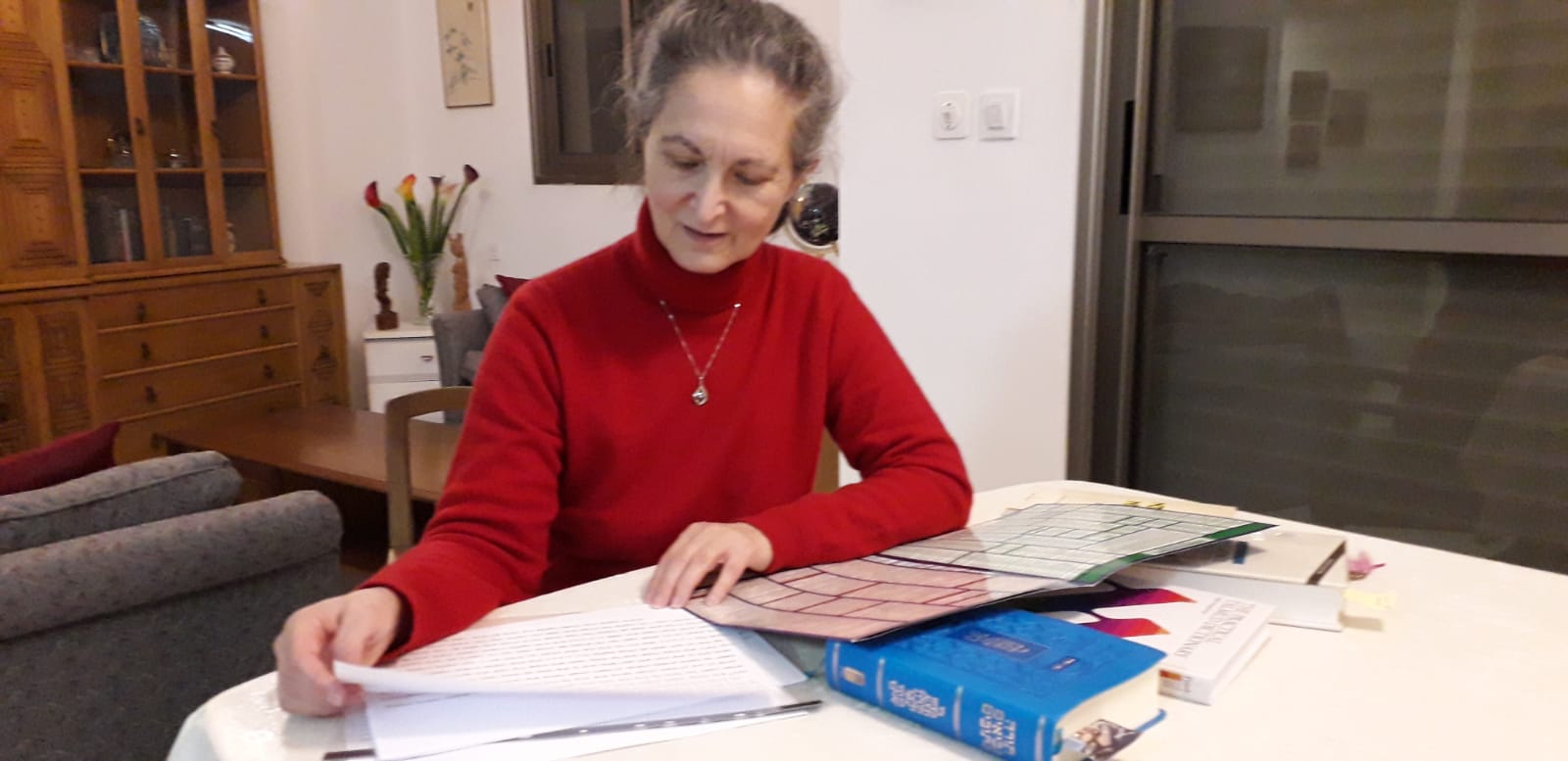
Geri Goldstein got me started learning daf yomi when I was in Israel 2 years ago. It’s been a challenge and I’ve learned a lot though I’m sure I miss a lot. I quilt as I listen and I want to share what I’ve been working on.

Rebecca Stulberg
Rebecca Stulberg

Ottawa, Canada

When I was working and taking care of my children, learning was never on the list. Now that I have more time I have two different Gemora classes and the nach yomi as well as the mishna yomi daily.

Shoshana Shinnar
Shoshana Shinnar

Jerusalem, Israel

I decided to give daf yomi a try when I heard about the siyum hashas in 2020. Once the pandemic hit, the daily commitment gave my days some much-needed structure. There have been times when I’ve felt like quitting- especially when encountering very technical details in the text. But then I tell myself, “Look how much you’ve done. You can’t stop now!” So I keep going & my Koren bookshelf grows…

Miriam Eckstein-Koas

Huntington, United States

My Daf journey began in August 2012 after participating in the Siyum Hashas where I was blessed as an “enabler” of others.  Galvanized into my own learning I recited the Hadran on Shas in January 2020 with Rabbanit Michelle. That Siyum was a highlight in my life.  Now, on round two, Daf has become my spiritual anchor to which I attribute manifold blessings.

Rina Goldberg
Rina Goldberg

Englewood NJ, United States

I began learning the daf in January 2022. I initially “flew under the radar,” sharing my journey with my husband and a few close friends. I was apprehensive – who, me? Gemara? Now, 2 years in, I feel changed. The rigor of a daily commitment frames my days. The intellectual engagement enhances my knowledge. And the virtual community of learners has become a new family, weaving a glorious tapestry.

Gitta Jaroslawicz-Neufeld

Far Rockaway, United States

I start learning Daf Yomi in January 2020. The daily learning with Rabbanit Michelle has kept me grounded in this very uncertain time. Despite everything going on – the Pandemic, my personal life, climate change, war, etc… I know I can count on Hadran’s podcast to bring a smile to my face.
Deb Engel
Deb Engel

Los Angeles, United States

I started learning Daf Yomi inspired by תָּפַסְתָּ מְרוּבֶּה לֹא תָּפַסְתָּ, תָּפַסְתָּ מוּעָט תָּפַסְתָּ. I thought I’d start the first page, and then see. I was swept up into the enthusiasm of the Hadran Siyum, and from there the momentum kept building. Rabbanit Michelle’s shiur gives me an anchor, a connection to an incredible virtual community, and an energy to face whatever the day brings.

Medinah Korn
Medinah Korn

בית שמש, Israel

I learned Mishnayot more than twenty years ago and started with Gemara much later in life. Although I never managed to learn Daf Yomi consistently, I am learning since some years Gemara in depth and with much joy. Since last year I am studying at the International Halakha Scholars Program at the WIHL. I often listen to Rabbanit Farbers Gemara shiurim to understand better a specific sugyiah. I am grateful for the help and inspiration!

Shoshana Ruerup
Shoshana Ruerup

Berlin, Germany

When I was working and taking care of my children, learning was never on the list. Now that I have more time I have two different Gemora classes and the nach yomi as well as the mishna yomi daily.

Shoshana Shinnar
Shoshana Shinnar

Jerusalem, Israel

I started learning at the beginning of this Daf Yomi cycle because I heard a lot about the previous cycle coming to an end and thought it would be a good thing to start doing. My husband had already bought several of the Koren Talmud Bavli books and they were just sitting on the shelf, not being used, so here was an opportunity to start using them and find out exactly what was in them. Loving it!

Caroline Levison
Caroline Levison

Borehamwood, United Kingdom

I learned Talmud as a student in Yeshivat Ramaz and felt at the time that Talmud wasn’t for me. After reading Ilana Kurshan’s book I was intrigued and after watching the great siyum in Yerushalayim it ignited the spark to begin this journey. It has been a transformative life experience for me as a wife, mother, Savta and member of Klal Yisrael.
Elana Storch
Elana Storch

Phoenix, Arizona, United States

With Rabbanit Dr. Naomi Cohen in the Women’s Talmud class, over 30 years ago. It was a “known” class and it was accepted, because of who taught. Since then I have also studied with Avigail Gross-Gelman and Dr. Gabriel Hazut for about a year). Years ago, in a shiur in my shul, I did know about Persians doing 3 things with their clothes on. They opened the shiur to woman after that!

Sharon Mink
Sharon Mink

Haifa, Israel

I learned daf more off than on 40 years ago. At the beginning of the current cycle, I decided to commit to learning daf regularly. Having Rabanit Michelle available as a learning partner has been amazing. Sometimes I learn with Hadran, sometimes with my husband, and sometimes on my own. It’s been fun to be part of an extended learning community.

Miriam Pollack
Miriam Pollack

Honolulu, Hawaii, United States

I never thought I’d be able to do Daf Yomi till I saw the video of Hadran’s Siyum HaShas. Now, 2 years later, I’m about to participate in Siyum Seder Mo’ed with my Hadran community. It has been an incredible privilege to learn with Rabbanit Michelle and to get to know so many caring, talented and knowledgeable women. I look forward with great anticipation and excitement to learning Seder Nashim.

Caroline-Ben-Ari-Tapestry
Caroline Ben-Ari

Karmiel, Israel

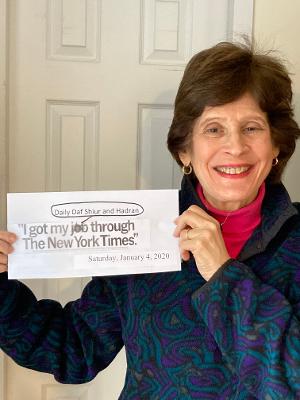
“I got my job through the NY Times” was an ad campaign when I was growing up. I can headline “I got my daily Daf shiur and Hadran through the NY Times”. I read the January 4, 2020 feature on Reb. Michelle Farber and Hadran and I have been participating ever since. Thanks NY Times & Hadran!
Deborah Aschheim
Deborah Aschheim

New York, United States

Years ago, I attended the local Siyum HaShas with my high school class. It was inspiring! Through that cycle and the next one, I studied masekhtot on my own and then did “daf yomi practice.” The amazing Hadran Siyum HaShas event firmed my resolve to “really do” Daf Yomi this time. It has become a family goal. We’ve supported each other through challenges, and now we’re at the Siyum of Seder Moed!

Elisheva Brauner
Elisheva Brauner

Jerusalem, Israel

After reading the book, “ If All The Seas Were Ink “ by Ileana Kurshan I started studying Talmud. I searched and studied with several teachers until I found Michelle Farber. I have been studying with her for two years. I look forward every day to learn from her.

Janine Rubens
Janine Rubens

Virginia, United States

Ketubot 5

מִשּׁוּם חֶשְׁבּוֹנוֹת.

It is due to calculations performed on Shabbat to prepare for the wedding. He would thereby engage in weekday matters on Shabbat.

אֲמַר לֵיהּ אַבָּיֵי: וְחֶשְׁבּוֹנוֹת שֶׁל מִצְוָה מִי אֲסִירִי? וְהָא רַב חִסְדָּא וְרַב הַמְנוּנָא דְּאָמְרִי תַּרְוַיְיהוּ: חֶשְׁבּוֹנוֹת שֶׁל מִצְוָה מוּתָּר לְחַשְּׁבָן בְּשַׁבָּת! וְאָמַר רַבִּי אֶלְעָזָר: פּוֹסְקִין צְדָקָה לַעֲנִיִּים בְּשַׁבָּת! וְאָמַר רַבִּי יַעֲקֹב אָמַר רַבִּי יוֹחָנָן: הוֹלְכִין לְבָתֵּי כְנֵסִיּוֹת וּלְבָתֵּי מִדְרָשׁוֹת לְפַקֵּחַ עַל עִסְקֵי רַבִּים בְּשַׁבָּת. וְאָמַר רַבִּי יַעֲקֹב בַּר אִידֵּי אָמַר רַבִּי יוֹחָנָן: מְפַקְּחִין פִּיקּוּחַ נֶפֶשׁ בְּשַׁבָּת.

Abaye said to him: And are calculations for a mitzva prohibited on Shabbat? But wasn’t it Rav Ḥisda and Rav Hamnuna who both said: With regard to calculations for a mitzva, it is permitted to reckon them on Shabbat? And Rabbi Elazar said: One may allocate charity to the poor on Shabbat. And Rabbi Ya’akov said that Rabbi Yoḥanan said: One goes to synagogues and study halls to supervise matters affecting the multitudes on Shabbat. And Rabbi Ya’akov bar Idi said that Rabbi Yoḥanan said: One supervises matters of saving a life on Shabbat.

וְאָמַר רַב שְׁמוּאֵל בַּר נַחְמָנִי אָמַר רַבִּי יוֹנָתָן: הוֹלְכִין לְטֵרַטְיָיאוֹת וּלְקִרְקְיָיאוֹת לְפַקֵּחַ עַל עִסְקֵי רַבִּים בְּשַׁבָּת. וְתָנָא דְּבֵי מְנַשְּׁיָא: מְשַׁדְּכִין עַל הַתִּינוֹקֶת לֵיאָרֵס בְּשַׁבָּת, וְעַל הַתִּינוֹק לְלַמְּדוֹ סֵפֶר וּלְלַמְּדוֹ אוּמָּנוּת.

And Rabbi Shmuel bar Naḥmani said that Rabbi Yonatan said: One goes to theaters [tartiyyaot] and circuses [karkiyyaot] to supervise matters affecting the multitudes on Shabbat, because the fate of the Jewish people or of individual Jews is often decided there and one’s presence could prevent calamity. And the Sage of the school of Menashya taught: One makes matches [meshadkhin] among the families concerned for a young girl to be betrothed on Shabbat, and similarly one may make arrangements for a young boy to teach him Torah and to teach him a craft. Apparently, calculations for a mitzva may be reckoned on Shabbat, including calculations for a wedding. Therefore, this cannot be the reason for the prohibition against marrying at the conclusion of Shabbat.

אֶלָּא, אָמַר רַבִּי זֵירָא: גְּזֵירָה שֶׁמָּא יִשְׁחוֹט בֶּן עוֹף. אֲמַר לֵיהּ אַבָּיֵי: אֶלָּא מֵעַתָּה, יוֹם הַכִּפּוּרִים שֶׁחָל לִהְיוֹת בְּשֵׁנִי בְּשַׁבָּת יִדָּחֶה, גְּזֵירָה שֶׁמָּא יִשְׁחוֹט בֶּן עוֹף! הָתָם דִּלְנַפְשֵׁיהּ — לָא טְרִיד, הָכָא דְּלַאֲחֵרִים — טְרִיד. אִי נָמֵי: הָתָם אִית לֵיהּ רַוְוחָא, הָכָא לֵית לֵיהּ רַוְוחָא.

Rather, Rabbi Zeira said: It is a decree lest one slaughter a young fowl on Shabbat, due to his preoccupation with the preparations for that night’s wedding feast. Abaye said to him: If that is so, Yom Kippur that occurs on Monday should be postponed when fixing the calendar, due to a decree lest one slaughter a young fowl on Shabbat for the meal on Yom Kippur eve, which is a mitzva. The Gemara distinguishes between the cases. There, with regard to Yom Kippur eve, when one is preparing a meal for himself, he is not preoccupied, and he will not overlook the fact that it is Shabbat. Here, in the case of a wedding, one is preparing a meal for others and is preoccupied. Alternatively, there, on Yom Kippur eve, he has an interval of time during which he can slaughter the bird, as the mitzva is to eat the meal on Yom Kippur eve the next day. Here, he does not have an interval of time, because the wedding and the feast take place at night at the conclusion of Shabbat.

הַשְׁתָּא דְּאָתֵית לְהָכִי, עֶרֶב שַׁבָּת נָמֵי — גְּזֵירָה שֶׁמָּא יִשְׁחוֹט בֶּן עוֹף.

The Gemara says: Now that we have come to this understanding of the prohibition against marrying at the conclusion of Shabbat, the prohibition not to engage in sexual intercourse on Shabbat evening, too, is not due to the intercourse. Rather, it is a decree lest one slaughter a young fowl for the wedding feast.

אִיבַּעְיָא לְהוּ: בְּתוּלָה נִשֵּׂאת בָּרְבִיעִי וְנִבְעֶלֶת בָּרְבִיעִי, וְלָא חָיְישִׁינַן לְאִיקָּרוֹרֵי דַעְתָּא, אוֹ דִלְמָא: בְּתוּלָה נִשֵּׂאת בָּרְבִיעִי וְנִבְעֶלֶת בַּחֲמִישִׁי, דְּחָיְישִׁינַן לְאִיקָּרוֹרֵי דַעְתָּא.

§ The Gemara raises a dilemma: Is a virgin married on Wednesday and does she engage in intercourse on that Wednesday, and we are not concerned lest his resolve to take his bride to court upon discovering that she was not a virgin cool overnight? Rather, he will certainly go to court the next morning. Or perhaps, a virgin is married on Wednesday but engages in intercourse on Thursday, as we are concerned that his resolve will cool.

תָּא שְׁמַע, דְּתָנֵי בַּר קַפָּרָא: בְּתוּלָה נִשֵּׂאת בָּרְבִיעִי וְנִבְעֶלֶת בַּחֲמִישִׁי, הוֹאִיל וְנֶאֶמְרָה בּוֹ בְּרָכָה לַדָּגִים. אַלְמָנָה נִשֵּׂאת בַּחֲמִישִׁי וְנִבְעֶלֶת בַּשִּׁשִּׁי — הוֹאִיל וְנֶאֶמְרָה בּוֹ בְּרָכָה לָאָדָם. טַעְמָא מִשּׁוּם בְּרָכָה, אֲבָל מִשּׁוּם אִיקָּרוֹרֵי דַעְתָּא — לָא חָיְישִׁינַן.

Come and hear proof, as bar Kappara taught: A virgin is married on Wednesday and engages in intercourse on Thursday, since the blessing to the fish: Be fruitful and multiply, was stated on the fifth day of Creation. A widow is married on Thursday and engages in intercourse on Friday, since the blessing of procreation was stated to man on the sixth day of Creation. It may be inferred that the reason is due to the blessing, but with regard to the possibility lest his resolve cool, we are not concerned.

אִי הָכִי, אַלְמָנָה נָמֵי תִּיבָּעֵל בַּחֲמִישִׁי, הוֹאִיל וְנֶאֶמְרָה בּוֹ בְּרָכָה לַדָּגִים! בְּרָכָה דְאָדָם עֲדִיפָא לֵיהּ.

The Gemara asks: If so, a widow should also engage in intercourse on Thursday, since the blessing to the fish was stated then. The Gemara answers: Since there is the option to postpone engaging in relations to the day on which the blessing of man was stated, doing so is preferable for him.

וְאִי נָמֵי: מִשּׁוּם שָׁקְדוּ. דְּתַנְיָא: מִפְּנֵי מָה אָמְרוּ אַלְמָנָה נִשֵּׂאת בַּחֲמִישִׁי וְנִבְעֶלֶת בַּשִּׁשִּׁי? שֶׁאִם אַתָּה אוֹמֵר תִּיבָּעֵל בַּחֲמִישִׁי, לְמָחָר מַשְׁכִּים לְאוּמָּנֻתוֹ וְהוֹלֵךְ לוֹ. שָׁקְדוּ חֲכָמִים עַל תַּקָּנַת בְּנוֹת יִשְׂרָאֵל, שֶׁיְּהֵא שָׂמֵחַ עִמָּהּ שְׁלֹשָׁה יָמִים: חֲמִישִׁי בְּשַׁבָּת, וְעֶרֶב שַׁבָּת, וְשַׁבָּת.

Alternatively, that day was established as the day for a widow to engage in sexual relations due to the fact that the Sages were assiduous in seeing to the well-being of Jewish women, as it is taught in a baraita: Why did the Sages say that a widow is married on Thursday and engages in intercourse on Friday? It is because if you say that she should engage in intercourse on Thursday, on the next day the groom will go to ply his craft early and leave his wife alone. When a man marries a widow, there is no observance of the seven days of rejoicing, whose legal status is like that of a Festival, during which he does not go to work. Therefore, the Sages were assiduous in seeing to the well-being of Jewish women and ensured that the groom rejoice with her for three days: Thursday, the day of the wedding; and Shabbat eve, the day when they engage in sexual relations; and Shabbat.

מַאי אִיכָּא בֵּין ״בְּרָכָה״ לְ״שָׁקְדוּ״? אִיכָּא בֵּינַיְיהוּ אָדָם בָּטֵל. אִי נָמֵי: יוֹם טוֹב שֶׁחָל לִהְיוֹת בְּעֶרֶב שַׁבָּת.

What practical difference is there between the two reasons given to engage in relations on Friday, i.e., the blessing of procreation for man and the fact that the Sages were assiduous? The Gemara answers: There is a practical difference between them in the case of an idle person, who has no job, in which case the reason of blessing applies and the reason that the Sages were assiduous does not, as no matter what he will not go to work early. Alternatively, there is a practical difference in the case of a Festival that occurs on Shabbat eve. There too, the reason of blessing applies but the Sages’ assiduousness does not apply, as one does not work on a Festival.

דָּרַשׁ בַּר קַפָּרָא: גְּדוֹלִים מַעֲשֵׂה צַדִּיקִים יוֹתֵר מִמַּעֲשֵׂה שָׁמַיִם וָאָרֶץ, דְּאִילּוּ בְּמַעֲשֵׂה שָׁמַיִם וָאָרֶץ כְּתִיב: ״אַף יָדִי יָסְדָה אֶרֶץ וִימִינִי טִפְּחָה שָׁמָיִם״, וְאִלּוּ בְּמַעֲשֵׂה יְדֵיהֶם שֶׁל צַדִּיקִים כְּתִיב: ״מָכוֹן לְשִׁבְתְּךָ פָּעַלְתָּ ה׳ מִקְּדָשׁ אֲדֹנָי כּוֹנְנוּ יָדֶיךָ״.

§ The Gemara cites additional aggadic statements of bar Kappara. Bar Kappara taught: The handiwork of the righteous is greater than the creation of heaven and earth, as with regard to the creation of heaven and earth it is written: “My hand also has laid the foundation of the earth, and My right hand has spanned the heavens” (Isaiah 48:13). There, hand is written in the singular. Whereas with regard to the handiwork of the righteous it is written: “The place which You have made for Yourself to dwell in, Lord, the Sanctuary, Lord, which your hands have established” (Exodus 15:17). The reference is to the Temple, which is the handiwork of man, and hand is written in the plural.

הֵשִׁיב בַּבְלִי אֶחָד, וְרַבִּי חִיָּיא שְׁמוֹ: ״וְיַבֶּשֶׁת יָדָיו יָצָרוּ״! ״יָדוֹ״ כְּתִיב. וְהָכְתִיב ״יָצָרוּ״! אָמַר רַב נַחְמָן בַּר יִצְחָק: יָצְרוּ אֶצְבְּעוֹתָיו, כְּדִכְתִיב: ״כִּי אֶרְאֶה שָׁמֶיךָ מַעֲשֵׂה אֶצְבְּעוֹתֶיךָ יָרֵחַ וְכוֹכָבִים אֲשֶׁר כּוֹנָנְתָּ״.

A certain Babylonian, and his name is Rabbi Ḥiyya, responded with a challenge. It is written with regard to creation of the earth: “And His hands formed the dry land” (Psalms 95:5). The Gemara answers: “His hand” is the way it is written. Although the word is vocalized in the plural, it is written in the singular, without the letter yod. But isn’t it written: “Formed,” in the plural? Rav Naḥman bar Yitzḥak said: The plural is referring to His fingers, as it is written: “When I see Your heavens, the work of Your fingers, the moon and stars, which You have established” (Psalms 8:4).

מֵיתִיבִי: ״הַשָּׁמַיִם מְסַפְּרִים כְּבוֹד אֵל וּמַעֲשֵׂה יָדָיו מַגִּיד הָרָקִיעַ״! הָכִי קָאָמַר: מַעֲשֵׂה יְדֵיהֶם שֶׁל צַדִּיקִים מִי מַגִּיד — הָרָקִיעַ, וּמַאי נִיהוּ — מָטָר.

The Gemara raises an objection: “The heavens declare the glory of God, and the firmament proclaims the work of His hands” (Psalms 19:2). The heavens were created by His hands. The Gemara answers that this is what the verse is saying: Who attests to the handiwork of the righteous, that they are performing the will of God? It is the heavens. And what is the avenue through which the heavens do so? It is by means of rain that falls due to the prayers of the righteous.

דָּרַשׁ בַּר קַפָּרָא, מַאי דִּכְתִיב: ״וְיָתֵד תִּהְיֶה לְךָ עַל אֲזֵנֶךָ״. אַל תִּקְרֵי ״אֲזֵנֶךָ״, אֶלָּא ״עַל אׇזְנֶךָ״ — שֶׁאִם יִשְׁמַע אָדָם דָּבָר שֶׁאֵינוֹ הָגוּן,

Bar Kappara taught: What is the meaning of that which is written: And you shall have a peg among your weapons [azenekha]” (Deuteronomy 23:14)? Do not read it as: Your weapons [azenekha]. Rather, read it: On your ear [oznekha], meaning that if a person hears an inappropriate matter,

יַנִּיחַ אֶצְבָּעוֹ בְּאׇזְנָיו. וְהַיְינוּ דְּאָמַר רַבִּי אֶלְעָזָר: מִפְּנֵי מָה אֶצְבְּעוֹתָיו שֶׁל אָדָם דּוֹמוֹת לִיתֵידוֹת? מַאי טַעְמָא? אִילֵּימָא מִשּׁוּם דִּמְחַלְּקָן, כׇּל חֲדָא וַחֲדָא לְמִילְּתַיהּ עֲבִידָא. דְּאָמַר מָר: זוֹ זֶרֶת. זוֹ קְמִיצָה. זוֹ אַמָּה. זוֹ אֶצְבַּע. זֶה גּוּדָל.

he should place his finger, which is shaped like a peg, into his ears. And that is what Rabbi Elazar said: Why are the fingers of a person similar to pegs? The Gemara asks: What is the reason that Rabbi Elazar said that fingers are like pegs? If we say that it is due to the fact that they are discrete from each other, each and every finger was designated for its own discrete, sacred matter, as the Master said: This small finger is for measuring a span, the distance between the little finger to the tip of the thumb used in measuring the breastplate of the High Priest; this next finger is used for taking a fistful of the meal-offering; this middle finger is used for measuring a cubit, the distance from the elbow to the tip of the middle finger; this one next to the thumb is the finger used to sprinkle the blood of offerings on the altar; this is the thumb, on which the blood and oil is placed in the purification ritual of a leper.

אֶלָּא: מַה טַּעַם מְשׁוּפּוֹת כִּיתֵידוֹת — שֶׁאִם יִשְׁמַע אָדָם דָּבָר שֶׁאֵינוֹ הָגוּן, יַנִּיחַ אֶצְבְּעוֹתָיו בְּאׇזְנָיו. תָּנָא דְּבֵי רַבִּי יִשְׁמָעֵאל: מִפְּנֵי מָה אוֹזֶן כּוּלָּהּ קָשָׁה וְהָאַלְיָה רַכָּה? שֶׁאִם יִשְׁמַע אָדָם דָּבָר שֶׁאֵינוֹ הָגוּן, יָכוֹף אַלְיָה לְתוֹכָהּ. תָּנוּ רַבָּנַן: אַל יַשְׁמִיעַ אָדָם לְאׇזְנָיו דְּבָרִים בְּטֵלִים, מִפְּנֵי שֶׁהֵן נִכְווֹת תְּחִלָּה לְאֵיבָרִים.

Rather, the question is: What is the reason that they are pointed like pegs? It is so that if a person hears an inappropriate matter, he will place his fingers in his ears. Similarly, a Sage of the school of Rabbi Yishmael taught: Why is the entire ear hard and the earlobe soft? It is so that if a person hears an inappropriate matter, he will bend his earlobe into his ear to seal it. The Sages taught: A person should not allow his ears to hear idle matters. Because of the fact that ears are very sensitive and are the first of the limbs burned, one should make certain not to expose them to anything problematic.

אִיבַּעְיָא לְהוּ: מַהוּ לִבְעוֹל בַּתְּחִלָּה בְּשַׁבָּת. דָּם מִיפְקָד פְּקִיד, אוֹ חַבּוֹרֵי מִיחַבַּר?

§ A dilemma was raised before the Sages: What is the halakha with regard to engaging in intercourse with one’s virgin bride for the first time on Shabbat? The dilemma is with regard to the nature of the blood that emerges as a result of the piercing of the hymen. Is it that the blood is pooled, and it is released once the hymen is pierced, so that no prohibition is violated? Or, is the blood flowing through vessels attached to the body, and it emerges as a result of a wound, so that he does violate a prohibition?

וְאִם תִּימְצֵי לוֹמַר דָּם מִיפְקָד פְּקִיד: לַדָּם הוּא צָרִיךְ, וּשְׁרֵי. אוֹ דִּלְמָא לַפֶּתַח הוּא צָרִיךְ, וַאֲסִיר.

And if you say that it is pooled and the intercourse does not cause a wound, there is an additional dilemma: Does the husband require the blood to flow, and that is his objective in performing the act, in which case it is permitted? Or, perhaps he requires the opening caused by the rupture of the hymen, and creating that opening is prohibited on Shabbat.

וְאִם תִּימְצֵי לוֹמַר לַדָּם הוּא צָרִיךְ, וּפֶתַח מִמֵּילָא קָאָתֵי — הֲלָכָה כְּרַבִּי שִׁמְעוֹן דְּאָמַר דָּבָר שֶׁאֵין מִתְכַּוֵּין מוּתָּר, אוֹ הֲלָכָה כְּרַבִּי יְהוּדָה דְּאָמַר דָּבָר שֶׁאֵין מִתְכַּוֵּין אָסוּר?

And if you say that he requires the blood, and the opening comes about incidentally as an unintended consequence, is the halakha in accordance with the opinion of Rabbi Shimon, who said: An unintentional act, i.e., a permitted action from which a forbidden labor inadvertently ensued, is permitted? Or, is the halakha in accordance with the opinion of Rabbi Yehuda, who said: An unintentional act is forbidden?

וְאִם תִּימְצֵי לוֹמַר הֲלָכָה כְּרַבִּי יְהוּדָה — מְקַלְקֵל הוּא אֵצֶל הַפֶּתַח, אוֹ מְתַקֵּן הוּא אֵצֶל הַפֶּתַח?

And even if you say that the halakha is in accordance with the opinion of Rabbi Yehuda in this regard, is this a destructive action vis-à-vis the opening, and is it consequently permitted on Shabbat because only constructive actions are forbidden? Or, perhaps it is a constructive action vis-à-vis the opening.

אִיכָּא דְּאָמְרִי: וְאִם תִּימְצֵי לוֹמַר דָּם חַבּוֹרֵי מִיחַבַּר — לַדָּם הוּא צָרִיךְ, וְאָסוּר, אוֹ דִּלְמָא לַהֲנָאַת עַצְמוֹ הוּא צָרִיךְ, וְשָׁרֵי?

Some say that the series of dilemmas is as follows: And if you say that the blood is flowing through vessels attached to the body and emerges as a result of a wound, does the husband require the blood, and engaging in intercourse is consequently prohibited, as his intent is to cause the wound? Or, perhaps he requires the act of intercourse solely for his own pleasure, and it is permitted.

וְאִם תִּימְצֵי לוֹמַר לַהֲנָאַת עַצְמוֹ הוּא צָרִיךְ, וְדָם מִמֵּילָא קָאָתֵי — הֲלָכָה כְּרַבִּי יְהוּדָה אוֹ הֲלָכָה כְּרַבִּי שִׁמְעוֹן?

And if you say that he requires the act of intercourse solely for his own pleasure, and the blood comes incidentally, as it was not his intent to draw blood, is the halakha in accordance with the opinion of Rabbi Yehuda with regard to an unintentional act, or is it in accordance with the opinion of Rabbi Shimon?

וְאִם תִּימְצֵי לוֹמַר הֲלָכָה כְּרַבִּי יְהוּדָה — מְקַלְקֵל בְּחַבּוּרָה אוֹ מְתַקֵּן בְּחַבּוּרָה הוּא?

And if you say that the halakha is in accordance with the opinion of Rabbi Yehuda and unintentional acts are forbidden, is one destructive in causing the wound or constructive in causing the wound?

וְאִם תִּימְצֵי לוֹמַר מְקַלְקֵל בְּחַבּוּרָה הוּא — בִּמְקַלְקֵל הֲלָכָה כְּרַבִּי יְהוּדָה,

And if you say that he is destructive in causing the wound, in cases involving destructive acts is the halakha in accordance with the opinion of Rabbi Yehuda, who rules that one who performs any destructive act on Shabbat is exempt, even if he did so intentionally?

Want to follow content and continue where you left off?

Create an account today to track your progress, mark what you’ve learned, and follow the shiurim that speak to you.

Clear all items from this list?

This will remove ALL the items in this section. You will lose any progress or history connected to them. This is irreversible.

Cancel
Yes, clear all

Are you sure you want to delete this item?

You will lose any progress or history connected to this item.

Cancel
Yes, delete