Search

Kiddushin 25

Want to dedicate learning? Get started here:

English
עברית
podcast placeholder

0:00
0:00


podcast placeholder

0:00
0:00


Summary

Today’s daf is sponsored by Jessica Jobanek and Harold Kingsberg in honor of the first birthday of their beloved son, Shmuel Meir. “We look forward to many more years learning with and from you, B’ezrat Hashem.” 

If a master removes the eye of an already blind slave, will the slave be freed? Which types of blemishes are considered noticeable that a slave would go free if the master inflicted it? Would this include castrated testicles or cutting his tongue? Sources are brought from other areas of halacha where revealed blemishes are discussed. The Mishna discusses how larger and smaller animals are acquired. The Gemara raises a question according to a tana who requires lifting even large animals: how can an elephant be acquired?

Kiddushin 25

יְתֶרֶת, וַחֲתָכָהּ – עֶבֶד יוֹצֵא בָּהֶן לְחֵירוּת. אָמַר רַב הוּנָא: וְהוּא שֶׁנִּסְפֶּרֶת עַל גַּב הַיָּד.

an extra finger, i.e., six fingers on his hand, and the master severed it, the slave is emancipated by means of this injury. Rav Huna says: And this halakha applies when the finger can be counted along the back of the hand, i.e., the extra finger is on the same line as the others. If it protrudes from another spot, then it is not classified as a finger but a mere growth, and destroying it is not considered the removal of a limb.

סָבֵי דְנָזוֹנְיָא לָא אֲתוֹ לְפִירְקֵיהּ דְּרַב חִסְדָּא, אֲמַר לֵיהּ לְרַב הַמְנוּנָא: זִיל צַנְּעִינְהוּ. אֲזַל אֲמַר לְהוּ: מַאי טַעְמָא לָא אֲתוֹ רַבָּנַן לְפִירְקָא? אֲמַרוּ לֵיהּ: אַמַּאי נֵיתֵי? דִּבְעֵינַן מִינֵּיהּ מִילְּתָא וְלָא פְּשַׁט לַן. אֲמַר לְהוּ: מִי בְּעֵיתוּ מִינַּאי מִידֵּי וְלָא פָּשֵׁיטְנָא לְכוּ?

§ The Gemara relates: The Elders of the city of Nezonya did not come to Rav Ḥisda’s lecture. Rav Ḥisda said to Rav Hamnuna: Go and ostracize them [tzaninhu] because they act disrespectfully toward the Sages. Rav Hamnuna went and said to the Elders of Nezonya: What is the reason that the rabbis did not come to the lecture? They said to him: Why should we come, as we asked him about a matter and he did not resolve it for us. We have nothing to learn from him. Rav Hamnuna said to them: Have you asked me anything that I did not resolve for you? Ask me your question.

בְּעוֹ מִינֵּיהּ: עֶבֶד שֶׁסֵּרְסוֹ רַבּוֹ בַּבֵּצִים, מַהוּ? כְּמוּם שֶׁבַּגָּלוּי דָּמֵי, אוֹ לָא? לָא הֲוָה בִּידֵיהּ. אָמְרוּ לוֹ: מָה שְׁמָךְ? אֲמַר לְהוּ: הַמְנוּנָא. אֲמַרוּ לֵיהּ: לָאו הַמְנוּנָא, אֶלָּא קַרְנוּנָא.

They raised the following dilemma before him: With regard to a slave whose master castrates his testicles, what is the halakha? Is that considered an exposed blemish that is sufficient to emancipate him or not? An answer to their dilemma was not available to Rav Hamnuna. They said to him: What is your name? He said to them: Hamnuna. They said to him in jest: You should not be called Hamnuna, a good hot fish; rather, your name should be Karnuna, a cold fish that is no longer tasty.

אֲתָא לְקַמֵּיהּ דְּרַב חִסְדָּא. אֲמַר לֵיהּ: מַתְנִיתָא בְּעוֹ מִינָּךְ. דִּתְנַן: עֶשְׂרִים וְאַרְבָּעָה רָאשֵׁי אֵבָרִים שֶׁבָּאָדָם כּוּלָּם אֵין מְטַמְּאִין מִשּׁוּם מִחְיָה,

After this encounter Rav Hamnuna came before Rav Ḥisda and told him what had happened. Rav Ḥisda said to him: They raised before you a dilemma that can be resolved from a baraita, which was cited in connection to a mishna, and you did not know how to answer them. As we learned in a mishna (Nega’im 6:7): There are twenty-four extremities in a person, none of which can become ritually impure due to unaffected skin. The Torah states that if a leprous spot contains some healthy flesh, the person is immediately rendered impure (Leviticus 13:14). The halakha of unaffected skin does not apply to the extremities because the priest must be able to see the entirety of the untainted area at once. Due to the shape of the twenty-four extremities, it is impossible to see the entirety of the area from a single vantage point. Consequently, the halakha of unaffected skin does not apply to them.

וְאֵלּוּ הֵם: רָאשֵׁי אֶצְבָּעוֹת יָדַיִם וְרַגְלַיִם, וְרָאשֵׁי אׇזְנַיִם, וְרֹאשׁ הַחוֹטֶם, וְרֹאשׁ הַגְּוִיָּיה וְרָאשֵׁי דַדִּים שֶׁבָּאִשָּׁה. רַבִּי יְהוּדָה אוֹמֵר: אַף שֶׁבָּאִישׁ. וְתָנֵי עֲלַהּ: בְּכוּלָּם עֶבֶד יוֹצֵא בָּהֶם לְחֵירוּת. רַבִּי אוֹמֵר: אַף הַסֵּירוּס. בֶּן עַזַּאי אוֹמֵר: אַף הַלָּשׁוֹן.

And these are the twenty-four extremities: The extremities of the fingers and toes, twenty in total, and the extremities of the ears, and the extremity of the nose, and the extremity of the penis, and the extremities of the nipples of a woman. Rabbi Yehuda says: Even the nipples of a man are included. And it is taught in that regard in a baraita: A slave is emancipated for injuries to all of them. The body parts listed with regard to leprosy are the same ones that, when injured, lead to the emancipation of a slave. Rabbi Yehuda HaNasi says: Also, the castration of a slave by his master entails his freedom. Ben Azzai says: The tongue is also considered an exposed body part, as it is exposed when one speaks. Consequently, if the master severs his slave’s tongue, the slave goes free.

אָמַר מָר: רַבִּי אוֹמֵר אַף הַסֵּירוּס. סֵירוּס דְּמַאי? אִילֵּימָא סֵירוּס דְּגִיד, הַיְינוּ גְּוִיָּיה. אֶלָּא לָאו: סֵירוּס דְּבֵיצִים?

The Master said above that Rabbi Yehuda HaNasi says: Also castration. The Gemara asks: Castration of what? If we say that it is referring to castration of the penis, i.e., that the master severed the slave’s penis, this is the same as the mishna that already mentioned a penis. What, then, does Rabbi Yehuda HaNasi add? Rather, is it not correct to say that Rabbi Yehuda HaNasi is referring to castration of the testicles? If so, this baraita resolves the dilemma raised by the Elders of Nezonya.

רַבִּי אוֹמֵר אַף הַסֵּירוּס. וְרַבִּי, לָשׁוֹן לָא? וּרְמִינְהוּ: הֲרֵי מִי שֶׁהָיָה מַזֶּה וְנִתְּזָה הַזָּאָה עַל פִּיו, רַבִּי אוֹמֵר: הִיזָּה. וַחֲכָמִים אוֹמְרִים: לֹא הִיזָּה.

The Gemara further analyzes the baraita. Rabbi Yehuda HaNasi says: Also castration, but he does not include the tongue, unlike ben Azzai. The Gemara inquires: And according to Rabbi Yehuda HaNasi, is the tongue not considered exposed? And the Gemara raises a contradiction from the following: In a case where one was sprinkling the purification water of the red heifer on another person in order to purify him from ritual impurity imparted by a corpse, and a sprinkling of water landed on his mouth, Rabbi Yehuda HaNasi says: He has sprinkled, i.e., this is a valid form of sprinkling and the impure person is purified. And the Rabbis say: He has not sprinkled, i.e., this is an invalid form of sprinkling because water of purification must be sprinkled on exposed limbs.

מַאי לָאו עַל לְשׁוֹנוֹ? לֹא, עַל שְׂפָתָיו. עַל שְׂפָתָיו פְּשִׁיטָא! מַהוּ דְּתֵימָא זִימְנָא דְּחָלֵים שִׂפְוָתֵיהּ, קָא מַשְׁמַע לַן.

The Gemara clarifies the difficulty from this baraita: What, is it not the case that this is referring to a situation where water was sprinkled on his tongue, which would indicate that Rabbi Yehuda HaNasi maintains that the tongue is an exposed limb? The Gemara rejects this suggestion: No, this is referring to one who had water sprinkled on his lips. The Gemara asks: If it was sprinkled on his lips, isn’t it obvious that he is ritually pure, as the lips are exposed? The Gemara answers: It is necessary to state this, lest you say that at times, he closes his lips tightly, and consequently they should be considered an unexposed part of the body. Therefore, the baraita teaches us that according to Rabbi Yehuda HaNasi one’s lips are considered exposed.

וְהָתַנְיָא: עַל לְשׁוֹנוֹ! וְעוֹד תַּנְיָא: וְשֶׁנִּיטַּל רוֹב הַלָּשׁוֹן, רַבִּי אוֹמֵר: רוֹב הַמְדַבֵּר שֶׁבִּלְשׁוֹנוֹ!

The Gemara further asks: But isn’t it taught explicitly in a baraita that if one had water sprinkled on his tongue he is ritually pure according to Rabbi Yehuda HaNasi? And it is further taught in a baraita dealing with the blemishes of priests and offerings that if most of his tongue was removed, this is a blemish; and Rabbi Yehuda HaNasi says: This is referring to a case where the part removed was most of the part of his tongue that he uses for speaking and pronouncing words, which is the tip of the tongue, not most of its length. This indicates that Rabbi Yehuda HaNasi maintains that if the tongue is removed, that is considered a blemish.

אֶלָּא, רַבִּי אוֹמֵר: סֵירוּס, וְלָא מִיבַּעְיָא לָשׁוֹן. בֶּן עַזַּאי אָמַר: לָשׁוֹן, אֲבָל סֵירוּס – לָא. וּמַאי ״אַף״? אַקַּמַּיְיתָא. אִי הָכִי, נַקְדְּמַהּ דְּבֶן עַזַּאי בְּרֵישָׁא!

Rather, the baraita should be explained as follows. Rabbi Yehuda HaNasi says: Castration is included, and it is not necessary to say that if the slave’s tongue is removed he is emancipated, as the tongue is exposed. Ben Azzai says: The loss of his tongue emancipates him, but castration does not. And what is the meaning of the term: Also, in the baraita, which indicates that ben Azzai is adding to Rabbi Yehuda HaNasi’s statement? He is adding to the first statement of the first tanna, not to the immediately preceding ruling of Rabbi Yehuda HaNasi. The Gemara asks: If so, the statement of ben Azzai should be first, as he adds one item, i.e., the tongue, to the ruling of the first tanna, while Rabbi Yehuda HaNasi further adds the case of castration to ben Azzai’s opinion.

תַּנָּא שַׁמְעַהּ לִדְרַבִּי וְקַבְעַהּ, וְשַׁמְעַהּ לִדְבֶן עַזַּאי וְתַנְיַ[הּ], וּמִשְׁנָה לֹא זָזָה מִמְּקוֹמָהּ.

The Gemara answers: The baraita should have been formulated in this manner, but the tanna first heard the opinion of Rabbi Yehuda HaNasi and set it in his version of the baraita, and afterward he heard the opinion of ben Azzai and taught it at the end. And although it would be appropriate to change the order of the statements, he did not do so because a mishna does not move from its place. Once it has been taught in a certain manner, the tanna will not change the text of a mishna, in order to avoid confusion.

אָמַר עוּלָּא: הַכֹּל מוֹדִים בְּלָשׁוֹן לְעִנְיַן טוּמְאָה דְּגָלוּי הוּא אֵצֶל הַשֶּׁרֶץ. מַאי טַעְמָא? ״אֲשֶׁר יִגַּע בּוֹ״ אָמַר רַחֲמָנָא, וְהַאי נָמֵי בַּר נְגִיעָה הוּא.

Ulla says: All concede with regard to a tongue that in the matter of ritual impurity it is considered exposed with respect to a dead creeping animal and other items that impart impurity. In other words, if an individual comes into contact with a source of ritual impurity with his tongue, he is rendered impure. What is the reason for this? The Merciful One states: “Whom he touches” (Leviticus 15:11), and this tongue can also touch. It is possible for one to touch objects with his tongue.

לְעִנְיַן טְבִילָה – כְּטָמוּן דָּמֵי. מַאי טַעְמָא: ״וְרָחַץ בְּשָׂרוֹ בְּמַיִם״ אָמַר רַחֲמָנָא, מָה בְּשָׂרוֹ מֵאַבָּרַאי – אַף כֹּל מֵאַבָּרַאי.

Similarly, all agree about a tongue with regard to the matter of immersion that the tongue is considered concealed, and therefore one need not open his mouth so that the water touches his tongue. For an immersion to be valid, the water must come into contact with the entire outside of one’s body. Ulla teaches that this does not include the tongue. What is the reason for this? The Merciful One states: “And he shall immerse his flesh in water” (Leviticus 15:13). Just as his flesh is on the outside, so too everything that requires immersion is on the outside, and this does not include what is ordinarily on the inside.

לֹא נֶחְלְקוּ אֶלָּא לְעִנְיַן הַזָּאָה. רַבִּי מְדַמֵּי לַהּ לְטוּמְאָה, וְרַבָּנַן מְדַמּוּ לַהּ לִטְבִילָה.

They disagreed only with regard to whether the tongue is considered exposed or concealed in the matter of sprinkling. Rabbi Yehuda HaNasi compares sprinkling to impurity, where the tongue is considered exposed, and the Rabbis compare it to immersion, where the tongue is considered concealed.

וְתַרְוַיְיהוּ בְּהַאי קְרָא קָמִיפַּלְגִי: ״וְהִזָּה הַטָּהֹר עַל הַטָּמֵא וְגוֹ׳״ רַבִּי סָבַר: ״וְהִזָּה הַטָּהֹר עַל הַטָּמֵא בַּיּוֹם הַשְּׁלִישִׁי וּבַיּוֹם הַשְּׁבִיעִי וְחִטְּאוֹ״,

The Gemara comments: And the two of them disagree with regard to the meaning of this verse: “And the pure person shall sprinkle upon the impure person on the third day and on the seventh day, and he shall purify him on the seventh day and he shall wash his clothes and immerse in water and he shall become pure in the evening” (Numbers 19:19). Rabbi Yehuda HaNasi maintains that the verse should be read as: “And the pure person shall sprinkle upon the impure person on the third day and on the seventh day, and he shall purify him.” This indicates that sprinkling is compared to ritual impurity, which means that it is effective if the water lands on any part of the body that can become impure.

רַבָּנַן סָבְרִי: ״וְחִטְּאוֹ בַּיּוֹם הַשְּׁבִיעִי וְכִבֶּס בְּגָדָיו וְרָחַץ בַּמַּיִם״.

Conversely, the Rabbis maintain that one should read the phrase “and he shall purify him” with the last part of the verse, as follows: “And he shall purify him on the seventh day and he shall wash his clothes and immerse in water.” According to this reading, sprinkling is compared to immersion, which means that the water must be sprinkled on part of the body that requires immersion.

וְרַבָּנַן נָמֵי, נְדַמְּיַיהּ לְטוּמְאָה? טׇהֳרָה מִטׇּהֳרָהּ הֲוָה לֵיהּ לְמֵילַף. וְרַבִּי, נְדַמְּיַיהּ לִטְבִילָה? ״וְכִבֶּס בְּגָדָיו״ – הִפְסִיק הָעִנְיָן.

The Gemara asks: And with regard to the opinion of the Rabbis as well, let us compare sprinkling to impurity. The Gemara answers: One should derive purification from purification. Just as immersion is a method of purification, so too sprinkling is a method of purification, and therefore it is appropriate to compare these two cases. The Gemara asks from the other perspective: And with regard to the opinion of Rabbi Yehuda HaNasi, let us compare sprinkling to immersion. The Gemara answers that the phrase “and he shall wash his clothes” concludes the discussion of that matter, i.e., this expression indicates that a new clause begins from here, and therefore sprinkling should not be compared to immersion but to impurity, which is mentioned prior to it.

וְסָבַר רַבִּי לְעִנְיַן טְבִילָה כְּטָמוּן דָּמֵי? וְהָאָמַר רָבִין אָמַר רַב אַדָּא אָמַר רַבִּי יִצְחָק: מַעֲשֶׂה בְּשִׁפְחָה שֶׁל בֵּית רַבִּי שֶׁטָּבְלָה, וְעָלְתָה וְנִמְצָא עֶצֶם בֵּין שִׁינֶּיהָ, וְהִצְרִיכָהּ רַבִּי טְבִילָה אַחֶרֶת.

The Gemara asks: But does Rabbi Yehuda HaNasi maintain with regard to the matter of immersion that the tongue is considered concealed? But doesn’t Ravin say that Rav Adda says that Rabbi Yitzḥak says: There was an incident involving a maidservant of the household of Rabbi Yehuda HaNasi who immersed herself, and she ascended from her immersion and a bone was found between her teeth, and Rabbi Yehuda HaNasi required her to perform another immersion? This indicates that according to Rabbi Yehuda HaNasi one may not have a foreign object even inside one’s mouth during immersion. If so, the tongue should require immersion as well.

נְהִי דְּבִיאַת מַיִם לָא בָּעֵינַן, מְקוֹם הָרָאוּי לָבוֹא בּוֹ מַיִם בָּעֵינַן,

The Gemara answers: That is no proof, as it is granted that we do not require immersion in water, i.e., the water need not actually enter one’s mouth. But we require that the mouth be a place that is fit for water to enter. If there is a foreign object, the water cannot enter that spot.

כִּדְרַבִּי זֵירָא. דְּאָמַר רַבִּי זֵירָא: כׇּל הָרָאוּי לְבִילָּה – אֵין בִּילָּה מְעַכֶּבֶת בּוֹ. וְשֶׁאֵינוֹ רָאוּי לְבִילָּה – בִּילָּה מְעַכֶּבֶת בּוֹ.

This is in accordance with that statement of Rabbi Zeira. As Rabbi Zeira says with regard to meal-offerings: For any amount of flour suitable for mingling with oil in a meal-offering, mingling is not indispensable for it. Although it is a mitzva to mingle the flour and oil ab initio, if they were not mingled the meal-offering is still valid. But for any amount of flour not suitable for mingling, mingling is indispensable for it, and such a meal-offering is invalid. The principle is: Ab initio requirements prevent the fulfillment of a mitzva in situations where they are not merely absent but impossible. Here too, although there is no need for the water to actually enter the concealed spaces of the body, it is still necessary that these places be fit for immersion without the interposition of a foreign object.

כְּתַנָּאֵי: ״וּמָעוּךְ וְכָתוּת וְנָתוּק וְכָרוּת״ – כּוּלָּן בַּבֵּיצִים, דִּבְרֵי רַבִּי יְהוּדָה.

The Gemara comments that the first question with regard to castration of the testicles is like a dispute between tanna’im. It is stated with regard to animals that cannot be used as offerings due to blemishes: “That whose stones are bruised, or crushed, or torn, or cut you shall not sacrifice to the Lord” (Leviticus 22:24). All of these blemishes are referring to the animal’s testicles; this is the statement of Rabbi Yehuda.

בַּבֵּיצִים וְלֹא בַּגִּיד? אֶלָּא: כּוּלָּן אַף בַּבֵּיצִים, דִּבְרֵי רַבִּי יְהוּדָה. רַבִּי אֱלִיעֶזֶר בֶּן יַעֲקֹב אוֹמֵר: כּוּלָּם בַּגִּיד. רַבִּי יוֹסֵי אוֹמֵר: ״מָעוּךְ וְכָתוּת״ – אַף בַּבֵּיצִים, ״נָתוּק וְכָרוּת״ – בְּגִיד – אִין, בְּבֵיצִים – לָא.

The Gemara asks: Could Rabbi Yehuda possibly mean that these blemishes apply only to the testicles and not to the penis? Certainly these should also be considered blemishes if they affect the penis, which is more exposed than the testicles. Rather, this is what the baraita is saying: All of these blemishes apply to the testicles also; this is the statement of Rabbi Yehuda. Rabbi Eliezer ben Ya’akov says: All of them apply only to the penis. Rabbi Yosei states the following distinction: “Bruised or crushed” applies to the testicles also. Conversely, when there are areas that are “broken or cut” on the penis, yes, these are considered a blemish, but on the testicles, no, they are not a blemish.

מַתְנִי׳ בְּהֵמָה גַּסָּה נִקְנֵית בִּמְסִירָה, וְהַדַּקָּה בְּהַגְבָּהָה, דִּבְרֵי רַבִּי מֵאִיר וְרַבִּי אֱלִיעֶזֶר. וַחֲכָמִים אוֹמְרִים: בְּהֵמָה דַּקָּה נִקְנֵית בִּמְשִׁיכָה.

MISHNA: A large domesticated animal is acquired by passing, when its current owner transfers it to a buyer by giving him the reins or the bit. And a small domesticated animal is acquired by lifting. This is the statement of Rabbi Meir and Rabbi Eliezer. And the Rabbis say: A small domesticated animal can be acquired by pulling also, and there is no need to lift it.

גְּמָ׳ דָּרֵשׁ רַב בְּקִימְחוֹנְיָא: בְּהֵמָה גַּסָּה נִקְנֵית בִּמְשִׁיכָה. אַשְׁכְּחִינְהוּ שְׁמוּאֵל לְתַלְמִידֵי דְּרַב, אֲמַר לְהוּ: מִי אָמַר רַב בְּהֵמָה גַּסָּה נִקְנֵית בִּמְשִׁיכָה? וְהָאֲנַן בִּמְסִירָה תְּנַן! וְרַב נָמֵי בִּמְסִירָה אָמַר, הֲדַר בֵּיהּ מֵהַהִיא? הוּא דְּאָמַר כִּי הַאי תַּנָּא, דְּתַנְיָא: וַחֲכָמִים אוֹמְרִים: זוֹ וְזוֹ נִקְנֵית בִּמְשִׁיכָה. רַבִּי שִׁמְעוֹן אוֹמֵר: זוֹ וְזוֹ בְּהַגְבָּהָה.

GEMARA: Rav taught in the town of Kimḥonya: A large domesticated animal is acquired by pulling. Shmuel found Rav’s students and said to them: Did Rav actually say that a large domesticated animal is acquired by pulling? But didn’t we learn in the mishna that it is acquired by passing? And several times I also heard Rav say that it is acquired by passing. Did he retract that ruling? Rav’s students replied: In fact, Rav retracted that ruling and he states his opinion in accordance with the opinion of that tanna, i.e., the Rabbis, as it is taught in a baraita: And the Rabbis say: Both small and large domesticated animals are acquired by pulling. Rabbi Shimon says: Both are acquired by lifting.

מַתְקֵיף לַהּ רַב יוֹסֵף: אֶלָּא מֵעַתָּה, פִּיל לְרַבִּי שִׁמְעוֹן בַּמֶּה יִקָּנֶה? אֲמַר לֵיהּ אַבָּיֵי: בַּחֲלִיפִין. אִי נָמֵי בְּשׂוֹכֵר אֶת מְקוֹמוֹ.

Rav Yosef objects to this: If that is so, by what mode of acquisition can an elephant be acquired, according to the opinion of Rabbi Shimon? It is impossible to lift an elephant. Abaye said to him: It is possible to acquire it by the mode of acquisition of symbolic exchange, a legal act of acquisition formalizing the transfer of ownership of an article. Alternatively, one can acquire an elephant by renting its place temporarily and acquiring the elephant by means of the ground upon which it is standing.

רַבִּי זֵירָא אָמַר: מֵבִיא אַרְבָּעָה כֵּלִים וּמַנִּיחָן תַּחַת רַגְלָיו. שָׁמְעַתְּ מִינַּהּ: כִּלְיוֹ שֶׁל לוֹקֵחַ בִּרְשׁוּת מוֹכֵר – קָנָה לוֹקֵחַ? הָכָא בְּמַאי עָסְקִינַן, בְּסִימְטָא.

Rabbi Zeira says that there is another method: One brings four vessels and places them under the elephant’s feet, and he thereby acquires it like any other item that is inside the buyer’s vessels. The Gemara asks: Can you learn from Rabbi Zeira’s statement that if the buyer’s vessels, being used to acquire an item from the seller, are in the seller’s domain, the buyer acquires the item? The Gemara rejects this: This is no proof, as with what are we dealing here? The case in question is one where the vessels are not in the seller’s domain but in an alley [simta], which is neither a public nor a private domain. In a place of this kind the buyer’s vessels certainly effect acquisition for him.

New to Talmud?

Check out our resources designed to help you navigate a page of Talmud – and study at the pace, level and style that fits you. 

The Hadran Women’s Tapestry

Meet the diverse women learning Gemara at Hadran and hear their stories. 

Inspired by Hadran’s first Siyum ha Shas L’Nashim two years ago, I began daf yomi right after for the next cycle. As to this extraordinary journey together with Hadran..as TS Eliot wrote “We must not cease from exploration and the end of all our exploring will be to arrive where we began and to know the place for the first time.

Susan Handelman
Susan Handelman

Jerusalem, Israel

I have joined the community of daf yomi learners at the start of this cycle. I have studied in different ways – by reading the page, translating the page, attending a local shiur and listening to Rabbanit Farber’s podcasts, depending on circumstances and where I was at the time. The reactions have been positive throughout – with no exception!

Silke Goldberg
Silke Goldberg

Guildford, United Kingdom

I started learning Daf in Jan 2020 with Brachot b/c I had never seen the Jewish people united around something so positive, and I wanted to be a part of it. Also, I wanted to broaden my background in Torah Shebal Peh- Maayanot gave me a great gemara education, but I knew that I could hold a conversation in most parts of tanach but almost no TSB. I’m so thankful for Daf and have gained immensely.

Meira Shapiro
Meira Shapiro

NJ, United States

Years ago, I attended the local Siyum HaShas with my high school class. It was inspiring! Through that cycle and the next one, I studied masekhtot on my own and then did “daf yomi practice.” The amazing Hadran Siyum HaShas event firmed my resolve to “really do” Daf Yomi this time. It has become a family goal. We’ve supported each other through challenges, and now we’re at the Siyum of Seder Moed!

Elisheva Brauner
Elisheva Brauner

Jerusalem, Israel

I started learning at the beginning of this cycle more than 2 years ago, and I have not missed a day or a daf. It’s been challenging and enlightening and even mind-numbing at times, but the learning and the shared experience have all been worth it. If you are open to it, there’s no telling what might come into your life.

Patti Evans
Patti Evans

Phoenix, Arizona, United States

I LOVE learning the Daf. I started with Shabbat. I join the morning Zoom with Reb Michelle and it totally grounds my day. When Corona hit us in Israel, I decided that I would use the Daf to keep myself sane, especially during the days when we could not venture out more than 300 m from our home. Now my husband and I have so much new material to talk about! It really is the best part of my day!

Batsheva Pava
Batsheva Pava

Hashmonaim, Israel

When I started studying Hebrew at Brown University’s Hillel, I had no idea that almost 38 years later, I’m doing Daf Yomi. My Shabbat haburah is led by Rabbanit Leah Sarna. The women are a hoot. I’m tracking the completion of each tractate by reading Ilana Kurshan’s memoir, If All the Seas Were Ink.

Hannah Lee
Hannah Lee

Pennsylvania, United States

“I got my job through the NY Times” was an ad campaign when I was growing up. I can headline “I got my daily Daf shiur and Hadran through the NY Times”. I read the January 4, 2020 feature on Reb. Michelle Farber and Hadran and I have been participating ever since. Thanks NY Times & Hadran!
Deborah Aschheim
Deborah Aschheim

New York, United States

Margo
I started my Talmud journey in 7th grade at Akiba Jewish Day School in Chicago. I started my Daf Yomi journey after hearing Erica Brown speak at the Hadran Siyum about marking the passage of time through Daf Yomi.

Carolyn
I started my Talmud journey post-college in NY with a few classes. I started my Daf Yomi journey after the Hadran Siyum, which inspired both my son and myself.

Carolyn Hochstadter and Margo Kossoff Shizgal

Merion Station,  USA

Beit Shemesh, Israel

I started learning daf yomi at the beginning of this cycle. As the pandemic evolved, it’s been so helpful to me to have this discipline every morning to listen to the daf podcast after I’ve read the daf; learning about the relationships between the rabbis and the ways they were constructing our Jewish religion after the destruction of the Temple. I’m grateful to be on this journey!

Mona Fishbane
Mona Fishbane

Teaneck NJ, United States

A beautiful world of Talmudic sages now fill my daily life with discussion and debate.
bringing alive our traditions and texts that has brought new meaning to my life.
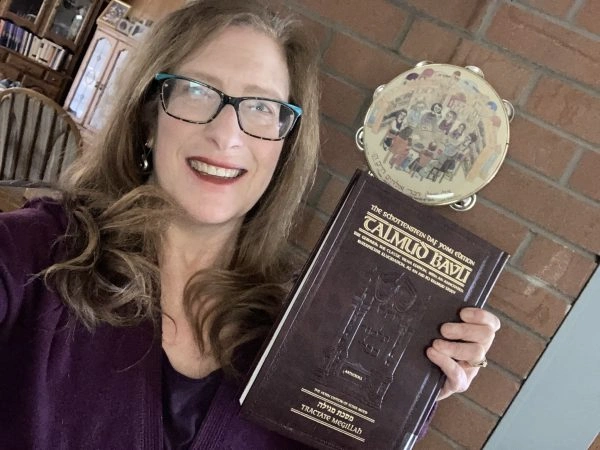
I am a מגילת אסתר reader for women . the words in the Mishna of מסכת megillah 17a
הקורא את המגילה למפרע לא יצא were powerful to me.
I hope to have the zchut to complete the cycle for my 70th birthday.

Sheila Hauser
Sheila Hauser

Jerusalem, Israel

I was exposed to Talmud in high school, but I was truly inspired after my daughter and I decided to attend the Women’s Siyum Shas in 2020. We knew that this was a historic moment. We were blown away, overcome with emotion at the euphoria of the revolution. Right then, I knew I would continue. My commitment deepened with the every-morning Virtual Beit Midrash on Zoom with R. Michelle.

Adina Hagege
Adina Hagege

Zichron Yaakov, Israel

I started to listen to Michelle’s podcasts four years ago. The minute I started I was hooked. I’m so excited to learn the entire Talmud, and think I will continue always. I chose the quote “while a woman is engaged in conversation she also holds the spindle”. (Megillah 14b). It reminds me of all of the amazing women I learn with every day who multi-task, think ahead and accomplish so much.

Julie Mendelsohn
Julie Mendelsohn

Zichron Yakov, Israel

A friend mentioned that she was starting Daf Yomi in January 2020. I had heard of it and thought, why not? I decided to try it – go day by day and not think about the seven plus year commitment. Fast forward today, over two years in and I can’t imagine my life without Daf Yomi. It’s part of my morning ritual. If I have a busy day ahead of me I set my alarm to get up early to finish the day’s daf
Debbie Fitzerman
Debbie Fitzerman

Ontario, Canada

A Gemara shiur previous to the Hadran Siyum, was the impetus to attend it.It was highly inspirational and I was smitten. The message for me was התלמוד בידינו. I had decided along with my Chahsmonaim group to to do the daf and take it one daf at time- without any expectations at all. There has been a wealth of information, insights and halachik ideas. It is truly exercise of the mind, heart & Soul

Phyllis Hecht.jpeg
Phyllis Hecht

Hashmonaim, Israel

I am grateful for the structure of the Daf Yomi. When I am freer to learn to my heart’s content, I learn other passages in addition. But even in times of difficulty, I always know that I can rely on the structure and social support of Daf Yomi learners all over the world.

I am also grateful for this forum. It is very helpful to learn with a group of enthusiastic and committed women.

Janice Block-2
Janice Block

Beit Shemesh, Israel

I started with Ze Kollel in Berlin, directed by Jeremy Borowitz for Hillel Deutschland. We read Masechet Megillah chapter 4 and each participant wrote his commentary on a Sugia that particularly impressed him. I wrote six poems about different Sugiot! Fascinated by the discussions on Talmud I continued to learn with Rabanit Michelle Farber and am currently taking part in the Tikun Olam course.
Yael Merlini
Yael Merlini

Berlin, Germany

When I started studying Hebrew at Brown University’s Hillel, I had no idea that almost 38 years later, I’m doing Daf Yomi. My Shabbat haburah is led by Rabbanit Leah Sarna. The women are a hoot. I’m tracking the completion of each tractate by reading Ilana Kurshan’s memoir, If All the Seas Were Ink.

Hannah Lee
Hannah Lee

Pennsylvania, United States

Hadran entered my life after the last Siyum Hashaas, January 2020. I was inspired and challenged simultaneously, having never thought of learning Gemara. With my family’s encouragement, I googled “daf yomi for women”. A perfecr fit!
I especially enjoy when Rabbanit Michelle connects the daf to contemporary issues to share at the shabbat table e.g: looking at the Kohen during duchaning. Toda rabba

Marsha Wasserman
Marsha Wasserman

Jerusalem, Israel

I decided to give daf yomi a try when I heard about the siyum hashas in 2020. Once the pandemic hit, the daily commitment gave my days some much-needed structure. There have been times when I’ve felt like quitting- especially when encountering very technical details in the text. But then I tell myself, “Look how much you’ve done. You can’t stop now!” So I keep going & my Koren bookshelf grows…

Miriam Eckstein-Koas

Huntington, United States

Kiddushin 25

יְתֶרֶת, וַחֲתָכָהּ – עֶבֶד יוֹצֵא בָּהֶן לְחֵירוּת. אָמַר רַב הוּנָא: וְהוּא שֶׁנִּסְפֶּרֶת עַל גַּב הַיָּד.

an extra finger, i.e., six fingers on his hand, and the master severed it, the slave is emancipated by means of this injury. Rav Huna says: And this halakha applies when the finger can be counted along the back of the hand, i.e., the extra finger is on the same line as the others. If it protrudes from another spot, then it is not classified as a finger but a mere growth, and destroying it is not considered the removal of a limb.

סָבֵי דְנָזוֹנְיָא לָא אֲתוֹ לְפִירְקֵיהּ דְּרַב חִסְדָּא, אֲמַר לֵיהּ לְרַב הַמְנוּנָא: זִיל צַנְּעִינְהוּ. אֲזַל אֲמַר לְהוּ: מַאי טַעְמָא לָא אֲתוֹ רַבָּנַן לְפִירְקָא? אֲמַרוּ לֵיהּ: אַמַּאי נֵיתֵי? דִּבְעֵינַן מִינֵּיהּ מִילְּתָא וְלָא פְּשַׁט לַן. אֲמַר לְהוּ: מִי בְּעֵיתוּ מִינַּאי מִידֵּי וְלָא פָּשֵׁיטְנָא לְכוּ?

§ The Gemara relates: The Elders of the city of Nezonya did not come to Rav Ḥisda’s lecture. Rav Ḥisda said to Rav Hamnuna: Go and ostracize them [tzaninhu] because they act disrespectfully toward the Sages. Rav Hamnuna went and said to the Elders of Nezonya: What is the reason that the rabbis did not come to the lecture? They said to him: Why should we come, as we asked him about a matter and he did not resolve it for us. We have nothing to learn from him. Rav Hamnuna said to them: Have you asked me anything that I did not resolve for you? Ask me your question.

בְּעוֹ מִינֵּיהּ: עֶבֶד שֶׁסֵּרְסוֹ רַבּוֹ בַּבֵּצִים, מַהוּ? כְּמוּם שֶׁבַּגָּלוּי דָּמֵי, אוֹ לָא? לָא הֲוָה בִּידֵיהּ. אָמְרוּ לוֹ: מָה שְׁמָךְ? אֲמַר לְהוּ: הַמְנוּנָא. אֲמַרוּ לֵיהּ: לָאו הַמְנוּנָא, אֶלָּא קַרְנוּנָא.

They raised the following dilemma before him: With regard to a slave whose master castrates his testicles, what is the halakha? Is that considered an exposed blemish that is sufficient to emancipate him or not? An answer to their dilemma was not available to Rav Hamnuna. They said to him: What is your name? He said to them: Hamnuna. They said to him in jest: You should not be called Hamnuna, a good hot fish; rather, your name should be Karnuna, a cold fish that is no longer tasty.

אֲתָא לְקַמֵּיהּ דְּרַב חִסְדָּא. אֲמַר לֵיהּ: מַתְנִיתָא בְּעוֹ מִינָּךְ. דִּתְנַן: עֶשְׂרִים וְאַרְבָּעָה רָאשֵׁי אֵבָרִים שֶׁבָּאָדָם כּוּלָּם אֵין מְטַמְּאִין מִשּׁוּם מִחְיָה,

After this encounter Rav Hamnuna came before Rav Ḥisda and told him what had happened. Rav Ḥisda said to him: They raised before you a dilemma that can be resolved from a baraita, which was cited in connection to a mishna, and you did not know how to answer them. As we learned in a mishna (Nega’im 6:7): There are twenty-four extremities in a person, none of which can become ritually impure due to unaffected skin. The Torah states that if a leprous spot contains some healthy flesh, the person is immediately rendered impure (Leviticus 13:14). The halakha of unaffected skin does not apply to the extremities because the priest must be able to see the entirety of the untainted area at once. Due to the shape of the twenty-four extremities, it is impossible to see the entirety of the area from a single vantage point. Consequently, the halakha of unaffected skin does not apply to them.

וְאֵלּוּ הֵם: רָאשֵׁי אֶצְבָּעוֹת יָדַיִם וְרַגְלַיִם, וְרָאשֵׁי אׇזְנַיִם, וְרֹאשׁ הַחוֹטֶם, וְרֹאשׁ הַגְּוִיָּיה וְרָאשֵׁי דַדִּים שֶׁבָּאִשָּׁה. רַבִּי יְהוּדָה אוֹמֵר: אַף שֶׁבָּאִישׁ. וְתָנֵי עֲלַהּ: בְּכוּלָּם עֶבֶד יוֹצֵא בָּהֶם לְחֵירוּת. רַבִּי אוֹמֵר: אַף הַסֵּירוּס. בֶּן עַזַּאי אוֹמֵר: אַף הַלָּשׁוֹן.

And these are the twenty-four extremities: The extremities of the fingers and toes, twenty in total, and the extremities of the ears, and the extremity of the nose, and the extremity of the penis, and the extremities of the nipples of a woman. Rabbi Yehuda says: Even the nipples of a man are included. And it is taught in that regard in a baraita: A slave is emancipated for injuries to all of them. The body parts listed with regard to leprosy are the same ones that, when injured, lead to the emancipation of a slave. Rabbi Yehuda HaNasi says: Also, the castration of a slave by his master entails his freedom. Ben Azzai says: The tongue is also considered an exposed body part, as it is exposed when one speaks. Consequently, if the master severs his slave’s tongue, the slave goes free.

אָמַר מָר: רַבִּי אוֹמֵר אַף הַסֵּירוּס. סֵירוּס דְּמַאי? אִילֵּימָא סֵירוּס דְּגִיד, הַיְינוּ גְּוִיָּיה. אֶלָּא לָאו: סֵירוּס דְּבֵיצִים?

The Master said above that Rabbi Yehuda HaNasi says: Also castration. The Gemara asks: Castration of what? If we say that it is referring to castration of the penis, i.e., that the master severed the slave’s penis, this is the same as the mishna that already mentioned a penis. What, then, does Rabbi Yehuda HaNasi add? Rather, is it not correct to say that Rabbi Yehuda HaNasi is referring to castration of the testicles? If so, this baraita resolves the dilemma raised by the Elders of Nezonya.

רַבִּי אוֹמֵר אַף הַסֵּירוּס. וְרַבִּי, לָשׁוֹן לָא? וּרְמִינְהוּ: הֲרֵי מִי שֶׁהָיָה מַזֶּה וְנִתְּזָה הַזָּאָה עַל פִּיו, רַבִּי אוֹמֵר: הִיזָּה. וַחֲכָמִים אוֹמְרִים: לֹא הִיזָּה.

The Gemara further analyzes the baraita. Rabbi Yehuda HaNasi says: Also castration, but he does not include the tongue, unlike ben Azzai. The Gemara inquires: And according to Rabbi Yehuda HaNasi, is the tongue not considered exposed? And the Gemara raises a contradiction from the following: In a case where one was sprinkling the purification water of the red heifer on another person in order to purify him from ritual impurity imparted by a corpse, and a sprinkling of water landed on his mouth, Rabbi Yehuda HaNasi says: He has sprinkled, i.e., this is a valid form of sprinkling and the impure person is purified. And the Rabbis say: He has not sprinkled, i.e., this is an invalid form of sprinkling because water of purification must be sprinkled on exposed limbs.

מַאי לָאו עַל לְשׁוֹנוֹ? לֹא, עַל שְׂפָתָיו. עַל שְׂפָתָיו פְּשִׁיטָא! מַהוּ דְּתֵימָא זִימְנָא דְּחָלֵים שִׂפְוָתֵיהּ, קָא מַשְׁמַע לַן.

The Gemara clarifies the difficulty from this baraita: What, is it not the case that this is referring to a situation where water was sprinkled on his tongue, which would indicate that Rabbi Yehuda HaNasi maintains that the tongue is an exposed limb? The Gemara rejects this suggestion: No, this is referring to one who had water sprinkled on his lips. The Gemara asks: If it was sprinkled on his lips, isn’t it obvious that he is ritually pure, as the lips are exposed? The Gemara answers: It is necessary to state this, lest you say that at times, he closes his lips tightly, and consequently they should be considered an unexposed part of the body. Therefore, the baraita teaches us that according to Rabbi Yehuda HaNasi one’s lips are considered exposed.

וְהָתַנְיָא: עַל לְשׁוֹנוֹ! וְעוֹד תַּנְיָא: וְשֶׁנִּיטַּל רוֹב הַלָּשׁוֹן, רַבִּי אוֹמֵר: רוֹב הַמְדַבֵּר שֶׁבִּלְשׁוֹנוֹ!

The Gemara further asks: But isn’t it taught explicitly in a baraita that if one had water sprinkled on his tongue he is ritually pure according to Rabbi Yehuda HaNasi? And it is further taught in a baraita dealing with the blemishes of priests and offerings that if most of his tongue was removed, this is a blemish; and Rabbi Yehuda HaNasi says: This is referring to a case where the part removed was most of the part of his tongue that he uses for speaking and pronouncing words, which is the tip of the tongue, not most of its length. This indicates that Rabbi Yehuda HaNasi maintains that if the tongue is removed, that is considered a blemish.

אֶלָּא, רַבִּי אוֹמֵר: סֵירוּס, וְלָא מִיבַּעְיָא לָשׁוֹן. בֶּן עַזַּאי אָמַר: לָשׁוֹן, אֲבָל סֵירוּס – לָא. וּמַאי ״אַף״? אַקַּמַּיְיתָא. אִי הָכִי, נַקְדְּמַהּ דְּבֶן עַזַּאי בְּרֵישָׁא!

Rather, the baraita should be explained as follows. Rabbi Yehuda HaNasi says: Castration is included, and it is not necessary to say that if the slave’s tongue is removed he is emancipated, as the tongue is exposed. Ben Azzai says: The loss of his tongue emancipates him, but castration does not. And what is the meaning of the term: Also, in the baraita, which indicates that ben Azzai is adding to Rabbi Yehuda HaNasi’s statement? He is adding to the first statement of the first tanna, not to the immediately preceding ruling of Rabbi Yehuda HaNasi. The Gemara asks: If so, the statement of ben Azzai should be first, as he adds one item, i.e., the tongue, to the ruling of the first tanna, while Rabbi Yehuda HaNasi further adds the case of castration to ben Azzai’s opinion.

תַּנָּא שַׁמְעַהּ לִדְרַבִּי וְקַבְעַהּ, וְשַׁמְעַהּ לִדְבֶן עַזַּאי וְתַנְיַ[הּ], וּמִשְׁנָה לֹא זָזָה מִמְּקוֹמָהּ.

The Gemara answers: The baraita should have been formulated in this manner, but the tanna first heard the opinion of Rabbi Yehuda HaNasi and set it in his version of the baraita, and afterward he heard the opinion of ben Azzai and taught it at the end. And although it would be appropriate to change the order of the statements, he did not do so because a mishna does not move from its place. Once it has been taught in a certain manner, the tanna will not change the text of a mishna, in order to avoid confusion.

אָמַר עוּלָּא: הַכֹּל מוֹדִים בְּלָשׁוֹן לְעִנְיַן טוּמְאָה דְּגָלוּי הוּא אֵצֶל הַשֶּׁרֶץ. מַאי טַעְמָא? ״אֲשֶׁר יִגַּע בּוֹ״ אָמַר רַחֲמָנָא, וְהַאי נָמֵי בַּר נְגִיעָה הוּא.

Ulla says: All concede with regard to a tongue that in the matter of ritual impurity it is considered exposed with respect to a dead creeping animal and other items that impart impurity. In other words, if an individual comes into contact with a source of ritual impurity with his tongue, he is rendered impure. What is the reason for this? The Merciful One states: “Whom he touches” (Leviticus 15:11), and this tongue can also touch. It is possible for one to touch objects with his tongue.

לְעִנְיַן טְבִילָה – כְּטָמוּן דָּמֵי. מַאי טַעְמָא: ״וְרָחַץ בְּשָׂרוֹ בְּמַיִם״ אָמַר רַחֲמָנָא, מָה בְּשָׂרוֹ מֵאַבָּרַאי – אַף כֹּל מֵאַבָּרַאי.

Similarly, all agree about a tongue with regard to the matter of immersion that the tongue is considered concealed, and therefore one need not open his mouth so that the water touches his tongue. For an immersion to be valid, the water must come into contact with the entire outside of one’s body. Ulla teaches that this does not include the tongue. What is the reason for this? The Merciful One states: “And he shall immerse his flesh in water” (Leviticus 15:13). Just as his flesh is on the outside, so too everything that requires immersion is on the outside, and this does not include what is ordinarily on the inside.

לֹא נֶחְלְקוּ אֶלָּא לְעִנְיַן הַזָּאָה. רַבִּי מְדַמֵּי לַהּ לְטוּמְאָה, וְרַבָּנַן מְדַמּוּ לַהּ לִטְבִילָה.

They disagreed only with regard to whether the tongue is considered exposed or concealed in the matter of sprinkling. Rabbi Yehuda HaNasi compares sprinkling to impurity, where the tongue is considered exposed, and the Rabbis compare it to immersion, where the tongue is considered concealed.

וְתַרְוַיְיהוּ בְּהַאי קְרָא קָמִיפַּלְגִי: ״וְהִזָּה הַטָּהֹר עַל הַטָּמֵא וְגוֹ׳״ רַבִּי סָבַר: ״וְהִזָּה הַטָּהֹר עַל הַטָּמֵא בַּיּוֹם הַשְּׁלִישִׁי וּבַיּוֹם הַשְּׁבִיעִי וְחִטְּאוֹ״,

The Gemara comments: And the two of them disagree with regard to the meaning of this verse: “And the pure person shall sprinkle upon the impure person on the third day and on the seventh day, and he shall purify him on the seventh day and he shall wash his clothes and immerse in water and he shall become pure in the evening” (Numbers 19:19). Rabbi Yehuda HaNasi maintains that the verse should be read as: “And the pure person shall sprinkle upon the impure person on the third day and on the seventh day, and he shall purify him.” This indicates that sprinkling is compared to ritual impurity, which means that it is effective if the water lands on any part of the body that can become impure.

רַבָּנַן סָבְרִי: ״וְחִטְּאוֹ בַּיּוֹם הַשְּׁבִיעִי וְכִבֶּס בְּגָדָיו וְרָחַץ בַּמַּיִם״.

Conversely, the Rabbis maintain that one should read the phrase “and he shall purify him” with the last part of the verse, as follows: “And he shall purify him on the seventh day and he shall wash his clothes and immerse in water.” According to this reading, sprinkling is compared to immersion, which means that the water must be sprinkled on part of the body that requires immersion.

וְרַבָּנַן נָמֵי, נְדַמְּיַיהּ לְטוּמְאָה? טׇהֳרָה מִטׇּהֳרָהּ הֲוָה לֵיהּ לְמֵילַף. וְרַבִּי, נְדַמְּיַיהּ לִטְבִילָה? ״וְכִבֶּס בְּגָדָיו״ – הִפְסִיק הָעִנְיָן.

The Gemara asks: And with regard to the opinion of the Rabbis as well, let us compare sprinkling to impurity. The Gemara answers: One should derive purification from purification. Just as immersion is a method of purification, so too sprinkling is a method of purification, and therefore it is appropriate to compare these two cases. The Gemara asks from the other perspective: And with regard to the opinion of Rabbi Yehuda HaNasi, let us compare sprinkling to immersion. The Gemara answers that the phrase “and he shall wash his clothes” concludes the discussion of that matter, i.e., this expression indicates that a new clause begins from here, and therefore sprinkling should not be compared to immersion but to impurity, which is mentioned prior to it.

וְסָבַר רַבִּי לְעִנְיַן טְבִילָה כְּטָמוּן דָּמֵי? וְהָאָמַר רָבִין אָמַר רַב אַדָּא אָמַר רַבִּי יִצְחָק: מַעֲשֶׂה בְּשִׁפְחָה שֶׁל בֵּית רַבִּי שֶׁטָּבְלָה, וְעָלְתָה וְנִמְצָא עֶצֶם בֵּין שִׁינֶּיהָ, וְהִצְרִיכָהּ רַבִּי טְבִילָה אַחֶרֶת.

The Gemara asks: But does Rabbi Yehuda HaNasi maintain with regard to the matter of immersion that the tongue is considered concealed? But doesn’t Ravin say that Rav Adda says that Rabbi Yitzḥak says: There was an incident involving a maidservant of the household of Rabbi Yehuda HaNasi who immersed herself, and she ascended from her immersion and a bone was found between her teeth, and Rabbi Yehuda HaNasi required her to perform another immersion? This indicates that according to Rabbi Yehuda HaNasi one may not have a foreign object even inside one’s mouth during immersion. If so, the tongue should require immersion as well.

נְהִי דְּבִיאַת מַיִם לָא בָּעֵינַן, מְקוֹם הָרָאוּי לָבוֹא בּוֹ מַיִם בָּעֵינַן,

The Gemara answers: That is no proof, as it is granted that we do not require immersion in water, i.e., the water need not actually enter one’s mouth. But we require that the mouth be a place that is fit for water to enter. If there is a foreign object, the water cannot enter that spot.

כִּדְרַבִּי זֵירָא. דְּאָמַר רַבִּי זֵירָא: כׇּל הָרָאוּי לְבִילָּה – אֵין בִּילָּה מְעַכֶּבֶת בּוֹ. וְשֶׁאֵינוֹ רָאוּי לְבִילָּה – בִּילָּה מְעַכֶּבֶת בּוֹ.

This is in accordance with that statement of Rabbi Zeira. As Rabbi Zeira says with regard to meal-offerings: For any amount of flour suitable for mingling with oil in a meal-offering, mingling is not indispensable for it. Although it is a mitzva to mingle the flour and oil ab initio, if they were not mingled the meal-offering is still valid. But for any amount of flour not suitable for mingling, mingling is indispensable for it, and such a meal-offering is invalid. The principle is: Ab initio requirements prevent the fulfillment of a mitzva in situations where they are not merely absent but impossible. Here too, although there is no need for the water to actually enter the concealed spaces of the body, it is still necessary that these places be fit for immersion without the interposition of a foreign object.

כְּתַנָּאֵי: ״וּמָעוּךְ וְכָתוּת וְנָתוּק וְכָרוּת״ – כּוּלָּן בַּבֵּיצִים, דִּבְרֵי רַבִּי יְהוּדָה.

The Gemara comments that the first question with regard to castration of the testicles is like a dispute between tanna’im. It is stated with regard to animals that cannot be used as offerings due to blemishes: “That whose stones are bruised, or crushed, or torn, or cut you shall not sacrifice to the Lord” (Leviticus 22:24). All of these blemishes are referring to the animal’s testicles; this is the statement of Rabbi Yehuda.

בַּבֵּיצִים וְלֹא בַּגִּיד? אֶלָּא: כּוּלָּן אַף בַּבֵּיצִים, דִּבְרֵי רַבִּי יְהוּדָה. רַבִּי אֱלִיעֶזֶר בֶּן יַעֲקֹב אוֹמֵר: כּוּלָּם בַּגִּיד. רַבִּי יוֹסֵי אוֹמֵר: ״מָעוּךְ וְכָתוּת״ – אַף בַּבֵּיצִים, ״נָתוּק וְכָרוּת״ – בְּגִיד – אִין, בְּבֵיצִים – לָא.

The Gemara asks: Could Rabbi Yehuda possibly mean that these blemishes apply only to the testicles and not to the penis? Certainly these should also be considered blemishes if they affect the penis, which is more exposed than the testicles. Rather, this is what the baraita is saying: All of these blemishes apply to the testicles also; this is the statement of Rabbi Yehuda. Rabbi Eliezer ben Ya’akov says: All of them apply only to the penis. Rabbi Yosei states the following distinction: “Bruised or crushed” applies to the testicles also. Conversely, when there are areas that are “broken or cut” on the penis, yes, these are considered a blemish, but on the testicles, no, they are not a blemish.

מַתְנִי׳ בְּהֵמָה גַּסָּה נִקְנֵית בִּמְסִירָה, וְהַדַּקָּה בְּהַגְבָּהָה, דִּבְרֵי רַבִּי מֵאִיר וְרַבִּי אֱלִיעֶזֶר. וַחֲכָמִים אוֹמְרִים: בְּהֵמָה דַּקָּה נִקְנֵית בִּמְשִׁיכָה.

MISHNA: A large domesticated animal is acquired by passing, when its current owner transfers it to a buyer by giving him the reins or the bit. And a small domesticated animal is acquired by lifting. This is the statement of Rabbi Meir and Rabbi Eliezer. And the Rabbis say: A small domesticated animal can be acquired by pulling also, and there is no need to lift it.

גְּמָ׳ דָּרֵשׁ רַב בְּקִימְחוֹנְיָא: בְּהֵמָה גַּסָּה נִקְנֵית בִּמְשִׁיכָה. אַשְׁכְּחִינְהוּ שְׁמוּאֵל לְתַלְמִידֵי דְּרַב, אֲמַר לְהוּ: מִי אָמַר רַב בְּהֵמָה גַּסָּה נִקְנֵית בִּמְשִׁיכָה? וְהָאֲנַן בִּמְסִירָה תְּנַן! וְרַב נָמֵי בִּמְסִירָה אָמַר, הֲדַר בֵּיהּ מֵהַהִיא? הוּא דְּאָמַר כִּי הַאי תַּנָּא, דְּתַנְיָא: וַחֲכָמִים אוֹמְרִים: זוֹ וְזוֹ נִקְנֵית בִּמְשִׁיכָה. רַבִּי שִׁמְעוֹן אוֹמֵר: זוֹ וְזוֹ בְּהַגְבָּהָה.

GEMARA: Rav taught in the town of Kimḥonya: A large domesticated animal is acquired by pulling. Shmuel found Rav’s students and said to them: Did Rav actually say that a large domesticated animal is acquired by pulling? But didn’t we learn in the mishna that it is acquired by passing? And several times I also heard Rav say that it is acquired by passing. Did he retract that ruling? Rav’s students replied: In fact, Rav retracted that ruling and he states his opinion in accordance with the opinion of that tanna, i.e., the Rabbis, as it is taught in a baraita: And the Rabbis say: Both small and large domesticated animals are acquired by pulling. Rabbi Shimon says: Both are acquired by lifting.

מַתְקֵיף לַהּ רַב יוֹסֵף: אֶלָּא מֵעַתָּה, פִּיל לְרַבִּי שִׁמְעוֹן בַּמֶּה יִקָּנֶה? אֲמַר לֵיהּ אַבָּיֵי: בַּחֲלִיפִין. אִי נָמֵי בְּשׂוֹכֵר אֶת מְקוֹמוֹ.

Rav Yosef objects to this: If that is so, by what mode of acquisition can an elephant be acquired, according to the opinion of Rabbi Shimon? It is impossible to lift an elephant. Abaye said to him: It is possible to acquire it by the mode of acquisition of symbolic exchange, a legal act of acquisition formalizing the transfer of ownership of an article. Alternatively, one can acquire an elephant by renting its place temporarily and acquiring the elephant by means of the ground upon which it is standing.

רַבִּי זֵירָא אָמַר: מֵבִיא אַרְבָּעָה כֵּלִים וּמַנִּיחָן תַּחַת רַגְלָיו. שָׁמְעַתְּ מִינַּהּ: כִּלְיוֹ שֶׁל לוֹקֵחַ בִּרְשׁוּת מוֹכֵר – קָנָה לוֹקֵחַ? הָכָא בְּמַאי עָסְקִינַן, בְּסִימְטָא.

Rabbi Zeira says that there is another method: One brings four vessels and places them under the elephant’s feet, and he thereby acquires it like any other item that is inside the buyer’s vessels. The Gemara asks: Can you learn from Rabbi Zeira’s statement that if the buyer’s vessels, being used to acquire an item from the seller, are in the seller’s domain, the buyer acquires the item? The Gemara rejects this: This is no proof, as with what are we dealing here? The case in question is one where the vessels are not in the seller’s domain but in an alley [simta], which is neither a public nor a private domain. In a place of this kind the buyer’s vessels certainly effect acquisition for him.

Want to follow content and continue where you left off?

Create an account today to track your progress, mark what you’ve learned, and follow the shiurim that speak to you.

Clear all items from this list?

This will remove ALL the items in this section. You will lose any progress or history connected to them. This is irreversible.

Cancel
Yes, clear all

Are you sure you want to delete this item?

You will lose any progress or history connected to this item.

Cancel
Yes, delete