Search

Kiddushin 37

Want to dedicate learning? Get started here:

English
עברית
podcast placeholder

0:00
0:00


podcast placeholder

0:00
0:00


Summary

Today’s daf is sponsored by Heather Stone in loving memory of her grandmother, Rose, Rachel Leah bat Aharon v’Golda. “She taught me to light Shabbat candles and whose mother’s brass candlesticks I use.” 

Which mitzvot are only applicable in Israel and which ones are applicable everywhere? Many mitzvot in the Torah are introduced by the words “when you come into the land” and/or “in your dwelling places” – what words/combination of words indicate that the obligation is in the land of Israel only? This is a subject of debate between Rabbi Yishmael and Rabbi Akiva and there are also two different opinions regarding what Rabbi Yishmael held regarding this matter. If it is clear that mitzvot that are not connected to the land apply in all places and at all times, why was it necessary to use the words “in all dwelling places” in specific mitzvot like Shabbat, the prohibition to eat forbidden fats and blood, and the obligation to eat matza on the first night of Pesach?

Kiddushin 37

חוּץ מִן הָעׇרְלָה וְכִלְאַיִם. רַבִּי אֱלִיעֶזֶר אוֹמֵר: אַף הֶחָדָשׁ.

This is apart from the mitzvot of orla and diverse kinds, which apply even outside of Eretz Yisrael. Rabbi Eliezer says: This is the halakha even with regard to the prohibition to eat from the new crop before the omer offering has been brought on the sixteenth of Nisan.

גְּמָ׳ מַאי תְּלוּיָה וּמַאי שֶׁאֵינָהּ תְּלוּיָה? אִילֵימָא תְּלוּיָה – דִּכְתִיב בַּהּ ״בִּיאָה״, וְשֶׁאֵינָהּ תְּלוּיָה – דְּלָא כְּתִיב בַּהּ ״בִּיאָה״, וַהֲרֵי תְּפִילִּין וּפֶטֶר חֲמוֹר, דִּכְתִיב בָּהֶן ״בִּיאָה״, וְנוֹהֲגִין בֵּין בָּאָרֶץ בֵּין בְּחוּץ לָאָרֶץ!

GEMARA: The Gemara asks: What is meant by mitzvot that are dependent on the land, and what is meant by mitzvot that are not dependent on the land? If we say that a mitzva is called dependent in a case where it is written in a verse with regard to it: Coming to Eretz Yisrael, and a mitzva that is not dependent on the land is one concerning which the verb: Coming, or the verb: Bringing, is not written in a verse with regard to it, that would lead to a difficulty: But aren’t there the mitzvot of donning phylacteries and the redemption of the firstborn donkey, in which the verse states: Bringing, in the passage: “And it shall be when the Lord shall bring you to the land of the Canaanite…And every firstborn of a donkey you shall redeem with a lamb…And it shall be for a sign upon your hand, and for frontlets between your eyes” (Exodus 13:11–16), and yet those mitzvot apply both in Eretz Yisrael and outside of Eretz Yisrael.

אָמַר רַב יְהוּדָה: הָכִי קָאָמַר: כׇּל מִצְוָה שֶׁהִיא חוֹבַת הַגּוּף – נוֹהֶגֶת בֵּין בָּאָרֶץ בֵּין בְּחוּץ לָאָרֶץ, חוֹבַת קַרְקַע – אֵינָהּ נוֹהֶגֶת אֶלָּא בָּאָרֶץ.

Rav Yehuda said that this is what the mishna is saying: Any mitzva that is an obligation of the body, i.e., an obligation upon the person, applies both in Eretz Yisrael and outside of Eretz Yisrael. Conversely, an obligation of the land, that is, a mitzva that applies specifically to the earth and its growths, applies only in Eretz Yisrael.

מְנָא הָנֵי מִילֵּי? דְּתָנוּ רַבָּנַן: ״אֵלֶּה הַחֻקִּים״ – אֵלּוּ הַמִּדְרָשׁוֹת. ״וְהַמִּשְׁפָּטִים״ – אֵלּוּ הַדִּינִים. ״אֲשֶׁר תִּשְׁמְרוּן״ – זוֹ מִשְׁנָה. ״לַעֲשׂוֹת״ – זוֹ מַעֲשֶׂה.

The Gemara asks: From where are these matters derived? The Gemara answers: This is as the Sages taught in a baraita: The verse states: “These are the statutes and the ordinances that you shall observe to do in the land that the Lord, the God of your fathers, has given you to possess it, all the days that you live upon the earth” (Deuteronomy 12:1). This verse is interpreted as follows: The phrase “these are the statutes” means that these are the expositions that the Sages learn from verses. With regard to the phrase “and the ordinances,” these are monetary laws. With regard to “that you shall observe,” this is referring to the study of matters that must be observed for one to perform them. And as for the phrase “to do,” this is referring to action, the actual performance of mitzvot.

״בָּאָרֶץ״ – יָכוֹל כׇּל הַמִּצְוֹת כּוּלָּן לֹא יְהוּ נוֹהֲגִים אֶלָּא בָּאָרֶץ? תַּלְמוּד לוֹמַר: ״כׇּל הַיָּמִים אֲשֶׁר אַתֶּם חַיִּים עַל הָאֲדָמָה״. אִי כׇּל הַיָּמִים, יָכוֹל יְהוּ נוֹהֲגִים בֵּין בָּאָרֶץ בֵּין בְּחוּצָה לָאָרֶץ? תַּלְמוּד לוֹמַר: ״בָּאָרֶץ״.

The baraita continues: From the phrase “in the land [ba’aretz],” one might have thought that all mitzvot apply only in Eretz Yisrael. Therefore, the verse also states “all the days that you live upon the earth,” i.e., wherever you live. Furthermore, if the Merciful One had written only the phrase “all the days,” one might have thought that all mitzvot should apply both in Eretz Yisrael and outside of Eretz Yisrael. Therefore, the verse also states “in the land.”

אַחַר שֶׁרִיבָּה הַכָּתוּב וּמִיעֵט – צֵא וּלְמַד מִמַּה שֶּׁאָמוּר בָּעִנְיָן: ״אַבֵּד תְּאַבְּדוּן אֶת כׇּל הַמְּקֹמוֹת אֲשֶׁר עָבְדוּ שָׁם וְגוֹ׳״ – מָה עֲבוֹדָה זָרָה מְיוּחֶדֶת, שֶׁהִיא חוֹבַת הַגּוּף, וְנוֹהֶגֶת בֵּין בָּאָרֶץ בֵּין בְּחוּצָה לָאָרֶץ – אַף כֹּל שֶׁהִיא חוֹבַת הַגּוּף נוֹהֶגֶת בֵּין בָּאָרֶץ בֵּין בְּחוּצָה לָאָרֶץ.

The baraita continues: Once the verse includes areas outside of Eretz Yisrael and also excludes areas outside of Eretz Yisrael, how is it determined which mitzvot apply outside the land and which do not? The baraita answers: Go and learn from what is stated with regard to a different issue that appears in the next verse: “You shall destroy all the places where the nations that you are to dispossess served their gods” (Deuteronomy 12:2). Just as the prohibition of idol worship is distinct in that it is an obligation of the body, and it applies both in Eretz Yisrael and outside of Eretz Yisrael, so too, any mitzva that is an obligation of the body applies both in Eretz Yisrael and outside of Eretz Yisrael. Conversely, mitzvot that are an obligation connected to the land apply only in Eretz Yisrael.

חוּץ מִן הָעׇרְלָה וְהַכִּלְאַיִם. אִיבַּעְיָא לְהוּ: רַבִּי אֱלִיעֶזֶר לְקוּלָּא פְּלִיג אוֹ לְחוּמְרָא פְּלִיג?

§ The mishna teaches that all mitzvot that are dependent on the land apply only in Eretz Yisrael, apart from orla and the prohibition of diverse kinds. Rabbi Eliezer says: This is the halakha even with regard to the prohibition to eat from the new crop. A dilemma was raised before them: Does Rabbi Eliezer disagree with the first tanna with the intent to rule more leniently or does he disagree with the first tanna with the intent to rule more stringently?

לְחוּמְרָא פְּלִיג, וְהָכִי קָאָמַר תַּנָּא קַמָּא: חוּץ מִן הָעׇרְלָה וּמִן הַכִּלְאַיִם, דְּהִלְכְתָא גְּמִירִי לָהּ, אַף עַל גַּב דְּאִיכָּא לְמֵימַר חוֹבַת קַרְקַע הִיא. אֲבָל חָדָשׁ, בָּאָרֶץ – אִין, בְּחוּצָה לָאָרֶץ – לָא.

The Gemara elaborates: It is possible that Rabbi Eliezer disagrees with the first tanna with the intent to rule more stringently, and this is what the first tanna is saying: All mitzvot that are dependent on the land apply only in Eretz Yisrael, apart from orla and diverse kinds, as we learned this halakha through a tradition transmitted to Moses from Sinai. Although one could say that each of them is an obligation of the land and should apply only in Eretz Yisrael, nevertheless they are obligatory outside of Eretz Yisrael as well. But the prohibition of the new crop, which is an obligation of the land, yes, it applies in Eretz Yisrael, but outside of Eretz Yisrael, no, it does not apply.

מַאי טַעְמָא? ״מוֹשָׁב״ – לְאַחַר יְרוּשָּׁה וִישִׁיבָה מַשְׁמַע.

What is the reason of the first tanna? In the verse that states with regard to the new crop: “In all your dwellings” (Leviticus 23:14), the term dwelling does not mean that this halakha applies wherever Jews live. Rather, it means that the mitzva is applicable only in Eretz Yisrael, as this phrase indicates a time after inheritance and settlement of Eretz Yisrael by the Jewish people, when they are actually dwelling in the land, not when they are in the process of conquering it. This is the opinion of the first tanna.

וַאֲתָא רַבִּי אֱלִיעֶזֶר לְמֵימַר: אַף חָדָשׁ נוֹהֵג בֵּין בָּאָרֶץ בֵּין בְּחוּצָה לָאָרֶץ. מַאי טַעְמָא? ״מוֹשָׁב״ – בְּכׇל מָקוֹם שֶׁאַתֶּם יוֹשְׁבִים.

And Rabbi Eliezer comes to say: Even the prohibition with regard to the new crop applies both in Eretz Yisrael and outside of Eretz Yisrael. What is the reason for his opinion? He explains that the term dwelling means wherever you dwell. This is one possible way to understand the dispute, according to which the opinion of Rabbi Eliezer is more stringent than that of the first tanna.

אוֹ דִלְמָא לְקוּלָּא פְּלִיג, וְהָכִי קָאָמַר תַּנָּא קַמָּא: חוּץ מִן הָעׇרְלָה וְהַכִּלְאַיִם, דְּהִלְכְתָא גְּמִירִי לַהּ, וְכׇל שֶׁכֵּן חָדָשׁ, דְּ״מוֹשָׁב״ – כׇּל מָקוֹם שֶׁאַתֶּם יוֹשְׁבִים מַשְׁמַע.

Or perhaps Rabbi Eliezer disagrees with the first tanna with the intent to rule more leniently, and this is what the first tanna is saying: All mitzvot that are dependent on the land apply only in Eretz Yisrael, apart from orla and diverse kinds, as we learned this halakha through tradition, and all the more so apart from the new crop, which applies outside of Eretz Yisrael, as the term dwelling indicates wherever you dwell. This is the opinion of the first tanna.

וַאֲתָא רַבִּי אֱלִיעֶזֶר לְמֵימַר: חָדָשׁ אֵינוֹ נוֹהֵג אֶלָּא בָּאָרֶץ, דְּ״מוֹשָׁב״ – לְאַחַר יְרוּשָּׁה וִישִׁיבָה מַשְׁמַע. וּמַאי ״אַף״ – אַקַּמַּיְיתָא.

And Rabbi Eliezer comes to say: The prohibition of the new crop applies only in Eretz Yisrael, as the term dwelling indicates a time after inheritance and settlement of Eretz Yisrael by the Jewish people. The Gemara asks: And accordingly, what is the meaning of the word: Even, with which Rabbi Eliezer begins his statement? It is not referring to orla and diverse kinds, which apply outside of Eretz Yisrael, but to the first clause, which states that a mitzva that is dependent on the land applies only in Eretz Yisrael. Rabbi Eliezer adds that this principle includes the new crop as well.

תָּא שְׁמַע, דְּאָמַר אַבָּיֵי: מַאן תַּנָּא דִּפְלִיג עֲלֵיהּ דְּרַבִּי אֱלִיעֶזֶר – רַבִּי יִשְׁמָעֵאל הִיא. דְּתַנְיָא: לְלַמֶּדְךָ, שֶׁכׇּל מָקוֹם שֶׁנֶּאֱמַר בּוֹ ״מוֹשָׁב״ אֵינוֹ אֶלָּא לְאַחַר יְרוּשָּׁה וִישִׁיבָה, דִּבְרֵי רַבִּי יִשְׁמָעֵאל.

Having presented the two ways in which one can explain the opinion of Rabbi Eliezer, the Gemara attempts to prove which is correct and suggests: Come and hear a proof from that which Abaye said: Who is the tanna who disagrees with Rabbi Eliezer? It is Rabbi Yishmael. As it is taught in a baraita with regard to the mitzva of bringing libations with offerings: This serves to teach you that wherever the term dwelling is stated, the mitzva in question applies only after the inheritance and settlement of Eretz Yisrael. This is the statement of Rabbi Yishmael.

אָמַר לוֹ רַבִּי עֲקִיבָא: הֲרֵי שַׁבָּת, שֶׁנֶּאֱמַר בּוֹ ״מוֹשָׁבוֹת״, וְנוֹהֶגֶת בֵּין בָּאָרֶץ בֵּין בְּחוּצָה לָאָרֶץ! אָמַר לוֹ: שַׁבָּת קַל וָחוֹמֶר אָתְיָא, מָה מִצְוֹת קַלּוֹת נוֹהֲגוֹת בֵּין בָּאָרֶץ בֵּין בְּחוּצָה לָאָרֶץ – שַׁבָּת חֲמִירָא לֹא כׇּל שֶׁכֵּן?

Rabbi Akiva said to him: But there is the case of Shabbat, in which it is stated: “It is a Shabbat to the Lord in all your dwellings” (Leviticus 23:3), and this mitzva applies both in Eretz Yisrael and outside of Eretz Yisrael. Rabbi Yishmael said to Rabbi Akiva: Shabbat is derived through the following a fortiori inference: If less stringent mitzvot apply both in Eretz Yisrael and outside of Eretz Yisrael, is it not all the more so reasonable that Shabbat, which is a stringent mitzva, should apply everywhere?

מִדְּאָמַר אַבָּיֵי: מַאן תַּנָּא דִּפְלִיג עֲלֵיהּ דְּרַבִּי אֱלִיעֶזֶר – רַבִּי יִשְׁמָעֵאל, שְׁמַע מִינַּהּ רַבִּי אֱלִיעֶזֶר לְחוּמְרָא פְּלִיג, שְׁמַע מִינַּהּ.

The Gemara explains the proof. From the fact that Abaye said: Who is the tanna who disagrees with Rabbi Eliezer, it is Rabbi Yishmael, and Rabbi Yishmael says that the term dwelling means that the mitzva applies after Eretz Yisrael has been entirely settled, one can conclude from it that Rabbi Eliezer disagrees with the first tanna with the intent to rule more stringently, as he evidently maintains that the term dwelling means wherever Jews are located. The Gemara affirms: Conclude from that baraita that it is so.

מִכְּדֵי רַבִּי יִשְׁמָעֵאל אַהֵיכָא קָאֵי? אַנְּסָכִים. בִּנְסָכִים

The Gemara asks an incidental question with regard to Rabbi Yishmael’s opinion. Now, where does Rabbi Yishmael stand, i.e., to which specific mitzva is he referring? He is referring to the obligation to bring libations, from which he learns that all mitzvot that feature the term dwelling apply only after Eretz Yisrael had been conquered and settled. With regard to libations

בִּיאָה וּמוֹשָׁב כְּתִיב בְּהוּ?! הָכִי קָאָמַר: לְלַמֵּד שֶׁכׇּל מָקוֹם שֶׁנֶּאֱמַר בִּיאָה וּמוֹשָׁב אֵינוֹ אֶלָּא לְאַחַר יְרוּשָּׁה וִישִׁיבָה, דִּבְרֵי רַבִּי יִשְׁמָעֵאל.

both the term: Coming, and the term: Dwelling, are written: “When you come into the land of your dwellings” (Numbers 15:2). How, then, can Rabbi Yishmael cite this example to teach about cases where only the term dwelling is written? The Gemara answers that this is what the baraita is saying: This teaches that wherever both coming and dwelling are stated, it applies only after inheritance and settlement of Eretz Yisrael; this is the statement of Rabbi Yishmael.

אִי הָכִי, אָמַר לוֹ רַבִּי עֲקִיבָא: הֲרֵי שַׁבָּת שֶׁנֶּאֱמַר בּוֹ ״מוֹשָׁבוֹת״, וְאָמַר לוֹ: שַׁבָּת קַל וָחוֹמֶר הִיא, נֵימָא לֵיהּ: אֲנָא בִּיאָה וּמוֹשָׁב קָאָמֵינָא! חֲדָא וְעוֹד קָאָמַר לֵיהּ, חֲדָא – דַּאֲנָא בִּיאָה וּמוֹשָׁב קָאָמֵינָא. וְעוֹד: דְּקָא אָמְרַתְּ הֲרֵי שַׁבָּת שֶׁנֶּאֱמַר בּוֹ ״מוֹשָׁבוֹת״ – שַׁבָּת קַל וָחוֹמֶר הִיא.

The Gemara asks: If so, consider that Rabbi Akiva said to him: But there is the verse stated with regard to Shabbat (Leviticus 23:3), in which it is stated “dwellings,” and Rabbi Yishmael said to him: Shabbat is derived through an a fortiori inference. But let Rabbi Yishmael say to Rabbi Akiva instead: I say my principle only when coming and dwelling are both written, and in the case of Shabbat the verse states only the term dwelling. The Gemara answers: Rabbi Yishmael states one reason and adds another reason. One reason is that I say my principle only when coming and dwelling are written together. And another reason: With regard to that which you say that there is the case of Shabbat, in which it is stated “dwellings,” Shabbat is derived through an a fortiori inference.

בְּמַאי קָמִיפַּלְגִי? בְּקֵירְבוּ נְסָכִים בַּמִּדְבָּר קָא מִיפַּלְגִי. רַבִּי יִשְׁמָעֵאל סָבַר: לָא קֵירְבוּ נְסָכִים בַּמִּדְבָּר. וְרַבִּי עֲקִיבָא סָבַר: קֵירְבוּ נְסָכִים בַּמִּדְבָּר.

The Gemara asks: With regard to what do Rabbi Yishmael and Rabbi Akiva disagree? The Gemara answers: They disagree with regard to whether the Jews sacrificed libations in the wilderness. Rabbi Yishmael maintains: They did not sacrifice libations in the wilderness, as the obligation to sacrifice libations came into effect only once they were living in Eretz Yisrael. And Rabbi Akiva maintains: They did sacrifice libations in the wilderness. Rabbi Akiva derives a different halakha from the term dwelling.

אָמַר אַבָּיֵי: הַאי תָּנָא דְּבֵי רַבִּי יִשְׁמָעֵאל מַפֵּיק מֵאִידַּךְ תָּנָא דְּבֵי רַבִּי יִשְׁמָעֵאל.

Abaye said: This statement of the tanna of the school of Rabbi Yishmael, that only when the terms coming and dwelling are both written does the mitzva takes effect after settling Eretz Yisrael, diverges from another statement of the tanna of the school of Rabbi Yishmael.

דְּתָנָא דְּבֵי רַבִּי יִשְׁמָעֵאל: הוֹאִיל וְנֶאֶמְרוּ בִּיאוֹת בַּתּוֹרָה סְתָם, וּפָרַט לְךָ הַכָּתוּב בְּאֶחָד מֵהֶן לְאַחַר יְרוּשָּׁה וִישִׁיבָה, אַף כֹּל לְאַחַר יְרוּשָּׁה וִישִׁיבָה.

This is as the tanna of the school of Rabbi Yishmael taught: Since instances of coming to Eretz Yisrael are mentioned in the Torah in connection to several mitzvot, without specifying precisely when the Jewish people are considered to have arrived there, and the verse specified in one of its references that it applies only after inheritance and settlement of Eretz Yisrael, in the mitzva of appointing a king: “When you come to the land…and you inherit it and settle it” (Deuteronomy 17:14), so too, wherever coming to the land is mentioned without qualification, it means after inheritance and settlement. According to this opinion, there is no need for the verse to also mention the term dwelling.

וְאִידַּךְ, מִשּׁוּם דְּהָוֵה מֶלֶךְ וּבִיכּוּרִים שְׁנֵי כְתוּבִים הַבָּאִים כְּאֶחָד, וְכֹל שְׁנֵי כְתוּבִים הַבָּאִים כְּאֶחָד אֵין מְלַמְּדִין.

And the other tanna of the school of Rabbi Yishmael, cited in the dispute with Rabbi Akiva, would say that this is no proof, because there is not only the case of a king but also the mitzva of first fruits, where the verse also uses the terms of coming, inheriting, and dwelling (see Deuteronomy 26:1). Consequently, these are two verses that come as one, i.e., to teach the same matter. And any two verses that come as one do not teach a precedent that applies to other cases.

וְאִידַּךְ: צְרִיכִי, דְּאִי כְּתַב רַחֲמָנָא מֶלֶךְ וְלָא כְּתַב בִּיכּוּרִים, הֲוָה אָמֵינָא: בִּיכּוּרִים, דְּקָא מִיתְהֲנֵי – לְאַלְתַּר. וְאִי כְּתַב בִּיכּוּרִים וְלָא כְּתַב מֶלֶךְ, הֲוָה אָמֵינָא: מֶלֶךְ, דְּדַרְכּוֹ לְכַבֵּשׁ – לְאַלְתַּר.

And the other tanna, i.e., the tanna of the school of Rabbi Yishmael cited by Abaye, would answer: Both these cases are necessary, as one cannot be derived from the other. As, if the Merciful One had written this matter only with regard to a king, and had not written it concerning first fruits, I would say: This delay applies only to the mitzva of appointing a king, whereas with regard to the mitzva of first fruits, since one benefits from eating the fruit he should have to bring it immediately and not wait until the land has been inherited and settled. And conversely, had the Merciful One written this matter only with regard to first fruits and had not written it in the case of a king, I would say that as it is the manner of a king to conquer, one must be appointed immediately, even before entering Eretz Yisrael.

וְאִידַּךְ: נִכְתּוֹב רַחֲמָנָא מֶלֶךְ וְלָא בָּעֵי בִּיכּוּרִים, וַאֲנָא אָמֵינָא: וּמָה מֶלֶךְ, דִּלְכַבֵּשׁ לְאַחַר יְרוּשָּׁה וִישִׁיבָה, בִּיכּוּרִים – לֹא כׇּל שֶׁכֵּן?

And the other, the tanna of the school of Rabbi Yishmael, cited in the dispute with Rabbi Akiva, would respond: Let the Merciful One write this with regard to a king, and it would not be required to write it in the case of first fruits, as I would say: And if a king, whose task is to conquer Eretz Yisrael, nevertheless is appointed only after inheritance and settlement, with regard to first fruits is it not all the more so reasonable that a similar halakha apply to them? If so, these are two verses that come as one, which do not teach a precedent.

וְאִידַּךְ: אִי כְּתַב הָכִי הֲוָה אָמֵינָא: מִידֵּי דְּהָוֵה אַחַלָּה, קָא מַשְׁמַע לַן.

And the other, i.e., the tanna of the school of Rabbi Yishmael cited by Abaye, would say: If the Merciful One had written this only with regard to a king, I would say that the Jews should be obligated in the mitzva of first fruits immediately upon entering Eretz Yisrael, and I would not derive the halakha of first fruits from that of appointing a king, just as it is with regard to the separation of ḥalla, another priestly gift from one’s produce, which applied immediately upon the entrance to Eretz Yisrael. Therefore the verse is necessary, as it teaches us that this is not so.

וְהַשְׁתָּא דְּאָמְרַתְּ חוֹבַת הַגּוּף נוֹהֶגֶת בֵּין בְּאֶרֶץ יִשְׂרָאֵל בֵּין בְּחוּצָה לָאָרֶץ, ״מוֹשָׁב״ דִּכְתַב רַחֲמָנָא גַּבֵּי שַׁבָּת, לְמָה לִי? אִיצְטְרִיךְ, סָלְקָא דַּעְתָּךְ אָמֵינָא: הוֹאִיל וּבְעִנְיָנָא דְמוֹעֲדוֹת כְּתִיבָא, תִּיבְּעֵי קִידּוּשׁ כִּי מוֹעֲדוֹת, קָא מַשְׁמַע לַן.

§ The Gemara asks: And now that you said that an obligation of the body applies both in Eretz Yisrael and outside of Eretz Yisrael, why do I need the term “dwelling” that the Merciful One writes with regard to Shabbat (Leviticus 23:3)? The Gemara answers: It was necessary to say this, as it might enter your mind to say: Since the mitzva of Shabbat was written in the context of the Festivals, it should require sanctification by the court, like the Festivals, which rely on the sanctification of the New Moon by the court. Therefore the verse teaches us that this is not required.

״מוֹשָׁב״ דִּכְתַב רַחֲמָנָא גַּבֵּי חֵלֶב וָדָם, לְמָה לִי? אִיצְטְרִיךְ, סָלְקָא דַּעְתָּךְ אָמֵינָא: הוֹאִיל וּבְעִנְיָנָא דְקׇרְבָּנוֹת כְּתִיבִי, בִּזְמַן דְּאִיכָּא קׇרְבָּן, נִיתְּסַר חֵלֶב וָדָם, בִּזְמַן דְּלֵיכָּא קׇרְבָּן – לָא, קָא מַשְׁמַע לַן.

The Gemara further asks: Why do I need the term dwelling, which the Merciful One writes with regard to the consumption of forbidden fat and blood in the verse: “A perpetual statute throughout your generations in all your dwellings, that you shall eat neither forbidden fat nor blood” (Leviticus 3:17)? The Gemara answers: It was necessary to state this, as it might enter your mind to say: Since these prohibitions are written in the context of the offerings, then when there is an offering and the priests sacrifice fat and blood upon the altar, i.e., when the Temple is standing, that is when forbidden fat and blood are forbidden for consumption. But when there is no offering, forbidden fat and blood are not forbidden. The verse therefore teaches us that they are always forbidden.

״מוֹשָׁב״ דִּכְתַב רַחֲמָנָא גַּבֵּי מַצָּה וּמָרוֹר, לְמָה לִי? אִיצְטְרִיךְ, סָלְקָא דַּעְתָּךְ אָמֵינָא הוֹאִיל וּכְתִיב ״עַל מַצּוֹת וּמְרֹרִים יֹאכְלֻהוּ״, בִּזְמַן דְּאִיכָּא פֶּסַח – אִין, בִּזְמַן דְּלֵיכָּא פֶּסַח – לָא, קָא מַשְׁמַע לַן.

Additionally, the Gemara asks: Why do I need the term dwelling, which the Merciful One writes with regard to matza and bitter herbs, in the verse: “In all your dwellings you shall eat matza” (Exodus 12:20)? The Gemara answers: It was necessary to state this, as it might enter your mind to say that since it is written: “They shall eat the Paschal offering with matza and bitter herbs” (Numbers 9:11), when there is a Paschal offering, yes, one must eat it with matza and bitter herbs, but when there is no Paschal offering, i.e., when the Temple is not standing, there is no obligation to eat matza and bitter herbs. The verse therefore teaches us that these mitzvot apply every Passover, whether or not the Temple is standing.

״בִּיאָה״ דִּכְתַב רַחֲמָנָא גַּבֵּי תְּפִילִּין וּפֶטֶר חֲמוֹר, לְמָה לִי? הָהוּא מִיבְּעֵי לֵיהּ לְכִדְתָנָא דְּבֵי רַבִּי יִשְׁמָעֵאל: עֲשֵׂה מִצְוָה זוֹ, שֶׁבִּשְׁבִילָהּ תִּיכָּנֵס לָאָרֶץ.

The Gemara further asks: Why do I need the term coming, which the Merciful One writes with regard to phylacteries and the firstborn donkey, at the start of the Torah passage which discusses these mitzvot: “And it shall be when the Lord will bring you into the land of the Canaanite” (Exodus 13:11)? The Gemara answers: That verse is necessary for that which the tanna of the school of Rabbi Yishmael taught: Perform this mitzva of donning phylacteries, on account of which you shall be rewarded and enter Eretz Yisrael.

בִּשְׁלָמָא לְמַאן דְּאָמַר ״מוֹשָׁב״ – כׇּל מָקוֹם שֶׁאַתֶּם יוֹשְׁבִים מַשְׁמַע, הַיְינוּ דִּכְתִיב ״וַיֹּאכְלוּ מֵעֲבוּר הָאָרֶץ מִמׇּחֳרַת הַפֶּסַח״ – מִמָּחֳרַת הַפֶּסַח אֲכוּל, מֵעִיקָּרָא – לָא אֲכוּל. אַלְמָא

The Gemara asks about the term dwelling, written in connection to the prohibition of the new crop. Granted, according to the one who says that the term dwelling indicates wherever you dwell, this explains the fact that it is written with regard to the Jewish people immediately after they entered Eretz Yisrael: “And they ate the produce of the land on the morrow after the Passover” (Joshua 5:11). This means that on the day after the Passover they ate the produce of Eretz Yisrael, but initially, before that date, they did not eat it. Apparently,

New to Talmud?

Check out our resources designed to help you navigate a page of Talmud – and study at the pace, level and style that fits you. 

The Hadran Women’s Tapestry

Meet the diverse women learning Gemara at Hadran and hear their stories. 

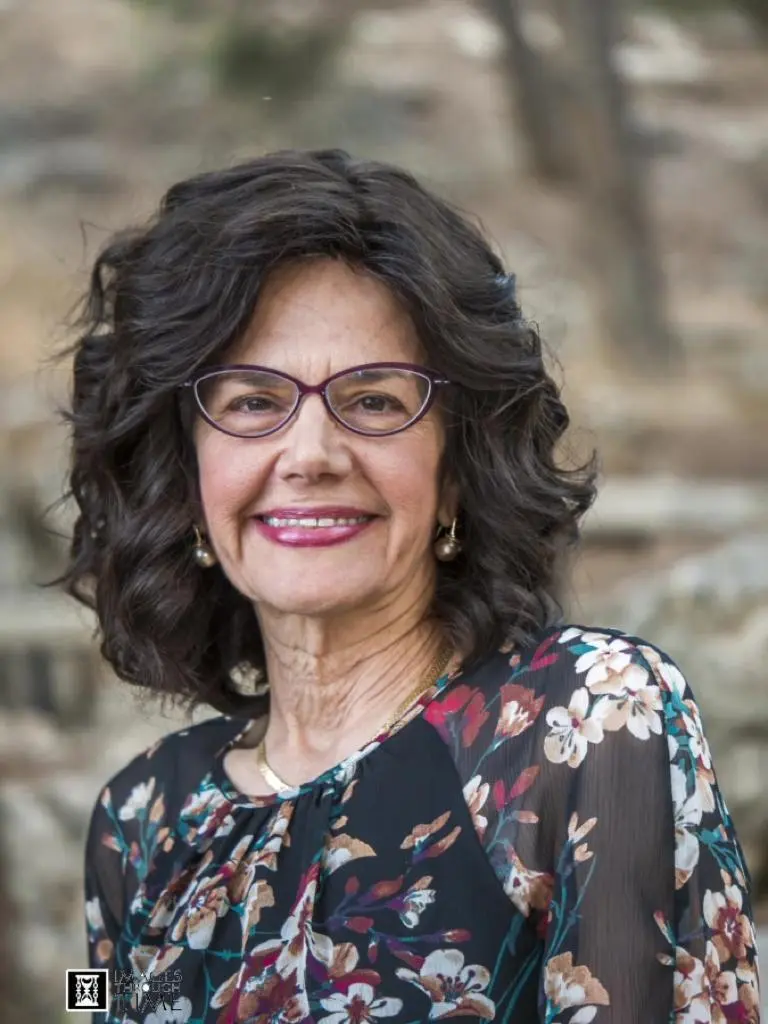
The start of my journey is not so exceptional. I was between jobs and wanted to be sure to get out every day (this was before corona). Well, I was hooked after about a month and from then on only looked for work-from-home jobs so I could continue learning the Daf. Daf has been a constant in my life, though hurricanes, death, illness/injury, weddings. My new friends are Rav, Shmuel, Ruth, Joanna.
Judi Felber
Judi Felber

Raanana, Israel

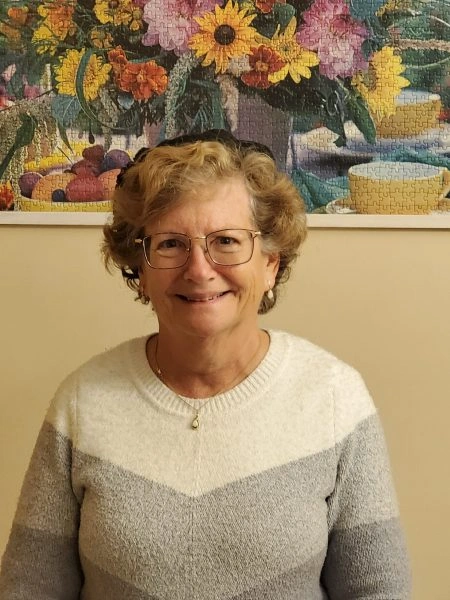
I learned daf more off than on 40 years ago. At the beginning of the current cycle, I decided to commit to learning daf regularly. Having Rabanit Michelle available as a learning partner has been amazing. Sometimes I learn with Hadran, sometimes with my husband, and sometimes on my own. It’s been fun to be part of an extended learning community.

Miriam Pollack
Miriam Pollack

Honolulu, Hawaii, United States

I am a Reform rabbi and took Talmud courses in rabbinical school, but I knew there was so much more to learn. It felt inauthentic to serve as a rabbi without having read the entire Talmud, so when the opportunity arose to start Daf Yomi in 2020, I dove in! Thanks to Hadran, Daf Yomi has enriched my understanding of rabbinic Judaism and deepened my love of Jewish text & tradition. Todah rabbah!

Rabbi Nicki Greninger

California, United States

I went to day school in Toronto but really began to learn when I attended Brovenders back in the early 1980’s. Last year after talking to my sister who was learning Daf Yomi, inspired, I looked on the computer and the Hadran site came up. I have been listening to each days shiur in the morning as I work. I emphasis listening since I am not sitting with a Gamara. I listen while I work in my studio.

Rachel Rotenberg
Rachel Rotenberg

Tekoa, Israel

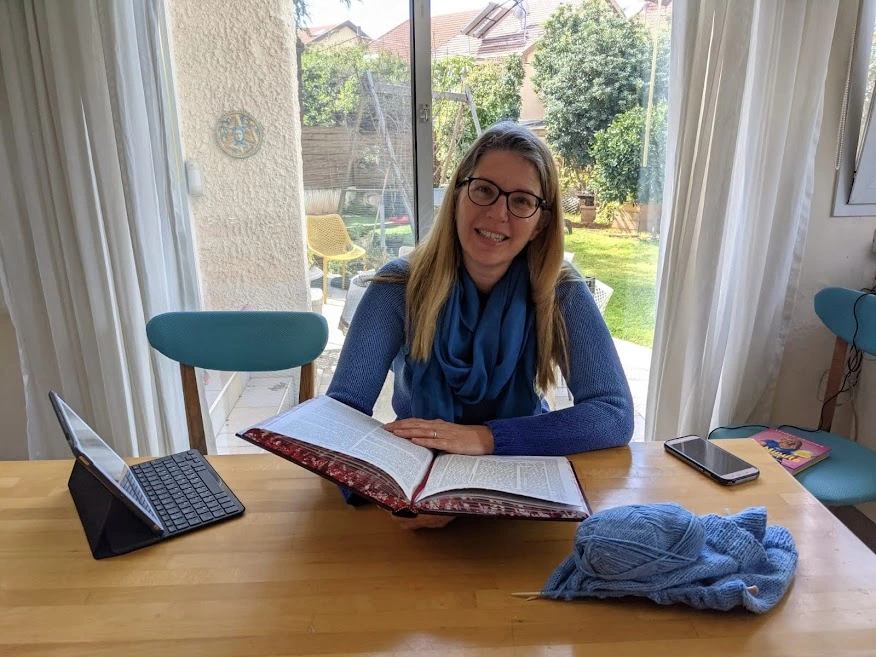
In January 2020, my teaching partner at IDC suggested we do daf yomi. Thanks to her challenge, I started learning daily from Rabbanit Michelle. It’s a joy to be part of the Hadran community. (It’s also a tikkun: in 7th grade, my best friend and I tied for first place in a citywide gemara exam, but we weren’t invited to the celebration because girls weren’t supposed to be learning gemara).

Sara-Averick-photo-scaled
Sara Averick

Jerusalem, Israel

Margo
I started my Talmud journey in 7th grade at Akiba Jewish Day School in Chicago. I started my Daf Yomi journey after hearing Erica Brown speak at the Hadran Siyum about marking the passage of time through Daf Yomi.

Carolyn
I started my Talmud journey post-college in NY with a few classes. I started my Daf Yomi journey after the Hadran Siyum, which inspired both my son and myself.

Carolyn Hochstadter and Margo Kossoff Shizgal

Merion Station,  USA

Beit Shemesh, Israel

I started Daf during the pandemic. I listened to a number of podcasts by various Rebbeim until one day, I discovered Rabbanit Farbers podcast. Subsequently I joined the Hadran family in Eruvin. Not the easiest place to begin, Rabbanit Farber made it all understandable and fun. The online live group has bonded together and have really become a supportive, encouraging family.

Leah Goldford
Leah Goldford

Edmonton, Alberta, Canada

I started learning Daf Yomi inspired by תָּפַסְתָּ מְרוּבֶּה לֹא תָּפַסְתָּ, תָּפַסְתָּ מוּעָט תָּפַסְתָּ. I thought I’d start the first page, and then see. I was swept up into the enthusiasm of the Hadran Siyum, and from there the momentum kept building. Rabbanit Michelle’s shiur gives me an anchor, a connection to an incredible virtual community, and an energy to face whatever the day brings.

Medinah Korn
Medinah Korn

בית שמש, Israel

I decided to learn one masechet, Brachot, but quickly fell in love and never stopped! It has been great, everyone is always asking how it’s going and chering me on, and my students are always making sure I did the day’s daf.

Yafit Fishbach
Yafit Fishbach

Memphis, Tennessee, United States

I was moved to tears by the Hadran Siyyum HaShas. I have learned Torah all my life, but never connected to learning Gemara on a regular basis until then. Seeing the sheer joy Talmud Torah at the siyyum, I felt compelled to be part of it, and I haven’t missed a day!
It’s not always easy, but it is so worthwhile, and it has strengthened my love of learning. It is part of my life now.

Michelle Lewis
Michelle Lewis

Beit Shemesh, Israel

Shortly after the death of my father, David Malik z”l, I made the commitment to Daf Yomi. While riding to Ben Gurion airport in January, Siyum HaShas was playing on the radio; that was the nudge I needed to get started. The “everyday-ness” of the Daf has been a meaningful spiritual practice, especial after COVID began & I was temporarily unable to say Kaddish at daily in-person minyanim.

Lisa S. Malik
Lisa S. Malik

Wynnewood, United States

Margo
I started my Talmud journey in 7th grade at Akiba Jewish Day School in Chicago. I started my Daf Yomi journey after hearing Erica Brown speak at the Hadran Siyum about marking the passage of time through Daf Yomi.

Carolyn
I started my Talmud journey post-college in NY with a few classes. I started my Daf Yomi journey after the Hadran Siyum, which inspired both my son and myself.

Carolyn Hochstadter and Margo Kossoff Shizgal

Merion Station,  USA

Beit Shemesh, Israel

About a year into learning more about Judaism on a path to potential conversion, I saw an article about the upcoming Siyum HaShas in January of 2020. My curiosity was piqued and I immediately started investigating what learning the Daf actually meant. Daily learning? Just what I wanted. Seven and a half years? I love a challenge! So I dove in head first and I’ve enjoyed every moment!!
Nickie Matthews
Nickie Matthews

Blacksburg, United States

My husband learns Daf, my son learns Daf, my son-in-law learns Daf.
When I read about Hadran’s Siyyum HaShas 2 years ago, I thought- I can learn Daf too!
I had learned Gemara in Hillel HS in NJ, & I remembered loving it.
Rabbanit Michelle & Hadran have opened my eyes & expanding my learning so much in the past few years. We can now discuss Gemara as a family.
This was a life saver during Covid

Renee Braha
Renee Braha

Brooklyn, NY, United States

I was moved to tears by the Hadran Siyyum HaShas. I have learned Torah all my life, but never connected to learning Gemara on a regular basis until then. Seeing the sheer joy Talmud Torah at the siyyum, I felt compelled to be part of it, and I haven’t missed a day!
It’s not always easy, but it is so worthwhile, and it has strengthened my love of learning. It is part of my life now.

Michelle Lewis
Michelle Lewis

Beit Shemesh, Israel

I have joined the community of daf yomi learners at the start of this cycle. I have studied in different ways – by reading the page, translating the page, attending a local shiur and listening to Rabbanit Farber’s podcasts, depending on circumstances and where I was at the time. The reactions have been positive throughout – with no exception!

Silke Goldberg
Silke Goldberg

Guildford, United Kingdom

I started last year after completing the Pesach Sugiyot class. Masechet Yoma might seem like a difficult set of topics, but for me made Yom Kippur and the Beit HaMikdash come alive. Liturgy I’d always had trouble connecting with took on new meaning as I gained a sense of real people moving through specific spaces in particular ways. It was the perfect introduction; I am so grateful for Hadran!

Debbie Engelen-Eigles

Minnesota, United States

I am grateful for the structure of the Daf Yomi. When I am freer to learn to my heart’s content, I learn other passages in addition. But even in times of difficulty, I always know that I can rely on the structure and social support of Daf Yomi learners all over the world.

I am also grateful for this forum. It is very helpful to learn with a group of enthusiastic and committed women.

Janice Block-2
Janice Block

Beit Shemesh, Israel

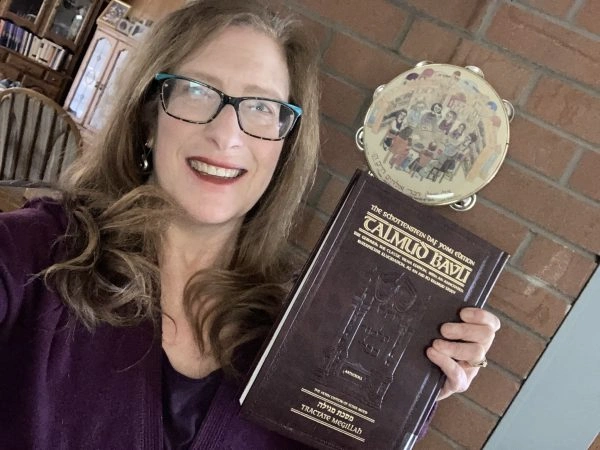
A beautiful world of Talmudic sages now fill my daily life with discussion and debate.
bringing alive our traditions and texts that has brought new meaning to my life.
I am a מגילת אסתר reader for women . the words in the Mishna of מסכת megillah 17a
הקורא את המגילה למפרע לא יצא were powerful to me.
I hope to have the zchut to complete the cycle for my 70th birthday.

Sheila Hauser
Sheila Hauser

Jerusalem, Israel

What a great experience to learn with Rabbanit Michelle Farber. I began with this cycle in January 2020 and have been comforted by the consistency and energy of this process throughout the isolation period of Covid. Week by week, I feel like I am exploring a treasure chest with sparkling gems and puzzling antiquities. The hunt is exhilarating.

Marian Frankston
Marian Frankston

Pennsylvania, United States

Kiddushin 37

חוּץ מִן הָעׇרְלָה וְכִלְאַיִם. רַבִּי אֱלִיעֶזֶר אוֹמֵר: אַף הֶחָדָשׁ.

This is apart from the mitzvot of orla and diverse kinds, which apply even outside of Eretz Yisrael. Rabbi Eliezer says: This is the halakha even with regard to the prohibition to eat from the new crop before the omer offering has been brought on the sixteenth of Nisan.

גְּמָ׳ מַאי תְּלוּיָה וּמַאי שֶׁאֵינָהּ תְּלוּיָה? אִילֵימָא תְּלוּיָה – דִּכְתִיב בַּהּ ״בִּיאָה״, וְשֶׁאֵינָהּ תְּלוּיָה – דְּלָא כְּתִיב בַּהּ ״בִּיאָה״, וַהֲרֵי תְּפִילִּין וּפֶטֶר חֲמוֹר, דִּכְתִיב בָּהֶן ״בִּיאָה״, וְנוֹהֲגִין בֵּין בָּאָרֶץ בֵּין בְּחוּץ לָאָרֶץ!

GEMARA: The Gemara asks: What is meant by mitzvot that are dependent on the land, and what is meant by mitzvot that are not dependent on the land? If we say that a mitzva is called dependent in a case where it is written in a verse with regard to it: Coming to Eretz Yisrael, and a mitzva that is not dependent on the land is one concerning which the verb: Coming, or the verb: Bringing, is not written in a verse with regard to it, that would lead to a difficulty: But aren’t there the mitzvot of donning phylacteries and the redemption of the firstborn donkey, in which the verse states: Bringing, in the passage: “And it shall be when the Lord shall bring you to the land of the Canaanite…And every firstborn of a donkey you shall redeem with a lamb…And it shall be for a sign upon your hand, and for frontlets between your eyes” (Exodus 13:11–16), and yet those mitzvot apply both in Eretz Yisrael and outside of Eretz Yisrael.

אָמַר רַב יְהוּדָה: הָכִי קָאָמַר: כׇּל מִצְוָה שֶׁהִיא חוֹבַת הַגּוּף – נוֹהֶגֶת בֵּין בָּאָרֶץ בֵּין בְּחוּץ לָאָרֶץ, חוֹבַת קַרְקַע – אֵינָהּ נוֹהֶגֶת אֶלָּא בָּאָרֶץ.

Rav Yehuda said that this is what the mishna is saying: Any mitzva that is an obligation of the body, i.e., an obligation upon the person, applies both in Eretz Yisrael and outside of Eretz Yisrael. Conversely, an obligation of the land, that is, a mitzva that applies specifically to the earth and its growths, applies only in Eretz Yisrael.

מְנָא הָנֵי מִילֵּי? דְּתָנוּ רַבָּנַן: ״אֵלֶּה הַחֻקִּים״ – אֵלּוּ הַמִּדְרָשׁוֹת. ״וְהַמִּשְׁפָּטִים״ – אֵלּוּ הַדִּינִים. ״אֲשֶׁר תִּשְׁמְרוּן״ – זוֹ מִשְׁנָה. ״לַעֲשׂוֹת״ – זוֹ מַעֲשֶׂה.

The Gemara asks: From where are these matters derived? The Gemara answers: This is as the Sages taught in a baraita: The verse states: “These are the statutes and the ordinances that you shall observe to do in the land that the Lord, the God of your fathers, has given you to possess it, all the days that you live upon the earth” (Deuteronomy 12:1). This verse is interpreted as follows: The phrase “these are the statutes” means that these are the expositions that the Sages learn from verses. With regard to the phrase “and the ordinances,” these are monetary laws. With regard to “that you shall observe,” this is referring to the study of matters that must be observed for one to perform them. And as for the phrase “to do,” this is referring to action, the actual performance of mitzvot.

״בָּאָרֶץ״ – יָכוֹל כׇּל הַמִּצְוֹת כּוּלָּן לֹא יְהוּ נוֹהֲגִים אֶלָּא בָּאָרֶץ? תַּלְמוּד לוֹמַר: ״כׇּל הַיָּמִים אֲשֶׁר אַתֶּם חַיִּים עַל הָאֲדָמָה״. אִי כׇּל הַיָּמִים, יָכוֹל יְהוּ נוֹהֲגִים בֵּין בָּאָרֶץ בֵּין בְּחוּצָה לָאָרֶץ? תַּלְמוּד לוֹמַר: ״בָּאָרֶץ״.

The baraita continues: From the phrase “in the land [ba’aretz],” one might have thought that all mitzvot apply only in Eretz Yisrael. Therefore, the verse also states “all the days that you live upon the earth,” i.e., wherever you live. Furthermore, if the Merciful One had written only the phrase “all the days,” one might have thought that all mitzvot should apply both in Eretz Yisrael and outside of Eretz Yisrael. Therefore, the verse also states “in the land.”

אַחַר שֶׁרִיבָּה הַכָּתוּב וּמִיעֵט – צֵא וּלְמַד מִמַּה שֶּׁאָמוּר בָּעִנְיָן: ״אַבֵּד תְּאַבְּדוּן אֶת כׇּל הַמְּקֹמוֹת אֲשֶׁר עָבְדוּ שָׁם וְגוֹ׳״ – מָה עֲבוֹדָה זָרָה מְיוּחֶדֶת, שֶׁהִיא חוֹבַת הַגּוּף, וְנוֹהֶגֶת בֵּין בָּאָרֶץ בֵּין בְּחוּצָה לָאָרֶץ – אַף כֹּל שֶׁהִיא חוֹבַת הַגּוּף נוֹהֶגֶת בֵּין בָּאָרֶץ בֵּין בְּחוּצָה לָאָרֶץ.

The baraita continues: Once the verse includes areas outside of Eretz Yisrael and also excludes areas outside of Eretz Yisrael, how is it determined which mitzvot apply outside the land and which do not? The baraita answers: Go and learn from what is stated with regard to a different issue that appears in the next verse: “You shall destroy all the places where the nations that you are to dispossess served their gods” (Deuteronomy 12:2). Just as the prohibition of idol worship is distinct in that it is an obligation of the body, and it applies both in Eretz Yisrael and outside of Eretz Yisrael, so too, any mitzva that is an obligation of the body applies both in Eretz Yisrael and outside of Eretz Yisrael. Conversely, mitzvot that are an obligation connected to the land apply only in Eretz Yisrael.

חוּץ מִן הָעׇרְלָה וְהַכִּלְאַיִם. אִיבַּעְיָא לְהוּ: רַבִּי אֱלִיעֶזֶר לְקוּלָּא פְּלִיג אוֹ לְחוּמְרָא פְּלִיג?

§ The mishna teaches that all mitzvot that are dependent on the land apply only in Eretz Yisrael, apart from orla and the prohibition of diverse kinds. Rabbi Eliezer says: This is the halakha even with regard to the prohibition to eat from the new crop. A dilemma was raised before them: Does Rabbi Eliezer disagree with the first tanna with the intent to rule more leniently or does he disagree with the first tanna with the intent to rule more stringently?

לְחוּמְרָא פְּלִיג, וְהָכִי קָאָמַר תַּנָּא קַמָּא: חוּץ מִן הָעׇרְלָה וּמִן הַכִּלְאַיִם, דְּהִלְכְתָא גְּמִירִי לָהּ, אַף עַל גַּב דְּאִיכָּא לְמֵימַר חוֹבַת קַרְקַע הִיא. אֲבָל חָדָשׁ, בָּאָרֶץ – אִין, בְּחוּצָה לָאָרֶץ – לָא.

The Gemara elaborates: It is possible that Rabbi Eliezer disagrees with the first tanna with the intent to rule more stringently, and this is what the first tanna is saying: All mitzvot that are dependent on the land apply only in Eretz Yisrael, apart from orla and diverse kinds, as we learned this halakha through a tradition transmitted to Moses from Sinai. Although one could say that each of them is an obligation of the land and should apply only in Eretz Yisrael, nevertheless they are obligatory outside of Eretz Yisrael as well. But the prohibition of the new crop, which is an obligation of the land, yes, it applies in Eretz Yisrael, but outside of Eretz Yisrael, no, it does not apply.

מַאי טַעְמָא? ״מוֹשָׁב״ – לְאַחַר יְרוּשָּׁה וִישִׁיבָה מַשְׁמַע.

What is the reason of the first tanna? In the verse that states with regard to the new crop: “In all your dwellings” (Leviticus 23:14), the term dwelling does not mean that this halakha applies wherever Jews live. Rather, it means that the mitzva is applicable only in Eretz Yisrael, as this phrase indicates a time after inheritance and settlement of Eretz Yisrael by the Jewish people, when they are actually dwelling in the land, not when they are in the process of conquering it. This is the opinion of the first tanna.

וַאֲתָא רַבִּי אֱלִיעֶזֶר לְמֵימַר: אַף חָדָשׁ נוֹהֵג בֵּין בָּאָרֶץ בֵּין בְּחוּצָה לָאָרֶץ. מַאי טַעְמָא? ״מוֹשָׁב״ – בְּכׇל מָקוֹם שֶׁאַתֶּם יוֹשְׁבִים.

And Rabbi Eliezer comes to say: Even the prohibition with regard to the new crop applies both in Eretz Yisrael and outside of Eretz Yisrael. What is the reason for his opinion? He explains that the term dwelling means wherever you dwell. This is one possible way to understand the dispute, according to which the opinion of Rabbi Eliezer is more stringent than that of the first tanna.

אוֹ דִלְמָא לְקוּלָּא פְּלִיג, וְהָכִי קָאָמַר תַּנָּא קַמָּא: חוּץ מִן הָעׇרְלָה וְהַכִּלְאַיִם, דְּהִלְכְתָא גְּמִירִי לַהּ, וְכׇל שֶׁכֵּן חָדָשׁ, דְּ״מוֹשָׁב״ – כׇּל מָקוֹם שֶׁאַתֶּם יוֹשְׁבִים מַשְׁמַע.

Or perhaps Rabbi Eliezer disagrees with the first tanna with the intent to rule more leniently, and this is what the first tanna is saying: All mitzvot that are dependent on the land apply only in Eretz Yisrael, apart from orla and diverse kinds, as we learned this halakha through tradition, and all the more so apart from the new crop, which applies outside of Eretz Yisrael, as the term dwelling indicates wherever you dwell. This is the opinion of the first tanna.

וַאֲתָא רַבִּי אֱלִיעֶזֶר לְמֵימַר: חָדָשׁ אֵינוֹ נוֹהֵג אֶלָּא בָּאָרֶץ, דְּ״מוֹשָׁב״ – לְאַחַר יְרוּשָּׁה וִישִׁיבָה מַשְׁמַע. וּמַאי ״אַף״ – אַקַּמַּיְיתָא.

And Rabbi Eliezer comes to say: The prohibition of the new crop applies only in Eretz Yisrael, as the term dwelling indicates a time after inheritance and settlement of Eretz Yisrael by the Jewish people. The Gemara asks: And accordingly, what is the meaning of the word: Even, with which Rabbi Eliezer begins his statement? It is not referring to orla and diverse kinds, which apply outside of Eretz Yisrael, but to the first clause, which states that a mitzva that is dependent on the land applies only in Eretz Yisrael. Rabbi Eliezer adds that this principle includes the new crop as well.

תָּא שְׁמַע, דְּאָמַר אַבָּיֵי: מַאן תַּנָּא דִּפְלִיג עֲלֵיהּ דְּרַבִּי אֱלִיעֶזֶר – רַבִּי יִשְׁמָעֵאל הִיא. דְּתַנְיָא: לְלַמֶּדְךָ, שֶׁכׇּל מָקוֹם שֶׁנֶּאֱמַר בּוֹ ״מוֹשָׁב״ אֵינוֹ אֶלָּא לְאַחַר יְרוּשָּׁה וִישִׁיבָה, דִּבְרֵי רַבִּי יִשְׁמָעֵאל.

Having presented the two ways in which one can explain the opinion of Rabbi Eliezer, the Gemara attempts to prove which is correct and suggests: Come and hear a proof from that which Abaye said: Who is the tanna who disagrees with Rabbi Eliezer? It is Rabbi Yishmael. As it is taught in a baraita with regard to the mitzva of bringing libations with offerings: This serves to teach you that wherever the term dwelling is stated, the mitzva in question applies only after the inheritance and settlement of Eretz Yisrael. This is the statement of Rabbi Yishmael.

אָמַר לוֹ רַבִּי עֲקִיבָא: הֲרֵי שַׁבָּת, שֶׁנֶּאֱמַר בּוֹ ״מוֹשָׁבוֹת״, וְנוֹהֶגֶת בֵּין בָּאָרֶץ בֵּין בְּחוּצָה לָאָרֶץ! אָמַר לוֹ: שַׁבָּת קַל וָחוֹמֶר אָתְיָא, מָה מִצְוֹת קַלּוֹת נוֹהֲגוֹת בֵּין בָּאָרֶץ בֵּין בְּחוּצָה לָאָרֶץ – שַׁבָּת חֲמִירָא לֹא כׇּל שֶׁכֵּן?

Rabbi Akiva said to him: But there is the case of Shabbat, in which it is stated: “It is a Shabbat to the Lord in all your dwellings” (Leviticus 23:3), and this mitzva applies both in Eretz Yisrael and outside of Eretz Yisrael. Rabbi Yishmael said to Rabbi Akiva: Shabbat is derived through the following a fortiori inference: If less stringent mitzvot apply both in Eretz Yisrael and outside of Eretz Yisrael, is it not all the more so reasonable that Shabbat, which is a stringent mitzva, should apply everywhere?

מִדְּאָמַר אַבָּיֵי: מַאן תַּנָּא דִּפְלִיג עֲלֵיהּ דְּרַבִּי אֱלִיעֶזֶר – רַבִּי יִשְׁמָעֵאל, שְׁמַע מִינַּהּ רַבִּי אֱלִיעֶזֶר לְחוּמְרָא פְּלִיג, שְׁמַע מִינַּהּ.

The Gemara explains the proof. From the fact that Abaye said: Who is the tanna who disagrees with Rabbi Eliezer, it is Rabbi Yishmael, and Rabbi Yishmael says that the term dwelling means that the mitzva applies after Eretz Yisrael has been entirely settled, one can conclude from it that Rabbi Eliezer disagrees with the first tanna with the intent to rule more stringently, as he evidently maintains that the term dwelling means wherever Jews are located. The Gemara affirms: Conclude from that baraita that it is so.

מִכְּדֵי רַבִּי יִשְׁמָעֵאל אַהֵיכָא קָאֵי? אַנְּסָכִים. בִּנְסָכִים

The Gemara asks an incidental question with regard to Rabbi Yishmael’s opinion. Now, where does Rabbi Yishmael stand, i.e., to which specific mitzva is he referring? He is referring to the obligation to bring libations, from which he learns that all mitzvot that feature the term dwelling apply only after Eretz Yisrael had been conquered and settled. With regard to libations

בִּיאָה וּמוֹשָׁב כְּתִיב בְּהוּ?! הָכִי קָאָמַר: לְלַמֵּד שֶׁכׇּל מָקוֹם שֶׁנֶּאֱמַר בִּיאָה וּמוֹשָׁב אֵינוֹ אֶלָּא לְאַחַר יְרוּשָּׁה וִישִׁיבָה, דִּבְרֵי רַבִּי יִשְׁמָעֵאל.

both the term: Coming, and the term: Dwelling, are written: “When you come into the land of your dwellings” (Numbers 15:2). How, then, can Rabbi Yishmael cite this example to teach about cases where only the term dwelling is written? The Gemara answers that this is what the baraita is saying: This teaches that wherever both coming and dwelling are stated, it applies only after inheritance and settlement of Eretz Yisrael; this is the statement of Rabbi Yishmael.

אִי הָכִי, אָמַר לוֹ רַבִּי עֲקִיבָא: הֲרֵי שַׁבָּת שֶׁנֶּאֱמַר בּוֹ ״מוֹשָׁבוֹת״, וְאָמַר לוֹ: שַׁבָּת קַל וָחוֹמֶר הִיא, נֵימָא לֵיהּ: אֲנָא בִּיאָה וּמוֹשָׁב קָאָמֵינָא! חֲדָא וְעוֹד קָאָמַר לֵיהּ, חֲדָא – דַּאֲנָא בִּיאָה וּמוֹשָׁב קָאָמֵינָא. וְעוֹד: דְּקָא אָמְרַתְּ הֲרֵי שַׁבָּת שֶׁנֶּאֱמַר בּוֹ ״מוֹשָׁבוֹת״ – שַׁבָּת קַל וָחוֹמֶר הִיא.

The Gemara asks: If so, consider that Rabbi Akiva said to him: But there is the verse stated with regard to Shabbat (Leviticus 23:3), in which it is stated “dwellings,” and Rabbi Yishmael said to him: Shabbat is derived through an a fortiori inference. But let Rabbi Yishmael say to Rabbi Akiva instead: I say my principle only when coming and dwelling are both written, and in the case of Shabbat the verse states only the term dwelling. The Gemara answers: Rabbi Yishmael states one reason and adds another reason. One reason is that I say my principle only when coming and dwelling are written together. And another reason: With regard to that which you say that there is the case of Shabbat, in which it is stated “dwellings,” Shabbat is derived through an a fortiori inference.

בְּמַאי קָמִיפַּלְגִי? בְּקֵירְבוּ נְסָכִים בַּמִּדְבָּר קָא מִיפַּלְגִי. רַבִּי יִשְׁמָעֵאל סָבַר: לָא קֵירְבוּ נְסָכִים בַּמִּדְבָּר. וְרַבִּי עֲקִיבָא סָבַר: קֵירְבוּ נְסָכִים בַּמִּדְבָּר.

The Gemara asks: With regard to what do Rabbi Yishmael and Rabbi Akiva disagree? The Gemara answers: They disagree with regard to whether the Jews sacrificed libations in the wilderness. Rabbi Yishmael maintains: They did not sacrifice libations in the wilderness, as the obligation to sacrifice libations came into effect only once they were living in Eretz Yisrael. And Rabbi Akiva maintains: They did sacrifice libations in the wilderness. Rabbi Akiva derives a different halakha from the term dwelling.

אָמַר אַבָּיֵי: הַאי תָּנָא דְּבֵי רַבִּי יִשְׁמָעֵאל מַפֵּיק מֵאִידַּךְ תָּנָא דְּבֵי רַבִּי יִשְׁמָעֵאל.

Abaye said: This statement of the tanna of the school of Rabbi Yishmael, that only when the terms coming and dwelling are both written does the mitzva takes effect after settling Eretz Yisrael, diverges from another statement of the tanna of the school of Rabbi Yishmael.

דְּתָנָא דְּבֵי רַבִּי יִשְׁמָעֵאל: הוֹאִיל וְנֶאֶמְרוּ בִּיאוֹת בַּתּוֹרָה סְתָם, וּפָרַט לְךָ הַכָּתוּב בְּאֶחָד מֵהֶן לְאַחַר יְרוּשָּׁה וִישִׁיבָה, אַף כֹּל לְאַחַר יְרוּשָּׁה וִישִׁיבָה.

This is as the tanna of the school of Rabbi Yishmael taught: Since instances of coming to Eretz Yisrael are mentioned in the Torah in connection to several mitzvot, without specifying precisely when the Jewish people are considered to have arrived there, and the verse specified in one of its references that it applies only after inheritance and settlement of Eretz Yisrael, in the mitzva of appointing a king: “When you come to the land…and you inherit it and settle it” (Deuteronomy 17:14), so too, wherever coming to the land is mentioned without qualification, it means after inheritance and settlement. According to this opinion, there is no need for the verse to also mention the term dwelling.

וְאִידַּךְ, מִשּׁוּם דְּהָוֵה מֶלֶךְ וּבִיכּוּרִים שְׁנֵי כְתוּבִים הַבָּאִים כְּאֶחָד, וְכֹל שְׁנֵי כְתוּבִים הַבָּאִים כְּאֶחָד אֵין מְלַמְּדִין.

And the other tanna of the school of Rabbi Yishmael, cited in the dispute with Rabbi Akiva, would say that this is no proof, because there is not only the case of a king but also the mitzva of first fruits, where the verse also uses the terms of coming, inheriting, and dwelling (see Deuteronomy 26:1). Consequently, these are two verses that come as one, i.e., to teach the same matter. And any two verses that come as one do not teach a precedent that applies to other cases.

וְאִידַּךְ: צְרִיכִי, דְּאִי כְּתַב רַחֲמָנָא מֶלֶךְ וְלָא כְּתַב בִּיכּוּרִים, הֲוָה אָמֵינָא: בִּיכּוּרִים, דְּקָא מִיתְהֲנֵי – לְאַלְתַּר. וְאִי כְּתַב בִּיכּוּרִים וְלָא כְּתַב מֶלֶךְ, הֲוָה אָמֵינָא: מֶלֶךְ, דְּדַרְכּוֹ לְכַבֵּשׁ – לְאַלְתַּר.

And the other tanna, i.e., the tanna of the school of Rabbi Yishmael cited by Abaye, would answer: Both these cases are necessary, as one cannot be derived from the other. As, if the Merciful One had written this matter only with regard to a king, and had not written it concerning first fruits, I would say: This delay applies only to the mitzva of appointing a king, whereas with regard to the mitzva of first fruits, since one benefits from eating the fruit he should have to bring it immediately and not wait until the land has been inherited and settled. And conversely, had the Merciful One written this matter only with regard to first fruits and had not written it in the case of a king, I would say that as it is the manner of a king to conquer, one must be appointed immediately, even before entering Eretz Yisrael.

וְאִידַּךְ: נִכְתּוֹב רַחֲמָנָא מֶלֶךְ וְלָא בָּעֵי בִּיכּוּרִים, וַאֲנָא אָמֵינָא: וּמָה מֶלֶךְ, דִּלְכַבֵּשׁ לְאַחַר יְרוּשָּׁה וִישִׁיבָה, בִּיכּוּרִים – לֹא כׇּל שֶׁכֵּן?

And the other, the tanna of the school of Rabbi Yishmael, cited in the dispute with Rabbi Akiva, would respond: Let the Merciful One write this with regard to a king, and it would not be required to write it in the case of first fruits, as I would say: And if a king, whose task is to conquer Eretz Yisrael, nevertheless is appointed only after inheritance and settlement, with regard to first fruits is it not all the more so reasonable that a similar halakha apply to them? If so, these are two verses that come as one, which do not teach a precedent.

וְאִידַּךְ: אִי כְּתַב הָכִי הֲוָה אָמֵינָא: מִידֵּי דְּהָוֵה אַחַלָּה, קָא מַשְׁמַע לַן.

And the other, i.e., the tanna of the school of Rabbi Yishmael cited by Abaye, would say: If the Merciful One had written this only with regard to a king, I would say that the Jews should be obligated in the mitzva of first fruits immediately upon entering Eretz Yisrael, and I would not derive the halakha of first fruits from that of appointing a king, just as it is with regard to the separation of ḥalla, another priestly gift from one’s produce, which applied immediately upon the entrance to Eretz Yisrael. Therefore the verse is necessary, as it teaches us that this is not so.

וְהַשְׁתָּא דְּאָמְרַתְּ חוֹבַת הַגּוּף נוֹהֶגֶת בֵּין בְּאֶרֶץ יִשְׂרָאֵל בֵּין בְּחוּצָה לָאָרֶץ, ״מוֹשָׁב״ דִּכְתַב רַחֲמָנָא גַּבֵּי שַׁבָּת, לְמָה לִי? אִיצְטְרִיךְ, סָלְקָא דַּעְתָּךְ אָמֵינָא: הוֹאִיל וּבְעִנְיָנָא דְמוֹעֲדוֹת כְּתִיבָא, תִּיבְּעֵי קִידּוּשׁ כִּי מוֹעֲדוֹת, קָא מַשְׁמַע לַן.

§ The Gemara asks: And now that you said that an obligation of the body applies both in Eretz Yisrael and outside of Eretz Yisrael, why do I need the term “dwelling” that the Merciful One writes with regard to Shabbat (Leviticus 23:3)? The Gemara answers: It was necessary to say this, as it might enter your mind to say: Since the mitzva of Shabbat was written in the context of the Festivals, it should require sanctification by the court, like the Festivals, which rely on the sanctification of the New Moon by the court. Therefore the verse teaches us that this is not required.

״מוֹשָׁב״ דִּכְתַב רַחֲמָנָא גַּבֵּי חֵלֶב וָדָם, לְמָה לִי? אִיצְטְרִיךְ, סָלְקָא דַּעְתָּךְ אָמֵינָא: הוֹאִיל וּבְעִנְיָנָא דְקׇרְבָּנוֹת כְּתִיבִי, בִּזְמַן דְּאִיכָּא קׇרְבָּן, נִיתְּסַר חֵלֶב וָדָם, בִּזְמַן דְּלֵיכָּא קׇרְבָּן – לָא, קָא מַשְׁמַע לַן.

The Gemara further asks: Why do I need the term dwelling, which the Merciful One writes with regard to the consumption of forbidden fat and blood in the verse: “A perpetual statute throughout your generations in all your dwellings, that you shall eat neither forbidden fat nor blood” (Leviticus 3:17)? The Gemara answers: It was necessary to state this, as it might enter your mind to say: Since these prohibitions are written in the context of the offerings, then when there is an offering and the priests sacrifice fat and blood upon the altar, i.e., when the Temple is standing, that is when forbidden fat and blood are forbidden for consumption. But when there is no offering, forbidden fat and blood are not forbidden. The verse therefore teaches us that they are always forbidden.

״מוֹשָׁב״ דִּכְתַב רַחֲמָנָא גַּבֵּי מַצָּה וּמָרוֹר, לְמָה לִי? אִיצְטְרִיךְ, סָלְקָא דַּעְתָּךְ אָמֵינָא הוֹאִיל וּכְתִיב ״עַל מַצּוֹת וּמְרֹרִים יֹאכְלֻהוּ״, בִּזְמַן דְּאִיכָּא פֶּסַח – אִין, בִּזְמַן דְּלֵיכָּא פֶּסַח – לָא, קָא מַשְׁמַע לַן.

Additionally, the Gemara asks: Why do I need the term dwelling, which the Merciful One writes with regard to matza and bitter herbs, in the verse: “In all your dwellings you shall eat matza” (Exodus 12:20)? The Gemara answers: It was necessary to state this, as it might enter your mind to say that since it is written: “They shall eat the Paschal offering with matza and bitter herbs” (Numbers 9:11), when there is a Paschal offering, yes, one must eat it with matza and bitter herbs, but when there is no Paschal offering, i.e., when the Temple is not standing, there is no obligation to eat matza and bitter herbs. The verse therefore teaches us that these mitzvot apply every Passover, whether or not the Temple is standing.

״בִּיאָה״ דִּכְתַב רַחֲמָנָא גַּבֵּי תְּפִילִּין וּפֶטֶר חֲמוֹר, לְמָה לִי? הָהוּא מִיבְּעֵי לֵיהּ לְכִדְתָנָא דְּבֵי רַבִּי יִשְׁמָעֵאל: עֲשֵׂה מִצְוָה זוֹ, שֶׁבִּשְׁבִילָהּ תִּיכָּנֵס לָאָרֶץ.

The Gemara further asks: Why do I need the term coming, which the Merciful One writes with regard to phylacteries and the firstborn donkey, at the start of the Torah passage which discusses these mitzvot: “And it shall be when the Lord will bring you into the land of the Canaanite” (Exodus 13:11)? The Gemara answers: That verse is necessary for that which the tanna of the school of Rabbi Yishmael taught: Perform this mitzva of donning phylacteries, on account of which you shall be rewarded and enter Eretz Yisrael.

בִּשְׁלָמָא לְמַאן דְּאָמַר ״מוֹשָׁב״ – כׇּל מָקוֹם שֶׁאַתֶּם יוֹשְׁבִים מַשְׁמַע, הַיְינוּ דִּכְתִיב ״וַיֹּאכְלוּ מֵעֲבוּר הָאָרֶץ מִמׇּחֳרַת הַפֶּסַח״ – מִמָּחֳרַת הַפֶּסַח אֲכוּל, מֵעִיקָּרָא – לָא אֲכוּל. אַלְמָא

The Gemara asks about the term dwelling, written in connection to the prohibition of the new crop. Granted, according to the one who says that the term dwelling indicates wherever you dwell, this explains the fact that it is written with regard to the Jewish people immediately after they entered Eretz Yisrael: “And they ate the produce of the land on the morrow after the Passover” (Joshua 5:11). This means that on the day after the Passover they ate the produce of Eretz Yisrael, but initially, before that date, they did not eat it. Apparently,

Want to follow content and continue where you left off?

Create an account today to track your progress, mark what you’ve learned, and follow the shiurim that speak to you.

Clear all items from this list?

This will remove ALL the items in this section. You will lose any progress or history connected to them. This is irreversible.

Cancel
Yes, clear all

Are you sure you want to delete this item?

You will lose any progress or history connected to this item.

Cancel
Yes, delete