








Kinnim is a term used to refer to pairs of birds that were brought as sacrifices in the temple. Sometime they were brought as obligitory offering and something as voluntary. The obligatory offering are for a woman after childbirth and a leper who couldn’t afford an animal, would bring a pair of birds, a zav and zavah, nazir who became impure, and one who is obligated to bring a sliding scale offering and is poor, but not terribly poor. One is brought as a sin offering and one as a birth offering. For the voluntary offering, the pair is sacrificed both as burnt offerings. Laws regarding the sacrificing of sin and burnt offerings are different. The mishna dicusses cases where a burnt offering got mixed up with an obligatory or the reverse or pairs of birds of one woman that got mixed up with another woman’s.
Kinnim 22

Share this shiur:
Want to dedicate learning? Get started here:
New to Talmud?
Check out our resources designed to help you navigate a page of Talmud – and study at the pace, level and style that fits you.
The Hadran Women’s Tapestry
Meet the diverse women learning Gemara at Hadran and hear their stories.
In my Shana bet at Migdal Oz I attended the Hadran siyum hash”as. Witnessing so many women so passionate about their Torah learning and connection to God, I knew I had to begin with the coming cycle. My wedding (June 24) was two weeks before the siyum of mesechet yoma so I went a little ahead and was able to make a speech and siyum at my kiseh kallah on my wedding day!
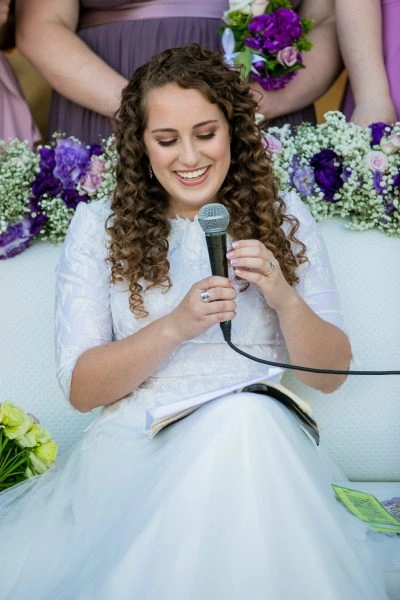
Givat Shmuel, Israel
I started learning when my brother sent me the news clip of the celebration of the last Daf Yomi cycle. I was so floored to see so many women celebrating that I wanted to be a part of it. It has been an enriching experience studying a text in a language I don’t speak, using background knowledge that I don’t have. It is stretching my learning in unexpected ways, bringing me joy and satisfaction.
Warwick, Rhode Island, United States
Minneapolis, MN, United States
When I began the previous cycle, I promised myself that if I stuck with it, I would reward myself with a trip to Israel. Little did I know that the trip would involve attending the first ever women’s siyum and being inspired by so many learners. I am now over 2 years into my second cycle and being part of this large, diverse, fascinating learning family has enhanced my learning exponentially.
Minnesota, United States
Phoenix, Arizona, United States
I learned daf more off than on 40 years ago. At the beginning of the current cycle, I decided to commit to learning daf regularly. Having Rabanit Michelle available as a learning partner has been amazing. Sometimes I learn with Hadran, sometimes with my husband, and sometimes on my own. It’s been fun to be part of an extended learning community.
Honolulu, Hawaii, United States
I tried Daf Yomi in the middle of the last cycle after realizing I could listen to Michelle’s shiurim online. It lasted all of 2 days! Then the new cycle started just days before my father’s first yahrzeit and my youngest daughter’s bat mitzvah. It seemed the right time for a new beginning. My family, friends, colleagues are immensely supportive!
Zichron Yaakov, Israel
Mamaroneck, NY, United States
I am a Reform rabbi and took Talmud courses in rabbinical school, but I knew there was so much more to learn. It felt inauthentic to serve as a rabbi without having read the entire Talmud, so when the opportunity arose to start Daf Yomi in 2020, I dove in! Thanks to Hadran, Daf Yomi has enriched my understanding of rabbinic Judaism and deepened my love of Jewish text & tradition. Todah rabbah!
California, United States
I started learning at the beginning of the cycle after a friend persuaded me that it would be right up my alley. I was lucky enough to learn at Rabbanit Michelle’s house before it started on zoom and it was quickly part of my daily routine. I find it so important to see for myself where halachot were derived, where stories were told and to get more insight into how the Rabbis interacted.
Ra’anana, Israel
I started learning daf yomi at the beginning of this cycle. As the pandemic evolved, it’s been so helpful to me to have this discipline every morning to listen to the daf podcast after I’ve read the daf; learning about the relationships between the rabbis and the ways they were constructing our Jewish religion after the destruction of the Temple. I’m grateful to be on this journey!
Teaneck NJ, United States
I started learning daf in January, 2020, being inspired by watching the Siyyum Hashas in Binyanei Haumah. I wasn’t sure I would be able to keep up with the task. When I went to school, Gemara was not an option. Fast forward to March, 2022, and each day starts with the daf. The challenge is now learning the intricacies of delving into the actual learning. Hadran community, thank you!
Riverdale, NY, United States
I started my journey on the day I realized that the Siyum was happening in Yerushalayim and I was missing out. What? I told myself. How could I have not known about this? How can I have missed out on this opportunity? I decided that moment, I would start Daf Yomi and Nach Yomi the very next day. I am so grateful to Hadran. I am changed forever because I learn Gemara with women. Thank you.
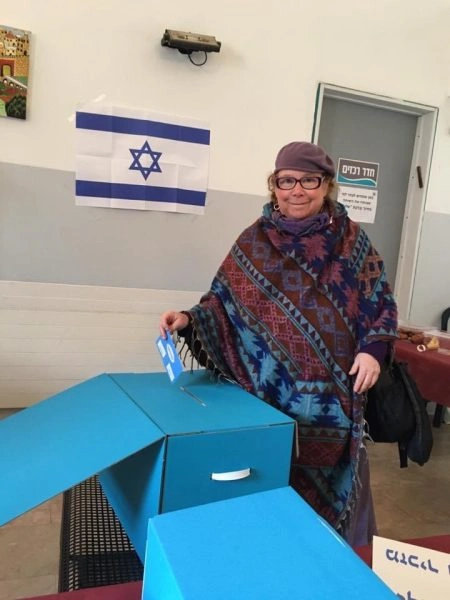
Mitspe, Israel
I began learning with Rabbanit Michelle’s wonderful Talmud Skills class on Pesachim, which really enriched my Pesach seder, and I have been learning Daf Yomi off and on over the past year. Because I’m relatively new at this, there is a “chiddush” for me every time I learn, and the knowledge and insights of the group members add so much to my experience. I feel very lucky to be a part of this.
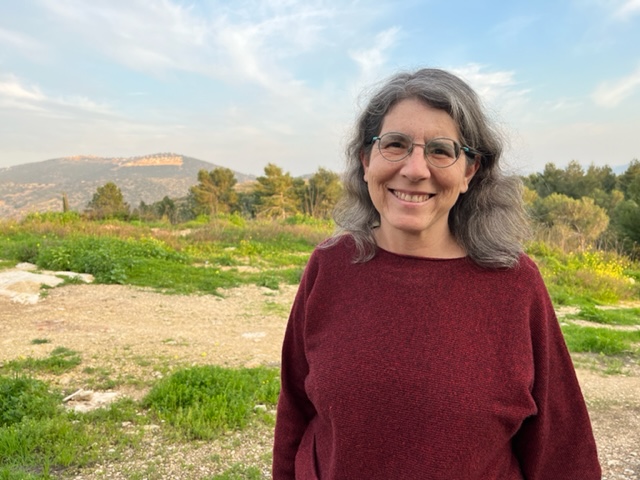
Karmiel, Israel
See video
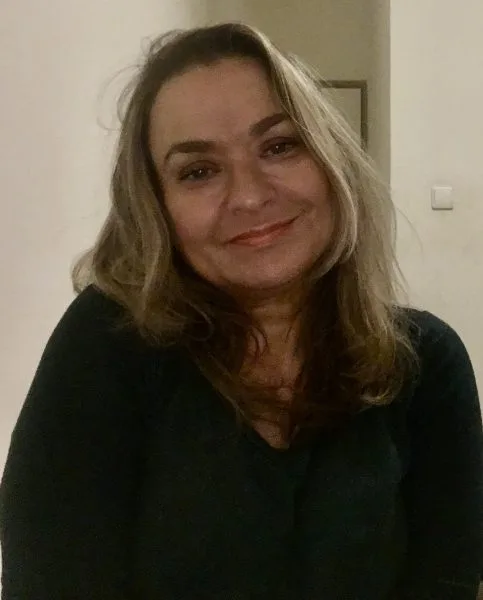
Raanana, Israel
I’ve been wanting to do Daf Yomi for years, but always wanted to start at the beginning and not in the middle of things. When the opportunity came in 2020, I decided: “this is now the time!” I’ve been posting my journey daily on social media, tracking my progress (#DafYomi); now it’s fully integrated into my daily routines. I’ve also inspired my partner to join, too!
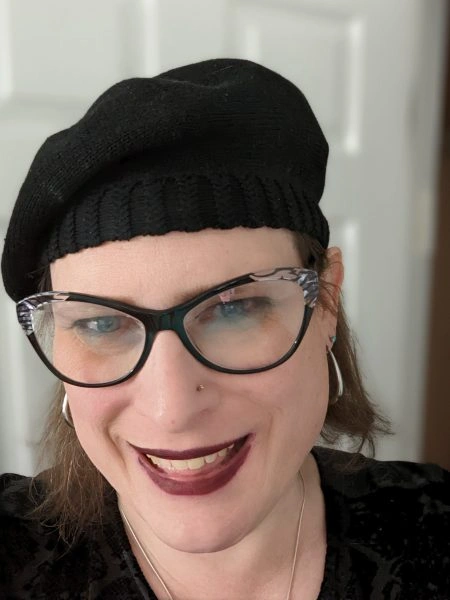
Teaneck, United States
In my Shana bet at Migdal Oz I attended the Hadran siyum hash”as. Witnessing so many women so passionate about their Torah learning and connection to God, I knew I had to begin with the coming cycle. My wedding (June 24) was two weeks before the siyum of mesechet yoma so I went a little ahead and was able to make a speech and siyum at my kiseh kallah on my wedding day!
Givat Shmuel, Israel
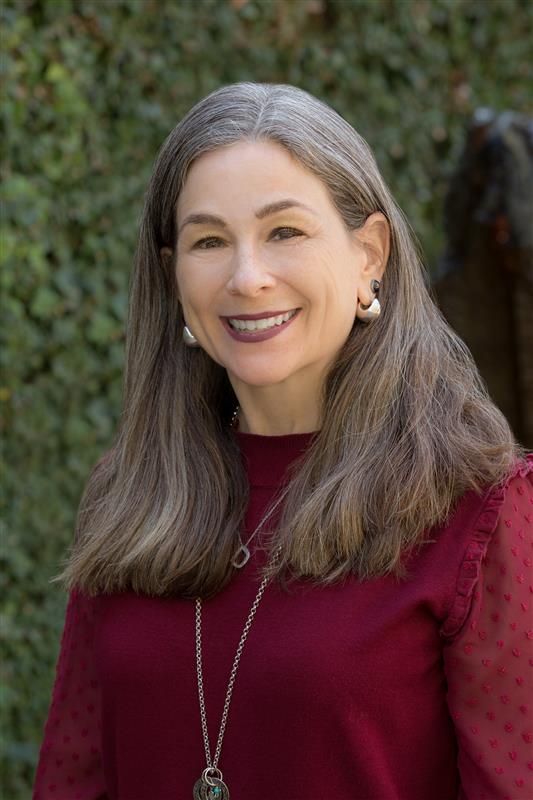
Los Angeles, United States
My curiosity was peaked after seeing posts about the end of the last cycle. I am always looking for opportunities to increase my Jewish literacy & I am someone that is drawn to habit and consistency. Dinnertime includes a “Guess what I learned on the daf” segment for my husband and 18 year old twins. I also love the feelings of connection with my colleagues who are also learning.
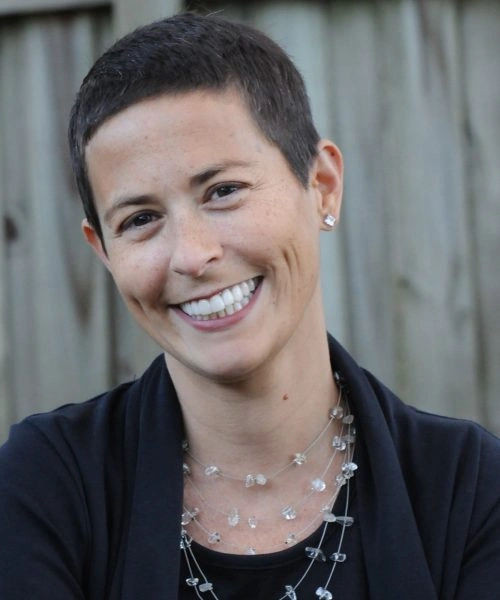
Tampa, United States
Since I started in January of 2020, Daf Yomi has changed my life. It connects me to Jews all over the world, especially learned women. It makes cooking, gardening, and folding laundry into acts of Torah study. Daf Yomi enables me to participate in a conversation with and about our heritage that has been going on for more than 2000 years.
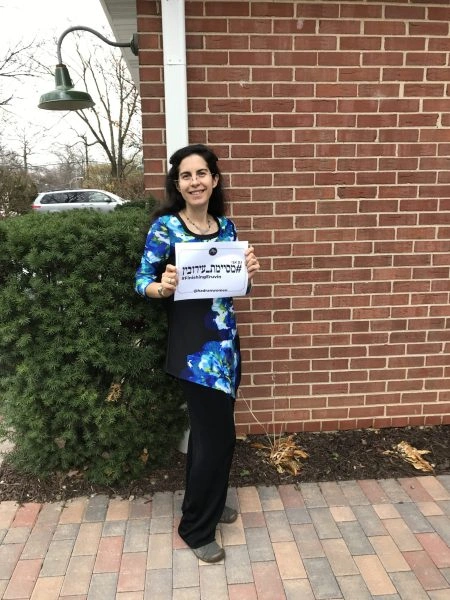
Skokie, IL, United States

