Search

Makkot 24

Want to dedicate learning? Get started here:

English
עברית
podcast placeholder

0:00
0:00


podcast placeholder

0:00
0:00


Summary
  • For the text of the Hadran ceremony, click here.
  • For more information about What is a Siyum, click here

While there are 613 mitzvot in the Torah, King David and some of the prophets narrowed it down to a smaller list of the most basic mitzvot. Why were these specific ones chosen, most of them relating to justice and righteousness and involving relations between people?

The masechet ends with the famous story of Rabbi Akiva laughing when seeing a fox running out of the kodesh kodashim or hearing the Romans on their way to attack, after the Temple was already destroyed, while his friends were crying. When questioned about his reaction, he explains, based on verses, that in order for the positive prophecy of Zecharia to be fulfilled, first the negative prophesy of Uriah needs to be fulfilled.

Makkot 24

שֵׁית מְאָה וְחַד סְרֵי הָוֵי, ״אָנֹכִי״ וְ״לֹא יִהְיֶה לְךָ״ – מִפִּי הַגְּבוּרָה שְׁמַעְנוּם.

is 611, the number of mitzvot that were received and taught by Moses our teacher. In addition, there are two mitzvot: “I am the Lord your God” and: “You shall have no other gods” (Exodus 20:2, 3), the first two of the Ten Commandments, that we heard from the mouth of the Almighty, for a total of 613.

(סימן דמשמק סק).

The Gemara provides a mnemonic for the biblical figures cited in the course of the discussion that follows: Dalet, mem, shin, mem, kuf; samekh, kuf; representing David, Micah, Isaiah, Amos, Habakkuk, Amos, and Ezekiel.

בָּא דָּוִד וְהֶעֱמִידָן עַל אַחַת עֶשְׂרֵה, דִּכְתִיב ״מִזְמוֹר לְדָוִד [ה׳] מִי יָגוּר בְּאׇהֳלֶךָ מִי יִשְׁכֹּן בְּהַר קׇדְשֶׁךָ. הוֹלֵךְ תָּמִים וּפוֹעֵל צֶדֶק וְדֹבֵר אֱמֶת בִּלְבָבוֹ, לֹא רָגַל עַל לְשֹׁנוֹ לֹא עָשָׂה לְרֵעֵהוּ רָעָה וְחֶרְפָּה לֹא נָשָׂא עַל קְרֹבוֹ. נִבְזֶה בְּעֵינָיו נִמְאָס וְאֶת יִרְאֵי ה׳ יְכַבֵּד נִשְׁבַּע לְהָרַע וְלֹא יָמִר. כַּסְפּוֹ לֹא נָתַן בְּנֶשֶׁךְ וְשֹׁחַד עַל נָקִי לֹא לָקָח עֹשֵׂה אֵלֶּה לֹא יִמּוֹט לְעוֹלָם״.

Rabbi Simlai continued: King David came and established the 613 mitzvot upon eleven mitzvot, as it is written: “A Psalm of David. Lord, who shall sojourn in Your Tabernacle? Who shall dwell upon Your sacred mountain? He who walks wholeheartedly, and works righteousness, and speaks truth in his heart. Who has no slander upon his tongue, nor does evil to his neighbor, nor takes up reproach against his relative. In whose eyes a vile person is despised, and he honors those who fear the Lord; he takes an oath to his own detriment, and changes not. He neither gives his money with interest, nor takes a bribe against the innocent. He who performs these shall never be moved” (Psalms, chapter 15). Eleven attributes that facilitate one’s entry into the World-to-Come appear on this list.

״הוֹלֵךְ תָּמִים״ – זֶה אַבְרָהָם, דִּכְתִיב ״הִתְהַלֵּךְ לְפָנַי וֶהְיֵה תָמִים״.

The Gemara analyzes these verses: “He who walks wholeheartedly”; this is referring to one who conducts himself like our forefather Abraham, as it is written concerning him: “Walk before Me and be wholehearted” (Genesis 17:1).

״פּוֹעֵל צֶדֶק״ – כְּגוֹן אַבָּא חִלְקִיָּהוּ.

“Works righteousness”; this is referring to one such as Abba Ḥilkiyyahu, a laborer who would not pause from his labor even to greet people; he righteously continued working.

״וְדוֹבֵר אֱמֶת בִּלְבָבוֹ״ – כְּגוֹן רַב סָפְרָא.

“And speaks truth in his heart”; this is referring to one such as Rav Safra, who was reciting Shema when a person approached him to purchase an item. He intended to accept the man’s offer, but he was unable to respond because it is prohibited to interrupt the recitation of Shema. The buyer misinterpreted Rav Safra’s silence and concluded that Rav Safra demanded a higher price, so he raised his offer. Rav Safra insisted on selling him the item for the sum that he was offered initially.

״לֹא רָגַל עַל לְשֹׁנוֹ״ – זֶה יַעֲקֹב אָבִינוּ, דִּכְתִיב ״אוּלַי יְמֻשֵּׁנִי אָבִי וְהָיִיתִי בְעֵינָיו כִּמְתַעְתֵּעַ״.

“Who has no slander upon his tongue”; this is referring to one who conducts himself like our forefather Jacob, who did not want to mislead his father in order to receive his blessings, as it is written: “Perhaps my father will feel me, and I will be in his eyes like a fraud” (Genesis 27:12).

״לֹא עָשָׂה לְרֵעֵהוּ רָעָה״ – שֶׁלֹּא יָרַד לְאוּמָּנוּת חֲבֵירוֹ.

“Nor does evil to his neighbor”; this is referring to one who did not infringe upon another’s trade, constituting illegal competition.

״וְחֶרְפָּה לֹא נָשָׂא עַל קְרֹבוֹ״ – זֶה הַמְקָרֵב אֶת קְרוֹבָיו.

“Nor takes up reproach against his relative”; this is referring to one who draws his relatives near, and does not distance them when they embarrass him.

״נִבְזֶה בְּעֵינָיו נִמְאָס״ – זֶה חִזְקִיָּהוּ הַמֶּלֶךְ, שֶׁגֵּירַר עַצְמוֹת אָבִיו בְּמִטָּה שֶׁל חֲבָלִים.

“In whose eyes a vile person is despised”; this is referring to one who conducts himself like King Hezekiah, who dragged the bones of his evil father, King Ahaz, in a bed of ropes, because he despised those considered vile by God.

״וְאֶת יִרְאֵי ה׳ יְכַבֵּד״ – זֶה יְהוֹשָׁפָט מֶלֶךְ יְהוּדָה, שֶׁבְּשָׁעָה שֶׁהָיָה רוֹאֶה תַּלְמִיד חָכָם הָיָה עוֹמֵד מִכִּסְּאוֹ וּמְחַבְּקוֹ וּמְנַשְּׁקוֹ וְקוֹרֵא לוֹ ״אָבִי אָבִי, רַבִּי רַבִּי, מָרִי מָרִי״.

“And he honors those who fear the Lord”; this is referring to one who conducts himself like Jehoshaphat, king of Judea, who when he would see a Torah scholar would arise from his throne and hug him and kiss him, and call him: My father, my father, my teacher, my teacher, my master, my master.

״נִשְׁבַּע לְהָרַע וְלֹא יָמִר״ – כְּרַבִּי יוֹחָנָן, דְּאָמַר רַבִּי יוֹחָנָן: אֱהֵא בְּתַעֲנִית עַד שֶׁאָבֹא לְבֵיתִי.

“He takes an oath to his own detriment, and changes not”; this is in accordance with the conduct of Rabbi Yoḥanan, as Rabbi Yoḥanan would say in the form of a vow when seeking to refrain from eating in another’s home: I shall fast until I will come to my house. He would fulfill that vow and refrain from eating, even though he took the vow only to avoid eating in that place.

״כַּסְפּוֹ לֹא נָתַן בְּנֶשֶׁךְ״ – אֲפִילּוּ (בְּ)רִבִּית גּוֹי.

“He neither gives his money with interest”; meaning he does not lend money with interest even to a gentile, which is permitted by Torah law.

״וְשֹׁחַד עַל נָקִי לֹא לָקָח״ – כְּגוֹן רַבִּי יִשְׁמָעֵאל בְּרַבִּי יוֹסֵי.

“Nor takes a bribe against the innocent”; this is referring to one such as Rabbi Yishmael, son of Rabbi Yosei, who refused to sit in judgment in a case involving his sharecropper. Since the latter would bring him a basket of fruit, he was concerned that he might unconsciously favor him.

כְּתִיב ״עֹשֵׂה אֵלֶּה לֹא יִמּוֹט לְעוֹלָם״ – כְּשֶׁהָיָה רַבָּן גַּמְלִיאֵל מַגִּיעַ לְמִקְרָא הַזֶּה הָיָה בּוֹכֶה, אֲמַר: מַאן דְּעָבֵיד לְהוּ לְכוּלְּהוּ – הוּא דְּלָא יִמּוֹט, הָא חֲדָא מִינַּיְיהוּ – יִמּוֹט.

At the conclusion of the verses, it is written: “He who performs these shall never be moved.” The Gemara relates: When Rabban Gamliel would reach this verse he would cry, and he said: It is one who performed all these actions who shall never be moved; but if he performed only one of them, he shall be moved.

אֲמַרוּ לֵיהּ: מִי כְּתִיב ״עֹשֵׂה כׇּל אֵלֶּה״? ״עֹשֵׂה אֵלֶּה״ כְּתִיב, אֲפִילּוּ בַּחֲדָא מִינַּיְיהוּ. דְּאִי לָא תֵּימָא הָכִי, כְּתִיב קְרָא אַחֲרִינָא ״אַל תִּטַּמְּאוּ בְּכׇל אֵלֶּה״, הָתָם נָמֵי, הַנּוֹגֵעַ בְּכׇל אֵלֶּה – הוּא דְּמִטַּמֵּא, בַּחֲדָא מִינַּיְיהוּ – לָא? אֶלָּא לָאו בְּאַחַת מִכׇּל אֵלֶּה, הָכָא נָמֵי בְּאַחַת מִכׇּל אֵלּוּ.

The Sages said to him: Is it written: He who performs all these? Rather, the phrase “he who performs these” is written, indicating that one is blessed even in a case where he performed one of them. As if you do not say so, compare that to a different verse that is written with regard to severe transgressions punishable by karet: “Do not impurify yourselves with all these” (Leviticus 18:24). Would you say that there too it means that it is one who comes into contact with all these who becomes impure, but one who comes into contact with one of these, no, he does not become impure? Rather, is it not that the phrase “with all these” means: With one of all these? Here too it means that one who performs one of all these has a place in the World-to-Come.

בָּא יְשַׁעְיָהוּ וְהֶעֱמִידָן עַל שֵׁשׁ, דִּכְתִיב ״הֹלֵךְ צְדָקוֹת וְדֹבֵר מֵישָׁרִים מֹאֵס בְּבֶצַע מַעֲשַׁקּוֹת נֹעֵר כַּפָּיו מִתְּמֹךְ בַּשֹּׁחַד אֹטֵם אׇזְנוֹ מִשְּׁמֹעַ דָּמִים וְעֹצֵם עֵינָיו מֵרְאוֹת בְּרָע״.

Rabbi Simlai’s exposition continues: Isaiah came and established the 613 mitzvot upon six, as it is written: “He who walks righteously, and speaks uprightly; he who despises the gain of oppressions, who shakes his hands from holding of bribes, who stops his ears from hearing blood, and shuts his eyes from looking upon evil” (Isaiah 33:15).

״הֹלֵךְ צְדָקוֹת״ – זֶה אַבְרָהָם אָבִינוּ, דִּכְתִיב ״כִּי יְדַעְתִּיו לְמַעַן אֲשֶׁר יְצַוֶּה וְגוֹ׳״.

The Gemara elaborates: “He who walks righteously”; this is referring to one who conducts himself like our forefather Abraham, as it is written concerning him: “For I have known him, that he will command his children…to perform righteousness and justice” (Genesis 18:19).

״וְדֹבֵר מֵישָׁרִים״ – זֶה שֶׁאֵינוֹ מַקְנִיט פְּנֵי חֲבֵירוֹ בָּרַבִּים.

“And speaks uprightly”; this is referring to one who does not shame another in public.

״מֹאֵס בְּבֶצַע מַעֲשַׁקּוֹת״ – כְּגוֹן רַבִּי יִשְׁמָעֵאל בֶּן אֱלִישָׁע.

“He who despises the gain of oppressions”; this is referring to one such as Rabbi Yishmael ben Elisha, who refused to sit in judgment in a case involving one who gave him priestly gifts, to avoid the appearance of impropriety.

״נֹעֵר כַּפָּיו מִתְּמֹךְ בַּשֹּׁחַד״ – כְּגוֹן רַבִּי יִשְׁמָעֵאל בְּרַבִּי יוֹסֵי.

“Who shakes his hands from holding of bribes”; this is referring to one such as Rabbi Yishmael, son of Rabbi Yosei, who, as explained above, refused to sit in judgment in a case involving his sharecropper.

״אֹטֵם אׇזְנוֹ מִשְּׁמֹעַ דָּמִים״ – דְּלָא שָׁמַע בְּזִילוּתָא דְּצוּרְבָּא מֵרַבָּנַן וְשָׁתֵיק, כְּגוֹן רַבִּי אֶלְעָזָר בְּרַבִּי שִׁמְעוֹן.

“Who stops his ears from hearing blood”; this is referring to one who would not hear derision of a Torah scholar and remain silent, such as Rabbi Elazar, son of Rabbi Shimon, who was well known for this.

״וְעֹצֵם עֵינָיו מֵרְאוֹת בְּרָע״ – כְּרַבִּי חִיָּיא בַּר אַבָּא, דְּאָמַר רַבִּי חִיָּיא בַּר אַבָּא: זֶה שֶׁאֵינוֹ מִסְתַּכֵּל בְּנָשִׁים בְּשָׁעָה שֶׁעוֹמְדוֹת עַל הַכְּבִיסָה.

“And shuts his eyes from looking upon evil” is to be understood in accordance with the statement of Rabbi Ḥiyya bar Abba, as Rabbi Ḥiyya bar Abba says: This is referring to one who does not look at women when they stand over the laundry at the river. The women would lift the garments they were wearing to keep them out of the water, and thereby expose part of their bodies.

וּכְתִיב: ״הוּא מְרוֹמִים יִשְׁכּוֹן״.

And it is written with regard to one who performs these matters: “He shall dwell on high; his fortress shall be the munitions of rocks; his bread shall be given, his waters shall be sure” (Isaiah 33:16).

בָּא מִיכָה וְהֶעֱמִידָן עַל שָׁלֹשׁ, דִּכְתִיב ״הִגִּיד לְךָ אָדָם מַה טּוֹב וּמָה ה׳ דּוֹרֵשׁ מִמְּךָ כִּי אִם עֲשׂוֹת מִשְׁפָּט וְאַהֲבַת חֶסֶד וְהַצְנֵעַ לֶכֶת עִם (ה׳) אֱלֹהֶיךָ״.

Micah came and established the 613 mitzvot upon three, as it is written: “It has been told to you, O man, what is good, and what the Lord does require of you; only to do justly, and to love mercy, and to walk humbly with your God” (Micah 6:8).

״עֲשׂוֹת מִשְׁפָּט״ – זֶה הַדִּין. ״אַהֲבַת חֶסֶד״ – זֶה גְּמִילוּת חֲסָדִים. ״וְהַצְנֵעַ לֶכֶת״ – זֶה הוֹצָאַת הַמֵּת וְהַכְנָסַת כַּלָּה. וַהֲלֹא דְּבָרִים קַל וָחוֹמֶר: וּמָה דְּבָרִים שֶׁאֵין דַּרְכָּן לַעֲשׂוֹתָן בְּצִנְעָא, אָמְרָה תּוֹרָה ״וְהַצְנֵעַ לֶכֶת״, דְּבָרִים שֶׁדַּרְכָּם לַעֲשׂוֹתָם בְּצִנְעָא – עַל אַחַת כַּמָּה וְכַמָּה!

The Gemara elaborates: “To do justly,” this is justice; “to love mercy,” this is an allusion to acts of loving-kindness; “and to walk humbly with your God,” this is an allusion to taking the indigent dead out for burial and accompanying a poor bride to her wedding canopy, both of which are to be performed without fanfare glorifying the doer. The Gemara notes: And are these matters not inferred a fortiori? If, with regard to matters that tend to be conducted in public, e.g., funerals and weddings, the Torah states “walk humbly” when doing them, then in matters that tend to be conducted in private, e.g., charity and Torah study, all the more so should they be conducted in private.

חָזַר יְשַׁעְיָהוּ וְהֶעֱמִידָן עַל שְׁתַּיִם, שֶׁנֶּאֱמַר ״כֹּה אָמַר ה׳ שִׁמְרוּ מִשְׁפָּט וַעֲשׂוּ צְדָקָה״. בָּא עָמוֹס וְהֶעֱמִידָן עַל אַחַת, שֶׁנֶּאֱמַר ״כֹּה אָמַר ה׳ לְבֵית יִשְׂרָאֵל דִּרְשׁוּנִי וִחְיוּ״. מַתְקֵיף לַהּ רַב נַחְמָן בַּר יִצְחָק: אֵימָא דִּרְשׁוּנִי בְּכׇל הַתּוֹרָה! אֶלָּא: בָּא חֲבַקּוּק וְהֶעֱמִידָן עַל אַחַת, שֶׁנֶּאֱמַר ״וְצַדִּיק בֶּאֱמוּנָתוֹ יִחְיֶה״.

Isaiah then established the 613 mitzvot upon two, as it is stated: “So says the Lord: Observe justice and perform righteousness” (Isaiah 56:1). Amos came and established the 613 mitzvot upon one, as it is stated: “So says the Lord to the house of Israel: Seek Me and live” (Amos 5:4). Rav Naḥman bar Yitzḥak objects to this: There is no proof that the verse in Amos is establishing all the mitzvot upon one; say that Amos is saying: Seek Me throughout the entire Torah, as the verse does not specify the manner in which one should seek the Lord. Rather, say: Habakkuk came and established the 613 mitzvot upon one, as it is stated: “But the righteous person shall live by his faith” (Habakkuk 2:4).

אָמַר רַבִּי יוֹסֵי בַּר חֲנִינָא: אַרְבַּע גְּזֵירוֹת גָּזַר מֹשֶׁה רַבֵּינוּ עַל יִשְׂרָאֵל, בָּאוּ אַרְבָּעָה נְבִיאִים וּבִיטְּלוּם. מֹשֶׁה אָמַר: ״וַיִּשְׁכֹּן יִשְׂרָאֵל בֶּטַח בָּדָד עֵין יַעֲקֹב״, בָּא עָמוֹס וּבִיטְּלָהּ, [שֶׁנֶּאֱמַר]: ״חֲדַל נָא מִי יָקוּם יַעֲקֹב וְגוֹ׳״ וּכְתִיב ״נִחַם ה׳ עַל זֹאת״.

§ Rabbi Yosei bar Ḥanina says: Moses our teacher issued four decrees upon the Jewish people, and four prophets came and revoked them. Moses said: “And Israel dwells in safety, the fountain [ein] of Jacob alone” (Deuteronomy 33:28), indicating that the Jewish people will dwell in safety only when they reach a lofty spiritual level similar to [me’ein] that of Jacob our forefather. Amos came and revoked it, as it is stated: “Lord God, cease, I beseech You; how shall Jacob stand, as he is small” (Amos 7:5), and immediately afterward it states: “The Lord regretted this; it too shall not be, says the Lord God” (Amos 7:6).

מֹשֶׁה אָמַר: ״וּבַגּוֹיִם הָהֵם לֹא תַרְגִּיעַ״, בָּא יִרְמְיָה וְאָמַר: ״הָלוֹךְ לְהַרְגִּיעוֹ יִשְׂרָאֵל״.

Moses said: “And among these nations you shall have no repose” (Deuteronomy 28:65). Jeremiah came and revoked it, and said: “Even Israel, when I go to cause him to rest” (Jeremiah 31:1), indicating that the Jewish people will find rest even in exile.

מֹשֶׁה אָמַר: ״פֹּקֵד עֲוֹן אָבוֹת עַל בָּנִים״, בָּא יְחֶזְקֵאל וּבִיטְּלָהּ: ״הַנֶּפֶשׁ הַחֹטֵאת הִיא תָמוּת״.

Moses said: “He visits the transgression of the fathers upon the sons” (Exodus 34:7). Ezekiel came and revoked it: “The soul that sins, it shall die” (Ezekiel 18:4), and not the children of that soul.

מֹשֶׁה אָמַר ״וַאֲבַדְתֶּם בַּגּוֹיִם״, בָּא יְשַׁעְיָהוּ וְאָמַר: ״וְהָיָה בַּיּוֹם הַהוּא יִתָּקַע בְּשׁוֹפָר גָּדוֹל״.

Moses said: “And you shall be lost among the nations” (Leviticus 26:38). Isaiah came and revoked it, and said: “And it shall be on that day the great shofar shall be sounded, and those lost in the land of Assyria shall come” (Isaiah 27:13).

אָמַר רַב: מִסְתְּפֵינָא מֵהַאי קְרָא ״וַאֲבַדְתֶּם בַּגּוֹיִם״. מַתְקֵיף לַהּ רַב פָּפָּא: דִּלְמָא כַּאֲבֵידָה הַמִּתְבַּקֶּשֶׁת, דִּכְתִיב ״תָּעִיתִי כְּשֶׂה אֹבֵד בַּקֵּשׁ עַבְדֶּךָ״! אֶלָּא מִסֵּיפָא [דִּקְרָא], ״וְאָכְלָה אֶתְכֶם אֶרֶץ אֹיְבֵיכֶם״. מַתְקֵיף לַהּ מָר זוּטְרָא: דִּלְמָא כַּאֲכִילַת קִישּׁוּאִין וְדִילּוּעִין.

Rav says: I am afraid of that verse: “And you shall be lost among the nations.” Rav Pappa objects to this: Perhaps it means that the Jewish people will be like a lost item that is sought by its owner, and God will restore those lost in exile, as it is written: “I have gone astray like a lost lamb; seek Your servant” (Psalms 119:176). Rather, Rav was afraid from that which is written in the latter portion of that verse, where it is written: “And the land of your enemies shall consume you.” Mar Zutra objects to this: Perhaps it means like the consumption of cucumbers and gourds, which are not consumed in their entirety. Some is left over, from which additional plants can grow.

וּכְבָר הָיָה רַבָּן גַּמְלִיאֵל וְרַבִּי אֶלְעָזָר בֶּן עֲזַרְיָה וְרַבִּי יְהוֹשֻׁעַ וְרַבִּי עֲקִיבָא מְהַלְּכִין בַּדֶּרֶךְ, וְשָׁמְעוּ קוֹל הֲמוֹנָהּ שֶׁל רוֹמִי מִפְּלָטָהּ [בְּרָחוֹק] מֵאָה וְעֶשְׂרִים מִיל, וְהִתְחִילוּ בּוֹכִין, וְרַבִּי עֲקִיבָא מְשַׂחֵק. אָמְרוּ לוֹ: מִפְּנֵי מָה אַתָּה מְשַׂחֵק? אָמַר לָהֶם: וְאַתֶּם מִפְּנֵי מָה אַתֶּם בּוֹכִים? אָמְרוּ לוֹ: הַלָּלוּ גּוֹיִם שֶׁמִּשְׁתַּחֲוִים לַעֲצַבִּים וּמְקַטְּרִים לַעֲבוֹדָה זָרָה יוֹשְׁבִין בֶּטַח וְהַשְׁקֵט, וְאָנוּ, בֵּית הֲדוֹם רַגְלֵי אֱלֹהֵינוּ שָׂרוּף

§ Apropos tribulations of exile and hope for redemption, the Gemara relates: And it once was that Rabban Gamliel, Rabbi Elazar ben Azarya, Rabbi Yehoshua, and Rabbi Akiva were walking along the road in the Roman Empire, and they heard the sound of the multitudes of Rome from Puteoli at a distance of one hundred and twenty mil. The city was so large that they were able to hear its tumult from a great distance. And the other Sages began weeping and Rabbi Akiva was laughing. They said to him: For what reason are you laughing? Rabbi Akiva said to them: And you, for what reason are you weeping? They said to him: These gentiles, who bow to false gods and burn incense to idols, dwell securely and tranquilly in this colossal city, and for us, the House of the footstool of our God, the Temple, is burnt

בָּאֵשׁ, וְלֹא נִבְכֶּה?! אָמַר לָהֶן: לְכָךְ אֲנִי מְצַחֵק, וּמָה לְעוֹבְרֵי רְצוֹנוֹ כָּךְ, לְעוֹשֵׂי רְצוֹנוֹ עַל אַחַת כַּמָּה וְכַמָּה.

by fire, and shall we not weep? Rabbi Akiva said to them: That is why I am laughing. If for those who violate His will, the wicked, it is so and they are rewarded for the few good deeds they performed, for those who perform His will, all the more so will they be rewarded.

שׁוּב פַּעַם אַחַת הָיוּ עוֹלִין לִירוּשָׁלַיִם, כֵּיוָן שֶׁהִגִּיעוּ לְהַר הַצּוֹפִים קָרְעוּ בִּגְדֵיהֶם, כֵּיוָן שֶׁהִגִּיעוּ לְהַר הַבַּיִת רָאוּ שׁוּעָל שֶׁיָּצָא מִבֵּית קׇדְשֵׁי הַקֳּדָשִׁים, הִתְחִילוּ הֵן בּוֹכִין וְרַבִּי עֲקִיבָא מְצַחֵק. אָמְרוּ לוֹ: מִפְּנֵי מָה אַתָּה מְצַחֵק? אָמַר לָהֶם: מִפְּנֵי מָה אַתֶּם בּוֹכִים? אָמְרוּ לוֹ: מָקוֹם שֶׁכָּתוּב בּוֹ ״וְהַזָּר הַקָּרֵב יוּמָת״, וְעַכְשָׁיו שׁוּעָלִים הִלְּכוּ בּוֹ, וְלֹא נִבְכֶּה?!

The Gemara relates another incident involving those Sages. On another occasion they were ascending to Jerusalem after the destruction of the Temple. When they arrived at Mount Scopus and saw the site of the Temple, they rent their garments in mourning, in keeping with halakhic practice. When they arrived at the Temple Mount, they saw a fox that emerged from the site of the Holy of Holies. They began weeping, and Rabbi Akiva was laughing. They said to him: For what reason are you laughing? Rabbi Akiva said to them: For what reason are you weeping? They said to him: This is the place concerning which it is written: “And the non-priest who approaches shall die” (Numbers 1:51), and now foxes walk in it; and shall we not weep?

אָמַר לָהֶן: לְכָךְ אֲנִי מְצַחֵק, דִּכְתִיב: ״וְאָעִידָה לִּי עֵדִים נֶאֱמָנִים אֵת אוּרִיָּה הַכֹּהֵן וְאֶת זְכַרְיָה בֶּן יְבֶרֶכְיָהוּ״ – וְכִי מָה עִנְיַן אוּרִיָּה אֵצֶל זְכַרְיָה? אוּרִיָּה בְּמִקְדָּשׁ רִאשׁוֹן, וּזְכַרְיָה בְּמִקְדָּשׁ שֵׁנִי! אֶלָּא: תָּלָה הַכָּתוּב נְבוּאָתוֹ שֶׁל זְכַרְיָה בִּנְבוּאָתוֹ שֶׁל אוּרִיָּה.

Rabbi Akiva said to them: That is why I am laughing, as it is written, when God revealed the future to the prophet Isaiah: “And I will take to Me faithful witnesses to attest: Uriah the priest, and Zechariah the son of Jeberechiah” (Isaiah 8:2). Now what is the connection between Uriah and Zechariah? He clarifies the difficulty: Uriah prophesied during the First Temple period, and Zechariah prophesied during the Second Temple period, as he was among those who returned to Zion from Babylonia. Rather, the verse established that fulfillment of the prophecy of Zechariah is dependent on fulfillment of the prophecy of Uriah.

בְּאוּרִיָּה כְּתִיב ״לָכֵן בִּגְלַלְכֶם צִיּוֹן שָׂדֶה תֵחָרֵשׁ״, בִּזְכַרְיָה כְּתִיב ״עוֹד יֵשְׁבוּ זְקֵנִים וּזְקֵנוֹת בִּרְחֹבוֹת יְרוּשָׁלִָם״. עַד שֶׁלֹּא נִתְקַיְּימָה נְבוּאָתוֹ שֶׁל אוּרִיָּה הָיִיתִי מִתְיָירֵא שֶׁלֹּא תִּתְקַיֵּים נְבוּאָתוֹ שֶׁל זְכַרְיָה, עַכְשָׁיו שֶׁנִּתְקַיְּימָה נְבוּאָתוֹ שֶׁל אוּרִיָּה – בְּיָדוּעַ שֶׁנְּבוּאָתוֹ שֶׁל זְכַרְיָה מִתְקַיֶּימֶת. בַּלָּשׁוֹן הַזֶּה אָמְרוּ לוֹ: עֲקִיבָא נִיחַמְתָּנוּ, עֲקִיבָא נִיחַמְתָּנוּ.

In the prophecy of Uriah it is written: “Therefore, for your sake Zion shall be plowed as a field, and Jerusalem shall become rubble, and the Temple Mount as the high places of a forest” (Micah 3:12), where foxes are found. There is a rabbinic tradition that this was prophesied by Uriah. In the prophecy of Zechariah it is written: “There shall yet be elderly men and elderly women sitting in the streets of Jerusalem” (Zechariah 8:4). Until the prophecy of Uriah with regard to the destruction of the city was fulfilled I was afraid that the prophecy of Zechariah would not be fulfilled, as the two prophecies are linked. Now that the prophecy of Uriah was fulfilled, it is evident that the prophecy of Zechariah remains valid. The Gemara adds: The Sages said to him, employing this formulation: Akiva, you have comforted us; Akiva, you have comforted us.

הֲדַרַן עֲלָךְ אֵלּוּ הֵן הַלּוֹקִין וּסְלִיקָא לַהּ מַסֶּכֶת מַכּוֹת

New to Talmud?

Check out our resources designed to help you navigate a page of Talmud – and study at the pace, level and style that fits you. 

The Hadran Women’s Tapestry

Meet the diverse women learning Gemara at Hadran and hear their stories. 

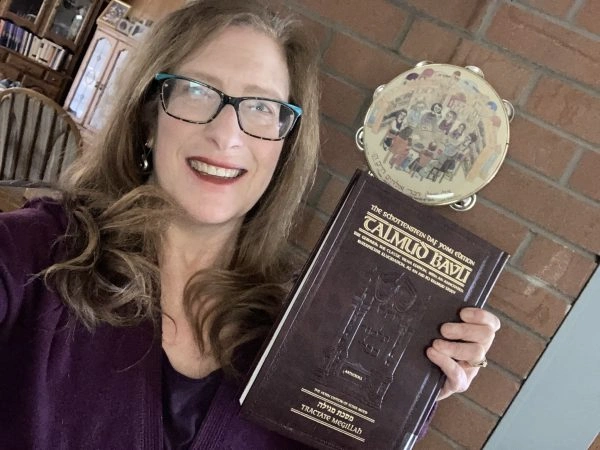
When I began the previous cycle, I promised myself that if I stuck with it, I would reward myself with a trip to Israel. Little did I know that the trip would involve attending the first ever women’s siyum and being inspired by so many learners. I am now over 2 years into my second cycle and being part of this large, diverse, fascinating learning family has enhanced my learning exponentially.

Shira Krebs
Shira Krebs

Minnesota, United States

With Rabbanit Dr. Naomi Cohen in the Women’s Talmud class, over 30 years ago. It was a “known” class and it was accepted, because of who taught. Since then I have also studied with Avigail Gross-Gelman and Dr. Gabriel Hazut for about a year). Years ago, in a shiur in my shul, I did know about Persians doing 3 things with their clothes on. They opened the shiur to woman after that!

Sharon Mink
Sharon Mink

Haifa, Israel

I have joined the community of daf yomi learners at the start of this cycle. I have studied in different ways – by reading the page, translating the page, attending a local shiur and listening to Rabbanit Farber’s podcasts, depending on circumstances and where I was at the time. The reactions have been positive throughout – with no exception!

Silke Goldberg
Silke Goldberg

Guildford, United Kingdom

Jill Shames
Jill Shames

Jerusalem, Israel

I am grateful for the structure of the Daf Yomi. When I am freer to learn to my heart’s content, I learn other passages in addition. But even in times of difficulty, I always know that I can rely on the structure and social support of Daf Yomi learners all over the world.

I am also grateful for this forum. It is very helpful to learn with a group of enthusiastic and committed women.

Janice Block-2
Janice Block

Beit Shemesh, Israel

Geri Goldstein got me started learning daf yomi when I was in Israel 2 years ago. It’s been a challenge and I’ve learned a lot though I’m sure I miss a lot. I quilt as I listen and I want to share what I’ve been working on.

Rebecca Stulberg
Rebecca Stulberg

Ottawa, Canada

I started with Ze Kollel in Berlin, directed by Jeremy Borowitz for Hillel Deutschland. We read Masechet Megillah chapter 4 and each participant wrote his commentary on a Sugia that particularly impressed him. I wrote six poems about different Sugiot! Fascinated by the discussions on Talmud I continued to learn with Rabanit Michelle Farber and am currently taking part in the Tikun Olam course.
Yael Merlini
Yael Merlini

Berlin, Germany

After being so inspired by the siyum shas two years ago, I began tentatively learning daf yomi, like Rabbanut Michelle kept saying – taking one daf at a time. I’m still taking it one daf at a time, one masechet at a time, but I’m loving it and am still so inspired by Rabbanit Michelle and the Hadran community, and yes – I am proud to be finishing Seder Mo’ed.

Caroline Graham-Ofstein

Bet Shemesh, Israel

I saw an elderly man at the shul kiddush in early March 2020, celebrating the siyyum of masechet brachot which he had been learning with a young yeshiva student. I thought, if he can do it, I can do it! I began to learn masechet Shabbat the next day, Making up masechet brachot myself, which I had missed. I haven’t missed a day since, thanks to the ease of listening to Hadran’s podcast!
Judith Shapiro
Judith Shapiro

Minnesota, United States

I began my journey with Rabbanit Michelle more than five years ago. My friend came up with a great idea for about 15 of us to learn the daf and one of us would summarize weekly what we learned.
It was fun but after 2-3 months people began to leave. I have continued. Since the cycle began Again I have joined the Teaneck women.. I find it most rewarding in so many ways. Thank you

Dena Heller
Dena Heller

New Jersey, United States

Ive been learning Gmara since 5th grade and always loved it. Have always wanted to do Daf Yomi and now with Michelle Farber’s online classes it made it much easier to do! Really enjoying the experience thank you!!

Lisa Lawrence
Lisa Lawrence

Neve Daniel, Israel

It has been a pleasure keeping pace with this wonderful and scholarly group of women.

Janice Block
Janice Block

Beit Shemesh, Israel

I started learning at the beginning of this cycle more than 2 years ago, and I have not missed a day or a daf. It’s been challenging and enlightening and even mind-numbing at times, but the learning and the shared experience have all been worth it. If you are open to it, there’s no telling what might come into your life.

Patti Evans
Patti Evans

Phoenix, Arizona, United States

I began learning with Rabbanit Michelle’s wonderful Talmud Skills class on Pesachim, which really enriched my Pesach seder, and I have been learning Daf Yomi off and on over the past year. Because I’m relatively new at this, there is a “chiddush” for me every time I learn, and the knowledge and insights of the group members add so much to my experience. I feel very lucky to be a part of this.

Julie-Landau-Photo
Julie Landau

Karmiel, Israel

I started learning daf yomi at the beginning of this cycle. As the pandemic evolved, it’s been so helpful to me to have this discipline every morning to listen to the daf podcast after I’ve read the daf; learning about the relationships between the rabbis and the ways they were constructing our Jewish religion after the destruction of the Temple. I’m grateful to be on this journey!

Mona Fishbane
Mona Fishbane

Teaneck NJ, United States

Margo
I started my Talmud journey in 7th grade at Akiba Jewish Day School in Chicago. I started my Daf Yomi journey after hearing Erica Brown speak at the Hadran Siyum about marking the passage of time through Daf Yomi.

Carolyn
I started my Talmud journey post-college in NY with a few classes. I started my Daf Yomi journey after the Hadran Siyum, which inspired both my son and myself.

Carolyn Hochstadter and Margo Kossoff Shizgal

Merion Station,  USA

Beit Shemesh, Israel

I started learning Daf Yomi in January 2020 after watching my grandfather, Mayer Penstein z”l, finish shas with the previous cycle. My grandfather made learning so much fun was so proud that his grandchildren wanted to join him. I was also inspired by Ilana Kurshan’s book, If All the Seas Were Ink. Two years in, I can say that it has enriched my life in so many ways.

Leeza Hirt Wilner
Leeza Hirt Wilner

New York, United States

Retirement and Covid converged to provide me with the opportunity to commit to daily Talmud study in October 2020. I dove into the middle of Eruvin and continued to navigate Seder Moed, with Rabannit Michelle as my guide. I have developed more confidence in my learning as I completed each masechet and look forward to completing the Daf Yomi cycle so that I can begin again!

Rhona Fink
Rhona Fink

San Diego, United States

I was inspired to start learning after attending the 2020 siyum in Binyanei Hauma. It has been a great experience for me. It’s amazing to see the origins of stories I’ve heard and rituals I’ve participated in my whole life. Even when I don’t understand the daf itself, I believe that the commitment to learning every day is valuable and has multiple benefits. And there will be another daf tomorrow!

Khaya Eisenberg
Khaya Eisenberg

Jerusalem, Israel

Hadran entered my life after the last Siyum Hashaas, January 2020. I was inspired and challenged simultaneously, having never thought of learning Gemara. With my family’s encouragement, I googled “daf yomi for women”. A perfecr fit!
I especially enjoy when Rabbanit Michelle connects the daf to contemporary issues to share at the shabbat table e.g: looking at the Kohen during duchaning. Toda rabba

Marsha Wasserman
Marsha Wasserman

Jerusalem, Israel

Makkot 24

שׁ֡יΧͺ ΧžΦ°ΧΦΈΧ” Χ•Φ°Χ—Φ·Χ“ Χ‘Φ°Χ¨Φ΅Χ™ Χ”ΦΈΧ•Φ΅Χ™, ״אָנֹכִי״ Χ•Φ°Χ΄ΧœΦΉΧ Χ™Φ΄Χ”Φ°Χ™ΦΆΧ” לְךָ״ – ΧžΦ΄Χ€ΦΌΦ΄Χ™ Χ”Φ·Χ’ΦΌΦ°Χ‘Χ•ΦΌΧ¨ΦΈΧ” Χ©ΧΦ°ΧžΦ·Χ’Φ°Χ Χ•ΦΌΧ.

is 611, the number of mitzvot that were received and taught by Moses our teacher. In addition, there are two mitzvot: β€œI am the Lord your God” and: β€œYou shall have no other gods” (Exodus 20:2, 3), the first two of the Ten Commandments, that we heard from the mouth of the Almighty, for a total of 613.

(Χ‘Χ™ΧžΧŸ Χ“ΧžΧ©ΧžΧ§ Χ‘Χ§).

The Gemara provides a mnemonic for the biblical figures cited in the course of the discussion that follows: Dalet, mem, shin, mem, kuf; samekh, kuf; representing David, Micah, Isaiah, Amos, Habakkuk, Amos, and Ezekiel.

בָּא Χ“ΦΌΦΈΧ•Φ΄Χ“ Χ•Φ°Χ”ΦΆΧ’Φ±ΧžΦ΄Χ™Χ“ΦΈΧŸ גַל אַחַΧͺ Χ’ΦΆΧ©Χ‚Φ°Χ¨Φ΅Χ”, Χ“ΦΌΦ΄Χ›Φ°ΧͺΦ΄Χ™Χ‘ Χ΄ΧžΦ΄Χ–Φ°ΧžΧ•ΦΉΧ¨ ΧœΦ°Χ“ΦΈΧ•Φ΄Χ“ [Χ”Χ³] ΧžΦ΄Χ™ Χ™ΦΈΧ’Χ•ΦΌΧ¨ Χ‘ΦΌΦ°ΧΧ‡Χ”Φ³ΧœΦΆΧšΦΈ ΧžΦ΄Χ™ Χ™Φ΄Χ©ΧΦ°Χ›ΦΌΦΉΧŸ Χ‘ΦΌΦ°Χ”Φ·Χ¨ Χ§Χ‡Χ“Φ°Χ©ΧΦΆΧšΦΈ. Χ”Χ•ΦΉΧœΦ΅ΧšΦ° ΧͺΦΌΦΈΧžΦ΄Χ™Χ Χ•ΦΌΧ€Χ•ΦΉΧ’Φ΅Χœ Χ¦ΦΆΧ“ΦΆΧ§ Χ•Φ°Χ“ΦΉΧ‘Φ΅Χ¨ אֱמ֢Χͺ Χ‘ΦΌΦ΄ΧœΦ°Χ‘ΦΈΧ‘Χ•ΦΉ, לֹא Χ¨ΦΈΧ’Φ·Χœ גַל ΧœΦ°Χ©ΧΦΉΧ Χ•ΦΉ לֹא Χ’ΦΈΧ©Χ‚ΦΈΧ” ΧœΦ°Χ¨Φ΅Χ’Φ΅Χ”Χ•ΦΌ Χ¨ΦΈΧ’ΦΈΧ” Χ•Φ°Χ—ΦΆΧ¨Φ°Χ€ΦΌΦΈΧ” לֹא נָשָׂא גַל Χ§Φ°Χ¨ΦΉΧ‘Χ•ΦΉ. Χ Φ΄Χ‘Φ°Χ–ΦΆΧ” Χ‘ΦΌΦ°Χ’Φ΅Χ™Χ ΦΈΧ™Χ• נִמְאָב וְא֢Χͺ יִרְא֡י Χ”Χ³ Χ™Φ°Χ›Φ·Χ‘ΦΌΦ΅Χ“ נִשְׁבַּג ΧœΦ°Χ”ΦΈΧ¨Φ·Χ’ Χ•Φ°ΧœΦΉΧ Χ™ΦΈΧžΦ΄Χ¨. Χ›ΦΌΦ·Χ‘Φ°Χ€ΦΌΧ•ΦΉ לֹא Χ ΦΈΧͺַן Χ‘ΦΌΦ°Χ ΦΆΧ©ΧΦΆΧšΦ° וְשֹׁחַד גַל Χ ΦΈΧ§Φ΄Χ™ לֹא ΧœΦΈΧ§ΦΈΧ— Χ’ΦΉΧ©Χ‚Φ΅Χ” ΧΦ΅ΧœΦΌΦΆΧ” לֹא Χ™Φ΄ΧžΦΌΧ•ΦΉΧ˜ ΧœΦ°Χ’Χ•ΦΉΧœΦΈΧΧ΄.

Rabbi Simlai continued: King David came and established the 613 mitzvot upon eleven mitzvot, as it is written: β€œA Psalm of David. Lord, who shall sojourn in Your Tabernacle? Who shall dwell upon Your sacred mountain? He who walks wholeheartedly, and works righteousness, and speaks truth in his heart. Who has no slander upon his tongue, nor does evil to his neighbor, nor takes up reproach against his relative. In whose eyes a vile person is despised, and he honors those who fear the Lord; he takes an oath to his own detriment, and changes not. He neither gives his money with interest, nor takes a bribe against the innocent. He who performs these shall never be moved” (Psalms, chapter 15). Eleven attributes that facilitate one’s entry into the World-to-Come appear on this list.

Χ΄Χ”Χ•ΦΉΧœΦ΅ΧšΦ° ΧͺΦΌΦΈΧžΦ΄Χ™ΧΧ΄ – Χ–ΦΆΧ” אַבְרָהָם, Χ“ΦΌΦ΄Χ›Φ°ΧͺΦ΄Χ™Χ‘ Χ΄Χ”Φ΄ΧͺΦ°Χ”Φ·ΧœΦΌΦ΅ΧšΦ° ΧœΦ°Χ€ΦΈΧ Φ·Χ™ Χ•ΦΆΧ”Φ°Χ™Φ΅Χ” ΧͺΦΈΧžΦ΄Χ™ΧΧ΄.

The Gemara analyzes these verses: β€œHe who walks wholeheartedly”; this is referring to one who conducts himself like our forefather Abraham, as it is written concerning him: β€œWalk before Me and be wholehearted” (Genesis 17:1).

Χ΄Χ€ΦΌΧ•ΦΉΧ’Φ΅Χœ Χ¦ΦΆΧ“ΦΆΧ§Χ΄ – Χ›ΦΌΦ°Χ’Χ•ΦΉΧŸ אַבָּא Χ—Φ΄ΧœΦ°Χ§Φ΄Χ™ΦΌΦΈΧ”Χ•ΦΌ.

β€œWorks righteousness”; this is referring to one such as Abba αΈ€ilkiyyahu, a laborer who would not pause from his labor even to greet people; he righteously continued working.

Χ΄Χ•Φ°Χ“Χ•ΦΉΧ‘Φ΅Χ¨ אֱמ֢Χͺ Χ‘ΦΌΦ΄ΧœΦ°Χ‘ΦΈΧ‘Χ•ΦΉΧ΄ – Χ›ΦΌΦ°Χ’Χ•ΦΉΧŸ Χ¨Φ·Χ‘ בָ׀ְרָא.

β€œAnd speaks truth in his heart”; this is referring to one such as Rav Safra, who was reciting Shema when a person approached him to purchase an item. He intended to accept the man’s offer, but he was unable to respond because it is prohibited to interrupt the recitation of Shema. The buyer misinterpreted Rav Safra’s silence and concluded that Rav Safra demanded a higher price, so he raised his offer. Rav Safra insisted on selling him the item for the sum that he was offered initially.

״לֹא Χ¨ΦΈΧ’Φ·Χœ גַל ΧœΦ°Χ©ΧΦΉΧ Χ•ΦΉΧ΄ – Χ–ΦΆΧ” Χ™Φ·Χ’Φ²Χ§ΦΉΧ‘ אָבִינוּ, Χ“ΦΌΦ΄Χ›Φ°ΧͺΦ΄Χ™Χ‘ Χ΄ΧΧ•ΦΌΧœΦ·Χ™ Χ™Φ°ΧžΦ»Χ©ΦΌΧΦ΅Χ Φ΄Χ™ אָבִי Χ•Φ°Χ”ΦΈΧ™Φ΄Χ™ΧͺΦ΄Χ™ Χ‘Φ°Χ’Φ΅Χ™Χ ΦΈΧ™Χ• Χ›ΦΌΦ΄ΧžΦ°ΧͺΦ·Χ’Φ°ΧͺΦΌΦ΅Χ’Φ·Χ΄.

β€œWho has no slander upon his tongue”; this is referring to one who conducts himself like our forefather Jacob, who did not want to mislead his father in order to receive his blessings, as it is written: β€œPerhaps my father will feel me, and I will be in his eyes like a fraud” (Genesis 27:12).

״לֹא Χ’ΦΈΧ©Χ‚ΦΈΧ” ΧœΦ°Χ¨Φ΅Χ’Φ΅Χ”Χ•ΦΌ Χ¨ΦΈΧ’ΦΈΧ”Χ΄ – שׁ֢לֹּא Χ™ΦΈΧ¨Φ·Χ“ ΧœΦ°ΧΧ•ΦΌΧžΦΌΦΈΧ Χ•ΦΌΧͺ Χ—Φ²Χ‘Φ΅Χ™Χ¨Χ•ΦΉ.

β€œNor does evil to his neighbor”; this is referring to one who did not infringe upon another’s trade, constituting illegal competition.

Χ΄Χ•Φ°Χ—ΦΆΧ¨Φ°Χ€ΦΌΦΈΧ” לֹא נָשָׂא גַל Χ§Φ°Χ¨ΦΉΧ‘Χ•ΦΉΧ΄ – Χ–ΦΆΧ” Χ”Φ·ΧžΦ°Χ§ΦΈΧ¨Φ΅Χ‘ א֢Χͺ Χ§Φ°Χ¨Χ•ΦΉΧ‘ΦΈΧ™Χ•.

β€œNor takes up reproach against his relative”; this is referring to one who draws his relatives near, and does not distance them when they embarrass him.

Χ΄Χ Φ΄Χ‘Φ°Χ–ΦΆΧ” Χ‘ΦΌΦ°Χ’Φ΅Χ™Χ ΦΈΧ™Χ• נִמְאָב״ – Χ–ΦΆΧ” Χ—Φ΄Χ–Φ°Χ§Φ΄Χ™ΦΌΦΈΧ”Χ•ΦΌ Χ”Φ·ΧžΦΌΦΆΧœΦΆΧšΦ°, שׁ֢גּ֡ירַר Χ’Φ·Χ¦Φ°ΧžΧ•ΦΉΧͺ אָבִיו Χ‘ΦΌΦ°ΧžΦ΄Χ˜ΦΌΦΈΧ” שׁ֢ל Χ—Φ²Χ‘ΦΈΧœΦ΄Χ™Χ.

β€œIn whose eyes a vile person is despised”; this is referring to one who conducts himself like King Hezekiah, who dragged the bones of his evil father, King Ahaz, in a bed of ropes, because he despised those considered vile by God.

״וְא֢Χͺ יִרְא֡י Χ”Χ³ Χ™Φ°Χ›Φ·Χ‘ΦΌΦ΅Χ“Χ΄ – Χ–ΦΆΧ” Χ™Φ°Χ”Χ•ΦΉΧ©ΧΦΈΧ€ΦΈΧ˜ מ֢ל֢ךְ Χ™Φ°Χ”Χ•ΦΌΧ“ΦΈΧ”, שׁ֢בְּשָׁגָה שׁ֢הָיָה רוֹא֢ה ΧͺΦΌΦ·ΧœΦ°ΧžΦ΄Χ™Χ“ חָכָם Χ”ΦΈΧ™ΦΈΧ” Χ’Χ•ΦΉΧžΦ΅Χ“ ΧžΦ΄Χ›ΦΌΦ΄Χ‘ΦΌΦ°ΧΧ•ΦΉ Χ•ΦΌΧžΦ°Χ—Φ·Χ‘ΦΌΦ°Χ§Χ•ΦΉ Χ•ΦΌΧžΦ°Χ Φ·Χ©ΦΌΧΦ°Χ§Χ•ΦΉ וְקוֹר֡א ΧœΧ•ΦΉ ״אָבִי אָבִי, Χ¨Φ·Χ‘ΦΌΦ΄Χ™ Χ¨Φ·Χ‘ΦΌΦ΄Χ™, ΧžΦΈΧ¨Φ΄Χ™ ΧžΦΈΧ¨Φ΄Χ™Χ΄.

β€œAnd he honors those who fear the Lord”; this is referring to one who conducts himself like Jehoshaphat, king of Judea, who when he would see a Torah scholar would arise from his throne and hug him and kiss him, and call him: My father, my father, my teacher, my teacher, my master, my master.

״נִשְׁבַּג ΧœΦ°Χ”ΦΈΧ¨Φ·Χ’ Χ•Φ°ΧœΦΉΧ Χ™ΦΈΧžΦ΄Χ¨Χ΄ – Χ›ΦΌΦ°Χ¨Φ·Χ‘ΦΌΦ΄Χ™ Χ™Χ•ΦΉΧ—ΦΈΧ ΦΈΧŸ, Χ“ΦΌΦ°ΧΦΈΧžΦ·Χ¨ Χ¨Φ·Χ‘ΦΌΦ΄Χ™ Χ™Χ•ΦΉΧ—ΦΈΧ ΦΈΧŸ: אֱה֡א Χ‘ΦΌΦ°ΧͺΦ·Χ’Φ²Χ Φ΄Χ™Χͺ Χ’Φ·Χ“ שׁ֢אָבֹא ΧœΦ°Χ‘Φ΅Χ™ΧͺΦ΄Χ™.

β€œHe takes an oath to his own detriment, and changes not”; this is in accordance with the conduct of Rabbi YoαΈ₯anan, as Rabbi YoαΈ₯anan would say in the form of a vow when seeking to refrain from eating in another’s home: I shall fast until I will come to my house. He would fulfill that vow and refrain from eating, even though he took the vow only to avoid eating in that place.

Χ΄Χ›ΦΌΦ·Χ‘Φ°Χ€ΦΌΧ•ΦΉ לֹא Χ ΦΈΧͺַן Χ‘ΦΌΦ°Χ ΦΆΧ©ΧΦΆΧšΦ°Χ΄ – ΧΦ²Χ€Φ΄Χ™ΧœΦΌΧ•ΦΌ (Χ‘ΦΌΦ°)Χ¨Φ΄Χ‘ΦΌΦ΄Χ™Χͺ Χ’ΦΌΧ•ΦΉΧ™.

β€œHe neither gives his money with interest”; meaning he does not lend money with interest even to a gentile, which is permitted by Torah law.

״וְשֹׁחַד גַל Χ ΦΈΧ§Φ΄Χ™ לֹא ΧœΦΈΧ§ΦΈΧ—Χ΄ – Χ›ΦΌΦ°Χ’Χ•ΦΉΧŸ Χ¨Φ·Χ‘ΦΌΦ΄Χ™ Χ™Φ΄Χ©ΧΦ°ΧžΦΈΧ’Φ΅ΧΧœ Χ‘ΦΌΦ°Χ¨Φ·Χ‘ΦΌΦ΄Χ™ Χ™Χ•ΦΉΧ‘Φ΅Χ™.

β€œNor takes a bribe against the innocent”; this is referring to one such as Rabbi Yishmael, son of Rabbi Yosei, who refused to sit in judgment in a case involving his sharecropper. Since the latter would bring him a basket of fruit, he was concerned that he might unconsciously favor him.

Χ›ΦΌΦ°ΧͺΦ΄Χ™Χ‘ Χ΄Χ’ΦΉΧ©Χ‚Φ΅Χ” ΧΦ΅ΧœΦΌΦΆΧ” לֹא Χ™Φ΄ΧžΦΌΧ•ΦΉΧ˜ ΧœΦ°Χ’Χ•ΦΉΧœΦΈΧΧ΄ – כְּשׁ֢הָיָה Χ¨Φ·Χ‘ΦΌΦΈΧŸ Χ’ΦΌΦ·ΧžΦ°ΧœΦ΄Χ™ΧΦ΅Χœ ΧžΦ·Χ’ΦΌΦ΄Χ™Χ’Φ· לְמִקְרָא Χ”Φ·Χ–ΦΌΦΆΧ” Χ”ΦΈΧ™ΦΈΧ” Χ‘ΦΌΧ•ΦΉΧ›ΦΆΧ”, אֲמַר: מַאן Χ“ΦΌΦ°Χ’ΦΈΧ‘Φ΅Χ™Χ“ ΧœΦ°Χ”Χ•ΦΌ ΧœΦ°Χ›Χ•ΦΌΧœΦΌΦ°Χ”Χ•ΦΌ – הוּא Χ“ΦΌΦ°ΧœΦΈΧ Χ™Φ΄ΧžΦΌΧ•ΦΉΧ˜, הָא חֲדָא ΧžΦ΄Χ™Χ ΦΌΦ·Χ™Φ°Χ™Χ”Χ•ΦΌ – Χ™Φ΄ΧžΦΌΧ•ΦΉΧ˜.

At the conclusion of the verses, it is written: β€œHe who performs these shall never be moved.” The Gemara relates: When Rabban Gamliel would reach this verse he would cry, and he said: It is one who performed all these actions who shall never be moved; but if he performed only one of them, he shall be moved.

ΧΦ²ΧžΦ·Χ¨Χ•ΦΌ ΧœΦ΅Χ™Χ”ΦΌ: ΧžΦ΄Χ™ Χ›ΦΌΦ°ΧͺΦ΄Χ™Χ‘ Χ΄Χ’ΦΉΧ©Χ‚Φ΅Χ” Χ›ΦΌΧ‡Χœ ΧΦ΅ΧœΦΌΦΆΧ”Χ΄? Χ΄Χ’ΦΉΧ©Χ‚Φ΅Χ” ΧΦ΅ΧœΦΌΦΆΧ”Χ΄ Χ›ΦΌΦ°ΧͺΦ΄Χ™Χ‘, ΧΦ²Χ€Φ΄Χ™ΧœΦΌΧ•ΦΌ בַּחֲדָא ΧžΦ΄Χ™Χ ΦΌΦ·Χ™Φ°Χ™Χ”Χ•ΦΌ. דְּאִי לָא ΧͺΦΌΦ΅Χ™ΧžΦΈΧ Χ”ΦΈΧ›Φ΄Χ™, Χ›ΦΌΦ°ΧͺΦ΄Χ™Χ‘ קְרָא אַחֲרִינָא ״אַל ΧͺΦΌΦ΄Χ˜ΦΌΦ·ΧžΦΌΦ°ΧΧ•ΦΌ Χ‘ΦΌΦ°Χ›Χ‡Χœ ΧΦ΅ΧœΦΌΦΆΧ”Χ΄, Χ”ΦΈΧͺָם Χ ΦΈΧžΦ΅Χ™, Χ”Φ·Χ ΦΌΧ•ΦΉΧ’Φ΅Χ’Φ· Χ‘ΦΌΦ°Χ›Χ‡Χœ ΧΦ΅ΧœΦΌΦΆΧ” – הוּא Χ“ΦΌΦ°ΧžΦ΄Χ˜ΦΌΦ·ΧžΦΌΦ΅Χ, בַּחֲדָא ΧžΦ΄Χ™Χ ΦΌΦ·Χ™Φ°Χ™Χ”Χ•ΦΌ – לָא? א֢לָּא ΧœΦΈΧΧ• בְּאַחַΧͺ ΧžΦ΄Χ›ΦΌΧ‡Χœ ΧΦ΅ΧœΦΌΦΆΧ”, הָכָא Χ ΦΈΧžΦ΅Χ™ בְּאַחַΧͺ ΧžΦ΄Χ›ΦΌΧ‡Χœ ΧΦ΅ΧœΦΌΧ•ΦΌ.

The Sages said to him: Is it written: He who performs all these? Rather, the phrase β€œhe who performs these” is written, indicating that one is blessed even in a case where he performed one of them. As if you do not say so, compare that to a different verse that is written with regard to severe transgressions punishable by karet: β€œDo not impurify yourselves with all these” (Leviticus 18:24). Would you say that there too it means that it is one who comes into contact with all these who becomes impure, but one who comes into contact with one of these, no, he does not become impure? Rather, is it not that the phrase β€œwith all these” means: With one of all these? Here too it means that one who performs one of all these has a place in the World-to-Come.

בָּא יְשַׁגְיָהוּ Χ•Φ°Χ”ΦΆΧ’Φ±ΧžΦ΄Χ™Χ“ΦΈΧŸ גַל שׁ֡שׁ, Χ“ΦΌΦ΄Χ›Φ°ΧͺΦ΄Χ™Χ‘ Χ΄Χ”ΦΉΧœΦ΅ΧšΦ° Χ¦Φ°Χ“ΦΈΧ§Χ•ΦΉΧͺ Χ•Φ°Χ“ΦΉΧ‘Φ΅Χ¨ ΧžΦ΅Χ™Χ©ΧΦΈΧ¨Φ΄Χ™Χ מֹא֡ב Χ‘ΦΌΦ°Χ‘ΦΆΧ¦Φ·Χ’ ΧžΦ·Χ’Φ²Χ©ΧΦ·Χ§ΦΌΧ•ΦΉΧͺ Χ ΦΉΧ’Φ΅Χ¨ Χ›ΦΌΦ·Χ€ΦΌΦΈΧ™Χ• מִΧͺְּמֹךְ בַּשֹּׁחַד אֹט֡ם אׇזְנוֹ מִשְּׁמֹגַ Χ“ΦΌΦΈΧžΦ΄Χ™Χ וְגֹצ֡ם Χ’Φ΅Χ™Χ ΦΈΧ™Χ• ΧžΦ΅Χ¨Φ°ΧΧ•ΦΉΧͺ Χ‘ΦΌΦ°Χ¨ΦΈΧ’Χ΄.

Rabbi Simlai’s exposition continues: Isaiah came and established the 613 mitzvot upon six, as it is written: β€œHe who walks righteously, and speaks uprightly; he who despises the gain of oppressions, who shakes his hands from holding of bribes, who stops his ears from hearing blood, and shuts his eyes from looking upon evil” (Isaiah 33:15).

Χ΄Χ”ΦΉΧœΦ΅ΧšΦ° Χ¦Φ°Χ“ΦΈΧ§Χ•ΦΉΧͺΧ΄ – Χ–ΦΆΧ” אַבְרָהָם אָבִינוּ, Χ“ΦΌΦ΄Χ›Φ°ΧͺΦ΄Χ™Χ‘ Χ΄Χ›ΦΌΦ΄Χ™ Χ™Φ°Χ“Φ·Χ’Φ°ΧͺΦΌΦ΄Χ™Χ• לְמַגַן אֲשׁ֢ר Χ™Φ°Χ¦Φ·Χ•ΦΌΦΆΧ” Χ•Φ°Χ’Χ•ΦΉΧ³Χ΄.

The Gemara elaborates: β€œHe who walks righteously”; this is referring to one who conducts himself like our forefather Abraham, as it is written concerning him: β€œFor I have known him, that he will command his children…to perform righteousness and justice” (Genesis 18:19).

Χ΄Χ•Φ°Χ“ΦΉΧ‘Φ΅Χ¨ ΧžΦ΅Χ™Χ©ΧΦΈΧ¨Φ΄Χ™ΧΧ΄ – Χ–ΦΆΧ” שׁ֢א֡ינוֹ ΧžΦ·Χ§Φ°Χ Φ΄Χ™Χ˜ Χ€ΦΌΦ°Χ Φ΅Χ™ Χ—Φ²Χ‘Φ΅Χ™Χ¨Χ•ΦΉ בָּרַבִּים.

β€œAnd speaks uprightly”; this is referring to one who does not shame another in public.

״מֹא֡ב Χ‘ΦΌΦ°Χ‘ΦΆΧ¦Φ·Χ’ ΧžΦ·Χ’Φ²Χ©ΧΦ·Χ§ΦΌΧ•ΦΉΧͺΧ΄ – Χ›ΦΌΦ°Χ’Χ•ΦΉΧŸ Χ¨Φ·Χ‘ΦΌΦ΄Χ™ Χ™Φ΄Χ©ΧΦ°ΧžΦΈΧ’Φ΅ΧΧœ Χ‘ΦΌΦΆΧŸ ΧΦ±ΧœΦ΄Χ™Χ©ΧΦΈΧ’.

β€œHe who despises the gain of oppressions”; this is referring to one such as Rabbi Yishmael ben Elisha, who refused to sit in judgment in a case involving one who gave him priestly gifts, to avoid the appearance of impropriety.

Χ΄Χ ΦΉΧ’Φ΅Χ¨ Χ›ΦΌΦ·Χ€ΦΌΦΈΧ™Χ• מִΧͺְּמֹךְ בַּשֹּׁחַד״ – Χ›ΦΌΦ°Χ’Χ•ΦΉΧŸ Χ¨Φ·Χ‘ΦΌΦ΄Χ™ Χ™Φ΄Χ©ΧΦ°ΧžΦΈΧ’Φ΅ΧΧœ Χ‘ΦΌΦ°Χ¨Φ·Χ‘ΦΌΦ΄Χ™ Χ™Χ•ΦΉΧ‘Φ΅Χ™.

β€œWho shakes his hands from holding of bribes”; this is referring to one such as Rabbi Yishmael, son of Rabbi Yosei, who, as explained above, refused to sit in judgment in a case involving his sharecropper.

״אֹט֡ם אׇזְנוֹ מִשְּׁמֹגַ Χ“ΦΌΦΈΧžΦ΄Χ™ΧΧ΄ – Χ“ΦΌΦ°ΧœΦΈΧ שָׁמַג Χ‘ΦΌΦ°Χ–Φ΄Χ™ΧœΧ•ΦΌΧͺָא דְּצוּרְבָּא ΧžΦ΅Χ¨Φ·Χ‘ΦΌΦΈΧ Φ·ΧŸ וְשָׁΧͺΦ΅Χ™Χ§, Χ›ΦΌΦ°Χ’Χ•ΦΉΧŸ Χ¨Φ·Χ‘ΦΌΦ΄Χ™ ΧΦΆΧœΦ°Χ’ΦΈΧ–ΦΈΧ¨ Χ‘ΦΌΦ°Χ¨Φ·Χ‘ΦΌΦ΄Χ™ Χ©ΧΦ΄ΧžΦ°Χ’Χ•ΦΉΧŸ.

β€œWho stops his ears from hearing blood”; this is referring to one who would not hear derision of a Torah scholar and remain silent, such as Rabbi Elazar, son of Rabbi Shimon, who was well known for this.

״וְגֹצ֡ם Χ’Φ΅Χ™Χ ΦΈΧ™Χ• ΧžΦ΅Χ¨Φ°ΧΧ•ΦΉΧͺ Χ‘ΦΌΦ°Χ¨ΦΈΧ’Χ΄ – Χ›ΦΌΦ°Χ¨Φ·Χ‘ΦΌΦ΄Χ™ חִיָּיא Χ‘ΦΌΦ·Χ¨ אַבָּא, Χ“ΦΌΦ°ΧΦΈΧžΦ·Χ¨ Χ¨Φ·Χ‘ΦΌΦ΄Χ™ חִיָּיא Χ‘ΦΌΦ·Χ¨ אַבָּא: Χ–ΦΆΧ” שׁ֢א֡ינוֹ מִבְΧͺΦΌΦ·Χ›ΦΌΦ΅Χœ בְּנָשִׁים בְּשָׁגָה Χ©ΧΦΆΧ’Χ•ΦΉΧžΦ°Χ“Χ•ΦΉΧͺ גַל Χ”Φ·Χ›ΦΌΦ°Χ‘Φ΄Χ™Χ‘ΦΈΧ”.

β€œAnd shuts his eyes from looking upon evil” is to be understood in accordance with the statement of Rabbi αΈ€iyya bar Abba, as Rabbi αΈ€iyya bar Abba says: This is referring to one who does not look at women when they stand over the laundry at the river. The women would lift the garments they were wearing to keep them out of the water, and thereby expose part of their bodies.

Χ•ΦΌΧ›Φ°ΧͺΦ΄Χ™Χ‘: ״הוּא ΧžΦ°Χ¨Χ•ΦΉΧžΦ΄Χ™Χ Χ™Φ΄Χ©ΧΦ°Χ›ΦΌΧ•ΦΉΧŸΧ΄.

And it is written with regard to one who performs these matters: β€œHe shall dwell on high; his fortress shall be the munitions of rocks; his bread shall be given, his waters shall be sure” (Isaiah 33:16).

בָּא ΧžΦ΄Χ™Χ›ΦΈΧ” Χ•Φ°Χ”ΦΆΧ’Φ±ΧžΦ΄Χ™Χ“ΦΈΧŸ גַל שָׁלֹשׁ, Χ“ΦΌΦ΄Χ›Φ°ΧͺΦ΄Χ™Χ‘ Χ΄Χ”Φ΄Χ’ΦΌΦ΄Χ™Χ“ לְךָ אָדָם ΧžΦ·Χ” Χ˜ΦΌΧ•ΦΉΧ‘ Χ•ΦΌΧžΦΈΧ” Χ”Χ³ דּוֹר֡שׁ מִמְּךָ Χ›ΦΌΦ΄Χ™ אִם Χ’Φ²Χ©Χ‚Χ•ΦΉΧͺ מִשְׁ׀ָּט וְאַהֲבַΧͺ Χ—ΦΆΧ‘ΦΆΧ“ Χ•Φ°Χ”Φ·Χ¦Φ°Χ Φ΅Χ’Φ· ΧœΦΆΧ›ΦΆΧͺ גִם (Χ”Χ³) ΧΦ±ΧœΦΉΧ”ΦΆΧ™ΧšΦΈΧ΄.

Micah came and established the 613 mitzvot upon three, as it is written: β€œIt has been told to you, O man, what is good, and what the Lord does require of you; only to do justly, and to love mercy, and to walk humbly with your God” (Micah 6:8).

Χ΄Χ’Φ²Χ©Χ‚Χ•ΦΉΧͺ מִשְׁ׀ָּט״ – Χ–ΦΆΧ” Χ”Φ·Χ“ΦΌΦ΄Χ™ΧŸ. ״אַהֲבַΧͺ Χ—ΦΆΧ‘ΦΆΧ“Χ΄ – Χ–ΦΆΧ” Χ’ΦΌΦ°ΧžΦ΄Χ™ΧœΧ•ΦΌΧͺ חֲבָדִים. Χ΄Χ•Φ°Χ”Φ·Χ¦Φ°Χ Φ΅Χ’Φ· ΧœΦΆΧ›ΦΆΧͺΧ΄ – Χ–ΦΆΧ” הוֹצָאַΧͺ Χ”Φ·ΧžΦΌΦ΅Χͺ Χ•Φ°Χ”Φ·Χ›Φ°Χ ΦΈΧ‘Φ·Χͺ Χ›ΦΌΦ·ΧœΦΌΦΈΧ”. Χ•Φ·Χ”Φ²ΧœΦΉΧ דְּבָרִים קַל Χ•ΦΈΧ—Χ•ΦΉΧžΦΆΧ¨: Χ•ΦΌΧžΦΈΧ” דְּבָרִים Χ©ΧΦΆΧΦ΅Χ™ΧŸ Χ“ΦΌΦ·Χ¨Φ°Χ›ΦΌΦΈΧŸ ΧœΦ·Χ’Φ²Χ©Χ‚Χ•ΦΉΧͺָן בְּצִנְגָא, ΧΦΈΧžΦ°Χ¨ΦΈΧ” ΧͺΦΌΧ•ΦΉΧ¨ΦΈΧ” Χ΄Χ•Φ°Χ”Φ·Χ¦Φ°Χ Φ΅Χ’Φ· ΧœΦΆΧ›ΦΆΧͺΧ΄, דְּבָרִים שׁ֢דַּרְכָּם ΧœΦ·Χ’Φ²Χ©Χ‚Χ•ΦΉΧͺָם בְּצִנְגָא – גַל אַחַΧͺ Χ›ΦΌΦ·ΧžΦΌΦΈΧ” Χ•Φ°Χ›Φ·ΧžΦΌΦΈΧ”!

The Gemara elaborates: β€œTo do justly,” this is justice; β€œto love mercy,” this is an allusion to acts of loving-kindness; β€œand to walk humbly with your God,” this is an allusion to taking the indigent dead out for burial and accompanying a poor bride to her wedding canopy, both of which are to be performed without fanfare glorifying the doer. The Gemara notes: And are these matters not inferred a fortiori? If, with regard to matters that tend to be conducted in public, e.g., funerals and weddings, the Torah states β€œwalk humbly” when doing them, then in matters that tend to be conducted in private, e.g., charity and Torah study, all the more so should they be conducted in private.

Χ—ΦΈΧ–Φ·Χ¨ יְשַׁגְיָהוּ Χ•Φ°Χ”ΦΆΧ’Φ±ΧžΦ΄Χ™Χ“ΦΈΧŸ גַל שְׁΧͺַּיִם, שׁ֢נּ֢אֱמַר Χ΄Χ›ΦΌΦΉΧ” אָמַר Χ”Χ³ Χ©ΧΦ΄ΧžΦ°Χ¨Χ•ΦΌ מִשְׁ׀ָּט Χ•Φ·Χ’Φ²Χ©Χ‚Χ•ΦΌ Χ¦Φ°Χ“ΦΈΧ§ΦΈΧ”Χ΄. בָּא Χ’ΦΈΧžΧ•ΦΉΧ‘ Χ•Φ°Χ”ΦΆΧ’Φ±ΧžΦ΄Χ™Χ“ΦΈΧŸ גַל אַחַΧͺ, שׁ֢נּ֢אֱמַר Χ΄Χ›ΦΌΦΉΧ” אָמַר Χ”Χ³ ΧœΦ°Χ‘Φ΅Χ™Χͺ Χ™Φ΄Χ©Χ‚Φ°Χ¨ΦΈΧΦ΅Χœ דִּרְשׁוּנִי Χ•Φ΄Χ—Φ°Χ™Χ•ΦΌΧ΄. מַΧͺΦ°Χ§Φ΅Χ™Χ£ ΧœΦ·Χ”ΦΌ Χ¨Φ·Χ‘ Χ Φ·Χ—Φ°ΧžΦΈΧŸ Χ‘ΦΌΦ·Χ¨ Χ™Φ΄Χ¦Φ°Χ—ΦΈΧ§: ΧΦ΅Χ™ΧžΦΈΧ דִּרְשׁוּנִי Χ‘ΦΌΦ°Χ›Χ‡Χœ Χ”Φ·ΧͺΦΌΧ•ΦΉΧ¨ΦΈΧ”! א֢לָּא: בָּא Χ—Φ²Χ‘Φ·Χ§ΦΌΧ•ΦΌΧ§ Χ•Φ°Χ”ΦΆΧ’Φ±ΧžΦ΄Χ™Χ“ΦΈΧŸ גַל אַחַΧͺ, שׁ֢נּ֢אֱמַר Χ΄Χ•Φ°Χ¦Φ·Χ“ΦΌΦ΄Χ™Χ§ Χ‘ΦΌΦΆΧΦ±ΧžΧ•ΦΌΧ ΦΈΧͺΧ•ΦΉ Χ™Φ΄Χ—Φ°Χ™ΦΆΧ”Χ΄.

Isaiah then established the 613 mitzvot upon two, as it is stated: β€œSo says the Lord: Observe justice and perform righteousness” (Isaiah 56:1). Amos came and established the 613 mitzvot upon one, as it is stated: β€œSo says the Lord to the house of Israel: Seek Me and live” (Amos 5:4). Rav NaαΈ₯man bar YitzαΈ₯ak objects to this: There is no proof that the verse in Amos is establishing all the mitzvot upon one; say that Amos is saying: Seek Me throughout the entire Torah, as the verse does not specify the manner in which one should seek the Lord. Rather, say: Habakkuk came and established the 613 mitzvot upon one, as it is stated: β€œBut the righteous person shall live by his faith” (Habakkuk 2:4).

אָמַר Χ¨Φ·Χ‘ΦΌΦ΄Χ™ Χ™Χ•ΦΉΧ‘Φ΅Χ™ Χ‘ΦΌΦ·Χ¨ חֲנִינָא: אַרְבַּג Χ’ΦΌΦ°Χ–Φ΅Χ™Χ¨Χ•ΦΉΧͺ Χ’ΦΌΦΈΧ–Φ·Χ¨ ΧžΦΉΧ©ΧΦΆΧ” Χ¨Φ·Χ‘ΦΌΦ΅Χ™Χ Χ•ΦΌ גַל Χ™Φ΄Χ©Χ‚Φ°Χ¨ΦΈΧΦ΅Χœ, בָּאוּ אַרְבָּגָה נְבִיאִים Χ•ΦΌΧ‘Φ΄Χ™Χ˜ΦΌΦ°ΧœΧ•ΦΌΧ. ΧžΦΉΧ©ΧΦΆΧ” אָמַר: Χ΄Χ•Φ·Χ™ΦΌΦ΄Χ©ΧΦ°Χ›ΦΌΦΉΧŸ Χ™Φ΄Χ©Χ‚Φ°Χ¨ΦΈΧΦ΅Χœ Χ‘ΦΌΦΆΧ˜Φ·Χ— Χ‘ΦΌΦΈΧ“ΦΈΧ“ Χ’Φ΅Χ™ΧŸ Χ™Φ·Χ’Φ²Χ§ΦΉΧ‘Χ΄, בָּא Χ’ΦΈΧžΧ•ΦΉΧ‘ Χ•ΦΌΧ‘Φ΄Χ™Χ˜ΦΌΦ°ΧœΦΈΧ”ΦΌ, [שׁ֢נּ֢אֱמַר]: Χ΄Χ—Φ²Χ“Φ·Χœ נָא ΧžΦ΄Χ™ יָקוּם Χ™Φ·Χ’Φ²Χ§ΦΉΧ‘ Χ•Φ°Χ’Χ•ΦΉΧ³Χ΄ Χ•ΦΌΧ›Φ°ΧͺΦ΄Χ™Χ‘ ״נִחַם Χ”Χ³ גַל זֹאΧͺΧ΄.

Β§ Rabbi Yosei bar αΈ€anina says: Moses our teacher issued four decrees upon the Jewish people, and four prophets came and revoked them. Moses said: β€œAnd Israel dwells in safety, the fountain [ein] of Jacob alone” (Deuteronomy 33:28), indicating that the Jewish people will dwell in safety only when they reach a lofty spiritual level similar to [me’ein] that of Jacob our forefather. Amos came and revoked it, as it is stated: β€œLord God, cease, I beseech You; how shall Jacob stand, as he is small” (Amos 7:5), and immediately afterward it states: β€œThe Lord regretted this; it too shall not be, says the Lord God” (Amos 7:6).

ΧžΦΉΧ©ΧΦΆΧ” אָמַר: ״וּבַגּוֹיִם הָה֡ם לֹא ΧͺΦ·Χ¨Φ°Χ’ΦΌΦ΄Χ™Χ’Φ·Χ΄, בָּא Χ™Φ΄Χ¨Φ°ΧžΦ°Χ™ΦΈΧ” Χ•Φ°ΧΦΈΧžΦ·Χ¨: Χ΄Χ”ΦΈΧœΧ•ΦΉΧšΦ° ΧœΦ°Χ”Φ·Χ¨Φ°Χ’ΦΌΦ΄Χ™Χ’Χ•ΦΉ Χ™Φ΄Χ©Χ‚Φ°Χ¨ΦΈΧΦ΅ΧœΧ΄.

Moses said: β€œAnd among these nations you shall have no repose” (Deuteronomy 28:65). Jeremiah came and revoked it, and said: β€œEven Israel, when I go to cause him to rest” (Jeremiah 31:1), indicating that the Jewish people will find rest even in exile.

ΧžΦΉΧ©ΧΦΆΧ” אָמַר: Χ΄Χ€ΦΌΦΉΧ§Φ΅Χ“ Χ’Φ²Χ•ΦΉΧŸ אָבוֹΧͺ גַל בָּנִים״, בָּא Χ™Φ°Χ—ΦΆΧ–Φ°Χ§Φ΅ΧΧœ Χ•ΦΌΧ‘Φ΄Χ™Χ˜ΦΌΦ°ΧœΦΈΧ”ΦΌ: ״הַנּ֢׀֢שׁ Χ”Φ·Χ—ΦΉΧ˜Φ΅ΧΧͺ הִיא ΧͺΦΈΧžΧ•ΦΌΧͺΧ΄.

Moses said: β€œHe visits the transgression of the fathers upon the sons” (Exodus 34:7). Ezekiel came and revoked it: β€œThe soul that sins, it shall die” (Ezekiel 18:4), and not the children of that soul.

ΧžΦΉΧ©ΧΦΆΧ” אָמַר ״וַאֲבַדְΧͺּ֢ם בַּגּוֹיִם״, בָּא יְשַׁגְיָהוּ Χ•Φ°ΧΦΈΧžΦ·Χ¨: Χ΄Χ•Φ°Χ”ΦΈΧ™ΦΈΧ” בַּיּוֹם הַהוּא Χ™Φ΄ΧͺΦΌΦΈΧ§Φ·Χ’ בְּשׁוֹ׀ָר Χ’ΦΌΦΈΧ“Χ•ΦΉΧœΧ΄.

Moses said: β€œAnd you shall be lost among the nations” (Leviticus 26:38). Isaiah came and revoked it, and said: β€œAnd it shall be on that day the great shofar shall be sounded, and those lost in the land of Assyria shall come” (Isaiah 27:13).

אָמַר Χ¨Φ·Χ‘: מִבְΧͺְּ׀֡ינָא ΧžΦ΅Χ”Φ·ΧΧ™ קְרָא ״וַאֲבַדְΧͺּ֢ם בַּגּוֹיִם״. מַΧͺΦ°Χ§Φ΅Χ™Χ£ ΧœΦ·Χ”ΦΌ Χ¨Φ·Χ‘ ׀ָּ׀ָּא: Χ“ΦΌΦ΄ΧœΦ°ΧžΦΈΧ כַּאֲב֡ידָה Χ”Φ·ΧžΦΌΦ΄Χͺְבַּקּ֢שׁ֢Χͺ, Χ“ΦΌΦ΄Χ›Φ°ΧͺΦ΄Χ™Χ‘ Χ΄ΧͺΦΌΦΈΧ’Φ΄Χ™ΧͺΦ΄Χ™ Χ›ΦΌΦ°Χ©Χ‚ΦΆΧ” אֹב֡ד בַּקּ֡שׁ Χ’Φ·Χ‘Φ°Χ“ΦΌΦΆΧšΦΈΧ΄! א֢לָּא ΧžΦ΄Χ‘ΦΌΦ΅Χ™Χ€ΦΈΧ [דִּקְרָא], Χ΄Χ•Φ°ΧΦΈΧ›Φ°ΧœΦΈΧ” א֢Χͺְכ֢ם א֢ר֢Χ₯ אֹיְב֡יכ֢ם״. מַΧͺΦ°Χ§Φ΅Χ™Χ£ ΧœΦ·Χ”ΦΌ מָר Χ–Χ•ΦΌΧ˜Φ°Χ¨ΦΈΧ: Χ“ΦΌΦ΄ΧœΦ°ΧžΦΈΧ Χ›ΦΌΦ·ΧΦ²Χ›Φ΄Χ™ΧœΦ·Χͺ Χ§Φ΄Χ™Χ©ΦΌΧΧ•ΦΌΧΦ΄Χ™ΧŸ Χ•Φ°Χ“Φ΄Χ™ΧœΦΌΧ•ΦΌΧ’Φ΄Χ™ΧŸ.

Rav says: I am afraid of that verse: β€œAnd you shall be lost among the nations.” Rav Pappa objects to this: Perhaps it means that the Jewish people will be like a lost item that is sought by its owner, and God will restore those lost in exile, as it is written: β€œI have gone astray like a lost lamb; seek Your servant” (Psalms 119:176). Rather, Rav was afraid from that which is written in the latter portion of that verse, where it is written: β€œAnd the land of your enemies shall consume you.” Mar Zutra objects to this: Perhaps it means like the consumption of cucumbers and gourds, which are not consumed in their entirety. Some is left over, from which additional plants can grow.

Χ•ΦΌΧ›Φ°Χ‘ΦΈΧ¨ Χ”ΦΈΧ™ΦΈΧ” Χ¨Φ·Χ‘ΦΌΦΈΧŸ Χ’ΦΌΦ·ΧžΦ°ΧœΦ΄Χ™ΧΦ΅Χœ Χ•Φ°Χ¨Φ·Χ‘ΦΌΦ΄Χ™ ΧΦΆΧœΦ°Χ’ΦΈΧ–ΦΈΧ¨ Χ‘ΦΌΦΆΧŸ Χ’Φ²Χ–Φ·Χ¨Φ°Χ™ΦΈΧ” Χ•Φ°Χ¨Φ·Χ‘ΦΌΦ΄Χ™ יְהוֹשֻׁגַ Χ•Φ°Χ¨Φ·Χ‘ΦΌΦ΄Χ™ גֲקִיבָא ΧžΦ°Χ”Φ·ΧœΦΌΦ°Χ›Φ΄Χ™ΧŸ Χ‘ΦΌΦ·Χ“ΦΌΦΆΧ¨ΦΆΧšΦ°, Χ•Φ°Χ©ΧΦΈΧžΦ°Χ’Χ•ΦΌ Χ§Χ•ΦΉΧœ Χ”Φ²ΧžΧ•ΦΉΧ ΦΈΧ”ΦΌ שׁ֢ל Χ¨Χ•ΦΉΧžΦ΄Χ™ ΧžΦ΄Χ€ΦΌΦ°ΧœΦΈΧ˜ΦΈΧ”ΦΌ [Χ‘ΦΌΦ°Χ¨ΦΈΧ—Χ•ΦΉΧ§] ΧžΦ΅ΧΦΈΧ” וְג֢שְׂרִים ΧžΦ΄Χ™Χœ, Χ•Φ°Χ”Φ΄ΧͺΦ°Χ—Φ΄Χ™ΧœΧ•ΦΌ Χ‘ΦΌΧ•ΦΉΧ›Φ΄Χ™ΧŸ, Χ•Φ°Χ¨Φ·Χ‘ΦΌΦ΄Χ™ גֲקִיבָא ΧžΦ°Χ©Χ‚Φ·Χ—Φ΅Χ§. ΧΦΈΧžΦ°Χ¨Χ•ΦΌ ΧœΧ•ΦΉ: ΧžΦ΄Χ€ΦΌΦ°Χ Φ΅Χ™ ΧžΦΈΧ” אַΧͺΦΌΦΈΧ” ΧžΦ°Χ©Χ‚Φ·Χ—Φ΅Χ§? אָמַר ΧœΦΈΧ”ΦΆΧ: וְאַΧͺּ֢ם ΧžΦ΄Χ€ΦΌΦ°Χ Φ΅Χ™ ΧžΦΈΧ” אַΧͺּ֢ם בּוֹכִים? ΧΦΈΧžΦ°Χ¨Χ•ΦΌ ΧœΧ•ΦΉ: Χ”Φ·ΧœΦΌΦΈΧœΧ•ΦΌ גּוֹיִם שׁ֢מִּשְׁΧͺַּחֲוִים ΧœΦ·Χ’Φ²Χ¦Φ·Χ‘ΦΌΦ΄Χ™Χ Χ•ΦΌΧžΦ°Χ§Φ·Χ˜ΦΌΦ°Χ¨Φ΄Χ™Χ ΧœΦ·Χ’Φ²Χ‘Χ•ΦΉΧ“ΦΈΧ” Χ–ΦΈΧ¨ΦΈΧ” Χ™Χ•ΦΉΧ©ΧΦ°Χ‘Φ΄Χ™ΧŸ Χ‘ΦΌΦΆΧ˜Φ·Χ— Χ•Φ°Χ”Φ·Χ©ΧΦ°Χ§Φ΅Χ˜, וְאָנוּ, Χ‘ΦΌΦ΅Χ™Χͺ הֲדוֹם Χ¨Φ·Χ’Φ°ΧœΦ΅Χ™ ΧΦ±ΧœΦΉΧ”Φ΅Χ™Χ Χ•ΦΌ Χ©Χ‚ΦΈΧ¨Χ•ΦΌΧ£

Β§ Apropos tribulations of exile and hope for redemption, the Gemara relates: And it once was that Rabban Gamliel, Rabbi Elazar ben Azarya, Rabbi Yehoshua, and Rabbi Akiva were walking along the road in the Roman Empire, and they heard the sound of the multitudes of Rome from Puteoli at a distance of one hundred and twenty mil. The city was so large that they were able to hear its tumult from a great distance. And the other Sages began weeping and Rabbi Akiva was laughing. They said to him: For what reason are you laughing? Rabbi Akiva said to them: And you, for what reason are you weeping? They said to him: These gentiles, who bow to false gods and burn incense to idols, dwell securely and tranquilly in this colossal city, and for us, the House of the footstool of our God, the Temple, is burnt

בָּא֡שׁ, Χ•Φ°ΧœΦΉΧ Χ Φ΄Χ‘Φ°Χ›ΦΌΦΆΧ”?! אָמַר ΧœΦΈΧ”ΦΆΧŸ: ΧœΦ°Χ›ΦΈΧšΦ° אֲנִי ΧžΦ°Χ¦Φ·Χ—Φ΅Χ§, Χ•ΦΌΧžΦΈΧ” ΧœΦ°Χ’Χ•ΦΉΧ‘Φ°Χ¨Φ΅Χ™ Χ¨Φ°Χ¦Χ•ΦΉΧ Χ•ΦΉ Χ›ΦΌΦΈΧšΦ°, ΧœΦ°Χ’Χ•ΦΉΧ©Χ‚Φ΅Χ™ Χ¨Φ°Χ¦Χ•ΦΉΧ Χ•ΦΉ גַל אַחַΧͺ Χ›ΦΌΦ·ΧžΦΌΦΈΧ” Χ•Φ°Χ›Φ·ΧžΦΌΦΈΧ”.

by fire, and shall we not weep? Rabbi Akiva said to them: That is why I am laughing. If for those who violate His will, the wicked, it is so and they are rewarded for the few good deeds they performed, for those who perform His will, all the more so will they be rewarded.

שׁוּב ׀ַּגַם אַחַΧͺ Χ”ΦΈΧ™Χ•ΦΌ Χ’Χ•ΦΉΧœΦ΄Χ™ΧŸ ΧœΦ΄Χ™Χ¨Χ•ΦΌΧ©ΧΦΈΧœΦ·Χ™Φ΄Χ, Χ›ΦΌΦ΅Χ™Χ•ΦΈΧŸ שׁ֢הִגִּיגוּ ΧœΦ°Χ”Φ·Χ¨ הַצּוֹ׀ִים Χ§ΦΈΧ¨Φ°Χ’Χ•ΦΌ בִּגְד֡יה֢ם, Χ›ΦΌΦ΅Χ™Χ•ΦΈΧŸ שׁ֢הִגִּיגוּ ΧœΦ°Χ”Φ·Χ¨ Χ”Φ·Χ‘ΦΌΦ·Χ™Φ΄Χͺ רָאוּ Χ©ΧΧ•ΦΌΧ’ΦΈΧœ שׁ֢יָּצָא ΧžΦ΄Χ‘ΦΌΦ΅Χ™Χͺ קׇדְשׁ֡י הַקֳּדָשִׁים, Χ”Φ΄ΧͺΦ°Χ—Φ΄Χ™ΧœΧ•ΦΌ Χ”Φ΅ΧŸ Χ‘ΦΌΧ•ΦΉΧ›Φ΄Χ™ΧŸ Χ•Φ°Χ¨Φ·Χ‘ΦΌΦ΄Χ™ גֲקִיבָא ΧžΦ°Χ¦Φ·Χ—Φ΅Χ§. ΧΦΈΧžΦ°Χ¨Χ•ΦΌ ΧœΧ•ΦΉ: ΧžΦ΄Χ€ΦΌΦ°Χ Φ΅Χ™ ΧžΦΈΧ” אַΧͺΦΌΦΈΧ” ΧžΦ°Χ¦Φ·Χ—Φ΅Χ§? אָמַר ΧœΦΈΧ”ΦΆΧ: ΧžΦ΄Χ€ΦΌΦ°Χ Φ΅Χ™ ΧžΦΈΧ” אַΧͺּ֢ם בּוֹכִים? ΧΦΈΧžΦ°Χ¨Χ•ΦΌ ΧœΧ•ΦΉ: ΧžΦΈΧ§Χ•ΦΉΧ שׁ֢כָּΧͺΧ•ΦΌΧ‘ Χ‘ΦΌΧ•ΦΉ Χ΄Χ•Φ°Χ”Φ·Χ–ΦΌΦΈΧ¨ Χ”Φ·Χ§ΦΌΦΈΧ¨Φ΅Χ‘ Χ™Χ•ΦΌΧžΦΈΧͺΧ΄, וְגַכְשָׁיו Χ©ΧΧ•ΦΌΧ’ΦΈΧœΦ΄Χ™Χ Χ”Φ΄ΧœΦΌΦ°Χ›Χ•ΦΌ Χ‘ΦΌΧ•ΦΉ, Χ•Φ°ΧœΦΉΧ Χ Φ΄Χ‘Φ°Χ›ΦΌΦΆΧ”?!

The Gemara relates another incident involving those Sages. On another occasion they were ascending to Jerusalem after the destruction of the Temple. When they arrived at Mount Scopus and saw the site of the Temple, they rent their garments in mourning, in keeping with halakhic practice. When they arrived at the Temple Mount, they saw a fox that emerged from the site of the Holy of Holies. They began weeping, and Rabbi Akiva was laughing. They said to him: For what reason are you laughing? Rabbi Akiva said to them: For what reason are you weeping? They said to him: This is the place concerning which it is written: β€œAnd the non-priest who approaches shall die” (Numbers 1:51), and now foxes walk in it; and shall we not weep?

אָמַר ΧœΦΈΧ”ΦΆΧŸ: ΧœΦ°Χ›ΦΈΧšΦ° אֲנִי ΧžΦ°Χ¦Φ·Χ—Φ΅Χ§, Χ“ΦΌΦ΄Χ›Φ°ΧͺΦ΄Χ™Χ‘: ״וְאָגִידָה ΧœΦΌΦ΄Χ™ ג֡דִים Χ ΦΆΧΦ±ΧžΦΈΧ Φ΄Χ™Χ א֡Χͺ אוּרִיָּה Χ”Φ·Χ›ΦΌΦΉΧ”Φ΅ΧŸ וְא֢Χͺ Χ–Φ°Χ›Φ·Χ¨Φ°Χ™ΦΈΧ” Χ‘ΦΌΦΆΧŸ Χ™Φ°Χ‘ΦΆΧ¨ΦΆΧ›Φ°Χ™ΦΈΧ”Χ•ΦΌΧ΄ – Χ•Φ°Χ›Φ΄Χ™ ΧžΦΈΧ” Χ’Φ΄Χ Φ°Χ™Φ·ΧŸ אוּרִיָּה א֡צ֢ל Χ–Φ°Χ›Φ·Χ¨Φ°Χ™ΦΈΧ”? אוּרִיָּה Χ‘ΦΌΦ°ΧžΦ΄Χ§Φ°Χ“ΦΌΦΈΧ©Χ Χ¨Φ΄ΧΧ©ΧΧ•ΦΉΧŸ, Χ•ΦΌΧ–Φ°Χ›Φ·Χ¨Φ°Χ™ΦΈΧ” Χ‘ΦΌΦ°ΧžΦ΄Χ§Φ°Χ“ΦΌΦΈΧ©Χ שׁ֡נִי! א֢לָּא: ΧͺΦΌΦΈΧœΦΈΧ” Χ”Φ·Χ›ΦΌΦΈΧͺΧ•ΦΌΧ‘ נְבוּאָΧͺΧ•ΦΉ שׁ֢ל Χ–Φ°Χ›Φ·Χ¨Φ°Χ™ΦΈΧ” בִּנְבוּאָΧͺΧ•ΦΉ שׁ֢ל אוּרִיָּה.

Rabbi Akiva said to them: That is why I am laughing, as it is written, when God revealed the future to the prophet Isaiah: β€œAnd I will take to Me faithful witnesses to attest: Uriah the priest, and Zechariah the son of Jeberechiah” (Isaiah 8:2). Now what is the connection between Uriah and Zechariah? He clarifies the difficulty: Uriah prophesied during the First Temple period, and Zechariah prophesied during the Second Temple period, as he was among those who returned to Zion from Babylonia. Rather, the verse established that fulfillment of the prophecy of Zechariah is dependent on fulfillment of the prophecy of Uriah.

בְּאוּרִיָּה Χ›ΦΌΦ°ΧͺΦ΄Χ™Χ‘ Χ΄ΧœΦΈΧ›Φ΅ΧŸ Χ‘ΦΌΦ΄Χ’Φ°ΧœΦ·ΧœΦ°Χ›ΦΆΧ Χ¦Φ΄Χ™ΦΌΧ•ΦΉΧŸ Χ©Χ‚ΦΈΧ“ΦΆΧ” Χͺ֡חָר֡שׁ״, Χ‘ΦΌΦ΄Χ–Φ°Χ›Φ·Χ¨Φ°Χ™ΦΈΧ” Χ›ΦΌΦ°ΧͺΦ΄Χ™Χ‘ Χ΄Χ’Χ•ΦΉΧ“ י֡שְׁבוּ זְק֡נִים Χ•ΦΌΧ–Φ°Χ§Φ΅Χ Χ•ΦΉΧͺ Χ‘ΦΌΦ΄Χ¨Φ°Χ—ΦΉΧ‘Χ•ΦΉΧͺ Χ™Φ°Χ¨Χ•ΦΌΧ©ΧΦΈΧœΦΈΦ΄ΧΧ΄. Χ’Φ·Χ“ שׁ֢לֹּא Χ Φ΄ΧͺΦ°Χ§Φ·Χ™ΦΌΦ°Χ™ΧžΦΈΧ” נְבוּאָΧͺΧ•ΦΉ שׁ֢ל אוּרִיָּה Χ”ΦΈΧ™Φ΄Χ™ΧͺΦ΄Χ™ מִΧͺְיָיר֡א שׁ֢לֹּא ΧͺΦΌΦ΄Χͺְקַיּ֡ים נְבוּאָΧͺΧ•ΦΉ שׁ֢ל Χ–Φ°Χ›Φ·Χ¨Φ°Χ™ΦΈΧ”, גַכְשָׁיו שׁ֢נִּΧͺΦ°Χ§Φ·Χ™ΦΌΦ°Χ™ΧžΦΈΧ” נְבוּאָΧͺΧ•ΦΉ שׁ֢ל אוּרִיָּה – Χ‘ΦΌΦ°Χ™ΦΈΧ“Χ•ΦΌΧ’Φ· שׁ֢נְּבוּאָΧͺΧ•ΦΉ שׁ֢ל Χ–Φ°Χ›Φ·Χ¨Φ°Χ™ΦΈΧ” מִΧͺΦ°Χ§Φ·Χ™ΦΌΦΆΧ™ΧžΦΆΧͺ. Χ‘ΦΌΦ·ΧœΦΌΦΈΧ©ΧΧ•ΦΉΧŸ Χ”Φ·Χ–ΦΌΦΆΧ” ΧΦΈΧžΦ°Χ¨Χ•ΦΌ ΧœΧ•ΦΉ: גֲקִיבָא Χ Φ΄Χ™Χ—Φ·ΧžΦ°ΧͺΦΌΦΈΧ Χ•ΦΌ, גֲקִיבָא Χ Φ΄Χ™Χ—Φ·ΧžΦ°ΧͺΦΌΦΈΧ Χ•ΦΌ.

In the prophecy of Uriah it is written: β€œTherefore, for your sake Zion shall be plowed as a field, and Jerusalem shall become rubble, and the Temple Mount as the high places of a forest” (Micah 3:12), where foxes are found. There is a rabbinic tradition that this was prophesied by Uriah. In the prophecy of Zechariah it is written: β€œThere shall yet be elderly men and elderly women sitting in the streets of Jerusalem” (Zechariah 8:4). Until the prophecy of Uriah with regard to the destruction of the city was fulfilled I was afraid that the prophecy of Zechariah would not be fulfilled, as the two prophecies are linked. Now that the prophecy of Uriah was fulfilled, it is evident that the prophecy of Zechariah remains valid. The Gemara adds: The Sages said to him, employing this formulation: Akiva, you have comforted us; Akiva, you have comforted us.

Χ”Φ²Χ“Φ·Χ¨Φ·ΧŸ גֲלָךְ ΧΦ΅ΧœΦΌΧ•ΦΌ Χ”Φ΅ΧŸ Χ”Φ·ΧœΦΌΧ•ΦΉΧ§Φ΄Χ™ΧŸ Χ•ΦΌΧ‘Φ°ΧœΦ΄Χ™Χ§ΦΈΧ ΧœΦ·Χ”ΦΌ ΧžΦ·Χ‘ΦΌΦΆΧ›ΦΆΧͺ ΧžΦ·Χ›ΦΌΧ•ΦΉΧͺ

Want to follow content and continue where you left off?

Create an account today to track your progress, mark what you’ve learned, and follow the shiurim that speak to you.

Clear all items from this list?

This will remove ALL the items in this section. You will lose any progress or history connected to them. This is irreversible.

Cancel
Yes, clear all

Are you sure you want to delete this item?

You will lose any progress or history connected to this item.

Cancel
Yes, delete