








The mishna says that dead animals can join together to get to a requisite amount and creeping creatures also. Is the topic of the mishna for eating or for transferring impurities or both? There are three different opinions. According to Rav the requisite amount for eating creeping creatures is an olive bulk – which is different from the amount required for impurities – a lentil bulk. The gemara questions this opinion from another source and tries to resolve the contradiction.
Meilah 16

October 03, 2019 | ד׳ בתשרי תש״פ
Share this shiur:
Want to dedicate learning? Get started here:
Meilah 16
לֹא שָׁנוּ אֶלָּא לְעִנְיַן טוּמְאָה, אֲבָל לְעִנְיַן אֲכִילָה – טְהוֹרִין בִּפְנֵי עַצְמָן, וּטְמֵאִים בִּפְנֵי עַצְמָן. וְלֵוִי אָמַר: אֲפִילּוּ לַאֲכִילָה נָמֵי מִצְטָרְפִין.
The mishna taught that all carcasses join together, which indicates that carcasses of non-kosher animals join together with carcasses of kosher animals, only with regard to ritual impurity. But with regard to the prohibition of eating animal carcasses, kosher animal carcasses are distinct, i.e., they join together only with other kosher animals, and non-kosher animal carcasses are likewise distinct. And Levi says: Even with regard to the prohibition of eating animal carcasses, kosher and non-kosher carcasses join together.
וְרַב אַסִּי אָמַר: טְהוֹרִים לְעַצְמָן וּטְמֵאִין לְעַצְמָן. אִיכָּא דְאָמְרִי: פְּלִיגָא אַדְּרַב, וְאִיכָּא דְאָמְרִי: לָא פְּלִיגָא.
And Rav Asi says: Kosher animal carcasses are distinct, and non-kosher animal carcasses are distinct. Since Rav Asi did not specify whether he is referring only to eating or also to ritual impurity, there are those who say that Rav Asi disagrees with the opinion of Rav, i.e., he interprets the mishna as referring to all carcasses of a similar kind, that is, from kosher animals on the one hand, and from non-kosher animals on the other hand. And there are those who say that Rav Asi does not disagree with the opinion of Rav, and concedes that kosher and non-kosher animal carcasses join together with regard to ritual impurity.
מֵיתִיבִי: מִיתַת פָּרָה, וְחַיֵּי גָמָל – אֵין מִצְטָרְפִין זֶה עִם זֶה. הָא מִיתַת שְׁנֵיהֶם – מִצְטָרְפִין, וְקַשְׁיָא לְרַב אַסִּי!
The Gemara raises an objection against the first explanation of the opinion of Rav Asi from a baraita: With regard to half an olive-bulk from the carcass of a dead cow and half an olive-bulk from the flesh of a live camel, they do not join together with one another. It can be inferred from here that if both of them are dead, they do join together. Rav can explain this baraita as referring to ritual impurity, but this poses a difficulty to Rav Asi.
אֵימָא: הָא חַיֵּי שְׁנֵיהֶם – מִצְטָרְפִין, וּמַנִּי – רַבִּי יְהוּדָה הִיא, דְּאָמַר: אֵבֶר מִן הַחַי נוֹהֵג בַּטְּמֵאָה.
The Gemara answers: One should say that the correct inference from the baraita is not that if both of them, the cow and the camel, are dead, then they join together. Rather, one should infer that if both of them are alive, they join together. And who is the tanna of the baraita? It is Rabbi Yehuda, who said: The prohibition of eating a limb from a living animal applies even to the limb of a non-kosher animal.
אֲבָל מִיתַת שְׁנֵיהֶם, מַאי? לָא מִצְטָרְפִי? אִם כֵּן, מַאי אִירְיָא דְּרָהֵיט וְתָנֵי ״מִיתַת פָּרָה וְחַיֵּי גָמָל״, הָא אֲפִילּוּ מִיתַת שְׁנֵיהֶם לָא מִצְטָרְפִי!
The Gemara raises a difficulty with this answer. But in that case, what is the halakha if both of them, the cow and the camel, are dead? Do they not join together? If so, why does the tanna run specifically to an extreme case and teach: Half an olive-bulk from the carcass of a dead cow and half an olive-bulk from the flesh of a live camel? After all, even if both of them are dead, they do not join together.
וְעוֹד, תַּנְיָא: חֲצִי זַיִת פָּרָה בְּחַיֶּיהָ וַחֲצִי זַיִת גָּמָל בְּמִיתָתָהּ – אֵין מִצְטָרְפִין. אֲבָל חֲצִי זַיִת מִפָּרָה וַחֲצִי זַיִת מִגָּמָל, בֵּין בְּחַיֶּיהָ בֵּין בְּמִיתָתָהּ – מִצְטָרְפִין. קַשְׁיָא רֵישָׁא אַסֵּיפָא! אֶלָּא לָאו שְׁמַע מִינַּהּ: מִיתַת שְׁנֵיהֶם – מִצְטָרְפִין!?
And furthermore, it is taught in a baraita: Half an olive-bulk from the flesh of a cow when it is alive and half an olive-bulk from the carcass of a camel when it is dead do not join together; but half an olive-bulk from a cow and half an olive-bulk from a camel, whether alive or dead, do join together. The first clause in the baraita is difficult as it is apparently contradicted by the latter clause. Rather, isn’t it correct to conclude from the baraita that if there is half an olive-bulk from each of the two of them when they are dead, they join together?
אָמַר לְךָ רַב אַסִּי: הַאי תַּנָּא סָבַר אִיסּוּר חָל עַל אִיסּוּר.
The Gemara answers: Rav Asi could have said to you that this tanna holds that a prohibition takes effect even where another prohibition already exists. He maintains that the prohibition of eating an animal carcass takes effect even with regard to the flesh of a non-kosher animal, which is already prohibited, and for this reason the two half olive-bulks join together, as the same prohibition against eating an animal carcass applies to both. By contrast, Rav Asi himself maintains that a prohibition does not take effect where another prohibition already exists, and therefore this baraita does not pose a difficulty to his opinion that the two do not combine.
אָמַר רַב יְהוּדָה, אָמַר רַב: אֲכִילַת שְׁרָצִים – לוֹקֶה עָלָיו בִּכְזַיִת. מַאי טַעְמָא? ׳אֲכִילָה׳ כְּתִיב בְּהוּ.
§ Rav Yehuda says that Rav says: With regard to eating creeping animals, one is flogged for eating an olive-bulk of them. What is the reason? It is because the term “eating” is written in the Torah with regard to them. The verse states: “And every creeping thing that swarms upon the earth is a detestable thing; it shall not be eaten” (Leviticus 11:41). The term “eating” is invariably referring to consuming an olive-bulk.
וְהָתָנֵי רַבִּי יוֹסֵי בַּר רַבִּי חֲנִינָא קַמֵּיהּ דְּרַבִּי יוֹחָנָן: ״וְהִבְדַּלְתֶּם בֵּין הַבְּהֵמָה הַטְּהֹרָה לַטְּמֵאָה וּבֵין הָעוֹף הַטָּמֵא לַטָּהֹר וְלֹא תְשַׁקְּצוּ אֶת נַפְשֹׁתֵיכֶם בַּבְּהֵמָה וּבָעוֹף וּבְכֹל אֲשֶׁר תִּרְמֹשׂ הָאֲדָמָה אֲשֶׁר הִבְדַּלְתִּי לָכֶם לְטַמֵּא״ – פָּתַח הַכָּתוּב בַּאֲכִילָה, וְסִיֵּים בְּטוּמְאָה.
The Gemara raises a difficulty. But didn’t Rabbi Yosei bar Rabbi Ḥanina teach the following baraita before Rabbi Yoḥanan: The verse states: “You shall separate between the kosher animal and the non-kosher, and between the non-kosher bird and the kosher; and you shall not make your souls detestable by animal, or by bird, or by anything that swarms on the ground, which I have set apart for you as impure” (Leviticus 20:25). The verse opens with eating creeping animals, in the phrase “You shall not make your souls detestable,” and it ends with the ritual impurity of creeping animals: “Which I have set apart for you as impure.”
מָה טוּמְאָה בְּכַעֲדָשָׁה, אַף אֲכִילָה בְּכַעֲדָשָׁה. וְקַלְּסֵיהּ רַבִּי יוֹחָנָן, וְקַשְׁיָא לִדְרַב!
The baraita explains: This teaches that just as the carcass of a creeping animal imparts ritual impurity through contact when it is the volume of a lentil-bulk, so too, one is liable for the prohibition of eating a creeping animal when it is the volume of a lentil-bulk. And Rabbi Yoḥanan praised [vekilseih] Rabbi Yosei bar Rabbi Ḥanina for citing this baraita. And this poses a difficulty to the opinion of Rav, who maintains that one is flogged only if he eats an olive-bulk of creeping animals.
לָא קַשְׁיָא: כָּאן – בְּמִיתָתָן, כָּאן – בְּחַיֵּיהֶן.
The Gemara answers: This is not difficult. Here, the baraita is referring to eating creeping animals when they are dead, at which stage they impart ritual impurity and one is liable for eating a lentil-bulk. By contrast, there, Rav is speaking about eating creeping animals when they are alive, which do not yet impart ritual impurity. For this reason one is flogged only if he eats an olive-bulk.
אֲמַר לֵיהּ אַבָּיֵי: וְהָא רַב אַמַּתְנִיתִין קָאֵי, וּמַתְנִיתִין ״כׇּל הַשְּׁרָצִים״ קָתָנֵי, אֲפִילּוּ בְּמִיתָתָן. לָאו דְּאִיכָּא פּוּרְתָּא מֵהַאי וּפוּרְתָּא מֵהַאי? אֲמַר לֵיהּ רַב יוֹסֵף: הָהִיא דִּיּוּקָא דִּילָךְ הוּא. רַב – שְׁמַעְתָּא בְּעָלְמָא קָאָמַר.
Abaye said to Rav Yosef: But in his statement Rav was referring to the mishna, and the mishna teaches: And all the creeping animals join together to constitute the requisite olive-bulk measure to render one who consumes it liable to receive lashes. This indicates that this halakha applies even when they are dead. Is the mishna not referring to a case where there is a bit of this live creeping animal and a bit of that carcass of a creeping animal, which together combine to amount to an olive-bulk? Rav Yosef said to Abaye: This deductive inference, that Rav is referring to the mishna, is yours. But in fact Rav was merely saying a halakha unconnected to the mishna. Therefore, there is no proof that Rav was speaking about the carcasses of creeping animals.
וְקַלְּסֵיהּ רַבִּי יוֹחָנָן. מֵיתִיבִי: הָאֵיבָרִין – אֵין לָהֶן שִׁיעוּר, אֲפִילּוּ פָּחוֹת מִכְּזַיִת נְבֵלָה וּפָחוֹת מִכַּעֲדָשָׁה מִן הַשֶּׁרֶץ – מְטַמְּאִין. וְאָמַר רַבִּי יוֹחָנָן: אֵין לוֹקִין עֲלֵיהֶן אֶלָּא בִּכְזַיִת!
The Gemara stated: And Rabbi Yoḥanan praised Rabbi Yosei bar Rabbi Ḥanina for citing the baraita that rules that one is liable for violating the prohibition of eating a creeping animal by the amount of a lentil-bulk. The Gemara raises an objection from a mishna (Oholot 1:7): The whole limbs of impure bodies have no minimum measure with regard to imparting ritual impurity. Even if the limbs were less than an olive-bulk of a carcass or less than a lentil-bulk of a creeping animal, they impart ritual impurity. And Rabbi Yoḥanan says: This mishna is referring to the halakhot of ritual impurity; but with regard to the minimum measure which renders one liable for consumption, one is flogged for eating them only if they amount to an olive-bulk.
אָמַר רָבָא: בְּמוּבְדָּלִין דִּבֵּר הַכָּתוּב.
Rava says in resolution of the apparent contradiction between Rabbi Yoḥanan’s statements: When Rabbi Yoḥanan said that one is flogged for eating even a lentil-bulk of a creeping animal, he was referring only to those eight creeping animals of which the verse speaks, which are separated from all other creeping animals. The Torah (Leviticus 11:29–32) lists eight types of creeping animals, and Rabbi Yoḥanan was referring specifically to those eight. He maintains that one is flogged for eating a lentil-bulk of such creatures, whereas in the case of other creeping animals one is flogged only for eating an olive-bulk of them.
אֲמַר לֵיהּ רַב אַדָּא בַּר אַהֲבָה לְרָבָא: אֶלָּא מֵעַתָּה, בְּהֵמָה נָמֵי, לִיפְלְגִי בֵּין מוּבְדֶּלֶת לְשֶׁאֵינָהּ מוּבְדֶּלֶת.
Rav Adda bar Ahava said to Rava: If that is so, that there is a difference in the measure of liability for consumption between various types of creeping animals, the same should also apply with regard to an animal. Since the Torah in Leviticus 20:25 juxtaposes both kosher animals and non-kosher animals to creeping animals, one can say that an analogous difference should apply here as well: Let the halakha distinguish between flesh from the carcass of kosher animals, which is separated from other types in that it is permitted in consumption by the Torah, and flesh from the carcass of a non-kosher animal, which is not separated, i.e., which is not permitted by the Torah. Consequently, if the carcass of a kosher animal imparts ritual impurity by the amount of an olive-bulk of flesh, the measure of flesh from the carcass of a non-kosher animal that imparts ritual impurity should be larger, i.e., an egg-bulk.
Follow 
New to Talmud?
Check out our resources designed to help you navigate a page of Talmud – and study at the pace, level and style that fits you.
The Hadran Women’s Tapestry
Meet the diverse women learning Gemara at Hadran and hear their stories.
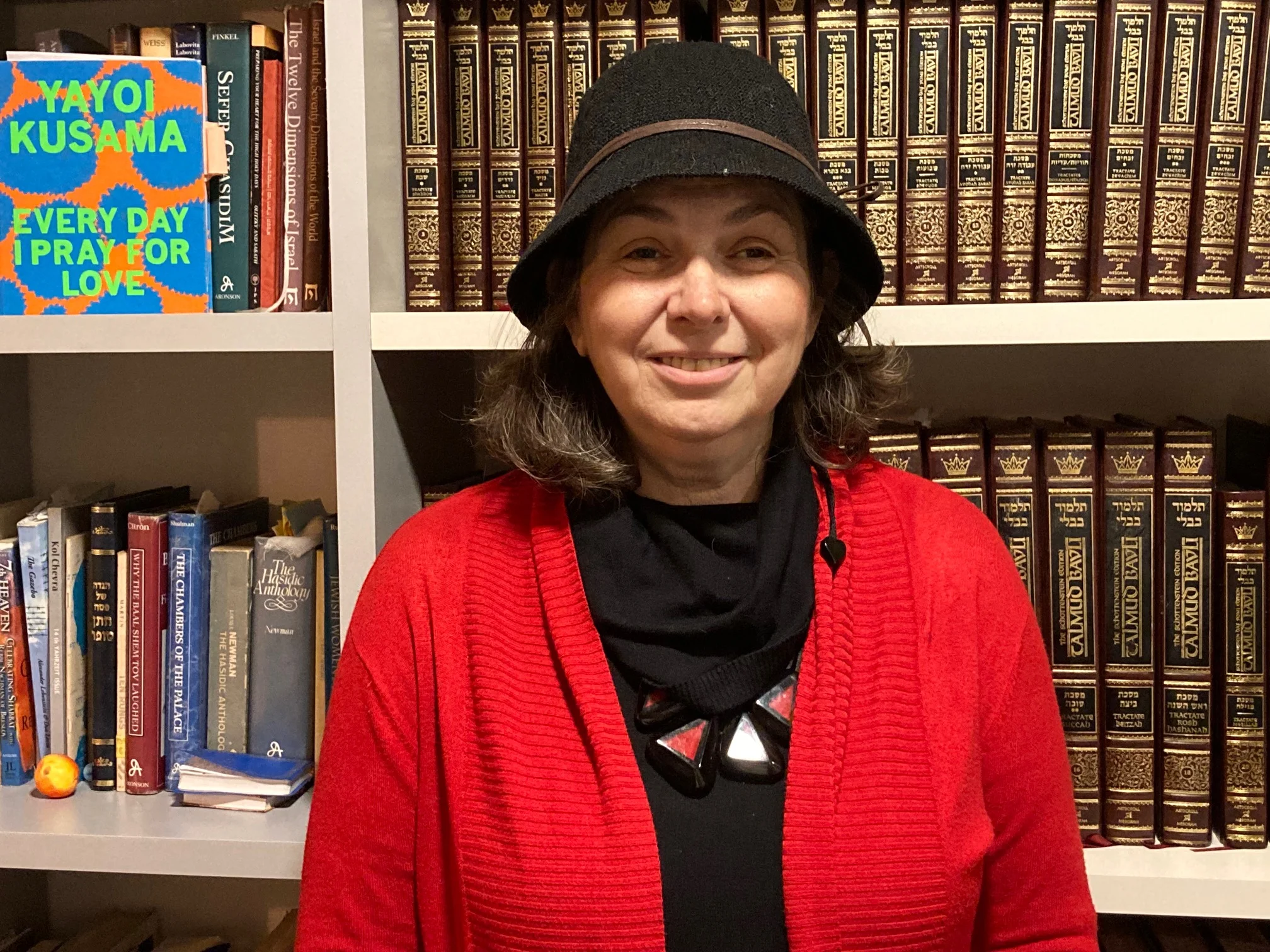
Robin Zeiger
Tel Aviv, Israel
I started learning Dec 2019 after reading “If all the Seas Were Ink”. I found
Daily daf sessions of Rabbanit Michelle in her house teaching, I then heard about the siyum and a new cycle starting wow I am in! Afternoon here in Sydney, my family and friends know this is my sacred time to hide away to live zoom and learn. Often it’s hard to absorb and relate then a gem shines touching my heart.

Dianne Kuchar
Dover Heights, Australia
I had no formal learning in Talmud until I began my studies in the Joint Program where in 1976 I was one of the few, if not the only, woman talmud major. It was superior training for law school and enabled me to approach my legal studies with a foundation . In 2018, I began daf yomi listening to Rabbanit MIchelle’s pod cast and my daily talmud studies are one of the highlights of my life.

Terri Krivosha
Minneapolis, United States
I started to listen to Michelle’s podcasts four years ago. The minute I started I was hooked. I’m so excited to learn the entire Talmud, and think I will continue always. I chose the quote “while a woman is engaged in conversation she also holds the spindle”. (Megillah 14b). It reminds me of all of the amazing women I learn with every day who multi-task, think ahead and accomplish so much.
Julie Mendelsohn
Zichron Yakov, Israel
I started learning at the beginning of this Daf Yomi cycle because I heard a lot about the previous cycle coming to an end and thought it would be a good thing to start doing. My husband had already bought several of the Koren Talmud Bavli books and they were just sitting on the shelf, not being used, so here was an opportunity to start using them and find out exactly what was in them. Loving it!

Caroline Levison
Borehamwood, United Kingdom
In January 2020, my teaching partner at IDC suggested we do daf yomi. Thanks to her challenge, I started learning daily from Rabbanit Michelle. It’s a joy to be part of the Hadran community. (It’s also a tikkun: in 7th grade, my best friend and I tied for first place in a citywide gemara exam, but we weren’t invited to the celebration because girls weren’t supposed to be learning gemara).

Sara Averick
Jerusalem, Israel
When I began learning Daf Yomi at the beginning of the current cycle, I was preparing for an upcoming surgery and thought that learning the Daf would be something positive I could do each day during my recovery, even if I accomplished nothing else. I had no idea what a lifeline learning the Daf would turn out to be in so many ways.

Laura Shechter
Lexington, MA, United States
After enthusing to my friend Ruth Kahan about how much I had enjoyed remote Jewish learning during the earlier part of the pandemic, she challenged me to join her in learning the daf yomi cycle. I had always wanted to do daf yomi but now had no excuse. The beginning was particularly hard as I had never studied Talmud but has become easier, as I have gained some familiarity with it.

Susan Vishner
Brookline, United States
I was inspired to start learning after attending the 2020 siyum in Binyanei Hauma. It has been a great experience for me. It’s amazing to see the origins of stories I’ve heard and rituals I’ve participated in my whole life. Even when I don’t understand the daf itself, I believe that the commitment to learning every day is valuable and has multiple benefits. And there will be another daf tomorrow!
Khaya Eisenberg
Jerusalem, Israel
I started learning Gemara at the Yeshivah of Flatbush. And I resumed ‘ברוך ה decades later with Rabbanit Michele at Hadran. I started from Brachot and have had an exciting, rewarding experience throughout seder Moed!

Anne Mirsky
Maale Adumim, Israel
In January 2020 on a Shabbaton to Baltimore I heard about the new cycle of Daf Yomi after the siyum celebration in NYC stadium. I started to read “ a daily dose of Talmud “ and really enjoyed it . It led me to google “ do Orthodox women study Talmud? “ and found HADRAN! Since then I listen to the podcast every morning, participate in classes and siyum. I love to learn, this is amazing! Thank you

Sandrine Simons
Atlanta, United States
I’ve been studying Talmud since the ’90s, and decided to take on Daf Yomi two years ago. I wanted to attempt the challenge of a day-to-day, very Jewish activity. Some days are so interesting and some days are so boring. But I’m still here.

Wendy Rozov
Phoenix, AZ, United States
I began my journey two years ago at the beginning of this cycle of the daf yomi. It has been an incredible, challenging experience and has given me a new perspective of Torah Sh’baal Peh and the role it plays in our lives
linda kalish-marcus
Efrat, Israel
I started with Ze Kollel in Berlin, directed by Jeremy Borowitz for Hillel Deutschland. We read Masechet Megillah chapter 4 and each participant wrote his commentary on a Sugia that particularly impressed him. I wrote six poems about different Sugiot! Fascinated by the discussions on Talmud I continued to learn with Rabanit Michelle Farber and am currently taking part in the Tikun Olam course.

Yael Merlini
Berlin, Germany
I heard about the syium in January 2020 & I was excited to start learning then the pandemic started. Learning Daf became something to focus on but also something stressful. As the world changed around me & my family I had to adjust my expectations for myself & the world. Daf Yomi & the Hadran podcast has been something I look forward to every day. It gives me a moment of centering & Judaism daily.

Talia Haykin
Denver, United States
Having never learned Talmud before, I started Daf Yomi in hopes of connecting to the Rabbinic tradition, sharing a daily idea on Instagram (@dafyomiadventures). With Hadran and Sefaria, I slowly gained confidence in my skills and understanding. Now, part of the Pardes Jewish Educators Program, I can’t wait to bring this love of learning with me as I continue to pass it on to my future students.

Hannah Greenberg
Pennsylvania, United States
I heard the new Daf Yomi cycle was starting and I was curious, so I searched online for a women’s class and was pleasently surprised to find Rabanit Michelle’s great class reviews in many online articles. It has been a splendid journey. It is a way to fill my days with Torah, learning so many amazing things I have never heard before during my Tanach learning at High School. Thanks so much .

Martha Tarazi
Panama, Panama
About a year into learning more about Judaism on a path to potential conversion, I saw an article about the upcoming Siyum HaShas in January of 2020. My curiosity was piqued and I immediately started investigating what learning the Daf actually meant. Daily learning? Just what I wanted. Seven and a half years? I love a challenge! So I dove in head first and I’ve enjoyed every moment!!

Nickie Matthews
Blacksburg, United States
Margo
I started my Talmud journey in 7th grade at Akiba Jewish Day School in Chicago. I started my Daf Yomi journey after hearing Erica Brown speak at the Hadran Siyum about marking the passage of time through Daf Yomi.
Carolyn
I started my Talmud journey post-college in NY with a few classes. I started my Daf Yomi journey after the Hadran Siyum, which inspired both my son and myself.
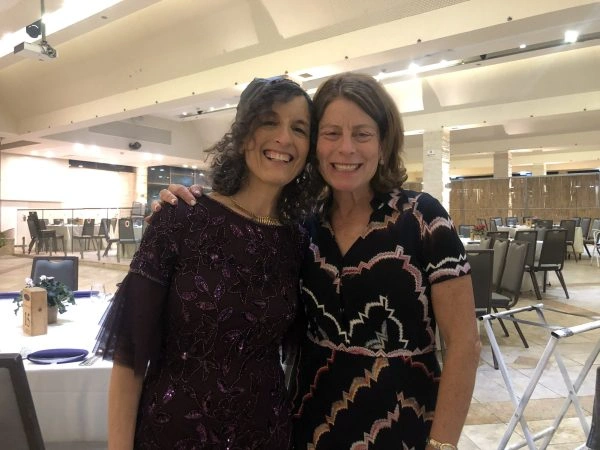
Carolyn Hochstadter and Margo Kossoff Shizgal
Merion Station, USA
Beit Shemesh, Israel
Michelle has been an inspiration for years, but I only really started this cycle after the moving and uplifting siyum in Jerusalem. It’s been an wonderful to learn and relearn the tenets of our religion and to understand how the extraordinary efforts of a band of people to preserve Judaism after the fall of the beit hamikdash is still bearing fruits today. I’m proud to be part of the chain!

Judith Weil
Raanana, Israel
Meilah 16
לֹא שָׁנוּ אֶלָּא לְעִנְיַן טוּמְאָה, אֲבָל לְעִנְיַן אֲכִילָה – טְהוֹרִין בִּפְנֵי עַצְמָן, וּטְמֵאִים בִּפְנֵי עַצְמָן. וְלֵוִי אָמַר: אֲפִילּוּ לַאֲכִילָה נָמֵי מִצְטָרְפִין.
The mishna taught that all carcasses join together, which indicates that carcasses of non-kosher animals join together with carcasses of kosher animals, only with regard to ritual impurity. But with regard to the prohibition of eating animal carcasses, kosher animal carcasses are distinct, i.e., they join together only with other kosher animals, and non-kosher animal carcasses are likewise distinct. And Levi says: Even with regard to the prohibition of eating animal carcasses, kosher and non-kosher carcasses join together.
וְרַב אַסִּי אָמַר: טְהוֹרִים לְעַצְמָן וּטְמֵאִין לְעַצְמָן. אִיכָּא דְאָמְרִי: פְּלִיגָא אַדְּרַב, וְאִיכָּא דְאָמְרִי: לָא פְּלִיגָא.
And Rav Asi says: Kosher animal carcasses are distinct, and non-kosher animal carcasses are distinct. Since Rav Asi did not specify whether he is referring only to eating or also to ritual impurity, there are those who say that Rav Asi disagrees with the opinion of Rav, i.e., he interprets the mishna as referring to all carcasses of a similar kind, that is, from kosher animals on the one hand, and from non-kosher animals on the other hand. And there are those who say that Rav Asi does not disagree with the opinion of Rav, and concedes that kosher and non-kosher animal carcasses join together with regard to ritual impurity.
מֵיתִיבִי: מִיתַת פָּרָה, וְחַיֵּי גָמָל – אֵין מִצְטָרְפִין זֶה עִם זֶה. הָא מִיתַת שְׁנֵיהֶם – מִצְטָרְפִין, וְקַשְׁיָא לְרַב אַסִּי!
The Gemara raises an objection against the first explanation of the opinion of Rav Asi from a baraita: With regard to half an olive-bulk from the carcass of a dead cow and half an olive-bulk from the flesh of a live camel, they do not join together with one another. It can be inferred from here that if both of them are dead, they do join together. Rav can explain this baraita as referring to ritual impurity, but this poses a difficulty to Rav Asi.
אֵימָא: הָא חַיֵּי שְׁנֵיהֶם – מִצְטָרְפִין, וּמַנִּי – רַבִּי יְהוּדָה הִיא, דְּאָמַר: אֵבֶר מִן הַחַי נוֹהֵג בַּטְּמֵאָה.
The Gemara answers: One should say that the correct inference from the baraita is not that if both of them, the cow and the camel, are dead, then they join together. Rather, one should infer that if both of them are alive, they join together. And who is the tanna of the baraita? It is Rabbi Yehuda, who said: The prohibition of eating a limb from a living animal applies even to the limb of a non-kosher animal.
אֲבָל מִיתַת שְׁנֵיהֶם, מַאי? לָא מִצְטָרְפִי? אִם כֵּן, מַאי אִירְיָא דְּרָהֵיט וְתָנֵי ״מִיתַת פָּרָה וְחַיֵּי גָמָל״, הָא אֲפִילּוּ מִיתַת שְׁנֵיהֶם לָא מִצְטָרְפִי!
The Gemara raises a difficulty with this answer. But in that case, what is the halakha if both of them, the cow and the camel, are dead? Do they not join together? If so, why does the tanna run specifically to an extreme case and teach: Half an olive-bulk from the carcass of a dead cow and half an olive-bulk from the flesh of a live camel? After all, even if both of them are dead, they do not join together.
וְעוֹד, תַּנְיָא: חֲצִי זַיִת פָּרָה בְּחַיֶּיהָ וַחֲצִי זַיִת גָּמָל בְּמִיתָתָהּ – אֵין מִצְטָרְפִין. אֲבָל חֲצִי זַיִת מִפָּרָה וַחֲצִי זַיִת מִגָּמָל, בֵּין בְּחַיֶּיהָ בֵּין בְּמִיתָתָהּ – מִצְטָרְפִין. קַשְׁיָא רֵישָׁא אַסֵּיפָא! אֶלָּא לָאו שְׁמַע מִינַּהּ: מִיתַת שְׁנֵיהֶם – מִצְטָרְפִין!?
And furthermore, it is taught in a baraita: Half an olive-bulk from the flesh of a cow when it is alive and half an olive-bulk from the carcass of a camel when it is dead do not join together; but half an olive-bulk from a cow and half an olive-bulk from a camel, whether alive or dead, do join together. The first clause in the baraita is difficult as it is apparently contradicted by the latter clause. Rather, isn’t it correct to conclude from the baraita that if there is half an olive-bulk from each of the two of them when they are dead, they join together?
אָמַר לְךָ רַב אַסִּי: הַאי תַּנָּא סָבַר אִיסּוּר חָל עַל אִיסּוּר.
The Gemara answers: Rav Asi could have said to you that this tanna holds that a prohibition takes effect even where another prohibition already exists. He maintains that the prohibition of eating an animal carcass takes effect even with regard to the flesh of a non-kosher animal, which is already prohibited, and for this reason the two half olive-bulks join together, as the same prohibition against eating an animal carcass applies to both. By contrast, Rav Asi himself maintains that a prohibition does not take effect where another prohibition already exists, and therefore this baraita does not pose a difficulty to his opinion that the two do not combine.
אָמַר רַב יְהוּדָה, אָמַר רַב: אֲכִילַת שְׁרָצִים – לוֹקֶה עָלָיו בִּכְזַיִת. מַאי טַעְמָא? ׳אֲכִילָה׳ כְּתִיב בְּהוּ.
§ Rav Yehuda says that Rav says: With regard to eating creeping animals, one is flogged for eating an olive-bulk of them. What is the reason? It is because the term “eating” is written in the Torah with regard to them. The verse states: “And every creeping thing that swarms upon the earth is a detestable thing; it shall not be eaten” (Leviticus 11:41). The term “eating” is invariably referring to consuming an olive-bulk.
וְהָתָנֵי רַבִּי יוֹסֵי בַּר רַבִּי חֲנִינָא קַמֵּיהּ דְּרַבִּי יוֹחָנָן: ״וְהִבְדַּלְתֶּם בֵּין הַבְּהֵמָה הַטְּהֹרָה לַטְּמֵאָה וּבֵין הָעוֹף הַטָּמֵא לַטָּהֹר וְלֹא תְשַׁקְּצוּ אֶת נַפְשֹׁתֵיכֶם בַּבְּהֵמָה וּבָעוֹף וּבְכֹל אֲשֶׁר תִּרְמֹשׂ הָאֲדָמָה אֲשֶׁר הִבְדַּלְתִּי לָכֶם לְטַמֵּא״ – פָּתַח הַכָּתוּב בַּאֲכִילָה, וְסִיֵּים בְּטוּמְאָה.
The Gemara raises a difficulty. But didn’t Rabbi Yosei bar Rabbi Ḥanina teach the following baraita before Rabbi Yoḥanan: The verse states: “You shall separate between the kosher animal and the non-kosher, and between the non-kosher bird and the kosher; and you shall not make your souls detestable by animal, or by bird, or by anything that swarms on the ground, which I have set apart for you as impure” (Leviticus 20:25). The verse opens with eating creeping animals, in the phrase “You shall not make your souls detestable,” and it ends with the ritual impurity of creeping animals: “Which I have set apart for you as impure.”
מָה טוּמְאָה בְּכַעֲדָשָׁה, אַף אֲכִילָה בְּכַעֲדָשָׁה. וְקַלְּסֵיהּ רַבִּי יוֹחָנָן, וְקַשְׁיָא לִדְרַב!
The baraita explains: This teaches that just as the carcass of a creeping animal imparts ritual impurity through contact when it is the volume of a lentil-bulk, so too, one is liable for the prohibition of eating a creeping animal when it is the volume of a lentil-bulk. And Rabbi Yoḥanan praised [vekilseih] Rabbi Yosei bar Rabbi Ḥanina for citing this baraita. And this poses a difficulty to the opinion of Rav, who maintains that one is flogged only if he eats an olive-bulk of creeping animals.
לָא קַשְׁיָא: כָּאן – בְּמִיתָתָן, כָּאן – בְּחַיֵּיהֶן.
The Gemara answers: This is not difficult. Here, the baraita is referring to eating creeping animals when they are dead, at which stage they impart ritual impurity and one is liable for eating a lentil-bulk. By contrast, there, Rav is speaking about eating creeping animals when they are alive, which do not yet impart ritual impurity. For this reason one is flogged only if he eats an olive-bulk.
אֲמַר לֵיהּ אַבָּיֵי: וְהָא רַב אַמַּתְנִיתִין קָאֵי, וּמַתְנִיתִין ״כׇּל הַשְּׁרָצִים״ קָתָנֵי, אֲפִילּוּ בְּמִיתָתָן. לָאו דְּאִיכָּא פּוּרְתָּא מֵהַאי וּפוּרְתָּא מֵהַאי? אֲמַר לֵיהּ רַב יוֹסֵף: הָהִיא דִּיּוּקָא דִּילָךְ הוּא. רַב – שְׁמַעְתָּא בְּעָלְמָא קָאָמַר.
Abaye said to Rav Yosef: But in his statement Rav was referring to the mishna, and the mishna teaches: And all the creeping animals join together to constitute the requisite olive-bulk measure to render one who consumes it liable to receive lashes. This indicates that this halakha applies even when they are dead. Is the mishna not referring to a case where there is a bit of this live creeping animal and a bit of that carcass of a creeping animal, which together combine to amount to an olive-bulk? Rav Yosef said to Abaye: This deductive inference, that Rav is referring to the mishna, is yours. But in fact Rav was merely saying a halakha unconnected to the mishna. Therefore, there is no proof that Rav was speaking about the carcasses of creeping animals.
וְקַלְּסֵיהּ רַבִּי יוֹחָנָן. מֵיתִיבִי: הָאֵיבָרִין – אֵין לָהֶן שִׁיעוּר, אֲפִילּוּ פָּחוֹת מִכְּזַיִת נְבֵלָה וּפָחוֹת מִכַּעֲדָשָׁה מִן הַשֶּׁרֶץ – מְטַמְּאִין. וְאָמַר רַבִּי יוֹחָנָן: אֵין לוֹקִין עֲלֵיהֶן אֶלָּא בִּכְזַיִת!
The Gemara stated: And Rabbi Yoḥanan praised Rabbi Yosei bar Rabbi Ḥanina for citing the baraita that rules that one is liable for violating the prohibition of eating a creeping animal by the amount of a lentil-bulk. The Gemara raises an objection from a mishna (Oholot 1:7): The whole limbs of impure bodies have no minimum measure with regard to imparting ritual impurity. Even if the limbs were less than an olive-bulk of a carcass or less than a lentil-bulk of a creeping animal, they impart ritual impurity. And Rabbi Yoḥanan says: This mishna is referring to the halakhot of ritual impurity; but with regard to the minimum measure which renders one liable for consumption, one is flogged for eating them only if they amount to an olive-bulk.
אָמַר רָבָא: בְּמוּבְדָּלִין דִּבֵּר הַכָּתוּב.
Rava says in resolution of the apparent contradiction between Rabbi Yoḥanan’s statements: When Rabbi Yoḥanan said that one is flogged for eating even a lentil-bulk of a creeping animal, he was referring only to those eight creeping animals of which the verse speaks, which are separated from all other creeping animals. The Torah (Leviticus 11:29–32) lists eight types of creeping animals, and Rabbi Yoḥanan was referring specifically to those eight. He maintains that one is flogged for eating a lentil-bulk of such creatures, whereas in the case of other creeping animals one is flogged only for eating an olive-bulk of them.
אֲמַר לֵיהּ רַב אַדָּא בַּר אַהֲבָה לְרָבָא: אֶלָּא מֵעַתָּה, בְּהֵמָה נָמֵי, לִיפְלְגִי בֵּין מוּבְדֶּלֶת לְשֶׁאֵינָהּ מוּבְדֶּלֶת.
Rav Adda bar Ahava said to Rava: If that is so, that there is a difference in the measure of liability for consumption between various types of creeping animals, the same should also apply with regard to an animal. Since the Torah in Leviticus 20:25 juxtaposes both kosher animals and non-kosher animals to creeping animals, one can say that an analogous difference should apply here as well: Let the halakha distinguish between flesh from the carcass of kosher animals, which is separated from other types in that it is permitted in consumption by the Torah, and flesh from the carcass of a non-kosher animal, which is not separated, i.e., which is not permitted by the Torah. Consequently, if the carcass of a kosher animal imparts ritual impurity by the amount of an olive-bulk of flesh, the measure of flesh from the carcass of a non-kosher animal that imparts ritual impurity should be larger, i.e., an egg-bulk.
Follow

