








What happens at each stage of the bird sin offering (designation of the animal, its slaughter and sprinkling of its blood) regarding when there is or isn’t potential for meilah, its ability to become disqualified by a tvul yom or mechusar kipurim coming in contact with it or being left overnight, and it’s ability to effect the karet obligation for pigul, notar and impure meat that was eaten? What about the shmearing of the blood – why is that not mentioned in the mishna? Is that a necessary part of a sin offering?
Meilah 8

September 25, 2019 | כ״ה באלול תשע״ט
Share this shiur:
Want to dedicate learning? Get started here:
Meilah 8
אֲבָל לַאֲכִילָה הוּא דְּלֹא מְרַצָּה.
But as for permitting it for eating, in this regard even Rabbi Akiva concedes that the sprinkling of the blood does not effect acceptance.
הַדְרָן עֲלָךְ קׇדְשֵׁי קָדָשִׁים
חַטַּאת הָעוֹף מוֹעֲלִין בָּהּ מִשֶּׁהוּקְדְּשָׁה, נִמְלְקָה – הוּכְשְׁרָה לְהִפָּסֵל בִּטְבוּל יוֹם וּבִמְחוּסַּר כִּפּוּרִים וּבְלִינָה.
MISHNA: One who derives benefit from a bird sin offering is liable for misuse of consecrated property from the moment that it was consecrated. Once the nape of its neck was pinched, it was rendered susceptible to disqualification for sacrifice through contact with one who was ritually impure who immersed in a ritual bath that day and is waiting for nightfall for the purification process to be completed, and through contact with one who has not yet brought an atonement offering to complete his purification process, e.g., a zav and a leper, who are not yet permitted to partake of sacrificial meat; and through its blood being left overnight, i.e., if its blood was not sprinkled before sunset.
הוּזָּה דָּמָהּ – חַיָּיבִין עָלָיו מִשּׁוּם פִּיגּוּל, נוֹתָר, וְטָמֵא, וְאֵין בָּהּ מְעִילָה.
Once its blood was sprinkled, one is liable to receive karet for eating it due to violation of the prohibition of piggul, and the prohibition of notar, and the prohibition of partaking of sacrificial meat while ritually impure. But there is no liability for misuse of consecrated property, because after the blood is sprinkled it is permitted for priests to partake of its meat and it is no longer consecrated exclusively to God.
גְּמָ׳ קָתָנֵי הוּכְשְׁרָה לִיפָּסֵל בִּטְבוּל יוֹם, וּבִמְחוּסַּר כִּפּוּרִים, וּבְלִינָה. לִיפָּסֵל – אִין, אֲבָל לְטַמּוֹיֵי – לָא.
GEMARA: The mishna teaches: From the time the nape of its neck was pinched, the bird sin offering was rendered susceptible to disqualification for sacrifice through contact with one who immersed that day, and through contact with one who has not yet brought an atonement offering, and through its blood being left overnight. It can be inferred from here that yes, it is susceptible to disqualification, but it is not fit to render other items ritually impure.
מַתְנִיתִין מַנִּי? רַבָּנַן הִיא, דְּתַנְיָא: אַבָּא שָׁאוּל אוֹמֵר: טְבוּל יוֹם
In light of the above inference, the Gemara asks: Whose opinion is expressed in the mishna? The Gemara answers: It is the opinion of the Rabbis, as it is taught in a baraita (Tosefta, Teharot 1:4) that Abba Shaul says: With regard to one who immersed that day,
תְּחִלָּה לַקֹּדֶשׁ.
until sunset he is treated as one who is impure with first-degree impurity with regard to sacrificial food. In other words, an item of sacrificial food that he touches assumes the status of second-degree impurity. A second item that comes into contact with the first item of food assumes third-degree impurity. If a third item comes into contact with the second item, it assumes fourth-degree impurity, i.e., it may not be eaten but does not impart impurity to other items.
רַבִּי מֵאִיר אוֹמֵר: מְטַמֵּא אֶת הַקֹּדֶשׁ, וּפוֹסֵל אֶת הַתְּרוּמָה. וַחֲכָמִים אוֹמְרִים: כְּשֵׁם שֶׁהוּא פּוֹסֵל מַשְׁקֵה תְרוּמָה וְאוֹכְלֵי תְרוּמָה, כָּךְ הוּא פּוֹסֵל מַשְׁקֵה קֹדֶשׁ וְאוֹכְלֵי קֹדֶשׁ.
Rabbi Meir says: One who immersed that day is considered impure with second-degree impurity, even with regard to sacrificial food, and therefore he renders sacrificial food impure and disqualifies teruma. And the Rabbis say: Just as he merely disqualifies teruma liquids and teruma foods, without them becoming impure to a degree that their impurity is transferred to another item, so too, he only disqualifies sacrificial liquids and sacrificial foods. Apparently, the mishna here is in accordance with the opinion of the Rabbis, not the opinions of Abba Shaul and Rabbi Meir.
אָמַר רָבָא: לְאַבָּא שָׁאוּל מַעֲלָה עָשׂוּ בַּקֳּדָשִׁים, שַׁוִּינְהוּ רַבָּנַן לִטְבוּל יוֹם כָּרִאשׁוֹן,
Rava rejects this analysis and says: The mishna can be explained even in accordance with the opinions of Abba Shaul and Rabbi Meir, as they might agree that by Torah law one who immersed that day only disqualifies the food and does not render it impure. But according to Abba Shaul, the Sages established a higher standard with regard to consecrated items, and therefore the Sages equated one who immersed that day to one who is impure with first-degree ritual impurity.
לְרַבִּי מֵאִיר כְּאוֹכֶל שֵׁנִי. לְרַבָּנַן, כֵּיוָן דִּטְבַל – קְלַשׁ טוּמְאָה, פָּסוּל – מְשַׁוֵּי, טָמֵא – לָא מְשַׁוֵּי.
Rava continues: According to Rabbi Meir, the Sages equated the impurity of one who immersed that day to food of second-degree ritual impurity, but according to the opinion of the Rabbis there is no additional impurity by rabbinic law. Their reasoning is that since he has immersed, although he is not completely pure, his level of ritual impurity is relatively weak. Therefore, he renders a sin offering disqualified, but he does not render it ritually impure.
הוּזָּה דָּמָהּ – חַיָּיבִין כּוּ׳. מְעִילָה הוּא דְּלֵיכָּא, אֲבָל אִיסּוּרָא – אִיכָּא. וְאַמַּאי? הָא מָמוֹנָא דְכֹהֲנִים הוּא!
§ The mishna teaches with regard to a sin offering: Once its blood was sprinkled, one is liable to receive karet for its consumption due to violation of the prohibition of piggul, and the prohibition of notar, and the prohibition of partaking of sacrificial meat while ritually impure, but there is no liability for misuse of consecrated property. The Gemara infers: There is no liability for misuse of consecrated property, but there is a prohibition against deriving benefit from it even after the blood has been sprinkled. But why is there such a prohibition? Isn’t the meat of the sin offering the property of the priests after the blood has been sprinkled? Accordingly, they would therefore be permitted to consume this meat.
אָמַר רַבִּי חֲנִינָא: לַיּוֹצְאִין, וְרַבִּי עֲקִיבָא הִיא, דְּאָמַר זְרִיקָה מוֹעֶלֶת לַיּוֹצֵא, דְּלָאו בַּת אֲכִילָה הִיא.
Rabbi Ḥanina says in explanation: The mishna is referring to meat that has been taken out from the place where it is permitted to be eaten. And this ruling is in accordance with the opinion of Rabbi Akiva, who said: Sprinkling of the blood renders fit those portions that were taken out of the place where they may be eaten, i.e., the prohibition of misuse no longer applies to them, but they are not fit for consumption.
אָמַר רַב הוּנָא אָמַר רַב: מִיצּוּי חַטַּאת הָעוֹף – אֵינוֹ מְעַכֵּב. דְּתָנֵי רַב: ״הוּזָּה דָּמָהּ״.
The Gemara continues to discuss the halakha of a bird sin offering. After the nape of its neck has been pinched and the blood sprinkled, the neck of the bird is pressed onto the side of the altar so that the blood is squeezed out and trickles down to the base of the altar. Rav Huna says that Rav says: Failure to squeeze out the blood from a bird sin offering after sprinkling the blood does not invalidate the offering or prevent atonement, as Rav teaches in his version of the mishna: Once its blood was sprinkled.
רַב אַדָּא בַּר אַהֲבָה אָמַר רַב: מִיצּוּי חַטַּאת הָעוֹף מְעַכֵּב. וְתָנֵי רַב: ״מִיצָּה דָּמָהּ״.
By contrast, Rav Adda bar Ahava says that Rav says: Failure to squeeze out the blood from a bird sin offering after sprinkling the blood does invalidate the offering and prevents atonement. And Rav teaches in his version of the mishna: Once its blood was squeezed out. Only after the blood has been squeezed out is the atonement complete and the bird may be eaten.
תָּא שְׁמַע: ״וְהַנִּשְׁאָר בַּדָּם יִמָּצֵה אֶל יְסוֹד הַמִּזְבֵּחַ חַטָּאת הִיא״. בִּשְׁלָמָא לְרַב אַדָּא בַּר אַהֲבָה, הַיְינוּ דִּכְתִיב: ״וְהַנִּשְׁאָר בַּדָּם יִמָּצֵה… חַטָּאת הִיא״, אֶלָּא לְרַב הוּנָא, מַאי ״וְהַנִּשְׁאָר״?
The Gemara raises a difficulty with regard to the statement of Rav Huna. Come and hear a verse in the Torah: “And he shall sprinkle of the blood of the sin offering upon the side of the altar; and the remainder of the blood shall be squeezed out at the base of the altar, it is a sin offering” (Leviticus 5:9). Granted, according to the opinion of Rav Adda bar Ahava, who holds that the squeezing out of the blood is essential, this is as it is written: “And the remainder of the blood shall be squeezed out at the base of the altar, it is a sin offering.” This clause indicates that only after the blood has been squeezed out is it considered a valid sin offering. But according to the opinion of Rav Huna, what does the verse mean when it states: “The remainder of the blood shall be squeezed out at the base of the altar, it is a sin offering”?
כִּדְתַנְיָא דְּבֵי רַבִּי יִשְׁמָעֵאל: שֶׁאִם נִשְׁאַר. וּמַאי ״חַטָּאת הִיא״? אַרֵישָׁא.
The Gemara answers that Rav Huna explains this verse as it is taught in a baraita of the school of Rabbi Yishmael: The verse teaches that if any of the blood remains inside the bird it must be squeezed out, but there is no requirement to ensure that blood must remain so that it can be squeezed out. Consequently, even if one does not squeeze out any blood on the side of the altar, the offering is valid. And what is the meaning of the phrase: “It is a sin offering”? This is referring to the first clause of the verse, i.e., it is a valid sin offering only if the blood is sprinkled on the side of the altar.
אֲמַר לֵיהּ רַב אַחָא בְּרֵיהּ דְּרָבָא לְרַב אָשֵׁי: אֶלָּא מֵעַתָּה, גַּבֵּי מִנְחָה דִּכְתִיב: ״וְהַנּוֹתֶרֶת״. הָכִי נָמֵי שֶׁאִם נִיתּוֹתַר? וְכִי תֵּימָא: הָכִי נָמֵי,
Rav Aḥa, son of Rava, said to Rav Ashi: If that is so, consider the fact that it is written with regard to a meal offering: “But that which is left of the meal offering shall be Aaron’s and his sons’; it is a thing most holy of the offerings of the Lord made by fire” (Leviticus 2:3). Does this also mean that if some of the meal offering remains then it is given to the priests, but there is no need to ensure that some of it remains ab initio? And if you would say this is indeed the case,
Follow 
New to Talmud?
Check out our resources designed to help you navigate a page of Talmud – and study at the pace, level and style that fits you.
The Hadran Women’s Tapestry
Meet the diverse women learning Gemara at Hadran and hear their stories.
I started learning Dec 2019 after reading “If all the Seas Were Ink”. I found
Daily daf sessions of Rabbanit Michelle in her house teaching, I then heard about the siyum and a new cycle starting wow I am in! Afternoon here in Sydney, my family and friends know this is my sacred time to hide away to live zoom and learn. Often it’s hard to absorb and relate then a gem shines touching my heart.

Dianne Kuchar
Dover Heights, Australia
My first Talmud class experience was a weekly group in 1971 studying Taanit. In 2007 I resumed Talmud study with a weekly group I continue learning with. January 2020, I was inspired to try learning Daf Yomi. A friend introduced me to Daf Yomi for Women and Rabbanit Michelle Farber, I have kept with this program and look forward, G- willing, to complete the entire Shas with Hadran.

Lorri Lewis
Palo Alto, CA, United States
I began daf yomi in January 2020 with Brachot. I had made aliya 6 months before, and one of my post-aliya goals was to complete a full cycle. As a life-long Tanach teacher, I wanted to swim from one side of the Yam shel Torah to the other. Daf yomi was also my sanity through COVID. It was the way to marking the progression of time, and feel that I could grow and accomplish while time stopped.

Leah Herzog
Givat Zev, Israel
Shortly after the death of my father, David Malik z”l, I made the commitment to Daf Yomi. While riding to Ben Gurion airport in January, Siyum HaShas was playing on the radio; that was the nudge I needed to get started. The “everyday-ness” of the Daf has been a meaningful spiritual practice, especial after COVID began & I was temporarily unable to say Kaddish at daily in-person minyanim.

Lisa S. Malik
Wynnewood, United States
I started learning Daf Yomi in January 2020 after watching my grandfather, Mayer Penstein z”l, finish shas with the previous cycle. My grandfather made learning so much fun was so proud that his grandchildren wanted to join him. I was also inspired by Ilana Kurshan’s book, If All the Seas Were Ink. Two years in, I can say that it has enriched my life in so many ways.

Leeza Hirt Wilner
New York, United States
I LOVE learning the Daf. I started with Shabbat. I join the morning Zoom with Reb Michelle and it totally grounds my day. When Corona hit us in Israel, I decided that I would use the Daf to keep myself sane, especially during the days when we could not venture out more than 300 m from our home. Now my husband and I have so much new material to talk about! It really is the best part of my day!

Batsheva Pava
Hashmonaim, Israel
I began learning with Rabbanit Michelle’s wonderful Talmud Skills class on Pesachim, which really enriched my Pesach seder, and I have been learning Daf Yomi off and on over the past year. Because I’m relatively new at this, there is a “chiddush” for me every time I learn, and the knowledge and insights of the group members add so much to my experience. I feel very lucky to be a part of this.

Julie Landau
Karmiel, Israel
My husband learns Daf, my son learns Daf, my son-in-law learns Daf.
When I read about Hadran’s Siyyum HaShas 2 years ago, I thought- I can learn Daf too!
I had learned Gemara in Hillel HS in NJ, & I remembered loving it.
Rabbanit Michelle & Hadran have opened my eyes & expanding my learning so much in the past few years. We can now discuss Gemara as a family.
This was a life saver during Covid

Renee Braha
Brooklyn, NY, United States
I was exposed to Talmud in high school, but I was truly inspired after my daughter and I decided to attend the Women’s Siyum Shas in 2020. We knew that this was a historic moment. We were blown away, overcome with emotion at the euphoria of the revolution. Right then, I knew I would continue. My commitment deepened with the every-morning Virtual Beit Midrash on Zoom with R. Michelle.

Adina Hagege
Zichron Yaakov, Israel
I heard about the syium in January 2020 & I was excited to start learning then the pandemic started. Learning Daf became something to focus on but also something stressful. As the world changed around me & my family I had to adjust my expectations for myself & the world. Daf Yomi & the Hadran podcast has been something I look forward to every day. It gives me a moment of centering & Judaism daily.

Talia Haykin
Denver, United States
I started my journey on the day I realized that the Siyum was happening in Yerushalayim and I was missing out. What? I told myself. How could I have not known about this? How can I have missed out on this opportunity? I decided that moment, I would start Daf Yomi and Nach Yomi the very next day. I am so grateful to Hadran. I am changed forever because I learn Gemara with women. Thank you.
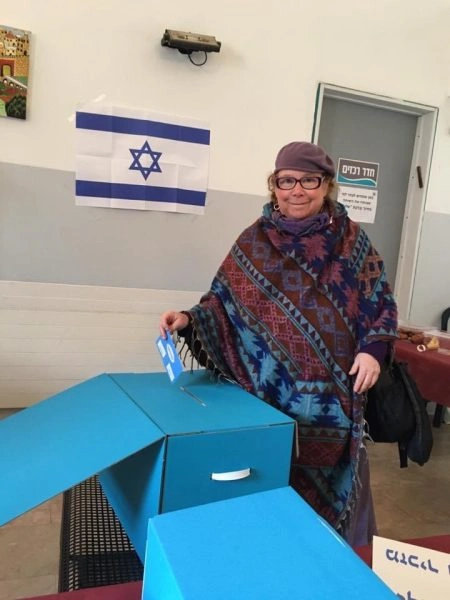
Linda Brownstein
Mitspe, Israel
I saw an elderly man at the shul kiddush in early March 2020, celebrating the siyyum of masechet brachot which he had been learning with a young yeshiva student. I thought, if he can do it, I can do it! I began to learn masechet Shabbat the next day, Making up masechet brachot myself, which I had missed. I haven’t missed a day since, thanks to the ease of listening to Hadran’s podcast!

Judith Shapiro
Minnesota, United States
I started learning Dec 2019 after reading “If all the Seas Were Ink”. I found
Daily daf sessions of Rabbanit Michelle in her house teaching, I then heard about the siyum and a new cycle starting wow I am in! Afternoon here in Sydney, my family and friends know this is my sacred time to hide away to live zoom and learn. Often it’s hard to absorb and relate then a gem shines touching my heart.
Dianne Kuchar
Dover Heights, Australia
I started learning after the siyum hashas for women and my daily learning has been a constant over the last two years. It grounded me during the chaos of Corona while providing me with a community of fellow learners. The Daf can be challenging but it’s filled with life’s lessons, struggles and hope for a better world. It’s not about the destination but rather about the journey. Thank you Hadran!

Dena Lehrman
אפרת, Israel
I decided to learn one masechet, Brachot, but quickly fell in love and never stopped! It has been great, everyone is always asking how it’s going and chering me on, and my students are always making sure I did the day’s daf.
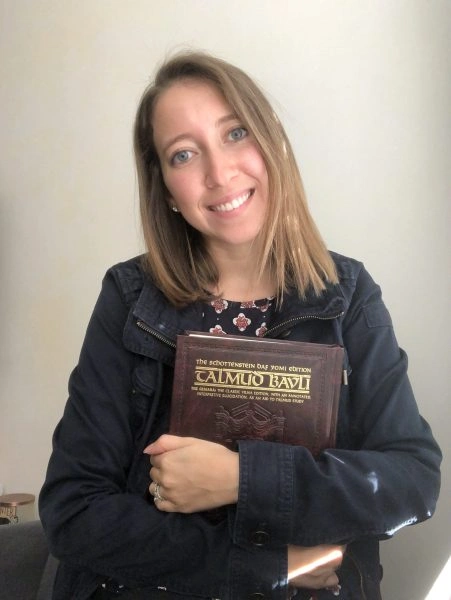
Yafit Fishbach
Memphis, Tennessee, United States
It’s hard to believe it has been over two years. Daf yomi has changed my life in so many ways and has been sustaining during this global sea change. Each day means learning something new, digging a little deeper, adding another lens, seeing worlds with new eyes. Daf has also fostered new friendships and deepened childhood connections, as long time friends have unexpectedly become havruta.

Joanna Rom
Northwest Washington, United States
I graduated college in December 2019 and received a set of shas as a present from my husband. With my long time dream of learning daf yomi, I had no idea that a new cycle was beginning just one month later, in January 2020. I have been learning the daf ever since with Michelle Farber… Through grad school, my first job, my first baby, and all the other incredible journeys over the past few years!

Sigal Spitzer Flamholz
Bronx, United States
A Gemara shiur previous to the Hadran Siyum, was the impetus to attend it.It was highly inspirational and I was smitten. The message for me was התלמוד בידינו. I had decided along with my Chahsmonaim group to to do the daf and take it one daf at time- without any expectations at all. There has been a wealth of information, insights and halachik ideas. It is truly exercise of the mind, heart & Soul
Phyllis Hecht
Hashmonaim, Israel
After enthusing to my friend Ruth Kahan about how much I had enjoyed remote Jewish learning during the earlier part of the pandemic, she challenged me to join her in learning the daf yomi cycle. I had always wanted to do daf yomi but now had no excuse. The beginning was particularly hard as I had never studied Talmud but has become easier, as I have gained some familiarity with it.

Susan Vishner
Brookline, United States
In early January of 2020, I learned about Siyyum HaShas and Daf Yomi via Tablet Magazine’s brief daily podcast about the Daf. I found it compelling and fascinating. Soon I discovered Hadran; since then I have learned the Daf daily with Rabbanit Michelle Cohen Farber. The Daf has permeated my every hour, and has transformed and magnified my place within the Jewish Universe.

Lisa Berkelhammer
San Francisco, CA , United States
Meilah 8
אֲבָל לַאֲכִילָה הוּא דְּלֹא מְרַצָּה.
But as for permitting it for eating, in this regard even Rabbi Akiva concedes that the sprinkling of the blood does not effect acceptance.
הַדְרָן עֲלָךְ קׇדְשֵׁי קָדָשִׁים
חַטַּאת הָעוֹף מוֹעֲלִין בָּהּ מִשֶּׁהוּקְדְּשָׁה, נִמְלְקָה – הוּכְשְׁרָה לְהִפָּסֵל בִּטְבוּל יוֹם וּבִמְחוּסַּר כִּפּוּרִים וּבְלִינָה.
MISHNA: One who derives benefit from a bird sin offering is liable for misuse of consecrated property from the moment that it was consecrated. Once the nape of its neck was pinched, it was rendered susceptible to disqualification for sacrifice through contact with one who was ritually impure who immersed in a ritual bath that day and is waiting for nightfall for the purification process to be completed, and through contact with one who has not yet brought an atonement offering to complete his purification process, e.g., a zav and a leper, who are not yet permitted to partake of sacrificial meat; and through its blood being left overnight, i.e., if its blood was not sprinkled before sunset.
הוּזָּה דָּמָהּ – חַיָּיבִין עָלָיו מִשּׁוּם פִּיגּוּל, נוֹתָר, וְטָמֵא, וְאֵין בָּהּ מְעִילָה.
Once its blood was sprinkled, one is liable to receive karet for eating it due to violation of the prohibition of piggul, and the prohibition of notar, and the prohibition of partaking of sacrificial meat while ritually impure. But there is no liability for misuse of consecrated property, because after the blood is sprinkled it is permitted for priests to partake of its meat and it is no longer consecrated exclusively to God.
גְּמָ׳ קָתָנֵי הוּכְשְׁרָה לִיפָּסֵל בִּטְבוּל יוֹם, וּבִמְחוּסַּר כִּפּוּרִים, וּבְלִינָה. לִיפָּסֵל – אִין, אֲבָל לְטַמּוֹיֵי – לָא.
GEMARA: The mishna teaches: From the time the nape of its neck was pinched, the bird sin offering was rendered susceptible to disqualification for sacrifice through contact with one who immersed that day, and through contact with one who has not yet brought an atonement offering, and through its blood being left overnight. It can be inferred from here that yes, it is susceptible to disqualification, but it is not fit to render other items ritually impure.
מַתְנִיתִין מַנִּי? רַבָּנַן הִיא, דְּתַנְיָא: אַבָּא שָׁאוּל אוֹמֵר: טְבוּל יוֹם
In light of the above inference, the Gemara asks: Whose opinion is expressed in the mishna? The Gemara answers: It is the opinion of the Rabbis, as it is taught in a baraita (Tosefta, Teharot 1:4) that Abba Shaul says: With regard to one who immersed that day,
תְּחִלָּה לַקֹּדֶשׁ.
until sunset he is treated as one who is impure with first-degree impurity with regard to sacrificial food. In other words, an item of sacrificial food that he touches assumes the status of second-degree impurity. A second item that comes into contact with the first item of food assumes third-degree impurity. If a third item comes into contact with the second item, it assumes fourth-degree impurity, i.e., it may not be eaten but does not impart impurity to other items.
רַבִּי מֵאִיר אוֹמֵר: מְטַמֵּא אֶת הַקֹּדֶשׁ, וּפוֹסֵל אֶת הַתְּרוּמָה. וַחֲכָמִים אוֹמְרִים: כְּשֵׁם שֶׁהוּא פּוֹסֵל מַשְׁקֵה תְרוּמָה וְאוֹכְלֵי תְרוּמָה, כָּךְ הוּא פּוֹסֵל מַשְׁקֵה קֹדֶשׁ וְאוֹכְלֵי קֹדֶשׁ.
Rabbi Meir says: One who immersed that day is considered impure with second-degree impurity, even with regard to sacrificial food, and therefore he renders sacrificial food impure and disqualifies teruma. And the Rabbis say: Just as he merely disqualifies teruma liquids and teruma foods, without them becoming impure to a degree that their impurity is transferred to another item, so too, he only disqualifies sacrificial liquids and sacrificial foods. Apparently, the mishna here is in accordance with the opinion of the Rabbis, not the opinions of Abba Shaul and Rabbi Meir.
אָמַר רָבָא: לְאַבָּא שָׁאוּל מַעֲלָה עָשׂוּ בַּקֳּדָשִׁים, שַׁוִּינְהוּ רַבָּנַן לִטְבוּל יוֹם כָּרִאשׁוֹן,
Rava rejects this analysis and says: The mishna can be explained even in accordance with the opinions of Abba Shaul and Rabbi Meir, as they might agree that by Torah law one who immersed that day only disqualifies the food and does not render it impure. But according to Abba Shaul, the Sages established a higher standard with regard to consecrated items, and therefore the Sages equated one who immersed that day to one who is impure with first-degree ritual impurity.
לְרַבִּי מֵאִיר כְּאוֹכֶל שֵׁנִי. לְרַבָּנַן, כֵּיוָן דִּטְבַל – קְלַשׁ טוּמְאָה, פָּסוּל – מְשַׁוֵּי, טָמֵא – לָא מְשַׁוֵּי.
Rava continues: According to Rabbi Meir, the Sages equated the impurity of one who immersed that day to food of second-degree ritual impurity, but according to the opinion of the Rabbis there is no additional impurity by rabbinic law. Their reasoning is that since he has immersed, although he is not completely pure, his level of ritual impurity is relatively weak. Therefore, he renders a sin offering disqualified, but he does not render it ritually impure.
הוּזָּה דָּמָהּ – חַיָּיבִין כּוּ׳. מְעִילָה הוּא דְּלֵיכָּא, אֲבָל אִיסּוּרָא – אִיכָּא. וְאַמַּאי? הָא מָמוֹנָא דְכֹהֲנִים הוּא!
§ The mishna teaches with regard to a sin offering: Once its blood was sprinkled, one is liable to receive karet for its consumption due to violation of the prohibition of piggul, and the prohibition of notar, and the prohibition of partaking of sacrificial meat while ritually impure, but there is no liability for misuse of consecrated property. The Gemara infers: There is no liability for misuse of consecrated property, but there is a prohibition against deriving benefit from it even after the blood has been sprinkled. But why is there such a prohibition? Isn’t the meat of the sin offering the property of the priests after the blood has been sprinkled? Accordingly, they would therefore be permitted to consume this meat.
אָמַר רַבִּי חֲנִינָא: לַיּוֹצְאִין, וְרַבִּי עֲקִיבָא הִיא, דְּאָמַר זְרִיקָה מוֹעֶלֶת לַיּוֹצֵא, דְּלָאו בַּת אֲכִילָה הִיא.
Rabbi Ḥanina says in explanation: The mishna is referring to meat that has been taken out from the place where it is permitted to be eaten. And this ruling is in accordance with the opinion of Rabbi Akiva, who said: Sprinkling of the blood renders fit those portions that were taken out of the place where they may be eaten, i.e., the prohibition of misuse no longer applies to them, but they are not fit for consumption.
אָמַר רַב הוּנָא אָמַר רַב: מִיצּוּי חַטַּאת הָעוֹף – אֵינוֹ מְעַכֵּב. דְּתָנֵי רַב: ״הוּזָּה דָּמָהּ״.
The Gemara continues to discuss the halakha of a bird sin offering. After the nape of its neck has been pinched and the blood sprinkled, the neck of the bird is pressed onto the side of the altar so that the blood is squeezed out and trickles down to the base of the altar. Rav Huna says that Rav says: Failure to squeeze out the blood from a bird sin offering after sprinkling the blood does not invalidate the offering or prevent atonement, as Rav teaches in his version of the mishna: Once its blood was sprinkled.
רַב אַדָּא בַּר אַהֲבָה אָמַר רַב: מִיצּוּי חַטַּאת הָעוֹף מְעַכֵּב. וְתָנֵי רַב: ״מִיצָּה דָּמָהּ״.
By contrast, Rav Adda bar Ahava says that Rav says: Failure to squeeze out the blood from a bird sin offering after sprinkling the blood does invalidate the offering and prevents atonement. And Rav teaches in his version of the mishna: Once its blood was squeezed out. Only after the blood has been squeezed out is the atonement complete and the bird may be eaten.
תָּא שְׁמַע: ״וְהַנִּשְׁאָר בַּדָּם יִמָּצֵה אֶל יְסוֹד הַמִּזְבֵּחַ חַטָּאת הִיא״. בִּשְׁלָמָא לְרַב אַדָּא בַּר אַהֲבָה, הַיְינוּ דִּכְתִיב: ״וְהַנִּשְׁאָר בַּדָּם יִמָּצֵה… חַטָּאת הִיא״, אֶלָּא לְרַב הוּנָא, מַאי ״וְהַנִּשְׁאָר״?
The Gemara raises a difficulty with regard to the statement of Rav Huna. Come and hear a verse in the Torah: “And he shall sprinkle of the blood of the sin offering upon the side of the altar; and the remainder of the blood shall be squeezed out at the base of the altar, it is a sin offering” (Leviticus 5:9). Granted, according to the opinion of Rav Adda bar Ahava, who holds that the squeezing out of the blood is essential, this is as it is written: “And the remainder of the blood shall be squeezed out at the base of the altar, it is a sin offering.” This clause indicates that only after the blood has been squeezed out is it considered a valid sin offering. But according to the opinion of Rav Huna, what does the verse mean when it states: “The remainder of the blood shall be squeezed out at the base of the altar, it is a sin offering”?
כִּדְתַנְיָא דְּבֵי רַבִּי יִשְׁמָעֵאל: שֶׁאִם נִשְׁאַר. וּמַאי ״חַטָּאת הִיא״? אַרֵישָׁא.
The Gemara answers that Rav Huna explains this verse as it is taught in a baraita of the school of Rabbi Yishmael: The verse teaches that if any of the blood remains inside the bird it must be squeezed out, but there is no requirement to ensure that blood must remain so that it can be squeezed out. Consequently, even if one does not squeeze out any blood on the side of the altar, the offering is valid. And what is the meaning of the phrase: “It is a sin offering”? This is referring to the first clause of the verse, i.e., it is a valid sin offering only if the blood is sprinkled on the side of the altar.
אֲמַר לֵיהּ רַב אַחָא בְּרֵיהּ דְּרָבָא לְרַב אָשֵׁי: אֶלָּא מֵעַתָּה, גַּבֵּי מִנְחָה דִּכְתִיב: ״וְהַנּוֹתֶרֶת״. הָכִי נָמֵי שֶׁאִם נִיתּוֹתַר? וְכִי תֵּימָא: הָכִי נָמֵי,
Rav Aḥa, son of Rava, said to Rav Ashi: If that is so, consider the fact that it is written with regard to a meal offering: “But that which is left of the meal offering shall be Aaron’s and his sons’; it is a thing most holy of the offerings of the Lord made by fire” (Leviticus 2:3). Does this also mean that if some of the meal offering remains then it is given to the priests, but there is no need to ensure that some of it remains ab initio? And if you would say this is indeed the case,
Follow

