








The world was created with the letter heh which reflects the opportunity for free will and also for doing repentance. The world to come was created with a yud and the gemara explains why. In what situations can a sefer torah be fixed? What are the margins? Spacing? How many columns on each piece of parchment? What if one errs and omits God’s name? Can it be fixed? Several halachot are brought in which Rabbi Shimon Shezuri finds halachic solutions to problematic situations.
Menachot 30

09.09.2018 | כ״ט באלול תשע״ח
Share this shiur:
Want to dedicate learning? Get started here:
Menachot 30
אֲבָל יְתֵרוֹת לֵית לַן בַּהּ.
But if there are extraneous letters, we have no problem with it, and one may erase them. This is the first halakha that Rav stated, which is refuted in a baraita.
אִידַּךְ, דְּאָמַר רַב: הַכּוֹתֵב סֵפֶר תּוֹרָה וּבָא לִגְמוֹר – גּוֹמֵר, וַאֲפִילּוּ בְּאֶמְצַע הַדַּף. מֵיתִיבִי: הַכּוֹתֵב סֵפֶר תּוֹרָה, בָּא לוֹ לִגְמוֹר – לֹא יִגְמוֹר בָּאֶמְצַע הַדַּף כְּדֶרֶךְ שֶׁגּוֹמֵר בַּחוּמָּשִׁין, אֶלָּא מְקַצֵּר וְהוֹלֵךְ עַד סוֹף הַדַּף! כִּי קָא אָמַר רַב – בְּחוּמָּשִׁין.
The other is that which Rav says: One who writes a Torah scroll and comes to finish writing it may finish writing it anywhere in the column, and this is the halakha even with regard to finishing it in the middle of the column. The Gemara raises an objection from a baraita: One who writes a Torah scroll and comes to finish writing it may not finish writing it in the middle of the column in the manner that one finishes writing one of the five books of the Torah written as an independent scroll. Rather, he should progressively shorten the width of the lines until he finishes the scroll at the end of the column. The Gemara answers: When Rav says that one may finish writing even in the middle of a column, he was referring to one of the five books of the Torah.
וְהָא סֵפֶר תּוֹרָה קָאָמַר? בְּחוּמָּשִׁין שֶׁל סֵפֶר תּוֹרָה. אִינִי? וְהָאָמַר רַבִּי יְהוֹשֻׁעַ בַּר אַבָּא אָמַר רַב גִּידֵּל אָמַר רַב: ״לְעֵינֵי כׇּל יִשְׂרָאֵל״ בְּאֶמְצַע הַדַּף? הָהִיא בְּאֶמְצַע שִׁיטָה אִיתְּמַר.
The Gemara asks: But doesn’t Rav say his statement with regard to a Torah scroll? The Gemara answers: He was referring to one of the five books that constitute a Torah scroll. Rav meant that when writing a Torah scroll, one may finish writing any of the first four books in the middle of a column. The Gemara asks: Is that so? But doesn’t Rabbi Yehoshua bar Abba say that Rav Giddel says that Rav says: The words: “In the sight of all Israel” (Deuteronomy 34:12), which conclude the Torah, may be written even in the middle of the column? The Gemara answers: That ruling that was stated is with regard to finishing the Torah scroll in the middle of the line, i.e., in the middle of the width of the column.
רַבָּנַן אָמְרִי: אַף בְּאֶמְצַע שִׁיטָה, רַב אָשֵׁי אָמַר: בְּאֶמְצַע שִׁיטָה דַּוְוקָא, וְהִלְכְתָא: בְּאֶמְצַע שִׁיטָה דַּוְוקָא.
The Gemara cites another opinion: The Rabbis say that one may finish writing a Torah scroll even in the middle of the line, but one may finish writing it at the end of the line as well. Rav Ashi says that one must finish writing the Torah scroll specifically in the middle of the line. And the halakha is that it must be ended specifically in the middle of the line.
אָמַר רַבִּי יְהוֹשֻׁעַ בַּר אַבָּא, אָמַר רַב גִּידֵּל, אָמַר רַב: שְׁמֹנָה פְּסוּקִים שֶׁבַּתּוֹרָה, יָחִיד קוֹרֵא אוֹתָן בְּבֵית הַכְּנֶסֶת. כְּמַאן? דְּלָא כְּרַבִּי שִׁמְעוֹן.
§ Rabbi Yehoshua bar Abba says that Rav Giddel says that Rav says: With regard to the last eight verses of the Torah (Deuteronomy 32:5–12), a single individual reads them in the synagogue, as that section may not be divided between two readers. The Gemara asks: In accordance with whose opinion is this said? It is not in accordance with the opinion of Rabbi Shimon.
דְּתַנְיָא: ״וַיָּמׇת שָׁם מֹשֶׁה עֶבֶד ה׳״, אֶפְשָׁר מֹשֶׁה חַי וְכָתַב ״וַיָּמׇת שָׁם מֹשֶׁה״? אֶלָּא עַד כָּאן כָּתַב מֹשֶׁה, מִכָּאן וְאֵילָךְ כָּתַב יְהוֹשֻׁעַ בִּן נוּן, דִּבְרֵי רַבִּי יְהוּדָה, וְאָמְרִי לַהּ רַבִּי נְחֶמְיָה.
As it is taught in a baraita: The verse states: “And Moses the servant of the Lord died there” (Deuteronomy 34:5). Is it possible that after Moses died, he himself wrote: “And Moses died there”? Rather, Moses wrote the entire Torah until this point, and Joshua bin Nun wrote from this point forward; this is the statement of Rabbi Yehuda. And some say that Rabbi Neḥemya stated this opinion.
אָמַר לוֹ רַבִּי שִׁמְעוֹן: אֶפְשָׁר סֵפֶר תּוֹרָה חָסֵר אוֹת אַחַת? וּכְתִיב ״לָקֹחַ אֵת סֵפֶר הַתּוֹרָה הַזֶּה וְשַׂמְתֶּם אֹתוֹ וְגוֹ׳״.
Rabbi Shimon said to him: Is it possible that the Torah scroll was missing a single letter? But it is written that God instructed Moses: “Take this Torah scroll and put it by the side of the Ark of the Covenant” (Deuteronomy 31:26), indicating that the Torah was complete as is and that nothing further would be added to it.
אֶלָּא, עַד כָּאן – הַקָּדוֹשׁ בָּרוּךְ הוּא אוֹמֵר וּמֹשֶׁה כּוֹתֵב וְאוֹמֵר, מִכָּאן וְאֵילָךְ – הַקָּדוֹשׁ בָּרוּךְ הוּא אוֹמֵר וּמֹשֶׁה כּוֹתֵב בְּדֶמַע, כְּמָה שֶׁנֶּאֱמַר לְהַלָּן: ״וַיֹּאמֶר לָהֶם בָּרוּךְ מִפִּיו יִקְרָא אֵלַי אֵת כׇּל הַדְּבָרִים הָאֵלֶּה וַאֲנִי כֹּתֵב עַל הַסֵּפֶר בַּדְּיוֹ״.
Rabbi Shimon explains: Rather, until this point, i.e., the verse describing the death of Moses, the Holy One, Blessed be He, dictated and Moses wrote the text and repeated after Him. From this point forward, with regard to Moses’ death, the Holy One, Blessed be He, dictated and Moses wrote with tears without repeating the words, due to his great sorrow. As it is stated there with regard to Jeremiah’s dictation of the prophecy of the destruction of the Temple to Baruch ben Neriah: “And Baruch said to them: He dictated all these words to me, and I wrote them with ink in the scroll” (Jeremiah 36:18), but he did not repeat the words after Jeremiah.
לֵימָא דְּלָא כְּרַבִּי שִׁמְעוֹן? אֲפִילּוּ תֵּימָא רַבִּי שִׁמְעוֹן, הוֹאִיל וְאִישְׁתַּנִּי – אִישְׁתַּנִּי.
The Gemara now states its inference: Shall we say that the ruling of Rav that the last verses of the Torah are read by only one reader is not in accordance with the opinion of Rabbi Shimon, since according to Rabbi Shimon these verses are similar to all other verses of the Torah, as they were all written by Moses? The Gemara answers: You may even say that Rav’s ruling was stated in accordance with the opinion of Rabbi Shimon; since they differ from the rest of the Torah in one way, as Moses wrote them without repeating the words, they differ from the rest of the Torah in this way as well, and they may not be divided between two readers.
וְאָמַר רַבִּי יְהוֹשֻׁעַ בַּר אַבָּא, אָמַר רַב גִּידֵּל, אָמַר רַב: הַלּוֹקֵחַ סֵפֶר תּוֹרָה מִן הַשּׁוּק – כְּחוֹטֵף מִצְוָה מִן הַשּׁוּק, כְּתָבוֹ – מַעֲלֶה עָלָיו הַכָּתוּב כְּאִילּוּ קִיבְּלוֹ מֵהַר סִינַי. אָמַר רַב שֵׁשֶׁת: אִם הִגִּיהַּ אֲפִילּוּ אוֹת אַחַת – מַעֲלֶה עָלָיו כְּאִילּוּ כְּתָבוֹ.
And Rabbi Yehoshua bar Abba says that Rav Giddel says that Rav says: One who purchases a Torah scroll in the marketplace is akin to one who snatches a mitzva in the marketplace, as the proper manner in which to perform the mitzva of writing a Torah scroll is to write one for himself. And if he himself writes a Torah scroll, the verse ascribes him credit as though he received it at Mount Sinai. Rav Sheshet says: If he emended even a single letter of the Torah scroll, thereby completing it, the verse ascribes him credit as though he had written it in its entirety.
(סִימָן סגל״ם) תָּנוּ רַבָּנַן: עוֹשֶׂה אָדָם יְרִיעָה מִבַּת שָׁלֹשׁ דַּפִּין וְעַד בַּת שְׁמֹנָה דַּפִּין, פָּחוֹת מִיכֵּן וְיָתֵר עַל כֵּן לֹא יַעֲשֶׂה.
§ Before continuing its discussion of the halakhot of writing a Torah scroll, the Gemara presents a mnemonic for the upcoming halakhot: Samekh, gimmel, lamed, mem. The Sages taught: A person may prepare for a Torah scroll a sheet of parchment of any size from three columns and until eight columns, but one may not prepare a sheet of parchment that has less than three or more than eight columns.
וְלֹא יַרְבֶּה בְּדַפִּין, מִפְּנֵי שֶׁנִּרְאֶה אִגֶּרֶת, וְלֹא יְמַעֵט בְּדַפִּין, מִפְּנֵי שֶׁעֵינָיו מְשׁוֹטְטוֹת, אֶלָּא כְּגוֹן ״לְמִשְׁפְּחוֹתֵיכֶם לְמִשְׁפְּחוֹתֵיכֶם לְמִשְׁפְּחוֹתֵיכֶם״ שָׁלֹשׁ פְּעָמִים.
And he may not increase the number of columns, e.g., by writing eight columns on a narrow sheet of parchment, since then each column has the appearance of a missive due to its narrow lines. And he may not decrease the number of columns, e.g., by writing three columns on a wide sheet of parchment, since then the lines will be so wide that the reader’s eyes will wander, as it will be difficult to find the beginning of a line. Rather, the ideal width of a line is, for example, where one can write “lemishpeḥoteikhem,” “lemishpeḥoteikhem,” “lemishpeḥoteikhem,” for a total of three times.
נִזְדַּמְּנָה לוֹ יְרִיעָה בַּת תֵּשַׁע דַּפִּים, לֹא יַחְלוֹק שָׁלֹשׁ לְכָאן וְשֵׁשׁ לְכָאן, אֶלָּא אַרְבַּע לְכָאן וְחָמֵשׁ לְכָאן.
If one happened to acquire a sheet of parchment that has space for nine columns, exceeding the eight-column limit, he should not divide it into two sheets of parchment with three columns here and six columns there; rather, he should divide it into two sheets of parchment with four columns here and five columns there, so that the two sheets will be similar in width.
בַּמֶּה דְּבָרִים אֲמוּרִים? בִּתְחִלַּת הַסֵּפֶר, אֲבָל בְּסוֹף הַסֵּפֶר – אֲפִילּוּ פָּסוּק אֶחָד וַאֲפִילּוּ דַּף אֶחָד. פָּסוּק אֶחָד סָלְקָא דַּעְתָּךְ? אֶלָּא אֵימָא: פָּסוּק אֶחָד בְּדַף אֶחָד.
In what case is this statement that the sheet must contain a minimum of three columns said? It is said with regard to sheets at the beginning and middle of the scroll. But at the end of the scroll, a sheet may consist of even one verse, and even one column. The Gemara asks: Can it enter your mind to say that a sheet may contain one verse? Rather, say that it may consist of even one verse on one column.
שִׁיעוּר גִּלָּיוֹן מִלְּמַטָּה – טֶפַח, מִלְּמַעְלָה – שָׁלֹשׁ אֶצְבָּעוֹת, וּבֵין דַּף לְדַף – כִּמְלֹא רֶיוַח רוֹחַב שְׁתֵּי אֶצְבָּעוֹת, וּבַחוּמָּשִׁין מִלְּמַטָּה – שָׁלֹשׁ אֶצְבָּעוֹת, מִלְּמַעְלָה – שְׁתֵּי אֶצְבָּעוֹת, וּבֵין דַּף לְדַף – כִּמְלֹא רֶיוַח רוֹחַב גּוּדָל.
The measure of the margin of a Torah scroll is as follows: The size of the lower margin is one handbreadth [tefaḥ]. There is a requirement for a large margin there, so that a reader not inadvertently rest his arm on the writing. The size of the upper margin, which is less susceptible to that occurrence, is three fingerbreadths [etzba’ot], and the space between each column is equal to the full width of two fingerbreadths. And with regard to one of the five books of the Torah that is written as an independent scroll, the size of the lower margin is three fingerbreadths, the size of the upper margin is two fingerbreadths, and the space between each column is equal to the full width of a thumb-breadth [gudal].
וּבֵין שִׁיטָה לְשִׁיטָה כִּמְלֹא שִׁיטָה, וּבֵין תֵּיבָה לְתֵיבָה כִּמְלֹא אוֹת קְטַנָּה, וּבֵין אוֹת לְאוֹת כִּמְלֹא חוּט הַשַּׂעֲרָה.
And the space between one line of a Torah scroll and the following line must be equal to the space of a full line, and the space between one word and the following word must be equal to a full small letter, and as for the space between one letter and the following letter, it is sufficient for it to be equal to a full hairbreadth.
אַל יְמַעֵט אָדָם אֶת הַכְּתָב, לֹא מִפְּנֵי רֶיוַח שֶׁל מַטָּה, וְלֹא מִפְּנֵי רֶיוַח שֶׁל מַעְלָה, וְלֹא מִפְּנֵי רֶיוַח שֶׁבֵּין שִׁיטָה לְשִׁיטָה, וְלֹא מִפְּנֵי רֶיוַח שֶׁבֵּין פָּרָשָׁה לְפָרָשָׁה.
The halakhot of the margins notwithstanding, a person may not reduce the size of the writing in a manner that the size of the writing is not consistent, not in order to ensure the correct amount of space for the lower margin, nor in order to ensure the correct amount of space for the upper margin, nor in order to ensure the correct amount of space between one line and the following line, nor in order to ensure the correct amount of space between one passage and the following passage, as this is not aesthetically pleasing.
נִזְדַּמְּנָה לוֹ תֵּיבָה בַּת חָמֵשׁ אוֹתִיּוֹת – לֹא יִכְתּוֹב שְׁתַּיִם בְּתוֹךְ הַדַּף וְשָׁלֹשׁ חוּץ לַדַּף,
If one happens upon a word that comprises five letters and cannot be written in its entirety within the column, he may not write two letters within the column and three outside of the column, in the margin.
אֶלָּא שָׁלֹשׁ בְּתוֹךְ הַדַּף וּשְׁתַּיִם חוּץ לַדַּף. נִזְדַּמְּנָה לוֹ תֵּיבָה בַּת שְׁתֵּי אוֹתִיּוֹת – לֹא יִזְרְקֶנָּה לְבֵין הַדַּפִּין, אֶלָּא חוֹזֵר וְכוֹתֵב בִּתְחִילַּת הַשִּׁיטָה.
Rather, he should write three letters in the column and two outside of the column. If he happens upon a word that comprises two letters and cannot be written in its entirety within the column, he may not cast it in the margin between the two columns; rather, he should return and write the word at the beginning of the following line.
הַטּוֹעֶה בַּשֵּׁם, גּוֹרֵר אֶת מַה שֶּׁכָּתַב, וְתוֹלֶה אֶת מַה שֶּׁגָּרַר, וְכוֹתֵב אֶת הַשֵּׁם עַל מְקוֹם הַגְּרָר, דִּבְרֵי רַבִּי יְהוּדָה. רַבִּי יוֹסֵי אוֹמֵר: אַף תּוֹלִין אֶת הַשֵּׁם. רַבִּי יִצְחָק אוֹמֵר: אַף מוֹחֵק וְכוֹתֵב.
§ One who mistakenly omitted the name of God and wrote the next word before discovering his error should scrape off that which he wrote, and suspend the words that he scraped off above the line, and write the name of God upon the place that had been scraped; this is the statement of Rabbi Yehuda. Rabbi Yosei says: One may even suspend the name of God above the line, without scraping off the word that was written in its place. Rabbi Yitzḥak says: Not only may one scrape off the dry ink of the next word, but one may even wipe away the word while the ink is still wet and write the name of God in its place.
רַבִּי שִׁמְעוֹן שֵׁזוּרִי אוֹמֵר: כׇּל הַשֵּׁם כּוּלּוֹ תּוֹלִין, מִקְצָתוֹ אֵין תּוֹלִין. רַבִּי שִׁמְעוֹן בֶּן אֶלְעָזָר אוֹמֵר מִשּׁוּם רַבִּי מֵאִיר: אֵין כּוֹתְבִין אֶת הַשֵּׁם לֹא עַל מְקוֹם הַגְּרָר וְלֹא עַל מְקוֹם הַמְּחָק, וְאֵין תּוֹלִין אוֹתוֹ. כֵּיצַד עוֹשֶׂה? מְסַלֵּק אֶת הַיְרִיעָה כּוּלָּהּ וְגוֹנְזָהּ.
Rabbi Shimon Shezuri says: A scribe may suspend the entire name of God above the line, but he may not suspend part of the name of God above the line. Rabbi Shimon ben Elazar says in the name of Rabbi Meir: A scribe may not write the name of God either upon the place that had been scraped or upon the place that had been wiped away, and he may not suspend it above the line, as none of these options exhibit sufficient respect for the name of God. What should the scribe do? He should remove the entire sheet of parchment and inter it.
אִיתְּמַר: רַב חֲנַנְאֵל אָמַר רַב, הֲלָכָה: תּוֹלִין אֶת הַשֵּׁם. רַבָּה בַּר בַּר חָנָה אָמַר רַבִּי יִצְחָק בַּר שְׁמוּאֵל, הֲלָכָה: מוֹחֵק וְכוֹתֵב.
It was stated that the amora’im disagreed with regard to the final halakhic ruling: Rav Ḥananel says that Rav says: The halakha is that one suspends the name of God above the line. Rabba bar bar Ḥana says that Rabbi Yitzḥak bar Shmuel says: The halakha is that one may even wipe away the word while the ink is still wet and write the name of God in its place.
וְלֵימָא מָר הֲלָכָה כְּמָר, וּמָר הֲלָכָה כְּמָר, מִשּׁוּם דְּאָפְכִי לְהוּ.
The Gemara asks: And why is it necessary to state the actual opinions? Let this Sage, Rav Ḥananel in the name of Rav, say that the halakha is in accordance with the opinion of this Sage, Rabbi Yosei; and let this Sage, Rabba bar bar Ḥana in the name of Rabbi Yitzḥak bar Shmuel, say that the halakha is in accordance with the opinion of that Sage, Rabbi Yitzḥak. The Gemara answers: Since there are those who reverse the opinions of the tanna’im, they needed to state the opinions explicitly.
אָמַר רָבִין בַּר חִינָּנָא, אָמַר עוּלָּא, אָמַר רַבִּי חֲנִינָא: הֲלָכָה כְּרַבִּי שִׁמְעוֹן שֵׁזוּרִי, וְלֹא עוֹד, אֶלָּא כׇּל מָקוֹם שֶׁשָּׁנָה רַבִּי שִׁמְעוֹן שֵׁזוּרִי, הֲלָכָה כְּמוֹתוֹ.
Ravin bar Ḥinnana says that Ulla says that Rabbi Ḥanina says: The halakha is in accordance with the opinion of Rabbi Shimon Shezuri; and moreover, not only is the halakha in accordance with his opinion with regard to this matter, but in any place where Rabbi Shimon Shezuri taught a halakha, the halakha is in accordance with his opinion.
אַהֵיָיא? אִילֵּימָא אַהָא: רַבִּי שִׁמְעוֹן שֵׁזוּרִי אוֹמֵר כׇּל הַשֵּׁם כּוּלּוֹ תּוֹלִין, מִקְצָתוֹ אֵין תּוֹלִין – וְהָא אִיתְּמַר עֲלַהּ, אָמַר רַב חֲנַנְאֵל אָמַר רַב: הֲלָכָה תּוֹלִין אֶת הַשֵּׁם, וְרַבָּה בַּר בַּר חָנָה אָמַר רַב יִצְחָק בַּר שְׁמוּאֵל: הֲלָכָה מוֹחֵק וְכוֹתֵב.
The Gemara asks: To which statement of Rabbi Shimon Shezuri is this referring? If we say that it is referring to the statement here, where Rabbi Shimon Shezuri says: A scribe may suspend the entire name of God above the line, but he may not suspend part of the name of God above the line, that is difficult: But wasn’t it stated with regard to that baraita that Rav Ḥananel says that Rav says: The halakha is that one suspends the name of God above the line, and Rabba bar bar Ḥana says that Rabbi Yitzḥak bar Shmuel says: The halakha is that one may even wipe away the word while the ink is still wet and write the name of God in its place?
וְאִם אִיתַהּ, הוּא נָמֵי לֵימָא.
And if it is so that when Rabbi Ḥanina said that the halakha is in accordance with the opinion of Rabbi Shimon Shezuri he was referring to this matter, then let Ravin bar Ḥinnana also say along with those amora’im that the halakha is that one suspends the entire name of God above the line, but not a part of the name.
אֶלָּא אַהָא: רַבִּי שִׁמְעוֹן שֵׁזוּרִי אוֹמֵר אֲפִילּוּ בֶּן חָמֵשׁ שָׁנִים וְחוֹרֵשׁ בַּשָּׂדֶה – שְׁחִיטַת אִמּוֹ מְטַהַרְתּוֹ.
Rather, say that Rabbi Ḥanina’s statement that the halakha is in accordance with the opinion of Rabbi Shimon Shezuri was referring not to the discussion here, but was stated with regard to this mishna (Ḥullin 74b): Rabbi Shimon Shezuri says: If one ritually slaughtered a pregnant cow and the calf was then removed alive, the ritual slaughter of the mother is effective with regard to the calf as well. And even if the calf is five years old and plowing the field when one wants to eat it, the earlier slaughter of its mother renders it permitted, and it does not require ritual slaughter before it is eaten.
הָא אִיתְּמַר עֲלַהּ, זְעֵירִי אָמַר רַבִּי חֲנִינָא: הֲלָכָה כְּרַבִּי שִׁמְעוֹן שֵׁזוּרִי, וְאִם אִיתַהּ – הוּא נָמֵי לֵימָא.
The Gemara asks: But wasn’t it already stated with regard to that mishna that Ze’eiri says that Rabbi Ḥanina says: The halakha is in accordance with the opinion of Rabbi Shimon Shezuri? And if it is so that when Rabbi Ḥanina said that the halakha is in accordance with the opinion of Rabbi Shimon Shezuri he was referring to this matter, then let Ravin bar Ḥinnana also say along with Ze’eiri that the halakha is in accordance with the opinion of Rabbi Shimon Shezuri.
אֶלָּא אַהָא: בָּרִאשׁוֹנָה הָיוּ אוֹמְרִים הַיּוֹצֵא בְּקוֹלָר וְאָמַר ״כִּתְבוּ גֵּט לְאִשְׁתִּי״, הֲרֵי אֵלּוּ יִכְתְּבוּ וְיִתְּנוּ. חָזְרוּ לוֹמַר: אַף הַמְפָרֵשׁ וְהַיּוֹצֵא בִּשְׁיָירָא. רַבִּי שִׁמְעוֹן שֵׁזוּרִי אוֹמֵר: אַף הַמְסוּכָּן.
Rather, say that Rabbi Ḥanina’s statement was with regard to this mishna (Gittin 65b): Initially the Sages would say: With regard to one who was taken out in a collar [kolar] to be executed and said: Write a bill of divorce for my wife, these people should write and give her the document. Although he did not explicitly say the word give, this is understood to have been his intention, in order to release her from the obligation to perform levirate marriage or ḥalitza. They then said that this halakha applies even to one who sets sail and one who departs with a caravan to a distant place. A bill of divorce is given to his wife under these circumstances even if her husband said only: Write a bill of divorce for my wife. Rabbi Shimon Shezuri says: Even in the case of one who is dangerously ill who gives that instruction, they write the bill of divorce and give it to his wife.
אִי נָמֵי אַהָא: תְּרוּמַת מַעֲשֵׂר שֶׁל דְּמַאי שֶׁחָזְרָה לִמְקוֹמָהּ, רַבִּי שִׁמְעוֹן שֵׁזוּרִי אוֹמֵר: אַף בַּחוֹל שׁוֹאֲלוֹ וְאוֹכְלוֹ עַל פִּיו.
Alternatively, Rabbi Ḥanina’s statement was with regard to this halakha: In the case of teruma of the tithe of demai, which is separated from the produce received from an am ha’aretz, who is suspected of not separating tithes properly, that returned to its original place, i.e., it became mixed with the produce from which it had been separated, Rabbi Shimon Shezuri says: In this situation, not only did the Sages permit one to ask the am ha’aretz whether he had set aside his tithes in the proper manner and to rely on his response on Shabbat, a day when it is not permitted to separate tithes, but one may ask him and eat based on his statement even on a weekday.
וְהָא אִיתְּמַר עֲלַהּ, אָמַר רַבִּי יוֹחָנָן: הֲלָכָה כְּרַבִּי שִׁמְעוֹן שֵׁזוּרִי בִּמְסוּכָּן וּבִתְרוּמַת מַעֲשֵׂר שֶׁל דְּמַאי, וְאִם אִיתָא – הוּא נָמֵי לֵימָא.
The Gemara asks: But wasn’t it already stated with regard to those mishnayot that Rabbi Yoḥanan says: The halakha is in accordance with the opinion of Rabbi Shimon Shezuri in the case of one who is dangerously ill, and in the case of teruma of the tithe of demai? And if it is so that when Rabbi Ḥanina said that the halakha is in accordance with the opinion of Rabbi Shimon Shezuri he was referring to these mishnayot, then let Ravin bar Ḥinnana also say along with Rabbi Yoḥanan that the halakha is in accordance with the opinion of Rabbi Shimon Shezuri.
אֶלָּא אַהָא: רַבִּי יוֹסֵי בֶּן כִּיפָּר אוֹמֵר מִשּׁוּם רַבִּי שִׁמְעוֹן שֵׁזוּרִי: פּוֹל הַמִּצְרִי שֶׁזְּרָעוֹ לְזֶרַע, מִקְצָתוֹ הִשְׁרִישׁ לִפְנֵי רֹאשׁ הַשָּׁנָה וּמִקְצָתוֹ אַחַר רֹאשׁ הַשָּׁנָה – אֵין תּוֹרְמִין מִזֶּה עַל זֶה, לְפִי שֶׁאֵין תּוֹרְמִין וּמְעַשְּׂרִין לֹא מִן הֶחָדָשׁ עַל הַיָּשָׁן וְלֹא מִן הַיָּשָׁן עַל הֶחָדָשׁ.
Rather, say that Rabbi Ḥanina’s statement was made with regard to this halakha: Rabbi Yosei ben Keifar says in the name of Rabbi Shimon Shezuri: If one planted a cowpea plant for its seed, i.e., not to be eaten as a vegetable but for one to either eat or plant its seeds, and some of the plants took root before Rosh HaShana, while some of them took root only after Rosh HaShana, one may not separate teruma or tithes from this for that, as one may not separate teruma or tithes from the new crop for the old or from the old crop for the new.
כֵּיצַד יַעֲשֶׂה, צוֹבֵר גׇּרְנוֹ לְתוֹכוֹ, וְנִמְצָא תּוֹרֵם וּמְעַשֵּׂר מִן הֶחָדָשׁ שֶׁבּוֹ עַל הֶחָדָשׁ שֶׁבּוֹ, וּמִן הַיָּשָׁן שֶׁבּוֹ עַל הַיָּשָׁן שֶׁבּוֹ.
How, then, shall one act so that he not err and set aside teruma and tithes incorrectly? It is difficult to know when the plants took root. He shall pile the entire stock onto his threshing floor, into the middle of it, mix the stock together, and then separate teruma and tithes; and consequently it will turn out that he has separated teruma and tithes from the new crop in the mixture for the new crop in it, and from the old crop in the mixture for the old crop in it.
הָא אִיתְּמַר עֲלַהּ, אָמַר רַבִּי שְׁמוּאֵל בַּר נַחְמָנִי אָמַר רַבִּי יוֹחָנָן: הֲלָכָה כְּרַבִּי שִׁמְעוֹן שֵׁזוּרִי, וְאִם אִיתָא – הוּא נָמֵי לֵימָא.
The Gemara asks: Wasn’t it already stated with regard to that baraita that Rabbi Shmuel bar Naḥmani says that Rabbi Yoḥanan says: The halakha is in accordance with the opinion of Rabbi Shimon Shezuri? And if it is so that when Rabbi Ḥanina said that the halakha is in accordance with the opinion of Rabbi Shimon Shezuri he was referring to this baraita, then let Ravin bar Ḥinnana also say along with Rabbi Shmuel bar Naḥmani that the halakha is in accordance with the opinion of Rabbi Shimon Shezuri.
אֶלָּא אָמַר רַב פָּפָּא: אַשִּׁידָּה, רַב נַחְמָן בַּר יִצְחָק אָמַר: אַיַּיִן, רַב פָּפָּא אָמַר:
Rather, Rav Pappa said: Rabbi Ḥanina’s statement was with regard to a chest. Rav Naḥman bar Yitzḥak said that it was with regard to wine. The Gemara elaborates: Rav Pappa said
Follow 
New to Talmud?
Check out our resources designed to help you navigate a page of Talmud – and study at the pace, level and style that fits you.
The Hadran Women’s Tapestry
Meet the diverse women learning Gemara at Hadran and hear their stories.
I start learning Daf Yomi in January 2020. The daily learning with Rabbanit Michelle has kept me grounded in this very uncertain time. Despite everything going on – the Pandemic, my personal life, climate change, war, etc… I know I can count on Hadran’s podcast to bring a smile to my face.

Deb Engel
Los Angeles, United States
My Daf journey began in August 2012 after participating in the Siyum Hashas where I was blessed as an “enabler” of others. Galvanized into my own learning I recited the Hadran on Shas in January 2020 with Rabbanit Michelle. That Siyum was a highlight in my life. Now, on round two, Daf has become my spiritual anchor to which I attribute manifold blessings.

Rina Goldberg
Englewood NJ, United States
Attending the Siyyum in Jerusalem 26 months ago inspired me to become part of this community of learners. So many aspects of Jewish life have been illuminated by what we have learned in Seder Moed. My day is not complete without daf Yomi. I am so grateful to Rabbanit Michelle and the Hadran Community.
Nancy Kolodny
Newton, United States
I started learning with rabbis. I needed to know more than the stories. My first teacher to show me “the way of the Talmud” as well as the stories was Samara Schwartz.
Michelle Farber started the new cycle 2 yrs ago and I jumped on for the ride.
I do not look back.

Jenifer Nech
Houston, United States
I went to day school in Toronto but really began to learn when I attended Brovenders back in the early 1980’s. Last year after talking to my sister who was learning Daf Yomi, inspired, I looked on the computer and the Hadran site came up. I have been listening to each days shiur in the morning as I work. I emphasis listening since I am not sitting with a Gamara. I listen while I work in my studio.
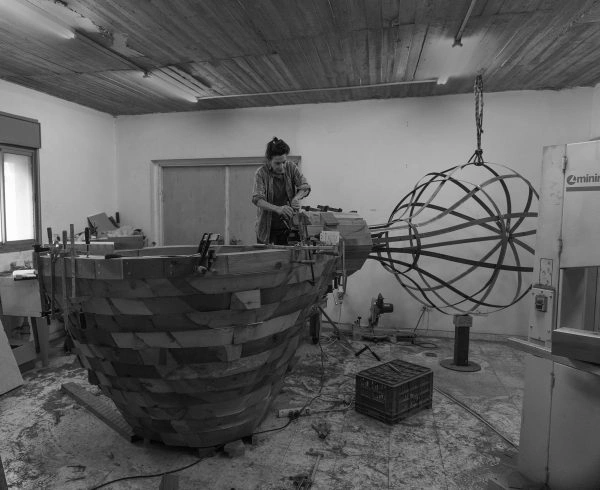
Rachel Rotenberg
Tekoa, Israel
My curiosity was peaked after seeing posts about the end of the last cycle. I am always looking for opportunities to increase my Jewish literacy & I am someone that is drawn to habit and consistency. Dinnertime includes a “Guess what I learned on the daf” segment for my husband and 18 year old twins. I also love the feelings of connection with my colleagues who are also learning.

Diana Bloom
Tampa, United States
While vacationing in San Diego, Rabbi Leah Herz asked if I’d be interested in being in hevruta with her to learn Daf Yomi through Hadran. Why not? I had loved learning Gemara in college in 1971 but hadn’t returned. With the onset of covid, Daf Yomi and Rabbanit Michelle centered me each day. Thank-you for helping me grow and enter this amazing world of learning.
Meryll Page
Minneapolis, MN, United States
I began to learn this cycle of Daf Yomi after my husband passed away 2 1/2 years ago. It seemed a good way to connect to him. Even though I don’t know whether he would have encouraged women learning Gemara, it would have opened wonderful conversations. It also gives me more depth for understanding my frum children and grandchildren. Thank you Hadran and Rabbanit Michelle Farber!!
Harriet Hartman
Tzur Hadassah, Israel
I started learning daf in January, 2020, being inspired by watching the Siyyum Hashas in Binyanei Haumah. I wasn’t sure I would be able to keep up with the task. When I went to school, Gemara was not an option. Fast forward to March, 2022, and each day starts with the daf. The challenge is now learning the intricacies of delving into the actual learning. Hadran community, thank you!
Rochel Cheifetz
Riverdale, NY, United States
“I got my job through the NY Times” was an ad campaign when I was growing up. I can headline “I got my daily Daf shiur and Hadran through the NY Times”. I read the January 4, 2020 feature on Reb. Michelle Farber and Hadran and I have been participating ever since. Thanks NY Times & Hadran!
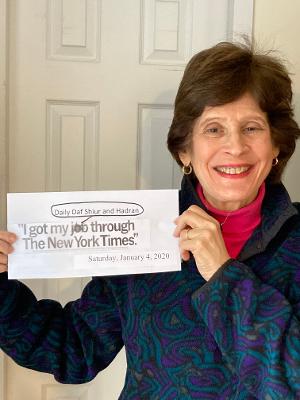
Deborah Aschheim
New York, United States
I started to listen to Michelle’s podcasts four years ago. The minute I started I was hooked. I’m so excited to learn the entire Talmud, and think I will continue always. I chose the quote “while a woman is engaged in conversation she also holds the spindle”. (Megillah 14b). It reminds me of all of the amazing women I learn with every day who multi-task, think ahead and accomplish so much.

Julie Mendelsohn
Zichron Yakov, Israel
I began Daf Yomi with the last cycle. I was inspired by the Hadran Siyum in Yerushalayim to continue with this cycle. I have learned Daf Yomi with Rabanit Michelle in over 25 countries on 6 continents ( missing Australia)

Barbara Goldschlag
Silver Spring, MD, United States
תמיד רציתי. למדתי גמרא בבית ספר בטורונטו קנדה. עליתי ארצה ולמדתי שזה לא מקובל. הופתעתי.
יצאתי לגימלאות לפני שנתיים וזה מאפשר את המחוייבות לדף יומי.
עבורי ההתמדה בלימוד מעגן אותי בקשר שלי ליהדות. אני תמיד מחפשת ותמיד. מוצאת מקור לקשר. ללימוד חדש ומחדש. קשר עם נשים לומדות מעמיק את החוויה ומשמעותית מאוד.
Vitti Kones
מיתר, ישראל
I started learning Gemara at the Yeshivah of Flatbush. And I resumed ‘ברוך ה decades later with Rabbanit Michele at Hadran. I started from Brachot and have had an exciting, rewarding experience throughout seder Moed!
Anne Mirsky
Maale Adumim, Israel
I tried Daf Yomi in the middle of the last cycle after realizing I could listen to Michelle’s shiurim online. It lasted all of 2 days! Then the new cycle started just days before my father’s first yahrzeit and my youngest daughter’s bat mitzvah. It seemed the right time for a new beginning. My family, friends, colleagues are immensely supportive!

Catriella Freedman
Zichron Yaakov, Israel
Margo
I started my Talmud journey in 7th grade at Akiba Jewish Day School in Chicago. I started my Daf Yomi journey after hearing Erica Brown speak at the Hadran Siyum about marking the passage of time through Daf Yomi.
Carolyn
I started my Talmud journey post-college in NY with a few classes. I started my Daf Yomi journey after the Hadran Siyum, which inspired both my son and myself.
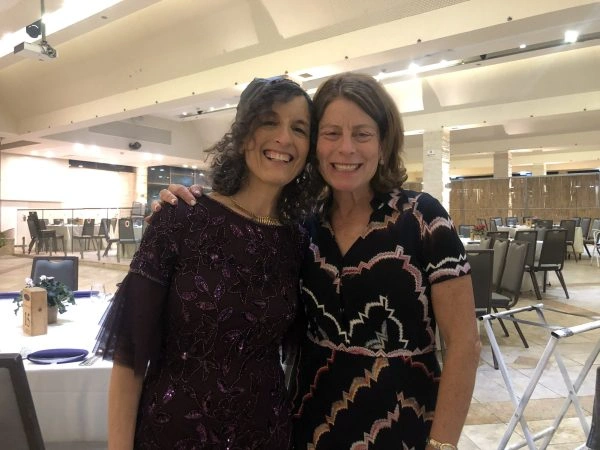
Carolyn Hochstadter and Margo Kossoff Shizgal
Merion Station, USA
Beit Shemesh, Israel
I started learning Daf Yomi in January 2020 after watching my grandfather, Mayer Penstein z”l, finish shas with the previous cycle. My grandfather made learning so much fun was so proud that his grandchildren wanted to join him. I was also inspired by Ilana Kurshan’s book, If All the Seas Were Ink. Two years in, I can say that it has enriched my life in so many ways.

Leeza Hirt Wilner
New York, United States
I’ve been studying Talmud since the ’90s, and decided to take on Daf Yomi two years ago. I wanted to attempt the challenge of a day-to-day, very Jewish activity. Some days are so interesting and some days are so boring. But I’m still here.

Wendy Rozov
Phoenix, AZ, United States
I had tried to start after being inspired by the hadran siyum, but did not manage to stick to it. However, just before masechet taanit, our rav wrote a message to the shul WhatsApp encouraging people to start with masechet taanit, so I did! And this time, I’m hooked! I listen to the shiur every day , and am also trying to improve my skills.
Laura Major
Yad Binyamin, Israel
In January 2020, my teaching partner at IDC suggested we do daf yomi. Thanks to her challenge, I started learning daily from Rabbanit Michelle. It’s a joy to be part of the Hadran community. (It’s also a tikkun: in 7th grade, my best friend and I tied for first place in a citywide gemara exam, but we weren’t invited to the celebration because girls weren’t supposed to be learning gemara).

Sara Averick
Jerusalem, Israel
Menachot 30
אֲבָל יְתֵרוֹת לֵית לַן בַּהּ.
But if there are extraneous letters, we have no problem with it, and one may erase them. This is the first halakha that Rav stated, which is refuted in a baraita.
אִידַּךְ, דְּאָמַר רַב: הַכּוֹתֵב סֵפֶר תּוֹרָה וּבָא לִגְמוֹר – גּוֹמֵר, וַאֲפִילּוּ בְּאֶמְצַע הַדַּף. מֵיתִיבִי: הַכּוֹתֵב סֵפֶר תּוֹרָה, בָּא לוֹ לִגְמוֹר – לֹא יִגְמוֹר בָּאֶמְצַע הַדַּף כְּדֶרֶךְ שֶׁגּוֹמֵר בַּחוּמָּשִׁין, אֶלָּא מְקַצֵּר וְהוֹלֵךְ עַד סוֹף הַדַּף! כִּי קָא אָמַר רַב – בְּחוּמָּשִׁין.
The other is that which Rav says: One who writes a Torah scroll and comes to finish writing it may finish writing it anywhere in the column, and this is the halakha even with regard to finishing it in the middle of the column. The Gemara raises an objection from a baraita: One who writes a Torah scroll and comes to finish writing it may not finish writing it in the middle of the column in the manner that one finishes writing one of the five books of the Torah written as an independent scroll. Rather, he should progressively shorten the width of the lines until he finishes the scroll at the end of the column. The Gemara answers: When Rav says that one may finish writing even in the middle of a column, he was referring to one of the five books of the Torah.
וְהָא סֵפֶר תּוֹרָה קָאָמַר? בְּחוּמָּשִׁין שֶׁל סֵפֶר תּוֹרָה. אִינִי? וְהָאָמַר רַבִּי יְהוֹשֻׁעַ בַּר אַבָּא אָמַר רַב גִּידֵּל אָמַר רַב: ״לְעֵינֵי כׇּל יִשְׂרָאֵל״ בְּאֶמְצַע הַדַּף? הָהִיא בְּאֶמְצַע שִׁיטָה אִיתְּמַר.
The Gemara asks: But doesn’t Rav say his statement with regard to a Torah scroll? The Gemara answers: He was referring to one of the five books that constitute a Torah scroll. Rav meant that when writing a Torah scroll, one may finish writing any of the first four books in the middle of a column. The Gemara asks: Is that so? But doesn’t Rabbi Yehoshua bar Abba say that Rav Giddel says that Rav says: The words: “In the sight of all Israel” (Deuteronomy 34:12), which conclude the Torah, may be written even in the middle of the column? The Gemara answers: That ruling that was stated is with regard to finishing the Torah scroll in the middle of the line, i.e., in the middle of the width of the column.
רַבָּנַן אָמְרִי: אַף בְּאֶמְצַע שִׁיטָה, רַב אָשֵׁי אָמַר: בְּאֶמְצַע שִׁיטָה דַּוְוקָא, וְהִלְכְתָא: בְּאֶמְצַע שִׁיטָה דַּוְוקָא.
The Gemara cites another opinion: The Rabbis say that one may finish writing a Torah scroll even in the middle of the line, but one may finish writing it at the end of the line as well. Rav Ashi says that one must finish writing the Torah scroll specifically in the middle of the line. And the halakha is that it must be ended specifically in the middle of the line.
אָמַר רַבִּי יְהוֹשֻׁעַ בַּר אַבָּא, אָמַר רַב גִּידֵּל, אָמַר רַב: שְׁמֹנָה פְּסוּקִים שֶׁבַּתּוֹרָה, יָחִיד קוֹרֵא אוֹתָן בְּבֵית הַכְּנֶסֶת. כְּמַאן? דְּלָא כְּרַבִּי שִׁמְעוֹן.
§ Rabbi Yehoshua bar Abba says that Rav Giddel says that Rav says: With regard to the last eight verses of the Torah (Deuteronomy 32:5–12), a single individual reads them in the synagogue, as that section may not be divided between two readers. The Gemara asks: In accordance with whose opinion is this said? It is not in accordance with the opinion of Rabbi Shimon.
דְּתַנְיָא: ״וַיָּמׇת שָׁם מֹשֶׁה עֶבֶד ה׳״, אֶפְשָׁר מֹשֶׁה חַי וְכָתַב ״וַיָּמׇת שָׁם מֹשֶׁה״? אֶלָּא עַד כָּאן כָּתַב מֹשֶׁה, מִכָּאן וְאֵילָךְ כָּתַב יְהוֹשֻׁעַ בִּן נוּן, דִּבְרֵי רַבִּי יְהוּדָה, וְאָמְרִי לַהּ רַבִּי נְחֶמְיָה.
As it is taught in a baraita: The verse states: “And Moses the servant of the Lord died there” (Deuteronomy 34:5). Is it possible that after Moses died, he himself wrote: “And Moses died there”? Rather, Moses wrote the entire Torah until this point, and Joshua bin Nun wrote from this point forward; this is the statement of Rabbi Yehuda. And some say that Rabbi Neḥemya stated this opinion.
אָמַר לוֹ רַבִּי שִׁמְעוֹן: אֶפְשָׁר סֵפֶר תּוֹרָה חָסֵר אוֹת אַחַת? וּכְתִיב ״לָקֹחַ אֵת סֵפֶר הַתּוֹרָה הַזֶּה וְשַׂמְתֶּם אֹתוֹ וְגוֹ׳״.
Rabbi Shimon said to him: Is it possible that the Torah scroll was missing a single letter? But it is written that God instructed Moses: “Take this Torah scroll and put it by the side of the Ark of the Covenant” (Deuteronomy 31:26), indicating that the Torah was complete as is and that nothing further would be added to it.
אֶלָּא, עַד כָּאן – הַקָּדוֹשׁ בָּרוּךְ הוּא אוֹמֵר וּמֹשֶׁה כּוֹתֵב וְאוֹמֵר, מִכָּאן וְאֵילָךְ – הַקָּדוֹשׁ בָּרוּךְ הוּא אוֹמֵר וּמֹשֶׁה כּוֹתֵב בְּדֶמַע, כְּמָה שֶׁנֶּאֱמַר לְהַלָּן: ״וַיֹּאמֶר לָהֶם בָּרוּךְ מִפִּיו יִקְרָא אֵלַי אֵת כׇּל הַדְּבָרִים הָאֵלֶּה וַאֲנִי כֹּתֵב עַל הַסֵּפֶר בַּדְּיוֹ״.
Rabbi Shimon explains: Rather, until this point, i.e., the verse describing the death of Moses, the Holy One, Blessed be He, dictated and Moses wrote the text and repeated after Him. From this point forward, with regard to Moses’ death, the Holy One, Blessed be He, dictated and Moses wrote with tears without repeating the words, due to his great sorrow. As it is stated there with regard to Jeremiah’s dictation of the prophecy of the destruction of the Temple to Baruch ben Neriah: “And Baruch said to them: He dictated all these words to me, and I wrote them with ink in the scroll” (Jeremiah 36:18), but he did not repeat the words after Jeremiah.
לֵימָא דְּלָא כְּרַבִּי שִׁמְעוֹן? אֲפִילּוּ תֵּימָא רַבִּי שִׁמְעוֹן, הוֹאִיל וְאִישְׁתַּנִּי – אִישְׁתַּנִּי.
The Gemara now states its inference: Shall we say that the ruling of Rav that the last verses of the Torah are read by only one reader is not in accordance with the opinion of Rabbi Shimon, since according to Rabbi Shimon these verses are similar to all other verses of the Torah, as they were all written by Moses? The Gemara answers: You may even say that Rav’s ruling was stated in accordance with the opinion of Rabbi Shimon; since they differ from the rest of the Torah in one way, as Moses wrote them without repeating the words, they differ from the rest of the Torah in this way as well, and they may not be divided between two readers.
וְאָמַר רַבִּי יְהוֹשֻׁעַ בַּר אַבָּא, אָמַר רַב גִּידֵּל, אָמַר רַב: הַלּוֹקֵחַ סֵפֶר תּוֹרָה מִן הַשּׁוּק – כְּחוֹטֵף מִצְוָה מִן הַשּׁוּק, כְּתָבוֹ – מַעֲלֶה עָלָיו הַכָּתוּב כְּאִילּוּ קִיבְּלוֹ מֵהַר סִינַי. אָמַר רַב שֵׁשֶׁת: אִם הִגִּיהַּ אֲפִילּוּ אוֹת אַחַת – מַעֲלֶה עָלָיו כְּאִילּוּ כְּתָבוֹ.
And Rabbi Yehoshua bar Abba says that Rav Giddel says that Rav says: One who purchases a Torah scroll in the marketplace is akin to one who snatches a mitzva in the marketplace, as the proper manner in which to perform the mitzva of writing a Torah scroll is to write one for himself. And if he himself writes a Torah scroll, the verse ascribes him credit as though he received it at Mount Sinai. Rav Sheshet says: If he emended even a single letter of the Torah scroll, thereby completing it, the verse ascribes him credit as though he had written it in its entirety.
(סִימָן סגל״ם) תָּנוּ רַבָּנַן: עוֹשֶׂה אָדָם יְרִיעָה מִבַּת שָׁלֹשׁ דַּפִּין וְעַד בַּת שְׁמֹנָה דַּפִּין, פָּחוֹת מִיכֵּן וְיָתֵר עַל כֵּן לֹא יַעֲשֶׂה.
§ Before continuing its discussion of the halakhot of writing a Torah scroll, the Gemara presents a mnemonic for the upcoming halakhot: Samekh, gimmel, lamed, mem. The Sages taught: A person may prepare for a Torah scroll a sheet of parchment of any size from three columns and until eight columns, but one may not prepare a sheet of parchment that has less than three or more than eight columns.
וְלֹא יַרְבֶּה בְּדַפִּין, מִפְּנֵי שֶׁנִּרְאֶה אִגֶּרֶת, וְלֹא יְמַעֵט בְּדַפִּין, מִפְּנֵי שֶׁעֵינָיו מְשׁוֹטְטוֹת, אֶלָּא כְּגוֹן ״לְמִשְׁפְּחוֹתֵיכֶם לְמִשְׁפְּחוֹתֵיכֶם לְמִשְׁפְּחוֹתֵיכֶם״ שָׁלֹשׁ פְּעָמִים.
And he may not increase the number of columns, e.g., by writing eight columns on a narrow sheet of parchment, since then each column has the appearance of a missive due to its narrow lines. And he may not decrease the number of columns, e.g., by writing three columns on a wide sheet of parchment, since then the lines will be so wide that the reader’s eyes will wander, as it will be difficult to find the beginning of a line. Rather, the ideal width of a line is, for example, where one can write “lemishpeḥoteikhem,” “lemishpeḥoteikhem,” “lemishpeḥoteikhem,” for a total of three times.
נִזְדַּמְּנָה לוֹ יְרִיעָה בַּת תֵּשַׁע דַּפִּים, לֹא יַחְלוֹק שָׁלֹשׁ לְכָאן וְשֵׁשׁ לְכָאן, אֶלָּא אַרְבַּע לְכָאן וְחָמֵשׁ לְכָאן.
If one happened to acquire a sheet of parchment that has space for nine columns, exceeding the eight-column limit, he should not divide it into two sheets of parchment with three columns here and six columns there; rather, he should divide it into two sheets of parchment with four columns here and five columns there, so that the two sheets will be similar in width.
בַּמֶּה דְּבָרִים אֲמוּרִים? בִּתְחִלַּת הַסֵּפֶר, אֲבָל בְּסוֹף הַסֵּפֶר – אֲפִילּוּ פָּסוּק אֶחָד וַאֲפִילּוּ דַּף אֶחָד. פָּסוּק אֶחָד סָלְקָא דַּעְתָּךְ? אֶלָּא אֵימָא: פָּסוּק אֶחָד בְּדַף אֶחָד.
In what case is this statement that the sheet must contain a minimum of three columns said? It is said with regard to sheets at the beginning and middle of the scroll. But at the end of the scroll, a sheet may consist of even one verse, and even one column. The Gemara asks: Can it enter your mind to say that a sheet may contain one verse? Rather, say that it may consist of even one verse on one column.
שִׁיעוּר גִּלָּיוֹן מִלְּמַטָּה – טֶפַח, מִלְּמַעְלָה – שָׁלֹשׁ אֶצְבָּעוֹת, וּבֵין דַּף לְדַף – כִּמְלֹא רֶיוַח רוֹחַב שְׁתֵּי אֶצְבָּעוֹת, וּבַחוּמָּשִׁין מִלְּמַטָּה – שָׁלֹשׁ אֶצְבָּעוֹת, מִלְּמַעְלָה – שְׁתֵּי אֶצְבָּעוֹת, וּבֵין דַּף לְדַף – כִּמְלֹא רֶיוַח רוֹחַב גּוּדָל.
The measure of the margin of a Torah scroll is as follows: The size of the lower margin is one handbreadth [tefaḥ]. There is a requirement for a large margin there, so that a reader not inadvertently rest his arm on the writing. The size of the upper margin, which is less susceptible to that occurrence, is three fingerbreadths [etzba’ot], and the space between each column is equal to the full width of two fingerbreadths. And with regard to one of the five books of the Torah that is written as an independent scroll, the size of the lower margin is three fingerbreadths, the size of the upper margin is two fingerbreadths, and the space between each column is equal to the full width of a thumb-breadth [gudal].
וּבֵין שִׁיטָה לְשִׁיטָה כִּמְלֹא שִׁיטָה, וּבֵין תֵּיבָה לְתֵיבָה כִּמְלֹא אוֹת קְטַנָּה, וּבֵין אוֹת לְאוֹת כִּמְלֹא חוּט הַשַּׂעֲרָה.
And the space between one line of a Torah scroll and the following line must be equal to the space of a full line, and the space between one word and the following word must be equal to a full small letter, and as for the space between one letter and the following letter, it is sufficient for it to be equal to a full hairbreadth.
אַל יְמַעֵט אָדָם אֶת הַכְּתָב, לֹא מִפְּנֵי רֶיוַח שֶׁל מַטָּה, וְלֹא מִפְּנֵי רֶיוַח שֶׁל מַעְלָה, וְלֹא מִפְּנֵי רֶיוַח שֶׁבֵּין שִׁיטָה לְשִׁיטָה, וְלֹא מִפְּנֵי רֶיוַח שֶׁבֵּין פָּרָשָׁה לְפָרָשָׁה.
The halakhot of the margins notwithstanding, a person may not reduce the size of the writing in a manner that the size of the writing is not consistent, not in order to ensure the correct amount of space for the lower margin, nor in order to ensure the correct amount of space for the upper margin, nor in order to ensure the correct amount of space between one line and the following line, nor in order to ensure the correct amount of space between one passage and the following passage, as this is not aesthetically pleasing.
נִזְדַּמְּנָה לוֹ תֵּיבָה בַּת חָמֵשׁ אוֹתִיּוֹת – לֹא יִכְתּוֹב שְׁתַּיִם בְּתוֹךְ הַדַּף וְשָׁלֹשׁ חוּץ לַדַּף,
If one happens upon a word that comprises five letters and cannot be written in its entirety within the column, he may not write two letters within the column and three outside of the column, in the margin.
אֶלָּא שָׁלֹשׁ בְּתוֹךְ הַדַּף וּשְׁתַּיִם חוּץ לַדַּף. נִזְדַּמְּנָה לוֹ תֵּיבָה בַּת שְׁתֵּי אוֹתִיּוֹת – לֹא יִזְרְקֶנָּה לְבֵין הַדַּפִּין, אֶלָּא חוֹזֵר וְכוֹתֵב בִּתְחִילַּת הַשִּׁיטָה.
Rather, he should write three letters in the column and two outside of the column. If he happens upon a word that comprises two letters and cannot be written in its entirety within the column, he may not cast it in the margin between the two columns; rather, he should return and write the word at the beginning of the following line.
הַטּוֹעֶה בַּשֵּׁם, גּוֹרֵר אֶת מַה שֶּׁכָּתַב, וְתוֹלֶה אֶת מַה שֶּׁגָּרַר, וְכוֹתֵב אֶת הַשֵּׁם עַל מְקוֹם הַגְּרָר, דִּבְרֵי רַבִּי יְהוּדָה. רַבִּי יוֹסֵי אוֹמֵר: אַף תּוֹלִין אֶת הַשֵּׁם. רַבִּי יִצְחָק אוֹמֵר: אַף מוֹחֵק וְכוֹתֵב.
§ One who mistakenly omitted the name of God and wrote the next word before discovering his error should scrape off that which he wrote, and suspend the words that he scraped off above the line, and write the name of God upon the place that had been scraped; this is the statement of Rabbi Yehuda. Rabbi Yosei says: One may even suspend the name of God above the line, without scraping off the word that was written in its place. Rabbi Yitzḥak says: Not only may one scrape off the dry ink of the next word, but one may even wipe away the word while the ink is still wet and write the name of God in its place.
רַבִּי שִׁמְעוֹן שֵׁזוּרִי אוֹמֵר: כׇּל הַשֵּׁם כּוּלּוֹ תּוֹלִין, מִקְצָתוֹ אֵין תּוֹלִין. רַבִּי שִׁמְעוֹן בֶּן אֶלְעָזָר אוֹמֵר מִשּׁוּם רַבִּי מֵאִיר: אֵין כּוֹתְבִין אֶת הַשֵּׁם לֹא עַל מְקוֹם הַגְּרָר וְלֹא עַל מְקוֹם הַמְּחָק, וְאֵין תּוֹלִין אוֹתוֹ. כֵּיצַד עוֹשֶׂה? מְסַלֵּק אֶת הַיְרִיעָה כּוּלָּהּ וְגוֹנְזָהּ.
Rabbi Shimon Shezuri says: A scribe may suspend the entire name of God above the line, but he may not suspend part of the name of God above the line. Rabbi Shimon ben Elazar says in the name of Rabbi Meir: A scribe may not write the name of God either upon the place that had been scraped or upon the place that had been wiped away, and he may not suspend it above the line, as none of these options exhibit sufficient respect for the name of God. What should the scribe do? He should remove the entire sheet of parchment and inter it.
אִיתְּמַר: רַב חֲנַנְאֵל אָמַר רַב, הֲלָכָה: תּוֹלִין אֶת הַשֵּׁם. רַבָּה בַּר בַּר חָנָה אָמַר רַבִּי יִצְחָק בַּר שְׁמוּאֵל, הֲלָכָה: מוֹחֵק וְכוֹתֵב.
It was stated that the amora’im disagreed with regard to the final halakhic ruling: Rav Ḥananel says that Rav says: The halakha is that one suspends the name of God above the line. Rabba bar bar Ḥana says that Rabbi Yitzḥak bar Shmuel says: The halakha is that one may even wipe away the word while the ink is still wet and write the name of God in its place.
וְלֵימָא מָר הֲלָכָה כְּמָר, וּמָר הֲלָכָה כְּמָר, מִשּׁוּם דְּאָפְכִי לְהוּ.
The Gemara asks: And why is it necessary to state the actual opinions? Let this Sage, Rav Ḥananel in the name of Rav, say that the halakha is in accordance with the opinion of this Sage, Rabbi Yosei; and let this Sage, Rabba bar bar Ḥana in the name of Rabbi Yitzḥak bar Shmuel, say that the halakha is in accordance with the opinion of that Sage, Rabbi Yitzḥak. The Gemara answers: Since there are those who reverse the opinions of the tanna’im, they needed to state the opinions explicitly.
אָמַר רָבִין בַּר חִינָּנָא, אָמַר עוּלָּא, אָמַר רַבִּי חֲנִינָא: הֲלָכָה כְּרַבִּי שִׁמְעוֹן שֵׁזוּרִי, וְלֹא עוֹד, אֶלָּא כׇּל מָקוֹם שֶׁשָּׁנָה רַבִּי שִׁמְעוֹן שֵׁזוּרִי, הֲלָכָה כְּמוֹתוֹ.
Ravin bar Ḥinnana says that Ulla says that Rabbi Ḥanina says: The halakha is in accordance with the opinion of Rabbi Shimon Shezuri; and moreover, not only is the halakha in accordance with his opinion with regard to this matter, but in any place where Rabbi Shimon Shezuri taught a halakha, the halakha is in accordance with his opinion.
אַהֵיָיא? אִילֵּימָא אַהָא: רַבִּי שִׁמְעוֹן שֵׁזוּרִי אוֹמֵר כׇּל הַשֵּׁם כּוּלּוֹ תּוֹלִין, מִקְצָתוֹ אֵין תּוֹלִין – וְהָא אִיתְּמַר עֲלַהּ, אָמַר רַב חֲנַנְאֵל אָמַר רַב: הֲלָכָה תּוֹלִין אֶת הַשֵּׁם, וְרַבָּה בַּר בַּר חָנָה אָמַר רַב יִצְחָק בַּר שְׁמוּאֵל: הֲלָכָה מוֹחֵק וְכוֹתֵב.
The Gemara asks: To which statement of Rabbi Shimon Shezuri is this referring? If we say that it is referring to the statement here, where Rabbi Shimon Shezuri says: A scribe may suspend the entire name of God above the line, but he may not suspend part of the name of God above the line, that is difficult: But wasn’t it stated with regard to that baraita that Rav Ḥananel says that Rav says: The halakha is that one suspends the name of God above the line, and Rabba bar bar Ḥana says that Rabbi Yitzḥak bar Shmuel says: The halakha is that one may even wipe away the word while the ink is still wet and write the name of God in its place?
וְאִם אִיתַהּ, הוּא נָמֵי לֵימָא.
And if it is so that when Rabbi Ḥanina said that the halakha is in accordance with the opinion of Rabbi Shimon Shezuri he was referring to this matter, then let Ravin bar Ḥinnana also say along with those amora’im that the halakha is that one suspends the entire name of God above the line, but not a part of the name.
אֶלָּא אַהָא: רַבִּי שִׁמְעוֹן שֵׁזוּרִי אוֹמֵר אֲפִילּוּ בֶּן חָמֵשׁ שָׁנִים וְחוֹרֵשׁ בַּשָּׂדֶה – שְׁחִיטַת אִמּוֹ מְטַהַרְתּוֹ.
Rather, say that Rabbi Ḥanina’s statement that the halakha is in accordance with the opinion of Rabbi Shimon Shezuri was referring not to the discussion here, but was stated with regard to this mishna (Ḥullin 74b): Rabbi Shimon Shezuri says: If one ritually slaughtered a pregnant cow and the calf was then removed alive, the ritual slaughter of the mother is effective with regard to the calf as well. And even if the calf is five years old and plowing the field when one wants to eat it, the earlier slaughter of its mother renders it permitted, and it does not require ritual slaughter before it is eaten.
הָא אִיתְּמַר עֲלַהּ, זְעֵירִי אָמַר רַבִּי חֲנִינָא: הֲלָכָה כְּרַבִּי שִׁמְעוֹן שֵׁזוּרִי, וְאִם אִיתַהּ – הוּא נָמֵי לֵימָא.
The Gemara asks: But wasn’t it already stated with regard to that mishna that Ze’eiri says that Rabbi Ḥanina says: The halakha is in accordance with the opinion of Rabbi Shimon Shezuri? And if it is so that when Rabbi Ḥanina said that the halakha is in accordance with the opinion of Rabbi Shimon Shezuri he was referring to this matter, then let Ravin bar Ḥinnana also say along with Ze’eiri that the halakha is in accordance with the opinion of Rabbi Shimon Shezuri.
אֶלָּא אַהָא: בָּרִאשׁוֹנָה הָיוּ אוֹמְרִים הַיּוֹצֵא בְּקוֹלָר וְאָמַר ״כִּתְבוּ גֵּט לְאִשְׁתִּי״, הֲרֵי אֵלּוּ יִכְתְּבוּ וְיִתְּנוּ. חָזְרוּ לוֹמַר: אַף הַמְפָרֵשׁ וְהַיּוֹצֵא בִּשְׁיָירָא. רַבִּי שִׁמְעוֹן שֵׁזוּרִי אוֹמֵר: אַף הַמְסוּכָּן.
Rather, say that Rabbi Ḥanina’s statement was with regard to this mishna (Gittin 65b): Initially the Sages would say: With regard to one who was taken out in a collar [kolar] to be executed and said: Write a bill of divorce for my wife, these people should write and give her the document. Although he did not explicitly say the word give, this is understood to have been his intention, in order to release her from the obligation to perform levirate marriage or ḥalitza. They then said that this halakha applies even to one who sets sail and one who departs with a caravan to a distant place. A bill of divorce is given to his wife under these circumstances even if her husband said only: Write a bill of divorce for my wife. Rabbi Shimon Shezuri says: Even in the case of one who is dangerously ill who gives that instruction, they write the bill of divorce and give it to his wife.
אִי נָמֵי אַהָא: תְּרוּמַת מַעֲשֵׂר שֶׁל דְּמַאי שֶׁחָזְרָה לִמְקוֹמָהּ, רַבִּי שִׁמְעוֹן שֵׁזוּרִי אוֹמֵר: אַף בַּחוֹל שׁוֹאֲלוֹ וְאוֹכְלוֹ עַל פִּיו.
Alternatively, Rabbi Ḥanina’s statement was with regard to this halakha: In the case of teruma of the tithe of demai, which is separated from the produce received from an am ha’aretz, who is suspected of not separating tithes properly, that returned to its original place, i.e., it became mixed with the produce from which it had been separated, Rabbi Shimon Shezuri says: In this situation, not only did the Sages permit one to ask the am ha’aretz whether he had set aside his tithes in the proper manner and to rely on his response on Shabbat, a day when it is not permitted to separate tithes, but one may ask him and eat based on his statement even on a weekday.
וְהָא אִיתְּמַר עֲלַהּ, אָמַר רַבִּי יוֹחָנָן: הֲלָכָה כְּרַבִּי שִׁמְעוֹן שֵׁזוּרִי בִּמְסוּכָּן וּבִתְרוּמַת מַעֲשֵׂר שֶׁל דְּמַאי, וְאִם אִיתָא – הוּא נָמֵי לֵימָא.
The Gemara asks: But wasn’t it already stated with regard to those mishnayot that Rabbi Yoḥanan says: The halakha is in accordance with the opinion of Rabbi Shimon Shezuri in the case of one who is dangerously ill, and in the case of teruma of the tithe of demai? And if it is so that when Rabbi Ḥanina said that the halakha is in accordance with the opinion of Rabbi Shimon Shezuri he was referring to these mishnayot, then let Ravin bar Ḥinnana also say along with Rabbi Yoḥanan that the halakha is in accordance with the opinion of Rabbi Shimon Shezuri.
אֶלָּא אַהָא: רַבִּי יוֹסֵי בֶּן כִּיפָּר אוֹמֵר מִשּׁוּם רַבִּי שִׁמְעוֹן שֵׁזוּרִי: פּוֹל הַמִּצְרִי שֶׁזְּרָעוֹ לְזֶרַע, מִקְצָתוֹ הִשְׁרִישׁ לִפְנֵי רֹאשׁ הַשָּׁנָה וּמִקְצָתוֹ אַחַר רֹאשׁ הַשָּׁנָה – אֵין תּוֹרְמִין מִזֶּה עַל זֶה, לְפִי שֶׁאֵין תּוֹרְמִין וּמְעַשְּׂרִין לֹא מִן הֶחָדָשׁ עַל הַיָּשָׁן וְלֹא מִן הַיָּשָׁן עַל הֶחָדָשׁ.
Rather, say that Rabbi Ḥanina’s statement was made with regard to this halakha: Rabbi Yosei ben Keifar says in the name of Rabbi Shimon Shezuri: If one planted a cowpea plant for its seed, i.e., not to be eaten as a vegetable but for one to either eat or plant its seeds, and some of the plants took root before Rosh HaShana, while some of them took root only after Rosh HaShana, one may not separate teruma or tithes from this for that, as one may not separate teruma or tithes from the new crop for the old or from the old crop for the new.
כֵּיצַד יַעֲשֶׂה, צוֹבֵר גׇּרְנוֹ לְתוֹכוֹ, וְנִמְצָא תּוֹרֵם וּמְעַשֵּׂר מִן הֶחָדָשׁ שֶׁבּוֹ עַל הֶחָדָשׁ שֶׁבּוֹ, וּמִן הַיָּשָׁן שֶׁבּוֹ עַל הַיָּשָׁן שֶׁבּוֹ.
How, then, shall one act so that he not err and set aside teruma and tithes incorrectly? It is difficult to know when the plants took root. He shall pile the entire stock onto his threshing floor, into the middle of it, mix the stock together, and then separate teruma and tithes; and consequently it will turn out that he has separated teruma and tithes from the new crop in the mixture for the new crop in it, and from the old crop in the mixture for the old crop in it.
הָא אִיתְּמַר עֲלַהּ, אָמַר רַבִּי שְׁמוּאֵל בַּר נַחְמָנִי אָמַר רַבִּי יוֹחָנָן: הֲלָכָה כְּרַבִּי שִׁמְעוֹן שֵׁזוּרִי, וְאִם אִיתָא – הוּא נָמֵי לֵימָא.
The Gemara asks: Wasn’t it already stated with regard to that baraita that Rabbi Shmuel bar Naḥmani says that Rabbi Yoḥanan says: The halakha is in accordance with the opinion of Rabbi Shimon Shezuri? And if it is so that when Rabbi Ḥanina said that the halakha is in accordance with the opinion of Rabbi Shimon Shezuri he was referring to this baraita, then let Ravin bar Ḥinnana also say along with Rabbi Shmuel bar Naḥmani that the halakha is in accordance with the opinion of Rabbi Shimon Shezuri.
אֶלָּא אָמַר רַב פָּפָּא: אַשִּׁידָּה, רַב נַחְמָן בַּר יִצְחָק אָמַר: אַיַּיִן, רַב פָּפָּא אָמַר:
Rather, Rav Pappa said: Rabbi Ḥanina’s statement was with regard to a chest. Rav Naḥman bar Yitzḥak said that it was with regard to wine. The Gemara elaborates: Rav Pappa said
Follow

