








A story is told about the reward a man received for keeping the mitzva of tzitzit as it prevented him from sleeping with a prostitute. The gemara gets back to issues relating to meal offerings and sacrifices and discusses that if certain items are lacking, it doesn’t prevent the fulfillment of other items. The issue is also raised with regarding to tefillin (on the arm and on the head).
Menachot 44

September 23, 2018 | י״ד בתשרי תשע״ט
Share this shiur:
Want to dedicate learning? Get started here:
Menachot 44
זִיל טְפֵי.
is more lowly than a woman, and therefore it is appropriate to recite an additional blessing on not having been born a slave.
תָּנוּ רַבָּנַן: חִלָּזוֹן זֶה, גּוּפוֹ דּוֹמֶה לַיָּם, וּבְרִיָּיתוֹ דּוֹמָה לְדָג, וְעוֹלֶה אֶחָד לְשִׁבְעִים שָׁנָה, וּבְדָמוֹ צוֹבְעִין תְּכֵלֶת, לְפִיכָךְ דָּמָיו יְקָרִים.
§ The Sages taught: This ḥilazon, which is the source of the sky-blue dye used in ritual fringes, has the following characteristics: Its body resembles the sea, its form resembles that of a fish, it emerges once in seventy years, and with its blood one dyes wool sky-blue for ritual fringes. It is scarce, and therefore it is expensive.
תַּנְיָא, אָמַר רַבִּי נָתָן: אֵין לָךְ כׇּל מִצְוָה קַלָּה שֶׁכְּתוּבָה בְּתוֹרָה, שֶׁאֵין מַתַּן שְׂכָרָהּ בְּעוֹלָם הַזֶּה, וְלָעוֹלָם הַבָּא אֵינִי יוֹדֵעַ כַּמָּה. צֵא וּלְמַד מִמִּצְוַת צִיצִית.
It is taught in a baraita that Rabbi Natan says: There is no mitzva, however minor, that is written in the Torah, for which there is no reward given in this world; and in the World-to-Come I do not know how much reward is given. Go and learn from the following incident concerning the mitzva of ritual fringes.
מַעֲשֶׂה בְּאָדָם אֶחָד שֶׁהָיָה זָהִיר בְּמִצְוַת צִיצִית, שָׁמַע שֶׁיֵּשׁ זוֹנָה בִּכְרַכֵּי הַיָּם שֶׁנּוֹטֶלֶת אַרְבַּע מֵאוֹת זְהוּבִים בִּשְׂכָרָהּ, שִׁיגֵּר לָהּ אַרְבַּע מֵאוֹת זְהוּבִים וְקָבַע לָהּ זְמַן, כְּשֶׁהִגִּיעַ זְמַנּוֹ, בָּא וְיָשַׁב עַל הַפֶּתַח.
There was an incident involving a certain man who was diligent about the mitzva of ritual fringes. This man heard that there was a prostitute in one of the cities overseas who took four hundred gold coins as her payment. He sent her four hundred gold coins and fixed a time to meet with her. When his time came, he came and sat at the entrance to her house.
נִכְנְסָה שִׁפְחָתָהּ וְאָמְרָה לָהּ: אוֹתוֹ אָדָם שֶׁשִּׁיגֵּר לִיךְ אַרְבַּע מֵאוֹת זְהוּבִים בָּא וְיָשַׁב עַל הַפֶּתַח. אָמְרָה הִיא: יִכָּנֵס. נִכְנַס, הִצִּיעָה לוֹ שֶׁבַע מִטּוֹת, שֵׁשׁ שֶׁל כֶּסֶף וְאַחַת שֶׁל זָהָב, וּבֵין כׇּל אַחַת וְאַחַת סוּלָּם שֶׁל כֶּסֶף, וְעֶלְיוֹנָה שֶׁל זָהָב.
The maidservant of that prostitute entered and said to her: That man who sent you four hundred gold coins came and sat at the entrance. She said: Let him enter. He entered. She arranged seven beds for him, six of silver and one of gold. Between each and every one of them there was a ladder made of silver, and the top bed was the one that was made of gold.
עָלְתָה וְיָשְׁבָה עַל גַּבֵּי עֶלְיוֹנָה כְּשֶׁהִיא עֲרוּמָּה, וְאַף הוּא עָלָה לֵישֵׁב עָרוֹם כְּנֶגְדָּהּ, בָּאוּ אַרְבַּע צִיצִיּוֹתָיו וְטָפְחוּ לוֹ עַל פָּנָיו, נִשְׁמַט וְיָשַׁב לוֹ עַל גַּבֵּי קַרְקַע, וְאַף הִיא נִשְׁמְטָה וְיָשְׁבָה עַל גַּבֵּי קַרְקַע. אָמְרָה לוֹ: גַּפָּהּ שֶׁל רוֹמִי, שֶׁאֵינִי מַנִּיחָתְךָ עַד שֶׁתֹּאמַר לִי מָה מוּם רָאִיתָ בִּי.
She went up and sat naked on the top bed, and he too went up in order to sit naked facing her. In the meantime, his four ritual fringes came and slapped him on his face. He dropped down and sat himself on the ground, and she also dropped down and sat on the ground. She said to him: I take an oath by the gappa of Rome that I will not allow you to go until you tell me what defect you saw in me.
אָמַר לָהּ: הָעֲבוֹדָה, שֶׁלֹּא רָאִיתִי אִשָּׁה יָפֶה כְּמוֹתֵךְ, אֶלָּא מִצְוָה אַחַת צִיוָּנוּ ה׳ אֱלֹהֵינוּ וְצִיצִית שְׁמָהּ, וּכְתִיב בָּהּ: ״אֲנִי ה׳ אֱלֹהֵיכֶם״ שְׁתֵּי פְעָמִים – אֲנִי הוּא שֶׁעָתִיד לִיפָּרַע, וַאֲנִי הוּא שֶׁעָתִיד לְשַׁלֵּם שָׂכָר. עַכְשָׁיו נִדְמוּ עָלַי כְּאַרְבָּעָה עֵדִים.
He said to her: I take an oath by the Temple service that I never saw a woman as beautiful as you. But there is one mitzva that the Lord, our God, commanded us, and its name is ritual fringes, and in the passage where it is commanded, it is written twice: “I am the Lord your God” (Numbers 15:41). The doubling of this phrase indicates: I am the one who will punish those who transgress My mitzvot, and I am the one who will reward those who fulfill them. Now, said the man, the four sets of ritual fringes appeared to me as if they were four witnesses who will testify against me.
אָמְרָה לוֹ: אֵינִי (מניחך) [מַנִּיחָתְךָ] עַד שֶׁתֹּאמַר לִי מָה שִׁמְךָ, וּמָה שֵׁם עִירְךָ, וּמָה שֵׁם רַבְּךָ, וּמָה שֵׁם מִדְרָשְׁךָ שֶׁאַתָּה לָמֵד בּוֹ תּוֹרָה. כָּתַב וְנָתַן בְּיָדָהּ.
She said to him: I will not allow you to go until you tell me: What is your name, and what is the name of your city, and what is the name of your teacher, and what is the name of the study hall in which you studied Torah? He wrote the information and placed it in her hand.
עָמְדָה וְחִילְּקָהּ כׇּל נְכָסֶיהָ, שְׁלִישׁ לַמַּלְכוּת, וּשְׁלִישׁ לַעֲנִיִּים, וּשְׁלִישׁ נָטְלָה בְּיָדָהּ, חוּץ מֵאוֹתָן מַצָּעוֹת.
She arose and divided all of her property, giving one-third as a bribe to the government, one-third to the poor, and she took one-third with her in her possession, in addition to those beds of gold and silver.
וּבָאת לְבֵית מִדְרָשׁוֹ שֶׁל רַבִּי חִיָּיא. אָמְרָה לוֹ: רַבִּי, צַוֵּה עָלַי וְיַעֲשׂוּנִי גִּיּוֹרֶת. אָמַר לָהּ: בִּתִּי, שֶׁמָּא עֵינַיִךְ נָתַתְּ בְּאֶחָד מִן הַתַּלְמִידִים. הוֹצִיאָהּ כְּתָב מִיָּדָהּ וְנָתְנָה לוֹ. אָמַר לָהּ: לְכִי זְכִי בְּמִקָּחִךְ.
She came to the study hall of Rabbi Ḥiyya and said to him: My teacher, instruct your students concerning me and have them make me a convert. Rabbi Ḥiyya said to her: My daughter, perhaps you set your sights on one of the students and that is why you want to convert? She took the note the student had given her from her hand and gave it to Rabbi Ḥiyya. He said to her: Go take possession of your purchase.
אוֹתָן מַצָּעוֹת שֶׁהִצִּיעָה לוֹ בְּאִיסּוּר, הִצִּיעָה לוֹ בְּהֶיתֵּר. זֶה מַתַּן שְׂכָרוֹ בָּעוֹלָם הַזֶּה, וְלָעוֹלָם הַבָּא אֵינִי יוֹדֵעַ כַּמָּה.
Those beds that she had arranged for him in a prohibited fashion, she now arranged for him in a permitted fashion. The Gemara completes its point about the reward of mitzvot and points out how this story illustrates the concept: This is the reward given to him in this world, and with regard to the World-to-Come, I do not know how much reward he will be given.
אָמַר רַב יְהוּדָה: טַלִּית שְׁאוּלָה, כׇּל שְׁלֹשִׁים יוֹם פְּטוּרָה מִן הַצִּיצִית, מִיכָּן וְאֵילָךְ חַיֶּיבֶת.
§ Rav Yehuda says: In the case of a borrowed cloak, for the first thirty days it is exempt from ritual fringes; from then on it is obligated.
תַּנְיָא נָמֵי הָכִי: הַדָּר בְּפוּנְדְּקִי בְּאֶרֶץ יִשְׂרָאֵל, וְהַשּׂוֹכֵר בַּיִת בְּחוּץ לָאָרֶץ – כׇּל שְׁלֹשִׁים יוֹם פָּטוּר מִן הַמְּזוּזָה, מִיכָּן וְאֵילָךְ חַיָּיב. אֲבָל הַשּׂוֹכֵר בַּיִת בְּאֶרֶץ יִשְׂרָאֵל – עוֹשֶׂה מְזוּזָה לְאַלְתַּר, מִשּׁוּם יִישּׁוּב דְּאֶרֶץ יִשְׂרָאֵל.
The Gemara notes: That distinction is also taught in a baraita: In the case of one who resides in a guesthouse [pundaki] in Eretz Yisrael, or one who rents a house outside of Eretz Yisrael, for the first thirty days he is exempt from the mitzva of mezuza; from then on he is obligated. But one who rents a house in Eretz Yisrael must affix a mezuza immediately, due to the settlement of Eretz Yisrael.
תְּפִלָּה שֶׁל יָד אֵינָהּ מְעַכֶּבֶת. אָמַר רַב חִסְדָּא: לֹא שָׁנוּ אֶלָּא שֶׁיֵּשׁ לוֹ, אֲבָל אֵין לוֹ – מְעַכֶּבֶת.
§ The mishna teaches: Absence of the phylacteries of the arm does not prevent fulfillment of the mitzva of the phylacteries of the head, and absence of the phylacteries of the head does not prevent fulfillment of the mitzva of the phylacteries of the arm. Rav Ḥisda said: They taught this only in a case where one has the other phylacteries, but they are not with him or he is unable to wear them for some reason. But if he does not have the other phylacteries at all, then their absence does prevent the fulfillment of the mitzva to don the phylacteries that he has.
אָמְרוּ לוֹ: אָמַרְתָּ? אֲמַר לְהוּ: לָא, אֶלָּא מַאן דְּלֵית לֵיהּ תְּרֵי מִצְוֹת, חַד מִצְוָה נָמֵי לָא לֶיעְבֵּיד?! וּמֵעִיקָּרָא מַאי סְבַר? גְּזֵירָה שֶׁמָּא יִפְשַׁע.
Later on, the students said to him: Do you still say that? Rav Ḥisda said to them: No, rather I would say the opposite: Concerning one who does not have the ability to fulfill two mitzvot, should he also not perform the one mitzva that he does have the ability to fulfill? The Gemara asks: And what did he hold initially when he said not to don one of the phylacteries in the absence of the other? The Gemara answers: He held that it was due to a rabbinic decree, lest he be negligent and not try to acquire the phylacteries that he lacks.
אָמַר רַב שֵׁשֶׁת: כֹּל שֶׁאֵינוֹ מַנִּיחַ תְּפִילִּין עוֹבֵר בִּשְׁמוֹנָה עֲשֵׂה.
Rav Sheshet says: Anyone who does not don phylacteries violates eight positive mitzvot. This is referring to the mitzva to don phylacteries of the arm and head, each of which is mentioned in four different passages (Exodus 13:9; Exodus 13:16; Deuteronomy 6:8; Deuteronomy 11:18).
וְכֹל שֶׁאֵין לוֹ צִיצִית בְּבִגְדוֹ עוֹבֵר בַּחֲמִשָּׁה עֲשֵׂה.
And anyone who does not have ritual fringes on his garments violates five positive mitzvot. This is because the mitzva of ritual fringes is stated four times in the primary passage concerning ritual fringes in Numbers: “That they prepare for themselves strings…and they shall put on the fringe of the corner a sky-blue thread. And it shall be to you for a fringe that you may look upon it and remember all the commandments of the Lord” (Numbers 15:38–39). An additional command appears in the verse: “You shall prepare yourself twisted cords” (Deuteronomy 22:12).
וְכׇל כֹּהֵן שֶׁאֵינוֹ עוֹלֶה לַדּוּכָן, עוֹבֵר בִּשְׁלֹשָׁה עֲשֵׂה.
And any priest who does not ascend the platform to recite the Priestly Benediction violates three positive mitzvot expressed in the verses: “So you shall bless the children of Israel; you shall say to them” (Numbers 6:23), and: “And they shall put My name upon the children of Israel” (Numbers 6:27).
כֹּל שֶׁאֵין לוֹ מְזוּזָה בְּפִתְחוֹ עוֹבֵר בִּשְׁנֵי עֲשֵׂה, ״וּכְתַבְתָּם״ ״וּכְתַבְתָּם״.
Anyone who does not have a mezuza in his doorway violates two positive mitzvot, stated in the verses: “And you shall write them on the doorposts of your house” (Deuteronomy 6:9), and: “And you shall write them on the doorposts of your house” (Deuteronomy 11:20).
וְאָמַר רֵישׁ לָקִישׁ: כׇּל הַמַּנִּיחַ תְּפִילִּין מַאֲרִיךְ יָמִים, שֶׁנֶּאֱמַר:
And Reish Lakish says: Anyone who dons phylacteries lives a long life, as it is stated:
״ה׳ עֲלֵיהֶם יִחְיוּ וּלְכׇל בָּהֶן חַיֵּי רוּחִי וְתַחֲלִימֵנִי וְהַחֲיֵנִי״.
“The Lord is upon them, they will live, and altogether therein is the life of my spirit; and have me recover, and make me to live” (Isaiah 38:16). This is interpreted as referring to those who don phylacteries, which contain the name of the Lord, on their heads; as a result, they will live, be healed and merit long life.
מַתְנִי׳ הַסּוֹלֶת וְהַשֶּׁמֶן אֵין מְעַכְּבִין אֶת הַיַּיִן, וְלֹא הַיַּיִן מְעַכְּבָן. הַמַּתָּנוֹת שֶׁעַל הַמִּזְבֵּחַ הַחִיצוֹן אֵין מְעַכְּבוֹת זוֹ אֶת זוֹ.
MISHNA: The mishna returns to discussing the halakhot of meal offerings, which are the central theme of this tractate. The absence of the fine flour and the oil for the meal offering accompanying burnt offerings and peace offerings does not prevent libation of the wine, and the absence of the wine for libation does not prevent sacrifice of the flour and the oil. Failure to perform some of the placements of blood on the external altar does not prevent fulfillment of the mitzva with the other placements, as even if the priest performed only one placement of blood, the offering effects atonement after the fact.
גְּמָ׳ תָּנוּ רַבָּנַן: ״וּמִנְחָתָם וְנִסְכֵּיהֶם״ – הָבֵא מִנְחָה, וְאַחַר כָּךְ הָבֵא נְסָכִים. רַבִּי אוֹמֵר: ״זֶבַח וּנְסָכִים״ – הָבֵא זֶבַח, וְאַחַר כָּךְ הָבֵא נְסָכִים.
GEMARA: The Sages taught in a baraita: The verse concerning the additional offerings sacrificed on Sukkot and the Eighth Day of Assembly states: “And their meal offering and their libations for the bulls, for the rams and for the lambs” (Numbers 29:18). This indicates that after the animal is sacrificed, one must bring the meal offering and then bring the libations. Rabbi Yehuda HaNasi says that since the verse states: “To bring an offering made by fire to the Lord, a burnt offering, and a meal offering, an animal offering, and libations, each on its own day” (Leviticus 23:37), one must bring the animal offering and then bring the libations, and only then bring the meal offering.
וְרַבִּי נָמֵי הָכְתִיב ״וּמִנְחָתָם וְנִסְכֵּיהֶם״? הָהוּא מִיבְּעֵי לְ״מִנְחָתָם וְנִסְכֵּיהֶם״ בַּלַּיְלָה, וּ״מִנְחָתָם וְנִסְכֵּיהֶם״ אֲפִילּוּ לְמָחָר.
The Gemara asks: But according to Rabbi Yehuda HaNasi also, isn’t it written: “And their meal offering and their libations,” indicating that the meal offering precedes the libations? The Gemara answers: That verse is necessary in order to teach that once the animals have been sacrificed during the day, their meal offering and their libations may be offered even at night, and similarly, their meal offering and their libations may be offered even the next day.
וְרַבָּנַן נָמֵי, הָכְתִיב ״זֶבַח וּנְסָכִים״? הָהוּא מִיבְּעֵי לֵיהּ לִכְדִזְעֵירִי, דְּאָמַר זְעֵירִי: אֵין נְסָכִים מִתְקַדְּשִׁין אֶלָּא בִּשְׁחִיטַת הַזֶּבַח.
The Gemara asks: But according to the Rabbis also, isn’t it written: “An animal offering, and libations,” indicating that the libations immediately follow the animal offering and precede the meal offering? The Gemara answers: That verse is necessary to teach that the halakha is in accordance with the statement of Ze’eiri, as Ze’eiri says: The libations that accompany animal offerings are consecrated only through the slaughter of the animal offering. This means that once the animal is slaughtered, the libations that were set aside to be brought with that animal offering cannot be diverted to accompany a different animal offering.
וְרַבִּי נָמֵי מִיבְּעֵי לֵיהּ לִכְדִזְעֵירִי, וְרַבָּנַן נָמֵי מִיבְּעֵי לְהוּ לְ״מִנְחָתָם וְנִסְכֵּיהֶם״ בַּלַּיְלָה, וּ״מִנְחָתָם וְנִסְכֵּיהֶם״ אֲפִילּוּ לְמָחָר!
The Gemara points out that both opinions remain difficult: But Rabbi Yehuda HaNasi should also require the phrase “an animal offering, and libations” to teach that the halakha is in accordance with the statement of Ze’eiri. And the Rabbis should also require the phrase “and their meal offering and their libations” to indicate that their meal offering and their libations may be offered even at night, and their meal offering and their libations may be offered even the next day.
אֶלָּא, הַיְינוּ טַעְמַיְיהוּ דְּרַבָּנַן, דִּכְתִיב ״עֹלָה וּמִנְחָה״, וְרַבִּי נָמֵי הָכְתִיב ״עֹלָה וּמִנְחָה״?
The Gemara offers a different explanation of the dispute in the baraita: Rather, this is the reasoning of the Rabbis, as it is written in the verse: “To bring an offering made by fire to the Lord, a burnt offering, and a meal offering, an animal offering, and libations, each on its own day.” The Rabbis derive from this that the meal offering should be offered immediately following the animal burnt offering. The Gemara asks: But according to Rabbi Yehuda HaNasi also, isn’t it written: “A burnt offering, and a meal offering”?
אֶלָּא, בְּבָאִים עִם הַזֶּבַח דְּכוּלֵּי עָלְמָא לָא פְּלִיגִי דְּמִנְחָה וְאַחַר כָּךְ נְסָכִים, דְּהָכְתִיב ״עֹלָה וּמִנְחָה״. כִּי פְּלִיגִי בְּבָאִין בִּפְנֵי עַצְמָן, רַבָּנַן סָבְרִי: מִדְּבָאִין עִם הַזֶּבַח – מִנְחָה וְאַחַר כָּךְ נְסָכִים, בִּפְנֵי עַצְמָן נָמֵי – מִנְחָה וְאַחַר כָּךְ נְסָכִים.
Rather, with regard to libations that accompany an animal offering, everyone agrees that the meal offering should be brought and afterward the libations should be brought, as it is written: “A burnt offering, and a meal offering.” When they disagree it is with regard to meal offerings and libations that are brought by themselves. The Rabbis hold that from the fact that when meal offerings and libations accompany offerings, the meal offerings are brought and then the libations are brought, it can be derived that when they are brought by themselves also, first the meal offering is brought and then the libations are brought.
וְרַבִּי, הָתָם הוּא דְּאַיְּידֵי דְּאַתְחֵיל בַּאֲכִילָה, גָּמַר לַהּ לְכוֹלָּא מִילְּתָא דַּאֲכִילָה, אֲבָל בִּפְנֵי עַצְמָן – נְסָכִים עֲדִיפִי, הוֹאִיל דְּמִיתְאַמְרָא שִׁירָה עֲלַיְיהוּ.
And Rabbi Yehuda HaNasi holds that it is specifically there, in the case of meal offerings and libations that accompany an animal offering, that the meal offering is burned on the altar before the wine libation is poured on the altar. This is because since the altar has started to eat, i.e., consume, the animal offering, one must first complete the entire matter of the altar’s eating, including the meal offering. The pouring of the wine on the altar is likened more to drinking than to eating. But when the meal offering and the libations are brought by themselves, the libations are considered preferable, because the song of the Levites is recited over them. Consequently, the pouring of the libations precedes the burning of the meal offering on the altar.
הַמַּתָּנוֹת שֶׁעַל מִזְבֵּחַ הַחִיצוֹן אֵין מְעַכְּבוֹת זוֹ אֶת זוֹ.
§ The mishna teaches: Failure to perform some of the placements of blood on the external altar does not prevent fulfillment of the mitzva with the other placements, as even if the priest performed only one placement, the offering effects atonement after the fact.
תָּנוּ רַבָּנַן: מִנַּיִן לְכׇל הַנִּיתָּנִין עַל מִזְבֵּחַ הַחִיצוֹן שֶׁנְּתָנָן בְּמַתָּנָה אַחַת שֶׁכִּיפֵּר? שֶׁנֶּאֱמַר: ״וְדַם זְבָחֶיךָ יִשָּׁפֵךְ עַל מִזְבַּח ה׳ אֱלֹהֶיךָ״.
Apropos this statement, the Sages taught in a baraita: From where is it derived with regard to all offerings whose blood is to be placed on the external altar that if one placed their blood with one act of placement, as opposed to the two or four that are required depending upon the offering, that the offering has nevertheless effected atonement after the fact, i.e., one has fulfilled his obligation to bring the offering? As it is stated: “And the blood of your offerings shall be poured out against the altar of the Lord your God” (Deuteronomy 12:27).
מַתְנִי׳ הַפָּרִים וְהָאֵילִים וְהַכְּבָשִׂים וְהַשְּׂעִירִים – אֵינָן מְעַכְּבִין זֶה אֶת זֶה. רַבִּי שִׁמְעוֹן אוֹמֵר: אִם הָיוּ לָהֶם פָּרִים מְרוּבִּים, וְלֹא הָיוּ לָהֶם נְסָכִים – יָבִיא פַּר אֶחָד וּנְסָכִים, וְלֹא יַקְרִיבוּ כּוּלָּם בְּלֹא נְסָכִים.
MISHNA: Failure to sacrifice one of the bulls, the rams, the sheep, or the goats of the additional offerings brought on Festivals does not prevent the sacrifice of the others. Rabbi Shimon says: If the Temple treasurers had sufficient funds for the numerous bulls that are required to be sacrificed on that day but they did not also have sufficient funds for the accompanying libations, they should rather bring one bull and its libations, and they should not sacrifice all of them without libations.
גְּמָ׳ הָנֵי פָּרִים וּכְבָשִׂים דְּהֵיכָא? אִילֵּימָא דְּחַג – ״כַּמִּשְׁפָּט״, ״כְּמִשְׁפָּטָם״ כְּתִיב בְּהוּ!
GEMARA: The Gemara asks: With regard to these bulls, rams, and sheep mentioned in the mishna, on which festival are they offered? If we say that these are the offerings of the festival of Sukkot, this is difficult: It is written with regard to those days that their offerings must be brought: “According to the ordinance” (see, e.g., Numbers 29:18), and: “According to their ordinance” (Numbers 29:33). This indicates that no deviation from the Torah’s prescription is possible.
אֶלָּא דְּרֹאשׁ חֹדֶשׁ וַעֲצֶרֶת דְּחוֹמֶשׁ הַפְּקוּדִים.
Rather, the mishna must be referring to the two bulls, one ram, and seven sheep of the New Moon and Shavuot, as mentioned in the book of Numbers (28:11, 27).
Follow 
New to Talmud?
Check out our resources designed to help you navigate a page of Talmud – and study at the pace, level and style that fits you.
The Hadran Women’s Tapestry
Meet the diverse women learning Gemara at Hadran and hear their stories.
I have joined the community of daf yomi learners at the start of this cycle. I have studied in different ways – by reading the page, translating the page, attending a local shiur and listening to Rabbanit Farber’s podcasts, depending on circumstances and where I was at the time. The reactions have been positive throughout – with no exception!

Silke Goldberg
Guildford, United Kingdom
The first month I learned Daf Yomi by myself in secret, because I wasn’t sure how my husband would react, but after the siyyum on Masechet Brachot I discovered Hadran and now sometimes my husband listens to the daf with me. He and I also learn mishnayot together and are constantly finding connections between the different masechtot.

Laura Warshawsky
Silver Spring, Maryland, United States
I tried Daf Yomi in the middle of the last cycle after realizing I could listen to Michelle’s shiurim online. It lasted all of 2 days! Then the new cycle started just days before my father’s first yahrzeit and my youngest daughter’s bat mitzvah. It seemed the right time for a new beginning. My family, friends, colleagues are immensely supportive!

Catriella Freedman
Zichron Yaakov, Israel
I started the daf at the beginning of this cycle in January 2020. My husband, my children, grandchildren and siblings have been very supportive. As someone who learned and taught Tanach and mefarshim for many years, it has been an amazing adventure to complete the six sedarim of Mishnah, and now to study Talmud on a daily basis along with Rabbanit Michelle and the wonderful women of Hadran.

Rookie Billet
Jerusalem, Israel
I graduated college in December 2019 and received a set of shas as a present from my husband. With my long time dream of learning daf yomi, I had no idea that a new cycle was beginning just one month later, in January 2020. I have been learning the daf ever since with Michelle Farber… Through grad school, my first job, my first baby, and all the other incredible journeys over the past few years!

Sigal Spitzer Flamholz
Bronx, United States
I was inspired to start learning after attending the 2020 siyum in Binyanei Hauma. It has been a great experience for me. It’s amazing to see the origins of stories I’ve heard and rituals I’ve participated in my whole life. Even when I don’t understand the daf itself, I believe that the commitment to learning every day is valuable and has multiple benefits. And there will be another daf tomorrow!

Khaya Eisenberg
Jerusalem, Israel
I’ve been wanting to do Daf Yomi for years, but always wanted to start at the beginning and not in the middle of things. When the opportunity came in 2020, I decided: “this is now the time!” I’ve been posting my journey daily on social media, tracking my progress (#DafYomi); now it’s fully integrated into my daily routines. I’ve also inspired my partner to join, too!

Joséphine Altzman
Teaneck, United States
When the new cycle began, I thought, If not now, when? I’d just turned 72. I feel like a tourist on a tour bus passing astonishing scenery each day. Rabbanit Michelle is my beloved tour guide. When the cycle ends, I’ll be 80. I pray that I’ll have strength and mind to continue the journey to glimpse a little more. My grandchildren think having a daf-learning savta is cool!

Wendy Dickstein
Jerusalem, Israel
The start of my journey is not so exceptional. I was between jobs and wanted to be sure to get out every day (this was before corona). Well, I was hooked after about a month and from then on only looked for work-from-home jobs so I could continue learning the Daf. Daf has been a constant in my life, though hurricanes, death, illness/injury, weddings. My new friends are Rav, Shmuel, Ruth, Joanna.

Judi Felber
Raanana, Israel
With Rabbanit Dr. Naomi Cohen in the Women’s Talmud class, over 30 years ago. It was a “known” class and it was accepted, because of who taught. Since then I have also studied with Avigail Gross-Gelman and Dr. Gabriel Hazut for about a year). Years ago, in a shiur in my shul, I did know about Persians doing 3 things with their clothes on. They opened the shiur to woman after that!

Sharon Mink
Haifa, Israel
See video

Susan Fisher
Raanana, Israel
My family recently made Aliyah, because we believe the next chapter in the story of the Jewish people is being written here, and we want to be a part of it. Daf Yomi, on the other hand, connects me BACK, to those who wrote earlier chapters thousands of years ago. So, I feel like I’m living in the middle of this epic story. I’m learning how it all began, and looking ahead to see where it goes!

Tina Lamm
Jerusalem, Israel
In July, 2012 I wrote for Tablet about the first all women’s siyum at Matan in Jerusalem, with 100 women. At the time, I thought, I would like to start with the next cycle – listening to a podcast at different times of day makes it possible. It is incredible that after 10 years, so many women are so engaged!

Beth Kissileff
Pittsburgh, United States
I learned Talmud as a student in Yeshivat Ramaz and felt at the time that Talmud wasn’t for me. After reading Ilana Kurshan’s book I was intrigued and after watching the great siyum in Yerushalayim it ignited the spark to begin this journey. It has been a transformative life experience for me as a wife, mother, Savta and member of Klal Yisrael.

Elana Storch
Phoenix, Arizona, United States
I started at the beginning of this cycle. No 1 reason, but here’s 5.
In 2019 I read about the upcoming siyum hashas.
There was a sermon at shul about how anyone can learn Talmud.
Talmud references come up when I am studying. I wanted to know more.
Yentl was on telly. Not a great movie but it’s about studying Talmud.
I went to the Hadran website: A new cycle is starting. I’m gonna do this

Denise Neapolitan
Cambridge, United Kingdom
In January 2020 on a Shabbaton to Baltimore I heard about the new cycle of Daf Yomi after the siyum celebration in NYC stadium. I started to read “ a daily dose of Talmud “ and really enjoyed it . It led me to google “ do Orthodox women study Talmud? “ and found HADRAN! Since then I listen to the podcast every morning, participate in classes and siyum. I love to learn, this is amazing! Thank you

Sandrine Simons
Atlanta, United States
When we heard that R. Michelle was starting daf yomi, my 11-year-old suggested that I go. Little did she know that she would lose me every morning from then on. I remember standing at the Farbers’ door, almost too shy to enter. After that first class, I said that I would come the next day but couldn’t commit to more. A decade later, I still look forward to learning from R. Michelle every morning.

Ruth Leah Kahan
Ra’anana, Israel
I tried Daf Yomi in the middle of the last cycle after realizing I could listen to Michelle’s shiurim online. It lasted all of 2 days! Then the new cycle started just days before my father’s first yahrzeit and my youngest daughter’s bat mitzvah. It seemed the right time for a new beginning. My family, friends, colleagues are immensely supportive!
Catriella Freedman
Zichron Yaakov, Israel
I decided to learn one masechet, Brachot, but quickly fell in love and never stopped! It has been great, everyone is always asking how it’s going and chering me on, and my students are always making sure I did the day’s daf.

Yafit Fishbach
Memphis, Tennessee, United States
As Jewish educator and as a woman, I’m mindful that Talmud has been kept from women for many centuries. Now that we are privileged to learn, and learning is so accessible, it’s my intent to complete Daf Yomi. I am so excited to keep learning with my Hadran community.
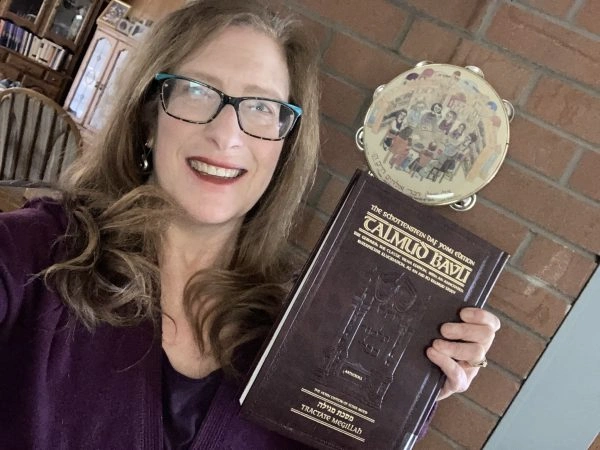
Sue Parker Gerson
Denver, United States
Menachot 44
זִיל טְפֵי.
is more lowly than a woman, and therefore it is appropriate to recite an additional blessing on not having been born a slave.
תָּנוּ רַבָּנַן: חִלָּזוֹן זֶה, גּוּפוֹ דּוֹמֶה לַיָּם, וּבְרִיָּיתוֹ דּוֹמָה לְדָג, וְעוֹלֶה אֶחָד לְשִׁבְעִים שָׁנָה, וּבְדָמוֹ צוֹבְעִין תְּכֵלֶת, לְפִיכָךְ דָּמָיו יְקָרִים.
§ The Sages taught: This ḥilazon, which is the source of the sky-blue dye used in ritual fringes, has the following characteristics: Its body resembles the sea, its form resembles that of a fish, it emerges once in seventy years, and with its blood one dyes wool sky-blue for ritual fringes. It is scarce, and therefore it is expensive.
תַּנְיָא, אָמַר רַבִּי נָתָן: אֵין לָךְ כׇּל מִצְוָה קַלָּה שֶׁכְּתוּבָה בְּתוֹרָה, שֶׁאֵין מַתַּן שְׂכָרָהּ בְּעוֹלָם הַזֶּה, וְלָעוֹלָם הַבָּא אֵינִי יוֹדֵעַ כַּמָּה. צֵא וּלְמַד מִמִּצְוַת צִיצִית.
It is taught in a baraita that Rabbi Natan says: There is no mitzva, however minor, that is written in the Torah, for which there is no reward given in this world; and in the World-to-Come I do not know how much reward is given. Go and learn from the following incident concerning the mitzva of ritual fringes.
מַעֲשֶׂה בְּאָדָם אֶחָד שֶׁהָיָה זָהִיר בְּמִצְוַת צִיצִית, שָׁמַע שֶׁיֵּשׁ זוֹנָה בִּכְרַכֵּי הַיָּם שֶׁנּוֹטֶלֶת אַרְבַּע מֵאוֹת זְהוּבִים בִּשְׂכָרָהּ, שִׁיגֵּר לָהּ אַרְבַּע מֵאוֹת זְהוּבִים וְקָבַע לָהּ זְמַן, כְּשֶׁהִגִּיעַ זְמַנּוֹ, בָּא וְיָשַׁב עַל הַפֶּתַח.
There was an incident involving a certain man who was diligent about the mitzva of ritual fringes. This man heard that there was a prostitute in one of the cities overseas who took four hundred gold coins as her payment. He sent her four hundred gold coins and fixed a time to meet with her. When his time came, he came and sat at the entrance to her house.
נִכְנְסָה שִׁפְחָתָהּ וְאָמְרָה לָהּ: אוֹתוֹ אָדָם שֶׁשִּׁיגֵּר לִיךְ אַרְבַּע מֵאוֹת זְהוּבִים בָּא וְיָשַׁב עַל הַפֶּתַח. אָמְרָה הִיא: יִכָּנֵס. נִכְנַס, הִצִּיעָה לוֹ שֶׁבַע מִטּוֹת, שֵׁשׁ שֶׁל כֶּסֶף וְאַחַת שֶׁל זָהָב, וּבֵין כׇּל אַחַת וְאַחַת סוּלָּם שֶׁל כֶּסֶף, וְעֶלְיוֹנָה שֶׁל זָהָב.
The maidservant of that prostitute entered and said to her: That man who sent you four hundred gold coins came and sat at the entrance. She said: Let him enter. He entered. She arranged seven beds for him, six of silver and one of gold. Between each and every one of them there was a ladder made of silver, and the top bed was the one that was made of gold.
עָלְתָה וְיָשְׁבָה עַל גַּבֵּי עֶלְיוֹנָה כְּשֶׁהִיא עֲרוּמָּה, וְאַף הוּא עָלָה לֵישֵׁב עָרוֹם כְּנֶגְדָּהּ, בָּאוּ אַרְבַּע צִיצִיּוֹתָיו וְטָפְחוּ לוֹ עַל פָּנָיו, נִשְׁמַט וְיָשַׁב לוֹ עַל גַּבֵּי קַרְקַע, וְאַף הִיא נִשְׁמְטָה וְיָשְׁבָה עַל גַּבֵּי קַרְקַע. אָמְרָה לוֹ: גַּפָּהּ שֶׁל רוֹמִי, שֶׁאֵינִי מַנִּיחָתְךָ עַד שֶׁתֹּאמַר לִי מָה מוּם רָאִיתָ בִּי.
She went up and sat naked on the top bed, and he too went up in order to sit naked facing her. In the meantime, his four ritual fringes came and slapped him on his face. He dropped down and sat himself on the ground, and she also dropped down and sat on the ground. She said to him: I take an oath by the gappa of Rome that I will not allow you to go until you tell me what defect you saw in me.
אָמַר לָהּ: הָעֲבוֹדָה, שֶׁלֹּא רָאִיתִי אִשָּׁה יָפֶה כְּמוֹתֵךְ, אֶלָּא מִצְוָה אַחַת צִיוָּנוּ ה׳ אֱלֹהֵינוּ וְצִיצִית שְׁמָהּ, וּכְתִיב בָּהּ: ״אֲנִי ה׳ אֱלֹהֵיכֶם״ שְׁתֵּי פְעָמִים – אֲנִי הוּא שֶׁעָתִיד לִיפָּרַע, וַאֲנִי הוּא שֶׁעָתִיד לְשַׁלֵּם שָׂכָר. עַכְשָׁיו נִדְמוּ עָלַי כְּאַרְבָּעָה עֵדִים.
He said to her: I take an oath by the Temple service that I never saw a woman as beautiful as you. But there is one mitzva that the Lord, our God, commanded us, and its name is ritual fringes, and in the passage where it is commanded, it is written twice: “I am the Lord your God” (Numbers 15:41). The doubling of this phrase indicates: I am the one who will punish those who transgress My mitzvot, and I am the one who will reward those who fulfill them. Now, said the man, the four sets of ritual fringes appeared to me as if they were four witnesses who will testify against me.
אָמְרָה לוֹ: אֵינִי (מניחך) [מַנִּיחָתְךָ] עַד שֶׁתֹּאמַר לִי מָה שִׁמְךָ, וּמָה שֵׁם עִירְךָ, וּמָה שֵׁם רַבְּךָ, וּמָה שֵׁם מִדְרָשְׁךָ שֶׁאַתָּה לָמֵד בּוֹ תּוֹרָה. כָּתַב וְנָתַן בְּיָדָהּ.
She said to him: I will not allow you to go until you tell me: What is your name, and what is the name of your city, and what is the name of your teacher, and what is the name of the study hall in which you studied Torah? He wrote the information and placed it in her hand.
עָמְדָה וְחִילְּקָהּ כׇּל נְכָסֶיהָ, שְׁלִישׁ לַמַּלְכוּת, וּשְׁלִישׁ לַעֲנִיִּים, וּשְׁלִישׁ נָטְלָה בְּיָדָהּ, חוּץ מֵאוֹתָן מַצָּעוֹת.
She arose and divided all of her property, giving one-third as a bribe to the government, one-third to the poor, and she took one-third with her in her possession, in addition to those beds of gold and silver.
וּבָאת לְבֵית מִדְרָשׁוֹ שֶׁל רַבִּי חִיָּיא. אָמְרָה לוֹ: רַבִּי, צַוֵּה עָלַי וְיַעֲשׂוּנִי גִּיּוֹרֶת. אָמַר לָהּ: בִּתִּי, שֶׁמָּא עֵינַיִךְ נָתַתְּ בְּאֶחָד מִן הַתַּלְמִידִים. הוֹצִיאָהּ כְּתָב מִיָּדָהּ וְנָתְנָה לוֹ. אָמַר לָהּ: לְכִי זְכִי בְּמִקָּחִךְ.
She came to the study hall of Rabbi Ḥiyya and said to him: My teacher, instruct your students concerning me and have them make me a convert. Rabbi Ḥiyya said to her: My daughter, perhaps you set your sights on one of the students and that is why you want to convert? She took the note the student had given her from her hand and gave it to Rabbi Ḥiyya. He said to her: Go take possession of your purchase.
אוֹתָן מַצָּעוֹת שֶׁהִצִּיעָה לוֹ בְּאִיסּוּר, הִצִּיעָה לוֹ בְּהֶיתֵּר. זֶה מַתַּן שְׂכָרוֹ בָּעוֹלָם הַזֶּה, וְלָעוֹלָם הַבָּא אֵינִי יוֹדֵעַ כַּמָּה.
Those beds that she had arranged for him in a prohibited fashion, she now arranged for him in a permitted fashion. The Gemara completes its point about the reward of mitzvot and points out how this story illustrates the concept: This is the reward given to him in this world, and with regard to the World-to-Come, I do not know how much reward he will be given.
אָמַר רַב יְהוּדָה: טַלִּית שְׁאוּלָה, כׇּל שְׁלֹשִׁים יוֹם פְּטוּרָה מִן הַצִּיצִית, מִיכָּן וְאֵילָךְ חַיֶּיבֶת.
§ Rav Yehuda says: In the case of a borrowed cloak, for the first thirty days it is exempt from ritual fringes; from then on it is obligated.
תַּנְיָא נָמֵי הָכִי: הַדָּר בְּפוּנְדְּקִי בְּאֶרֶץ יִשְׂרָאֵל, וְהַשּׂוֹכֵר בַּיִת בְּחוּץ לָאָרֶץ – כׇּל שְׁלֹשִׁים יוֹם פָּטוּר מִן הַמְּזוּזָה, מִיכָּן וְאֵילָךְ חַיָּיב. אֲבָל הַשּׂוֹכֵר בַּיִת בְּאֶרֶץ יִשְׂרָאֵל – עוֹשֶׂה מְזוּזָה לְאַלְתַּר, מִשּׁוּם יִישּׁוּב דְּאֶרֶץ יִשְׂרָאֵל.
The Gemara notes: That distinction is also taught in a baraita: In the case of one who resides in a guesthouse [pundaki] in Eretz Yisrael, or one who rents a house outside of Eretz Yisrael, for the first thirty days he is exempt from the mitzva of mezuza; from then on he is obligated. But one who rents a house in Eretz Yisrael must affix a mezuza immediately, due to the settlement of Eretz Yisrael.
תְּפִלָּה שֶׁל יָד אֵינָהּ מְעַכֶּבֶת. אָמַר רַב חִסְדָּא: לֹא שָׁנוּ אֶלָּא שֶׁיֵּשׁ לוֹ, אֲבָל אֵין לוֹ – מְעַכֶּבֶת.
§ The mishna teaches: Absence of the phylacteries of the arm does not prevent fulfillment of the mitzva of the phylacteries of the head, and absence of the phylacteries of the head does not prevent fulfillment of the mitzva of the phylacteries of the arm. Rav Ḥisda said: They taught this only in a case where one has the other phylacteries, but they are not with him or he is unable to wear them for some reason. But if he does not have the other phylacteries at all, then their absence does prevent the fulfillment of the mitzva to don the phylacteries that he has.
אָמְרוּ לוֹ: אָמַרְתָּ? אֲמַר לְהוּ: לָא, אֶלָּא מַאן דְּלֵית לֵיהּ תְּרֵי מִצְוֹת, חַד מִצְוָה נָמֵי לָא לֶיעְבֵּיד?! וּמֵעִיקָּרָא מַאי סְבַר? גְּזֵירָה שֶׁמָּא יִפְשַׁע.
Later on, the students said to him: Do you still say that? Rav Ḥisda said to them: No, rather I would say the opposite: Concerning one who does not have the ability to fulfill two mitzvot, should he also not perform the one mitzva that he does have the ability to fulfill? The Gemara asks: And what did he hold initially when he said not to don one of the phylacteries in the absence of the other? The Gemara answers: He held that it was due to a rabbinic decree, lest he be negligent and not try to acquire the phylacteries that he lacks.
אָמַר רַב שֵׁשֶׁת: כֹּל שֶׁאֵינוֹ מַנִּיחַ תְּפִילִּין עוֹבֵר בִּשְׁמוֹנָה עֲשֵׂה.
Rav Sheshet says: Anyone who does not don phylacteries violates eight positive mitzvot. This is referring to the mitzva to don phylacteries of the arm and head, each of which is mentioned in four different passages (Exodus 13:9; Exodus 13:16; Deuteronomy 6:8; Deuteronomy 11:18).
וְכֹל שֶׁאֵין לוֹ צִיצִית בְּבִגְדוֹ עוֹבֵר בַּחֲמִשָּׁה עֲשֵׂה.
And anyone who does not have ritual fringes on his garments violates five positive mitzvot. This is because the mitzva of ritual fringes is stated four times in the primary passage concerning ritual fringes in Numbers: “That they prepare for themselves strings…and they shall put on the fringe of the corner a sky-blue thread. And it shall be to you for a fringe that you may look upon it and remember all the commandments of the Lord” (Numbers 15:38–39). An additional command appears in the verse: “You shall prepare yourself twisted cords” (Deuteronomy 22:12).
וְכׇל כֹּהֵן שֶׁאֵינוֹ עוֹלֶה לַדּוּכָן, עוֹבֵר בִּשְׁלֹשָׁה עֲשֵׂה.
And any priest who does not ascend the platform to recite the Priestly Benediction violates three positive mitzvot expressed in the verses: “So you shall bless the children of Israel; you shall say to them” (Numbers 6:23), and: “And they shall put My name upon the children of Israel” (Numbers 6:27).
כֹּל שֶׁאֵין לוֹ מְזוּזָה בְּפִתְחוֹ עוֹבֵר בִּשְׁנֵי עֲשֵׂה, ״וּכְתַבְתָּם״ ״וּכְתַבְתָּם״.
Anyone who does not have a mezuza in his doorway violates two positive mitzvot, stated in the verses: “And you shall write them on the doorposts of your house” (Deuteronomy 6:9), and: “And you shall write them on the doorposts of your house” (Deuteronomy 11:20).
וְאָמַר רֵישׁ לָקִישׁ: כׇּל הַמַּנִּיחַ תְּפִילִּין מַאֲרִיךְ יָמִים, שֶׁנֶּאֱמַר:
And Reish Lakish says: Anyone who dons phylacteries lives a long life, as it is stated:
״ה׳ עֲלֵיהֶם יִחְיוּ וּלְכׇל בָּהֶן חַיֵּי רוּחִי וְתַחֲלִימֵנִי וְהַחֲיֵנִי״.
“The Lord is upon them, they will live, and altogether therein is the life of my spirit; and have me recover, and make me to live” (Isaiah 38:16). This is interpreted as referring to those who don phylacteries, which contain the name of the Lord, on their heads; as a result, they will live, be healed and merit long life.
מַתְנִי׳ הַסּוֹלֶת וְהַשֶּׁמֶן אֵין מְעַכְּבִין אֶת הַיַּיִן, וְלֹא הַיַּיִן מְעַכְּבָן. הַמַּתָּנוֹת שֶׁעַל הַמִּזְבֵּחַ הַחִיצוֹן אֵין מְעַכְּבוֹת זוֹ אֶת זוֹ.
MISHNA: The mishna returns to discussing the halakhot of meal offerings, which are the central theme of this tractate. The absence of the fine flour and the oil for the meal offering accompanying burnt offerings and peace offerings does not prevent libation of the wine, and the absence of the wine for libation does not prevent sacrifice of the flour and the oil. Failure to perform some of the placements of blood on the external altar does not prevent fulfillment of the mitzva with the other placements, as even if the priest performed only one placement of blood, the offering effects atonement after the fact.
גְּמָ׳ תָּנוּ רַבָּנַן: ״וּמִנְחָתָם וְנִסְכֵּיהֶם״ – הָבֵא מִנְחָה, וְאַחַר כָּךְ הָבֵא נְסָכִים. רַבִּי אוֹמֵר: ״זֶבַח וּנְסָכִים״ – הָבֵא זֶבַח, וְאַחַר כָּךְ הָבֵא נְסָכִים.
GEMARA: The Sages taught in a baraita: The verse concerning the additional offerings sacrificed on Sukkot and the Eighth Day of Assembly states: “And their meal offering and their libations for the bulls, for the rams and for the lambs” (Numbers 29:18). This indicates that after the animal is sacrificed, one must bring the meal offering and then bring the libations. Rabbi Yehuda HaNasi says that since the verse states: “To bring an offering made by fire to the Lord, a burnt offering, and a meal offering, an animal offering, and libations, each on its own day” (Leviticus 23:37), one must bring the animal offering and then bring the libations, and only then bring the meal offering.
וְרַבִּי נָמֵי הָכְתִיב ״וּמִנְחָתָם וְנִסְכֵּיהֶם״? הָהוּא מִיבְּעֵי לְ״מִנְחָתָם וְנִסְכֵּיהֶם״ בַּלַּיְלָה, וּ״מִנְחָתָם וְנִסְכֵּיהֶם״ אֲפִילּוּ לְמָחָר.
The Gemara asks: But according to Rabbi Yehuda HaNasi also, isn’t it written: “And their meal offering and their libations,” indicating that the meal offering precedes the libations? The Gemara answers: That verse is necessary in order to teach that once the animals have been sacrificed during the day, their meal offering and their libations may be offered even at night, and similarly, their meal offering and their libations may be offered even the next day.
וְרַבָּנַן נָמֵי, הָכְתִיב ״זֶבַח וּנְסָכִים״? הָהוּא מִיבְּעֵי לֵיהּ לִכְדִזְעֵירִי, דְּאָמַר זְעֵירִי: אֵין נְסָכִים מִתְקַדְּשִׁין אֶלָּא בִּשְׁחִיטַת הַזֶּבַח.
The Gemara asks: But according to the Rabbis also, isn’t it written: “An animal offering, and libations,” indicating that the libations immediately follow the animal offering and precede the meal offering? The Gemara answers: That verse is necessary to teach that the halakha is in accordance with the statement of Ze’eiri, as Ze’eiri says: The libations that accompany animal offerings are consecrated only through the slaughter of the animal offering. This means that once the animal is slaughtered, the libations that were set aside to be brought with that animal offering cannot be diverted to accompany a different animal offering.
וְרַבִּי נָמֵי מִיבְּעֵי לֵיהּ לִכְדִזְעֵירִי, וְרַבָּנַן נָמֵי מִיבְּעֵי לְהוּ לְ״מִנְחָתָם וְנִסְכֵּיהֶם״ בַּלַּיְלָה, וּ״מִנְחָתָם וְנִסְכֵּיהֶם״ אֲפִילּוּ לְמָחָר!
The Gemara points out that both opinions remain difficult: But Rabbi Yehuda HaNasi should also require the phrase “an animal offering, and libations” to teach that the halakha is in accordance with the statement of Ze’eiri. And the Rabbis should also require the phrase “and their meal offering and their libations” to indicate that their meal offering and their libations may be offered even at night, and their meal offering and their libations may be offered even the next day.
אֶלָּא, הַיְינוּ טַעְמַיְיהוּ דְּרַבָּנַן, דִּכְתִיב ״עֹלָה וּמִנְחָה״, וְרַבִּי נָמֵי הָכְתִיב ״עֹלָה וּמִנְחָה״?
The Gemara offers a different explanation of the dispute in the baraita: Rather, this is the reasoning of the Rabbis, as it is written in the verse: “To bring an offering made by fire to the Lord, a burnt offering, and a meal offering, an animal offering, and libations, each on its own day.” The Rabbis derive from this that the meal offering should be offered immediately following the animal burnt offering. The Gemara asks: But according to Rabbi Yehuda HaNasi also, isn’t it written: “A burnt offering, and a meal offering”?
אֶלָּא, בְּבָאִים עִם הַזֶּבַח דְּכוּלֵּי עָלְמָא לָא פְּלִיגִי דְּמִנְחָה וְאַחַר כָּךְ נְסָכִים, דְּהָכְתִיב ״עֹלָה וּמִנְחָה״. כִּי פְּלִיגִי בְּבָאִין בִּפְנֵי עַצְמָן, רַבָּנַן סָבְרִי: מִדְּבָאִין עִם הַזֶּבַח – מִנְחָה וְאַחַר כָּךְ נְסָכִים, בִּפְנֵי עַצְמָן נָמֵי – מִנְחָה וְאַחַר כָּךְ נְסָכִים.
Rather, with regard to libations that accompany an animal offering, everyone agrees that the meal offering should be brought and afterward the libations should be brought, as it is written: “A burnt offering, and a meal offering.” When they disagree it is with regard to meal offerings and libations that are brought by themselves. The Rabbis hold that from the fact that when meal offerings and libations accompany offerings, the meal offerings are brought and then the libations are brought, it can be derived that when they are brought by themselves also, first the meal offering is brought and then the libations are brought.
וְרַבִּי, הָתָם הוּא דְּאַיְּידֵי דְּאַתְחֵיל בַּאֲכִילָה, גָּמַר לַהּ לְכוֹלָּא מִילְּתָא דַּאֲכִילָה, אֲבָל בִּפְנֵי עַצְמָן – נְסָכִים עֲדִיפִי, הוֹאִיל דְּמִיתְאַמְרָא שִׁירָה עֲלַיְיהוּ.
And Rabbi Yehuda HaNasi holds that it is specifically there, in the case of meal offerings and libations that accompany an animal offering, that the meal offering is burned on the altar before the wine libation is poured on the altar. This is because since the altar has started to eat, i.e., consume, the animal offering, one must first complete the entire matter of the altar’s eating, including the meal offering. The pouring of the wine on the altar is likened more to drinking than to eating. But when the meal offering and the libations are brought by themselves, the libations are considered preferable, because the song of the Levites is recited over them. Consequently, the pouring of the libations precedes the burning of the meal offering on the altar.
הַמַּתָּנוֹת שֶׁעַל מִזְבֵּחַ הַחִיצוֹן אֵין מְעַכְּבוֹת זוֹ אֶת זוֹ.
§ The mishna teaches: Failure to perform some of the placements of blood on the external altar does not prevent fulfillment of the mitzva with the other placements, as even if the priest performed only one placement, the offering effects atonement after the fact.
תָּנוּ רַבָּנַן: מִנַּיִן לְכׇל הַנִּיתָּנִין עַל מִזְבֵּחַ הַחִיצוֹן שֶׁנְּתָנָן בְּמַתָּנָה אַחַת שֶׁכִּיפֵּר? שֶׁנֶּאֱמַר: ״וְדַם זְבָחֶיךָ יִשָּׁפֵךְ עַל מִזְבַּח ה׳ אֱלֹהֶיךָ״.
Apropos this statement, the Sages taught in a baraita: From where is it derived with regard to all offerings whose blood is to be placed on the external altar that if one placed their blood with one act of placement, as opposed to the two or four that are required depending upon the offering, that the offering has nevertheless effected atonement after the fact, i.e., one has fulfilled his obligation to bring the offering? As it is stated: “And the blood of your offerings shall be poured out against the altar of the Lord your God” (Deuteronomy 12:27).
מַתְנִי׳ הַפָּרִים וְהָאֵילִים וְהַכְּבָשִׂים וְהַשְּׂעִירִים – אֵינָן מְעַכְּבִין זֶה אֶת זֶה. רַבִּי שִׁמְעוֹן אוֹמֵר: אִם הָיוּ לָהֶם פָּרִים מְרוּבִּים, וְלֹא הָיוּ לָהֶם נְסָכִים – יָבִיא פַּר אֶחָד וּנְסָכִים, וְלֹא יַקְרִיבוּ כּוּלָּם בְּלֹא נְסָכִים.
MISHNA: Failure to sacrifice one of the bulls, the rams, the sheep, or the goats of the additional offerings brought on Festivals does not prevent the sacrifice of the others. Rabbi Shimon says: If the Temple treasurers had sufficient funds for the numerous bulls that are required to be sacrificed on that day but they did not also have sufficient funds for the accompanying libations, they should rather bring one bull and its libations, and they should not sacrifice all of them without libations.
גְּמָ׳ הָנֵי פָּרִים וּכְבָשִׂים דְּהֵיכָא? אִילֵּימָא דְּחַג – ״כַּמִּשְׁפָּט״, ״כְּמִשְׁפָּטָם״ כְּתִיב בְּהוּ!
GEMARA: The Gemara asks: With regard to these bulls, rams, and sheep mentioned in the mishna, on which festival are they offered? If we say that these are the offerings of the festival of Sukkot, this is difficult: It is written with regard to those days that their offerings must be brought: “According to the ordinance” (see, e.g., Numbers 29:18), and: “According to their ordinance” (Numbers 29:33). This indicates that no deviation from the Torah’s prescription is possible.
אֶלָּא דְּרֹאשׁ חֹדֶשׁ וַעֲצֶרֶת דְּחוֹמֶשׁ הַפְּקוּדִים.
Rather, the mishna must be referring to the two bulls, one ram, and seven sheep of the New Moon and Shavuot, as mentioned in the book of Numbers (28:11, 27).
Follow

