








What is the status of the two lambs (peace offerings brought with the 2 loaves of bread on Shavuot) that are sacrificed with the wrong intent – are they compared to a sin offering as they are obligatory or to a regular peace offering as they are peace offerings? Daily offerings and musaf offerings – failure to sacrifice one doesn’t prevent the sacrifice of the other. The gemara discusses what exactly the situation is.
Menachot 48b

September 28, 2018 | י״ט בתשרי תשע״ט
Share this shiur:
Want to dedicate learning? Get started here:
Menachot 48b
תֵּרֵד וְתִטַּמֵּא, וְאַל יְטַמְּאֶנָּה בַּיָּד, וְרַבִּי יְהוֹשֻׁעַ אוֹמֵר: אַף יְטַמְּאֶנָּה בַּיָּד.
The teruma wine should be allowed to descend and become impure on its own, ruining the non-sacred wine in the lower press, but one should not render it impure through his direct action by catching it in an impure vessel, even though catching it would prevent the wine that is teruma from mixing with his impure, non-sacred wine. And Rabbi Yehoshua says: Since the wine that is teruma will become impure in any event, one may even render it impure through his direct action in order to save his non-sacred wine. This indicates that according to Rabbi Yehoshua it is permitted to sin with regard to one matter, i.e., the wine that is teruma, in order to gain with regard to another matter, i.e., the non-sacred wine.
שָׁאנֵי הָתָם, דִּלְטוּמְאָה קָא אָזְלָא.
The Gemara responds: It is different there, in the case of the wine, because the wine that is teruma is going to become impure in any event. Consequently, his action is not considered a sin, and this is not a case of sinning with regard to one matter in order to gain in another.
כִּי אֲתָא רַב יִצְחָק, תָּנֵי: כִּבְשֵׂי עֲצֶרֶת שֶׁשְּׁחָטָן שֶׁלֹּא כְּמִצְוָתָן – פְּסוּלִין, וּתְעוּבַּר צוּרָתָן, וְיֵצְאוּ לְבֵית הַשְּׂרֵיפָה.
§ The Gemara continues its discussion of the sheep of Shavuot. When Rav Yitzḥak came from Eretz Yisrael to Babylonia he reported traditions that he learned in Eretz Yisrael, and he taught a baraita: With regard to a case of the two sheep of Shavuot where one slaughtered them not in accordance with their mitzva, e.g., he slaughtered them for the sake of a different offering, they are disqualified; and they should be left overnight until their form decays and they attain the status of leftover sacrificial meat, and then they are brought out to the place designated for burning.
אָמַר רַב נַחְמָן: מָר, דְּמַקֵּישׁ לְהוּ לְחַטָּאת – תָּנֵי פְּסוּלִין, תָּנָא דְּבֵי לֵוִי, דְּגָמַר שַׁלְמֵי חוֹבָה מִשַּׁלְמֵי נְדָבָה – תָּנֵי כְּשֵׁרִים.
Rav Naḥman said to Rav Yitzḥak: The Master, i.e., Rav Yitzḥak, who compares the sheep of Shavuot to a sin offering because they are juxtaposed in a verse (see Leviticus 23:19), teaches: The sheep are disqualified, like a sin offering that was slaughtered not for its own sake. By contrast, the tanna of the school of Levi, who derives the halakha with regard to an obligatory peace offering, e.g., the two sheep of Shavuot, from the halakha concerning a voluntary peace offering, teaches that the two sheep remain valid offerings, just as a voluntary peace offering remains valid even if it is slaughtered for the sake of a different offering.
דְּתָנֵי לֵוִי: וּשְׁאָר שַׁלְמֵי נָזִיר שֶׁשְּׁחָטָן שֶׁלֹּא כְּמִצְוָתָן – כְּשֵׁרִין, וְלֹא עָלוּ לַבְּעָלִים לְשֵׁם חוֹבָה, וְנֶאֱכָלִין לְיוֹם וָלַיְלָה, וְאֵין טְעוּנִין לֹא לֶחֶם וְלֹא זְרוֹעַ.
As Levi teaches: And with regard to the other peace offerings of a nazirite that one slaughtered not in accordance with their mitzva, they are valid offerings like voluntary peace offerings, but they do not satisfy the obligation of the owner to bring the required nazirite peace offerings. And these offerings are eaten for only one day and one night, in accordance with the halakha concerning the peace offerings of nazirite, and not for two days and one night like voluntary peace offerings. They require neither bread nor the foreleg, unlike the required peace offering of a nazirite.
מֵיתִיבִי: אָשָׁם בֶּן שָׁנָה וְהֵבִיא בֶּן שְׁתַּיִם, בֶּן שְׁתַּיִם וְהֵבִיא בֶּן שָׁנָה – פְּסוּלִין, וּתְעוּבַּר צוּרָתָן וְיֵצְאוּ לְבֵית הַשְּׂרֵפָה.
The Gemara raises an objection to the opinion of Rav Yitzḥak from that which was taught in a baraita: In a case where one is obligated to sacrifice as a guilt offering an animal in its first year, which the Torah calls a lamb, and instead he brought an animal in its second year, which is considered a ram; or if he is obligated to sacrifice as a guilt offering an animal in its second year and he brought an animal in its first year; the offerings are disqualified. They are to be left overnight until their form decays, and are brought out to the place designated for burning.
אֲבָל עוֹלַת נָזִיר, וְעוֹלַת יוֹלֶדֶת, וְעוֹלַת מְצוֹרָע, שֶׁהָיוּ בְּנֵי שְׁתֵּי שָׁנִים, וּשְׁחָטָן – כְּשֵׁרִין.
But in the case of the burnt offering of a nazirite, i.e., the lamb that is sacrificed when he completes his naziriteship; or the burnt offering of a woman after childbirth, i.e., the lamb she sacrifices on the forty-first day after giving birth to a son or on the eighty-first day after giving birth to a daughter; or the burnt offering of a leper, i.e., the lamb that is sacrificed after he is purified; in all of these cases if the animals were in their second year instead, and one slaughtered them, the offerings are valid.
כְּלָלוֹ שֶׁל דָּבָר: כׇּל הַכָּשֵׁר בְּעוֹלַת נְדָבָה – כָּשֵׁר בְּעוֹלַת חוֹבָה, וְכׇל הַפָּסוּל בְּחַטָּאת – פָּסוּל בְּאָשָׁם, חוּץ מִשֶּׁלֹּא לִשְׁמוֹ.
The baraita concludes: The principle of the matter is: Any animal that is valid as a voluntary burnt offering is also valid as an obligatory burnt offering, and any animal that is disqualified as a sin offering is also disqualified as a guilt offering, except for an offering that was sacrificed not for its own sake, which is disqualified in the case of a sin offering but not a guilt offering. This demonstrates that the halakhot of obligatory burnt offerings are derived from those of voluntary burnt offerings, despite the fact that the burnt offering of a nazirite is juxtaposed to the sin offering of a nazirite (see Numbers 6:14) and the burnt offering of a leper is juxtaposed to the sin offering of a leper (see Leviticus 14:19). Similarly, the halakha pertaining to the sheep of Shavuot, which are obligatory peace offerings, should be derived from the halakha pertaining to voluntary peace offerings, and not from the halakha pertaining to a sin offering as Rav Yitzḥak holds.
הַאי תַּנָּא, תַּנָּא דְּבֵי לֵוִי הוּא.
The Gemara answers: This tanna, who taught this baraita, is the tanna of the school of Levi cited earlier, who holds that if one slaughters a sheep of Shavuot not for its own sake, it is nevertheless valid.
תָּא שְׁמַע, דְּתָנֵי לֵוִי: אֲשַׁם נָזִיר וַאֲשַׁם מְצוֹרָע, שֶׁשְּׁחָטָן שֶׁלֹּא לִשְׁמָן – כְּשֵׁרִים, וְלֹא עָלוּ לַבְּעָלִים לְשׁוּם חוֹבָה.
The Gemara discusses the opinion of Rav Naḥman, who maintains that the tanna of the school of Levi holds that a sheep of Shavuot slaughtered not for its own sake is valid because he derives its halakha from that of a voluntary peace offering. Come and hear what Levi teaches to the contrary, as Levi teaches: The guilt offering of a nazirite, i.e., the lamb he brings on the eighth day after becoming impure through contact with a corpse, and the guilt offering of a leper, i.e., the lamb he brings at the completion of his purification, that one slaughtered not for their sake are valid, but they did not satisfy the obligation of the owner.
שְׁחָטָן מְחוּסַּר זְמַן בִּבְעָלִים, אוֹ שֶׁהָיוּ בְּנֵי שְׁתֵּי שָׁנִים וּשְׁחָטָן – פְּסוּלִין.
If one slaughtered them when the time had not yet arrived for their owners to sacrifice these offerings, or they were in their second year instead of their first year and one slaughtered them, they are disqualified.
וְאִם אִיתָא, לִיגְמַר מִשְּׁלָמִים? שְׁלָמִים מִשְּׁלָמִים – גָּמַר, אָשָׁם מִשְּׁלָמִים – לָא גָּמַר.
The Gemara comments: But if it is so that Levi derives the halakhot of an obligatory offering from those of a voluntary one, let him derive the halakha of the guilt offering from that of the peace offering, in which case the guilt offerings should be valid even if they were in their second year. The Gemara answers: Levi derives the halakha concerning an obligatory peace offering from the halakha concerning a voluntary peace offering, but he does not derive the halakha concerning a guilt offering from the halakha concerning a peace offering.
וְאִי גָּמַר שְׁלָמִים מִשְּׁלָמִים, לִיגְמַר נָמֵי אָשָׁם מֵאָשָׁם: אֲשַׁם נָזִיר וַאֲשַׁם מְצוֹרָע מֵאֲשַׁם גְּזֵילוֹת וַאֲשַׁם מְעִילוֹת, אוֹ אֲשַׁם גְּזֵילוֹת וַאֲשַׁם מְעִילוֹת מֵאֲשַׁם נָזִיר וַאֲשַׁם מְצוֹרָע.
The Gemara further challenges the statement of Rav Naḥman: But if Levi derives the halakha of an obligatory peace offering from that of a voluntary peace offering, let him similarly derive the halakha of one guilt offering from that of another guilt offering. He should derive that the guilt offering of a nazirite and the guilt offering of a leper are valid even if the animal is in its second year from the halakha concerning a guilt offering for robbery and a guilt offering for misuse of consecrated property, which are supposed to be a ram in its second year. Or, if one brought a lamb in its first year as a guilt offering for robbery or a guilt offering for misuse of consecrated property, Levi should derive that it is valid from the halakha concerning the guilt offering of a nazirite and the guilt offering of a leper, which are lambs in their first year.
אָמַר רַב שִׁימִי בַּר אָשֵׁי: דָּנִין דָּבָר שֶׁלֹּא בְּהֶכְשֵׁירוֹ מִדָּבָר שֶׁלֹּא בְּהֶכְשֵׁירוֹ, וְאֵין דָּנִין דָּבָר שֶׁלֹּא בְּהֶכְשֵׁירוֹ מִדָּבָר שֶׁבְּהֶכְשֵׁירוֹ.
Rav Shimi bar Ashi said: One can derive the halakha with regard to an item that is prepared not in its valid manner, e.g., the sheep of Shavuot that were slaughtered not for their own sake, from the halakha with regard to another item that is prepared not in its valid manner, e.g., a voluntary peace offering slaughtered not for its own sake. But one cannot derive the halakha with regard to an item that is prepared not in its valid manner, e.g., the guilt offering of a nazirite or a leper that is sacrificed when it is in its second year, from the halakha with regard to an item that is prepared in its valid manner, e.g., a guilt offering for robbery or for misuse of consecrated property that is sacrificed when it is in its second year.
וְלָא? וְהָא תַּנְיָא: מִנַּיִן לְיוֹצֵא, שֶׁאִם עָלָה לֹא יֵרֵד? שֶׁהֲרֵי יוֹצֵא כָּשֵׁר בְּבָמָה.
The Gemara asks: And can one not derive the halakha with regard to disqualified offerings from the halakha with regard to fit offerings? But isn’t it taught in a baraita: From where is it derived with regard to an item that left the Temple courtyard and was thereby disqualified that if it nevertheless ascended upon the altar it shall not descend? It is derived from the fact that an item that left is valid for sacrifice on a private altar. Here, the baraita derives the halakha with regard to a disqualified offering from the halakha with regard to a fit offering.
Follow 
New to Talmud?
Check out our resources designed to help you navigate a page of Talmud – and study at the pace, level and style that fits you.
The Hadran Women’s Tapestry
Meet the diverse women learning Gemara at Hadran and hear their stories.
I tried Daf Yomi in the middle of the last cycle after realizing I could listen to Michelle’s shiurim online. It lasted all of 2 days! Then the new cycle started just days before my father’s first yahrzeit and my youngest daughter’s bat mitzvah. It seemed the right time for a new beginning. My family, friends, colleagues are immensely supportive!

Catriella Freedman
Zichron Yaakov, Israel
In my Shana bet at Migdal Oz I attended the Hadran siyum hash”as. Witnessing so many women so passionate about their Torah learning and connection to God, I knew I had to begin with the coming cycle. My wedding (June 24) was two weeks before the siyum of mesechet yoma so I went a little ahead and was able to make a speech and siyum at my kiseh kallah on my wedding day!

Sharona Guggenheim Plumb
Givat Shmuel, Israel
I went to day school in Toronto but really began to learn when I attended Brovenders back in the early 1980’s. Last year after talking to my sister who was learning Daf Yomi, inspired, I looked on the computer and the Hadran site came up. I have been listening to each days shiur in the morning as I work. I emphasis listening since I am not sitting with a Gamara. I listen while I work in my studio.

Rachel Rotenberg
Tekoa, Israel
The first month I learned Daf Yomi by myself in secret, because I wasn’t sure how my husband would react, but after the siyyum on Masechet Brachot I discovered Hadran and now sometimes my husband listens to the daf with me. He and I also learn mishnayot together and are constantly finding connections between the different masechtot.

Laura Warshawsky
Silver Spring, Maryland, United States
I heard the new Daf Yomi cycle was starting and I was curious, so I searched online for a women’s class and was pleasently surprised to find Rabanit Michelle’s great class reviews in many online articles. It has been a splendid journey. It is a way to fill my days with Torah, learning so many amazing things I have never heard before during my Tanach learning at High School. Thanks so much .

Martha Tarazi
Panama, Panama
After enthusing to my friend Ruth Kahan about how much I had enjoyed remote Jewish learning during the earlier part of the pandemic, she challenged me to join her in learning the daf yomi cycle. I had always wanted to do daf yomi but now had no excuse. The beginning was particularly hard as I had never studied Talmud but has become easier, as I have gained some familiarity with it.

Susan Vishner
Brookline, United States
I started learning on January 5, 2020. When I complete the 7+ year cycle I will be 70 years old. I had been intimidated by those who said that I needed to study Talmud in a traditional way with a chevruta, but I decided the learning was more important to me than the method. Thankful for Daf Yomi for Women helping me catch up when I fall behind, and also being able to celebrate with each Siyum!

Pamela Elisheva
Bakersfield, United States
3 years ago, I joined Rabbanit Michelle to organize the unprecedented Siyum HaShas event in Jerusalem for thousands of women. The whole experience was so inspiring that I decided then to start learning the daf and see how I would go…. and I’m still at it. I often listen to the Daf on my bike in mornings, surrounded by both the external & the internal beauty of Eretz Yisrael & Am Yisrael!

Lisa Kolodny
Raanana, Israel
My first Talmud class experience was a weekly group in 1971 studying Taanit. In 2007 I resumed Talmud study with a weekly group I continue learning with. January 2020, I was inspired to try learning Daf Yomi. A friend introduced me to Daf Yomi for Women and Rabbanit Michelle Farber, I have kept with this program and look forward, G- willing, to complete the entire Shas with Hadran.

Lorri Lewis
Palo Alto, CA, United States
I was exposed to Talmud in high school, but I was truly inspired after my daughter and I decided to attend the Women’s Siyum Shas in 2020. We knew that this was a historic moment. We were blown away, overcome with emotion at the euphoria of the revolution. Right then, I knew I would continue. My commitment deepened with the every-morning Virtual Beit Midrash on Zoom with R. Michelle.

Adina Hagege
Zichron Yaakov, Israel
I am grateful for the structure of the Daf Yomi. When I am freer to learn to my heart’s content, I learn other passages in addition. But even in times of difficulty, I always know that I can rely on the structure and social support of Daf Yomi learners all over the world.
I am also grateful for this forum. It is very helpful to learn with a group of enthusiastic and committed women.

Janice Block
Beit Shemesh, Israel
I decided to learn one masechet, Brachot, but quickly fell in love and never stopped! It has been great, everyone is always asking how it’s going and chering me on, and my students are always making sure I did the day’s daf.
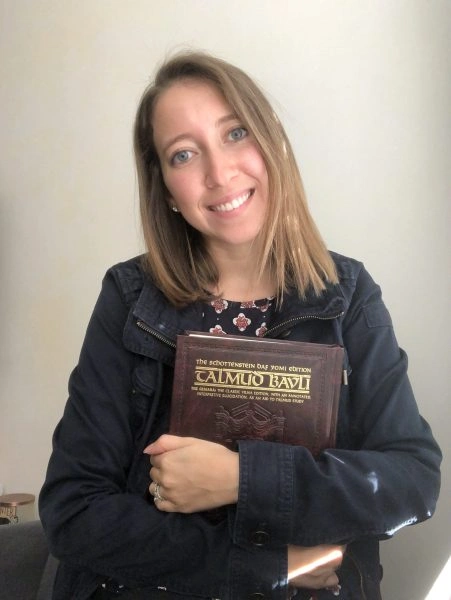
Yafit Fishbach
Memphis, Tennessee, United States
I began my journey with Rabbanit Michelle more than five years ago. My friend came up with a great idea for about 15 of us to learn the daf and one of us would summarize weekly what we learned.
It was fun but after 2-3 months people began to leave. I have continued. Since the cycle began Again I have joined the Teaneck women.. I find it most rewarding in so many ways. Thank you

Dena Heller
New Jersey, United States
I started the daf at the beginning of this cycle in January 2020. My husband, my children, grandchildren and siblings have been very supportive. As someone who learned and taught Tanach and mefarshim for many years, it has been an amazing adventure to complete the six sedarim of Mishnah, and now to study Talmud on a daily basis along with Rabbanit Michelle and the wonderful women of Hadran.

Rookie Billet
Jerusalem, Israel
I’ve been studying Talmud since the ’90s, and decided to take on Daf Yomi two years ago. I wanted to attempt the challenge of a day-to-day, very Jewish activity. Some days are so interesting and some days are so boring. But I’m still here.

Sarene Shanus
Mamaroneck, NY, United States
See video

Susan Fisher
Raanana, Israel
When I was working and taking care of my children, learning was never on the list. Now that I have more time I have two different Gemora classes and the nach yomi as well as the mishna yomi daily.

Shoshana Shinnar
Jerusalem, Israel
It happened without intent (so am I yotzei?!) – I watched the women’s siyum live and was so moved by it that the next morning, I tuned in to Rabbanit Michelle’s shiur, and here I am, still learning every day, over 2 years later. Some days it all goes over my head, but others I grasp onto an idea or a story, and I ‘get it’ and that’s the best feeling in the world. So proud to be a Hadran learner.

Jeanne Yael Klempner
Zichron Yaakov, Israel
I learned daf more off than on 40 years ago. At the beginning of the current cycle, I decided to commit to learning daf regularly. Having Rabanit Michelle available as a learning partner has been amazing. Sometimes I learn with Hadran, sometimes with my husband, and sometimes on my own. It’s been fun to be part of an extended learning community.

Miriam Pollack
Honolulu, Hawaii, United States
A friend mentioned that she was starting Daf Yomi in January 2020. I had heard of it and thought, why not? I decided to try it – go day by day and not think about the seven plus year commitment. Fast forward today, over two years in and I can’t imagine my life without Daf Yomi. It’s part of my morning ritual. If I have a busy day ahead of me I set my alarm to get up early to finish the day’s daf

Debbie Fitzerman
Ontario, Canada
Menachot 48b
תֵּרֵד וְתִטַּמֵּא, וְאַל יְטַמְּאֶנָּה בַּיָּד, וְרַבִּי יְהוֹשֻׁעַ אוֹמֵר: אַף יְטַמְּאֶנָּה בַּיָּד.
The teruma wine should be allowed to descend and become impure on its own, ruining the non-sacred wine in the lower press, but one should not render it impure through his direct action by catching it in an impure vessel, even though catching it would prevent the wine that is teruma from mixing with his impure, non-sacred wine. And Rabbi Yehoshua says: Since the wine that is teruma will become impure in any event, one may even render it impure through his direct action in order to save his non-sacred wine. This indicates that according to Rabbi Yehoshua it is permitted to sin with regard to one matter, i.e., the wine that is teruma, in order to gain with regard to another matter, i.e., the non-sacred wine.
שָׁאנֵי הָתָם, דִּלְטוּמְאָה קָא אָזְלָא.
The Gemara responds: It is different there, in the case of the wine, because the wine that is teruma is going to become impure in any event. Consequently, his action is not considered a sin, and this is not a case of sinning with regard to one matter in order to gain in another.
כִּי אֲתָא רַב יִצְחָק, תָּנֵי: כִּבְשֵׂי עֲצֶרֶת שֶׁשְּׁחָטָן שֶׁלֹּא כְּמִצְוָתָן – פְּסוּלִין, וּתְעוּבַּר צוּרָתָן, וְיֵצְאוּ לְבֵית הַשְּׂרֵיפָה.
§ The Gemara continues its discussion of the sheep of Shavuot. When Rav Yitzḥak came from Eretz Yisrael to Babylonia he reported traditions that he learned in Eretz Yisrael, and he taught a baraita: With regard to a case of the two sheep of Shavuot where one slaughtered them not in accordance with their mitzva, e.g., he slaughtered them for the sake of a different offering, they are disqualified; and they should be left overnight until their form decays and they attain the status of leftover sacrificial meat, and then they are brought out to the place designated for burning.
אָמַר רַב נַחְמָן: מָר, דְּמַקֵּישׁ לְהוּ לְחַטָּאת – תָּנֵי פְּסוּלִין, תָּנָא דְּבֵי לֵוִי, דְּגָמַר שַׁלְמֵי חוֹבָה מִשַּׁלְמֵי נְדָבָה – תָּנֵי כְּשֵׁרִים.
Rav Naḥman said to Rav Yitzḥak: The Master, i.e., Rav Yitzḥak, who compares the sheep of Shavuot to a sin offering because they are juxtaposed in a verse (see Leviticus 23:19), teaches: The sheep are disqualified, like a sin offering that was slaughtered not for its own sake. By contrast, the tanna of the school of Levi, who derives the halakha with regard to an obligatory peace offering, e.g., the two sheep of Shavuot, from the halakha concerning a voluntary peace offering, teaches that the two sheep remain valid offerings, just as a voluntary peace offering remains valid even if it is slaughtered for the sake of a different offering.
דְּתָנֵי לֵוִי: וּשְׁאָר שַׁלְמֵי נָזִיר שֶׁשְּׁחָטָן שֶׁלֹּא כְּמִצְוָתָן – כְּשֵׁרִין, וְלֹא עָלוּ לַבְּעָלִים לְשֵׁם חוֹבָה, וְנֶאֱכָלִין לְיוֹם וָלַיְלָה, וְאֵין טְעוּנִין לֹא לֶחֶם וְלֹא זְרוֹעַ.
As Levi teaches: And with regard to the other peace offerings of a nazirite that one slaughtered not in accordance with their mitzva, they are valid offerings like voluntary peace offerings, but they do not satisfy the obligation of the owner to bring the required nazirite peace offerings. And these offerings are eaten for only one day and one night, in accordance with the halakha concerning the peace offerings of nazirite, and not for two days and one night like voluntary peace offerings. They require neither bread nor the foreleg, unlike the required peace offering of a nazirite.
מֵיתִיבִי: אָשָׁם בֶּן שָׁנָה וְהֵבִיא בֶּן שְׁתַּיִם, בֶּן שְׁתַּיִם וְהֵבִיא בֶּן שָׁנָה – פְּסוּלִין, וּתְעוּבַּר צוּרָתָן וְיֵצְאוּ לְבֵית הַשְּׂרֵפָה.
The Gemara raises an objection to the opinion of Rav Yitzḥak from that which was taught in a baraita: In a case where one is obligated to sacrifice as a guilt offering an animal in its first year, which the Torah calls a lamb, and instead he brought an animal in its second year, which is considered a ram; or if he is obligated to sacrifice as a guilt offering an animal in its second year and he brought an animal in its first year; the offerings are disqualified. They are to be left overnight until their form decays, and are brought out to the place designated for burning.
אֲבָל עוֹלַת נָזִיר, וְעוֹלַת יוֹלֶדֶת, וְעוֹלַת מְצוֹרָע, שֶׁהָיוּ בְּנֵי שְׁתֵּי שָׁנִים, וּשְׁחָטָן – כְּשֵׁרִין.
But in the case of the burnt offering of a nazirite, i.e., the lamb that is sacrificed when he completes his naziriteship; or the burnt offering of a woman after childbirth, i.e., the lamb she sacrifices on the forty-first day after giving birth to a son or on the eighty-first day after giving birth to a daughter; or the burnt offering of a leper, i.e., the lamb that is sacrificed after he is purified; in all of these cases if the animals were in their second year instead, and one slaughtered them, the offerings are valid.
כְּלָלוֹ שֶׁל דָּבָר: כׇּל הַכָּשֵׁר בְּעוֹלַת נְדָבָה – כָּשֵׁר בְּעוֹלַת חוֹבָה, וְכׇל הַפָּסוּל בְּחַטָּאת – פָּסוּל בְּאָשָׁם, חוּץ מִשֶּׁלֹּא לִשְׁמוֹ.
The baraita concludes: The principle of the matter is: Any animal that is valid as a voluntary burnt offering is also valid as an obligatory burnt offering, and any animal that is disqualified as a sin offering is also disqualified as a guilt offering, except for an offering that was sacrificed not for its own sake, which is disqualified in the case of a sin offering but not a guilt offering. This demonstrates that the halakhot of obligatory burnt offerings are derived from those of voluntary burnt offerings, despite the fact that the burnt offering of a nazirite is juxtaposed to the sin offering of a nazirite (see Numbers 6:14) and the burnt offering of a leper is juxtaposed to the sin offering of a leper (see Leviticus 14:19). Similarly, the halakha pertaining to the sheep of Shavuot, which are obligatory peace offerings, should be derived from the halakha pertaining to voluntary peace offerings, and not from the halakha pertaining to a sin offering as Rav Yitzḥak holds.
הַאי תַּנָּא, תַּנָּא דְּבֵי לֵוִי הוּא.
The Gemara answers: This tanna, who taught this baraita, is the tanna of the school of Levi cited earlier, who holds that if one slaughters a sheep of Shavuot not for its own sake, it is nevertheless valid.
תָּא שְׁמַע, דְּתָנֵי לֵוִי: אֲשַׁם נָזִיר וַאֲשַׁם מְצוֹרָע, שֶׁשְּׁחָטָן שֶׁלֹּא לִשְׁמָן – כְּשֵׁרִים, וְלֹא עָלוּ לַבְּעָלִים לְשׁוּם חוֹבָה.
The Gemara discusses the opinion of Rav Naḥman, who maintains that the tanna of the school of Levi holds that a sheep of Shavuot slaughtered not for its own sake is valid because he derives its halakha from that of a voluntary peace offering. Come and hear what Levi teaches to the contrary, as Levi teaches: The guilt offering of a nazirite, i.e., the lamb he brings on the eighth day after becoming impure through contact with a corpse, and the guilt offering of a leper, i.e., the lamb he brings at the completion of his purification, that one slaughtered not for their sake are valid, but they did not satisfy the obligation of the owner.
שְׁחָטָן מְחוּסַּר זְמַן בִּבְעָלִים, אוֹ שֶׁהָיוּ בְּנֵי שְׁתֵּי שָׁנִים וּשְׁחָטָן – פְּסוּלִין.
If one slaughtered them when the time had not yet arrived for their owners to sacrifice these offerings, or they were in their second year instead of their first year and one slaughtered them, they are disqualified.
וְאִם אִיתָא, לִיגְמַר מִשְּׁלָמִים? שְׁלָמִים מִשְּׁלָמִים – גָּמַר, אָשָׁם מִשְּׁלָמִים – לָא גָּמַר.
The Gemara comments: But if it is so that Levi derives the halakhot of an obligatory offering from those of a voluntary one, let him derive the halakha of the guilt offering from that of the peace offering, in which case the guilt offerings should be valid even if they were in their second year. The Gemara answers: Levi derives the halakha concerning an obligatory peace offering from the halakha concerning a voluntary peace offering, but he does not derive the halakha concerning a guilt offering from the halakha concerning a peace offering.
וְאִי גָּמַר שְׁלָמִים מִשְּׁלָמִים, לִיגְמַר נָמֵי אָשָׁם מֵאָשָׁם: אֲשַׁם נָזִיר וַאֲשַׁם מְצוֹרָע מֵאֲשַׁם גְּזֵילוֹת וַאֲשַׁם מְעִילוֹת, אוֹ אֲשַׁם גְּזֵילוֹת וַאֲשַׁם מְעִילוֹת מֵאֲשַׁם נָזִיר וַאֲשַׁם מְצוֹרָע.
The Gemara further challenges the statement of Rav Naḥman: But if Levi derives the halakha of an obligatory peace offering from that of a voluntary peace offering, let him similarly derive the halakha of one guilt offering from that of another guilt offering. He should derive that the guilt offering of a nazirite and the guilt offering of a leper are valid even if the animal is in its second year from the halakha concerning a guilt offering for robbery and a guilt offering for misuse of consecrated property, which are supposed to be a ram in its second year. Or, if one brought a lamb in its first year as a guilt offering for robbery or a guilt offering for misuse of consecrated property, Levi should derive that it is valid from the halakha concerning the guilt offering of a nazirite and the guilt offering of a leper, which are lambs in their first year.
אָמַר רַב שִׁימִי בַּר אָשֵׁי: דָּנִין דָּבָר שֶׁלֹּא בְּהֶכְשֵׁירוֹ מִדָּבָר שֶׁלֹּא בְּהֶכְשֵׁירוֹ, וְאֵין דָּנִין דָּבָר שֶׁלֹּא בְּהֶכְשֵׁירוֹ מִדָּבָר שֶׁבְּהֶכְשֵׁירוֹ.
Rav Shimi bar Ashi said: One can derive the halakha with regard to an item that is prepared not in its valid manner, e.g., the sheep of Shavuot that were slaughtered not for their own sake, from the halakha with regard to another item that is prepared not in its valid manner, e.g., a voluntary peace offering slaughtered not for its own sake. But one cannot derive the halakha with regard to an item that is prepared not in its valid manner, e.g., the guilt offering of a nazirite or a leper that is sacrificed when it is in its second year, from the halakha with regard to an item that is prepared in its valid manner, e.g., a guilt offering for robbery or for misuse of consecrated property that is sacrificed when it is in its second year.
וְלָא? וְהָא תַּנְיָא: מִנַּיִן לְיוֹצֵא, שֶׁאִם עָלָה לֹא יֵרֵד? שֶׁהֲרֵי יוֹצֵא כָּשֵׁר בְּבָמָה.
The Gemara asks: And can one not derive the halakha with regard to disqualified offerings from the halakha with regard to fit offerings? But isn’t it taught in a baraita: From where is it derived with regard to an item that left the Temple courtyard and was thereby disqualified that if it nevertheless ascended upon the altar it shall not descend? It is derived from the fact that an item that left is valid for sacrifice on a private altar. Here, the baraita derives the halakha with regard to a disqualified offering from the halakha with regard to a fit offering.
Follow

