








In what situations can on redo a problematically performed kemitza? Can an item be sanctified in a holy vessel if the vessel is not held by someone?
Menachot 7

08.17.2018 | ו׳ באלול תשע״ח
Share this shiur:
Want to dedicate learning? Get started here:
Menachot 7
וְכִי מַהְדַּר לֵיהּ לְקוֹמֶץ לְדוּכְתֵּיהּ, (תִּקְדּוֹשׁ) [לִקְדּוֹשׁ] וְלִפְסוֹל.
when he returns the handful to its former place in the service vessel that contains the meal offering it should become sanctified, as it is now placed inside a service vessel, and it should therefore become disqualified. It should not matter whether the handful was placed in the vessel designated for it, or back in the same vessel it was taken from.
אָמַר רַבִּי יוֹחָנָן, זֹאת אוֹמֶרֶת: כְּלֵי שָׁרֵת אֵין מְקַדְּשִׁין אֶלָּא מִדַּעַת.
Concerning this challenge, Rabbi Yoḥanan said: That is to say that service vessels sanctify items placed in them only when they are placed there with specific intent that they be sanctified by that vessel. Since the priest does not return the handful to the vessel containing the meal offering with such intent, the handful is not disqualified, because the rite was not completed.
הָא מִדַּעַת מְקַדְּשִׁין? וְהָא בְּעָא מִינֵּיהּ רֵישׁ לָקִישׁ מֵרַבִּי יוֹחָנָן: כְּלֵי שָׁרֵת מַהוּ שֶׁיְּקַדְּשׁוּ פְּסוּלִין לְכַתְּחִילָּה לִיקְרַב? וַאֲמַר לֵיהּ: אֵין מְקַדְּשִׁין! אֲמַר לֵיהּ: אֵין מְקַדְּשִׁין לִיקְרַב, אֲבָל מִקַּדְּשִׁין לִיפָּסֵל.
The Gemara asks: It may be inferred from this statement that if items are placed into service vessels with intent, the service vessels sanctify them. But didn’t Reish Lakish raise a dilemma before Rabbi Yoḥanan: What is the halakha with regard to service vessels, i.e., do they sanctify disqualified items to the extent that they may be sacrificed upon the altar ab initio? And Rabbi Yoḥanan said to him that they do not sanctify the items. The Gemara responds: This is what Rabbi Yoḥanan said to him: They do not sanctify the disqualified items that are placed inside them to the extent that they may be sacrificed, but they do sanctify them to the extent that they are disqualified.
רַב עַמְרָם אָמַר: כְּגוֹן שֶׁהֶחְזִירוֹ לְבִיסָא גְּדוּשָׁה.
Rav Amram says: Even if service vessels sanctify items without specific intent, it is possible to return the handful to the meal offering without the vessel sanctifying the handful, such as in a case where he returned it to a heaped bowl [levisa], i.e., he placed the handful upon the heap of flour in such a manner that the handful did not enter the airspace of the vessel containing the meal offering. Consequently, the handful is not sanctified by the vessel.
וּמִקְמָץ הֵיכִי קְמַץ? אֶלָּא, כְּגוֹן שֶׁהֶחְזִירוֹ לְבִיסָא טְפוּפָה.
The Gemara asks: But if the meal offering was heaped, how was he initially able to remove a handful from it? The handful must initially be removed from within a vessel. Rather, it is possible to return the handful without sanctifying it in a case where he returned it to a full [tefufa] bowl, i.e., it was full to the brim but not heaped. When the priest initially removes a handful from such a vessel, he removes it from inside the vessel, but when it is returned, it does not enter the airspace of the vessel.
וְכֵיוָן דִּקְמַץ לֵיהּ עֲבַד לֵיהּ גּוּמָּא, כִּי מַהְדַּר לְגַוֵּויהּ דְּמָנָא קָא מַהְדַּר לֵיהּ! מִכִּי מַהְדַּר לֵיהּ, מַנַּח לֵיהּ אַדֻּפְנָא דְּמָנָא, וּמְנִיד לֵיהּ וְנָפֵל מִמֵּילָא, דְּנַעֲשָׂה כְּמִי שֶׁהֶחְזִירוֹ הַקּוֹף.
The Gemara asks: But once he removed a handful, he formed a furrow in the surface of the meal offering, and therefore when he returns the handful to its previous place inside the vessel, he is in fact returning it to a spot within the vessel, i.e., the furrow. If so, the handful should be sanctified to the extent that the vessel disqualifies it. The Gemara responds: When he returns it to the vessel containing the meal offering, he does not place it directly in the furrow. Rather, he lays it on the wall of the vessel and moves the vessel, and the handful falls by itself into the furrow. In this manner, it is as though a monkey rather than a person returned the handful to the furrow, and the handful is therefore not sanctified.
אֲמַר לֵיהּ רַבִּי יִרְמְיָה לְרַבִּי זֵירָא: וְלוֹקְמַהּ כְּגוֹן שֶׁהֶחְזִירוֹ לִכְלִי הַמּוּנָּח עַל גַּבֵּי קַרְקַע! אֶלָּא, שְׁמַע מִינַּהּ קוֹמְצִין מִכְּלִי שֶׁעַל גַּבֵּי קַרְקַע? אֲמַר לֵיהּ: קָא נָגְעַתְּ בְּבַעְיָא דְּאִיבַּעְיָא לַן, דְּרַבִּי אֲבִימִי תָּנֵי מְנָחוֹת בֵּי רַב חִסְדָּא.
§ The Gemara returns to its discussion of the opinion of ben Beteira. Rabbi Yirmeya said to Rabbi Zeira: And let one interpret ben Beteira’s ruling as speaking of a case in which the handful is not sanctified by the vessel containing the meal offering, such as where he returned it to a vessel that is resting upon the ground. Rather, the fact that this was not suggested indicates that service vessels sanctify items placed inside them even while resting on the ground. Is it correct to conclude from here that one may remove a handful of a meal offering from a service vessel that is resting upon the ground? Rabbi Zeira said to him: You have touched upon a dilemma that was already raised before us, when Rabbi Avimi was learning tractate Menaḥot in the study hall of Rav Ḥisda.
וַאֲבִימִי בֵּי רַב חִסְדָּא תָּנֵי? וְהָאָמַר רַב חִסְדָּא: קוּלְפֵי טָאבֵי בְּלַעִי מֵאֲבִימִי עֲלַהּ דְּהָא שְׁמַעְתָּא, בָּא לְהַכְרִיז רְצוּפִין – שְׁלֹשִׁים יוֹם, שֵׁנִי וַחֲמִישִׁי וְשֵׁנִי – שִׁשִּׁים יוֹם.
The Gemara interrupts this statement with a question: And did Rabbi Avimi really learn in the study hall of Rav Ḥisda? But didn’t Rav Ḥisda say: I absorbed many blows [kulfei] from Avimi as a result of that halakha, i.e., Avimi would mock me when I questioned his statements with regard to the sale of orphans’ property by the courts, which were contradictory to the ruling of a particular baraita. Avimi explained to me that if the court comes to announce such a sale on consecutive days, then it is announced for thirty days, in accordance with that baraita. But if it will be announced only on Monday, Thursday, and Monday, then it is announced over the course of sixty days. If so, Rav Ḥisda was in fact the pupil while Rabbi Avimi was his teacher.
אֲבִימִי מַסֶּכְתָּא אִיתְעֲקַרָא (אִיתְעֲקַר) לֵיהּ, וַאֲתָא קַמֵּיהּ דְּרַב חִסְדָּא לְאִדְּכוֹרֵי גְּמָרֵיהּ. וְלִישְׁלַח לֵיהּ וְלֵיתֵי לְגַבֵּיהּ? סְבַר: הָכִי מִסְתַּיְּיעָא מִילְּתָא טְפֵי.
The Gemara answers: Avimi was in fact the teacher, but tractate Menaḥot was uprooted for him, i.e., he forgot it, and Avimi came before his student Rav Ḥisda to help him recall his learning. The Gemara asks: If Rav Ḥisda was in fact Avimi’s student, let Avimi send for him and Rav Ḥisda come to Avimi. The Gemara responds: Avimi thought that this would be more helpful in this matter, i.e., that by exerting the effort to travel to his pupil in order to learn from him, he would better retain his studies.
פְּגַע בֵּיהּ רַב נַחְמָן, אֲמַר לֵיהּ: כֵּיצַד קוֹמְצִין? אֲמַר לֵיהּ: מִכְּלִי זֶה. אֲמַר לֵיהּ: וְכִי קוֹמְצִין מִכְּלִי שֶׁעַל גַּבֵּי קַרְקַע? אֲמַר לֵיהּ: דְּמַגְבַּה לֵיהּ כֹּהֵן.
The Gemara returns to the statement of Rabbi Zeira: Rav Naḥman encountered Avimi upon his return from the study hall of Rav Ḥisda. Rav Naḥman said to him: How does one properly remove a handful from a meal offering? Avimi pointed to a vessel that was resting on the ground and said to him: From this vessel one may properly remove a handful. Rav Naḥman said to him: But may one remove a handful from a vessel that is resting upon the ground? Avimi said to him: When I said that such a vessel may be used, I meant that one priest would first raise it from the ground and then another priest would remove a handful from it.
כֵּיצַד מְקַדְּשִׁין אֶת הַמְּנָחוֹת? אֲמַר לֵיהּ: נוֹתְנָהּ לִכְלִי זֶה. וְכִי מְקַדְּשִׁין בִּכְלִי שֶׁעַל גַּבֵּי קַרְקַע? אֲמַר לֵיהּ: דְּמַגְבַּה לֵיהּ כֹּהֵן.
Rav Naḥman proceeded to ask Avimi another question: How does one properly sanctify the meal offerings? Avimi pointed to a vessel that was resting on the ground and said to him: The priest places it into this vessel. Rav Naḥman again said to him: But can one sanctify a meal offering in a vessel that is resting upon the ground? Avimi said to him: When I said that such a vessel may be used, I meant that another priest would initially raise it from the ground, and only then would the meal offering be placed inside it.
אֲמַר לֵיהּ: אִם כֵּן, הוּצְרַכְתָּה שְׁלֹשָׁה כֹּהֲנִים! אֲמַר לֵיהּ: וּתְהֵא צְרִיכָה שְׁלֹשָׁה עָשָׂר, כַּתָּמִיד.
Rav Naḥman said to Avimi: If so, then you require the involvement of three priests, i.e., one to raise the vessel, one to sanctify the meal offering, and one to remove the handful from the meal offering. Avimi said to him: And let it require even thirteen priests, just as the service of the daily burnt offering required the involvement of thirteen priests. The need for several priests presents no difficulty.
אֵיתִיבֵיהּ: זֶה הַכְּלָל, כׇּל הַקּוֹמֵץ וְנוֹתֵן בִּכְלִי, הַמּוֹלִיךְ וְהַמַּקְטִיר, לֶאֱכוֹל דָּבָר שֶׁדַּרְכּוֹ לֶאֱכוֹל וְכוּ׳.
Rav Naḥman raised another objection to the statement of Avimi from a mishna (12a) that discusses the halakha that improper intentions during the service of a meal offering disqualify it. This is the principle: In the case of anyone who removes the handful, or places the handful in the vessel, or who conveys the vessel with the handful to the altar, or who burns the handful on the altar, with the intent to partake of an item whose typical manner is such that one partakes of it, or to burn an item whose typical manner is such that one burns it on the altar, e.g., the handful or the frankincense, outside its designated area, the meal offering is unfit but there is no liability for excision from the World-to-Come [karet].
וְאִילּוּ מַגְבִּיהַּ לָא קָתָנֵי? תַּנָּא סֵדֶר עֲבוֹדוֹת נָקֵיט, וְלָא סֵדֶר כֹּהֲנִים.
Rav Naḥman explained his objection: All the rites of a meal offering are taught in the mishna, and yet raising the vessel from the ground is not taught. This indicates that there is no requirement to raise a vessel from the ground in order to use it for the service of a meal offering. Avimi responded: The tanna cited the order of sacrificial rites, i.e., those rites concerning which improper intentions disqualify a meal offering, but he did not cite the order of the priests, i.e., he did not cite the total number of priests involved in the service.
בְּעוֹ מִינֵּיהּ מִדְּרַב שֵׁשֶׁת: מַהוּ לִקְמוֹץ מִכְּלִי שֶׁעַל גַּבֵּי קַרְקַע? אֲמַר לֵיהּ: פּוֹק חֲזִי מָה עָבְדִין לְגָאו. אַרְבָּעָה כֹּהֲנִים נִכְנָסִין, שְׁנַיִם בְּיָדָם שְׁנֵי סְדָרִים, וּשְׁנַיִם בְּיָדָם שְׁנֵי בָּזִיכִין, וְאַרְבָּעָה מְקַדְּמִין לִפְנֵיהֶם, שְׁנַיִם לִיטּוֹל שְׁנֵי סְדָרִים, וּשְׁנַיִם לִיטּוֹל שְׁנֵי בָּזִיכִין.
On the same topic, the Sages raised a dilemma before Rav Sheshet: What is the halakha with regard to the permissibility of removing a handful from a vessel that is resting upon the ground? Is this removal valid? Rav Sheshet said to one of the Sages who raised the dilemma: Go out and see what they do within the Sanctuary when they remove the bowls containing the frankincense that were placed upon the Table of the shewbread in order to burn the frankincense upon the altar. The mishna (99b) states: When the priests would replace the shewbread every Shabbat, four priests would enter the Sanctuary, two with the two arrangements of the new shewbread in their hands and two with the two bowls of frankincense in their hands. And four priests would precede them and enter the Sanctuary before them, two to remove the two arrangements of the old shewbread and two to remove the two bowls of frankincense.
וְאִילּוּ מַגְבִּיהַּ אֶת הַשּׁוּלְחָן לָא קָתָנֵי.
Rav Sheshet notes: The entire process of the replacement of the shewbread is taught in the mishna, and yet the statement: A priest raises the Table above the ground so that the bowls of frankincense can be properly removed from them, is not taught. One can therefore conclude from the mishna that just as the bowls of frankincense are removed from a vessel that is resting upon the ground, i.e., the Table, so too, one may remove a handful of a meal offering from a vessel that is resting upon the ground.
לָאו אָמְרַתְּ הָתָם, סֵדֶר עֲבוֹדוֹת נָקֵט? הָכָא נָמֵי סֵדֶר עֲבוֹדוֹת נָקֵט.
The Gemara rejects this proof: Didn’t you already say there, with regard to the mishna that discusses improper intentions expressed during the service of a meal offering (12a), that the tanna cited only the order of sacrificial rites? Here too, the tanna cited only the order of sacrificial rites. Therefore, one cannot prove from here that there is no requirement to raise the Table.
מִי דָּמֵי? הָתָם לָא נָחֵית לְמִנְיָינָא דְּכֹהֲנִים, הָכָא נָחֵית לְמִנְיָינָא דְּכֹהֲנִים. אִם אִיתָא – לִיתְנֵי מַגְבִּיהַּ! אֶלָּא שְׁמַע מִינַּהּ: קוֹמְצִין מִכְּלִי שֶׁעַל גַּבֵּי קַרְקַע. שְׁמַע מִינַּהּ.
The Gemara asks: Are these mishnayot comparable? There, on 12a, the tanna did not delve into the number of priests involved in the service of a meal offering. Here, on 99b, the tanna does in fact delve into the number of priests involved in the service of the shewbread. Therefore, if it is so, i.e., if the Table must be raised before the bowls of frankincense are removed, let the tanna teach that another priest raises the Table. Rather, conclude from the mishna that one may remove a handful of a meal offering from a vessel that is resting upon the ground. The Gemara affirms: Conclude from here that this is so.
אָמַר רָבָא: פְּשִׁיטָא לִי, קוֹמֵץ מִכְּלִי שֶׁעַל גַּבֵּי קַרְקַע – שֶׁכֵּן מָצִינוּ בְּסִילּוּק בָּזִיכִין. מְקַדְּשִׁין מִנְחָה בִּכְלִי שֶׁעַל גַּבֵּי קַרְקַע – שֶׁכֵּן מָצִינוּ בְּסִידּוּר בָּזִיכִין.
§ Rava said: It is obvious to me that a priest may remove a handful from a vessel that is resting upon the ground, as we find such an instance in the case of the removal of the bowls of frankincense from the Table of the shewbread, since the Table is resting upon the ground of the Sanctuary when they are removed. Similarly, one can sanctify a meal offering in a vessel that is resting upon the ground, as we find such an instance in the case of the arrangement of the bowls of frankincense upon the Table of the shewbread.
בָּעֵי רָבָא: קִידּוּשׁ קוֹמֶץ מַאי? מִמִּנְחָה יָלְפִינַן לַהּ, אוֹ מִדָּם יָלְפִינַן לַהּ? הֲדַר פַּשְׁטַהּ: מִדָּם יָלְפִינַן לַהּ.
Rava raises a dilemma: With regard to the sanctification of a handful by placing it in a vessel that is resting upon the ground, what is the halakha? Do we derive this halakha from the sanctification of a meal offering, in which case one can sanctify a handful in this manner, just as he can do so with a meal offering? Or do we derive it from the collection of the blood of an offering, in which case one cannot do so, just as the blood of an offering may not be collected in a vessel that is resting upon the ground? Rava then resolves the dilemma: We derive it from the collection of the blood.
וּמִי אָמַר רָבָא הָכִי? וְהָא אִתְּמַר: קוֹמֶץ שֶׁחִלְּקוֹ בִּשְׁנֵי כֵּלִים, רַב נַחְמָן אָמַר: אֵינוֹ קָדוֹשׁ, וְרָבָא אָמַר: קָדוֹשׁ. וְאִם אִיתָא, לֵילַף מִדָּם! הֲדַר בֵּיהּ רָבָא מֵהַהִיא.
The Gemara asks: And did Rava really say this, that the halakha with regard to the sanctification of a handful is derived from the collection of the blood? But it was stated: With regard to a full measure of a handful that a priest divided and placed in two vessels, Rav Naḥman says that it is not sanctified, and Rava says that it is sanctified. And if it is so that the halakha of the handful is derived from the collection of the blood, then let Rava derive from blood that the handful is not sanctified in this manner, just as the blood is not sanctified when divided into two. The Gemara responds: Rava retracted that statement and ruled that a handful is not sanctified when divided and placed into two vessels.
וָדָם מְנָלַן דְּלָא קָדוֹשׁ לַחֲצָאִין? דְּתָנֵי רַב תַּחְלִיפָא בֶּן שָׁאוּל: קִידֵּשׁ פָּחוֹת מִכְּדֵי הַזָּאָה בִּכְלִי זֶה, וּפָחוֹת מִכְּדֵי הַזָּאָה בִּכְלִי זֶה – לֹא קִידֵּשׁ.
The Gemara further discusses the halakha with regard to the collection of the blood. And with regard to blood, from where do we derive that it is not sanctified in halves, i.e., when collected in two vessels? It is derived from that which Rav Taḥlifa ben Shaul teaches with regard to the water of purification: If the priest sanctified the water in two vessels in such a manner that he sanctified less than the amount of sprinkling in this vessel, i.e., there was not enough water into which he could dip a bundle of hyssop and sprinkle the water with it, and he sanctified less than the amount of sprinkling in that vessel, then he has not sanctified the water. Even if he subsequently combines the contents of both vessels into a single vessel, the water is not sanctified.
וְאִיבַּעְיָא לְהוּ: בְּדָם מַאי? הִלְכְתָא הִיא, וּמֵהִלְכְתָא לָא יָלְפִינַן.
The Gemara continues: And a dilemma was raised before the Sages: With regard to the collection of blood of a sin offering for the purpose of sprinkling it upon the altar, what is the halakha? Is the ruling with regard to the water of purification a halakha transmitted to Moses from Sinai, in which case the halakha with regard to blood may not be derived from it, as we do not derive other cases from a halakha transmitted to Moses from Sinai?
אוֹ דִלְמָא הָתָם מַאי טַעְמָא – דִּכְתִיב ״וְטָבַל בַּמַּיִם״, הָכָא נָמֵי הָכְתִיב ״וְטָבַל בַּדָּם״?
The Gemara explains the other side of the dilemma: Or perhaps, there, in the case of the water of purification, what is the reason that it is not sanctified? It is possible that the reason is that it is written in a verse that is referring to the water initially placed in the vessel: “And dip it in the water” (Numbers 19:18). If this verse is the source of the halakha that the hyssop may be dipped in the water of purification only when there was initially enough water in the vessel for sprinkling, then here too, in the case of the blood of a sin offering, isn’t it written: “And the priest shall dip his finger in the blood” (Leviticus 4:6)?
וְאִיתְּמַר, אָמַר רַבִּי זְרִיקָא אָמַר רַבִּי אֶלְעָזָר: אַף בְּדָם לֹא קִידֵּשׁ. אָמַר רָבָא: תַּנְיָא נָמֵי הָכִי, בִּפְנֵי כֹּהֵן מַנִּיחַ, ״וְטָבַל״ וְלֹא מְסַפֵּיג.
The Gemara continues: And it was stated with regard to this dilemma: Rabbi Zerika says that Rabbi Elazar says: Even in the case of the blood, one has not sanctified it if he collected less than a full measure of blood in a single vessel. Rava said that this is also taught in a baraita with regard to the bull of the anointed priest. The verse states: “And the priest shall dip his finger in the blood, and sprinkle of the blood” (Leviticus 4:6). From the term “And the priest shall dip” it is derived that there must be enough blood inside the vessel in which to dip his finger, and there should not be so little blood that he must resort to wiping his finger along the walls of the vessel.
״בַּדָּם״ – שֶׁיְּהֵא בַּדָּם שִׁיעוּר טְבִילָה מֵעִיקָּרוֹ, ״מִן הַדָּם״ – מִן הַדָּם שֶׁבָּעִנְיָן.
The baraita continues: Additionally, from the term “in the blood” it is derived that there should initially be in the vessel containing the blood a measure fit for dipping his finger. Furthermore, it is derived from the term “of the blood” that he must sprinkle from the blood of the matter, as will be explained.
וְאִיצְטְרִיךְ לְמִכְתַּב ״וְטָבַל״, וְאִיצְטְרִיךְ לְמִכְתַּב ״בַּדָּם״, דְּאִי כְּתַב רַחֲמָנָא ״וְטָבַל״ הֲוָה אָמֵינָא: אַף עַל גַּב דְּלֹא קִיבֵּל שִׁיעוּר טְבִילוֹת, דְּהַיְינוּ הַזָּאָה שֶׁבַע פְּעָמִים מֵעִיקָּרוֹ, כְּתַב רַחֲמָנָא ״בַּדָּם״.
And it was necessary for the Merciful One to write: “And the priest shall dip,” and it was necessary for the Merciful One to write: “In the blood,” despite the fact that both terms are referring to the amount of blood that must be in the vessel. Because if the Merciful One had written only: “And the priest shall dip,” I would say that it is enough if the vessel contains enough blood for even one sprinkling, even though the priest did not initially collect a measure fit for all of the sprinklings, that is, enough with which to sprinkle seven times. Therefore, the Merciful One writes: “In the blood.”
וְאִי כְּתַב רַחֲמָנָא ״בַּדָּם״, הֲוָה אָמֵינָא אֲפִילּוּ מְסַפֵּיג, כְּתַב רַחֲמָנָא ״וְטָבַל״.
And if the Merciful One had written only: “In the blood,” I would say that if there was initially a full measure collected in the vessel then the sprinkling is valid even if now the priest must resort to wiping his finger. Therefore, the Merciful One writes: “And the priest shall dip,” indicating that the priest must be able to dip his finger into the blood and not have to wipe it on the walls of the vessel.
״מִן הַדָּם״ שֶׁבָּעִנְיָן, לְמַעוֹטֵי מַאי? אָמַר רָבָא: לְמַעוֹטֵי שִׁירַיִם שֶׁבָּאֶצְבַּע, מְסַיַּיע לֵיהּ לְרַבִּי אֶלְעָזָר, דְּאָמַר: שִׁירַיִם שֶׁבָּאֶצְבַּע פְּסוּלִין.
The Gemara returns to the last statement of the baraita, that the priest must sprinkle from the blood of the matter. This statement serves to exclude what? Rava said: It serves to exclude the remainder of blood on his finger from the previous sprinkling, i.e., the priest must dip his finger into the blood before each sprinkling; he may not sprinkle with the blood that remains on his finger from the previous sprinkling. The Gemara notes: This supports the opinion of Rabbi Elazar, who says that the remainder of blood that remained on the priest’s finger is unfit for sprinkling.
אֲמַר לֵיהּ רָבִין בַּר רַב אַדָּא לְרָבָא: אָמְרִי תַּלְמִידָךְ אָמַר רַב עַמְרָם, תַּנְיָא: הָיָה מַזֶּה וְנִתְּזָה הַזָּאָה מִיָּדוֹ, אִם עַד שֶׁלֹּא הִזָּה – טָעוּן כִּיבּוּס, מִשֶּׁהִזָּה – אֵין טָעוּן כִּיבּוּס.
Ravin bar Rav Adda said to Rava: Your students say that Rav Amram says that it is taught in a baraita: In a case where a priest was sprinkling from the blood of a sin offering and the blood of the sprinkling sprayed from his hand onto a garment, the halakha is as follows: If the blood sprayed onto the garment before he sprinkled, the garment requires laundering, as is the halakha when the blood of a sin offering that is fit for sprinkling fell on a garment. But if the blood sprayed onto the garment after he had already sprinkled, it does not require laundering.
מַאי לָאו עַד שֶׁלֹּא גָּמַר הַזָּאָתוֹ, וּמִשֶּׁגָּמַר הַזָּאָתוֹ? שְׁמַע מִינַּהּ דְּשִׁירַיִם שֶׁבָּאֶצְבַּע כְּשֵׁרִים.
Ravin bar Rav Adda asks: What, is it not correct to say that this means if the blood sprayed onto the garment before he completed all of his sprinkling, then the garment requires laundering, and if the blood sprayed onto the garment after he completed his sprinkling, then the garment does not require laundering? If so, one can conclude from the baraita that the remainder of blood that remained on his finger between each sprinkling is fit for sprinkling, as otherwise, it would not result in a requirement to launder a garment upon which it sprayed.
לֹא, עַד שֶׁלֹּא יָצְתָה מִיָּדוֹ הַזָּאָה – טָעוּן כִּיבּוּס, וּמִשֶּׁיָּצְאָה הַזָּאָה מִיָּדוֹ וְנִתְּזָה מִמַּה שֶּׁנִּשְׁאַר – אֵין טָעוּן כִּיבּוּס.
The Gemara rejects this suggestion: No, the baraita is saying that if the blood sprayed from his hand onto the garment before any particular sprinkling left his hand, the garment requires laundering. But if the blood was sprayed after a sprinkling left his hand, in which case the blood sprayed from that which remained on his finger following that sprinkling, then the garment does not require laundering, as the blood left on his finger was already rendered unfit for sprinkling.
אֵיתִיבֵיהּ אַבָּיֵי: גָּמַר מִלְּהַזּוֹת – מְקַנֵּחַ יָדוֹ בְּגוּפָהּ שֶׁל פָּרָה. גָּמַר – אִין, לֹא גָּמַר – לָא.
Abaye raised an objection to Rava from a mishna discussing the red heifer (Para 3:9): When the priest has completed sprinkling the blood of the red heifer toward the entrance to the Sanctuary, he wipes his hand from the blood on the body of the heifer. Abaye explains his objection: The mishna states that when the priest completed all the sprinklings, then yes, he wipes his hand. It may be inferred that if he did not complete the sprinklings, he does not wipe his hand, even though blood remains on his finger from each preceding sprinkling. This proves that the blood that remains on his finger is fit for sprinkling.
אֲמַר לֵיהּ: גָּמַר – מְקַנֵּחַ יָדוֹ, לֹא גָּמַר – מְקַנֵּחַ אֶצְבָּעוֹ.
Rava said to Abaye: The mishna means that when the priest completed all of the sprinklings, he wipes his hand. If he has not yet completed all of them, then he does not wipe his hand but he must wipe his finger to remove the blood after each sprinkling, as that blood is no longer fit for subsequent sprinklings.
בִּשְׁלָמָא גָּמַר מְקַנֵּחַ יָדוֹ בְּגוּפָהּ שֶׁל פָּרָה, דִּכְתִיב: ״וְשָׂרַף אֶת הַפָּרָה לְעֵינָיו״, אֶלָּא לֹא גָּמַר מְקַנֵּחַ אֶצְבָּעוֹ, בְּמַאי מְקַנֵּחַ? דְּאִי אָמְרַתְּ בְּגוּפָהּ שֶׁל פָּרָה, אִיבְּעִי לֵיהּ לְמִיתְנֵי: מְקַנֵּחַ יָדוֹ וְאֶצְבָּעוֹ בְּגוּפָהּ שֶׁל פָּרָה! מִדְּלָא קָתָנֵי הָכִי, שְׁמַע מִינַּהּ דְּלָא בָּעֵי קִינּוּחַ.
The Gemara raises a difficulty: Granted, after he completed all the sprinklings he wipes his hand on the body of the heifer, as it is written: “And the heifer shall be burned in his sight; her skin, and her flesh, and her blood” (Numbers 19:5), which indicates that the blood of the red heifer must be burned together with its flesh. But if when the priest had not yet completed the sprinklings he wipes his finger, then with what does he wipe? Because if you say that he wipes his finger on the body of the heifer, the mishna should have taught: He wipes his hand and his finger on the body of the heifer. Rather, from the fact that the mishna does not teach this, that he wipes his finger on the body of the heifer, one can conclude from this mishna that his finger does not require wiping between sprinklings.
אָמַר אַבָּיֵי: בִּשְׂפַת מִזְרָק, כְּדִכְתִיב: ״כְּפוֹרֵי זָהָב וְגוֹ׳״.
Abaye said: He wipes his finger on the edge of the bowl containing the blood, as it is written: “Atoning bowls [keforei] of gold” (Ezra 1:10), which is referring to the bowls containing the blood. The root kafar can also mean to wipe.
וּמִי אָמַר רַבִּי אֶלְעָזָר הָכִי? וְהָא אִיתְּמַר: חֲבִיתֵּי כֹּהֵן גָּדוֹל – רַבִּי יוֹחָנָן אָמַר: אֵינָהּ קְדוֹשָׁה לַחֲצָאִין, רַבִּי אֶלְעָזָר אָמַר: מִתּוֹךְ שֶׁקְּרֵבָה לַחֲצָאִין, קְדוֹשָׁה לַחֲצָאִין.
§ The Gemara returns to the issue of the sanctification of blood collected in two vessels: And did Rabbi Elazar really say this, that blood is sanctified only when a full measure is initially collected in a single vessel? But it was stated with regard to the High Priest’s griddle-cake offering: Rabbi Yoḥanan says that it is not sanctified in halves, i.e., if half of a tenth of an ephah was placed in one vessel, and a second half in another vessel, neither is sanctified. Rabbi Elazar says: Since it is sacrificed in halves, as half of the meal offering is sacrificed in the morning and half in the afternoon, it may be sanctified in halves.
Follow 
New to Talmud?
Check out our resources designed to help you navigate a page of Talmud – and study at the pace, level and style that fits you.
The Hadran Women’s Tapestry
Meet the diverse women learning Gemara at Hadran and hear their stories.
I tried Daf Yomi in the middle of the last cycle after realizing I could listen to Michelle’s shiurim online. It lasted all of 2 days! Then the new cycle started just days before my father’s first yahrzeit and my youngest daughter’s bat mitzvah. It seemed the right time for a new beginning. My family, friends, colleagues are immensely supportive!

Catriella Freedman
Zichron Yaakov, Israel
I started learning at the start of this cycle, and quickly fell in love. It has become such an important part of my day, enriching every part of my life.

Naomi Niederhoffer
Toronto, Canada
I began to learn this cycle of Daf Yomi after my husband passed away 2 1/2 years ago. It seemed a good way to connect to him. Even though I don’t know whether he would have encouraged women learning Gemara, it would have opened wonderful conversations. It also gives me more depth for understanding my frum children and grandchildren. Thank you Hadran and Rabbanit Michelle Farber!!

Harriet Hartman
Tzur Hadassah, Israel
I began learning the daf in January 2022. I initially “flew under the radar,” sharing my journey with my husband and a few close friends. I was apprehensive – who, me? Gemara? Now, 2 years in, I feel changed. The rigor of a daily commitment frames my days. The intellectual engagement enhances my knowledge. And the virtual community of learners has become a new family, weaving a glorious tapestry.

Gitta Jaroslawicz-Neufeld
Far Rockaway, United States
I attended the Siyum so that I could tell my granddaughter that I had been there. Then I decided to listen on Spotify and after the siyum of Brachot, Covid and zoom began. It gave structure to my day. I learn with people from all over the world who are now my friends – yet most of us have never met. I can’t imagine life without it. Thank you Rabbanit Michelle.

Emma Rinberg
Raanana, Israel
I was exposed to Talmud in high school, but I was truly inspired after my daughter and I decided to attend the Women’s Siyum Shas in 2020. We knew that this was a historic moment. We were blown away, overcome with emotion at the euphoria of the revolution. Right then, I knew I would continue. My commitment deepened with the every-morning Virtual Beit Midrash on Zoom with R. Michelle.

Adina Hagege
Zichron Yaakov, Israel
I’ve been wanting to do Daf Yomi for years, but always wanted to start at the beginning and not in the middle of things. When the opportunity came in 2020, I decided: “this is now the time!” I’ve been posting my journey daily on social media, tracking my progress (#DafYomi); now it’s fully integrated into my daily routines. I’ve also inspired my partner to join, too!

Joséphine Altzman
Teaneck, United States
Years ago, I attended the local Siyum HaShas with my high school class. It was inspiring! Through that cycle and the next one, I studied masekhtot on my own and then did “daf yomi practice.” The amazing Hadran Siyum HaShas event firmed my resolve to “really do” Daf Yomi this time. It has become a family goal. We’ve supported each other through challenges, and now we’re at the Siyum of Seder Moed!

Elisheva Brauner
Jerusalem, Israel
Geri Goldstein got me started learning daf yomi when I was in Israel 2 years ago. It’s been a challenge and I’ve learned a lot though I’m sure I miss a lot. I quilt as I listen and I want to share what I’ve been working on.

Rebecca Stulberg
Ottawa, Canada
I’ve been learning since January 2020, and in June I started drawing a phrase from each daf. Sometimes it’s easy (e.g. plants), sometimes it’s very hard (e.g. korbanot), and sometimes it’s loads of fun (e.g. bird racing) to find something to draw. I upload my pictures from each masechet to #DafYomiArt. I am enjoying every step of the journey.

Gila Loike
Ashdod, Israel
When we heard that R. Michelle was starting daf yomi, my 11-year-old suggested that I go. Little did she know that she would lose me every morning from then on. I remember standing at the Farbers’ door, almost too shy to enter. After that first class, I said that I would come the next day but couldn’t commit to more. A decade later, I still look forward to learning from R. Michelle every morning.

Ruth Leah Kahan
Ra’anana, Israel
I started learning Daf Yomi to fill what I saw as a large gap in my Jewish education. I also hope to inspire my three daughters to ensure that they do not allow the same Talmud-sized gap to form in their own educations. I am so proud to be a part of the Hadran community, and I have loved learning so many of the stories and halachot that we have seen so far. I look forward to continuing!

Dora Chana Haar
Oceanside NY, United States
I started learning Talmud with R’ Haramati in Yeshivah of Flatbush. But after a respite of 60 years, Rabbanit Michelle lit my fire – after attending the last three world siyumim in Miami Beach, Meadowlands and Boca Raton, and now that I’m retired, I decided – “I can do this!” It has been an incredible journey so far, and I look forward to learning Daf everyday – Mazal Tov to everyone!

Roslyn Jaffe
Florida, United States
In July, 2012 I wrote for Tablet about the first all women’s siyum at Matan in Jerusalem, with 100 women. At the time, I thought, I would like to start with the next cycle – listening to a podcast at different times of day makes it possible. It is incredible that after 10 years, so many women are so engaged!

Beth Kissileff
Pittsburgh, United States
I was inspired to start learning after attending the 2020 siyum in Binyanei Hauma. It has been a great experience for me. It’s amazing to see the origins of stories I’ve heard and rituals I’ve participated in my whole life. Even when I don’t understand the daf itself, I believe that the commitment to learning every day is valuable and has multiple benefits. And there will be another daf tomorrow!

Khaya Eisenberg
Jerusalem, Israel
I learned daf more off than on 40 years ago. At the beginning of the current cycle, I decided to commit to learning daf regularly. Having Rabanit Michelle available as a learning partner has been amazing. Sometimes I learn with Hadran, sometimes with my husband, and sometimes on my own. It’s been fun to be part of an extended learning community.

Miriam Pollack
Honolulu, Hawaii, United States
In January 2020 on a Shabbaton to Baltimore I heard about the new cycle of Daf Yomi after the siyum celebration in NYC stadium. I started to read “ a daily dose of Talmud “ and really enjoyed it . It led me to google “ do Orthodox women study Talmud? “ and found HADRAN! Since then I listen to the podcast every morning, participate in classes and siyum. I love to learn, this is amazing! Thank you

Sandrine Simons
Atlanta, United States
As Jewish educator and as a woman, I’m mindful that Talmud has been kept from women for many centuries. Now that we are privileged to learn, and learning is so accessible, it’s my intent to complete Daf Yomi. I am so excited to keep learning with my Hadran community.
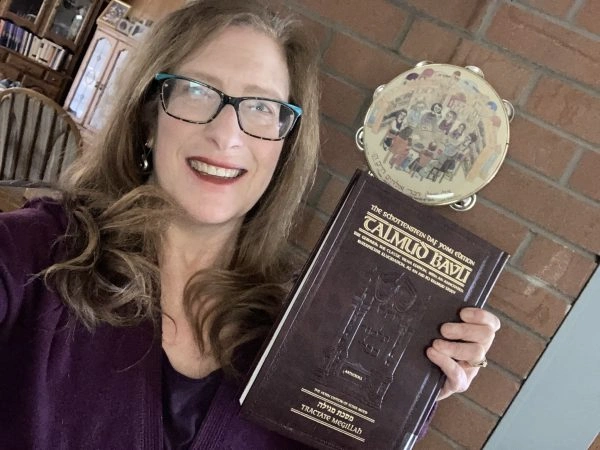
Sue Parker Gerson
Denver, United States
I began my journey two years ago at the beginning of this cycle of the daf yomi. It has been an incredible, challenging experience and has given me a new perspective of Torah Sh’baal Peh and the role it plays in our lives
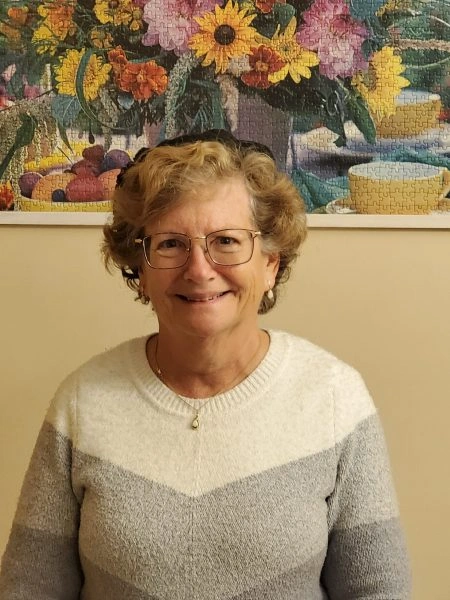
linda kalish-marcus
Efrat, Israel
I was exposed to Talmud in high school, but I was truly inspired after my daughter and I decided to attend the Women’s Siyum Shas in 2020. We knew that this was a historic moment. We were blown away, overcome with emotion at the euphoria of the revolution. Right then, I knew I would continue. My commitment deepened with the every-morning Virtual Beit Midrash on Zoom with R. Michelle.
Adina Hagege
Zichron Yaakov, Israel
Menachot 7
וְכִי מַהְדַּר לֵיהּ לְקוֹמֶץ לְדוּכְתֵּיהּ, (תִּקְדּוֹשׁ) [לִקְדּוֹשׁ] וְלִפְסוֹל.
when he returns the handful to its former place in the service vessel that contains the meal offering it should become sanctified, as it is now placed inside a service vessel, and it should therefore become disqualified. It should not matter whether the handful was placed in the vessel designated for it, or back in the same vessel it was taken from.
אָמַר רַבִּי יוֹחָנָן, זֹאת אוֹמֶרֶת: כְּלֵי שָׁרֵת אֵין מְקַדְּשִׁין אֶלָּא מִדַּעַת.
Concerning this challenge, Rabbi Yoḥanan said: That is to say that service vessels sanctify items placed in them only when they are placed there with specific intent that they be sanctified by that vessel. Since the priest does not return the handful to the vessel containing the meal offering with such intent, the handful is not disqualified, because the rite was not completed.
הָא מִדַּעַת מְקַדְּשִׁין? וְהָא בְּעָא מִינֵּיהּ רֵישׁ לָקִישׁ מֵרַבִּי יוֹחָנָן: כְּלֵי שָׁרֵת מַהוּ שֶׁיְּקַדְּשׁוּ פְּסוּלִין לְכַתְּחִילָּה לִיקְרַב? וַאֲמַר לֵיהּ: אֵין מְקַדְּשִׁין! אֲמַר לֵיהּ: אֵין מְקַדְּשִׁין לִיקְרַב, אֲבָל מִקַּדְּשִׁין לִיפָּסֵל.
The Gemara asks: It may be inferred from this statement that if items are placed into service vessels with intent, the service vessels sanctify them. But didn’t Reish Lakish raise a dilemma before Rabbi Yoḥanan: What is the halakha with regard to service vessels, i.e., do they sanctify disqualified items to the extent that they may be sacrificed upon the altar ab initio? And Rabbi Yoḥanan said to him that they do not sanctify the items. The Gemara responds: This is what Rabbi Yoḥanan said to him: They do not sanctify the disqualified items that are placed inside them to the extent that they may be sacrificed, but they do sanctify them to the extent that they are disqualified.
רַב עַמְרָם אָמַר: כְּגוֹן שֶׁהֶחְזִירוֹ לְבִיסָא גְּדוּשָׁה.
Rav Amram says: Even if service vessels sanctify items without specific intent, it is possible to return the handful to the meal offering without the vessel sanctifying the handful, such as in a case where he returned it to a heaped bowl [levisa], i.e., he placed the handful upon the heap of flour in such a manner that the handful did not enter the airspace of the vessel containing the meal offering. Consequently, the handful is not sanctified by the vessel.
וּמִקְמָץ הֵיכִי קְמַץ? אֶלָּא, כְּגוֹן שֶׁהֶחְזִירוֹ לְבִיסָא טְפוּפָה.
The Gemara asks: But if the meal offering was heaped, how was he initially able to remove a handful from it? The handful must initially be removed from within a vessel. Rather, it is possible to return the handful without sanctifying it in a case where he returned it to a full [tefufa] bowl, i.e., it was full to the brim but not heaped. When the priest initially removes a handful from such a vessel, he removes it from inside the vessel, but when it is returned, it does not enter the airspace of the vessel.
וְכֵיוָן דִּקְמַץ לֵיהּ עֲבַד לֵיהּ גּוּמָּא, כִּי מַהְדַּר לְגַוֵּויהּ דְּמָנָא קָא מַהְדַּר לֵיהּ! מִכִּי מַהְדַּר לֵיהּ, מַנַּח לֵיהּ אַדֻּפְנָא דְּמָנָא, וּמְנִיד לֵיהּ וְנָפֵל מִמֵּילָא, דְּנַעֲשָׂה כְּמִי שֶׁהֶחְזִירוֹ הַקּוֹף.
The Gemara asks: But once he removed a handful, he formed a furrow in the surface of the meal offering, and therefore when he returns the handful to its previous place inside the vessel, he is in fact returning it to a spot within the vessel, i.e., the furrow. If so, the handful should be sanctified to the extent that the vessel disqualifies it. The Gemara responds: When he returns it to the vessel containing the meal offering, he does not place it directly in the furrow. Rather, he lays it on the wall of the vessel and moves the vessel, and the handful falls by itself into the furrow. In this manner, it is as though a monkey rather than a person returned the handful to the furrow, and the handful is therefore not sanctified.
אֲמַר לֵיהּ רַבִּי יִרְמְיָה לְרַבִּי זֵירָא: וְלוֹקְמַהּ כְּגוֹן שֶׁהֶחְזִירוֹ לִכְלִי הַמּוּנָּח עַל גַּבֵּי קַרְקַע! אֶלָּא, שְׁמַע מִינַּהּ קוֹמְצִין מִכְּלִי שֶׁעַל גַּבֵּי קַרְקַע? אֲמַר לֵיהּ: קָא נָגְעַתְּ בְּבַעְיָא דְּאִיבַּעְיָא לַן, דְּרַבִּי אֲבִימִי תָּנֵי מְנָחוֹת בֵּי רַב חִסְדָּא.
§ The Gemara returns to its discussion of the opinion of ben Beteira. Rabbi Yirmeya said to Rabbi Zeira: And let one interpret ben Beteira’s ruling as speaking of a case in which the handful is not sanctified by the vessel containing the meal offering, such as where he returned it to a vessel that is resting upon the ground. Rather, the fact that this was not suggested indicates that service vessels sanctify items placed inside them even while resting on the ground. Is it correct to conclude from here that one may remove a handful of a meal offering from a service vessel that is resting upon the ground? Rabbi Zeira said to him: You have touched upon a dilemma that was already raised before us, when Rabbi Avimi was learning tractate Menaḥot in the study hall of Rav Ḥisda.
וַאֲבִימִי בֵּי רַב חִסְדָּא תָּנֵי? וְהָאָמַר רַב חִסְדָּא: קוּלְפֵי טָאבֵי בְּלַעִי מֵאֲבִימִי עֲלַהּ דְּהָא שְׁמַעְתָּא, בָּא לְהַכְרִיז רְצוּפִין – שְׁלֹשִׁים יוֹם, שֵׁנִי וַחֲמִישִׁי וְשֵׁנִי – שִׁשִּׁים יוֹם.
The Gemara interrupts this statement with a question: And did Rabbi Avimi really learn in the study hall of Rav Ḥisda? But didn’t Rav Ḥisda say: I absorbed many blows [kulfei] from Avimi as a result of that halakha, i.e., Avimi would mock me when I questioned his statements with regard to the sale of orphans’ property by the courts, which were contradictory to the ruling of a particular baraita. Avimi explained to me that if the court comes to announce such a sale on consecutive days, then it is announced for thirty days, in accordance with that baraita. But if it will be announced only on Monday, Thursday, and Monday, then it is announced over the course of sixty days. If so, Rav Ḥisda was in fact the pupil while Rabbi Avimi was his teacher.
אֲבִימִי מַסֶּכְתָּא אִיתְעֲקַרָא (אִיתְעֲקַר) לֵיהּ, וַאֲתָא קַמֵּיהּ דְּרַב חִסְדָּא לְאִדְּכוֹרֵי גְּמָרֵיהּ. וְלִישְׁלַח לֵיהּ וְלֵיתֵי לְגַבֵּיהּ? סְבַר: הָכִי מִסְתַּיְּיעָא מִילְּתָא טְפֵי.
The Gemara answers: Avimi was in fact the teacher, but tractate Menaḥot was uprooted for him, i.e., he forgot it, and Avimi came before his student Rav Ḥisda to help him recall his learning. The Gemara asks: If Rav Ḥisda was in fact Avimi’s student, let Avimi send for him and Rav Ḥisda come to Avimi. The Gemara responds: Avimi thought that this would be more helpful in this matter, i.e., that by exerting the effort to travel to his pupil in order to learn from him, he would better retain his studies.
פְּגַע בֵּיהּ רַב נַחְמָן, אֲמַר לֵיהּ: כֵּיצַד קוֹמְצִין? אֲמַר לֵיהּ: מִכְּלִי זֶה. אֲמַר לֵיהּ: וְכִי קוֹמְצִין מִכְּלִי שֶׁעַל גַּבֵּי קַרְקַע? אֲמַר לֵיהּ: דְּמַגְבַּה לֵיהּ כֹּהֵן.
The Gemara returns to the statement of Rabbi Zeira: Rav Naḥman encountered Avimi upon his return from the study hall of Rav Ḥisda. Rav Naḥman said to him: How does one properly remove a handful from a meal offering? Avimi pointed to a vessel that was resting on the ground and said to him: From this vessel one may properly remove a handful. Rav Naḥman said to him: But may one remove a handful from a vessel that is resting upon the ground? Avimi said to him: When I said that such a vessel may be used, I meant that one priest would first raise it from the ground and then another priest would remove a handful from it.
כֵּיצַד מְקַדְּשִׁין אֶת הַמְּנָחוֹת? אֲמַר לֵיהּ: נוֹתְנָהּ לִכְלִי זֶה. וְכִי מְקַדְּשִׁין בִּכְלִי שֶׁעַל גַּבֵּי קַרְקַע? אֲמַר לֵיהּ: דְּמַגְבַּה לֵיהּ כֹּהֵן.
Rav Naḥman proceeded to ask Avimi another question: How does one properly sanctify the meal offerings? Avimi pointed to a vessel that was resting on the ground and said to him: The priest places it into this vessel. Rav Naḥman again said to him: But can one sanctify a meal offering in a vessel that is resting upon the ground? Avimi said to him: When I said that such a vessel may be used, I meant that another priest would initially raise it from the ground, and only then would the meal offering be placed inside it.
אֲמַר לֵיהּ: אִם כֵּן, הוּצְרַכְתָּה שְׁלֹשָׁה כֹּהֲנִים! אֲמַר לֵיהּ: וּתְהֵא צְרִיכָה שְׁלֹשָׁה עָשָׂר, כַּתָּמִיד.
Rav Naḥman said to Avimi: If so, then you require the involvement of three priests, i.e., one to raise the vessel, one to sanctify the meal offering, and one to remove the handful from the meal offering. Avimi said to him: And let it require even thirteen priests, just as the service of the daily burnt offering required the involvement of thirteen priests. The need for several priests presents no difficulty.
אֵיתִיבֵיהּ: זֶה הַכְּלָל, כׇּל הַקּוֹמֵץ וְנוֹתֵן בִּכְלִי, הַמּוֹלִיךְ וְהַמַּקְטִיר, לֶאֱכוֹל דָּבָר שֶׁדַּרְכּוֹ לֶאֱכוֹל וְכוּ׳.
Rav Naḥman raised another objection to the statement of Avimi from a mishna (12a) that discusses the halakha that improper intentions during the service of a meal offering disqualify it. This is the principle: In the case of anyone who removes the handful, or places the handful in the vessel, or who conveys the vessel with the handful to the altar, or who burns the handful on the altar, with the intent to partake of an item whose typical manner is such that one partakes of it, or to burn an item whose typical manner is such that one burns it on the altar, e.g., the handful or the frankincense, outside its designated area, the meal offering is unfit but there is no liability for excision from the World-to-Come [karet].
וְאִילּוּ מַגְבִּיהַּ לָא קָתָנֵי? תַּנָּא סֵדֶר עֲבוֹדוֹת נָקֵיט, וְלָא סֵדֶר כֹּהֲנִים.
Rav Naḥman explained his objection: All the rites of a meal offering are taught in the mishna, and yet raising the vessel from the ground is not taught. This indicates that there is no requirement to raise a vessel from the ground in order to use it for the service of a meal offering. Avimi responded: The tanna cited the order of sacrificial rites, i.e., those rites concerning which improper intentions disqualify a meal offering, but he did not cite the order of the priests, i.e., he did not cite the total number of priests involved in the service.
בְּעוֹ מִינֵּיהּ מִדְּרַב שֵׁשֶׁת: מַהוּ לִקְמוֹץ מִכְּלִי שֶׁעַל גַּבֵּי קַרְקַע? אֲמַר לֵיהּ: פּוֹק חֲזִי מָה עָבְדִין לְגָאו. אַרְבָּעָה כֹּהֲנִים נִכְנָסִין, שְׁנַיִם בְּיָדָם שְׁנֵי סְדָרִים, וּשְׁנַיִם בְּיָדָם שְׁנֵי בָּזִיכִין, וְאַרְבָּעָה מְקַדְּמִין לִפְנֵיהֶם, שְׁנַיִם לִיטּוֹל שְׁנֵי סְדָרִים, וּשְׁנַיִם לִיטּוֹל שְׁנֵי בָּזִיכִין.
On the same topic, the Sages raised a dilemma before Rav Sheshet: What is the halakha with regard to the permissibility of removing a handful from a vessel that is resting upon the ground? Is this removal valid? Rav Sheshet said to one of the Sages who raised the dilemma: Go out and see what they do within the Sanctuary when they remove the bowls containing the frankincense that were placed upon the Table of the shewbread in order to burn the frankincense upon the altar. The mishna (99b) states: When the priests would replace the shewbread every Shabbat, four priests would enter the Sanctuary, two with the two arrangements of the new shewbread in their hands and two with the two bowls of frankincense in their hands. And four priests would precede them and enter the Sanctuary before them, two to remove the two arrangements of the old shewbread and two to remove the two bowls of frankincense.
וְאִילּוּ מַגְבִּיהַּ אֶת הַשּׁוּלְחָן לָא קָתָנֵי.
Rav Sheshet notes: The entire process of the replacement of the shewbread is taught in the mishna, and yet the statement: A priest raises the Table above the ground so that the bowls of frankincense can be properly removed from them, is not taught. One can therefore conclude from the mishna that just as the bowls of frankincense are removed from a vessel that is resting upon the ground, i.e., the Table, so too, one may remove a handful of a meal offering from a vessel that is resting upon the ground.
לָאו אָמְרַתְּ הָתָם, סֵדֶר עֲבוֹדוֹת נָקֵט? הָכָא נָמֵי סֵדֶר עֲבוֹדוֹת נָקֵט.
The Gemara rejects this proof: Didn’t you already say there, with regard to the mishna that discusses improper intentions expressed during the service of a meal offering (12a), that the tanna cited only the order of sacrificial rites? Here too, the tanna cited only the order of sacrificial rites. Therefore, one cannot prove from here that there is no requirement to raise the Table.
מִי דָּמֵי? הָתָם לָא נָחֵית לְמִנְיָינָא דְּכֹהֲנִים, הָכָא נָחֵית לְמִנְיָינָא דְּכֹהֲנִים. אִם אִיתָא – לִיתְנֵי מַגְבִּיהַּ! אֶלָּא שְׁמַע מִינַּהּ: קוֹמְצִין מִכְּלִי שֶׁעַל גַּבֵּי קַרְקַע. שְׁמַע מִינַּהּ.
The Gemara asks: Are these mishnayot comparable? There, on 12a, the tanna did not delve into the number of priests involved in the service of a meal offering. Here, on 99b, the tanna does in fact delve into the number of priests involved in the service of the shewbread. Therefore, if it is so, i.e., if the Table must be raised before the bowls of frankincense are removed, let the tanna teach that another priest raises the Table. Rather, conclude from the mishna that one may remove a handful of a meal offering from a vessel that is resting upon the ground. The Gemara affirms: Conclude from here that this is so.
אָמַר רָבָא: פְּשִׁיטָא לִי, קוֹמֵץ מִכְּלִי שֶׁעַל גַּבֵּי קַרְקַע – שֶׁכֵּן מָצִינוּ בְּסִילּוּק בָּזִיכִין. מְקַדְּשִׁין מִנְחָה בִּכְלִי שֶׁעַל גַּבֵּי קַרְקַע – שֶׁכֵּן מָצִינוּ בְּסִידּוּר בָּזִיכִין.
§ Rava said: It is obvious to me that a priest may remove a handful from a vessel that is resting upon the ground, as we find such an instance in the case of the removal of the bowls of frankincense from the Table of the shewbread, since the Table is resting upon the ground of the Sanctuary when they are removed. Similarly, one can sanctify a meal offering in a vessel that is resting upon the ground, as we find such an instance in the case of the arrangement of the bowls of frankincense upon the Table of the shewbread.
בָּעֵי רָבָא: קִידּוּשׁ קוֹמֶץ מַאי? מִמִּנְחָה יָלְפִינַן לַהּ, אוֹ מִדָּם יָלְפִינַן לַהּ? הֲדַר פַּשְׁטַהּ: מִדָּם יָלְפִינַן לַהּ.
Rava raises a dilemma: With regard to the sanctification of a handful by placing it in a vessel that is resting upon the ground, what is the halakha? Do we derive this halakha from the sanctification of a meal offering, in which case one can sanctify a handful in this manner, just as he can do so with a meal offering? Or do we derive it from the collection of the blood of an offering, in which case one cannot do so, just as the blood of an offering may not be collected in a vessel that is resting upon the ground? Rava then resolves the dilemma: We derive it from the collection of the blood.
וּמִי אָמַר רָבָא הָכִי? וְהָא אִתְּמַר: קוֹמֶץ שֶׁחִלְּקוֹ בִּשְׁנֵי כֵּלִים, רַב נַחְמָן אָמַר: אֵינוֹ קָדוֹשׁ, וְרָבָא אָמַר: קָדוֹשׁ. וְאִם אִיתָא, לֵילַף מִדָּם! הֲדַר בֵּיהּ רָבָא מֵהַהִיא.
The Gemara asks: And did Rava really say this, that the halakha with regard to the sanctification of a handful is derived from the collection of the blood? But it was stated: With regard to a full measure of a handful that a priest divided and placed in two vessels, Rav Naḥman says that it is not sanctified, and Rava says that it is sanctified. And if it is so that the halakha of the handful is derived from the collection of the blood, then let Rava derive from blood that the handful is not sanctified in this manner, just as the blood is not sanctified when divided into two. The Gemara responds: Rava retracted that statement and ruled that a handful is not sanctified when divided and placed into two vessels.
וָדָם מְנָלַן דְּלָא קָדוֹשׁ לַחֲצָאִין? דְּתָנֵי רַב תַּחְלִיפָא בֶּן שָׁאוּל: קִידֵּשׁ פָּחוֹת מִכְּדֵי הַזָּאָה בִּכְלִי זֶה, וּפָחוֹת מִכְּדֵי הַזָּאָה בִּכְלִי זֶה – לֹא קִידֵּשׁ.
The Gemara further discusses the halakha with regard to the collection of the blood. And with regard to blood, from where do we derive that it is not sanctified in halves, i.e., when collected in two vessels? It is derived from that which Rav Taḥlifa ben Shaul teaches with regard to the water of purification: If the priest sanctified the water in two vessels in such a manner that he sanctified less than the amount of sprinkling in this vessel, i.e., there was not enough water into which he could dip a bundle of hyssop and sprinkle the water with it, and he sanctified less than the amount of sprinkling in that vessel, then he has not sanctified the water. Even if he subsequently combines the contents of both vessels into a single vessel, the water is not sanctified.
וְאִיבַּעְיָא לְהוּ: בְּדָם מַאי? הִלְכְתָא הִיא, וּמֵהִלְכְתָא לָא יָלְפִינַן.
The Gemara continues: And a dilemma was raised before the Sages: With regard to the collection of blood of a sin offering for the purpose of sprinkling it upon the altar, what is the halakha? Is the ruling with regard to the water of purification a halakha transmitted to Moses from Sinai, in which case the halakha with regard to blood may not be derived from it, as we do not derive other cases from a halakha transmitted to Moses from Sinai?
אוֹ דִלְמָא הָתָם מַאי טַעְמָא – דִּכְתִיב ״וְטָבַל בַּמַּיִם״, הָכָא נָמֵי הָכְתִיב ״וְטָבַל בַּדָּם״?
The Gemara explains the other side of the dilemma: Or perhaps, there, in the case of the water of purification, what is the reason that it is not sanctified? It is possible that the reason is that it is written in a verse that is referring to the water initially placed in the vessel: “And dip it in the water” (Numbers 19:18). If this verse is the source of the halakha that the hyssop may be dipped in the water of purification only when there was initially enough water in the vessel for sprinkling, then here too, in the case of the blood of a sin offering, isn’t it written: “And the priest shall dip his finger in the blood” (Leviticus 4:6)?
וְאִיתְּמַר, אָמַר רַבִּי זְרִיקָא אָמַר רַבִּי אֶלְעָזָר: אַף בְּדָם לֹא קִידֵּשׁ. אָמַר רָבָא: תַּנְיָא נָמֵי הָכִי, בִּפְנֵי כֹּהֵן מַנִּיחַ, ״וְטָבַל״ וְלֹא מְסַפֵּיג.
The Gemara continues: And it was stated with regard to this dilemma: Rabbi Zerika says that Rabbi Elazar says: Even in the case of the blood, one has not sanctified it if he collected less than a full measure of blood in a single vessel. Rava said that this is also taught in a baraita with regard to the bull of the anointed priest. The verse states: “And the priest shall dip his finger in the blood, and sprinkle of the blood” (Leviticus 4:6). From the term “And the priest shall dip” it is derived that there must be enough blood inside the vessel in which to dip his finger, and there should not be so little blood that he must resort to wiping his finger along the walls of the vessel.
״בַּדָּם״ – שֶׁיְּהֵא בַּדָּם שִׁיעוּר טְבִילָה מֵעִיקָּרוֹ, ״מִן הַדָּם״ – מִן הַדָּם שֶׁבָּעִנְיָן.
The baraita continues: Additionally, from the term “in the blood” it is derived that there should initially be in the vessel containing the blood a measure fit for dipping his finger. Furthermore, it is derived from the term “of the blood” that he must sprinkle from the blood of the matter, as will be explained.
וְאִיצְטְרִיךְ לְמִכְתַּב ״וְטָבַל״, וְאִיצְטְרִיךְ לְמִכְתַּב ״בַּדָּם״, דְּאִי כְּתַב רַחֲמָנָא ״וְטָבַל״ הֲוָה אָמֵינָא: אַף עַל גַּב דְּלֹא קִיבֵּל שִׁיעוּר טְבִילוֹת, דְּהַיְינוּ הַזָּאָה שֶׁבַע פְּעָמִים מֵעִיקָּרוֹ, כְּתַב רַחֲמָנָא ״בַּדָּם״.
And it was necessary for the Merciful One to write: “And the priest shall dip,” and it was necessary for the Merciful One to write: “In the blood,” despite the fact that both terms are referring to the amount of blood that must be in the vessel. Because if the Merciful One had written only: “And the priest shall dip,” I would say that it is enough if the vessel contains enough blood for even one sprinkling, even though the priest did not initially collect a measure fit for all of the sprinklings, that is, enough with which to sprinkle seven times. Therefore, the Merciful One writes: “In the blood.”
וְאִי כְּתַב רַחֲמָנָא ״בַּדָּם״, הֲוָה אָמֵינָא אֲפִילּוּ מְסַפֵּיג, כְּתַב רַחֲמָנָא ״וְטָבַל״.
And if the Merciful One had written only: “In the blood,” I would say that if there was initially a full measure collected in the vessel then the sprinkling is valid even if now the priest must resort to wiping his finger. Therefore, the Merciful One writes: “And the priest shall dip,” indicating that the priest must be able to dip his finger into the blood and not have to wipe it on the walls of the vessel.
״מִן הַדָּם״ שֶׁבָּעִנְיָן, לְמַעוֹטֵי מַאי? אָמַר רָבָא: לְמַעוֹטֵי שִׁירַיִם שֶׁבָּאֶצְבַּע, מְסַיַּיע לֵיהּ לְרַבִּי אֶלְעָזָר, דְּאָמַר: שִׁירַיִם שֶׁבָּאֶצְבַּע פְּסוּלִין.
The Gemara returns to the last statement of the baraita, that the priest must sprinkle from the blood of the matter. This statement serves to exclude what? Rava said: It serves to exclude the remainder of blood on his finger from the previous sprinkling, i.e., the priest must dip his finger into the blood before each sprinkling; he may not sprinkle with the blood that remains on his finger from the previous sprinkling. The Gemara notes: This supports the opinion of Rabbi Elazar, who says that the remainder of blood that remained on the priest’s finger is unfit for sprinkling.
אֲמַר לֵיהּ רָבִין בַּר רַב אַדָּא לְרָבָא: אָמְרִי תַּלְמִידָךְ אָמַר רַב עַמְרָם, תַּנְיָא: הָיָה מַזֶּה וְנִתְּזָה הַזָּאָה מִיָּדוֹ, אִם עַד שֶׁלֹּא הִזָּה – טָעוּן כִּיבּוּס, מִשֶּׁהִזָּה – אֵין טָעוּן כִּיבּוּס.
Ravin bar Rav Adda said to Rava: Your students say that Rav Amram says that it is taught in a baraita: In a case where a priest was sprinkling from the blood of a sin offering and the blood of the sprinkling sprayed from his hand onto a garment, the halakha is as follows: If the blood sprayed onto the garment before he sprinkled, the garment requires laundering, as is the halakha when the blood of a sin offering that is fit for sprinkling fell on a garment. But if the blood sprayed onto the garment after he had already sprinkled, it does not require laundering.
מַאי לָאו עַד שֶׁלֹּא גָּמַר הַזָּאָתוֹ, וּמִשֶּׁגָּמַר הַזָּאָתוֹ? שְׁמַע מִינַּהּ דְּשִׁירַיִם שֶׁבָּאֶצְבַּע כְּשֵׁרִים.
Ravin bar Rav Adda asks: What, is it not correct to say that this means if the blood sprayed onto the garment before he completed all of his sprinkling, then the garment requires laundering, and if the blood sprayed onto the garment after he completed his sprinkling, then the garment does not require laundering? If so, one can conclude from the baraita that the remainder of blood that remained on his finger between each sprinkling is fit for sprinkling, as otherwise, it would not result in a requirement to launder a garment upon which it sprayed.
לֹא, עַד שֶׁלֹּא יָצְתָה מִיָּדוֹ הַזָּאָה – טָעוּן כִּיבּוּס, וּמִשֶּׁיָּצְאָה הַזָּאָה מִיָּדוֹ וְנִתְּזָה מִמַּה שֶּׁנִּשְׁאַר – אֵין טָעוּן כִּיבּוּס.
The Gemara rejects this suggestion: No, the baraita is saying that if the blood sprayed from his hand onto the garment before any particular sprinkling left his hand, the garment requires laundering. But if the blood was sprayed after a sprinkling left his hand, in which case the blood sprayed from that which remained on his finger following that sprinkling, then the garment does not require laundering, as the blood left on his finger was already rendered unfit for sprinkling.
אֵיתִיבֵיהּ אַבָּיֵי: גָּמַר מִלְּהַזּוֹת – מְקַנֵּחַ יָדוֹ בְּגוּפָהּ שֶׁל פָּרָה. גָּמַר – אִין, לֹא גָּמַר – לָא.
Abaye raised an objection to Rava from a mishna discussing the red heifer (Para 3:9): When the priest has completed sprinkling the blood of the red heifer toward the entrance to the Sanctuary, he wipes his hand from the blood on the body of the heifer. Abaye explains his objection: The mishna states that when the priest completed all the sprinklings, then yes, he wipes his hand. It may be inferred that if he did not complete the sprinklings, he does not wipe his hand, even though blood remains on his finger from each preceding sprinkling. This proves that the blood that remains on his finger is fit for sprinkling.
אֲמַר לֵיהּ: גָּמַר – מְקַנֵּחַ יָדוֹ, לֹא גָּמַר – מְקַנֵּחַ אֶצְבָּעוֹ.
Rava said to Abaye: The mishna means that when the priest completed all of the sprinklings, he wipes his hand. If he has not yet completed all of them, then he does not wipe his hand but he must wipe his finger to remove the blood after each sprinkling, as that blood is no longer fit for subsequent sprinklings.
בִּשְׁלָמָא גָּמַר מְקַנֵּחַ יָדוֹ בְּגוּפָהּ שֶׁל פָּרָה, דִּכְתִיב: ״וְשָׂרַף אֶת הַפָּרָה לְעֵינָיו״, אֶלָּא לֹא גָּמַר מְקַנֵּחַ אֶצְבָּעוֹ, בְּמַאי מְקַנֵּחַ? דְּאִי אָמְרַתְּ בְּגוּפָהּ שֶׁל פָּרָה, אִיבְּעִי לֵיהּ לְמִיתְנֵי: מְקַנֵּחַ יָדוֹ וְאֶצְבָּעוֹ בְּגוּפָהּ שֶׁל פָּרָה! מִדְּלָא קָתָנֵי הָכִי, שְׁמַע מִינַּהּ דְּלָא בָּעֵי קִינּוּחַ.
The Gemara raises a difficulty: Granted, after he completed all the sprinklings he wipes his hand on the body of the heifer, as it is written: “And the heifer shall be burned in his sight; her skin, and her flesh, and her blood” (Numbers 19:5), which indicates that the blood of the red heifer must be burned together with its flesh. But if when the priest had not yet completed the sprinklings he wipes his finger, then with what does he wipe? Because if you say that he wipes his finger on the body of the heifer, the mishna should have taught: He wipes his hand and his finger on the body of the heifer. Rather, from the fact that the mishna does not teach this, that he wipes his finger on the body of the heifer, one can conclude from this mishna that his finger does not require wiping between sprinklings.
אָמַר אַבָּיֵי: בִּשְׂפַת מִזְרָק, כְּדִכְתִיב: ״כְּפוֹרֵי זָהָב וְגוֹ׳״.
Abaye said: He wipes his finger on the edge of the bowl containing the blood, as it is written: “Atoning bowls [keforei] of gold” (Ezra 1:10), which is referring to the bowls containing the blood. The root kafar can also mean to wipe.
וּמִי אָמַר רַבִּי אֶלְעָזָר הָכִי? וְהָא אִיתְּמַר: חֲבִיתֵּי כֹּהֵן גָּדוֹל – רַבִּי יוֹחָנָן אָמַר: אֵינָהּ קְדוֹשָׁה לַחֲצָאִין, רַבִּי אֶלְעָזָר אָמַר: מִתּוֹךְ שֶׁקְּרֵבָה לַחֲצָאִין, קְדוֹשָׁה לַחֲצָאִין.
§ The Gemara returns to the issue of the sanctification of blood collected in two vessels: And did Rabbi Elazar really say this, that blood is sanctified only when a full measure is initially collected in a single vessel? But it was stated with regard to the High Priest’s griddle-cake offering: Rabbi Yoḥanan says that it is not sanctified in halves, i.e., if half of a tenth of an ephah was placed in one vessel, and a second half in another vessel, neither is sanctified. Rabbi Elazar says: Since it is sacrificed in halves, as half of the meal offering is sacrificed in the morning and half in the afternoon, it may be sanctified in halves.
Follow

