








Study Guide Menachot 75. How exactly were the meal offerings prepared – step by step details are discussed. What are the differences in the process between the different types as relates to the adding of the oil and the breaking up into pieces? Does one make hamotzi or mezonot on a kugel baked with chunks of bread inside? How is the halacha potentially derived from the laws of meal offerings?
Menachot 75

10.24.2018 | ט״ו בחשון תשע״ט
Share this shiur:
Want to dedicate learning? Get started here:
Menachot 75
מָה כָּאן – מַתַּן שֶׁמֶן בִּכְלִי, אַף לְהַלָּן – מַתַּן שֶׁמֶן בִּכְלִי. וּמָה לְהַלָּן – יְצִיקָה וּבְלִילָה, אַף כָּאן יְצִיקָה וּבְלִילָה.
Just as here, with regard to the deep-pan meal offering, the placement of oil in an empty utensil is required, to which the flour is added only afterward, so too there, with regard to the meal offering prepared in a shallow pan, the placement of oil in an empty utensil is required. And just as there, with regard to the meal offering prepared in a shallow pan, pouring and mixing are required, as the verse states: “Mixed with oil…and pour oil upon it” (Leviticus 2:5–6), so too here, with regard to the deep-pan meal offering, pouring and mixing are required.
חַלּוֹת – בּוֹלְלָן, דִּבְרֵי רַבִּי, וַחֲכָמִים אוֹמְרִים: סוֹלֶת.
§ The mishna teaches: With regard to meal offerings that come as loaves, i.e., those prepared in a shallow pan or deep pan or those baked in an oven, it is after the flour has been baked into loaves that one breaks them into pieces and mixes them with oil; this is the statement of Rabbi Yehuda HaNasi. And the Rabbis say: It is with fine flour, before the baking, that one mixes the oil.
תָּנוּ רַבָּנַן: ״סֹלֶת בְּלוּלָה״, מְלַמֵּד שֶׁנִּבְלֶלֶת סוֹלֶת. רַבִּי אוֹמֵר: חַלּוֹת בּוֹלְלָן, שֶׁנֶּאֱמַר: ״חַלּוֹת בְּלוּלֹת״. אָמְרוּ לוֹ: וַהֲלֹא לַחְמֵי תוֹדָה נֶאֱמַר בָּהֶן ״חַלּוֹת״, וְאִי אֶפְשָׁר לְבוֹלְלָן כְּשֶׁהֵן חַלּוֹת, אֶלָּא סוֹלֶת!
The Sages taught in a baraita: With regard to the meal offering prepared in a shallow pan, the verse states: “It shall be of fine flour unleavened, mixed with oil.” This teaches that it is mixed while still flour. Rabbi Yehuda HaNasi says: It is after the flour has been baked into loaves that he mixes them, as it is stated: “And when you bring a meal offering baked in the oven, it shall be unleavened loaves of fine flour mixed with oil” (Leviticus 2:4). The Rabbis said to him: But is it not with regard to loaves of a thanks offering that it is stated: “Unleavened loaves mixed with oil…and loaves mixed with oil, of fine flour soaked” (Leviticus 7:12), and it is not possible to mix them when they are loaves, but only when they are fine flour?
כֵּיצַד עוֹשֶׂה? נוֹתֵן שֶׁמֶן בִּכְלִי קוֹדֶם לַעֲשִׂיָּיתָן, וְנוֹתְנָהּ, וְנוֹתֵן שֶׁמֶן עָלֶיהָ וּבוֹלְלָהּ, וְלָשָׁהּ, וְאוֹפָהּ, וּפוֹתְתָהּ, וְנוֹתֵן עָלֶיהָ שֶׁמֶן, וְקוֹמֵץ.
The Gemara explains the procedure of mixing the oven-baked meal offerings according to the Rabbis. How does the priest perform the rite? He places oil in a utensil before the placement of the flour is done, and then he places the flour into the utensil. And he then places oil upon it and mixes it, and kneads it in lukewarm water, and bakes it in a shallow pan or a deep pan, in accordance with his vow. And then he breaks it into pieces, and he again places oil upon the pieces, which constitutes the required pouring, and he removes a handful for the altar.
רַבִּי אוֹמֵר: חַלּוֹת בּוֹלְלָן, שֶׁנֶּאֱמַר: ״חַלּוֹת בְּלוּלֹת בַּשֶּׁמֶן״. כֵּיצַד עוֹשֶׂה? נוֹתֵן שֶׁמֶן בִּכְלִי קוֹדֶם לַעֲשִׂיָּיתָהּ, וְנוֹתְנָהּ, וְלָשָׁהּ, וְאוֹפָהּ, וּפוֹתְתָהּ, וְנוֹתֵן עָלֶיהָ שֶׁמֶן, וּבוֹלְלָהּ, וְחוֹזֵר וְנוֹתֵן עָלֶיהָ שֶׁמֶן, וְקוֹמֵץ.
Rabbi Yehuda HaNasi says: After the meal offerings have been baked into loaves, one breaks them into pieces and mixes them with oil, as it is stated: “Loaves of fine flour mixed with oil.” How does the priest perform the rite? He places oil in a utensil before the placement of the flour is done, and then he places the flour into the utensil. And then he kneads it in lukewarm water, and bakes it in a shallow pan or deep pan, and breaks the loaves into pieces, and places oil upon the pieces and mixes them, and again places oil upon the pieces, which constitutes the pouring of the oil, and removes a handful to be burned on the altar.
״אִי אֶפְשָׁר״ דְּקָאָמְרִי לֵיהּ רַבָּנַן לְרַבִּי, מַאי הִיא? אָמַר רַבִּי שְׁמוּאֵל בַּר רַב יִצְחָק: רְבִיעִית שֶׁמֶן הִיא, הֵיאַךְ מִתְחַלֶּקֶת לְכַמָּה חַלּוֹת?
The Gemara asks: With regard to the difficulty that it is not possible to mix them when they are loaves, which the Rabbis said to Rabbi Yehuda HaNasi, what is it that makes it impossible? The Gemara answers that Rabbi Shmuel bar Rav Yitzḥak says: Since only a quarter-log of oil is used, how could it be divided among a number of loaves? As this is not sufficient oil to mix with baked offerings, it must be that the oil is mixed with the unbaked flour.
הַחַלּוֹת טְעוּנוֹת בְּלִילָה, וּרְקִיקִין מְשִׁיחָה. תָּנוּ רַבָּנַן: ״חַלּוֹת בְּלוּלֹת״, וְלֹא רְקִיקִין בְּלוּלִין. שֶׁיָּכוֹל וַהֲלֹא דִּין הוּא: וּמָה חַלּוֹת שֶׁאֵינָן טְעוּנוֹת מְשִׁיחָה – טְעוּנוֹת בְּלִילָה, רְקִיקִין שֶׁטְּעוּנִין מְשִׁיחָה – אֵינוֹ דִּין שֶׁטְּעוּנִין בְּלִילָה! תַּלְמוּד לוֹמַר: ״חַלּוֹת בְּלוּלֹת״ – וְלֹא רְקִיקִין בְּלוּלִין.
§ The mishna teaches: The loaves of the meal offering baked in an oven require mixing of their flour with oil, and wafers require only smearing. The Sages taught in a baraita: The verse specifies with regard to the oven-baked meal offering: “And when you bring a meal offering baked in the oven, it shall be unleavened loaves of fine flour mixed with oil” (Leviticus 2:4). This indicates that only the loaves are mixed, but the wafers are not mixed. This derivation is necessary, as one might have thought: Could the opposite conclusion not be derived through logical inference? And if loaves, which do not require smearing, do require mixing, then is it not logical that wafers, which require smearing, also require mixing? To counter this inference, the verse states: “Loaves of fine flour mixed,” but wafers are not mixed.
״רְקִיקִין מְשׁוּחִין״, וְלֹא חַלּוֹת מְשׁוּחוֹת. שֶׁיָּכוֹל – וַהֲלֹא דִּין הוּא: וּמָה רְקִיקִין שֶׁאֵינָן טְעוּנִין בְּלִילָה – טְעוּנִין מְשִׁיחָה, חַלּוֹת שֶׁטְּעוּנוֹת בְּלִילָה – אֵינוֹ דִּין שֶׁטְּעוּנוֹת מְשִׁיחָה! תַּלְמוּד לוֹמַר ״רְקִיקִין מְשׁוּחִים״ – וְלֹא חַלּוֹת מְשׁוּחוֹת.
With regard to wafers, the same verse teaches that wafers are smeared with oil, but loaves are not smeared. This derivation is necessary, as one might have thought: Could the opposite conclusion not be derived through logical inference, namely: And if wafers, which do not require mixing, do require smearing, then is it not logical that loaves, which require mixing, also require smearing? To counter this inference, the verse states that wafers are smeared with oil, but loaves are not smeared.
מַאי תַּלְמוּדָא? אָמַר רָבָא: לָא לִישְׁתְּמִיט וְלִכְתּוֹב ״חַלּוֹת מְשׁוּחוֹת וּרְקִיקִין בְּלוּלִין״.
The Gemara asks: What is the biblical derivation? Why are the terms “mixed” and “smeared” not interpreted to be referring to both varieties of oven-baked meal offerings? The Gemara answers: Rava said: If this were the intention, then the Torah should not omit this description completely, and let it write in some other verse: Smeared loaves and mixed wafers. The fact that the Torah never describes the loaves as smeared and wafers as mixed indicates that loaves are not smeared and wafers are not mixed.
כֵּיצַד מוֹשְׁחָן? כְּמִין כִּי, וְהַשְּׁאָר נֶאֱכָל וְכוּ׳. מַאי ״כְּמִין כִּי״? אָמַר רַב כָּהֲנָא: כְּמִין כִּי יְוָונִי.
§ The mishna teaches: How does one smear oil on them? He does so in a shape similar to chi, and the rest of the oil is eaten by priests. The Gemara asks: What is the meaning of: Similar to chi? Rav Kahana said: It is smeared in a shape similar to the Greek letter chi, Χ.
תָּנוּ רַבָּנַן: מִנְחָה הַבָּאָה מֶחֱצָה חַלּוֹת וּמֶחֱצָה רְקִיקִין, מֵבִיא לוֹג שֶׁמֶן, וְחוֹצֵהוּ – חֶצְיוֹ לַחַלּוֹת וְחֶצְיוֹ לָרְקִיקִין.
§ Concerning the mixing of oil into the loaves and the smearing of oil upon the wafers, the Sages taught in a baraita: An oven-baked meal offering that comes as half loaves and half wafers, i.e., five of each, may be brought according to the opinion of Rabbi Shimon, who does not require ten items of a uniform type. How is the oil applied to this offering? According to one opinion, he brings a log of oil, which is the requisite quantity to accompany a tenth of an ephah of flour, and divides it into two parts. Half of the oil is used for the loaves, and half of the oil is used for the wafers.
וְחַלּוֹת בּוֹלְלָן, וּרְקִיקִין מוֹשְׁחָן, וּמוֹשֵׁחַ אֶת הָרָקִיק עַל פְּנֵי כּוּלּוֹ, וּשְׁאָר הַשֶּׁמֶן מַחְזִירוֹ לַחַלּוֹת. רַבִּי שִׁמְעוֹן בֶּן יְהוּדָה מִשּׁוּם רַבִּי שִׁמְעוֹן אוֹמֵר: מוֹשְׁחָן כְּמִין כִּי, וּשְׁאָר הַשֶּׁמֶן נֶאֱכָל לַכֹּהֲנִים.
As for the loaves, he mixes them with the oil, and as for the wafers, he smears them. And he smears the oil on the wafer over the entire surface, not in the shape of the letter chi, and he returns the rest of the oil to mix into the loaves. Rabbi Shimon ben Yehuda says in the name of Rabbi Shimon: He smears them in a shape similar to the letter chi, and the rest of the oil is eaten by the priests.
תַּנְיָא אִידַּךְ: רְקִיקִין הַבָּאִים בִּפְנֵי עַצְמָן, מֵבִיא לוֹג שֶׁמֶן וּמוֹשְׁחָן, וְחוֹזֵר וּמוֹשְׁחָן, עַד שֶׁיִּכְלֶה כׇּל שֶׁמֶן שֶׁבַּלּוֹג. רַבִּי שִׁמְעוֹן בֶּן יְהוּדָה אוֹמֵר מִשּׁוּם רַבִּי שִׁמְעוֹן: מוֹשְׁחָן כְּמִין כִּי, וּשְׁאָר הַשֶּׁמֶן נֶאֱכָל לַכֹּהֲנִים.
It is taught in another baraita: In the case of ten wafers that come by themselves as a meal offering baked in the oven, and not as part of another offering, he brings a log of oil and smears them, and he again smears them repeatedly until all the oil in the log is finished. Rabbi Shimon ben Yehuda says in the name of Rabbi Shimon: He smears them in a shape similar to the letter chi, and the rest of the oil is eaten by the priests.
מַתְנִי׳ כׇּל הַמְּנָחוֹת הַנַּעֲשׂוֹת בִּכְלִי טְעוּנוֹת פְּתִיתָה.
MISHNA: All the meal offerings that are prepared in a vessel require breaking into pieces.
גְּמָ׳ לְמַעוֹטֵי מַאי? אָמַר רַב פָּפָּא: לְמַעוֹטֵי שְׁתֵּי הַלֶּחֶם וְלֶחֶם הַפָּנִים.
GEMARA: The Gemara asks: To exclude what does the mishna state that this halakha applies specifically to meal offerings prepared in vessels? Rav Pappa said: The mishna serves to exclude the two loaves, i.e., the public offering on Shavuot of two loaves baked from new wheat, and the shewbread, the twelve loaves that were placed on the Table in the Sanctuary each Shabbat. Since these are baked in an oven and not prepared in vessels, they do not require breaking into pieces.
תָּנוּ רַבָּנַן: ״פָּתוֹת אֹתָהּ פִּתִּים מִנְחָה״ – לְרַבּוֹת כׇּל הַמְּנָחוֹת לִפְתִיתָה. יָכוֹל שֶׁאֲנִי מְרַבֶּה אַף שְׁתֵּי הַלֶּחֶם וְלֶחֶם הַפָּנִים? תַּלְמוּד לוֹמַר: ״אֹתָהּ״.
§ The Sages taught in a baraita that the verse discussing a meal offering prepared in a pan states: “You shall break it in pieces, and pour oil upon it; it is a meal offering” (Leviticus 2:6). The fact that the verse concludes with the phrase: “It is a meal offering,” indicates that the Torah means to include all the meal offerings in the requirement of breaking into pieces. One might have thought that I should include even the two loaves and the shewbread. Therefore, the verse states: “You shall break it in pieces”; i.e., the meal offering baked in a pan, but not the two loaves and the shewbread.
״וְיָצַקְתָּ … שָׁמֶן מִנְחָה״ – לְרַבּוֹת כׇּל הַמְּנָחוֹת לִיצִיקָה. יָכוֹל שֶׁאֲנִי מְרַבֶּה אַף מִנְחַת מַאֲפֶה? תַּלְמוּד לוֹמַר ״עָלֶיהָ שָׁמֶן״.
The baraita continues that the same verse states: “And you shall pour oil upon it; it is a meal offering.” The fact that the verse concludes with the phrase “It is a meal offering” indicates that the Torah means to include all the meal offerings in the requirement of pouring. One might have thought that I should include even the oven-baked meal offering. Therefore, the verse states: “And you shall pour oil upon it,” i.e., upon this meal offering, but not upon the oven-baked meal offering.
אוֹצִיא אֶת הַחַלּוֹת וְלֹא אוֹצִיא אֶת הָרְקִיקִין? תַּלְמוּד לוֹמַר ״הִיא״. מַאי תַּלְמוּדָא? אֵימָא לְהוֹצִיא מִנְחַת כֹּהֲנִים!
The baraita concludes: Perhaps I should exclude only the loaves from the requirement of pouring, but I should not exclude the wafers. Therefore, the verse states: “It is a meal offering,” indicating that wafers are also excluded. The Gemara asks: What is the biblical derivation, by which the term “it” excludes wafers specifically? Perhaps I will say: The term serves to exclude the meal offering of priests from the requirement of pouring.
אָמַר רַבָּה: אֵיזֶהוּ דָּבָר שֶׁצָּרִיךְ שְׁנֵי מִיעוּטִין? הֱוֵי אוֹמֵר זוֹ מִנְחַת מַאֲפֶה.
Rabba says: This is the reason that wafers are also excluded from the mitzva of pouring, while a meal offering brought by a priest is not excluded: The verse uses two expressions of exclusion: “Upon it,” and: “It is a meal offering.” What is the matter that requires two exclusions? You must say: It is the oven-baked meal offering, of which there are two types of offerings: Wafers and loaves.
מַתְנִי׳ מִנְחַת יִשְׂרָאֵל – קוֹפֵל אֶחָד לִשְׁנַיִם, וּשְׁנַיִם לְאַרְבָּעָה, וּמַבְדִּיל. מִנְחַת כֹּהֲנִים – קוֹפֵל אֶחָד לִשְׁנַיִם, וּשְׁנַיִם לְאַרְבָּעָה, וְאֵינוֹ מַבְדִּיל. מִנְחַת כֹּהֵן מָשִׁיחַ – לֹא הָיָה מְקַפְּלָה. רַבִּי שִׁמְעוֹן אוֹמֵר: מִנְחַת כֹּהֲנִים וּמִנְחַת כֹּהֵן מָשִׁיחַ אֵין בָּהֶן פְּתִיתָה, מִפְּנֵי שֶׁאֵין בָּהֶן קְמִיצָה, וְכֹל שֶׁאֵין בָּהֶן קְמִיצָה – אֵין בָּהֶן פְּתִיתָה. וְכוּלָּן פּוֹתְתָן כְּזֵיתִים.
MISHNA: In breaking the meal offering of an Israelite into pieces, the priest folds [kofel] one into two and two into four and separates it at the folds. In breaking into pieces the meal offering of priests, the priest folds one into two and two into four and does not separate it at the folds. Because no handful is removed, separation is unnecessary. In the case of the griddle-cake meal offering of the anointed priest, he would not fold it. Rabbi Shimon says: In neither the meal offering of priests nor the meal offering of the anointed priest is there breaking into pieces, because in those meal offerings there is no removal of a handful. And any meal offering in which there is no removal of a handful there is no breaking into pieces. And in all meal offerings that are broken into pieces, the priest breaks them into olive-bulk-sized pieces.
גְּמָ׳ תָּנוּ רַבָּנַן: ״פָּתוֹת״ – יָכוֹל לִשְׁנַיִם? תַּלְמוּד לוֹמַר ״פִּתִּים״. אִי ״פִּתִּים״ – יָכוֹל יַעֲשֶׂנָּה פֵּירוּרִין? תַּלְמוּד לוֹמַר ״אֹתָהּ״ – אוֹתָהּ לִפְתִיתִים, וְלֹא פְּתִיתָה לִפְתִיתִים.
GEMARA: With regard to the difference between the meal offering of an Israelite and that of a priest detailed in the mishna, the Sages taught in a baraita: The verse states: “You shall break it in pieces” (Leviticus 2:6). One might have thought that it should be broken into only two pieces. Therefore, the verse states: “Break it in pieces,” indicating that each of these two pieces is subsequently broken into more pieces. If the Torah requires pieces, one might have thought that he should repeatedly break it into pieces until he renders it into crumbs. Therefore, the verse states: “Break it,” i.e., break it in pieces, and do not break its pieces into additional pieces.
הָא כֵּיצַד? מִנְחַת יִשְׂרָאֵל – קוֹפֵל אֶחָד לִשְׁנַיִם וּשְׁנַיִם לְאַרְבָּעָה וּמַבְדִּיל. מִנְחַת כֹּהֲנִים וְכֹהֵן מָשִׁיחַ – הָיָה מְקַפְּלָה וְכוּ׳. וְהָא אֲנַן תְּנַן: לֹא הָיָה מְקַפְּלָה! אָמַר רַבָּה: אֵינוֹ מְקַפְּלָה לְאַרְבָּעָה, אֲבָל מְקַפְּלָה לִשְׁנַיִם.
How so? In the case of the meal offering of an Israelite, the priest folds one into two and two into four and separates the pieces. In breaking into pieces the meal offering of priests and the anointed priest, the priest folds it into two, as it is stated: “In broken pieces you shall sacrifice the offering” (Leviticus 6:14). The Gemara asks: With regard to the meal offering of the anointed priest, didn’t we learn in the mishna: He would not fold it? Rabba says: He does not fold it into four, as it does not use the doubled phrase: “You shall break it in pieces [patot otah pitim],” but he does fold it into two.
רַבִּי שִׁמְעוֹן אוֹמֵר: מִנְחַת כֹּהֲנִים וּמִנְחַת כֹּהֵן מָשִׁיחַ אֵין בָּהֶן פְּתִיתָה. אָמַר רַב יוֹסֵף: הַאי חֲבִיצָא דְּאִית בַּהּ פֵּירוּרִין כְּזַיִת – מְבָרְכִינַן עֲלֵיהּ ״הַמּוֹצִיא לֶחֶם מִן הָאָרֶץ״, אִי לֵית בַּהּ פֵּירוּרִין כְּזַיִת – מְבָרְכִינַן עֲלֵיהּ ״בּוֹרֵא מִינֵי מְזוֹנוֹת״.
The mishna teaches: Rabbi Shimon says: In neither the meal offering of priests nor the meal offering of the anointed priest is there breaking into pieces…and in all meal offerings that are broken into pieces, one breaks them into olive-bulk pieces. Rav Yosef said: Over this cooked dish, which contains pieces of bread that are the size of an olive-bulk, before eating it one recites upon it the blessing of: Who brings forth bread from the earth. Over that same cooked dish, if it does not contain pieces of bread that are the size of an olive-bulk, before eating it one recites upon it the blessing of: Who creates the various kinds of nourishment.
אָמַר רַב יוֹסֵף: מְנָא אָמֵינָא לַהּ? דְּתַנְיָא: הָיָה עוֹמֵד וּמַקְרִיב מְנָחוֹת בִּירוּשָׁלַיִם, אוֹמֵר: ״בָּרוּךְ שֶׁהֶחֱיָינוּ וְקִיְּמָנוּ״, נְטָלָן לְאׇכְלָן אוֹמֵר: ״הַמּוֹצִיא לֶחֶם מִן הָאָרֶץ״, וּתְנַן: וְכוּלָּן פְּתִיתִים בִּכְזַיִת.
Rav Yosef said: From where do I say this halakha? As it is taught in a baraita: The first time an Israelite would stand and instruct a priest to sacrifice meal offerings in Jerusalem on his behalf, he would recite: Blessed are You, Lord our God, King of the universe, Who has given us life and sustained us and brought us to this time, as it is the first time that the Israelite fulfills the mitzva of bringing that offering. Following the removal of the handful, when the priest would take the meal offerings in order to eat them, he would first recite the blessing of: Who brings forth bread from the earth. And we learned in the mishna: And in all meal offerings that are broken into pieces, the priest breaks them into pieces the size of an olive-bulk. This proves that over pieces of bread that are the volume of an olive-bulk, one recites the blessing of: Who brings forth bread from the earth.
אֲמַר לֵיהּ אַבָּיֵי: וּלְתַנָּא דְּבֵי רַבִּי יִשְׁמָעֵאל, דְּאָמַר מְפָרְכָן עַד שֶׁמַּחְזִירָן לְסׇלְתָּן, הָכִי נָמֵי דְּלָא מְבָרֵךְ ״הַמּוֹצִיא״?
Abaye said to Rav Yosef: But according to the tanna of the school of Rabbi Yishmael, who said with regard to meal offerings: He crushes them continuously until he restores them to the form they had when they were flour, would you say that so too, in that case, one who eats a meal offering so prepared does not recite the blessing of: Who brings forth bread from the earth?
וְכִי תֵּימָא הָכִי נָמֵי, וְהָתַנְיָא: לִיקֵּט מִכּוּלָּן כְּזַיִת וַאֲכָלוֹ, אִם חָמֵץ הוּא – עָנוּשׁ כָּרֵת, אִם מַצָּה הוּא – אָדָם יוֹצֵא בָּהֶן יְדֵי חוֹבָתוֹ בַּפֶּסַח.
And if you would say that indeed, one does not recite that blessing over these meal offerings, that is difficult: But isn’t it taught in a baraita: With regard to one who gathered a portion the volume of an olive-bulk from all of the crumbs of the meal offerings and ate it, if it was an offering of leavened bread like that of a thanks offering, and he ate it on Passover, his act is punishable by karet. If it was an offering of unleavened bread, a person fulfills his obligation to eat matza on Passover through the consumption of those pieces. This indicates that pieces of bread, regardless of their volume, are always considered bread.
הָכָא בְּמַאי עָסְקִינַן? בְּשֶׁעֵירְסָן.
Rav Yosef answered him that this is not the halakha, and one does not recite a blessing over crumbs of bread as he would over actual bread. Rather, what are we dealing with here? We are dealing with a case where one kneaded the crumbs of bread together and pressed them [beshe’eirsan] into a single mass.
אִי הָכִי, הַיְינוּ דְּקָתָנֵי עֲלַהּ: וְהוּא שֶׁאֲכָלָן בִּכְדֵי אֲכִילַת פְּרָס, וְאִי בְּשֶׁעֵירְסָן – ״שֶׁאֲכָלוֹ״ מִיבְּעֵי לֵיהּ! אֶלָּא הָכָא בְּמַאי עָסְקִינַן? בְּבָא מִלֶּחֶם גָּדוֹל.
The Gemara challenges this: If so, that which is taught about the ruling in the baraita: And this is the halakha when he ate all of the crumbs that constitute the volume of an olive-bulk in the time it takes to eat a half-loaf [peras] of bread, is difficult. As, if it is a case where he pressed them into a single mass, the baraita should have taught: When he ate it, in the singular, as it is a single item. Rather, what are we dealing with here? We are dealing with a case where the crumbs came from a large loaf of bread. Although the crumbs themselves are each smaller than an olive-bulk, since they were broken from a large loaf, they are considered significant.
מַאי הָוֵי עֲלַהּ? רַב שֵׁשֶׁת אָמַר: אֲפִילּוּ פֵּירוּרִין שֶׁאֵין בָּהֶן כְּזַיִת. אָמַר רָבָא: וְהוּא דְּאִיכָּא תּוֹרִיתָא דְּנַהְמָא עֲלַיְיהוּ.
The Gemara asks: With regard to the blessing recited on the cooked dish with pieces less than an olive-bulk in volume, what halakhic conclusion was reached about it? Rav Sheshet says: Even when eating pieces of bread that do not have the volume of an olive-bulk, one recites the blessing of: Who brings forth bread from the earth. Rava said: And this is limited to a case where the crumbs still have the appearance [torita] of bread, and they did not dissolve completely.
Follow 
New to Talmud?
Check out our resources designed to help you navigate a page of Talmud – and study at the pace, level and style that fits you.
The Hadran Women’s Tapestry
Meet the diverse women learning Gemara at Hadran and hear their stories.
Last cycle, I listened to parts of various מסכתות. When the הדרן סיום was advertised, I listened to Michelle on נידה. I knew that בע”ה with the next cycle I was in (ב”נ). As I entered the סיום (early), I saw the signs and was overcome with emotion. I was randomly seated in the front row, and I cried many times that night. My choice to learn דף יומי was affirmed. It is one of the best I have made!

Miriam Tannenbaum
אפרת, Israel
I learned Mishnayot more than twenty years ago and started with Gemara much later in life. Although I never managed to learn Daf Yomi consistently, I am learning since some years Gemara in depth and with much joy. Since last year I am studying at the International Halakha Scholars Program at the WIHL. I often listen to Rabbanit Farbers Gemara shiurim to understand better a specific sugyiah. I am grateful for the help and inspiration!

Shoshana Ruerup
Berlin, Germany
3 years ago, I joined Rabbanit Michelle to organize the unprecedented Siyum HaShas event in Jerusalem for thousands of women. The whole experience was so inspiring that I decided then to start learning the daf and see how I would go…. and I’m still at it. I often listen to the Daf on my bike in mornings, surrounded by both the external & the internal beauty of Eretz Yisrael & Am Yisrael!

Lisa Kolodny
Raanana, Israel
I was moved to tears by the Hadran Siyyum HaShas. I have learned Torah all my life, but never connected to learning Gemara on a regular basis until then. Seeing the sheer joy Talmud Torah at the siyyum, I felt compelled to be part of it, and I haven’t missed a day!
It’s not always easy, but it is so worthwhile, and it has strengthened my love of learning. It is part of my life now.

Michelle Lewis
Beit Shemesh, Israel
I decided to learn one masechet, Brachot, but quickly fell in love and never stopped! It has been great, everyone is always asking how it’s going and chering me on, and my students are always making sure I did the day’s daf.
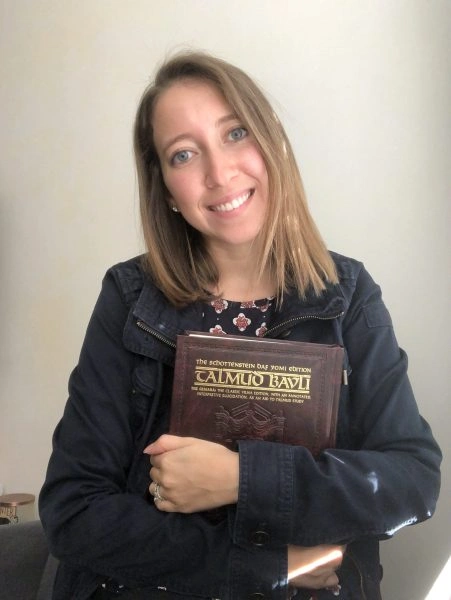
Yafit Fishbach
Memphis, Tennessee, United States
I started learning Daf in Jan 2020 with Brachot b/c I had never seen the Jewish people united around something so positive, and I wanted to be a part of it. Also, I wanted to broaden my background in Torah Shebal Peh- Maayanot gave me a great gemara education, but I knew that I could hold a conversation in most parts of tanach but almost no TSB. I’m so thankful for Daf and have gained immensely.

Meira Shapiro
NJ, United States
I had tried to start after being inspired by the hadran siyum, but did not manage to stick to it. However, just before masechet taanit, our rav wrote a message to the shul WhatsApp encouraging people to start with masechet taanit, so I did! And this time, I’m hooked! I listen to the shiur every day , and am also trying to improve my skills.
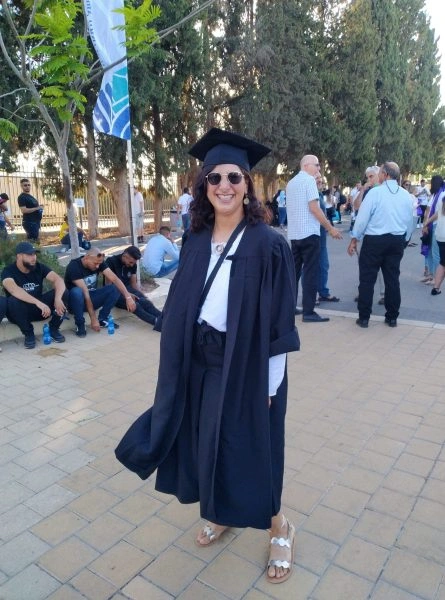
Laura Major
Yad Binyamin, Israel
I started learning Daf Yomi inspired by תָּפַסְתָּ מְרוּבֶּה לֹא תָּפַסְתָּ, תָּפַסְתָּ מוּעָט תָּפַסְתָּ. I thought I’d start the first page, and then see. I was swept up into the enthusiasm of the Hadran Siyum, and from there the momentum kept building. Rabbanit Michelle’s shiur gives me an anchor, a connection to an incredible virtual community, and an energy to face whatever the day brings.

Medinah Korn
בית שמש, Israel
Retirement and Covid converged to provide me with the opportunity to commit to daily Talmud study in October 2020. I dove into the middle of Eruvin and continued to navigate Seder Moed, with Rabannit Michelle as my guide. I have developed more confidence in my learning as I completed each masechet and look forward to completing the Daf Yomi cycle so that I can begin again!

Rhona Fink
San Diego, United States
I’ve been learning since January 2020, and in June I started drawing a phrase from each daf. Sometimes it’s easy (e.g. plants), sometimes it’s very hard (e.g. korbanot), and sometimes it’s loads of fun (e.g. bird racing) to find something to draw. I upload my pictures from each masechet to #DafYomiArt. I am enjoying every step of the journey.

Gila Loike
Ashdod, Israel
My curiosity was peaked after seeing posts about the end of the last cycle. I am always looking for opportunities to increase my Jewish literacy & I am someone that is drawn to habit and consistency. Dinnertime includes a “Guess what I learned on the daf” segment for my husband and 18 year old twins. I also love the feelings of connection with my colleagues who are also learning.

Diana Bloom
Tampa, United States
I began Daf Yomi with the last cycle. I was inspired by the Hadran Siyum in Yerushalayim to continue with this cycle. I have learned Daf Yomi with Rabanit Michelle in over 25 countries on 6 continents ( missing Australia)

Barbara Goldschlag
Silver Spring, MD, United States
About a year into learning more about Judaism on a path to potential conversion, I saw an article about the upcoming Siyum HaShas in January of 2020. My curiosity was piqued and I immediately started investigating what learning the Daf actually meant. Daily learning? Just what I wanted. Seven and a half years? I love a challenge! So I dove in head first and I’ve enjoyed every moment!!

Nickie Matthews
Blacksburg, United States
“I got my job through the NY Times” was an ad campaign when I was growing up. I can headline “I got my daily Daf shiur and Hadran through the NY Times”. I read the January 4, 2020 feature on Reb. Michelle Farber and Hadran and I have been participating ever since. Thanks NY Times & Hadran!
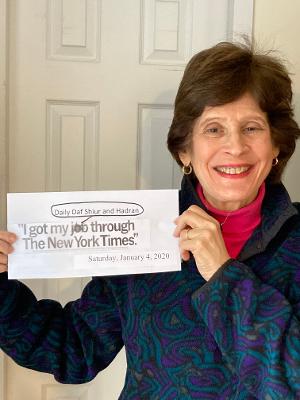
Deborah Aschheim
New York, United States
In my Shana bet at Migdal Oz I attended the Hadran siyum hash”as. Witnessing so many women so passionate about their Torah learning and connection to God, I knew I had to begin with the coming cycle. My wedding (June 24) was two weeks before the siyum of mesechet yoma so I went a little ahead and was able to make a speech and siyum at my kiseh kallah on my wedding day!

Sharona Guggenheim Plumb
Givat Shmuel, Israel
Studying has changed my life view on הלכה and יהדות and time. It has taught me bonudaries of the human nature and honesty of our sages in their discourse to try and build a nation of caring people .
Goldie Gilad
Kfar Saba, Israel
I’ve been studying Talmud since the ’90s, and decided to take on Daf Yomi two years ago. I wanted to attempt the challenge of a day-to-day, very Jewish activity. Some days are so interesting and some days are so boring. But I’m still here.
Wendy Rozov
Phoenix, AZ, United States
I started learning Jan 2020 when I heard the new cycle was starting. I had tried during the last cycle and didn’t make it past a few weeks. Learning online from old men didn’t speak to my soul and I knew Talmud had to be a soul journey for me. Enter Hadran! Talmud from Rabbanit Michelle Farber from a woman’s perspective, a mother’s perspective and a modern perspective. Motivated to continue!
Keren Carter
Brentwood, California, United States
Years ago, I attended the local Siyum HaShas with my high school class. It was inspiring! Through that cycle and the next one, I studied masekhtot on my own and then did “daf yomi practice.” The amazing Hadran Siyum HaShas event firmed my resolve to “really do” Daf Yomi this time. It has become a family goal. We’ve supported each other through challenges, and now we’re at the Siyum of Seder Moed!

Elisheva Brauner
Jerusalem, Israel
I had never heard of Daf Yomi and after reading the book, The Weight of Ink, I explored more about it. I discovered that it was only 6 months before a whole new cycle started and I was determined to give it a try. I tried to get a friend to join me on the journey but after the first few weeks they all dropped it. I haven’t missed a day of reading and of listening to the podcast.

Anne Rubin
Elkins Park, United States
Menachot 75
מָה כָּאן – מַתַּן שֶׁמֶן בִּכְלִי, אַף לְהַלָּן – מַתַּן שֶׁמֶן בִּכְלִי. וּמָה לְהַלָּן – יְצִיקָה וּבְלִילָה, אַף כָּאן יְצִיקָה וּבְלִילָה.
Just as here, with regard to the deep-pan meal offering, the placement of oil in an empty utensil is required, to which the flour is added only afterward, so too there, with regard to the meal offering prepared in a shallow pan, the placement of oil in an empty utensil is required. And just as there, with regard to the meal offering prepared in a shallow pan, pouring and mixing are required, as the verse states: “Mixed with oil…and pour oil upon it” (Leviticus 2:5–6), so too here, with regard to the deep-pan meal offering, pouring and mixing are required.
חַלּוֹת – בּוֹלְלָן, דִּבְרֵי רַבִּי, וַחֲכָמִים אוֹמְרִים: סוֹלֶת.
§ The mishna teaches: With regard to meal offerings that come as loaves, i.e., those prepared in a shallow pan or deep pan or those baked in an oven, it is after the flour has been baked into loaves that one breaks them into pieces and mixes them with oil; this is the statement of Rabbi Yehuda HaNasi. And the Rabbis say: It is with fine flour, before the baking, that one mixes the oil.
תָּנוּ רַבָּנַן: ״סֹלֶת בְּלוּלָה״, מְלַמֵּד שֶׁנִּבְלֶלֶת סוֹלֶת. רַבִּי אוֹמֵר: חַלּוֹת בּוֹלְלָן, שֶׁנֶּאֱמַר: ״חַלּוֹת בְּלוּלֹת״. אָמְרוּ לוֹ: וַהֲלֹא לַחְמֵי תוֹדָה נֶאֱמַר בָּהֶן ״חַלּוֹת״, וְאִי אֶפְשָׁר לְבוֹלְלָן כְּשֶׁהֵן חַלּוֹת, אֶלָּא סוֹלֶת!
The Sages taught in a baraita: With regard to the meal offering prepared in a shallow pan, the verse states: “It shall be of fine flour unleavened, mixed with oil.” This teaches that it is mixed while still flour. Rabbi Yehuda HaNasi says: It is after the flour has been baked into loaves that he mixes them, as it is stated: “And when you bring a meal offering baked in the oven, it shall be unleavened loaves of fine flour mixed with oil” (Leviticus 2:4). The Rabbis said to him: But is it not with regard to loaves of a thanks offering that it is stated: “Unleavened loaves mixed with oil…and loaves mixed with oil, of fine flour soaked” (Leviticus 7:12), and it is not possible to mix them when they are loaves, but only when they are fine flour?
כֵּיצַד עוֹשֶׂה? נוֹתֵן שֶׁמֶן בִּכְלִי קוֹדֶם לַעֲשִׂיָּיתָן, וְנוֹתְנָהּ, וְנוֹתֵן שֶׁמֶן עָלֶיהָ וּבוֹלְלָהּ, וְלָשָׁהּ, וְאוֹפָהּ, וּפוֹתְתָהּ, וְנוֹתֵן עָלֶיהָ שֶׁמֶן, וְקוֹמֵץ.
The Gemara explains the procedure of mixing the oven-baked meal offerings according to the Rabbis. How does the priest perform the rite? He places oil in a utensil before the placement of the flour is done, and then he places the flour into the utensil. And he then places oil upon it and mixes it, and kneads it in lukewarm water, and bakes it in a shallow pan or a deep pan, in accordance with his vow. And then he breaks it into pieces, and he again places oil upon the pieces, which constitutes the required pouring, and he removes a handful for the altar.
רַבִּי אוֹמֵר: חַלּוֹת בּוֹלְלָן, שֶׁנֶּאֱמַר: ״חַלּוֹת בְּלוּלֹת בַּשֶּׁמֶן״. כֵּיצַד עוֹשֶׂה? נוֹתֵן שֶׁמֶן בִּכְלִי קוֹדֶם לַעֲשִׂיָּיתָהּ, וְנוֹתְנָהּ, וְלָשָׁהּ, וְאוֹפָהּ, וּפוֹתְתָהּ, וְנוֹתֵן עָלֶיהָ שֶׁמֶן, וּבוֹלְלָהּ, וְחוֹזֵר וְנוֹתֵן עָלֶיהָ שֶׁמֶן, וְקוֹמֵץ.
Rabbi Yehuda HaNasi says: After the meal offerings have been baked into loaves, one breaks them into pieces and mixes them with oil, as it is stated: “Loaves of fine flour mixed with oil.” How does the priest perform the rite? He places oil in a utensil before the placement of the flour is done, and then he places the flour into the utensil. And then he kneads it in lukewarm water, and bakes it in a shallow pan or deep pan, and breaks the loaves into pieces, and places oil upon the pieces and mixes them, and again places oil upon the pieces, which constitutes the pouring of the oil, and removes a handful to be burned on the altar.
״אִי אֶפְשָׁר״ דְּקָאָמְרִי לֵיהּ רַבָּנַן לְרַבִּי, מַאי הִיא? אָמַר רַבִּי שְׁמוּאֵל בַּר רַב יִצְחָק: רְבִיעִית שֶׁמֶן הִיא, הֵיאַךְ מִתְחַלֶּקֶת לְכַמָּה חַלּוֹת?
The Gemara asks: With regard to the difficulty that it is not possible to mix them when they are loaves, which the Rabbis said to Rabbi Yehuda HaNasi, what is it that makes it impossible? The Gemara answers that Rabbi Shmuel bar Rav Yitzḥak says: Since only a quarter-log of oil is used, how could it be divided among a number of loaves? As this is not sufficient oil to mix with baked offerings, it must be that the oil is mixed with the unbaked flour.
הַחַלּוֹת טְעוּנוֹת בְּלִילָה, וּרְקִיקִין מְשִׁיחָה. תָּנוּ רַבָּנַן: ״חַלּוֹת בְּלוּלֹת״, וְלֹא רְקִיקִין בְּלוּלִין. שֶׁיָּכוֹל וַהֲלֹא דִּין הוּא: וּמָה חַלּוֹת שֶׁאֵינָן טְעוּנוֹת מְשִׁיחָה – טְעוּנוֹת בְּלִילָה, רְקִיקִין שֶׁטְּעוּנִין מְשִׁיחָה – אֵינוֹ דִּין שֶׁטְּעוּנִין בְּלִילָה! תַּלְמוּד לוֹמַר: ״חַלּוֹת בְּלוּלֹת״ – וְלֹא רְקִיקִין בְּלוּלִין.
§ The mishna teaches: The loaves of the meal offering baked in an oven require mixing of their flour with oil, and wafers require only smearing. The Sages taught in a baraita: The verse specifies with regard to the oven-baked meal offering: “And when you bring a meal offering baked in the oven, it shall be unleavened loaves of fine flour mixed with oil” (Leviticus 2:4). This indicates that only the loaves are mixed, but the wafers are not mixed. This derivation is necessary, as one might have thought: Could the opposite conclusion not be derived through logical inference? And if loaves, which do not require smearing, do require mixing, then is it not logical that wafers, which require smearing, also require mixing? To counter this inference, the verse states: “Loaves of fine flour mixed,” but wafers are not mixed.
״רְקִיקִין מְשׁוּחִין״, וְלֹא חַלּוֹת מְשׁוּחוֹת. שֶׁיָּכוֹל – וַהֲלֹא דִּין הוּא: וּמָה רְקִיקִין שֶׁאֵינָן טְעוּנִין בְּלִילָה – טְעוּנִין מְשִׁיחָה, חַלּוֹת שֶׁטְּעוּנוֹת בְּלִילָה – אֵינוֹ דִּין שֶׁטְּעוּנוֹת מְשִׁיחָה! תַּלְמוּד לוֹמַר ״רְקִיקִין מְשׁוּחִים״ – וְלֹא חַלּוֹת מְשׁוּחוֹת.
With regard to wafers, the same verse teaches that wafers are smeared with oil, but loaves are not smeared. This derivation is necessary, as one might have thought: Could the opposite conclusion not be derived through logical inference, namely: And if wafers, which do not require mixing, do require smearing, then is it not logical that loaves, which require mixing, also require smearing? To counter this inference, the verse states that wafers are smeared with oil, but loaves are not smeared.
מַאי תַּלְמוּדָא? אָמַר רָבָא: לָא לִישְׁתְּמִיט וְלִכְתּוֹב ״חַלּוֹת מְשׁוּחוֹת וּרְקִיקִין בְּלוּלִין״.
The Gemara asks: What is the biblical derivation? Why are the terms “mixed” and “smeared” not interpreted to be referring to both varieties of oven-baked meal offerings? The Gemara answers: Rava said: If this were the intention, then the Torah should not omit this description completely, and let it write in some other verse: Smeared loaves and mixed wafers. The fact that the Torah never describes the loaves as smeared and wafers as mixed indicates that loaves are not smeared and wafers are not mixed.
כֵּיצַד מוֹשְׁחָן? כְּמִין כִּי, וְהַשְּׁאָר נֶאֱכָל וְכוּ׳. מַאי ״כְּמִין כִּי״? אָמַר רַב כָּהֲנָא: כְּמִין כִּי יְוָונִי.
§ The mishna teaches: How does one smear oil on them? He does so in a shape similar to chi, and the rest of the oil is eaten by priests. The Gemara asks: What is the meaning of: Similar to chi? Rav Kahana said: It is smeared in a shape similar to the Greek letter chi, Χ.
תָּנוּ רַבָּנַן: מִנְחָה הַבָּאָה מֶחֱצָה חַלּוֹת וּמֶחֱצָה רְקִיקִין, מֵבִיא לוֹג שֶׁמֶן, וְחוֹצֵהוּ – חֶצְיוֹ לַחַלּוֹת וְחֶצְיוֹ לָרְקִיקִין.
§ Concerning the mixing of oil into the loaves and the smearing of oil upon the wafers, the Sages taught in a baraita: An oven-baked meal offering that comes as half loaves and half wafers, i.e., five of each, may be brought according to the opinion of Rabbi Shimon, who does not require ten items of a uniform type. How is the oil applied to this offering? According to one opinion, he brings a log of oil, which is the requisite quantity to accompany a tenth of an ephah of flour, and divides it into two parts. Half of the oil is used for the loaves, and half of the oil is used for the wafers.
וְחַלּוֹת בּוֹלְלָן, וּרְקִיקִין מוֹשְׁחָן, וּמוֹשֵׁחַ אֶת הָרָקִיק עַל פְּנֵי כּוּלּוֹ, וּשְׁאָר הַשֶּׁמֶן מַחְזִירוֹ לַחַלּוֹת. רַבִּי שִׁמְעוֹן בֶּן יְהוּדָה מִשּׁוּם רַבִּי שִׁמְעוֹן אוֹמֵר: מוֹשְׁחָן כְּמִין כִּי, וּשְׁאָר הַשֶּׁמֶן נֶאֱכָל לַכֹּהֲנִים.
As for the loaves, he mixes them with the oil, and as for the wafers, he smears them. And he smears the oil on the wafer over the entire surface, not in the shape of the letter chi, and he returns the rest of the oil to mix into the loaves. Rabbi Shimon ben Yehuda says in the name of Rabbi Shimon: He smears them in a shape similar to the letter chi, and the rest of the oil is eaten by the priests.
תַּנְיָא אִידַּךְ: רְקִיקִין הַבָּאִים בִּפְנֵי עַצְמָן, מֵבִיא לוֹג שֶׁמֶן וּמוֹשְׁחָן, וְחוֹזֵר וּמוֹשְׁחָן, עַד שֶׁיִּכְלֶה כׇּל שֶׁמֶן שֶׁבַּלּוֹג. רַבִּי שִׁמְעוֹן בֶּן יְהוּדָה אוֹמֵר מִשּׁוּם רַבִּי שִׁמְעוֹן: מוֹשְׁחָן כְּמִין כִּי, וּשְׁאָר הַשֶּׁמֶן נֶאֱכָל לַכֹּהֲנִים.
It is taught in another baraita: In the case of ten wafers that come by themselves as a meal offering baked in the oven, and not as part of another offering, he brings a log of oil and smears them, and he again smears them repeatedly until all the oil in the log is finished. Rabbi Shimon ben Yehuda says in the name of Rabbi Shimon: He smears them in a shape similar to the letter chi, and the rest of the oil is eaten by the priests.
מַתְנִי׳ כׇּל הַמְּנָחוֹת הַנַּעֲשׂוֹת בִּכְלִי טְעוּנוֹת פְּתִיתָה.
MISHNA: All the meal offerings that are prepared in a vessel require breaking into pieces.
גְּמָ׳ לְמַעוֹטֵי מַאי? אָמַר רַב פָּפָּא: לְמַעוֹטֵי שְׁתֵּי הַלֶּחֶם וְלֶחֶם הַפָּנִים.
GEMARA: The Gemara asks: To exclude what does the mishna state that this halakha applies specifically to meal offerings prepared in vessels? Rav Pappa said: The mishna serves to exclude the two loaves, i.e., the public offering on Shavuot of two loaves baked from new wheat, and the shewbread, the twelve loaves that were placed on the Table in the Sanctuary each Shabbat. Since these are baked in an oven and not prepared in vessels, they do not require breaking into pieces.
תָּנוּ רַבָּנַן: ״פָּתוֹת אֹתָהּ פִּתִּים מִנְחָה״ – לְרַבּוֹת כׇּל הַמְּנָחוֹת לִפְתִיתָה. יָכוֹל שֶׁאֲנִי מְרַבֶּה אַף שְׁתֵּי הַלֶּחֶם וְלֶחֶם הַפָּנִים? תַּלְמוּד לוֹמַר: ״אֹתָהּ״.
§ The Sages taught in a baraita that the verse discussing a meal offering prepared in a pan states: “You shall break it in pieces, and pour oil upon it; it is a meal offering” (Leviticus 2:6). The fact that the verse concludes with the phrase: “It is a meal offering,” indicates that the Torah means to include all the meal offerings in the requirement of breaking into pieces. One might have thought that I should include even the two loaves and the shewbread. Therefore, the verse states: “You shall break it in pieces”; i.e., the meal offering baked in a pan, but not the two loaves and the shewbread.
״וְיָצַקְתָּ … שָׁמֶן מִנְחָה״ – לְרַבּוֹת כׇּל הַמְּנָחוֹת לִיצִיקָה. יָכוֹל שֶׁאֲנִי מְרַבֶּה אַף מִנְחַת מַאֲפֶה? תַּלְמוּד לוֹמַר ״עָלֶיהָ שָׁמֶן״.
The baraita continues that the same verse states: “And you shall pour oil upon it; it is a meal offering.” The fact that the verse concludes with the phrase “It is a meal offering” indicates that the Torah means to include all the meal offerings in the requirement of pouring. One might have thought that I should include even the oven-baked meal offering. Therefore, the verse states: “And you shall pour oil upon it,” i.e., upon this meal offering, but not upon the oven-baked meal offering.
אוֹצִיא אֶת הַחַלּוֹת וְלֹא אוֹצִיא אֶת הָרְקִיקִין? תַּלְמוּד לוֹמַר ״הִיא״. מַאי תַּלְמוּדָא? אֵימָא לְהוֹצִיא מִנְחַת כֹּהֲנִים!
The baraita concludes: Perhaps I should exclude only the loaves from the requirement of pouring, but I should not exclude the wafers. Therefore, the verse states: “It is a meal offering,” indicating that wafers are also excluded. The Gemara asks: What is the biblical derivation, by which the term “it” excludes wafers specifically? Perhaps I will say: The term serves to exclude the meal offering of priests from the requirement of pouring.
אָמַר רַבָּה: אֵיזֶהוּ דָּבָר שֶׁצָּרִיךְ שְׁנֵי מִיעוּטִין? הֱוֵי אוֹמֵר זוֹ מִנְחַת מַאֲפֶה.
Rabba says: This is the reason that wafers are also excluded from the mitzva of pouring, while a meal offering brought by a priest is not excluded: The verse uses two expressions of exclusion: “Upon it,” and: “It is a meal offering.” What is the matter that requires two exclusions? You must say: It is the oven-baked meal offering, of which there are two types of offerings: Wafers and loaves.
מַתְנִי׳ מִנְחַת יִשְׂרָאֵל – קוֹפֵל אֶחָד לִשְׁנַיִם, וּשְׁנַיִם לְאַרְבָּעָה, וּמַבְדִּיל. מִנְחַת כֹּהֲנִים – קוֹפֵל אֶחָד לִשְׁנַיִם, וּשְׁנַיִם לְאַרְבָּעָה, וְאֵינוֹ מַבְדִּיל. מִנְחַת כֹּהֵן מָשִׁיחַ – לֹא הָיָה מְקַפְּלָה. רַבִּי שִׁמְעוֹן אוֹמֵר: מִנְחַת כֹּהֲנִים וּמִנְחַת כֹּהֵן מָשִׁיחַ אֵין בָּהֶן פְּתִיתָה, מִפְּנֵי שֶׁאֵין בָּהֶן קְמִיצָה, וְכֹל שֶׁאֵין בָּהֶן קְמִיצָה – אֵין בָּהֶן פְּתִיתָה. וְכוּלָּן פּוֹתְתָן כְּזֵיתִים.
MISHNA: In breaking the meal offering of an Israelite into pieces, the priest folds [kofel] one into two and two into four and separates it at the folds. In breaking into pieces the meal offering of priests, the priest folds one into two and two into four and does not separate it at the folds. Because no handful is removed, separation is unnecessary. In the case of the griddle-cake meal offering of the anointed priest, he would not fold it. Rabbi Shimon says: In neither the meal offering of priests nor the meal offering of the anointed priest is there breaking into pieces, because in those meal offerings there is no removal of a handful. And any meal offering in which there is no removal of a handful there is no breaking into pieces. And in all meal offerings that are broken into pieces, the priest breaks them into olive-bulk-sized pieces.
גְּמָ׳ תָּנוּ רַבָּנַן: ״פָּתוֹת״ – יָכוֹל לִשְׁנַיִם? תַּלְמוּד לוֹמַר ״פִּתִּים״. אִי ״פִּתִּים״ – יָכוֹל יַעֲשֶׂנָּה פֵּירוּרִין? תַּלְמוּד לוֹמַר ״אֹתָהּ״ – אוֹתָהּ לִפְתִיתִים, וְלֹא פְּתִיתָה לִפְתִיתִים.
GEMARA: With regard to the difference between the meal offering of an Israelite and that of a priest detailed in the mishna, the Sages taught in a baraita: The verse states: “You shall break it in pieces” (Leviticus 2:6). One might have thought that it should be broken into only two pieces. Therefore, the verse states: “Break it in pieces,” indicating that each of these two pieces is subsequently broken into more pieces. If the Torah requires pieces, one might have thought that he should repeatedly break it into pieces until he renders it into crumbs. Therefore, the verse states: “Break it,” i.e., break it in pieces, and do not break its pieces into additional pieces.
הָא כֵּיצַד? מִנְחַת יִשְׂרָאֵל – קוֹפֵל אֶחָד לִשְׁנַיִם וּשְׁנַיִם לְאַרְבָּעָה וּמַבְדִּיל. מִנְחַת כֹּהֲנִים וְכֹהֵן מָשִׁיחַ – הָיָה מְקַפְּלָה וְכוּ׳. וְהָא אֲנַן תְּנַן: לֹא הָיָה מְקַפְּלָה! אָמַר רַבָּה: אֵינוֹ מְקַפְּלָה לְאַרְבָּעָה, אֲבָל מְקַפְּלָה לִשְׁנַיִם.
How so? In the case of the meal offering of an Israelite, the priest folds one into two and two into four and separates the pieces. In breaking into pieces the meal offering of priests and the anointed priest, the priest folds it into two, as it is stated: “In broken pieces you shall sacrifice the offering” (Leviticus 6:14). The Gemara asks: With regard to the meal offering of the anointed priest, didn’t we learn in the mishna: He would not fold it? Rabba says: He does not fold it into four, as it does not use the doubled phrase: “You shall break it in pieces [patot otah pitim],” but he does fold it into two.
רַבִּי שִׁמְעוֹן אוֹמֵר: מִנְחַת כֹּהֲנִים וּמִנְחַת כֹּהֵן מָשִׁיחַ אֵין בָּהֶן פְּתִיתָה. אָמַר רַב יוֹסֵף: הַאי חֲבִיצָא דְּאִית בַּהּ פֵּירוּרִין כְּזַיִת – מְבָרְכִינַן עֲלֵיהּ ״הַמּוֹצִיא לֶחֶם מִן הָאָרֶץ״, אִי לֵית בַּהּ פֵּירוּרִין כְּזַיִת – מְבָרְכִינַן עֲלֵיהּ ״בּוֹרֵא מִינֵי מְזוֹנוֹת״.
The mishna teaches: Rabbi Shimon says: In neither the meal offering of priests nor the meal offering of the anointed priest is there breaking into pieces…and in all meal offerings that are broken into pieces, one breaks them into olive-bulk pieces. Rav Yosef said: Over this cooked dish, which contains pieces of bread that are the size of an olive-bulk, before eating it one recites upon it the blessing of: Who brings forth bread from the earth. Over that same cooked dish, if it does not contain pieces of bread that are the size of an olive-bulk, before eating it one recites upon it the blessing of: Who creates the various kinds of nourishment.
אָמַר רַב יוֹסֵף: מְנָא אָמֵינָא לַהּ? דְּתַנְיָא: הָיָה עוֹמֵד וּמַקְרִיב מְנָחוֹת בִּירוּשָׁלַיִם, אוֹמֵר: ״בָּרוּךְ שֶׁהֶחֱיָינוּ וְקִיְּמָנוּ״, נְטָלָן לְאׇכְלָן אוֹמֵר: ״הַמּוֹצִיא לֶחֶם מִן הָאָרֶץ״, וּתְנַן: וְכוּלָּן פְּתִיתִים בִּכְזַיִת.
Rav Yosef said: From where do I say this halakha? As it is taught in a baraita: The first time an Israelite would stand and instruct a priest to sacrifice meal offerings in Jerusalem on his behalf, he would recite: Blessed are You, Lord our God, King of the universe, Who has given us life and sustained us and brought us to this time, as it is the first time that the Israelite fulfills the mitzva of bringing that offering. Following the removal of the handful, when the priest would take the meal offerings in order to eat them, he would first recite the blessing of: Who brings forth bread from the earth. And we learned in the mishna: And in all meal offerings that are broken into pieces, the priest breaks them into pieces the size of an olive-bulk. This proves that over pieces of bread that are the volume of an olive-bulk, one recites the blessing of: Who brings forth bread from the earth.
אֲמַר לֵיהּ אַבָּיֵי: וּלְתַנָּא דְּבֵי רַבִּי יִשְׁמָעֵאל, דְּאָמַר מְפָרְכָן עַד שֶׁמַּחְזִירָן לְסׇלְתָּן, הָכִי נָמֵי דְּלָא מְבָרֵךְ ״הַמּוֹצִיא״?
Abaye said to Rav Yosef: But according to the tanna of the school of Rabbi Yishmael, who said with regard to meal offerings: He crushes them continuously until he restores them to the form they had when they were flour, would you say that so too, in that case, one who eats a meal offering so prepared does not recite the blessing of: Who brings forth bread from the earth?
וְכִי תֵּימָא הָכִי נָמֵי, וְהָתַנְיָא: לִיקֵּט מִכּוּלָּן כְּזַיִת וַאֲכָלוֹ, אִם חָמֵץ הוּא – עָנוּשׁ כָּרֵת, אִם מַצָּה הוּא – אָדָם יוֹצֵא בָּהֶן יְדֵי חוֹבָתוֹ בַּפֶּסַח.
And if you would say that indeed, one does not recite that blessing over these meal offerings, that is difficult: But isn’t it taught in a baraita: With regard to one who gathered a portion the volume of an olive-bulk from all of the crumbs of the meal offerings and ate it, if it was an offering of leavened bread like that of a thanks offering, and he ate it on Passover, his act is punishable by karet. If it was an offering of unleavened bread, a person fulfills his obligation to eat matza on Passover through the consumption of those pieces. This indicates that pieces of bread, regardless of their volume, are always considered bread.
הָכָא בְּמַאי עָסְקִינַן? בְּשֶׁעֵירְסָן.
Rav Yosef answered him that this is not the halakha, and one does not recite a blessing over crumbs of bread as he would over actual bread. Rather, what are we dealing with here? We are dealing with a case where one kneaded the crumbs of bread together and pressed them [beshe’eirsan] into a single mass.
אִי הָכִי, הַיְינוּ דְּקָתָנֵי עֲלַהּ: וְהוּא שֶׁאֲכָלָן בִּכְדֵי אֲכִילַת פְּרָס, וְאִי בְּשֶׁעֵירְסָן – ״שֶׁאֲכָלוֹ״ מִיבְּעֵי לֵיהּ! אֶלָּא הָכָא בְּמַאי עָסְקִינַן? בְּבָא מִלֶּחֶם גָּדוֹל.
The Gemara challenges this: If so, that which is taught about the ruling in the baraita: And this is the halakha when he ate all of the crumbs that constitute the volume of an olive-bulk in the time it takes to eat a half-loaf [peras] of bread, is difficult. As, if it is a case where he pressed them into a single mass, the baraita should have taught: When he ate it, in the singular, as it is a single item. Rather, what are we dealing with here? We are dealing with a case where the crumbs came from a large loaf of bread. Although the crumbs themselves are each smaller than an olive-bulk, since they were broken from a large loaf, they are considered significant.
מַאי הָוֵי עֲלַהּ? רַב שֵׁשֶׁת אָמַר: אֲפִילּוּ פֵּירוּרִין שֶׁאֵין בָּהֶן כְּזַיִת. אָמַר רָבָא: וְהוּא דְּאִיכָּא תּוֹרִיתָא דְּנַהְמָא עֲלַיְיהוּ.
The Gemara asks: With regard to the blessing recited on the cooked dish with pieces less than an olive-bulk in volume, what halakhic conclusion was reached about it? Rav Sheshet says: Even when eating pieces of bread that do not have the volume of an olive-bulk, one recites the blessing of: Who brings forth bread from the earth. Rava said: And this is limited to a case where the crumbs still have the appearance [torita] of bread, and they did not dissolve completely.
Follow

