








What are the stringencies that apply to waving that don’t apply to semicha and vice-versa? What shape were the lechem hapanim?
Menachot 94

11.12.2018 | ד׳ בכסלו תשע״ט
Share this shiur:
Want to dedicate learning? Get started here:
Menachot 94
בְּחַיִּים וּבִשְׁחוּטִין, וּבְדָבָר שֶׁיֵּשׁ בּוֹ רוּחַ חַיִּים וּבְדָבָר שֶׁאֵין בּוֹ רוּחַ חַיִּים, מַה שֶּׁאֵין כֵּן בַּסְּמִיכָה.
and it is practiced both in the cases of offerings when they are alive, e.g., the guilt offering of a leper and the lambs of Shavuot, and in the cases of offerings after they are slaughtered, e.g., the breast and thigh. By contrast, placing hands is practiced with a live animal. A further stringency is that waving is practiced both in the case of an item in which there is a living spirit, i.e., an animal offering, and in the case of an item in which there is not a living spirit, e.g., the omer offering, the sota meal offering, and the loaves accompanying a thanks offering and the ram of the nazirite, whereas placing hands is only ever performed upon living beings.
גְּמָ׳ תָּנוּ רַבָּנַן: קׇרְבָּנוֹ – לְרַבּוֹת כׇּל בַּעֲלֵי קׇרְבָּן לִסְמִיכָה.
GEMARA: The Sages taught in a baraita: The verse states with regard to placing hands: “And he shall place his hand on the head of his offering” (Leviticus 3:2). The term “his offering” serves to include all of the owners of an offering in the requirement of placing hands, i.e., each one must perform it.
שֶׁיָּכוֹל, וַהֲלֹא דִּין הוּא: וּמָה תְּנוּפָה שֶׁנִּתְרַבְּתָה בִּשְׁחוּטִין נִתְמַעֲטָה בְּחוֹבְרִין, סְמִיכָה שֶׁלֹּא נִתְרַבְּתָה בִּשְׁחוּטִין – אֵינוֹ דִּין שֶׁתִּתְמַעֵט בְּחוֹבְרִין? תַּלְמוּד לוֹמַר ״קׇרְבָּנוֹ״, לְרַבּוֹת כׇּל בַּעֲלֵי קׇרְבָּן לִסְמִיכָה.
It is necessary for the verse to teach this, as one might have thought: Could it not be derived through an a fortiori inference that only one partner needs to place his hands on the offering? The inference is as follows: If the requirement of waving, which was amplified to apply also to slaughtered animals, nevertheless was limited with regard to an offering jointly owned by a number of partners, as only one of them waves on behalf of all of them, then with regard to the requirement of placing hands, which was not amplified to apply also to slaughtered animals, is it not logical that it was also limited with regard to an offering jointly owned by partners, and it is sufficient for one partner to place his hands on behalf of the others? To counter this inference, the verse states: “His offering,” to include each of the owners of an offering in the requirement of placing hands.
וְתִתְרַבֶּה תְּנוּפָה בְּחוֹבְרִין מִקַּל וָחוֹמֶר: וּמָה סְמִיכָה שֶׁלֹּא נִתְרַבְּתָה בִּשְׁחוּטִין, נִתְרַבְּתָה בְּחוֹבְרִין, תְּנוּפָה שֶׁנִּתְרַבְּתָה בִּשְׁחוּטִין – אֵינוֹ דִּין שֶׁנִּתְרַבְּתָה בְּחוֹבְרִין!
The Gemara asks: But one could suggest the opposite inference and conclude that the requirement of waving should be amplified with regard to partners, through the following a fortiori inference: If the requirement of placing hands, which was not amplified to apply also to slaughtered animals, was amplified with regard to an offering jointly owned by partners, requiring each partner to perform it himself, then with regard to the requirement of waving, which was amplified to apply also to slaughtered animals, is it not logical that it was also amplified with regard to an offering jointly owned by partners, requiring each partner to perform it himself?
מִשּׁוּם דְּלָא אֶפְשָׁר, הֵיכִי לֶיעְבֵּיד? לַינְפּוּ כּוּלְּהוּ בַּהֲדֵי הֲדָדֵי – קָא הָוְיָא חֲצִיצָה, לָינֵיף וְלֶיהְדַּר וְלָינֵיף – ״תְּנוּפָה״ אָמַר רַחֲמָנָא, וְלֹא תְּנוּפוֹת.
The Gemara rejects this: This inference cannot be correct, because it is obvious that only one of the partners needs to perform the waving. It is not possible to have all of them perform it, as how would it be done? If one says: Let all of the partners wave together, with each one placing his hands under those of another, that is difficult: There would be an invalidating interposition between the offering and hands of the partners who are not directly holding onto the offering. And if one says: Let one partner wave, and then the next one will wave, and so on, that would also be invalid, as the Merciful One states in the Torah that one must perform a waving, using a singular noun, which indicates that one waving, but not multiple wavings, should be performed.
וּסְמִיכָה בִּשְׁחוּטִין לֵיתַהּ? וְהָתְנַן: בִּזְמַן שֶׁכֹּהֵן גָּדוֹל רוֹצֶה לְהַקְטִיר, הָיָה עוֹלֶה בַּכֶּבֶשׁ, וְהַסְּגָן בִּימִינוֹ. הִגִּיעַ לְמַחֲצִית הַכֶּבֶשׁ – אָחַז סְגָן בִּימִינוֹ וְהֶעֱלָהוּ, וְהוֹשִׁיט לוֹ הָרִאשׁוֹן הָרֹאשׁ וְהָרֶגֶל, סוֹמֵךְ עֲלֵיהֶם וְזוֹרְקָן.
§ The mishna states that placing hands is not performed upon a slaughtered offering. The Gemara questions this: And is there no instance of placing hands performed on slaughtered animals? But didn’t we learn in a mishna (Tamid 33b): When the High Priest would want to sacrifice the daily offering, as it is his right to be the one to sacrifice it whenever he wishes to, he would ascend the ramp to the top of the altar, and the deputy [segan] High Priest would also ascend to the right of the High Priest. If it occurred that the High Priest reached halfway up the ramp and grew tired, the deputy would hold him by his right hand to assist him and would bring him up to the top of the altar. And the first of the group of priests who had been selected to bring the limbs of the daily offering to the altar would hold out the head and the right hind leg of the offering to the High Priest, who would place his hands upon them, and then he would throw the limbs onto the fire of the altar.
הוֹשִׁיט הַשֵּׁנִי לָרִאשׁוֹן שְׁתֵּי יָדַיִם, נוֹתְנוֹ לְכֹהֵן גָּדוֹל, סוֹמֵךְ עֲלֵיהֶם וְזוֹרְקָן. נִשְׁמַט הַשֵּׁנִי וְהָלַךְ לוֹ, וְכָךְ הָיוּ מוֹשִׁיטִין לוֹ שְׁאָר כׇּל הָאֵבָרִים, סוֹמֵךְ עֲלֵיהֶם וְזוֹרְקָן.
Then the second priest would hold out the two forelegs to the first priest, and the first priest would give them to the High Priest, who would place his hands upon them and then throw them onto the fire. At this stage the second priest would slip away and leave, as he was no longer needed. The first priest remained where he was, as he was still needed to present the other limbs of the offering to the High Priest. And in this manner the other priests who had been selected would hold out the rest of all the limbs to the first priest, who would present them to the High Priest, who would then place his hands upon them and throw them onto the fire.
וּבִזְמַן שֶׁהוּא רוֹצֶה – הוּא סוֹמֵךְ, וַאֲחֵרִים זוֹרְקִין.
The mishna concludes: And when the High Priest wants, he may merely place his hands upon the limbs, and then the other priests throw the limbs onto the fire of the altar.
אָמַר אַבָּיֵי: הָתָם מִשּׁוּם כְּבוֹדוֹ דְּכֹהֵן גָּדוֹל.
This mishna apparently demonstrates an instance of placing hands performed upon a slaughtered animal. In resolution of this difficulty, Abaye said: In the mishna there, the placing of hands is not in fulfillment of the requirement to do so to an offering; rather, it is done merely due to the eminence of the High Priest, so that his sacrifice of the limbs of an offering is more distinguished than when performed by ordinary priests.
הֲדַרַן עֲלָךְ שְׁתֵּי מִדּוֹת.
מַתְנִי׳ שְׁתֵּי הַלֶּחֶם נִילּוֹשׁוֹת אַחַת אַחַת, וְנֶאֱפוֹת אַחַת אַחַת. לֶחֶם הַפָּנִים נִילּוֹשׁוֹת אַחַת אַחַת, וְנֶאֱפוֹת שְׁתַּיִם שְׁתַּיִם. וּבִדְפוּס הָיָה עוֹשֶׂה אוֹתָן; כְּשֶׁהוּא רוֹדָן, נוֹתְנָן לִדְפוּס כְּדֵי שֶׁלֹּא יִתְקַלְקְלוּ.
MISHNA: The two loaves that are brought on the festival of Shavuot from the new wheat are each made from a tenth of an ephah of fine flour. They are kneaded one by one and they are baked one by one, i.e., each loaf is placed separately in the oven. The loaves of the shewbread are kneaded one by one and baked two by two, i.e., two loaves are placed in the oven at the same time. And the baker would prepare the shewbread in a mold [defus] when he made the dough. When he removes the shewbread from the oven he again places the loaves in a mold so that their shape will not be ruined.
גְּמָ׳ מְנָא הָנֵי מִילֵּי? דְּתָנוּ רַבָּנַן: ״שְׁנֵי עֶשְׂרֹנִים יִהְיֶה הַחַלָּה הָאֶחָת״ – מְלַמֵּד שֶׁנִּילּוֹשׁוֹת אַחַת אַחַת.
GEMARA: The mishna teaches that the two loaves are kneaded one by one and baked one by one. The loaves of the shewbread are also kneaded one by one but are baked two at a time. The Gemara asks: From where are these matters derived? They are derived from a verse, as the Sages taught in a baraita: The verse states: “And you shall take fine flour, and bake twelve cakes from it; two-tenths of an ephah shall be in one cake. And you shall set them in two arrangements, six in an arrangement, upon the pure Table before the Lord” (Leviticus 24:5–6). The phrase “Two-tenths of an ephah shall be in one cake” teaches that the loaves of the shewbread are kneaded one by one.
מִנַּיִן שֶׁאַף שְׁתֵּי הַלֶּחֶם כָּךְ? תַּלְמוּד לוֹמַר ״יִהְיֶה״. וּמִנַּיִן שֶׁאֲפִיָּיתָן שְׁתַּיִם שְׁתַּיִם? תַּלְמוּד לוֹמַר ״וְשַׂמְתָּ אוֹתָם״. יָכוֹל אַף שְׁתֵּי הַלֶּחֶם כֵּן? תַּלְמוּד לוֹמַר ״אוֹתָם״.
The baraita continues: From where is it derived that this is also the halakha with regard to the two loaves, i.e., that they are kneaded one at a time? The verse states: “Shall be,” to include the two loaves. And from where is it derived that the baking of the loaves of the shewbread is performed two by two? The verse states: “And you shall set them [vesamta otam],” the plural form indicating that two loaves should be baked together. One might have thought that the two loaves brought on Shavuot should also be baked in this manner. The verse states: “Them [otam],” which is a term of exclusion, indicating that only the loaves of the shewbread are baked two at a time, but not the two loaves brought on Shavuot.
הַאי ״אוֹתָם״, הָא אַפֵּיקְתֵּיהּ? אִם כֵּן, לֵימָא קְרָא ״וְשַׂמְתָּם״! מַאי ״וְשַׂמְתָּ אוֹתָם״? שָׁמְעַתְּ מִינַּהּ תַּרְתֵּי.
The Gemara asks: Didn’t you already derive from this term: “Them,” that the shewbread must be baked two loaves at a time? The Gemara answers: If so, i.e., if the term “them” teaches only that the shewbread is baked two loaves at a time, let the verse say: And you shall set them [vesamtam], using the shortened form. What is the verse teaching by using the longer form “vesamta otam”? You may learn from the verse two matters, both that the loaves of the shewbread should be baked two at a time and that this requirement does not apply to the two loaves brought on Shavuot.
תָּנוּ רַבָּנַן: ״וְשַׂמְתָּ אוֹתָם״ – בִּדְפוּס. שְׁלֹשָׁה דְּפוּסִין הֵם: נוֹתְנָהּ לִדְפוּס וַעֲדַיִין הִיא בָּצֵק, וּכְמִין דְּפוּס הָיָה לָהּ בַּתַּנּוּר, וּכְשֶׁהוּא רוֹדָהּ נוֹתְנָהּ בַּדְּפוּס כְּדֵי שֶׁלֹּא תִּתְקַלְקֵל. וְלַהְדְּרַהּ לִדְפוּס קַמָּא? כֵּיוָן דְּאָפֵי לַהּ, נָפְחָה.
§ The mishna teaches that the shewbread was placed in a mold, and with regard to this the Sages taught in a baraita: The verse states: “And you shall set them” (Leviticus 24:6), which means to set them in a mold. There are three molds that are used in the Temple in the preparation of the loaves. First, the baker places the shewbread in a mold while it is still dough. And second, there was a type of mold for the shewbread in the oven, in which the loaves were baked. And when he removes [rodah] the shewbread from the oven, he places it in a third mold so that its shape will not be ruined. The Gemara asks: But why is a third mold necessary? Let him return the shewbread to the first mold, in which the dough was kneaded. The Gemara answers: Once the dough is baked, it rises, and no longer fits into the first mold.
אִיתְּמַר: לֶחֶם הַפָּנִים, כֵּיצַד עוֹשִׂין אוֹתוֹ?
§ It was stated: How is the shewbread prepared, i.e., in what shape?
רַבִּי חֲנִינָא אָמַר: כְּמִין תֵּיבָה פְּרוּצָה. רַבִּי יוֹחָנָן אָמַר: כְּמִין סְפִינָה רוֹקֶדֶת.
Rabbi Ḥanina says: It was rectangular, with a wide base and two parallel walls with an open space between them, like a box that is open on two sides. Rabbi Yoḥanan says that the shewbread was like a rocking boat, i.e., a triangular-shaped boat with a narrow base from which two walls rise at angles. Since the boat does not have a wide base it rocks from side to side.
בִּשְׁלָמָא לְמַאן דְּאָמַר כְּמִין תֵּיבָה פְּרוּצָה – הַיְינוּ דַּהֲווֹ יָתְבִי בָּזִיכִין, אֶלָּא לְמַאן דְּאָמַר כְּמִין סְפִינָה רוֹקֶדֶת – הֵיכִי הֲווֹ יָתְבִי בָּזִיכִין? מָקוֹם עָבֵיד לְהוּ.
The Gemara comments: Granted, according to the one who said the shewbread was like a box that is open on two sides, this is the reason that the bowls of frankincense could rest upon it. The Gemara asks: But according to the one who said the shewbread was like a rocking boat, how would the bowls rest upon it? The Gemara answers: The baker prepared a flat place for the bowls to rest, on the side of the shewbread.
בִּשְׁלָמָא לְמַאן דְּאָמַר כְּמִין תֵּיבָה פְּרוּצָה – הַיְינוּ דַּהֲווֹ יָתְבִי קָנִים, אֶלָּא לְמַאן דְּאָמַר כְּמִין סְפִינָה רוֹקֶדֶת – קָנִים הֵיכִי הֲווֹ יָתְבִי? מוּרְשָׁא עָבֵיד לְהוּ.
The Gemara comments: Granted, according to the one who said the shewbread was like a box that is open on two sides, this is the reason that the rods could rest upon the it. The shewbread was placed on the Table in two arrangements. In each arrangement the lowest loaf was placed on the Table and the remaining loaves were set one above the other, with rods separating the loaves. There were fourteen rods for each arrangement, each loaf being placed upon three rods, except for the uppermost loaf, which was placed on only two rods. The Gemara asks: But according to the one who said the shewbread was like a rocking boat, how were the rods resting upon the shewbread? Since the loaves had a narrow base, they would rest on only one rod. The Gemara answers: The baker would make a protrusion in the base of the loaves, which would slightly widen their pointed base, enabling them to rest with stability upon the rods.
בִּשְׁלָמָא לְמַאן דְּאָמַר כְּמִין תֵּיבָה פְּרוּצָה – הַיְינוּ דְּסָמְכִי לֵיהּ סְנִיפִין לְלֶחֶם, אֶלָּא לְמַאן דְּאָמַר כְּמִין סְפִינָה רוֹקֶדֶת – הֵיכִי סְמַכִי לֵיהּ סְנִיפִין לְלֶחֶם? דְּעָגִיל לְהוּ מִיעְגָּל.
The Gemara comments: Granted, according to the one who said the shewbread was like a box that is open on two sides, this is the reason that the panels would support the loaves. There were four gold panels that stood at the two sides of the Table and rose up above the height of the Table, and the rods rested on these panels. The loaves were placed lengthwise along the entire width of the Table, and the panels supported the two sides of the loaves, preventing them from falling to the ground. The Gemara asks: But according to the one who said the shewbread was like a rocking boat, how would the panels support the loaves? Since the sides of the shewbread rose at an angle, the panels would touch only the upper edges of the shewbread. The Gemara answers that the panels would be made to curve inward at an angle corresponding to the angle of the shewbread, so that the panels supported the loaves along their entire length.
בִּשְׁלָמָא לְמַאן דְּאָמַר כְּמִין סְפִינָה רוֹקֶדֶת – הַיְינוּ דְּבָעֵינַן סְנִיפִין, אֶלָּא לְמַאן דְּאָמַר כְּמִין תֵּיבָה פְּרוּצָה – סְנִיפִין לְמָה לִי? אַגַּב יוּקְרָא דְּלֶחֶם תָּלַח.
The Gemara comments: Granted, according to the one who said the shewbread was like a rocking boat, this is the reason that we require panels. Since the loaves do not have a wide base they cannot stand on their own without the support of the rods and panels. The Gemara asks: But according to the one who said the shewbread was like a box that is open on two sides, why do I need panels? The loaves could stand without the assistance of rods and panels. The Gemara answers: If there were no panels supporting the loaves from the sides and the loaves were placed on top of each other, due to the weight of the upper loaves the lower loaves would break [telaḥ].
בִּשְׁלָמָא לְמַאן דְּאָמַר כְּמִין סְפִינָה רוֹקֶדֶת – סְנִיפִין עַל גַּבֵּי שֻׁלְחָן מוּנָּחִין. אֶלָּא לְמַאן דְּאָמַר כְּמִין תֵּיבָה פְּרוּצָה – סְנִיפִין הֵיכָא מַנַּח לְהוּ? אַאַרְעָא מַנַּח לְהוּ? אִין, דְּאָמַר רַבִּי אַבָּא בַּר מֶמֶל: לְדִבְרֵי הָאוֹמֵר כְּמִין סְפִינָה רוֹקֶדֶת – סְנִיפִין עַל גַּבֵּי שֻׁלְחָן מוּנָּחִין, לְדִבְרֵי הָאוֹמֵר כְּמִין תֵּיבָה פְּרוּצָה – סְנִיפִין עַל גַּבֵּי קַרְקַע מוּנָּחִין.
The Gemara comments: Granted, according to the one who said the shewbread was like a rocking boat, it is evident that the panels are placed on the Table, in order to prevent the slanted loaves from falling to the ground. The Gemara asks: But according to the one who said the shewbread was like a box that is open on two sides, where would the priest place the panels? Since the wide base of the loaves reached the edge of the Table, there was no room for the panels there. Would the priest place them on the ground? The Gemara answers: Yes, the panels were placed on the ground, as Rabbi Abba bar Memel said: According to the statement of the one who says the shewbread was like a rocking boat, the panels are placed on the Table, whereas according to the statement of the one who says the shewbread was like a box that is open on two sides, the panels are placed on the ground.
כְּמַאן אָזְלָא הָא דְאָמַר רַבִּי יְהוּדָה: הַלֶּחֶם מַעֲמִיד אֶת הַסְּנִיפִין, וְהַסְּנִיפִין מַעֲמִידִין אֶת הַלֶּחֶם? כְּמַאן דְּאָמַר כְּמִין סְפִינָה רוֹקֶדֶת.
The Gemara asks: In accordance with whose opinion is that which Rabbi Yehuda said: The loaves support the panels and the panels support the loaves, i.e., they lean against one another? It is in accordance with the opinion of the one who said the shewbread was like a rocking boat, i.e., Rabbi Yoḥanan. According to the opinion of Rabbi Ḥanina, the panels stood on the ground and did not require the support of the loaves.
Follow 
New to Talmud?
Check out our resources designed to help you navigate a page of Talmud – and study at the pace, level and style that fits you.
The Hadran Women’s Tapestry
Meet the diverse women learning Gemara at Hadran and hear their stories.
When we heard that R. Michelle was starting daf yomi, my 11-year-old suggested that I go. Little did she know that she would lose me every morning from then on. I remember standing at the Farbers’ door, almost too shy to enter. After that first class, I said that I would come the next day but couldn’t commit to more. A decade later, I still look forward to learning from R. Michelle every morning.

Ruth Leah Kahan
Ra’anana, Israel
I started learning daf yomi at the beginning of this cycle. As the pandemic evolved, it’s been so helpful to me to have this discipline every morning to listen to the daf podcast after I’ve read the daf; learning about the relationships between the rabbis and the ways they were constructing our Jewish religion after the destruction of the Temple. I’m grateful to be on this journey!
Mona Fishbane
Teaneck NJ, United States
I started Daf during the pandemic. I listened to a number of podcasts by various Rebbeim until one day, I discovered Rabbanit Farbers podcast. Subsequently I joined the Hadran family in Eruvin. Not the easiest place to begin, Rabbanit Farber made it all understandable and fun. The online live group has bonded together and have really become a supportive, encouraging family.

Leah Goldford
Edmonton, Alberta, Canada
Shortly after the death of my father, David Malik z”l, I made the commitment to Daf Yomi. While riding to Ben Gurion airport in January, Siyum HaShas was playing on the radio; that was the nudge I needed to get started. The “everyday-ness” of the Daf has been a meaningful spiritual practice, especial after COVID began & I was temporarily unable to say Kaddish at daily in-person minyanim.

Lisa S. Malik
Wynnewood, United States
I started last year after completing the Pesach Sugiyot class. Masechet Yoma might seem like a difficult set of topics, but for me made Yom Kippur and the Beit HaMikdash come alive. Liturgy I’d always had trouble connecting with took on new meaning as I gained a sense of real people moving through specific spaces in particular ways. It was the perfect introduction; I am so grateful for Hadran!
Debbie Engelen-Eigles
Minnesota, United States
I attended the Siyum so that I could tell my granddaughter that I had been there. Then I decided to listen on Spotify and after the siyum of Brachot, Covid and zoom began. It gave structure to my day. I learn with people from all over the world who are now my friends – yet most of us have never met. I can’t imagine life without it. Thank you Rabbanit Michelle.
Emma Rinberg
Raanana, Israel
In early 2020, I began the process of a stem cell transplant. The required extreme isolation forced me to leave work and normal life but gave me time to delve into Jewish text study. I did not feel isolated. I began Daf Yomi at the start of this cycle, with family members joining me online from my hospital room. I’ve used my newly granted time to to engage, grow and connect through this learning.
Reena Slovin
Worcester, United States

Jill Shames
Jerusalem, Israel
I decided to learn one masechet, Brachot, but quickly fell in love and never stopped! It has been great, everyone is always asking how it’s going and chering me on, and my students are always making sure I did the day’s daf.
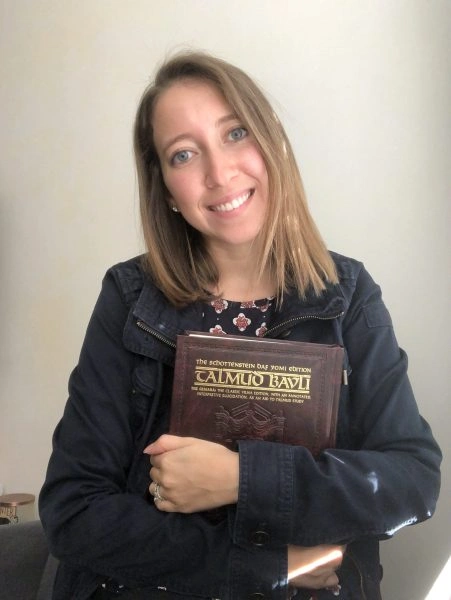
Yafit Fishbach
Memphis, Tennessee, United States
I started learning when my brother sent me the news clip of the celebration of the last Daf Yomi cycle. I was so floored to see so many women celebrating that I wanted to be a part of it. It has been an enriching experience studying a text in a language I don’t speak, using background knowledge that I don’t have. It is stretching my learning in unexpected ways, bringing me joy and satisfaction.
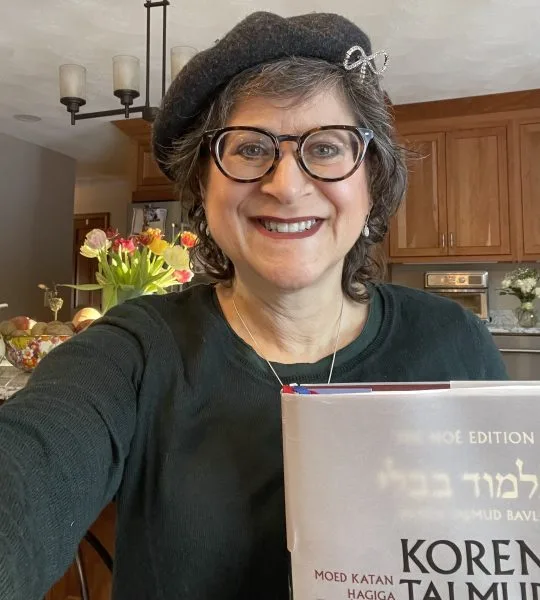
Jodi Gladstone
Warwick, Rhode Island, United States
Shortly after the death of my father, David Malik z”l, I made the commitment to Daf Yomi. While riding to Ben Gurion airport in January, Siyum HaShas was playing on the radio; that was the nudge I needed to get started. The “everyday-ness” of the Daf has been a meaningful spiritual practice, especial after COVID began & I was temporarily unable to say Kaddish at daily in-person minyanim.
Lisa S. Malik
Wynnewood, United States
After enthusing to my friend Ruth Kahan about how much I had enjoyed remote Jewish learning during the earlier part of the pandemic, she challenged me to join her in learning the daf yomi cycle. I had always wanted to do daf yomi but now had no excuse. The beginning was particularly hard as I had never studied Talmud but has become easier, as I have gained some familiarity with it.
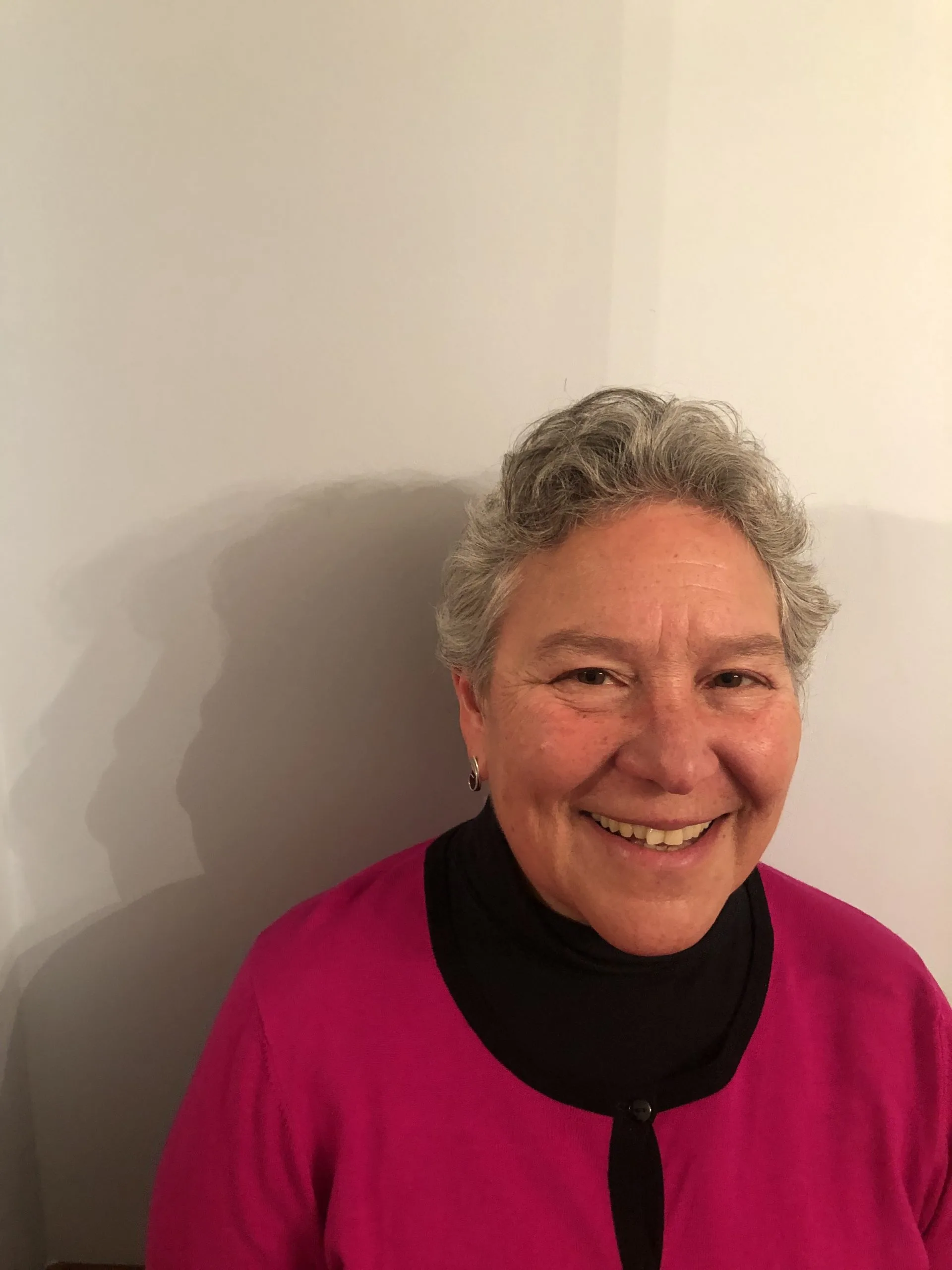
Susan Vishner
Brookline, United States
Retirement and Covid converged to provide me with the opportunity to commit to daily Talmud study in October 2020. I dove into the middle of Eruvin and continued to navigate Seder Moed, with Rabannit Michelle as my guide. I have developed more confidence in my learning as I completed each masechet and look forward to completing the Daf Yomi cycle so that I can begin again!

Rhona Fink
San Diego, United States
I started learning at the beginning of this cycle more than 2 years ago, and I have not missed a day or a daf. It’s been challenging and enlightening and even mind-numbing at times, but the learning and the shared experience have all been worth it. If you are open to it, there’s no telling what might come into your life.

Patti Evans
Phoenix, Arizona, United States
I heard the new Daf Yomi cycle was starting and I was curious, so I searched online for a women’s class and was pleasently surprised to find Rabanit Michelle’s great class reviews in many online articles. It has been a splendid journey. It is a way to fill my days with Torah, learning so many amazing things I have never heard before during my Tanach learning at High School. Thanks so much .

Martha Tarazi
Panama, Panama
I start learning Daf Yomi in January 2020. The daily learning with Rabbanit Michelle has kept me grounded in this very uncertain time. Despite everything going on – the Pandemic, my personal life, climate change, war, etc… I know I can count on Hadran’s podcast to bring a smile to my face.
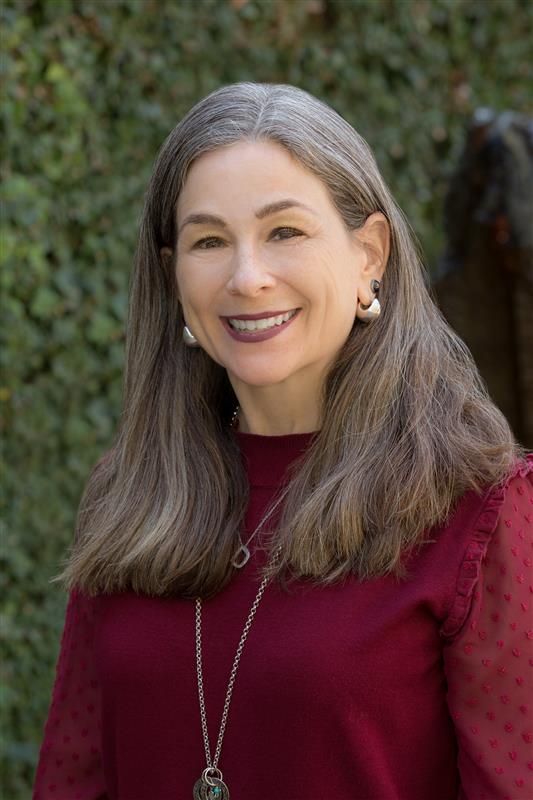
Deb Engel
Los Angeles, United States
As Jewish educator and as a woman, I’m mindful that Talmud has been kept from women for many centuries. Now that we are privileged to learn, and learning is so accessible, it’s my intent to complete Daf Yomi. I am so excited to keep learning with my Hadran community.
Sue Parker Gerson
Denver, United States
After experiences over the years of asking to join gemara shiurim for men and either being refused by the maggid shiur or being the only women there, sometimes behind a mechitza, I found out about Hadran sometime during the tail end of Masechet Shabbat, I think. Life has been much better since then.
Madeline Cohen
London, United Kingdom
Inspired by Hadran’s first Siyum ha Shas L’Nashim two years ago, I began daf yomi right after for the next cycle. As to this extraordinary journey together with Hadran..as TS Eliot wrote “We must not cease from exploration and the end of all our exploring will be to arrive where we began and to know the place for the first time.
Susan Handelman
Jerusalem, Israel
3 years ago, I joined Rabbanit Michelle to organize the unprecedented Siyum HaShas event in Jerusalem for thousands of women. The whole experience was so inspiring that I decided then to start learning the daf and see how I would go…. and I’m still at it. I often listen to the Daf on my bike in mornings, surrounded by both the external & the internal beauty of Eretz Yisrael & Am Yisrael!

Lisa Kolodny
Raanana, Israel
Menachot 94
בְּחַיִּים וּבִשְׁחוּטִין, וּבְדָבָר שֶׁיֵּשׁ בּוֹ רוּחַ חַיִּים וּבְדָבָר שֶׁאֵין בּוֹ רוּחַ חַיִּים, מַה שֶּׁאֵין כֵּן בַּסְּמִיכָה.
and it is practiced both in the cases of offerings when they are alive, e.g., the guilt offering of a leper and the lambs of Shavuot, and in the cases of offerings after they are slaughtered, e.g., the breast and thigh. By contrast, placing hands is practiced with a live animal. A further stringency is that waving is practiced both in the case of an item in which there is a living spirit, i.e., an animal offering, and in the case of an item in which there is not a living spirit, e.g., the omer offering, the sota meal offering, and the loaves accompanying a thanks offering and the ram of the nazirite, whereas placing hands is only ever performed upon living beings.
גְּמָ׳ תָּנוּ רַבָּנַן: קׇרְבָּנוֹ – לְרַבּוֹת כׇּל בַּעֲלֵי קׇרְבָּן לִסְמִיכָה.
GEMARA: The Sages taught in a baraita: The verse states with regard to placing hands: “And he shall place his hand on the head of his offering” (Leviticus 3:2). The term “his offering” serves to include all of the owners of an offering in the requirement of placing hands, i.e., each one must perform it.
שֶׁיָּכוֹל, וַהֲלֹא דִּין הוּא: וּמָה תְּנוּפָה שֶׁנִּתְרַבְּתָה בִּשְׁחוּטִין נִתְמַעֲטָה בְּחוֹבְרִין, סְמִיכָה שֶׁלֹּא נִתְרַבְּתָה בִּשְׁחוּטִין – אֵינוֹ דִּין שֶׁתִּתְמַעֵט בְּחוֹבְרִין? תַּלְמוּד לוֹמַר ״קׇרְבָּנוֹ״, לְרַבּוֹת כׇּל בַּעֲלֵי קׇרְבָּן לִסְמִיכָה.
It is necessary for the verse to teach this, as one might have thought: Could it not be derived through an a fortiori inference that only one partner needs to place his hands on the offering? The inference is as follows: If the requirement of waving, which was amplified to apply also to slaughtered animals, nevertheless was limited with regard to an offering jointly owned by a number of partners, as only one of them waves on behalf of all of them, then with regard to the requirement of placing hands, which was not amplified to apply also to slaughtered animals, is it not logical that it was also limited with regard to an offering jointly owned by partners, and it is sufficient for one partner to place his hands on behalf of the others? To counter this inference, the verse states: “His offering,” to include each of the owners of an offering in the requirement of placing hands.
וְתִתְרַבֶּה תְּנוּפָה בְּחוֹבְרִין מִקַּל וָחוֹמֶר: וּמָה סְמִיכָה שֶׁלֹּא נִתְרַבְּתָה בִּשְׁחוּטִין, נִתְרַבְּתָה בְּחוֹבְרִין, תְּנוּפָה שֶׁנִּתְרַבְּתָה בִּשְׁחוּטִין – אֵינוֹ דִּין שֶׁנִּתְרַבְּתָה בְּחוֹבְרִין!
The Gemara asks: But one could suggest the opposite inference and conclude that the requirement of waving should be amplified with regard to partners, through the following a fortiori inference: If the requirement of placing hands, which was not amplified to apply also to slaughtered animals, was amplified with regard to an offering jointly owned by partners, requiring each partner to perform it himself, then with regard to the requirement of waving, which was amplified to apply also to slaughtered animals, is it not logical that it was also amplified with regard to an offering jointly owned by partners, requiring each partner to perform it himself?
מִשּׁוּם דְּלָא אֶפְשָׁר, הֵיכִי לֶיעְבֵּיד? לַינְפּוּ כּוּלְּהוּ בַּהֲדֵי הֲדָדֵי – קָא הָוְיָא חֲצִיצָה, לָינֵיף וְלֶיהְדַּר וְלָינֵיף – ״תְּנוּפָה״ אָמַר רַחֲמָנָא, וְלֹא תְּנוּפוֹת.
The Gemara rejects this: This inference cannot be correct, because it is obvious that only one of the partners needs to perform the waving. It is not possible to have all of them perform it, as how would it be done? If one says: Let all of the partners wave together, with each one placing his hands under those of another, that is difficult: There would be an invalidating interposition between the offering and hands of the partners who are not directly holding onto the offering. And if one says: Let one partner wave, and then the next one will wave, and so on, that would also be invalid, as the Merciful One states in the Torah that one must perform a waving, using a singular noun, which indicates that one waving, but not multiple wavings, should be performed.
וּסְמִיכָה בִּשְׁחוּטִין לֵיתַהּ? וְהָתְנַן: בִּזְמַן שֶׁכֹּהֵן גָּדוֹל רוֹצֶה לְהַקְטִיר, הָיָה עוֹלֶה בַּכֶּבֶשׁ, וְהַסְּגָן בִּימִינוֹ. הִגִּיעַ לְמַחֲצִית הַכֶּבֶשׁ – אָחַז סְגָן בִּימִינוֹ וְהֶעֱלָהוּ, וְהוֹשִׁיט לוֹ הָרִאשׁוֹן הָרֹאשׁ וְהָרֶגֶל, סוֹמֵךְ עֲלֵיהֶם וְזוֹרְקָן.
§ The mishna states that placing hands is not performed upon a slaughtered offering. The Gemara questions this: And is there no instance of placing hands performed on slaughtered animals? But didn’t we learn in a mishna (Tamid 33b): When the High Priest would want to sacrifice the daily offering, as it is his right to be the one to sacrifice it whenever he wishes to, he would ascend the ramp to the top of the altar, and the deputy [segan] High Priest would also ascend to the right of the High Priest. If it occurred that the High Priest reached halfway up the ramp and grew tired, the deputy would hold him by his right hand to assist him and would bring him up to the top of the altar. And the first of the group of priests who had been selected to bring the limbs of the daily offering to the altar would hold out the head and the right hind leg of the offering to the High Priest, who would place his hands upon them, and then he would throw the limbs onto the fire of the altar.
הוֹשִׁיט הַשֵּׁנִי לָרִאשׁוֹן שְׁתֵּי יָדַיִם, נוֹתְנוֹ לְכֹהֵן גָּדוֹל, סוֹמֵךְ עֲלֵיהֶם וְזוֹרְקָן. נִשְׁמַט הַשֵּׁנִי וְהָלַךְ לוֹ, וְכָךְ הָיוּ מוֹשִׁיטִין לוֹ שְׁאָר כׇּל הָאֵבָרִים, סוֹמֵךְ עֲלֵיהֶם וְזוֹרְקָן.
Then the second priest would hold out the two forelegs to the first priest, and the first priest would give them to the High Priest, who would place his hands upon them and then throw them onto the fire. At this stage the second priest would slip away and leave, as he was no longer needed. The first priest remained where he was, as he was still needed to present the other limbs of the offering to the High Priest. And in this manner the other priests who had been selected would hold out the rest of all the limbs to the first priest, who would present them to the High Priest, who would then place his hands upon them and throw them onto the fire.
וּבִזְמַן שֶׁהוּא רוֹצֶה – הוּא סוֹמֵךְ, וַאֲחֵרִים זוֹרְקִין.
The mishna concludes: And when the High Priest wants, he may merely place his hands upon the limbs, and then the other priests throw the limbs onto the fire of the altar.
אָמַר אַבָּיֵי: הָתָם מִשּׁוּם כְּבוֹדוֹ דְּכֹהֵן גָּדוֹל.
This mishna apparently demonstrates an instance of placing hands performed upon a slaughtered animal. In resolution of this difficulty, Abaye said: In the mishna there, the placing of hands is not in fulfillment of the requirement to do so to an offering; rather, it is done merely due to the eminence of the High Priest, so that his sacrifice of the limbs of an offering is more distinguished than when performed by ordinary priests.
הֲדַרַן עֲלָךְ שְׁתֵּי מִדּוֹת.
מַתְנִי׳ שְׁתֵּי הַלֶּחֶם נִילּוֹשׁוֹת אַחַת אַחַת, וְנֶאֱפוֹת אַחַת אַחַת. לֶחֶם הַפָּנִים נִילּוֹשׁוֹת אַחַת אַחַת, וְנֶאֱפוֹת שְׁתַּיִם שְׁתַּיִם. וּבִדְפוּס הָיָה עוֹשֶׂה אוֹתָן; כְּשֶׁהוּא רוֹדָן, נוֹתְנָן לִדְפוּס כְּדֵי שֶׁלֹּא יִתְקַלְקְלוּ.
MISHNA: The two loaves that are brought on the festival of Shavuot from the new wheat are each made from a tenth of an ephah of fine flour. They are kneaded one by one and they are baked one by one, i.e., each loaf is placed separately in the oven. The loaves of the shewbread are kneaded one by one and baked two by two, i.e., two loaves are placed in the oven at the same time. And the baker would prepare the shewbread in a mold [defus] when he made the dough. When he removes the shewbread from the oven he again places the loaves in a mold so that their shape will not be ruined.
גְּמָ׳ מְנָא הָנֵי מִילֵּי? דְּתָנוּ רַבָּנַן: ״שְׁנֵי עֶשְׂרֹנִים יִהְיֶה הַחַלָּה הָאֶחָת״ – מְלַמֵּד שֶׁנִּילּוֹשׁוֹת אַחַת אַחַת.
GEMARA: The mishna teaches that the two loaves are kneaded one by one and baked one by one. The loaves of the shewbread are also kneaded one by one but are baked two at a time. The Gemara asks: From where are these matters derived? They are derived from a verse, as the Sages taught in a baraita: The verse states: “And you shall take fine flour, and bake twelve cakes from it; two-tenths of an ephah shall be in one cake. And you shall set them in two arrangements, six in an arrangement, upon the pure Table before the Lord” (Leviticus 24:5–6). The phrase “Two-tenths of an ephah shall be in one cake” teaches that the loaves of the shewbread are kneaded one by one.
מִנַּיִן שֶׁאַף שְׁתֵּי הַלֶּחֶם כָּךְ? תַּלְמוּד לוֹמַר ״יִהְיֶה״. וּמִנַּיִן שֶׁאֲפִיָּיתָן שְׁתַּיִם שְׁתַּיִם? תַּלְמוּד לוֹמַר ״וְשַׂמְתָּ אוֹתָם״. יָכוֹל אַף שְׁתֵּי הַלֶּחֶם כֵּן? תַּלְמוּד לוֹמַר ״אוֹתָם״.
The baraita continues: From where is it derived that this is also the halakha with regard to the two loaves, i.e., that they are kneaded one at a time? The verse states: “Shall be,” to include the two loaves. And from where is it derived that the baking of the loaves of the shewbread is performed two by two? The verse states: “And you shall set them [vesamta otam],” the plural form indicating that two loaves should be baked together. One might have thought that the two loaves brought on Shavuot should also be baked in this manner. The verse states: “Them [otam],” which is a term of exclusion, indicating that only the loaves of the shewbread are baked two at a time, but not the two loaves brought on Shavuot.
הַאי ״אוֹתָם״, הָא אַפֵּיקְתֵּיהּ? אִם כֵּן, לֵימָא קְרָא ״וְשַׂמְתָּם״! מַאי ״וְשַׂמְתָּ אוֹתָם״? שָׁמְעַתְּ מִינַּהּ תַּרְתֵּי.
The Gemara asks: Didn’t you already derive from this term: “Them,” that the shewbread must be baked two loaves at a time? The Gemara answers: If so, i.e., if the term “them” teaches only that the shewbread is baked two loaves at a time, let the verse say: And you shall set them [vesamtam], using the shortened form. What is the verse teaching by using the longer form “vesamta otam”? You may learn from the verse two matters, both that the loaves of the shewbread should be baked two at a time and that this requirement does not apply to the two loaves brought on Shavuot.
תָּנוּ רַבָּנַן: ״וְשַׂמְתָּ אוֹתָם״ – בִּדְפוּס. שְׁלֹשָׁה דְּפוּסִין הֵם: נוֹתְנָהּ לִדְפוּס וַעֲדַיִין הִיא בָּצֵק, וּכְמִין דְּפוּס הָיָה לָהּ בַּתַּנּוּר, וּכְשֶׁהוּא רוֹדָהּ נוֹתְנָהּ בַּדְּפוּס כְּדֵי שֶׁלֹּא תִּתְקַלְקֵל. וְלַהְדְּרַהּ לִדְפוּס קַמָּא? כֵּיוָן דְּאָפֵי לַהּ, נָפְחָה.
§ The mishna teaches that the shewbread was placed in a mold, and with regard to this the Sages taught in a baraita: The verse states: “And you shall set them” (Leviticus 24:6), which means to set them in a mold. There are three molds that are used in the Temple in the preparation of the loaves. First, the baker places the shewbread in a mold while it is still dough. And second, there was a type of mold for the shewbread in the oven, in which the loaves were baked. And when he removes [rodah] the shewbread from the oven, he places it in a third mold so that its shape will not be ruined. The Gemara asks: But why is a third mold necessary? Let him return the shewbread to the first mold, in which the dough was kneaded. The Gemara answers: Once the dough is baked, it rises, and no longer fits into the first mold.
אִיתְּמַר: לֶחֶם הַפָּנִים, כֵּיצַד עוֹשִׂין אוֹתוֹ?
§ It was stated: How is the shewbread prepared, i.e., in what shape?
רַבִּי חֲנִינָא אָמַר: כְּמִין תֵּיבָה פְּרוּצָה. רַבִּי יוֹחָנָן אָמַר: כְּמִין סְפִינָה רוֹקֶדֶת.
Rabbi Ḥanina says: It was rectangular, with a wide base and two parallel walls with an open space between them, like a box that is open on two sides. Rabbi Yoḥanan says that the shewbread was like a rocking boat, i.e., a triangular-shaped boat with a narrow base from which two walls rise at angles. Since the boat does not have a wide base it rocks from side to side.
בִּשְׁלָמָא לְמַאן דְּאָמַר כְּמִין תֵּיבָה פְּרוּצָה – הַיְינוּ דַּהֲווֹ יָתְבִי בָּזִיכִין, אֶלָּא לְמַאן דְּאָמַר כְּמִין סְפִינָה רוֹקֶדֶת – הֵיכִי הֲווֹ יָתְבִי בָּזִיכִין? מָקוֹם עָבֵיד לְהוּ.
The Gemara comments: Granted, according to the one who said the shewbread was like a box that is open on two sides, this is the reason that the bowls of frankincense could rest upon it. The Gemara asks: But according to the one who said the shewbread was like a rocking boat, how would the bowls rest upon it? The Gemara answers: The baker prepared a flat place for the bowls to rest, on the side of the shewbread.
בִּשְׁלָמָא לְמַאן דְּאָמַר כְּמִין תֵּיבָה פְּרוּצָה – הַיְינוּ דַּהֲווֹ יָתְבִי קָנִים, אֶלָּא לְמַאן דְּאָמַר כְּמִין סְפִינָה רוֹקֶדֶת – קָנִים הֵיכִי הֲווֹ יָתְבִי? מוּרְשָׁא עָבֵיד לְהוּ.
The Gemara comments: Granted, according to the one who said the shewbread was like a box that is open on two sides, this is the reason that the rods could rest upon the it. The shewbread was placed on the Table in two arrangements. In each arrangement the lowest loaf was placed on the Table and the remaining loaves were set one above the other, with rods separating the loaves. There were fourteen rods for each arrangement, each loaf being placed upon three rods, except for the uppermost loaf, which was placed on only two rods. The Gemara asks: But according to the one who said the shewbread was like a rocking boat, how were the rods resting upon the shewbread? Since the loaves had a narrow base, they would rest on only one rod. The Gemara answers: The baker would make a protrusion in the base of the loaves, which would slightly widen their pointed base, enabling them to rest with stability upon the rods.
בִּשְׁלָמָא לְמַאן דְּאָמַר כְּמִין תֵּיבָה פְּרוּצָה – הַיְינוּ דְּסָמְכִי לֵיהּ סְנִיפִין לְלֶחֶם, אֶלָּא לְמַאן דְּאָמַר כְּמִין סְפִינָה רוֹקֶדֶת – הֵיכִי סְמַכִי לֵיהּ סְנִיפִין לְלֶחֶם? דְּעָגִיל לְהוּ מִיעְגָּל.
The Gemara comments: Granted, according to the one who said the shewbread was like a box that is open on two sides, this is the reason that the panels would support the loaves. There were four gold panels that stood at the two sides of the Table and rose up above the height of the Table, and the rods rested on these panels. The loaves were placed lengthwise along the entire width of the Table, and the panels supported the two sides of the loaves, preventing them from falling to the ground. The Gemara asks: But according to the one who said the shewbread was like a rocking boat, how would the panels support the loaves? Since the sides of the shewbread rose at an angle, the panels would touch only the upper edges of the shewbread. The Gemara answers that the panels would be made to curve inward at an angle corresponding to the angle of the shewbread, so that the panels supported the loaves along their entire length.
בִּשְׁלָמָא לְמַאן דְּאָמַר כְּמִין סְפִינָה רוֹקֶדֶת – הַיְינוּ דְּבָעֵינַן סְנִיפִין, אֶלָּא לְמַאן דְּאָמַר כְּמִין תֵּיבָה פְּרוּצָה – סְנִיפִין לְמָה לִי? אַגַּב יוּקְרָא דְּלֶחֶם תָּלַח.
The Gemara comments: Granted, according to the one who said the shewbread was like a rocking boat, this is the reason that we require panels. Since the loaves do not have a wide base they cannot stand on their own without the support of the rods and panels. The Gemara asks: But according to the one who said the shewbread was like a box that is open on two sides, why do I need panels? The loaves could stand without the assistance of rods and panels. The Gemara answers: If there were no panels supporting the loaves from the sides and the loaves were placed on top of each other, due to the weight of the upper loaves the lower loaves would break [telaḥ].
בִּשְׁלָמָא לְמַאן דְּאָמַר כְּמִין סְפִינָה רוֹקֶדֶת – סְנִיפִין עַל גַּבֵּי שֻׁלְחָן מוּנָּחִין. אֶלָּא לְמַאן דְּאָמַר כְּמִין תֵּיבָה פְּרוּצָה – סְנִיפִין הֵיכָא מַנַּח לְהוּ? אַאַרְעָא מַנַּח לְהוּ? אִין, דְּאָמַר רַבִּי אַבָּא בַּר מֶמֶל: לְדִבְרֵי הָאוֹמֵר כְּמִין סְפִינָה רוֹקֶדֶת – סְנִיפִין עַל גַּבֵּי שֻׁלְחָן מוּנָּחִין, לְדִבְרֵי הָאוֹמֵר כְּמִין תֵּיבָה פְּרוּצָה – סְנִיפִין עַל גַּבֵּי קַרְקַע מוּנָּחִין.
The Gemara comments: Granted, according to the one who said the shewbread was like a rocking boat, it is evident that the panels are placed on the Table, in order to prevent the slanted loaves from falling to the ground. The Gemara asks: But according to the one who said the shewbread was like a box that is open on two sides, where would the priest place the panels? Since the wide base of the loaves reached the edge of the Table, there was no room for the panels there. Would the priest place them on the ground? The Gemara answers: Yes, the panels were placed on the ground, as Rabbi Abba bar Memel said: According to the statement of the one who says the shewbread was like a rocking boat, the panels are placed on the Table, whereas according to the statement of the one who says the shewbread was like a box that is open on two sides, the panels are placed on the ground.
כְּמַאן אָזְלָא הָא דְאָמַר רַבִּי יְהוּדָה: הַלֶּחֶם מַעֲמִיד אֶת הַסְּנִיפִין, וְהַסְּנִיפִין מַעֲמִידִין אֶת הַלֶּחֶם? כְּמַאן דְּאָמַר כְּמִין סְפִינָה רוֹקֶדֶת.
The Gemara asks: In accordance with whose opinion is that which Rabbi Yehuda said: The loaves support the panels and the panels support the loaves, i.e., they lean against one another? It is in accordance with the opinion of the one who said the shewbread was like a rocking boat, i.e., Rabbi Yoḥanan. According to the opinion of Rabbi Ḥanina, the panels stood on the ground and did not require the support of the loaves.
Follow

