Search

Moed Katan 14

Want to dedicate learning? Get started here:

English
עברית
podcast placeholder

0:00
0:00


podcast placeholder

0:00
0:00


Summary

Today’s daf is sponsored by Sondria Atkin in loving memory of her grandmother, Rochel bat Harry on her 39th yahrzeit. 

Who is permitted to shave or launder during chol hamoed? Why it is forbidden to shave on chol hamoed? Rabbi Zeira asked: If due to circumstances beyond his’s control, he was not able to shave before the holiday, would he be permitted to shave on chol hamoed – should we say it wasn’t his fault or should we worry that others may not know that it wasn’t his fault and may learn from there that one could shave on chol hamoed? Abaye says, how can we distinguish between different people – if some cannot shave, then all cannot shave. Rav Ashi had a different version of Rabbi Zeira’s question and the answer that was given. The Mishna permits one who was abroad to shave on chol hamoed. The Mishna does not agree with Rabbi Yehuda who says one who was abroad did not leave with permission and therefore cannot shave. Rava limits the debate between the rabbis and Rabbi Yehuda to a case where one left to make a profit. A question is raised on Rava from a braita and is resolved. Shmuel taught that a child born on the holiday can get his hair cut on the holiday if it is needed. An inference is made and a question is raised against the inference. Rav Ashi resolves the issue. A different version of Shmuel’s statement and the ensuing discussion is brought. Mourning practices do not take place on the holiday whether or not they began before the holiday or after. Are excommunication laws practiced on the holiday? Rav Yosef brings a source to derive an answer but Abaye has a retort. Abaye brings our Mishna to answer the question, but Rava rejects his proof. Does a leper have to keep all the laws of distancing on the holiday? Abaye tries to prove it from our Mishna, but the proof is rejected. Rava brings his own source to find an answer.

Moed Katan 14

וּמְנוּדֶּה שֶׁהִתִּירוּ לוֹ חֲכָמִים, וְכֵן מִי שֶׁנִּשְׁאַל לְחָכָם וְהוּתַּר.

and one who had been ostracized and the Sages released him from his decree of ostracism; and similarly, one who had vowed not to launder his clothes and he requested from a Sage to dissolve his vow and was released from it on the intermediate days of a Festival.

מִטְפְּחוֹת הַיָּדַיִם וּמִטְפְּחוֹת הַסְּפָרִים וּמִטְפְּחוֹת הַסְּפָג, הַזָּבִין וְהַזָּבוֹת וְהַנִּדּוֹת וְהַיּוֹלְדוֹת, וְכׇל הָעוֹלִין מִטּוּמְאָה לְטׇהֳרָה — הֲרֵי אֵלּוּ מוּתָּרִין. וּשְׁאָר כׇּל אָדָם אֲסוּרִין.

Hand towels; and barbers’ towels, which are used to cover a person having a haircut; and body-drying towels, all of which get quickly soiled, may be laundered on the intermediate days of a Festival. Zavim, men suffering from an impure venereal emission; zavot, women who experience a flow of menstrual-type blood on three consecutive days during a time of the month when they do not expect to experience menstrual bleeding; menstruating women; women who have just given birth; and all others who leave a state of ritual impurity for a state of ritual purity on the intermediate days of the Festival, these people are all permitted to launder their clothes in order to purify themselves. But all other people are prohibited from laundering during the intermediate days of the Festival.

גְּמָ׳ וּשְׁאָר כׇּל אָדָם מַאי טַעְמָא אֲסוּרִין?

GEMARA: The Gemara asks: What is the reason that all other people are prohibited from performing these actions during the intermediate days? Why are these actions not included in the category of actions that are permitted in deference to the Festival?

כְּדִתְנַן: אַנְשֵׁי מִשְׁמָר וְאַנְשֵׁי מַעֲמָד אֲסוּרִין לְסַפֵּר וּלְכַבֵּס, וּבַחֲמִישִׁי מוּתָּרִין מִפְּנֵי כְּבוֹד הַשַּׁבָּת.

The Gemara answers: As we learned in a mishna (Taanit 15b): Both the members of the priestly watch whose week it is to serve in the Temple and the members of the non-priestly watch who accompanied the members of the watch to Jerusalem are prohibited from cutting their hair or laundering their clothes during that week. But on the Thursday of that week they are permitted to do so in deference to Shabbat.

וְאָמַר רַבָּה בַּר בַּר חָנָה אָמַר רַבִּי אֶלְעָזָר: מַאי טַעְמָא — כְּדֵי שֶׁלֹּא יִכָּנְסוּ לְמִשְׁמַרְתָּן כְּשֶׁהֵן מְנֻוּוֹלִין, הָכָא נָמֵי: כְּדֵי שֶׁלֹּא יִכָּנְסוּ לָרֶגֶל כְּשֶׁהֵן מְנֻוּוֹלִין.

And Rabba bar bar Ḥana said in the name of Rabbi Elazar: What is the reason that the members of the priestly and non-priestly watch are prohibited from cutting their hair and laundering their clothes? It is in order that they not enter their watch when they are untidy. If it were permitted for them to cut their hair and launder their clothes during the week of their watch, they would leave their haircuts and laundry until the middle of that week and begin their service in a disorderly state. Here, too, ordinary people are prohibited from cutting their hair or laundering their clothes on the intermediate days of a Festival, in order that they complete all necessary preparations beforehand and not enter the Festival when they are untidy.

בָּעֵי רַבִּי זֵירָא: אָבְדָה לוֹ אֲבֵידָה עֶרֶב הָרֶגֶל, כֵּיוָן דַּאֲנִיס — מוּתָּר, אוֹ דִלְמָא כֵּיוָן דְּלָא מוֹכְחָא מִילְּתָא — לָא?

Rabbi Zeira asks: If one lost an item on the eve of a Festival and he was busy searching for it and had no time to cut his hair or launder his clothes before the Festival commenced, can one say that since he was a victim of circumstances beyond his control, which prevented from taking care of these matters prior to the Festival, he is permitted to cut his hair and launder his clothes on the intermediate days of the Festival? Or perhaps since it is not clearly evident to others that he failed to cut his hair or launder his clothes due to unavoidable circumstances, he is not permitted to perform these actions during the Festival week.

אָמַר אַבָּיֵי, יֹאמְרוּ: כׇּל הַסְּרִיקִין אֲסוּרִין, סְרִיקֵי בַּיְיתּוֹס מוּתָּרִין?!

Abaye said, in answer to this question, that there is a principle of the Sages that applies here. They prohibited the baking of decorated Syrian cakes for Passover, lest people tarry in their preparation of these elaborate cakes and the cakes become leavened. When Baitos ben Zunen wished to prepare the cakes in a way that would not lead to a violation of any prohibition, the Sages nevertheless prohibited it. They explained that were they to permit him to do so, others would say: All the decorated Syrian cakes are forbidden, but the Syrian cakes of Baitos are permitted? This teaches that the Sages do not permit exceptions when the reason for leniency is not clearly evident, like in the case of one who was busy looking for a lost item.

וּלְטַעְמָיךְ, הָא דְּאָמַר רַבִּי אַסִּי אָמַר רַבִּי יוֹחָנָן: כׇּל מִי שֶׁאֵין לוֹ אֶלָּא חָלוּק אֶחָד מוּתָּר לְכַבְּסוֹ בְּחוּלּוֹ שֶׁל מוֹעֵד, הָתָם נָמֵי, יֹאמְרוּ: כׇּל הַסְּרִיקִין אֲסוּרִין, סְרִיקֵי בַּיְיתּוֹס מוּתָּרִין!

Rabbi Zeira retorted: And according to your reasoning, that which Rabbi Asi said that Rabbi Yoḥanan said: Anyone who has only one shirt is permitted to launder it on the intermediate days of a Festival, there too, one should apply the principle that others will say: All the decorated Syrian cakes are forbidden but the Syrian cakes of Baitos are permitted. There, too, it is not clearly evident that the reason for leniency is that one has only one shirt.

הָא אִתְּמַר עֲלַהּ, אָמַר מָר בַּר רַב אָשֵׁי: אֵיזוֹרוֹ מוֹכִיחַ עָלָיו.

The Gemara rejects this argument: Wasn’t it already said about this that Mar, son of Rav Ashi, said: His belt is proof for him, as when he launders his only shirt he will have to wear his outer garment tied with his belt so that his body is not exposed, and everyone will understand that he has no other shirt to wear.

רַב אָשֵׁי מַתְנֵי, בָּעֵי רַבִּי זֵירָא: אוּמָּן שֶׁאָבְדָה לוֹ אֲבֵידָה עֶרֶב הָרֶגֶל, מַהוּ? כֵּיוָן דְּאוּמָּן הוּא — מוֹכְחָא מִילְּתָא, אוֹ דִלְמָא כֵּיוָן דְּלָא מוֹכְחָא מִילְּתָא כִּי הָנָךְ — לָא? תֵּיקוּ.

Rav Ashi taught a different version of this passage, as follows: Rabbi Zeira asks: With regard to a craftsman who lost an item on the eve of a Festival and was busy searching for it, what is the halakha? Is it permitted for him to launder his clothes and cut his hair on the intermediate days of the Festival because he had been unable to do so before the Festival? The Gemara explains the two sides of the question: Can one say that since he is a craftsman, it is clearly evident why he did not launder his clothes and cut his hair before the Festival, as many people would have come to his place of work and seen that he was busy looking for his lost article? Or perhaps since the special circumstances are not as clearly evident as in those cases in the mishna, it is not permitted for him to cut his hair or launder his clothes during the intermediate days of the Festival. The dilemma shall stand unresolved.

מִמְּדִינַת הַיָּם. מַתְנִיתִין דְּלָא כְּרַבִּי יְהוּדָה, דְּתַנְיָא, רַבִּי יְהוּדָה אוֹמֵר: הַבָּא מִמְּדִינַת הַיָּם — לֹא יְגַלֵּחַ, מִפְּנֵי שֶׁיָּצָא שֶׁלֹּא בִּרְשׁוּת.

§ The mishna taught: One who comes from a country overseas on the intermediate days of a Festival is permitted to cut his hair. The Gemara comments: The mishna is not in accordance with the opinion of Rabbi Yehuda, as it is taught in a baraita that Rabbi Yehuda says: One who comes from a country overseas on the intermediate days of a Festival must not shave or cut his hair, due to the fact that he left his home without permission.

אָמַר רָבָא: לָשׁוּט — דִּבְרֵי הַכֹּל אָסוּר, לִמְזוֹנוֹת — דִּבְרֵי הַכֹּל מוּתָּר, לֹא נֶחְלְקוּ אֶלָּא לְהֶרְוֵיחָא. מָר מְדַמֵּי לֵיהּ כְּלָשׁוּט, וּמָר מְדַמֵּי לֵיהּ כְּלִמְזוֹנוֹת.

The Gemara continues to explain the definition and parameters of leaving without permission. Rava said: If one left Eretz Yisrael to travel, all agree that it is prohibited for him to shave during the intermediate days of the Festival because he left on his own initiative, and this is not considered an unavoidable circumstance. If he left for basic sustenance, i.e., due to financial difficulty, all agree that it is permitted for him to shave upon his return because he is regarded as having left due to circumstances beyond his control. They disagree only with regard to the case where he left to earn greater profit, i.e., he had enough to live on in Eretz Yisrael, but he left in order to increase his income. One Sage, Rabbi Yehuda, compares him to one who left to travel, and the other Sage, the Rabbis of the mishna, compare him to one who left for basic sustenance.

מֵיתִיבִי, אָמַר רַבִּי: נִרְאִין דִּבְרֵי רַבִּי יְהוּדָה כְּשֶׁיָּצָא שֶׁלֹּא בִּרְשׁוּת, וְדִבְרֵי חֲכָמִים כְּשֶׁיָּצָא בִּרְשׁוּת. מַאי שֶׁלֹּא בִּרְשׁוּת? אִילֵּימָא לָשׁוּט — וְהָאָמְרַתְּ דִּבְרֵי הַכֹּל אָסוּר! וְאֶלָּא לִמְזוֹנוֹת — וְהָאָמְרַתְּ דִּבְרֵי הַכֹּל מוּתָּר! אֶלָּא פְּשִׁיטָא, לְהֶרְוֵיחָא.

The Gemara raises an objection from the following baraita: Rabbi Yehuda HaNasi said: The statement of Rabbi Yehuda seems more reasonable in a case when he left without permission, and the statement of the Rabbis seems more reasonable when one left with permission. The Gemara clarifies: What is meant by without permission? If we say that it means that he left to travel, didn’t you say that in this case all agree that it is prohibited for him to cut his hair upon his return? Rather, say that it means that he left for basic sustenance. But didn’t you say that all agree that it is permitted for him to cut his hair in such a case? Rather, it is obvious that it means that he left in search of greater profit.

אֵימָא סֵיפָא: נִרְאִין דְּבָרַי חֲכָמִים כְּשֶׁיָּצָא בִּרְשׁוּת, מַאי בִּרְשׁוּת? אִילֵּימָא לִמְזוֹנוֹת — הָא אָמְרַתְּ דִּבְרֵי הַכֹּל מוּתָּר! וְאֶלָּא לְהֶרְוֵיחָא — וְהָא אָמְרַתְּ נִרְאִין דִּבְרֵי רַבִּי יְהוּדָה בְּהָא!

Say the latter clause of the baraita as follows: The statement of the Rabbis seems more reasonable in a case when one left with permission. The Gemara clarifies: What is meant by with permission? If we say that he left for basic sustenance, didn’t you say that all agree that it is permitted for him to cut his hair upon his return? Rather, say that it means that he left for greater profit. But didn’t you say in the first clause that the statement of Rabbi Yehuda seems more reasonable in this case? Therefore, according to Rava’s distinctions, there is an internal contradiction within the baraita.

הָכִי קָאָמַר: נִרְאִין דִּבְרֵי רַבִּי יְהוּדָה לְרַבָּנַן כְּשֶׁיָּצָא שֶׁלֹּא בִּרְשׁוּת, וּמַאי נִיהוּ — לָשׁוּט, שֶׁאֲפִילּוּ חֲכָמִים לֹא נֶחְלְקוּ עָלָיו אֶלָּא לְהֶרְוֵיחָא, אֲבָל לָשׁוּט — מוֹדוּ לֵיהּ. וְנִרְאִין דִּבְרֵי רַבָּנַן לְרַבִּי יְהוּדָה כְּשֶׁיָּצָא בִּרְשׁוּת, וּמַאי נִיהוּ — לִמְזוֹנוֹת, שֶׁאֲפִילּוּ רַבִּי יְהוּדָה לֹא נֶחְלַק עֲלֵיהֶם אֶלָּא לְהֶרְוֵיחָא, אֲבָל לִמְזוֹנוֹת — מוֹדֶה לְהוּ.

The Gemara resolves the difficulty: This is what Rabbi Yehuda HaNasi is saying: The statement of Rabbi Yehuda seems more reasonable to the Rabbis in the case where one left without permission. And what is meant by without permission? It means a case where one left to travel, as even the Rabbis disagree with Rabbi Yehuda only when one left for greater profit, but when one left to travel they agree with Rabbi Yehuda that it is prohibited for one to shave and cut his hair. And the statement of the Rabbis seems more convincing to Rabbi Yehuda in the case where one left with permission. And what is meant by with permission? It is a case where one left for basic sustenance, as even Rabbi Yehuda disagrees with the Rabbis only when one left for greater profit, but when he left for basic sustenance Rabbi Yehuda concedes to them that it is permitted for him to shave and cut his hair. Therefore, Rabbi Yehuda HaNasi’s intent was not to decide between the opinions of the Rabbis and Rabbi Yehuda but to clarify their dispute.

אָמַר שְׁמוּאֵל: קָטָן הַנּוֹלָד בַּמּוֹעֵד — מוּתָּר לְגַלֵּחַ בַּמּוֹעֵד, שֶׁאֵין לְךָ בֵּית הָאֲסוּרִין גָּדוֹל מִזֶּה. בַּמּוֹעֵד — אִין, מֵעִיקָּרָא — לָא.

§ Shmuel said: If a baby was born on a Festival and he has long hair that is bothering him, it is permitted to cut his hair on the intermediate days of the Festival, as there is no greater prison than this, the womb of his mother, due to which his hair could not have been cut prior to the Festival. A precise reading of Shmuel’s statement indicates that if the child was born on the Festival, yes, his hair may be cut. However, if he was born before the Festival, but for some reason his hair was not cut, no, it is not permitted to cut it on the intermediate days of the Festival because there was time to do so before the Festival.

מֵתִיב רַב פִּנְחָס: כׇּל אֵלּוּ שֶׁאָמְרוּ מוּתָּר לְגַלֵּחַ בַּמּוֹעֵד — מוּתָּר לְגַלֵּחַ בִּימֵי אֶבְלוֹ. הָא אָסוּר לְגַלֵּחַ בַּמּוֹעֵד — אָסוּר לְגַלֵּחַ בִּימֵי אֶבְלוֹ.

Rav Pineḥas raised an objection from that which is taught in a baraita: All of those about whom the Sages said: It is permitted to shave and cut his hair on the intermediate days of the Festival, it is also permitted to shave and cut his hair during the days of his mourning. But from this it follows that one who is prohibited from shaving and cutting his hair on the intermediate days of a Festival is also prohibited from shaving and cutting his hair during the days of his mourning.

וְאִי אָמְרַתְּ קָטָן אִית בֵּיהּ פְּלוּגְתָּא — נִמְצֵאת אֲבֵילוּת נוֹהֶגֶת בְּקָטָן.

And if you say that with regard to a baby there is a distinction between being born before the Festival and being born on it, and in some cases it is prohibited to cut the hair of a baby, then you find that mourning is practiced even with a minor.

וְהָתַנְיָא: מְקָרְעִין לַקָּטָן, מִפְּנֵי עׇגְמַת נֶפֶשׁ!

Isn’t it taught in a baraita: One rends the clothes of a minor whose relative has passed away, due to the desire to bring about feelings of grief among those who see him? However, there is no inherent requirement for the minor to observe any of the halakhot of mourning.

אָמַר רַב אָשֵׁי: מִי קָתָנֵי הָא אֲסוּרִין! דִּלְמָא יֵשׁ מֵהֶן אָסוּר וְיֵשׁ מֵהֶן מוּתָּר.

Rav Ashi said: Is it taught explicitly in the first baraita cited by Rav Pineḥas that if it is prohibited for one to have a haircut during the Festival, it is likewise prohibited to have a haircut during the week of mourning? That was merely an inference. Perhaps there are those among them, i.e., those listed in the mishna, for whom it is prohibited, while there are others among them for whom it is permitted, and the halakhot of mourning do not apply to a baby.

אַמֵּימָר, וְאִי תֵּימָא רַב שִׁישָׁא בְּרֵיהּ דְּרַב אִידִי, מַתְנֵי הָכִי. אָמַר שְׁמוּאֵל: קָטָן מוּתָּר לְגַלְּחוֹ בַּמּוֹעֵד, לָא שְׁנָא נוֹלַד בַּמּוֹעֵד וְלָא שְׁנָא נוֹלַד מֵעִיקָּרָא.

Ameimar, and some say it was Rav Sheisha, son of Rav Idi, taught that statement in this manner. Shmuel said: With regard to a baby, it is permitted to cut his hair during the Festival. It is no different whether he was born during the Festival, and it is no different whether he was born beforehand.

אָמַר רַב פִּנְחָס, אַף אֲנַן נָמֵי תְּנֵינָא: כׇּל אֵלּוּ שֶׁאָמְרוּ מוּתָּר לְגַלֵּחַ בַּמּוֹעֵד — מוּתָּר לְגַלֵּחַ בִּימֵי אֶבְלוֹ. הָא אֲסוּרִין לְגַלֵּחַ בַּמּוֹעֵד — אֲסוּרִין לְגַלֵּחַ בִּימֵי אֶבְלוֹ.

Rav Pineḥas said: We, too, learn in the baraita a support for this statement: All of those about whom the Sages said: It is permitted to shave and cut his hair on the intermediate days of the Festival, it is also permitted to shave and cut his hair during the days of his mourning. But from this it follows that one who is prohibited from shaving and cutting his hair on the intermediate days of a Festival is also prohibited from shaving and cutting his hair during the days of his mourning.

אִי אָמְרַתְּ קָטָן אָסוּר, נִמְצֵאת אֲבֵילוּת נוֹהֶגֶת בְּקָטָן. וְתַנְיָא: מְקָרְעִין לַקָּטָן מִפְּנֵי עׇגְמַת נֶפֶשׁ.

If you say that with regard to a baby it is prohibited to cut his hair, then you find that mourning is practiced even with a minor. And it was taught in a baraita: One rends the clothes of a minor whose relative has passed away due to the desire to bring about feelings of grief among those who see him. However, there is no inherent requirement for the minor to observe any of the halakhot of mourning.

אָמַר רַב אָשֵׁי: מִי קָתָנֵי הָא אֲסוּרִין? דִּלְמָא יֵשׁ מֵהֶן אָסוּר וְיֵשׁ מֵהֶן מוּתָּר.

Rav Ashi said: Is it taught explicitly in the first baraita cited by Rav Pineḥas that if it is prohibited for one to shave during the Festival, it is likewise prohibited to shave during the week of mourning? That was merely an inference. Perhaps there are those among them for whom it is prohibited, while there are others among them for whom it is permitted. If so, there is no clear support from this baraita for Shmuel’s statement.

אָבֵל אֵינוֹ נוֹהֵג אֲבֵילוּתוֹ בָּרֶגֶל, שֶׁנֶּאֱמַר: ״וְשָׂמַחְתָּ בְּחַגֶּךָ״.

§ A mourner does not practice the halakhot of his mourning on a Festival, as it is stated: “And you shall rejoice in your Festival” (Deuteronomy 16:14).

אִי אֲבֵילוּת דְּמֵעִיקָּרָא הוּא — אָתֵי עֲשֵׂה דְרַבִּים וְדָחֵי עֲשֵׂה דְיָחִיד. וְאִי אֲבֵילוּת דְּהַשְׁתָּא הוּא — לָא אָתֵי עֲשֵׂה דְיָחִיד וְדָחֵי עֲשֵׂה דְרַבִּים.

The Gemara explains: If it is a mourning period that had already begun at the outset of the Festival, the positive mitzva of rejoicing on the Festival, which is incumbent upon the community, comes and overrides the positive mitzva of the individual, i.e., the mourning. And if the mourning period began only now, i.e., the deceased died during the Festival, the positive mitzva of the individual does not come and override the positive mitzva of the community.

מְנוּדָּה, מַהוּ שֶׁיִּנְהוֹג נִידּוּיוֹ בָּרֶגֶל? אָמַר רַב יוֹסֵף, תָּא שְׁמַע: דָּנִין דִּינֵי נְפָשׁוֹת וְדִינֵי מַכּוֹת וְדִינֵי מָמוֹנוֹת, וְאִי לָא צָיֵית דִּינָא — מְשַׁמְּתִינַן לֵיהּ.

The Gemara asks: With regard to one who was ostracized, what is the halakha? Must he observe the practices of ostracism, or are they overridden by the mitzva to rejoice on the Festival? Rav Yosef said: Come and hear an answer from that which is taught: During the Festival the court judges cases of capital law, cases of lashes, and cases of monetary law. It is known that if one does not listen to and follow the judgment, among the possibilities of enforcement is that we ostracize him until he accepts the verdict.

וְאִי סָלְקָא דַעְתָּךְ אֵינוֹ נוֹהֵג נִידּוּיוֹ בָּרֶגֶל, מְשׁוּמָּת וְאָתֵי מֵעִיקָּרָא, אָתֵי רֶגֶל דָּחֵי לֵיהּ — הַשְׁתָּא מְשַׁמְּתִינַן לֵיהּ אֲנַן?!

And if it enters your mind that one does not observe the practices of ostracism during the Festival, the following a fortiori argument can be made: If, for one who has already been ostracized at the outset of the Festival, the Festival comes and overrides his observance of that status, is it reasonable that now we, the court, should ostracize he who does not listen to the judgment of the court during the Festival itself? Rather, it must be that one does observe the practices of ostracism, even during the Festival.

אֲמַר לֵיהּ אַבָּיֵי: וְדִלְמָא לְעַיּוֹנֵי בְּדִינֵיהּ? דְּאִי לָא תֵּימָא הָכִי, דִּינֵי נְפָשׁוֹת דְּקָתָנֵי, הָכָא נָמֵי דְּקָטְלִין לֵיהּ!

Abaye said to him: There is no proof from here, as perhaps when the baraita states that the court judges cases, what it meant is that it deliberates in judgment on the Festival, but it does not actually reach a verdict. Therefore, the court never ostracizes someone during the Festival. Accordingly, there is no a fortiori argument proving that one observes the practices of ostracism during the Festival. Because if you do not say so, that the baraita is referring to deliberation, then in the cases of capital law that are taught, here too, would we put someone to death on the Festival?

וְהָא קָא מִימַּנְעִי מִשִּׂמְחַת יוֹם טוֹב — דְּתַנְיָא, רַבִּי עֲקִיבָא אוֹמֵר: מִנַּיִן לְסַנְהֶדְרִין (שֶׁרָאוּ בְּאֶחָד) שֶׁהָרְגוּ אֶת הַנֶּפֶשׁ שֶׁאֵין טוֹעֲמִין כׇּל אוֹתוֹ הַיּוֹם, תַּלְמוּד לוֹמַר: ״לֹא תֹאכְלוּ עַל הַדָּם״.

But if so, the judges would be prevented from rejoicing on the Festival, as it is taught in a baraita that Rabbi Akiva says: From where is it derived with regard to the Sanhedrin who put someone to death that they may not taste any food or drink for the entire rest of the day? The verse states: “You shall not eat with the blood” (Leviticus 19:26). It is not appropriate to eat during the same day that they caused bloodshed.

אֶלָּא: לְעַיּוֹנֵי בְּדִינֵיהּ, הָכָא נָמֵי לְעַיּוֹנֵי בְּדִינֵיהּ. אֲמַר לֵיהּ: אִם כֵּן, נִמְצֵאתָ מְעַנֶּה אֶת דִּינוֹ!

Rather, the statement of the baraita, that the court judges cases of capital law, must be referring to deliberating in judgment and not actually reaching a verdict. Here too, in cases of monetary law and of lashes, it is referring to deliberating in judgment, without the possibility of ostracizing anyone during the Festival. Rav Yosef said to him: If so, if only deliberations are conducted during the Festival, you find a perversion of justice by delaying his verdict.

אָתוּ מִצַּפְרָא וּמְעַיְּינִי בְּדִינֵיהּ, וְעָיְילִי, וְאָכְלִי וְשָׁתוּ כּוּלֵּי יוֹמָא, וַהֲדַר אָתוּ בִּשְׁקִיעַת הַחַמָּה וְגָמְרִי לְדִינֵיהּ וְקָטְלוּ לֵיהּ.

Rather, the judges come in the morning as usual and deliberate in judgment. They then enter their homes and eat and drink all day, i.e., as much as they desire, in order to rejoice fully on the Festival. Then they come back to the courthouse close to sunset and complete his judgment, i.e., they dispense the verdict, and if necessary, they kill him. In this manner, they are not prevented from enjoying the Festival properly.

אָמַר אַבָּיֵי, תָּא שְׁמַע: וּמְנוּדֶּה שֶׁהִתִּירוּ לוֹ חֲכָמִים!

Abaye said: Come and hear another support from a baraita: And it is the case with regard to one who is ostracized, that the Sages permitted him to get a haircut during the intermediate days of the Festival. This indicates that one who is ostracized need not observe the practices of ostracism during the Festival.

אָמַר רָבָא: מִי קָתָנֵי שֶׁהִתִּירוּהוּ חֲכָמִים? שֶׁהִתִּירוּ לוֹ חֲכָמִים קָתָנֵי, דַּאֲזַל וּפַיְּיסֵיהּ לְבַעַל דִּינֵיהּ, וַאֲתָא קַמֵּי דְרַבָּנַן וּשְׁרוֹ לֵיהּ.

Rava said: Is it taught in the baraita: That they permitted it, which would indicate that the Sages permitted all those who were ostracized to cut their hair on the intermediate days of the Festival? Rather, it is taught: They permitted him. This indicates that it is referring to an individual case, where one went and appeased his opposing litigant and the Sages came and released him from his decree of ostracism.

מְצוֹרָע, מַהוּ שֶׁיַּנְהִיג צָרַעְתּוֹ בָּרֶגֶל? אָמַר אַבָּיֵי, תָּא שְׁמַע: וְהַנָּזִיר וְהַמְּצוֹרָע מִטּוּמְאָתוֹ לְטׇהֳרָתוֹ. הָא בִּימֵי טוּמְאָתוֹ — נָהֵיג.

§ The Gemara asks a similar question: With regard to a leper, what is the halakha? Must he observe the practices of his leper status, or are they overridden by the mitzva to rejoice during the Festival? Abaye said: Come and hear a proof from a baraita: And both the nazirite and the leper who transfers from his state of ritual impurity to his new state of purity may shave on the intermediate days of the Festival. This implies that during the days of his impurity he must observe all of the ordinary practices, even during the Festival.

לָא מִיבַּעְיָא קָאָמַר. לָא מִיבַּעְיָא בִּימֵי טוּמְאָתוֹ דְּלָא נָהֵיג, אֲבָל לְטׇהֳרָתוֹ נִיגְזוֹר שֶׁמָּא יְשַׁהֶה קׇרְבְּנוֹתָיו, קָמַשְׁמַע לַן!

The Gemara rejects this proof: The baraita is speaking employing the didactic style of: Needless to say. Needless to say, during the days of his impurity on the Festival, he does not observe the practices of ostracism. However, with regard to one who regains his state of purity during the intermediate days of the Festival, one might think that we should issue a decree that he not be permitted to shave, lest he delay sacrificing his offerings until the last day of the Festival, when it is prohibited to sacrifice offerings of an individual. Perhaps prohibiting him from shaving will prevent this possibility. Therefore, because one might have thought that shaving should be prohibited, the baraita teaches us that it is, in fact, permitted for him to shave during the intermediate days of the Festival.

אָמַר רָבָא, תָּא שְׁמַע: ״וְהַצָּרוּעַ״ — לְרַבּוֹת כֹּהֵן גָּדוֹל. וְהָא כֹּהֵן גָּדוֹל, דְּכׇל הַשָּׁנָה כְּרֶגֶל לְכוּלֵּי עָלְמָא דָּמֵי, דִּתְנַן: כֹּהֵן גָּדוֹל מַקְרִיב אוֹנֵן וְאֵינוֹ אוֹכֵל. שְׁמַע מִינַּהּ נוֹהֵג צָרַעְתּוֹ בָּרֶגֶל. שְׁמַע מִינַּהּ.

Rava said: Come and hear another source. The verse states: “And the leper in whom the plague is, his clothes shall be rent” (Leviticus 13:45). The extra emphasis of the phrase: “And the leper” comes to include the High Priest, teaching that all the halakhot of the leper apply to him. And the status of the High Priest during the entire year is like that of everyone on a Festival, as we learned in a mishna (Horayot 12b): The High Priest sacrifices animals when he has the status of an acute mourner, i.e., before the burial of a close relative who died, but he may not eat of the offering. Learn from it that a leper practices the customs of his leprosy during the Festival. The Gemara concludes: Indeed, learn from it that this is so.

אָבֵל אָסוּר בְּתִסְפּוֹרֶת. מִדְּקָאָמַר לְהוּ רַחֲמָנָא לִבְנֵי אַהֲרֹן: ״רָאשֵׁיכֶם אַל תִּפְרָעוּ״, מִכְּלָל דְּכוּלֵּי עָלְמָא אָסוּר.

§ The source for the halakha that it is prohibited for a mourner to receive a haircut is derived from the fact that the Merciful One states to the sons of Aaron: “Let not the hair of your heads go loose” (Leviticus 10:6). It was prohibited for them to let their hair grow long during their period of mourning over the death of their brothers, Nadav and Avihu. By inference, it is teaching that for everyone else, i.e., non-priests, it is prohibited to cut their hair during the period of mourning.

New to Talmud?

Check out our resources designed to help you navigate a page of Talmud – and study at the pace, level and style that fits you. 

The Hadran Women’s Tapestry

Meet the diverse women learning Gemara at Hadran and hear their stories. 

See video

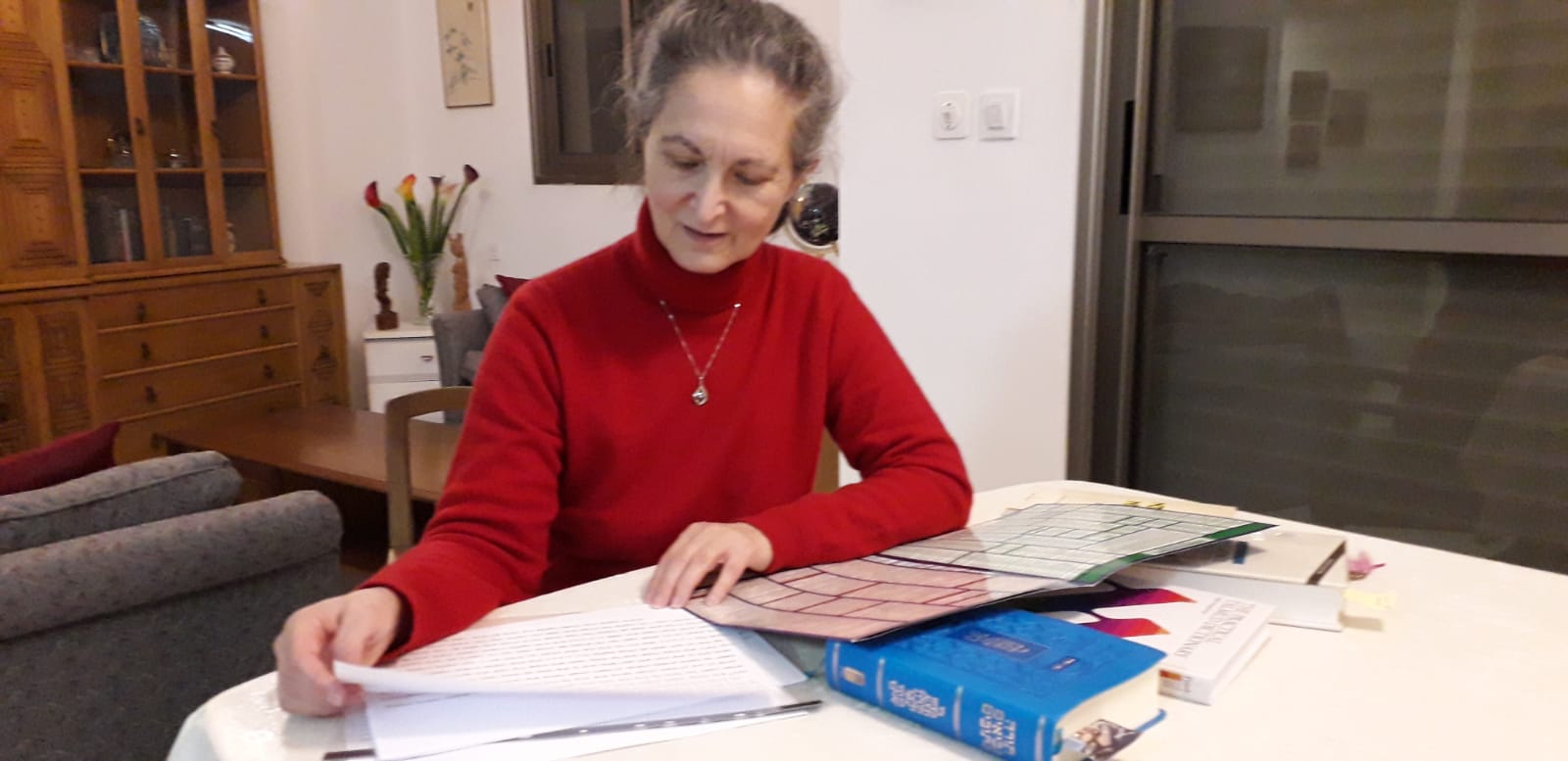
Susan Fisher
Susan Fisher

Raanana, Israel

I’ve been learning since January 2020, and in June I started drawing a phrase from each daf. Sometimes it’s easy (e.g. plants), sometimes it’s very hard (e.g. korbanot), and sometimes it’s loads of fun (e.g. bird racing) to find something to draw. I upload my pictures from each masechet to #DafYomiArt. I am enjoying every step of the journey.

Gila Loike
Gila Loike

Ashdod, Israel

I saw an elderly man at the shul kiddush in early March 2020, celebrating the siyyum of masechet brachot which he had been learning with a young yeshiva student. I thought, if he can do it, I can do it! I began to learn masechet Shabbat the next day, Making up masechet brachot myself, which I had missed. I haven’t missed a day since, thanks to the ease of listening to Hadran’s podcast!
Judith Shapiro
Judith Shapiro

Minnesota, United States

I had no formal learning in Talmud until I began my studies in the Joint Program where in 1976 I was one of the few, if not the only, woman talmud major. It was superior training for law school and enabled me to approach my legal studies with a foundation . In 2018, I began daf yomi listening to Rabbanit MIchelle’s pod cast and my daily talmud studies are one of the highlights of my life.

Krivosha_Terri_Bio
Terri Krivosha

Minneapolis, United States

I started Daf during the pandemic. I listened to a number of podcasts by various Rebbeim until one day, I discovered Rabbanit Farbers podcast. Subsequently I joined the Hadran family in Eruvin. Not the easiest place to begin, Rabbanit Farber made it all understandable and fun. The online live group has bonded together and have really become a supportive, encouraging family.

Leah Goldford
Leah Goldford

Edmonton, Alberta, Canada

My Daf journey began in August 2012 after participating in the Siyum Hashas where I was blessed as an “enabler” of others.  Galvanized into my own learning I recited the Hadran on Shas in January 2020 with Rabbanit Michelle. That Siyum was a highlight in my life.  Now, on round two, Daf has become my spiritual anchor to which I attribute manifold blessings.

Rina Goldberg
Rina Goldberg

Englewood NJ, United States

While vacationing in San Diego, Rabbi Leah Herz asked if I’d be interested in being in hevruta with her to learn Daf Yomi through Hadran. Why not? I had loved learning Gemara in college in 1971 but hadn’t returned. With the onset of covid, Daf Yomi and Rabbanit Michelle centered me each day. Thank-you for helping me grow and enter this amazing world of learning.
Meryll Page
Meryll Page

Minneapolis, MN, United States

My first Talmud class experience was a weekly group in 1971 studying Taanit. In 2007 I resumed Talmud study with a weekly group I continue learning with. January 2020, I was inspired to try learning Daf Yomi. A friend introduced me to Daf Yomi for Women and Rabbanit Michelle Farber, I have kept with this program and look forward, G- willing, to complete the entire Shas with Hadran.
Lorri Lewis
Lorri Lewis

Palo Alto, CA, United States

I went to day school in Toronto but really began to learn when I attended Brovenders back in the early 1980’s. Last year after talking to my sister who was learning Daf Yomi, inspired, I looked on the computer and the Hadran site came up. I have been listening to each days shiur in the morning as I work. I emphasis listening since I am not sitting with a Gamara. I listen while I work in my studio.

Rachel Rotenberg
Rachel Rotenberg

Tekoa, Israel

I LOVE learning the Daf. I started with Shabbat. I join the morning Zoom with Reb Michelle and it totally grounds my day. When Corona hit us in Israel, I decided that I would use the Daf to keep myself sane, especially during the days when we could not venture out more than 300 m from our home. Now my husband and I have so much new material to talk about! It really is the best part of my day!

Batsheva Pava
Batsheva Pava

Hashmonaim, Israel

My family recently made Aliyah, because we believe the next chapter in the story of the Jewish people is being written here, and we want to be a part of it. Daf Yomi, on the other hand, connects me BACK, to those who wrote earlier chapters thousands of years ago. So, I feel like I’m living in the middle of this epic story. I’m learning how it all began, and looking ahead to see where it goes!
Tina Lamm
Tina Lamm

Jerusalem, Israel

I started learning at the beginning of the cycle after a friend persuaded me that it would be right up my alley. I was lucky enough to learn at Rabbanit Michelle’s house before it started on zoom and it was quickly part of my daily routine. I find it so important to see for myself where halachot were derived, where stories were told and to get more insight into how the Rabbis interacted.

Deborah Dickson
Deborah Dickson

Ra’anana, Israel

I saw an elderly man at the shul kiddush in early March 2020, celebrating the siyyum of masechet brachot which he had been learning with a young yeshiva student. I thought, if he can do it, I can do it! I began to learn masechet Shabbat the next day, Making up masechet brachot myself, which I had missed. I haven’t missed a day since, thanks to the ease of listening to Hadran’s podcast!
Judith Shapiro
Judith Shapiro

Minnesota, United States

As Jewish educator and as a woman, I’m mindful that Talmud has been kept from women for many centuries. Now that we are privileged to learn, and learning is so accessible, it’s my intent to complete Daf Yomi. I am so excited to keep learning with my Hadran community.

Sue Parker Gerson
Sue Parker Gerson

Denver, United States

“I got my job through the NY Times” was an ad campaign when I was growing up. I can headline “I got my daily Daf shiur and Hadran through the NY Times”. I read the January 4, 2020 feature on Reb. Michelle Farber and Hadran and I have been participating ever since. Thanks NY Times & Hadran!
Deborah Aschheim
Deborah Aschheim

New York, United States

In my Shana bet at Migdal Oz I attended the Hadran siyum hash”as. Witnessing so many women so passionate about their Torah learning and connection to God, I knew I had to begin with the coming cycle. My wedding (June 24) was two weeks before the siyum of mesechet yoma so I went a little ahead and was able to make a speech and siyum at my kiseh kallah on my wedding day!

Sharona Guggenheim Plumb

Givat Shmuel, Israel

When I began learning Daf Yomi at the beginning of the current cycle, I was preparing for an upcoming surgery and thought that learning the Daf would be something positive I could do each day during my recovery, even if I accomplished nothing else. I had no idea what a lifeline learning the Daf would turn out to be in so many ways.

Laura Shechter
Laura Shechter

Lexington, MA, United States

I began daf yomi in January 2020 with Brachot. I had made aliya 6 months before, and one of my post-aliya goals was to complete a full cycle. As a life-long Tanach teacher, I wanted to swim from one side of the Yam shel Torah to the other. Daf yomi was also my sanity through COVID. It was the way to marking the progression of time, and feel that I could grow and accomplish while time stopped.

Leah Herzog
Leah Herzog

Givat Zev, Israel

I never thought I’d be able to do Daf Yomi till I saw the video of Hadran’s Siyum HaShas. Now, 2 years later, I’m about to participate in Siyum Seder Mo’ed with my Hadran community. It has been an incredible privilege to learn with Rabbanit Michelle and to get to know so many caring, talented and knowledgeable women. I look forward with great anticipation and excitement to learning Seder Nashim.

Caroline-Ben-Ari-Tapestry
Caroline Ben-Ari

Karmiel, Israel

See video

Susan Fisher
Susan Fisher

Raanana, Israel

Moed Katan 14

וּמְנוּדֶּה שֶׁהִתִּירוּ לוֹ חֲכָמִים, וְכֵן מִי שֶׁנִּשְׁאַל לְחָכָם וְהוּתַּר.

and one who had been ostracized and the Sages released him from his decree of ostracism; and similarly, one who had vowed not to launder his clothes and he requested from a Sage to dissolve his vow and was released from it on the intermediate days of a Festival.

מִטְפְּחוֹת הַיָּדַיִם וּמִטְפְּחוֹת הַסְּפָרִים וּמִטְפְּחוֹת הַסְּפָג, הַזָּבִין וְהַזָּבוֹת וְהַנִּדּוֹת וְהַיּוֹלְדוֹת, וְכׇל הָעוֹלִין מִטּוּמְאָה לְטׇהֳרָה — הֲרֵי אֵלּוּ מוּתָּרִין. וּשְׁאָר כׇּל אָדָם אֲסוּרִין.

Hand towels; and barbers’ towels, which are used to cover a person having a haircut; and body-drying towels, all of which get quickly soiled, may be laundered on the intermediate days of a Festival. Zavim, men suffering from an impure venereal emission; zavot, women who experience a flow of menstrual-type blood on three consecutive days during a time of the month when they do not expect to experience menstrual bleeding; menstruating women; women who have just given birth; and all others who leave a state of ritual impurity for a state of ritual purity on the intermediate days of the Festival, these people are all permitted to launder their clothes in order to purify themselves. But all other people are prohibited from laundering during the intermediate days of the Festival.

גְּמָ׳ וּשְׁאָר כׇּל אָדָם מַאי טַעְמָא אֲסוּרִין?

GEMARA: The Gemara asks: What is the reason that all other people are prohibited from performing these actions during the intermediate days? Why are these actions not included in the category of actions that are permitted in deference to the Festival?

כְּדִתְנַן: אַנְשֵׁי מִשְׁמָר וְאַנְשֵׁי מַעֲמָד אֲסוּרִין לְסַפֵּר וּלְכַבֵּס, וּבַחֲמִישִׁי מוּתָּרִין מִפְּנֵי כְּבוֹד הַשַּׁבָּת.

The Gemara answers: As we learned in a mishna (Taanit 15b): Both the members of the priestly watch whose week it is to serve in the Temple and the members of the non-priestly watch who accompanied the members of the watch to Jerusalem are prohibited from cutting their hair or laundering their clothes during that week. But on the Thursday of that week they are permitted to do so in deference to Shabbat.

וְאָמַר רַבָּה בַּר בַּר חָנָה אָמַר רַבִּי אֶלְעָזָר: מַאי טַעְמָא — כְּדֵי שֶׁלֹּא יִכָּנְסוּ לְמִשְׁמַרְתָּן כְּשֶׁהֵן מְנֻוּוֹלִין, הָכָא נָמֵי: כְּדֵי שֶׁלֹּא יִכָּנְסוּ לָרֶגֶל כְּשֶׁהֵן מְנֻוּוֹלִין.

And Rabba bar bar Ḥana said in the name of Rabbi Elazar: What is the reason that the members of the priestly and non-priestly watch are prohibited from cutting their hair and laundering their clothes? It is in order that they not enter their watch when they are untidy. If it were permitted for them to cut their hair and launder their clothes during the week of their watch, they would leave their haircuts and laundry until the middle of that week and begin their service in a disorderly state. Here, too, ordinary people are prohibited from cutting their hair or laundering their clothes on the intermediate days of a Festival, in order that they complete all necessary preparations beforehand and not enter the Festival when they are untidy.

בָּעֵי רַבִּי זֵירָא: אָבְדָה לוֹ אֲבֵידָה עֶרֶב הָרֶגֶל, כֵּיוָן דַּאֲנִיס — מוּתָּר, אוֹ דִלְמָא כֵּיוָן דְּלָא מוֹכְחָא מִילְּתָא — לָא?

Rabbi Zeira asks: If one lost an item on the eve of a Festival and he was busy searching for it and had no time to cut his hair or launder his clothes before the Festival commenced, can one say that since he was a victim of circumstances beyond his control, which prevented from taking care of these matters prior to the Festival, he is permitted to cut his hair and launder his clothes on the intermediate days of the Festival? Or perhaps since it is not clearly evident to others that he failed to cut his hair or launder his clothes due to unavoidable circumstances, he is not permitted to perform these actions during the Festival week.

אָמַר אַבָּיֵי, יֹאמְרוּ: כׇּל הַסְּרִיקִין אֲסוּרִין, סְרִיקֵי בַּיְיתּוֹס מוּתָּרִין?!

Abaye said, in answer to this question, that there is a principle of the Sages that applies here. They prohibited the baking of decorated Syrian cakes for Passover, lest people tarry in their preparation of these elaborate cakes and the cakes become leavened. When Baitos ben Zunen wished to prepare the cakes in a way that would not lead to a violation of any prohibition, the Sages nevertheless prohibited it. They explained that were they to permit him to do so, others would say: All the decorated Syrian cakes are forbidden, but the Syrian cakes of Baitos are permitted? This teaches that the Sages do not permit exceptions when the reason for leniency is not clearly evident, like in the case of one who was busy looking for a lost item.

וּלְטַעְמָיךְ, הָא דְּאָמַר רַבִּי אַסִּי אָמַר רַבִּי יוֹחָנָן: כׇּל מִי שֶׁאֵין לוֹ אֶלָּא חָלוּק אֶחָד מוּתָּר לְכַבְּסוֹ בְּחוּלּוֹ שֶׁל מוֹעֵד, הָתָם נָמֵי, יֹאמְרוּ: כׇּל הַסְּרִיקִין אֲסוּרִין, סְרִיקֵי בַּיְיתּוֹס מוּתָּרִין!

Rabbi Zeira retorted: And according to your reasoning, that which Rabbi Asi said that Rabbi Yoḥanan said: Anyone who has only one shirt is permitted to launder it on the intermediate days of a Festival, there too, one should apply the principle that others will say: All the decorated Syrian cakes are forbidden but the Syrian cakes of Baitos are permitted. There, too, it is not clearly evident that the reason for leniency is that one has only one shirt.

הָא אִתְּמַר עֲלַהּ, אָמַר מָר בַּר רַב אָשֵׁי: אֵיזוֹרוֹ מוֹכִיחַ עָלָיו.

The Gemara rejects this argument: Wasn’t it already said about this that Mar, son of Rav Ashi, said: His belt is proof for him, as when he launders his only shirt he will have to wear his outer garment tied with his belt so that his body is not exposed, and everyone will understand that he has no other shirt to wear.

רַב אָשֵׁי מַתְנֵי, בָּעֵי רַבִּי זֵירָא: אוּמָּן שֶׁאָבְדָה לוֹ אֲבֵידָה עֶרֶב הָרֶגֶל, מַהוּ? כֵּיוָן דְּאוּמָּן הוּא — מוֹכְחָא מִילְּתָא, אוֹ דִלְמָא כֵּיוָן דְּלָא מוֹכְחָא מִילְּתָא כִּי הָנָךְ — לָא? תֵּיקוּ.

Rav Ashi taught a different version of this passage, as follows: Rabbi Zeira asks: With regard to a craftsman who lost an item on the eve of a Festival and was busy searching for it, what is the halakha? Is it permitted for him to launder his clothes and cut his hair on the intermediate days of the Festival because he had been unable to do so before the Festival? The Gemara explains the two sides of the question: Can one say that since he is a craftsman, it is clearly evident why he did not launder his clothes and cut his hair before the Festival, as many people would have come to his place of work and seen that he was busy looking for his lost article? Or perhaps since the special circumstances are not as clearly evident as in those cases in the mishna, it is not permitted for him to cut his hair or launder his clothes during the intermediate days of the Festival. The dilemma shall stand unresolved.

מִמְּדִינַת הַיָּם. מַתְנִיתִין דְּלָא כְּרַבִּי יְהוּדָה, דְּתַנְיָא, רַבִּי יְהוּדָה אוֹמֵר: הַבָּא מִמְּדִינַת הַיָּם — לֹא יְגַלֵּחַ, מִפְּנֵי שֶׁיָּצָא שֶׁלֹּא בִּרְשׁוּת.

§ The mishna taught: One who comes from a country overseas on the intermediate days of a Festival is permitted to cut his hair. The Gemara comments: The mishna is not in accordance with the opinion of Rabbi Yehuda, as it is taught in a baraita that Rabbi Yehuda says: One who comes from a country overseas on the intermediate days of a Festival must not shave or cut his hair, due to the fact that he left his home without permission.

אָמַר רָבָא: לָשׁוּט — דִּבְרֵי הַכֹּל אָסוּר, לִמְזוֹנוֹת — דִּבְרֵי הַכֹּל מוּתָּר, לֹא נֶחְלְקוּ אֶלָּא לְהֶרְוֵיחָא. מָר מְדַמֵּי לֵיהּ כְּלָשׁוּט, וּמָר מְדַמֵּי לֵיהּ כְּלִמְזוֹנוֹת.

The Gemara continues to explain the definition and parameters of leaving without permission. Rava said: If one left Eretz Yisrael to travel, all agree that it is prohibited for him to shave during the intermediate days of the Festival because he left on his own initiative, and this is not considered an unavoidable circumstance. If he left for basic sustenance, i.e., due to financial difficulty, all agree that it is permitted for him to shave upon his return because he is regarded as having left due to circumstances beyond his control. They disagree only with regard to the case where he left to earn greater profit, i.e., he had enough to live on in Eretz Yisrael, but he left in order to increase his income. One Sage, Rabbi Yehuda, compares him to one who left to travel, and the other Sage, the Rabbis of the mishna, compare him to one who left for basic sustenance.

מֵיתִיבִי, אָמַר רַבִּי: נִרְאִין דִּבְרֵי רַבִּי יְהוּדָה כְּשֶׁיָּצָא שֶׁלֹּא בִּרְשׁוּת, וְדִבְרֵי חֲכָמִים כְּשֶׁיָּצָא בִּרְשׁוּת. מַאי שֶׁלֹּא בִּרְשׁוּת? אִילֵּימָא לָשׁוּט — וְהָאָמְרַתְּ דִּבְרֵי הַכֹּל אָסוּר! וְאֶלָּא לִמְזוֹנוֹת — וְהָאָמְרַתְּ דִּבְרֵי הַכֹּל מוּתָּר! אֶלָּא פְּשִׁיטָא, לְהֶרְוֵיחָא.

The Gemara raises an objection from the following baraita: Rabbi Yehuda HaNasi said: The statement of Rabbi Yehuda seems more reasonable in a case when he left without permission, and the statement of the Rabbis seems more reasonable when one left with permission. The Gemara clarifies: What is meant by without permission? If we say that it means that he left to travel, didn’t you say that in this case all agree that it is prohibited for him to cut his hair upon his return? Rather, say that it means that he left for basic sustenance. But didn’t you say that all agree that it is permitted for him to cut his hair in such a case? Rather, it is obvious that it means that he left in search of greater profit.

אֵימָא סֵיפָא: נִרְאִין דְּבָרַי חֲכָמִים כְּשֶׁיָּצָא בִּרְשׁוּת, מַאי בִּרְשׁוּת? אִילֵּימָא לִמְזוֹנוֹת — הָא אָמְרַתְּ דִּבְרֵי הַכֹּל מוּתָּר! וְאֶלָּא לְהֶרְוֵיחָא — וְהָא אָמְרַתְּ נִרְאִין דִּבְרֵי רַבִּי יְהוּדָה בְּהָא!

Say the latter clause of the baraita as follows: The statement of the Rabbis seems more reasonable in a case when one left with permission. The Gemara clarifies: What is meant by with permission? If we say that he left for basic sustenance, didn’t you say that all agree that it is permitted for him to cut his hair upon his return? Rather, say that it means that he left for greater profit. But didn’t you say in the first clause that the statement of Rabbi Yehuda seems more reasonable in this case? Therefore, according to Rava’s distinctions, there is an internal contradiction within the baraita.

הָכִי קָאָמַר: נִרְאִין דִּבְרֵי רַבִּי יְהוּדָה לְרַבָּנַן כְּשֶׁיָּצָא שֶׁלֹּא בִּרְשׁוּת, וּמַאי נִיהוּ — לָשׁוּט, שֶׁאֲפִילּוּ חֲכָמִים לֹא נֶחְלְקוּ עָלָיו אֶלָּא לְהֶרְוֵיחָא, אֲבָל לָשׁוּט — מוֹדוּ לֵיהּ. וְנִרְאִין דִּבְרֵי רַבָּנַן לְרַבִּי יְהוּדָה כְּשֶׁיָּצָא בִּרְשׁוּת, וּמַאי נִיהוּ — לִמְזוֹנוֹת, שֶׁאֲפִילּוּ רַבִּי יְהוּדָה לֹא נֶחְלַק עֲלֵיהֶם אֶלָּא לְהֶרְוֵיחָא, אֲבָל לִמְזוֹנוֹת — מוֹדֶה לְהוּ.

The Gemara resolves the difficulty: This is what Rabbi Yehuda HaNasi is saying: The statement of Rabbi Yehuda seems more reasonable to the Rabbis in the case where one left without permission. And what is meant by without permission? It means a case where one left to travel, as even the Rabbis disagree with Rabbi Yehuda only when one left for greater profit, but when one left to travel they agree with Rabbi Yehuda that it is prohibited for one to shave and cut his hair. And the statement of the Rabbis seems more convincing to Rabbi Yehuda in the case where one left with permission. And what is meant by with permission? It is a case where one left for basic sustenance, as even Rabbi Yehuda disagrees with the Rabbis only when one left for greater profit, but when he left for basic sustenance Rabbi Yehuda concedes to them that it is permitted for him to shave and cut his hair. Therefore, Rabbi Yehuda HaNasi’s intent was not to decide between the opinions of the Rabbis and Rabbi Yehuda but to clarify their dispute.

אָמַר שְׁמוּאֵל: קָטָן הַנּוֹלָד בַּמּוֹעֵד — מוּתָּר לְגַלֵּחַ בַּמּוֹעֵד, שֶׁאֵין לְךָ בֵּית הָאֲסוּרִין גָּדוֹל מִזֶּה. בַּמּוֹעֵד — אִין, מֵעִיקָּרָא — לָא.

§ Shmuel said: If a baby was born on a Festival and he has long hair that is bothering him, it is permitted to cut his hair on the intermediate days of the Festival, as there is no greater prison than this, the womb of his mother, due to which his hair could not have been cut prior to the Festival. A precise reading of Shmuel’s statement indicates that if the child was born on the Festival, yes, his hair may be cut. However, if he was born before the Festival, but for some reason his hair was not cut, no, it is not permitted to cut it on the intermediate days of the Festival because there was time to do so before the Festival.

מֵתִיב רַב פִּנְחָס: כׇּל אֵלּוּ שֶׁאָמְרוּ מוּתָּר לְגַלֵּחַ בַּמּוֹעֵד — מוּתָּר לְגַלֵּחַ בִּימֵי אֶבְלוֹ. הָא אָסוּר לְגַלֵּחַ בַּמּוֹעֵד — אָסוּר לְגַלֵּחַ בִּימֵי אֶבְלוֹ.

Rav Pineḥas raised an objection from that which is taught in a baraita: All of those about whom the Sages said: It is permitted to shave and cut his hair on the intermediate days of the Festival, it is also permitted to shave and cut his hair during the days of his mourning. But from this it follows that one who is prohibited from shaving and cutting his hair on the intermediate days of a Festival is also prohibited from shaving and cutting his hair during the days of his mourning.

וְאִי אָמְרַתְּ קָטָן אִית בֵּיהּ פְּלוּגְתָּא — נִמְצֵאת אֲבֵילוּת נוֹהֶגֶת בְּקָטָן.

And if you say that with regard to a baby there is a distinction between being born before the Festival and being born on it, and in some cases it is prohibited to cut the hair of a baby, then you find that mourning is practiced even with a minor.

וְהָתַנְיָא: מְקָרְעִין לַקָּטָן, מִפְּנֵי עׇגְמַת נֶפֶשׁ!

Isn’t it taught in a baraita: One rends the clothes of a minor whose relative has passed away, due to the desire to bring about feelings of grief among those who see him? However, there is no inherent requirement for the minor to observe any of the halakhot of mourning.

אָמַר רַב אָשֵׁי: מִי קָתָנֵי הָא אֲסוּרִין! דִּלְמָא יֵשׁ מֵהֶן אָסוּר וְיֵשׁ מֵהֶן מוּתָּר.

Rav Ashi said: Is it taught explicitly in the first baraita cited by Rav Pineḥas that if it is prohibited for one to have a haircut during the Festival, it is likewise prohibited to have a haircut during the week of mourning? That was merely an inference. Perhaps there are those among them, i.e., those listed in the mishna, for whom it is prohibited, while there are others among them for whom it is permitted, and the halakhot of mourning do not apply to a baby.

אַמֵּימָר, וְאִי תֵּימָא רַב שִׁישָׁא בְּרֵיהּ דְּרַב אִידִי, מַתְנֵי הָכִי. אָמַר שְׁמוּאֵל: קָטָן מוּתָּר לְגַלְּחוֹ בַּמּוֹעֵד, לָא שְׁנָא נוֹלַד בַּמּוֹעֵד וְלָא שְׁנָא נוֹלַד מֵעִיקָּרָא.

Ameimar, and some say it was Rav Sheisha, son of Rav Idi, taught that statement in this manner. Shmuel said: With regard to a baby, it is permitted to cut his hair during the Festival. It is no different whether he was born during the Festival, and it is no different whether he was born beforehand.

אָמַר רַב פִּנְחָס, אַף אֲנַן נָמֵי תְּנֵינָא: כׇּל אֵלּוּ שֶׁאָמְרוּ מוּתָּר לְגַלֵּחַ בַּמּוֹעֵד — מוּתָּר לְגַלֵּחַ בִּימֵי אֶבְלוֹ. הָא אֲסוּרִין לְגַלֵּחַ בַּמּוֹעֵד — אֲסוּרִין לְגַלֵּחַ בִּימֵי אֶבְלוֹ.

Rav Pineḥas said: We, too, learn in the baraita a support for this statement: All of those about whom the Sages said: It is permitted to shave and cut his hair on the intermediate days of the Festival, it is also permitted to shave and cut his hair during the days of his mourning. But from this it follows that one who is prohibited from shaving and cutting his hair on the intermediate days of a Festival is also prohibited from shaving and cutting his hair during the days of his mourning.

אִי אָמְרַתְּ קָטָן אָסוּר, נִמְצֵאת אֲבֵילוּת נוֹהֶגֶת בְּקָטָן. וְתַנְיָא: מְקָרְעִין לַקָּטָן מִפְּנֵי עׇגְמַת נֶפֶשׁ.

If you say that with regard to a baby it is prohibited to cut his hair, then you find that mourning is practiced even with a minor. And it was taught in a baraita: One rends the clothes of a minor whose relative has passed away due to the desire to bring about feelings of grief among those who see him. However, there is no inherent requirement for the minor to observe any of the halakhot of mourning.

אָמַר רַב אָשֵׁי: מִי קָתָנֵי הָא אֲסוּרִין? דִּלְמָא יֵשׁ מֵהֶן אָסוּר וְיֵשׁ מֵהֶן מוּתָּר.

Rav Ashi said: Is it taught explicitly in the first baraita cited by Rav Pineḥas that if it is prohibited for one to shave during the Festival, it is likewise prohibited to shave during the week of mourning? That was merely an inference. Perhaps there are those among them for whom it is prohibited, while there are others among them for whom it is permitted. If so, there is no clear support from this baraita for Shmuel’s statement.

אָבֵל אֵינוֹ נוֹהֵג אֲבֵילוּתוֹ בָּרֶגֶל, שֶׁנֶּאֱמַר: ״וְשָׂמַחְתָּ בְּחַגֶּךָ״.

§ A mourner does not practice the halakhot of his mourning on a Festival, as it is stated: “And you shall rejoice in your Festival” (Deuteronomy 16:14).

אִי אֲבֵילוּת דְּמֵעִיקָּרָא הוּא — אָתֵי עֲשֵׂה דְרַבִּים וְדָחֵי עֲשֵׂה דְיָחִיד. וְאִי אֲבֵילוּת דְּהַשְׁתָּא הוּא — לָא אָתֵי עֲשֵׂה דְיָחִיד וְדָחֵי עֲשֵׂה דְרַבִּים.

The Gemara explains: If it is a mourning period that had already begun at the outset of the Festival, the positive mitzva of rejoicing on the Festival, which is incumbent upon the community, comes and overrides the positive mitzva of the individual, i.e., the mourning. And if the mourning period began only now, i.e., the deceased died during the Festival, the positive mitzva of the individual does not come and override the positive mitzva of the community.

מְנוּדָּה, מַהוּ שֶׁיִּנְהוֹג נִידּוּיוֹ בָּרֶגֶל? אָמַר רַב יוֹסֵף, תָּא שְׁמַע: דָּנִין דִּינֵי נְפָשׁוֹת וְדִינֵי מַכּוֹת וְדִינֵי מָמוֹנוֹת, וְאִי לָא צָיֵית דִּינָא — מְשַׁמְּתִינַן לֵיהּ.

The Gemara asks: With regard to one who was ostracized, what is the halakha? Must he observe the practices of ostracism, or are they overridden by the mitzva to rejoice on the Festival? Rav Yosef said: Come and hear an answer from that which is taught: During the Festival the court judges cases of capital law, cases of lashes, and cases of monetary law. It is known that if one does not listen to and follow the judgment, among the possibilities of enforcement is that we ostracize him until he accepts the verdict.

וְאִי סָלְקָא דַעְתָּךְ אֵינוֹ נוֹהֵג נִידּוּיוֹ בָּרֶגֶל, מְשׁוּמָּת וְאָתֵי מֵעִיקָּרָא, אָתֵי רֶגֶל דָּחֵי לֵיהּ — הַשְׁתָּא מְשַׁמְּתִינַן לֵיהּ אֲנַן?!

And if it enters your mind that one does not observe the practices of ostracism during the Festival, the following a fortiori argument can be made: If, for one who has already been ostracized at the outset of the Festival, the Festival comes and overrides his observance of that status, is it reasonable that now we, the court, should ostracize he who does not listen to the judgment of the court during the Festival itself? Rather, it must be that one does observe the practices of ostracism, even during the Festival.

אֲמַר לֵיהּ אַבָּיֵי: וְדִלְמָא לְעַיּוֹנֵי בְּדִינֵיהּ? דְּאִי לָא תֵּימָא הָכִי, דִּינֵי נְפָשׁוֹת דְּקָתָנֵי, הָכָא נָמֵי דְּקָטְלִין לֵיהּ!

Abaye said to him: There is no proof from here, as perhaps when the baraita states that the court judges cases, what it meant is that it deliberates in judgment on the Festival, but it does not actually reach a verdict. Therefore, the court never ostracizes someone during the Festival. Accordingly, there is no a fortiori argument proving that one observes the practices of ostracism during the Festival. Because if you do not say so, that the baraita is referring to deliberation, then in the cases of capital law that are taught, here too, would we put someone to death on the Festival?

וְהָא קָא מִימַּנְעִי מִשִּׂמְחַת יוֹם טוֹב — דְּתַנְיָא, רַבִּי עֲקִיבָא אוֹמֵר: מִנַּיִן לְסַנְהֶדְרִין (שֶׁרָאוּ בְּאֶחָד) שֶׁהָרְגוּ אֶת הַנֶּפֶשׁ שֶׁאֵין טוֹעֲמִין כׇּל אוֹתוֹ הַיּוֹם, תַּלְמוּד לוֹמַר: ״לֹא תֹאכְלוּ עַל הַדָּם״.

But if so, the judges would be prevented from rejoicing on the Festival, as it is taught in a baraita that Rabbi Akiva says: From where is it derived with regard to the Sanhedrin who put someone to death that they may not taste any food or drink for the entire rest of the day? The verse states: “You shall not eat with the blood” (Leviticus 19:26). It is not appropriate to eat during the same day that they caused bloodshed.

אֶלָּא: לְעַיּוֹנֵי בְּדִינֵיהּ, הָכָא נָמֵי לְעַיּוֹנֵי בְּדִינֵיהּ. אֲמַר לֵיהּ: אִם כֵּן, נִמְצֵאתָ מְעַנֶּה אֶת דִּינוֹ!

Rather, the statement of the baraita, that the court judges cases of capital law, must be referring to deliberating in judgment and not actually reaching a verdict. Here too, in cases of monetary law and of lashes, it is referring to deliberating in judgment, without the possibility of ostracizing anyone during the Festival. Rav Yosef said to him: If so, if only deliberations are conducted during the Festival, you find a perversion of justice by delaying his verdict.

אָתוּ מִצַּפְרָא וּמְעַיְּינִי בְּדִינֵיהּ, וְעָיְילִי, וְאָכְלִי וְשָׁתוּ כּוּלֵּי יוֹמָא, וַהֲדַר אָתוּ בִּשְׁקִיעַת הַחַמָּה וְגָמְרִי לְדִינֵיהּ וְקָטְלוּ לֵיהּ.

Rather, the judges come in the morning as usual and deliberate in judgment. They then enter their homes and eat and drink all day, i.e., as much as they desire, in order to rejoice fully on the Festival. Then they come back to the courthouse close to sunset and complete his judgment, i.e., they dispense the verdict, and if necessary, they kill him. In this manner, they are not prevented from enjoying the Festival properly.

אָמַר אַבָּיֵי, תָּא שְׁמַע: וּמְנוּדֶּה שֶׁהִתִּירוּ לוֹ חֲכָמִים!

Abaye said: Come and hear another support from a baraita: And it is the case with regard to one who is ostracized, that the Sages permitted him to get a haircut during the intermediate days of the Festival. This indicates that one who is ostracized need not observe the practices of ostracism during the Festival.

אָמַר רָבָא: מִי קָתָנֵי שֶׁהִתִּירוּהוּ חֲכָמִים? שֶׁהִתִּירוּ לוֹ חֲכָמִים קָתָנֵי, דַּאֲזַל וּפַיְּיסֵיהּ לְבַעַל דִּינֵיהּ, וַאֲתָא קַמֵּי דְרַבָּנַן וּשְׁרוֹ לֵיהּ.

Rava said: Is it taught in the baraita: That they permitted it, which would indicate that the Sages permitted all those who were ostracized to cut their hair on the intermediate days of the Festival? Rather, it is taught: They permitted him. This indicates that it is referring to an individual case, where one went and appeased his opposing litigant and the Sages came and released him from his decree of ostracism.

מְצוֹרָע, מַהוּ שֶׁיַּנְהִיג צָרַעְתּוֹ בָּרֶגֶל? אָמַר אַבָּיֵי, תָּא שְׁמַע: וְהַנָּזִיר וְהַמְּצוֹרָע מִטּוּמְאָתוֹ לְטׇהֳרָתוֹ. הָא בִּימֵי טוּמְאָתוֹ — נָהֵיג.

§ The Gemara asks a similar question: With regard to a leper, what is the halakha? Must he observe the practices of his leper status, or are they overridden by the mitzva to rejoice during the Festival? Abaye said: Come and hear a proof from a baraita: And both the nazirite and the leper who transfers from his state of ritual impurity to his new state of purity may shave on the intermediate days of the Festival. This implies that during the days of his impurity he must observe all of the ordinary practices, even during the Festival.

לָא מִיבַּעְיָא קָאָמַר. לָא מִיבַּעְיָא בִּימֵי טוּמְאָתוֹ דְּלָא נָהֵיג, אֲבָל לְטׇהֳרָתוֹ נִיגְזוֹר שֶׁמָּא יְשַׁהֶה קׇרְבְּנוֹתָיו, קָמַשְׁמַע לַן!

The Gemara rejects this proof: The baraita is speaking employing the didactic style of: Needless to say. Needless to say, during the days of his impurity on the Festival, he does not observe the practices of ostracism. However, with regard to one who regains his state of purity during the intermediate days of the Festival, one might think that we should issue a decree that he not be permitted to shave, lest he delay sacrificing his offerings until the last day of the Festival, when it is prohibited to sacrifice offerings of an individual. Perhaps prohibiting him from shaving will prevent this possibility. Therefore, because one might have thought that shaving should be prohibited, the baraita teaches us that it is, in fact, permitted for him to shave during the intermediate days of the Festival.

אָמַר רָבָא, תָּא שְׁמַע: ״וְהַצָּרוּעַ״ — לְרַבּוֹת כֹּהֵן גָּדוֹל. וְהָא כֹּהֵן גָּדוֹל, דְּכׇל הַשָּׁנָה כְּרֶגֶל לְכוּלֵּי עָלְמָא דָּמֵי, דִּתְנַן: כֹּהֵן גָּדוֹל מַקְרִיב אוֹנֵן וְאֵינוֹ אוֹכֵל. שְׁמַע מִינַּהּ נוֹהֵג צָרַעְתּוֹ בָּרֶגֶל. שְׁמַע מִינַּהּ.

Rava said: Come and hear another source. The verse states: “And the leper in whom the plague is, his clothes shall be rent” (Leviticus 13:45). The extra emphasis of the phrase: “And the leper” comes to include the High Priest, teaching that all the halakhot of the leper apply to him. And the status of the High Priest during the entire year is like that of everyone on a Festival, as we learned in a mishna (Horayot 12b): The High Priest sacrifices animals when he has the status of an acute mourner, i.e., before the burial of a close relative who died, but he may not eat of the offering. Learn from it that a leper practices the customs of his leprosy during the Festival. The Gemara concludes: Indeed, learn from it that this is so.

אָבֵל אָסוּר בְּתִסְפּוֹרֶת. מִדְּקָאָמַר לְהוּ רַחֲמָנָא לִבְנֵי אַהֲרֹן: ״רָאשֵׁיכֶם אַל תִּפְרָעוּ״, מִכְּלָל דְּכוּלֵּי עָלְמָא אָסוּר.

§ The source for the halakha that it is prohibited for a mourner to receive a haircut is derived from the fact that the Merciful One states to the sons of Aaron: “Let not the hair of your heads go loose” (Leviticus 10:6). It was prohibited for them to let their hair grow long during their period of mourning over the death of their brothers, Nadav and Avihu. By inference, it is teaching that for everyone else, i.e., non-priests, it is prohibited to cut their hair during the period of mourning.

Want to follow content and continue where you left off?

Create an account today to track your progress, mark what you’ve learned, and follow the shiurim that speak to you.

Clear all items from this list?

This will remove ALL the items in this section. You will lose any progress or history connected to them. This is irreversible.

Cancel
Yes, clear all

Are you sure you want to delete this item?

You will lose any progress or history connected to this item.

Cancel
Yes, delete