Search

Moed Katan 15

Want to dedicate learning? Get started here:

English
עברית
podcast placeholder

0:00
0:00


podcast placeholder

0:00
0:00


Summary

Today’s daf is sponsored by Terri Krivosha and Rabbi Hayim Herring in honor of the birth of their granddaughter Orly Nessa, named after Terri’s father Nahum Meir. “May she bring light to the world as her Saba Raba did.”

Today’s daf is sponsored by Catriella Freedman in loving memory of her father, Zvi Stein, on his 3rd Yahrzeit on Shabbat. “You taught us (in Yiddish) that you can’t dance at every wedding, so learning אין מעברין שמחה לשמחה took on special meaning: be present and approach each moment with gratitude and joy.”

Today’s daf is sponsored by the Tannenbaum family in loving memory of בריינא ברכה בת אריה יעקב ורינה Bryna Greenberg, a dear friend to so many, a model of a אהבת התורה, a young woman who was plucked away from us a few days ago at too young of an age. The juxtaposition of simcha & aveilut in Moed Katan feels particularly poignant at this time. May our learning be a zechut & aliyah for her neshama. Yehi Zichra Baruch. 

Pictures

The Gemara does through 13 different issues and tries to determine whether they are forbidden/relevant for a mourner, one who excommunicated and a leper. Issues such as laundry, work, readning one’s garment, learning Torah, sexual relations, shoes, etc. Answers are brought from the Tanach or tannitic sources.

Today’s daily daf tools:

Moed Katan 15

מְנוּדִּין וּמְצוֹרָעִין מָה הֵן בְּתִסְפּוֹרֶת? תָּא שְׁמַע: מְנוּדִּין וּמְצוֹרָעִין אֲסוּרִין לְסַפֵּר וּלְכַבֵּס.

The Gemara asks: What is the halakha governing those who are ostracized and lepers, with regard to a haircut? The Gemara answers: Come and hear that which was taught in a baraita: Those who are ostracized and lepers are prohibited from cutting their hair and laundering their clothes.

מְנוּדֶּה שֶׁמֵּת, בֵּית דִּין סוֹקְלִין אֶת אֲרוֹנוֹ. רַבִּי יְהוּדָה אוֹמֵר: לֹא שֶׁיַּעֲמִידוּ עָלָיו גַּל אֲבָנִים כְּגַלּוֹ שֶׁל עָכָן, אֶלָּא בֵּית דִּין שׁוֹלְחִין וּמַנִּיחִין אֶבֶן גְּדוֹלָה עַל אֲרוֹנוֹ, לְלַמֶּדְךָ שֶׁכׇּל הַמִּתְנַדֶּה וּמֵת בְּנִידּוּיוֹ — בֵּית דִּין סוֹקְלִין אֶת אֲרוֹנוֹ.

It was further taught there: If one who is ostracized dies, the court places stones on his coffin. Rabbi Yehuda says: This does not mean that they pile up a heap of stones over him like the heap of stones that was placed over the grave of Achan (see Joshua 7:26). Rather, the court sends its agents, who place a large stone on his coffin as a symbolic gesture. This comes to teach you that anyone who is ostracized and dies while in his period of ostracism, without seeking to be released from it, the court places stones on his coffin.

אָבֵל חַיָּיב בַּעֲטִיפַת הָרֹאשׁ. מִדְּקָאָמַר לֵיהּ רַחֲמָנָא לִיחֶזְקֵאל: ״וְלֹא תַעְטֶה עַל שָׂפָם״, מִכְּלָל דְּכוּלֵּי עָלְמָא מִיחַיְּיבִי.

§ The Gemara continues: A mourner is obligated to wrap his head as a sign of mourning, covering his head and face. This is derived from the fact that the Merciful One says to Ezekiel, while he is in mourning: “And cover not your upper lip” (Ezekiel 24:17). God commands Ezekiel not to display outward signs of mourning, which proves by inference that everyone else is obligated to wrap their heads in this manner.

מְנוּדֶּה מַהוּ בַּעֲטִיפַת הָרֹאשׁ? אָמַר רַב יוֹסֵף, תָּא שְׁמַע: וְהֵן מִתְעַטְּפִין וְיוֹשְׁבִין כִּמְנוּדִּין וְכַאֲבֵלִים עַד שֶׁיְּרַחֲמוּ עֲלֵיהֶם מִן הַשָּׁמַיִם. אֲמַר לֵיהּ אַבָּיֵי: דִּלְמָא מְנוּדֶּה לַשָּׁמַיִם שָׁאנֵי, דַּחֲמִיר.

The Gemara asks: What is the halakha governing a person who is ostracized, with regard to wrapping of the head? Rav Yosef said: Come and hear that which was taught in a baraita about those who were fasting for rain and whose prayers were not answered: And they wrap themselves and sit as those who are ostracized and as mourners, until they are shown mercy from Heaven. This implies that those who are ostracized must wrap their heads like mourners. Abaye said to him: Perhaps one who is ostracized by Heaven is different, as that is more serious than being ostracized by an earthly court.

מְצוֹרָע מַהוּ בַּעֲטִיפַת הָרֹאשׁ? תָּא שְׁמַע: ״וְעַל שָׂפָם יַעְטֶה״, מִכְּלָל שֶׁחַיָּיב בַּעֲטִיפַת הָרֹאשׁ. שְׁמַע מִינַּהּ.

The Gemara continues and asks: What is the halakha in the case of a leper with regard to wrapping of the head? Come and hear a proof based upon the verse: “And he shall cover his upper lip” (Leviticus 13:45), from which it may be learned by inference that he is obligated to wrap his head. The Gemara concludes: Indeed, learn from here that this is the case.

אָבֵל אָסוּר לְהַנִּיחַ תְּפִילִּין, מִדְּקָאָמַר לֵיהּ רַחֲמָנָא לִיחֶזְקֵאל: ״פְּאֵרְךָ חֲבוֹשׁ עָלֶיךָ״, מִכְּלָל דְּכוּלֵּי עָלְמָא אָסוּר.

§ The Gemara moves on to another halakha: A mourner is prohibited from donning phylacteries. This is derived from the fact that the Merciful One says to Ezekiel, while he is in mourning: “Bind your headwear [pe’er] upon yourself” (Ezekiel 24:17). The word pe’er alludes to phylacteries. Ezekiel was unique in that he was commanded to put on phylacteries while in mourning, which proves by inference that everyone else is prohibited from doing so.

מְנוּדֶּה מַהוּ בִּתְפִילִּין? תֵּיקוּ. מְצוֹרָע מַהוּ בִּתְפִילִּין? תָּא שְׁמַע: ״וְהַצָּרוּעַ״ — לְרַבּוֹת כֹּהֵן גָּדוֹל. ״בְּגָדָיו יִהְיוּ פְרוּמִים״ — שֶׁיְּהוּ מְקוֹרָעִים, ״וְרֹאשׁוֹ יִהְיֶה פָרוּעַ״ — אֵין פְּרִיעָה אֶלָּא גִּידּוּל שֵׂעָר, דִּבְרֵי רַבִּי אֱלִיעֶזֶר.

The Gemara asks: What is the halakha governing one who is ostracized, with regard to phylacteries? The dilemma shall stand unresolved. The Gemara proceeds to its next question: What is the halakha in the case of a leper with regard to phylacteries? The Gemara suggests: Come and hear a proof from the following baraita: The verse states: “And the leper” (Leviticus 13:45); as explained earlier, this comes to include the High Priest in all the halakhot of the leper. The verse states there: “His garments shall be perumim,” meaning that they shall be rent. The verse continues: “And his head shall be parua,” and this peria means only growing the hair long; this is the statement of Rabbi Eliezer.

רַבִּי עֲקִיבָא אוֹמֵר: נֶאֶמְרָה הֲוָיָיה בָּרֹאשׁ, וְנֶאֶמְרָה הֲוָיָיה בַּבֶּגֶד. מָה הֲוָיָיה הָאֲמוּרָה בַּבֶּגֶד — דָּבָר שֶׁחוּץ מִגּוּפוֹ. אַף הֲוָיָיה בָּרֹאשׁ דָּבָר שֶׁחוּץ מִגּוּפוֹ. מַאי לָאו, אַתְּפִילִּין!

Rabbi Akiva says: The meaning of these terms is derived through a verbal analogy. The verse states a form of the verb being, with regard to one’s head in the verse: “His head shall be,” teaching that a leper must perform a certain action with his head. And the verse states a form of the verb being with regard to a leper’s garment, in the verse: “His garment shall be.” Just as the term being stated with regard to his garment is referring to an object external to his body, so too, the term being used with regard to his head is referring to an object external to his body. The Gemara derives from this: What, is it not referring to phylacteries, and the verse teaches that it is prohibited for a leper to wear phylacteries?

אָמַר רַב פָּפָּא: לָא, אַכּוּמְתָא וְסוּדָרָא.

Rav Pappa said: No, there is no proof from here, as the verse may be referring to a cap [kumta] or a scarf [sudara], which people wear on their heads. It is possible to explain that according to Rabbi Akiva, it is prohibited for a leper to wear such headwear because it is excessive adornment.

אָבֵל אָסוּר בִּשְׁאֵילַת שָׁלוֹם. דְּקָאָמַר לֵיהּ רַחֲמָנָא לִיחֶזְקֵאל: ״הֵאָנֵק דּוֹם״.

§ The Gemara continues: A mourner is prohibited from greeting others or being greeted. This is derived from the fact that the Merciful One says to Ezekiel: “Sigh in silence” (Ezekiel 24:17), implying that aside from what was absolutely essential, he was prohibited from speaking.

מְנוּדֶּה מַהוּ בִּשְׁאֵילַת שָׁלוֹם? אָמַר רַב יוֹסֵף, תָּא שְׁמַע: וּבִשְׁאֵילַת שָׁלוֹם שֶׁבֵּין אָדָם לַחֲבֵרוֹ כִּבְנֵי אָדָם הַנְּזוּפִין לַמָּקוֹם. אֲמַר לֵיהּ אַבָּיֵי: דִּלְמָא מְנוּדֶּה לַשָּׁמַיִם שָׁאנֵי, דַּחֲמִיר.

The Gemara asks: What is the halakha governing one who is ostracized with regard to greeting others? Rav Yosef said: Come and hear a proof from a baraita dealing with those who were fasting for rain and whose prayers were not answered. These people were prohibited from greeting one another, as people who are reprimanded by the Omnipresent. This indicates that those who are ostracized must not greet each other, just as mourners may not greet each other. Abaye said to him: Perhaps one who is ostracized by Heaven is different, as that is more serious than being ostracized by an earthly court.

מְצוֹרָע מַהוּ בִּשְׁאֵילַת שָׁלוֹם? תָּא שְׁמַע: ״וְעַל שָׂפָם יַעְטֶה״ — שֶׁיְּהוּ שִׂפְתוֹתָיו מְדוּבָּקוֹת זוֹ בָּזוֹ, שֶׁיְּהֵא כִּמְנוּדֶּה וּכְאָבֵל, וְאָסוּר בִּשְׁאֵילַת שָׁלוֹם. שְׁמַע מִינַּהּ.

The Gemara continues and asks: What is the halakha concerning a leper with regard to greeting others? The Gemara suggests: Come and hear a proof from the following baraita: The verse states: “And he shall cover his upper lip” (Leviticus 13:45). This means that his lips should be stuck together, that he should be like one who is ostracized and like a mourner, and he is prohibited from greeting others or being greeted. The Gemara concludes: Indeed, learn from this that this is so.

וְנִיפְשׁוֹט מִינַּהּ לִמְנוּדֶּה? אָמַר רַב אַחָא בַּר פִּנְחָס מִשְּׁמֵיהּ דְּרַב יוֹסֵף: מִי קָתָנֵי שֶׁאָסוּר? שֶׁיְּהֵא כִּמְנוּדֶּה וּכְאָבֵל [קָתָנֵי] בְּמִילֵּי אַחְרָנְיָיתָא, וְאָסוּר נָמֵי בִּשְׁאֵילַת שָׁלוֹם.

The Gemara asks: If this is the case, then we should also resolve the question asked above with regard to one who is ostracized and say that such a person is prohibited from offering greetings. Rav Aḥa bar Pineḥas said in the name of Rav Yosef: Does it explicitly teach that a leper is prohibited from greeting others, like one who is ostracized? It teaches only that he should be treated like one who is ostracized and like a mourner, i.e., he should be like them with regard to other things, and that he is also prohibited from greeting others. This being the case, no proof can be derived from here with regard to whether or not one who is ostracized may offer greetings.

אָבֵל אָסוּר בְּדִבְרֵי תוֹרָה, מִדְּקָאָמַר רַחֲמָנָא לִיחֶזְקֵאל: ״דֹּם״.

§ The Gemara moves on to a new topic: A mourner is prohibited from studying words of Torah. This prohibition is derived from the fact that the Merciful One says to Ezekiel: “Sigh in silence” (Ezekiel 24:17). Ezekiel was commanded to be silent and not discuss even Torah matters.

מְנוּדֶּה מַהוּ בְּדִבְרֵי תוֹרָה? אָמַר רַב יוֹסֵף, תָּא שְׁמַע: מְנוּדֶּה שׁוֹנֶה וְשׁוֹנִין לוֹ, נִשְׂכָּר וְנִשְׂכָּרִין לוֹ.

The Gemara asks: What is the halakha concerning one who is ostracized with regard to speaking words of Torah? Rav Yosef said: Come and hear that which was taught in the following baraita: One who is ostracized may teach Torah to others, and others may teach him Torah. Similarly, he may be hired for work by others, and others may be hired by him.

מוּחְרָם — לֹא שׁוֹנֶה וְלֹא שׁוֹנִין לוֹ, לֹא נִשְׂכָּר וְלֹא נִשְׂכָּרִין לוֹ. אֲבָל שׁוֹנֶה הוּא לְעַצְמוֹ, שֶׁלֹּא יַפְסִיק אֶת לִמּוּדוֹ, וְעוֹשֶׂה לוֹ חֲנוּת קְטַנָּה בִּשְׁבִיל פַּרְנָסָתוֹ.

One who has been excommunicated, which is a more severe form of ostracism, may not teach Torah to others and others may not teach him. He may not be hired by others, and others may not be hired by him. However, he may study by himself, so that he will not interrupt his study entirely and forget everything he knows. And he may build a small store for his livelihood, so that he can earn enough money to cover his most basic needs, but not more.

וְאָמַר רַב — זַבּוֹנֵי מַיָּא בְּפַקְתָּא דַעֲרָבוֹת. שְׁמַע מִינַּהּ.

And Rav said: What is the small store referred to here? This is referring to selling water in the valley of Aravot, where no water was to be found. One selling water there could earn a small income. The Gemara concludes: Indeed, learn from this baraita that one who is ostracized is permitted to study Torah.

מְצוֹרָע מַהוּ בְּדִבְרֵי תוֹרָה? תָּא שְׁמַע: ״וְהוֹדַעְתָּם לְבָנֶיךָ וְלִבְנֵי בָנֶיךָ. יוֹם אֲשֶׁר עָמַדְתָּ לִפְנֵי ה׳ אֱלֹהֶיךָ בְּחוֹרֵב״ — מָה לְהַלָּן בְּאֵימָה וּבְיִרְאָה וּבִרְתֵת וּבְזִיעַ,

The Gemara asks: What is the halakha with regard to a leper speaking words of Torah? The Gemara answers: Come and hear that which is taught in a baraita: It is written: “And you shall impart them to your children and your children’s children; the day that you stood before the Lord your God in Horeb” (Deuteronomy 4:9–10). Just as there, the revelation at Sinai was in reverence, fear, and trembling, so too, here, in every generation, Torah must be studied in a similar fashion.

מִכָּאן אָמְרוּ: הַזָּבִין וְהַמְצוֹרָעִין וּבוֹעֲלֵי נִדּוֹת — מוּתָּרִין לִקְרוֹת בַּתּוֹרָה וּבַנְּבִיאִים וּבַכְּתוּבִים, וְלִשְׁנוֹת בַּמִּדְרָשׁ וּבַתַּלְמוּד, בַּהֲלָכוֹת וּבָאַגָּדוֹת. וּבַעֲלֵי קְרָיִין אֲסוּרִין. שְׁמַע מִינַּהּ.

From here the Sages stated: Zavim, lepers, and those who had intercourse with menstruating women despite their severe ritual impurity are permitted to read the Torah, Prophets, and Writings, and to study midrash, Talmud, halakhot, and aggada. But those who experienced a seminal emission are prohibited from doing so. The reason for this distinction is that the cases of severe impurity are caused by ailment or other circumstances beyond one’s control; as a result, they do not necessarily preclude a sense of reverence and awe as one studies Torah. However, a seminal emission usually occurs due to frivolity and a lack of reverence and awe, and it is therefore inappropriate for one who experiences a seminal emission to engage in matters of Torah. The Gemara concludes: Indeed, learn from this that a leper is permitted to study words of Torah.

אָבֵל אָסוּר בְּתִכְבּוֹסֶת, דִּכְתִיב: ״וַיִּשְׁלַח יוֹאָב תְּקוֹעָה וַיִּקַּח מִשָּׁם אִשָּׁה חֲכָמָה וַיֹּאמֶר אֵלֶיהָ הִתְאַבְּלִי נָא וְלִבְשִׁי נָא בִגְדֵי אֵבֶל וְאַל תָּסוּכִי שֶׁמֶן וְהָיִית כְּאִשָּׁה זֶה יָמִים רַבִּים מִתְאַבֶּלֶת עַל מֵת״.

§ The Gemara proceeds to discuss another issue: A mourner is prohibited from laundering his clothes, as it is written: “And Joab sent to Tekoa, and fetched from there a wise woman, and said to her, I pray you, feign yourself to be a mourner, and put on now mourning apparel, and do not anoint yourself with oil, but be as a woman that had a long time mourned for the dead” (II Samuel 14:2).

מְנוּדִּין וּמְצוֹרָעִין מָה הֵן בְּתִכְבּוֹסֶת? תָּא שְׁמַע: מְנוּדִּין וּמְצוֹרָעִין אֲסוּרִין לְסַפֵּר וּלְכַבֵּס. שְׁמַע מִינַּהּ.

The Gemara asks: What is the halakha concerning laundering with regard to those who are ostracized or lepers? Come and hear that which is taught in a baraita: Those who are ostracized or lepers are prohibited from cutting their hair or laundering their clothes. The Gemara concludes: Indeed, learn from here that they are prohibited from laundering their clothes.

אָבֵל חַיָּיב בִּקְרִיעָה, דְּקָאָמַר לְהוּ רַחֲמָנָא לִבְנֵי אַהֲרֹן: ״לֹא תִפְרוֹמוּ״, מִכְּלָל דְּכוּלֵּי עָלְמָא מִיחַיְּיבִי.

The Gemara continues: A mourner is obligated to rend his clothes. This is derived from the fact that the Merciful One says to the sons of Aaron: “Neither rend your clothes” (Leviticus 10:6), which proves by inference that everyone else, all other mourners, are obligated to rend their clothes.

מְנוּדֶּה מַהוּ בִּקְרִיעָה? תֵּיקוּ.

The Gemara asks: What is the halakha of rending clothes with regard to one who is ostracized? No answer is found, and the question shall stand unresolved.

מְצוֹרָע מַהוּ בִּקְרִיעָה? תָּא שְׁמַע: ״בְּגָדָיו יִהְיוּ פְרוּמִים״ — שֶׁיְּהוּ מְקוֹרָעִין. שְׁמַע מִינַּהּ.

The Gemara continues: What is the halakha concerning a leper with regard to rending? Come and hear that which is taught in the following baraita: The verse states: “His garments shall be rent” (Leviticus 13:45), meaning that they shall be torn. The Gemara concludes: Indeed, learn from here that this is the case.

אָבֵל חַיָּיב בִּכְפִיַּית הַמִּטָּה, דְּתָנֵי בַּר קַפָּרָא:

§ The Gemara moves to a different issue: A mourner is obligated to overturn his bed, so that he sleeps on the underside of it, as bar Kappara taught a baraita that states:

דְּמוּת דְּיוֹקְנִי נָתַתִּי בָּהֶן, וּבַעֲוֹנוֹתֵיהֶם הֲפַכְתִּיהָ. (כָּפוּ) [יֵהָפְכוּ] מִטּוֹתֵיהֶן עָלֶיהָ. מְנוּדֶּה וּמְצוֹרָע מָה הֵן בִּכְפִיַּית הַמִּטָּה? תֵּיקוּ.

God stated: I have placed the likeness of My image [deyokan] within humans, as they were created in My image, and owing to their sins I have overturned it, as when this person died the Divine image in him was removed. Therefore, you must also overturn your beds on account of this. The Gemara asks: What is the halakha governing one who was ostracized or a leper, with regard to overturning the bed? The Gemara has no answer, and the question shall stand unresolved.

אָבֵל אָסוּר בַּעֲשִׂיַּית מְלָאכָה, דִּכְתִיב: ״וְהָפַכְתִּי חַגֵּיכֶם לְאֵבֶל״. מָה חַג אָסוּר בִּמְלָאכָה — אַף אָבֵל אָסוּר בִּמְלָאכָה.

§ The Gemara proceeds to the next topic: A mourner is prohibited from performing work, as it is written: “And I will turn your Festivals into mourning” (Amos 8:10). The Gemara infers: Just as a Festival is a time when it is prohibited to work, so too, a mourner is prohibited from performing work.

מְנוּדֶּה מַהוּ בַּעֲשִׂיַּית מְלָאכָה? אָמַר רַב יוֹסֵף, תָּא שְׁמַע: כְּשֶׁאָמְרוּ אָסוּר בַּעֲשִׂיַּית מְלָאכָה, לֹא אָמְרוּ אֶלָּא בַּיּוֹם, אֲבָל בַּלַּיְלָה מוּתָּר. וְכֵן אַתָּה מוֹצֵא בִּמְנוּדֶּה וּבְאָבֵל. מַאי לָאו, אַכּוּלְּהוּ? לָא, אַשְּׁאָרָא.

The Gemara asks: What is the halakha concerning one who was ostracized with regard to the performance of work? Rav Yosef said: Come and hear that which is taught in the following baraita: When the Sages said that the performance of work is prohibited on a communal fast due to lack of rain, they meant only that work is prohibited during the day of the fast, but during the night of the fast it is permitted. And you find a similar halakha with regard to a person who was ostracized and with regard to a mourner. What, is it not with regard to all of the prohibitions stated that the baraita says that they apply to one who was ostracized as well, including the prohibition to engage in work? The Gemara rejects this argument: No, this is referring to the rest of the prohibitions, but not to work.

תָּא שְׁמַע: מְנוּדֶּה שׁוֹנֶה וְשׁוֹנִין לוֹ, נִשְׂכָּר וְנִשְׂכָּרִין לוֹ. שְׁמַע מִינַּהּ. מְצוֹרָע מַהוּ בַּעֲשִׂיַּית מְלָאכָה? תֵּיקוּ.

The Gemara offers a different proof: Come and hear that which was taught in the following baraita: One who is ostracized may teach Torah to others, and others may teach him Torah. Similarly, he may be hired for work by others, and others may be hired by him. The Gemara concludes: Learn from here that it is permitted for one who is ostracized to engage in work. The Gemara asks: What is the halakha concerning a leper, with regard to the performance of work? An answer is not found, and the question shall stand unresolved.

אָבֵל אָסוּר בִּרְחִיצָה, דִּכְתִיב: ״וְאַל תָּסוּכִי שֶׁמֶן״, וּרְחִיצָה בִּכְלַל סִיכָה.

§ The Gemara discusses a different prohibition: A mourner is prohibited from bathing, as it is written: “And do not anoint yourself with oil, but be as a woman that had for a long time mourned for the dead” (II Samuel 14:2). And bathing is included in the category of anointing, as both activities have a similar goal, i.e., cleanliness.

מְנוּדֶּה מַהוּ בִּרְחִיצָה? אָמַר רַב יוֹסֵף, תָּא שְׁמַע: כְּשֶׁאָמְרוּ אָסוּר בִּרְחִיצָה לֹא אָמְרוּ אֶלָּא כׇּל גּוּפוֹ, אֲבָל פָּנָיו יָדָיו וְרַגְלָיו — מוּתָּר, וְכֵן אַתָּה מוֹצֵא בִּמְנוּדֶּה וּבְאָבֵל. מַאי לָאו אַכּוּלְּהוּ? לָא, אַשְּׁאָרָא. מְצוֹרָע מַהוּ בִּרְחִיצָה? תֵּיקוּ.

The Gemara asks: What is the halakha concerning one who is ostracized with regard to bathing? Rav Yosef said: Come and hear that which was taught in the following baraita: When the Sages said that bathing is prohibited on a communal fast, they meant only that a person may not wash his entire body, but washing his face, his hands, and his feet is permitted. And you find a similar halakha with regard to a person who was ostracized and with regard to a mourner. What, is it not with regard to all the prohibitions stated in the baraita, including the prohibition against bathing, that they apply also to one who is ostracized? The Gemara rejects this argument: No, this is referring to the rest of the prohibitions, but not to bathing. The Gemara asks: What is the halakha concerning a leper with regard to bathing? An answer is not found, and the question shall stand unresolved.

אָבֵל אָסוּר בִּנְעִילַת הַסַּנְדָּל, מִדְּקָאָמַר לֵיהּ רַחֲמָנָא לִיחֶזְקֵאל ״וּנְעָלֶיךָ תָּשִׂים בְּרַגְלֶיךָ״, מִכְּלָל דְּכוּלֵּי עָלְמָא אָסוּר.

§ The Gemara moves to the next topic: A mourner is prohibited from wearing shoes. Since the Merciful One says to Ezekiel with regard to how his mourning rites should differ from the accepted custom: “And put your shoes upon your feet” (Ezekiel 24:17), which shows by inference that everyone else, i.e., all other mourners, is prohibited from wearing shoes.

מְנוּדֶּה מַהוּ בִּנְעִילַת הַסַּנְדָּל? אָמַר רַב יוֹסֵף, תָּא שְׁמַע: כְּשֶׁאָמְרוּ אָסוּר בִּנְעִילַת הַסַּנְדָּל — לֹא אָמְרוּ אֶלָּא בָּעִיר, אֲבָל בַּדֶּרֶךְ — מוּתָּר. הָא כֵּיצַד? יָצָא לַדֶּרֶךְ — נוֹעֵל, נִכְנַס לָעִיר — חוֹלֵץ, וְכֵן אַתָּה מוֹצֵא בִּמְנוּדֶּה וּבְאָבֵל. מַאי לָאו אַכּוּלְּהוּ? לָא, אַשְּׁאָרָא.

The Gemara asks: What is the halakha concerning one who is ostracized with regard to wearing shoes? Rav Yosef said: Come and hear that which is taught in the following baraita: When the Sages said that wearing shoes is prohibited on a communal fast, they meant only that one may not wear shoes when he is walking about in the city, but if he set out to travel on the road, wearing shoes is permitted. How so? When he sets out on the road, he may put on his shoes. But as soon as he enters the city once again, he must take off his shoes and continue barefoot. And you find a similar halakha with regard to a person who was ostracized and with regard to a mourner. What, is it not with regard to all of the prohibitions stated in the baraita, including the prohibition against wearing shoes, that they apply also to one who was ostracized? The Gemara rejects this argument: No, this is referring to the rest of the prohibitions, but not to wearing shoes.

מְצוֹרָע מַהוּ בִּנְעִילַת הַסַּנְדָּל? תֵּיקוּ.

The Gemara asks: What is the halakha concerning a leper with regard to wearing shoes? No answer is found, and the question shall stand unresolved.

אָבֵל אָסוּר בְּתַשְׁמִישׁ הַמִּטָּה, דִּכְתִיב: ״וַיְנַחֵם דָּוִד אֵת בַּת שֶׁבַע אִשְׁתּוֹ וַיָּבֹא אֵלֶיהָ״, מִכְּלָל דְּמֵעִיקָּרָא אָסוּר.

§ The Gemara considers another issue: A mourner is prohibited from engaging in sexual relations, as it is written: “And David comforted Bath-Sheba his wife, and went into her, and lay with her” (II Samuel 12:24), after their son had died. This proves by inference that initially, during the period of mourning, sexual relations were forbidden.

מְנוּדֶּה מַהוּ בְּתַשְׁמִישׁ הַמִּטָּה? אָמַר רַב יוֹסֵף, תָּא שְׁמַע: כׇּל אוֹתָן שָׁנִים שֶׁהָיוּ יִשְׂרָאֵל בַּמִּדְבָּר מְנוּדִּין הָיוּ, וְשִׁימְּשׁוּ מִטּוֹתֵיהֶן. אֲמַר לֵיהּ אַבָּיֵי: וְדִלְמָא מְנוּדֶּה לַשָּׁמַיִם שָׁאנֵי, דְּקִיל.

The Gemara asks: What is the halakha concerning one who is ostracized with regard to sexual relations? Rav Yosef said: Come and hear that which is taught in a baraita: All those years that the Jewish people were in the wilderness they were ostracized, and yet they engaged in sexual relations, as there were children born to them during that period. It follows that it is permitted for one who is ostracized to engage in sexual relations. Abaye said to him: Perhaps one who is ostracized by Heaven is different, as that is less serious than being ostracized by an earthly court.

קִיל?! וְהָא אָמְרַתְּ חֲמִיר! סַפּוֹקֵי מְסַפְּקָא לֵיהּ: זִיל הָכָא קָמְדַחֵי לֵיהּ, וְזִיל הָכָא קָמְדַחֵי לֵיהּ.

The Gemara asks in astonishment: Is it less serious? But didn’t you, Abaye, say elsewhere that a decree of ostracism imposed by Heaven is more serious than one issued by an earthly court? For this reason, Abaye rejected several proofs of Rav Yosef from the previously cited baraita. The Gemara answers: Abaye is uncertain whether a decree of ostracism imposed by Heaven is more or less serious than one imposed by an earthly court. Therefore, when he goes in this direction he rejects the argument, and when he goes in that direction he rejects the argument. Abaye asserts that since the issue is in doubt, no proof can be derived from ostracism issued by Heaven.

מְצוֹרָע מַהוּ בְּתַשְׁמִישׁ הַמִּטָּה? תָּא שְׁמַע, דְּתַנְיָא: ״וְיָשַׁב מִחוּץ לְאׇהֳלוֹ״, שֶׁיְּהֵא כִּמְנוּדֶּה וּכְאָבֵל, וְאָסוּר בְּתַשְׁמִישׁ הַמִּטָּה. וְאֵין ״אׇהֳלוֹ״ אֶלָּא אִשְׁתּוֹ, שֶׁנֶּאֱמַר: ״לֵךְ אֱמוֹר לָהֶם שׁוּבוּ לָכֶם לְאׇהֳלֵיכֶם״. שְׁמַע מִינַּהּ.

The Gemara continues: What is the halakha concerning a leper with regard to sexual relations? Come and hear a proof, as it is taught in a baraita: The verse concerning a leper states: “But he shall remain outside his tent seven days” (Leviticus 14:8), from which it is derived that a leper should be like one who is ostracized and like a mourner, and he is prohibited from engaging in sexual relations. How is this derived? The only meaning of the term “his tent” is his wife, as is stated after the giving of the Torah: “Go say to them, return again to your tents” (Deuteronomy 5:27). This statement rendered it permitted for the men to once again engage in sexual relations with their wives after they had previously been prohibited to do so in anticipation of the giving of the Torah, as expressed in the verse: “Come not near a woman” (Exodus 19:15). The Gemara concludes: Indeed, learn from this that it is prohibited for a leper to engage in sexual relations.

וְנִיפְשׁוֹט נָמֵי לִמְנוּדֶּה? אָמַר רַב הוּנָא בְּרֵיהּ דְּרַב פִּנְחָס מִשְּׁמֵיהּ דְּרַב יוֹסֵף: מִי קָתָנֵי שֶׁאָסוּר? שֶׁיְּהֵא כִּמְנוּדֶּה וּכְאָבֵל בְּמִילֵּי אַחְרָנְיָיתָא, וְאָסוּר נָמֵי בְּתַשְׁמִישׁ הַמִּטָּה.

The Gemara asks: If this is the case, then can we also resolve the question raised above with regard to one who is ostracized, by saying that it is prohibited for such a person to engage in sexual relations? Rav Huna, son of Rav Pineḥas, said in the name of Rav Yosef: Is it taught that a leper is prohibited from engaging in sexual relations like one who is ostracized? It states only that he should be treated like one who is ostracized and like a mourner, i.e., he should be like them with regard to other things, and in addition he is prohibited from engaging in sexual relations. Therefore, no proof can be derived from here with regard to one who is ostracized that he, too, is prohibited from engaging in sexual relations.

אָבֵל אֵינוֹ מְשַׁלֵּחַ קׇרְבְּנוֹתָיו, דְּתַנְיָא, רַבִּי שִׁמְעוֹן אוֹמֵר: ״שְׁלָמִים״ — בִּזְמַן שֶׁהוּא שָׁלֵם, וְלֹא בִּזְמַן שֶׁהוּא אוֹנֵן.

§ The Gemara continues: A mourner may not send his offerings to the Temple, as it is taught in a baraita: Rabbi Shimon says: A peace-offering [shelamim] is given this name also to teach us that one may sacrifice it only at a time when he is whole [shalem] and his mind is settled, but not at a time when he is an acute mourner, i.e., on the first day of his bereavement, when he is distressed.

מְנוּדֶּה מַהוּ שֶׁיְּשַׁלַּח קׇרְבְּנוֹתָיו? אָמַר רַב יוֹסֵף, תָּא שְׁמַע: כׇּל אוֹתָן שָׁנִים שֶׁהָיוּ יִשְׂרָאֵל בַּמִּדְבָּר מְנוּדִּין הָיוּ, וְשִׁלְּחוּ קׇרְבְּנוֹתֵיהֶן. אֲמַר לֵיהּ אַבָּיֵי: וְדִלְמָא מְנוּדֶּה לַשָּׁמַיִם שָׁאנֵי, דְּקִיל?

The Gemara asks: What is the halakha concerning one who is ostracized with regard to sending his offerings to the Temple? Rav Yosef said: Come and hear a proof from that which is taught in a baraita: All those years that the Jewish people were in the wilderness they were ostracized, and yet they sent their offerings. Abaye said to him: Perhaps one who is ostracized by Heaven is different, as that is less serious than being ostracized by an earthly court.

קִיל?! וְהָאָמְרַתְּ חֲמִיר? סַפּוֹקֵי מְסַפְּקָא לֵיהּ וּמְדַחֵי לֵיהּ.

The Gemara asks in astonishment: Is it less serious? But certainly you, Abaye, said elsewhere that being ostracized by Heaven is more serious than being ostracized by an earthly court. The Gemara offers a resolution: Abaye is uncertain whether being ostracized by Heaven is more or less serious than being ostracized by an earthly court, and therefore he rejects Rav Yosef’s arguments in both directions.

מְצוֹרָע מַהוּ שֶׁיְּשַׁלַּח קׇרְבְּנוֹתָיו? תָּא שְׁמַע, דְּתַנְיָא: ״וְאַחֲרֵי טׇהֳרָתוֹ״ — אַחַר פְּרִישָׁתוֹ מִן הַמֵּת, ״שִׁבְעַת יָמִים יִסְפְּרוּ לוֹ״ — אֵלּוּ שִׁבְעַת יְמֵי סְפִירוֹ, ״וּבְיוֹם בֹּאוֹ אֶל הַקּוֹדֶשׁ אֶל הֶחָצֵר הַפְּנִימִית לְשָׁרֵת בַּקּוֹדֶשׁ יַקְרִיב חַטָּאתוֹ״ —

The Gemara asks: What is the halakha with regard to a leper sending his offerings to the Temple? The Gemara answers: Come and hear a proof, as it is taught in a baraita with regard to a priest who became ritually impure: “And after he is purified, they shall count for him seven days” (Ezekiel 44:26). The verse should be understood as follows: “And after he is purified”; after he has separated from his deceased relative. “They shall count for him seven days”; these are the seven days of his counting before he may purify himself. “And on the day that he goes into the Sanctuary, into the inner court, to minister in the Sanctuary, he shall sacrifice his sin-offering, says the Lord God” (Ezekiel 44:27);

Today’s daily daf tools:

New to Talmud?

Check out our resources designed to help you navigate a page of Talmud – and study at the pace, level and style that fits you. 

The Hadran Women’s Tapestry

Meet the diverse women learning Gemara at Hadran and hear their stories. 

I started learning on January 5, 2020. When I complete the 7+ year cycle I will be 70 years old. I had been intimidated by those who said that I needed to study Talmud in a traditional way with a chevruta, but I decided the learning was more important to me than the method. Thankful for Daf Yomi for Women helping me catch up when I fall behind, and also being able to celebrate with each Siyum!

Pamela Elisheva
Pamela Elisheva

Bakersfield, United States

I am grateful for the structure of the Daf Yomi. When I am freer to learn to my heart’s content, I learn other passages in addition. But even in times of difficulty, I always know that I can rely on the structure and social support of Daf Yomi learners all over the world.

I am also grateful for this forum. It is very helpful to learn with a group of enthusiastic and committed women.

Janice Block-2
Janice Block

Beit Shemesh, Israel

About a year into learning more about Judaism on a path to potential conversion, I saw an article about the upcoming Siyum HaShas in January of 2020. My curiosity was piqued and I immediately started investigating what learning the Daf actually meant. Daily learning? Just what I wanted. Seven and a half years? I love a challenge! So I dove in head first and I’ve enjoyed every moment!!
Nickie Matthews
Nickie Matthews

Blacksburg, United States

I started learning at the beginning of the cycle after a friend persuaded me that it would be right up my alley. I was lucky enough to learn at Rabbanit Michelle’s house before it started on zoom and it was quickly part of my daily routine. I find it so important to see for myself where halachot were derived, where stories were told and to get more insight into how the Rabbis interacted.

Deborah Dickson
Deborah Dickson

Ra’anana, Israel

See video

Susan Fisher
Susan Fisher

Raanana, Israel

After experiences over the years of asking to join gemara shiurim for men and either being refused by the maggid shiur or being the only women there, sometimes behind a mechitza, I found out about Hadran sometime during the tail end of Masechet Shabbat, I think. Life has been much better since then.

Madeline Cohen
Madeline Cohen

London, United Kingdom

I started learning Daf in Jan 2020 with Brachot b/c I had never seen the Jewish people united around something so positive, and I wanted to be a part of it. Also, I wanted to broaden my background in Torah Shebal Peh- Maayanot gave me a great gemara education, but I knew that I could hold a conversation in most parts of tanach but almost no TSB. I’m so thankful for Daf and have gained immensely.

Meira Shapiro
Meira Shapiro

NJ, United States

I started learning after the siyum hashas for women and my daily learning has been a constant over the last two years. It grounded me during the chaos of Corona while providing me with a community of fellow learners. The Daf can be challenging but it’s filled with life’s lessons, struggles and hope for a better world. It’s not about the destination but rather about the journey. Thank you Hadran!

Dena Lehrman
Dena Lehrman

אפרת, Israel

I started learning Daf Yomi inspired by תָּפַסְתָּ מְרוּבֶּה לֹא תָּפַסְתָּ, תָּפַסְתָּ מוּעָט תָּפַסְתָּ. I thought I’d start the first page, and then see. I was swept up into the enthusiasm of the Hadran Siyum, and from there the momentum kept building. Rabbanit Michelle’s shiur gives me an anchor, a connection to an incredible virtual community, and an energy to face whatever the day brings.

Medinah Korn
Medinah Korn

בית שמש, Israel

I graduated college in December 2019 and received a set of shas as a present from my husband. With my long time dream of learning daf yomi, I had no idea that a new cycle was beginning just one month later, in January 2020. I have been learning the daf ever since with Michelle Farber… Through grad school, my first job, my first baby, and all the other incredible journeys over the past few years!
Sigal Spitzer Flamholz

Bronx, United States

My family recently made Aliyah, because we believe the next chapter in the story of the Jewish people is being written here, and we want to be a part of it. Daf Yomi, on the other hand, connects me BACK, to those who wrote earlier chapters thousands of years ago. So, I feel like I’m living in the middle of this epic story. I’m learning how it all began, and looking ahead to see where it goes!
Tina Lamm
Tina Lamm

Jerusalem, Israel

I started my Daf Yomi journey at the beginning of the COVID19 pandemic.

Karena Perry
Karena Perry

Los Angeles, United States

About a year into learning more about Judaism on a path to potential conversion, I saw an article about the upcoming Siyum HaShas in January of 2020. My curiosity was piqued and I immediately started investigating what learning the Daf actually meant. Daily learning? Just what I wanted. Seven and a half years? I love a challenge! So I dove in head first and I’ve enjoyed every moment!!
Nickie Matthews
Nickie Matthews

Blacksburg, United States

I start learning Daf Yomi in January 2020. The daily learning with Rabbanit Michelle has kept me grounded in this very uncertain time. Despite everything going on – the Pandemic, my personal life, climate change, war, etc… I know I can count on Hadran’s podcast to bring a smile to my face.
Deb Engel
Deb Engel

Los Angeles, United States

Inspired by Hadran’s first Siyum ha Shas L’Nashim two years ago, I began daf yomi right after for the next cycle. As to this extraordinary journey together with Hadran..as TS Eliot wrote “We must not cease from exploration and the end of all our exploring will be to arrive where we began and to know the place for the first time.

Susan Handelman
Susan Handelman

Jerusalem, Israel

I had no formal learning in Talmud until I began my studies in the Joint Program where in 1976 I was one of the few, if not the only, woman talmud major. It was superior training for law school and enabled me to approach my legal studies with a foundation . In 2018, I began daf yomi listening to Rabbanit MIchelle’s pod cast and my daily talmud studies are one of the highlights of my life.

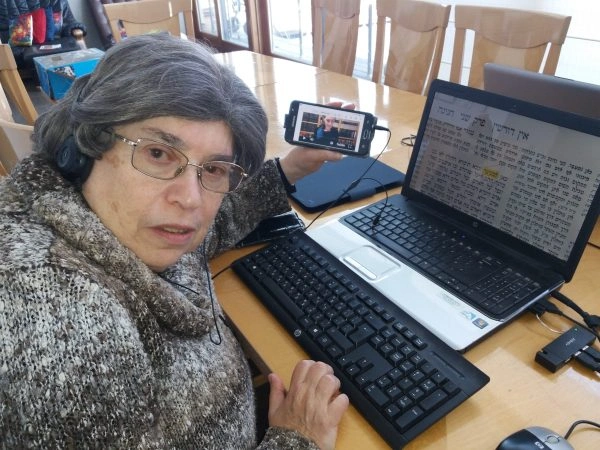
Krivosha_Terri_Bio
Terri Krivosha

Minneapolis, United States

I started learning at the start of this cycle, and quickly fell in love. It has become such an important part of my day, enriching every part of my life.

Naomi Niederhoffer
Naomi Niederhoffer

Toronto, Canada

I began to learn this cycle of Daf Yomi after my husband passed away 2 1/2 years ago. It seemed a good way to connect to him. Even though I don’t know whether he would have encouraged women learning Gemara, it would have opened wonderful conversations. It also gives me more depth for understanding my frum children and grandchildren. Thank you Hadran and Rabbanit Michelle Farber!!

Harriet Hartman
Harriet Hartman

Tzur Hadassah, Israel

I started the daf at the beginning of this cycle in January 2020. My husband, my children, grandchildren and siblings have been very supportive. As someone who learned and taught Tanach and mefarshim for many years, it has been an amazing adventure to complete the six sedarim of Mishnah, and now to study Talmud on a daily basis along with Rabbanit Michelle and the wonderful women of Hadran.

Rookie Billet
Rookie Billet

Jerusalem, Israel

I began my Daf Yomi journey on January 5, 2020. I had never learned Talmud before. Initially it struck me as a bunch of inane and arcane details with mind bending logic. I am now smitten. Rabbanit Farber brings the page to life and I am eager to learn with her every day!

Lori Stark
Lori Stark

Highland Park, United States

Moed Katan 15

מְנוּדִּין וּמְצוֹרָעִין מָה הֵן בְּתִסְפּוֹרֶת? תָּא שְׁמַע: מְנוּדִּין וּמְצוֹרָעִין אֲסוּרִין לְסַפֵּר וּלְכַבֵּס.

The Gemara asks: What is the halakha governing those who are ostracized and lepers, with regard to a haircut? The Gemara answers: Come and hear that which was taught in a baraita: Those who are ostracized and lepers are prohibited from cutting their hair and laundering their clothes.

מְנוּדֶּה שֶׁמֵּת, בֵּית דִּין סוֹקְלִין אֶת אֲרוֹנוֹ. רַבִּי יְהוּדָה אוֹמֵר: לֹא שֶׁיַּעֲמִידוּ עָלָיו גַּל אֲבָנִים כְּגַלּוֹ שֶׁל עָכָן, אֶלָּא בֵּית דִּין שׁוֹלְחִין וּמַנִּיחִין אֶבֶן גְּדוֹלָה עַל אֲרוֹנוֹ, לְלַמֶּדְךָ שֶׁכׇּל הַמִּתְנַדֶּה וּמֵת בְּנִידּוּיוֹ — בֵּית דִּין סוֹקְלִין אֶת אֲרוֹנוֹ.

It was further taught there: If one who is ostracized dies, the court places stones on his coffin. Rabbi Yehuda says: This does not mean that they pile up a heap of stones over him like the heap of stones that was placed over the grave of Achan (see Joshua 7:26). Rather, the court sends its agents, who place a large stone on his coffin as a symbolic gesture. This comes to teach you that anyone who is ostracized and dies while in his period of ostracism, without seeking to be released from it, the court places stones on his coffin.

אָבֵל חַיָּיב בַּעֲטִיפַת הָרֹאשׁ. מִדְּקָאָמַר לֵיהּ רַחֲמָנָא לִיחֶזְקֵאל: ״וְלֹא תַעְטֶה עַל שָׂפָם״, מִכְּלָל דְּכוּלֵּי עָלְמָא מִיחַיְּיבִי.

§ The Gemara continues: A mourner is obligated to wrap his head as a sign of mourning, covering his head and face. This is derived from the fact that the Merciful One says to Ezekiel, while he is in mourning: “And cover not your upper lip” (Ezekiel 24:17). God commands Ezekiel not to display outward signs of mourning, which proves by inference that everyone else is obligated to wrap their heads in this manner.

מְנוּדֶּה מַהוּ בַּעֲטִיפַת הָרֹאשׁ? אָמַר רַב יוֹסֵף, תָּא שְׁמַע: וְהֵן מִתְעַטְּפִין וְיוֹשְׁבִין כִּמְנוּדִּין וְכַאֲבֵלִים עַד שֶׁיְּרַחֲמוּ עֲלֵיהֶם מִן הַשָּׁמַיִם. אֲמַר לֵיהּ אַבָּיֵי: דִּלְמָא מְנוּדֶּה לַשָּׁמַיִם שָׁאנֵי, דַּחֲמִיר.

The Gemara asks: What is the halakha governing a person who is ostracized, with regard to wrapping of the head? Rav Yosef said: Come and hear that which was taught in a baraita about those who were fasting for rain and whose prayers were not answered: And they wrap themselves and sit as those who are ostracized and as mourners, until they are shown mercy from Heaven. This implies that those who are ostracized must wrap their heads like mourners. Abaye said to him: Perhaps one who is ostracized by Heaven is different, as that is more serious than being ostracized by an earthly court.

מְצוֹרָע מַהוּ בַּעֲטִיפַת הָרֹאשׁ? תָּא שְׁמַע: ״וְעַל שָׂפָם יַעְטֶה״, מִכְּלָל שֶׁחַיָּיב בַּעֲטִיפַת הָרֹאשׁ. שְׁמַע מִינַּהּ.

The Gemara continues and asks: What is the halakha in the case of a leper with regard to wrapping of the head? Come and hear a proof based upon the verse: “And he shall cover his upper lip” (Leviticus 13:45), from which it may be learned by inference that he is obligated to wrap his head. The Gemara concludes: Indeed, learn from here that this is the case.

אָבֵל אָסוּר לְהַנִּיחַ תְּפִילִּין, מִדְּקָאָמַר לֵיהּ רַחֲמָנָא לִיחֶזְקֵאל: ״פְּאֵרְךָ חֲבוֹשׁ עָלֶיךָ״, מִכְּלָל דְּכוּלֵּי עָלְמָא אָסוּר.

§ The Gemara moves on to another halakha: A mourner is prohibited from donning phylacteries. This is derived from the fact that the Merciful One says to Ezekiel, while he is in mourning: “Bind your headwear [pe’er] upon yourself” (Ezekiel 24:17). The word pe’er alludes to phylacteries. Ezekiel was unique in that he was commanded to put on phylacteries while in mourning, which proves by inference that everyone else is prohibited from doing so.

מְנוּדֶּה מַהוּ בִּתְפִילִּין? תֵּיקוּ. מְצוֹרָע מַהוּ בִּתְפִילִּין? תָּא שְׁמַע: ״וְהַצָּרוּעַ״ — לְרַבּוֹת כֹּהֵן גָּדוֹל. ״בְּגָדָיו יִהְיוּ פְרוּמִים״ — שֶׁיְּהוּ מְקוֹרָעִים, ״וְרֹאשׁוֹ יִהְיֶה פָרוּעַ״ — אֵין פְּרִיעָה אֶלָּא גִּידּוּל שֵׂעָר, דִּבְרֵי רַבִּי אֱלִיעֶזֶר.

The Gemara asks: What is the halakha governing one who is ostracized, with regard to phylacteries? The dilemma shall stand unresolved. The Gemara proceeds to its next question: What is the halakha in the case of a leper with regard to phylacteries? The Gemara suggests: Come and hear a proof from the following baraita: The verse states: “And the leper” (Leviticus 13:45); as explained earlier, this comes to include the High Priest in all the halakhot of the leper. The verse states there: “His garments shall be perumim,” meaning that they shall be rent. The verse continues: “And his head shall be parua,” and this peria means only growing the hair long; this is the statement of Rabbi Eliezer.

רַבִּי עֲקִיבָא אוֹמֵר: נֶאֶמְרָה הֲוָיָיה בָּרֹאשׁ, וְנֶאֶמְרָה הֲוָיָיה בַּבֶּגֶד. מָה הֲוָיָיה הָאֲמוּרָה בַּבֶּגֶד — דָּבָר שֶׁחוּץ מִגּוּפוֹ. אַף הֲוָיָיה בָּרֹאשׁ דָּבָר שֶׁחוּץ מִגּוּפוֹ. מַאי לָאו, אַתְּפִילִּין!

Rabbi Akiva says: The meaning of these terms is derived through a verbal analogy. The verse states a form of the verb being, with regard to one’s head in the verse: “His head shall be,” teaching that a leper must perform a certain action with his head. And the verse states a form of the verb being with regard to a leper’s garment, in the verse: “His garment shall be.” Just as the term being stated with regard to his garment is referring to an object external to his body, so too, the term being used with regard to his head is referring to an object external to his body. The Gemara derives from this: What, is it not referring to phylacteries, and the verse teaches that it is prohibited for a leper to wear phylacteries?

אָמַר רַב פָּפָּא: לָא, אַכּוּמְתָא וְסוּדָרָא.

Rav Pappa said: No, there is no proof from here, as the verse may be referring to a cap [kumta] or a scarf [sudara], which people wear on their heads. It is possible to explain that according to Rabbi Akiva, it is prohibited for a leper to wear such headwear because it is excessive adornment.

אָבֵל אָסוּר בִּשְׁאֵילַת שָׁלוֹם. דְּקָאָמַר לֵיהּ רַחֲמָנָא לִיחֶזְקֵאל: ״הֵאָנֵק דּוֹם״.

§ The Gemara continues: A mourner is prohibited from greeting others or being greeted. This is derived from the fact that the Merciful One says to Ezekiel: “Sigh in silence” (Ezekiel 24:17), implying that aside from what was absolutely essential, he was prohibited from speaking.

מְנוּדֶּה מַהוּ בִּשְׁאֵילַת שָׁלוֹם? אָמַר רַב יוֹסֵף, תָּא שְׁמַע: וּבִשְׁאֵילַת שָׁלוֹם שֶׁבֵּין אָדָם לַחֲבֵרוֹ כִּבְנֵי אָדָם הַנְּזוּפִין לַמָּקוֹם. אֲמַר לֵיהּ אַבָּיֵי: דִּלְמָא מְנוּדֶּה לַשָּׁמַיִם שָׁאנֵי, דַּחֲמִיר.

The Gemara asks: What is the halakha governing one who is ostracized with regard to greeting others? Rav Yosef said: Come and hear a proof from a baraita dealing with those who were fasting for rain and whose prayers were not answered. These people were prohibited from greeting one another, as people who are reprimanded by the Omnipresent. This indicates that those who are ostracized must not greet each other, just as mourners may not greet each other. Abaye said to him: Perhaps one who is ostracized by Heaven is different, as that is more serious than being ostracized by an earthly court.

מְצוֹרָע מַהוּ בִּשְׁאֵילַת שָׁלוֹם? תָּא שְׁמַע: ״וְעַל שָׂפָם יַעְטֶה״ — שֶׁיְּהוּ שִׂפְתוֹתָיו מְדוּבָּקוֹת זוֹ בָּזוֹ, שֶׁיְּהֵא כִּמְנוּדֶּה וּכְאָבֵל, וְאָסוּר בִּשְׁאֵילַת שָׁלוֹם. שְׁמַע מִינַּהּ.

The Gemara continues and asks: What is the halakha concerning a leper with regard to greeting others? The Gemara suggests: Come and hear a proof from the following baraita: The verse states: “And he shall cover his upper lip” (Leviticus 13:45). This means that his lips should be stuck together, that he should be like one who is ostracized and like a mourner, and he is prohibited from greeting others or being greeted. The Gemara concludes: Indeed, learn from this that this is so.

וְנִיפְשׁוֹט מִינַּהּ לִמְנוּדֶּה? אָמַר רַב אַחָא בַּר פִּנְחָס מִשְּׁמֵיהּ דְּרַב יוֹסֵף: מִי קָתָנֵי שֶׁאָסוּר? שֶׁיְּהֵא כִּמְנוּדֶּה וּכְאָבֵל [קָתָנֵי] בְּמִילֵּי אַחְרָנְיָיתָא, וְאָסוּר נָמֵי בִּשְׁאֵילַת שָׁלוֹם.

The Gemara asks: If this is the case, then we should also resolve the question asked above with regard to one who is ostracized and say that such a person is prohibited from offering greetings. Rav Aḥa bar Pineḥas said in the name of Rav Yosef: Does it explicitly teach that a leper is prohibited from greeting others, like one who is ostracized? It teaches only that he should be treated like one who is ostracized and like a mourner, i.e., he should be like them with regard to other things, and that he is also prohibited from greeting others. This being the case, no proof can be derived from here with regard to whether or not one who is ostracized may offer greetings.

אָבֵל אָסוּר בְּדִבְרֵי תוֹרָה, מִדְּקָאָמַר רַחֲמָנָא לִיחֶזְקֵאל: ״דֹּם״.

§ The Gemara moves on to a new topic: A mourner is prohibited from studying words of Torah. This prohibition is derived from the fact that the Merciful One says to Ezekiel: “Sigh in silence” (Ezekiel 24:17). Ezekiel was commanded to be silent and not discuss even Torah matters.

מְנוּדֶּה מַהוּ בְּדִבְרֵי תוֹרָה? אָמַר רַב יוֹסֵף, תָּא שְׁמַע: מְנוּדֶּה שׁוֹנֶה וְשׁוֹנִין לוֹ, נִשְׂכָּר וְנִשְׂכָּרִין לוֹ.

The Gemara asks: What is the halakha concerning one who is ostracized with regard to speaking words of Torah? Rav Yosef said: Come and hear that which was taught in the following baraita: One who is ostracized may teach Torah to others, and others may teach him Torah. Similarly, he may be hired for work by others, and others may be hired by him.

מוּחְרָם — לֹא שׁוֹנֶה וְלֹא שׁוֹנִין לוֹ, לֹא נִשְׂכָּר וְלֹא נִשְׂכָּרִין לוֹ. אֲבָל שׁוֹנֶה הוּא לְעַצְמוֹ, שֶׁלֹּא יַפְסִיק אֶת לִמּוּדוֹ, וְעוֹשֶׂה לוֹ חֲנוּת קְטַנָּה בִּשְׁבִיל פַּרְנָסָתוֹ.

One who has been excommunicated, which is a more severe form of ostracism, may not teach Torah to others and others may not teach him. He may not be hired by others, and others may not be hired by him. However, he may study by himself, so that he will not interrupt his study entirely and forget everything he knows. And he may build a small store for his livelihood, so that he can earn enough money to cover his most basic needs, but not more.

וְאָמַר רַב — זַבּוֹנֵי מַיָּא בְּפַקְתָּא דַעֲרָבוֹת. שְׁמַע מִינַּהּ.

And Rav said: What is the small store referred to here? This is referring to selling water in the valley of Aravot, where no water was to be found. One selling water there could earn a small income. The Gemara concludes: Indeed, learn from this baraita that one who is ostracized is permitted to study Torah.

מְצוֹרָע מַהוּ בְּדִבְרֵי תוֹרָה? תָּא שְׁמַע: ״וְהוֹדַעְתָּם לְבָנֶיךָ וְלִבְנֵי בָנֶיךָ. יוֹם אֲשֶׁר עָמַדְתָּ לִפְנֵי ה׳ אֱלֹהֶיךָ בְּחוֹרֵב״ — מָה לְהַלָּן בְּאֵימָה וּבְיִרְאָה וּבִרְתֵת וּבְזִיעַ,

The Gemara asks: What is the halakha with regard to a leper speaking words of Torah? The Gemara answers: Come and hear that which is taught in a baraita: It is written: “And you shall impart them to your children and your children’s children; the day that you stood before the Lord your God in Horeb” (Deuteronomy 4:9–10). Just as there, the revelation at Sinai was in reverence, fear, and trembling, so too, here, in every generation, Torah must be studied in a similar fashion.

מִכָּאן אָמְרוּ: הַזָּבִין וְהַמְצוֹרָעִין וּבוֹעֲלֵי נִדּוֹת — מוּתָּרִין לִקְרוֹת בַּתּוֹרָה וּבַנְּבִיאִים וּבַכְּתוּבִים, וְלִשְׁנוֹת בַּמִּדְרָשׁ וּבַתַּלְמוּד, בַּהֲלָכוֹת וּבָאַגָּדוֹת. וּבַעֲלֵי קְרָיִין אֲסוּרִין. שְׁמַע מִינַּהּ.

From here the Sages stated: Zavim, lepers, and those who had intercourse with menstruating women despite their severe ritual impurity are permitted to read the Torah, Prophets, and Writings, and to study midrash, Talmud, halakhot, and aggada. But those who experienced a seminal emission are prohibited from doing so. The reason for this distinction is that the cases of severe impurity are caused by ailment or other circumstances beyond one’s control; as a result, they do not necessarily preclude a sense of reverence and awe as one studies Torah. However, a seminal emission usually occurs due to frivolity and a lack of reverence and awe, and it is therefore inappropriate for one who experiences a seminal emission to engage in matters of Torah. The Gemara concludes: Indeed, learn from this that a leper is permitted to study words of Torah.

אָבֵל אָסוּר בְּתִכְבּוֹסֶת, דִּכְתִיב: ״וַיִּשְׁלַח יוֹאָב תְּקוֹעָה וַיִּקַּח מִשָּׁם אִשָּׁה חֲכָמָה וַיֹּאמֶר אֵלֶיהָ הִתְאַבְּלִי נָא וְלִבְשִׁי נָא בִגְדֵי אֵבֶל וְאַל תָּסוּכִי שֶׁמֶן וְהָיִית כְּאִשָּׁה זֶה יָמִים רַבִּים מִתְאַבֶּלֶת עַל מֵת״.

§ The Gemara proceeds to discuss another issue: A mourner is prohibited from laundering his clothes, as it is written: “And Joab sent to Tekoa, and fetched from there a wise woman, and said to her, I pray you, feign yourself to be a mourner, and put on now mourning apparel, and do not anoint yourself with oil, but be as a woman that had a long time mourned for the dead” (II Samuel 14:2).

מְנוּדִּין וּמְצוֹרָעִין מָה הֵן בְּתִכְבּוֹסֶת? תָּא שְׁמַע: מְנוּדִּין וּמְצוֹרָעִין אֲסוּרִין לְסַפֵּר וּלְכַבֵּס. שְׁמַע מִינַּהּ.

The Gemara asks: What is the halakha concerning laundering with regard to those who are ostracized or lepers? Come and hear that which is taught in a baraita: Those who are ostracized or lepers are prohibited from cutting their hair or laundering their clothes. The Gemara concludes: Indeed, learn from here that they are prohibited from laundering their clothes.

אָבֵל חַיָּיב בִּקְרִיעָה, דְּקָאָמַר לְהוּ רַחֲמָנָא לִבְנֵי אַהֲרֹן: ״לֹא תִפְרוֹמוּ״, מִכְּלָל דְּכוּלֵּי עָלְמָא מִיחַיְּיבִי.

The Gemara continues: A mourner is obligated to rend his clothes. This is derived from the fact that the Merciful One says to the sons of Aaron: “Neither rend your clothes” (Leviticus 10:6), which proves by inference that everyone else, all other mourners, are obligated to rend their clothes.

מְנוּדֶּה מַהוּ בִּקְרִיעָה? תֵּיקוּ.

The Gemara asks: What is the halakha of rending clothes with regard to one who is ostracized? No answer is found, and the question shall stand unresolved.

מְצוֹרָע מַהוּ בִּקְרִיעָה? תָּא שְׁמַע: ״בְּגָדָיו יִהְיוּ פְרוּמִים״ — שֶׁיְּהוּ מְקוֹרָעִין. שְׁמַע מִינַּהּ.

The Gemara continues: What is the halakha concerning a leper with regard to rending? Come and hear that which is taught in the following baraita: The verse states: “His garments shall be rent” (Leviticus 13:45), meaning that they shall be torn. The Gemara concludes: Indeed, learn from here that this is the case.

אָבֵל חַיָּיב בִּכְפִיַּית הַמִּטָּה, דְּתָנֵי בַּר קַפָּרָא:

§ The Gemara moves to a different issue: A mourner is obligated to overturn his bed, so that he sleeps on the underside of it, as bar Kappara taught a baraita that states:

דְּמוּת דְּיוֹקְנִי נָתַתִּי בָּהֶן, וּבַעֲוֹנוֹתֵיהֶם הֲפַכְתִּיהָ. (כָּפוּ) [יֵהָפְכוּ] מִטּוֹתֵיהֶן עָלֶיהָ. מְנוּדֶּה וּמְצוֹרָע מָה הֵן בִּכְפִיַּית הַמִּטָּה? תֵּיקוּ.

God stated: I have placed the likeness of My image [deyokan] within humans, as they were created in My image, and owing to their sins I have overturned it, as when this person died the Divine image in him was removed. Therefore, you must also overturn your beds on account of this. The Gemara asks: What is the halakha governing one who was ostracized or a leper, with regard to overturning the bed? The Gemara has no answer, and the question shall stand unresolved.

אָבֵל אָסוּר בַּעֲשִׂיַּית מְלָאכָה, דִּכְתִיב: ״וְהָפַכְתִּי חַגֵּיכֶם לְאֵבֶל״. מָה חַג אָסוּר בִּמְלָאכָה — אַף אָבֵל אָסוּר בִּמְלָאכָה.

§ The Gemara proceeds to the next topic: A mourner is prohibited from performing work, as it is written: “And I will turn your Festivals into mourning” (Amos 8:10). The Gemara infers: Just as a Festival is a time when it is prohibited to work, so too, a mourner is prohibited from performing work.

מְנוּדֶּה מַהוּ בַּעֲשִׂיַּית מְלָאכָה? אָמַר רַב יוֹסֵף, תָּא שְׁמַע: כְּשֶׁאָמְרוּ אָסוּר בַּעֲשִׂיַּית מְלָאכָה, לֹא אָמְרוּ אֶלָּא בַּיּוֹם, אֲבָל בַּלַּיְלָה מוּתָּר. וְכֵן אַתָּה מוֹצֵא בִּמְנוּדֶּה וּבְאָבֵל. מַאי לָאו, אַכּוּלְּהוּ? לָא, אַשְּׁאָרָא.

The Gemara asks: What is the halakha concerning one who was ostracized with regard to the performance of work? Rav Yosef said: Come and hear that which is taught in the following baraita: When the Sages said that the performance of work is prohibited on a communal fast due to lack of rain, they meant only that work is prohibited during the day of the fast, but during the night of the fast it is permitted. And you find a similar halakha with regard to a person who was ostracized and with regard to a mourner. What, is it not with regard to all of the prohibitions stated that the baraita says that they apply to one who was ostracized as well, including the prohibition to engage in work? The Gemara rejects this argument: No, this is referring to the rest of the prohibitions, but not to work.

תָּא שְׁמַע: מְנוּדֶּה שׁוֹנֶה וְשׁוֹנִין לוֹ, נִשְׂכָּר וְנִשְׂכָּרִין לוֹ. שְׁמַע מִינַּהּ. מְצוֹרָע מַהוּ בַּעֲשִׂיַּית מְלָאכָה? תֵּיקוּ.

The Gemara offers a different proof: Come and hear that which was taught in the following baraita: One who is ostracized may teach Torah to others, and others may teach him Torah. Similarly, he may be hired for work by others, and others may be hired by him. The Gemara concludes: Learn from here that it is permitted for one who is ostracized to engage in work. The Gemara asks: What is the halakha concerning a leper, with regard to the performance of work? An answer is not found, and the question shall stand unresolved.

אָבֵל אָסוּר בִּרְחִיצָה, דִּכְתִיב: ״וְאַל תָּסוּכִי שֶׁמֶן״, וּרְחִיצָה בִּכְלַל סִיכָה.

§ The Gemara discusses a different prohibition: A mourner is prohibited from bathing, as it is written: “And do not anoint yourself with oil, but be as a woman that had for a long time mourned for the dead” (II Samuel 14:2). And bathing is included in the category of anointing, as both activities have a similar goal, i.e., cleanliness.

מְנוּדֶּה מַהוּ בִּרְחִיצָה? אָמַר רַב יוֹסֵף, תָּא שְׁמַע: כְּשֶׁאָמְרוּ אָסוּר בִּרְחִיצָה לֹא אָמְרוּ אֶלָּא כׇּל גּוּפוֹ, אֲבָל פָּנָיו יָדָיו וְרַגְלָיו — מוּתָּר, וְכֵן אַתָּה מוֹצֵא בִּמְנוּדֶּה וּבְאָבֵל. מַאי לָאו אַכּוּלְּהוּ? לָא, אַשְּׁאָרָא. מְצוֹרָע מַהוּ בִּרְחִיצָה? תֵּיקוּ.

The Gemara asks: What is the halakha concerning one who is ostracized with regard to bathing? Rav Yosef said: Come and hear that which was taught in the following baraita: When the Sages said that bathing is prohibited on a communal fast, they meant only that a person may not wash his entire body, but washing his face, his hands, and his feet is permitted. And you find a similar halakha with regard to a person who was ostracized and with regard to a mourner. What, is it not with regard to all the prohibitions stated in the baraita, including the prohibition against bathing, that they apply also to one who is ostracized? The Gemara rejects this argument: No, this is referring to the rest of the prohibitions, but not to bathing. The Gemara asks: What is the halakha concerning a leper with regard to bathing? An answer is not found, and the question shall stand unresolved.

אָבֵל אָסוּר בִּנְעִילַת הַסַּנְדָּל, מִדְּקָאָמַר לֵיהּ רַחֲמָנָא לִיחֶזְקֵאל ״וּנְעָלֶיךָ תָּשִׂים בְּרַגְלֶיךָ״, מִכְּלָל דְּכוּלֵּי עָלְמָא אָסוּר.

§ The Gemara moves to the next topic: A mourner is prohibited from wearing shoes. Since the Merciful One says to Ezekiel with regard to how his mourning rites should differ from the accepted custom: “And put your shoes upon your feet” (Ezekiel 24:17), which shows by inference that everyone else, i.e., all other mourners, is prohibited from wearing shoes.

מְנוּדֶּה מַהוּ בִּנְעִילַת הַסַּנְדָּל? אָמַר רַב יוֹסֵף, תָּא שְׁמַע: כְּשֶׁאָמְרוּ אָסוּר בִּנְעִילַת הַסַּנְדָּל — לֹא אָמְרוּ אֶלָּא בָּעִיר, אֲבָל בַּדֶּרֶךְ — מוּתָּר. הָא כֵּיצַד? יָצָא לַדֶּרֶךְ — נוֹעֵל, נִכְנַס לָעִיר — חוֹלֵץ, וְכֵן אַתָּה מוֹצֵא בִּמְנוּדֶּה וּבְאָבֵל. מַאי לָאו אַכּוּלְּהוּ? לָא, אַשְּׁאָרָא.

The Gemara asks: What is the halakha concerning one who is ostracized with regard to wearing shoes? Rav Yosef said: Come and hear that which is taught in the following baraita: When the Sages said that wearing shoes is prohibited on a communal fast, they meant only that one may not wear shoes when he is walking about in the city, but if he set out to travel on the road, wearing shoes is permitted. How so? When he sets out on the road, he may put on his shoes. But as soon as he enters the city once again, he must take off his shoes and continue barefoot. And you find a similar halakha with regard to a person who was ostracized and with regard to a mourner. What, is it not with regard to all of the prohibitions stated in the baraita, including the prohibition against wearing shoes, that they apply also to one who was ostracized? The Gemara rejects this argument: No, this is referring to the rest of the prohibitions, but not to wearing shoes.

מְצוֹרָע מַהוּ בִּנְעִילַת הַסַּנְדָּל? תֵּיקוּ.

The Gemara asks: What is the halakha concerning a leper with regard to wearing shoes? No answer is found, and the question shall stand unresolved.

אָבֵל אָסוּר בְּתַשְׁמִישׁ הַמִּטָּה, דִּכְתִיב: ״וַיְנַחֵם דָּוִד אֵת בַּת שֶׁבַע אִשְׁתּוֹ וַיָּבֹא אֵלֶיהָ״, מִכְּלָל דְּמֵעִיקָּרָא אָסוּר.

§ The Gemara considers another issue: A mourner is prohibited from engaging in sexual relations, as it is written: “And David comforted Bath-Sheba his wife, and went into her, and lay with her” (II Samuel 12:24), after their son had died. This proves by inference that initially, during the period of mourning, sexual relations were forbidden.

מְנוּדֶּה מַהוּ בְּתַשְׁמִישׁ הַמִּטָּה? אָמַר רַב יוֹסֵף, תָּא שְׁמַע: כׇּל אוֹתָן שָׁנִים שֶׁהָיוּ יִשְׂרָאֵל בַּמִּדְבָּר מְנוּדִּין הָיוּ, וְשִׁימְּשׁוּ מִטּוֹתֵיהֶן. אֲמַר לֵיהּ אַבָּיֵי: וְדִלְמָא מְנוּדֶּה לַשָּׁמַיִם שָׁאנֵי, דְּקִיל.

The Gemara asks: What is the halakha concerning one who is ostracized with regard to sexual relations? Rav Yosef said: Come and hear that which is taught in a baraita: All those years that the Jewish people were in the wilderness they were ostracized, and yet they engaged in sexual relations, as there were children born to them during that period. It follows that it is permitted for one who is ostracized to engage in sexual relations. Abaye said to him: Perhaps one who is ostracized by Heaven is different, as that is less serious than being ostracized by an earthly court.

קִיל?! וְהָא אָמְרַתְּ חֲמִיר! סַפּוֹקֵי מְסַפְּקָא לֵיהּ: זִיל הָכָא קָמְדַחֵי לֵיהּ, וְזִיל הָכָא קָמְדַחֵי לֵיהּ.

The Gemara asks in astonishment: Is it less serious? But didn’t you, Abaye, say elsewhere that a decree of ostracism imposed by Heaven is more serious than one issued by an earthly court? For this reason, Abaye rejected several proofs of Rav Yosef from the previously cited baraita. The Gemara answers: Abaye is uncertain whether a decree of ostracism imposed by Heaven is more or less serious than one imposed by an earthly court. Therefore, when he goes in this direction he rejects the argument, and when he goes in that direction he rejects the argument. Abaye asserts that since the issue is in doubt, no proof can be derived from ostracism issued by Heaven.

מְצוֹרָע מַהוּ בְּתַשְׁמִישׁ הַמִּטָּה? תָּא שְׁמַע, דְּתַנְיָא: ״וְיָשַׁב מִחוּץ לְאׇהֳלוֹ״, שֶׁיְּהֵא כִּמְנוּדֶּה וּכְאָבֵל, וְאָסוּר בְּתַשְׁמִישׁ הַמִּטָּה. וְאֵין ״אׇהֳלוֹ״ אֶלָּא אִשְׁתּוֹ, שֶׁנֶּאֱמַר: ״לֵךְ אֱמוֹר לָהֶם שׁוּבוּ לָכֶם לְאׇהֳלֵיכֶם״. שְׁמַע מִינַּהּ.

The Gemara continues: What is the halakha concerning a leper with regard to sexual relations? Come and hear a proof, as it is taught in a baraita: The verse concerning a leper states: “But he shall remain outside his tent seven days” (Leviticus 14:8), from which it is derived that a leper should be like one who is ostracized and like a mourner, and he is prohibited from engaging in sexual relations. How is this derived? The only meaning of the term “his tent” is his wife, as is stated after the giving of the Torah: “Go say to them, return again to your tents” (Deuteronomy 5:27). This statement rendered it permitted for the men to once again engage in sexual relations with their wives after they had previously been prohibited to do so in anticipation of the giving of the Torah, as expressed in the verse: “Come not near a woman” (Exodus 19:15). The Gemara concludes: Indeed, learn from this that it is prohibited for a leper to engage in sexual relations.

וְנִיפְשׁוֹט נָמֵי לִמְנוּדֶּה? אָמַר רַב הוּנָא בְּרֵיהּ דְּרַב פִּנְחָס מִשְּׁמֵיהּ דְּרַב יוֹסֵף: מִי קָתָנֵי שֶׁאָסוּר? שֶׁיְּהֵא כִּמְנוּדֶּה וּכְאָבֵל בְּמִילֵּי אַחְרָנְיָיתָא, וְאָסוּר נָמֵי בְּתַשְׁמִישׁ הַמִּטָּה.

The Gemara asks: If this is the case, then can we also resolve the question raised above with regard to one who is ostracized, by saying that it is prohibited for such a person to engage in sexual relations? Rav Huna, son of Rav Pineḥas, said in the name of Rav Yosef: Is it taught that a leper is prohibited from engaging in sexual relations like one who is ostracized? It states only that he should be treated like one who is ostracized and like a mourner, i.e., he should be like them with regard to other things, and in addition he is prohibited from engaging in sexual relations. Therefore, no proof can be derived from here with regard to one who is ostracized that he, too, is prohibited from engaging in sexual relations.

אָבֵל אֵינוֹ מְשַׁלֵּחַ קׇרְבְּנוֹתָיו, דְּתַנְיָא, רַבִּי שִׁמְעוֹן אוֹמֵר: ״שְׁלָמִים״ — בִּזְמַן שֶׁהוּא שָׁלֵם, וְלֹא בִּזְמַן שֶׁהוּא אוֹנֵן.

§ The Gemara continues: A mourner may not send his offerings to the Temple, as it is taught in a baraita: Rabbi Shimon says: A peace-offering [shelamim] is given this name also to teach us that one may sacrifice it only at a time when he is whole [shalem] and his mind is settled, but not at a time when he is an acute mourner, i.e., on the first day of his bereavement, when he is distressed.

מְנוּדֶּה מַהוּ שֶׁיְּשַׁלַּח קׇרְבְּנוֹתָיו? אָמַר רַב יוֹסֵף, תָּא שְׁמַע: כׇּל אוֹתָן שָׁנִים שֶׁהָיוּ יִשְׂרָאֵל בַּמִּדְבָּר מְנוּדִּין הָיוּ, וְשִׁלְּחוּ קׇרְבְּנוֹתֵיהֶן. אֲמַר לֵיהּ אַבָּיֵי: וְדִלְמָא מְנוּדֶּה לַשָּׁמַיִם שָׁאנֵי, דְּקִיל?

The Gemara asks: What is the halakha concerning one who is ostracized with regard to sending his offerings to the Temple? Rav Yosef said: Come and hear a proof from that which is taught in a baraita: All those years that the Jewish people were in the wilderness they were ostracized, and yet they sent their offerings. Abaye said to him: Perhaps one who is ostracized by Heaven is different, as that is less serious than being ostracized by an earthly court.

קִיל?! וְהָאָמְרַתְּ חֲמִיר? סַפּוֹקֵי מְסַפְּקָא לֵיהּ וּמְדַחֵי לֵיהּ.

The Gemara asks in astonishment: Is it less serious? But certainly you, Abaye, said elsewhere that being ostracized by Heaven is more serious than being ostracized by an earthly court. The Gemara offers a resolution: Abaye is uncertain whether being ostracized by Heaven is more or less serious than being ostracized by an earthly court, and therefore he rejects Rav Yosef’s arguments in both directions.

מְצוֹרָע מַהוּ שֶׁיְּשַׁלַּח קׇרְבְּנוֹתָיו? תָּא שְׁמַע, דְּתַנְיָא: ״וְאַחֲרֵי טׇהֳרָתוֹ״ — אַחַר פְּרִישָׁתוֹ מִן הַמֵּת, ״שִׁבְעַת יָמִים יִסְפְּרוּ לוֹ״ — אֵלּוּ שִׁבְעַת יְמֵי סְפִירוֹ, ״וּבְיוֹם בֹּאוֹ אֶל הַקּוֹדֶשׁ אֶל הֶחָצֵר הַפְּנִימִית לְשָׁרֵת בַּקּוֹדֶשׁ יַקְרִיב חַטָּאתוֹ״ —

The Gemara asks: What is the halakha with regard to a leper sending his offerings to the Temple? The Gemara answers: Come and hear a proof, as it is taught in a baraita with regard to a priest who became ritually impure: “And after he is purified, they shall count for him seven days” (Ezekiel 44:26). The verse should be understood as follows: “And after he is purified”; after he has separated from his deceased relative. “They shall count for him seven days”; these are the seven days of his counting before he may purify himself. “And on the day that he goes into the Sanctuary, into the inner court, to minister in the Sanctuary, he shall sacrifice his sin-offering, says the Lord God” (Ezekiel 44:27);

Want to follow content and continue where you left off?

Create an account today to track your progress, mark what you’ve learned, and follow the shiurim that speak to you.

Clear all items from this list?

This will remove ALL the items in this section. You will lose any progress or history connected to them. This is irreversible.

Cancel
Yes, clear all

Are you sure you want to delete this item?

You will lose any progress or history connected to this item.

Cancel
Yes, delete