Search

Moed Katan 29

Want to dedicate learning? Get started here:

English
עברית
podcast placeholder

0:00
0:00


podcast placeholder

0:00
0:00


Summary

Siyum Masechet Moed Katan is sponsored by Miriam Tannenbaum l’iluy nishmat Jack Zemsky, her father, Yaakov Yitzhak ben Moshe Nachum HaLevi and Miriam Esther z”l, whose 18th yahrzeit was yesterday, the 8th of Adar. “Our father’s life, like Moed Katan encompassed both the twinning of and the dialectic between simcha & aveilut. In dealing with life’s challenges, he both confronted them and chose to live a life of simcha. His service of Hashem was heavily influenced by those experiences and the teachings and simcha of Chassidut. Upon his passing in Chodesh Adar only days before Purim (that year), we felt it timely—as though he would have wanted the sadness to be somewhat muted at this joyous time of year. Yehi Zichro Baruch.”

Siyum Masechet Moed Katan is sponsored by Sara Berelowitz in memory of her mother-in-law, Sarah Tyba bat David Shlomo z”l. 

The mourner gets treated with respect and is seated at the head – this derived from a verse in Job? A groom also sits at the head – this is derived from a verse comparing a groom to a kohen, who also sits at the head. The moment of death is described using imagery showing how difficult the moment is. What words should one use when parting with the dead? What words should be used when parting with one who is alive? These are derived from verses with God and Avraham, and Yitro and Moshe. The verse “Go from strength to strength” is explained in two different ways at the end of the Masechet – either one who goes from the shul to the Beit Midrash and the reverse or Torah scholars in general and it relates to this world and the next.

HADRAN ALACH MASECHET MOED KATAN – Download the text for the completion of the masechet: The Hadran.

Today’s daily daf tools:

Moed Katan 29

כְּצִיפּוֹרֵי בְּפִי הַוֶּושֶׁט. רַבִּי יוֹחָנָן אָמַר: כְּפִטּוּרֵי בְּפִי וֶושֶׁט.

as it is for a knotted rope [tzippori] to pass through an eye [veshet] in a ship’s rigging. Rabbi Yoḥanan said: It is as difficult as it is for a halyard [pitirei] to pass through an eye [veshet].

וְאָמַר רַבִּי לֵוִי בַּר חַיְתָא: הַנִּפְטָר מִן הַמֵּת, לֹא יֹאמַר לוֹ ״לֵךְ לְשָׁלוֹם״, אֶלָּא ״לֵךְ בְּשָׁלוֹם״. הַנִּפְטָר מִן הַחַי, לֹא יֹאמַר לוֹ ״לֵךְ בְּשָׁלוֹם״, אֶלָּא ״לֵךְ לְשָׁלוֹם״.

And Rabbi Levi bar Ḥayyata said: One who departs from the deceased should not say to him: Go to peace, but rather he should say: Go in peace. One who departs from the living should not say to him: Go in peace, but rather he should say: Go to peace.

הַנִּפְטָר מִן הַמֵּת, לֹא יֹאמַר לוֹ ״לֵךְ לְשָׁלוֹם״, אֶלָּא ״לֵךְ בְּשָׁלוֹם״, שֶׁנֶּאֱמַר: ״וְאַתָּה תָּבֹא אֶל אֲבוֹתֶיךָ בְּשָׁלוֹם״.

One who departs from the deceased should not say to him: Go to peace, but rather: Go in peace, as it is stated: “And you shall go to your fathers in peace; you shall be buried in a good old age” (Genesis 15:15).

הַנִּפְטָר מִן הַחַי, לֹא יֹאמַר לוֹ ״לֵךְ בְּשָׁלוֹם״, אֶלָּא ״לֵךְ לְשָׁלוֹם״, שֶׁהֲרֵי דָּוִד שֶׁאָמַר לְאַבְשָׁלוֹם ״לֵךְ בְּשָׁלוֹם״, הָלַךְ וְנִתְלָה, יִתְרוֹ שֶׁאָמַר לְמֹשֶׁה ״לֵךְ לְשָׁלוֹם״, הָלַךְ וְהִצְלִיחַ.

One who departs from the living should not say to him: Go in peace, but rather: Go to peace, as David said to Absalom: “Go in peace” (II Samuel 15:9), and he subsequently went and was hanged; whereas Jethro said to Moses: “Go to peace” (Exodus 4:18), and he went and was successful.

וְאָמַר רַבִּי לֵוִי: כׇּל הַיּוֹצֵא מִבֵּית הַכְּנֶסֶת לְבֵית הַמִּדְרָשׁ, וּמִבֵּית הַמִּדְרָשׁ לְבֵית הַכְּנֶסֶת, זוֹכֶה וּמְקַבֵּל פְּנֵי שְׁכִינָה, שֶׁנֶּאֱמַר: ״יֵלְכוּ מֵחַיִל אֶל חָיִל יֵרָאֶה אֶל אֱלֹהִים בְּצִיּוֹן״.

And Rabbi Levi said: Anyone who leaves from the synagogue and goes to the study hall or goes from the study hall to the synagogue, i.e., he goes from the mitzva of prayer to the mitzva of Torah study or vice versa, merits to receive the Divine Presence, as it is stated: “They go from strength to strength, every one of them appears before God in Zion” (Psalms 84:8).

אָמַר רַב חִיָּיא בַּר אָשֵׁי אָמַר רַב: תַּלְמִידֵי חֲכָמִים אֵין לָהֶם מְנוּחָה אֲפִילּוּ לָעוֹלָם הַבָּא, שֶׁנֶּאֱמַר: ״יֵלְכוּ מֵחַיִל אֶל חָיִל יֵרָאֶה אֶל אֱלֹהִים בְּצִיּוֹן״.

With regard to the same verse, Rav Ḥiyya bar Ashi said that Rav said: Torah scholars have no rest, even in the World-to-Come, as even there they remain in constant movement and ascent, as it is stated: “They go from strength to strength, every one of them appears before God in Zion.” Even when they are in the World-to-Come, they continue to go from strength to strength, until the final redemption will arrive in the end of days and God will appear in Zion.


הֲדַרַן עֲלָךְ וְאֵלּוּ מְגַלְּחִין וּסְלִיקָא לַהּ מַסֶּכֶת מוֹעֵד קָטָן

Today’s daily daf tools:

New to Talmud?

Check out our resources designed to help you navigate a page of Talmud – and study at the pace, level and style that fits you. 

The Hadran Women’s Tapestry

Meet the diverse women learning Gemara at Hadran and hear their stories. 

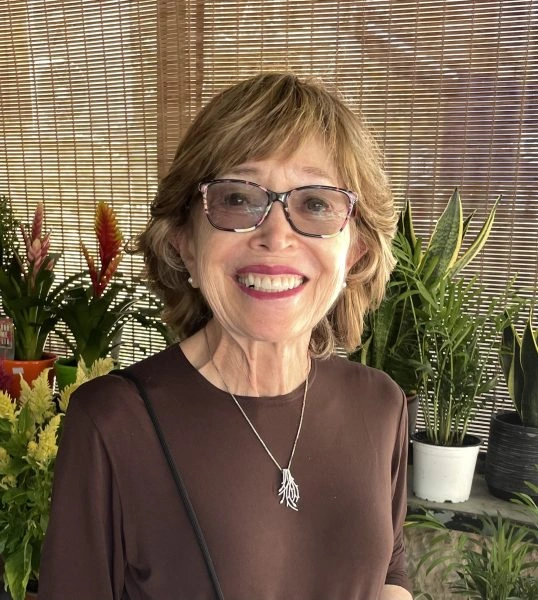
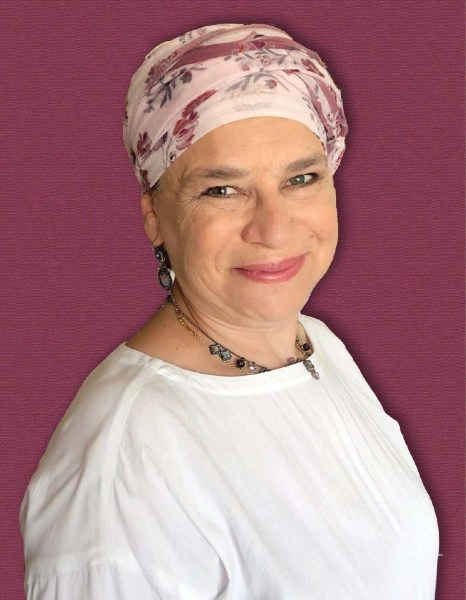
Studying has changed my life view on הלכה and יהדות and time. It has taught me bonudaries of the human nature and honesty of our sages in their discourse to try and build a nation of caring people .

Goldie Gilad
Goldie Gilad

Kfar Saba, Israel

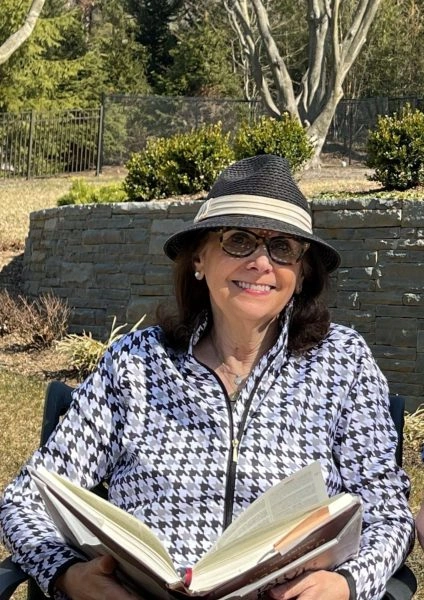
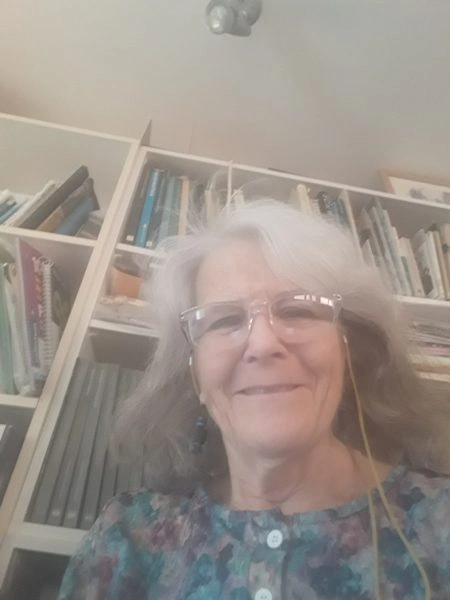
I started learning when my brother sent me the news clip of the celebration of the last Daf Yomi cycle. I was so floored to see so many women celebrating that I wanted to be a part of it. It has been an enriching experience studying a text in a language I don’t speak, using background knowledge that I don’t have. It is stretching my learning in unexpected ways, bringing me joy and satisfaction.

Jodi Gladstone
Jodi Gladstone

Warwick, Rhode Island, United States

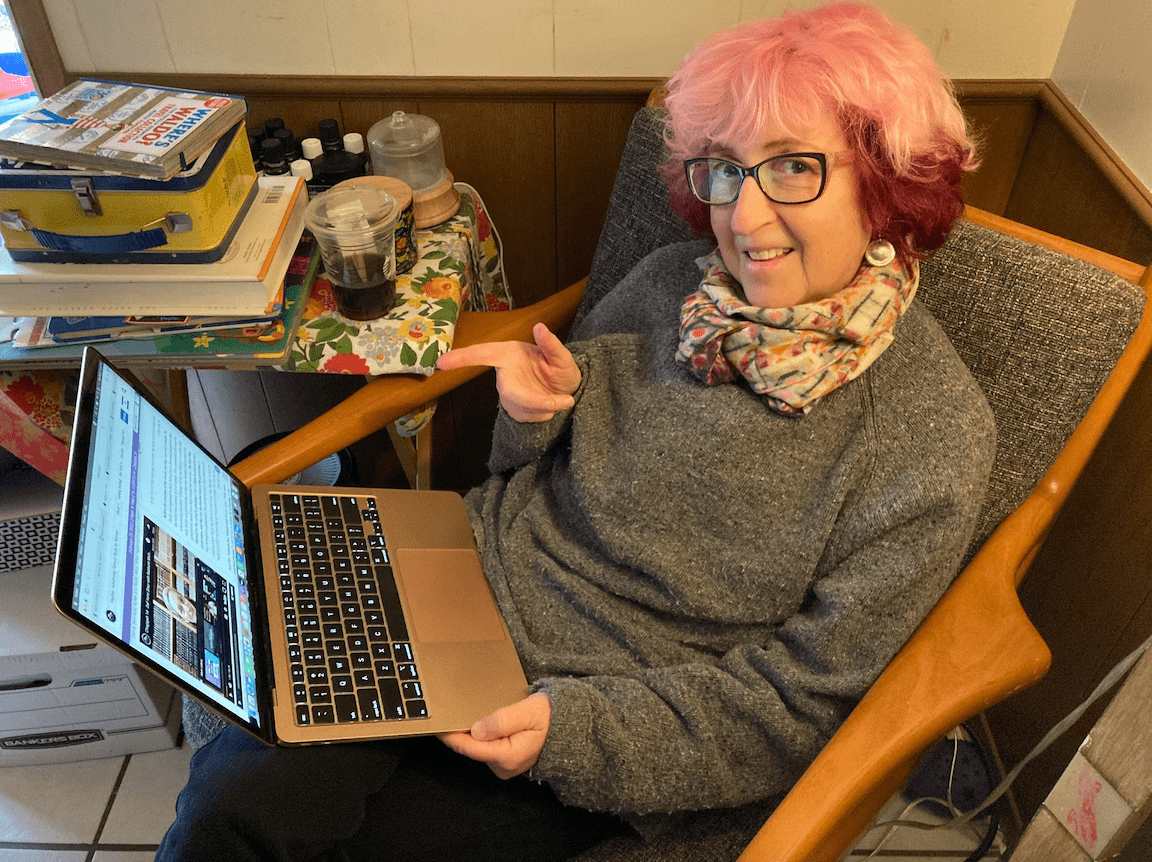
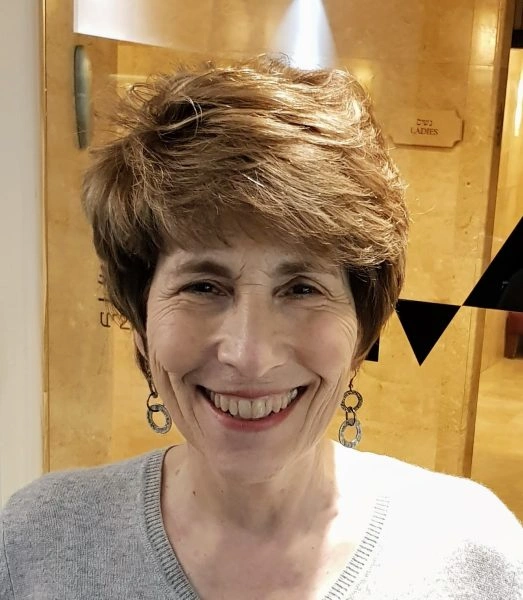
In early 2020, I began the process of a stem cell transplant. The required extreme isolation forced me to leave work and normal life but gave me time to delve into Jewish text study. I did not feel isolated. I began Daf Yomi at the start of this cycle, with family members joining me online from my hospital room. I’ve used my newly granted time to to engage, grow and connect through this learning.

Reena Slovin
Reena Slovin

Worcester, United States

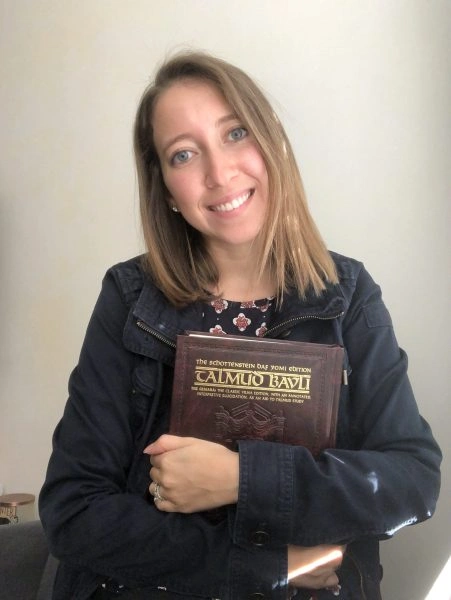
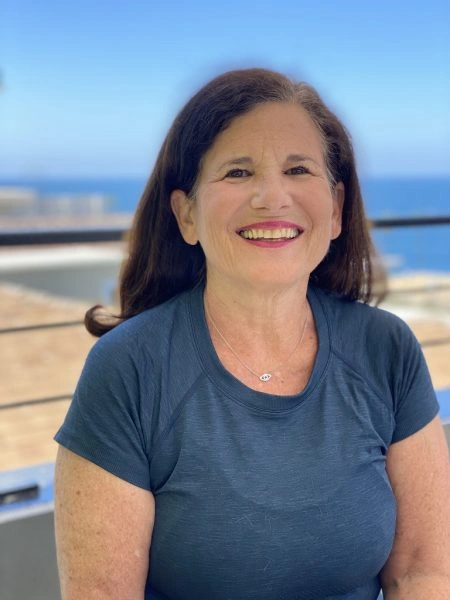
I went to day school in Toronto but really began to learn when I attended Brovenders back in the early 1980’s. Last year after talking to my sister who was learning Daf Yomi, inspired, I looked on the computer and the Hadran site came up. I have been listening to each days shiur in the morning as I work. I emphasis listening since I am not sitting with a Gamara. I listen while I work in my studio.

Rachel Rotenberg
Rachel Rotenberg

Tekoa, Israel

Inspired by Hadran’s first Siyum ha Shas L’Nashim two years ago, I began daf yomi right after for the next cycle. As to this extraordinary journey together with Hadran..as TS Eliot wrote “We must not cease from exploration and the end of all our exploring will be to arrive where we began and to know the place for the first time.

Susan Handelman
Susan Handelman

Jerusalem, Israel

After reading the book, “ If All The Seas Were Ink “ by Ileana Kurshan I started studying Talmud. I searched and studied with several teachers until I found Michelle Farber. I have been studying with her for two years. I look forward every day to learn from her.

Janine Rubens
Janine Rubens

Virginia, United States

I had never heard of Daf Yomi and after reading the book, The Weight of Ink, I explored more about it. I discovered that it was only 6 months before a whole new cycle started and I was determined to give it a try. I tried to get a friend to join me on the journey but after the first few weeks they all dropped it. I haven’t missed a day of reading and of listening to the podcast.

Anne Rubin
Anne Rubin

Elkins Park, United States

3 years ago, I joined Rabbanit Michelle to organize the unprecedented Siyum HaShas event in Jerusalem for thousands of women. The whole experience was so inspiring that I decided then to start learning the daf and see how I would go…. and I’m still at it. I often listen to the Daf on my bike in mornings, surrounded by both the external & the internal beauty of Eretz Yisrael & Am Yisrael!

Lisa Kolodny
Lisa Kolodny

Raanana, Israel

I began my journey two years ago at the beginning of this cycle of the daf yomi. It has been an incredible, challenging experience and has given me a new perspective of Torah Sh’baal Peh and the role it plays in our lives

linda kalish-marcus
linda kalish-marcus

Efrat, Israel

I started learning at the beginning of this cycle more than 2 years ago, and I have not missed a day or a daf. It’s been challenging and enlightening and even mind-numbing at times, but the learning and the shared experience have all been worth it. If you are open to it, there’s no telling what might come into your life.

Patti Evans
Patti Evans

Phoenix, Arizona, United States

Attending the Siyyum in Jerusalem 26 months ago inspired me to become part of this community of learners. So many aspects of Jewish life have been illuminated by what we have learned in Seder Moed. My day is not complete without daf Yomi. I am so grateful to Rabbanit Michelle and the Hadran Community.

Nancy Kolodny
Nancy Kolodny

Newton, United States

When I started studying Hebrew at Brown University’s Hillel, I had no idea that almost 38 years later, I’m doing Daf Yomi. My Shabbat haburah is led by Rabbanit Leah Sarna. The women are a hoot. I’m tracking the completion of each tractate by reading Ilana Kurshan’s memoir, If All the Seas Were Ink.

Hannah Lee
Hannah Lee

Pennsylvania, United States

About a year into learning more about Judaism on a path to potential conversion, I saw an article about the upcoming Siyum HaShas in January of 2020. My curiosity was piqued and I immediately started investigating what learning the Daf actually meant. Daily learning? Just what I wanted. Seven and a half years? I love a challenge! So I dove in head first and I’ve enjoyed every moment!!
Nickie Matthews
Nickie Matthews

Blacksburg, United States

A beautiful world of Talmudic sages now fill my daily life with discussion and debate.
bringing alive our traditions and texts that has brought new meaning to my life.
I am a מגילת אסתר reader for women . the words in the Mishna of מסכת megillah 17a
הקורא את המגילה למפרע לא יצא were powerful to me.
I hope to have the zchut to complete the cycle for my 70th birthday.

Sheila Hauser
Sheila Hauser

Jerusalem, Israel

I began my Daf Yomi journey on January 5, 2020. I had never learned Talmud before. Initially it struck me as a bunch of inane and arcane details with mind bending logic. I am now smitten. Rabbanit Farber brings the page to life and I am eager to learn with her every day!

Lori Stark
Lori Stark

Highland Park, United States

I started learning Gemara at the Yeshivah of Flatbush. And I resumed ‘ברוך ה decades later with Rabbanit Michele at Hadran. I started from Brachot and have had an exciting, rewarding experience throughout seder Moed!

Anne Mirsky (1)
Anne Mirsky

Maale Adumim, Israel

I began Daf Yomi with the last cycle. I was inspired by the Hadran Siyum in Yerushalayim to continue with this cycle. I have learned Daf Yomi with Rabanit Michelle in over 25 countries on 6 continents ( missing Australia)

Barbara-Goldschlag
Barbara Goldschlag

Silver Spring, MD, United States

Margo
I started my Talmud journey in 7th grade at Akiba Jewish Day School in Chicago. I started my Daf Yomi journey after hearing Erica Brown speak at the Hadran Siyum about marking the passage of time through Daf Yomi.

Carolyn
I started my Talmud journey post-college in NY with a few classes. I started my Daf Yomi journey after the Hadran Siyum, which inspired both my son and myself.

Carolyn Hochstadter and Margo Kossoff Shizgal

Merion Station,  USA

Beit Shemesh, Israel

I started learning when my brother sent me the news clip of the celebration of the last Daf Yomi cycle. I was so floored to see so many women celebrating that I wanted to be a part of it. It has been an enriching experience studying a text in a language I don’t speak, using background knowledge that I don’t have. It is stretching my learning in unexpected ways, bringing me joy and satisfaction.

Jodi Gladstone
Jodi Gladstone

Warwick, Rhode Island, United States

Shortly after the death of my father, David Malik z”l, I made the commitment to Daf Yomi. While riding to Ben Gurion airport in January, Siyum HaShas was playing on the radio; that was the nudge I needed to get started. The “everyday-ness” of the Daf has been a meaningful spiritual practice, especial after COVID began & I was temporarily unable to say Kaddish at daily in-person minyanim.

Lisa S. Malik
Lisa S. Malik

Wynnewood, United States

Moed Katan 29

כְּצִיפּוֹרֵי בְּפִי הַוֶּושֶׁט. רַבִּי יוֹחָנָן אָמַר: כְּפִטּוּרֵי בְּפִי וֶושֶׁט.

as it is for a knotted rope [tzippori] to pass through an eye [veshet] in a ship’s rigging. Rabbi Yoḥanan said: It is as difficult as it is for a halyard [pitirei] to pass through an eye [veshet].

וְאָמַר רַבִּי לֵוִי בַּר חַיְתָא: הַנִּפְטָר מִן הַמֵּת, לֹא יֹאמַר לוֹ ״לֵךְ לְשָׁלוֹם״, אֶלָּא ״לֵךְ בְּשָׁלוֹם״. הַנִּפְטָר מִן הַחַי, לֹא יֹאמַר לוֹ ״לֵךְ בְּשָׁלוֹם״, אֶלָּא ״לֵךְ לְשָׁלוֹם״.

And Rabbi Levi bar Ḥayyata said: One who departs from the deceased should not say to him: Go to peace, but rather he should say: Go in peace. One who departs from the living should not say to him: Go in peace, but rather he should say: Go to peace.

הַנִּפְטָר מִן הַמֵּת, לֹא יֹאמַר לוֹ ״לֵךְ לְשָׁלוֹם״, אֶלָּא ״לֵךְ בְּשָׁלוֹם״, שֶׁנֶּאֱמַר: ״וְאַתָּה תָּבֹא אֶל אֲבוֹתֶיךָ בְּשָׁלוֹם״.

One who departs from the deceased should not say to him: Go to peace, but rather: Go in peace, as it is stated: “And you shall go to your fathers in peace; you shall be buried in a good old age” (Genesis 15:15).

הַנִּפְטָר מִן הַחַי, לֹא יֹאמַר לוֹ ״לֵךְ בְּשָׁלוֹם״, אֶלָּא ״לֵךְ לְשָׁלוֹם״, שֶׁהֲרֵי דָּוִד שֶׁאָמַר לְאַבְשָׁלוֹם ״לֵךְ בְּשָׁלוֹם״, הָלַךְ וְנִתְלָה, יִתְרוֹ שֶׁאָמַר לְמֹשֶׁה ״לֵךְ לְשָׁלוֹם״, הָלַךְ וְהִצְלִיחַ.

One who departs from the living should not say to him: Go in peace, but rather: Go to peace, as David said to Absalom: “Go in peace” (II Samuel 15:9), and he subsequently went and was hanged; whereas Jethro said to Moses: “Go to peace” (Exodus 4:18), and he went and was successful.

וְאָמַר רַבִּי לֵוִי: כׇּל הַיּוֹצֵא מִבֵּית הַכְּנֶסֶת לְבֵית הַמִּדְרָשׁ, וּמִבֵּית הַמִּדְרָשׁ לְבֵית הַכְּנֶסֶת, זוֹכֶה וּמְקַבֵּל פְּנֵי שְׁכִינָה, שֶׁנֶּאֱמַר: ״יֵלְכוּ מֵחַיִל אֶל חָיִל יֵרָאֶה אֶל אֱלֹהִים בְּצִיּוֹן״.

And Rabbi Levi said: Anyone who leaves from the synagogue and goes to the study hall or goes from the study hall to the synagogue, i.e., he goes from the mitzva of prayer to the mitzva of Torah study or vice versa, merits to receive the Divine Presence, as it is stated: “They go from strength to strength, every one of them appears before God in Zion” (Psalms 84:8).

אָמַר רַב חִיָּיא בַּר אָשֵׁי אָמַר רַב: תַּלְמִידֵי חֲכָמִים אֵין לָהֶם מְנוּחָה אֲפִילּוּ לָעוֹלָם הַבָּא, שֶׁנֶּאֱמַר: ״יֵלְכוּ מֵחַיִל אֶל חָיִל יֵרָאֶה אֶל אֱלֹהִים בְּצִיּוֹן״.

With regard to the same verse, Rav Ḥiyya bar Ashi said that Rav said: Torah scholars have no rest, even in the World-to-Come, as even there they remain in constant movement and ascent, as it is stated: “They go from strength to strength, every one of them appears before God in Zion.” Even when they are in the World-to-Come, they continue to go from strength to strength, until the final redemption will arrive in the end of days and God will appear in Zion.

הֲדַרַן עֲלָךְ וְאֵלּוּ מְגַלְּחִין וּסְלִיקָא לַהּ מַסֶּכֶת מוֹעֵד קָטָן

Want to follow content and continue where you left off?

Create an account today to track your progress, mark what you’ve learned, and follow the shiurim that speak to you.

Clear all items from this list?

This will remove ALL the items in this section. You will lose any progress or history connected to them. This is irreversible.

Cancel
Yes, clear all

Are you sure you want to delete this item?

You will lose any progress or history connected to this item.

Cancel
Yes, delete