








Nazir 33


Share this shiur:
Want to dedicate learning? Get started here:

Nazir 33
אַבָּיֵי אָמַר, כְּגוֹן דְּאָמַר: ״אִי נָמֵי לָאו פְּלוֹנִי הוּא — אִי הָוֵי נָזִיר״. וּמַאי ״לֹא נִתְקַיְּימוּ דְּבָרָיו״ — לֹא נִתְקַיְּימוּ דְּבָרָיו הָרִאשׁוֹנִים, אֶלָּא דְּבָרָיו אַחֲרוֹנִים.
Abaye said: One must correct his understanding of the mishna, so that it deals with a situation where in addition to his first statement he said: Even if it is not so-and-so, I shall be a nazirite. And what is the meaning of the phrase: Whose statement was not fulfilled? It means: His first statement was not fulfilled, as it was not that person; rather, he is a nazirite because his last statement was fulfilled.
הִרְתִּיעַ לַאֲחוֹרָיו אֵינוֹ נָזִיר כּוּ׳. טַעְמָא מִשּׁוּם דְּהִרְתִּיעַ לַאֲחוֹרָיו, הָא אָתֵי לְקַמַּן — הָוֵי נָזִיר. מַנִּי?
§ The mishna taught that if the individual walking toward them turned back, so that his identity remained unknown, not one of them is a nazirite. The Gemara clarifies: The reason is only because he turned back, from which it may be inferred that if that person comes before us and is identified, the one who said he would be a nazirite if it is so-and-so is considered to be a nazirite. The Gemara inquires: In accordance with whose opinion is this halakha?
This amud has no Gemara text, as in the classic Vilna layout it is entirely filled with the commentary of Tosafot.

New to Talmud?
Check out our resources designed to help you navigate a page of Talmud – and study at the pace, level and style that fits you.
The Hadran Women’s Tapestry
Meet the diverse women learning Gemara at Hadran and hear their stories.
I decided to give daf yomi a try when I heard about the siyum hashas in 2020. Once the pandemic hit, the daily commitment gave my days some much-needed structure. There have been times when I’ve felt like quitting- especially when encountering very technical details in the text. But then I tell myself, “Look how much you’ve done. You can’t stop now!” So I keep going & my Koren bookshelf grows…
Huntington, United States
I started learning Daf in Jan 2020 with Brachot b/c I had never seen the Jewish people united around something so positive, and I wanted to be a part of it. Also, I wanted to broaden my background in Torah Shebal Peh- Maayanot gave me a great gemara education, but I knew that I could hold a conversation in most parts of tanach but almost no TSB. I’m so thankful for Daf and have gained immensely.
NJ, United States
Years ago, I attended the local Siyum HaShas with my high school class. It was inspiring! Through that cycle and the next one, I studied masekhtot on my own and then did “daf yomi practice.” The amazing Hadran Siyum HaShas event firmed my resolve to “really do” Daf Yomi this time. It has become a family goal. We’ve supported each other through challenges, and now we’re at the Siyum of Seder Moed!
Jerusalem, Israel

Jerusalem, Israel
I learned Mishnayot more than twenty years ago and started with Gemara much later in life. Although I never managed to learn Daf Yomi consistently, I am learning since some years Gemara in depth and with much joy. Since last year I am studying at the International Halakha Scholars Program at the WIHL. I often listen to Rabbanit Farbers Gemara shiurim to understand better a specific sugyiah. I am grateful for the help and inspiration!
Berlin, Germany
In July, 2012 I wrote for Tablet about the first all women’s siyum at Matan in Jerusalem, with 100 women. At the time, I thought, I would like to start with the next cycle – listening to a podcast at different times of day makes it possible. It is incredible that after 10 years, so many women are so engaged!
Pittsburgh, United States
3 years ago, I joined Rabbanit Michelle to organize the unprecedented Siyum HaShas event in Jerusalem for thousands of women. The whole experience was so inspiring that I decided then to start learning the daf and see how I would go…. and I’m still at it. I often listen to the Daf on my bike in mornings, surrounded by both the external & the internal beauty of Eretz Yisrael & Am Yisrael!
Raanana, Israel
Since I started in January of 2020, Daf Yomi has changed my life. It connects me to Jews all over the world, especially learned women. It makes cooking, gardening, and folding laundry into acts of Torah study. Daf Yomi enables me to participate in a conversation with and about our heritage that has been going on for more than 2000 years.
Skokie, IL, United States
In January 2020 on a Shabbaton to Baltimore I heard about the new cycle of Daf Yomi after the siyum celebration in NYC stadium. I started to read “ a daily dose of Talmud “ and really enjoyed it . It led me to google “ do Orthodox women study Talmud? “ and found HADRAN! Since then I listen to the podcast every morning, participate in classes and siyum. I love to learn, this is amazing! Thank you
Atlanta, United States
I had dreamed of doing daf yomi since I had my first serious Talmud class 18 years ago at Pardes with Rahel Berkovitz, and then a couple of summers with Leah Rosenthal. There is no way I would be able to do it without another wonderful teacher, Michelle, and the Hadran organization. I wake up and am excited to start each day with the next daf.
Irvine, United States
I started my journey on the day I realized that the Siyum was happening in Yerushalayim and I was missing out. What? I told myself. How could I have not known about this? How can I have missed out on this opportunity? I decided that moment, I would start Daf Yomi and Nach Yomi the very next day. I am so grateful to Hadran. I am changed forever because I learn Gemara with women. Thank you.
Mitspe, Israel
See video
Raanana, Israel
Shortly after the death of my father, David Malik z”l, I made the commitment to Daf Yomi. While riding to Ben Gurion airport in January, Siyum HaShas was playing on the radio; that was the nudge I needed to get started. The “everyday-ness” of the Daf has been a meaningful spiritual practice, especial after COVID began & I was temporarily unable to say Kaddish at daily in-person minyanim.
Wynnewood, United States
I started learning Talmud with R’ Haramati in Yeshivah of Flatbush. But after a respite of 60 years, Rabbanit Michelle lit my fire – after attending the last three world siyumim in Miami Beach, Meadowlands and Boca Raton, and now that I’m retired, I decided – “I can do this!” It has been an incredible journey so far, and I look forward to learning Daf everyday – Mazal Tov to everyone!
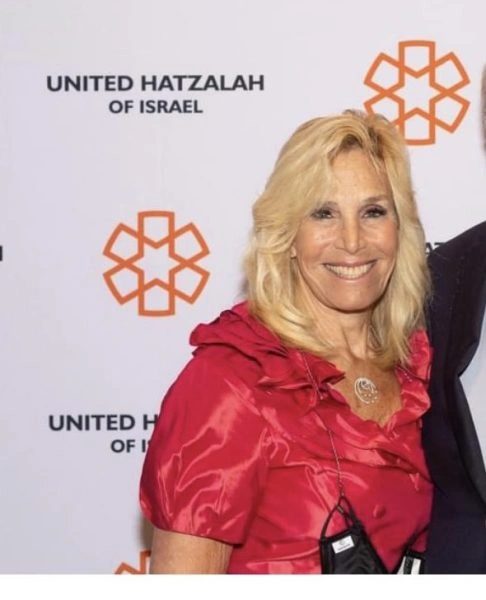
Florida, United States
As Jewish educator and as a woman, I’m mindful that Talmud has been kept from women for many centuries. Now that we are privileged to learn, and learning is so accessible, it’s my intent to complete Daf Yomi. I am so excited to keep learning with my Hadran community.
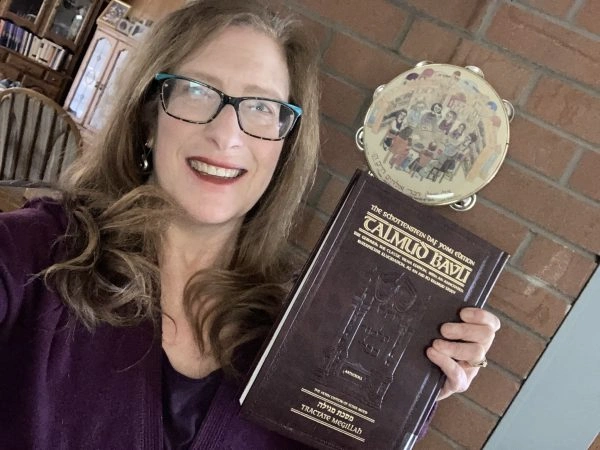
Denver, United States
I started learning Dec 2019 after reading “If all the Seas Were Ink”. I found
Daily daf sessions of Rabbanit Michelle in her house teaching, I then heard about the siyum and a new cycle starting wow I am in! Afternoon here in Sydney, my family and friends know this is my sacred time to hide away to live zoom and learn. Often it’s hard to absorb and relate then a gem shines touching my heart.
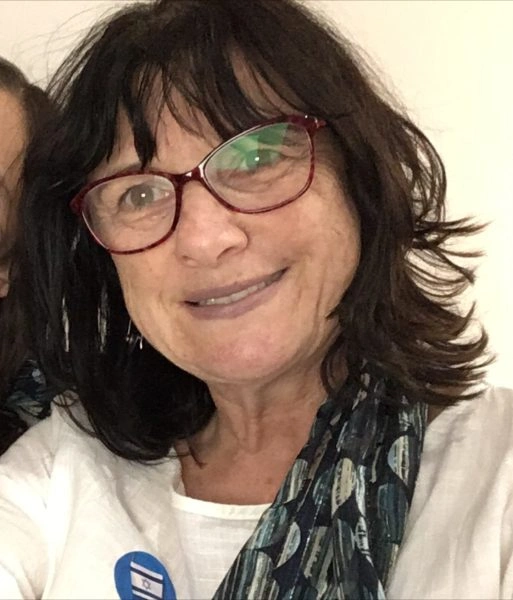
Dover Heights, Australia
I’ve been wanting to do Daf Yomi for years, but always wanted to start at the beginning and not in the middle of things. When the opportunity came in 2020, I decided: “this is now the time!” I’ve been posting my journey daily on social media, tracking my progress (#DafYomi); now it’s fully integrated into my daily routines. I’ve also inspired my partner to join, too!
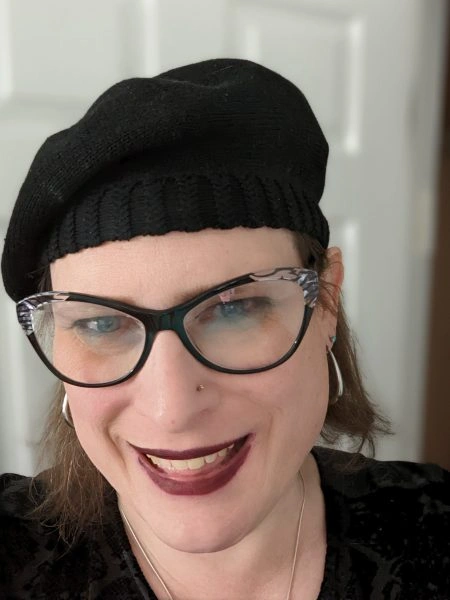
Teaneck, United States
I started the daf at the beginning of this cycle in January 2020. My husband, my children, grandchildren and siblings have been very supportive. As someone who learned and taught Tanach and mefarshim for many years, it has been an amazing adventure to complete the six sedarim of Mishnah, and now to study Talmud on a daily basis along with Rabbanit Michelle and the wonderful women of Hadran.
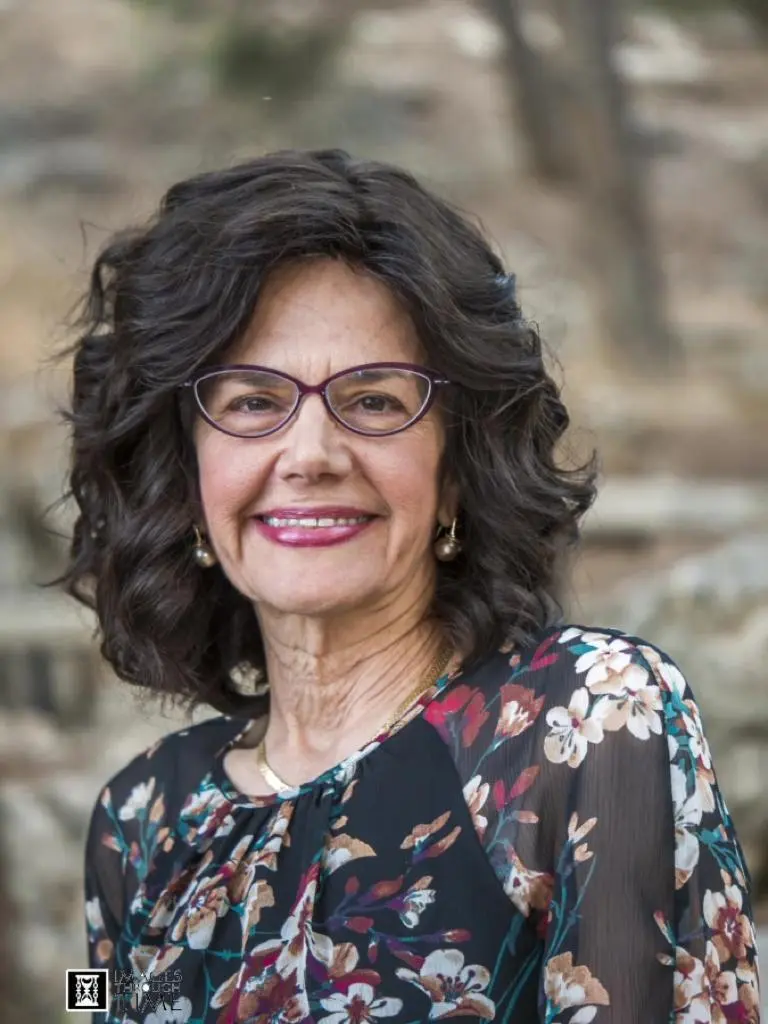
Jerusalem, Israel
It happened without intent (so am I yotzei?!) – I watched the women’s siyum live and was so moved by it that the next morning, I tuned in to Rabbanit Michelle’s shiur, and here I am, still learning every day, over 2 years later. Some days it all goes over my head, but others I grasp onto an idea or a story, and I ‘get it’ and that’s the best feeling in the world. So proud to be a Hadran learner.
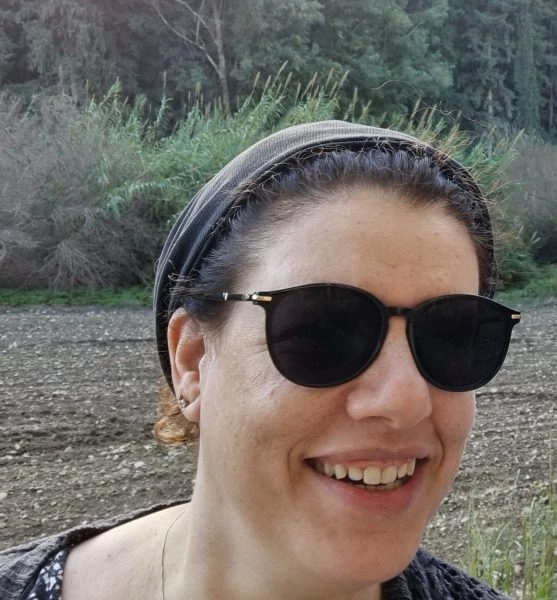
Zichron Yaakov, Israel
I started at the beginning of this cycle. No 1 reason, but here’s 5.
In 2019 I read about the upcoming siyum hashas.
There was a sermon at shul about how anyone can learn Talmud.
Talmud references come up when I am studying. I wanted to know more.
Yentl was on telly. Not a great movie but it’s about studying Talmud.
I went to the Hadran website: A new cycle is starting. I’m gonna do this
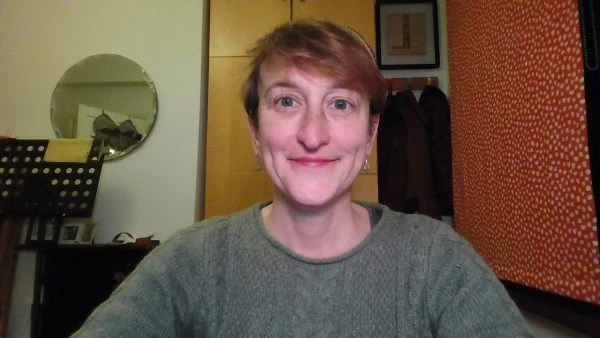
Cambridge, United Kingdom
Nazir 33
אַבָּיֵי אָמַר, כְּגוֹן דְּאָמַר: ״אִי נָמֵי לָאו פְּלוֹנִי הוּא — אִי הָוֵי נָזִיר״. וּמַאי ״לֹא נִתְקַיְּימוּ דְּבָרָיו״ — לֹא נִתְקַיְּימוּ דְּבָרָיו הָרִאשׁוֹנִים, אֶלָּא דְּבָרָיו אַחֲרוֹנִים.
Abaye said: One must correct his understanding of the mishna, so that it deals with a situation where in addition to his first statement he said: Even if it is not so-and-so, I shall be a nazirite. And what is the meaning of the phrase: Whose statement was not fulfilled? It means: His first statement was not fulfilled, as it was not that person; rather, he is a nazirite because his last statement was fulfilled.
הִרְתִּיעַ לַאֲחוֹרָיו אֵינוֹ נָזִיר כּוּ׳. טַעְמָא מִשּׁוּם דְּהִרְתִּיעַ לַאֲחוֹרָיו, הָא אָתֵי לְקַמַּן — הָוֵי נָזִיר. מַנִּי?
§ The mishna taught that if the individual walking toward them turned back, so that his identity remained unknown, not one of them is a nazirite. The Gemara clarifies: The reason is only because he turned back, from which it may be inferred that if that person comes before us and is identified, the one who said he would be a nazirite if it is so-and-so is considered to be a nazirite. The Gemara inquires: In accordance with whose opinion is this halakha?
This amud has no Gemara text, as in the classic Vilna layout it is entirely filled with the commentary of Tosafot.

