








Nazir 33


Share this shiur:
Want to dedicate learning? Get started here:

Nazir 33
אַבָּיֵי אָמַר, כְּגוֹן דְּאָמַר: ״אִי נָמֵי לָאו פְּלוֹנִי הוּא — אִי הָוֵי נָזִיר״. וּמַאי ״לֹא נִתְקַיְּימוּ דְּבָרָיו״ — לֹא נִתְקַיְּימוּ דְּבָרָיו הָרִאשׁוֹנִים, אֶלָּא דְּבָרָיו אַחֲרוֹנִים.
Abaye said: One must correct his understanding of the mishna, so that it deals with a situation where in addition to his first statement he said: Even if it is not so-and-so, I shall be a nazirite. And what is the meaning of the phrase: Whose statement was not fulfilled? It means: His first statement was not fulfilled, as it was not that person; rather, he is a nazirite because his last statement was fulfilled.
הִרְתִּיעַ לַאֲחוֹרָיו אֵינוֹ נָזִיר כּוּ׳. טַעְמָא מִשּׁוּם דְּהִרְתִּיעַ לַאֲחוֹרָיו, הָא אָתֵי לְקַמַּן — הָוֵי נָזִיר. מַנִּי?
§ The mishna taught that if the individual walking toward them turned back, so that his identity remained unknown, not one of them is a nazirite. The Gemara clarifies: The reason is only because he turned back, from which it may be inferred that if that person comes before us and is identified, the one who said he would be a nazirite if it is so-and-so is considered to be a nazirite. The Gemara inquires: In accordance with whose opinion is this halakha?
This amud has no Gemara text, as in the classic Vilna layout it is entirely filled with the commentary of Tosafot.

New to Talmud?
Check out our resources designed to help you navigate a page of Talmud – and study at the pace, level and style that fits you.
The Hadran Women’s Tapestry
Meet the diverse women learning Gemara at Hadran and hear their stories.
I had dreamed of doing daf yomi since I had my first serious Talmud class 18 years ago at Pardes with Rahel Berkovitz, and then a couple of summers with Leah Rosenthal. There is no way I would be able to do it without another wonderful teacher, Michelle, and the Hadran organization. I wake up and am excited to start each day with the next daf.
Irvine, United States
After enthusing to my friend Ruth Kahan about how much I had enjoyed remote Jewish learning during the earlier part of the pandemic, she challenged me to join her in learning the daf yomi cycle. I had always wanted to do daf yomi but now had no excuse. The beginning was particularly hard as I had never studied Talmud but has become easier, as I have gained some familiarity with it.
Brookline, United States
I learned Mishnayot more than twenty years ago and started with Gemara much later in life. Although I never managed to learn Daf Yomi consistently, I am learning since some years Gemara in depth and with much joy. Since last year I am studying at the International Halakha Scholars Program at the WIHL. I often listen to Rabbanit Farbers Gemara shiurim to understand better a specific sugyiah. I am grateful for the help and inspiration!
Berlin, Germany
Palo Alto, CA, United States
When I was working and taking care of my children, learning was never on the list. Now that I have more time I have two different Gemora classes and the nach yomi as well as the mishna yomi daily.
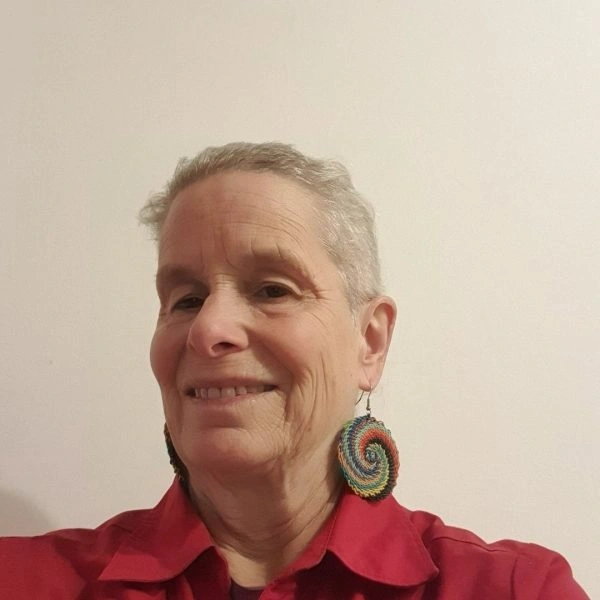
Jerusalem, Israel
I had never heard of Daf Yomi and after reading the book, The Weight of Ink, I explored more about it. I discovered that it was only 6 months before a whole new cycle started and I was determined to give it a try. I tried to get a friend to join me on the journey but after the first few weeks they all dropped it. I haven’t missed a day of reading and of listening to the podcast.
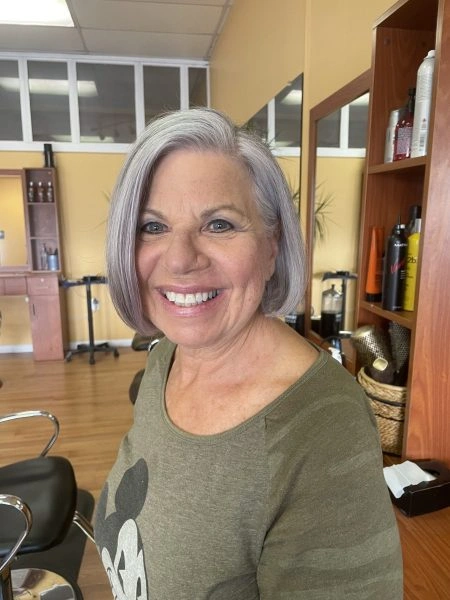
Elkins Park, United States
I have joined the community of daf yomi learners at the start of this cycle. I have studied in different ways – by reading the page, translating the page, attending a local shiur and listening to Rabbanit Farber’s podcasts, depending on circumstances and where I was at the time. The reactions have been positive throughout – with no exception!
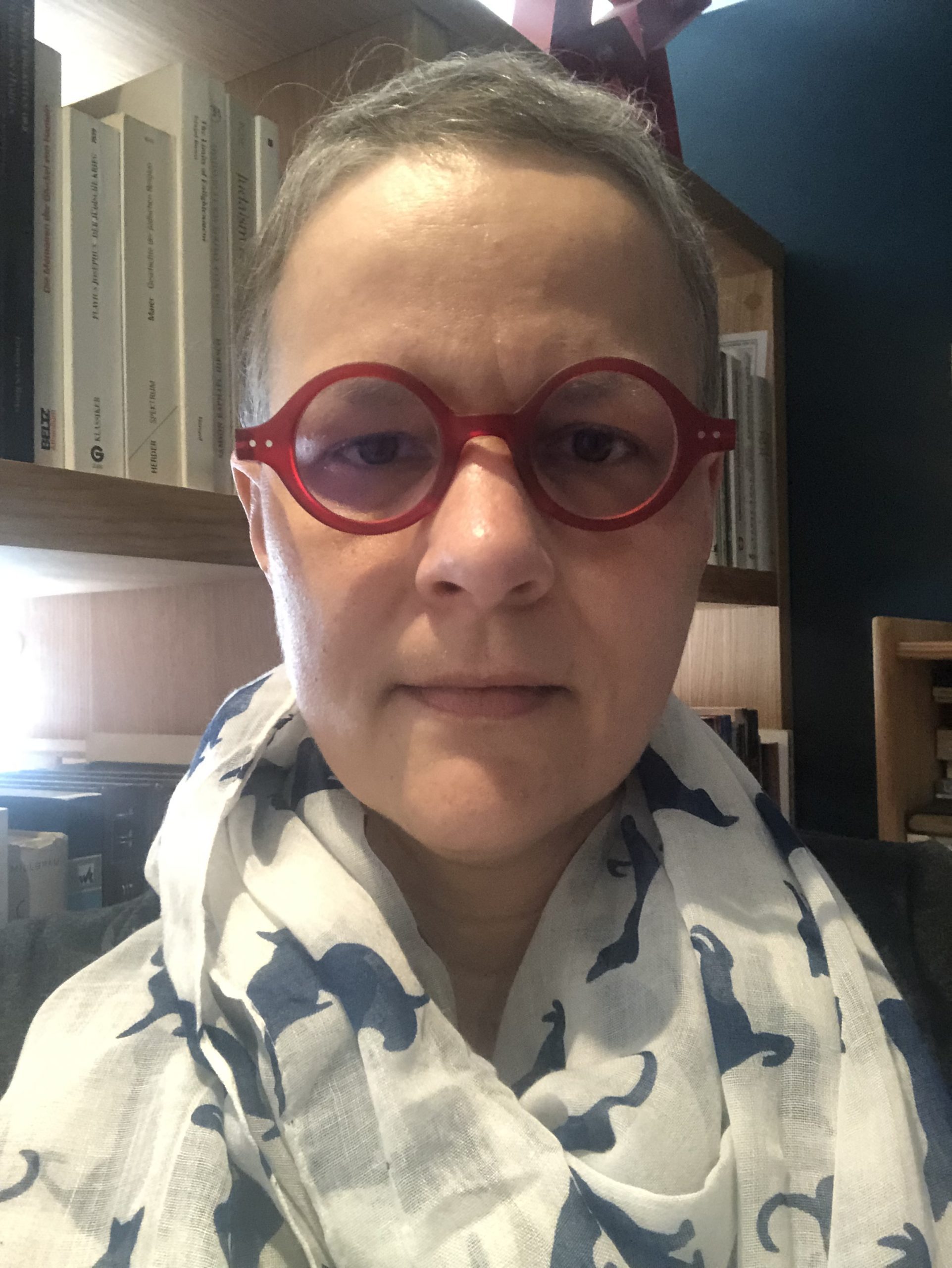
Guildford, United Kingdom
In January 2020, my chevruta suggested that we “up our game. Let’s do Daf Yomi” – and she sent me the Hadran link. I lost my job (and went freelance), there was a pandemic, and I am still opening the podcast with my breakfast coffee, or after Shabbat with popcorn. My Aramaic is improving. I will need a new bookcase, though.
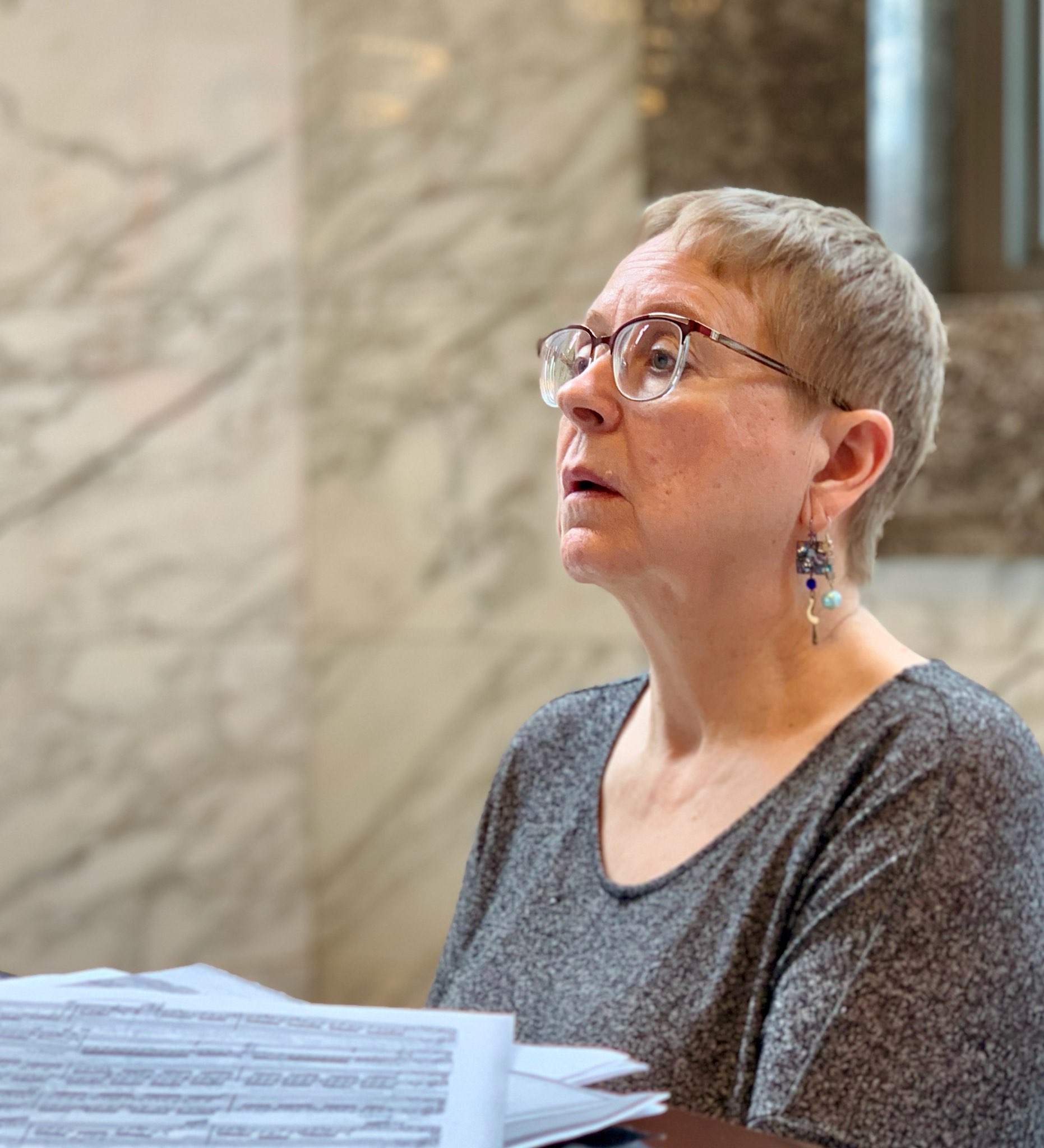
Atlanta, Georgia, United States
A Gemara shiur previous to the Hadran Siyum, was the impetus to attend it.It was highly inspirational and I was smitten. The message for me was התלמוד בידינו. I had decided along with my Chahsmonaim group to to do the daf and take it one daf at time- without any expectations at all. There has been a wealth of information, insights and halachik ideas. It is truly exercise of the mind, heart & Soul
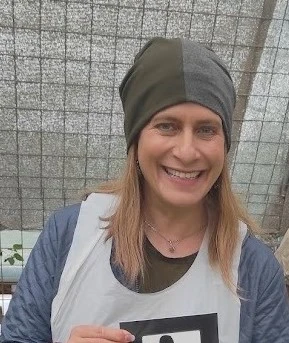
Hashmonaim, Israel
When I began the previous cycle, I promised myself that if I stuck with it, I would reward myself with a trip to Israel. Little did I know that the trip would involve attending the first ever women’s siyum and being inspired by so many learners. I am now over 2 years into my second cycle and being part of this large, diverse, fascinating learning family has enhanced my learning exponentially.
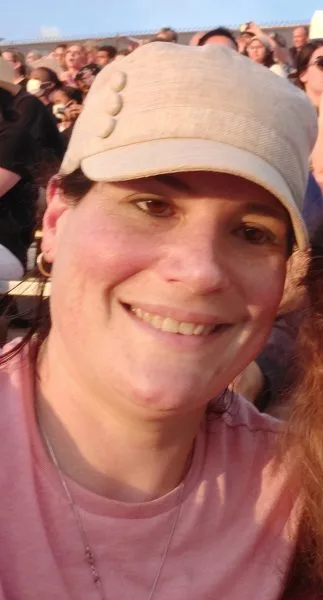
Minnesota, United States
I went to day school in Toronto but really began to learn when I attended Brovenders back in the early 1980’s. Last year after talking to my sister who was learning Daf Yomi, inspired, I looked on the computer and the Hadran site came up. I have been listening to each days shiur in the morning as I work. I emphasis listening since I am not sitting with a Gamara. I listen while I work in my studio.
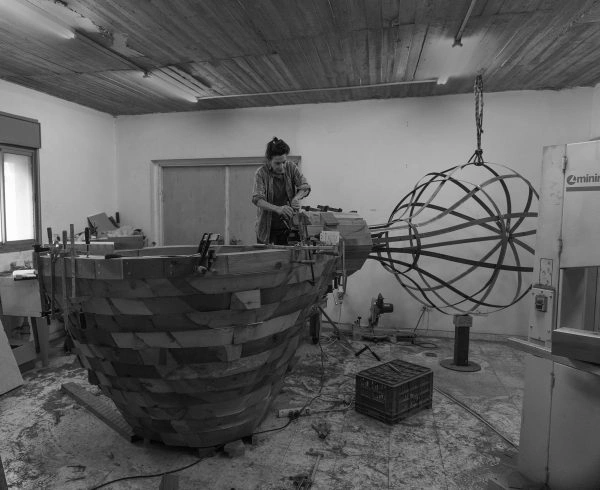
Tekoa, Israel
Having never learned Talmud before, I started Daf Yomi in hopes of connecting to the Rabbinic tradition, sharing a daily idea on Instagram (@dafyomiadventures). With Hadran and Sefaria, I slowly gained confidence in my skills and understanding. Now, part of the Pardes Jewish Educators Program, I can’t wait to bring this love of learning with me as I continue to pass it on to my future students.
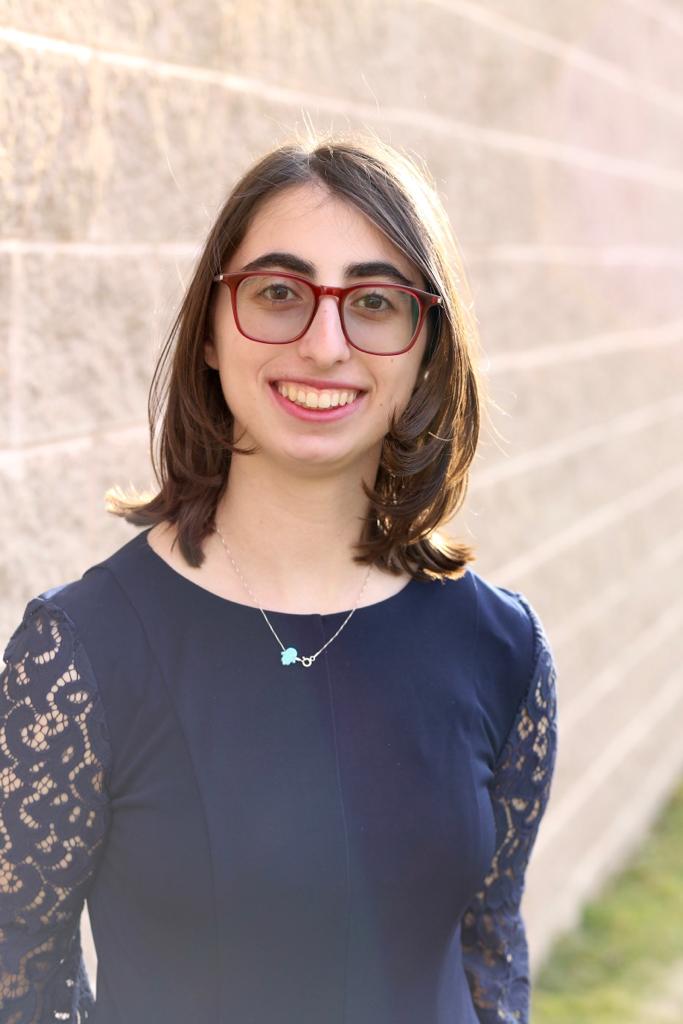
Pennsylvania, United States
Margo
I started my Talmud journey in 7th grade at Akiba Jewish Day School in Chicago. I started my Daf Yomi journey after hearing Erica Brown speak at the Hadran Siyum about marking the passage of time through Daf Yomi.
Carolyn
I started my Talmud journey post-college in NY with a few classes. I started my Daf Yomi journey after the Hadran Siyum, which inspired both my son and myself.
Merion Station, USA
Beit Shemesh, Israel
My Daf journey began in August 2012 after participating in the Siyum Hashas where I was blessed as an “enabler” of others. Galvanized into my own learning I recited the Hadran on Shas in January 2020 with Rabbanit Michelle. That Siyum was a highlight in my life. Now, on round two, Daf has become my spiritual anchor to which I attribute manifold blessings.
Englewood NJ, United States
Blacksburg, United States
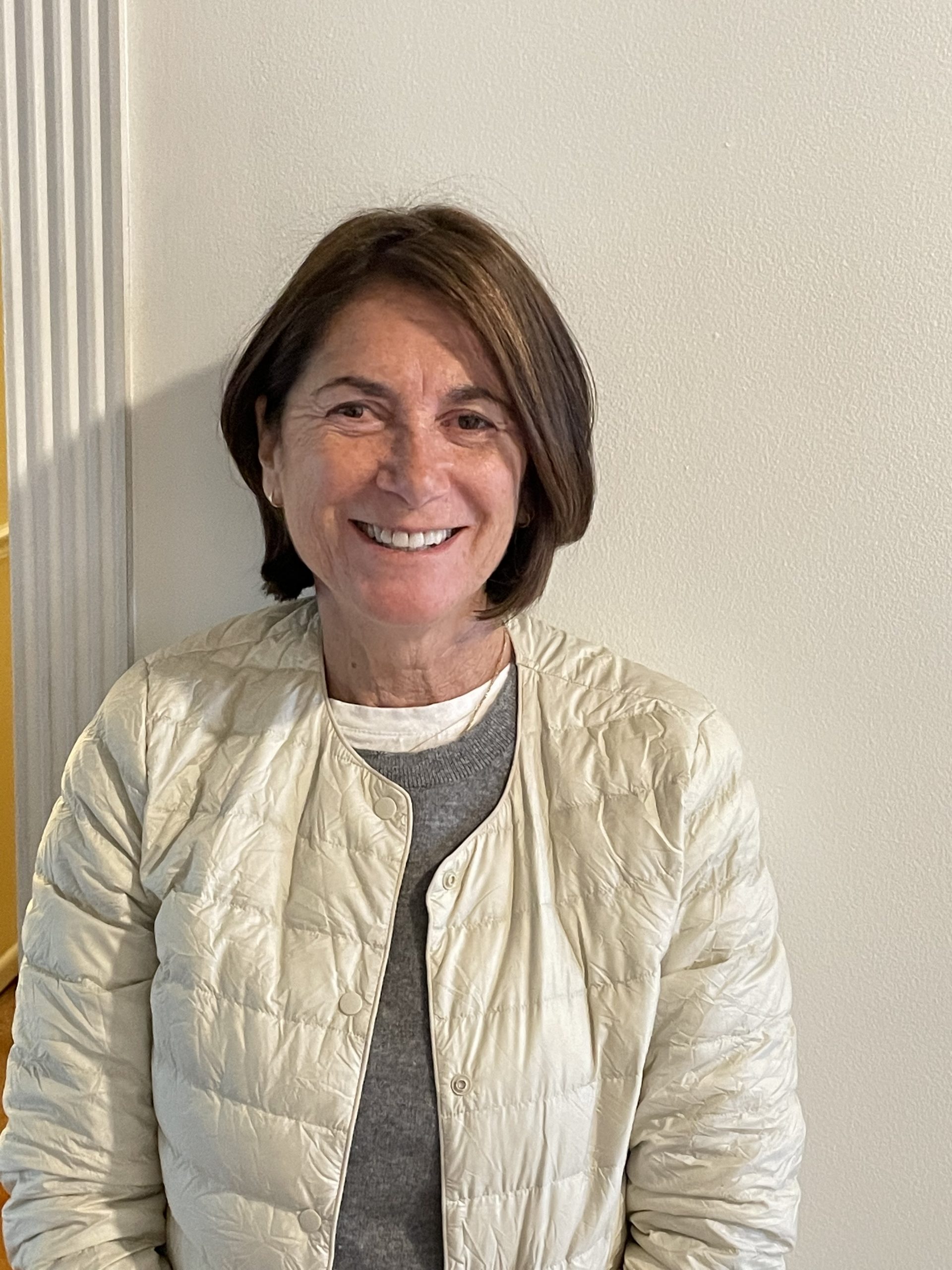
I started learning at the beginning of the cycle after a friend persuaded me that it would be right up my alley. I was lucky enough to learn at Rabbanit Michelle’s house before it started on zoom and it was quickly part of my daily routine. I find it so important to see for myself where halachot were derived, where stories were told and to get more insight into how the Rabbis interacted.
Ra’anana, Israel
Phoenix, Arizona, United States
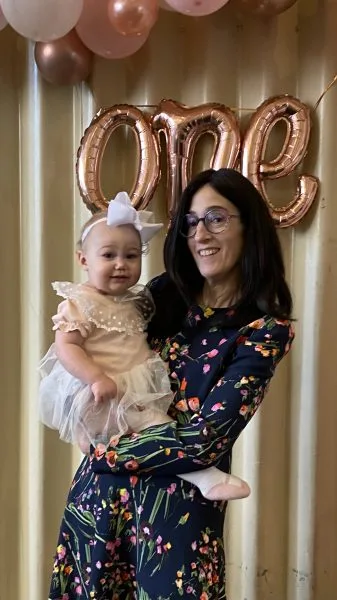
Hearing and reading about the siyumim at the completion of the 13 th cycle Daf Yomi asked our shul rabbi about starting the Daf – he directed me to another shiur in town he thought would allow a woman to join, and so I did! Love seeing the sources for the Divrei Torah I’ve been hearing for the past decades of living an observant life and raising 5 children .
Pittsburgh, Pennsylvania, United States
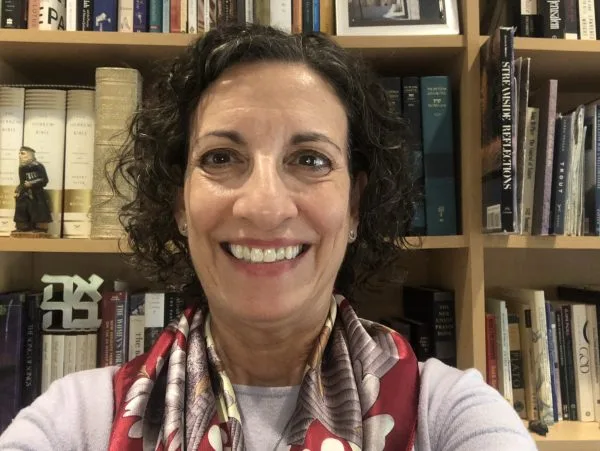
I started learning at the beginning of this cycle more than 2 years ago, and I have not missed a day or a daf. It’s been challenging and enlightening and even mind-numbing at times, but the learning and the shared experience have all been worth it. If you are open to it, there’s no telling what might come into your life.
Phoenix, Arizona, United States
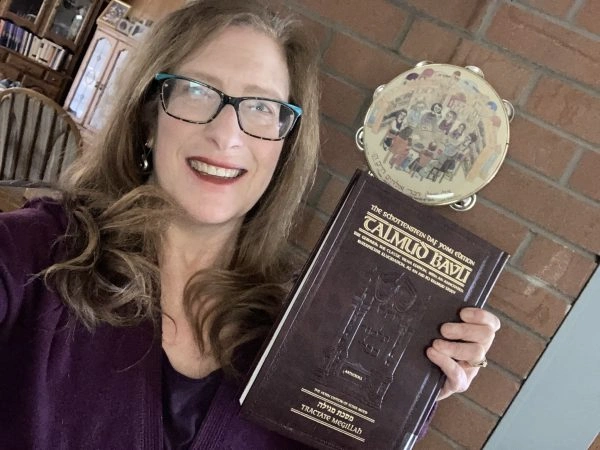
As Jewish educator and as a woman, I’m mindful that Talmud has been kept from women for many centuries. Now that we are privileged to learn, and learning is so accessible, it’s my intent to complete Daf Yomi. I am so excited to keep learning with my Hadran community.
Denver, United States
Nazir 33
אַבָּיֵי אָמַר, כְּגוֹן דְּאָמַר: ״אִי נָמֵי לָאו פְּלוֹנִי הוּא — אִי הָוֵי נָזִיר״. וּמַאי ״לֹא נִתְקַיְּימוּ דְּבָרָיו״ — לֹא נִתְקַיְּימוּ דְּבָרָיו הָרִאשׁוֹנִים, אֶלָּא דְּבָרָיו אַחֲרוֹנִים.
Abaye said: One must correct his understanding of the mishna, so that it deals with a situation where in addition to his first statement he said: Even if it is not so-and-so, I shall be a nazirite. And what is the meaning of the phrase: Whose statement was not fulfilled? It means: His first statement was not fulfilled, as it was not that person; rather, he is a nazirite because his last statement was fulfilled.
הִרְתִּיעַ לַאֲחוֹרָיו אֵינוֹ נָזִיר כּוּ׳. טַעְמָא מִשּׁוּם דְּהִרְתִּיעַ לַאֲחוֹרָיו, הָא אָתֵי לְקַמַּן — הָוֵי נָזִיר. מַנִּי?
§ The mishna taught that if the individual walking toward them turned back, so that his identity remained unknown, not one of them is a nazirite. The Gemara clarifies: The reason is only because he turned back, from which it may be inferred that if that person comes before us and is identified, the one who said he would be a nazirite if it is so-and-so is considered to be a nazirite. The Gemara inquires: In accordance with whose opinion is this halakha?
This amud has no Gemara text, as in the classic Vilna layout it is entirely filled with the commentary of Tosafot.

