Search

Nazir 49

Want to dedicate learning? Get started here:

English
עברית
podcast placeholder

0:00
0:00


podcast placeholder

0:00
0:00


Summary

Today’s daf is sponsored by Gershon, Jack, Rivka, Itzik, Yoni, Rafi and Tami in honor of Naomi Cohen’s birthday. “We are all so proud and inspired by your dedication to and love of Torah.”

According to Rabbi Akiva why was it necessary for the verse to include both a father and a mother – why couldn’t we learn one from the other? The Gemara explains differences between the two. What does Rabbi Akiva learn from the verse, “he shall not go in to any dead bodies” that is mentioned in the verses of the kohen gadol? If the nazir comes in contact with a dead body in a way that makes him impure by Torah law, he stops his count toward nezirut, purifies himself, brings sacrifices and then begins his count toward nezirut from the beginning. The Mishna lists all the ways of becoming impure that would make the nazir impure at this level. When Rabbi Meir died, Rabbi Yehuda requested that his students not allow students of Rabbi Meir to come into the beit midrash as they were only coming to question Rabbi Yehuda with their halakhot. Sumchus pushed his way in and began quoting the beginning of our Mishna. Rabbi Yehuda immediately questioned his language as he said an olive bulk of flesh from a dead body and a dead body. Obviously, the dead body was unnecessary as it was included in the olive bulk from a dead body!

Nazir 49

וּלְרַבִּי עֲקִיבָא, מִכְּדֵי לָא שְׁנָא כֹּהֵן גָּדוֹל לְחוֹדֵיהּ וְלָא שְׁנָא כֹּהֵן גָּדוֹל וְהוּא נָזִיר, נָפְקָא מִ״לְּאָחִיו״, ״לְאָבִיו וּלְאִמּוֹ״ לְמָה לִי?

The Gemara asks: And according to the derivation of Rabbi Akiva, now consider, it is no different whether the individual was a High Priest alone, and it is no different if he was a High Priest who was also a nazirite; the halakha that he must become impure to bury a met mitzva is derived from the phrase “for his brother,” stated with regard to a nazirite (Numbers 6:7). But if so, why do I need the expression “for his father, or for his mother” (Numbers 6:7)? The general prohibition against contracting impurity from any corpse should suffice.

צְרִיכִי: דְּאִי כְּתַב ״אָבִיו״, הֲוָה אָמֵינָא: הַיְינוּ טַעְמָא דְּלָא מִיטַּמֵּא לֵיהּ — מִשּׁוּם דַּחֲזָקָה בְּעָלְמָא הוּא. אֲבָל אִמּוֹ דְּיָדְעִין דִּילֵידְתֵּיהּ — לִיטַמֵּא לַהּ.

The Gemara answers: Both are necessary, as had the verse written only “for his father,” I would say that this is the reason that a nazirite may not become impure for his father: Because it is merely a presumption that he is his father, as one cannot be absolutely sure of the identity of one’s father. However, with regard to his mother, whom we know gave birth to him, perhaps let him become impure to bury her. The verse therefore states: “His mother.”

וְאִי כְּתַב רַחֲמָנָא ״אִמּוֹ״, הֲוָה אָמֵינָא: אִמּוֹ לָא לִיטַמֵּא לַהּ, דְּלָאו אָזֵיל זַרְעַהּ בָּתְרַהּ. אֲבָל אָבִיו, כֵּיוָן דְּאָמַר מָר ״לְמִשְׁפְּחוֹתָם לְבֵית אֲבוֹתָם״, אֵימָא לִיטַמֵּא לֵיהּ — קָא מַשְׁמַע לַן.

And conversely, had the Merciful One written only “for his mother,” I would say that it is solely to bury his mother that he may not become impure, as her seed does not follow her, i.e., a man’s lineage is determined by his father, not his mother. However, with regard to his father, since the Master said with regard to the verse “by their families, by their fathers’ house” (Numbers 1:2) that one’s family ancestry follows his father, you might say: Let him become impure to bury him. The verse therefore teaches us that a nazirite may not become impure to bury his father either.

״וְעַל כׇּל נַפְשׁוֹת מֵת לֹא יָבֹא״, לְמָה לִי?

The Gemara asks: According to the derivation of Rabbi Akiva, why do I need the words “neither shall he go in to any dead bodies” (Leviticus 21:11), stated with regard to a High Priest?

״עַל כׇּל״ — לְאַפּוֹקֵי רְחוֹקִים, ״מֵת״ — לְאַפּוֹקֵי קְרוֹבִים, ״נַפְשׁוֹת״ — לְאַפּוֹקֵי רְבִיעִית דָּם שֶׁיָּצָא מִשְּׁנֵי מֵתִים, שֶׁמְּטַמֵּא בְּאֹהֶל, שֶׁנֶּאֱמַר: ״עַל כׇּל נַפְשׁוֹת מֵת לֹא יָבֹא״.

“In to any” serves to exclude contracting impurity to bury distant people, for whom a High Priest may not become impure; “dead” comes to exclude relatives; “bodies” comes to exclude a quarter-log of blood that emerges from two corpses, for it renders people and objects impure in a tent, as it is stated: “Neither shall he go in to any dead bodies” (Leviticus 21:11). The plural “bodies” teaches that the blood of two people combines to form the minimum quantity for ritual impurity.

מַתְנִי׳ עַל אֵלּוּ טוּמְאוֹת הַנָּזִיר מְגַלֵּחַ: עַל הַמֵּת, וְעַל כְּזַיִת מִן הַמֵּת, וְעַל כְּזַיִת נֶצֶל, וְעַל מְלֹא תַּרְווֹד רָקָב. עַל הַשִּׁדְרָה, וְעַל הַגּוּלְגּוֹלֶת, וְעַל אֵבֶר מִן הַמֵּת, וְעַל אֵבֶר מִן הַחַי שֶׁיֵּשׁ עָלָיו בָּשָׂר כָּרָאוּי, וְעַל חֲצִי קַב עֲצָמוֹת, וְעַל חֲצִי לוֹג דָּם.

MISHNA: A nazirite shaves for having become impure from these following sources of ritual impurity: For having become impure with impurity imparted by a corpse; and for impurity imparted by an olive-bulk of a corpse; and for impurity imparted by an olive-bulk of fluid [netzel] from a corpse; and for impurity imparted by a full ladle [tarvad] of dust from a corpse; and for impurity imparted by the spine; and for impurity imparted by the skull; and for impurity imparted by a limb from a corpse or for impurity imparted by a limb severed from a living person, upon either of which there is a fitting quantity of flesh; and for impurity imparted by a half-kav of bones from a corpse; and for impurity imparted by a half-log of blood.

וְעַל מַגָּעָן וְעַל מַשָּׂאָן וְעַל אֲהִילָן. וְעַל עֶצֶם כִּשְׂעוֹרָה עַל מַגָּעוֹ וְעַל מַשָּׂאוֹ.

And a nazirite shaves in each of these cases for becoming impure by coming into contact with them; and for becoming impure by carrying them; and for becoming impure by their tent, i.e., if he was positioned like a tent over them, or if he entered a tent that contains them, or if they served as a tent over him. And as for a bone that is a barley-grain-bulk, he shaves for becoming impure by coming into contact with it and by carrying it. However, he is not rendered impure with the impurity imparted in a tent, i.e., by being under the same roof as the bone.

עַל אֵלּוּ הַנָּזִיר מְגַלֵּחַ, וּמַזֶּה בַּשְּׁלִישִׁי וּבַשְּׁבִיעִי וְסוֹתֵר אֶת הַקּוֹדְמִין, וְאֵינוֹ מַתְחִיל לִמְנוֹת אֶלָּא עַד שֶׁיִּטְהַר וּמֵבִיא אֶת קׇרְבְּנוֹתָיו.

For all of these occurrences, a nazirite shaves, and a priest sprinkles the ashes of the red heifer on him on the third and on the seventh days to purify him from the impurity imparted by a corpse. And he negates all the previous days he counted toward his naziriteship, and he begins counting his term of naziriteship again only after he becomes pure and brings his offerings.

גְּמָ׳ תָּנוּ רַבָּנַן: אַחַר פְּטִירָתוֹ שֶׁל רַבִּי מֵאִיר אָמַר לָהֶן רַבִּי יְהוּדָה לְתַלְמִידָיו: אַל יִכָּנְסוּ תַּלְמִידֵי רַבִּי מֵאִיר לְכָאן, מִפְּנֵי שֶׁקַּנְתְּרָנִין הֵן, וְלֹא לִלְמוֹד תּוֹרָה הֵן בָּאִין, אֶלָּא לְקַפְּחֵנִי בַּהֲלָכוֹת הֵן בָּאִין. דָּחַק סוֹמְכוֹס וְנִכְנַס.

GEMARA: The Sages taught: After Rabbi Meir’s death, Rabbi Yehuda said to his students: Do not let the students of Rabbi Meir enter here, into the house of study, because they are vexatious and they do not come to study Torah, but they come to overwhelm me with their halakhot. Nevertheless, Sumakhos, a student of Rabbi Meir, forced his way and entered the house of study.

אָמַר לָהֶם, כָּךְ שָׁנָה לִי רַבִּי מֵאִיר: עַל אֵלּוּ טוּמְאוֹת הַנָּזִיר מְגַלֵּחַ: עַל הַמֵּת, וְעַל כַּזַּיִת מִן הַמֵּת. כָּעַס רַבִּי יְהוּדָה וְאָמַר לָהֶן, לֹא כָּךְ אָמַרְתִּי לָכֶם: אַל יִכָּנְסוּ תַּלְמִידֵי רַבִּי מֵאִיר לְכָאן, מִפְּנֵי שֶׁקַּנְתְּרָנִין הֵן? עַל כַּזַּיִת מִן הַמֵּת מְגַלֵּחַ — עַל הַמֵּת לֹא כׇּל שֶׁכֵּן?!

When they reached the topic of the mishna, Sumakhos said to them: Rabbi Meir taught me like this: A nazirite shaves for becoming impure from these following sources of ritual impurity: For impurity imparted by a corpse and for impurity imparted by an olive-bulk from a corpse. Rabbi Yehuda grew angry and said to his disciples: Didn’t I say to you like this: Do not let the students of Rabbi Meir enter here because they are vexatious? He explained his annoyance. The clause: For a corpse, is unnecessary, as, if a nazirite must shave for impurity imparted by an olive-bulk from a corpse, is it not all the more so that he must shave for impurity imparted by an entire corpse?

New to Talmud?

Check out our resources designed to help you navigate a page of Talmud – and study at the pace, level and style that fits you. 

The Hadran Women’s Tapestry

Meet the diverse women learning Gemara at Hadran and hear their stories. 

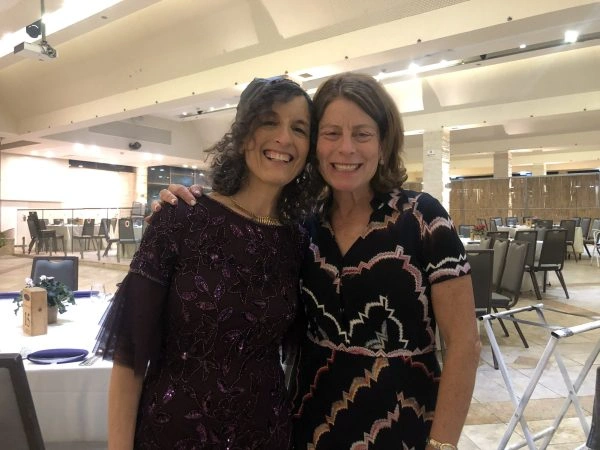
Margo
I started my Talmud journey in 7th grade at Akiba Jewish Day School in Chicago. I started my Daf Yomi journey after hearing Erica Brown speak at the Hadran Siyum about marking the passage of time through Daf Yomi.

Carolyn
I started my Talmud journey post-college in NY with a few classes. I started my Daf Yomi journey after the Hadran Siyum, which inspired both my son and myself.

Carolyn Hochstadter and Margo Kossoff Shizgal

Merion Station,  USA

Beit Shemesh, Israel

When the new cycle began, I thought, If not now, when? I’d just turned 72. I feel like a tourist on a tour bus passing astonishing scenery each day. Rabbanit Michelle is my beloved tour guide. When the cycle ends, I’ll be 80. I pray that I’ll have strength and mind to continue the journey to glimpse a little more. My grandchildren think having a daf-learning savta is cool!

Wendy Dickstein
Wendy Dickstein

Jerusalem, Israel

Michelle has been an inspiration for years, but I only really started this cycle after the moving and uplifting siyum in Jerusalem. It’s been an wonderful to learn and relearn the tenets of our religion and to understand how the extraordinary efforts of a band of people to preserve Judaism after the fall of the beit hamikdash is still bearing fruits today. I’m proud to be part of the chain!

Judith Weil
Judith Weil

Raanana, Israel

I’ve been studying Talmud since the ’90s, and decided to take on Daf Yomi two years ago. I wanted to attempt the challenge of a day-to-day, very Jewish activity. Some days are so interesting and some days are so boring. But I’m still here.
Wendy Rozov
Wendy Rozov

Phoenix, AZ, United States

At almost 70 I am just beginning my journey with Talmud and Hadran. I began not late, but right when I was called to learn. It is never too late to begin! The understanding patience of staff and participants with more experience and knowledge has been fabulous. The joy of learning never stops and for me. It is a new life, a new light, a new depth of love of The Holy One, Blessed be He.
Deborah Hoffman-Wade

Richmond, CA, United States

My Daf journey began in August 2012 after participating in the Siyum Hashas where I was blessed as an “enabler” of others.  Galvanized into my own learning I recited the Hadran on Shas in January 2020 with Rabbanit Michelle. That Siyum was a highlight in my life.  Now, on round two, Daf has become my spiritual anchor to which I attribute manifold blessings.

Rina Goldberg
Rina Goldberg

Englewood NJ, United States

I graduated college in December 2019 and received a set of shas as a present from my husband. With my long time dream of learning daf yomi, I had no idea that a new cycle was beginning just one month later, in January 2020. I have been learning the daf ever since with Michelle Farber… Through grad school, my first job, my first baby, and all the other incredible journeys over the past few years!
Sigal Spitzer Flamholz

Bronx, United States

“I got my job through the NY Times” was an ad campaign when I was growing up. I can headline “I got my daily Daf shiur and Hadran through the NY Times”. I read the January 4, 2020 feature on Reb. Michelle Farber and Hadran and I have been participating ever since. Thanks NY Times & Hadran!
Deborah Aschheim
Deborah Aschheim

New York, United States

Having never learned Talmud before, I started Daf Yomi in hopes of connecting to the Rabbinic tradition, sharing a daily idea on Instagram (@dafyomiadventures). With Hadran and Sefaria, I slowly gained confidence in my skills and understanding. Now, part of the Pardes Jewish Educators Program, I can’t wait to bring this love of learning with me as I continue to pass it on to my future students.

Hannah-G-pic
Hannah Greenberg

Pennsylvania, United States

In early 2020, I began the process of a stem cell transplant. The required extreme isolation forced me to leave work and normal life but gave me time to delve into Jewish text study. I did not feel isolated. I began Daf Yomi at the start of this cycle, with family members joining me online from my hospital room. I’ve used my newly granted time to to engage, grow and connect through this learning.

Reena Slovin
Reena Slovin

Worcester, United States

I have joined the community of daf yomi learners at the start of this cycle. I have studied in different ways – by reading the page, translating the page, attending a local shiur and listening to Rabbanit Farber’s podcasts, depending on circumstances and where I was at the time. The reactions have been positive throughout – with no exception!

Silke Goldberg
Silke Goldberg

Guildford, United Kingdom

I learned Talmud as a student in Yeshivat Ramaz and felt at the time that Talmud wasn’t for me. After reading Ilana Kurshan’s book I was intrigued and after watching the great siyum in Yerushalayim it ignited the spark to begin this journey. It has been a transformative life experience for me as a wife, mother, Savta and member of Klal Yisrael.
Elana Storch
Elana Storch

Phoenix, Arizona, United States

What a great experience to learn with Rabbanit Michelle Farber. I began with this cycle in January 2020 and have been comforted by the consistency and energy of this process throughout the isolation period of Covid. Week by week, I feel like I am exploring a treasure chest with sparkling gems and puzzling antiquities. The hunt is exhilarating.

Marian Frankston
Marian Frankston

Pennsylvania, United States

When I was working and taking care of my children, learning was never on the list. Now that I have more time I have two different Gemora classes and the nach yomi as well as the mishna yomi daily.

Shoshana Shinnar
Shoshana Shinnar

Jerusalem, Israel

I started learning Daf Yomi because my sister, Ruth Leah Kahan, attended Michelle’s class in person and suggested I listen remotely. She always sat near Michelle and spoke up during class so that I could hear her voice. Our mom had just died unexpectedly and it made me feel connected to hear Ruth Leah’s voice, and now to know we are both listening to the same thing daily, continents apart.
Jessica Shklar
Jessica Shklar

Philadelphia, United States

The first month I learned Daf Yomi by myself in secret, because I wasn’t sure how my husband would react, but after the siyyum on Masechet Brachot I discovered Hadran and now sometimes my husband listens to the daf with me. He and I also learn mishnayot together and are constantly finding connections between the different masechtot.

Laura Warshawsky
Laura Warshawsky

Silver Spring, Maryland, United States

Geri Goldstein got me started learning daf yomi when I was in Israel 2 years ago. It’s been a challenge and I’ve learned a lot though I’m sure I miss a lot. I quilt as I listen and I want to share what I’ve been working on.

Rebecca Stulberg
Rebecca Stulberg

Ottawa, Canada

Robin Zeiger
Robin Zeiger

Tel Aviv, Israel

I began Daf Yomi with the last cycle. I was inspired by the Hadran Siyum in Yerushalayim to continue with this cycle. I have learned Daf Yomi with Rabanit Michelle in over 25 countries on 6 continents ( missing Australia)

Barbara-Goldschlag
Barbara Goldschlag

Silver Spring, MD, United States

I had no formal learning in Talmud until I began my studies in the Joint Program where in 1976 I was one of the few, if not the only, woman talmud major. It was superior training for law school and enabled me to approach my legal studies with a foundation . In 2018, I began daf yomi listening to Rabbanit MIchelle’s pod cast and my daily talmud studies are one of the highlights of my life.

Krivosha_Terri_Bio
Terri Krivosha

Minneapolis, United States

Nazir 49

וּלְרַבִּי עֲקִיבָא, מִכְּדֵי לָא שְׁנָא כֹּהֵן גָּדוֹל לְחוֹדֵיהּ וְלָא שְׁנָא כֹּהֵן גָּדוֹל וְהוּא נָזִיר, נָפְקָא מִ״לְּאָחִיו״, ״לְאָבִיו וּלְאִמּוֹ״ לְמָה לִי?

The Gemara asks: And according to the derivation of Rabbi Akiva, now consider, it is no different whether the individual was a High Priest alone, and it is no different if he was a High Priest who was also a nazirite; the halakha that he must become impure to bury a met mitzva is derived from the phrase “for his brother,” stated with regard to a nazirite (Numbers 6:7). But if so, why do I need the expression “for his father, or for his mother” (Numbers 6:7)? The general prohibition against contracting impurity from any corpse should suffice.

צְרִיכִי: דְּאִי כְּתַב ״אָבִיו״, הֲוָה אָמֵינָא: הַיְינוּ טַעְמָא דְּלָא מִיטַּמֵּא לֵיהּ — מִשּׁוּם דַּחֲזָקָה בְּעָלְמָא הוּא. אֲבָל אִמּוֹ דְּיָדְעִין דִּילֵידְתֵּיהּ — לִיטַמֵּא לַהּ.

The Gemara answers: Both are necessary, as had the verse written only “for his father,” I would say that this is the reason that a nazirite may not become impure for his father: Because it is merely a presumption that he is his father, as one cannot be absolutely sure of the identity of one’s father. However, with regard to his mother, whom we know gave birth to him, perhaps let him become impure to bury her. The verse therefore states: “His mother.”

וְאִי כְּתַב רַחֲמָנָא ״אִמּוֹ״, הֲוָה אָמֵינָא: אִמּוֹ לָא לִיטַמֵּא לַהּ, דְּלָאו אָזֵיל זַרְעַהּ בָּתְרַהּ. אֲבָל אָבִיו, כֵּיוָן דְּאָמַר מָר ״לְמִשְׁפְּחוֹתָם לְבֵית אֲבוֹתָם״, אֵימָא לִיטַמֵּא לֵיהּ — קָא מַשְׁמַע לַן.

And conversely, had the Merciful One written only “for his mother,” I would say that it is solely to bury his mother that he may not become impure, as her seed does not follow her, i.e., a man’s lineage is determined by his father, not his mother. However, with regard to his father, since the Master said with regard to the verse “by their families, by their fathers’ house” (Numbers 1:2) that one’s family ancestry follows his father, you might say: Let him become impure to bury him. The verse therefore teaches us that a nazirite may not become impure to bury his father either.

״וְעַל כׇּל נַפְשׁוֹת מֵת לֹא יָבֹא״, לְמָה לִי?

The Gemara asks: According to the derivation of Rabbi Akiva, why do I need the words “neither shall he go in to any dead bodies” (Leviticus 21:11), stated with regard to a High Priest?

״עַל כׇּל״ — לְאַפּוֹקֵי רְחוֹקִים, ״מֵת״ — לְאַפּוֹקֵי קְרוֹבִים, ״נַפְשׁוֹת״ — לְאַפּוֹקֵי רְבִיעִית דָּם שֶׁיָּצָא מִשְּׁנֵי מֵתִים, שֶׁמְּטַמֵּא בְּאֹהֶל, שֶׁנֶּאֱמַר: ״עַל כׇּל נַפְשׁוֹת מֵת לֹא יָבֹא״.

“In to any” serves to exclude contracting impurity to bury distant people, for whom a High Priest may not become impure; “dead” comes to exclude relatives; “bodies” comes to exclude a quarter-log of blood that emerges from two corpses, for it renders people and objects impure in a tent, as it is stated: “Neither shall he go in to any dead bodies” (Leviticus 21:11). The plural “bodies” teaches that the blood of two people combines to form the minimum quantity for ritual impurity.

מַתְנִי׳ עַל אֵלּוּ טוּמְאוֹת הַנָּזִיר מְגַלֵּחַ: עַל הַמֵּת, וְעַל כְּזַיִת מִן הַמֵּת, וְעַל כְּזַיִת נֶצֶל, וְעַל מְלֹא תַּרְווֹד רָקָב. עַל הַשִּׁדְרָה, וְעַל הַגּוּלְגּוֹלֶת, וְעַל אֵבֶר מִן הַמֵּת, וְעַל אֵבֶר מִן הַחַי שֶׁיֵּשׁ עָלָיו בָּשָׂר כָּרָאוּי, וְעַל חֲצִי קַב עֲצָמוֹת, וְעַל חֲצִי לוֹג דָּם.

MISHNA: A nazirite shaves for having become impure from these following sources of ritual impurity: For having become impure with impurity imparted by a corpse; and for impurity imparted by an olive-bulk of a corpse; and for impurity imparted by an olive-bulk of fluid [netzel] from a corpse; and for impurity imparted by a full ladle [tarvad] of dust from a corpse; and for impurity imparted by the spine; and for impurity imparted by the skull; and for impurity imparted by a limb from a corpse or for impurity imparted by a limb severed from a living person, upon either of which there is a fitting quantity of flesh; and for impurity imparted by a half-kav of bones from a corpse; and for impurity imparted by a half-log of blood.

וְעַל מַגָּעָן וְעַל מַשָּׂאָן וְעַל אֲהִילָן. וְעַל עֶצֶם כִּשְׂעוֹרָה עַל מַגָּעוֹ וְעַל מַשָּׂאוֹ.

And a nazirite shaves in each of these cases for becoming impure by coming into contact with them; and for becoming impure by carrying them; and for becoming impure by their tent, i.e., if he was positioned like a tent over them, or if he entered a tent that contains them, or if they served as a tent over him. And as for a bone that is a barley-grain-bulk, he shaves for becoming impure by coming into contact with it and by carrying it. However, he is not rendered impure with the impurity imparted in a tent, i.e., by being under the same roof as the bone.

עַל אֵלּוּ הַנָּזִיר מְגַלֵּחַ, וּמַזֶּה בַּשְּׁלִישִׁי וּבַשְּׁבִיעִי וְסוֹתֵר אֶת הַקּוֹדְמִין, וְאֵינוֹ מַתְחִיל לִמְנוֹת אֶלָּא עַד שֶׁיִּטְהַר וּמֵבִיא אֶת קׇרְבְּנוֹתָיו.

For all of these occurrences, a nazirite shaves, and a priest sprinkles the ashes of the red heifer on him on the third and on the seventh days to purify him from the impurity imparted by a corpse. And he negates all the previous days he counted toward his naziriteship, and he begins counting his term of naziriteship again only after he becomes pure and brings his offerings.

גְּמָ׳ תָּנוּ רַבָּנַן: אַחַר פְּטִירָתוֹ שֶׁל רַבִּי מֵאִיר אָמַר לָהֶן רַבִּי יְהוּדָה לְתַלְמִידָיו: אַל יִכָּנְסוּ תַּלְמִידֵי רַבִּי מֵאִיר לְכָאן, מִפְּנֵי שֶׁקַּנְתְּרָנִין הֵן, וְלֹא לִלְמוֹד תּוֹרָה הֵן בָּאִין, אֶלָּא לְקַפְּחֵנִי בַּהֲלָכוֹת הֵן בָּאִין. דָּחַק סוֹמְכוֹס וְנִכְנַס.

GEMARA: The Sages taught: After Rabbi Meir’s death, Rabbi Yehuda said to his students: Do not let the students of Rabbi Meir enter here, into the house of study, because they are vexatious and they do not come to study Torah, but they come to overwhelm me with their halakhot. Nevertheless, Sumakhos, a student of Rabbi Meir, forced his way and entered the house of study.

אָמַר לָהֶם, כָּךְ שָׁנָה לִי רַבִּי מֵאִיר: עַל אֵלּוּ טוּמְאוֹת הַנָּזִיר מְגַלֵּחַ: עַל הַמֵּת, וְעַל כַּזַּיִת מִן הַמֵּת. כָּעַס רַבִּי יְהוּדָה וְאָמַר לָהֶן, לֹא כָּךְ אָמַרְתִּי לָכֶם: אַל יִכָּנְסוּ תַּלְמִידֵי רַבִּי מֵאִיר לְכָאן, מִפְּנֵי שֶׁקַּנְתְּרָנִין הֵן? עַל כַּזַּיִת מִן הַמֵּת מְגַלֵּחַ — עַל הַמֵּת לֹא כׇּל שֶׁכֵּן?!

When they reached the topic of the mishna, Sumakhos said to them: Rabbi Meir taught me like this: A nazirite shaves for becoming impure from these following sources of ritual impurity: For impurity imparted by a corpse and for impurity imparted by an olive-bulk from a corpse. Rabbi Yehuda grew angry and said to his disciples: Didn’t I say to you like this: Do not let the students of Rabbi Meir enter here because they are vexatious? He explained his annoyance. The clause: For a corpse, is unnecessary, as, if a nazirite must shave for impurity imparted by an olive-bulk from a corpse, is it not all the more so that he must shave for impurity imparted by an entire corpse?

Want to follow content and continue where you left off?

Create an account today to track your progress, mark what you’ve learned, and follow the shiurim that speak to you.

Clear all items from this list?

This will remove ALL the items in this section. You will lose any progress or history connected to them. This is irreversible.

Cancel
Yes, clear all

Are you sure you want to delete this item?

You will lose any progress or history connected to this item.

Cancel
Yes, delete