Search

Nedarim 26

Want to dedicate learning? Get started here:

English
עברית
podcast placeholder

0:00
0:00


podcast placeholder

0:00
0:00


Summary
This week’s learning is sponsored by Paula and Robert Cohen in loving memory of Paula’s mother, Sonja Waschitz, Sara bat Yitzchak z”l.
This week’s learning is sponsored by Jason Friedman and family in honor of Danielle Novetsky Friedman. “Happy birthday week to you. Your husband and kids are very proud of you and your dedication to learning. We love you.”
Rava and Raba disagree about the nature of the debate between Beit Hillel and Beit Shamai in the Mishna when someone partially changes what they meant to say. In what case does Beit Hillel (and Rabbi Akiva) hold that once part of the vow is invalid, the rest is invalid as well? Does Beit Shamai agree to that principle in certain situations or not at all? Is the disagreement about whether or not a vow that is partially dissolved is completely dissolved or is it about whether we follow the first part of one’s declaration or the second part? Rav Papa raises a difficulty against Rava’s understanding based on a Mishna in Nedarim 66a, but Rava resolves it. Rav Ada bar Ahava raises a difficulty to Rava about his and Raba’s explanation from a different case in that same Mishna but Rava resolves that as well.

Nedarim 26

וְרָבָא אָמַר: דְּכוּלֵּי עָלְמָא, כֹּל הֵיכָא דְּאָמַר: אִילּוּ הָיִיתִי יוֹדֵעַ שֶׁאַבָּא בֵּינֵיכֶם הָיִיתִי אוֹמֵר: ״פְּלוֹנִי וּפְלוֹנִי אֲסוּרִין וְאַבָּא מוּתָּר״ — כּוּלָּם מוּתָּרִין. לֹא נֶחְלְקוּ אֶלָּא בְּאוֹמֵר: אִילּוּ הָיִיתִי יוֹדֵעַ שֶׁאַבָּא בֵּינֵיכֶם, הָיִיתִי אוֹמֵר: ״כּוּלְּכֶם אֲסוּרִין חוּץ מֵאַבָּא״.

And Rava said: Everyone holds that anywhere that one says: Had I known that father was among you I would have said: So-and-so and so-and-so are prohibited to partake and father is permitted to do so, then all are permitted to partake. They disagree only in a case where one says: Had I known that father was among you I would have said: All of you are prohibited from partaking except for father.

בֵּית שַׁמַּאי סָבְרִי לַהּ כְּרַבִּי מֵאִיר, דְּאָמַר: תְּפוֹס לָשׁוֹן רִאשׁוֹן.

The rationale of the dispute is the following: Beit Shammai hold in accordance with the opinion of Rabbi Meir, who said: If one initially makes one declaration and immediately afterward makes a conflicting declaration, hold him accountable for the first expression. Since he initially said: All of you are prohibited from partaking, this expression is the effective one and they are all prohibited from doing so. The addition of the words: Except for father, is viewed as a clarification of the previous expression, simply indicating that his father is not included in the prohibition.

וּבֵית הִלֵּל סָבְרִי לַהּ כְּרַבִּי יוֹסֵי, דְּאָמַר: בִּגְמַר דְּבָרָיו אָדָם נִתְפָּס.

And by contrast, Beit Hillel hold in accordance with the opinion of Rabbi Yosei, who said: A person is held accountable even for the conclusion of his statement, and the second formulation is the primary one. Therefore, the fact that one altered his formulation to exclude his father from the prohibition means that the vow is partially canceled, and a vow that is partially dissolved is dissolved completely.

אֵיתִיבֵיהּ רַב פָּפָּא לְרָבָא: כֵּיצַד אָמַר רַבִּי עֲקִיבָא נֶדֶר שֶׁהוּתַּר מִקְצָתוֹ הוּתַּר כּוּלּוֹ? ״קֻוֽנָּם שֶׁאֵינִי נֶהֱנֶה לְכוּלְּכֶם״, הוּתַּר אֶחָד מֵהֶן — הוּתְּרוּ כּוּלָּם. ״שֶׁאֵינִי נֶהֱנֶה לֹא לָזֶה וְלָזֶה״, הוּתַּר הָרִאשׁוֹן — הוּתְּרוּ כּוּלָּם, הוּתַּר הָאַחֲרוֹן — הָאַחֲרוֹן מוּתָּר וְכוּלָּן אֲסוּרִין.

Rav Pappa raised an objection to Rava from the following mishna (66a): In what case did Rabbi Akiva say that a vow which was partially dissolved is dissolved completely? For example, if one said: The property of all of you is konam for me, and for that reason I will not benefit from it, if benefit from one of them was permitted for whatever reason, benefit from all of them is permitted. However, if one said: The property of this one and of that one is konam for me, and for that reason I will not benefit from it, then if benefit from the first one was permitted for whatever reason, benefit from all of them is permitted, but if benefit from the last one was permitted, benefit from the last one alone is permitted and benefit from all the others is forbidden.

בִּשְׁלָמָא לְרַבָּה, מוֹקֵים לֵהּ לְרֵישָׁא, דְּאָמַר לָזֶה וְלָזֶה.

Rav Pappa explains his objection: Rabba stated that when one qualifies his words by saying: I would have said all of you are prohibited from partaking except father, then all agree that everyone except his father is prohibited from doing so, but that when he adds to his words by saying: I would have said that so-and-so and so-and-so are prohibited from partaking and father is permitted to do so, there is a dispute between Beit Shammai and Beit Hillel. Granted, according to the opinion of Rabba, he establishes Rabbi Akiva’s first clause, where benefit from all is permitted, as a case where he retracts and says: I meant to say that the property of this one and of that one, but not that of so-and-so, is konam for me, which accords with the opinion of Beit Hillel.

וְסֵיפָא — דְּאָמַר ״לְכוּלְּכֶם״.

And the last clause of the mishna, in which benefit from the last one alone is permitted, but benefit from all the others remains forbidden, is a case where he retracts and says: The property of all of you is konam for me except for that of one of you. According to the opinion of Rabba, both Beit Shammai and Beit Hillel would agree that in this case the one who stated the vow is permitted to benefit only from the one excluded from the vow.

אֶלָּא לְדִידָךְ: בִּשְׁלָמָא רֵישָׁא מוֹקֵים לֵהּ דְּאָמַר ״לְכוּלְּכֶם״.

But according to you, Rava, who holds that if he said: I would have said that so-and-so and so-and-so are prohibited to partake and father is permitted to do so, all concede that everyone is permitted to partake, and that the dispute pertains to when one says: I would have said that all of you are prohibited to partake except for father, granted, he establishes the first clause of Rabbi Akiva’s statement as a case where he retracts and says: The property of all of you is konam for me except for that of father, and benefit from all is permitted, in accordance with the opinion of Beit Hillel.

אֶלָּא סֵיפָא, דְּאָמַר ״לָזֶה וְלָזֶה״, רַבִּי עֲקִיבָא הִיא, אַמַּאי פְּלִיגִי רַבָּנַן עֲלֵיהּ? וְהָאָמְרַתְּ דִּבְרֵי הַכֹּל מוּתָּר!

But as the latter clause of that mishna, in the case where he said: I intended to prohibit eating figs to this one and to that one, and they are all permitted to do so, is the opinion of Rabbi Akiva, which is evident from the fact that this halakha is cited in his name, then according to your opinion why do the Rabbis disagree with him? But haven’t you said that all agree that they are all permitted to partake when the one who took the vow explains that he meant: To this one and to that one?

אֲמַר לֵיהּ רָבָא: וּלְרַבָּה לְרַבִּי עֲקִיבָא מִי נִיחָא סֵיפָא? בְּמַאי מוֹקֵים לֵהּ — דְּאָמַר ״לְכוּלְּכֶם״, הֵי דֵין הוּא רִאשׁוֹן וְהֵי דֵין הוּא אַחֲרוֹן?

Rava said to Rav Pappa: And according to Rabba, whose opinion you are supporting with this objection, does the latter clause work out well according to Rabbi Akiva? In what case does he establish it? In a case where one retracted and said: From all of you, which of them is the first one and which of them is the last one? The mishna stated that if benefit from the last one was permitted, benefit from the last one alone is permitted and benefit from all the others is forbidden. If he is now saying: From all of you, who is the first and who is the last?

אֶלָּא: רֵישָׁא דְּאָמַר ״לְכוּלְּכֶם״, וְסֵיפָא, כְּגוֹן שֶׁתְּלָאָן זֶה בָּזֶה, וְאָמַר: ״פְּלוֹנִי כִּפְלוֹנִי, וּפְלוֹנִי כִּפְלוֹנִי״.

Rather, Rava explains as follows: The first clause is referring to where he said: From all of you, and this follows the opinion of Beit Hillel, who say, according to Rava, that the entire vow is dissolved. And in the latter clause, i.e., the last two cases, it is referring to where he did not specify: From this one and from that one, but where, for example, he linked them to one another and said: So-and-so should be prohibited to partake like so-and-so, and so-and-so like so-and-so, but there is no general prohibition on all of them. Rather, each prohibition is linked to another one. Therefore, if the prohibition pertaining to the first individual is dissolved, then all those prohibitions linked to that one are dissolved as well.

דַּיְקָא נָמֵי, דְּתַנְיָא: הוּתַּר הָאֶמְצָעִי — הֵימֶנּוּ וּלְמַטָּה מוּתָּרִין, וּלְמַעְלָה — אֲסוּרִין.

The Gemara comments: The language is also precise, as it is taught in a baraita concerning this mishna: If the middle one in this chain of people prohibited by the vow from partaking was permitted to do so, then from him and below, i.e., those who were mentioned after him, are permitted to partake, and from him and above, i.e., those who were mentioned before him, are prohibited from partaking. This indicates that the mishna speaks about a case where the prohibitions are linked together. Therefore, the prohibition is dissolved for those who were mentioned after that individual whose prohibition is dissolved.

אֵיתִיבֵיהּ רַב אַדָּא בַּר אַהֲבָה לְרָבָא: ״קֻוֽנָּם בָּצָל שֶׁאֲנִי טוֹעֵם, שֶׁהַבָּצָל רַע לַלֵּב״. אָמְרוּ לוֹ: וַהֲלֹא הַכּוּפְרִי יָפֶה לַלֵּב! הוּתַּר בַּכּוּפְרִי. וְלֹא בַּכּוּפְרִי בִּלְבַד הוּתַּר, אֶלָּא בְּכׇל הַבְּצָלִים. מַעֲשֶׂה הָיָה, וְהִתִּירוֹ רַבִּי מֵאִיר בְּכׇל הַבְּצָלִים.

Rav Adda bar Ahava raised an objection to Rava: The mishna (66a) states that if one says: Onions are konam for me, and for that reason I will not taste them, because onions are bad for the heart, and others said to him: But isn’t the kuferi onion good for the heart, the vow is dissolved with regard to kuferi onions, and not only with regard to kuferi onions is it dissolved, but with regard to all types of onions. The mishna relates that an incident of this kind occurred, and Rabbi Meir dissolved the vow with regard to all types of onions.

מַאי לָאו, דְּאָמַר: אִילּוּ הָיִיתִי יוֹדֵעַ שֶׁהַכּוּפְרִי יָפֶה לַלֵּב, הָיִיתִי אוֹמֵר ״כׇּל הַבְּצָלִים אֲסוּרִין וְכוּפְרִי מוּתָּר״?

What, is it not speaking here of a case where that person said: Had I known that the kuferi onion is good for the heart I would have said: All onions are forbidden and the kuferi onion is permitted? This would be difficult for Rabba, who argues in similar cases that all opinions maintain that the other onions are forbidden, as well as for Rava, who would hold that only Beit Shammai, who follow the opinion of Rabbi Meir, maintain that all onions are forbidden in this type of case, and yet here Rabbi Meir himself permits all types of onions.

לֹא, בְּאוֹמֵר: אִילּוּ הָיִיתִי יוֹדֵעַ שֶׁהַכּוּפְרִי יָפֶה לַלֵּב, הָיִיתִי אוֹמֵר: ״בָּצָל פְּלוֹנִי וּפְלוֹנִי אֲסוּרִין וְכוּפְרִי מוּתָּר״. וְרַבִּי מֵאִיר אַלִּיבָּא דְּרַבִּי עֲקִיבָא וְאַלִּיבָּא דְרַבָּנַן.

The Gemara responds: No, this should be explained as a case where one says: If I had known that the kuferi onion is good for the heart, I would have said: Such an onion and such an onion are forbidden to me and the kuferi onion is permitted, and the opinion of Rabbi Meir is in accordance with the opinion of Rabbi Akiva and also in accordance with the opinion of the Rabbis. This is because, according to Rava, when one says: This one and that one, all agree that everything is permitted.

אֵיתִיבֵיהּ רָבִינָא לְרָבָא: רַבִּי נָתָן אוֹמֵר: יֵשׁ נֶדֶר שֶׁמִּקְצָתוֹ מוּתָּר וּמִקְצָתוֹ אָסוּר. כֵּיצַד? נָדַר מִן הַכַּלְכַּלָּה,

Ravina raised an objection to Rava: Rabbi Natan says there is a vow that is partially dissolved and partially binding. How so? One who took a vow that benefit from all the items in a basket be forbidden to him,

New to Talmud?

Check out our resources designed to help you navigate a page of Talmud – and study at the pace, level and style that fits you. 

The Hadran Women’s Tapestry

Meet the diverse women learning Gemara at Hadran and hear their stories. 

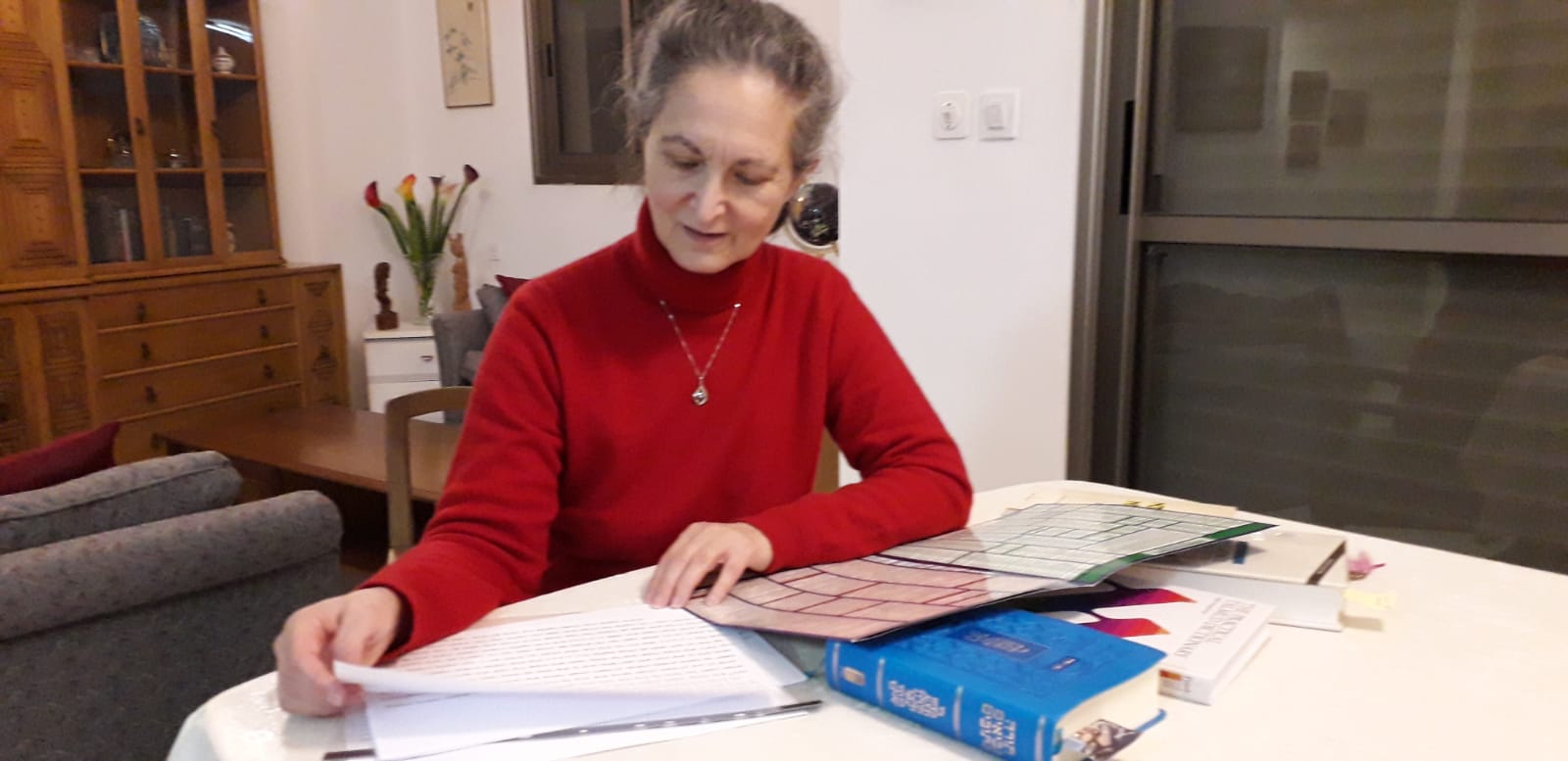
Years ago, I attended the local Siyum HaShas with my high school class. It was inspiring! Through that cycle and the next one, I studied masekhtot on my own and then did “daf yomi practice.” The amazing Hadran Siyum HaShas event firmed my resolve to “really do” Daf Yomi this time. It has become a family goal. We’ve supported each other through challenges, and now we’re at the Siyum of Seder Moed!

Elisheva Brauner
Elisheva Brauner

Jerusalem, Israel

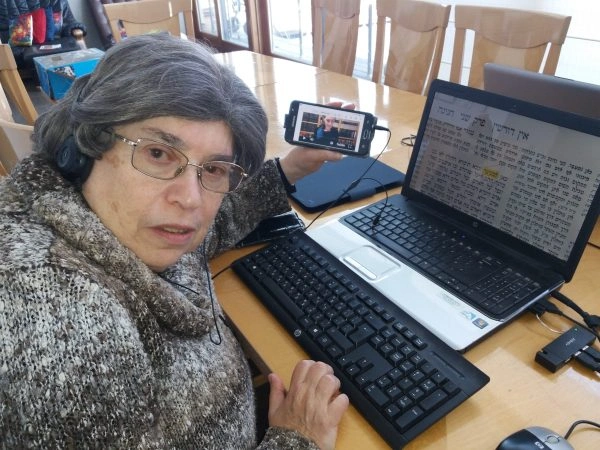
Geri Goldstein got me started learning daf yomi when I was in Israel 2 years ago. It’s been a challenge and I’ve learned a lot though I’m sure I miss a lot. I quilt as I listen and I want to share what I’ve been working on.

Rebecca Stulberg
Rebecca Stulberg

Ottawa, Canada

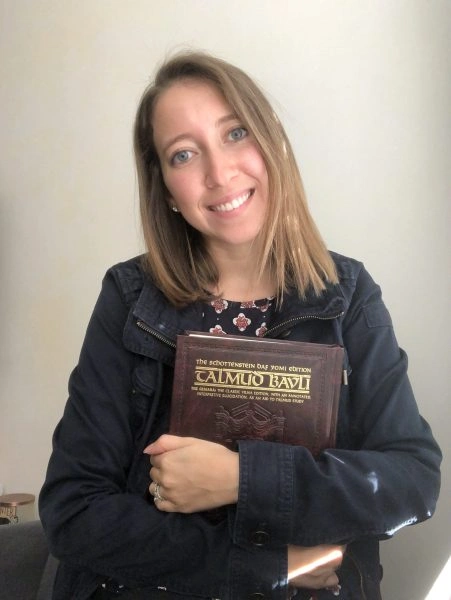
I started learning at the beginning of this Daf Yomi cycle because I heard a lot about the previous cycle coming to an end and thought it would be a good thing to start doing. My husband had already bought several of the Koren Talmud Bavli books and they were just sitting on the shelf, not being used, so here was an opportunity to start using them and find out exactly what was in them. Loving it!

Caroline Levison
Caroline Levison

Borehamwood, United Kingdom

“I got my job through the NY Times” was an ad campaign when I was growing up. I can headline “I got my daily Daf shiur and Hadran through the NY Times”. I read the January 4, 2020 feature on Reb. Michelle Farber and Hadran and I have been participating ever since. Thanks NY Times & Hadran!
Deborah Aschheim
Deborah Aschheim

New York, United States

I started learning Daf in Jan 2020 with Brachot b/c I had never seen the Jewish people united around something so positive, and I wanted to be a part of it. Also, I wanted to broaden my background in Torah Shebal Peh- Maayanot gave me a great gemara education, but I knew that I could hold a conversation in most parts of tanach but almost no TSB. I’m so thankful for Daf and have gained immensely.

Meira Shapiro
Meira Shapiro

NJ, United States

I began learning the daf in January 2022. I initially “flew under the radar,” sharing my journey with my husband and a few close friends. I was apprehensive – who, me? Gemara? Now, 2 years in, I feel changed. The rigor of a daily commitment frames my days. The intellectual engagement enhances my knowledge. And the virtual community of learners has become a new family, weaving a glorious tapestry.

Gitta Jaroslawicz-Neufeld

Far Rockaway, United States

My Daf journey began in August 2012 after participating in the Siyum Hashas where I was blessed as an “enabler” of others.  Galvanized into my own learning I recited the Hadran on Shas in January 2020 with Rabbanit Michelle. That Siyum was a highlight in my life.  Now, on round two, Daf has become my spiritual anchor to which I attribute manifold blessings.

Rina Goldberg
Rina Goldberg

Englewood NJ, United States

Studying has changed my life view on הלכה and יהדות and time. It has taught me bonudaries of the human nature and honesty of our sages in their discourse to try and build a nation of caring people .

Goldie Gilad
Goldie Gilad

Kfar Saba, Israel

I started learning with rabbis. I needed to know more than the stories. My first teacher to show me “the way of the Talmud” as well as the stories was Samara Schwartz.
Michelle Farber started the new cycle 2 yrs ago and I jumped on for the ride.
I do not look back.

Jenifer Nech
Jenifer Nech

Houston, United States

After all the hype on the 2020 siyum I became inspired by a friend to begin learning as the new cycle began.with no background in studying Talmud it was a bit daunting in the beginning. my husband began at the same time so we decided to study on shabbat together. The reaction from my 3 daughters has been fantastic. They are very proud. It’s been a great challenge for my brain which is so healthy!

Stacey Goodstein Ashtamker

Modi’in, Israel

I started learning daf yomi at the beginning of this cycle. As the pandemic evolved, it’s been so helpful to me to have this discipline every morning to listen to the daf podcast after I’ve read the daf; learning about the relationships between the rabbis and the ways they were constructing our Jewish religion after the destruction of the Temple. I’m grateful to be on this journey!

Mona Fishbane
Mona Fishbane

Teaneck NJ, United States

When we heard that R. Michelle was starting daf yomi, my 11-year-old suggested that I go. Little did she know that she would lose me every morning from then on. I remember standing at the Farbers’ door, almost too shy to enter. After that first class, I said that I would come the next day but couldn’t commit to more. A decade later, I still look forward to learning from R. Michelle every morning.

Ruth Leah Kahan
Ruth Leah Kahan

Ra’anana, Israel

Jill Shames
Jill Shames

Jerusalem, Israel

When the new cycle began, I thought, If not now, when? I’d just turned 72. I feel like a tourist on a tour bus passing astonishing scenery each day. Rabbanit Michelle is my beloved tour guide. When the cycle ends, I’ll be 80. I pray that I’ll have strength and mind to continue the journey to glimpse a little more. My grandchildren think having a daf-learning savta is cool!

Wendy Dickstein
Wendy Dickstein

Jerusalem, Israel

3 years ago, I joined Rabbanit Michelle to organize the unprecedented Siyum HaShas event in Jerusalem for thousands of women. The whole experience was so inspiring that I decided then to start learning the daf and see how I would go…. and I’m still at it. I often listen to the Daf on my bike in mornings, surrounded by both the external & the internal beauty of Eretz Yisrael & Am Yisrael!

Lisa Kolodny
Lisa Kolodny

Raanana, Israel

In early 2020, I began the process of a stem cell transplant. The required extreme isolation forced me to leave work and normal life but gave me time to delve into Jewish text study. I did not feel isolated. I began Daf Yomi at the start of this cycle, with family members joining me online from my hospital room. I’ve used my newly granted time to to engage, grow and connect through this learning.

Reena Slovin
Reena Slovin

Worcester, United States

I began daf yomi in January 2020 with Brachot. I had made aliya 6 months before, and one of my post-aliya goals was to complete a full cycle. As a life-long Tanach teacher, I wanted to swim from one side of the Yam shel Torah to the other. Daf yomi was also my sanity through COVID. It was the way to marking the progression of time, and feel that I could grow and accomplish while time stopped.

Leah Herzog
Leah Herzog

Givat Zev, Israel

I started learning on January 5, 2020. When I complete the 7+ year cycle I will be 70 years old. I had been intimidated by those who said that I needed to study Talmud in a traditional way with a chevruta, but I decided the learning was more important to me than the method. Thankful for Daf Yomi for Women helping me catch up when I fall behind, and also being able to celebrate with each Siyum!

Pamela Elisheva
Pamela Elisheva

Bakersfield, United States

A few years back, after reading Ilana Kurshan’s book, “If All The Seas Were Ink,” I began pondering the crazy, outlandish idea of beginning the Daf Yomi cycle. Beginning in December, 2019, a month before the previous cycle ended, I “auditioned” 30 different podcasts in 30 days, and ultimately chose to take the plunge with Hadran and Rabbanit Michelle. Such joy!

Cindy Dolgin
Cindy Dolgin

HUNTINGTON, United States

I LOVE learning the Daf. I started with Shabbat. I join the morning Zoom with Reb Michelle and it totally grounds my day. When Corona hit us in Israel, I decided that I would use the Daf to keep myself sane, especially during the days when we could not venture out more than 300 m from our home. Now my husband and I have so much new material to talk about! It really is the best part of my day!

Batsheva Pava
Batsheva Pava

Hashmonaim, Israel

Nedarim 26

וְרָבָא אָמַר: דְּכוּלֵּי עָלְמָא, כֹּל הֵיכָא דְּאָמַר: אִילּוּ הָיִיתִי יוֹדֵעַ שֶׁאַבָּא בֵּינֵיכֶם הָיִיתִי אוֹמֵר: ״פְּלוֹנִי וּפְלוֹנִי אֲסוּרִין וְאַבָּא מוּתָּר״ — כּוּלָּם מוּתָּרִין. לֹא נֶחְלְקוּ אֶלָּא בְּאוֹמֵר: אִילּוּ הָיִיתִי יוֹדֵעַ שֶׁאַבָּא בֵּינֵיכֶם, הָיִיתִי אוֹמֵר: ״כּוּלְּכֶם אֲסוּרִין חוּץ מֵאַבָּא״.

And Rava said: Everyone holds that anywhere that one says: Had I known that father was among you I would have said: So-and-so and so-and-so are prohibited to partake and father is permitted to do so, then all are permitted to partake. They disagree only in a case where one says: Had I known that father was among you I would have said: All of you are prohibited from partaking except for father.

בֵּית שַׁמַּאי סָבְרִי לַהּ כְּרַבִּי מֵאִיר, דְּאָמַר: תְּפוֹס לָשׁוֹן רִאשׁוֹן.

The rationale of the dispute is the following: Beit Shammai hold in accordance with the opinion of Rabbi Meir, who said: If one initially makes one declaration and immediately afterward makes a conflicting declaration, hold him accountable for the first expression. Since he initially said: All of you are prohibited from partaking, this expression is the effective one and they are all prohibited from doing so. The addition of the words: Except for father, is viewed as a clarification of the previous expression, simply indicating that his father is not included in the prohibition.

וּבֵית הִלֵּל סָבְרִי לַהּ כְּרַבִּי יוֹסֵי, דְּאָמַר: בִּגְמַר דְּבָרָיו אָדָם נִתְפָּס.

And by contrast, Beit Hillel hold in accordance with the opinion of Rabbi Yosei, who said: A person is held accountable even for the conclusion of his statement, and the second formulation is the primary one. Therefore, the fact that one altered his formulation to exclude his father from the prohibition means that the vow is partially canceled, and a vow that is partially dissolved is dissolved completely.

אֵיתִיבֵיהּ רַב פָּפָּא לְרָבָא: כֵּיצַד אָמַר רַבִּי עֲקִיבָא נֶדֶר שֶׁהוּתַּר מִקְצָתוֹ הוּתַּר כּוּלּוֹ? ״קֻוֽנָּם שֶׁאֵינִי נֶהֱנֶה לְכוּלְּכֶם״, הוּתַּר אֶחָד מֵהֶן — הוּתְּרוּ כּוּלָּם. ״שֶׁאֵינִי נֶהֱנֶה לֹא לָזֶה וְלָזֶה״, הוּתַּר הָרִאשׁוֹן — הוּתְּרוּ כּוּלָּם, הוּתַּר הָאַחֲרוֹן — הָאַחֲרוֹן מוּתָּר וְכוּלָּן אֲסוּרִין.

Rav Pappa raised an objection to Rava from the following mishna (66a): In what case did Rabbi Akiva say that a vow which was partially dissolved is dissolved completely? For example, if one said: The property of all of you is konam for me, and for that reason I will not benefit from it, if benefit from one of them was permitted for whatever reason, benefit from all of them is permitted. However, if one said: The property of this one and of that one is konam for me, and for that reason I will not benefit from it, then if benefit from the first one was permitted for whatever reason, benefit from all of them is permitted, but if benefit from the last one was permitted, benefit from the last one alone is permitted and benefit from all the others is forbidden.

בִּשְׁלָמָא לְרַבָּה, מוֹקֵים לֵהּ לְרֵישָׁא, דְּאָמַר לָזֶה וְלָזֶה.

Rav Pappa explains his objection: Rabba stated that when one qualifies his words by saying: I would have said all of you are prohibited from partaking except father, then all agree that everyone except his father is prohibited from doing so, but that when he adds to his words by saying: I would have said that so-and-so and so-and-so are prohibited from partaking and father is permitted to do so, there is a dispute between Beit Shammai and Beit Hillel. Granted, according to the opinion of Rabba, he establishes Rabbi Akiva’s first clause, where benefit from all is permitted, as a case where he retracts and says: I meant to say that the property of this one and of that one, but not that of so-and-so, is konam for me, which accords with the opinion of Beit Hillel.

וְסֵיפָא — דְּאָמַר ״לְכוּלְּכֶם״.

And the last clause of the mishna, in which benefit from the last one alone is permitted, but benefit from all the others remains forbidden, is a case where he retracts and says: The property of all of you is konam for me except for that of one of you. According to the opinion of Rabba, both Beit Shammai and Beit Hillel would agree that in this case the one who stated the vow is permitted to benefit only from the one excluded from the vow.

אֶלָּא לְדִידָךְ: בִּשְׁלָמָא רֵישָׁא מוֹקֵים לֵהּ דְּאָמַר ״לְכוּלְּכֶם״.

But according to you, Rava, who holds that if he said: I would have said that so-and-so and so-and-so are prohibited to partake and father is permitted to do so, all concede that everyone is permitted to partake, and that the dispute pertains to when one says: I would have said that all of you are prohibited to partake except for father, granted, he establishes the first clause of Rabbi Akiva’s statement as a case where he retracts and says: The property of all of you is konam for me except for that of father, and benefit from all is permitted, in accordance with the opinion of Beit Hillel.

אֶלָּא סֵיפָא, דְּאָמַר ״לָזֶה וְלָזֶה״, רַבִּי עֲקִיבָא הִיא, אַמַּאי פְּלִיגִי רַבָּנַן עֲלֵיהּ? וְהָאָמְרַתְּ דִּבְרֵי הַכֹּל מוּתָּר!

But as the latter clause of that mishna, in the case where he said: I intended to prohibit eating figs to this one and to that one, and they are all permitted to do so, is the opinion of Rabbi Akiva, which is evident from the fact that this halakha is cited in his name, then according to your opinion why do the Rabbis disagree with him? But haven’t you said that all agree that they are all permitted to partake when the one who took the vow explains that he meant: To this one and to that one?

אֲמַר לֵיהּ רָבָא: וּלְרַבָּה לְרַבִּי עֲקִיבָא מִי נִיחָא סֵיפָא? בְּמַאי מוֹקֵים לֵהּ — דְּאָמַר ״לְכוּלְּכֶם״, הֵי דֵין הוּא רִאשׁוֹן וְהֵי דֵין הוּא אַחֲרוֹן?

Rava said to Rav Pappa: And according to Rabba, whose opinion you are supporting with this objection, does the latter clause work out well according to Rabbi Akiva? In what case does he establish it? In a case where one retracted and said: From all of you, which of them is the first one and which of them is the last one? The mishna stated that if benefit from the last one was permitted, benefit from the last one alone is permitted and benefit from all the others is forbidden. If he is now saying: From all of you, who is the first and who is the last?

אֶלָּא: רֵישָׁא דְּאָמַר ״לְכוּלְּכֶם״, וְסֵיפָא, כְּגוֹן שֶׁתְּלָאָן זֶה בָּזֶה, וְאָמַר: ״פְּלוֹנִי כִּפְלוֹנִי, וּפְלוֹנִי כִּפְלוֹנִי״.

Rather, Rava explains as follows: The first clause is referring to where he said: From all of you, and this follows the opinion of Beit Hillel, who say, according to Rava, that the entire vow is dissolved. And in the latter clause, i.e., the last two cases, it is referring to where he did not specify: From this one and from that one, but where, for example, he linked them to one another and said: So-and-so should be prohibited to partake like so-and-so, and so-and-so like so-and-so, but there is no general prohibition on all of them. Rather, each prohibition is linked to another one. Therefore, if the prohibition pertaining to the first individual is dissolved, then all those prohibitions linked to that one are dissolved as well.

דַּיְקָא נָמֵי, דְּתַנְיָא: הוּתַּר הָאֶמְצָעִי — הֵימֶנּוּ וּלְמַטָּה מוּתָּרִין, וּלְמַעְלָה — אֲסוּרִין.

The Gemara comments: The language is also precise, as it is taught in a baraita concerning this mishna: If the middle one in this chain of people prohibited by the vow from partaking was permitted to do so, then from him and below, i.e., those who were mentioned after him, are permitted to partake, and from him and above, i.e., those who were mentioned before him, are prohibited from partaking. This indicates that the mishna speaks about a case where the prohibitions are linked together. Therefore, the prohibition is dissolved for those who were mentioned after that individual whose prohibition is dissolved.

אֵיתִיבֵיהּ רַב אַדָּא בַּר אַהֲבָה לְרָבָא: ״קֻוֽנָּם בָּצָל שֶׁאֲנִי טוֹעֵם, שֶׁהַבָּצָל רַע לַלֵּב״. אָמְרוּ לוֹ: וַהֲלֹא הַכּוּפְרִי יָפֶה לַלֵּב! הוּתַּר בַּכּוּפְרִי. וְלֹא בַּכּוּפְרִי בִּלְבַד הוּתַּר, אֶלָּא בְּכׇל הַבְּצָלִים. מַעֲשֶׂה הָיָה, וְהִתִּירוֹ רַבִּי מֵאִיר בְּכׇל הַבְּצָלִים.

Rav Adda bar Ahava raised an objection to Rava: The mishna (66a) states that if one says: Onions are konam for me, and for that reason I will not taste them, because onions are bad for the heart, and others said to him: But isn’t the kuferi onion good for the heart, the vow is dissolved with regard to kuferi onions, and not only with regard to kuferi onions is it dissolved, but with regard to all types of onions. The mishna relates that an incident of this kind occurred, and Rabbi Meir dissolved the vow with regard to all types of onions.

מַאי לָאו, דְּאָמַר: אִילּוּ הָיִיתִי יוֹדֵעַ שֶׁהַכּוּפְרִי יָפֶה לַלֵּב, הָיִיתִי אוֹמֵר ״כׇּל הַבְּצָלִים אֲסוּרִין וְכוּפְרִי מוּתָּר״?

What, is it not speaking here of a case where that person said: Had I known that the kuferi onion is good for the heart I would have said: All onions are forbidden and the kuferi onion is permitted? This would be difficult for Rabba, who argues in similar cases that all opinions maintain that the other onions are forbidden, as well as for Rava, who would hold that only Beit Shammai, who follow the opinion of Rabbi Meir, maintain that all onions are forbidden in this type of case, and yet here Rabbi Meir himself permits all types of onions.

לֹא, בְּאוֹמֵר: אִילּוּ הָיִיתִי יוֹדֵעַ שֶׁהַכּוּפְרִי יָפֶה לַלֵּב, הָיִיתִי אוֹמֵר: ״בָּצָל פְּלוֹנִי וּפְלוֹנִי אֲסוּרִין וְכוּפְרִי מוּתָּר״. וְרַבִּי מֵאִיר אַלִּיבָּא דְּרַבִּי עֲקִיבָא וְאַלִּיבָּא דְרַבָּנַן.

The Gemara responds: No, this should be explained as a case where one says: If I had known that the kuferi onion is good for the heart, I would have said: Such an onion and such an onion are forbidden to me and the kuferi onion is permitted, and the opinion of Rabbi Meir is in accordance with the opinion of Rabbi Akiva and also in accordance with the opinion of the Rabbis. This is because, according to Rava, when one says: This one and that one, all agree that everything is permitted.

אֵיתִיבֵיהּ רָבִינָא לְרָבָא: רַבִּי נָתָן אוֹמֵר: יֵשׁ נֶדֶר שֶׁמִּקְצָתוֹ מוּתָּר וּמִקְצָתוֹ אָסוּר. כֵּיצַד? נָדַר מִן הַכַּלְכַּלָּה,

Ravina raised an objection to Rava: Rabbi Natan says there is a vow that is partially dissolved and partially binding. How so? One who took a vow that benefit from all the items in a basket be forbidden to him,

Want to follow content and continue where you left off?

Create an account today to track your progress, mark what you’ve learned, and follow the shiurim that speak to you.

Clear all items from this list?

This will remove ALL the items in this section. You will lose any progress or history connected to them. This is irreversible.

Cancel
Yes, clear all

Are you sure you want to delete this item?

You will lose any progress or history connected to this item.

Cancel
Yes, delete