Search

Nedarim 29

Want to dedicate learning? Get started here:

English
עברית
podcast placeholder

0:00
0:00


podcast placeholder

0:00
0:00


Summary
Today’s daf is sponsored by Debbie Aschheim Weiss (NYC) and Racheli Weiss (Givat Shmuel) in loving memory of Sarah Yehudit Sharf A”H on her first yahrzeit. “She left the world too early. Her abounding love and commitment to Judaism and Israel left a lasting mark on many.”
The Mishna brought a case where one sanctified a sapling until it is cut. Once it is cut, it cannot be redeemed. Ulla and Bar Pada disagree about the meaning of this law. According to Bar Pada, once they are cut, one can redeem them and use them. According to Ulla, there is no need to redeem them. How could Ulla hold that the sanctity leaves them without any redeeming. Rav Hamnuna, in questioning Ulla, compares it to a married woman who needs a get to remove the sanctity of the marriage. Rava answers by distinguishing the cases as marriage is a case of inherent sanctity (k’dushat haguf) and the sapling is only sanctified for its value (k’dushat damim). Abaye questions Rava’s answer by bringing a braita to prove that even items with inherent sanctity can be removed when there is a time factor stipulated at the beginning. The Gemara answers Abaye’s difficulty but then rejects it. The braita Abaye quoted is now used to question Bar Pada’s position. Rav Papa responds on behalf of Bar Pada using a different understanding of the case in the braita. Again, they make a comparison to laws of marriage to explain this position in the braita according to the new understanding.

Nedarim 29

אֲמַר לֵיהּ רַב הַמְנוּנָא: קְדוּשָּׁה שֶׁבָּהֶן לְהֵיכָן הָלְכָה? וּמָה אִילּוּ אָמַר לְאִשָּׁה ״הַיּוֹם אַתְּ אִשְׁתִּי וּלְמָחָר אִי אַתְּ אִשְׁתִּי״, מִי נָפְקָא בְּלָא גֵּט?!

Rav Hamnuna said to Ulla: Where did their sanctity go? How can the consecrated saplings become non-sacred without being redeemed? And what would happen if one said to a woman while performing betrothal: Today you are my wife and tomorrow you are not my wife? Would she exit the marriage the next day without a bill of divorce? Likewise, in the mishna, once one consecrated the saplings, how is their sanctity withdrawn without redemption?

אֲמַר לֵיהּ רָבָא: מִי קָא מְדַמֵּית קְדוּשַּׁת דָּמִים לִקְדוּשַּׁת הַגּוּף? קְדוּשַּׁת דָּמִים פָּקְעָה בִּכְדֵי, קְדוּשַּׁת הַגּוּף לָא פָּקְעָה בִּכְדִי.

Rava said to him: How do you compare sanctity inherent in its value to inherent sanctity? Sanctity inherent in its value departs with nothing being done, since it is conditional. When the condition is fulfilled and the saplings are cut, the sanctity is removed. However, inherent sanctity, which relates to an entity that itself is consecrated, e.g., a betrothed woman, does not depart with nothing being done. An action must be performed in order to remove it.

אֲמַר לֵיהּ אַבָּיֵי: קְדוּשַּׁת הַגּוּף לָא פָּקְעָה בִּכְדִי? וְהָתַנְיָא: ״שׁוֹר זֶה עוֹלָה כׇּל שְׁלֹשִׁים יוֹם, וּלְאַחַר שְׁלֹשִׁים יוֹם שְׁלָמִים״ — כׇּל שְׁלֹשִׁים יוֹם עוֹלָה, לְאַחַר שְׁלֹשִׁים יוֹם שְׁלָמִים. אַמַּאי? קְדוּשַּׁת הַגּוּף נִינְהוּ, וּפָקְעָה בִּכְדִי!

Abaye said to him: And does inherent sanctity not depart with nothing being done? But isn’t it taught in a baraita that if one said: This ox is a burnt-offering for all of thirty days and after thirty days it is a peace-offering, for all of thirty days it is a burnt-offering and after thirty days it is a peace-offering. One can ask: Why is this so? These offerings are examples of inherent sanctity, and it departs with nothing being done. After thirty days, it is transformed into a peace-offering without any action being taken.

הָכָא בְּמַאי עָסְקִינַן, דְּאָמַר לִדְמֵי.

The Gemara answers: With what are we dealing here? It is a case where one did not consecrate the animal as a burnt-offering or peace-offering but rather he said that he was consecrating it for its monetary value, with which to purchase a burnt-offering or peace-offering. Therefore, there was no inherent sanctity.

אִי הָכִי, אֵימָא סֵיפָא: ״לְאַחַר שְׁלֹשִׁים יוֹם עוֹלָה, וּמֵעַכְשָׁיו שְׁלָמִים״. אִי אָמְרַתְּ בִּשְׁלָמָא חֲדָא בִּקְדוּשַּׁת הַגּוּף, וַחֲדָא בִּקְדוּשַּׁת דָּמִים —

The Gemara asks: If so, say the latter clause: If he said that after thirty days it should be a burnt-offering, and from now until thirty days it should be a peace-offering, his words are binding. Granted, if you say that one clause is referring to inherent sanctity and one clause is referring to sanctity inherent in its value,

הַיְינוּ דְּאִיצְטְרִיךְ לֵיהּ לְתַנָּא לְמִיתְנֵא תַּרְתֵּי. דְּסָלְקָא דַּעְתָּךְ אָמֵינָא: קְדוּשַּׁת הַגּוּף לָא פָּקְעָה בִּכְדִי, קְדוּשַּׁת דָּמִים פָּקְעָה בִּכְדִי, אַמְּטוּ לְהָכִי תְּנָא תַּרְתֵּי.

then this is the reason that it was necessary for the tanna to teach two clauses: In order to emphasize that this halakha applies in both cases, as it might enter your mind to say: Inherent sanctity does not lapse on its own, but sanctity inherent in its value departs with nothing being done. Because of this, the tanna taught two clauses, to demonstrate that there is no difference between them: Both depart with nothing being done.

אֶלָּא אִי אָמְרַתְּ אִידֵּי וְאִידֵּי קְדוּשַּׁת דָּמִים, לְמָה לִי לְמִיתְנֵא תַּרְתֵּי? הַשְׁתָּא יֵשׁ לוֹמַר: מִקְּדוּשָּׁה חֲמוּרָה לִקְדוּשָּׁה קַלָּה פָּקְעָה, מִקְּדוּשָּׁה קַלָּה לִקְדוּשָּׁה חֲמוּרָה צְרִיכָא לְמֵימַר?!

But if you say that this clause and that clause refer to sanctity inherent in its value, why do I need to teach two clauses? Now, it can be said that if from the stringent sanctity of the burnt-offering to the less stringent sanctity of a peace-offering, the stringent sanctity departs and the animal becomes like a peace-offering, then from the less stringent sanctity of the peace-offering to the more stringent sanctity of the burnt-offering, need this be said?

לֵימָא תֶּיהְוֵי תְּיוּבְתָּא דְּבַר פְּדָא, דְּאָמַר: לָא פָּקְעָה קְדוּשָּׁה בִּכְדִי?

The Gemara proposes: Let us say that this baraita should be a conclusive refutation of bar Padda, who said: Sanctity does not depart with nothing being done and the trees require redemption, while the baraita demonstrates that even inherent sanctity lapses on its own?

אָמַר רַב פָּפָּא: אָמַר לָךְ בַּר פְּדָא, הָכִי קָאָמַר: אִם לֹא אָמַר ״מֵעַכְשָׁיו שְׁלָמִים״ — לְאַחַר שְׁלֹשִׁים יוֹם עוֹלָה הָוֵי.

Rav Pappa said: Bar Padda could have said to you: This is what the baraita is saying: If one says: This ox, after thirty days, is a burnt-offering, then if he does not say: From now it is a peace-offering, then after thirty days it is a burnt-offering. But when he adds: From now it is a peace-offering, the sanctity of a peace-offering takes effect upon it and does not depart with nothing being done.

מִידֵּי דְּהָוֵה הָאוֹמֵר לְאִשָּׁה: ״הִתְקַדְּשִׁי לִי לְאַחַר שְׁלֹשִׁים יוֹם״, דִּמְקוּדֶּשֶׁת וְאַף עַל פִּי שֶׁנִּתְעַכְּלוּ הַמָּעוֹת.

This is just as it is in the case of a man who says to a woman: Be betrothed to me after thirty days with this money that I give you, that she is betrothed after thirty days. And this is so, although the money was squandered away in the meantime and does not exist at the end of thirty days, when the betrothal takes effect. Here as well, the sanctity of a burnt-offering takes effect after thirty days.

פְּשִׁיטָא? לָא צְרִיכָא דַּהֲדַר בֵּיהּ.

The Gemara asks: If this is what happened, then it is obvious that it is so. Why, then, does this halakha need to be taught? The Gemara answers: No, it is necessary in a case where he retracted within these thirty days and did not want the animal to be consecrated at all. Although the sanctity did not actually take effect yet, he may not retract.

הָנִיחָא לְמַאן דְּאָמַר אֵינָהּ חוֹזֶרֶת. אֶלָּא לְמַאן דְּאָמַר חוֹזֶרֶת, מַאי אִיכָּא לְמֵימַר!

The Gemara asks: This works out well according to the one who said that a woman who is betrothed on the condition that the betrothal takes effect after thirty days may not retract even if she changed her mind within these thirty days, and the betrothal still takes effect after thirty days. But according to the one who says that she may retract, what can be said? Why should the halakha of consecration be any different than for betrothal?

אֲפִילּוּ לְמַאן דְּאָמַר הָתָם חוֹזֶרֶת, הָכָא שָׁאנֵי — דַּאֲמִירָתוֹ לְגָבוֹהַּ כִּמְסִירָתוֹ לְהֶדְיוֹט.

The Gemara answers: Even according to the one who says that there, in the case of betrothal, the woman may retract within thirty days, here, in the case of the burnt-offering, it is different because the legal status of one’s declaration to God is equal to that of his transfer to a common person [hedyot], where the acquisition is consummated at the time of transfer. Since God is not associated with a particular location, a verbal statement is sufficient to establish sanctity immediately. But in the case of the betrothal of a woman, it can be argued that the betrothal takes effect only at the end of thirty days.

יְתֵיב רַבִּי אָבִין וְרַב יִצְחָק בְּרַבִּי קַמֵּיהּ דְּרַבִּי יִרְמְיָה, וְקָא מְנַמְנֵם רַבִּי יִרְמְיָה, יָתְבִי וְקָאָמְרִי: לְבַר פְּדָא דְּאָמַר פְּדָאָן חוֹזְרוֹת וְקוֹדְשׁוֹת,

The Gemara relates: Rabbi Avin and Rav Yitzḥak, son of Rabbi, sat before Rabbi Yirmeya, and Rabbi Yirmeya was dozing [menamnem]. While he was dozing, they sat and said: According to bar Padda, who said that if he redeems them they become consecrated again,

New to Talmud?

Check out our resources designed to help you navigate a page of Talmud – and study at the pace, level and style that fits you. 

The Hadran Women’s Tapestry

Meet the diverse women learning Gemara at Hadran and hear their stories. 

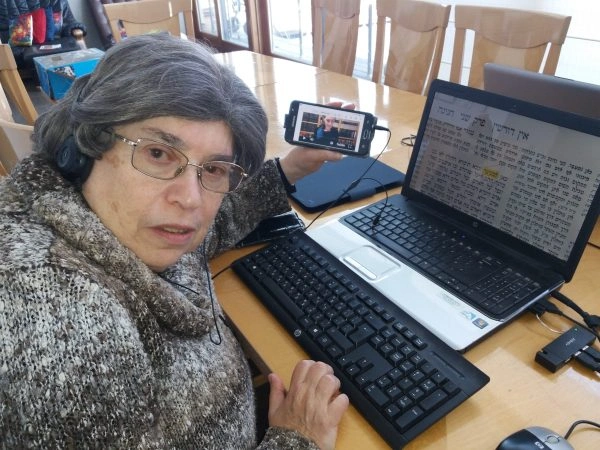
I had tried to start after being inspired by the hadran siyum, but did not manage to stick to it. However, just before masechet taanit, our rav wrote a message to the shul WhatsApp encouraging people to start with masechet taanit, so I did! And this time, I’m hooked! I listen to the shiur every day , and am also trying to improve my skills.

Laura Major
Laura Major

Yad Binyamin, Israel

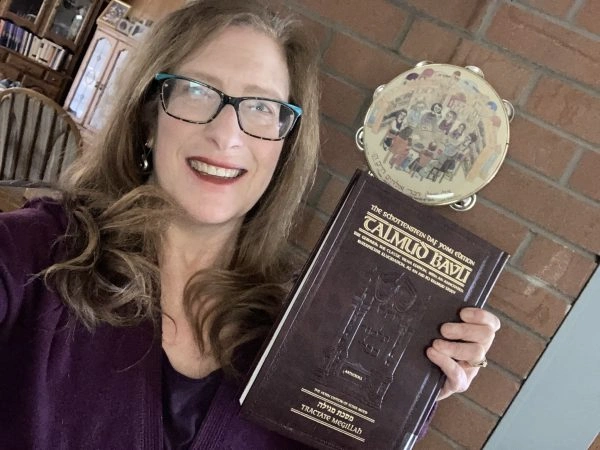
Geri Goldstein got me started learning daf yomi when I was in Israel 2 years ago. It’s been a challenge and I’ve learned a lot though I’m sure I miss a lot. I quilt as I listen and I want to share what I’ve been working on.

Rebecca Stulberg
Rebecca Stulberg

Ottawa, Canada

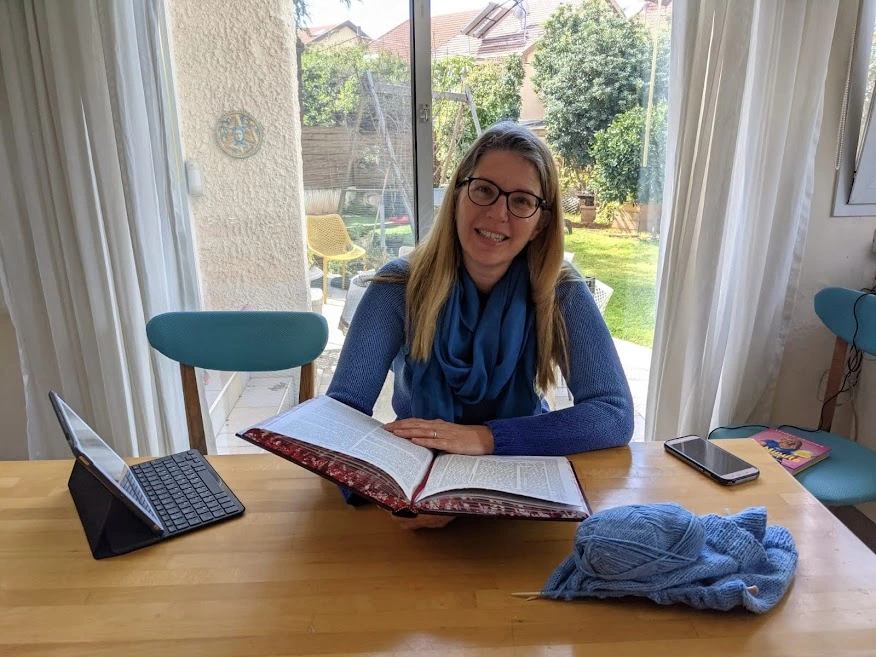
I’ve been learning since January 2020, and in June I started drawing a phrase from each daf. Sometimes it’s easy (e.g. plants), sometimes it’s very hard (e.g. korbanot), and sometimes it’s loads of fun (e.g. bird racing) to find something to draw. I upload my pictures from each masechet to #DafYomiArt. I am enjoying every step of the journey.

Gila Loike
Gila Loike

Ashdod, Israel

“I got my job through the NY Times” was an ad campaign when I was growing up. I can headline “I got my daily Daf shiur and Hadran through the NY Times”. I read the January 4, 2020 feature on Reb. Michelle Farber and Hadran and I have been participating ever since. Thanks NY Times & Hadran!
Deborah Aschheim
Deborah Aschheim

New York, United States

I started learning Daf in Jan 2020 with Brachot b/c I had never seen the Jewish people united around something so positive, and I wanted to be a part of it. Also, I wanted to broaden my background in Torah Shebal Peh- Maayanot gave me a great gemara education, but I knew that I could hold a conversation in most parts of tanach but almost no TSB. I’m so thankful for Daf and have gained immensely.

Meira Shapiro
Meira Shapiro

NJ, United States

I’ve been studying Talmud since the ’90s, and decided to take on Daf Yomi two years ago. I wanted to attempt the challenge of a day-to-day, very Jewish activity. Some days are so interesting and some days are so boring. But I’m still here.
Sarene Shanus
Sarene Shanus

Mamaroneck, NY, United States

In January 2020, my chevruta suggested that we “up our game. Let’s do Daf Yomi” – and she sent me the Hadran link. I lost my job (and went freelance), there was a pandemic, and I am still opening the podcast with my breakfast coffee, or after Shabbat with popcorn. My Aramaic is improving. I will need a new bookcase, though.

Rhondda May
Rhondda May

Atlanta, Georgia, United States

My family recently made Aliyah, because we believe the next chapter in the story of the Jewish people is being written here, and we want to be a part of it. Daf Yomi, on the other hand, connects me BACK, to those who wrote earlier chapters thousands of years ago. So, I feel like I’m living in the middle of this epic story. I’m learning how it all began, and looking ahead to see where it goes!
Tina Lamm
Tina Lamm

Jerusalem, Israel

I tried Daf Yomi in the middle of the last cycle after realizing I could listen to Michelle’s shiurim online. It lasted all of 2 days! Then the new cycle started just days before my father’s first yahrzeit and my youngest daughter’s bat mitzvah. It seemed the right time for a new beginning. My family, friends, colleagues are immensely supportive!

Catriella-Freedman-jpeg
Catriella Freedman

Zichron Yaakov, Israel

After experiences over the years of asking to join gemara shiurim for men and either being refused by the maggid shiur or being the only women there, sometimes behind a mechitza, I found out about Hadran sometime during the tail end of Masechet Shabbat, I think. Life has been much better since then.

Madeline Cohen
Madeline Cohen

London, United Kingdom

Margo
I started my Talmud journey in 7th grade at Akiba Jewish Day School in Chicago. I started my Daf Yomi journey after hearing Erica Brown speak at the Hadran Siyum about marking the passage of time through Daf Yomi.

Carolyn
I started my Talmud journey post-college in NY with a few classes. I started my Daf Yomi journey after the Hadran Siyum, which inspired both my son and myself.

Carolyn Hochstadter and Margo Kossoff Shizgal

Merion Station,  USA

Beit Shemesh, Israel

I LOVE learning the Daf. I started with Shabbat. I join the morning Zoom with Reb Michelle and it totally grounds my day. When Corona hit us in Israel, I decided that I would use the Daf to keep myself sane, especially during the days when we could not venture out more than 300 m from our home. Now my husband and I have so much new material to talk about! It really is the best part of my day!

Batsheva Pava
Batsheva Pava

Hashmonaim, Israel

I started learning Talmud with R’ Haramati in Yeshivah of Flatbush. But after a respite of 60 years, Rabbanit Michelle lit my fire – after attending the last three world siyumim in Miami Beach, Meadowlands and Boca Raton, and now that I’m retired, I decided – “I can do this!” It has been an incredible journey so far, and I look forward to learning Daf everyday – Mazal Tov to everyone!

Roslyn Jaffe
Roslyn Jaffe

Florida, United States

I am grateful for the structure of the Daf Yomi. When I am freer to learn to my heart’s content, I learn other passages in addition. But even in times of difficulty, I always know that I can rely on the structure and social support of Daf Yomi learners all over the world.

I am also grateful for this forum. It is very helpful to learn with a group of enthusiastic and committed women.

Janice Block-2
Janice Block

Beit Shemesh, Israel

Inspired by Hadran’s first Siyum ha Shas L’Nashim two years ago, I began daf yomi right after for the next cycle. As to this extraordinary journey together with Hadran..as TS Eliot wrote “We must not cease from exploration and the end of all our exploring will be to arrive where we began and to know the place for the first time.

Susan Handelman
Susan Handelman

Jerusalem, Israel

With Rabbanit Dr. Naomi Cohen in the Women’s Talmud class, over 30 years ago. It was a “known” class and it was accepted, because of who taught. Since then I have also studied with Avigail Gross-Gelman and Dr. Gabriel Hazut for about a year). Years ago, in a shiur in my shul, I did know about Persians doing 3 things with their clothes on. They opened the shiur to woman after that!

Sharon Mink
Sharon Mink

Haifa, Israel

I started learning at the start of this cycle, and quickly fell in love. It has become such an important part of my day, enriching every part of my life.

Naomi Niederhoffer
Naomi Niederhoffer

Toronto, Canada

I started learning Daf in Jan 2020 with Brachot b/c I had never seen the Jewish people united around something so positive, and I wanted to be a part of it. Also, I wanted to broaden my background in Torah Shebal Peh- Maayanot gave me a great gemara education, but I knew that I could hold a conversation in most parts of tanach but almost no TSB. I’m so thankful for Daf and have gained immensely.

Meira Shapiro
Meira Shapiro

NJ, United States

My first Talmud class experience was a weekly group in 1971 studying Taanit. In 2007 I resumed Talmud study with a weekly group I continue learning with. January 2020, I was inspired to try learning Daf Yomi. A friend introduced me to Daf Yomi for Women and Rabbanit Michelle Farber, I have kept with this program and look forward, G- willing, to complete the entire Shas with Hadran.
Lorri Lewis
Lorri Lewis

Palo Alto, CA, United States

When I began learning Daf Yomi at the beginning of the current cycle, I was preparing for an upcoming surgery and thought that learning the Daf would be something positive I could do each day during my recovery, even if I accomplished nothing else. I had no idea what a lifeline learning the Daf would turn out to be in so many ways.

Laura Shechter
Laura Shechter

Lexington, MA, United States

Nedarim 29

אֲמַר לֵיהּ רַב הַמְנוּנָא: קְדוּשָּׁה שֶׁבָּהֶן לְהֵיכָן הָלְכָה? וּמָה אִילּוּ אָמַר לְאִשָּׁה ״הַיּוֹם אַתְּ אִשְׁתִּי וּלְמָחָר אִי אַתְּ אִשְׁתִּי״, מִי נָפְקָא בְּלָא גֵּט?!

Rav Hamnuna said to Ulla: Where did their sanctity go? How can the consecrated saplings become non-sacred without being redeemed? And what would happen if one said to a woman while performing betrothal: Today you are my wife and tomorrow you are not my wife? Would she exit the marriage the next day without a bill of divorce? Likewise, in the mishna, once one consecrated the saplings, how is their sanctity withdrawn without redemption?

אֲמַר לֵיהּ רָבָא: מִי קָא מְדַמֵּית קְדוּשַּׁת דָּמִים לִקְדוּשַּׁת הַגּוּף? קְדוּשַּׁת דָּמִים פָּקְעָה בִּכְדֵי, קְדוּשַּׁת הַגּוּף לָא פָּקְעָה בִּכְדִי.

Rava said to him: How do you compare sanctity inherent in its value to inherent sanctity? Sanctity inherent in its value departs with nothing being done, since it is conditional. When the condition is fulfilled and the saplings are cut, the sanctity is removed. However, inherent sanctity, which relates to an entity that itself is consecrated, e.g., a betrothed woman, does not depart with nothing being done. An action must be performed in order to remove it.

אֲמַר לֵיהּ אַבָּיֵי: קְדוּשַּׁת הַגּוּף לָא פָּקְעָה בִּכְדִי? וְהָתַנְיָא: ״שׁוֹר זֶה עוֹלָה כׇּל שְׁלֹשִׁים יוֹם, וּלְאַחַר שְׁלֹשִׁים יוֹם שְׁלָמִים״ — כׇּל שְׁלֹשִׁים יוֹם עוֹלָה, לְאַחַר שְׁלֹשִׁים יוֹם שְׁלָמִים. אַמַּאי? קְדוּשַּׁת הַגּוּף נִינְהוּ, וּפָקְעָה בִּכְדִי!

Abaye said to him: And does inherent sanctity not depart with nothing being done? But isn’t it taught in a baraita that if one said: This ox is a burnt-offering for all of thirty days and after thirty days it is a peace-offering, for all of thirty days it is a burnt-offering and after thirty days it is a peace-offering. One can ask: Why is this so? These offerings are examples of inherent sanctity, and it departs with nothing being done. After thirty days, it is transformed into a peace-offering without any action being taken.

הָכָא בְּמַאי עָסְקִינַן, דְּאָמַר לִדְמֵי.

The Gemara answers: With what are we dealing here? It is a case where one did not consecrate the animal as a burnt-offering or peace-offering but rather he said that he was consecrating it for its monetary value, with which to purchase a burnt-offering or peace-offering. Therefore, there was no inherent sanctity.

אִי הָכִי, אֵימָא סֵיפָא: ״לְאַחַר שְׁלֹשִׁים יוֹם עוֹלָה, וּמֵעַכְשָׁיו שְׁלָמִים״. אִי אָמְרַתְּ בִּשְׁלָמָא חֲדָא בִּקְדוּשַּׁת הַגּוּף, וַחֲדָא בִּקְדוּשַּׁת דָּמִים —

The Gemara asks: If so, say the latter clause: If he said that after thirty days it should be a burnt-offering, and from now until thirty days it should be a peace-offering, his words are binding. Granted, if you say that one clause is referring to inherent sanctity and one clause is referring to sanctity inherent in its value,

הַיְינוּ דְּאִיצְטְרִיךְ לֵיהּ לְתַנָּא לְמִיתְנֵא תַּרְתֵּי. דְּסָלְקָא דַּעְתָּךְ אָמֵינָא: קְדוּשַּׁת הַגּוּף לָא פָּקְעָה בִּכְדִי, קְדוּשַּׁת דָּמִים פָּקְעָה בִּכְדִי, אַמְּטוּ לְהָכִי תְּנָא תַּרְתֵּי.

then this is the reason that it was necessary for the tanna to teach two clauses: In order to emphasize that this halakha applies in both cases, as it might enter your mind to say: Inherent sanctity does not lapse on its own, but sanctity inherent in its value departs with nothing being done. Because of this, the tanna taught two clauses, to demonstrate that there is no difference between them: Both depart with nothing being done.

אֶלָּא אִי אָמְרַתְּ אִידֵּי וְאִידֵּי קְדוּשַּׁת דָּמִים, לְמָה לִי לְמִיתְנֵא תַּרְתֵּי? הַשְׁתָּא יֵשׁ לוֹמַר: מִקְּדוּשָּׁה חֲמוּרָה לִקְדוּשָּׁה קַלָּה פָּקְעָה, מִקְּדוּשָּׁה קַלָּה לִקְדוּשָּׁה חֲמוּרָה צְרִיכָא לְמֵימַר?!

But if you say that this clause and that clause refer to sanctity inherent in its value, why do I need to teach two clauses? Now, it can be said that if from the stringent sanctity of the burnt-offering to the less stringent sanctity of a peace-offering, the stringent sanctity departs and the animal becomes like a peace-offering, then from the less stringent sanctity of the peace-offering to the more stringent sanctity of the burnt-offering, need this be said?

לֵימָא תֶּיהְוֵי תְּיוּבְתָּא דְּבַר פְּדָא, דְּאָמַר: לָא פָּקְעָה קְדוּשָּׁה בִּכְדִי?

The Gemara proposes: Let us say that this baraita should be a conclusive refutation of bar Padda, who said: Sanctity does not depart with nothing being done and the trees require redemption, while the baraita demonstrates that even inherent sanctity lapses on its own?

אָמַר רַב פָּפָּא: אָמַר לָךְ בַּר פְּדָא, הָכִי קָאָמַר: אִם לֹא אָמַר ״מֵעַכְשָׁיו שְׁלָמִים״ — לְאַחַר שְׁלֹשִׁים יוֹם עוֹלָה הָוֵי.

Rav Pappa said: Bar Padda could have said to you: This is what the baraita is saying: If one says: This ox, after thirty days, is a burnt-offering, then if he does not say: From now it is a peace-offering, then after thirty days it is a burnt-offering. But when he adds: From now it is a peace-offering, the sanctity of a peace-offering takes effect upon it and does not depart with nothing being done.

מִידֵּי דְּהָוֵה הָאוֹמֵר לְאִשָּׁה: ״הִתְקַדְּשִׁי לִי לְאַחַר שְׁלֹשִׁים יוֹם״, דִּמְקוּדֶּשֶׁת וְאַף עַל פִּי שֶׁנִּתְעַכְּלוּ הַמָּעוֹת.

This is just as it is in the case of a man who says to a woman: Be betrothed to me after thirty days with this money that I give you, that she is betrothed after thirty days. And this is so, although the money was squandered away in the meantime and does not exist at the end of thirty days, when the betrothal takes effect. Here as well, the sanctity of a burnt-offering takes effect after thirty days.

פְּשִׁיטָא? לָא צְרִיכָא דַּהֲדַר בֵּיהּ.

The Gemara asks: If this is what happened, then it is obvious that it is so. Why, then, does this halakha need to be taught? The Gemara answers: No, it is necessary in a case where he retracted within these thirty days and did not want the animal to be consecrated at all. Although the sanctity did not actually take effect yet, he may not retract.

הָנִיחָא לְמַאן דְּאָמַר אֵינָהּ חוֹזֶרֶת. אֶלָּא לְמַאן דְּאָמַר חוֹזֶרֶת, מַאי אִיכָּא לְמֵימַר!

The Gemara asks: This works out well according to the one who said that a woman who is betrothed on the condition that the betrothal takes effect after thirty days may not retract even if she changed her mind within these thirty days, and the betrothal still takes effect after thirty days. But according to the one who says that she may retract, what can be said? Why should the halakha of consecration be any different than for betrothal?

אֲפִילּוּ לְמַאן דְּאָמַר הָתָם חוֹזֶרֶת, הָכָא שָׁאנֵי — דַּאֲמִירָתוֹ לְגָבוֹהַּ כִּמְסִירָתוֹ לְהֶדְיוֹט.

The Gemara answers: Even according to the one who says that there, in the case of betrothal, the woman may retract within thirty days, here, in the case of the burnt-offering, it is different because the legal status of one’s declaration to God is equal to that of his transfer to a common person [hedyot], where the acquisition is consummated at the time of transfer. Since God is not associated with a particular location, a verbal statement is sufficient to establish sanctity immediately. But in the case of the betrothal of a woman, it can be argued that the betrothal takes effect only at the end of thirty days.

יְתֵיב רַבִּי אָבִין וְרַב יִצְחָק בְּרַבִּי קַמֵּיהּ דְּרַבִּי יִרְמְיָה, וְקָא מְנַמְנֵם רַבִּי יִרְמְיָה, יָתְבִי וְקָאָמְרִי: לְבַר פְּדָא דְּאָמַר פְּדָאָן חוֹזְרוֹת וְקוֹדְשׁוֹת,

The Gemara relates: Rabbi Avin and Rav Yitzḥak, son of Rabbi, sat before Rabbi Yirmeya, and Rabbi Yirmeya was dozing [menamnem]. While he was dozing, they sat and said: According to bar Padda, who said that if he redeems them they become consecrated again,

Want to follow content and continue where you left off?

Create an account today to track your progress, mark what you’ve learned, and follow the shiurim that speak to you.

Clear all items from this list?

This will remove ALL the items in this section. You will lose any progress or history connected to them. This is irreversible.

Cancel
Yes, clear all

Are you sure you want to delete this item?

You will lose any progress or history connected to this item.

Cancel
Yes, delete