Search

Nedarim 37

Want to dedicate learning? Get started here:

English
עברית
podcast placeholder

0:00
0:00


podcast placeholder

0:00
0:00


Summary

Today’s daf is sponsored by the Hadran Zoom group in honor of Shira Farber’s army service and with gratitude to your parents for raising you with such strong values. “As Shira Farber drafts to צה”ל, defending the Jewish people and ensuring our security, we are reminded of what we learned with her mother in Masechet Berachot: “Rav Zutra bar Toviya said that Rav said: What is the meaning of that which is written: “He has made everything beautiful in its time?” This teaches that each and every individual, God has made their work (umanut) pleasant for them in their own eyes.” Shira, we wish you years of meaningful and impactful service, and that your umanut will bring you great satisfaction.”

Today’s daf is dedicated to Mimi and Rafi Schachat on the birth of a baby boy last night! 

Why did the Mishna differentiate and say that it is possible to teach Midrash, Halakha and Aggada from one who is prohibited to benefit from them, but not Torah? Shmuel establishes the Mishna in the case that a fee is charged for studying the Torah and not for studying Midrash. As a difficulty is raised, the Gemara explains that the Mishna comes to teach us that it is forbidden to charge a fee for learning Midrash, but it is permitted for studying Torah. However, why should it be permitted to charge for teaching Torah if the reason that it is forbidden to receive a salary for studying Midrash is learned from several verses from Moshe Rabbeinu – as he didn’t charge money, we shouldn’t either? Rav and Rabbi Yochanan give two different explanations – it is possible to charge a fee for watching (babysitting) the children or for learning the punctuation of the text with the ta’amim (cantillation). The Gemara brings two difficulties about Rav’s explanation (babysitting) – one from our Mishna and one from a braita. To resolve the difficulty from the Mishna, they suggest that the Mishna is referring only to minors and add words to make the Mishna work with that explanation. To resolve the difficulty from the braita, they explain the braita two other possible ways. Why didn’t Rav hold like Rabbi Yochanan and why didn’t Rabbi Yochanan hold like Rav?

Nedarim 37

הָא קָא מַשְׁמַע לַן דַּאֲפִילּוּ בִּמְקוֹם שֶׁנּוֹטְלִין שָׂכָר, עַל הַמִּקְרָא שְׁרֵי לְמִשְׁקַל, עַל הַמִּדְרָשׁ לָא שְׁרֵי לְמִשְׁקַל.

The Gemara answers: This teaches us that even in a place where one takes payment for teaching, for teaching Bible it is permitted to take payment, but for teaching midrash it is not permitted to take payment.

מַאי שְׁנָא מִדְרָשׁ דְּלָא — דִּכְתִיב: ״וְאֹתִי צִוָּה ה׳ בָּעֵת הַהִיא לְלַמֵּד אֶתְכֶם״, וּכְתִיב: ״רְאֵה לִמַּדְתִּי אֶתְכֶם חֻקִּים וּמִשְׁפָּטִים כַּאֲשֶׁר צִוַּנִי ה׳״, מָה אֲנִי בְּחִנָּם — אַף אַתֶּם נָמֵי בְּחִנָּם. מִקְרָא נָמֵי בְּחִנָּם!

The Gemara asks: In what way is midrash different from Bible, that one may not take payment for teaching it? Based on that which is written, which Moses said to the people: “And the Lord commanded me at that time to teach you statutes and laws” (Deuteronomy 4:14), and also that which is written: “Behold, I have taught you statutes and laws, as the Lord my God commanded me, that you should do so in the midst of the land where you go in to possess it” (Deuteronomy 4:5), God said: Just as I teach you for free, without payment, so too you also shall teach for free. There should be no difference between Bible and midrash, and Bible too, like midrash, should be taught for free.

רַב אָמַר: שְׂכַר שִׁימּוּר. וְרַבִּי יוֹחָנָן אָמַר: שְׂכַר פִּיסּוּק טְעָמִים.

Rav said: As Bible is typically taught to children, one who teaches Bible takes payment for watching the children. And Rabbi Yoḥanan said: He takes payment for teaching punctuation of the text with cantillation notes.

תְּנַן: לֹא יְלַמְּדֶנּוּ מִקְרָא. בִּשְׁלָמָא לְמַאן דְּאָמַר שְׂכַר פִּיסּוּק טְעָמִים — הַיְינוּ דְּלָא יְלַמְּדֶנּוּ, אֶלָּא לְמַאן דְּאָמַר שְׂכַר שִׁימּוּר — גָּדוֹל בַּר שִׁימּוּר הוּא? בְּקָטָן קָתָנֵי.

We learned in the mishna that one for whom benefit from another is forbidden by a vow, that other person may not teach him Bible. Granted, according to the one who says that the payment is for teaching punctuation of the text with cantillation notes, this is the reason that he shall not teach him Bible, as teaching punctuation is a component of teaching the biblical text. However, according to the one who says it is payment for watching the students, is an adult one who requires watching, and would payment be taken for doing so? Since the teacher typically does not receive payment for teaching adults, there is no benefit when he teaches for free the one for whom benefit is forbidden; why, then, is it prohibited? The Gemara answers: The mishna is teaching about the case of a minor who requires watching and who is prohibited by a vow from deriving benefit from the teacher.

אִי בְּקָטָן, אֵימָא סֵיפָא: אֲבָל מְלַמֵּד אֶת בָּנָיו מִקְרָא, קָטָן בַּר בָּנִים הוּא?! חַסּוֹרֵי מְחַסְּרָא וְהָכִי קָתָנֵי: לֹא יְלַמְּדֶנּוּ מִקְרָא — בְּקָטָן, אִם הָיָה גָּדוֹל — מְלַמְּדוֹ לוֹ וּלְבָנָיו מִקְרָא.

The Gemara asks: If it is the case of a minor, say the latter clause of the mishna: However, he may teach his sons Bible. Is a minor one who is capable of bearing sons? The Gemara answers: The mishna is incomplete, and this is what it is teaching: He may not teach him Bible, in the case of a minor. If the student is an adult, he may teach him and his sons Bible. He may teach him because he does not require watching, and he may teach his son because the payment is for watching his son.

מֵיתִיבִי: תִּינוֹקוֹת לֹא קוֹרִין בַּתְּחִילָּה בַּשַּׁבָּת, אֶלָּא שׁוֹנִין בָּרִאשׁוֹן. בִּשְׁלָמָא לְמַאן דְּאָמַר שְׂכַר פִּיסּוּק טְעָמִים — הַיְינוּ דְּאֵין קוֹרִין בַּתְּחִילָּה בַּשַּׁבָּת. אֶלָּא לְמַאן דְּאָמַר שְׂכַר שִׁימּוּר, אַמַּאי אֵין קוֹרִין בַּתְּחִילָּה בַּשַּׁבָּת, וְאַמַּאי שׁוֹנִין בָּרִאשׁוֹן? הָא אִיכָּא שְׂכַר שִׁימּוּר דְּשַׁבָּת!

The Gemara raises an objection from a baraita: Children may not read a passage in the Bible for the first time on Shabbat; however, they may review a passage that they already learned once. Granted, according to the one who says that payment for teaching Bible is for teaching punctuation of the text with cantillation notes, this is the reason that children may not read a passage in the Bible for the first time on Shabbat, as it would be necessary to pay the teacher. However, according to the one who says it is payment for watching the children, why may children not read a passage in the Bible for the first time on Shabbat? And why may children review a passage that they already learned once? Isn’t there payment for watching the children on Shabbat in both cases?

וְלִיטַעְמָיךְ שְׂכַר פִּיסּוּק בְּשַׁבָּת מִי אָסוּר? הַבְלָעָה הִיא, וְהַבְלָעָה מִישְׁרֵא שְׁרֵי. דְּתַנְיָא: הַשּׂוֹכֵר אֶת הַפּוֹעֵל לִשְׁמוֹר אֶת הַתִּינוֹק, לִשְׁמוֹר אֶת הַפָּרָה, לִשְׁמוֹר אֶת הַזְּרָעִים — אֵין נוֹתְנִין לוֹ שְׂכַר שַׁבָּת. לְפִיכָךְ

The Gemara responds: And according to your reasoning, is receiving payment for teaching punctuation prohibited on Shabbat? It is a case of incorporation of the payment for teaching on Shabbat into the teacher’s weekly salary, and incorporation is permitted, as it is taught in a baraita: One who hires a day laborer to watch a child, to watch a cow, or to guard seeds does not give him payment for Shabbat. Therefore,

אִם אָבְדוּ — אֵינוֹ חַיָּיב בְּאַחְרָיוּתָן. וְאִם הָיָה שְׂכִיר שַׁבָּת, שְׂכִיר חֹדֶשׁ, שְׂכִיר שָׁנָה, שְׂכִיר שָׁבוּעַ — נוֹתֵן לוֹ שְׂכַר שַׁבָּת. לְפִיכָךְ אִם אָבְדוּ — חַיָּיב בְּאַחְרָיוּתָן.

if the items that the laborer was entrusted to watch were lost on Shabbat, he does not bear financial responsibility to compensate the owners for them, since he is not a paid bailee on that day. And if he is a laborer hired for a week, hired for a month, hired for a year, or hired for seven years, the one who hired him gives him payment for labor performed on Shabbat as well. Therefore, if the items were lost on Shabbat, he bears financial responsibility to compensate the owners for them. If payment for Shabbat is incorporated within payment for a longer period, it is not prohibited to accept payment for permitted actions performed on Shabbat.

אֶלָּא: גַּבֵּי שַׁבָּת הַיְינוּ טַעְמָא דְּאֵין קוֹרְאִין בַּתְּחִילָּה — מִשּׁוּם דְּיִפְנוּ אֲבָהָתְהוֹן דְּיָנוֹקֵי לְמִצְוְתָא דְשַׁבְּתָא. וְאִיבָּעֵית אֵימָא: מִשּׁוּם דִּבְשַׁבְּתָא אָכְלִין וְשָׁתִין וְיַקִּיר עֲלֵיהוֹן עָלְמָא. כִּדְאָמַר שְׁמוּאֵל: שִׁינּוּי וֶסֶת תְּחִילַּת חוֹלִי מֵעַיִים.

Rather, with regard to Shabbat, this is the reason that children may not read a passage in the Bible for the first time on Shabbat, so that the fathers of the children will be at leisure to fulfill the mitzva of delighting in Shabbat. Teaching new material to their children would occupy more of their fathers’ time, limiting their opportunity to fulfill that mitzva. And if you wish, say instead: Due to the fact that on Shabbat children eat and drink more than they are accustomed to eating, their world is heavy upon them, i.e., their head and their limbs are sluggish, and they are incapable of concentrating and studying well, as Shmuel said: A change in routine [veset] in eating and the like causes the onset of an intestinal ailment.

וּלְמַאן דְּאָמַר שְׂכַר פִּיסּוּק טְעָמִים, מַאי טַעְמָא לָא אָמַר שְׂכַר שִׁימּוּר? קָסָבַר בָּנוֹת מִי קָא בָּעֲיָין שִׁימּוּר?

And according to the one who says that the payment for teaching Bible is payment for teaching punctuation of the text with cantillation notes, and therefore in the case of one for whom benefit from another is forbidden by vow, that other person may not teach his sons and daughters Bible, what is the reason that he did not say that it is payment for watching the children? The Gemara answers: He holds: Do girls need watching? They stay home and are not accustomed to going out.

וּלְמַאן דְּאָמַר שְׂכַר שִׁימּוּר, מַאי טַעְמָא לָא אָמַר שְׂכַר פִּיסּוּק טְעָמִים? קָסָבַר (שְׂכַר) פִּיסּוּק טְעָמִים דְּאוֹרָיְיתָא הוּא.

The Gemara asks: And according to the one who says that the payment for teaching Bible is payment for watching the children, what is the reason that he did not say that it is payment for teaching punctuation of the text with cantillation notes? The Gemara answers: He holds that the punctuation of the text with cantillation notes is by Torah law; therefore, it is included in the prohibition against taking payment for teaching Torah.

דְּאָמַר רַב אִיקָא בַּר אָבִין אָמַר רַב חֲנַנְאֵל אָמַר רַב: מַאי דִּכְתִיב ״וַיִּקְרְאוּ בַסֵּפֶר בְּתוֹרַת הָאֱלֹהִים מְפֹרָשׁ וְשׂוֹם שֶׂכֶל וַיָּבִינוּ בַּמִּקְרָא״. ״וַיִּקְרְאוּ בַסֵּפֶר בְּתוֹרַת הָאֱלֹהִים״ — זֶה מִקְרָא, ״מְפֹרָשׁ״ — זֶה תַּרְגּוּם, ״וְשׂוֹם שֶׂכֶל״ — אֵלּוּ הַפְּסוּקִים, ״וַיָּבִינוּ בַּמִּקְרָא״ — זֶה פִּיסּוּק טְעָמִים. וְאָמְרִי לַהּ: אֵלּוּ הַמְּסוֹרוֹת.

This is as Rav Ika bar Avin said that Rav Ḥananel said that Rav said: What is the meaning of that which is written: “And they read in the book, in the Torah of God, distinctly; and they gave the sense, and caused them to understand the reading” (Nehemiah 8:8)? The Gemara explains: “They read in the book, in the Torah of God”; that is the Bible. “Distinctly”; that is the Aramaic translation. “And they gave the sense”; these are the division into verses. “And caused them to understand the reading”; this is punctuation of the text with cantillation notes, which facilitate the understanding of the verses. And some say: These are the traditions that determine the proper vocalization of the Bible. Rav holds that the cantillation notes are an integral part of Torah study.

אָמַר רַבִּי יִצְחָק: מִקְרָא סוֹפְרִים, וְעִיטּוּר סוֹפְרִים, וְקַרְיָין וְלָא כְּתִיבָן, וּכְתִיבָן וְלָא קַרְיָין — הֲלָכָה לְמֹשֶׁה מִסִּינַי.

On a related note, Rabbi Yitzḥak said: The vocalization of the scribes, and the ornamentation of the scribes, and the verses with words that are read but not written, and those that are written but not read are all halakha transmitted to Moses from Sinai.

מִקְרָא סוֹפְרִים: אָרֶץ, שָׁמָיִם, מִצְרָיִם.

The Gemara elaborates: The vocalization of the scribes is referring to words that when they appear at the end of phrases, clauses, or verses, their vocalization changes, e.g., eretz with a segol under the letter alef to aretz with a kamatz under the letter alef; shamayim with a pataḥ under the letter mem, to shamayim with a kamatz under the letter mem; and mitzrayim with a pataḥ under the letter reish, to mitzrayim with a kamatz under the letter reish.

עִיטּוּר סוֹפְרִים: ״אַחַר תַּעֲבֹרוּ״, ״אַחַר תֵּלֵךְ״, ״אַחַר תֵּאָסֵף״, ״קִדְּמוּ שָׁרִים אַחַר נֹגְנִים״, ״צִדְקָתְךָ כְּהַרְרֵי אֵל״.

The ornamentation of the scribes are expressions that the scribes understood in a manner that differs slightly from its plain understanding. For example: “Then [aḥar] go on” (Genesis 18:5); “then [aḥar] she will go” (Genesis 24:55); “afterward [aḥar] you will be gathered” (Numbers 31:2); “the singers go before, the minstrels follow after [aḥar]” (Psalms 68:26); “Your righteousness is like the mighty mountains” (Psalms 36:7).

קַרְיָין וְלָא כְּתִיבָן: ״פְּרָת״ דִּ״בְלֶכְתּוֹ״, ״אִישׁ״ דְּ״כַאֲשֶׁר יִשְׁאַל אִישׁ בִּדְבַר הָאֱלֹהִים״, ״בָּאִים״ דְּ״נִבְנְתָה״, ״לָהּ״ דִּ״פְלֵיטָה״, ״אֵת״ ״דְּהֻגֵּד הֻגַּד״, ״אֵלַי״ דְּ״הַגֹּרֶן״, ״אֵלַי״ דְּ״הַשְּׂעֹרִים״, הָלֵין קַרְיָין וְלָא כְּתִבָן.

Words that are read but not written are included in the halakha transmitted to Moses from Sinai. For example, the word “Euphrates” that is in the phrase “as he went to establish his control over the river Euphrates” (II Samuel 8:3) is not written in the text of the Bible. The same is true for the word “man” that is in the verse “now the counsel of Ahithophel, which he counseled in those days, was as if a man inquired of the word of God” (II Samuel 16:23); and for the word “come” that is in the verse “behold, the days come, says the Lord, that the city shall be built to the Lord from the tower of Hananel unto the gate of the corner” (Jeremiah 31:37); and for “her” that is in the phrase “let her not have escape” (Jeremiah 50:29); unto that is in the verse “it has been told me, all that you have done unto your mother-in-law” (Ruth 2:11); and for “to me” that is found in the passage “and she said unto her: All that you say to me I will do. And she went down to the threshing floor” (Ruth 3:4–5); and for “to me” that is in the verse “he gave me these six measures of barley; for he said to me” (Ruth 3:17). These words are read but not written.

וּכְתִבָן וְלָא קַרְיָין: ״נָא דְּ״יִסְלַח״,

And there are words that are written but not read. For example, the word “may” that is in the verse “may God forgive your servant” (II Kings 5:18) appears in the Bible text but is not vocalized.

New to Talmud?

Check out our resources designed to help you navigate a page of Talmud – and study at the pace, level and style that fits you. 

The Hadran Women’s Tapestry

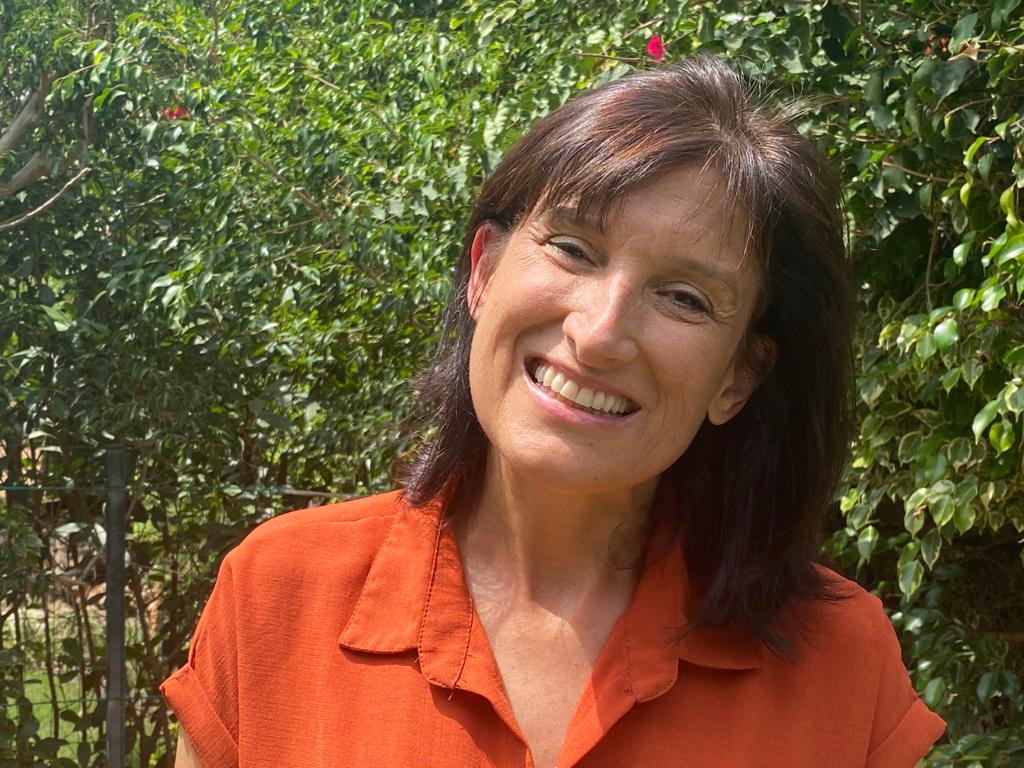
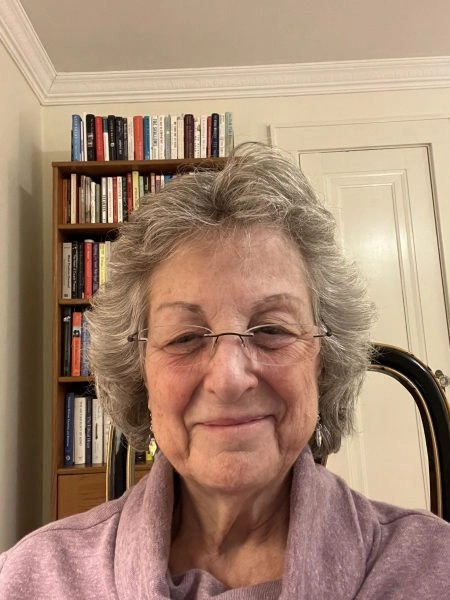
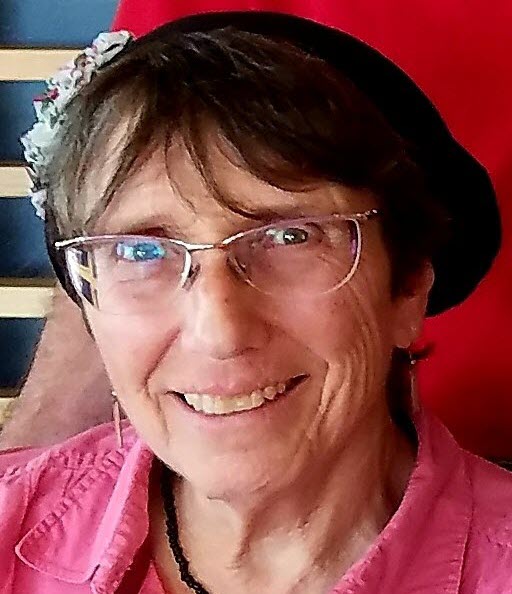
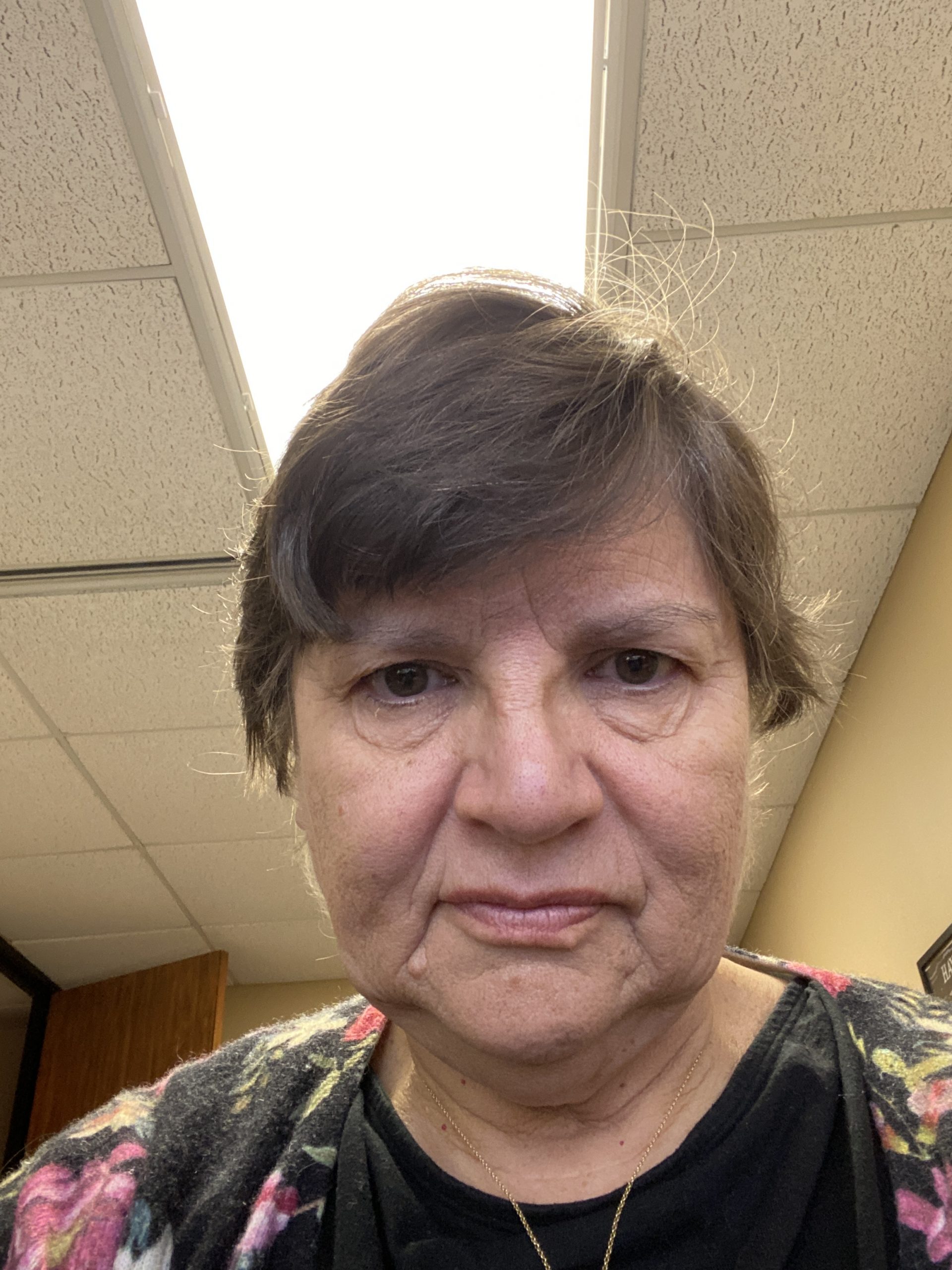
Meet the diverse women learning Gemara at Hadran and hear their stories. 

When I started studying Hebrew at Brown University’s Hillel, I had no idea that almost 38 years later, I’m doing Daf Yomi. My Shabbat haburah is led by Rabbanit Leah Sarna. The women are a hoot. I’m tracking the completion of each tractate by reading Ilana Kurshan’s memoir, If All the Seas Were Ink.

Hannah Lee
Hannah Lee

Pennsylvania, United States

Hadran entered my life after the last Siyum Hashaas, January 2020. I was inspired and challenged simultaneously, having never thought of learning Gemara. With my family’s encouragement, I googled “daf yomi for women”. A perfecr fit!
I especially enjoy when Rabbanit Michelle connects the daf to contemporary issues to share at the shabbat table e.g: looking at the Kohen during duchaning. Toda rabba

Marsha Wasserman
Marsha Wasserman

Jerusalem, Israel

Attending the Siyyum in Jerusalem 26 months ago inspired me to become part of this community of learners. So many aspects of Jewish life have been illuminated by what we have learned in Seder Moed. My day is not complete without daf Yomi. I am so grateful to Rabbanit Michelle and the Hadran Community.

Nancy Kolodny
Nancy Kolodny

Newton, United States

In my Shana bet at Migdal Oz I attended the Hadran siyum hash”as. Witnessing so many women so passionate about their Torah learning and connection to God, I knew I had to begin with the coming cycle. My wedding (June 24) was two weeks before the siyum of mesechet yoma so I went a little ahead and was able to make a speech and siyum at my kiseh kallah on my wedding day!

Sharona Guggenheim Plumb

Givat Shmuel, Israel

I LOVE learning the Daf. I started with Shabbat. I join the morning Zoom with Reb Michelle and it totally grounds my day. When Corona hit us in Israel, I decided that I would use the Daf to keep myself sane, especially during the days when we could not venture out more than 300 m from our home. Now my husband and I have so much new material to talk about! It really is the best part of my day!

Batsheva Pava
Batsheva Pava

Hashmonaim, Israel

With Rabbanit Dr. Naomi Cohen in the Women’s Talmud class, over 30 years ago. It was a “known” class and it was accepted, because of who taught. Since then I have also studied with Avigail Gross-Gelman and Dr. Gabriel Hazut for about a year). Years ago, in a shiur in my shul, I did know about Persians doing 3 things with their clothes on. They opened the shiur to woman after that!

Sharon Mink
Sharon Mink

Haifa, Israel

At almost 70 I am just beginning my journey with Talmud and Hadran. I began not late, but right when I was called to learn. It is never too late to begin! The understanding patience of staff and participants with more experience and knowledge has been fabulous. The joy of learning never stops and for me. It is a new life, a new light, a new depth of love of The Holy One, Blessed be He.
Deborah Hoffman-Wade

Richmond, CA, United States

I’ve been studying Talmud since the ’90s, and decided to take on Daf Yomi two years ago. I wanted to attempt the challenge of a day-to-day, very Jewish activity. Some days are so interesting and some days are so boring. But I’m still here.
Sarene Shanus
Sarene Shanus

Mamaroneck, NY, United States

I started learning at the beginning of the cycle after a friend persuaded me that it would be right up my alley. I was lucky enough to learn at Rabbanit Michelle’s house before it started on zoom and it was quickly part of my daily routine. I find it so important to see for myself where halachot were derived, where stories were told and to get more insight into how the Rabbis interacted.

Deborah Dickson
Deborah Dickson

Ra’anana, Israel

In January 2020, my chevruta suggested that we “up our game. Let’s do Daf Yomi” – and she sent me the Hadran link. I lost my job (and went freelance), there was a pandemic, and I am still opening the podcast with my breakfast coffee, or after Shabbat with popcorn. My Aramaic is improving. I will need a new bookcase, though.

Rhondda May
Rhondda May

Atlanta, Georgia, United States

I started with Ze Kollel in Berlin, directed by Jeremy Borowitz for Hillel Deutschland. We read Masechet Megillah chapter 4 and each participant wrote his commentary on a Sugia that particularly impressed him. I wrote six poems about different Sugiot! Fascinated by the discussions on Talmud I continued to learn with Rabanit Michelle Farber and am currently taking part in the Tikun Olam course.
Yael Merlini
Yael Merlini

Berlin, Germany

I saw an elderly man at the shul kiddush in early March 2020, celebrating the siyyum of masechet brachot which he had been learning with a young yeshiva student. I thought, if he can do it, I can do it! I began to learn masechet Shabbat the next day, Making up masechet brachot myself, which I had missed. I haven’t missed a day since, thanks to the ease of listening to Hadran’s podcast!
Judith Shapiro
Judith Shapiro

Minnesota, United States

My family recently made Aliyah, because we believe the next chapter in the story of the Jewish people is being written here, and we want to be a part of it. Daf Yomi, on the other hand, connects me BACK, to those who wrote earlier chapters thousands of years ago. So, I feel like I’m living in the middle of this epic story. I’m learning how it all began, and looking ahead to see where it goes!
Tina Lamm
Tina Lamm

Jerusalem, Israel

I began daf yomi in January 2020 with Brachot. I had made aliya 6 months before, and one of my post-aliya goals was to complete a full cycle. As a life-long Tanach teacher, I wanted to swim from one side of the Yam shel Torah to the other. Daf yomi was also my sanity through COVID. It was the way to marking the progression of time, and feel that I could grow and accomplish while time stopped.

Leah Herzog
Leah Herzog

Givat Zev, Israel

I started my journey on the day I realized that the Siyum was happening in Yerushalayim and I was missing out. What? I told myself. How could I have not known about this? How can I have missed out on this opportunity? I decided that moment, I would start Daf Yomi and Nach Yomi the very next day. I am so grateful to Hadran. I am changed forever because I learn Gemara with women. Thank you.

Linda Brownstein
Linda Brownstein

Mitspe, Israel

When I began learning Daf Yomi at the beginning of the current cycle, I was preparing for an upcoming surgery and thought that learning the Daf would be something positive I could do each day during my recovery, even if I accomplished nothing else. I had no idea what a lifeline learning the Daf would turn out to be in so many ways.

Laura Shechter
Laura Shechter

Lexington, MA, United States

I started learning Daf Yomi in January 2020 after watching my grandfather, Mayer Penstein z”l, finish shas with the previous cycle. My grandfather made learning so much fun was so proud that his grandchildren wanted to join him. I was also inspired by Ilana Kurshan’s book, If All the Seas Were Ink. Two years in, I can say that it has enriched my life in so many ways.

Leeza Hirt Wilner
Leeza Hirt Wilner

New York, United States

The start of my journey is not so exceptional. I was between jobs and wanted to be sure to get out every day (this was before corona). Well, I was hooked after about a month and from then on only looked for work-from-home jobs so I could continue learning the Daf. Daf has been a constant in my life, though hurricanes, death, illness/injury, weddings. My new friends are Rav, Shmuel, Ruth, Joanna.
Judi Felber
Judi Felber

Raanana, Israel

I started learning when my brother sent me the news clip of the celebration of the last Daf Yomi cycle. I was so floored to see so many women celebrating that I wanted to be a part of it. It has been an enriching experience studying a text in a language I don’t speak, using background knowledge that I don’t have. It is stretching my learning in unexpected ways, bringing me joy and satisfaction.

Jodi Gladstone
Jodi Gladstone

Warwick, Rhode Island, United States

I started learning daf in January, 2020, being inspired by watching the Siyyum Hashas in Binyanei Haumah. I wasn’t sure I would be able to keep up with the task. When I went to school, Gemara was not an option. Fast forward to March, 2022, and each day starts with the daf. The challenge is now learning the intricacies of delving into the actual learning. Hadran community, thank you!

Rochel Cheifetz
Rochel Cheifetz

Riverdale, NY, United States

Nedarim 37

הָא קָא מַשְׁמַע לַן דַּאֲפִילּוּ בִּמְקוֹם שֶׁנּוֹטְלִין שָׂכָר, עַל הַמִּקְרָא שְׁרֵי לְמִשְׁקַל, עַל הַמִּדְרָשׁ לָא שְׁרֵי לְמִשְׁקַל.

The Gemara answers: This teaches us that even in a place where one takes payment for teaching, for teaching Bible it is permitted to take payment, but for teaching midrash it is not permitted to take payment.

מַאי שְׁנָא מִדְרָשׁ דְּלָא — דִּכְתִיב: ״וְאֹתִי צִוָּה ה׳ בָּעֵת הַהִיא לְלַמֵּד אֶתְכֶם״, וּכְתִיב: ״רְאֵה לִמַּדְתִּי אֶתְכֶם חֻקִּים וּמִשְׁפָּטִים כַּאֲשֶׁר צִוַּנִי ה׳״, מָה אֲנִי בְּחִנָּם — אַף אַתֶּם נָמֵי בְּחִנָּם. מִקְרָא נָמֵי בְּחִנָּם!

The Gemara asks: In what way is midrash different from Bible, that one may not take payment for teaching it? Based on that which is written, which Moses said to the people: “And the Lord commanded me at that time to teach you statutes and laws” (Deuteronomy 4:14), and also that which is written: “Behold, I have taught you statutes and laws, as the Lord my God commanded me, that you should do so in the midst of the land where you go in to possess it” (Deuteronomy 4:5), God said: Just as I teach you for free, without payment, so too you also shall teach for free. There should be no difference between Bible and midrash, and Bible too, like midrash, should be taught for free.

רַב אָמַר: שְׂכַר שִׁימּוּר. וְרַבִּי יוֹחָנָן אָמַר: שְׂכַר פִּיסּוּק טְעָמִים.

Rav said: As Bible is typically taught to children, one who teaches Bible takes payment for watching the children. And Rabbi Yoḥanan said: He takes payment for teaching punctuation of the text with cantillation notes.

תְּנַן: לֹא יְלַמְּדֶנּוּ מִקְרָא. בִּשְׁלָמָא לְמַאן דְּאָמַר שְׂכַר פִּיסּוּק טְעָמִים — הַיְינוּ דְּלָא יְלַמְּדֶנּוּ, אֶלָּא לְמַאן דְּאָמַר שְׂכַר שִׁימּוּר — גָּדוֹל בַּר שִׁימּוּר הוּא? בְּקָטָן קָתָנֵי.

We learned in the mishna that one for whom benefit from another is forbidden by a vow, that other person may not teach him Bible. Granted, according to the one who says that the payment is for teaching punctuation of the text with cantillation notes, this is the reason that he shall not teach him Bible, as teaching punctuation is a component of teaching the biblical text. However, according to the one who says it is payment for watching the students, is an adult one who requires watching, and would payment be taken for doing so? Since the teacher typically does not receive payment for teaching adults, there is no benefit when he teaches for free the one for whom benefit is forbidden; why, then, is it prohibited? The Gemara answers: The mishna is teaching about the case of a minor who requires watching and who is prohibited by a vow from deriving benefit from the teacher.

אִי בְּקָטָן, אֵימָא סֵיפָא: אֲבָל מְלַמֵּד אֶת בָּנָיו מִקְרָא, קָטָן בַּר בָּנִים הוּא?! חַסּוֹרֵי מְחַסְּרָא וְהָכִי קָתָנֵי: לֹא יְלַמְּדֶנּוּ מִקְרָא — בְּקָטָן, אִם הָיָה גָּדוֹל — מְלַמְּדוֹ לוֹ וּלְבָנָיו מִקְרָא.

The Gemara asks: If it is the case of a minor, say the latter clause of the mishna: However, he may teach his sons Bible. Is a minor one who is capable of bearing sons? The Gemara answers: The mishna is incomplete, and this is what it is teaching: He may not teach him Bible, in the case of a minor. If the student is an adult, he may teach him and his sons Bible. He may teach him because he does not require watching, and he may teach his son because the payment is for watching his son.

מֵיתִיבִי: תִּינוֹקוֹת לֹא קוֹרִין בַּתְּחִילָּה בַּשַּׁבָּת, אֶלָּא שׁוֹנִין בָּרִאשׁוֹן. בִּשְׁלָמָא לְמַאן דְּאָמַר שְׂכַר פִּיסּוּק טְעָמִים — הַיְינוּ דְּאֵין קוֹרִין בַּתְּחִילָּה בַּשַּׁבָּת. אֶלָּא לְמַאן דְּאָמַר שְׂכַר שִׁימּוּר, אַמַּאי אֵין קוֹרִין בַּתְּחִילָּה בַּשַּׁבָּת, וְאַמַּאי שׁוֹנִין בָּרִאשׁוֹן? הָא אִיכָּא שְׂכַר שִׁימּוּר דְּשַׁבָּת!

The Gemara raises an objection from a baraita: Children may not read a passage in the Bible for the first time on Shabbat; however, they may review a passage that they already learned once. Granted, according to the one who says that payment for teaching Bible is for teaching punctuation of the text with cantillation notes, this is the reason that children may not read a passage in the Bible for the first time on Shabbat, as it would be necessary to pay the teacher. However, according to the one who says it is payment for watching the children, why may children not read a passage in the Bible for the first time on Shabbat? And why may children review a passage that they already learned once? Isn’t there payment for watching the children on Shabbat in both cases?

וְלִיטַעְמָיךְ שְׂכַר פִּיסּוּק בְּשַׁבָּת מִי אָסוּר? הַבְלָעָה הִיא, וְהַבְלָעָה מִישְׁרֵא שְׁרֵי. דְּתַנְיָא: הַשּׂוֹכֵר אֶת הַפּוֹעֵל לִשְׁמוֹר אֶת הַתִּינוֹק, לִשְׁמוֹר אֶת הַפָּרָה, לִשְׁמוֹר אֶת הַזְּרָעִים — אֵין נוֹתְנִין לוֹ שְׂכַר שַׁבָּת. לְפִיכָךְ

The Gemara responds: And according to your reasoning, is receiving payment for teaching punctuation prohibited on Shabbat? It is a case of incorporation of the payment for teaching on Shabbat into the teacher’s weekly salary, and incorporation is permitted, as it is taught in a baraita: One who hires a day laborer to watch a child, to watch a cow, or to guard seeds does not give him payment for Shabbat. Therefore,

אִם אָבְדוּ — אֵינוֹ חַיָּיב בְּאַחְרָיוּתָן. וְאִם הָיָה שְׂכִיר שַׁבָּת, שְׂכִיר חֹדֶשׁ, שְׂכִיר שָׁנָה, שְׂכִיר שָׁבוּעַ — נוֹתֵן לוֹ שְׂכַר שַׁבָּת. לְפִיכָךְ אִם אָבְדוּ — חַיָּיב בְּאַחְרָיוּתָן.

if the items that the laborer was entrusted to watch were lost on Shabbat, he does not bear financial responsibility to compensate the owners for them, since he is not a paid bailee on that day. And if he is a laborer hired for a week, hired for a month, hired for a year, or hired for seven years, the one who hired him gives him payment for labor performed on Shabbat as well. Therefore, if the items were lost on Shabbat, he bears financial responsibility to compensate the owners for them. If payment for Shabbat is incorporated within payment for a longer period, it is not prohibited to accept payment for permitted actions performed on Shabbat.

אֶלָּא: גַּבֵּי שַׁבָּת הַיְינוּ טַעְמָא דְּאֵין קוֹרְאִין בַּתְּחִילָּה — מִשּׁוּם דְּיִפְנוּ אֲבָהָתְהוֹן דְּיָנוֹקֵי לְמִצְוְתָא דְשַׁבְּתָא. וְאִיבָּעֵית אֵימָא: מִשּׁוּם דִּבְשַׁבְּתָא אָכְלִין וְשָׁתִין וְיַקִּיר עֲלֵיהוֹן עָלְמָא. כִּדְאָמַר שְׁמוּאֵל: שִׁינּוּי וֶסֶת תְּחִילַּת חוֹלִי מֵעַיִים.

Rather, with regard to Shabbat, this is the reason that children may not read a passage in the Bible for the first time on Shabbat, so that the fathers of the children will be at leisure to fulfill the mitzva of delighting in Shabbat. Teaching new material to their children would occupy more of their fathers’ time, limiting their opportunity to fulfill that mitzva. And if you wish, say instead: Due to the fact that on Shabbat children eat and drink more than they are accustomed to eating, their world is heavy upon them, i.e., their head and their limbs are sluggish, and they are incapable of concentrating and studying well, as Shmuel said: A change in routine [veset] in eating and the like causes the onset of an intestinal ailment.

וּלְמַאן דְּאָמַר שְׂכַר פִּיסּוּק טְעָמִים, מַאי טַעְמָא לָא אָמַר שְׂכַר שִׁימּוּר? קָסָבַר בָּנוֹת מִי קָא בָּעֲיָין שִׁימּוּר?

And according to the one who says that the payment for teaching Bible is payment for teaching punctuation of the text with cantillation notes, and therefore in the case of one for whom benefit from another is forbidden by vow, that other person may not teach his sons and daughters Bible, what is the reason that he did not say that it is payment for watching the children? The Gemara answers: He holds: Do girls need watching? They stay home and are not accustomed to going out.

וּלְמַאן דְּאָמַר שְׂכַר שִׁימּוּר, מַאי טַעְמָא לָא אָמַר שְׂכַר פִּיסּוּק טְעָמִים? קָסָבַר (שְׂכַר) פִּיסּוּק טְעָמִים דְּאוֹרָיְיתָא הוּא.

The Gemara asks: And according to the one who says that the payment for teaching Bible is payment for watching the children, what is the reason that he did not say that it is payment for teaching punctuation of the text with cantillation notes? The Gemara answers: He holds that the punctuation of the text with cantillation notes is by Torah law; therefore, it is included in the prohibition against taking payment for teaching Torah.

דְּאָמַר רַב אִיקָא בַּר אָבִין אָמַר רַב חֲנַנְאֵל אָמַר רַב: מַאי דִּכְתִיב ״וַיִּקְרְאוּ בַסֵּפֶר בְּתוֹרַת הָאֱלֹהִים מְפֹרָשׁ וְשׂוֹם שֶׂכֶל וַיָּבִינוּ בַּמִּקְרָא״. ״וַיִּקְרְאוּ בַסֵּפֶר בְּתוֹרַת הָאֱלֹהִים״ — זֶה מִקְרָא, ״מְפֹרָשׁ״ — זֶה תַּרְגּוּם, ״וְשׂוֹם שֶׂכֶל״ — אֵלּוּ הַפְּסוּקִים, ״וַיָּבִינוּ בַּמִּקְרָא״ — זֶה פִּיסּוּק טְעָמִים. וְאָמְרִי לַהּ: אֵלּוּ הַמְּסוֹרוֹת.

This is as Rav Ika bar Avin said that Rav Ḥananel said that Rav said: What is the meaning of that which is written: “And they read in the book, in the Torah of God, distinctly; and they gave the sense, and caused them to understand the reading” (Nehemiah 8:8)? The Gemara explains: “They read in the book, in the Torah of God”; that is the Bible. “Distinctly”; that is the Aramaic translation. “And they gave the sense”; these are the division into verses. “And caused them to understand the reading”; this is punctuation of the text with cantillation notes, which facilitate the understanding of the verses. And some say: These are the traditions that determine the proper vocalization of the Bible. Rav holds that the cantillation notes are an integral part of Torah study.

אָמַר רַבִּי יִצְחָק: מִקְרָא סוֹפְרִים, וְעִיטּוּר סוֹפְרִים, וְקַרְיָין וְלָא כְּתִיבָן, וּכְתִיבָן וְלָא קַרְיָין — הֲלָכָה לְמֹשֶׁה מִסִּינַי.

On a related note, Rabbi Yitzḥak said: The vocalization of the scribes, and the ornamentation of the scribes, and the verses with words that are read but not written, and those that are written but not read are all halakha transmitted to Moses from Sinai.

מִקְרָא סוֹפְרִים: אָרֶץ, שָׁמָיִם, מִצְרָיִם.

The Gemara elaborates: The vocalization of the scribes is referring to words that when they appear at the end of phrases, clauses, or verses, their vocalization changes, e.g., eretz with a segol under the letter alef to aretz with a kamatz under the letter alef; shamayim with a pataḥ under the letter mem, to shamayim with a kamatz under the letter mem; and mitzrayim with a pataḥ under the letter reish, to mitzrayim with a kamatz under the letter reish.

עִיטּוּר סוֹפְרִים: ״אַחַר תַּעֲבֹרוּ״, ״אַחַר תֵּלֵךְ״, ״אַחַר תֵּאָסֵף״, ״קִדְּמוּ שָׁרִים אַחַר נֹגְנִים״, ״צִדְקָתְךָ כְּהַרְרֵי אֵל״.

The ornamentation of the scribes are expressions that the scribes understood in a manner that differs slightly from its plain understanding. For example: “Then [aḥar] go on” (Genesis 18:5); “then [aḥar] she will go” (Genesis 24:55); “afterward [aḥar] you will be gathered” (Numbers 31:2); “the singers go before, the minstrels follow after [aḥar]” (Psalms 68:26); “Your righteousness is like the mighty mountains” (Psalms 36:7).

קַרְיָין וְלָא כְּתִיבָן: ״פְּרָת״ דִּ״בְלֶכְתּוֹ״, ״אִישׁ״ דְּ״כַאֲשֶׁר יִשְׁאַל אִישׁ בִּדְבַר הָאֱלֹהִים״, ״בָּאִים״ דְּ״נִבְנְתָה״, ״לָהּ״ דִּ״פְלֵיטָה״, ״אֵת״ ״דְּהֻגֵּד הֻגַּד״, ״אֵלַי״ דְּ״הַגֹּרֶן״, ״אֵלַי״ דְּ״הַשְּׂעֹרִים״, הָלֵין קַרְיָין וְלָא כְּתִבָן.

Words that are read but not written are included in the halakha transmitted to Moses from Sinai. For example, the word “Euphrates” that is in the phrase “as he went to establish his control over the river Euphrates” (II Samuel 8:3) is not written in the text of the Bible. The same is true for the word “man” that is in the verse “now the counsel of Ahithophel, which he counseled in those days, was as if a man inquired of the word of God” (II Samuel 16:23); and for the word “come” that is in the verse “behold, the days come, says the Lord, that the city shall be built to the Lord from the tower of Hananel unto the gate of the corner” (Jeremiah 31:37); and for “her” that is in the phrase “let her not have escape” (Jeremiah 50:29); unto that is in the verse “it has been told me, all that you have done unto your mother-in-law” (Ruth 2:11); and for “to me” that is found in the passage “and she said unto her: All that you say to me I will do. And she went down to the threshing floor” (Ruth 3:4–5); and for “to me” that is in the verse “he gave me these six measures of barley; for he said to me” (Ruth 3:17). These words are read but not written.

וּכְתִבָן וְלָא קַרְיָין: ״נָא דְּ״יִסְלַח״,

And there are words that are written but not read. For example, the word “may” that is in the verse “may God forgive your servant” (II Kings 5:18) appears in the Bible text but is not vocalized.

Want to follow content and continue where you left off?

Create an account today to track your progress, mark what you’ve learned, and follow the shiurim that speak to you.

Clear all items from this list?

This will remove ALL the items in this section. You will lose any progress or history connected to them. This is irreversible.

Cancel
Yes, clear all

Are you sure you want to delete this item?

You will lose any progress or history connected to this item.

Cancel
Yes, delete