Search

Nedarim 47

Want to dedicate learning? Get started here:

English
עברית
podcast placeholder

0:00
0:00


podcast placeholder

0:00
0:00


Summary
This week’s learning is sponsored by Robert and Paula Cohen in memory of Robert’s father, my grandfather, Joseph Cohen, Yosef ben Moshe HaCohen, z”l.
Today’s daf is sponsored by Racheli Mendelson in loving memory of her mother, Shoshana bat Shraga Fivel and Rivkah.
Someone can forbid someone else’s item to themselves even after the item no longer belongs to the other (they die or sell it). But if someone forbids an item of their own to someone else, will it continue to be forbidden even after the one who forbade dies or sells the item to someone else? Rava proves from a braita that it will continue to be forbidden. If one uses the language of “konam these fruit to my mouth” or similar language, not only are the fruits forbidden but also items they are traded for or anything that grows from them. If someone says “konam these fruits to your mouth” (forbidding to someone else), are items they are traded for also forbidden? Do we say that since one can forbid another’s property to oneself, one can also forbid an item that is not yet in existence (the traded item) to oneself, but not to another? Or do we say that since items that grow from them would be forbidden, then also traded items would be forbidden as well? They try to answer the question from two different sources that show that one can benefit from a traded item. However, both answers are rejected as perhaps the ab initio law is that one cannot benefit but the sources reflect cases where it was already done.

Nedarim 47

הָאוֹמֵר לַחֲבֵירוֹ וְכוּ׳. בָּעֵי אֲבִימִי: ״קֻוֽנָּם לְבַיִת זֶה שֶׁאַתָּה נִכְנָס״, מֵת אוֹ שֶׁמְּכָרוֹ לְאַחֵר, מַהוּ? אָדָם אוֹסֵר דָּבָר שֶׁבִּרְשׁוּתוֹ לִכְשֶׁיֵּצֵא מֵרְשׁוּתוֹ, אוֹ לָא?

§ The mishna teaches: With regard to one who says to another: Entering your house is konam for me, and the owner dies or sells the house, the prohibition is lifted. But if he said: Entering this house is konam for me, he remains prohibited from entering the house even after the owner dies or sells the house. Avimi raises a dilemma: If the owner of a house said: Entering this house is konam for you, and then he died or sold it to another, what is the halakha? Do we say that a person can render an item in his possession forbidden even for a time after it will leave his possession, or not?

אָמַר רָבָא, תָּא שְׁמַע: הָאוֹמֵר לִבְנוֹ ״קֻוֽנָּם שֶׁאִי אַתָּה נֶהֱנֶה לִי״, וּמֵת — יִירָשֶׁנּוּ. ״בְּחַיָּיו וּבְמוֹתוֹ״, וּמֵת — לֹא יִירָשֶׁנּוּ. שְׁמַע מִינַּהּ אָדָם אוֹסֵר דָּבָר שֶׁבִּרְשׁוּתוֹ לִכְשֶׁיֵּצֵא מֵרְשׁוּתוֹ. שְׁמַע מִינַּהּ.

Rava said: Come and hear a proof from a mishna (Bava Kamma 108b–109a): If one says to his son: Benefiting from me is konam for you, and dies, the son still inherits from him. If, however, the father explicitly states that benefit is forbidden both in his lifetime and after his death, and dies, the son does not inherit from him. Rava suggests: Conclude from the mishna that a person can render an item in his possession forbidden even for a time after it will leave his possession. The Gemara notes: Conclude from the mishna that this is so.

תְּנַן הָתָם: ״קֻוֽנָּם פֵּירוֹת הָאֵלּוּ עָלַי״, ״קֻוֽנָּם הֵן עַל פִּי״, ״קֻוֽנָּם הֵן לְפִי״ — אָסוּר בְּחִילּוּפֵיהֶן וּבְגִידּוּלֵיהֶן.

§ We learned in a mishna there (57a): If one says: This produce is konam upon me, or: It is konam upon my mouth, or: It is konam for my mouth, he is prohibited from eating even its replacements, should they be traded or exchanged, and anything that grows from it if it is replanted.

בָּעֵי רָמֵי בַּר חָמָא: אָמַר ״קֻוֽנָּם פֵּירוֹת הָאֵלּוּ עַל פְּלוֹנִי״, מַהוּ בְּחִילּוּפֵיהֶן? מִי אָמְרִינַן גַּבֵּי דִילֵיהּ, הוֹאִיל וְאָדָם אוֹסֵר פֵּירוֹת חֲבֵירוֹ עַל עַצְמוֹ, אָדָם אוֹסֵר דָּבָר שֶׁלֹּא בָא לְעוֹלָם עַל עַצְמוֹ. גַּבֵּי חֲבֵירוֹ, הוֹאִיל וְאֵין אָדָם אוֹסֵר פֵּירוֹת חֲבֵירוֹ עַל חֲבֵירוֹ, אֵין אָדָם אוֹסֵר דָּבָר שֶׁלֹּא בָא לְעוֹלָם עַל חֲבֵירוֹ.

Rami bar Ḥama raises a dilemma: If one said: This produce is konam for so-and-so, what is the halakha with regard to their replacements? Do we say: With regard to himself, since a person can render another’s produce forbidden for himself, though it is not presently in his possession, so too, a person can render an entity that has not yet come into the world forbidden to himself? Is this why the replacement produce and anything that grows from it is forbidden to him, even if it did not yet exist when he took the vow? If so, with regard to another, since a person cannot render another’s produce forbidden to another, i.e., to that owner himself, similarly one cannot render an entity that has not yet come into the world forbidden to another. The produce’s replacements would therefore be permitted to him.

אוֹ דִילְמָא מִשּׁוּם דְּחִילּוּפִין כְּגִידּוּלִין דָּמֵי, לָא שְׁנָא הוּא וְלָא שְׁנָא חֲבֵרוֹ.

Or perhaps the prohibition on replacement produce in the mishna is due to the fact that replacements of the produce are viewed as being like that which grows from them? They are both forbidden because they derive from the forbidden produce. If this is the case, it is no different for him and it is no different for another. Neither may derive benefit from the replacements.

אָמַר רַב אַחָא בַּר מִנְיוֹמֵי, תָּא שְׁמַע: הָאוֹמֵר לְאִשְׁתּוֹ ״קֻוֽנָּם שֶׁאֲנִי נֶהֱנֶה לִיךְ״, לוֹוָה וּבַעְלֵי חוֹבִין בָּאִין וְנִפְרָעִין. מַאי טַעְמָא בַּעְלֵי חוֹבִין נִפְרָעִין — לָאו מִשּׁוּם דְּחִילּוּפִין לָאו כְּגִידּוּלִין דָּמֵי?

Rav Aḥa bar Minyumi said: Come and hear a proof from a baraita: With regard to one who says to his wife: Benefiting from me is konam for you, she may nevertheless borrow money to sustain herself, and the creditors can come and collect her debts from her husband. What is the reason that the creditors can collect from the husband? Is it not because she benefits only indirectly, and it must be that replacements, i.e., the creditors’ money, are not like that which grows from the original item?

אָמַר רָבָא: דִּילְמָא לְכַתְּחִילָּה הוּא דְּלָא, וְאִי עֲבַד — עֲבַד.

Rava said: This is not proof: Perhaps it is the case that one should not benefit from replacements ab initio, but if one did it, it is done after the fact. Since the wife lacks any other means to support herself, the case is considered to be after the fact, and it is permitted for her to benefit indirectly. Still, replacements of an item are considered to be like that which grows from it ab initio.

אֶלָּא, תָּא שְׁמַע: הַמְקַדֵּשׁ בְּעׇרְלָה — אֵינָהּ מְקוּדֶּשֶׁת. מְכָרָן וְקִידֵּשׁ בִּדְמֵיהֶן — הֲרֵי זוֹ מְקוּדֶּשֶׁת. הָכָא נָמֵי: לְכַתְּחִילָּה הוּא דְּלָא, וְאִי עֲבַד — עֲבַד.

Rather, come and hear a proof from another mishna (Kiddushin 56b): With regard to one who betroths a woman with fruit of orla, i.e., fruit of the first three years of a tree’s growth, from which it is forbidden to benefit, she is not betrothed because the fruits have no value. Betrothal can be performed only with an object worth at least one peruta. But if he sold them and betrothed her with the money he received, she is betrothed. Evidently, replacements of a forbidden item are permitted. The Gemara responds: Here also, one should not benefit from the replacement items given in exchange for the orla ab initio, but if one did it, it is done after the fact. Replacements of an item may still be considered to be like that which grows from it ab initio.

מַתְנִי׳ ״הֲרֵינִי עָלֶיךָ חֵרֶם״ — הַמּוּדָּר אָסוּר. ״הֲרֵי אַתְּ עָלַי חֵרֶם״ — הַנּוֹדֵר אָסוּר. ״הֲרֵינִי עָלֶיךָ וְאַתְּ עָלַי״ — שְׁנֵיהֶם אֲסוּרִין, וּשְׁנֵיהֶם מוּתָּרִין בְּדָבָר שֶׁל עוֹלֵי בָּבֶל,

MISHNA: If someone says to another: I am hereby forbidden to you like an item dedicated to the Temple, then the one prohibited by the vow is prohibited from benefiting from the possessions of the one who took the vow. If someone says: You are hereby forbidden to me like an item dedicated to the Temple, then the one who took the vow is prohibited from benefiting from the possessions of the other. If he says: I am hereby forbidden to you and you are hereby forbidden to me like an item dedicated to the Temple, both are prohibited from benefiting from the possessions of the other. But it is permitted for both of them to benefit from the objects belonging to those who ascended from Babylonia, i.e., common property of the nation as a whole, which is not considered to be the property of any individual.

New to Talmud?

Check out our resources designed to help you navigate a page of Talmud – and study at the pace, level and style that fits you. 

The Hadran Women’s Tapestry

Meet the diverse women learning Gemara at Hadran and hear their stories. 

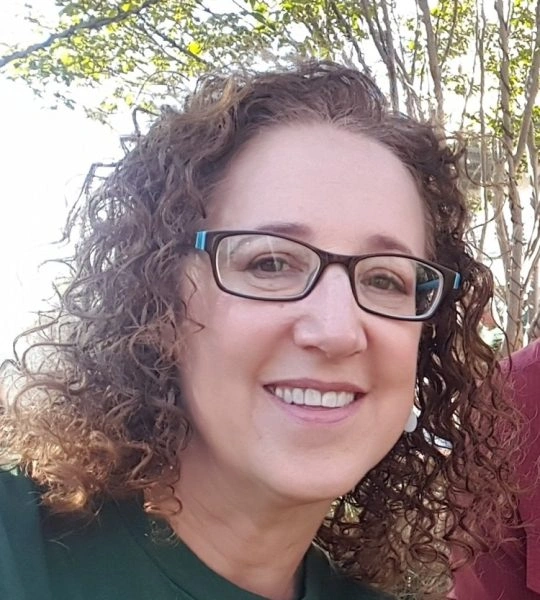
My Daf journey began in August 2012 after participating in the Siyum Hashas where I was blessed as an “enabler” of others.  Galvanized into my own learning I recited the Hadran on Shas in January 2020 with Rabbanit Michelle. That Siyum was a highlight in my life.  Now, on round two, Daf has become my spiritual anchor to which I attribute manifold blessings.

Rina Goldberg
Rina Goldberg

Englewood NJ, United States

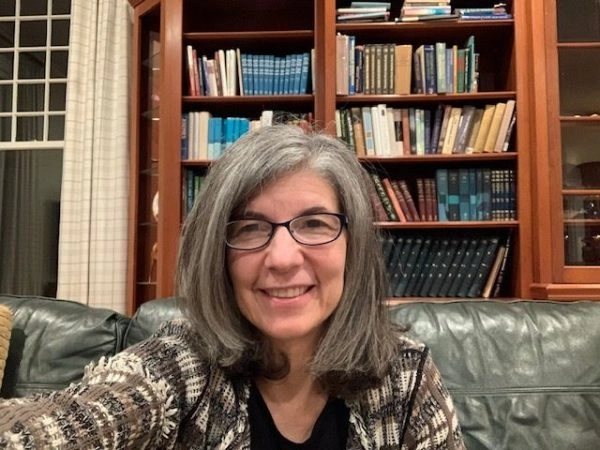
A Gemara shiur previous to the Hadran Siyum, was the impetus to attend it.It was highly inspirational and I was smitten. The message for me was התלמוד בידינו. I had decided along with my Chahsmonaim group to to do the daf and take it one daf at time- without any expectations at all. There has been a wealth of information, insights and halachik ideas. It is truly exercise of the mind, heart & Soul

Phyllis Hecht.jpeg
Phyllis Hecht

Hashmonaim, Israel

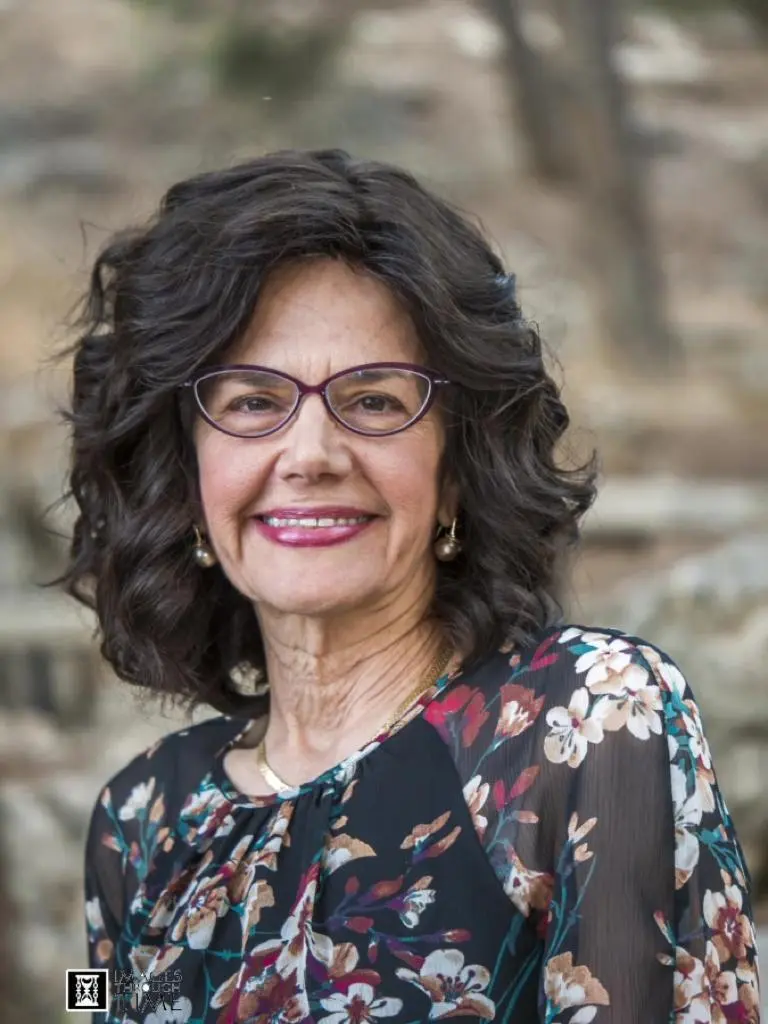
In January 2020 on a Shabbaton to Baltimore I heard about the new cycle of Daf Yomi after the siyum celebration in NYC stadium. I started to read “ a daily dose of Talmud “ and really enjoyed it . It led me to google “ do Orthodox women study Talmud? “ and found HADRAN! Since then I listen to the podcast every morning, participate in classes and siyum. I love to learn, this is amazing! Thank you

Sandrine Simons
Sandrine Simons

Atlanta, United States

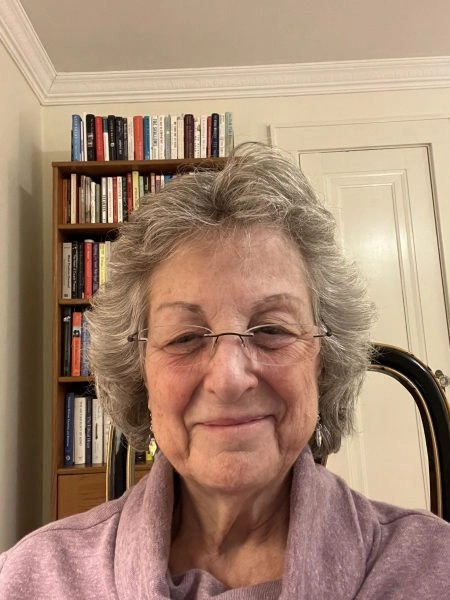
I started at the beginning of this cycle. No 1 reason, but here’s 5.
In 2019 I read about the upcoming siyum hashas.
There was a sermon at shul about how anyone can learn Talmud.
Talmud references come up when I am studying. I wanted to know more.
Yentl was on telly. Not a great movie but it’s about studying Talmud.
I went to the Hadran website: A new cycle is starting. I’m gonna do this

Denise Neapolitan
Denise Neapolitan

Cambridge, United Kingdom

In my Shana bet at Migdal Oz I attended the Hadran siyum hash”as. Witnessing so many women so passionate about their Torah learning and connection to God, I knew I had to begin with the coming cycle. My wedding (June 24) was two weeks before the siyum of mesechet yoma so I went a little ahead and was able to make a speech and siyum at my kiseh kallah on my wedding day!

Sharona Guggenheim Plumb

Givat Shmuel, Israel

A few years back, after reading Ilana Kurshan’s book, “If All The Seas Were Ink,” I began pondering the crazy, outlandish idea of beginning the Daf Yomi cycle. Beginning in December, 2019, a month before the previous cycle ended, I “auditioned” 30 different podcasts in 30 days, and ultimately chose to take the plunge with Hadran and Rabbanit Michelle. Such joy!

Cindy Dolgin
Cindy Dolgin

HUNTINGTON, United States

After being so inspired by the siyum shas two years ago, I began tentatively learning daf yomi, like Rabbanut Michelle kept saying – taking one daf at a time. I’m still taking it one daf at a time, one masechet at a time, but I’m loving it and am still so inspired by Rabbanit Michelle and the Hadran community, and yes – I am proud to be finishing Seder Mo’ed.

Caroline Graham-Ofstein

Bet Shemesh, Israel

I started learning Gemara at the Yeshivah of Flatbush. And I resumed ‘ברוך ה decades later with Rabbanit Michele at Hadran. I started from Brachot and have had an exciting, rewarding experience throughout seder Moed!

Anne Mirsky (1)
Anne Mirsky

Maale Adumim, Israel

It has been a pleasure keeping pace with this wonderful and scholarly group of women.

Janice Block
Janice Block

Beit Shemesh, Israel

After all the hype on the 2020 siyum I became inspired by a friend to begin learning as the new cycle began.with no background in studying Talmud it was a bit daunting in the beginning. my husband began at the same time so we decided to study on shabbat together. The reaction from my 3 daughters has been fantastic. They are very proud. It’s been a great challenge for my brain which is so healthy!

Stacey Goodstein Ashtamker

Modi’in, Israel

In January 2020, my teaching partner at IDC suggested we do daf yomi. Thanks to her challenge, I started learning daily from Rabbanit Michelle. It’s a joy to be part of the Hadran community. (It’s also a tikkun: in 7th grade, my best friend and I tied for first place in a citywide gemara exam, but we weren’t invited to the celebration because girls weren’t supposed to be learning gemara).

Sara-Averick-photo-scaled
Sara Averick

Jerusalem, Israel

In my Shana bet at Migdal Oz I attended the Hadran siyum hash”as. Witnessing so many women so passionate about their Torah learning and connection to God, I knew I had to begin with the coming cycle. My wedding (June 24) was two weeks before the siyum of mesechet yoma so I went a little ahead and was able to make a speech and siyum at my kiseh kallah on my wedding day!

Sharona Guggenheim Plumb

Givat Shmuel, Israel

With Rabbanit Dr. Naomi Cohen in the Women’s Talmud class, over 30 years ago. It was a “known” class and it was accepted, because of who taught. Since then I have also studied with Avigail Gross-Gelman and Dr. Gabriel Hazut for about a year). Years ago, in a shiur in my shul, I did know about Persians doing 3 things with their clothes on. They opened the shiur to woman after that!

Sharon Mink
Sharon Mink

Haifa, Israel

I began learning the daf in January 2022. I initially “flew under the radar,” sharing my journey with my husband and a few close friends. I was apprehensive – who, me? Gemara? Now, 2 years in, I feel changed. The rigor of a daily commitment frames my days. The intellectual engagement enhances my knowledge. And the virtual community of learners has become a new family, weaving a glorious tapestry.

Gitta Jaroslawicz-Neufeld

Far Rockaway, United States

After enthusing to my friend Ruth Kahan about how much I had enjoyed remote Jewish learning during the earlier part of the pandemic, she challenged me to join her in learning the daf yomi cycle. I had always wanted to do daf yomi but now had no excuse. The beginning was particularly hard as I had never studied Talmud but has become easier, as I have gained some familiarity with it.

Susan-Vishner-Hadran-photo-scaled
Susan Vishner

Brookline, United States

I was exposed to Talmud in high school, but I was truly inspired after my daughter and I decided to attend the Women’s Siyum Shas in 2020. We knew that this was a historic moment. We were blown away, overcome with emotion at the euphoria of the revolution. Right then, I knew I would continue. My commitment deepened with the every-morning Virtual Beit Midrash on Zoom with R. Michelle.

Adina Hagege
Adina Hagege

Zichron Yaakov, Israel

I started learning Gemara at the Yeshivah of Flatbush. And I resumed ‘ברוך ה decades later with Rabbanit Michele at Hadran. I started from Brachot and have had an exciting, rewarding experience throughout seder Moed!

Anne Mirsky (1)
Anne Mirsky

Maale Adumim, Israel

I had no formal learning in Talmud until I began my studies in the Joint Program where in 1976 I was one of the few, if not the only, woman talmud major. It was superior training for law school and enabled me to approach my legal studies with a foundation . In 2018, I began daf yomi listening to Rabbanit MIchelle’s pod cast and my daily talmud studies are one of the highlights of my life.

Krivosha_Terri_Bio
Terri Krivosha

Minneapolis, United States

I had tried to start after being inspired by the hadran siyum, but did not manage to stick to it. However, just before masechet taanit, our rav wrote a message to the shul WhatsApp encouraging people to start with masechet taanit, so I did! And this time, I’m hooked! I listen to the shiur every day , and am also trying to improve my skills.

Laura Major
Laura Major

Yad Binyamin, Israel

I started learning Daf in Jan 2020 with Brachot b/c I had never seen the Jewish people united around something so positive, and I wanted to be a part of it. Also, I wanted to broaden my background in Torah Shebal Peh- Maayanot gave me a great gemara education, but I knew that I could hold a conversation in most parts of tanach but almost no TSB. I’m so thankful for Daf and have gained immensely.

Meira Shapiro
Meira Shapiro

NJ, United States

Nedarim 47

הָאוֹמֵר לַחֲבֵירוֹ וְכוּ׳. בָּעֵי אֲבִימִי: ״קֻוֽנָּם לְבַיִת זֶה שֶׁאַתָּה נִכְנָס״, מֵת אוֹ שֶׁמְּכָרוֹ לְאַחֵר, מַהוּ? אָדָם אוֹסֵר דָּבָר שֶׁבִּרְשׁוּתוֹ לִכְשֶׁיֵּצֵא מֵרְשׁוּתוֹ, אוֹ לָא?

§ The mishna teaches: With regard to one who says to another: Entering your house is konam for me, and the owner dies or sells the house, the prohibition is lifted. But if he said: Entering this house is konam for me, he remains prohibited from entering the house even after the owner dies or sells the house. Avimi raises a dilemma: If the owner of a house said: Entering this house is konam for you, and then he died or sold it to another, what is the halakha? Do we say that a person can render an item in his possession forbidden even for a time after it will leave his possession, or not?

אָמַר רָבָא, תָּא שְׁמַע: הָאוֹמֵר לִבְנוֹ ״קֻוֽנָּם שֶׁאִי אַתָּה נֶהֱנֶה לִי״, וּמֵת — יִירָשֶׁנּוּ. ״בְּחַיָּיו וּבְמוֹתוֹ״, וּמֵת — לֹא יִירָשֶׁנּוּ. שְׁמַע מִינַּהּ אָדָם אוֹסֵר דָּבָר שֶׁבִּרְשׁוּתוֹ לִכְשֶׁיֵּצֵא מֵרְשׁוּתוֹ. שְׁמַע מִינַּהּ.

Rava said: Come and hear a proof from a mishna (Bava Kamma 108b–109a): If one says to his son: Benefiting from me is konam for you, and dies, the son still inherits from him. If, however, the father explicitly states that benefit is forbidden both in his lifetime and after his death, and dies, the son does not inherit from him. Rava suggests: Conclude from the mishna that a person can render an item in his possession forbidden even for a time after it will leave his possession. The Gemara notes: Conclude from the mishna that this is so.

תְּנַן הָתָם: ״קֻוֽנָּם פֵּירוֹת הָאֵלּוּ עָלַי״, ״קֻוֽנָּם הֵן עַל פִּי״, ״קֻוֽנָּם הֵן לְפִי״ — אָסוּר בְּחִילּוּפֵיהֶן וּבְגִידּוּלֵיהֶן.

§ We learned in a mishna there (57a): If one says: This produce is konam upon me, or: It is konam upon my mouth, or: It is konam for my mouth, he is prohibited from eating even its replacements, should they be traded or exchanged, and anything that grows from it if it is replanted.

בָּעֵי רָמֵי בַּר חָמָא: אָמַר ״קֻוֽנָּם פֵּירוֹת הָאֵלּוּ עַל פְּלוֹנִי״, מַהוּ בְּחִילּוּפֵיהֶן? מִי אָמְרִינַן גַּבֵּי דִילֵיהּ, הוֹאִיל וְאָדָם אוֹסֵר פֵּירוֹת חֲבֵירוֹ עַל עַצְמוֹ, אָדָם אוֹסֵר דָּבָר שֶׁלֹּא בָא לְעוֹלָם עַל עַצְמוֹ. גַּבֵּי חֲבֵירוֹ, הוֹאִיל וְאֵין אָדָם אוֹסֵר פֵּירוֹת חֲבֵירוֹ עַל חֲבֵירוֹ, אֵין אָדָם אוֹסֵר דָּבָר שֶׁלֹּא בָא לְעוֹלָם עַל חֲבֵירוֹ.

Rami bar Ḥama raises a dilemma: If one said: This produce is konam for so-and-so, what is the halakha with regard to their replacements? Do we say: With regard to himself, since a person can render another’s produce forbidden for himself, though it is not presently in his possession, so too, a person can render an entity that has not yet come into the world forbidden to himself? Is this why the replacement produce and anything that grows from it is forbidden to him, even if it did not yet exist when he took the vow? If so, with regard to another, since a person cannot render another’s produce forbidden to another, i.e., to that owner himself, similarly one cannot render an entity that has not yet come into the world forbidden to another. The produce’s replacements would therefore be permitted to him.

אוֹ דִילְמָא מִשּׁוּם דְּחִילּוּפִין כְּגִידּוּלִין דָּמֵי, לָא שְׁנָא הוּא וְלָא שְׁנָא חֲבֵרוֹ.

Or perhaps the prohibition on replacement produce in the mishna is due to the fact that replacements of the produce are viewed as being like that which grows from them? They are both forbidden because they derive from the forbidden produce. If this is the case, it is no different for him and it is no different for another. Neither may derive benefit from the replacements.

אָמַר רַב אַחָא בַּר מִנְיוֹמֵי, תָּא שְׁמַע: הָאוֹמֵר לְאִשְׁתּוֹ ״קֻוֽנָּם שֶׁאֲנִי נֶהֱנֶה לִיךְ״, לוֹוָה וּבַעְלֵי חוֹבִין בָּאִין וְנִפְרָעִין. מַאי טַעְמָא בַּעְלֵי חוֹבִין נִפְרָעִין — לָאו מִשּׁוּם דְּחִילּוּפִין לָאו כְּגִידּוּלִין דָּמֵי?

Rav Aḥa bar Minyumi said: Come and hear a proof from a baraita: With regard to one who says to his wife: Benefiting from me is konam for you, she may nevertheless borrow money to sustain herself, and the creditors can come and collect her debts from her husband. What is the reason that the creditors can collect from the husband? Is it not because she benefits only indirectly, and it must be that replacements, i.e., the creditors’ money, are not like that which grows from the original item?

אָמַר רָבָא: דִּילְמָא לְכַתְּחִילָּה הוּא דְּלָא, וְאִי עֲבַד — עֲבַד.

Rava said: This is not proof: Perhaps it is the case that one should not benefit from replacements ab initio, but if one did it, it is done after the fact. Since the wife lacks any other means to support herself, the case is considered to be after the fact, and it is permitted for her to benefit indirectly. Still, replacements of an item are considered to be like that which grows from it ab initio.

אֶלָּא, תָּא שְׁמַע: הַמְקַדֵּשׁ בְּעׇרְלָה — אֵינָהּ מְקוּדֶּשֶׁת. מְכָרָן וְקִידֵּשׁ בִּדְמֵיהֶן — הֲרֵי זוֹ מְקוּדֶּשֶׁת. הָכָא נָמֵי: לְכַתְּחִילָּה הוּא דְּלָא, וְאִי עֲבַד — עֲבַד.

Rather, come and hear a proof from another mishna (Kiddushin 56b): With regard to one who betroths a woman with fruit of orla, i.e., fruit of the first three years of a tree’s growth, from which it is forbidden to benefit, she is not betrothed because the fruits have no value. Betrothal can be performed only with an object worth at least one peruta. But if he sold them and betrothed her with the money he received, she is betrothed. Evidently, replacements of a forbidden item are permitted. The Gemara responds: Here also, one should not benefit from the replacement items given in exchange for the orla ab initio, but if one did it, it is done after the fact. Replacements of an item may still be considered to be like that which grows from it ab initio.

מַתְנִי׳ ״הֲרֵינִי עָלֶיךָ חֵרֶם״ — הַמּוּדָּר אָסוּר. ״הֲרֵי אַתְּ עָלַי חֵרֶם״ — הַנּוֹדֵר אָסוּר. ״הֲרֵינִי עָלֶיךָ וְאַתְּ עָלַי״ — שְׁנֵיהֶם אֲסוּרִין, וּשְׁנֵיהֶם מוּתָּרִין בְּדָבָר שֶׁל עוֹלֵי בָּבֶל,

MISHNA: If someone says to another: I am hereby forbidden to you like an item dedicated to the Temple, then the one prohibited by the vow is prohibited from benefiting from the possessions of the one who took the vow. If someone says: You are hereby forbidden to me like an item dedicated to the Temple, then the one who took the vow is prohibited from benefiting from the possessions of the other. If he says: I am hereby forbidden to you and you are hereby forbidden to me like an item dedicated to the Temple, both are prohibited from benefiting from the possessions of the other. But it is permitted for both of them to benefit from the objects belonging to those who ascended from Babylonia, i.e., common property of the nation as a whole, which is not considered to be the property of any individual.

Want to follow content and continue where you left off?

Create an account today to track your progress, mark what you’ve learned, and follow the shiurim that speak to you.

Clear all items from this list?

This will remove ALL the items in this section. You will lose any progress or history connected to them. This is irreversible.

Cancel
Yes, clear all

Are you sure you want to delete this item?

You will lose any progress or history connected to this item.

Cancel
Yes, delete