Search

Gittin 85

Want to dedicate learning? Get started here:

English
עברית
podcast placeholder

0:00
0:00


podcast placeholder

0:00
0:00


Summary

Today’s daf is sponsored by Gitta and David Neufeld in loving memory of their dear friend and mentor, Harlene Appleman, Chaya bat Osna Rachel v’Shmuel, on her 1st yahrzeit. “What began as a professional encounter – and a rewarding one – blossomed into a beautiful friendship. Harlene was a visionary educational leader with a passion for Judaism and Jewish identity in all its multiple facets of being. I miss her clarity of thought and pure “sechel.” More than that, I miss the “What’s new, kiddo?” on the side of the phone call. May our learning be a zechut for Harlene a”h – she would be so proud!” 

Today’s daf is sponsored by Roslyn Jaffe in loving memory of her father, משה יעקב בן דוד ע״ה, Mickey Muhlrad’s on his 10th Yahrzeit. “Sadly, because of World War II, he stopped learning in חדר at the age of 9, but his love for Torah continued throughout his lifetime. He ensured that my brother and I received a true Torah education at the best schools in Brooklyn, and he would be so proud of my undertaking at the beginning of this cycle to learn Daf everyday.”

Gittin 85

דִּבְרֵי הַכֹּל כָּשֵׁר. וּמַתְנִיתִין, דְּקָתָנֵי ״כְּתָבוֹ״ וְאוֹקִימְנָא בְּ״חוּץ״; אֲבָל ״עַל מְנָת״ לָא פָּסֵיל – אִיבָּעֵית אֵימָא: לִפְנֵי הַתּוֹרֶף, וְרַבָּנַן; וְאִיבָּעֵית אֵימָא: לְאַחַר הַתּוֹרֶף, וְדִבְרֵי הַכֹּל.

everyone agrees that it is valid. And the mishna, which teaches that if he wrote his qualification in the bill of divorce it is invalid, and we established that it is referring only to a case of an exception, but a condition does not render the bill of divorce invalid, does not contradict this baraita. As if you wish, say that the mishna is referring to a case where the qualification is written before the essential part of the bill of divorce, and it is in accordance with the opinion of the Rabbis. And if you wish, say that it is referring to a case where the qualification is written after the essential part, and everyone, even Rabbi Yehuda HaNasi, agrees with regard to its ruling.

וְרָבָא אָמַר: מַחְלוֹקֶת לְאַחַר הַתּוֹרֶף – דְּרַבִּי סָבַר: גָּזְרִינַן אַטּוּ לִפְנֵי הַתּוֹרֶף; וְרַבָּנַן סָבְרִי: לָא גָּזְרִינַן אַטּוּ לִפְנֵי הַתּוֹרֶף. אֲבָל לִפְנֵי הַתּוֹרֶף – דִּבְרֵי הַכֹּל פָּסוּל.

And Rava said: The dispute between Rabbi Yehuda HaNasi and the Rabbis is with regard to a case where the condition is written after the essential part, as Rabbi Yehuda HaNasi holds that we issue a decree rendering the bill of divorce invalid due to a case where the condition is written before the essential part, and the Rabbis hold that we do not issue a decree due to a case where it is written before the essential part. But if it is written before the essential part, everyone agrees that it is invalid.

וּמַתְנִיתִין, דְּקָתָנֵי ״כְּתָבוֹ״ וְאוֹקִימְנָא בְּ״חוּץ״; אֲבָל ״עַל מְנָת״ לָא פָּסֵיל – אַחַר הַתּוֹרֶף, וְרַבָּנַן הִיא.

And accordingly, the mishna, which teaches that if he wrote his qualification in the bill of divorce it is invalid, and we established that it is referring only to a case of an exception, but a condition does not render the bill of divorce invalid, does not contradict this baraita. It is referring to a case where he wrote the condition after the essential part, and it is in accordance with the opinion of the Rabbis, who hold that a condition written after the essential part does not render the bill of divorce invalid.

תָּנֵי אֲבוּהּ דְּרַבִּי אָבִין קַמֵּיהּ דְּרַבִּי זֵירָא: כָּתַב גֵּט עַל תְּנַאי – דִּבְרֵי הַכֹּל פָּסוּל. דִּבְרֵי הַכֹּל פָּסוּל?! וְהָא מִיפְלָג פְּלִיגִי!

The father of Rabbi Avin taught a baraita before Rabbi Zeira: If one wrote a conditional bill of divorce, everyone agrees that it is invalid. Rabbi Zeira asked him: Everyone agrees that it is invalid? But don’t they disagree about this?

אֶלָּא אֵימָא: לְדִבְרֵי הַכֹּל כָּשֵׁר, וְהֵיכִי דָּמֵי – לְאַחַר הַתּוֹרֶף.

Rabbi Zeira therefore modified the baraita in accordance with his opinion: Rather, say that everyone agrees that it is valid. And what are the circumstances in which both sides agree that it is valid? It is referring to a case where the condition is written after the essential part of the bill of divorce.

וְלֵימָא: הֲרֵי זֶה פָּסוּל – וְרַבִּי! תַּנָּא ״דִּבְרֵי הַכֹּל״ אַתְנְיֵיהּ; ״כָּשֵׁר״ בְּ״פָסוּל״ מִיחַלַּף לֵיהּ, ״הֲרֵי זֶה״ בְּ״דִבְרֵי הַכֹּל״ לָא מִיחַלַּף לֵיהּ.

The Gemara counters: Let Rabbi Zeira say an alternative modification of the baraita: It is invalid, omitting the words: Everyone agrees, and this baraita is in accordance with the opinion of Rabbi Yehuda HaNasi. The Gemara answers: The tanna taught him that everyone agrees, which is a conspicuous statement. Although he may conceivably confuse the word valid with invalid, he certainly does not confuse the phrase: It is, with the phrase: Everyone agrees. Therefore, Rabbi Zeira modified the baraita the way he did.

מַתְנִי׳ ״הֲרֵי אַתְּ מוּתֶּרֶת לְכׇל אָדָם – אֶלָּא לְאַבָּא״; וּ״לְאָבִיךְ״; ״לְאָחִי״; וּ״לְאָחִיךְ״; לְעֶבֶד; וּלְנׇכְרִי; וּלְכׇל מִי שֶׁאֵין לָהּ עָלָיו קִדּוּשִׁין – כָּשֵׁר.

MISHNA: If a man says to his wife while handing her a bill of divorce: You are hereby permitted to marry any man, except to marry my father or to marry your father, to marry my brother or to marry your brother, to marry a slave or to marry a gentile, or to marry anyone to whom she cannot legally become betrothed, the divorce is valid. Since these men cannot betroth her anyway, his qualification is meaningless.

״הֲרֵי אַתְּ מוּתֶּרֶת לְכׇל אָדָם״ – אֶלָּא אַלְמָנָה לְכֹהֵן גָּדוֹל; גְּרוּשָׁה וַחֲלוּצָה לְכֹהֵן הֶדְיוֹט; מַמְזֶרֶת וּנְתִינָה לְיִשְׂרָאֵל; בַּת יִשְׂרָאֵל לְמַמְזֵר וּלְנָתִין; וְכׇל מִי שֶׁיֵּשׁ לָהּ עָלָיו קִדּוּשִׁין, אֲפִילּוּ בַּעֲבֵירָה – פָּסוּל.

If he says to her: You are hereby permitted to marry any man, except for when doing so violates the following: The prohibition against a widow being married to a High Priest; the prohibition against a divorcée or a yevama who performed ḥalitza [ḥalutza] being married to a common priest; a mamzeret or a Gibeonite woman being married to an Israelite man; an Israelite woman being married to a mamzer or to a Gibeonite man; or marrying anyone to whom she can legally become betrothed, even if this betrothal would be a transgression, such as in the aforementioned cases; in all of these cases the divorce is invalid. His statement renders it a partial divorce, as the woman is still not permitted to marry any man who is eligible to betroth her.

גְּמָ׳ כְּלָלָא דְּרֵישָׁא – לְאֵתוֹיֵי שְׁאָר חַיָּיבֵי כָרֵיתוֹת. כְּלָלָא דְּסֵיפָא – לְאֵתוֹיֵי שְׁאָר חַיָּיבֵי לָאוִין, כְּגוֹן עַמּוֹנִי וּמוֹאָבִי (נְתִינִי, מִצְרִי וַאֲדוֹמִי).

GEMARA: The stating of the generalization in the first clause of the mishna: Anyone to whom she cannot legally become betrothed, serves to include the rest of those liable to receive karet for engaging in sexual intercourse with her, who are not listed explicitly in the mishna. The stating of the generalization in the last clause of the mishna: Anyone to whom she can legally become betrothed, serves to include the rest of those liable by a prohibition for engaging in sexual intercourse with her, such as an Ammonite and a Moabite, a Gibeonite, an Egyptian, and an Edomite (Deuteronomy 23:4, 8–9). Although they are all prohibited from engaging in sexual intercourse with her due to a prohibition or a positive mitzva, she can legally become betrothed to them.

בְּעָא מִינֵּיהּ רָבָא מֵרַב נַחְמָן: חוּץ מִקִּדּוּשֵׁי קָטָן, מַהוּ? מִי אָמְרִינַן הַשְׁתָּא מִיהָא לָאו בַּר הֲוָיָה הוּא, אוֹ דִלְמָא אָתֵי לִכְלַל הֲוָיָה?

§ Rava raised a dilemma before Rav Naḥman: If the husband says that she is permitted to marry any man except for a betrothal to so-and-so, who is a minor boy at that time, what is the halakha? Do we say that now, since he is in any event not eligible for betrothal, as a minor boy cannot betroth a woman, the husband’s qualification does not prohibit his wife to anyone, and it is a complete act of severance? Or perhaps, since he will reach eligibility for betrothal, is the husband’s qualification considered as prohibiting her to someone to whom betrothal could apply?

אֲמַר לֵיהּ, תְּנֵיתוּהָ: קְטַנָּה מִתְגָּרֶשֶׁת בְּקִידּוּשֵׁי אָבִיהָ.

Rav Naḥman said to him: You learned the solution to this dilemma in a baraita: A minor girl can get divorced from her husband even if she was betrothed to him through her father’s betrothal, i.e., her father betrothed her to her husband (see Deuteronomy 22:16).

אַמַּאי? וְהָא בָּעֵינַן: ״וְיָצְאָה״–״וְהָיְתָה״? אֶלָּא אָתְיָא לִכְלַל הֲוָיָה; הָכָא נָמֵי – אָתְיָא לִכְלַל הֲוָיָה.

Why can she? But don’t we need there to be a broad similarity between the halakhot of divorce and betrothal, as derived from the juxtaposition between the clause: “And she departs,” and the clause: “And becomes” (Deuteronomy 24:2), which serves as the basis for the comparison of the halakhot of divorce and betrothal? Accordingly, since she will not be eligible to receive her own betrothal until she reaches majority, she should not be able to receive her bill of divorce. Rather, evidently, since she will eventually reach the age of eligibility to receive her own betrothal she is considered essentially eligible for betrothal now as well. Here also, since the minor boy, whom the husband prohibited the wife from marrying, will reach the age of eligibility for betrothal, the divorce is invalid.

״חוּץ מִן הַנּוֹלָדִים״, מַהוּ? הַשְׁתָּא מִיהָא לָא אִיתְיְלִיד[וּ], אוֹ דִּלְמָא עֲתִידִי דְּמִתְיַילְדִי?

Rava raised another dilemma: If the husband says that she is permitted to marry any man except for those who will be born in the future, what is the halakha? Should it be reasoned that now, since in any event they are not yet born, the qualification is void, as it pertains to people who do not exist? Or perhaps they are considered forbidden to her as they will be born in the future.

אֲמַר לֵיהּ: תְּנֵיתוּהָ: ״לְעֶבֶד וּלְנׇכְרִי״, אִם אִיתָא – עֶבֶד וְנׇכְרִי נָמֵי עֲבִידִי דְּמִיגַּיְּירִי!

Rav Naḥman said to him: You learned the solution to your dilemma in the mishna, which states that if the husband says that she is forbidden to marry a slave or to marry a gentile the divorce is valid; if it is so that future situations are taken into account, a slave and a gentile are also likely to convert. Therefore, the husband is prohibiting her from marrying a man whom she might be able to marry in the future, which should render the divorce invalid. Evidently, only the present situation is taken into consideration.

הָנָךְ – לָאו לְאִיגַּיּוֹרֵי קָיְימִי, הָנֵי – לְאִיתְיְלוֹדֵי קָיְימִי.

The Gemara rejects this solution: Those people do not stand before the court ready to convert. It is only a possibility that they will convert, as there is no reason to assume that they will do so. By contrast, these people who will be born stand ready to be born. Therefore, this solution cannot be inferred from the mishna.

חוּץ מִבַּעַל אֲחוֹתָהּ, מַהוּ? הַשְׁתָּא מִיהָא לָא חַזְיָא לֵיהּ, אוֹ דִלְמָא זִמְנִין דְּמֵתָה אֲחוֹתָהּ וְחַזְיָא לֵיהּ?

Rava raised another dilemma: If he permits her to marry any man except for her sister’s husband, what is the halakha? Should it be reasoned that now, since in any event she is not yet fit for him, as sexual intercourse between them is punishable by karet, the divorce is valid? Or perhaps should it be reasoned that sometimes a woman’s sister dies and she is thereby fit to marry her husband?

אֲמַר לֵיהּ: תְּנֵיתוּהָ: ״לְעֶבֶד וּלְנׇכְרִי״, עֶבֶד וְנׇכְרִי נָמֵי עֲבִידִי דְּמִיגַּיְּירִי! גֵּירוּת לָא שְׁכִיחָא, מִיתָה שְׁכִיחָא.

Rav Naḥman said to him: You learned the solution to your dilemma in the mishna, which states that if the husband says that she is forbidden to marry a slave or to marry a gentile the divorce is valid. And a slave and a gentile are also potentially fit to marry her as they are likely to convert. Evidently, only the current situation is taken into account. The Gemara rejects this; whereas conversion is uncommon, death is common.

״חוּץ מִזְּנוּתִיךְ״, מַהוּ? בְּנִשּׂוּאִין – הָא לָא שַׁיַּיר, אוֹ דִלְמָא שַׁיַּיר – בְּבִיאָה?

Rava raised another dilemma: If he says to her: You are hereby permitted to any man except for your licentiousness, meaning she may get married to any man but she may not engage in sexual intercourse outside of a second marriage, as she is still rendered a married woman in that regard, what is the halakha in this case? Is the divorce valid? Should it be reasoned that with regard to marriage he did not leave anything out of the divorce, as she is permitted to marry any man, or perhaps he left out part of the divorce with regard to sexual intercourse?

אֲמַר לֵיהּ, תְּנֵיתוּהָ: ״לְאַבָּא וּלְאָבִיךָ״. וּבְמַאי? אִילֵימָא בְּנִשּׂוּאִין, אַבָּא וְאָבִיךְ בְּנֵי נִשּׂוּאִין נִינְהוּ?! אֶלָּא לָאו בִּזְנוּת – וּלְאַבָּא וּלְאָבִיךְ הוּא דְּלָא שַׁיַּיר, הָא לְאַחֵר – שַׁיַּיר.

Rav Naḥman said to him: You learned the solution in the mishna: If the husband says while handing her the bill of divorce: You are hereby forbidden to my father or to your father, the divorce is valid. And with regard to what action is this stated? If we say that it is with regard to marriage, are my father and your father eligible for marriage? Her betrothal to them would not take effect. Rather, is it not with regard to them engaging in licentiousness with her? And it may be inferred from the mishna that only if he renders her forbidden to my father or to your father is it not considered as if he left out part of the divorce, rendering the divorce valid; but if he renders her forbidden to engage in licentiousness with another man, it is considered as if he left out part of the divorce, and it will not take effect.

דִּלְמָא בְּנִשּׂוּאִין, דַּעֲבַר וְאִינְּסִיב.

The Gemara rejects this: Perhaps the mishna is referring to marriage, where the father transgresses the prohibition and marries her anyway. Therefore, the halakha with regard to licentiousness cannot be inferred from here.

חוּץ מִשֶּׁלֹּא כְּדַרְכָּהּ, מַהוּ? בִּכְדַרְכָּהּ הָא לָא שַׁיַּיר, אוֹ דִלְמָא ״מִשְׁכְּבֵי אִשָּׁה״ כְּתִיב?

Rava raised another dilemma: If he says to her that she is permitted to any man except for engaging in intercourse in an atypical manner, i.e., anal intercourse, what is the halakha? Should it be reasoned that with regard to typical sexual intercourse he did not leave out part of the divorce, rendering the divorce valid? Or perhaps from the fact that the expression: “Cohabitations of a woman” (Leviticus 20:13), is written in the plural, it is derived that typical and atypical sexual intercourse have the same status, and accordingly this is considered a partial divorce, and it will not take effect.

״חוּץ מֵהֲפָרַת נְדָרַיִךְ״, מַהוּ? בְּנִשּׂוּאִין הָא לֹא שַׁיַּיר, אוֹ דִלְמָא ״אִישָׁהּ יְקִימֶנּוּ וְאִישָׁהּ יְפֵרֶנּוּ״ כְּתִיב?

The Gemara raises a similar dilemma: If he says to her that she is permitted to marry any man: Except for the halakhot of the nullification of your vows, i.e., no man who marries her can nullify her vows other than her ex-husband, who retains his power to do so, what is the halakha? Should it be reasoned that with regard to her ability to enter into marriage, he did not leave out anything from his act of severance? Or perhaps is it derived from that which is written: “Her husband may sustain it, or her husband may nullify it” (Numbers 30:14), that a husband’s power to nullify his wife’s vows is an intrinsic component of being married, and therefore this divorce is not a complete severance?

״חוּץ מִתְּרוּמָתִיךְ״, מַהוּ? בְּנִשּׂוּאִין הָא לָא שַׁיַּיר, אוֹ דִלְמָא ״קִנְיַן כַּסְפּוֹ״ כְּתִיב?

The Gemara raises another dilemma: If he says to her: You are hereby permitted to marry any man except for your partaking of teruma, i.e., if she marries a priest she will not be able to partake of teruma, what is the halakha? Should it be reasoned that with regard to her ability to enter into marriage, he did not leave out anything from his act of severance? Or perhaps is it derived from that which is written: “The purchase of his money, he may eat of it” (Leviticus 22:11), indicating that a priest’s wife partakes of teruma because she is his acquisition, and that if she is prohibited from partaking of teruma, then his acquisition of her is not complete?

״חוּץ מִיְּרוּשָּׁתִיךְ״, מַהוּ? בְּנִשּׂוּאִין הָא לָא שַׁיַּיר, אוֹ דִלְמָא ״לִשְׁאֵרוֹ״, ״וְיָרַשׁ אוֹתָהּ״, כְּתִיב?

The Gemara raises another dilemma: If he says to her: You are hereby permitted to marry any man except for your inheritance, i.e., her future husband will not be considered her husband with regard to the halakhot of inheritance, what is the halakha? Should it be reasoned that with regard to her ability to enter into marriage, he did not leave out anything from his act of severance? Or perhaps since it is derived that a husband inherits from his wife, who is considered his next of kin, from that which is written: “To his kinsman that is next to him of his family and he shall possess it” (Numbers 27:11), then if a husband does not become his wife’s beneficiary, is their marriage not complete?

״חוּץ מִקִּידּוּשַׁיִךְ בִּשְׁטָר״, מַהוּ? מִי אָמְרִינַן: אֶפְשָׁר דִּמְקַדֵּשׁ לַהּ בְּכֶסֶף וּבְבִיאָה; אוֹ דִלְמָא ״וְיָצְאָה״–״וְהָיְתָה״, אִיתַּקּוּשׁ הֲווֹיוֹת לַהֲדָדֵי?

The Gemara raises another dilemma: If he says to her: You are hereby permitted to marry any man except for your ability to enter betrothal by receiving a document, i.e., if another man betroths her by giving her a document of betrothal, the betrothal will not take effect, what is the halakha? Do we say that since one can still betroth her with money or with sexual intercourse, the act of severance is complete? Or perhaps is it derived from the juxtaposition between the clause: “And she departs” and the clause: “And becomes” (Deuteronomy 24:2), that the different ways of becoming a wife are compared to each other, so that the inability to perform one of them renders the severance incomplete?

תֵּיקוּ.

The Gemara comments: These dilemmas shall all stand unresolved.

מַתְנִי׳ גּוּפוֹ שֶׁל גֵּט: ״הֲרֵי אַתְּ מוּתֶּרֶת לְכׇל אָדָם״.

MISHNA: The basic, essential, element of a bill of divorce is: You are hereby permitted to marry any man.

רַבִּי יְהוּדָה אוֹמֵר: ״וְדֵן, דְּיֶהֱוֵי לִיכִי מִינַּאי – סֵפֶר תֵּירוּכִין, וְאִגֶּרֶת שִׁבּוּקִין, וְגֵט פִּטּוּרִין; לִמְהָךְ לְהִתְנְסָבָא לְכֹל גְּבַר דִּיתִצְבִּיִּין״. גּוּפוֹ שֶׁל גֵּט שִׁחְרוּר: ״הֲרֵי אַתְּ (בַּת) [בֶּן] חוֹרִין״; ״הֲרֵי אַתְּ לְעַצְמָךְ״.

Rabbi Yehuda says that there is also another essential sentence: And this that you shall have from me is a scroll of divorce, and a letter of leave, and a bill of dismissal to go to marry any man that you wish. And the basic element of a bill of manumission for a maidservant is: You are hereby a free woman, or: You are hereby your own.

גְּמָ׳ פְּשִׁיטָא, אָמַר לָהּ לְאִשְׁתּוֹ: ״הֲרֵי אַתְּ בַּת חוֹרִין״ – לֹא אָמַר וְלֹא כְּלוּם; אָמַר לָהּ לְשִׁפְחָתוֹ: ״הֲרֵי אַתְּ מוּתֶּרֶת לְכׇל אָדָם״ – לֹא אָמַר וְלֹא כְּלוּם.

GEMARA: It is obvious that if one stated in a bill of divorce for his wife: You are hereby a free woman, he has stated nothing, as that is not a statement of divorce. Similarly, if one stated in a bill of manumission for his maidservant: You are hereby permitted to marry any man, he has stated nothing, as that is not a statement of manumission.

אָמַר לָהּ לְאִשָּׁה: ״הֲרֵי אַתְּ לְעַצְמָךְ״, מַהוּ? לִגְמָרֵי קָאָמַר לַהּ, אוֹ לִמְלָאכָה קָאָמַר לַהּ?

The Gemara asks: If he stated in a bill of divorce for his wife: You are hereby your own, what is the halakha? Is he saying to her: You are entirely your own, meaning that she has full control over her status and may marry another man? Or is he saying to her: You are your own with regard to work, meaning that she may keep the revenue from her work? If so, this is not a statement of divorce.

אֲמַר לֵיהּ רָבִינָא לְרַב אָשֵׁי: תָּא שְׁמַע, דִּתְנַן: גּוּפוֹ שֶׁל גֵּט שִׁחְרוּר: ״הֲרֵי אַתְּ (בַּת) [בֶּן] חוֹרִין״; ״הֲרֵי אַתְּ לְעַצְמָךְ״. וּמָה עַבְדָּא, דִּקְנִי לֵיהּ גּוּפֵיהּ, כִּי אֲמַר לֵיהּ: ״הֲרֵי אַתְּ לְעַצְמָךְ״ – קְנִי גּוּפֵיהּ; אִשָּׁה, דְּלָא קְנִי גּוּפַהּ – לֹא כׇּל שֶׁכֵּן?!

Ravina said to Rav Ashi: Come and hear a solution that we learned in the mishna: The basic element of a bill of manumission is: You are hereby a free woman, or: You are hereby your own. And just as with regard to a slave, whose body is acquired by the master, if the master states in a bill of manumission for the slave: You are hereby your own, the slave acquires his body, all the more so with regard to a wife, whose body is not acquired by her husband, is it not clear that by his writing in a bill of divorce: You are hereby your own, she is completely released from their marriage?

אֲמַר לֵיהּ רָבִינָא לְרַב אָשֵׁי: אָמַר לוֹ לְעַבְדּוֹ: ״אֵין לִי עֵסֶק בָּךְ״, מַהוּ?

Ravina said to Rav Ashi: If he stated in a bill of manumission for his slave: I have no business with you, what is the halakha? Is this a valid statement of manumission?

אֲמַר לֵיהּ רַב חָנִין לְרַב אָשֵׁי, וְאָמְרִי לַהּ רַב חָנִין מָחוֹזְנָאָה לְרַב אָשֵׁי: תָּא שְׁמַע, דְּתַנְיָא: הַמּוֹכֵר עַבְדּוֹ לְגוֹי – יָצָא לְחֵירוּת, וְצָרִיךְ גֵּט שִׁחְרוּר מֵרַבּוֹ רִאשׁוֹן. אָמַר רַבָּן שִׁמְעוֹן בֶּן גַּמְלִיאֵל: בַּמֶּה דְּבָרִים אֲמוּרִים – שֶׁלֹּא כָּתַב עָלָיו אוֹנוֹ, אֲבָל כָּתַב עָלָיו אוֹנוֹ – זֶהוּ שִׁחְרוּרוֹ.

Rav Ḥanin said to Rav Ashi, and some say that it was Rav Ḥanin from Meḥoza who said this to Rav Ashi: Come and hear a solution that we learned in a baraita: With regard to one who sells his slave to a gentile, the slave is emancipated but nevertheless requires a bill of manumission from his first master. Rabban Shimon ben Gamliel said: In what case is this statement said? It is when the master did not write his document for the slave when he sold him; but if he wrote his document for him, that is the slave’s bill of manumission.

מַאי ״אוֹנוֹ״? אָמַר רַב שֵׁשֶׁת, דִּכְתַב לֵיהּ: ״לִכְשֶׁתִּבְרַח מִמֶּנּוּ, אֵין לִי עֵסֶק בָּךְ״.

The Gemara asks: What is the phrase: His document, referring to? Rav Sheshet says that he writes for him as follows: When you will escape from the gentile to whom I sold you, I have no business with you. Consequently, as soon as he escapes his gentile master in any manner, he is entirely emancipated. It may be derived from here that the statement: I have no business with you, is valid with regard to manumission.

רַבִּי יְהוּדָה אוֹמֵר: ״וְדֵן, דְּיֶהֱוֵי לִיכִי מִינַּאי – סֵפֶר תֵּירוּכִין וְאִגֶּרֶת שִׁבּוּקִין״. בְּמַאי קָמִיפַּלְגִי? רַבָּנַן סָבְרִי: יָדַיִם שֶׁאֵין מוֹכִיחוֹת הָוְיָין יָדַיִם, וְאַף עַל גַּב דְּלָא כְּתַב לָהּ ״וְדֵן״ – מוֹכְחָא מִילְּתָא דִּבְהַאי גִּיטָּא קָא מְגָרֵשׁ לַהּ.

§ It is stated in the mishna that Rabbi Yehuda says that in addition to the statement: You are hereby permitted to marry any man, there is another essential sentence in the bill of divorce: And this [veden] that you shall have from me is a scroll of divorce and a letter [ve’iggeret] of leave. The Gemara asks: With regard to what principle do Rabbi Yehuda and the Rabbis disagree? The Gemara answers: The Rabbis hold that ambiguous intimations are valid intimations. An incomplete statement is sufficient as long as the intention is clear from the context. And therefore, even if he does not write for her explicitly: And this that you shall have from me is a scroll of divorce and a letter of leave, the bill of divorce is valid as it is evident that he is divorcing her with this bill of divorce.

וְרַבִּי יְהוּדָה סָבַר: יָדַיִם שֶׁאֵין מוֹכִיחוֹת לָא הָוְיָין יָדַיִם, וְטַעְמָא דִּכְתַב לַהּ ״וְדֵן״ – דְּמוֹכְחָא מִילְּתָא דִּבְהַאי גִּיטָּא קָא מְגָרֵשׁ לַהּ; אֲבָל לָא כְּתַב לָהּ ״וְדֵן״ – אָמְרִי: בְּדִיבּוּרָא גָּרְשַׁהּ, וּשְׁטָרָא רְאָיָה בְּעָלְמָא הוּא.

And Rabbi Yehuda holds that ambiguous intimations are not valid intimations, and therefore the reason that the bill of divorce is valid is that he writes for her: And this that you shall have from me is a scroll of divorce and a letter of leave, so it is evident that he is divorcing her with this bill of divorce. But if he does not write for her: And this that you shall have from me is a scroll of divorce and a letter of leave, people will say that he is divorcing her orally, and will mistakenly assume that the husband’s statement to her when he hands her the bill of divorce is what causes the divorce to take effect, and that the document is merely evidence of the divorce, rather than the divorce itself.

אָמַר אַבָּיֵי: הַאי מַאן דְּכָתֵב גִּיטָּא, לָא לִכְתּוֹב ״וְדֵין״ – דְּמַשְׁמַע וְדִין; אֶלָּא ״וְדֵן״.

§ The Gemara relates several rulings concerning the precise terminology to be used in writing a bill of divorce. Abaye said: This person who writes a bill of divorce should not write the word meaning: And this, by spelling it vav, dalet, yod, nun, as that can be misread as having the vowel of a ḥirik under the letter dalet, not a tzeire. Read with a ḥirik, it indicates: And there is a law that we should get divorced. Rather, he should make sure to write the word meaning: And this, without a yod, so that it is clear that it should be read with a tzeire.

וְלָא לִכְתּוֹב ״אִיגֶּרֶת״ – דְּמַשְׁמַע (אִיגֶּרֶת) [אִיגָּרָא]; אֶלָּא ״אִגֶּרֶת״. וְלָא לִכְתּוֹב ״לִימְהָךְ״ – דְּמַשְׁמַע לִי מֵהָךְ; וְלָא לִכְתּוֹב ״לִמְחָךְ״ – דְּמַשְׁמַע כִּי חוּכָא.

And he should not write the word meaning: A letter, by spelling it alef, yod, gimmel, reish, tav, as that can be confused with another identically spelled word that indicates a roof. Rather, he should write the word meaning: A letter, without a yod. And he should not write: To go, by spelling it lamed, yod, mem, heh, khaf, as that could be read as a conjunction which indicates: For me from this. And he should be sure not to write limḥakh, i.e., he must be careful that the letter heh not look like a ḥet, as that indicates that it is like a joke.

״דִּיתִיהְוִייִין״, ״דִּיתִיצְבִּייִין״ – תְּלָתָא תְּלָתָא יוֹדִין; דְּמַשְׁמַע תֶּהֶוְיָין וְתִצְבְּיָין. וְלוֹרְכֵיהּ לְוָיו ״דְּתֵירוּכִין״, וּלְוָיו ״דְּשִׁבּוּקִין״; דְּמַשְׁמַע תְּרִיכִין וּשְׁבִיקִין.

Abaye continues: In the clause: That you shall be permitted to go marry any man that you wish, the words ditihevyin and dititzviyin must include three instances of the letter yod in a row in each word, as with only two instances of the letter yod these words indicate: That they shall be [tehevyan], and: That they wish [titzviyan], referring to other women. And he should extend the vav of teirukhin and the vav of shevukin, as otherwise, the vav may be mistaken for a yod, and those words spelled with a yod indicate divorced [terikhin] and left [shevikin] women. In other words, it will change the meaning from describing the document as one that divorces or sends away to describing the women as divorced and sent away.

וְלוֹרְכֵיהּ לְוָיו ״דְּכַדּוּ״; דְּמַשְׁמַע ״וּכְדִי״. וְלָא לִיכְתּוֹב ״לְאִיתְנְסָבָא״ – דְּמַשְׁמַע לָא יִתְנַסְבָא, אֶלָּא ״לְהִתְנְסָבָא״.

And in the clause: And now [ukhedu] I have dismissed and ousted and divorced you, he should extend the vav of khedu, as otherwise, the vav may be mistaken for a yod, and spelled with a yod it indicates: And with nothing [ukhedi]. And in the expression: To go marry [lehitnasseva] he should not write le’itnasseva with an alef and a yod, as, if he leaves space between the letters it will indicate: Will not get married [la yitnasseva]. Rather, he should write lehitnasseva, with a heh and without a yod, so there will be no room for this error.

אִיבַּעְיָא לְהוּ: בָּעֵינַן ״וְדֵן״, אוֹ לָא בָּעֵינַן ״וְדֵן״?

§ A dilemma was raised before them: Do we need to write: And this that you shall have from me is a scroll of divorce, and a letter of leave, and a bill of dismissal to go to marry any man that you wish, or do we not need to write the clause beginning with the words: And this? Is the halakha in accordance with the opinion of Rabbi Yehuda or the Rabbis?

תָּא שְׁמַע, דְּאַתְקֵין רָבָא בְּגִיטֵּי: ״אֵיךְ פְּלָנְיָא בַּר פְּלָנְיָא, פְּטַר וְתָרֵיךְ יָת פְּלוֹנִיתָא אִינְתְּתֵיהּ, דַּהֲוָת אִינְתְּתֵיהּ מִן קֳדָם דְּנָא – מִיּוֹמָא דְּנַן וּלְעָלַם״. וְאִילּוּ ״וְדֵן״ לָא קָאָמַר.

Come and hear a solution, as Rava instituted the following wording in bills of divorce: We saw how so-and-so, son of so-and-so, dismissed and divorced so-and-so, his wife, who was his wife from beforehand, from this day and forever. But he did not state the clause beginning with the words: And this.

וּלְטַעְמָיךְ, כּוּלְּהוּ מִי קָאָמַר? אֶלָּא בָּעֵינַן, הָכָא נָמֵי בָּעֵינַן;

The Gemara challenges this solution: And according to your reasoning, did Rava state all of the other necessary clauses of a bill of divorce? Rather, we need to write them even though they were not mentioned explicitly in Rava’s formulation. Here too, we need to write the clause beginning with the words: And this, even though it was not mentioned specifically by Rava.

״מִיּוֹמָא דְּנַן״ – לְאַפּוֹקֵי מִדְּרַבִּי יוֹסֵי, דְּאָמַר: זְמַנּוֹ שֶׁל שְׁטָר מוֹכִיחַ עָלָיו;

§ The Gemara analyzes the wording instituted by Rava: The expression: From this day, is written to the exclusion of the statement of Rabbi Yosei, who said: The date written in a document proves when it takes effect, and therefore it is not necessary to write the expression: From this day. Rava added this expression to take the opposite opinion into account.

״וּלְעָלַם״ –

The expression: And forever,

New to Talmud?

Check out our resources designed to help you navigate a page of Talmud – and study at the pace, level and style that fits you. 

The Hadran Women’s Tapestry

Meet the diverse women learning Gemara at Hadran and hear their stories. 

I started learning daf in January, 2020, being inspired by watching the Siyyum Hashas in Binyanei Haumah. I wasn’t sure I would be able to keep up with the task. When I went to school, Gemara was not an option. Fast forward to March, 2022, and each day starts with the daf. The challenge is now learning the intricacies of delving into the actual learning. Hadran community, thank you!

Rochel Cheifetz
Rochel Cheifetz

Riverdale, NY, United States

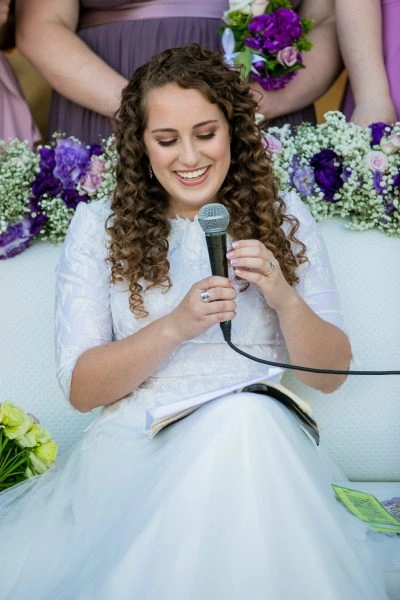
In my Shana bet at Migdal Oz I attended the Hadran siyum hash”as. Witnessing so many women so passionate about their Torah learning and connection to God, I knew I had to begin with the coming cycle. My wedding (June 24) was two weeks before the siyum of mesechet yoma so I went a little ahead and was able to make a speech and siyum at my kiseh kallah on my wedding day!

Sharona Guggenheim Plumb

Givat Shmuel, Israel

Since I started in January of 2020, Daf Yomi has changed my life. It connects me to Jews all over the world, especially learned women. It makes cooking, gardening, and folding laundry into acts of Torah study. Daf Yomi enables me to participate in a conversation with and about our heritage that has been going on for more than 2000 years.

Shira Eliaser
Shira Eliaser

Skokie, IL, United States

I attended the Siyum so that I could tell my granddaughter that I had been there. Then I decided to listen on Spotify and after the siyum of Brachot, Covid and zoom began. It gave structure to my day. I learn with people from all over the world who are now my friends – yet most of us have never met. I can’t imagine life without it. Thank you Rabbanit Michelle.

Emma Rinberg
Emma Rinberg

Raanana, Israel

I’ve been studying Talmud since the ’90s, and decided to take on Daf Yomi two years ago. I wanted to attempt the challenge of a day-to-day, very Jewish activity. Some days are so interesting and some days are so boring. But I’m still here.
Wendy Rozov
Wendy Rozov

Phoenix, AZ, United States

After reading the book, “ If All The Seas Were Ink “ by Ileana Kurshan I started studying Talmud. I searched and studied with several teachers until I found Michelle Farber. I have been studying with her for two years. I look forward every day to learn from her.

Janine Rubens
Janine Rubens

Virginia, United States

I began learning with Rabbanit Michelle’s wonderful Talmud Skills class on Pesachim, which really enriched my Pesach seder, and I have been learning Daf Yomi off and on over the past year. Because I’m relatively new at this, there is a “chiddush” for me every time I learn, and the knowledge and insights of the group members add so much to my experience. I feel very lucky to be a part of this.

Julie-Landau-Photo
Julie Landau

Karmiel, Israel

I started learning Daf Yomi in January 2020 after watching my grandfather, Mayer Penstein z”l, finish shas with the previous cycle. My grandfather made learning so much fun was so proud that his grandchildren wanted to join him. I was also inspired by Ilana Kurshan’s book, If All the Seas Were Ink. Two years in, I can say that it has enriched my life in so many ways.

Leeza Hirt Wilner
Leeza Hirt Wilner

New York, United States

While vacationing in San Diego, Rabbi Leah Herz asked if I’d be interested in being in hevruta with her to learn Daf Yomi through Hadran. Why not? I had loved learning Gemara in college in 1971 but hadn’t returned. With the onset of covid, Daf Yomi and Rabbanit Michelle centered me each day. Thank-you for helping me grow and enter this amazing world of learning.
Meryll Page
Meryll Page

Minneapolis, MN, United States

I am grateful for the structure of the Daf Yomi. When I am freer to learn to my heart’s content, I learn other passages in addition. But even in times of difficulty, I always know that I can rely on the structure and social support of Daf Yomi learners all over the world.

I am also grateful for this forum. It is very helpful to learn with a group of enthusiastic and committed women.

Janice Block-2
Janice Block

Beit Shemesh, Israel

Last cycle, I listened to parts of various מסכתות. When the הדרן סיום was advertised, I listened to Michelle on נידה. I knew that בע”ה with the next cycle I was in (ב”נ). As I entered the סיום (early), I saw the signs and was overcome with emotion. I was randomly seated in the front row, and I cried many times that night. My choice to learn דף יומי was affirmed. It is one of the best I have made!

Miriam Tannenbaum
Miriam Tannenbaum

אפרת, Israel

Attending the Siyyum in Jerusalem 26 months ago inspired me to become part of this community of learners. So many aspects of Jewish life have been illuminated by what we have learned in Seder Moed. My day is not complete without daf Yomi. I am so grateful to Rabbanit Michelle and the Hadran Community.

Nancy Kolodny
Nancy Kolodny

Newton, United States

I learned Talmud as a student in Yeshivat Ramaz and felt at the time that Talmud wasn’t for me. After reading Ilana Kurshan’s book I was intrigued and after watching the great siyum in Yerushalayim it ignited the spark to begin this journey. It has been a transformative life experience for me as a wife, mother, Savta and member of Klal Yisrael.
Elana Storch
Elana Storch

Phoenix, Arizona, United States

I started learning Daf Yomi inspired by תָּפַסְתָּ מְרוּבֶּה לֹא תָּפַסְתָּ, תָּפַסְתָּ מוּעָט תָּפַסְתָּ. I thought I’d start the first page, and then see. I was swept up into the enthusiasm of the Hadran Siyum, and from there the momentum kept building. Rabbanit Michelle’s shiur gives me an anchor, a connection to an incredible virtual community, and an energy to face whatever the day brings.

Medinah Korn
Medinah Korn

בית שמש, Israel

Margo
I started my Talmud journey in 7th grade at Akiba Jewish Day School in Chicago. I started my Daf Yomi journey after hearing Erica Brown speak at the Hadran Siyum about marking the passage of time through Daf Yomi.

Carolyn
I started my Talmud journey post-college in NY with a few classes. I started my Daf Yomi journey after the Hadran Siyum, which inspired both my son and myself.

Carolyn Hochstadter and Margo Kossoff Shizgal

Merion Station,  USA

Beit Shemesh, Israel

I had no formal learning in Talmud until I began my studies in the Joint Program where in 1976 I was one of the few, if not the only, woman talmud major. It was superior training for law school and enabled me to approach my legal studies with a foundation . In 2018, I began daf yomi listening to Rabbanit MIchelle’s pod cast and my daily talmud studies are one of the highlights of my life.

Krivosha_Terri_Bio
Terri Krivosha

Minneapolis, United States

3 years ago, I joined Rabbanit Michelle to organize the unprecedented Siyum HaShas event in Jerusalem for thousands of women. The whole experience was so inspiring that I decided then to start learning the daf and see how I would go…. and I’m still at it. I often listen to the Daf on my bike in mornings, surrounded by both the external & the internal beauty of Eretz Yisrael & Am Yisrael!

Lisa Kolodny
Lisa Kolodny

Raanana, Israel

A Gemara shiur previous to the Hadran Siyum, was the impetus to attend it.It was highly inspirational and I was smitten. The message for me was התלמוד בידינו. I had decided along with my Chahsmonaim group to to do the daf and take it one daf at time- without any expectations at all. There has been a wealth of information, insights and halachik ideas. It is truly exercise of the mind, heart & Soul

Phyllis Hecht.jpeg
Phyllis Hecht

Hashmonaim, Israel

As Jewish educator and as a woman, I’m mindful that Talmud has been kept from women for many centuries. Now that we are privileged to learn, and learning is so accessible, it’s my intent to complete Daf Yomi. I am so excited to keep learning with my Hadran community.

Sue Parker Gerson
Sue Parker Gerson

Denver, United States

I started my Daf Yomi journey at the beginning of the COVID19 pandemic.

Karena Perry
Karena Perry

Los Angeles, United States

Gittin 85

דִּבְרֵי הַכֹּל כָּשֵׁר. וּמַתְנִיתִין, דְּקָתָנֵי ״כְּתָבוֹ״ וְאוֹקִימְנָא בְּ״חוּץ״; אֲבָל ״עַל מְנָת״ לָא פָּסֵיל – אִיבָּעֵית אֵימָא: לִפְנֵי הַתּוֹרֶף, וְרַבָּנַן; וְאִיבָּעֵית אֵימָא: לְאַחַר הַתּוֹרֶף, וְדִבְרֵי הַכֹּל.

everyone agrees that it is valid. And the mishna, which teaches that if he wrote his qualification in the bill of divorce it is invalid, and we established that it is referring only to a case of an exception, but a condition does not render the bill of divorce invalid, does not contradict this baraita. As if you wish, say that the mishna is referring to a case where the qualification is written before the essential part of the bill of divorce, and it is in accordance with the opinion of the Rabbis. And if you wish, say that it is referring to a case where the qualification is written after the essential part, and everyone, even Rabbi Yehuda HaNasi, agrees with regard to its ruling.

וְרָבָא אָמַר: מַחְלוֹקֶת לְאַחַר הַתּוֹרֶף – דְּרַבִּי סָבַר: גָּזְרִינַן אַטּוּ לִפְנֵי הַתּוֹרֶף; וְרַבָּנַן סָבְרִי: לָא גָּזְרִינַן אַטּוּ לִפְנֵי הַתּוֹרֶף. אֲבָל לִפְנֵי הַתּוֹרֶף – דִּבְרֵי הַכֹּל פָּסוּל.

And Rava said: The dispute between Rabbi Yehuda HaNasi and the Rabbis is with regard to a case where the condition is written after the essential part, as Rabbi Yehuda HaNasi holds that we issue a decree rendering the bill of divorce invalid due to a case where the condition is written before the essential part, and the Rabbis hold that we do not issue a decree due to a case where it is written before the essential part. But if it is written before the essential part, everyone agrees that it is invalid.

וּמַתְנִיתִין, דְּקָתָנֵי ״כְּתָבוֹ״ וְאוֹקִימְנָא בְּ״חוּץ״; אֲבָל ״עַל מְנָת״ לָא פָּסֵיל – אַחַר הַתּוֹרֶף, וְרַבָּנַן הִיא.

And accordingly, the mishna, which teaches that if he wrote his qualification in the bill of divorce it is invalid, and we established that it is referring only to a case of an exception, but a condition does not render the bill of divorce invalid, does not contradict this baraita. It is referring to a case where he wrote the condition after the essential part, and it is in accordance with the opinion of the Rabbis, who hold that a condition written after the essential part does not render the bill of divorce invalid.

תָּנֵי אֲבוּהּ דְּרַבִּי אָבִין קַמֵּיהּ דְּרַבִּי זֵירָא: כָּתַב גֵּט עַל תְּנַאי – דִּבְרֵי הַכֹּל פָּסוּל. דִּבְרֵי הַכֹּל פָּסוּל?! וְהָא מִיפְלָג פְּלִיגִי!

The father of Rabbi Avin taught a baraita before Rabbi Zeira: If one wrote a conditional bill of divorce, everyone agrees that it is invalid. Rabbi Zeira asked him: Everyone agrees that it is invalid? But don’t they disagree about this?

אֶלָּא אֵימָא: לְדִבְרֵי הַכֹּל כָּשֵׁר, וְהֵיכִי דָּמֵי – לְאַחַר הַתּוֹרֶף.

Rabbi Zeira therefore modified the baraita in accordance with his opinion: Rather, say that everyone agrees that it is valid. And what are the circumstances in which both sides agree that it is valid? It is referring to a case where the condition is written after the essential part of the bill of divorce.

וְלֵימָא: הֲרֵי זֶה פָּסוּל – וְרַבִּי! תַּנָּא ״דִּבְרֵי הַכֹּל״ אַתְנְיֵיהּ; ״כָּשֵׁר״ בְּ״פָסוּל״ מִיחַלַּף לֵיהּ, ״הֲרֵי זֶה״ בְּ״דִבְרֵי הַכֹּל״ לָא מִיחַלַּף לֵיהּ.

The Gemara counters: Let Rabbi Zeira say an alternative modification of the baraita: It is invalid, omitting the words: Everyone agrees, and this baraita is in accordance with the opinion of Rabbi Yehuda HaNasi. The Gemara answers: The tanna taught him that everyone agrees, which is a conspicuous statement. Although he may conceivably confuse the word valid with invalid, he certainly does not confuse the phrase: It is, with the phrase: Everyone agrees. Therefore, Rabbi Zeira modified the baraita the way he did.

מַתְנִי׳ ״הֲרֵי אַתְּ מוּתֶּרֶת לְכׇל אָדָם – אֶלָּא לְאַבָּא״; וּ״לְאָבִיךְ״; ״לְאָחִי״; וּ״לְאָחִיךְ״; לְעֶבֶד; וּלְנׇכְרִי; וּלְכׇל מִי שֶׁאֵין לָהּ עָלָיו קִדּוּשִׁין – כָּשֵׁר.

MISHNA: If a man says to his wife while handing her a bill of divorce: You are hereby permitted to marry any man, except to marry my father or to marry your father, to marry my brother or to marry your brother, to marry a slave or to marry a gentile, or to marry anyone to whom she cannot legally become betrothed, the divorce is valid. Since these men cannot betroth her anyway, his qualification is meaningless.

״הֲרֵי אַתְּ מוּתֶּרֶת לְכׇל אָדָם״ – אֶלָּא אַלְמָנָה לְכֹהֵן גָּדוֹל; גְּרוּשָׁה וַחֲלוּצָה לְכֹהֵן הֶדְיוֹט; מַמְזֶרֶת וּנְתִינָה לְיִשְׂרָאֵל; בַּת יִשְׂרָאֵל לְמַמְזֵר וּלְנָתִין; וְכׇל מִי שֶׁיֵּשׁ לָהּ עָלָיו קִדּוּשִׁין, אֲפִילּוּ בַּעֲבֵירָה – פָּסוּל.

If he says to her: You are hereby permitted to marry any man, except for when doing so violates the following: The prohibition against a widow being married to a High Priest; the prohibition against a divorcée or a yevama who performed ḥalitza [ḥalutza] being married to a common priest; a mamzeret or a Gibeonite woman being married to an Israelite man; an Israelite woman being married to a mamzer or to a Gibeonite man; or marrying anyone to whom she can legally become betrothed, even if this betrothal would be a transgression, such as in the aforementioned cases; in all of these cases the divorce is invalid. His statement renders it a partial divorce, as the woman is still not permitted to marry any man who is eligible to betroth her.

גְּמָ׳ כְּלָלָא דְּרֵישָׁא – לְאֵתוֹיֵי שְׁאָר חַיָּיבֵי כָרֵיתוֹת. כְּלָלָא דְּסֵיפָא – לְאֵתוֹיֵי שְׁאָר חַיָּיבֵי לָאוִין, כְּגוֹן עַמּוֹנִי וּמוֹאָבִי (נְתִינִי, מִצְרִי וַאֲדוֹמִי).

GEMARA: The stating of the generalization in the first clause of the mishna: Anyone to whom she cannot legally become betrothed, serves to include the rest of those liable to receive karet for engaging in sexual intercourse with her, who are not listed explicitly in the mishna. The stating of the generalization in the last clause of the mishna: Anyone to whom she can legally become betrothed, serves to include the rest of those liable by a prohibition for engaging in sexual intercourse with her, such as an Ammonite and a Moabite, a Gibeonite, an Egyptian, and an Edomite (Deuteronomy 23:4, 8–9). Although they are all prohibited from engaging in sexual intercourse with her due to a prohibition or a positive mitzva, she can legally become betrothed to them.

בְּעָא מִינֵּיהּ רָבָא מֵרַב נַחְמָן: חוּץ מִקִּדּוּשֵׁי קָטָן, מַהוּ? מִי אָמְרִינַן הַשְׁתָּא מִיהָא לָאו בַּר הֲוָיָה הוּא, אוֹ דִלְמָא אָתֵי לִכְלַל הֲוָיָה?

§ Rava raised a dilemma before Rav Naḥman: If the husband says that she is permitted to marry any man except for a betrothal to so-and-so, who is a minor boy at that time, what is the halakha? Do we say that now, since he is in any event not eligible for betrothal, as a minor boy cannot betroth a woman, the husband’s qualification does not prohibit his wife to anyone, and it is a complete act of severance? Or perhaps, since he will reach eligibility for betrothal, is the husband’s qualification considered as prohibiting her to someone to whom betrothal could apply?

אֲמַר לֵיהּ, תְּנֵיתוּהָ: קְטַנָּה מִתְגָּרֶשֶׁת בְּקִידּוּשֵׁי אָבִיהָ.

Rav Naḥman said to him: You learned the solution to this dilemma in a baraita: A minor girl can get divorced from her husband even if she was betrothed to him through her father’s betrothal, i.e., her father betrothed her to her husband (see Deuteronomy 22:16).

אַמַּאי? וְהָא בָּעֵינַן: ״וְיָצְאָה״–״וְהָיְתָה״? אֶלָּא אָתְיָא לִכְלַל הֲוָיָה; הָכָא נָמֵי – אָתְיָא לִכְלַל הֲוָיָה.

Why can she? But don’t we need there to be a broad similarity between the halakhot of divorce and betrothal, as derived from the juxtaposition between the clause: “And she departs,” and the clause: “And becomes” (Deuteronomy 24:2), which serves as the basis for the comparison of the halakhot of divorce and betrothal? Accordingly, since she will not be eligible to receive her own betrothal until she reaches majority, she should not be able to receive her bill of divorce. Rather, evidently, since she will eventually reach the age of eligibility to receive her own betrothal she is considered essentially eligible for betrothal now as well. Here also, since the minor boy, whom the husband prohibited the wife from marrying, will reach the age of eligibility for betrothal, the divorce is invalid.

״חוּץ מִן הַנּוֹלָדִים״, מַהוּ? הַשְׁתָּא מִיהָא לָא אִיתְיְלִיד[וּ], אוֹ דִּלְמָא עֲתִידִי דְּמִתְיַילְדִי?

Rava raised another dilemma: If the husband says that she is permitted to marry any man except for those who will be born in the future, what is the halakha? Should it be reasoned that now, since in any event they are not yet born, the qualification is void, as it pertains to people who do not exist? Or perhaps they are considered forbidden to her as they will be born in the future.

אֲמַר לֵיהּ: תְּנֵיתוּהָ: ״לְעֶבֶד וּלְנׇכְרִי״, אִם אִיתָא – עֶבֶד וְנׇכְרִי נָמֵי עֲבִידִי דְּמִיגַּיְּירִי!

Rav Naḥman said to him: You learned the solution to your dilemma in the mishna, which states that if the husband says that she is forbidden to marry a slave or to marry a gentile the divorce is valid; if it is so that future situations are taken into account, a slave and a gentile are also likely to convert. Therefore, the husband is prohibiting her from marrying a man whom she might be able to marry in the future, which should render the divorce invalid. Evidently, only the present situation is taken into consideration.

הָנָךְ – לָאו לְאִיגַּיּוֹרֵי קָיְימִי, הָנֵי – לְאִיתְיְלוֹדֵי קָיְימִי.

The Gemara rejects this solution: Those people do not stand before the court ready to convert. It is only a possibility that they will convert, as there is no reason to assume that they will do so. By contrast, these people who will be born stand ready to be born. Therefore, this solution cannot be inferred from the mishna.

חוּץ מִבַּעַל אֲחוֹתָהּ, מַהוּ? הַשְׁתָּא מִיהָא לָא חַזְיָא לֵיהּ, אוֹ דִלְמָא זִמְנִין דְּמֵתָה אֲחוֹתָהּ וְחַזְיָא לֵיהּ?

Rava raised another dilemma: If he permits her to marry any man except for her sister’s husband, what is the halakha? Should it be reasoned that now, since in any event she is not yet fit for him, as sexual intercourse between them is punishable by karet, the divorce is valid? Or perhaps should it be reasoned that sometimes a woman’s sister dies and she is thereby fit to marry her husband?

אֲמַר לֵיהּ: תְּנֵיתוּהָ: ״לְעֶבֶד וּלְנׇכְרִי״, עֶבֶד וְנׇכְרִי נָמֵי עֲבִידִי דְּמִיגַּיְּירִי! גֵּירוּת לָא שְׁכִיחָא, מִיתָה שְׁכִיחָא.

Rav Naḥman said to him: You learned the solution to your dilemma in the mishna, which states that if the husband says that she is forbidden to marry a slave or to marry a gentile the divorce is valid. And a slave and a gentile are also potentially fit to marry her as they are likely to convert. Evidently, only the current situation is taken into account. The Gemara rejects this; whereas conversion is uncommon, death is common.

״חוּץ מִזְּנוּתִיךְ״, מַהוּ? בְּנִשּׂוּאִין – הָא לָא שַׁיַּיר, אוֹ דִלְמָא שַׁיַּיר – בְּבִיאָה?

Rava raised another dilemma: If he says to her: You are hereby permitted to any man except for your licentiousness, meaning she may get married to any man but she may not engage in sexual intercourse outside of a second marriage, as she is still rendered a married woman in that regard, what is the halakha in this case? Is the divorce valid? Should it be reasoned that with regard to marriage he did not leave anything out of the divorce, as she is permitted to marry any man, or perhaps he left out part of the divorce with regard to sexual intercourse?

אֲמַר לֵיהּ, תְּנֵיתוּהָ: ״לְאַבָּא וּלְאָבִיךָ״. וּבְמַאי? אִילֵימָא בְּנִשּׂוּאִין, אַבָּא וְאָבִיךְ בְּנֵי נִשּׂוּאִין נִינְהוּ?! אֶלָּא לָאו בִּזְנוּת – וּלְאַבָּא וּלְאָבִיךְ הוּא דְּלָא שַׁיַּיר, הָא לְאַחֵר – שַׁיַּיר.

Rav Naḥman said to him: You learned the solution in the mishna: If the husband says while handing her the bill of divorce: You are hereby forbidden to my father or to your father, the divorce is valid. And with regard to what action is this stated? If we say that it is with regard to marriage, are my father and your father eligible for marriage? Her betrothal to them would not take effect. Rather, is it not with regard to them engaging in licentiousness with her? And it may be inferred from the mishna that only if he renders her forbidden to my father or to your father is it not considered as if he left out part of the divorce, rendering the divorce valid; but if he renders her forbidden to engage in licentiousness with another man, it is considered as if he left out part of the divorce, and it will not take effect.

דִּלְמָא בְּנִשּׂוּאִין, דַּעֲבַר וְאִינְּסִיב.

The Gemara rejects this: Perhaps the mishna is referring to marriage, where the father transgresses the prohibition and marries her anyway. Therefore, the halakha with regard to licentiousness cannot be inferred from here.

חוּץ מִשֶּׁלֹּא כְּדַרְכָּהּ, מַהוּ? בִּכְדַרְכָּהּ הָא לָא שַׁיַּיר, אוֹ דִלְמָא ״מִשְׁכְּבֵי אִשָּׁה״ כְּתִיב?

Rava raised another dilemma: If he says to her that she is permitted to any man except for engaging in intercourse in an atypical manner, i.e., anal intercourse, what is the halakha? Should it be reasoned that with regard to typical sexual intercourse he did not leave out part of the divorce, rendering the divorce valid? Or perhaps from the fact that the expression: “Cohabitations of a woman” (Leviticus 20:13), is written in the plural, it is derived that typical and atypical sexual intercourse have the same status, and accordingly this is considered a partial divorce, and it will not take effect.

״חוּץ מֵהֲפָרַת נְדָרַיִךְ״, מַהוּ? בְּנִשּׂוּאִין הָא לֹא שַׁיַּיר, אוֹ דִלְמָא ״אִישָׁהּ יְקִימֶנּוּ וְאִישָׁהּ יְפֵרֶנּוּ״ כְּתִיב?

The Gemara raises a similar dilemma: If he says to her that she is permitted to marry any man: Except for the halakhot of the nullification of your vows, i.e., no man who marries her can nullify her vows other than her ex-husband, who retains his power to do so, what is the halakha? Should it be reasoned that with regard to her ability to enter into marriage, he did not leave out anything from his act of severance? Or perhaps is it derived from that which is written: “Her husband may sustain it, or her husband may nullify it” (Numbers 30:14), that a husband’s power to nullify his wife’s vows is an intrinsic component of being married, and therefore this divorce is not a complete severance?

״חוּץ מִתְּרוּמָתִיךְ״, מַהוּ? בְּנִשּׂוּאִין הָא לָא שַׁיַּיר, אוֹ דִלְמָא ״קִנְיַן כַּסְפּוֹ״ כְּתִיב?

The Gemara raises another dilemma: If he says to her: You are hereby permitted to marry any man except for your partaking of teruma, i.e., if she marries a priest she will not be able to partake of teruma, what is the halakha? Should it be reasoned that with regard to her ability to enter into marriage, he did not leave out anything from his act of severance? Or perhaps is it derived from that which is written: “The purchase of his money, he may eat of it” (Leviticus 22:11), indicating that a priest’s wife partakes of teruma because she is his acquisition, and that if she is prohibited from partaking of teruma, then his acquisition of her is not complete?

״חוּץ מִיְּרוּשָּׁתִיךְ״, מַהוּ? בְּנִשּׂוּאִין הָא לָא שַׁיַּיר, אוֹ דִלְמָא ״לִשְׁאֵרוֹ״, ״וְיָרַשׁ אוֹתָהּ״, כְּתִיב?

The Gemara raises another dilemma: If he says to her: You are hereby permitted to marry any man except for your inheritance, i.e., her future husband will not be considered her husband with regard to the halakhot of inheritance, what is the halakha? Should it be reasoned that with regard to her ability to enter into marriage, he did not leave out anything from his act of severance? Or perhaps since it is derived that a husband inherits from his wife, who is considered his next of kin, from that which is written: “To his kinsman that is next to him of his family and he shall possess it” (Numbers 27:11), then if a husband does not become his wife’s beneficiary, is their marriage not complete?

״חוּץ מִקִּידּוּשַׁיִךְ בִּשְׁטָר״, מַהוּ? מִי אָמְרִינַן: אֶפְשָׁר דִּמְקַדֵּשׁ לַהּ בְּכֶסֶף וּבְבִיאָה; אוֹ דִלְמָא ״וְיָצְאָה״–״וְהָיְתָה״, אִיתַּקּוּשׁ הֲווֹיוֹת לַהֲדָדֵי?

The Gemara raises another dilemma: If he says to her: You are hereby permitted to marry any man except for your ability to enter betrothal by receiving a document, i.e., if another man betroths her by giving her a document of betrothal, the betrothal will not take effect, what is the halakha? Do we say that since one can still betroth her with money or with sexual intercourse, the act of severance is complete? Or perhaps is it derived from the juxtaposition between the clause: “And she departs” and the clause: “And becomes” (Deuteronomy 24:2), that the different ways of becoming a wife are compared to each other, so that the inability to perform one of them renders the severance incomplete?

תֵּיקוּ.

The Gemara comments: These dilemmas shall all stand unresolved.

מַתְנִי׳ גּוּפוֹ שֶׁל גֵּט: ״הֲרֵי אַתְּ מוּתֶּרֶת לְכׇל אָדָם״.

MISHNA: The basic, essential, element of a bill of divorce is: You are hereby permitted to marry any man.

רַבִּי יְהוּדָה אוֹמֵר: ״וְדֵן, דְּיֶהֱוֵי לִיכִי מִינַּאי – סֵפֶר תֵּירוּכִין, וְאִגֶּרֶת שִׁבּוּקִין, וְגֵט פִּטּוּרִין; לִמְהָךְ לְהִתְנְסָבָא לְכֹל גְּבַר דִּיתִצְבִּיִּין״. גּוּפוֹ שֶׁל גֵּט שִׁחְרוּר: ״הֲרֵי אַתְּ (בַּת) [בֶּן] חוֹרִין״; ״הֲרֵי אַתְּ לְעַצְמָךְ״.

Rabbi Yehuda says that there is also another essential sentence: And this that you shall have from me is a scroll of divorce, and a letter of leave, and a bill of dismissal to go to marry any man that you wish. And the basic element of a bill of manumission for a maidservant is: You are hereby a free woman, or: You are hereby your own.

גְּמָ׳ פְּשִׁיטָא, אָמַר לָהּ לְאִשְׁתּוֹ: ״הֲרֵי אַתְּ בַּת חוֹרִין״ – לֹא אָמַר וְלֹא כְּלוּם; אָמַר לָהּ לְשִׁפְחָתוֹ: ״הֲרֵי אַתְּ מוּתֶּרֶת לְכׇל אָדָם״ – לֹא אָמַר וְלֹא כְּלוּם.

GEMARA: It is obvious that if one stated in a bill of divorce for his wife: You are hereby a free woman, he has stated nothing, as that is not a statement of divorce. Similarly, if one stated in a bill of manumission for his maidservant: You are hereby permitted to marry any man, he has stated nothing, as that is not a statement of manumission.

אָמַר לָהּ לְאִשָּׁה: ״הֲרֵי אַתְּ לְעַצְמָךְ״, מַהוּ? לִגְמָרֵי קָאָמַר לַהּ, אוֹ לִמְלָאכָה קָאָמַר לַהּ?

The Gemara asks: If he stated in a bill of divorce for his wife: You are hereby your own, what is the halakha? Is he saying to her: You are entirely your own, meaning that she has full control over her status and may marry another man? Or is he saying to her: You are your own with regard to work, meaning that she may keep the revenue from her work? If so, this is not a statement of divorce.

אֲמַר לֵיהּ רָבִינָא לְרַב אָשֵׁי: תָּא שְׁמַע, דִּתְנַן: גּוּפוֹ שֶׁל גֵּט שִׁחְרוּר: ״הֲרֵי אַתְּ (בַּת) [בֶּן] חוֹרִין״; ״הֲרֵי אַתְּ לְעַצְמָךְ״. וּמָה עַבְדָּא, דִּקְנִי לֵיהּ גּוּפֵיהּ, כִּי אֲמַר לֵיהּ: ״הֲרֵי אַתְּ לְעַצְמָךְ״ – קְנִי גּוּפֵיהּ; אִשָּׁה, דְּלָא קְנִי גּוּפַהּ – לֹא כׇּל שֶׁכֵּן?!

Ravina said to Rav Ashi: Come and hear a solution that we learned in the mishna: The basic element of a bill of manumission is: You are hereby a free woman, or: You are hereby your own. And just as with regard to a slave, whose body is acquired by the master, if the master states in a bill of manumission for the slave: You are hereby your own, the slave acquires his body, all the more so with regard to a wife, whose body is not acquired by her husband, is it not clear that by his writing in a bill of divorce: You are hereby your own, she is completely released from their marriage?

אֲמַר לֵיהּ רָבִינָא לְרַב אָשֵׁי: אָמַר לוֹ לְעַבְדּוֹ: ״אֵין לִי עֵסֶק בָּךְ״, מַהוּ?

Ravina said to Rav Ashi: If he stated in a bill of manumission for his slave: I have no business with you, what is the halakha? Is this a valid statement of manumission?

אֲמַר לֵיהּ רַב חָנִין לְרַב אָשֵׁי, וְאָמְרִי לַהּ רַב חָנִין מָחוֹזְנָאָה לְרַב אָשֵׁי: תָּא שְׁמַע, דְּתַנְיָא: הַמּוֹכֵר עַבְדּוֹ לְגוֹי – יָצָא לְחֵירוּת, וְצָרִיךְ גֵּט שִׁחְרוּר מֵרַבּוֹ רִאשׁוֹן. אָמַר רַבָּן שִׁמְעוֹן בֶּן גַּמְלִיאֵל: בַּמֶּה דְּבָרִים אֲמוּרִים – שֶׁלֹּא כָּתַב עָלָיו אוֹנוֹ, אֲבָל כָּתַב עָלָיו אוֹנוֹ – זֶהוּ שִׁחְרוּרוֹ.

Rav Ḥanin said to Rav Ashi, and some say that it was Rav Ḥanin from Meḥoza who said this to Rav Ashi: Come and hear a solution that we learned in a baraita: With regard to one who sells his slave to a gentile, the slave is emancipated but nevertheless requires a bill of manumission from his first master. Rabban Shimon ben Gamliel said: In what case is this statement said? It is when the master did not write his document for the slave when he sold him; but if he wrote his document for him, that is the slave’s bill of manumission.

מַאי ״אוֹנוֹ״? אָמַר רַב שֵׁשֶׁת, דִּכְתַב לֵיהּ: ״לִכְשֶׁתִּבְרַח מִמֶּנּוּ, אֵין לִי עֵסֶק בָּךְ״.

The Gemara asks: What is the phrase: His document, referring to? Rav Sheshet says that he writes for him as follows: When you will escape from the gentile to whom I sold you, I have no business with you. Consequently, as soon as he escapes his gentile master in any manner, he is entirely emancipated. It may be derived from here that the statement: I have no business with you, is valid with regard to manumission.

רַבִּי יְהוּדָה אוֹמֵר: ״וְדֵן, דְּיֶהֱוֵי לִיכִי מִינַּאי – סֵפֶר תֵּירוּכִין וְאִגֶּרֶת שִׁבּוּקִין״. בְּמַאי קָמִיפַּלְגִי? רַבָּנַן סָבְרִי: יָדַיִם שֶׁאֵין מוֹכִיחוֹת הָוְיָין יָדַיִם, וְאַף עַל גַּב דְּלָא כְּתַב לָהּ ״וְדֵן״ – מוֹכְחָא מִילְּתָא דִּבְהַאי גִּיטָּא קָא מְגָרֵשׁ לַהּ.

§ It is stated in the mishna that Rabbi Yehuda says that in addition to the statement: You are hereby permitted to marry any man, there is another essential sentence in the bill of divorce: And this [veden] that you shall have from me is a scroll of divorce and a letter [ve’iggeret] of leave. The Gemara asks: With regard to what principle do Rabbi Yehuda and the Rabbis disagree? The Gemara answers: The Rabbis hold that ambiguous intimations are valid intimations. An incomplete statement is sufficient as long as the intention is clear from the context. And therefore, even if he does not write for her explicitly: And this that you shall have from me is a scroll of divorce and a letter of leave, the bill of divorce is valid as it is evident that he is divorcing her with this bill of divorce.

וְרַבִּי יְהוּדָה סָבַר: יָדַיִם שֶׁאֵין מוֹכִיחוֹת לָא הָוְיָין יָדַיִם, וְטַעְמָא דִּכְתַב לַהּ ״וְדֵן״ – דְּמוֹכְחָא מִילְּתָא דִּבְהַאי גִּיטָּא קָא מְגָרֵשׁ לַהּ; אֲבָל לָא כְּתַב לָהּ ״וְדֵן״ – אָמְרִי: בְּדִיבּוּרָא גָּרְשַׁהּ, וּשְׁטָרָא רְאָיָה בְּעָלְמָא הוּא.

And Rabbi Yehuda holds that ambiguous intimations are not valid intimations, and therefore the reason that the bill of divorce is valid is that he writes for her: And this that you shall have from me is a scroll of divorce and a letter of leave, so it is evident that he is divorcing her with this bill of divorce. But if he does not write for her: And this that you shall have from me is a scroll of divorce and a letter of leave, people will say that he is divorcing her orally, and will mistakenly assume that the husband’s statement to her when he hands her the bill of divorce is what causes the divorce to take effect, and that the document is merely evidence of the divorce, rather than the divorce itself.

אָמַר אַבָּיֵי: הַאי מַאן דְּכָתֵב גִּיטָּא, לָא לִכְתּוֹב ״וְדֵין״ – דְּמַשְׁמַע וְדִין; אֶלָּא ״וְדֵן״.

§ The Gemara relates several rulings concerning the precise terminology to be used in writing a bill of divorce. Abaye said: This person who writes a bill of divorce should not write the word meaning: And this, by spelling it vav, dalet, yod, nun, as that can be misread as having the vowel of a ḥirik under the letter dalet, not a tzeire. Read with a ḥirik, it indicates: And there is a law that we should get divorced. Rather, he should make sure to write the word meaning: And this, without a yod, so that it is clear that it should be read with a tzeire.

וְלָא לִכְתּוֹב ״אִיגֶּרֶת״ – דְּמַשְׁמַע (אִיגֶּרֶת) [אִיגָּרָא]; אֶלָּא ״אִגֶּרֶת״. וְלָא לִכְתּוֹב ״לִימְהָךְ״ – דְּמַשְׁמַע לִי מֵהָךְ; וְלָא לִכְתּוֹב ״לִמְחָךְ״ – דְּמַשְׁמַע כִּי חוּכָא.

And he should not write the word meaning: A letter, by spelling it alef, yod, gimmel, reish, tav, as that can be confused with another identically spelled word that indicates a roof. Rather, he should write the word meaning: A letter, without a yod. And he should not write: To go, by spelling it lamed, yod, mem, heh, khaf, as that could be read as a conjunction which indicates: For me from this. And he should be sure not to write limḥakh, i.e., he must be careful that the letter heh not look like a ḥet, as that indicates that it is like a joke.

״דִּיתִיהְוִייִין״, ״דִּיתִיצְבִּייִין״ – תְּלָתָא תְּלָתָא יוֹדִין; דְּמַשְׁמַע תֶּהֶוְיָין וְתִצְבְּיָין. וְלוֹרְכֵיהּ לְוָיו ״דְּתֵירוּכִין״, וּלְוָיו ״דְּשִׁבּוּקִין״; דְּמַשְׁמַע תְּרִיכִין וּשְׁבִיקִין.

Abaye continues: In the clause: That you shall be permitted to go marry any man that you wish, the words ditihevyin and dititzviyin must include three instances of the letter yod in a row in each word, as with only two instances of the letter yod these words indicate: That they shall be [tehevyan], and: That they wish [titzviyan], referring to other women. And he should extend the vav of teirukhin and the vav of shevukin, as otherwise, the vav may be mistaken for a yod, and those words spelled with a yod indicate divorced [terikhin] and left [shevikin] women. In other words, it will change the meaning from describing the document as one that divorces or sends away to describing the women as divorced and sent away.

וְלוֹרְכֵיהּ לְוָיו ״דְּכַדּוּ״; דְּמַשְׁמַע ״וּכְדִי״. וְלָא לִיכְתּוֹב ״לְאִיתְנְסָבָא״ – דְּמַשְׁמַע לָא יִתְנַסְבָא, אֶלָּא ״לְהִתְנְסָבָא״.

And in the clause: And now [ukhedu] I have dismissed and ousted and divorced you, he should extend the vav of khedu, as otherwise, the vav may be mistaken for a yod, and spelled with a yod it indicates: And with nothing [ukhedi]. And in the expression: To go marry [lehitnasseva] he should not write le’itnasseva with an alef and a yod, as, if he leaves space between the letters it will indicate: Will not get married [la yitnasseva]. Rather, he should write lehitnasseva, with a heh and without a yod, so there will be no room for this error.

אִיבַּעְיָא לְהוּ: בָּעֵינַן ״וְדֵן״, אוֹ לָא בָּעֵינַן ״וְדֵן״?

§ A dilemma was raised before them: Do we need to write: And this that you shall have from me is a scroll of divorce, and a letter of leave, and a bill of dismissal to go to marry any man that you wish, or do we not need to write the clause beginning with the words: And this? Is the halakha in accordance with the opinion of Rabbi Yehuda or the Rabbis?

תָּא שְׁמַע, דְּאַתְקֵין רָבָא בְּגִיטֵּי: ״אֵיךְ פְּלָנְיָא בַּר פְּלָנְיָא, פְּטַר וְתָרֵיךְ יָת פְּלוֹנִיתָא אִינְתְּתֵיהּ, דַּהֲוָת אִינְתְּתֵיהּ מִן קֳדָם דְּנָא – מִיּוֹמָא דְּנַן וּלְעָלַם״. וְאִילּוּ ״וְדֵן״ לָא קָאָמַר.

Come and hear a solution, as Rava instituted the following wording in bills of divorce: We saw how so-and-so, son of so-and-so, dismissed and divorced so-and-so, his wife, who was his wife from beforehand, from this day and forever. But he did not state the clause beginning with the words: And this.

וּלְטַעְמָיךְ, כּוּלְּהוּ מִי קָאָמַר? אֶלָּא בָּעֵינַן, הָכָא נָמֵי בָּעֵינַן;

The Gemara challenges this solution: And according to your reasoning, did Rava state all of the other necessary clauses of a bill of divorce? Rather, we need to write them even though they were not mentioned explicitly in Rava’s formulation. Here too, we need to write the clause beginning with the words: And this, even though it was not mentioned specifically by Rava.

״מִיּוֹמָא דְּנַן״ – לְאַפּוֹקֵי מִדְּרַבִּי יוֹסֵי, דְּאָמַר: זְמַנּוֹ שֶׁל שְׁטָר מוֹכִיחַ עָלָיו;

§ The Gemara analyzes the wording instituted by Rava: The expression: From this day, is written to the exclusion of the statement of Rabbi Yosei, who said: The date written in a document proves when it takes effect, and therefore it is not necessary to write the expression: From this day. Rava added this expression to take the opposite opinion into account.

״וּלְעָלַם״ –

The expression: And forever,

Want to follow content and continue where you left off?

Create an account today to track your progress, mark what you’ve learned, and follow the shiurim that speak to you.

Clear all items from this list?

This will remove ALL the items in this section. You will lose any progress or history connected to them. This is irreversible.

Cancel
Yes, clear all

Are you sure you want to delete this item?

You will lose any progress or history connected to this item.

Cancel
Yes, delete