Search

Nedarim 52

Want to dedicate learning? Get started here:

English
עברית
podcast placeholder

0:00
0:00


podcast placeholder

0:00
0:00


Summary

This month’s learning is sponsored by the Hadran women of LI for a refuah shleima of Meir ben Mala and Tinok ben Yarden.

Today’s daf is sponsored by Ira and Natanya Slomowitz for the 2nd yahrzeit of Ira’s mother, Ahuva bat Rivka and Asher Tzvi.

What are the laws regarding derivatives from items forbidden by a vow? If one vows on something in general, the derivatives are usually not forbidden unless one says “this particular piece of food” in which case, derivatives of that piece of food will be forbidden if the taste of is noticeable. The Ra”N has a very important interpretation of how laws of nullification work as he questions why if a vow is something that will ultimately be permitted, how can laws of nullification work? Rami bar Hama questions whether the language that would forbid derivatives is specifically “this piece of” or “that I won’t taste”? The Gemara attempts to answer the question by bringing four different sources, but in the end, they do not find an answer.

Nedarim 52

מוּתָּר בָּרוֹטֶב וּבַקֵּיפֶה, וְרַבִּי יְהוּדָה אוֹסֵר.

is permitted to eat gravy and sediments of boiled meat [kifa]. But Rabbi Yehuda maintains that he is prohibited from eating them.

אָמַר רַבִּי יְהוּדָה: מַעֲשֶׂה וְאָסַר עָלֵינוּ רַבִּי טַרְפוֹן בְּבֵיצִים שֶׁנִּתְבַּשְּׁלוּ עִמּוֹ. אָמְרוּ לוֹ: כֵּן הַדָּבָר, אֵימָתַי — בִּזְמַן שֶׁיֹּאמַר: ״בָּשָׂר זֶה עָלַי״, שֶׁהַנּוֹדֵר מִן הַדָּבָר וְנִתְעָרֵב בְּאַחֵר, אִם יֵשׁ בּוֹ בְּנוֹתֵן טַעַם — אָסוּר.

Rabbi Yehuda said: There was an incident where one took such a vow and Rabbi Tarfon prohibited us from even eggs that were cooked with meat. The Rabbis said to him: Indeed so, but when is this the halakha? When he says: This meat is forbidden to me, referring to a specific piece of meat. This is because in the case of one who vows that an item is forbidden to him, and it becomes mixed into another item, if the latter contains an amount of the forbidden food that gives it flavor, i.e., the forbidden food can be tasted in the permitted food, the mixture is forbidden. However, if one vows that meat in general is forbidden to him, without specifying a particular piece, only the meat itself is forbidden, not the gravy, sediments, or eggs cooked with that meat.

הַנּוֹדֵר מִן הַיַּיִן — מוּתָּר בְּתַבְשִׁיל שֶׁיֵּשׁ בּוֹ טַעַם יַיִן. אָמַר: ״קֻוֽנָּם יַיִן זֶה שֶׁאֲנִי טוֹעֵם״ וְנָפַל לְתַבְשִׁיל, אִם יֵשׁ בּוֹ בְּנוֹתֵן טַעַם — הֲרֵי זֶה אָסוּר.

Likewise, one who vows that wine is forbidden to him is permitted to eat a cooked dish that has the flavor of wine. However, if he said: This wine is konam for me, and for that reason I will not taste it, and the wine fell into a cooked dish, if the dish contains an amount of the wine that gives it flavor, it is forbidden.

גְּמָ׳ וּרְמִינְהוּ: ״מִן״ הָעֲדָשִׁים״ — אָסוּר בַּאֲשִׁישִׁים, וְרַבִּי יוֹסֵי מַתִּיר.

GEMARA: The mishna cited a dispute between Rabbi Yosei and the Rabbis, in which Rabbi Yosei ruled that one who vows that milk is forbidden to him is prohibited from eating whey as well. And the Gemara raises a contradiction between this ruling and Rabbi Yosei’s opinion in a later mishna (53b): One who vows that lentils are forbidden to him is prohibited from eating ashishim, a dish made from lentils. But Rabbi Yosei permits it. Apparently, Rabbi Yosei holds that if the forbidden food changes in form, it is permitted, contrary to his opinion with regard to whey.

לָא קַשְׁיָא: מָר כִּי אַתְרֵיהּ וּמָר כִּי אַתְרֵיהּ. בְּאַתְרָא דְרַבָּנַן קָרוּ לַחֲלָבָא חֲלָבָא וּלְקוֹמָא קוֹמָא, בְּאַתְרֵיהּ דְּרַבִּי יוֹסֵי לְקוֹמָא נָמֵי קָרוּ לֵיהּ ״קוֹמָא דַחֲלָבָא״.

The Gemara answers: This is not difficult. The opinion of this Sage is in accordance with the custom of his locale, and the opinion of that Sage in accordance with the custom of his locale. In the Rabbis’ locale they call milk, milk and whey, whey, whereas in Rabbi Yosei’s locale they also call whey, milk whey. In the latter location, the word milk is used in reference to whey, and therefore one who vows there that milk is forbidden to him is prohibited from eating whey as well.

תַּנְיָא: הַנּוֹדֵר מִן הֶחָלָב — מוּתָּר בַּקּוֹם, מִן הַקּוֹם — מוּתָּר בְּחָלָב. מִן הֶחָלָב — מוּתָּר בִּגְבִינָה, מִן הַגְּבִינָה — מוּתָּר בְּחָלָב. מִן הָרוֹטֶב — מוּתָּר בְּקֵיפֶה, מִן הַקֵּיפֶה — מוּתָּר בְּרוֹטֶב. אִם אָמַר ״בָּשָׂר זֶה עָלַי״ — אָסוּר בּוֹ וּבְרוֹטְבּוֹ וּבְקֵיפוֹ.

It is taught in a baraita: One who vows that milk is forbidden to him is permitted to partake of whey. One who vows that whey is forbidden to him is permitted to partake of milk. One who vows that milk is forbidden to him is permitted to eat cheese. One who vows that cheese is forbidden to him is permitted to partake of milk. One who vows that gravy is forbidden to him is permitted to eat sediments of boiled meat. One who vows that sediments of boiled meat are forbidden to him is permitted to eat gravy. If one said: This piece of meat is hereby forbidden to me, he is prohibited from eating it, and from its gravy, and from its sediments.

הַנּוֹדֵר מִן הַיַּיִן — מוּתָּר בְּתַבְשִׁיל שֶׁיֵּשׁ בּוֹ טַעַם יַיִן. אָמַר: ״קֻוֽנָּם יַיִן זֶה שֶׁאֵינִי טוֹעֵם״ וְנָפַל לְתוֹךְ הַתַּבְשִׁיל, אִם יֵשׁ בּוֹ טַעַם יַיִן — הֲרֵי זֶה אָסוּר.

One who vows: Wine is forbidden to me, is permitted to eat a cooked dish that has the flavor of wine. However, if he said: This wine is konam for me, and for that reason I will not taste it, and the wine fell into a cooked dish, if the dish contains an amount of the wine that gives it flavor, it is forbidden.

מַתְנִי׳ הַנּוֹדֵר מִן הָעֲנָבִים — מוּתָּר בְּיַיִן. מִן הַזֵּיתִים — מוּתָּר בְּשֶׁמֶן. אָמַר ״קֻוֽנָּם זֵיתִים וַעֲנָבִים אֵלּוּ שֶׁאֵינִי טוֹעֵם״ — אָסוּר בָּהֶן וּבְיוֹצֵא מֵהֶן.

MISHNA: One who vows that grapes are forbidden to him is permitted to partake of wine. One who vows that olives are forbidden to him is permitted to partake of oil. However, if one said: Olives and grapes are konam for me, and for that reason I will not taste these items, he is prohibited from tasting them and the wine and oil that emerge from them.

גְּמָ׳ בָּעֵי רָמֵי בַּר חָמָא: ״אֵלּוּ״ דַּוְקָא, אוֹ ״שֶׁאֵינִי טוֹעֵם״ דַּוְקָא?

GEMARA: With regard to the last ruling in the mishna, that one who vows: Olives and grapes are konam for me, and for that reason I will not taste these items, he is prohibited from tasting them and the wine and oil that emerge from them, Rami bar Ḥama raises a dilemma: Is it specifically because he said these, i.e., he referred to specific olives or grapes, or is it specifically because he said: For that reason I will not taste, i.e., he referred not to eating but to tasting?

אִי סָלְקָא דַעְתָּךְ ״אֵלּוּ״ דַּוְקָא, ״שֶׁאֵינִי טוֹעֵם״ לְמָה לִי? הָא קָא מַשְׁמַע לַן, דְּאַף עַל גַּב דְּאָמַר ״שֶׁאֵינִי טוֹעֵם״, אִי דְּאָמַר ״אֵלּוּ״ — מִיתְּסַר, וְאִי לָא — לָא.

The Gemara asks: If it enters your mind that it is specifically because he said these, why do I need the phrase: That I will not taste? The Gemara answers: This teaches us that even if he said: That I will not taste, only if he said the word these is he prohibited from tasting oil or wine, but if he did not say the word these, he is not prohibited from doing so. The dilemma therefore cannot be resolved by inference from the phrasing of the vow in the mishna.

אָמַר רָבָא, תָּא שְׁמַע: ״קֻוֽנָּם פֵּירוֹת הָאֵלּוּ עָלַי״, ״קֻוֽנָּם הֵן לְפִי״ — אָסוּר בְּחִילּוּפֵיהֶן וּבְגִידּוּלֵיהֶן, הָא בַּיּוֹצֵא מֵהֶן מוּתָּר!

Rava said: Come and hear a resolution to this dilemma from the mishna below (57a): If one says: This produce is konam upon me, or: It is konam to my mouth, he is prohibited from eating their replacements and anything that grows from them. It may be inferred that liquids that emerge from them are permitted. Evidently, referring to specific produce is not sufficient to render their juice forbidden. Rather, the prohibition in the mishna is apparently due to the phrase: And for that reason I will not taste.

הוּא הַדִּין דַּאֲפִילּוּ בְּיוֹצֵא מֵהֶן אָסוּר. וְהָא עֲדִיפָא לֵיהּ לְאַשְׁמוֹעִינַן דְּחִילּוּפֵיהֶן כְּגִידּוּלֵיהֶן דָּמֵי.

The Gemara refutes this proof: The same ruling as in the mishna above is true with regard to liquids that emerge from the produce; they too are forbidden. And the reason this ruling isn’t mentioned there is that it is preferable for that mishna to teach us that their replacements are forbidden just like what grows from them is forbidden, although they contain no substance of the forbidden item.

תָּא שְׁמַע: ״שֶׁאֵינִי אוֹכֵל״, וְ״שֶׁאֵינִי טוֹעֵם״ — מוּתָּר בְּחִילּוּפֵיהֶן וּבְגִידּוּלֵיהֶן. הָא הַיּוֹצֵא מֵהֶן — אָסוּר! אַיְּידֵי דְּלָא נָסֵיב בְּרֵישָׁא ״יוֹצֵא מֵהֶן״, לָא נָסֵיב נָמֵי בְּסֵיפָא ״יוֹצֵא מֵהֶן״.

Come and hear a resolution from the continuation of that same mishna: If one says: This produce is konam upon me, and for that reason I will not eat them, or: This produce is konam upon me, and for that reason I will not taste them, he is permitted to eat their replacements and anything that grows from them. It may be inferred that liquids that emerge from them are forbidden. The Gemara rejects this argument: Since that mishna did not cite liquids that emerge from them in the first clause, it did not cite liquids that emerge from them in the latter clause either. Therefore, it cannot be inferred that liquids that come from the produce are forbidden.

תָּא שְׁמַע, אָמַר רַבִּי יְהוּדָה: מַעֲשֶׂה וְאָסַר רַבִּי טַרְפוֹן עָלַי בֵּיצִים שֶׁנִּתְבַּשְּׁלוּ עִמּוֹ. אָמְרוּ לוֹ: אֵימָתַי, בִּזְמַן שֶׁאָמַר ״בָּשָׂר זֶה עָלַי״, שֶׁהַנּוֹדֵר מִן הַדָּבָר וְנִתְעָרֵב בְּאַחֵר, וְיֵשׁ בּוֹ בְּנוֹתֵן טַעַם — הֲרֵי זֶה אָסוּר.

Come and hear a resolution from the previous mishna (52a): Rabbi Yehuda said: There was an incident where Rabbi Tarfon prohibited me from eating even eggs that were cooked with meat. The Rabbis said to him: Indeed so, but when is this the halakha? When the one who took the vow said: This meat is forbidden to me, referring to a specific piece of meat. This is because in the case of one who vows that something is forbidden to him and it gets mixed into another food, and the latter food contains an amount of the forbidden food that gives it flavor, i.e., the prohibited food can be tasted in the permitted food, the mixture is forbidden. Evidently, referring to a specific food causes what emerges from it to be forbidden as well.

בְּ״אֵלּוּ״ — לָא קָא מִיבַּעְיָא לַן דְּדַוְקָא הוּא. כִּי מִיבַּעְיָא לַן בְּ״שֶׁאֵינִי טוֹעֵם״ — דַּוְקָא, אוֹ לָאו דַּוְקָא?

The Gemara reinterprets the dilemma: We do not raise the dilemma with regard to the word these, as using specifically this word is certainly sufficient to render the liquids that come from the produce forbidden. When we raise a dilemma, it is with regard to the phrase: That I will not taste it. Is this phrase mentioned by the mishna specifically to teach that using it in a vow is sufficient to render the juice forbidden, or is it not mentioned specifically for that purpose?

תָּא שְׁמַע: ״דָּג דָּגִים שֶׁאֵינִי טוֹעֵם״ — אָסוּר בָּהֶן, בֵּין גְּדוֹלִים בֵּין קְטַנִּים, בֵּין חַיִּים בֵּין מְבוּשָּׁלִים, וּמוּתָּר בְּטָרִית טְרוּפָה וּבְצִיר.

Come and hear a resolution from the mishna above (51b): If one vows: Fish or fishes are konam for me, and for that reason I will not taste them, he is prohibited with regard to all of them, whether large fish or small, and whether raw or cooked. But he is permitted to taste minced sardines and to taste fish brine. The phrase: I will not taste, clearly does not render fish brine forbidden, although it contains that which emerged from fish.

אָמַר רָבָא: וּכְבָר יָצָא מֵהֶן.

Rava said: But there is no evidence from here, as the fish brine that is permitted by the mishna may be referring to brine that already emerged from them before the vow was taken, and was therefore not included in the fish that were rendered forbidden by the vow. The dilemma therefore remains unresolved.

New to Talmud?

Check out our resources designed to help you navigate a page of Talmud – and study at the pace, level and style that fits you. 

The Hadran Women’s Tapestry

Meet the diverse women learning Gemara at Hadran and hear their stories. 

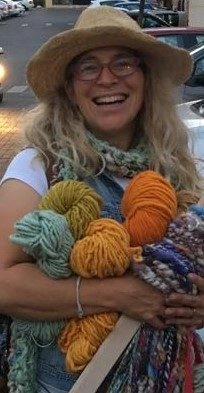
A beautiful world of Talmudic sages now fill my daily life with discussion and debate.
bringing alive our traditions and texts that has brought new meaning to my life.
I am a מגילת אסתר reader for women . the words in the Mishna of מסכת megillah 17a
הקורא את המגילה למפרע לא יצא were powerful to me.
I hope to have the zchut to complete the cycle for my 70th birthday.

Sheila Hauser
Sheila Hauser

Jerusalem, Israel

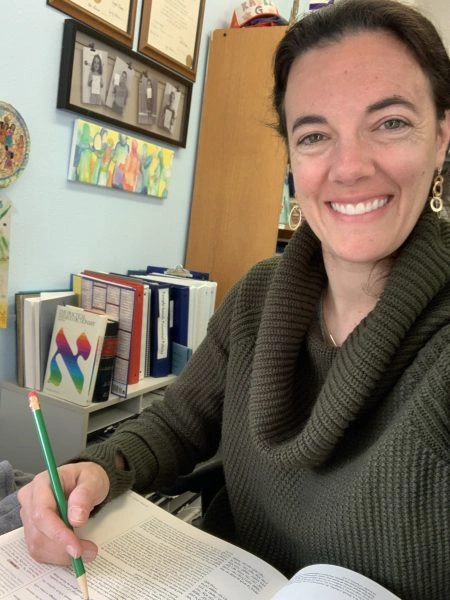
A few years back, after reading Ilana Kurshan’s book, “If All The Seas Were Ink,” I began pondering the crazy, outlandish idea of beginning the Daf Yomi cycle. Beginning in December, 2019, a month before the previous cycle ended, I “auditioned” 30 different podcasts in 30 days, and ultimately chose to take the plunge with Hadran and Rabbanit Michelle. Such joy!

Cindy Dolgin
Cindy Dolgin

HUNTINGTON, United States

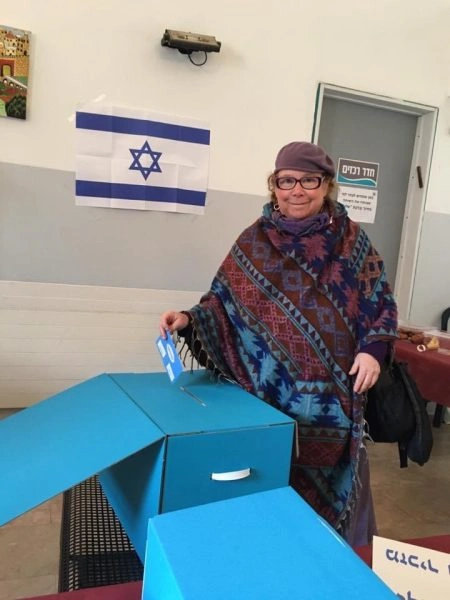
I started learning at the beginning of the cycle after a friend persuaded me that it would be right up my alley. I was lucky enough to learn at Rabbanit Michelle’s house before it started on zoom and it was quickly part of my daily routine. I find it so important to see for myself where halachot were derived, where stories were told and to get more insight into how the Rabbis interacted.

Deborah Dickson
Deborah Dickson

Ra’anana, Israel

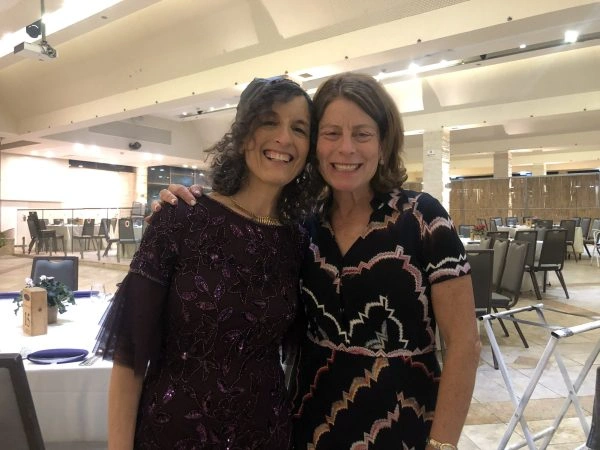
I started learning with rabbis. I needed to know more than the stories. My first teacher to show me “the way of the Talmud” as well as the stories was Samara Schwartz.
Michelle Farber started the new cycle 2 yrs ago and I jumped on for the ride.
I do not look back.

Jenifer Nech
Jenifer Nech

Houston, United States

Years ago, I attended the local Siyum HaShas with my high school class. It was inspiring! Through that cycle and the next one, I studied masekhtot on my own and then did “daf yomi practice.” The amazing Hadran Siyum HaShas event firmed my resolve to “really do” Daf Yomi this time. It has become a family goal. We’ve supported each other through challenges, and now we’re at the Siyum of Seder Moed!

Elisheva Brauner
Elisheva Brauner

Jerusalem, Israel

“I got my job through the NY Times” was an ad campaign when I was growing up. I can headline “I got my daily Daf shiur and Hadran through the NY Times”. I read the January 4, 2020 feature on Reb. Michelle Farber and Hadran and I have been participating ever since. Thanks NY Times & Hadran!
Deborah Aschheim
Deborah Aschheim

New York, United States

I began Daf Yomi with the last cycle. I was inspired by the Hadran Siyum in Yerushalayim to continue with this cycle. I have learned Daf Yomi with Rabanit Michelle in over 25 countries on 6 continents ( missing Australia)

Barbara-Goldschlag
Barbara Goldschlag

Silver Spring, MD, United States

I had never heard of Daf Yomi and after reading the book, The Weight of Ink, I explored more about it. I discovered that it was only 6 months before a whole new cycle started and I was determined to give it a try. I tried to get a friend to join me on the journey but after the first few weeks they all dropped it. I haven’t missed a day of reading and of listening to the podcast.

Anne Rubin
Anne Rubin

Elkins Park, United States

I saw an elderly man at the shul kiddush in early March 2020, celebrating the siyyum of masechet brachot which he had been learning with a young yeshiva student. I thought, if he can do it, I can do it! I began to learn masechet Shabbat the next day, Making up masechet brachot myself, which I had missed. I haven’t missed a day since, thanks to the ease of listening to Hadran’s podcast!
Judith Shapiro
Judith Shapiro

Minnesota, United States

Michelle has been an inspiration for years, but I only really started this cycle after the moving and uplifting siyum in Jerusalem. It’s been an wonderful to learn and relearn the tenets of our religion and to understand how the extraordinary efforts of a band of people to preserve Judaism after the fall of the beit hamikdash is still bearing fruits today. I’m proud to be part of the chain!

Judith Weil
Judith Weil

Raanana, Israel

Robin Zeiger
Robin Zeiger

Tel Aviv, Israel

When I began learning Daf Yomi at the beginning of the current cycle, I was preparing for an upcoming surgery and thought that learning the Daf would be something positive I could do each day during my recovery, even if I accomplished nothing else. I had no idea what a lifeline learning the Daf would turn out to be in so many ways.

Laura Shechter
Laura Shechter

Lexington, MA, United States

A few years back, after reading Ilana Kurshan’s book, “If All The Seas Were Ink,” I began pondering the crazy, outlandish idea of beginning the Daf Yomi cycle. Beginning in December, 2019, a month before the previous cycle ended, I “auditioned” 30 different podcasts in 30 days, and ultimately chose to take the plunge with Hadran and Rabbanit Michelle. Such joy!

Cindy Dolgin
Cindy Dolgin

HUNTINGTON, United States

My curiosity was peaked after seeing posts about the end of the last cycle. I am always looking for opportunities to increase my Jewish literacy & I am someone that is drawn to habit and consistency. Dinnertime includes a “Guess what I learned on the daf” segment for my husband and 18 year old twins. I also love the feelings of connection with my colleagues who are also learning.

Diana Bloom
Diana Bloom

Tampa, United States

I started Daf during the pandemic. I listened to a number of podcasts by various Rebbeim until one day, I discovered Rabbanit Farbers podcast. Subsequently I joined the Hadran family in Eruvin. Not the easiest place to begin, Rabbanit Farber made it all understandable and fun. The online live group has bonded together and have really become a supportive, encouraging family.

Leah Goldford
Leah Goldford

Edmonton, Alberta, Canada

My husband learns Daf, my son learns Daf, my son-in-law learns Daf.
When I read about Hadran’s Siyyum HaShas 2 years ago, I thought- I can learn Daf too!
I had learned Gemara in Hillel HS in NJ, & I remembered loving it.
Rabbanit Michelle & Hadran have opened my eyes & expanding my learning so much in the past few years. We can now discuss Gemara as a family.
This was a life saver during Covid

Renee Braha
Renee Braha

Brooklyn, NY, United States

I started learning after the siyum hashas for women and my daily learning has been a constant over the last two years. It grounded me during the chaos of Corona while providing me with a community of fellow learners. The Daf can be challenging but it’s filled with life’s lessons, struggles and hope for a better world. It’s not about the destination but rather about the journey. Thank you Hadran!

Dena Lehrman
Dena Lehrman

אפרת, Israel

When the new cycle began, I thought, If not now, when? I’d just turned 72. I feel like a tourist on a tour bus passing astonishing scenery each day. Rabbanit Michelle is my beloved tour guide. When the cycle ends, I’ll be 80. I pray that I’ll have strength and mind to continue the journey to glimpse a little more. My grandchildren think having a daf-learning savta is cool!

Wendy Dickstein
Wendy Dickstein

Jerusalem, Israel

I started to listen to Michelle’s podcasts four years ago. The minute I started I was hooked. I’m so excited to learn the entire Talmud, and think I will continue always. I chose the quote “while a woman is engaged in conversation she also holds the spindle”. (Megillah 14b). It reminds me of all of the amazing women I learn with every day who multi-task, think ahead and accomplish so much.

Julie Mendelsohn
Julie Mendelsohn

Zichron Yakov, Israel

I began daf yomi in January 2020 with Brachot. I had made aliya 6 months before, and one of my post-aliya goals was to complete a full cycle. As a life-long Tanach teacher, I wanted to swim from one side of the Yam shel Torah to the other. Daf yomi was also my sanity through COVID. It was the way to marking the progression of time, and feel that I could grow and accomplish while time stopped.

Leah Herzog
Leah Herzog

Givat Zev, Israel

Nedarim 52

מוּתָּר בָּרוֹטֶב וּבַקֵּיפֶה, וְרַבִּי יְהוּדָה אוֹסֵר.

is permitted to eat gravy and sediments of boiled meat [kifa]. But Rabbi Yehuda maintains that he is prohibited from eating them.

אָמַר רַבִּי יְהוּדָה: מַעֲשֶׂה וְאָסַר עָלֵינוּ רַבִּי טַרְפוֹן בְּבֵיצִים שֶׁנִּתְבַּשְּׁלוּ עִמּוֹ. אָמְרוּ לוֹ: כֵּן הַדָּבָר, אֵימָתַי — בִּזְמַן שֶׁיֹּאמַר: ״בָּשָׂר זֶה עָלַי״, שֶׁהַנּוֹדֵר מִן הַדָּבָר וְנִתְעָרֵב בְּאַחֵר, אִם יֵשׁ בּוֹ בְּנוֹתֵן טַעַם — אָסוּר.

Rabbi Yehuda said: There was an incident where one took such a vow and Rabbi Tarfon prohibited us from even eggs that were cooked with meat. The Rabbis said to him: Indeed so, but when is this the halakha? When he says: This meat is forbidden to me, referring to a specific piece of meat. This is because in the case of one who vows that an item is forbidden to him, and it becomes mixed into another item, if the latter contains an amount of the forbidden food that gives it flavor, i.e., the forbidden food can be tasted in the permitted food, the mixture is forbidden. However, if one vows that meat in general is forbidden to him, without specifying a particular piece, only the meat itself is forbidden, not the gravy, sediments, or eggs cooked with that meat.

הַנּוֹדֵר מִן הַיַּיִן — מוּתָּר בְּתַבְשִׁיל שֶׁיֵּשׁ בּוֹ טַעַם יַיִן. אָמַר: ״קֻוֽנָּם יַיִן זֶה שֶׁאֲנִי טוֹעֵם״ וְנָפַל לְתַבְשִׁיל, אִם יֵשׁ בּוֹ בְּנוֹתֵן טַעַם — הֲרֵי זֶה אָסוּר.

Likewise, one who vows that wine is forbidden to him is permitted to eat a cooked dish that has the flavor of wine. However, if he said: This wine is konam for me, and for that reason I will not taste it, and the wine fell into a cooked dish, if the dish contains an amount of the wine that gives it flavor, it is forbidden.

גְּמָ׳ וּרְמִינְהוּ: ״מִן״ הָעֲדָשִׁים״ — אָסוּר בַּאֲשִׁישִׁים, וְרַבִּי יוֹסֵי מַתִּיר.

GEMARA: The mishna cited a dispute between Rabbi Yosei and the Rabbis, in which Rabbi Yosei ruled that one who vows that milk is forbidden to him is prohibited from eating whey as well. And the Gemara raises a contradiction between this ruling and Rabbi Yosei’s opinion in a later mishna (53b): One who vows that lentils are forbidden to him is prohibited from eating ashishim, a dish made from lentils. But Rabbi Yosei permits it. Apparently, Rabbi Yosei holds that if the forbidden food changes in form, it is permitted, contrary to his opinion with regard to whey.

לָא קַשְׁיָא: מָר כִּי אַתְרֵיהּ וּמָר כִּי אַתְרֵיהּ. בְּאַתְרָא דְרַבָּנַן קָרוּ לַחֲלָבָא חֲלָבָא וּלְקוֹמָא קוֹמָא, בְּאַתְרֵיהּ דְּרַבִּי יוֹסֵי לְקוֹמָא נָמֵי קָרוּ לֵיהּ ״קוֹמָא דַחֲלָבָא״.

The Gemara answers: This is not difficult. The opinion of this Sage is in accordance with the custom of his locale, and the opinion of that Sage in accordance with the custom of his locale. In the Rabbis’ locale they call milk, milk and whey, whey, whereas in Rabbi Yosei’s locale they also call whey, milk whey. In the latter location, the word milk is used in reference to whey, and therefore one who vows there that milk is forbidden to him is prohibited from eating whey as well.

תַּנְיָא: הַנּוֹדֵר מִן הֶחָלָב — מוּתָּר בַּקּוֹם, מִן הַקּוֹם — מוּתָּר בְּחָלָב. מִן הֶחָלָב — מוּתָּר בִּגְבִינָה, מִן הַגְּבִינָה — מוּתָּר בְּחָלָב. מִן הָרוֹטֶב — מוּתָּר בְּקֵיפֶה, מִן הַקֵּיפֶה — מוּתָּר בְּרוֹטֶב. אִם אָמַר ״בָּשָׂר זֶה עָלַי״ — אָסוּר בּוֹ וּבְרוֹטְבּוֹ וּבְקֵיפוֹ.

It is taught in a baraita: One who vows that milk is forbidden to him is permitted to partake of whey. One who vows that whey is forbidden to him is permitted to partake of milk. One who vows that milk is forbidden to him is permitted to eat cheese. One who vows that cheese is forbidden to him is permitted to partake of milk. One who vows that gravy is forbidden to him is permitted to eat sediments of boiled meat. One who vows that sediments of boiled meat are forbidden to him is permitted to eat gravy. If one said: This piece of meat is hereby forbidden to me, he is prohibited from eating it, and from its gravy, and from its sediments.

הַנּוֹדֵר מִן הַיַּיִן — מוּתָּר בְּתַבְשִׁיל שֶׁיֵּשׁ בּוֹ טַעַם יַיִן. אָמַר: ״קֻוֽנָּם יַיִן זֶה שֶׁאֵינִי טוֹעֵם״ וְנָפַל לְתוֹךְ הַתַּבְשִׁיל, אִם יֵשׁ בּוֹ טַעַם יַיִן — הֲרֵי זֶה אָסוּר.

One who vows: Wine is forbidden to me, is permitted to eat a cooked dish that has the flavor of wine. However, if he said: This wine is konam for me, and for that reason I will not taste it, and the wine fell into a cooked dish, if the dish contains an amount of the wine that gives it flavor, it is forbidden.

מַתְנִי׳ הַנּוֹדֵר מִן הָעֲנָבִים — מוּתָּר בְּיַיִן. מִן הַזֵּיתִים — מוּתָּר בְּשֶׁמֶן. אָמַר ״קֻוֽנָּם זֵיתִים וַעֲנָבִים אֵלּוּ שֶׁאֵינִי טוֹעֵם״ — אָסוּר בָּהֶן וּבְיוֹצֵא מֵהֶן.

MISHNA: One who vows that grapes are forbidden to him is permitted to partake of wine. One who vows that olives are forbidden to him is permitted to partake of oil. However, if one said: Olives and grapes are konam for me, and for that reason I will not taste these items, he is prohibited from tasting them and the wine and oil that emerge from them.

גְּמָ׳ בָּעֵי רָמֵי בַּר חָמָא: ״אֵלּוּ״ דַּוְקָא, אוֹ ״שֶׁאֵינִי טוֹעֵם״ דַּוְקָא?

GEMARA: With regard to the last ruling in the mishna, that one who vows: Olives and grapes are konam for me, and for that reason I will not taste these items, he is prohibited from tasting them and the wine and oil that emerge from them, Rami bar Ḥama raises a dilemma: Is it specifically because he said these, i.e., he referred to specific olives or grapes, or is it specifically because he said: For that reason I will not taste, i.e., he referred not to eating but to tasting?

אִי סָלְקָא דַעְתָּךְ ״אֵלּוּ״ דַּוְקָא, ״שֶׁאֵינִי טוֹעֵם״ לְמָה לִי? הָא קָא מַשְׁמַע לַן, דְּאַף עַל גַּב דְּאָמַר ״שֶׁאֵינִי טוֹעֵם״, אִי דְּאָמַר ״אֵלּוּ״ — מִיתְּסַר, וְאִי לָא — לָא.

The Gemara asks: If it enters your mind that it is specifically because he said these, why do I need the phrase: That I will not taste? The Gemara answers: This teaches us that even if he said: That I will not taste, only if he said the word these is he prohibited from tasting oil or wine, but if he did not say the word these, he is not prohibited from doing so. The dilemma therefore cannot be resolved by inference from the phrasing of the vow in the mishna.

אָמַר רָבָא, תָּא שְׁמַע: ״קֻוֽנָּם פֵּירוֹת הָאֵלּוּ עָלַי״, ״קֻוֽנָּם הֵן לְפִי״ — אָסוּר בְּחִילּוּפֵיהֶן וּבְגִידּוּלֵיהֶן, הָא בַּיּוֹצֵא מֵהֶן מוּתָּר!

Rava said: Come and hear a resolution to this dilemma from the mishna below (57a): If one says: This produce is konam upon me, or: It is konam to my mouth, he is prohibited from eating their replacements and anything that grows from them. It may be inferred that liquids that emerge from them are permitted. Evidently, referring to specific produce is not sufficient to render their juice forbidden. Rather, the prohibition in the mishna is apparently due to the phrase: And for that reason I will not taste.

הוּא הַדִּין דַּאֲפִילּוּ בְּיוֹצֵא מֵהֶן אָסוּר. וְהָא עֲדִיפָא לֵיהּ לְאַשְׁמוֹעִינַן דְּחִילּוּפֵיהֶן כְּגִידּוּלֵיהֶן דָּמֵי.

The Gemara refutes this proof: The same ruling as in the mishna above is true with regard to liquids that emerge from the produce; they too are forbidden. And the reason this ruling isn’t mentioned there is that it is preferable for that mishna to teach us that their replacements are forbidden just like what grows from them is forbidden, although they contain no substance of the forbidden item.

תָּא שְׁמַע: ״שֶׁאֵינִי אוֹכֵל״, וְ״שֶׁאֵינִי טוֹעֵם״ — מוּתָּר בְּחִילּוּפֵיהֶן וּבְגִידּוּלֵיהֶן. הָא הַיּוֹצֵא מֵהֶן — אָסוּר! אַיְּידֵי דְּלָא נָסֵיב בְּרֵישָׁא ״יוֹצֵא מֵהֶן״, לָא נָסֵיב נָמֵי בְּסֵיפָא ״יוֹצֵא מֵהֶן״.

Come and hear a resolution from the continuation of that same mishna: If one says: This produce is konam upon me, and for that reason I will not eat them, or: This produce is konam upon me, and for that reason I will not taste them, he is permitted to eat their replacements and anything that grows from them. It may be inferred that liquids that emerge from them are forbidden. The Gemara rejects this argument: Since that mishna did not cite liquids that emerge from them in the first clause, it did not cite liquids that emerge from them in the latter clause either. Therefore, it cannot be inferred that liquids that come from the produce are forbidden.

תָּא שְׁמַע, אָמַר רַבִּי יְהוּדָה: מַעֲשֶׂה וְאָסַר רַבִּי טַרְפוֹן עָלַי בֵּיצִים שֶׁנִּתְבַּשְּׁלוּ עִמּוֹ. אָמְרוּ לוֹ: אֵימָתַי, בִּזְמַן שֶׁאָמַר ״בָּשָׂר זֶה עָלַי״, שֶׁהַנּוֹדֵר מִן הַדָּבָר וְנִתְעָרֵב בְּאַחֵר, וְיֵשׁ בּוֹ בְּנוֹתֵן טַעַם — הֲרֵי זֶה אָסוּר.

Come and hear a resolution from the previous mishna (52a): Rabbi Yehuda said: There was an incident where Rabbi Tarfon prohibited me from eating even eggs that were cooked with meat. The Rabbis said to him: Indeed so, but when is this the halakha? When the one who took the vow said: This meat is forbidden to me, referring to a specific piece of meat. This is because in the case of one who vows that something is forbidden to him and it gets mixed into another food, and the latter food contains an amount of the forbidden food that gives it flavor, i.e., the prohibited food can be tasted in the permitted food, the mixture is forbidden. Evidently, referring to a specific food causes what emerges from it to be forbidden as well.

בְּ״אֵלּוּ״ — לָא קָא מִיבַּעְיָא לַן דְּדַוְקָא הוּא. כִּי מִיבַּעְיָא לַן בְּ״שֶׁאֵינִי טוֹעֵם״ — דַּוְקָא, אוֹ לָאו דַּוְקָא?

The Gemara reinterprets the dilemma: We do not raise the dilemma with regard to the word these, as using specifically this word is certainly sufficient to render the liquids that come from the produce forbidden. When we raise a dilemma, it is with regard to the phrase: That I will not taste it. Is this phrase mentioned by the mishna specifically to teach that using it in a vow is sufficient to render the juice forbidden, or is it not mentioned specifically for that purpose?

תָּא שְׁמַע: ״דָּג דָּגִים שֶׁאֵינִי טוֹעֵם״ — אָסוּר בָּהֶן, בֵּין גְּדוֹלִים בֵּין קְטַנִּים, בֵּין חַיִּים בֵּין מְבוּשָּׁלִים, וּמוּתָּר בְּטָרִית טְרוּפָה וּבְצִיר.

Come and hear a resolution from the mishna above (51b): If one vows: Fish or fishes are konam for me, and for that reason I will not taste them, he is prohibited with regard to all of them, whether large fish or small, and whether raw or cooked. But he is permitted to taste minced sardines and to taste fish brine. The phrase: I will not taste, clearly does not render fish brine forbidden, although it contains that which emerged from fish.

אָמַר רָבָא: וּכְבָר יָצָא מֵהֶן.

Rava said: But there is no evidence from here, as the fish brine that is permitted by the mishna may be referring to brine that already emerged from them before the vow was taken, and was therefore not included in the fish that were rendered forbidden by the vow. The dilemma therefore remains unresolved.

Want to follow content and continue where you left off?

Create an account today to track your progress, mark what you’ve learned, and follow the shiurim that speak to you.

Clear all items from this list?

This will remove ALL the items in this section. You will lose any progress or history connected to them. This is irreversible.

Cancel
Yes, clear all

Are you sure you want to delete this item?

You will lose any progress or history connected to this item.

Cancel
Yes, delete