Search

Nedarim 59

Want to dedicate learning? Get started here:

English
עברית
podcast placeholder

0:00
0:00


podcast placeholder

0:00
0:00


Summary
Today’s daf is sponsored by Valerie Farber in commemoration of her father’s 9th yahrzeit, Dr. Lawrence Kaufman. “A man of Tora v’avoda. He was a renowned scientist and loved attending Rav Soleveitchik’s shiurim in Boston. Yehi Zichro Baruch.
Rami bar Hama raises a question from our Mishna against those who hold that the growths nullify the original part that was planted. However, our Mishna is explained as a unique case as a neder can be undone, and therefore it is considered an item that will be permitted and rules of nullification do not apply. However, truma also can be undone and it is subject to laws of nullification. After two unsuccessful attempts to reexplain a Mishna in Trumot to be a case where the truma can’t be undone, in the end, the Gemara distinguishes between truma and vows as vows should be undone and that is not true by truma. Raba quotes Rabbi Yochanan also stating that the growths nullify the original. Rav Chisda questioned this but Raba proves Rabbi Yochanan’s opinion from a Mishna. However, Rav Chisda explained the Mishna differently in a way that would prove his point. But Raba was still able to support his claim by distinguishing between the cases. 

Nedarim 59

אָמְרִי: מַעֲשֵׂר, דִּיגּוּן הוּא דְּקָא גָרֵים לֵיהּ.

The Sages of the Gemara say: With regard to tithe, the ground does not engender the obligation; placement of the produce in a pile engenders the obligation, as it is only at that point that one is obligated to tithe his produce. Therefore neutralization of the prohibition is not effected by planting it in the ground.

מֵתִיב רָמֵי בַּר חָמָא: ״קֻוֽנָּם פֵּירוֹת הָאֵלּוּ עָלַי״, ״קֻוֽנָּם הֵן עַל פִּי״, ״קֻוֽנָּם הֵן לְפִי״ — אָסוּר בְּחִילּוּפֵיהֶן וּבְגִידּוּלֵיהֶן. ״שֶׁאֲנִי אוֹכֵל״, וְ״שֶׁאֲנִי טוֹעֵם״ — מוּתָּר בְּחִילּוּפֵיהֶן וּבְגִידּוּלֵיהֶן בְּדָבָר שֶׁזַּרְעוֹ כָּלֶה, אֲבָל בְּדָבָר שֶׁאֵין זַרְעוֹ כָּלֶה — אֲפִילּוּ גִּידּוּלֵי גִידּוּלִין אֲסוּרִין.

Rami bar Ḥama raised an objection to the opinion of Rabbi Yannai based on the mishna (57a): For one who says: This produce is konam upon me, or it is konam upon my mouth, or it is konam to my mouth, it is prohibited to partake of the produce, or of its replacements, or of anything that grows from it. If he says: This produce is konam for me, and for that reason I will not eat it, or for that reason I will not taste it, it is permitted for him to partake of its replacements or of anything that grows from it. This applies only with regard to an item whose seeds cease after it is sown. However, with regard to an item whose seeds do not cease after it is sown, it is prohibited for him to partake even of the growths of its growths. Apparently, permitted growths do not neutralize the prohibition.

אָמַר רַבִּי אַבָּא: שָׁאנֵי קוֹנָמוֹת, הוֹאִיל וְאִי בָּעֵי מִתְּשִׁיל עֲלַיְיהוּ — הָווּ לְהוּ כְּדָבָר שֶׁיֵּשׁ לוֹ מַתִּירִין, וְאֵין בָּטֵיל בָּרוֹב.

Rabbi Abba said: Konamot are different; since if he wishes to do so he can request that a halakhic authority dissolve the vows and render the objects of the vows permitted, their legal status is like that of an item that can become permitted, and its prohibition is not nullified by a majority of permitted items.

וַהֲרֵי תְּרוּמָה, דְּאִי בָּעֵי מִיתְּשִׁיל עֲלַהּ, וּבָטְלִי בְּרוֹב. דִּתְנַן: סְאָה תְּרוּמָה טְמֵאָה שֶׁנָּפְלָה לְפָחוֹת מִמֵּאָה חוּלִּין — תֵּרָקֵב. הָא לְמֵאָה — תַּעֲלֶה! אָמְרִי: בִּתְרוּמָה בְּיַד כֹּהֵן עָסְקִינַן, דְּלָא מָצֵי מִיתְּשִׁיל עֲלַהּ.

The Gemara asks: And isn’t there the case of teruma, in which if he wishes he can request that a halakhic authority dissolve the designation of the produce as teruma and yet it is nullified by a majority of permitted items? As we learned in a mishna (Terumot 5:1): A se’a of ritually impure teruma that fell into less than one hundred se’a of non-sacred produce must be left to decay. The impure teruma, which is forbidden to all, renders the entire mixture forbidden. The Gemara infers: If it fell into one hundred se’a of non-sacred produce, its prohibition is neutralized. The Sages of the Gemara say in response: We are dealing with teruma that is in the possession of a priest, for which the owner can no longer request that a halakhic authority dissolve the designation. However, as long as the teruma is in the owner’s possession he can request that its designation be dissolved, and therefore its prohibition cannot be neutralized.

אִי הָכִי, אֵימָא סֵיפָא: אִם הָיְתָה טְהוֹרָה תִּמָּכֵר לְכֹהֵן! אֶלָּא בְּיִשְׂרָאֵל שֶׁנָּפְלוּ לוֹ מִבֵּית אֲבִי אִמּוֹ כֹּהֵן עָסְקִינַן.

The Gemara asks: If so, say the latter clause of that mishna: If the teruma mixed with the non-sacred produce was ritually pure, it may be sold to a priest, who treats all the produce as though it were teruma. This indicates that the mishna is dealing with teruma in its owner’s possession that was not yet given to a priest. Rather, we are dealing with the case of an Israelite who inherited the produce from a member of the house of his mother’s father, who is a priest. The heir owns the teruma; however, since he was not the one who designated it as teruma, he may not request that the designation be dissolved.

[וְהָא] קָתָנֵי סֵיפָא: תִּימָּכֵר לְכֹהֵן חוּץ מִדְּמֵי אוֹתָהּ סְאָה?

The Gemara asks: But isn’t it taught in that latter clause of that mishna: It must be sold to a priest; however, the price must reflect the value of the entire mixture except for the value of that se’a of teruma that fell into the non-sacred produce, as the teruma belongs to the priest. If the mishna is referring to the case of an heir who owns the teruma, why can he not collect the value of that se’a as well, as it is his property?

אֶלָּא אֵימָא: בִּשְׁלָמָא קוּנָּמוֹת — מִצְוָה לְאִיתְּשׁוֹלֵי עֲלֵיהֶן, מִשּׁוּם דְּרַבִּי נָתָן. דְּאָמַר רַבִּי נָתָן: כׇּל הַנּוֹדֵר — כְּאִילּוּ בָּנָה בָּמָה, וְהַמְקַיְּימוֹ — כְּאִילּוּ מַקְטִיר עָלֶיהָ. תְּרוּמָה מַאי מִצְוָה לְאִיתְּשׁוֹלֵי עֲלַהּ?

Rather, say that there is another distinction between konamot and other cases where one may request dissolution by a halakhic authority. Granted, in the case of konamot, there is a mitzva to request that a halakhic authority dissolve them, due to the statement of Rabbi Natan, as Rabbi Natan said: Anyone who vows, it is as if he built a personal altar outside the Temple, and one who fulfills that vow, it is as though he burns an offering upon it. However, in the case of teruma, what mitzva is there to request that a halakhic authority dissolve its designation? Therefore, items forbidden by konamot are considered items that can become permitted, and teruma is not.

גּוּפָא, אָמַר רַבִּי יוֹחָנָן: לִיטְרָא בְּצָלִים שֶׁתִּיקְּנָהּ וּזְרָעָהּ — מִתְעַשֶּׂרֶת לְפִי כוּלָּהּ. יָתֵיב רַבָּה וְקָאָמַר לְהָא שְׁמַעְתָּא. אֲמַר לֵיהּ רַב חִסְדָּא: מַאן צָאֵית לָךְ וּלְרַבִּי יוֹחָנָן רַבָּךְ! הֶיתֵּר שֶׁבָּהֶן לְהֵיכָן הָלַךְ? אֲמַר לֵיהּ: מִי לָא תְּנַן דִּכְווֹתַהּ: בְּצָלִים שֶׁיָּרְדוּ עֲלֵיהֶם גְּשָׁמִים וְצִימְּחוּ,

§ With regard to the matter itself, Rabbi Yoḥanan said: With regard to a litra of onions that one tithed, and then sowed, it is tithed according to the entire crop. Rabba sat and stated this halakha. Rav Ḥisda said to him: Who listens to you and Rabbi Yoḥanan, your teacher? The permitted part of the litra, to where did it go? The original litra that he sowed was permitted by virtue of the fact that he tithed it, but why is he obligated to tithe the entire crop? The original litra should be subtracted from the crop that must be tithed. Rabba said to Rav Ḥisda: Didn’t we learn a corresponding halakha in a mishna (Shevi’it 6:3): With regard to sixth-year onions upon which rain fell during the Sabbatical Year, and they sprouted,

אִם הָיוּ עָלִין שֶׁלָּהֶן שְׁחוֹרִין — אֲסוּרִין, הוֹרִיקוּ — מוּתָּרִין. וְכִי שְׁחוֹרִין אַמַּאי אֲסוּרִין? לֵימָא: הֶיתֵּר שֶׁבָּהֶן לְהֵיכָן הָלַךְ? אֲמַר לֵיהּ: מִי סָבְרַתְּ עַל עִיקָּר קָתָנֵי? אַתּוֹסֶפֶת קָתָנֵי אֲסוּרִין. אִי הָכִי, מַאי אֲתָא רַבָּן שִׁמְעוֹן בֶּן גַּמְלִיאֵל לְמֵימַר? דְּתַנְיָא, רַבָּן שִׁמְעוֹן בֶּן גַּמְלִיאֵל אוֹמֵר: הַגָּדֵל בְּחִיּוּב — חַיָּיב, הַגָּדֵל בִּפְטוּר — פָּטוּר. תַּנָּא קַמָּא נָמֵי הָכִי אָמַר!

if their leaves were black, the onions are forbidden. If their leaves turned green, the onions are permitted. And if the leaves are black, why are the onions forbidden? Let us say in this case too: The permitted part, the original onion, to where did it go? Rav Ḥisda said to Rabba: Do you maintain that this halakha is taught about the primary, original onion, that it is prohibited? It is taught with regard to the additional growth that sprouted, and it is those leaves that are forbidden. The Gemara asks: If so, what is Rabban Shimon ben Gamliel, who apparently disagrees with the tanna of the mishna, coming to say? As it is taught in a baraita that Rabban Shimon ben Gamliel says: That which grew during a period of liability is liable and is considered Sabbatical-Year produce, and that which grew during a period of exemption is exempt. According to Rav Ḥisda’s explanation, the first tanna, cited in the mishna, also said that.

כּוּלָּהּ מַתְנִיתִין רַבָּן שִׁמְעוֹן בֶּן גַּמְלִיאֵל קָתָנֵי לַהּ. וְעַד כָּאן לָא שָׁמְעַתְּ לֵיהּ לְרַבָּן שִׁמְעוֹן בֶּן גַּמְלִיאֵל דְּלָא קָא טָרַח, אֲבָל הֵיכָא דְּקָא טָרַח — בָּטֵיל בְּרוּבָּא.

The Gemara explains: This is not difficult, as this entire mishna, Rabban Shimon ben Gamliel taught it. In the baraita Rabban Shimon ben Gamliel is not disagreeing with the opinion of the first tanna of the mishna; he is merely restating it. And nevertheless, the mishna and the baraita pose no difficulty with regard to the opinion of Rabba, as you heard that Rabban Shimon ben Gamliel said that the prohibition of the primary, original part is not neutralized only in a case where he did not exert himself, and the leaves sprouted on their own. However, in the case where he exerted himself, e.g., by sowing or planting, the prohibition of the original onions is neutralized by the majority.

וְכֹל הֵיכָא דְּקָא טָרַח בָּטֵיל בְּרוּבָּא? וַהֲרֵי לִיטְרָא מַעֲשֵׂר טֶבֶל, דְּקָטָרַח, וְקָתָנֵי: וְאוֹתָהּ לִיטְרָא מְעַשֵּׂר עָלָיו מִמָּקוֹם אַחֵר לְפִי חֶשְׁבּוֹן! שָׁאנֵי גַּבֵּי מַעֲשֵׂר, דְּאָמַר קְרָא ״עַשֵּׂר תְּעַשֵּׂר וְגוֹ׳״, וְהֶיתֵּירָא — זָרְעִי אִינָשֵׁי, אִיסּוּרָא — לָא זָרְעִי אִינָשֵׁי.

The Gemara asks: And anywhere that one exerts himself, is the original part nullified by the majority? The Gemara asks: And isn’t there the case of one who sowed a litra of untithed tithe, where he exerts himself to sow it, and it is taught: And that original litra of untithed first tithe that he sowed, one proportionally tithes for it from produce in a different place, and its prohibition is not neutralized by the growth. The Gemara answers: It is different with regard to tithe, as the verse states: “You shall tithe all the produce of your seed that is brought forth in the field” (Deuteronomy 14:22), indicating that all permitted seeds that are sown must be tithed, since permitted seeds that were tithed, people typically sow. Forbidden seeds that were not tithed, people do not typically sow, but the Sages penalized one who sowed untithed seeds and required him to tithe that which he was originally obligated to tithe and decreed that it is not neutralized by the majority.

גּוּפָא, אָמַר רַבִּי חֲנִינָא תִּירְתָּאָה אָמַר רַבִּי יַנַּאי: בָּצָל שֶׁל תְּרוּמָה שֶׁנְּטָעוֹ, וְרַבּוּ גִּידּוּלָיו עַל עִיקָּרוֹ — מוּתָּר. לְמֵימְרָא דְּגִידּוּלֵי

§ With regard to the matter itself, Rabbi Ḥanina Tirta’a said that Rabbi Yannai said: With regard to an onion of teruma that one planted, if its growths exceeded its principal, it is permitted. The Gemara asks: Is this to say that growths that are

New to Talmud?

Check out our resources designed to help you navigate a page of Talmud – and study at the pace, level and style that fits you. 

The Hadran Women’s Tapestry

Meet the diverse women learning Gemara at Hadran and hear their stories. 

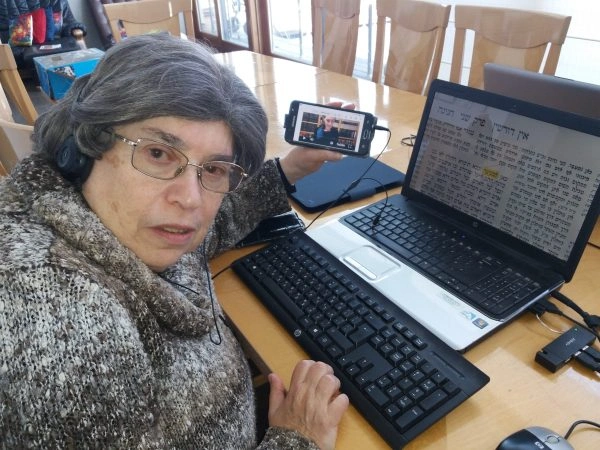
I started learning Daf Yomi to fill what I saw as a large gap in my Jewish education. I also hope to inspire my three daughters to ensure that they do not allow the same Talmud-sized gap to form in their own educations. I am so proud to be a part of the Hadran community, and I have loved learning so many of the stories and halachot that we have seen so far. I look forward to continuing!
Dora Chana Haar
Dora Chana Haar

Oceanside NY, United States

At almost 70 I am just beginning my journey with Talmud and Hadran. I began not late, but right when I was called to learn. It is never too late to begin! The understanding patience of staff and participants with more experience and knowledge has been fabulous. The joy of learning never stops and for me. It is a new life, a new light, a new depth of love of The Holy One, Blessed be He.
Deborah Hoffman-Wade

Richmond, CA, United States

I started learning at the beginning of this Daf Yomi cycle because I heard a lot about the previous cycle coming to an end and thought it would be a good thing to start doing. My husband had already bought several of the Koren Talmud Bavli books and they were just sitting on the shelf, not being used, so here was an opportunity to start using them and find out exactly what was in them. Loving it!

Caroline Levison
Caroline Levison

Borehamwood, United Kingdom

I started at the beginning of this cycle. No 1 reason, but here’s 5.
In 2019 I read about the upcoming siyum hashas.
There was a sermon at shul about how anyone can learn Talmud.
Talmud references come up when I am studying. I wanted to know more.
Yentl was on telly. Not a great movie but it’s about studying Talmud.
I went to the Hadran website: A new cycle is starting. I’m gonna do this

Denise Neapolitan
Denise Neapolitan

Cambridge, United Kingdom

While vacationing in San Diego, Rabbi Leah Herz asked if I’d be interested in being in hevruta with her to learn Daf Yomi through Hadran. Why not? I had loved learning Gemara in college in 1971 but hadn’t returned. With the onset of covid, Daf Yomi and Rabbanit Michelle centered me each day. Thank-you for helping me grow and enter this amazing world of learning.
Meryll Page
Meryll Page

Minneapolis, MN, United States

I started learning Jan 2020 when I heard the new cycle was starting. I had tried during the last cycle and didn’t make it past a few weeks. Learning online from old men didn’t speak to my soul and I knew Talmud had to be a soul journey for me. Enter Hadran! Talmud from Rabbanit Michelle Farber from a woman’s perspective, a mother’s perspective and a modern perspective. Motivated to continue!

Keren Carter
Keren Carter

Brentwood, California, United States

I was exposed to Talmud in high school, but I was truly inspired after my daughter and I decided to attend the Women’s Siyum Shas in 2020. We knew that this was a historic moment. We were blown away, overcome with emotion at the euphoria of the revolution. Right then, I knew I would continue. My commitment deepened with the every-morning Virtual Beit Midrash on Zoom with R. Michelle.

Adina Hagege
Adina Hagege

Zichron Yaakov, Israel

After experiences over the years of asking to join gemara shiurim for men and either being refused by the maggid shiur or being the only women there, sometimes behind a mechitza, I found out about Hadran sometime during the tail end of Masechet Shabbat, I think. Life has been much better since then.

Madeline Cohen
Madeline Cohen

London, United Kingdom

Margo
I started my Talmud journey in 7th grade at Akiba Jewish Day School in Chicago. I started my Daf Yomi journey after hearing Erica Brown speak at the Hadran Siyum about marking the passage of time through Daf Yomi.

Carolyn
I started my Talmud journey post-college in NY with a few classes. I started my Daf Yomi journey after the Hadran Siyum, which inspired both my son and myself.

Carolyn Hochstadter and Margo Kossoff Shizgal

Merion Station,  USA

Beit Shemesh, Israel

A few years back, after reading Ilana Kurshan’s book, “If All The Seas Were Ink,” I began pondering the crazy, outlandish idea of beginning the Daf Yomi cycle. Beginning in December, 2019, a month before the previous cycle ended, I “auditioned” 30 different podcasts in 30 days, and ultimately chose to take the plunge with Hadran and Rabbanit Michelle. Such joy!

Cindy Dolgin
Cindy Dolgin

HUNTINGTON, United States

As Jewish educator and as a woman, I’m mindful that Talmud has been kept from women for many centuries. Now that we are privileged to learn, and learning is so accessible, it’s my intent to complete Daf Yomi. I am so excited to keep learning with my Hadran community.

Sue Parker Gerson
Sue Parker Gerson

Denver, United States

I saw an elderly man at the shul kiddush in early March 2020, celebrating the siyyum of masechet brachot which he had been learning with a young yeshiva student. I thought, if he can do it, I can do it! I began to learn masechet Shabbat the next day, Making up masechet brachot myself, which I had missed. I haven’t missed a day since, thanks to the ease of listening to Hadran’s podcast!
Judith Shapiro
Judith Shapiro

Minnesota, United States

Studying has changed my life view on הלכה and יהדות and time. It has taught me bonudaries of the human nature and honesty of our sages in their discourse to try and build a nation of caring people .

Goldie Gilad
Goldie Gilad

Kfar Saba, Israel

3 years ago, I joined Rabbanit Michelle to organize the unprecedented Siyum HaShas event in Jerusalem for thousands of women. The whole experience was so inspiring that I decided then to start learning the daf and see how I would go…. and I’m still at it. I often listen to the Daf on my bike in mornings, surrounded by both the external & the internal beauty of Eretz Yisrael & Am Yisrael!

Lisa Kolodny
Lisa Kolodny

Raanana, Israel

I started learning at the beginning of this cycle more than 2 years ago, and I have not missed a day or a daf. It’s been challenging and enlightening and even mind-numbing at times, but the learning and the shared experience have all been worth it. If you are open to it, there’s no telling what might come into your life.

Patti Evans
Patti Evans

Phoenix, Arizona, United States

I started learning Daf in Jan 2020 with Brachot b/c I had never seen the Jewish people united around something so positive, and I wanted to be a part of it. Also, I wanted to broaden my background in Torah Shebal Peh- Maayanot gave me a great gemara education, but I knew that I could hold a conversation in most parts of tanach but almost no TSB. I’m so thankful for Daf and have gained immensely.

Meira Shapiro
Meira Shapiro

NJ, United States

In early January of 2020, I learned about Siyyum HaShas and Daf Yomi via Tablet Magazine’s brief daily podcast about the Daf. I found it compelling and fascinating. Soon I discovered Hadran; since then I have learned the Daf daily with Rabbanit Michelle Cohen Farber. The Daf has permeated my every hour, and has transformed and magnified my place within the Jewish Universe.

Lisa Berkelhammer
Lisa Berkelhammer

San Francisco, CA , United States

I started learning Daf Yomi inspired by תָּפַסְתָּ מְרוּבֶּה לֹא תָּפַסְתָּ, תָּפַסְתָּ מוּעָט תָּפַסְתָּ. I thought I’d start the first page, and then see. I was swept up into the enthusiasm of the Hadran Siyum, and from there the momentum kept building. Rabbanit Michelle’s shiur gives me an anchor, a connection to an incredible virtual community, and an energy to face whatever the day brings.

Medinah Korn
Medinah Korn

בית שמש, Israel

My curiosity was peaked after seeing posts about the end of the last cycle. I am always looking for opportunities to increase my Jewish literacy & I am someone that is drawn to habit and consistency. Dinnertime includes a “Guess what I learned on the daf” segment for my husband and 18 year old twins. I also love the feelings of connection with my colleagues who are also learning.

Diana Bloom
Diana Bloom

Tampa, United States

My Daf journey began in August 2012 after participating in the Siyum Hashas where I was blessed as an “enabler” of others.  Galvanized into my own learning I recited the Hadran on Shas in January 2020 with Rabbanit Michelle. That Siyum was a highlight in my life.  Now, on round two, Daf has become my spiritual anchor to which I attribute manifold blessings.

Rina Goldberg
Rina Goldberg

Englewood NJ, United States

Nedarim 59

אָמְרִי: מַעֲשֵׂר, דִּיגּוּן הוּא דְּקָא גָרֵים לֵיהּ.

The Sages of the Gemara say: With regard to tithe, the ground does not engender the obligation; placement of the produce in a pile engenders the obligation, as it is only at that point that one is obligated to tithe his produce. Therefore neutralization of the prohibition is not effected by planting it in the ground.

מֵתִיב רָמֵי בַּר חָמָא: ״קֻוֽנָּם פֵּירוֹת הָאֵלּוּ עָלַי״, ״קֻוֽנָּם הֵן עַל פִּי״, ״קֻוֽנָּם הֵן לְפִי״ — אָסוּר בְּחִילּוּפֵיהֶן וּבְגִידּוּלֵיהֶן. ״שֶׁאֲנִי אוֹכֵל״, וְ״שֶׁאֲנִי טוֹעֵם״ — מוּתָּר בְּחִילּוּפֵיהֶן וּבְגִידּוּלֵיהֶן בְּדָבָר שֶׁזַּרְעוֹ כָּלֶה, אֲבָל בְּדָבָר שֶׁאֵין זַרְעוֹ כָּלֶה — אֲפִילּוּ גִּידּוּלֵי גִידּוּלִין אֲסוּרִין.

Rami bar Ḥama raised an objection to the opinion of Rabbi Yannai based on the mishna (57a): For one who says: This produce is konam upon me, or it is konam upon my mouth, or it is konam to my mouth, it is prohibited to partake of the produce, or of its replacements, or of anything that grows from it. If he says: This produce is konam for me, and for that reason I will not eat it, or for that reason I will not taste it, it is permitted for him to partake of its replacements or of anything that grows from it. This applies only with regard to an item whose seeds cease after it is sown. However, with regard to an item whose seeds do not cease after it is sown, it is prohibited for him to partake even of the growths of its growths. Apparently, permitted growths do not neutralize the prohibition.

אָמַר רַבִּי אַבָּא: שָׁאנֵי קוֹנָמוֹת, הוֹאִיל וְאִי בָּעֵי מִתְּשִׁיל עֲלַיְיהוּ — הָווּ לְהוּ כְּדָבָר שֶׁיֵּשׁ לוֹ מַתִּירִין, וְאֵין בָּטֵיל בָּרוֹב.

Rabbi Abba said: Konamot are different; since if he wishes to do so he can request that a halakhic authority dissolve the vows and render the objects of the vows permitted, their legal status is like that of an item that can become permitted, and its prohibition is not nullified by a majority of permitted items.

וַהֲרֵי תְּרוּמָה, דְּאִי בָּעֵי מִיתְּשִׁיל עֲלַהּ, וּבָטְלִי בְּרוֹב. דִּתְנַן: סְאָה תְּרוּמָה טְמֵאָה שֶׁנָּפְלָה לְפָחוֹת מִמֵּאָה חוּלִּין — תֵּרָקֵב. הָא לְמֵאָה — תַּעֲלֶה! אָמְרִי: בִּתְרוּמָה בְּיַד כֹּהֵן עָסְקִינַן, דְּלָא מָצֵי מִיתְּשִׁיל עֲלַהּ.

The Gemara asks: And isn’t there the case of teruma, in which if he wishes he can request that a halakhic authority dissolve the designation of the produce as teruma and yet it is nullified by a majority of permitted items? As we learned in a mishna (Terumot 5:1): A se’a of ritually impure teruma that fell into less than one hundred se’a of non-sacred produce must be left to decay. The impure teruma, which is forbidden to all, renders the entire mixture forbidden. The Gemara infers: If it fell into one hundred se’a of non-sacred produce, its prohibition is neutralized. The Sages of the Gemara say in response: We are dealing with teruma that is in the possession of a priest, for which the owner can no longer request that a halakhic authority dissolve the designation. However, as long as the teruma is in the owner’s possession he can request that its designation be dissolved, and therefore its prohibition cannot be neutralized.

אִי הָכִי, אֵימָא סֵיפָא: אִם הָיְתָה טְהוֹרָה תִּמָּכֵר לְכֹהֵן! אֶלָּא בְּיִשְׂרָאֵל שֶׁנָּפְלוּ לוֹ מִבֵּית אֲבִי אִמּוֹ כֹּהֵן עָסְקִינַן.

The Gemara asks: If so, say the latter clause of that mishna: If the teruma mixed with the non-sacred produce was ritually pure, it may be sold to a priest, who treats all the produce as though it were teruma. This indicates that the mishna is dealing with teruma in its owner’s possession that was not yet given to a priest. Rather, we are dealing with the case of an Israelite who inherited the produce from a member of the house of his mother’s father, who is a priest. The heir owns the teruma; however, since he was not the one who designated it as teruma, he may not request that the designation be dissolved.

[וְהָא] קָתָנֵי סֵיפָא: תִּימָּכֵר לְכֹהֵן חוּץ מִדְּמֵי אוֹתָהּ סְאָה?

The Gemara asks: But isn’t it taught in that latter clause of that mishna: It must be sold to a priest; however, the price must reflect the value of the entire mixture except for the value of that se’a of teruma that fell into the non-sacred produce, as the teruma belongs to the priest. If the mishna is referring to the case of an heir who owns the teruma, why can he not collect the value of that se’a as well, as it is his property?

אֶלָּא אֵימָא: בִּשְׁלָמָא קוּנָּמוֹת — מִצְוָה לְאִיתְּשׁוֹלֵי עֲלֵיהֶן, מִשּׁוּם דְּרַבִּי נָתָן. דְּאָמַר רַבִּי נָתָן: כׇּל הַנּוֹדֵר — כְּאִילּוּ בָּנָה בָּמָה, וְהַמְקַיְּימוֹ — כְּאִילּוּ מַקְטִיר עָלֶיהָ. תְּרוּמָה מַאי מִצְוָה לְאִיתְּשׁוֹלֵי עֲלַהּ?

Rather, say that there is another distinction between konamot and other cases where one may request dissolution by a halakhic authority. Granted, in the case of konamot, there is a mitzva to request that a halakhic authority dissolve them, due to the statement of Rabbi Natan, as Rabbi Natan said: Anyone who vows, it is as if he built a personal altar outside the Temple, and one who fulfills that vow, it is as though he burns an offering upon it. However, in the case of teruma, what mitzva is there to request that a halakhic authority dissolve its designation? Therefore, items forbidden by konamot are considered items that can become permitted, and teruma is not.

גּוּפָא, אָמַר רַבִּי יוֹחָנָן: לִיטְרָא בְּצָלִים שֶׁתִּיקְּנָהּ וּזְרָעָהּ — מִתְעַשֶּׂרֶת לְפִי כוּלָּהּ. יָתֵיב רַבָּה וְקָאָמַר לְהָא שְׁמַעְתָּא. אֲמַר לֵיהּ רַב חִסְדָּא: מַאן צָאֵית לָךְ וּלְרַבִּי יוֹחָנָן רַבָּךְ! הֶיתֵּר שֶׁבָּהֶן לְהֵיכָן הָלַךְ? אֲמַר לֵיהּ: מִי לָא תְּנַן דִּכְווֹתַהּ: בְּצָלִים שֶׁיָּרְדוּ עֲלֵיהֶם גְּשָׁמִים וְצִימְּחוּ,

§ With regard to the matter itself, Rabbi Yoḥanan said: With regard to a litra of onions that one tithed, and then sowed, it is tithed according to the entire crop. Rabba sat and stated this halakha. Rav Ḥisda said to him: Who listens to you and Rabbi Yoḥanan, your teacher? The permitted part of the litra, to where did it go? The original litra that he sowed was permitted by virtue of the fact that he tithed it, but why is he obligated to tithe the entire crop? The original litra should be subtracted from the crop that must be tithed. Rabba said to Rav Ḥisda: Didn’t we learn a corresponding halakha in a mishna (Shevi’it 6:3): With regard to sixth-year onions upon which rain fell during the Sabbatical Year, and they sprouted,

אִם הָיוּ עָלִין שֶׁלָּהֶן שְׁחוֹרִין — אֲסוּרִין, הוֹרִיקוּ — מוּתָּרִין. וְכִי שְׁחוֹרִין אַמַּאי אֲסוּרִין? לֵימָא: הֶיתֵּר שֶׁבָּהֶן לְהֵיכָן הָלַךְ? אֲמַר לֵיהּ: מִי סָבְרַתְּ עַל עִיקָּר קָתָנֵי? אַתּוֹסֶפֶת קָתָנֵי אֲסוּרִין. אִי הָכִי, מַאי אֲתָא רַבָּן שִׁמְעוֹן בֶּן גַּמְלִיאֵל לְמֵימַר? דְּתַנְיָא, רַבָּן שִׁמְעוֹן בֶּן גַּמְלִיאֵל אוֹמֵר: הַגָּדֵל בְּחִיּוּב — חַיָּיב, הַגָּדֵל בִּפְטוּר — פָּטוּר. תַּנָּא קַמָּא נָמֵי הָכִי אָמַר!

if their leaves were black, the onions are forbidden. If their leaves turned green, the onions are permitted. And if the leaves are black, why are the onions forbidden? Let us say in this case too: The permitted part, the original onion, to where did it go? Rav Ḥisda said to Rabba: Do you maintain that this halakha is taught about the primary, original onion, that it is prohibited? It is taught with regard to the additional growth that sprouted, and it is those leaves that are forbidden. The Gemara asks: If so, what is Rabban Shimon ben Gamliel, who apparently disagrees with the tanna of the mishna, coming to say? As it is taught in a baraita that Rabban Shimon ben Gamliel says: That which grew during a period of liability is liable and is considered Sabbatical-Year produce, and that which grew during a period of exemption is exempt. According to Rav Ḥisda’s explanation, the first tanna, cited in the mishna, also said that.

כּוּלָּהּ מַתְנִיתִין רַבָּן שִׁמְעוֹן בֶּן גַּמְלִיאֵל קָתָנֵי לַהּ. וְעַד כָּאן לָא שָׁמְעַתְּ לֵיהּ לְרַבָּן שִׁמְעוֹן בֶּן גַּמְלִיאֵל דְּלָא קָא טָרַח, אֲבָל הֵיכָא דְּקָא טָרַח — בָּטֵיל בְּרוּבָּא.

The Gemara explains: This is not difficult, as this entire mishna, Rabban Shimon ben Gamliel taught it. In the baraita Rabban Shimon ben Gamliel is not disagreeing with the opinion of the first tanna of the mishna; he is merely restating it. And nevertheless, the mishna and the baraita pose no difficulty with regard to the opinion of Rabba, as you heard that Rabban Shimon ben Gamliel said that the prohibition of the primary, original part is not neutralized only in a case where he did not exert himself, and the leaves sprouted on their own. However, in the case where he exerted himself, e.g., by sowing or planting, the prohibition of the original onions is neutralized by the majority.

וְכֹל הֵיכָא דְּקָא טָרַח בָּטֵיל בְּרוּבָּא? וַהֲרֵי לִיטְרָא מַעֲשֵׂר טֶבֶל, דְּקָטָרַח, וְקָתָנֵי: וְאוֹתָהּ לִיטְרָא מְעַשֵּׂר עָלָיו מִמָּקוֹם אַחֵר לְפִי חֶשְׁבּוֹן! שָׁאנֵי גַּבֵּי מַעֲשֵׂר, דְּאָמַר קְרָא ״עַשֵּׂר תְּעַשֵּׂר וְגוֹ׳״, וְהֶיתֵּירָא — זָרְעִי אִינָשֵׁי, אִיסּוּרָא — לָא זָרְעִי אִינָשֵׁי.

The Gemara asks: And anywhere that one exerts himself, is the original part nullified by the majority? The Gemara asks: And isn’t there the case of one who sowed a litra of untithed tithe, where he exerts himself to sow it, and it is taught: And that original litra of untithed first tithe that he sowed, one proportionally tithes for it from produce in a different place, and its prohibition is not neutralized by the growth. The Gemara answers: It is different with regard to tithe, as the verse states: “You shall tithe all the produce of your seed that is brought forth in the field” (Deuteronomy 14:22), indicating that all permitted seeds that are sown must be tithed, since permitted seeds that were tithed, people typically sow. Forbidden seeds that were not tithed, people do not typically sow, but the Sages penalized one who sowed untithed seeds and required him to tithe that which he was originally obligated to tithe and decreed that it is not neutralized by the majority.

גּוּפָא, אָמַר רַבִּי חֲנִינָא תִּירְתָּאָה אָמַר רַבִּי יַנַּאי: בָּצָל שֶׁל תְּרוּמָה שֶׁנְּטָעוֹ, וְרַבּוּ גִּידּוּלָיו עַל עִיקָּרוֹ — מוּתָּר. לְמֵימְרָא דְּגִידּוּלֵי

§ With regard to the matter itself, Rabbi Ḥanina Tirta’a said that Rabbi Yannai said: With regard to an onion of teruma that one planted, if its growths exceeded its principal, it is permitted. The Gemara asks: Is this to say that growths that are

Want to follow content and continue where you left off?

Create an account today to track your progress, mark what you’ve learned, and follow the shiurim that speak to you.

Clear all items from this list?

This will remove ALL the items in this section. You will lose any progress or history connected to them. This is irreversible.

Cancel
Yes, clear all

Are you sure you want to delete this item?

You will lose any progress or history connected to this item.

Cancel
Yes, delete