Search

Nedarim 63

Want to dedicate learning? Get started here:

English
עברית
podcast placeholder

0:00
0:00


podcast placeholder

0:00
0:00


Summary

This month’s learning is sponsored by Jonathan Katz in memory of his grandfather Ya’akov ben Shlomo.

This week’s learning is sponsored by the Hadran Women of Long Island for a refuah shleima for Dovid ben Aidel, husband to our leader and daf sister, Gitta.

Today’s daf is sponsored by Debra Antzis in memory of her father, Rabbi Norman Antzis, Menachem Nachum ben Yisrael and Blima Phrimit, whose yahrzeit is today. יש זהב ורב פנינים וכלי יקר שפתי דעת הנשמה לך והגוף פעלך חוסה על עמלך.

Today’s daf is sponsored by Laura and Mark Warshawsky in honor of the marriage of their son Avi to Malki Infield.

Today’s daf is sponsored by Catriella Freedman in honor of Julie Mendelsohn and her family in celebration of Noah Mendelsohn and Hadas Koler’s wedding Mazal tov!

There is a debate in the Mishna regarding one who vows “until the rains” – is it until the beginning of the second rain when they actually arrive or until the date known as the time for the second rain. Rabbi Zeira says they do not disagree in the case of one who vowed until ‘the rain’ (in singular form) as that certainly connotes the date the rains are supposed to come. A difficulty is raised against him from the Tosefta but is resolved. The Mishna deals with what happens in a leap year. If one vowed for this year, the leap month is included. If one vowed until Adar, it is referring to the first Adar. Does the Mishna only accord with Rabbi Yehuda’s opinion that Adar without a descriptor is the first Adar? Or can the Mishna be explained according to Rabbi Meir as well? Rabbi Yehuda holds that if one vowed from wine until it will be Pesach, which usually means the end of Pesach, one is permitted to drink wine on Pesach as we assume because of the mitzva of drinking wine on the first night, one meant until the beginning of Pesach. Similarly, if one vowed not to eat meat until the night of the fast, they would be permitted to eat meat before the fast. Rabbi Yosi adds the same for garlic on Shabbat, based on the takana of Ezra that people should eat garlic on Friday nights. A number of examples are brought in the Mishna of vows that do not need a chacham to undo or only apply in a limited manner, as one can explain the fulfillment of the vow in some other way.

Nedarim 63

מֵיתִיבִי: אֵיזוֹהִי זְמַנָּהּ שֶׁל רְבִיעָה? הַבְּכִירָה — בִּשְׁלֹשָׁה, בֵּינוֹנִית — בְּשִׁבְעָה, אֲפִילָה — בְּעֶשְׂרִים וּשְׁלֹשָׁה, דִּבְרֵי רַבִּי מֵאִיר. רַבִּי יְהוּדָה אוֹמֵר: בְּשִׁבְעָה, וּבְשִׁבְעָה עָשָׂר, וּבְעֶשְׂרִים וּשְׁלֹשָׁה.

The Gemara raises an objection against the statement by Rabbi Zeira from the following baraita: When is the time of the rainfall? The early rainfall occurs on the third of the month of Marḥeshvan; the intermediate rainfall is on the seventh of the month, while the late rainfall is on the twenty-third of the month. This is the statement of Rabbi Meir. Rabbi Yehuda says: The respective dates are on the seventh, on the seventeenth, and on the twenty-third of Marḥeshvan.

רַבִּי יוֹסֵי אוֹמֵר: בְּשִׁבְעָה עָשָׂר, וּבְעֶשְׂרִים וּשְׁלֹשָׁה, וּבְחוֹדֶשׁ כִּסְלֵיו. וְכֵן הָיָה רַבִּי יוֹסֵי אוֹמֵר: אֵין הַיְּחִידִים מִתְעַנִּין עַד שֶׁיַּגִּיעַ רֹאשׁ חֹדֶשׁ כִּסְלֵיו.

Rabbi Yosei says: The first two time periods are on the seventeenth and on the twenty-third of Marḥeshvan, and the last period is at the beginning of the month of Kislev. And so too, Rabbi Yosei would say: The learned individuals, who would start to fast due to a drought at an earlier time than the rest of the community, do not start to fast until the New Moon of Kislev arrives and no rain has fallen.

וְאָמְרִינַן עֲלַהּ: בִּשְׁלָמָא רְבִיעָה רִאשׁוֹנָה — לִישָּׁאֵל. שְׁלִישִׁית — לְהִתְעַנּוֹת. אֶלָּא שְׁנִיָּה לְמַאי? וְאָמַר רַבִּי זֵירָא: לְנוֹדֵר.

And we say about this: Granted, they disagreed over the time of the first rainfall, as this time is relevant with regard to asking for rain through prayer. The time when the third rainfall is expected is relevant with regard to fasting due to lack of rain. But as for the expected time for the second rainfall, for what purpose did they disagree about its date? And Rabbi Zeira said: It is significant for one who vows until the rain.

וְאָמְרִינַן עֲלַהּ: כְּמַאן אָזְלָא הָא דְּתַנְיָא, רַבָּן שִׁמְעוֹן בֶּן גַּמְלִיאֵל אוֹמֵר: גְּשָׁמִים שֶׁיָּרְדוּ שִׁבְעָה יָמִים זֶה אַחַר זֶה — אַתָּה מוֹנֶה בָּהֶן רְבִיעָה רִאשׁוֹנָה וּשְׁנִיָּה. כְּמַאן? כְּרַבִּי יוֹסֵי!

And furthermore, we say about this: In accordance with whose opinion is that which is taught in the baraita: Rabban Shimon ben Gamliel says: In the case of rains that fell for seven days, one after another, you count them as the first rainfall and the second. In accordance with whose opinion is this statement? In accordance with the opinion of Rabbi Yosei, who is the only tanna who holds that the first and second periods of rainfall span seven days. It is evident from this discussion that Rabban Shimon ben Gamliel argues that one who vows until the rain must wait until after the second actual rainfall. This contradicts the statement of Rabbi Zeira that until the rain is referring to the date when rain is supposed to fall.

הַהוּא דְּאָמַר ״עַד הַגְּשָׁמִים״.

The Gemara answers: That baraita is referring to one who said: Until the rains, rather than: Until the rain. Consequently, the expiration of his vow is determined by the actual time of rainfall.

מַתְנִי׳ ״קֻוֽנָּם יַיִן שֶׁאֵינִי טוֹעֵם לְשָׁנָה״, נִתְעַבְּרָה הַשָּׁנָה — אָסוּר בָּהּ וּבְעִיבּוּרָהּ. ״עַד רֹאשׁ אֲדָר״ — עַד רֹאשׁ אֲדָר הָרִאשׁוֹן. ״עַד סוֹף אֲדָר״ — עַד סוֹף אֲדָר הָרִאשׁוֹן.

MISHNA: In the case of one who said: Wine is konam for me, and for that reason I will not taste it for the entire year, if the year was extended, i.e., it was declared to be a leap year, he is prohibited from drinking wine during the year and its intercalated month. If he vowed until the beginning of the month of Adar, the vow remains in effect until the beginning of the first Adar. Similarly, if he says that his vow applies until the end of Adar, the vow remains in effect until the end of the first Adar.

גְּמָ׳ אַלְמָא סְתָמָא דַּ״אֲדָר״ דְּקָאָמַר — רִאשׁוֹן הוּא.

GEMARA: The Gemara comments on the statement in the mishna that if one takes a vow until the beginning of Adar, it remains in effect until the beginning of the first Adar. Apparently, when one says Adar without specification, his statement is understood as a reference to the first Adar.

לֵימָא מַתְנִיתִין רַבִּי יְהוּדָה הִיא, דְּתַנְיָא: אֲדָר הָרִאשׁוֹן — כּוֹתֵב ״אֲדָר הָרִאשׁוֹן״, אֲדָר שֵׁנִי — כּוֹתֵב ״אֲדָר״ סְתָם, דִּבְרֵי רַבִּי מֵאִיר. רַבִּי יְהוּדָה אוֹמֵר: אֲדָר הָרִאשׁוֹן — כּוֹתֵב סְתָם, אֲדָר שֵׁנִי — כּוֹתֵב ״תִּינְיָין״.

The Gemara asks: Shall we say that the mishna is in accordance with the opinion of Rabbi Yehuda? As it is taught in a baraita: In the first month of Adar, when dating a document, one writes that the document was composed in the first Adar. During the second Adar, one writes the name of the month of Adar without specification; this is the statement of Rabbi Meir. Rabbi Yehuda says the reverse: During the first Adar one writes the name of the month without specification, and in the second Adar he writes that the document was composed in the second Adar.

אָמַר אַבָּיֵי: אֲפִילּוּ תֵּימָא רַבִּי מֵאִיר, הָא דְּיָדַע דִּמְעַבְּרָא שַׁתָּא, הָא דְּלָא יָדַע.

Abaye said: You can even say that the mishna is in accordance with the opinion of Rabbi Meir, as there is a difference between the cases: In this baraita, the case is one where the individual who took the vow knew that the year was extended, i.e., declared as a leap year, and the disagreement concerns which Adar is considered the principal one. Conversely, that mishna is referring to a case where he did not know that it is a leap year and that there are two months of Adar. Consequently, when he referred to Adar, all agree that he meant the first Adar.

וְהָתַנְיָא: ״עַד רֹאשׁ חֹדֶשׁ אֲדָר״ — עַד רֹאשׁ חֹדֶשׁ אֲדָר הָרִאשׁוֹן, אִם הָיְתָה שָׁנָה מְעוּבֶּרֶת — עַד רֹאשׁ חֹדֶשׁ אֲדָר הַשֵּׁנִי.

And, so too, it is taught in a baraita: If one vows until the New Moon of Adar, the vow remains in effect until the New Moon of the first Adar, and if it was a leap year, it remains in effect until the New Moon of the second Adar.

מִכְּלָל דְּרֵישָׁא לָאו בִּמְעוּבֶּרֶת עָסְקִינַן?! שְׁמַע מִינַּהּ: הָא דִּפְשִׁיטָא לֵיהּ דִּמְעַבְּרָא שַׁתָּא, הָא דְּלָא יָדַע.

The Gemara analyzes this baraita: Does the latter clause prove by inference that in the first clause, we are not dealing with a leap year? In a regular year there is only one month of Adar, so it is impossible to speak of a first or second Adar. Rather, learn from it that this latter clause is referring to a case where it is obvious to him that the year was extended, and therefore when he refers to the month of Adar he means the second Adar, whereas that first clause is referring to a case where he did not know that it was a leap year, in which case he means the first Adar.

מַתְנִי׳ רַבִּי יְהוּדָה אוֹמֵר: ״קֻוֽנָּם יַיִן שֶׁאֵינִי טוֹעֵם עַד שֶׁיְּהֵא הַפֶּסַח״ — לֹא נִתְכַּוֵּון זֶה אֶלָּא עַד לֵיל הַפֶּסַח, עַד שָׁעָה שֶׁדֶּרֶךְ בְּנֵי אָדָם לִשְׁתּוֹת יַיִן.

MISHNA: Rabbi Yehuda says: In the case of one who says: Wine is konam for me, and for that reason I will not taste it until it will be Passover, it is understood that this individual intended for his vow to apply only until the night of Passover, i.e., until the time when it is customary for people to drink wine in order to fulfill the mitzva of drinking the four cups, but he did not intend to prevent himself from being able to fulfill this mitzva.

אָמַר ״קֻוֽנָּם בָּשָׂר שֶׁאֵינִי טוֹעֵם עַד שֶׁיְּהֵא הַצּוֹם״ — אֵינוֹ אָסוּר אֶלָּא עַד לֵילֵי צוֹם, שֶׁלֹּא נִתְכַּוֵּון זֶה אֶלָּא עַד שָׁעָה שֶׁדֶּרֶךְ בְּנֵי אָדָם לֶאֱכוֹל בָּשָׂר. רַבִּי יוֹסֵי בְּנוֹ אוֹמֵר: ״קֻוֽנָּם שׁוּם שֶׁאֲנִי טוֹעֵם עַד שֶׁתְּהֵא שַׁבָּת״, אֵינוֹ אָסוּר אֶלָּא עַד לֵילֵי שַׁבָּת, שֶׁלֹּא נִתְכַּוֵּון זֶה אֶלָּא עַד שָׁעָה שֶׁדֶּרֶךְ בְּנֵי אָדָם לֶאֱכוֹל בְּשׁוּם.

Similarly, if he said: Meat is konam for me, and for that reason I will not taste it until it will be the fast of Yom Kippur, he is prohibited from eating meat only until the eve of [leilei] the fast. This is because it is understood that this individual intended for his vow to apply only until the time when it is customary for people to eat meat in the festive meal before the fast, and he did not intend to prevent himself from being able to participate in that meal. Rabbi Yosei, his son, says: One who vows: Garlic is konam for me, and for that reason I will not taste it until it will be Shabbat, it is prohibited for him to eat garlic only until the eve of Shabbat, as it is understood that this individual intended for his vow to apply only until the time when it is customary for people to eat garlic.

הָאוֹמֵר לַחֲבֵירוֹ ״קֻוֽנָּם שֶׁאֲנִי נֶהֱנֶה לְךָ אִם אֵין אַתְּ בָּא וְנוֹטֵל לְבָנֶיךָ כּוֹר אֶחָד שֶׁל חִטִּין וּשְׁתֵּי חָבִיּוֹת שֶׁל יַיִן״ — הֲרֵי זֶה יָכוֹל לְהָפֵר אֶת נִדְרוֹ שֶׁלֹּא עַל פִּי חָכָם. וְיֹאמַר לוֹ: כְּלוּם אָמַרְתָּ אֶלָּא מִפְּנֵי כְבוֹדִי — זֶהוּ כְּבוֹדִי.

In the case of one who says to another: Benefiting from you is konam for me, i.e., I am prohibited from deriving benefit from you, if you do not come and take for your son one kor of wheat and two barrels of wine as a gift, this other individual can dissolve his vow without the consent of a halakhic authority. This is because he can say to him: Did you say your vow for any reason other than due to my honor, in order to convince me to accept a gift for my son? This is my honor, that I refrain from accepting the gift, and consequently the vow is annulled.

וְכֵן הָאוֹמֵר לַחֲבֵירוֹ ״קֻוֽנָּם שֶׁאַתְּ נֶהֱנֵית לִי אִם אֵין אַתְּ בָּא וְנוֹתֵן לִבְנִי כּוֹר שֶׁל חִטִּין וּשְׁתֵּי חָבִיּוֹת שֶׁל יַיִן״, רַבִּי מֵאִיר אוֹמֵר: אָסוּר עַד שֶׁיִּתֵּן, וַחֲכָמִים אוֹמְרִים: אַף זֶה יָכוֹל לְהָפֵר אֶת נִדְרוֹ שֶׁלֹּא עַל פִּי חָכָם, וְיֹאמַר לוֹ: הֲרֵי אֲנִי כְּאִילּוּ נִתְקַבַּלְתִּי.

And, so too, in the case of one who says to another: Benefiting from me is konam for you, i.e., you are prohibited from deriving benefit from me, if you do not come and give my son one kor of wheat and two barrels of wine, Rabbi Meir says: It is prohibited for the other individual to benefit from the speaker until he gives the gifts to his son. However, the Rabbis say: Even this individual who took the vow can dissolve his own vow without the consent of a halakhic authority. This is because he can say to him: I hereby consider it as though I have received the gift.

הָיָה מְסָרֵב בּוֹ לָשֵׂאת בַּת אֲחוֹתוֹ, וְאָמַר ״קֻוֽנָּם שֶׁהִיא נֶהֱנֵית לִי לְעוֹלָם״, וְכֵן הַמְגָרֵשׁ אֶת אִשְׁתּוֹ, אוֹמֵר ״קֻוֽנָּם אִשְׁתִּי נֶהֱנֵית לִי לְעוֹלָם״ — הֲרֵי אֵלּוּ מוּתָּרוֹת לֵהָנוֹת לוֹ, שֶׁלֹּא נִתְכַּוֵּון זֶה אֶלָּא לְשׁוּם אִישׁוּת.

If an individual was urging another to marry the daughter of his sister, and in order to deflect the pressure, the other man said: Benefiting from me is konam for her forever, i.e., she is prohibited from deriving any benefit from me forever, and, so too, if there is one who divorces his wife and says: Benefiting from me is konam for my wife forever, these women are permitted to derive benefit from him, as this man intended to take this vow only for the purpose of prohibiting marriage between them, but not to prohibit all forms of benefit.

הָיָה מְסָרֵב בַּחֲבֵירוֹ שֶׁיֹּאכַל אֶצְלוֹ, אָמַר: ״קֻוֽנָּם לְבֵיתְךָ שֶׁאֲנִי נִכְנָס, טִיפַּת צוֹנֵן שֶׁאֲנִי טוֹעֵם לָךְ״ — מוּתָּר לִיכָּנֵס לְבֵיתוֹ וְלִשְׁתּוֹת מִמֶּנּוּ צוֹנֵן, שֶׁלֹּא נִתְכַּוֵּון זֶה אֶלָּא לְשׁוּם אֲכִילָה וּשְׁתִיָּה.

Similarly, if one was urging another to eat with him, and the latter said: Entering your house is konam for me, as is tasting even a drop of cold liquid of yours, the individual who took the vow is nevertheless permitted to enter his house and to drink a cold beverage of his. This is because this individual intended to take this vow only for the purpose of eating and drinking a meal, but not to prohibit himself from entering the house entirely or from drinking in small quantities (Commentary on Nedarim).


הֲדַרַן עֲלָךְ קֻוֽנָּם יַיִן

New to Talmud?

Check out our resources designed to help you navigate a page of Talmud – and study at the pace, level and style that fits you. 

The Hadran Women’s Tapestry

Meet the diverse women learning Gemara at Hadran and hear their stories. 

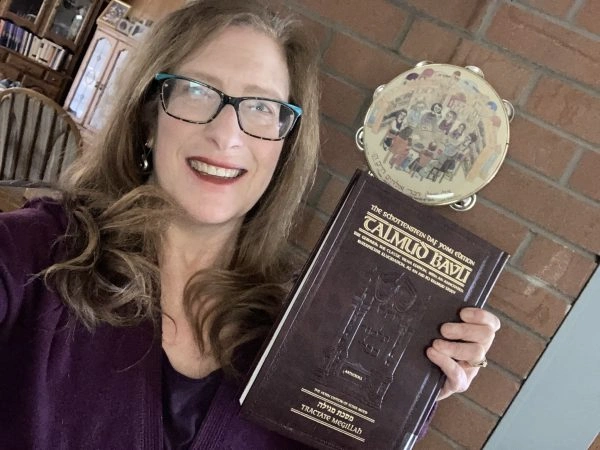
I began my journey with Rabbanit Michelle more than five years ago. My friend came up with a great idea for about 15 of us to learn the daf and one of us would summarize weekly what we learned.
It was fun but after 2-3 months people began to leave. I have continued. Since the cycle began Again I have joined the Teaneck women.. I find it most rewarding in so many ways. Thank you

Dena Heller
Dena Heller

New Jersey, United States

My curiosity was peaked after seeing posts about the end of the last cycle. I am always looking for opportunities to increase my Jewish literacy & I am someone that is drawn to habit and consistency. Dinnertime includes a “Guess what I learned on the daf” segment for my husband and 18 year old twins. I also love the feelings of connection with my colleagues who are also learning.

Diana Bloom
Diana Bloom

Tampa, United States

I had no formal learning in Talmud until I began my studies in the Joint Program where in 1976 I was one of the few, if not the only, woman talmud major. It was superior training for law school and enabled me to approach my legal studies with a foundation . In 2018, I began daf yomi listening to Rabbanit MIchelle’s pod cast and my daily talmud studies are one of the highlights of my life.

Krivosha_Terri_Bio
Terri Krivosha

Minneapolis, United States

When I began learning Daf Yomi at the beginning of the current cycle, I was preparing for an upcoming surgery and thought that learning the Daf would be something positive I could do each day during my recovery, even if I accomplished nothing else. I had no idea what a lifeline learning the Daf would turn out to be in so many ways.

Laura Shechter
Laura Shechter

Lexington, MA, United States

As Jewish educator and as a woman, I’m mindful that Talmud has been kept from women for many centuries. Now that we are privileged to learn, and learning is so accessible, it’s my intent to complete Daf Yomi. I am so excited to keep learning with my Hadran community.

Sue Parker Gerson
Sue Parker Gerson

Denver, United States

Hadran entered my life after the last Siyum Hashaas, January 2020. I was inspired and challenged simultaneously, having never thought of learning Gemara. With my family’s encouragement, I googled “daf yomi for women”. A perfecr fit!
I especially enjoy when Rabbanit Michelle connects the daf to contemporary issues to share at the shabbat table e.g: looking at the Kohen during duchaning. Toda rabba

Marsha Wasserman
Marsha Wasserman

Jerusalem, Israel

When I started studying Hebrew at Brown University’s Hillel, I had no idea that almost 38 years later, I’m doing Daf Yomi. My Shabbat haburah is led by Rabbanit Leah Sarna. The women are a hoot. I’m tracking the completion of each tractate by reading Ilana Kurshan’s memoir, If All the Seas Were Ink.

Hannah Lee
Hannah Lee

Pennsylvania, United States

Retirement and Covid converged to provide me with the opportunity to commit to daily Talmud study in October 2020. I dove into the middle of Eruvin and continued to navigate Seder Moed, with Rabannit Michelle as my guide. I have developed more confidence in my learning as I completed each masechet and look forward to completing the Daf Yomi cycle so that I can begin again!

Rhona Fink
Rhona Fink

San Diego, United States

A friend mentioned that she was starting Daf Yomi in January 2020. I had heard of it and thought, why not? I decided to try it – go day by day and not think about the seven plus year commitment. Fast forward today, over two years in and I can’t imagine my life without Daf Yomi. It’s part of my morning ritual. If I have a busy day ahead of me I set my alarm to get up early to finish the day’s daf
Debbie Fitzerman
Debbie Fitzerman

Ontario, Canada

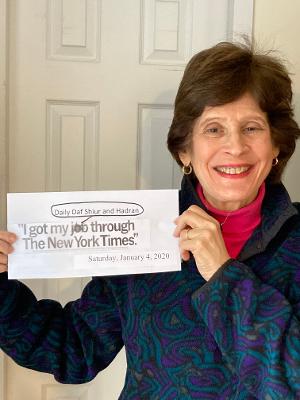
“I got my job through the NY Times” was an ad campaign when I was growing up. I can headline “I got my daily Daf shiur and Hadran through the NY Times”. I read the January 4, 2020 feature on Reb. Michelle Farber and Hadran and I have been participating ever since. Thanks NY Times & Hadran!
Deborah Aschheim
Deborah Aschheim

New York, United States

My Daf journey began in August 2012 after participating in the Siyum Hashas where I was blessed as an “enabler” of others.  Galvanized into my own learning I recited the Hadran on Shas in January 2020 with Rabbanit Michelle. That Siyum was a highlight in my life.  Now, on round two, Daf has become my spiritual anchor to which I attribute manifold blessings.

Rina Goldberg
Rina Goldberg

Englewood NJ, United States

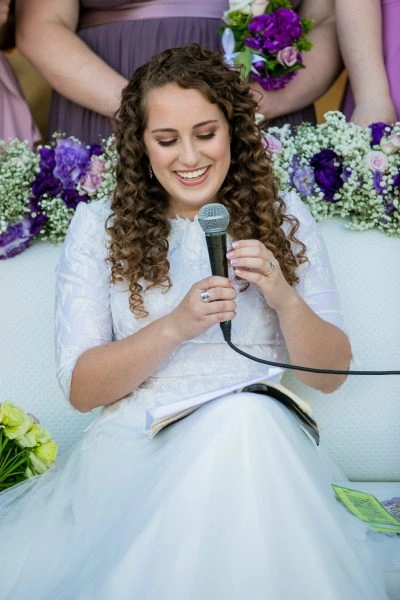
In my Shana bet at Migdal Oz I attended the Hadran siyum hash”as. Witnessing so many women so passionate about their Torah learning and connection to God, I knew I had to begin with the coming cycle. My wedding (June 24) was two weeks before the siyum of mesechet yoma so I went a little ahead and was able to make a speech and siyum at my kiseh kallah on my wedding day!

Sharona Guggenheim Plumb

Givat Shmuel, Israel

I started learning Daf Yomi to fill what I saw as a large gap in my Jewish education. I also hope to inspire my three daughters to ensure that they do not allow the same Talmud-sized gap to form in their own educations. I am so proud to be a part of the Hadran community, and I have loved learning so many of the stories and halachot that we have seen so far. I look forward to continuing!
Dora Chana Haar
Dora Chana Haar

Oceanside NY, United States

When I was working and taking care of my children, learning was never on the list. Now that I have more time I have two different Gemora classes and the nach yomi as well as the mishna yomi daily.

Shoshana Shinnar
Shoshana Shinnar

Jerusalem, Israel

I started the daf at the beginning of this cycle in January 2020. My husband, my children, grandchildren and siblings have been very supportive. As someone who learned and taught Tanach and mefarshim for many years, it has been an amazing adventure to complete the six sedarim of Mishnah, and now to study Talmud on a daily basis along with Rabbanit Michelle and the wonderful women of Hadran.

Rookie Billet
Rookie Billet

Jerusalem, Israel

I started at the beginning of this cycle. No 1 reason, but here’s 5.
In 2019 I read about the upcoming siyum hashas.
There was a sermon at shul about how anyone can learn Talmud.
Talmud references come up when I am studying. I wanted to know more.
Yentl was on telly. Not a great movie but it’s about studying Talmud.
I went to the Hadran website: A new cycle is starting. I’m gonna do this

Denise Neapolitan
Denise Neapolitan

Cambridge, United Kingdom

I never thought I’d be able to do Daf Yomi till I saw the video of Hadran’s Siyum HaShas. Now, 2 years later, I’m about to participate in Siyum Seder Mo’ed with my Hadran community. It has been an incredible privilege to learn with Rabbanit Michelle and to get to know so many caring, talented and knowledgeable women. I look forward with great anticipation and excitement to learning Seder Nashim.

Caroline-Ben-Ari-Tapestry
Caroline Ben-Ari

Karmiel, Israel

A beautiful world of Talmudic sages now fill my daily life with discussion and debate.
bringing alive our traditions and texts that has brought new meaning to my life.
I am a מגילת אסתר reader for women . the words in the Mishna of מסכת megillah 17a
הקורא את המגילה למפרע לא יצא were powerful to me.
I hope to have the zchut to complete the cycle for my 70th birthday.

Sheila Hauser
Sheila Hauser

Jerusalem, Israel

In early January of 2020, I learned about Siyyum HaShas and Daf Yomi via Tablet Magazine’s brief daily podcast about the Daf. I found it compelling and fascinating. Soon I discovered Hadran; since then I have learned the Daf daily with Rabbanit Michelle Cohen Farber. The Daf has permeated my every hour, and has transformed and magnified my place within the Jewish Universe.

Lisa Berkelhammer
Lisa Berkelhammer

San Francisco, CA , United States

I started learning daf yomi at the beginning of this cycle. As the pandemic evolved, it’s been so helpful to me to have this discipline every morning to listen to the daf podcast after I’ve read the daf; learning about the relationships between the rabbis and the ways they were constructing our Jewish religion after the destruction of the Temple. I’m grateful to be on this journey!

Mona Fishbane
Mona Fishbane

Teaneck NJ, United States

Nedarim 63

מֵיתִיבִי: אֵיזוֹהִי זְמַנָּהּ שֶׁל רְבִיעָה? הַבְּכִירָה — בִּשְׁלֹשָׁה, בֵּינוֹנִית — בְּשִׁבְעָה, אֲפִילָה — בְּעֶשְׂרִים וּשְׁלֹשָׁה, דִּבְרֵי רַבִּי מֵאִיר. רַבִּי יְהוּדָה אוֹמֵר: בְּשִׁבְעָה, וּבְשִׁבְעָה עָשָׂר, וּבְעֶשְׂרִים וּשְׁלֹשָׁה.

The Gemara raises an objection against the statement by Rabbi Zeira from the following baraita: When is the time of the rainfall? The early rainfall occurs on the third of the month of Marḥeshvan; the intermediate rainfall is on the seventh of the month, while the late rainfall is on the twenty-third of the month. This is the statement of Rabbi Meir. Rabbi Yehuda says: The respective dates are on the seventh, on the seventeenth, and on the twenty-third of Marḥeshvan.

רַבִּי יוֹסֵי אוֹמֵר: בְּשִׁבְעָה עָשָׂר, וּבְעֶשְׂרִים וּשְׁלֹשָׁה, וּבְחוֹדֶשׁ כִּסְלֵיו. וְכֵן הָיָה רַבִּי יוֹסֵי אוֹמֵר: אֵין הַיְּחִידִים מִתְעַנִּין עַד שֶׁיַּגִּיעַ רֹאשׁ חֹדֶשׁ כִּסְלֵיו.

Rabbi Yosei says: The first two time periods are on the seventeenth and on the twenty-third of Marḥeshvan, and the last period is at the beginning of the month of Kislev. And so too, Rabbi Yosei would say: The learned individuals, who would start to fast due to a drought at an earlier time than the rest of the community, do not start to fast until the New Moon of Kislev arrives and no rain has fallen.

וְאָמְרִינַן עֲלַהּ: בִּשְׁלָמָא רְבִיעָה רִאשׁוֹנָה — לִישָּׁאֵל. שְׁלִישִׁית — לְהִתְעַנּוֹת. אֶלָּא שְׁנִיָּה לְמַאי? וְאָמַר רַבִּי זֵירָא: לְנוֹדֵר.

And we say about this: Granted, they disagreed over the time of the first rainfall, as this time is relevant with regard to asking for rain through prayer. The time when the third rainfall is expected is relevant with regard to fasting due to lack of rain. But as for the expected time for the second rainfall, for what purpose did they disagree about its date? And Rabbi Zeira said: It is significant for one who vows until the rain.

וְאָמְרִינַן עֲלַהּ: כְּמַאן אָזְלָא הָא דְּתַנְיָא, רַבָּן שִׁמְעוֹן בֶּן גַּמְלִיאֵל אוֹמֵר: גְּשָׁמִים שֶׁיָּרְדוּ שִׁבְעָה יָמִים זֶה אַחַר זֶה — אַתָּה מוֹנֶה בָּהֶן רְבִיעָה רִאשׁוֹנָה וּשְׁנִיָּה. כְּמַאן? כְּרַבִּי יוֹסֵי!

And furthermore, we say about this: In accordance with whose opinion is that which is taught in the baraita: Rabban Shimon ben Gamliel says: In the case of rains that fell for seven days, one after another, you count them as the first rainfall and the second. In accordance with whose opinion is this statement? In accordance with the opinion of Rabbi Yosei, who is the only tanna who holds that the first and second periods of rainfall span seven days. It is evident from this discussion that Rabban Shimon ben Gamliel argues that one who vows until the rain must wait until after the second actual rainfall. This contradicts the statement of Rabbi Zeira that until the rain is referring to the date when rain is supposed to fall.

הַהוּא דְּאָמַר ״עַד הַגְּשָׁמִים״.

The Gemara answers: That baraita is referring to one who said: Until the rains, rather than: Until the rain. Consequently, the expiration of his vow is determined by the actual time of rainfall.

מַתְנִי׳ ״קֻוֽנָּם יַיִן שֶׁאֵינִי טוֹעֵם לְשָׁנָה״, נִתְעַבְּרָה הַשָּׁנָה — אָסוּר בָּהּ וּבְעִיבּוּרָהּ. ״עַד רֹאשׁ אֲדָר״ — עַד רֹאשׁ אֲדָר הָרִאשׁוֹן. ״עַד סוֹף אֲדָר״ — עַד סוֹף אֲדָר הָרִאשׁוֹן.

MISHNA: In the case of one who said: Wine is konam for me, and for that reason I will not taste it for the entire year, if the year was extended, i.e., it was declared to be a leap year, he is prohibited from drinking wine during the year and its intercalated month. If he vowed until the beginning of the month of Adar, the vow remains in effect until the beginning of the first Adar. Similarly, if he says that his vow applies until the end of Adar, the vow remains in effect until the end of the first Adar.

גְּמָ׳ אַלְמָא סְתָמָא דַּ״אֲדָר״ דְּקָאָמַר — רִאשׁוֹן הוּא.

GEMARA: The Gemara comments on the statement in the mishna that if one takes a vow until the beginning of Adar, it remains in effect until the beginning of the first Adar. Apparently, when one says Adar without specification, his statement is understood as a reference to the first Adar.

לֵימָא מַתְנִיתִין רַבִּי יְהוּדָה הִיא, דְּתַנְיָא: אֲדָר הָרִאשׁוֹן — כּוֹתֵב ״אֲדָר הָרִאשׁוֹן״, אֲדָר שֵׁנִי — כּוֹתֵב ״אֲדָר״ סְתָם, דִּבְרֵי רַבִּי מֵאִיר. רַבִּי יְהוּדָה אוֹמֵר: אֲדָר הָרִאשׁוֹן — כּוֹתֵב סְתָם, אֲדָר שֵׁנִי — כּוֹתֵב ״תִּינְיָין״.

The Gemara asks: Shall we say that the mishna is in accordance with the opinion of Rabbi Yehuda? As it is taught in a baraita: In the first month of Adar, when dating a document, one writes that the document was composed in the first Adar. During the second Adar, one writes the name of the month of Adar without specification; this is the statement of Rabbi Meir. Rabbi Yehuda says the reverse: During the first Adar one writes the name of the month without specification, and in the second Adar he writes that the document was composed in the second Adar.

אָמַר אַבָּיֵי: אֲפִילּוּ תֵּימָא רַבִּי מֵאִיר, הָא דְּיָדַע דִּמְעַבְּרָא שַׁתָּא, הָא דְּלָא יָדַע.

Abaye said: You can even say that the mishna is in accordance with the opinion of Rabbi Meir, as there is a difference between the cases: In this baraita, the case is one where the individual who took the vow knew that the year was extended, i.e., declared as a leap year, and the disagreement concerns which Adar is considered the principal one. Conversely, that mishna is referring to a case where he did not know that it is a leap year and that there are two months of Adar. Consequently, when he referred to Adar, all agree that he meant the first Adar.

וְהָתַנְיָא: ״עַד רֹאשׁ חֹדֶשׁ אֲדָר״ — עַד רֹאשׁ חֹדֶשׁ אֲדָר הָרִאשׁוֹן, אִם הָיְתָה שָׁנָה מְעוּבֶּרֶת — עַד רֹאשׁ חֹדֶשׁ אֲדָר הַשֵּׁנִי.

And, so too, it is taught in a baraita: If one vows until the New Moon of Adar, the vow remains in effect until the New Moon of the first Adar, and if it was a leap year, it remains in effect until the New Moon of the second Adar.

מִכְּלָל דְּרֵישָׁא לָאו בִּמְעוּבֶּרֶת עָסְקִינַן?! שְׁמַע מִינַּהּ: הָא דִּפְשִׁיטָא לֵיהּ דִּמְעַבְּרָא שַׁתָּא, הָא דְּלָא יָדַע.

The Gemara analyzes this baraita: Does the latter clause prove by inference that in the first clause, we are not dealing with a leap year? In a regular year there is only one month of Adar, so it is impossible to speak of a first or second Adar. Rather, learn from it that this latter clause is referring to a case where it is obvious to him that the year was extended, and therefore when he refers to the month of Adar he means the second Adar, whereas that first clause is referring to a case where he did not know that it was a leap year, in which case he means the first Adar.

מַתְנִי׳ רַבִּי יְהוּדָה אוֹמֵר: ״קֻוֽנָּם יַיִן שֶׁאֵינִי טוֹעֵם עַד שֶׁיְּהֵא הַפֶּסַח״ — לֹא נִתְכַּוֵּון זֶה אֶלָּא עַד לֵיל הַפֶּסַח, עַד שָׁעָה שֶׁדֶּרֶךְ בְּנֵי אָדָם לִשְׁתּוֹת יַיִן.

MISHNA: Rabbi Yehuda says: In the case of one who says: Wine is konam for me, and for that reason I will not taste it until it will be Passover, it is understood that this individual intended for his vow to apply only until the night of Passover, i.e., until the time when it is customary for people to drink wine in order to fulfill the mitzva of drinking the four cups, but he did not intend to prevent himself from being able to fulfill this mitzva.

אָמַר ״קֻוֽנָּם בָּשָׂר שֶׁאֵינִי טוֹעֵם עַד שֶׁיְּהֵא הַצּוֹם״ — אֵינוֹ אָסוּר אֶלָּא עַד לֵילֵי צוֹם, שֶׁלֹּא נִתְכַּוֵּון זֶה אֶלָּא עַד שָׁעָה שֶׁדֶּרֶךְ בְּנֵי אָדָם לֶאֱכוֹל בָּשָׂר. רַבִּי יוֹסֵי בְּנוֹ אוֹמֵר: ״קֻוֽנָּם שׁוּם שֶׁאֲנִי טוֹעֵם עַד שֶׁתְּהֵא שַׁבָּת״, אֵינוֹ אָסוּר אֶלָּא עַד לֵילֵי שַׁבָּת, שֶׁלֹּא נִתְכַּוֵּון זֶה אֶלָּא עַד שָׁעָה שֶׁדֶּרֶךְ בְּנֵי אָדָם לֶאֱכוֹל בְּשׁוּם.

Similarly, if he said: Meat is konam for me, and for that reason I will not taste it until it will be the fast of Yom Kippur, he is prohibited from eating meat only until the eve of [leilei] the fast. This is because it is understood that this individual intended for his vow to apply only until the time when it is customary for people to eat meat in the festive meal before the fast, and he did not intend to prevent himself from being able to participate in that meal. Rabbi Yosei, his son, says: One who vows: Garlic is konam for me, and for that reason I will not taste it until it will be Shabbat, it is prohibited for him to eat garlic only until the eve of Shabbat, as it is understood that this individual intended for his vow to apply only until the time when it is customary for people to eat garlic.

הָאוֹמֵר לַחֲבֵירוֹ ״קֻוֽנָּם שֶׁאֲנִי נֶהֱנֶה לְךָ אִם אֵין אַתְּ בָּא וְנוֹטֵל לְבָנֶיךָ כּוֹר אֶחָד שֶׁל חִטִּין וּשְׁתֵּי חָבִיּוֹת שֶׁל יַיִן״ — הֲרֵי זֶה יָכוֹל לְהָפֵר אֶת נִדְרוֹ שֶׁלֹּא עַל פִּי חָכָם. וְיֹאמַר לוֹ: כְּלוּם אָמַרְתָּ אֶלָּא מִפְּנֵי כְבוֹדִי — זֶהוּ כְּבוֹדִי.

In the case of one who says to another: Benefiting from you is konam for me, i.e., I am prohibited from deriving benefit from you, if you do not come and take for your son one kor of wheat and two barrels of wine as a gift, this other individual can dissolve his vow without the consent of a halakhic authority. This is because he can say to him: Did you say your vow for any reason other than due to my honor, in order to convince me to accept a gift for my son? This is my honor, that I refrain from accepting the gift, and consequently the vow is annulled.

וְכֵן הָאוֹמֵר לַחֲבֵירוֹ ״קֻוֽנָּם שֶׁאַתְּ נֶהֱנֵית לִי אִם אֵין אַתְּ בָּא וְנוֹתֵן לִבְנִי כּוֹר שֶׁל חִטִּין וּשְׁתֵּי חָבִיּוֹת שֶׁל יַיִן״, רַבִּי מֵאִיר אוֹמֵר: אָסוּר עַד שֶׁיִּתֵּן, וַחֲכָמִים אוֹמְרִים: אַף זֶה יָכוֹל לְהָפֵר אֶת נִדְרוֹ שֶׁלֹּא עַל פִּי חָכָם, וְיֹאמַר לוֹ: הֲרֵי אֲנִי כְּאִילּוּ נִתְקַבַּלְתִּי.

And, so too, in the case of one who says to another: Benefiting from me is konam for you, i.e., you are prohibited from deriving benefit from me, if you do not come and give my son one kor of wheat and two barrels of wine, Rabbi Meir says: It is prohibited for the other individual to benefit from the speaker until he gives the gifts to his son. However, the Rabbis say: Even this individual who took the vow can dissolve his own vow without the consent of a halakhic authority. This is because he can say to him: I hereby consider it as though I have received the gift.

הָיָה מְסָרֵב בּוֹ לָשֵׂאת בַּת אֲחוֹתוֹ, וְאָמַר ״קֻוֽנָּם שֶׁהִיא נֶהֱנֵית לִי לְעוֹלָם״, וְכֵן הַמְגָרֵשׁ אֶת אִשְׁתּוֹ, אוֹמֵר ״קֻוֽנָּם אִשְׁתִּי נֶהֱנֵית לִי לְעוֹלָם״ — הֲרֵי אֵלּוּ מוּתָּרוֹת לֵהָנוֹת לוֹ, שֶׁלֹּא נִתְכַּוֵּון זֶה אֶלָּא לְשׁוּם אִישׁוּת.

If an individual was urging another to marry the daughter of his sister, and in order to deflect the pressure, the other man said: Benefiting from me is konam for her forever, i.e., she is prohibited from deriving any benefit from me forever, and, so too, if there is one who divorces his wife and says: Benefiting from me is konam for my wife forever, these women are permitted to derive benefit from him, as this man intended to take this vow only for the purpose of prohibiting marriage between them, but not to prohibit all forms of benefit.

הָיָה מְסָרֵב בַּחֲבֵירוֹ שֶׁיֹּאכַל אֶצְלוֹ, אָמַר: ״קֻוֽנָּם לְבֵיתְךָ שֶׁאֲנִי נִכְנָס, טִיפַּת צוֹנֵן שֶׁאֲנִי טוֹעֵם לָךְ״ — מוּתָּר לִיכָּנֵס לְבֵיתוֹ וְלִשְׁתּוֹת מִמֶּנּוּ צוֹנֵן, שֶׁלֹּא נִתְכַּוֵּון זֶה אֶלָּא לְשׁוּם אֲכִילָה וּשְׁתִיָּה.

Similarly, if one was urging another to eat with him, and the latter said: Entering your house is konam for me, as is tasting even a drop of cold liquid of yours, the individual who took the vow is nevertheless permitted to enter his house and to drink a cold beverage of his. This is because this individual intended to take this vow only for the purpose of eating and drinking a meal, but not to prohibit himself from entering the house entirely or from drinking in small quantities (Commentary on Nedarim).

הֲדַרַן עֲלָךְ קֻוֽנָּם יַיִן

Want to follow content and continue where you left off?

Create an account today to track your progress, mark what you’ve learned, and follow the shiurim that speak to you.

Clear all items from this list?

This will remove ALL the items in this section. You will lose any progress or history connected to them. This is irreversible.

Cancel
Yes, clear all

Are you sure you want to delete this item?

You will lose any progress or history connected to this item.

Cancel
Yes, delete