Search

Nedarim 73

Want to dedicate learning? Get started here:

English
עברית
podcast placeholder

0:00
0:00


podcast placeholder

0:00
0:00


Summary

Today’s daf is sponsored by Catriella Freedman in memory of her mother Gerda Stein, Freida bat Fruma on her 5th yahrzeit. “Her dedication to scholarship and knowledge has been my inspiration.”

If one can nullify even vows they did not hear, can a deaf person nullify vows – does he need to be able to hear even if he didn’t actually hear or is hearing not an issue at all? Can a husband nullify two wives’ vows at the exact same time? The answers to both these questions are derived from the language used in the verses in the Torah. Rabbi Eliezer holds that a woman who has reached the stage of maturity called ‘bogeret‘ or has waited the time after betrothal when the husband already assumes financial responsibility, he can nullify her vows. The rabbis disagree and only permit nullification after marriage. Rabbi says that Rabbi Eliezer matches the opinion of the early version of the Mishna in Ketubot 57a which states that after twelve months of betrothal, a woman betrothed to a kohen can eat truma. Abaye disagrees and explains why the two issues are not necessarily connected.

Nedarim 73

הָכָא נָמֵי, דְּאָמַר לֵיהּ: לְכִי שָׁמַעְנָא מֵיפַר לַהּ. לְכִי שָׁמַע לֵיפַר לַהּ? הוּא סָבַר: דִּלְמָא מִטְּרִידְנָא.

The Gemara rejects this conclusion as well: Here too, it is a case in which the husband says to the steward: When I hear the vow, then it will be nullified for her. The Gemara asks: Let him nullify the vows for her when he actually hears them. Why do so earlier? The Gemara answers: He reasons: Perhaps I will be preoccupied at that moment and will forget to nullify them. The question pertaining to nullification of vows without hearing them is left unresolved.

בָּעֵי רָמֵי בַּר חָמָא: חֵרֵשׁ, מַהוּ שֶׁיָּפֵר לְאִשְׁתּוֹ? אִם תִּמְצָא לוֹמַר בַּעַל מֵיפֵר בְּלֹא שְׁמִיעָה — מִשּׁוּם דְּבַר מִישְׁמַע הוּא, אֲבָל חֵרֵשׁ דְּלָאו בַּר מִישְׁמַע הוּא, הַיְינוּ דְּרַבִּי זֵירָא.

§ Rami bar Ḥama asks: With regard to a deaf man, what is the halakha with regard to his nullifying vows for his wife? If you say that a husband who is not deaf can nullify a vow without hearing it, then perhaps this is because he is capable of hearing. But with regard to a deaf man, who is not capable of hearing, perhaps this is an application of the principle derived from the statement of Rabbi Zeira.

דְּאָמַר רַבִּי זֵירָא: כׇּל הָרָאוּי לְבִילָּה — אֵין בִּילָּה מְעַכֶּבֶת בּוֹ, וְכֹל שֶׁאֵין רָאוּי לְבִילָּה — בִּילָּה מְעַכֶּבֶת בּוֹ.

As Rabbi Zeira said: For any amount of flour suitable for mingling with oil in a meal-offering, mingling is not indispensable for it. Even though it is a mitzva to mingle the flour and oil ab initio, if they were not mingled, the meal-offering is still valid. But for any amount of flour not suitable for mingling, mingling is indispensable for it, and such a meal-offering is invalid. The principle is: Ab initio requirements prevent the fulfillment of a mitzva in situations where they are not merely absent but impossible. In this case, the deaf man does not merely not hear the vow, it is impossible for him to do so.

אוֹ דִלְמָא: ״וְשָׁמַע אִישָׁהּ״ לָא מְעַכֵּב. אָמַר רָבָא: תָּא שְׁמַע ״וְשָׁמַע אִישָׁהּ״ — פְּרָט לְאֵשֶׁת חֵרֵשׁ. שְׁמַע מִינַּהּ.

Or perhaps the phrase “and her husband hears it” (Numbers 30:8) does not mean that hearing is indispensable to the nullification of a vow, so that even a deaf man can nullify his wife’s vows. Rava said: Come and hear a baraita interpreting that verse: “And her husband hears it”; this excludes the wife of a deaf man. The Gemara concludes: Learn from this baraita that a deaf man cannot nullify his wife’s vows.

אִיבַּעְיָא לְהוּ: בַּעַל, מַהוּ שֶׁיָּפֵר לִשְׁתֵּי נָשָׁיו בְּבַת אַחַת? ״אוֹתָהּ״ דַּוְקָא, אוֹ לָאו דַּוְקָא?

§ A dilemma was raised before the Sages: Concerning a husband, what is the halakha with regard to nullifying vows for his two wives simultaneously? Do the words “but if her husband disallows her on the day that he hears it, and he nullifies her vow which is upon her” (Numbers 30:9), stated in the singular, refer specifically to one wife? Or, perhaps it does not refer specifically to one wife, and a husband can nullify the vows of more than one wife simultaneously.

אָמַר רָבִינָא, תָּא שְׁמַע: אֵין מַשְׁקִין שְׁתֵּי סוֹטוֹת כְּאַחַת, מִפְּנֵי שֶׁלִּבָּהּ גַּס בַּחֲבֶירְתָּהּ.

Ravina said: Come and hear a baraita: In the sota ritual, performed by women suspected by their husbands of having committed adultery, two sota women are not given to drink the bitter waters as one. This is because the heart of each becomes emboldened [gas] in the presence of the other woman, and if one is guilty she will lack the humility to confess.

רַבִּי יְהוּדָה אוֹמֵר: לֹא מִן הַשֵּׁם הוּא זֶה, אֶלָּא מִשּׁוּם שֶׁנֶּאֱמַר ״וְהִשְׁקָהּ״ — אוֹתָהּ, לְבַדָּהּ.

Rabbi Yehuda says: This is not for that reason [lo min hashem hu zeh], but because it is stated: “And he shall make her drink” (Numbers 5:27), which indicates her by herself. Similarly, the words “disallows her” (Numbers 30:9) should be read as referring specifically to a single woman, indicating that a man cannot nullify the vows of two wives simultaneously.

מַתְנִי׳ בּוֹגֶרֶת שֶׁשָּׁהֲתָה שְׁנֵים עָשָׂר חֹדֶשׁ, וְאַלְמָנָה שְׁלֹשִׁים יוֹם, רַבִּי אֱלִיעֶזֶר אוֹמֵר: הוֹאִיל וּבַעְלָהּ חַיָּיב בִּמְזוֹנוֹתֶיהָ — יָפֵר. וַחֲכָמִים אוֹמְרִים: אֵין הַבַּעַל מֵיפֵר עַד שֶׁתִּכָּנֵס לִרְשׁוּתוֹ.

MISHNA: With regard to a grown woman who waited twelve months after her betrothal and the time arrived for her betrothed to marry her, or a widow who waited thirty days and the time arrived for her betrothed to marry her, Rabbi Eliezer says: Since her husband is already obligated to provide for her sustenance, as he is obligated to have married her by then, he can nullify her vows by himself, as if he were fully married to her. But the Rabbis say: The husband does not nullify her vows on his own until she enters his jurisdiction.

גְּמָ׳ אָמַר רַבָּה: רַבִּי אֱלִיעֶזֶר וּמִשְׁנָה רִאשׁוֹנָה אָמְרוּ דָּבָר אֶחָד. דִּתְנַן: נוֹתְנִין לַבְּתוּלָה שְׁנֵים עָשָׂר חֹדֶשׁ לְפַרְנֵס עַצְמָהּ. הִגִּיעַ שְׁנֵים עָשָׂר חֹדֶשׁ — אוֹכֶלֶת מִשֶּׁלּוֹ, וְאוֹכֶלֶת בִּתְרוּמָה. אֲבָל הַיָּבָם אֵינוֹ מַאֲכִיל בִּתְרוּמָה.

GEMARA: Rabba says: Rabbi Eliezer and the initial version of the mishna said the same thing, as we learned in a mishna (Ketubot 57a): A virgin is given twelve months from the time of her betrothal to prepare herself, i.e., to prepare her trousseau. If the end of the twelve-month period arrived, even if he has not married her, she partakes of his food, i.e., he is obligated to provide for her. And if she was betrothed to a priest, she partakes of teruma like a priest’s wife. However, a man, i.e., a priest, whose married brother died childless [yavam], does not enable the woman awaiting levirate marriage to him to partake of teruma until they are actually married.

עָשְׂתָה שִׁשָּׁה חֳדָשִׁים בִּפְנֵי הַבַּעַל, וְשִׁשָּׁה חֳדָשִׁים בִּפְנֵי הַיָּבָם, וַאֲפִילּוּ כּוּלָּן בִּפְנֵי הַבַּעַל חָסֵר יוֹם אֶחָד, אוֹ כּוּלָּן בִּפְנֵי הַיָּבָם חָסֵר יוֹם אֶחָד — אֵינָהּ אוֹכֶלֶת בִּתְרוּמָה. זוֹ מִשְׁנָה רִאשׁוֹנָה. בֵּית דִּין שֶׁל אַחֲרֵיהֶם אָמְרוּ: אֵין הָאִשָּׁה אוֹכֶלֶת בִּתְרוּמָה עַד שֶׁתִּכָּנֵס לַחוּפָּה.

If the woman completed six months of awaiting marriage under the aegis of the husband, and he died, and then she completed six months under the aegis of the yavam; or even if she completed all of those months under the aegis of the husband, less one day; or all of them under the aegis of the yavam less one day, she may not partake of teruma. This is the initial version of the mishna. However, a court that convened after them, in a later generation, said: The woman may not partake of teruma until she enters the marriage canopy, thereby finalizing the marriage. Rabbi Eliezer’s opinion that her husband can nullify her vows after the completion of the period allotted after the betrothal follows the initial version, which requires the husband to support her from that point forward.

אֲמַר לֵיהּ אַבָּיֵי, דִּלְמָא לָא הִיא: עַד כָּאן לָא קָא אַשְׁמְעִינַן מִשְׁנָה רִאשׁוֹנָה אֶלָּא לְמֵיכַל בִּתְרוּמָה דְּרַבָּנַן. אֲבָל נְדָרִים דְּאוֹרָיְיתָא — אֵימָא לָא.

Abaye said to him: Perhaps it is not so. The initial version of the mishna teaches us only about the permissibility of her partaking of teruma whose status is by rabbinic law, but with regard to vows, whose prohibitions have the force of Torah law, say that her betrothed cannot nullify them.

וְעַד כָּאן לָא שָׁמְעַתְּ לֵיהּ לְרַבִּי אֱלִיעֶזֶר אֶלָּא גַּבֵּי נְדָרִים, כִּדְרַב פִּנְחָס מִשְּׁמֵיהּ דְּרָבָא דְּאָמַר כׇּל הַנּוֹדֶרֶת עַל דַּעַת בַּעְלָהּ הִיא נוֹדֶרֶת. אֲבָל תְּרוּמָה — אֲפִילּוּ מִדְּרַבָּנַן נָמֵי לָא אָכְלָה.

And perhaps you did not hear Rabbi Eliezer state his opinion that a betrothed woman is regarded as married only with regard to vows. Perhaps Rabbi Eliezer holds like that which Rav Pineḥas said in the name of Rava, who said: Any woman who takes a vow, takes a vow contingent upon the consent of her husband, since he provides her sustenance. Perhaps Rabbi Eliezer grants her betrothed authority over her vows only because she vows with his consent in mind, since he is now obligated to provide for her. But with regard to teruma, Rabbi Eliezer might hold that even if it is teruma by rabbinic law, she may not partake of it.

New to Talmud?

Check out our resources designed to help you navigate a page of Talmud – and study at the pace, level and style that fits you. 

The Hadran Women’s Tapestry

Meet the diverse women learning Gemara at Hadran and hear their stories. 

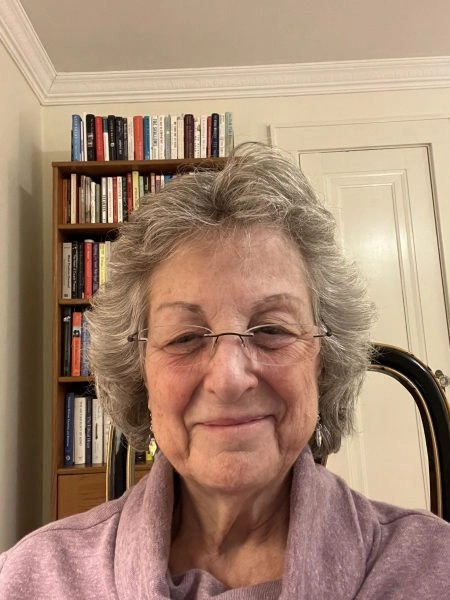
After being so inspired by the siyum shas two years ago, I began tentatively learning daf yomi, like Rabbanut Michelle kept saying – taking one daf at a time. I’m still taking it one daf at a time, one masechet at a time, but I’m loving it and am still so inspired by Rabbanit Michelle and the Hadran community, and yes – I am proud to be finishing Seder Mo’ed.

Caroline Graham-Ofstein

Bet Shemesh, Israel

I started learning at the beginning of this cycle more than 2 years ago, and I have not missed a day or a daf. It’s been challenging and enlightening and even mind-numbing at times, but the learning and the shared experience have all been worth it. If you are open to it, there’s no telling what might come into your life.

Patti Evans
Patti Evans

Phoenix, Arizona, United States

“I got my job through the NY Times” was an ad campaign when I was growing up. I can headline “I got my daily Daf shiur and Hadran through the NY Times”. I read the January 4, 2020 feature on Reb. Michelle Farber and Hadran and I have been participating ever since. Thanks NY Times & Hadran!
Deborah Aschheim
Deborah Aschheim

New York, United States

Hearing and reading about the siyumim at the completion of the 13 th cycle Daf Yomi asked our shul rabbi about starting the Daf – he directed me to another shiur in town he thought would allow a woman to join, and so I did! Love seeing the sources for the Divrei Torah I’ve been hearing for the past decades of living an observant life and raising 5 children .

Jill Felder
Jill Felder

Pittsburgh, Pennsylvania, United States

Last cycle, I listened to parts of various מסכתות. When the הדרן סיום was advertised, I listened to Michelle on נידה. I knew that בע”ה with the next cycle I was in (ב”נ). As I entered the סיום (early), I saw the signs and was overcome with emotion. I was randomly seated in the front row, and I cried many times that night. My choice to learn דף יומי was affirmed. It is one of the best I have made!

Miriam Tannenbaum
Miriam Tannenbaum

אפרת, Israel

I started learning on January 5, 2020. When I complete the 7+ year cycle I will be 70 years old. I had been intimidated by those who said that I needed to study Talmud in a traditional way with a chevruta, but I decided the learning was more important to me than the method. Thankful for Daf Yomi for Women helping me catch up when I fall behind, and also being able to celebrate with each Siyum!

Pamela Elisheva
Pamela Elisheva

Bakersfield, United States

Ive been learning Gmara since 5th grade and always loved it. Have always wanted to do Daf Yomi and now with Michelle Farber’s online classes it made it much easier to do! Really enjoying the experience thank you!!

Lisa Lawrence
Lisa Lawrence

Neve Daniel, Israel

I started learning daf yomi at the beginning of this cycle. As the pandemic evolved, it’s been so helpful to me to have this discipline every morning to listen to the daf podcast after I’ve read the daf; learning about the relationships between the rabbis and the ways they were constructing our Jewish religion after the destruction of the Temple. I’m grateful to be on this journey!

Mona Fishbane
Mona Fishbane

Teaneck NJ, United States

I started the daf at the beginning of this cycle in January 2020. My husband, my children, grandchildren and siblings have been very supportive. As someone who learned and taught Tanach and mefarshim for many years, it has been an amazing adventure to complete the six sedarim of Mishnah, and now to study Talmud on a daily basis along with Rabbanit Michelle and the wonderful women of Hadran.

Rookie Billet
Rookie Billet

Jerusalem, Israel

While vacationing in San Diego, Rabbi Leah Herz asked if I’d be interested in being in hevruta with her to learn Daf Yomi through Hadran. Why not? I had loved learning Gemara in college in 1971 but hadn’t returned. With the onset of covid, Daf Yomi and Rabbanit Michelle centered me each day. Thank-you for helping me grow and enter this amazing world of learning.
Meryll Page
Meryll Page

Minneapolis, MN, United States

Retirement and Covid converged to provide me with the opportunity to commit to daily Talmud study in October 2020. I dove into the middle of Eruvin and continued to navigate Seder Moed, with Rabannit Michelle as my guide. I have developed more confidence in my learning as I completed each masechet and look forward to completing the Daf Yomi cycle so that I can begin again!

Rhona Fink
Rhona Fink

San Diego, United States

I began learning the daf in January 2022. I initially “flew under the radar,” sharing my journey with my husband and a few close friends. I was apprehensive – who, me? Gemara? Now, 2 years in, I feel changed. The rigor of a daily commitment frames my days. The intellectual engagement enhances my knowledge. And the virtual community of learners has become a new family, weaving a glorious tapestry.

Gitta Jaroslawicz-Neufeld

Far Rockaway, United States

In July, 2012 I wrote for Tablet about the first all women’s siyum at Matan in Jerusalem, with 100 women. At the time, I thought, I would like to start with the next cycle – listening to a podcast at different times of day makes it possible. It is incredible that after 10 years, so many women are so engaged!

Beth Kissileff
Beth Kissileff

Pittsburgh, United States

I went to day school in Toronto but really began to learn when I attended Brovenders back in the early 1980’s. Last year after talking to my sister who was learning Daf Yomi, inspired, I looked on the computer and the Hadran site came up. I have been listening to each days shiur in the morning as I work. I emphasis listening since I am not sitting with a Gamara. I listen while I work in my studio.

Rachel Rotenberg
Rachel Rotenberg

Tekoa, Israel

After reading the book, “ If All The Seas Were Ink “ by Ileana Kurshan I started studying Talmud. I searched and studied with several teachers until I found Michelle Farber. I have been studying with her for two years. I look forward every day to learn from her.

Janine Rubens
Janine Rubens

Virginia, United States

My Daf journey began in August 2012 after participating in the Siyum Hashas where I was blessed as an “enabler” of others.  Galvanized into my own learning I recited the Hadran on Shas in January 2020 with Rabbanit Michelle. That Siyum was a highlight in my life.  Now, on round two, Daf has become my spiritual anchor to which I attribute manifold blessings.

Rina Goldberg
Rina Goldberg

Englewood NJ, United States

In January 2020, my chevruta suggested that we “up our game. Let’s do Daf Yomi” – and she sent me the Hadran link. I lost my job (and went freelance), there was a pandemic, and I am still opening the podcast with my breakfast coffee, or after Shabbat with popcorn. My Aramaic is improving. I will need a new bookcase, though.

Rhondda May
Rhondda May

Atlanta, Georgia, United States

I started learning daf yomi at the beginning of this cycle. As the pandemic evolved, it’s been so helpful to me to have this discipline every morning to listen to the daf podcast after I’ve read the daf; learning about the relationships between the rabbis and the ways they were constructing our Jewish religion after the destruction of the Temple. I’m grateful to be on this journey!

Mona Fishbane
Mona Fishbane

Teaneck NJ, United States

I learned daf more off than on 40 years ago. At the beginning of the current cycle, I decided to commit to learning daf regularly. Having Rabanit Michelle available as a learning partner has been amazing. Sometimes I learn with Hadran, sometimes with my husband, and sometimes on my own. It’s been fun to be part of an extended learning community.

Miriam Pollack
Miriam Pollack

Honolulu, Hawaii, United States

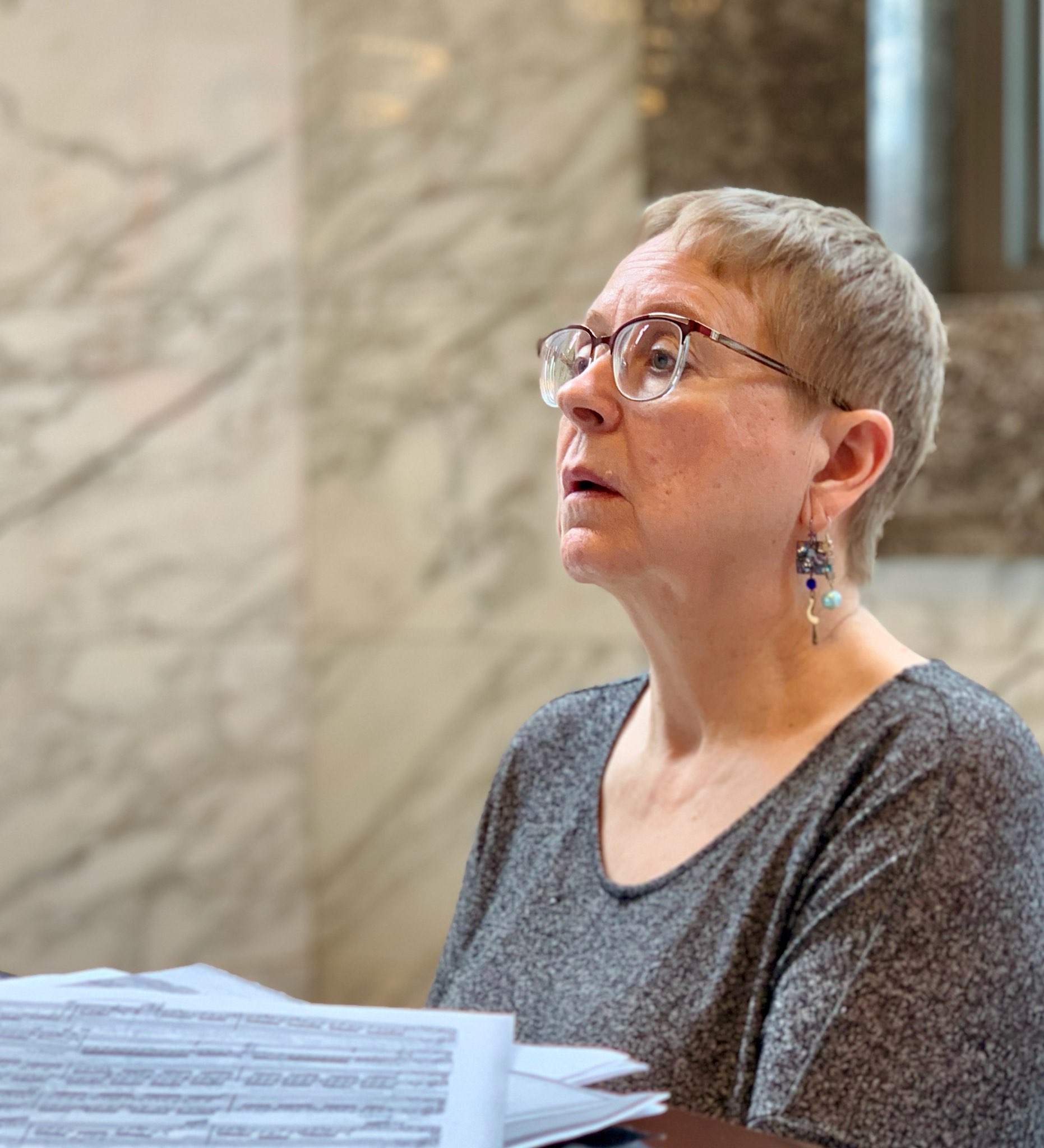
A Gemara shiur previous to the Hadran Siyum, was the impetus to attend it.It was highly inspirational and I was smitten. The message for me was התלמוד בידינו. I had decided along with my Chahsmonaim group to to do the daf and take it one daf at time- without any expectations at all. There has been a wealth of information, insights and halachik ideas. It is truly exercise of the mind, heart & Soul

Phyllis Hecht.jpeg
Phyllis Hecht

Hashmonaim, Israel

Nedarim 73

הָכָא נָמֵי, דְּאָמַר לֵיהּ: לְכִי שָׁמַעְנָא מֵיפַר לַהּ. לְכִי שָׁמַע לֵיפַר לַהּ? הוּא סָבַר: דִּלְמָא מִטְּרִידְנָא.

The Gemara rejects this conclusion as well: Here too, it is a case in which the husband says to the steward: When I hear the vow, then it will be nullified for her. The Gemara asks: Let him nullify the vows for her when he actually hears them. Why do so earlier? The Gemara answers: He reasons: Perhaps I will be preoccupied at that moment and will forget to nullify them. The question pertaining to nullification of vows without hearing them is left unresolved.

בָּעֵי רָמֵי בַּר חָמָא: חֵרֵשׁ, מַהוּ שֶׁיָּפֵר לְאִשְׁתּוֹ? אִם תִּמְצָא לוֹמַר בַּעַל מֵיפֵר בְּלֹא שְׁמִיעָה — מִשּׁוּם דְּבַר מִישְׁמַע הוּא, אֲבָל חֵרֵשׁ דְּלָאו בַּר מִישְׁמַע הוּא, הַיְינוּ דְּרַבִּי זֵירָא.

§ Rami bar Ḥama asks: With regard to a deaf man, what is the halakha with regard to his nullifying vows for his wife? If you say that a husband who is not deaf can nullify a vow without hearing it, then perhaps this is because he is capable of hearing. But with regard to a deaf man, who is not capable of hearing, perhaps this is an application of the principle derived from the statement of Rabbi Zeira.

דְּאָמַר רַבִּי זֵירָא: כׇּל הָרָאוּי לְבִילָּה — אֵין בִּילָּה מְעַכֶּבֶת בּוֹ, וְכֹל שֶׁאֵין רָאוּי לְבִילָּה — בִּילָּה מְעַכֶּבֶת בּוֹ.

As Rabbi Zeira said: For any amount of flour suitable for mingling with oil in a meal-offering, mingling is not indispensable for it. Even though it is a mitzva to mingle the flour and oil ab initio, if they were not mingled, the meal-offering is still valid. But for any amount of flour not suitable for mingling, mingling is indispensable for it, and such a meal-offering is invalid. The principle is: Ab initio requirements prevent the fulfillment of a mitzva in situations where they are not merely absent but impossible. In this case, the deaf man does not merely not hear the vow, it is impossible for him to do so.

אוֹ דִלְמָא: ״וְשָׁמַע אִישָׁהּ״ לָא מְעַכֵּב. אָמַר רָבָא: תָּא שְׁמַע ״וְשָׁמַע אִישָׁהּ״ — פְּרָט לְאֵשֶׁת חֵרֵשׁ. שְׁמַע מִינַּהּ.

Or perhaps the phrase “and her husband hears it” (Numbers 30:8) does not mean that hearing is indispensable to the nullification of a vow, so that even a deaf man can nullify his wife’s vows. Rava said: Come and hear a baraita interpreting that verse: “And her husband hears it”; this excludes the wife of a deaf man. The Gemara concludes: Learn from this baraita that a deaf man cannot nullify his wife’s vows.

אִיבַּעְיָא לְהוּ: בַּעַל, מַהוּ שֶׁיָּפֵר לִשְׁתֵּי נָשָׁיו בְּבַת אַחַת? ״אוֹתָהּ״ דַּוְקָא, אוֹ לָאו דַּוְקָא?

§ A dilemma was raised before the Sages: Concerning a husband, what is the halakha with regard to nullifying vows for his two wives simultaneously? Do the words “but if her husband disallows her on the day that he hears it, and he nullifies her vow which is upon her” (Numbers 30:9), stated in the singular, refer specifically to one wife? Or, perhaps it does not refer specifically to one wife, and a husband can nullify the vows of more than one wife simultaneously.

אָמַר רָבִינָא, תָּא שְׁמַע: אֵין מַשְׁקִין שְׁתֵּי סוֹטוֹת כְּאַחַת, מִפְּנֵי שֶׁלִּבָּהּ גַּס בַּחֲבֶירְתָּהּ.

Ravina said: Come and hear a baraita: In the sota ritual, performed by women suspected by their husbands of having committed adultery, two sota women are not given to drink the bitter waters as one. This is because the heart of each becomes emboldened [gas] in the presence of the other woman, and if one is guilty she will lack the humility to confess.

רַבִּי יְהוּדָה אוֹמֵר: לֹא מִן הַשֵּׁם הוּא זֶה, אֶלָּא מִשּׁוּם שֶׁנֶּאֱמַר ״וְהִשְׁקָהּ״ — אוֹתָהּ, לְבַדָּהּ.

Rabbi Yehuda says: This is not for that reason [lo min hashem hu zeh], but because it is stated: “And he shall make her drink” (Numbers 5:27), which indicates her by herself. Similarly, the words “disallows her” (Numbers 30:9) should be read as referring specifically to a single woman, indicating that a man cannot nullify the vows of two wives simultaneously.

מַתְנִי׳ בּוֹגֶרֶת שֶׁשָּׁהֲתָה שְׁנֵים עָשָׂר חֹדֶשׁ, וְאַלְמָנָה שְׁלֹשִׁים יוֹם, רַבִּי אֱלִיעֶזֶר אוֹמֵר: הוֹאִיל וּבַעְלָהּ חַיָּיב בִּמְזוֹנוֹתֶיהָ — יָפֵר. וַחֲכָמִים אוֹמְרִים: אֵין הַבַּעַל מֵיפֵר עַד שֶׁתִּכָּנֵס לִרְשׁוּתוֹ.

MISHNA: With regard to a grown woman who waited twelve months after her betrothal and the time arrived for her betrothed to marry her, or a widow who waited thirty days and the time arrived for her betrothed to marry her, Rabbi Eliezer says: Since her husband is already obligated to provide for her sustenance, as he is obligated to have married her by then, he can nullify her vows by himself, as if he were fully married to her. But the Rabbis say: The husband does not nullify her vows on his own until she enters his jurisdiction.

גְּמָ׳ אָמַר רַבָּה: רַבִּי אֱלִיעֶזֶר וּמִשְׁנָה רִאשׁוֹנָה אָמְרוּ דָּבָר אֶחָד. דִּתְנַן: נוֹתְנִין לַבְּתוּלָה שְׁנֵים עָשָׂר חֹדֶשׁ לְפַרְנֵס עַצְמָהּ. הִגִּיעַ שְׁנֵים עָשָׂר חֹדֶשׁ — אוֹכֶלֶת מִשֶּׁלּוֹ, וְאוֹכֶלֶת בִּתְרוּמָה. אֲבָל הַיָּבָם אֵינוֹ מַאֲכִיל בִּתְרוּמָה.

GEMARA: Rabba says: Rabbi Eliezer and the initial version of the mishna said the same thing, as we learned in a mishna (Ketubot 57a): A virgin is given twelve months from the time of her betrothal to prepare herself, i.e., to prepare her trousseau. If the end of the twelve-month period arrived, even if he has not married her, she partakes of his food, i.e., he is obligated to provide for her. And if she was betrothed to a priest, she partakes of teruma like a priest’s wife. However, a man, i.e., a priest, whose married brother died childless [yavam], does not enable the woman awaiting levirate marriage to him to partake of teruma until they are actually married.

עָשְׂתָה שִׁשָּׁה חֳדָשִׁים בִּפְנֵי הַבַּעַל, וְשִׁשָּׁה חֳדָשִׁים בִּפְנֵי הַיָּבָם, וַאֲפִילּוּ כּוּלָּן בִּפְנֵי הַבַּעַל חָסֵר יוֹם אֶחָד, אוֹ כּוּלָּן בִּפְנֵי הַיָּבָם חָסֵר יוֹם אֶחָד — אֵינָהּ אוֹכֶלֶת בִּתְרוּמָה. זוֹ מִשְׁנָה רִאשׁוֹנָה. בֵּית דִּין שֶׁל אַחֲרֵיהֶם אָמְרוּ: אֵין הָאִשָּׁה אוֹכֶלֶת בִּתְרוּמָה עַד שֶׁתִּכָּנֵס לַחוּפָּה.

If the woman completed six months of awaiting marriage under the aegis of the husband, and he died, and then she completed six months under the aegis of the yavam; or even if she completed all of those months under the aegis of the husband, less one day; or all of them under the aegis of the yavam less one day, she may not partake of teruma. This is the initial version of the mishna. However, a court that convened after them, in a later generation, said: The woman may not partake of teruma until she enters the marriage canopy, thereby finalizing the marriage. Rabbi Eliezer’s opinion that her husband can nullify her vows after the completion of the period allotted after the betrothal follows the initial version, which requires the husband to support her from that point forward.

אֲמַר לֵיהּ אַבָּיֵי, דִּלְמָא לָא הִיא: עַד כָּאן לָא קָא אַשְׁמְעִינַן מִשְׁנָה רִאשׁוֹנָה אֶלָּא לְמֵיכַל בִּתְרוּמָה דְּרַבָּנַן. אֲבָל נְדָרִים דְּאוֹרָיְיתָא — אֵימָא לָא.

Abaye said to him: Perhaps it is not so. The initial version of the mishna teaches us only about the permissibility of her partaking of teruma whose status is by rabbinic law, but with regard to vows, whose prohibitions have the force of Torah law, say that her betrothed cannot nullify them.

וְעַד כָּאן לָא שָׁמְעַתְּ לֵיהּ לְרַבִּי אֱלִיעֶזֶר אֶלָּא גַּבֵּי נְדָרִים, כִּדְרַב פִּנְחָס מִשְּׁמֵיהּ דְּרָבָא דְּאָמַר כׇּל הַנּוֹדֶרֶת עַל דַּעַת בַּעְלָהּ הִיא נוֹדֶרֶת. אֲבָל תְּרוּמָה — אֲפִילּוּ מִדְּרַבָּנַן נָמֵי לָא אָכְלָה.

And perhaps you did not hear Rabbi Eliezer state his opinion that a betrothed woman is regarded as married only with regard to vows. Perhaps Rabbi Eliezer holds like that which Rav Pineḥas said in the name of Rava, who said: Any woman who takes a vow, takes a vow contingent upon the consent of her husband, since he provides her sustenance. Perhaps Rabbi Eliezer grants her betrothed authority over her vows only because she vows with his consent in mind, since he is now obligated to provide for her. But with regard to teruma, Rabbi Eliezer might hold that even if it is teruma by rabbinic law, she may not partake of it.

Want to follow content and continue where you left off?

Create an account today to track your progress, mark what you’ve learned, and follow the shiurim that speak to you.

Clear all items from this list?

This will remove ALL the items in this section. You will lose any progress or history connected to them. This is irreversible.

Cancel
Yes, clear all

Are you sure you want to delete this item?

You will lose any progress or history connected to this item.

Cancel
Yes, delete