








One can only have their vows annulled (through a chacham/beit din) on Shabbat if it is for Shabbat. What about a husband/father who wants to nullify his wife’s/daughter’s vows on Shabbat? Is it also only permitted if necessary for Shabbat? A braita is brought which says they can only be nullified for the sake of Shabbat. however, Rav Ashi questions this from our Mishna. The conclusion is that it is a subject of debate among tannaim, and connects with the two opinions about whether one has twenty-four hours or just until nightfall to nullify her vows. One can nullify vows if it is for Shabbat, but does this include vows that could have been annulled before Shabbat and the person just didn’t take care of it? A proof is brought from a story that it can still be done. Rav Yosef didn’t want to allow people to annul in front of three men on Shabbat as this has the semblance of a court, which cannot convene on Shabbat. However, Abaye showed that since so many elements necessary for a court are not necessary for annulling vows, it does not have the semblance of a court. What are all those elements? Can one nullify vows at night? Another story is told of one who was reprimanded by the rabbis when he came to annul his vow that he is a sinner for taking vows in the first place. What wording can/cannot be used to nullify a wife’s/daughter’s vow? How does the wording need to be different on Shabbat? Why? What if the wording used for nullification was switched to the wording used for annulment or vice-versa?
Nedarim 77

Share this shiur:
Want to dedicate learning? Get started here:

Summary
Nedarim 77
תְּנַן הָתָם: מְפִירִין נְדָרִים בְּשַׁבָּת, וְנִשְׁאָלִין לִנְדָרִים שֶׁהֵן לְצוֹרֶךְ הַשַּׁבָּת. אִיבַּעְיָא לְהוּ: מְפִירִין נְדָרִים בְּשַׁבָּת לְצוֹרֶךְ הַשַּׁבָּת, אוֹ דִלְמָא אֲפִילּוּ שֶׁלֹּא לְצוֹרֶךְ?
§ We learned in a mishna elsewhere (Shabbat 157a): A father or husband may nullify his daughter’s or his wife’s vows on Shabbat and one may request from a halakhic authority to dissolve vows that are for the purpose of Shabbat. A dilemma was raised before the Sages: May one nullify vows on Shabbat only when they are for the purpose of Shabbat, or may one perhaps nullify vows on Shabbat even when they are not for the purpose of Shabbat?
תָּא שְׁמַע, דְּתָנֵי רַב זוּטֵי דְּבֵי רַב פַּפֵּי: אֵין מְפִירִין נְדָרִים אֶלָּא לְצוֹרֶךְ הַשַּׁבָּת. אָמַר רַב אָשֵׁי, הָא לָא תְּנַן הָכִי: נָדְרָה עִם חֲשֵׁיכָה — מֵפֵר לָהּ עַד שֶׁלֹּא תֶּחְשַׁךְ. וְאִי אָמְרַתְּ לְצוֹרֶךְ הַשַּׁבָּת — אִין, שֶׁלֹּא לְצוֹרֶךְ הַשַּׁבָּת — לָא, מַאי אִירְיָא חָשְׁכָה? אֲפִילּוּ בְּתוֹךְ הַיּוֹם אֵינוֹ יָכוֹל לְהָפֵר דְּשֶׁלֹּא לְצוֹרֶךְ!
Come and hear the baraita that Rav Zuti from the school of Rav Pappi taught: Vows may be nullified on Shabbat only for the purpose of Shabbat. Rav Ashi said: We did not learn that way in the mishna here. The mishna teaches: If she took a vow with nightfall approaching, her father or husband can nullify the vow for her only until nightfall. And if you say that with regard to nullification of vows that are for the purpose of Shabbat, yes, he may nullify those vows, but nullifications that are not for the purpose of Shabbat, no, he may not, why does the tanna specify nightfall? After all, even during the day he may not nullify that which is not for the purpose of Shabbat.
תַּנָּאֵי הִיא: הֲפָרַת נְדָרִים כׇּל הַיּוֹם, רַבִּי יוֹסֵי בְּרַבִּי יְהוּדָה וְרַבִּי אֶלְעָזָר בְּרַבִּי שִׁמְעוֹן אָמְרוּ: מֵעֵת לְעֵת.
The Gemara rejects this conclusion: Nullification on Shabbat is subject to a dispute between tanna’im: Nullification of vows can be performed all day on the day that the vow was heard. And Rabbi Yosei, son of Rabbi Yehuda, and Rabbi Elazar, son of Rabbi Shimon, said: A vow can be nullified for a twenty-four-hour period from the time it was heard.
לְמַאן דְּאָמַר כׇּל הַיּוֹם אִין, טְפֵי לָא — אֲפִילּוּ שֶׁלֹּא לְצוֹרֶךְ הַשַּׁבָּת מֵפֵר. לְמַאן דְּאָמַר מֵעֵת לְעֵת, לְצוֹרֶךְ הַשַּׁבָּת — אִין, שֶׁלֹּא לְצוֹרֶךְ הַשַּׁבָּת — לָא.
According to the one who says all day, yes, one can nullify vows all day, but not more than that; he may nullify on Shabbat even when it is not for the purpose of Shabbat, since otherwise, he could not nullify a vow taken on Shabbat at all. According to the one who says that one can nullify her vows for a twenty-four-hour period, that which is for the purpose of Shabbat, yes, he may nullify, but that which is not necessary for Shabbat, he may not nullify, as he can do so after Shabbat.
וְנִשְׁאָלִין לִנְדָרִים שֶׁהֵן לְצוֹרֶךְ הַשַּׁבָּת. אִיבַּעְיָא לְהוּ: כְּשֶׁלֹּא הָיָה לָהֶם פְּנַאי, אוֹ דִלְמָא כְּשֶׁהָיָה לָהֶם פְּנַאי? תָּא שְׁמַע, דְּאִיזְדְּקִיקוּ לֵיהּ רַבָּנַן לִבְרֵיהּ דְּרַב זוּטְרָא בְּרֵיהּ דְּרַב זְעֵירָא אֲפִילּוּ בִּנְדָרִים שֶׁהָיָה לָהֶם פְּנַאי מִבְּעוֹד יוֹם.
§ The mishna from tractate Shabbat teaches: And one may request from a halakhic authority to dissolve vows that are for the purpose of Shabbat. A dilemma was raised before the Sages: Is this specifically when those who took the vows did not have the opportunity to request dissolution of the vows before Shabbat, or perhaps it is the case even when they did have the opportunity? The Gemara responds: Come and hear: It happened that the Sages attended to the dissolution of the vows of the son of Rav Zutra, son of Rav Zeira, on Shabbat, even for vows that they had the opportunity to dissolve while it was still day, before Shabbat had begun.
סָבַר רַב יוֹסֵף לְמֵימַר: נִשְׁאָלִין נְדָרִים בְּשַׁבָּת, בְּיָחִיד מוּמְחֶה — אִין, בִּשְׁלֹשָׁה הֶדְיוֹטוֹת — לָא, מִשּׁוּם דְּמִתְחֲזֵי כְּדִינָא.
Rav Yosef thought to say: With regard to requesting that a halakhic authority dissolve vows on Shabbat, yes, requesting of a single expert is permitted on Shabbat, but requesting of three laymen is not permitted on Shabbat, because it looks like a court judgment, which may not be performed on Shabbat.
אֲמַר לֵיהּ אַבָּיֵי: כֵּיוָן דִּסְבִירָא לַן אֲפִילּוּ מְעוּמָּד, אֲפִילּוּ בִּקְרוֹבִים, וַאֲפִילּוּ בַּלַּיְלָה — לָא מִתְחֲזֵי כְּדִינָא.
Abaye said to him: Since we hold that vows may be dissolved even while the halakhic authority is standing, and even by relatives, and even at night, it does not look like a judgment. Since it is not regarded as an act of a court, vows may be dissolved on Shabbat even by three laymen.
אָמַר רַבִּי אַבָּא אָמַר רַב הוּנָא אָמַר רַב: הֲלָכָה, מְפִירִין נְדָרִים בַּלַּיְלָה. וְהָא מַתְנִיתִין הִיא: נָדְרָה בְּלֵילֵי שַׁבָּת! אֶלָּא אֵימָא: הֲלָכָה, נִשְׁאָלִין בַּלַּיְלָה.
Rabbi Abba said that Rav Huna said that Rav said: The halakha is that one can nullify vows at night. The Gemara asks: But this is already stated in the mishna: If a woman took a vow on Shabbat evening, her father or husband can nullify the vow on Shabbat evening; why would Rav Huna need to state his halakha? Rather, say that Rav’s ruling was as follows: The halakha is that one can request that a halakhic authority dissolve a vow at night.
אֲמַר לֵיהּ רַבִּי אַבָּא לְרַב הוּנָא: אֲמַר רַב הָכִי? אֲמַר לֵיהּ: אִישְׁתִּיק. אֲמַר לֵיהּ: אִישְׁתִּיק קָא אָמְרַתְּ, אוֹ שָׁתֵי קָאָמְרַתְּ?
Rabbi Abba said to Rav Huna: Did Rav say that? Rav Huna said to him: Rav was silent [ishtik] when this ruling was stated in his presence. Rabbi Abba said to him: Did you say: He was silent [ishtik], indicating that he accepted this ruling, or did you say: He was drinking [shatei], and was therefore preoccupied, so that his silence did not necessarily indicate agreement?
אָמַר רַב אִיקָא בַּר אָבִין: אִיזְדְּקִיק לֵיהּ רַב לְרַבָּה
In order to clarify Rav’s opinion on the issue, the Gemara cites Rav Ika bar Avin who said: Rav attended to the dissolution of a vow made by Rabba,
בְּקִיטוֹנָא דְבֵי רַב, עוֹמֵד, יְחִידִי, וּבַלַּיְלָה.
in a side room [kitona] of the study hall, while standing, alone and at night.
אָמַר רַבָּה אָמַר רַב נַחְמָן: הֲלָכָה, נִשְׁאָלִין נְדָרִים עוֹמֵד, יְחִידִי, וּבַלַּיְלָה, וּבַשַּׁבָּת, וּבִקְרוֹבִים, וַאֲפִילּוּ הָיָה לָהֶן פְּנַאי מִבְּעוֹד יוֹם.
Rabba said that Rav Naḥman said: The halakha is that one can request the dissolution of vows even when the halakhic authority is standing or alone, i.e., without a court of three, as long as he is a halakhic authority, and that one can do so at night, on Shabbat, and by relatives, and even when those requesting dissolution on Shabbat had the opportunity to do so while it was still day, i.e., before Shabbat.
עוֹמֵד? וְהָתַנְיָא: יָרַד רַבָּן גַּמְלִיאֵל מִן הַחֲמוֹר וְנִתְעַטֵּף וְיָשַׁב וְהִתִּיר לוֹ נִדְרוֹ. רַבָּן גַּמְלִיאֵל סָבַר: פּוֹתְחִין בַּחֲרָטָה. מִיעְקַר נִדְרָא בָּעִינַן, וּבָעֵי עַיּוֹנֵי, אַהָכִי יָשַׁב. וְרַב נַחְמָן סָבַר: אֵין פּוֹתְחִין בַּחֲרָטָה, וַאֲפִילּוּ מְעוּמָּד.
The Gemara raises a difficulty with this ruling: Can a judge dissolve a vow while standing? But it is taught in a baraita that Rabban Gamliel alighted from a donkey, and wrapped himself in his shawl in the customary manner of a judge, and sat, and dissolved a man’s vow for him. If one can dissolve a vow while standing, why did he sit? The Gemara explains: Rabban Gamliel holds that one must broach dissolution based on regret. In other words, a halakhic authority does not dissolve vows directly, but must prompt the one who took the vow to concede that he regrets having taken the vow in the first place. We require that the vow be uprooted, and he needed to examine the case; therefore, he sat down. But Rav Naḥman holds that one need not broach dissolution based on regret, and therefore a halakhic authority can dissolve the vow even while standing.
אֲמַר לֵיהּ רָבָא לְרַב נַחְמָן: חֲזִי מָר הַאי מֵרַבָּנַן דַּאֲתָא מִמַּעְרְבָא וְאָמַר: אִיזְדְּקִיקוּ לֵיהּ רַבָּנַן לִבְרֵיהּ דְּרַב הוּנָא בַּר אָבִין, וּשְׁרוֹ לֵיהּ נִדְרֵיהּ וַאֲמַרוּ לֵיהּ: זִיל וּבְעִי רַחֲמֵי עַל נַפְשָׁךְ דַּחֲטָאת. דְּתָנֵי רַב דִּימִי אֲחוּהּ דְּרַב סָפְרָא: כׇּל הַנּוֹדֵר, אַף עַל פִּי שֶׁהוּא מְקַיְּימוֹ — נִקְרָא חוֹטֵא. אָמַר רַב זְבִיד: מַאי קְרָא — ״וְכִי תֶחְדַּל לִנְדֹּר לֹא יִהְיֶה בְךָ חֵטְא״, הָא לֹא חָדַלְתָּ — אִיכָּא חֵטְא.
Rava said to Rav Naḥman: Master, see that Sage who came from the West, Eretz Yisrael, and who said: The Sages attended to the dissolution of a vow taken by the son of Rav Huna bar Avin, and they dissolved his vow and said to him: Go and request mercy for yourself, for you have sinned by taking a vow. As Rav Dimi, the brother of Rav Safra teaches: With regard to anyone who takes a vow, even if he fulfills it, he is called a sinner. Rav Zevid said: What verse teaches this? It is: “But if you refrain to vow, it will be no sin in you” (Deuteronomy 23:23). It may be inferred that if you did not refrain from taking vows, there is sin.
תַּנְיָא: הָאוֹמֵר לְאִשְׁתּוֹ ״כׇּל נְדָרִים שֶׁתִּדּוֹרִי, אִי אֶפְשִׁי שֶׁתִּדּוֹרִי״, ״אֵין זֶה נֶדֶר״ — לֹא אָמַר כְּלוּם. ״יָפֶה עָשִׂית״, וְ״אֵין כְּמוֹתֵךְ״, וְ״אִם לֹא נָדַרְתְּ, מַדִּירֵךְ אֲנִי״ — דְּבָרָיו קַיָּימִין.
§ It is taught in a baraita: One who says to his wife: Any vows which you will vow, I do not want [ee efshi] you to vow, or one who wants to nullify a vow and says: This is not a vow, has not said anything, as this is not a valid formula of nullification. If he says: You have done well, or: There are none like you, or: If you had not taken a vow, I, myself, would have taken a vow to obligate you in this, his statement is substantial, and the vow is ratified.
לֹא יֹאמַר אָדָם לְאִשְׁתּוֹ בְּשַׁבָּת ״מוּפָר לִיכִי״, ״בָּטֵיל לִיכִי״, כְּדֶרֶךְ שֶׁאוֹמֵר לָהּ בַּחוֹל, אֶלָּא אוֹמֵר לָהּ: ״טְלִי וְאִכְלִי״, ״טְלִי וּשְׁתִי״, וְהַנֶּדֶר בָּטֵל מֵאֵלָיו. אָמַר רַבִּי יוֹחָנָן: וְצָרִיךְ שֶׁיְּבַטֵּל בְּלִבּוֹ.
A man should not say to his wife when nullifying her vows on Shabbat: It is nullified for you, or: It is canceled for you, in the manner that he would say to her on weekdays. Rather, he should say to her, if she took a vow to refrain from food or drink: Take this and eat it, or: Take this and drink it, and the vow is canceled on its own. Rabbi Yoḥanan said: And he must also cancel the vow in his heart; simply telling her to eat or drink is not sufficient.
תַּנְיָא, בֵּית שַׁמַּאי אוֹמְרִים: בַּשַּׁבָּת מְבַטֵּל בְּלִבּוֹ, בַּחוֹל מוֹצִיא בִּשְׂפָתָיו. וּבֵית הִלֵּל אוֹמְרִים: אֶחָד זֶה וְאֶחָד זֶה — מְבַטֵּל בְּלִבּוֹ, וְאֵין צָרִיךְ לְהוֹצִיא בִּשְׂפָתָיו.
It is taught in a baraita: Beit Shammai say: On Shabbat he cancels the vow in his heart and on a weekday he articulates the nullification with his lips. And Beit Hillel say: Both in this case and in that case, i.e., whether on Shabbat or a weekday, it is sufficient if he cancels the vow in his heart, and he need not articulate with his lips.
אָמַר רַבִּי יוֹחָנָן: חָכָם שֶׁאָמַר בִּלְשׁוֹן בַּעַל, וּבַעַל שֶׁאָמַר בִּלְשׁוֹן חָכָם — לָא אָמַר כְּלוּם.
§ Rabbi Yoḥanan said: A halakhic authority who pronounced his dissolution of a vow with language appropriate to a husband, i.e., he said the word nullified instead of dissolved, or a husband who pronounced his nullification of a vow with language appropriate to a halakhic authority, i.e., he said the word dissolved instead of nullified, has not said anything. Each of them has the authority to cancel a vow only in the particular manner allotted to him.
דְּתַנְיָא: ״זֶה הַדָּבָר״ — הֶחָכָם מַתִּיר וְאֵין בַּעַל מַתִּיר. שֶׁיָּכוֹל: וּמָה חָכָם שֶׁאֵין מֵפֵר — מַתִּיר, בַּעַל שֶׁמֵּפֵר — אֵינוֹ דִּין שֶׁמַּתִּיר? תַּלְמוּד לוֹמַר:
As it is taught in a baraita: The verse “This is the thing which the Lord has commanded” (Numbers 30:2) indicates that the husband’s nullification, which is the topic of the subsequent verses, must be done specifically in this way. The Sages concluded that a halakhic authority dissolves a vow, but a husband does not dissolve it. As, one might have thought: And just as a halakhic authority, who cannot nullify vows, nevertheless dissolves them, so too with regard to a husband, who can nullify vows, is it not logical that he should also dissolve them? Therefore, the verse states:

New to Talmud?
Check out our resources designed to help you navigate a page of Talmud – and study at the pace, level and style that fits you.
The Hadran Women’s Tapestry
Meet the diverse women learning Gemara at Hadran and hear their stories.
Last cycle, I listened to parts of various מסכתות. When the הדרן סיום was advertised, I listened to Michelle on נידה. I knew that בע”ה with the next cycle I was in (ב”נ). As I entered the סיום (early), I saw the signs and was overcome with emotion. I was randomly seated in the front row, and I cried many times that night. My choice to learn דף יומי was affirmed. It is one of the best I have made!

אפרת, Israel
A beautiful world of Talmudic sages now fill my daily life with discussion and debate.
bringing alive our traditions and texts that has brought new meaning to my life.
I am a מגילת אסתר reader for women . the words in the Mishna of מסכת megillah 17a
הקורא את המגילה למפרע לא יצא were powerful to me.
I hope to have the zchut to complete the cycle for my 70th birthday.

Jerusalem, Israel
I LOVE learning the Daf. I started with Shabbat. I join the morning Zoom with Reb Michelle and it totally grounds my day. When Corona hit us in Israel, I decided that I would use the Daf to keep myself sane, especially during the days when we could not venture out more than 300 m from our home. Now my husband and I have so much new material to talk about! It really is the best part of my day!

Hashmonaim, Israel
In early January of 2020, I learned about Siyyum HaShas and Daf Yomi via Tablet Magazine’s brief daily podcast about the Daf. I found it compelling and fascinating. Soon I discovered Hadran; since then I have learned the Daf daily with Rabbanit Michelle Cohen Farber. The Daf has permeated my every hour, and has transformed and magnified my place within the Jewish Universe.

San Francisco, CA , United States
As Jewish educator and as a woman, I’m mindful that Talmud has been kept from women for many centuries. Now that we are privileged to learn, and learning is so accessible, it’s my intent to complete Daf Yomi. I am so excited to keep learning with my Hadran community.
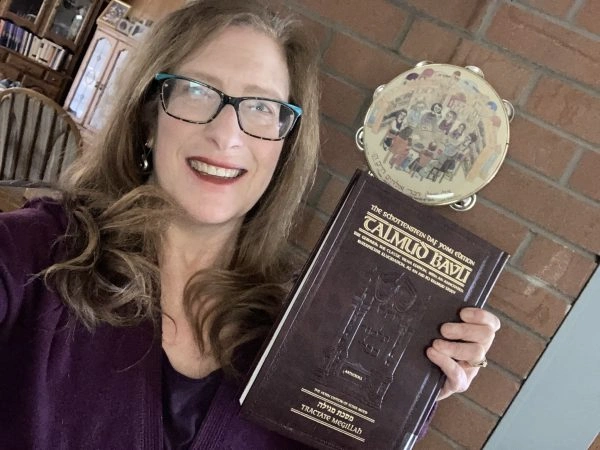
Denver, United States
I heard about the syium in January 2020 & I was excited to start learning then the pandemic started. Learning Daf became something to focus on but also something stressful. As the world changed around me & my family I had to adjust my expectations for myself & the world. Daf Yomi & the Hadran podcast has been something I look forward to every day. It gives me a moment of centering & Judaism daily.

Denver, United States
I started learning when my brother sent me the news clip of the celebration of the last Daf Yomi cycle. I was so floored to see so many women celebrating that I wanted to be a part of it. It has been an enriching experience studying a text in a language I don’t speak, using background knowledge that I don’t have. It is stretching my learning in unexpected ways, bringing me joy and satisfaction.
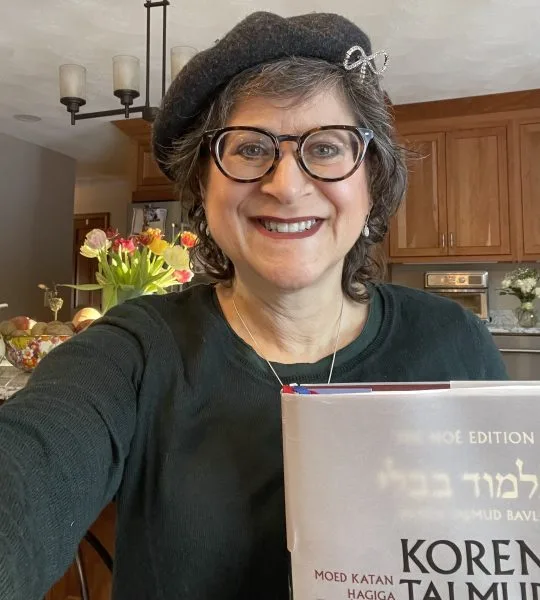
Warwick, Rhode Island, United States
I was moved to tears by the Hadran Siyyum HaShas. I have learned Torah all my life, but never connected to learning Gemara on a regular basis until then. Seeing the sheer joy Talmud Torah at the siyyum, I felt compelled to be part of it, and I haven’t missed a day!
It’s not always easy, but it is so worthwhile, and it has strengthened my love of learning. It is part of my life now.

Beit Shemesh, Israel
The first month I learned Daf Yomi by myself in secret, because I wasn’t sure how my husband would react, but after the siyyum on Masechet Brachot I discovered Hadran and now sometimes my husband listens to the daf with me. He and I also learn mishnayot together and are constantly finding connections between the different masechtot.

Silver Spring, Maryland, United States

Mamaroneck, NY, United States
I started learning after the siyum hashas for women and my daily learning has been a constant over the last two years. It grounded me during the chaos of Corona while providing me with a community of fellow learners. The Daf can be challenging but it’s filled with life’s lessons, struggles and hope for a better world. It’s not about the destination but rather about the journey. Thank you Hadran!

אפרת, Israel
I started to listen to Michelle’s podcasts four years ago. The minute I started I was hooked. I’m so excited to learn the entire Talmud, and think I will continue always. I chose the quote “while a woman is engaged in conversation she also holds the spindle”. (Megillah 14b). It reminds me of all of the amazing women I learn with every day who multi-task, think ahead and accomplish so much.

Zichron Yakov, Israel
I have joined the community of daf yomi learners at the start of this cycle. I have studied in different ways – by reading the page, translating the page, attending a local shiur and listening to Rabbanit Farber’s podcasts, depending on circumstances and where I was at the time. The reactions have been positive throughout – with no exception!

Guildford, United Kingdom
After being so inspired by the siyum shas two years ago, I began tentatively learning daf yomi, like Rabbanut Michelle kept saying – taking one daf at a time. I’m still taking it one daf at a time, one masechet at a time, but I’m loving it and am still so inspired by Rabbanit Michelle and the Hadran community, and yes – I am proud to be finishing Seder Mo’ed.

Bet Shemesh, Israel
I started at the beginning of this cycle. No 1 reason, but here’s 5.
In 2019 I read about the upcoming siyum hashas.
There was a sermon at shul about how anyone can learn Talmud.
Talmud references come up when I am studying. I wanted to know more.
Yentl was on telly. Not a great movie but it’s about studying Talmud.
I went to the Hadran website: A new cycle is starting. I’m gonna do this
Cambridge, United Kingdom
I started my Daf Yomi journey at the beginning of the COVID19 pandemic.

Los Angeles, United States
I began daf yomi in January 2020 with Brachot. I had made aliya 6 months before, and one of my post-aliya goals was to complete a full cycle. As a life-long Tanach teacher, I wanted to swim from one side of the Yam shel Torah to the other. Daf yomi was also my sanity through COVID. It was the way to marking the progression of time, and feel that I could grow and accomplish while time stopped.

Givat Zev, Israel

Phoenix, AZ, United States

Raanana, Israel

Oceanside NY, United States
Nedarim 77
תְּנַן הָתָם: מְפִירִין נְדָרִים בְּשַׁבָּת, וְנִשְׁאָלִין לִנְדָרִים שֶׁהֵן לְצוֹרֶךְ הַשַּׁבָּת. אִיבַּעְיָא לְהוּ: מְפִירִין נְדָרִים בְּשַׁבָּת לְצוֹרֶךְ הַשַּׁבָּת, אוֹ דִלְמָא אֲפִילּוּ שֶׁלֹּא לְצוֹרֶךְ?
§ We learned in a mishna elsewhere (Shabbat 157a): A father or husband may nullify his daughter’s or his wife’s vows on Shabbat and one may request from a halakhic authority to dissolve vows that are for the purpose of Shabbat. A dilemma was raised before the Sages: May one nullify vows on Shabbat only when they are for the purpose of Shabbat, or may one perhaps nullify vows on Shabbat even when they are not for the purpose of Shabbat?
תָּא שְׁמַע, דְּתָנֵי רַב זוּטֵי דְּבֵי רַב פַּפֵּי: אֵין מְפִירִין נְדָרִים אֶלָּא לְצוֹרֶךְ הַשַּׁבָּת. אָמַר רַב אָשֵׁי, הָא לָא תְּנַן הָכִי: נָדְרָה עִם חֲשֵׁיכָה — מֵפֵר לָהּ עַד שֶׁלֹּא תֶּחְשַׁךְ. וְאִי אָמְרַתְּ לְצוֹרֶךְ הַשַּׁבָּת — אִין, שֶׁלֹּא לְצוֹרֶךְ הַשַּׁבָּת — לָא, מַאי אִירְיָא חָשְׁכָה? אֲפִילּוּ בְּתוֹךְ הַיּוֹם אֵינוֹ יָכוֹל לְהָפֵר דְּשֶׁלֹּא לְצוֹרֶךְ!
Come and hear the baraita that Rav Zuti from the school of Rav Pappi taught: Vows may be nullified on Shabbat only for the purpose of Shabbat. Rav Ashi said: We did not learn that way in the mishna here. The mishna teaches: If she took a vow with nightfall approaching, her father or husband can nullify the vow for her only until nightfall. And if you say that with regard to nullification of vows that are for the purpose of Shabbat, yes, he may nullify those vows, but nullifications that are not for the purpose of Shabbat, no, he may not, why does the tanna specify nightfall? After all, even during the day he may not nullify that which is not for the purpose of Shabbat.
תַּנָּאֵי הִיא: הֲפָרַת נְדָרִים כׇּל הַיּוֹם, רַבִּי יוֹסֵי בְּרַבִּי יְהוּדָה וְרַבִּי אֶלְעָזָר בְּרַבִּי שִׁמְעוֹן אָמְרוּ: מֵעֵת לְעֵת.
The Gemara rejects this conclusion: Nullification on Shabbat is subject to a dispute between tanna’im: Nullification of vows can be performed all day on the day that the vow was heard. And Rabbi Yosei, son of Rabbi Yehuda, and Rabbi Elazar, son of Rabbi Shimon, said: A vow can be nullified for a twenty-four-hour period from the time it was heard.
לְמַאן דְּאָמַר כׇּל הַיּוֹם אִין, טְפֵי לָא — אֲפִילּוּ שֶׁלֹּא לְצוֹרֶךְ הַשַּׁבָּת מֵפֵר. לְמַאן דְּאָמַר מֵעֵת לְעֵת, לְצוֹרֶךְ הַשַּׁבָּת — אִין, שֶׁלֹּא לְצוֹרֶךְ הַשַּׁבָּת — לָא.
According to the one who says all day, yes, one can nullify vows all day, but not more than that; he may nullify on Shabbat even when it is not for the purpose of Shabbat, since otherwise, he could not nullify a vow taken on Shabbat at all. According to the one who says that one can nullify her vows for a twenty-four-hour period, that which is for the purpose of Shabbat, yes, he may nullify, but that which is not necessary for Shabbat, he may not nullify, as he can do so after Shabbat.
וְנִשְׁאָלִין לִנְדָרִים שֶׁהֵן לְצוֹרֶךְ הַשַּׁבָּת. אִיבַּעְיָא לְהוּ: כְּשֶׁלֹּא הָיָה לָהֶם פְּנַאי, אוֹ דִלְמָא כְּשֶׁהָיָה לָהֶם פְּנַאי? תָּא שְׁמַע, דְּאִיזְדְּקִיקוּ לֵיהּ רַבָּנַן לִבְרֵיהּ דְּרַב זוּטְרָא בְּרֵיהּ דְּרַב זְעֵירָא אֲפִילּוּ בִּנְדָרִים שֶׁהָיָה לָהֶם פְּנַאי מִבְּעוֹד יוֹם.
§ The mishna from tractate Shabbat teaches: And one may request from a halakhic authority to dissolve vows that are for the purpose of Shabbat. A dilemma was raised before the Sages: Is this specifically when those who took the vows did not have the opportunity to request dissolution of the vows before Shabbat, or perhaps it is the case even when they did have the opportunity? The Gemara responds: Come and hear: It happened that the Sages attended to the dissolution of the vows of the son of Rav Zutra, son of Rav Zeira, on Shabbat, even for vows that they had the opportunity to dissolve while it was still day, before Shabbat had begun.
סָבַר רַב יוֹסֵף לְמֵימַר: נִשְׁאָלִין נְדָרִים בְּשַׁבָּת, בְּיָחִיד מוּמְחֶה — אִין, בִּשְׁלֹשָׁה הֶדְיוֹטוֹת — לָא, מִשּׁוּם דְּמִתְחֲזֵי כְּדִינָא.
Rav Yosef thought to say: With regard to requesting that a halakhic authority dissolve vows on Shabbat, yes, requesting of a single expert is permitted on Shabbat, but requesting of three laymen is not permitted on Shabbat, because it looks like a court judgment, which may not be performed on Shabbat.
אֲמַר לֵיהּ אַבָּיֵי: כֵּיוָן דִּסְבִירָא לַן אֲפִילּוּ מְעוּמָּד, אֲפִילּוּ בִּקְרוֹבִים, וַאֲפִילּוּ בַּלַּיְלָה — לָא מִתְחֲזֵי כְּדִינָא.
Abaye said to him: Since we hold that vows may be dissolved even while the halakhic authority is standing, and even by relatives, and even at night, it does not look like a judgment. Since it is not regarded as an act of a court, vows may be dissolved on Shabbat even by three laymen.
אָמַר רַבִּי אַבָּא אָמַר רַב הוּנָא אָמַר רַב: הֲלָכָה, מְפִירִין נְדָרִים בַּלַּיְלָה. וְהָא מַתְנִיתִין הִיא: נָדְרָה בְּלֵילֵי שַׁבָּת! אֶלָּא אֵימָא: הֲלָכָה, נִשְׁאָלִין בַּלַּיְלָה.
Rabbi Abba said that Rav Huna said that Rav said: The halakha is that one can nullify vows at night. The Gemara asks: But this is already stated in the mishna: If a woman took a vow on Shabbat evening, her father or husband can nullify the vow on Shabbat evening; why would Rav Huna need to state his halakha? Rather, say that Rav’s ruling was as follows: The halakha is that one can request that a halakhic authority dissolve a vow at night.
אֲמַר לֵיהּ רַבִּי אַבָּא לְרַב הוּנָא: אֲמַר רַב הָכִי? אֲמַר לֵיהּ: אִישְׁתִּיק. אֲמַר לֵיהּ: אִישְׁתִּיק קָא אָמְרַתְּ, אוֹ שָׁתֵי קָאָמְרַתְּ?
Rabbi Abba said to Rav Huna: Did Rav say that? Rav Huna said to him: Rav was silent [ishtik] when this ruling was stated in his presence. Rabbi Abba said to him: Did you say: He was silent [ishtik], indicating that he accepted this ruling, or did you say: He was drinking [shatei], and was therefore preoccupied, so that his silence did not necessarily indicate agreement?
אָמַר רַב אִיקָא בַּר אָבִין: אִיזְדְּקִיק לֵיהּ רַב לְרַבָּה
In order to clarify Rav’s opinion on the issue, the Gemara cites Rav Ika bar Avin who said: Rav attended to the dissolution of a vow made by Rabba,
בְּקִיטוֹנָא דְבֵי רַב, עוֹמֵד, יְחִידִי, וּבַלַּיְלָה.
in a side room [kitona] of the study hall, while standing, alone and at night.
אָמַר רַבָּה אָמַר רַב נַחְמָן: הֲלָכָה, נִשְׁאָלִין נְדָרִים עוֹמֵד, יְחִידִי, וּבַלַּיְלָה, וּבַשַּׁבָּת, וּבִקְרוֹבִים, וַאֲפִילּוּ הָיָה לָהֶן פְּנַאי מִבְּעוֹד יוֹם.
Rabba said that Rav Naḥman said: The halakha is that one can request the dissolution of vows even when the halakhic authority is standing or alone, i.e., without a court of three, as long as he is a halakhic authority, and that one can do so at night, on Shabbat, and by relatives, and even when those requesting dissolution on Shabbat had the opportunity to do so while it was still day, i.e., before Shabbat.
עוֹמֵד? וְהָתַנְיָא: יָרַד רַבָּן גַּמְלִיאֵל מִן הַחֲמוֹר וְנִתְעַטֵּף וְיָשַׁב וְהִתִּיר לוֹ נִדְרוֹ. רַבָּן גַּמְלִיאֵל סָבַר: פּוֹתְחִין בַּחֲרָטָה. מִיעְקַר נִדְרָא בָּעִינַן, וּבָעֵי עַיּוֹנֵי, אַהָכִי יָשַׁב. וְרַב נַחְמָן סָבַר: אֵין פּוֹתְחִין בַּחֲרָטָה, וַאֲפִילּוּ מְעוּמָּד.
The Gemara raises a difficulty with this ruling: Can a judge dissolve a vow while standing? But it is taught in a baraita that Rabban Gamliel alighted from a donkey, and wrapped himself in his shawl in the customary manner of a judge, and sat, and dissolved a man’s vow for him. If one can dissolve a vow while standing, why did he sit? The Gemara explains: Rabban Gamliel holds that one must broach dissolution based on regret. In other words, a halakhic authority does not dissolve vows directly, but must prompt the one who took the vow to concede that he regrets having taken the vow in the first place. We require that the vow be uprooted, and he needed to examine the case; therefore, he sat down. But Rav Naḥman holds that one need not broach dissolution based on regret, and therefore a halakhic authority can dissolve the vow even while standing.
אֲמַר לֵיהּ רָבָא לְרַב נַחְמָן: חֲזִי מָר הַאי מֵרַבָּנַן דַּאֲתָא מִמַּעְרְבָא וְאָמַר: אִיזְדְּקִיקוּ לֵיהּ רַבָּנַן לִבְרֵיהּ דְּרַב הוּנָא בַּר אָבִין, וּשְׁרוֹ לֵיהּ נִדְרֵיהּ וַאֲמַרוּ לֵיהּ: זִיל וּבְעִי רַחֲמֵי עַל נַפְשָׁךְ דַּחֲטָאת. דְּתָנֵי רַב דִּימִי אֲחוּהּ דְּרַב סָפְרָא: כׇּל הַנּוֹדֵר, אַף עַל פִּי שֶׁהוּא מְקַיְּימוֹ — נִקְרָא חוֹטֵא. אָמַר רַב זְבִיד: מַאי קְרָא — ״וְכִי תֶחְדַּל לִנְדֹּר לֹא יִהְיֶה בְךָ חֵטְא״, הָא לֹא חָדַלְתָּ — אִיכָּא חֵטְא.
Rava said to Rav Naḥman: Master, see that Sage who came from the West, Eretz Yisrael, and who said: The Sages attended to the dissolution of a vow taken by the son of Rav Huna bar Avin, and they dissolved his vow and said to him: Go and request mercy for yourself, for you have sinned by taking a vow. As Rav Dimi, the brother of Rav Safra teaches: With regard to anyone who takes a vow, even if he fulfills it, he is called a sinner. Rav Zevid said: What verse teaches this? It is: “But if you refrain to vow, it will be no sin in you” (Deuteronomy 23:23). It may be inferred that if you did not refrain from taking vows, there is sin.
תַּנְיָא: הָאוֹמֵר לְאִשְׁתּוֹ ״כׇּל נְדָרִים שֶׁתִּדּוֹרִי, אִי אֶפְשִׁי שֶׁתִּדּוֹרִי״, ״אֵין זֶה נֶדֶר״ — לֹא אָמַר כְּלוּם. ״יָפֶה עָשִׂית״, וְ״אֵין כְּמוֹתֵךְ״, וְ״אִם לֹא נָדַרְתְּ, מַדִּירֵךְ אֲנִי״ — דְּבָרָיו קַיָּימִין.
§ It is taught in a baraita: One who says to his wife: Any vows which you will vow, I do not want [ee efshi] you to vow, or one who wants to nullify a vow and says: This is not a vow, has not said anything, as this is not a valid formula of nullification. If he says: You have done well, or: There are none like you, or: If you had not taken a vow, I, myself, would have taken a vow to obligate you in this, his statement is substantial, and the vow is ratified.
לֹא יֹאמַר אָדָם לְאִשְׁתּוֹ בְּשַׁבָּת ״מוּפָר לִיכִי״, ״בָּטֵיל לִיכִי״, כְּדֶרֶךְ שֶׁאוֹמֵר לָהּ בַּחוֹל, אֶלָּא אוֹמֵר לָהּ: ״טְלִי וְאִכְלִי״, ״טְלִי וּשְׁתִי״, וְהַנֶּדֶר בָּטֵל מֵאֵלָיו. אָמַר רַבִּי יוֹחָנָן: וְצָרִיךְ שֶׁיְּבַטֵּל בְּלִבּוֹ.
A man should not say to his wife when nullifying her vows on Shabbat: It is nullified for you, or: It is canceled for you, in the manner that he would say to her on weekdays. Rather, he should say to her, if she took a vow to refrain from food or drink: Take this and eat it, or: Take this and drink it, and the vow is canceled on its own. Rabbi Yoḥanan said: And he must also cancel the vow in his heart; simply telling her to eat or drink is not sufficient.
תַּנְיָא, בֵּית שַׁמַּאי אוֹמְרִים: בַּשַּׁבָּת מְבַטֵּל בְּלִבּוֹ, בַּחוֹל מוֹצִיא בִּשְׂפָתָיו. וּבֵית הִלֵּל אוֹמְרִים: אֶחָד זֶה וְאֶחָד זֶה — מְבַטֵּל בְּלִבּוֹ, וְאֵין צָרִיךְ לְהוֹצִיא בִּשְׂפָתָיו.
It is taught in a baraita: Beit Shammai say: On Shabbat he cancels the vow in his heart and on a weekday he articulates the nullification with his lips. And Beit Hillel say: Both in this case and in that case, i.e., whether on Shabbat or a weekday, it is sufficient if he cancels the vow in his heart, and he need not articulate with his lips.
אָמַר רַבִּי יוֹחָנָן: חָכָם שֶׁאָמַר בִּלְשׁוֹן בַּעַל, וּבַעַל שֶׁאָמַר בִּלְשׁוֹן חָכָם — לָא אָמַר כְּלוּם.
§ Rabbi Yoḥanan said: A halakhic authority who pronounced his dissolution of a vow with language appropriate to a husband, i.e., he said the word nullified instead of dissolved, or a husband who pronounced his nullification of a vow with language appropriate to a halakhic authority, i.e., he said the word dissolved instead of nullified, has not said anything. Each of them has the authority to cancel a vow only in the particular manner allotted to him.
דְּתַנְיָא: ״זֶה הַדָּבָר״ — הֶחָכָם מַתִּיר וְאֵין בַּעַל מַתִּיר. שֶׁיָּכוֹל: וּמָה חָכָם שֶׁאֵין מֵפֵר — מַתִּיר, בַּעַל שֶׁמֵּפֵר — אֵינוֹ דִּין שֶׁמַּתִּיר? תַּלְמוּד לוֹמַר:
As it is taught in a baraita: The verse “This is the thing which the Lord has commanded” (Numbers 30:2) indicates that the husband’s nullification, which is the topic of the subsequent verses, must be done specifically in this way. The Sages concluded that a halakhic authority dissolves a vow, but a husband does not dissolve it. As, one might have thought: And just as a halakhic authority, who cannot nullify vows, nevertheless dissolves them, so too with regard to a husband, who can nullify vows, is it not logical that he should also dissolve them? Therefore, the verse states:

