Search

Nedarim 86

Want to dedicate learning? Get started here:

English
עברית
podcast placeholder

0:00
0:00


podcast placeholder

0:00
0:00


Summary

Today’s daf is sponsored by Sharon Mink in honor of the 40th anniversary of their Aliya.

Rav Huna son of Rabbi Yehoshua answered the contradiction in Shmuel’s rulings by explaining that Rabbi Yochanan ben Nuri’s position is not a case where the woman is forbidding something that is not yet in the world as her vow refers to her hands and what they can create, and her hands are in this world. However, the Gemara points out that she is still referring to what her hands will create at a potential future point if and when she gets divorced and therefore it still should be considered something that is not yet in this world. In order to answer this question, several different rabbis suggest making comparisons to other cases. Each rejects the comparison of the previous one and suggests an alternative. In the end, all the comparisons are rejected as a woman getting divorced is not something that is clear will happen and not something in the woman’s control. Rav Ashi suggests a different answer. Although the woman does not own her produce fully, she has the right to forbid it as Rava said that three things can remove a lien that is on one’s possessions: sanctifying it (which is similar to forbidding something by a vow), chametz on Pesach and freeing a slave. Even if one were to say the rabbi’s strengthened the husband’s rights to be more like a buyer’s still the vow will take effect if and when he divorces her. If a man nullified his wife’s/daughter’s vow but was under a misimpression such as, he thought it was his wife who vowed, but it was in fact his daughter, or he thought she vowed to be a nazir but she vowed something else or he thought she vowed not to eat a certain type of food, but it was a different type, when he realizes his mistake, he needs to nullify the vow again.

Nedarim 86

אָמַר רַבִּי אִילָא: וּמָה אִילּוּ אוֹמֵר לַחֲבֵירוֹ ״שָׂדֶה זוֹ שֶׁאֲנִי מוֹכֵר לְךָ, לִכְשֶׁאֶקָּחֶנָּה מִמְּךָ — תִּקָּדֵישׁ״, מִי לָא קָדְשָׁה?

Rabbi Ila said: And what is the halakha if one person says to another before selling him a field: This field that I am selling to you now, when I will buy it back from you, let it be consecrated? Is the field not consecrated when it is repurchased? In similar fashion, a woman can consecrate her future handiwork, even though the sanctity cannot presently take effect.

מַתְקֵיף לַהּ רַבִּי יִרְמְיָה: מִי דָּמֵי? ״שָׂדֶה זוֹ שֶׁאֲנִי מוֹכֵר לְךָ״ — הַשְׁתָּא בִּידֵיהּ הִיא. אִשָּׁה, בְּיָדָהּ לְהַקְדִּישׁ מַעֲשֵׂה יָדֶיהָ?! הָא לָא דָּמֵי אֶלָּא לָאוֹמֵר לַחֲבֵירוֹ ״שָׂדֶה זוֹ שֶׁמָּכַרְתִּי לְךָ, לִכְשֶׁאֶקָּחֶנָּה מִמְּךָ — תִּקָּדֵישׁ״, מִי קָדְשָׁה?

Rabbi Yirmeya objects to this comparison: Are the two cases comparable? When a person says: Let this field that I am selling to you now be consecrated when I buy it back from you, now at least the field is still in his possession, and he can therefore consecrate it now, stipulating that the consecration should take effect only when it returns to his ownership. As for the woman, however, is it currently in her power to consecrate her handiwork? At present it does not belong to her. This case is comparable only to that of one who said to another: With regard to this field that I sold to you in the past, when I will buy it back from you, let it be consecrated. In such a case, is the field consecrated when it is repurchased?

מַתְקֵיף לַהּ רַב פָּפָּא: מִי דָּמֵי?! גַּבֵּי זְבִינָא — פְּסִיקָא מִילְּתַיְיהוּ. גַּבֵּי אִשָּׁה מִי פְּסִיקָא מִילְּתָא? הָא לָא דָּמֵי אֶלָּא לָאוֹמֵר לַחֲבֵירוֹ ״שָׂדֶה זוֹ שֶׁמִּשְׁכַּנְתִּי לְךָ, לִכְשֶׁאֶפְדֶּנָּה מִמְּךָ — תִּקָּדֵישׁ״, מִי לָא קָדְשָׁה?

Rav Pappa objects to this comparison: Are the cases comparable? In the case of the sale of a field, the matter is clear-cut, i.e., it is evident that the field belongs absolutely to its new owner, the buyer. In contrast, in the case of a woman, is the matter clear-cut? Even though the husband has rights to his wife’s handiwork, he does not own her body. Therefore, this case of a woman is comparable only to that of one person who said to another: With regard to this field that I pledged to you, when I will redeem it back from you, let it be consecrated. Here, the owner retains possession of the field itself, but another person enjoys the right to its fruit. In this case, is the field not consecrated when it is redeemed? Here too, a woman retains ownership of her body and she can consecrate her handiwork, stipulating that the consecration should take effect only after she is divorced.

מַתְקֵיף לַהּ רַב שִׁישָׁא בְּרֵיהּ דְּרַב אִידִי: מִי דָּמֵי? שָׂדֶה בְּיָדוֹ לִפְדּוֹתוֹ. אִשָּׁה בְּיָדָהּ לְהִתְגָּרֵשׁ?! הָא לָא דָּמְיָא אֶלָּא לָאוֹמֵר לַחֲבֵירוֹ ״שָׂדֶה זוֹ שֶׁמִּשְׁכַּנְתִּי לְךָ לְעֶשֶׂר שָׁנִים, לִכְשֶׁאֶפְדֶּנָּה מִמְּךָ — תִּקָּדֵישׁ״, מִי לָא קָדְשָׁה?

Rav Sheisha, son of Rav Idi, objects to this comparison: Are the cases comparable? In the case of a field, it is in the owner’s power to redeem it immediately by repaying his debt. But as for a woman, is it in her power to be divorced whenever she chooses? Therefore, this case is comparable only to that of one who said to another: With regard to this field that I pledged to you for ten years, when I will redeem it from you, let it be consecrated. In such a case, even though the owner cannot redeem the field for ten years, is it not consecrated once it is redeemed?

מַתְקֵיף לַהּ רַב אָשֵׁי: מִי דָּמֵי?! הָתָם קִיץ. אִשָּׁה מִי אִית לַהּ קִיצּוּתָא?

Rav Ashi objects to this comparison: Are the cases comparable? There, in the case of a field, there is a fixed time frame of ten years. But in the case of a woman, is there a fixed time limit, so that she can know in advance when she will be divorced and released from her husband’s jurisdiction?

אֶלָּא אָמַר רַב אָשֵׁי: שָׁאנֵי קוּנָּמוֹת, דְּכִי קְדוּשַּׁת הַגּוּף דָּמֵי, וְכִדְרָבָא.

Rather, Rav Ashi said that this is the reason Shmuel ruled in accordance with the opinion of Rabbi Yoḥanan ben Nuri: Although a person cannot consecrate an entity that has not yet come into the world, konamot are different. They are stringent and take effect in all cases, as their prohibited status is considered akin to inherent sanctity. When one person prohibits another from deriving benefit from a particular item by means of a konam, the forbidden item is treated as if it has inherent sanctity. It cannot be redeemed and can never become permitted. Because of its severity, a woman can forbid her handiwork to her husband by means of a konam, even though she is obligated to hand over the fruits of her labor to him. And this is in accordance with the opinion of Rava.

דְּאָמַר רָבָא: הֶקְדֵּשׁ, חָמֵץ וְשִׁחְרוּר — מַפְקִיעִין מִידֵי שִׁעְבּוּד.

As Rava said: Consecration of an item to the Temple, becoming subject to the prohibition of leavened bread on Passover, and the emancipation of a slave abrogate any lien that exists upon them. The lien on that property does not prevent the consecration, the prohibition of leavened bread, or the emancipation of the slave from taking effect. In all three cases, the debtor loses his ownership of the liened property. The same halakha applies to a konam, whose prohibition has the severity of inherent sanctity. Even though the husband has a right to his wife’s handiwork, which could be described as a lien on her hands, that lien is abrogated when she renders her handiwork forbidden to him by means of a konam, and therefore the vow must be nullified.

אִי הָכִי לְמָה לִי שֶׁמָּא יְגָרְשֶׁנָּה? תְּנִי: וְעוֹד שֶׁמָּא יְגָרְשֶׁנָּה.

The Gemara asks: If so, why do I need Rabbi Yoḥanan ben Nuri’s stated reason: Perhaps he will one day divorce her? If the woman’s konam abrogates the husband’s lien, the prohibition should take effect immediately. The Gemara answers: Teach that the vow takes effect right away, which is why the husband must nullify it. And furthermore, adds Rabbi Yoḥanan ben Nuri, even if you maintain that the Sages strengthened a husband’s lien so that the vow does not take effect immediately, there is another reason to nullify the vow, as perhaps he will one day divorce her.

מַתְנִי׳ נָדְרָה אִשְׁתּוֹ וְסָבוּר שֶׁנָּדְרָה בִּתּוֹ, נָדְרָה בִּתּוֹ וְסָבוּר שֶׁנָּדְרָה אִשְׁתּוֹ, נָדְרָה בְּנָזִיר וְסָבוּר שֶׁנָּדְרָה בְּקׇרְבָּן, נָדְרָה בְּקׇרְבָּן וְסָבוּר שֶׁנָּדְרָה בְּנָזִיר, נָדְרָה מִתְּאֵנִים וְסָבוּר שֶׁנָּדְרָה מִן הָעֲנָבִים, נָדְרָה מִן הָעֲנָבִים וְסָבוּר שֶׁנָּדְרָה מִן הַתְּאֵנִים — הֲרֵי זֶה יַחְזוֹר וְיָפֵר.

MISHNA: If a man’s wife took a vow and he thought that it was his daughter who had taken a vow, or if his daughter took a vow and he thought that it was his wife who had taken a vow, or if his wife vowed to be a nazirite and he thought that she had vowed to bring an offering, or if she vowed to bring an offering and he thought that she had vowed to be a nazirite, or if she took a vow that figs are forbidden to her and he thought that she had taken a vow that grapes are forbidden to her, or if she took a vow that grapes are forbidden to her and he thought that she had taken a vow that figs are forbidden to her, and he nullified any of these vows, in each case, when he realizes his error with regard to the vow, he must repeat the action and nullify the vow a second time.

גְּמָ׳ לְמֵימְרָא דְּ״יָנִיא אוֹתָהּ״ דַּוְקָא הוּא?

GEMARA: With regard to the mishna’s ruling that if a man’s wife took a vow, but he thought that it was his daughter who had taken the vow and he nullified the vow, he must nullify the vow a second time, the Gemara asks: Is this to say that the phrase “But if her husband disallowed her [otah]” (Numbers 30:9) is precise? In other words, does the use of the word her, otah, indicate that a man can nullify a vow only for the specific woman who took it?

New to Talmud?

Check out our resources designed to help you navigate a page of Talmud – and study at the pace, level and style that fits you. 

The Hadran Women’s Tapestry

Meet the diverse women learning Gemara at Hadran and hear their stories. 

When the new cycle began, I thought, If not now, when? I’d just turned 72. I feel like a tourist on a tour bus passing astonishing scenery each day. Rabbanit Michelle is my beloved tour guide. When the cycle ends, I’ll be 80. I pray that I’ll have strength and mind to continue the journey to glimpse a little more. My grandchildren think having a daf-learning savta is cool!

Wendy Dickstein
Wendy Dickstein

Jerusalem, Israel

The start of my journey is not so exceptional. I was between jobs and wanted to be sure to get out every day (this was before corona). Well, I was hooked after about a month and from then on only looked for work-from-home jobs so I could continue learning the Daf. Daf has been a constant in my life, though hurricanes, death, illness/injury, weddings. My new friends are Rav, Shmuel, Ruth, Joanna.
Judi Felber
Judi Felber

Raanana, Israel

After reading the book, “ If All The Seas Were Ink “ by Ileana Kurshan I started studying Talmud. I searched and studied with several teachers until I found Michelle Farber. I have been studying with her for two years. I look forward every day to learn from her.

Janine Rubens
Janine Rubens

Virginia, United States

I started learning Daf Yomi inspired by תָּפַסְתָּ מְרוּבֶּה לֹא תָּפַסְתָּ, תָּפַסְתָּ מוּעָט תָּפַסְתָּ. I thought I’d start the first page, and then see. I was swept up into the enthusiasm of the Hadran Siyum, and from there the momentum kept building. Rabbanit Michelle’s shiur gives me an anchor, a connection to an incredible virtual community, and an energy to face whatever the day brings.

Medinah Korn
Medinah Korn

בית שמש, Israel

I had tried to start after being inspired by the hadran siyum, but did not manage to stick to it. However, just before masechet taanit, our rav wrote a message to the shul WhatsApp encouraging people to start with masechet taanit, so I did! And this time, I’m hooked! I listen to the shiur every day , and am also trying to improve my skills.

Laura Major
Laura Major

Yad Binyamin, Israel

Robin Zeiger
Robin Zeiger

Tel Aviv, Israel

I read Ilana Kurshan’s “If All the Seas Were Ink” which inspired me. Then the Women’s Siyum in Jerusalem in 2020 convinced me, I knew I had to join! I have loved it- it’s been a constant in my life daily, many of the sugiyot connect to our lives. My family and friends all are so supportive. It’s incredible being part of this community and love how diverse it is! I am so excited to learn more!

Shira Jacobowitz
Shira Jacobowitz

Jerusalem, Israel

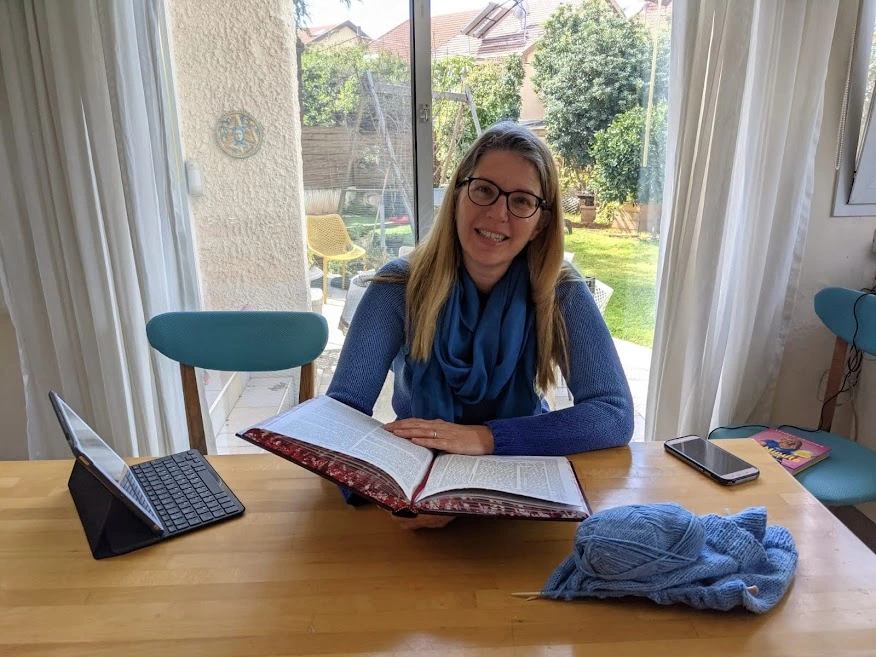
With Rabbanit Dr. Naomi Cohen in the Women’s Talmud class, over 30 years ago. It was a “known” class and it was accepted, because of who taught. Since then I have also studied with Avigail Gross-Gelman and Dr. Gabriel Hazut for about a year). Years ago, in a shiur in my shul, I did know about Persians doing 3 things with their clothes on. They opened the shiur to woman after that!

Sharon Mink
Sharon Mink

Haifa, Israel

Retirement and Covid converged to provide me with the opportunity to commit to daily Talmud study in October 2020. I dove into the middle of Eruvin and continued to navigate Seder Moed, with Rabannit Michelle as my guide. I have developed more confidence in my learning as I completed each masechet and look forward to completing the Daf Yomi cycle so that I can begin again!

Rhona Fink
Rhona Fink

San Diego, United States

It has been a pleasure keeping pace with this wonderful and scholarly group of women.

Janice Block
Janice Block

Beit Shemesh, Israel

The start of my journey is not so exceptional. I was between jobs and wanted to be sure to get out every day (this was before corona). Well, I was hooked after about a month and from then on only looked for work-from-home jobs so I could continue learning the Daf. Daf has been a constant in my life, though hurricanes, death, illness/injury, weddings. My new friends are Rav, Shmuel, Ruth, Joanna.
Judi Felber
Judi Felber

Raanana, Israel

I attended the Siyum so that I could tell my granddaughter that I had been there. Then I decided to listen on Spotify and after the siyum of Brachot, Covid and zoom began. It gave structure to my day. I learn with people from all over the world who are now my friends – yet most of us have never met. I can’t imagine life without it. Thank you Rabbanit Michelle.

Emma Rinberg
Emma Rinberg

Raanana, Israel

Robin Zeiger
Robin Zeiger

Tel Aviv, Israel

I was inspired to start learning after attending the 2020 siyum in Binyanei Hauma. It has been a great experience for me. It’s amazing to see the origins of stories I’ve heard and rituals I’ve participated in my whole life. Even when I don’t understand the daf itself, I believe that the commitment to learning every day is valuable and has multiple benefits. And there will be another daf tomorrow!

Khaya Eisenberg
Khaya Eisenberg

Jerusalem, Israel

I started learning Dec 2019 after reading “If all the Seas Were Ink”. I found
Daily daf sessions of Rabbanit Michelle in her house teaching, I then heard about the siyum and a new cycle starting wow I am in! Afternoon here in Sydney, my family and friends know this is my sacred time to hide away to live zoom and learn. Often it’s hard to absorb and relate then a gem shines touching my heart.

Dianne Kuchar
Dianne Kuchar

Dover Heights, Australia

Hearing and reading about the siyumim at the completion of the 13 th cycle Daf Yomi asked our shul rabbi about starting the Daf – he directed me to another shiur in town he thought would allow a woman to join, and so I did! Love seeing the sources for the Divrei Torah I’ve been hearing for the past decades of living an observant life and raising 5 children .

Jill Felder
Jill Felder

Pittsburgh, Pennsylvania, United States

When we heard that R. Michelle was starting daf yomi, my 11-year-old suggested that I go. Little did she know that she would lose me every morning from then on. I remember standing at the Farbers’ door, almost too shy to enter. After that first class, I said that I would come the next day but couldn’t commit to more. A decade later, I still look forward to learning from R. Michelle every morning.

Ruth Leah Kahan
Ruth Leah Kahan

Ra’anana, Israel

Studying has changed my life view on הלכה and יהדות and time. It has taught me bonudaries of the human nature and honesty of our sages in their discourse to try and build a nation of caring people .

Goldie Gilad
Goldie Gilad

Kfar Saba, Israel

It’s hard to believe it has been over two years. Daf yomi has changed my life in so many ways and has been sustaining during this global sea change. Each day means learning something new, digging a little deeper, adding another lens, seeing worlds with new eyes. Daf has also fostered new friendships and deepened childhood connections, as long time friends have unexpectedly become havruta.

Joanna Rom
Joanna Rom

Northwest Washington, United States

My husband learns Daf, my son learns Daf, my son-in-law learns Daf.
When I read about Hadran’s Siyyum HaShas 2 years ago, I thought- I can learn Daf too!
I had learned Gemara in Hillel HS in NJ, & I remembered loving it.
Rabbanit Michelle & Hadran have opened my eyes & expanding my learning so much in the past few years. We can now discuss Gemara as a family.
This was a life saver during Covid

Renee Braha
Renee Braha

Brooklyn, NY, United States

Nedarim 86

אָמַר רַבִּי אִילָא: וּמָה אִילּוּ אוֹמֵר לַחֲבֵירוֹ ״שָׂדֶה זוֹ שֶׁאֲנִי מוֹכֵר לְךָ, לִכְשֶׁאֶקָּחֶנָּה מִמְּךָ — תִּקָּדֵישׁ״, מִי לָא קָדְשָׁה?

Rabbi Ila said: And what is the halakha if one person says to another before selling him a field: This field that I am selling to you now, when I will buy it back from you, let it be consecrated? Is the field not consecrated when it is repurchased? In similar fashion, a woman can consecrate her future handiwork, even though the sanctity cannot presently take effect.

מַתְקֵיף לַהּ רַבִּי יִרְמְיָה: מִי דָּמֵי? ״שָׂדֶה זוֹ שֶׁאֲנִי מוֹכֵר לְךָ״ — הַשְׁתָּא בִּידֵיהּ הִיא. אִשָּׁה, בְּיָדָהּ לְהַקְדִּישׁ מַעֲשֵׂה יָדֶיהָ?! הָא לָא דָּמֵי אֶלָּא לָאוֹמֵר לַחֲבֵירוֹ ״שָׂדֶה זוֹ שֶׁמָּכַרְתִּי לְךָ, לִכְשֶׁאֶקָּחֶנָּה מִמְּךָ — תִּקָּדֵישׁ״, מִי קָדְשָׁה?

Rabbi Yirmeya objects to this comparison: Are the two cases comparable? When a person says: Let this field that I am selling to you now be consecrated when I buy it back from you, now at least the field is still in his possession, and he can therefore consecrate it now, stipulating that the consecration should take effect only when it returns to his ownership. As for the woman, however, is it currently in her power to consecrate her handiwork? At present it does not belong to her. This case is comparable only to that of one who said to another: With regard to this field that I sold to you in the past, when I will buy it back from you, let it be consecrated. In such a case, is the field consecrated when it is repurchased?

מַתְקֵיף לַהּ רַב פָּפָּא: מִי דָּמֵי?! גַּבֵּי זְבִינָא — פְּסִיקָא מִילְּתַיְיהוּ. גַּבֵּי אִשָּׁה מִי פְּסִיקָא מִילְּתָא? הָא לָא דָּמֵי אֶלָּא לָאוֹמֵר לַחֲבֵירוֹ ״שָׂדֶה זוֹ שֶׁמִּשְׁכַּנְתִּי לְךָ, לִכְשֶׁאֶפְדֶּנָּה מִמְּךָ — תִּקָּדֵישׁ״, מִי לָא קָדְשָׁה?

Rav Pappa objects to this comparison: Are the cases comparable? In the case of the sale of a field, the matter is clear-cut, i.e., it is evident that the field belongs absolutely to its new owner, the buyer. In contrast, in the case of a woman, is the matter clear-cut? Even though the husband has rights to his wife’s handiwork, he does not own her body. Therefore, this case of a woman is comparable only to that of one person who said to another: With regard to this field that I pledged to you, when I will redeem it back from you, let it be consecrated. Here, the owner retains possession of the field itself, but another person enjoys the right to its fruit. In this case, is the field not consecrated when it is redeemed? Here too, a woman retains ownership of her body and she can consecrate her handiwork, stipulating that the consecration should take effect only after she is divorced.

מַתְקֵיף לַהּ רַב שִׁישָׁא בְּרֵיהּ דְּרַב אִידִי: מִי דָּמֵי? שָׂדֶה בְּיָדוֹ לִפְדּוֹתוֹ. אִשָּׁה בְּיָדָהּ לְהִתְגָּרֵשׁ?! הָא לָא דָּמְיָא אֶלָּא לָאוֹמֵר לַחֲבֵירוֹ ״שָׂדֶה זוֹ שֶׁמִּשְׁכַּנְתִּי לְךָ לְעֶשֶׂר שָׁנִים, לִכְשֶׁאֶפְדֶּנָּה מִמְּךָ — תִּקָּדֵישׁ״, מִי לָא קָדְשָׁה?

Rav Sheisha, son of Rav Idi, objects to this comparison: Are the cases comparable? In the case of a field, it is in the owner’s power to redeem it immediately by repaying his debt. But as for a woman, is it in her power to be divorced whenever she chooses? Therefore, this case is comparable only to that of one who said to another: With regard to this field that I pledged to you for ten years, when I will redeem it from you, let it be consecrated. In such a case, even though the owner cannot redeem the field for ten years, is it not consecrated once it is redeemed?

מַתְקֵיף לַהּ רַב אָשֵׁי: מִי דָּמֵי?! הָתָם קִיץ. אִשָּׁה מִי אִית לַהּ קִיצּוּתָא?

Rav Ashi objects to this comparison: Are the cases comparable? There, in the case of a field, there is a fixed time frame of ten years. But in the case of a woman, is there a fixed time limit, so that she can know in advance when she will be divorced and released from her husband’s jurisdiction?

אֶלָּא אָמַר רַב אָשֵׁי: שָׁאנֵי קוּנָּמוֹת, דְּכִי קְדוּשַּׁת הַגּוּף דָּמֵי, וְכִדְרָבָא.

Rather, Rav Ashi said that this is the reason Shmuel ruled in accordance with the opinion of Rabbi Yoḥanan ben Nuri: Although a person cannot consecrate an entity that has not yet come into the world, konamot are different. They are stringent and take effect in all cases, as their prohibited status is considered akin to inherent sanctity. When one person prohibits another from deriving benefit from a particular item by means of a konam, the forbidden item is treated as if it has inherent sanctity. It cannot be redeemed and can never become permitted. Because of its severity, a woman can forbid her handiwork to her husband by means of a konam, even though she is obligated to hand over the fruits of her labor to him. And this is in accordance with the opinion of Rava.

דְּאָמַר רָבָא: הֶקְדֵּשׁ, חָמֵץ וְשִׁחְרוּר — מַפְקִיעִין מִידֵי שִׁעְבּוּד.

As Rava said: Consecration of an item to the Temple, becoming subject to the prohibition of leavened bread on Passover, and the emancipation of a slave abrogate any lien that exists upon them. The lien on that property does not prevent the consecration, the prohibition of leavened bread, or the emancipation of the slave from taking effect. In all three cases, the debtor loses his ownership of the liened property. The same halakha applies to a konam, whose prohibition has the severity of inherent sanctity. Even though the husband has a right to his wife’s handiwork, which could be described as a lien on her hands, that lien is abrogated when she renders her handiwork forbidden to him by means of a konam, and therefore the vow must be nullified.

אִי הָכִי לְמָה לִי שֶׁמָּא יְגָרְשֶׁנָּה? תְּנִי: וְעוֹד שֶׁמָּא יְגָרְשֶׁנָּה.

The Gemara asks: If so, why do I need Rabbi Yoḥanan ben Nuri’s stated reason: Perhaps he will one day divorce her? If the woman’s konam abrogates the husband’s lien, the prohibition should take effect immediately. The Gemara answers: Teach that the vow takes effect right away, which is why the husband must nullify it. And furthermore, adds Rabbi Yoḥanan ben Nuri, even if you maintain that the Sages strengthened a husband’s lien so that the vow does not take effect immediately, there is another reason to nullify the vow, as perhaps he will one day divorce her.

מַתְנִי׳ נָדְרָה אִשְׁתּוֹ וְסָבוּר שֶׁנָּדְרָה בִּתּוֹ, נָדְרָה בִּתּוֹ וְסָבוּר שֶׁנָּדְרָה אִשְׁתּוֹ, נָדְרָה בְּנָזִיר וְסָבוּר שֶׁנָּדְרָה בְּקׇרְבָּן, נָדְרָה בְּקׇרְבָּן וְסָבוּר שֶׁנָּדְרָה בְּנָזִיר, נָדְרָה מִתְּאֵנִים וְסָבוּר שֶׁנָּדְרָה מִן הָעֲנָבִים, נָדְרָה מִן הָעֲנָבִים וְסָבוּר שֶׁנָּדְרָה מִן הַתְּאֵנִים — הֲרֵי זֶה יַחְזוֹר וְיָפֵר.

MISHNA: If a man’s wife took a vow and he thought that it was his daughter who had taken a vow, or if his daughter took a vow and he thought that it was his wife who had taken a vow, or if his wife vowed to be a nazirite and he thought that she had vowed to bring an offering, or if she vowed to bring an offering and he thought that she had vowed to be a nazirite, or if she took a vow that figs are forbidden to her and he thought that she had taken a vow that grapes are forbidden to her, or if she took a vow that grapes are forbidden to her and he thought that she had taken a vow that figs are forbidden to her, and he nullified any of these vows, in each case, when he realizes his error with regard to the vow, he must repeat the action and nullify the vow a second time.

גְּמָ׳ לְמֵימְרָא דְּ״יָנִיא אוֹתָהּ״ דַּוְקָא הוּא?

GEMARA: With regard to the mishna’s ruling that if a man’s wife took a vow, but he thought that it was his daughter who had taken the vow and he nullified the vow, he must nullify the vow a second time, the Gemara asks: Is this to say that the phrase “But if her husband disallowed her [otah]” (Numbers 30:9) is precise? In other words, does the use of the word her, otah, indicate that a man can nullify a vow only for the specific woman who took it?

Want to follow content and continue where you left off?

Create an account today to track your progress, mark what you’ve learned, and follow the shiurim that speak to you.

Clear all items from this list?

This will remove ALL the items in this section. You will lose any progress or history connected to them. This is irreversible.

Cancel
Yes, clear all

Are you sure you want to delete this item?

You will lose any progress or history connected to this item.

Cancel
Yes, delete