Search

Nedarim 86

Want to dedicate learning? Get started here:

English
עברית
podcast placeholder

0:00
0:00


podcast placeholder

0:00
0:00


Summary

Today’s daf is sponsored by Sharon Mink in honor of the 40th anniversary of their Aliya.

Rav Huna son of Rabbi Yehoshua answered the contradiction in Shmuel’s rulings by explaining that Rabbi Yochanan ben Nuri’s position is not a case where the woman is forbidding something that is not yet in the world as her vow refers to her hands and what they can create, and her hands are in this world. However, the Gemara points out that she is still referring to what her hands will create at a potential future point if and when she gets divorced and therefore it still should be considered something that is not yet in this world. In order to answer this question, several different rabbis suggest making comparisons to other cases. Each rejects the comparison of the previous one and suggests an alternative. In the end, all the comparisons are rejected as a woman getting divorced is not something that is clear will happen and not something in the woman’s control. Rav Ashi suggests a different answer. Although the woman does not own her produce fully, she has the right to forbid it as Rava said that three things can remove a lien that is on one’s possessions: sanctifying it (which is similar to forbidding something by a vow), chametz on Pesach and freeing a slave. Even if one were to say the rabbi’s strengthened the husband’s rights to be more like a buyer’s still the vow will take effect if and when he divorces her. If a man nullified his wife’s/daughter’s vow but was under a misimpression such as, he thought it was his wife who vowed, but it was in fact his daughter, or he thought she vowed to be a nazir but she vowed something else or he thought she vowed not to eat a certain type of food, but it was a different type, when he realizes his mistake, he needs to nullify the vow again.

Nedarim 86

אָמַר רַבִּי אִילָא: וּמָה אִילּוּ אוֹמֵר לַחֲבֵירוֹ ״שָׂדֶה זוֹ שֶׁאֲנִי מוֹכֵר לְךָ, לִכְשֶׁאֶקָּחֶנָּה מִמְּךָ — תִּקָּדֵישׁ״, מִי לָא קָדְשָׁה?

Rabbi Ila said: And what is the halakha if one person says to another before selling him a field: This field that I am selling to you now, when I will buy it back from you, let it be consecrated? Is the field not consecrated when it is repurchased? In similar fashion, a woman can consecrate her future handiwork, even though the sanctity cannot presently take effect.

מַתְקֵיף לַהּ רַבִּי יִרְמְיָה: מִי דָּמֵי? ״שָׂדֶה זוֹ שֶׁאֲנִי מוֹכֵר לְךָ״ — הַשְׁתָּא בִּידֵיהּ הִיא. אִשָּׁה, בְּיָדָהּ לְהַקְדִּישׁ מַעֲשֵׂה יָדֶיהָ?! הָא לָא דָּמֵי אֶלָּא לָאוֹמֵר לַחֲבֵירוֹ ״שָׂדֶה זוֹ שֶׁמָּכַרְתִּי לְךָ, לִכְשֶׁאֶקָּחֶנָּה מִמְּךָ — תִּקָּדֵישׁ״, מִי קָדְשָׁה?

Rabbi Yirmeya objects to this comparison: Are the two cases comparable? When a person says: Let this field that I am selling to you now be consecrated when I buy it back from you, now at least the field is still in his possession, and he can therefore consecrate it now, stipulating that the consecration should take effect only when it returns to his ownership. As for the woman, however, is it currently in her power to consecrate her handiwork? At present it does not belong to her. This case is comparable only to that of one who said to another: With regard to this field that I sold to you in the past, when I will buy it back from you, let it be consecrated. In such a case, is the field consecrated when it is repurchased?

מַתְקֵיף לַהּ רַב פָּפָּא: מִי דָּמֵי?! גַּבֵּי זְבִינָא — פְּסִיקָא מִילְּתַיְיהוּ. גַּבֵּי אִשָּׁה מִי פְּסִיקָא מִילְּתָא? הָא לָא דָּמֵי אֶלָּא לָאוֹמֵר לַחֲבֵירוֹ ״שָׂדֶה זוֹ שֶׁמִּשְׁכַּנְתִּי לְךָ, לִכְשֶׁאֶפְדֶּנָּה מִמְּךָ — תִּקָּדֵישׁ״, מִי לָא קָדְשָׁה?

Rav Pappa objects to this comparison: Are the cases comparable? In the case of the sale of a field, the matter is clear-cut, i.e., it is evident that the field belongs absolutely to its new owner, the buyer. In contrast, in the case of a woman, is the matter clear-cut? Even though the husband has rights to his wife’s handiwork, he does not own her body. Therefore, this case of a woman is comparable only to that of one person who said to another: With regard to this field that I pledged to you, when I will redeem it back from you, let it be consecrated. Here, the owner retains possession of the field itself, but another person enjoys the right to its fruit. In this case, is the field not consecrated when it is redeemed? Here too, a woman retains ownership of her body and she can consecrate her handiwork, stipulating that the consecration should take effect only after she is divorced.

מַתְקֵיף לַהּ רַב שִׁישָׁא בְּרֵיהּ דְּרַב אִידִי: מִי דָּמֵי? שָׂדֶה בְּיָדוֹ לִפְדּוֹתוֹ. אִשָּׁה בְּיָדָהּ לְהִתְגָּרֵשׁ?! הָא לָא דָּמְיָא אֶלָּא לָאוֹמֵר לַחֲבֵירוֹ ״שָׂדֶה זוֹ שֶׁמִּשְׁכַּנְתִּי לְךָ לְעֶשֶׂר שָׁנִים, לִכְשֶׁאֶפְדֶּנָּה מִמְּךָ — תִּקָּדֵישׁ״, מִי לָא קָדְשָׁה?

Rav Sheisha, son of Rav Idi, objects to this comparison: Are the cases comparable? In the case of a field, it is in the owner’s power to redeem it immediately by repaying his debt. But as for a woman, is it in her power to be divorced whenever she chooses? Therefore, this case is comparable only to that of one who said to another: With regard to this field that I pledged to you for ten years, when I will redeem it from you, let it be consecrated. In such a case, even though the owner cannot redeem the field for ten years, is it not consecrated once it is redeemed?

מַתְקֵיף לַהּ רַב אָשֵׁי: מִי דָּמֵי?! הָתָם קִיץ. אִשָּׁה מִי אִית לַהּ קִיצּוּתָא?

Rav Ashi objects to this comparison: Are the cases comparable? There, in the case of a field, there is a fixed time frame of ten years. But in the case of a woman, is there a fixed time limit, so that she can know in advance when she will be divorced and released from her husband’s jurisdiction?

אֶלָּא אָמַר רַב אָשֵׁי: שָׁאנֵי קוּנָּמוֹת, דְּכִי קְדוּשַּׁת הַגּוּף דָּמֵי, וְכִדְרָבָא.

Rather, Rav Ashi said that this is the reason Shmuel ruled in accordance with the opinion of Rabbi Yoḥanan ben Nuri: Although a person cannot consecrate an entity that has not yet come into the world, konamot are different. They are stringent and take effect in all cases, as their prohibited status is considered akin to inherent sanctity. When one person prohibits another from deriving benefit from a particular item by means of a konam, the forbidden item is treated as if it has inherent sanctity. It cannot be redeemed and can never become permitted. Because of its severity, a woman can forbid her handiwork to her husband by means of a konam, even though she is obligated to hand over the fruits of her labor to him. And this is in accordance with the opinion of Rava.

דְּאָמַר רָבָא: הֶקְדֵּשׁ, חָמֵץ וְשִׁחְרוּר — מַפְקִיעִין מִידֵי שִׁעְבּוּד.

As Rava said: Consecration of an item to the Temple, becoming subject to the prohibition of leavened bread on Passover, and the emancipation of a slave abrogate any lien that exists upon them. The lien on that property does not prevent the consecration, the prohibition of leavened bread, or the emancipation of the slave from taking effect. In all three cases, the debtor loses his ownership of the liened property. The same halakha applies to a konam, whose prohibition has the severity of inherent sanctity. Even though the husband has a right to his wife’s handiwork, which could be described as a lien on her hands, that lien is abrogated when she renders her handiwork forbidden to him by means of a konam, and therefore the vow must be nullified.

אִי הָכִי לְמָה לִי שֶׁמָּא יְגָרְשֶׁנָּה? תְּנִי: וְעוֹד שֶׁמָּא יְגָרְשֶׁנָּה.

The Gemara asks: If so, why do I need Rabbi Yoḥanan ben Nuri’s stated reason: Perhaps he will one day divorce her? If the woman’s konam abrogates the husband’s lien, the prohibition should take effect immediately. The Gemara answers: Teach that the vow takes effect right away, which is why the husband must nullify it. And furthermore, adds Rabbi Yoḥanan ben Nuri, even if you maintain that the Sages strengthened a husband’s lien so that the vow does not take effect immediately, there is another reason to nullify the vow, as perhaps he will one day divorce her.

מַתְנִי׳ נָדְרָה אִשְׁתּוֹ וְסָבוּר שֶׁנָּדְרָה בִּתּוֹ, נָדְרָה בִּתּוֹ וְסָבוּר שֶׁנָּדְרָה אִשְׁתּוֹ, נָדְרָה בְּנָזִיר וְסָבוּר שֶׁנָּדְרָה בְּקׇרְבָּן, נָדְרָה בְּקׇרְבָּן וְסָבוּר שֶׁנָּדְרָה בְּנָזִיר, נָדְרָה מִתְּאֵנִים וְסָבוּר שֶׁנָּדְרָה מִן הָעֲנָבִים, נָדְרָה מִן הָעֲנָבִים וְסָבוּר שֶׁנָּדְרָה מִן הַתְּאֵנִים — הֲרֵי זֶה יַחְזוֹר וְיָפֵר.

MISHNA: If a man’s wife took a vow and he thought that it was his daughter who had taken a vow, or if his daughter took a vow and he thought that it was his wife who had taken a vow, or if his wife vowed to be a nazirite and he thought that she had vowed to bring an offering, or if she vowed to bring an offering and he thought that she had vowed to be a nazirite, or if she took a vow that figs are forbidden to her and he thought that she had taken a vow that grapes are forbidden to her, or if she took a vow that grapes are forbidden to her and he thought that she had taken a vow that figs are forbidden to her, and he nullified any of these vows, in each case, when he realizes his error with regard to the vow, he must repeat the action and nullify the vow a second time.

גְּמָ׳ לְמֵימְרָא דְּ״יָנִיא אוֹתָהּ״ דַּוְקָא הוּא?

GEMARA: With regard to the mishna’s ruling that if a man’s wife took a vow, but he thought that it was his daughter who had taken the vow and he nullified the vow, he must nullify the vow a second time, the Gemara asks: Is this to say that the phrase “But if her husband disallowed her [otah]” (Numbers 30:9) is precise? In other words, does the use of the word her, otah, indicate that a man can nullify a vow only for the specific woman who took it?

New to Talmud?

Check out our resources designed to help you navigate a page of Talmud – and study at the pace, level and style that fits you. 

The Hadran Women’s Tapestry

Meet the diverse women learning Gemara at Hadran and hear their stories. 

I attended the Siyum so that I could tell my granddaughter that I had been there. Then I decided to listen on Spotify and after the siyum of Brachot, Covid and zoom began. It gave structure to my day. I learn with people from all over the world who are now my friends – yet most of us have never met. I can’t imagine life without it. Thank you Rabbanit Michelle.

Emma Rinberg
Emma Rinberg

Raanana, Israel

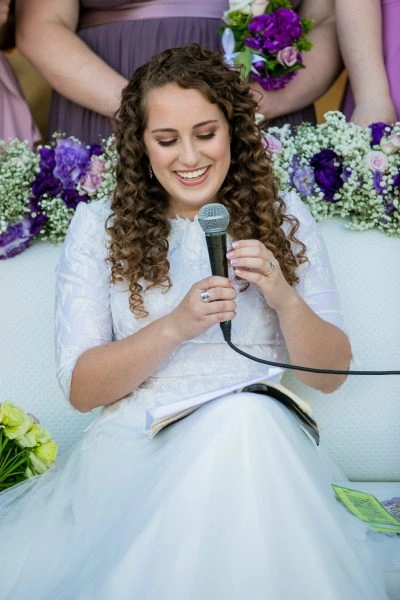
In my Shana bet at Migdal Oz I attended the Hadran siyum hash”as. Witnessing so many women so passionate about their Torah learning and connection to God, I knew I had to begin with the coming cycle. My wedding (June 24) was two weeks before the siyum of mesechet yoma so I went a little ahead and was able to make a speech and siyum at my kiseh kallah on my wedding day!

Sharona Guggenheim Plumb

Givat Shmuel, Israel

I started my journey on the day I realized that the Siyum was happening in Yerushalayim and I was missing out. What? I told myself. How could I have not known about this? How can I have missed out on this opportunity? I decided that moment, I would start Daf Yomi and Nach Yomi the very next day. I am so grateful to Hadran. I am changed forever because I learn Gemara with women. Thank you.

Linda Brownstein
Linda Brownstein

Mitspe, Israel

I was moved to tears by the Hadran Siyyum HaShas. I have learned Torah all my life, but never connected to learning Gemara on a regular basis until then. Seeing the sheer joy Talmud Torah at the siyyum, I felt compelled to be part of it, and I haven’t missed a day!
It’s not always easy, but it is so worthwhile, and it has strengthened my love of learning. It is part of my life now.

Michelle Lewis
Michelle Lewis

Beit Shemesh, Israel

I started learning Talmud with R’ Haramati in Yeshivah of Flatbush. But after a respite of 60 years, Rabbanit Michelle lit my fire – after attending the last three world siyumim in Miami Beach, Meadowlands and Boca Raton, and now that I’m retired, I decided – “I can do this!” It has been an incredible journey so far, and I look forward to learning Daf everyday – Mazal Tov to everyone!

Roslyn Jaffe
Roslyn Jaffe

Florida, United States

I had never heard of Daf Yomi and after reading the book, The Weight of Ink, I explored more about it. I discovered that it was only 6 months before a whole new cycle started and I was determined to give it a try. I tried to get a friend to join me on the journey but after the first few weeks they all dropped it. I haven’t missed a day of reading and of listening to the podcast.

Anne Rubin
Anne Rubin

Elkins Park, United States

I had no formal learning in Talmud until I began my studies in the Joint Program where in 1976 I was one of the few, if not the only, woman talmud major. It was superior training for law school and enabled me to approach my legal studies with a foundation . In 2018, I began daf yomi listening to Rabbanit MIchelle’s pod cast and my daily talmud studies are one of the highlights of my life.

Krivosha_Terri_Bio
Terri Krivosha

Minneapolis, United States

I started learning Daf in Jan 2020 with Brachot b/c I had never seen the Jewish people united around something so positive, and I wanted to be a part of it. Also, I wanted to broaden my background in Torah Shebal Peh- Maayanot gave me a great gemara education, but I knew that I could hold a conversation in most parts of tanach but almost no TSB. I’m so thankful for Daf and have gained immensely.

Meira Shapiro
Meira Shapiro

NJ, United States

My husband learns Daf, my son learns Daf, my son-in-law learns Daf.
When I read about Hadran’s Siyyum HaShas 2 years ago, I thought- I can learn Daf too!
I had learned Gemara in Hillel HS in NJ, & I remembered loving it.
Rabbanit Michelle & Hadran have opened my eyes & expanding my learning so much in the past few years. We can now discuss Gemara as a family.
This was a life saver during Covid

Renee Braha
Renee Braha

Brooklyn, NY, United States

About a year into learning more about Judaism on a path to potential conversion, I saw an article about the upcoming Siyum HaShas in January of 2020. My curiosity was piqued and I immediately started investigating what learning the Daf actually meant. Daily learning? Just what I wanted. Seven and a half years? I love a challenge! So I dove in head first and I’ve enjoyed every moment!!
Nickie Matthews
Nickie Matthews

Blacksburg, United States

Shortly after the death of my father, David Malik z”l, I made the commitment to Daf Yomi. While riding to Ben Gurion airport in January, Siyum HaShas was playing on the radio; that was the nudge I needed to get started. The “everyday-ness” of the Daf has been a meaningful spiritual practice, especial after COVID began & I was temporarily unable to say Kaddish at daily in-person minyanim.

Lisa S. Malik
Lisa S. Malik

Wynnewood, United States

About a year into learning more about Judaism on a path to potential conversion, I saw an article about the upcoming Siyum HaShas in January of 2020. My curiosity was piqued and I immediately started investigating what learning the Daf actually meant. Daily learning? Just what I wanted. Seven and a half years? I love a challenge! So I dove in head first and I’ve enjoyed every moment!!
Nickie Matthews
Nickie Matthews

Blacksburg, United States

I began learning the daf in January 2022. I initially “flew under the radar,” sharing my journey with my husband and a few close friends. I was apprehensive – who, me? Gemara? Now, 2 years in, I feel changed. The rigor of a daily commitment frames my days. The intellectual engagement enhances my knowledge. And the virtual community of learners has become a new family, weaving a glorious tapestry.

Gitta Jaroslawicz-Neufeld

Far Rockaway, United States

In early 2020, I began the process of a stem cell transplant. The required extreme isolation forced me to leave work and normal life but gave me time to delve into Jewish text study. I did not feel isolated. I began Daf Yomi at the start of this cycle, with family members joining me online from my hospital room. I’ve used my newly granted time to to engage, grow and connect through this learning.

Reena Slovin
Reena Slovin

Worcester, United States

I started learning at the start of this cycle, and quickly fell in love. It has become such an important part of my day, enriching every part of my life.

Naomi Niederhoffer
Naomi Niederhoffer

Toronto, Canada

I began Daf Yomi with the last cycle. I was inspired by the Hadran Siyum in Yerushalayim to continue with this cycle. I have learned Daf Yomi with Rabanit Michelle in over 25 countries on 6 continents ( missing Australia)

Barbara-Goldschlag
Barbara Goldschlag

Silver Spring, MD, United States

I started last year after completing the Pesach Sugiyot class. Masechet Yoma might seem like a difficult set of topics, but for me made Yom Kippur and the Beit HaMikdash come alive. Liturgy I’d always had trouble connecting with took on new meaning as I gained a sense of real people moving through specific spaces in particular ways. It was the perfect introduction; I am so grateful for Hadran!

Debbie Engelen-Eigles

Minnesota, United States

I LOVE learning the Daf. I started with Shabbat. I join the morning Zoom with Reb Michelle and it totally grounds my day. When Corona hit us in Israel, I decided that I would use the Daf to keep myself sane, especially during the days when we could not venture out more than 300 m from our home. Now my husband and I have so much new material to talk about! It really is the best part of my day!

Batsheva Pava
Batsheva Pava

Hashmonaim, Israel

I started learning Daf Yomi in January 2020 after watching my grandfather, Mayer Penstein z”l, finish shas with the previous cycle. My grandfather made learning so much fun was so proud that his grandchildren wanted to join him. I was also inspired by Ilana Kurshan’s book, If All the Seas Were Ink. Two years in, I can say that it has enriched my life in so many ways.

Leeza Hirt Wilner
Leeza Hirt Wilner

New York, United States

I’ve been learning since January 2020, and in June I started drawing a phrase from each daf. Sometimes it’s easy (e.g. plants), sometimes it’s very hard (e.g. korbanot), and sometimes it’s loads of fun (e.g. bird racing) to find something to draw. I upload my pictures from each masechet to #DafYomiArt. I am enjoying every step of the journey.

Gila Loike
Gila Loike

Ashdod, Israel

Nedarim 86

אָמַר רַבִּי אִילָא: וּמָה אִילּוּ אוֹמֵר לַחֲבֵירוֹ ״שָׂדֶה זוֹ שֶׁאֲנִי מוֹכֵר לְךָ, לִכְשֶׁאֶקָּחֶנָּה מִמְּךָ — תִּקָּדֵישׁ״, מִי לָא קָדְשָׁה?

Rabbi Ila said: And what is the halakha if one person says to another before selling him a field: This field that I am selling to you now, when I will buy it back from you, let it be consecrated? Is the field not consecrated when it is repurchased? In similar fashion, a woman can consecrate her future handiwork, even though the sanctity cannot presently take effect.

מַתְקֵיף לַהּ רַבִּי יִרְמְיָה: מִי דָּמֵי? ״שָׂדֶה זוֹ שֶׁאֲנִי מוֹכֵר לְךָ״ — הַשְׁתָּא בִּידֵיהּ הִיא. אִשָּׁה, בְּיָדָהּ לְהַקְדִּישׁ מַעֲשֵׂה יָדֶיהָ?! הָא לָא דָּמֵי אֶלָּא לָאוֹמֵר לַחֲבֵירוֹ ״שָׂדֶה זוֹ שֶׁמָּכַרְתִּי לְךָ, לִכְשֶׁאֶקָּחֶנָּה מִמְּךָ — תִּקָּדֵישׁ״, מִי קָדְשָׁה?

Rabbi Yirmeya objects to this comparison: Are the two cases comparable? When a person says: Let this field that I am selling to you now be consecrated when I buy it back from you, now at least the field is still in his possession, and he can therefore consecrate it now, stipulating that the consecration should take effect only when it returns to his ownership. As for the woman, however, is it currently in her power to consecrate her handiwork? At present it does not belong to her. This case is comparable only to that of one who said to another: With regard to this field that I sold to you in the past, when I will buy it back from you, let it be consecrated. In such a case, is the field consecrated when it is repurchased?

מַתְקֵיף לַהּ רַב פָּפָּא: מִי דָּמֵי?! גַּבֵּי זְבִינָא — פְּסִיקָא מִילְּתַיְיהוּ. גַּבֵּי אִשָּׁה מִי פְּסִיקָא מִילְּתָא? הָא לָא דָּמֵי אֶלָּא לָאוֹמֵר לַחֲבֵירוֹ ״שָׂדֶה זוֹ שֶׁמִּשְׁכַּנְתִּי לְךָ, לִכְשֶׁאֶפְדֶּנָּה מִמְּךָ — תִּקָּדֵישׁ״, מִי לָא קָדְשָׁה?

Rav Pappa objects to this comparison: Are the cases comparable? In the case of the sale of a field, the matter is clear-cut, i.e., it is evident that the field belongs absolutely to its new owner, the buyer. In contrast, in the case of a woman, is the matter clear-cut? Even though the husband has rights to his wife’s handiwork, he does not own her body. Therefore, this case of a woman is comparable only to that of one person who said to another: With regard to this field that I pledged to you, when I will redeem it back from you, let it be consecrated. Here, the owner retains possession of the field itself, but another person enjoys the right to its fruit. In this case, is the field not consecrated when it is redeemed? Here too, a woman retains ownership of her body and she can consecrate her handiwork, stipulating that the consecration should take effect only after she is divorced.

מַתְקֵיף לַהּ רַב שִׁישָׁא בְּרֵיהּ דְּרַב אִידִי: מִי דָּמֵי? שָׂדֶה בְּיָדוֹ לִפְדּוֹתוֹ. אִשָּׁה בְּיָדָהּ לְהִתְגָּרֵשׁ?! הָא לָא דָּמְיָא אֶלָּא לָאוֹמֵר לַחֲבֵירוֹ ״שָׂדֶה זוֹ שֶׁמִּשְׁכַּנְתִּי לְךָ לְעֶשֶׂר שָׁנִים, לִכְשֶׁאֶפְדֶּנָּה מִמְּךָ — תִּקָּדֵישׁ״, מִי לָא קָדְשָׁה?

Rav Sheisha, son of Rav Idi, objects to this comparison: Are the cases comparable? In the case of a field, it is in the owner’s power to redeem it immediately by repaying his debt. But as for a woman, is it in her power to be divorced whenever she chooses? Therefore, this case is comparable only to that of one who said to another: With regard to this field that I pledged to you for ten years, when I will redeem it from you, let it be consecrated. In such a case, even though the owner cannot redeem the field for ten years, is it not consecrated once it is redeemed?

מַתְקֵיף לַהּ רַב אָשֵׁי: מִי דָּמֵי?! הָתָם קִיץ. אִשָּׁה מִי אִית לַהּ קִיצּוּתָא?

Rav Ashi objects to this comparison: Are the cases comparable? There, in the case of a field, there is a fixed time frame of ten years. But in the case of a woman, is there a fixed time limit, so that she can know in advance when she will be divorced and released from her husband’s jurisdiction?

אֶלָּא אָמַר רַב אָשֵׁי: שָׁאנֵי קוּנָּמוֹת, דְּכִי קְדוּשַּׁת הַגּוּף דָּמֵי, וְכִדְרָבָא.

Rather, Rav Ashi said that this is the reason Shmuel ruled in accordance with the opinion of Rabbi Yoḥanan ben Nuri: Although a person cannot consecrate an entity that has not yet come into the world, konamot are different. They are stringent and take effect in all cases, as their prohibited status is considered akin to inherent sanctity. When one person prohibits another from deriving benefit from a particular item by means of a konam, the forbidden item is treated as if it has inherent sanctity. It cannot be redeemed and can never become permitted. Because of its severity, a woman can forbid her handiwork to her husband by means of a konam, even though she is obligated to hand over the fruits of her labor to him. And this is in accordance with the opinion of Rava.

דְּאָמַר רָבָא: הֶקְדֵּשׁ, חָמֵץ וְשִׁחְרוּר — מַפְקִיעִין מִידֵי שִׁעְבּוּד.

As Rava said: Consecration of an item to the Temple, becoming subject to the prohibition of leavened bread on Passover, and the emancipation of a slave abrogate any lien that exists upon them. The lien on that property does not prevent the consecration, the prohibition of leavened bread, or the emancipation of the slave from taking effect. In all three cases, the debtor loses his ownership of the liened property. The same halakha applies to a konam, whose prohibition has the severity of inherent sanctity. Even though the husband has a right to his wife’s handiwork, which could be described as a lien on her hands, that lien is abrogated when she renders her handiwork forbidden to him by means of a konam, and therefore the vow must be nullified.

אִי הָכִי לְמָה לִי שֶׁמָּא יְגָרְשֶׁנָּה? תְּנִי: וְעוֹד שֶׁמָּא יְגָרְשֶׁנָּה.

The Gemara asks: If so, why do I need Rabbi Yoḥanan ben Nuri’s stated reason: Perhaps he will one day divorce her? If the woman’s konam abrogates the husband’s lien, the prohibition should take effect immediately. The Gemara answers: Teach that the vow takes effect right away, which is why the husband must nullify it. And furthermore, adds Rabbi Yoḥanan ben Nuri, even if you maintain that the Sages strengthened a husband’s lien so that the vow does not take effect immediately, there is another reason to nullify the vow, as perhaps he will one day divorce her.

מַתְנִי׳ נָדְרָה אִשְׁתּוֹ וְסָבוּר שֶׁנָּדְרָה בִּתּוֹ, נָדְרָה בִּתּוֹ וְסָבוּר שֶׁנָּדְרָה אִשְׁתּוֹ, נָדְרָה בְּנָזִיר וְסָבוּר שֶׁנָּדְרָה בְּקׇרְבָּן, נָדְרָה בְּקׇרְבָּן וְסָבוּר שֶׁנָּדְרָה בְּנָזִיר, נָדְרָה מִתְּאֵנִים וְסָבוּר שֶׁנָּדְרָה מִן הָעֲנָבִים, נָדְרָה מִן הָעֲנָבִים וְסָבוּר שֶׁנָּדְרָה מִן הַתְּאֵנִים — הֲרֵי זֶה יַחְזוֹר וְיָפֵר.

MISHNA: If a man’s wife took a vow and he thought that it was his daughter who had taken a vow, or if his daughter took a vow and he thought that it was his wife who had taken a vow, or if his wife vowed to be a nazirite and he thought that she had vowed to bring an offering, or if she vowed to bring an offering and he thought that she had vowed to be a nazirite, or if she took a vow that figs are forbidden to her and he thought that she had taken a vow that grapes are forbidden to her, or if she took a vow that grapes are forbidden to her and he thought that she had taken a vow that figs are forbidden to her, and he nullified any of these vows, in each case, when he realizes his error with regard to the vow, he must repeat the action and nullify the vow a second time.

גְּמָ׳ לְמֵימְרָא דְּ״יָנִיא אוֹתָהּ״ דַּוְקָא הוּא?

GEMARA: With regard to the mishna’s ruling that if a man’s wife took a vow, but he thought that it was his daughter who had taken the vow and he nullified the vow, he must nullify the vow a second time, the Gemara asks: Is this to say that the phrase “But if her husband disallowed her [otah]” (Numbers 30:9) is precise? In other words, does the use of the word her, otah, indicate that a man can nullify a vow only for the specific woman who took it?

Want to follow content and continue where you left off?

Create an account today to track your progress, mark what you’ve learned, and follow the shiurim that speak to you.

Clear all items from this list?

This will remove ALL the items in this section. You will lose any progress or history connected to them. This is irreversible.

Cancel
Yes, clear all

Are you sure you want to delete this item?

You will lose any progress or history connected to this item.

Cancel
Yes, delete