Search

Nedarim 89

Want to dedicate learning? Get started here:

English
עברית
podcast placeholder

0:00
0:00


podcast placeholder

0:00
0:00


Summary

This week’s learning is sponsored by Cindy Dolgin for the yahrzeits of Mira and Avram Dolgin. “Loving in-laws of Cindy and dedicated public servants of The Zionist and Democratic State of Israel.”

Today’s daf is sponsored by Sari Esserman in memory of her father Moshe ben Yosef Hakohen.

Today’s daf is sponsored by Marcia Baum in loving memory of her mother Helen Baum, Chaya Chana Alter bat Chana v’Yekutiel Yehudah on her 7th yahrzeit. “Mom was a lover of learning and yahadut who instilled those values in her daughters. She is sorely missed!”

The Mishna rules that if a vow is made by a woman to start in thirty days, if she gets married before the vow takes effect, her husband cannot nullify the vow. If she was married at the time she made the vow (to start at a later date) and her husband nullified the vow but she got divorced before the vow took effect, the nullification is still valid. This Mishna rules that the nullification follows the time the vow was made and not the time it takes effect. This issue also was raised in a similar case of a woman who vows to be a nazir when she gets married or when she gets divorced. There, Rabbi Yishmael and Rabbi Akiva debate whether we follow the time the vow was made or the time it takes effect. Is this the same debate or can we distinguish between the cases? The Mishna stated at the end that if a woman vowed and on the same day got divorced and remarried to the same person, her husband would not be able to nullify the vow she made earlier that day before they were remarried. The Mishna ended with the words: “This is the rule…” What do those words come to include in our Mishna and what do they come to include in a Mishna that appeared previously on Nedarim 71a on a similar topic but regarding a woman who was betrothed both times and not married? The Mishna lists nine cases where a father cannot nullify his daughter’s vows. The main reasons why he cannot nullify are: 1. if she is already a bogeret (has reached maturity), 2. if she was married already (and now widowed or divorced), and 3. if her father died. The Mishna rules that if she makes a vow on condition that she will not benefit from others if she does work for her husband or the reverse, the husband can nullify the vow even though it the condition has not been fulfilled and the vow has not yet taken effect. The Gemara quotes a braita showing a tannaitic debate regarding one of these cases and a different case. Rabbi Natan holds that since the vow has not yet taken effect, he cannot nullify it.

Nedarim 89

נָדְרָה וְהִיא בִּרְשׁוּת הַבַּעַל — מֵפֵר לָהּ. כֵּיצַד? אָמְרָה ״הֲרֵינִי נְזִירָה לְאַחַר שְׁלֹשִׁים״, אַף עַל פִּי שֶׁנִּתְאַלְמְנָה אוֹ נִתְגָּרְשָׁה בְּתוֹךְ שְׁלֹשִׁים — הֲרֵי זֶה מוּפָר. נָדְרָה בּוֹ בַּיּוֹם וְנִתְגָּרְשָׁה בּוֹ בַּיּוֹם, הֶחְזִירָה בּוֹ בְּיוֹם — אֵינוֹ יָכוֹל לְהָפֵר. זֶה הַכְּלָל: כׇּל שֶׁיָּצְאָה לִרְשׁוּת עַצְמָהּ שָׁעָה אַחַת — אֵינוֹ יָכוֹל לְהָפֵר.

If she took a vow while she was under the jurisdiction of her husband, he can nullify the vow for her. How so? If she said when she was still married: I am hereby a nazirite for after thirty days, and her husband nullified the vow, then even if she was widowed or divorced within the thirty-day period, the vow is nullified. If she took a vow on that, i.e., one, day and was divorced on that same day, then even if her husband took her back as his wife on that same day, he cannot nullify her previous vows. This is the principle: Once she has left and gone into her own jurisdiction for even a single hour, then after they are remarried her husband can no longer nullify any vow she uttered during their first marriage.

גְּמָ׳ תַּנְיָא: אַלְמָנָה וּגְרוּשָׁה שֶׁאָמְרָה ״הֲרֵינִי נְזִירָה לִכְשֶׁאִנָּשֵׂא״ וְנִשֵּׂאת, רַבִּי יִשְׁמָעֵאל אוֹמֵר: יָפֵר, וְרַבִּי עֲקִיבָא אוֹמֵר: לֹא יָפֵר. וְסִימָנָא: יְלֵלִי. אֵשֶׁת אִישׁ שֶׁאָמְרָה ״הֲרֵינִי נְזִירָה לִכְשֶׁאֶתְגָּרֵשׁ״ וְנִתְגָּרְשָׁה, רַבִּי יִשְׁמָעֵאל אוֹמֵר: לֹא יָפֵר, וְרַבִּי עֲקִיבָא אוֹמֵר: יָפֵר.

GEMARA: It is taught in a baraita: With regard to a widow or a divorcée who said: I am hereby a nazirite for when I will get married, and she was married, Rabbi Yishmael says her husband can nullify her vow, whereas Rabbi Akiva says he cannot nullify it. And the mnemonic device for the opinions of Rabbi Yishmael and Rabbi Akiva with regard to this halakha and the following one is the Hebrew acronym yod, lamed, lamed, yod: Yafer, lo yafer; lo yafer, yafer, i.e., he can nullify, he cannot nullify; he cannot nullify, he can nullify. As for a married woman who said while she was married: I am hereby a nazirite for when I will get divorced, and she was divorced, Rabbi Yishmael says her husband cannot nullify her vow, whereas Rabbi Akiva says he can nullify it.

אָמַר רַבִּי יִשְׁמָעֵאל: הֲרֵי הוּא אוֹמֵר ״וְנֵדֶר אַלְמָנָה וּגְרוּשָׁה וְגוֹ׳״, עַד שֶׁיְּהֵא נֶדֶר בִּשְׁעַת אַלְמָנוּת וְגֵרוּשִׁין. רַבִּי עֲקִיבָא סָבַר: הֲרֵי הוּא אוֹמֵר ״כֹּל אֲשֶׁר אָסְרָה עַל נַפְשָׁהּ״, עַד שֶׁיְּהֵא אִיסּוּרֵי נֶדֶר בִּשְׁעַת אַלְמָנוּת וְגֵרוּשִׁין.

Rabbi Yishmael said: It says: “But every vow of a widow, and of her that is divorced…shall be upheld against her” (Numbers 30:10), which means that the practical application of the vow must be in the time of the woman’s widowhood or divorce. Only when the vow is to take effect when she is a widow or a divorcée shall it be upheld against her, since then it is impossible to nullify. Rabbi Akiva, by contrast, maintains: It says: “But every vow…with which she has bound her soul, shall be upheld against her,” which means that the binding of the vow, i.e., the taking of the vow creating the prohibition, must be at the time of the woman’s widowhood or divorce.

אָמַר רַב חִסְדָּא: מַתְנִיתִין — רַבִּי עֲקִיבָא הִיא. אַבָּיֵי אָמַר: אֲפִילּוּ תֵּימָא רַבִּי יִשְׁמָעֵאל, מַתְנִיתִין תָּלְיָא נַפְשַׁהּ בְּיוֹמֵי, בָּרַיְיתָא תָּלְיָא נַפְשַׁהּ בְּנִישּׂוּאִין.

Rav Ḥisda said: The mishna that links the possibility of nullification to the time of the taking of the vow is the opinion of Rabbi Akiva. Abaye said: Even if you say that the mishna follows the opinion of Rabbi Yishmael, there is no difficulty, for the mishna is referring to a woman who made her vow dependent on days, i.e., she specified that the vow should take effect after a fixed period of time. By contrast, the baraita is referring to a woman who made her vow dependent on marriage.

שָׁלְמוּ יוֹמֵי וְלָא נִתְגָּרְשָׁה, שָׁלְמוּ יוֹמֵי וְלָא מִיתְנַסְבָא.

In the case of the baraita, since the woman explicitly connected the application of her vow to her marital status, the possibility of nullifying the vow depends on the time that the vow takes effect. But in the case of the mishna, where the application of the vow is tied to a particular date, it is possible that the days will be completed and she was not divorced, or that the days will be completed and she was not married. Since there is no inherent connection between her marriage and the vow, Rabbi Yishmael agrees that the possibility of nullification depends on the time when the vow was pronounced.

״זֶה הַכְּלָל״ דְּקָתָנֵי גַּבֵּי ״נַעֲרָה הַמְאוֹרָסָה״ — לְאֵיתוֹיֵי הָלַךְ הָאָב עִם שְׁלוּחֵי הַבַּעַל אוֹ שֶׁהָלְכוּ שְׁלוּחֵי הָאָב עִם שְׁלוּחֵי הַבַּעַל, בְּנַעֲרָה הַמְאוֹרָסָה, דְּאָבִיהָ וּבַעְלָהּ מְפִירִין נְדָרֶיהָ.

§ The mishna in the previous chapter (71a) teaches that as long as a betrothed young woman has not gone out into her own jurisdiction for a single moment, her father and her husband can nullify her vows. The mishna in this chapter teaches the principle in the reverse: If she has gone out for even a single hour, her husband cannot nullify her vows. The Gemara addresses this repetition. The mishna of: This is the principle, which is taught in the chapter called: A betrothed young woman, serves to include a case where the father went with the messengers of the husband after handing over his daughter in marriage and a case where the messengers of the father went with the messengers of the husband. In the case of a betrothed young woman, since the father or his messengers were still with her, she has not yet left her father’s jurisdiction, and nevertheless the mishna teaches that her father and her husband can nullify her vows.

״זֶה הַכְּלָל״ דְּקָתָנֵי גַּבֵּי ״וְאֵלּוּ נְדָרִים״, לְאֵיתוֹיֵי מָסַר הָאָב לִשְׁלוּחֵי הַבַּעַל אוֹ שֶׁמָּסְרוּ שְׁלוּחֵי הָאָב לִשְׁלוּחֵי הַבַּעַל, שֶׁאֵין הַבַּעַל מֵיפֵר בַּקּוֹדְמִין.

The mishna of: This is the principle, which is taught in this chapter, called: And these are the vows, serves to include a case where the father handed over his daughter to the messengers of the husband, or a case where the messengers of the father handed her over to the messengers of the husband. Although neither the father nor his messengers accompanied her, and therefore she has been fully handed over to her husband, nevertheless, the mishna teaches that the husband cannot nullify previous vows, i.e., vows that preceded their marriage.

מַתְנִי׳ תֵּשַׁע נְעָרוֹת נִדְרֵיהֶן קַיָּימִין: בּוֹגֶרֶת וְהִיא יְתוֹמָה. נַעֲרָה וּבָגְרָה וְהִיא יְתוֹמָה.

MISHNA: There are nine young women whose vows are upheld and cannot be nullified: If she took a vow when she was a grown woman and she is an orphan; if she took a vow when she was a young woman, and has reached her majority, and she is an orphan;

נַעֲרָה שֶׁלֹּא בָּגְרָה וְהִיא יְתוֹמָה. בּוֹגֶרֶת וּמֵת אָבִיהָ. נַעֲרָה בּוֹגֶרֶת וּמֵת אָבִיהָ. נַעֲרָה שֶׁלֹּא בָּגְרָה וּמֵת אָבִיהָ. נַעֲרָה שֶׁמֵּת אָבִיהָ וּמִשֶּׁמֵּת אָבִיהָ בָּגְרָה. בּוֹגֶרֶת וְאָבִיהָ קַיָּים. נַעֲרָה בּוֹגֶרֶת וְאָבִיהָ קַיָּים. רַבִּי יְהוּדָה אוֹמֵר: אַף הַמַּשִּׂיא בִּתּוֹ הַקְּטַנָּה וְנִתְאַלְמְנָה אוֹ נִתְגָּרְשָׁה וְחָזְרָה אֶצְלוֹ — עֲדַיִין הִיא נַעֲרָה.

if she took a vow when she was a young woman who had not yet reached her majority, and she is an orphan; if she took a vow when she was a grown woman and her father died; if she took a vow when she was a young woman, and she became a grown woman, and her father died; if she took a vow when she was a young woman who had not reached her majority, and her father died; if she took a vow when she was a young woman, and her father died, and after her father died she reached her majority; if she took a vow when she was a grown woman and her father is still alive; and if she took a vow when she was a young woman, and she became a grown woman, and her father is still alive. Rabbi Yehuda says: With regard to even one who married off his minor daughter, and she was widowed or divorced and she returned to him, and according to her age she still is in the category of a young woman, her vows cannot be nullified.

גְּמָ׳ אָמַר רַב יְהוּדָה אָמַר רַב: זוֹ דִּבְרֵי רַבִּי יְהוּדָה. אֲבָל חֲכָמִים אוֹמְרִים, שָׁלֹשׁ נְעָרוֹת נִדְרֵיהֶן קַיָּימִין: בּוֹגֶרֶת, וִיתוֹמָה, וִיתוֹמָה בְּחַיֵּי הָאָב.

GEMARA: Rav Yehuda said that Rav said: This mishna is the statement of Rabbi Yehuda, who spelled out all the cases and listed nine young women whose vows are upheld. But the Rabbis say that it is unnecessary to go into such detail. Instead, they simply said: There are three young women whose vows are upheld and cannot be nullified: A grown woman, and an orphan, and an orphan in her father’s lifetime, i.e., a young woman who was divorced or widowed while her father was still alive and is considered an orphan in that her father no longer has jurisdiction over her.

מַתְנִי׳ ״קֻוֽנָּם שֶׁאֵינִי נֶהֱנֶה לְאַבָּא וּלְאָבִיךָ אִם עוֹשָׂה אֲנִי עַל פִּיךָ״, ״שֶׁאֵינִי נֶהֱנֵית לְךָ אִם עוֹשָׂה אֲנִי עַל פִּי אַבָּא וְעַל פִּי אָבִיךָ״ — הֲרֵי זֶה יָפֵר.

MISHNA: If a woman said to her husband: Deriving benefit from my father or from your father is konam for me if I will prepare anything for you; or if she said: Deriving benefit from you is konam for me if I will prepare anything for my father or for your father, the husband can nullify this vow.

גְּמָ׳ תַּנְיָא: ״שֶׁאֵינִי נֶהֱנֵית לְאַבָּא וּלְאָבִיךְ אִם אֲנִי עוֹשָׂה לְפִיךָ״, רַבִּי נָתָן אוֹמֵר: לֹא יָפֵר. וַחֲכָמִים אוֹמְרִים: יָפֵר.

GEMARA: It is taught in a baraita: If a woman said to her husband: Deriving benefit from my father or from your father is konam for me if I will prepare anything for you, Rabbi Natan says her husband cannot nullify the vow. She must prepare food for him, as she is obligated to do so by virtue of their being married, and it is prohibited for her to benefit from their respective fathers. The husband cannot nullify a vow that has not yet taken effect and that depends on the fulfillment of a certain condition. And the Rabbis say that even in such a case he can nullify her vow.

״נְטוּלָה אֲנִי מִן הַיְּהוּדִים אִם מְשַׁמַּשְׁתֶּךָ״, רַבִּי נָתָן אוֹמֵר: לֹא יָפֵר. וַחֲכָמִים אוֹמְרִים: יָפֵר.

The baraita continues: If the woman said to her husband: I am removed from the Jews, i.e., the benefit of my engaging in sexual intercourse will be forbidden to all Jews, if I engage in sexual intercourse with you, Rabbi Natan says he cannot nullify the vow. Rather, she must engage in sexual intercourse with her husband, as she is obligated to do so by virtue of their marriage, and she will be forbidden to all other Jews. And the Rabbis say he can nullify her vow.

הָהוּא גַּבְרָא דְּאִיתְּסַר הֲנָיָיתָא דְּעָלְמָא עֲלֵיהּ אִי נָסֵיב אִיתְּתָא כִּי לָא תָּנֵינָא הִילְכְתָא. רָהֵיט בְּגַפָּא וְתוּבַלְיָא וְלָא אִמְּצִי לְמִיתְנֵא. אֲתָא רַב אַחָא בַּר רַב הוּנָא וְשַׁבְּשֵׁיהּ וְאִינְּסִיב אִיתְּתָא,

§ It is related that there was a certain man who took a vow that all benefit from the world should be forbidden to him if he marries a woman when he has not yet learned halakha. He would run up a ladder and rope but was not able to learn the material, i.e., despite all his efforts he failed in his studies. Rav Aḥa bar Rav Huna came and misled him, allowing him to understand that even if he took a vow, the vow would not take effect, and so he married a woman.

New to Talmud?

Check out our resources designed to help you navigate a page of Talmud – and study at the pace, level and style that fits you. 

The Hadran Women’s Tapestry

Meet the diverse women learning Gemara at Hadran and hear their stories. 

After being so inspired by the siyum shas two years ago, I began tentatively learning daf yomi, like Rabbanut Michelle kept saying – taking one daf at a time. I’m still taking it one daf at a time, one masechet at a time, but I’m loving it and am still so inspired by Rabbanit Michelle and the Hadran community, and yes – I am proud to be finishing Seder Mo’ed.

Caroline Graham-Ofstein

Bet Shemesh, Israel

When I started studying Hebrew at Brown University’s Hillel, I had no idea that almost 38 years later, I’m doing Daf Yomi. My Shabbat haburah is led by Rabbanit Leah Sarna. The women are a hoot. I’m tracking the completion of each tractate by reading Ilana Kurshan’s memoir, If All the Seas Were Ink.

Hannah Lee
Hannah Lee

Pennsylvania, United States

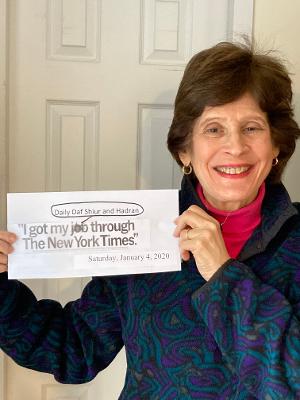
“I got my job through the NY Times” was an ad campaign when I was growing up. I can headline “I got my daily Daf shiur and Hadran through the NY Times”. I read the January 4, 2020 feature on Reb. Michelle Farber and Hadran and I have been participating ever since. Thanks NY Times & Hadran!
Deborah Aschheim
Deborah Aschheim

New York, United States

As Jewish educator and as a woman, I’m mindful that Talmud has been kept from women for many centuries. Now that we are privileged to learn, and learning is so accessible, it’s my intent to complete Daf Yomi. I am so excited to keep learning with my Hadran community.

Sue Parker Gerson
Sue Parker Gerson

Denver, United States

I saw an elderly man at the shul kiddush in early March 2020, celebrating the siyyum of masechet brachot which he had been learning with a young yeshiva student. I thought, if he can do it, I can do it! I began to learn masechet Shabbat the next day, Making up masechet brachot myself, which I had missed. I haven’t missed a day since, thanks to the ease of listening to Hadran’s podcast!
Judith Shapiro
Judith Shapiro

Minnesota, United States

I began to learn this cycle of Daf Yomi after my husband passed away 2 1/2 years ago. It seemed a good way to connect to him. Even though I don’t know whether he would have encouraged women learning Gemara, it would have opened wonderful conversations. It also gives me more depth for understanding my frum children and grandchildren. Thank you Hadran and Rabbanit Michelle Farber!!

Harriet Hartman
Harriet Hartman

Tzur Hadassah, Israel

When I began learning Daf Yomi at the beginning of the current cycle, I was preparing for an upcoming surgery and thought that learning the Daf would be something positive I could do each day during my recovery, even if I accomplished nothing else. I had no idea what a lifeline learning the Daf would turn out to be in so many ways.

Laura Shechter
Laura Shechter

Lexington, MA, United States

My Daf journey began in August 2012 after participating in the Siyum Hashas where I was blessed as an “enabler” of others.  Galvanized into my own learning I recited the Hadran on Shas in January 2020 with Rabbanit Michelle. That Siyum was a highlight in my life.  Now, on round two, Daf has become my spiritual anchor to which I attribute manifold blessings.

Rina Goldberg
Rina Goldberg

Englewood NJ, United States

I started learning at the beginning of this Daf Yomi cycle because I heard a lot about the previous cycle coming to an end and thought it would be a good thing to start doing. My husband had already bought several of the Koren Talmud Bavli books and they were just sitting on the shelf, not being used, so here was an opportunity to start using them and find out exactly what was in them. Loving it!

Caroline Levison
Caroline Levison

Borehamwood, United Kingdom

I began learning with Rabbanit Michelle’s wonderful Talmud Skills class on Pesachim, which really enriched my Pesach seder, and I have been learning Daf Yomi off and on over the past year. Because I’m relatively new at this, there is a “chiddush” for me every time I learn, and the knowledge and insights of the group members add so much to my experience. I feel very lucky to be a part of this.

Julie-Landau-Photo
Julie Landau

Karmiel, Israel

After reading the book, “ If All The Seas Were Ink “ by Ileana Kurshan I started studying Talmud. I searched and studied with several teachers until I found Michelle Farber. I have been studying with her for two years. I look forward every day to learn from her.

Janine Rubens
Janine Rubens

Virginia, United States

I was moved to tears by the Hadran Siyyum HaShas. I have learned Torah all my life, but never connected to learning Gemara on a regular basis until then. Seeing the sheer joy Talmud Torah at the siyyum, I felt compelled to be part of it, and I haven’t missed a day!
It’s not always easy, but it is so worthwhile, and it has strengthened my love of learning. It is part of my life now.

Michelle Lewis
Michelle Lewis

Beit Shemesh, Israel

I started learning Daf Yomi in January 2020 after watching my grandfather, Mayer Penstein z”l, finish shas with the previous cycle. My grandfather made learning so much fun was so proud that his grandchildren wanted to join him. I was also inspired by Ilana Kurshan’s book, If All the Seas Were Ink. Two years in, I can say that it has enriched my life in so many ways.

Leeza Hirt Wilner
Leeza Hirt Wilner

New York, United States

It has been a pleasure keeping pace with this wonderful and scholarly group of women.

Janice Block
Janice Block

Beit Shemesh, Israel

I began my Daf Yomi journey on January 5, 2020. I had never learned Talmud before. Initially it struck me as a bunch of inane and arcane details with mind bending logic. I am now smitten. Rabbanit Farber brings the page to life and I am eager to learn with her every day!

Lori Stark
Lori Stark

Highland Park, United States

A beautiful world of Talmudic sages now fill my daily life with discussion and debate.
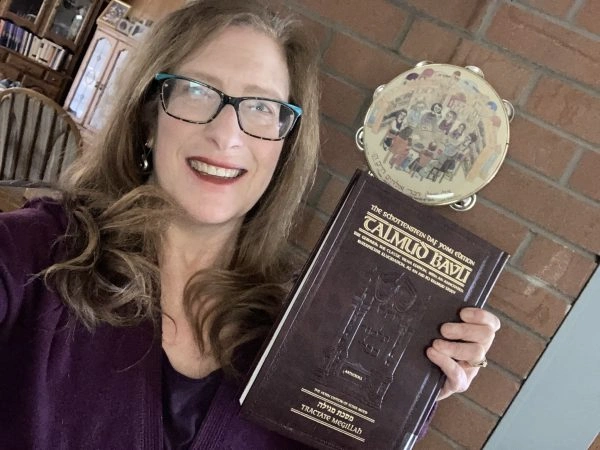
bringing alive our traditions and texts that has brought new meaning to my life.
I am a מגילת אסתר reader for women . the words in the Mishna of מסכת megillah 17a
הקורא את המגילה למפרע לא יצא were powerful to me.
I hope to have the zchut to complete the cycle for my 70th birthday.

Sheila Hauser
Sheila Hauser

Jerusalem, Israel

3 years ago, I joined Rabbanit Michelle to organize the unprecedented Siyum HaShas event in Jerusalem for thousands of women. The whole experience was so inspiring that I decided then to start learning the daf and see how I would go…. and I’m still at it. I often listen to the Daf on my bike in mornings, surrounded by both the external & the internal beauty of Eretz Yisrael & Am Yisrael!

Lisa Kolodny
Lisa Kolodny

Raanana, Israel

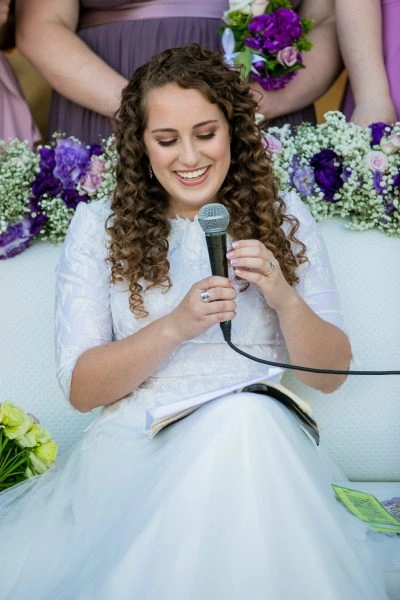
In my Shana bet at Migdal Oz I attended the Hadran siyum hash”as. Witnessing so many women so passionate about their Torah learning and connection to God, I knew I had to begin with the coming cycle. My wedding (June 24) was two weeks before the siyum of mesechet yoma so I went a little ahead and was able to make a speech and siyum at my kiseh kallah on my wedding day!

Sharona Guggenheim Plumb

Givat Shmuel, Israel

I started learning Dec 2019 after reading “If all the Seas Were Ink”. I found
Daily daf sessions of Rabbanit Michelle in her house teaching, I then heard about the siyum and a new cycle starting wow I am in! Afternoon here in Sydney, my family and friends know this is my sacred time to hide away to live zoom and learn. Often it’s hard to absorb and relate then a gem shines touching my heart.

Dianne Kuchar
Dianne Kuchar

Dover Heights, Australia

I started last year after completing the Pesach Sugiyot class. Masechet Yoma might seem like a difficult set of topics, but for me made Yom Kippur and the Beit HaMikdash come alive. Liturgy I’d always had trouble connecting with took on new meaning as I gained a sense of real people moving through specific spaces in particular ways. It was the perfect introduction; I am so grateful for Hadran!

Debbie Engelen-Eigles

Minnesota, United States

Nedarim 89

נָדְרָה וְהִיא בִּרְשׁוּת הַבַּעַל — מֵפֵר לָהּ. כֵּיצַד? אָמְרָה ״הֲרֵינִי נְזִירָה לְאַחַר שְׁלֹשִׁים״, אַף עַל פִּי שֶׁנִּתְאַלְמְנָה אוֹ נִתְגָּרְשָׁה בְּתוֹךְ שְׁלֹשִׁים — הֲרֵי זֶה מוּפָר. נָדְרָה בּוֹ בַּיּוֹם וְנִתְגָּרְשָׁה בּוֹ בַּיּוֹם, הֶחְזִירָה בּוֹ בְּיוֹם — אֵינוֹ יָכוֹל לְהָפֵר. זֶה הַכְּלָל: כׇּל שֶׁיָּצְאָה לִרְשׁוּת עַצְמָהּ שָׁעָה אַחַת — אֵינוֹ יָכוֹל לְהָפֵר.

If she took a vow while she was under the jurisdiction of her husband, he can nullify the vow for her. How so? If she said when she was still married: I am hereby a nazirite for after thirty days, and her husband nullified the vow, then even if she was widowed or divorced within the thirty-day period, the vow is nullified. If she took a vow on that, i.e., one, day and was divorced on that same day, then even if her husband took her back as his wife on that same day, he cannot nullify her previous vows. This is the principle: Once she has left and gone into her own jurisdiction for even a single hour, then after they are remarried her husband can no longer nullify any vow she uttered during their first marriage.

גְּמָ׳ תַּנְיָא: אַלְמָנָה וּגְרוּשָׁה שֶׁאָמְרָה ״הֲרֵינִי נְזִירָה לִכְשֶׁאִנָּשֵׂא״ וְנִשֵּׂאת, רַבִּי יִשְׁמָעֵאל אוֹמֵר: יָפֵר, וְרַבִּי עֲקִיבָא אוֹמֵר: לֹא יָפֵר. וְסִימָנָא: יְלֵלִי. אֵשֶׁת אִישׁ שֶׁאָמְרָה ״הֲרֵינִי נְזִירָה לִכְשֶׁאֶתְגָּרֵשׁ״ וְנִתְגָּרְשָׁה, רַבִּי יִשְׁמָעֵאל אוֹמֵר: לֹא יָפֵר, וְרַבִּי עֲקִיבָא אוֹמֵר: יָפֵר.

GEMARA: It is taught in a baraita: With regard to a widow or a divorcée who said: I am hereby a nazirite for when I will get married, and she was married, Rabbi Yishmael says her husband can nullify her vow, whereas Rabbi Akiva says he cannot nullify it. And the mnemonic device for the opinions of Rabbi Yishmael and Rabbi Akiva with regard to this halakha and the following one is the Hebrew acronym yod, lamed, lamed, yod: Yafer, lo yafer; lo yafer, yafer, i.e., he can nullify, he cannot nullify; he cannot nullify, he can nullify. As for a married woman who said while she was married: I am hereby a nazirite for when I will get divorced, and she was divorced, Rabbi Yishmael says her husband cannot nullify her vow, whereas Rabbi Akiva says he can nullify it.

אָמַר רַבִּי יִשְׁמָעֵאל: הֲרֵי הוּא אוֹמֵר ״וְנֵדֶר אַלְמָנָה וּגְרוּשָׁה וְגוֹ׳״, עַד שֶׁיְּהֵא נֶדֶר בִּשְׁעַת אַלְמָנוּת וְגֵרוּשִׁין. רַבִּי עֲקִיבָא סָבַר: הֲרֵי הוּא אוֹמֵר ״כֹּל אֲשֶׁר אָסְרָה עַל נַפְשָׁהּ״, עַד שֶׁיְּהֵא אִיסּוּרֵי נֶדֶר בִּשְׁעַת אַלְמָנוּת וְגֵרוּשִׁין.

Rabbi Yishmael said: It says: “But every vow of a widow, and of her that is divorced…shall be upheld against her” (Numbers 30:10), which means that the practical application of the vow must be in the time of the woman’s widowhood or divorce. Only when the vow is to take effect when she is a widow or a divorcée shall it be upheld against her, since then it is impossible to nullify. Rabbi Akiva, by contrast, maintains: It says: “But every vow…with which she has bound her soul, shall be upheld against her,” which means that the binding of the vow, i.e., the taking of the vow creating the prohibition, must be at the time of the woman’s widowhood or divorce.

אָמַר רַב חִסְדָּא: מַתְנִיתִין — רַבִּי עֲקִיבָא הִיא. אַבָּיֵי אָמַר: אֲפִילּוּ תֵּימָא רַבִּי יִשְׁמָעֵאל, מַתְנִיתִין תָּלְיָא נַפְשַׁהּ בְּיוֹמֵי, בָּרַיְיתָא תָּלְיָא נַפְשַׁהּ בְּנִישּׂוּאִין.

Rav Ḥisda said: The mishna that links the possibility of nullification to the time of the taking of the vow is the opinion of Rabbi Akiva. Abaye said: Even if you say that the mishna follows the opinion of Rabbi Yishmael, there is no difficulty, for the mishna is referring to a woman who made her vow dependent on days, i.e., she specified that the vow should take effect after a fixed period of time. By contrast, the baraita is referring to a woman who made her vow dependent on marriage.

שָׁלְמוּ יוֹמֵי וְלָא נִתְגָּרְשָׁה, שָׁלְמוּ יוֹמֵי וְלָא מִיתְנַסְבָא.

In the case of the baraita, since the woman explicitly connected the application of her vow to her marital status, the possibility of nullifying the vow depends on the time that the vow takes effect. But in the case of the mishna, where the application of the vow is tied to a particular date, it is possible that the days will be completed and she was not divorced, or that the days will be completed and she was not married. Since there is no inherent connection between her marriage and the vow, Rabbi Yishmael agrees that the possibility of nullification depends on the time when the vow was pronounced.

״זֶה הַכְּלָל״ דְּקָתָנֵי גַּבֵּי ״נַעֲרָה הַמְאוֹרָסָה״ — לְאֵיתוֹיֵי הָלַךְ הָאָב עִם שְׁלוּחֵי הַבַּעַל אוֹ שֶׁהָלְכוּ שְׁלוּחֵי הָאָב עִם שְׁלוּחֵי הַבַּעַל, בְּנַעֲרָה הַמְאוֹרָסָה, דְּאָבִיהָ וּבַעְלָהּ מְפִירִין נְדָרֶיהָ.

§ The mishna in the previous chapter (71a) teaches that as long as a betrothed young woman has not gone out into her own jurisdiction for a single moment, her father and her husband can nullify her vows. The mishna in this chapter teaches the principle in the reverse: If she has gone out for even a single hour, her husband cannot nullify her vows. The Gemara addresses this repetition. The mishna of: This is the principle, which is taught in the chapter called: A betrothed young woman, serves to include a case where the father went with the messengers of the husband after handing over his daughter in marriage and a case where the messengers of the father went with the messengers of the husband. In the case of a betrothed young woman, since the father or his messengers were still with her, she has not yet left her father’s jurisdiction, and nevertheless the mishna teaches that her father and her husband can nullify her vows.

״זֶה הַכְּלָל״ דְּקָתָנֵי גַּבֵּי ״וְאֵלּוּ נְדָרִים״, לְאֵיתוֹיֵי מָסַר הָאָב לִשְׁלוּחֵי הַבַּעַל אוֹ שֶׁמָּסְרוּ שְׁלוּחֵי הָאָב לִשְׁלוּחֵי הַבַּעַל, שֶׁאֵין הַבַּעַל מֵיפֵר בַּקּוֹדְמִין.

The mishna of: This is the principle, which is taught in this chapter, called: And these are the vows, serves to include a case where the father handed over his daughter to the messengers of the husband, or a case where the messengers of the father handed her over to the messengers of the husband. Although neither the father nor his messengers accompanied her, and therefore she has been fully handed over to her husband, nevertheless, the mishna teaches that the husband cannot nullify previous vows, i.e., vows that preceded their marriage.

מַתְנִי׳ תֵּשַׁע נְעָרוֹת נִדְרֵיהֶן קַיָּימִין: בּוֹגֶרֶת וְהִיא יְתוֹמָה. נַעֲרָה וּבָגְרָה וְהִיא יְתוֹמָה.

MISHNA: There are nine young women whose vows are upheld and cannot be nullified: If she took a vow when she was a grown woman and she is an orphan; if she took a vow when she was a young woman, and has reached her majority, and she is an orphan;

נַעֲרָה שֶׁלֹּא בָּגְרָה וְהִיא יְתוֹמָה. בּוֹגֶרֶת וּמֵת אָבִיהָ. נַעֲרָה בּוֹגֶרֶת וּמֵת אָבִיהָ. נַעֲרָה שֶׁלֹּא בָּגְרָה וּמֵת אָבִיהָ. נַעֲרָה שֶׁמֵּת אָבִיהָ וּמִשֶּׁמֵּת אָבִיהָ בָּגְרָה. בּוֹגֶרֶת וְאָבִיהָ קַיָּים. נַעֲרָה בּוֹגֶרֶת וְאָבִיהָ קַיָּים. רַבִּי יְהוּדָה אוֹמֵר: אַף הַמַּשִּׂיא בִּתּוֹ הַקְּטַנָּה וְנִתְאַלְמְנָה אוֹ נִתְגָּרְשָׁה וְחָזְרָה אֶצְלוֹ — עֲדַיִין הִיא נַעֲרָה.

if she took a vow when she was a young woman who had not yet reached her majority, and she is an orphan; if she took a vow when she was a grown woman and her father died; if she took a vow when she was a young woman, and she became a grown woman, and her father died; if she took a vow when she was a young woman who had not reached her majority, and her father died; if she took a vow when she was a young woman, and her father died, and after her father died she reached her majority; if she took a vow when she was a grown woman and her father is still alive; and if she took a vow when she was a young woman, and she became a grown woman, and her father is still alive. Rabbi Yehuda says: With regard to even one who married off his minor daughter, and she was widowed or divorced and she returned to him, and according to her age she still is in the category of a young woman, her vows cannot be nullified.

גְּמָ׳ אָמַר רַב יְהוּדָה אָמַר רַב: זוֹ דִּבְרֵי רַבִּי יְהוּדָה. אֲבָל חֲכָמִים אוֹמְרִים, שָׁלֹשׁ נְעָרוֹת נִדְרֵיהֶן קַיָּימִין: בּוֹגֶרֶת, וִיתוֹמָה, וִיתוֹמָה בְּחַיֵּי הָאָב.

GEMARA: Rav Yehuda said that Rav said: This mishna is the statement of Rabbi Yehuda, who spelled out all the cases and listed nine young women whose vows are upheld. But the Rabbis say that it is unnecessary to go into such detail. Instead, they simply said: There are three young women whose vows are upheld and cannot be nullified: A grown woman, and an orphan, and an orphan in her father’s lifetime, i.e., a young woman who was divorced or widowed while her father was still alive and is considered an orphan in that her father no longer has jurisdiction over her.

מַתְנִי׳ ״קֻוֽנָּם שֶׁאֵינִי נֶהֱנֶה לְאַבָּא וּלְאָבִיךָ אִם עוֹשָׂה אֲנִי עַל פִּיךָ״, ״שֶׁאֵינִי נֶהֱנֵית לְךָ אִם עוֹשָׂה אֲנִי עַל פִּי אַבָּא וְעַל פִּי אָבִיךָ״ — הֲרֵי זֶה יָפֵר.

MISHNA: If a woman said to her husband: Deriving benefit from my father or from your father is konam for me if I will prepare anything for you; or if she said: Deriving benefit from you is konam for me if I will prepare anything for my father or for your father, the husband can nullify this vow.

גְּמָ׳ תַּנְיָא: ״שֶׁאֵינִי נֶהֱנֵית לְאַבָּא וּלְאָבִיךְ אִם אֲנִי עוֹשָׂה לְפִיךָ״, רַבִּי נָתָן אוֹמֵר: לֹא יָפֵר. וַחֲכָמִים אוֹמְרִים: יָפֵר.

GEMARA: It is taught in a baraita: If a woman said to her husband: Deriving benefit from my father or from your father is konam for me if I will prepare anything for you, Rabbi Natan says her husband cannot nullify the vow. She must prepare food for him, as she is obligated to do so by virtue of their being married, and it is prohibited for her to benefit from their respective fathers. The husband cannot nullify a vow that has not yet taken effect and that depends on the fulfillment of a certain condition. And the Rabbis say that even in such a case he can nullify her vow.

״נְטוּלָה אֲנִי מִן הַיְּהוּדִים אִם מְשַׁמַּשְׁתֶּךָ״, רַבִּי נָתָן אוֹמֵר: לֹא יָפֵר. וַחֲכָמִים אוֹמְרִים: יָפֵר.

The baraita continues: If the woman said to her husband: I am removed from the Jews, i.e., the benefit of my engaging in sexual intercourse will be forbidden to all Jews, if I engage in sexual intercourse with you, Rabbi Natan says he cannot nullify the vow. Rather, she must engage in sexual intercourse with her husband, as she is obligated to do so by virtue of their marriage, and she will be forbidden to all other Jews. And the Rabbis say he can nullify her vow.

הָהוּא גַּבְרָא דְּאִיתְּסַר הֲנָיָיתָא דְּעָלְמָא עֲלֵיהּ אִי נָסֵיב אִיתְּתָא כִּי לָא תָּנֵינָא הִילְכְתָא. רָהֵיט בְּגַפָּא וְתוּבַלְיָא וְלָא אִמְּצִי לְמִיתְנֵא. אֲתָא רַב אַחָא בַּר רַב הוּנָא וְשַׁבְּשֵׁיהּ וְאִינְּסִיב אִיתְּתָא,

§ It is related that there was a certain man who took a vow that all benefit from the world should be forbidden to him if he marries a woman when he has not yet learned halakha. He would run up a ladder and rope but was not able to learn the material, i.e., despite all his efforts he failed in his studies. Rav Aḥa bar Rav Huna came and misled him, allowing him to understand that even if he took a vow, the vow would not take effect, and so he married a woman.

Want to follow content and continue where you left off?

Create an account today to track your progress, mark what you’ve learned, and follow the shiurim that speak to you.

Clear all items from this list?

This will remove ALL the items in this section. You will lose any progress or history connected to them. This is irreversible.

Cancel
Yes, clear all

Are you sure you want to delete this item?

You will lose any progress or history connected to this item.

Cancel
Yes, delete