








There are different interpretations regarding the three stages manetioned in the mishna about a woman finding blood after intercourse (particularly between the second a third stage). The gemara discusses the differnt approaches. Can a husband assume that his wife is not in nidda, esp. if he comes home from a trip and does she need to check herself or can she assume if she hasn’t seen blood, she is fine. On what does it depend? Is it different if she has a regular cycle or not? How does the debate regarding whether vestot (assuming a cycle will come at a particular time) is a rabbinic or Torah law? If enough days have elapsed that a woman could have menstruated and gone of the mikveh, can the husband assume that she did? Is it always true that a doubt cannot override a certainty?
Niddah 15

Share this shiur:
Want to dedicate learning? Get started here:
Niddah 15
שֶׁמָּא כְּרַבִּי עֲקִיבָא אַתֶּם אוֹמְרִים שֶׁמְּטַמְּאָה אֶת בּוֹעֲלָהּ? אָמְרוּ לוֹ: לֹא שָׁמַעְנוּ.
Perhaps you say in accordance with the opinion of Rabbi Akiva, that the woman transmits impurity to the man with whom she engaged in intercourse, just as she retroactively transmits impurity to any pure items she touched in the preceding twenty-four-hour period? The Sages of Usha said to Rabbi Eliezer, son of Rabbi Tzadok: We have not heard this opinion of Rabbi Akiva, i.e., we do not accept it as halakha, and therefore we would like to know what this period of: After time passed, is.
אָמַר לָהֶם: כָּךְ פֵּרְשׁוּ חֲכָמִים בְּיַבְנֶה: לֹא שָׁהֲתָה כְּדֵי שֶׁתֵּרֵד מִן הַמִּטָּה וְתָדִיחַ אֶת פָּנֶיהָ — תּוֹךְ זְמַן הוּא זֶה, וּטְמֵאִין מִסָּפֵק, וּפְטוּרִין מִקׇּרְבָּן, וְחַיָּיבִין בְּאָשָׁם תָּלוּי.
Rabbi Eliezer, son of Rabbi Tzadok, said to them: This is how the Sages of Yavne explained it: As long as the woman did not wait before examining herself after intercourse for a period of time equivalent to the time in which she may descend from the bed and rinse her face, this is considered within the period of time referred to in the mishna as: After time passed. And if blood is found on the cloth she used to examine herself during this period, they are both impure for seven days due to uncertainty, and they are exempt from bringing a sin offering, as this offering is brought only for an unwitting sin that was definitely committed. But they are each obligated to bring a provisional guilt offering.
שָׁהֲתָה כְּדֵי שֶׁתֵּרֵד מִן הַמִּטָּה וְתָדִיחַ אֶת פָּנֶיהָ — אַחַר הַזְּמַן הוּא זֶה.
If she waited before examining herself after intercourse for a period of time equivalent to the time in which she may descend from the bed and rinse her face, this is considered: After time, i.e., after the time frame referred to in the mishna as: After time passed.
וְכֵן כְּשֶׁשָּׁהֲתָה מֵעֵת לְעֵת וּמִפְּקִידָה לִפְקִידָה, בּוֹעֲלָהּ מְטַמֵּא מִשּׁוּם מַגָּע, וְאֵינוֹ מְטַמֵּא מִשּׁוּם בּוֹעֵל. רַבִּי עֲקִיבָא אוֹמֵר: אַף מְטַמֵּא מִשּׁוּם בּוֹעֵל. רַבִּי יְהוּדָה בְּנוֹ שֶׁל רַבָּן יוֹחָנָן בֶּן זַכַּאי אוֹמֵר: בַּעְלָהּ נִכְנַס לַהֵיכָל וּמַקְטִיר קְטוֹרֶת.
In this case, and likewise in a case when she waited for a twenty-four-hour period or from examination to examination, i.e., she examined herself before intercourse and was pure, and then examined herself within twenty-four hours after intercourse and was impure, the man with whom she engaged in intercourse becomes impure until evening due to contact with a menstruating woman, but he does not become impure for seven days as one who engaged in intercourse with a menstruating woman. Rabbi Akiva says: He even becomes impure for seven days as one who engaged in intercourse with a menstruating woman. Rabbi Yehuda, son of Rabban Yoḥanan ben Zakkai, says: In such a case, not only is her husband not impure for seven days, but he is not even deemed impure until evening by rabbinic law. Therefore, if he is a priest he may enter the Sanctuary and burn incense.
בִּשְׁלָמָא לְרַב חִסְדָּא, הַיְינוּ דִּמְטַהֲרִי רַבָּנַן.
The Gemara explains the difficulty with Rav Ashi’s interpretation of the mishna according to this baraita: Granted, according to the opinion of Rav Ḥisda, who maintains that the period of: After time passed, during which if the woman found blood on her cloth the man with whom she engaged in intercourse is rendered impure for seven days, is equivalent to the time it takes for her to extend her hand and examine herself, this is the reason that the Rabbis deem him pure if she discovered blood after this period has passed.
אֶלָּא לְרַב אָשֵׁי, אַמַּאי מְטַהֲרִי רַבָּנַן?
But according to the opinion of Rav Ashi, who holds that if she has a cloth in her hand then she renders the man with whom she engaged in intercourse impure if she discovers blood within the amount of time it takes for her to descend from the bed and rinse or clean her pubic area with the cloth she is holding in her hand, why do the Rabbis deem him pure if the amount of time that has passed is the time it takes for her to descend and clean her pubic area? She should still render him impure during that time span.
וְכִי תֵימָא: דְּאֵין עֵד בְּיָדָהּ, הַאי ״עֵד בְּיָדָהּ״ וְ״אֵין עֵד בְּיָדָהּ״ מִיבְּעֵי לֵיהּ! קַשְׁיָא.
And if you would say that the baraita is dealing with a case where the cloth is not in her hand, and for this reason the time period that it is referring to is after the amount of time it would take for the woman to extend her hand and examine herself, this cannot be the case, as if so, the tanna of the baraita should have taught two cases: A cloth is in her hand, and: A cloth is not in her hand, to differentiate between the situations. The Gemara concludes: Indeed, this baraita poses a difficulty to the opinion of Rav Ashi.
רַבִּי יְהוּדָה בְּנוֹ שֶׁל רַבָּן יוֹחָנָן בֶּן זַכַּאי אוֹמֵר: בַּעְלָהּ נִכְנָס לַהֵיכָל וּמַקְטִיר קְטוֹרֶת. וְתִיפּוֹק לֵיהּ דְּהָוֵה נוֹגֵעַ בְּמֵעֵת לְעֵת שֶׁבְּנִדָּה!
§ The baraita teaches that Rabbi Yehuda, son of Rabban Yoḥanan ben Zakkai, says: If the examination took place following this period called: After time passed, her husband is not ritually impure at all, and therefore if he is a priest he may enter the Sanctuary and burn incense. The Gemara asks: And let him derive that the husband is impure because he is one who touched a menstruating woman during the twenty-four-hour period before she discovered blood, as the Sages decreed that pure items touched by a menstruating woman in the twenty-four hours before she noticed the bleeding are impure retroactively.
הוּא דְּאָמַר כְּשַׁמַּאי, דְּאָמַר: כׇּל הַנָּשִׁים דַּיָּין שְׁעָתָן.
The Gemara answers that Rabbi Yehuda, son of Rabban Yoḥanan ben Zakkai, who said the ruling, holds like Shammai, who said in a mishna (2a): For all women, their time is sufficient, i.e., women who discern the emergence of menstrual blood do not need to be concerned that the flow of blood began before they noticed it, and they assume ritual impurity status only from that moment.
וְתִיפּוֹק לֵיהּ דְּהָוֵה בַּעַל קֶרִי! בְּשֶׁלֹּא גָּמַר בִּיאָתוֹ.
The Gemara raises another difficulty with the opinion of Rabbi Yehuda, son of Rabban Yoḥanan ben Zakkai: And let him derive that the husband is impure because he is one who experienced a seminal emission. The Gemara answers that he is referring to a case where the husband did not complete his act of intercourse.
וּמוֹדִים חֲכָמִים לְרַבִּי עֲקִיבָא בְּרוֹאָה כֶּתֶם, אָמַר רַב לְמַפְרֵעַ, וְרַבִּי מֵאִיר הִיא.
§ The mishna states: And the Rabbis concede to Rabbi Akiva in the case of a woman who sees a blood stain, that she transmits seven-day impurity to the man with whom she engaged in intercourse. The Gemara cites a dispute of amora’im in this regard. Rav says that she renders the man with whom she engaged in intercourse impure retroactively, and this is in accordance with the opinion of Rabbi Meir, who maintains that a woman who sees a blood stain renders pure items impure retroactively (see 5a).
וּשְׁמוּאֵל אָמַר: מִכָּאן וּלְהַבָּא, וְרַבָּנַן הִיא. מִכָּאן וּלְהַבָּא פְּשִׁיטָא!
And Shmuel says that she does not render him impure retroactively, but only if he engages in intercourse with her from now and onward, i.e., after she sees the blood stain, and this is in accordance with the opinion of the Rabbis, who hold that a woman who sees a blood stain renders pure items impure only from that moment onward. The Gemara raises a difficulty with the opinion of Shmuel: Why does the mishna find it necessary to state that she renders him impure from now and onward? Isn’t it obvious?
מַהוּ דְּתֵימָא: הוֹאִיל וּמֵעֵת לְעֵת דְּרַבָּנַן, וּכְתָמִים דְּרַבָּנַן — מָה מֵעֵת לְעֵת לֹא מְטַמְּאָה אֶת בּוֹעֲלָהּ, אַף כְּתָמִים — לֹא מְטַמְּאָה אֶת בּוֹעֲלָהּ, קָא מַשְׁמַע לַן.
The Gemara explains that it was necessary for the mishna to state this ruling, lest you say: Since the woman’s retroactive impurity for a twenty-four-hour period is a decree that applies by rabbinic law, and the impurity of blood stains also applies by rabbinic law, one might claim as follows: Just as her retroactive impurity of a twenty-four-hour period does not render impure the man with whom she engaged in intercourse, so too, her blood stains should not render impure the man with whom she engaged in intercourse. Therefore, the mishna teaches us that she does render him impure from that point onward.
וְאֵימָא הָכִי נָמֵי! הָתָם — אֵין ״שׁוֹר שָׁחוּט לְפָנֶיךָ״, הָכָא — יֵשׁ ״שׁוֹר שָׁחוּט לְפָנֶיךָ״.
The Gemara asks: But perhaps one can say that indeed, she does not transmit impurity to him? The Gemara explains that there is a difference between the two types of rabbinic impurity: There, with regard to retroactive impurity, it is not a case of: The slaughtered ox is before you, i.e., the evidence of impurity did not exist at the time, as she had yet to experience menstruation. Therefore, the Sages did not apply the stringency of retroactive impurity to the husband. By contrast, here, with regard to the impurity of blood stains, it is a case of: The slaughtered ox is before you, as blood has appeared on the cloth.
וְכֵן אָמַר רֵישׁ לָקִישׁ: לְמַפְרֵעַ, וְרַבִּי מֵאִיר הִיא. רַבִּי יוֹחָנָן אָמַר: מִכָּאן וּלְהַבָּא, וְרַבָּנַן הִיא.
The Gemara notes: And Reish Lakish similarly says, like Rav, that the woman transmits impurity to the man with whom she engaged in intercourse retroactively, and this is in accordance with the opinion of Rabbi Meir. But Rabbi Yoḥanan says, like Shmuel: She renders him impure from now and onward, i.e., after she sees the blood stain, and this is in accordance with the opinion of the Rabbis.
מַתְנִי’ כׇּל הַנָּשִׁים בְּחֶזְקַת טׇהֳרָה לְבַעְלֵיהֶן, הַבָּאִין מִן הַדֶּרֶךְ — נְשֵׁיהֶן לָהֶן בְּחֶזְקַת טׇהֳרָה.
MISHNA: All women have the presumptive status of purity for their husbands, and therefore one is not required to ascertain whether his wife is ritually pure before engaging in intercourse with her. Even with regard to husbands returning from a journey, if their wives were ritually pure when they left, their wives have the presumptive status of purity for them.
גְּמָ’ לְמָה לֵיהּ לְמִתְנֵי ״הַבָּאִין מִן הַדֶּרֶךְ״? סָלְקָא דַעְתָּךְ אָמֵינָא: הָנֵי מִילֵּי הֵיכָא דְּאִיתֵיהּ בְּמָתָא, דְּרָמְיָא אַנַּפְשַׁהּ וּבָדְקָה, אֲבָל הֵיכָא דְּלֵיתֵיהּ בְּמָתָא, דְּלָא רָמְיָא אַנַּפְשַׁהּ — לָא. קָא מַשְׁמַע לַן.
GEMARA: Why does the tanna of the mishna need to teach the halakha of husbands returning from a journey? In what manner are they different from other husbands? The Gemara explains that it might enter your mind to say: This statement, that women have the presumptive status of purity, applies only in a case where the husband is in the city of his residence, as the woman takes upon herself the responsibility of being ready for her husband at all times, and therefore she examines herself. But in a case where the husband is not in the city, since she does not take upon herself the responsibility of being constantly ready for him, perhaps she should not have the presumptive status of purity. Therefore, the tanna of the mishna teaches us that even in this case she has a presumptive status of purity.
אָמַר רֵישׁ לָקִישׁ מִשּׁוּם רַבִּי יְהוּדָה נְשִׂיאָה: וְהוּא שֶׁבָּא וּמְצָאָהּ בְּתוֹךְ יְמֵי עוֹנָתָהּ.
The Gemara notes that in this regard, Reish Lakish says in the name of Rabbi Yehuda Nesia: And this halakha that the wife of a husband returning from a journey has a presumptive status of purity is applicable only in a case where the husband came and found that his wife was within the days of her projected period, i.e., within thirty days of her previous menstruation. In this case he may assume that she has not yet experienced a new period, and therefore he may rely on her presumptive status of purity. But if he arrived after thirty days had elapsed from her previous menstruation, it is assumed that she experienced menstruation at the usual time and therefore it is not permitted for him to engage in intercourse with her unless she examined herself and found herself pure.
אָמַר רַב הוּנָא: לֹא שָׁנוּ אֶלָּא שֶׁאֵין לָהּ וֶסֶת, אֲבָל יֵשׁ לָהּ וֶסֶת — אָסוּר לְשַׁמֵּשׁ.
§ With regard to the presumptive status of purity of wives, Rav Huna says: The Sages taught this halakha only in the case of a woman who does not have a fixed menstrual cycle. But with regard to a woman who does have a fixed menstrual cycle, it is prohibited for her husband to engage in intercourse with her.
כְּלַפֵּי לְיָיא? אַדְּרַבָּה, אִיפְּכָא מִסְתַּבְּרָא! אֵין לָהּ וֶסֶת — אֵימָא חֲזַאי, יֵשׁ לָהּ וֶסֶת — וֶסֶת קְבִיעַ לַהּ!
The Gemara asks: Isn’t it the opposite? On the contrary; the reverse claim stands to reason: If the wife does not have a fixed cycle, one can say that perhaps she saw blood, and therefore she should be forbidden to him; whereas if she has a fixed cycle, since her cycle is fixed for her she knows when she will become impure and is presumed to be pure beforehand.
אֶלָּא, אִי אִיתְּמַר הָכִי אִיתְּמַר, אָמַר רַב הוּנָא: לֹא שָׁנוּ אֶלָּא שֶׁלֹּא הִגִּיעַ (שעת) [עֵת] וִסְתָּהּ, אֲבָל הִגִּיעַ (שעת) [עֵת] וִסְתָּהּ — אֲסוּרָה. קָסָבַר: וְסָתוֹת דְּאוֹרָיְיתָא.
Rather, if Rav Huna’s differentiation was stated, it was stated like this: Rav Huna says: The Sages taught this halakha only in a case when the projected time of the woman’s period had not arrived before her husband returned from his journey. But if the projected time of her period had arrived, she is forbidden to him. Rav Huna maintains that the concern for impurity of women at the projected time of their periods applies by Torah law, as this is a halakha transmitted to Moses from Sinai. If a woman did not examine herself at this time she is presumed to have experienced bleeding, even if she did not sense the emission of blood, though there is no formal obligation to examine herself at this time. Accordingly, a husband returning home from a journey cannot rely on the assumption that his wife has examined herself at the projected time of her period, unless he positively establishes that she has done so.
רַבָּה בַּר בַּר חַנָּה אָמַר: אֲפִילּוּ הִגִּיעַ שְׁעַת וִסְתָּהּ נָמֵי מוּתֶּרֶת, קָסָבַר: וְסָתוֹת דְּרַבָּנַן.
By contrast, Rabba bar bar Ḥana says: Even if the projected time of her period had arrived, she is permitted to her husband. Rabba bar bar Ḥana maintains that the concern for impurity of women at the projected time of their periods applies by rabbinic law, and therefore she is not considered to have experienced bleeding, though by rabbinic law she must still examine herself to ascertain that she is pure.
רַב אָשֵׁי מַתְנֵי הָכִי, אָמַר רַב הוּנָא:
Rav Ashi teaches the opinions of Rav Huna and Rabba bar bar Ḥana like this: Rav Huna says:
לֹא שָׁנוּ אֶלָּא שֶׁאֵין לָהּ וֶסֶת לְיָמִים, אֶלָּא יֵשׁ לָהּ וֶסֶת לְיָמִים וְלִקְפִיצוֹת, כֵּיוָן דִּבְמַעֲשֶׂה תַּלְיָא מִילְּתָא — אֵימָא לָא קְפִיץ וְלָא חֲזַאי, אֲבָל יֵשׁ לָהּ וֶסֶת לְיָמִים — אֲסוּרָה לְשַׁמֵּשׁ.
The Sages taught this halakha, that a woman has a presumptive status of purity to her husband, only in a case where she does not have a menstrual cycle of days alone, but has a menstrual cycle that is determined both by fixed days and by physical actions she might perform, such as jumps. The reason is that since the matter is also dependent on a particular action, one can say that she did not jump and therefore she did not see blood, and consequently she is presumed to be pure. But with regard to a woman who has a menstrual cycle of days alone, and the projected day of her period arrived, it is prohibited for her to engage in intercourse with her husband.
קָסָבַר וְסָתוֹת דְּאוֹרָיְיתָא.
The Gemara explains that Rav Huna maintains that the concern for impurity of women at the projected time of their periods applies by Torah law. Since she has an uncertain status of impurity by Torah law when the projected day of her period arrives, it is permitted for her to engage in intercourse with her husband only after an examination.
רַבָּה בַּר בַּר חָנָה אָמַר: אֲפִילּוּ יֵשׁ לָהּ וֶסֶת לְיָמִים — מוּתֶּרֶת, קָסָבַר וְסָתוֹת דְּרַבָּנַן.
Rabba bar bar Ḥana says: Even if she has a menstrual cycle of days alone, she is permitted to her husband. Rabba bar bar Ḥana maintains that the concern for impurity of women at the projected time of their periods applies by rabbinic law. Consequently, she is not considered to have experienced bleeding, though by rabbinic law she should have examined herself to ascertain if she was pure.
אָמַר רַב שְׁמוּאֵל מִשְּׁמֵיהּ דְּרַבִּי יוֹחָנָן: אִשָּׁה שֶׁיֵּשׁ לָהּ וֶסֶת — בַּעְלָהּ מְחַשֵּׁב יְמֵי וִסְתָּהּ, וּבָא עָלֶיהָ.
Rav Shmuel says in the name of Rabbi Yoḥanan: With regard to a woman who has a fixed menstrual cycle, and her husband was away for seven days after the expected onset of her period, at which point he returned home, her husband calculates the days of her cycle; and if in the elapsed time it was possible for her to immerse and purify herself, he can presume that she did so, and he may engage in intercourse with her even without asking her whether she is pure.
אֲמַר לֵיהּ רַב שְׁמוּאֵל בַּר יֵיבָא לְרַבִּי אַבָּא: אָמַר רַבִּי יוֹחָנָן אֲפִילּוּ יַלְדָּה דִּבְזִיזָא לְמִטְבַּל?
Rav Shmuel bar Yeiva said to Rabbi Abba: Did Rabbi Yoḥanan state this ruling even with regard to a young girl, who is embarrassed to go and immerse herself, in which case one can claim that if her husband was away she would not have gone to the ritual bath?
אֲמַר לֵיהּ: אַטּוּ וַדַּאי רָאֲתָה מִי אָמַר רַבִּי יוֹחָנָן?! אֵימַר דְּאָמַר רַבִּי יוֹחָנָן סָפֵק רָאֲתָה סָפֵק לֹא רָאֲתָה, וְאִם תִּמְצָא לוֹמַר רָאֲתָה — אֵימָא טָבְלָה,
Rabbi Abba said to Rav Shmuel bar Yeiva: Is that to say that Rabbi Yoḥanan applied this halakha to all cases? Did Rabbi Yoḥanan say that a woman who definitely saw blood is also permitted to her husband? You can say that Rabbi Yoḥanan said his ruling with regard to a case where it is uncertain whether the woman saw blood and it is uncertain whether she did not see blood, and therefore her husband may engage in intercourse with her, as one can reason as follows: If you say that she saw blood, one can still say that perhaps she immersed.
אֲבָל וַדַּאי רָאֲתָה — מִי יֵימַר דְּטָבְלָה? הָוֵה לֵיהּ סָפֵק וּוַדַּאי, וְאֵין סָפֵק מוֹצִיא מִידֵי וַדַּאי.
But if she definitely saw blood, it is not permitted for the husband to engage in intercourse with her. The reason is: Who is to say that she immersed? It is a conflict between an uncertainty as to whether or not she immersed, and a certainty that she saw blood, and there is a principle that an uncertainty does not override a certainty. In the case of a young girl, since it is uncertain whether she saw blood, and it is uncertain whether she immersed, she is permitted to her husband.
וְלָא? וְהָתַנְיָא: חָבֵר שֶׁמֵּת וְהִנִּיחַ מְגוּרָה מְלֵאָה פֵּירוֹת, אֲפִילּוּ הֵן בְּנֵי יוֹמָן — הֲרֵי הֵן בְּחֶזְקַת מְתוּקָּנִין. וְהָא הָכָא, וַדַּאי טֶבֶל, סָפֵק מְעוּשָּׂר סָפֵק אֵינוֹ מְעוּשָּׂר, וְקָאָתֵי סָפֵק וּמוֹצִיא מִידֵי וַדַּאי!
The Gemara raises a difficulty with this principle: And does an uncertainty not override a certainty? But isn’t it taught in a baraita: In the case of a ḥaver who died and left a storehouse filled with produce, even if the produce was there only that day, it has the presumptive status of produce that was ritually prepared, i.e., properly tithed. This is due to the presumption that the ḥaver tithed the produce himself or instructed others to do so. The Gemara infers: And here, the produce was definitely untithed at the outset, and there is uncertainty whether the ḥaver tithed it, and there is uncertainty whether he did not tithe it. And despite this conflict, the uncertainty whether it was tithed comes and overrides the certainty that it was untithed produce.
הָתָם וַדַּאי וּוַדַּאי הוּא, כִּדְרַב חֲנִינָא חוֹזָאָה, דְּאָמַר רַב חֲנִינָא חוֹזָאָה: חֲזָקָה עַל חָבֵר שֶׁאֵינוֹ מוֹצִיא מִתַּחַת יָדוֹ דָּבָר שֶׁאֵינוֹ מְתוּקָּן.
The Gemara rejects this claim: There, the conflict that leads to the question with regard to the produce’s status is between certainty and certainty, as the ḥaver certainly tithed the produce. This presumption is in accordance with the statement of Rav Ḥanina Ḥoza’a; as Rav Ḥanina Ḥoza’a said: There is a presumption with regard to a ḥaver that he does not release an item from his possession that is not ritually prepared.
וְאִיבָּעֵית אֵימָא: סָפֵק וְסָפֵק הוּא, וְכִדְרַבִּי אוֹשַׁעְיָא, דְּאָמַר רַבִּי אוֹשַׁעְיָא: מַעֲרִים אָדָם עַל תְּבוּאָתוֹ וּמַכְנִיסָהּ בַּמּוֹץ שֶׁלָּהּ, כְּדֵי שֶׁתְּהֵא בְּהֶמְתּוֹ אוֹכֶלֶת וּפְטוּרָה מִן הַמַּעֲשֵׂר.
And if you wish, say instead that in that case the conflict is between uncertainty and uncertainty, as it is possible that there was never an obligation to tithe this produce, in accordance with the opinion of Rabbi Oshaya. As Rabbi Oshaya said: A person can employ artifice to circumvent obligations incumbent upon him in dealing with his grain, and bring it into his courtyard in its chaff, so that his animal may eat from it, and this grain is exempt from tithe. Although the obligation to tithe produce applies even to animal fodder, it is permitted to feed one’s animal untithed produce that was brought into one’s home before being fully processed. Consequently, the case involving produce is a conflict between two uncertain factors, as it is uncertain whether or not the owner was obligated to tithe the produce in the first place, and even if he was required to do so, it is uncertain whether or not he tithed it.
וְאַכַּתִּי אֵין סָפֵק מוֹצִיא מִידֵי וַדַּאי? וְהָתַנְיָא: מַעֲשֶׂה בְּשִׁפְחָתוֹ שֶׁל מַסִּיק אֶחָד בְּרִימּוֹן, שֶׁהֵטִילָה נֵפֶל לְבוֹר, וּבָא כֹּהֵן וְהֵצִיץ בּוֹ לֵידַע אִם זָכָר אִם נְקֵבָה.
The Gemara challenges: And still, is it correct that an uncertainty does not override a certainty? But isn’t it taught in a baraita: There was an incident involving the maidservant of a certain olive gatherer [massik] in the city of Rimon, who cast a non-viable newborn into a pit, and a priest came and looked into the pit to ascertain whether the baby was male or whether it was female, as the length of time of a woman’s ritual impurity after childbirth, even if she gave birth to a non-viable newborn, depends on whether the child was male or female (see Leviticus, chapter 12).
וּבָא מַעֲשֶׂה לִפְנֵי חֲכָמִים, וְטִהֲרוּהוּ, מִפְּנֵי שֶׁחוּלְדָּה וּבַרְדְּלָס מְצוּיִים שָׁם.
And the incident came before the Sages to rule whether or not the priest contracted ritual impurity while standing over the corpse, and they deemed him ritually pure. The basis for this ruling was: Due to the fact that martens and hyenas are common there, it is likely that the body was dragged away before the priest arrived at the pit.
וְהָא הָכָא, דְּוַדַּאי הֵטִילָה נֵפֶל, סָפֵק גְּרָרוּהוּ סָפֵק לֹא גְּרָרוּהוּ, וְקָאָתֵי סָפֵק וּמוֹצִיא מִידֵי וַדַּאי!
The Gemara explains the challenge from this baraita: And here, where it is certain that the maidservant cast the non-viable newborn into the pit, and it is uncertain whether an animal dragged it away and it is uncertain whether no animal dragged it away, the Sages nevertheless ruled that an uncertainty comes and overrides a certainty.
לָא תֵּימָא ״הֵטִילָה נֵפֶל לְבוֹר״, אֶלָּא אֵימָא
The Gemara rejects this challenge: Do not say in the baraita that the woman certainly cast a non-viable newborn into a pit; rather, say

New to Talmud?
Check out our resources designed to help you navigate a page of Talmud – and study at the pace, level and style that fits you.
The Hadran Women’s Tapestry
Meet the diverse women learning Gemara at Hadran and hear their stories.
I learned daf more off than on 40 years ago. At the beginning of the current cycle, I decided to commit to learning daf regularly. Having Rabanit Michelle available as a learning partner has been amazing. Sometimes I learn with Hadran, sometimes with my husband, and sometimes on my own. It’s been fun to be part of an extended learning community.

Honolulu, Hawaii, United States
I started to listen to Michelle’s podcasts four years ago. The minute I started I was hooked. I’m so excited to learn the entire Talmud, and think I will continue always. I chose the quote “while a woman is engaged in conversation she also holds the spindle”. (Megillah 14b). It reminds me of all of the amazing women I learn with every day who multi-task, think ahead and accomplish so much.

Zichron Yakov, Israel
I started learning Dec 2019 after reading “If all the Seas Were Ink”. I found
Daily daf sessions of Rabbanit Michelle in her house teaching, I then heard about the siyum and a new cycle starting wow I am in! Afternoon here in Sydney, my family and friends know this is my sacred time to hide away to live zoom and learn. Often it’s hard to absorb and relate then a gem shines touching my heart.

Dover Heights, Australia
I began my journey with Rabbanit Michelle more than five years ago. My friend came up with a great idea for about 15 of us to learn the daf and one of us would summarize weekly what we learned.
It was fun but after 2-3 months people began to leave. I have continued. Since the cycle began Again I have joined the Teaneck women.. I find it most rewarding in so many ways. Thank you

New Jersey, United States
Having never learned Talmud before, I started Daf Yomi in hopes of connecting to the Rabbinic tradition, sharing a daily idea on Instagram (@dafyomiadventures). With Hadran and Sefaria, I slowly gained confidence in my skills and understanding. Now, part of the Pardes Jewish Educators Program, I can’t wait to bring this love of learning with me as I continue to pass it on to my future students.

Pennsylvania, United States
I began to learn this cycle of Daf Yomi after my husband passed away 2 1/2 years ago. It seemed a good way to connect to him. Even though I don’t know whether he would have encouraged women learning Gemara, it would have opened wonderful conversations. It also gives me more depth for understanding my frum children and grandchildren. Thank you Hadran and Rabbanit Michelle Farber!!

Tzur Hadassah, Israel
I was inspired to start learning after attending the 2020 siyum in Binyanei Hauma. It has been a great experience for me. It’s amazing to see the origins of stories I’ve heard and rituals I’ve participated in my whole life. Even when I don’t understand the daf itself, I believe that the commitment to learning every day is valuable and has multiple benefits. And there will be another daf tomorrow!

Jerusalem, Israel
A Gemara shiur previous to the Hadran Siyum, was the impetus to attend it.It was highly inspirational and I was smitten. The message for me was התלמוד בידינו. I had decided along with my Chahsmonaim group to to do the daf and take it one daf at time- without any expectations at all. There has been a wealth of information, insights and halachik ideas. It is truly exercise of the mind, heart & Soul

Hashmonaim, Israel
I decided to learn one masechet, Brachot, but quickly fell in love and never stopped! It has been great, everyone is always asking how it’s going and chering me on, and my students are always making sure I did the day’s daf.
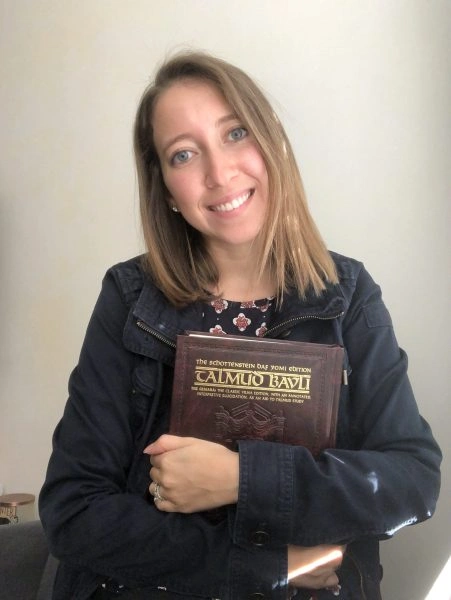
Memphis, Tennessee, United States

Raanana, Israel

Minneapolis, MN, United States
I started at the beginning of this cycle. No 1 reason, but here’s 5.
In 2019 I read about the upcoming siyum hashas.
There was a sermon at shul about how anyone can learn Talmud.
Talmud references come up when I am studying. I wanted to know more.
Yentl was on telly. Not a great movie but it’s about studying Talmud.
I went to the Hadran website: A new cycle is starting. I’m gonna do this

Cambridge, United Kingdom
I started learning at the beginning of this Daf Yomi cycle because I heard a lot about the previous cycle coming to an end and thought it would be a good thing to start doing. My husband had already bought several of the Koren Talmud Bavli books and they were just sitting on the shelf, not being used, so here was an opportunity to start using them and find out exactly what was in them. Loving it!

Borehamwood, United Kingdom
I began my journey with Rabbanit Michelle more than five years ago. My friend came up with a great idea for about 15 of us to learn the daf and one of us would summarize weekly what we learned.
It was fun but after 2-3 months people began to leave. I have continued. Since the cycle began Again I have joined the Teaneck women.. I find it most rewarding in so many ways. Thank you
New Jersey, United States
When I was working and taking care of my children, learning was never on the list. Now that I have more time I have two different Gemora classes and the nach yomi as well as the mishna yomi daily.

Jerusalem, Israel
I began learning with Rabbanit Michelle’s wonderful Talmud Skills class on Pesachim, which really enriched my Pesach seder, and I have been learning Daf Yomi off and on over the past year. Because I’m relatively new at this, there is a “chiddush” for me every time I learn, and the knowledge and insights of the group members add so much to my experience. I feel very lucky to be a part of this.

Karmiel, Israel
Margo
I started my Talmud journey in 7th grade at Akiba Jewish Day School in Chicago. I started my Daf Yomi journey after hearing Erica Brown speak at the Hadran Siyum about marking the passage of time through Daf Yomi.
Carolyn
I started my Talmud journey post-college in NY with a few classes. I started my Daf Yomi journey after the Hadran Siyum, which inspired both my son and myself.

Merion Station, USA
Beit Shemesh, Israel
I tried Daf Yomi in the middle of the last cycle after realizing I could listen to Michelle’s shiurim online. It lasted all of 2 days! Then the new cycle started just days before my father’s first yahrzeit and my youngest daughter’s bat mitzvah. It seemed the right time for a new beginning. My family, friends, colleagues are immensely supportive!

Zichron Yaakov, Israel

Phoenix, Arizona, United States
I started Daf during the pandemic. I listened to a number of podcasts by various Rebbeim until one day, I discovered Rabbanit Farbers podcast. Subsequently I joined the Hadran family in Eruvin. Not the easiest place to begin, Rabbanit Farber made it all understandable and fun. The online live group has bonded together and have really become a supportive, encouraging family.

Edmonton, Alberta, Canada
Niddah 15
שֶׁמָּא כְּרַבִּי עֲקִיבָא אַתֶּם אוֹמְרִים שֶׁמְּטַמְּאָה אֶת בּוֹעֲלָהּ? אָמְרוּ לוֹ: לֹא שָׁמַעְנוּ.
Perhaps you say in accordance with the opinion of Rabbi Akiva, that the woman transmits impurity to the man with whom she engaged in intercourse, just as she retroactively transmits impurity to any pure items she touched in the preceding twenty-four-hour period? The Sages of Usha said to Rabbi Eliezer, son of Rabbi Tzadok: We have not heard this opinion of Rabbi Akiva, i.e., we do not accept it as halakha, and therefore we would like to know what this period of: After time passed, is.
אָמַר לָהֶם: כָּךְ פֵּרְשׁוּ חֲכָמִים בְּיַבְנֶה: לֹא שָׁהֲתָה כְּדֵי שֶׁתֵּרֵד מִן הַמִּטָּה וְתָדִיחַ אֶת פָּנֶיהָ — תּוֹךְ זְמַן הוּא זֶה, וּטְמֵאִין מִסָּפֵק, וּפְטוּרִין מִקׇּרְבָּן, וְחַיָּיבִין בְּאָשָׁם תָּלוּי.
Rabbi Eliezer, son of Rabbi Tzadok, said to them: This is how the Sages of Yavne explained it: As long as the woman did not wait before examining herself after intercourse for a period of time equivalent to the time in which she may descend from the bed and rinse her face, this is considered within the period of time referred to in the mishna as: After time passed. And if blood is found on the cloth she used to examine herself during this period, they are both impure for seven days due to uncertainty, and they are exempt from bringing a sin offering, as this offering is brought only for an unwitting sin that was definitely committed. But they are each obligated to bring a provisional guilt offering.
שָׁהֲתָה כְּדֵי שֶׁתֵּרֵד מִן הַמִּטָּה וְתָדִיחַ אֶת פָּנֶיהָ — אַחַר הַזְּמַן הוּא זֶה.
If she waited before examining herself after intercourse for a period of time equivalent to the time in which she may descend from the bed and rinse her face, this is considered: After time, i.e., after the time frame referred to in the mishna as: After time passed.
וְכֵן כְּשֶׁשָּׁהֲתָה מֵעֵת לְעֵת וּמִפְּקִידָה לִפְקִידָה, בּוֹעֲלָהּ מְטַמֵּא מִשּׁוּם מַגָּע, וְאֵינוֹ מְטַמֵּא מִשּׁוּם בּוֹעֵל. רַבִּי עֲקִיבָא אוֹמֵר: אַף מְטַמֵּא מִשּׁוּם בּוֹעֵל. רַבִּי יְהוּדָה בְּנוֹ שֶׁל רַבָּן יוֹחָנָן בֶּן זַכַּאי אוֹמֵר: בַּעְלָהּ נִכְנַס לַהֵיכָל וּמַקְטִיר קְטוֹרֶת.
In this case, and likewise in a case when she waited for a twenty-four-hour period or from examination to examination, i.e., she examined herself before intercourse and was pure, and then examined herself within twenty-four hours after intercourse and was impure, the man with whom she engaged in intercourse becomes impure until evening due to contact with a menstruating woman, but he does not become impure for seven days as one who engaged in intercourse with a menstruating woman. Rabbi Akiva says: He even becomes impure for seven days as one who engaged in intercourse with a menstruating woman. Rabbi Yehuda, son of Rabban Yoḥanan ben Zakkai, says: In such a case, not only is her husband not impure for seven days, but he is not even deemed impure until evening by rabbinic law. Therefore, if he is a priest he may enter the Sanctuary and burn incense.
בִּשְׁלָמָא לְרַב חִסְדָּא, הַיְינוּ דִּמְטַהֲרִי רַבָּנַן.
The Gemara explains the difficulty with Rav Ashi’s interpretation of the mishna according to this baraita: Granted, according to the opinion of Rav Ḥisda, who maintains that the period of: After time passed, during which if the woman found blood on her cloth the man with whom she engaged in intercourse is rendered impure for seven days, is equivalent to the time it takes for her to extend her hand and examine herself, this is the reason that the Rabbis deem him pure if she discovered blood after this period has passed.
אֶלָּא לְרַב אָשֵׁי, אַמַּאי מְטַהֲרִי רַבָּנַן?
But according to the opinion of Rav Ashi, who holds that if she has a cloth in her hand then she renders the man with whom she engaged in intercourse impure if she discovers blood within the amount of time it takes for her to descend from the bed and rinse or clean her pubic area with the cloth she is holding in her hand, why do the Rabbis deem him pure if the amount of time that has passed is the time it takes for her to descend and clean her pubic area? She should still render him impure during that time span.
וְכִי תֵימָא: דְּאֵין עֵד בְּיָדָהּ, הַאי ״עֵד בְּיָדָהּ״ וְ״אֵין עֵד בְּיָדָהּ״ מִיבְּעֵי לֵיהּ! קַשְׁיָא.
And if you would say that the baraita is dealing with a case where the cloth is not in her hand, and for this reason the time period that it is referring to is after the amount of time it would take for the woman to extend her hand and examine herself, this cannot be the case, as if so, the tanna of the baraita should have taught two cases: A cloth is in her hand, and: A cloth is not in her hand, to differentiate between the situations. The Gemara concludes: Indeed, this baraita poses a difficulty to the opinion of Rav Ashi.
רַבִּי יְהוּדָה בְּנוֹ שֶׁל רַבָּן יוֹחָנָן בֶּן זַכַּאי אוֹמֵר: בַּעְלָהּ נִכְנָס לַהֵיכָל וּמַקְטִיר קְטוֹרֶת. וְתִיפּוֹק לֵיהּ דְּהָוֵה נוֹגֵעַ בְּמֵעֵת לְעֵת שֶׁבְּנִדָּה!
§ The baraita teaches that Rabbi Yehuda, son of Rabban Yoḥanan ben Zakkai, says: If the examination took place following this period called: After time passed, her husband is not ritually impure at all, and therefore if he is a priest he may enter the Sanctuary and burn incense. The Gemara asks: And let him derive that the husband is impure because he is one who touched a menstruating woman during the twenty-four-hour period before she discovered blood, as the Sages decreed that pure items touched by a menstruating woman in the twenty-four hours before she noticed the bleeding are impure retroactively.
הוּא דְּאָמַר כְּשַׁמַּאי, דְּאָמַר: כׇּל הַנָּשִׁים דַּיָּין שְׁעָתָן.
The Gemara answers that Rabbi Yehuda, son of Rabban Yoḥanan ben Zakkai, who said the ruling, holds like Shammai, who said in a mishna (2a): For all women, their time is sufficient, i.e., women who discern the emergence of menstrual blood do not need to be concerned that the flow of blood began before they noticed it, and they assume ritual impurity status only from that moment.
וְתִיפּוֹק לֵיהּ דְּהָוֵה בַּעַל קֶרִי! בְּשֶׁלֹּא גָּמַר בִּיאָתוֹ.
The Gemara raises another difficulty with the opinion of Rabbi Yehuda, son of Rabban Yoḥanan ben Zakkai: And let him derive that the husband is impure because he is one who experienced a seminal emission. The Gemara answers that he is referring to a case where the husband did not complete his act of intercourse.
וּמוֹדִים חֲכָמִים לְרַבִּי עֲקִיבָא בְּרוֹאָה כֶּתֶם, אָמַר רַב לְמַפְרֵעַ, וְרַבִּי מֵאִיר הִיא.
§ The mishna states: And the Rabbis concede to Rabbi Akiva in the case of a woman who sees a blood stain, that she transmits seven-day impurity to the man with whom she engaged in intercourse. The Gemara cites a dispute of amora’im in this regard. Rav says that she renders the man with whom she engaged in intercourse impure retroactively, and this is in accordance with the opinion of Rabbi Meir, who maintains that a woman who sees a blood stain renders pure items impure retroactively (see 5a).
וּשְׁמוּאֵל אָמַר: מִכָּאן וּלְהַבָּא, וְרַבָּנַן הִיא. מִכָּאן וּלְהַבָּא פְּשִׁיטָא!
And Shmuel says that she does not render him impure retroactively, but only if he engages in intercourse with her from now and onward, i.e., after she sees the blood stain, and this is in accordance with the opinion of the Rabbis, who hold that a woman who sees a blood stain renders pure items impure only from that moment onward. The Gemara raises a difficulty with the opinion of Shmuel: Why does the mishna find it necessary to state that she renders him impure from now and onward? Isn’t it obvious?
מַהוּ דְּתֵימָא: הוֹאִיל וּמֵעֵת לְעֵת דְּרַבָּנַן, וּכְתָמִים דְּרַבָּנַן — מָה מֵעֵת לְעֵת לֹא מְטַמְּאָה אֶת בּוֹעֲלָהּ, אַף כְּתָמִים — לֹא מְטַמְּאָה אֶת בּוֹעֲלָהּ, קָא מַשְׁמַע לַן.
The Gemara explains that it was necessary for the mishna to state this ruling, lest you say: Since the woman’s retroactive impurity for a twenty-four-hour period is a decree that applies by rabbinic law, and the impurity of blood stains also applies by rabbinic law, one might claim as follows: Just as her retroactive impurity of a twenty-four-hour period does not render impure the man with whom she engaged in intercourse, so too, her blood stains should not render impure the man with whom she engaged in intercourse. Therefore, the mishna teaches us that she does render him impure from that point onward.
וְאֵימָא הָכִי נָמֵי! הָתָם — אֵין ״שׁוֹר שָׁחוּט לְפָנֶיךָ״, הָכָא — יֵשׁ ״שׁוֹר שָׁחוּט לְפָנֶיךָ״.
The Gemara asks: But perhaps one can say that indeed, she does not transmit impurity to him? The Gemara explains that there is a difference between the two types of rabbinic impurity: There, with regard to retroactive impurity, it is not a case of: The slaughtered ox is before you, i.e., the evidence of impurity did not exist at the time, as she had yet to experience menstruation. Therefore, the Sages did not apply the stringency of retroactive impurity to the husband. By contrast, here, with regard to the impurity of blood stains, it is a case of: The slaughtered ox is before you, as blood has appeared on the cloth.
וְכֵן אָמַר רֵישׁ לָקִישׁ: לְמַפְרֵעַ, וְרַבִּי מֵאִיר הִיא. רַבִּי יוֹחָנָן אָמַר: מִכָּאן וּלְהַבָּא, וְרַבָּנַן הִיא.
The Gemara notes: And Reish Lakish similarly says, like Rav, that the woman transmits impurity to the man with whom she engaged in intercourse retroactively, and this is in accordance with the opinion of Rabbi Meir. But Rabbi Yoḥanan says, like Shmuel: She renders him impure from now and onward, i.e., after she sees the blood stain, and this is in accordance with the opinion of the Rabbis.
מַתְנִי’ כׇּל הַנָּשִׁים בְּחֶזְקַת טׇהֳרָה לְבַעְלֵיהֶן, הַבָּאִין מִן הַדֶּרֶךְ — נְשֵׁיהֶן לָהֶן בְּחֶזְקַת טׇהֳרָה.
MISHNA: All women have the presumptive status of purity for their husbands, and therefore one is not required to ascertain whether his wife is ritually pure before engaging in intercourse with her. Even with regard to husbands returning from a journey, if their wives were ritually pure when they left, their wives have the presumptive status of purity for them.
גְּמָ’ לְמָה לֵיהּ לְמִתְנֵי ״הַבָּאִין מִן הַדֶּרֶךְ״? סָלְקָא דַעְתָּךְ אָמֵינָא: הָנֵי מִילֵּי הֵיכָא דְּאִיתֵיהּ בְּמָתָא, דְּרָמְיָא אַנַּפְשַׁהּ וּבָדְקָה, אֲבָל הֵיכָא דְּלֵיתֵיהּ בְּמָתָא, דְּלָא רָמְיָא אַנַּפְשַׁהּ — לָא. קָא מַשְׁמַע לַן.
GEMARA: Why does the tanna of the mishna need to teach the halakha of husbands returning from a journey? In what manner are they different from other husbands? The Gemara explains that it might enter your mind to say: This statement, that women have the presumptive status of purity, applies only in a case where the husband is in the city of his residence, as the woman takes upon herself the responsibility of being ready for her husband at all times, and therefore she examines herself. But in a case where the husband is not in the city, since she does not take upon herself the responsibility of being constantly ready for him, perhaps she should not have the presumptive status of purity. Therefore, the tanna of the mishna teaches us that even in this case she has a presumptive status of purity.
אָמַר רֵישׁ לָקִישׁ מִשּׁוּם רַבִּי יְהוּדָה נְשִׂיאָה: וְהוּא שֶׁבָּא וּמְצָאָהּ בְּתוֹךְ יְמֵי עוֹנָתָהּ.
The Gemara notes that in this regard, Reish Lakish says in the name of Rabbi Yehuda Nesia: And this halakha that the wife of a husband returning from a journey has a presumptive status of purity is applicable only in a case where the husband came and found that his wife was within the days of her projected period, i.e., within thirty days of her previous menstruation. In this case he may assume that she has not yet experienced a new period, and therefore he may rely on her presumptive status of purity. But if he arrived after thirty days had elapsed from her previous menstruation, it is assumed that she experienced menstruation at the usual time and therefore it is not permitted for him to engage in intercourse with her unless she examined herself and found herself pure.
אָמַר רַב הוּנָא: לֹא שָׁנוּ אֶלָּא שֶׁאֵין לָהּ וֶסֶת, אֲבָל יֵשׁ לָהּ וֶסֶת — אָסוּר לְשַׁמֵּשׁ.
§ With regard to the presumptive status of purity of wives, Rav Huna says: The Sages taught this halakha only in the case of a woman who does not have a fixed menstrual cycle. But with regard to a woman who does have a fixed menstrual cycle, it is prohibited for her husband to engage in intercourse with her.
כְּלַפֵּי לְיָיא? אַדְּרַבָּה, אִיפְּכָא מִסְתַּבְּרָא! אֵין לָהּ וֶסֶת — אֵימָא חֲזַאי, יֵשׁ לָהּ וֶסֶת — וֶסֶת קְבִיעַ לַהּ!
The Gemara asks: Isn’t it the opposite? On the contrary; the reverse claim stands to reason: If the wife does not have a fixed cycle, one can say that perhaps she saw blood, and therefore she should be forbidden to him; whereas if she has a fixed cycle, since her cycle is fixed for her she knows when she will become impure and is presumed to be pure beforehand.
אֶלָּא, אִי אִיתְּמַר הָכִי אִיתְּמַר, אָמַר רַב הוּנָא: לֹא שָׁנוּ אֶלָּא שֶׁלֹּא הִגִּיעַ (שעת) [עֵת] וִסְתָּהּ, אֲבָל הִגִּיעַ (שעת) [עֵת] וִסְתָּהּ — אֲסוּרָה. קָסָבַר: וְסָתוֹת דְּאוֹרָיְיתָא.
Rather, if Rav Huna’s differentiation was stated, it was stated like this: Rav Huna says: The Sages taught this halakha only in a case when the projected time of the woman’s period had not arrived before her husband returned from his journey. But if the projected time of her period had arrived, she is forbidden to him. Rav Huna maintains that the concern for impurity of women at the projected time of their periods applies by Torah law, as this is a halakha transmitted to Moses from Sinai. If a woman did not examine herself at this time she is presumed to have experienced bleeding, even if she did not sense the emission of blood, though there is no formal obligation to examine herself at this time. Accordingly, a husband returning home from a journey cannot rely on the assumption that his wife has examined herself at the projected time of her period, unless he positively establishes that she has done so.
רַבָּה בַּר בַּר חַנָּה אָמַר: אֲפִילּוּ הִגִּיעַ שְׁעַת וִסְתָּהּ נָמֵי מוּתֶּרֶת, קָסָבַר: וְסָתוֹת דְּרַבָּנַן.
By contrast, Rabba bar bar Ḥana says: Even if the projected time of her period had arrived, she is permitted to her husband. Rabba bar bar Ḥana maintains that the concern for impurity of women at the projected time of their periods applies by rabbinic law, and therefore she is not considered to have experienced bleeding, though by rabbinic law she must still examine herself to ascertain that she is pure.
רַב אָשֵׁי מַתְנֵי הָכִי, אָמַר רַב הוּנָא:
Rav Ashi teaches the opinions of Rav Huna and Rabba bar bar Ḥana like this: Rav Huna says:
לֹא שָׁנוּ אֶלָּא שֶׁאֵין לָהּ וֶסֶת לְיָמִים, אֶלָּא יֵשׁ לָהּ וֶסֶת לְיָמִים וְלִקְפִיצוֹת, כֵּיוָן דִּבְמַעֲשֶׂה תַּלְיָא מִילְּתָא — אֵימָא לָא קְפִיץ וְלָא חֲזַאי, אֲבָל יֵשׁ לָהּ וֶסֶת לְיָמִים — אֲסוּרָה לְשַׁמֵּשׁ.
The Sages taught this halakha, that a woman has a presumptive status of purity to her husband, only in a case where she does not have a menstrual cycle of days alone, but has a menstrual cycle that is determined both by fixed days and by physical actions she might perform, such as jumps. The reason is that since the matter is also dependent on a particular action, one can say that she did not jump and therefore she did not see blood, and consequently she is presumed to be pure. But with regard to a woman who has a menstrual cycle of days alone, and the projected day of her period arrived, it is prohibited for her to engage in intercourse with her husband.
קָסָבַר וְסָתוֹת דְּאוֹרָיְיתָא.
The Gemara explains that Rav Huna maintains that the concern for impurity of women at the projected time of their periods applies by Torah law. Since she has an uncertain status of impurity by Torah law when the projected day of her period arrives, it is permitted for her to engage in intercourse with her husband only after an examination.
רַבָּה בַּר בַּר חָנָה אָמַר: אֲפִילּוּ יֵשׁ לָהּ וֶסֶת לְיָמִים — מוּתֶּרֶת, קָסָבַר וְסָתוֹת דְּרַבָּנַן.
Rabba bar bar Ḥana says: Even if she has a menstrual cycle of days alone, she is permitted to her husband. Rabba bar bar Ḥana maintains that the concern for impurity of women at the projected time of their periods applies by rabbinic law. Consequently, she is not considered to have experienced bleeding, though by rabbinic law she should have examined herself to ascertain if she was pure.
אָמַר רַב שְׁמוּאֵל מִשְּׁמֵיהּ דְּרַבִּי יוֹחָנָן: אִשָּׁה שֶׁיֵּשׁ לָהּ וֶסֶת — בַּעְלָהּ מְחַשֵּׁב יְמֵי וִסְתָּהּ, וּבָא עָלֶיהָ.
Rav Shmuel says in the name of Rabbi Yoḥanan: With regard to a woman who has a fixed menstrual cycle, and her husband was away for seven days after the expected onset of her period, at which point he returned home, her husband calculates the days of her cycle; and if in the elapsed time it was possible for her to immerse and purify herself, he can presume that she did so, and he may engage in intercourse with her even without asking her whether she is pure.
אֲמַר לֵיהּ רַב שְׁמוּאֵל בַּר יֵיבָא לְרַבִּי אַבָּא: אָמַר רַבִּי יוֹחָנָן אֲפִילּוּ יַלְדָּה דִּבְזִיזָא לְמִטְבַּל?
Rav Shmuel bar Yeiva said to Rabbi Abba: Did Rabbi Yoḥanan state this ruling even with regard to a young girl, who is embarrassed to go and immerse herself, in which case one can claim that if her husband was away she would not have gone to the ritual bath?
אֲמַר לֵיהּ: אַטּוּ וַדַּאי רָאֲתָה מִי אָמַר רַבִּי יוֹחָנָן?! אֵימַר דְּאָמַר רַבִּי יוֹחָנָן סָפֵק רָאֲתָה סָפֵק לֹא רָאֲתָה, וְאִם תִּמְצָא לוֹמַר רָאֲתָה — אֵימָא טָבְלָה,
Rabbi Abba said to Rav Shmuel bar Yeiva: Is that to say that Rabbi Yoḥanan applied this halakha to all cases? Did Rabbi Yoḥanan say that a woman who definitely saw blood is also permitted to her husband? You can say that Rabbi Yoḥanan said his ruling with regard to a case where it is uncertain whether the woman saw blood and it is uncertain whether she did not see blood, and therefore her husband may engage in intercourse with her, as one can reason as follows: If you say that she saw blood, one can still say that perhaps she immersed.
אֲבָל וַדַּאי רָאֲתָה — מִי יֵימַר דְּטָבְלָה? הָוֵה לֵיהּ סָפֵק וּוַדַּאי, וְאֵין סָפֵק מוֹצִיא מִידֵי וַדַּאי.
But if she definitely saw blood, it is not permitted for the husband to engage in intercourse with her. The reason is: Who is to say that she immersed? It is a conflict between an uncertainty as to whether or not she immersed, and a certainty that she saw blood, and there is a principle that an uncertainty does not override a certainty. In the case of a young girl, since it is uncertain whether she saw blood, and it is uncertain whether she immersed, she is permitted to her husband.
וְלָא? וְהָתַנְיָא: חָבֵר שֶׁמֵּת וְהִנִּיחַ מְגוּרָה מְלֵאָה פֵּירוֹת, אֲפִילּוּ הֵן בְּנֵי יוֹמָן — הֲרֵי הֵן בְּחֶזְקַת מְתוּקָּנִין. וְהָא הָכָא, וַדַּאי טֶבֶל, סָפֵק מְעוּשָּׂר סָפֵק אֵינוֹ מְעוּשָּׂר, וְקָאָתֵי סָפֵק וּמוֹצִיא מִידֵי וַדַּאי!
The Gemara raises a difficulty with this principle: And does an uncertainty not override a certainty? But isn’t it taught in a baraita: In the case of a ḥaver who died and left a storehouse filled with produce, even if the produce was there only that day, it has the presumptive status of produce that was ritually prepared, i.e., properly tithed. This is due to the presumption that the ḥaver tithed the produce himself or instructed others to do so. The Gemara infers: And here, the produce was definitely untithed at the outset, and there is uncertainty whether the ḥaver tithed it, and there is uncertainty whether he did not tithe it. And despite this conflict, the uncertainty whether it was tithed comes and overrides the certainty that it was untithed produce.
הָתָם וַדַּאי וּוַדַּאי הוּא, כִּדְרַב חֲנִינָא חוֹזָאָה, דְּאָמַר רַב חֲנִינָא חוֹזָאָה: חֲזָקָה עַל חָבֵר שֶׁאֵינוֹ מוֹצִיא מִתַּחַת יָדוֹ דָּבָר שֶׁאֵינוֹ מְתוּקָּן.
The Gemara rejects this claim: There, the conflict that leads to the question with regard to the produce’s status is between certainty and certainty, as the ḥaver certainly tithed the produce. This presumption is in accordance with the statement of Rav Ḥanina Ḥoza’a; as Rav Ḥanina Ḥoza’a said: There is a presumption with regard to a ḥaver that he does not release an item from his possession that is not ritually prepared.
וְאִיבָּעֵית אֵימָא: סָפֵק וְסָפֵק הוּא, וְכִדְרַבִּי אוֹשַׁעְיָא, דְּאָמַר רַבִּי אוֹשַׁעְיָא: מַעֲרִים אָדָם עַל תְּבוּאָתוֹ וּמַכְנִיסָהּ בַּמּוֹץ שֶׁלָּהּ, כְּדֵי שֶׁתְּהֵא בְּהֶמְתּוֹ אוֹכֶלֶת וּפְטוּרָה מִן הַמַּעֲשֵׂר.
And if you wish, say instead that in that case the conflict is between uncertainty and uncertainty, as it is possible that there was never an obligation to tithe this produce, in accordance with the opinion of Rabbi Oshaya. As Rabbi Oshaya said: A person can employ artifice to circumvent obligations incumbent upon him in dealing with his grain, and bring it into his courtyard in its chaff, so that his animal may eat from it, and this grain is exempt from tithe. Although the obligation to tithe produce applies even to animal fodder, it is permitted to feed one’s animal untithed produce that was brought into one’s home before being fully processed. Consequently, the case involving produce is a conflict between two uncertain factors, as it is uncertain whether or not the owner was obligated to tithe the produce in the first place, and even if he was required to do so, it is uncertain whether or not he tithed it.
וְאַכַּתִּי אֵין סָפֵק מוֹצִיא מִידֵי וַדַּאי? וְהָתַנְיָא: מַעֲשֶׂה בְּשִׁפְחָתוֹ שֶׁל מַסִּיק אֶחָד בְּרִימּוֹן, שֶׁהֵטִילָה נֵפֶל לְבוֹר, וּבָא כֹּהֵן וְהֵצִיץ בּוֹ לֵידַע אִם זָכָר אִם נְקֵבָה.
The Gemara challenges: And still, is it correct that an uncertainty does not override a certainty? But isn’t it taught in a baraita: There was an incident involving the maidservant of a certain olive gatherer [massik] in the city of Rimon, who cast a non-viable newborn into a pit, and a priest came and looked into the pit to ascertain whether the baby was male or whether it was female, as the length of time of a woman’s ritual impurity after childbirth, even if she gave birth to a non-viable newborn, depends on whether the child was male or female (see Leviticus, chapter 12).
וּבָא מַעֲשֶׂה לִפְנֵי חֲכָמִים, וְטִהֲרוּהוּ, מִפְּנֵי שֶׁחוּלְדָּה וּבַרְדְּלָס מְצוּיִים שָׁם.
And the incident came before the Sages to rule whether or not the priest contracted ritual impurity while standing over the corpse, and they deemed him ritually pure. The basis for this ruling was: Due to the fact that martens and hyenas are common there, it is likely that the body was dragged away before the priest arrived at the pit.
וְהָא הָכָא, דְּוַדַּאי הֵטִילָה נֵפֶל, סָפֵק גְּרָרוּהוּ סָפֵק לֹא גְּרָרוּהוּ, וְקָאָתֵי סָפֵק וּמוֹצִיא מִידֵי וַדַּאי!
The Gemara explains the challenge from this baraita: And here, where it is certain that the maidservant cast the non-viable newborn into the pit, and it is uncertain whether an animal dragged it away and it is uncertain whether no animal dragged it away, the Sages nevertheless ruled that an uncertainty comes and overrides a certainty.
לָא תֵּימָא ״הֵטִילָה נֵפֶל לְבוֹר״, אֶלָּא אֵימָא
The Gemara rejects this challenge: Do not say in the baraita that the woman certainly cast a non-viable newborn into a pit; rather, say

