








Shamai and Hillel argue about a woman who sees blood and had been touching pure items before. Do the items that she was touching become impure retroactively? If so, from when? The Rabbis take the middle ground between the two opinions. What is the reason behind Shamai Hillel’s opinions? The gemara brings two mishnayot that contradict their opinions (the first contradicts both and the second only Shamai). The gemara resolves the contradition but then raises a question regarding the mishanyot themselves as they seem to contradict each other.
Niddah 2

October 25, 2019 | כ״ו בתשרי תש״פ
Share this shiur:
Want to dedicate learning? Get started here:
Niddah 2
מַתְנִי’ שַׁמַּאי אוֹמֵר: כׇּל הַנָּשִׁים דַּיָּין שְׁעָתָן. הִלֵּל אוֹמֵר: מִפְּקִידָה לִפְקִידָה, וַאֲפִילּוּ לְיָמִים הַרְבֵּה.
MISHNA: Shammai says: For all women who do not have a fixed menstrual cycle, their time is sufficient. Women who discern that menstrual blood emerged do not need to be concerned that perhaps the flow of blood began before they noticed it. Rather, they assume their ritual impurity status begins at that moment, in terms of rendering impure teruma and ritually pure items with which they come in contact. Hillel says: From examination [mipekida] to examination, i.e., she assumes ritual impurity status retroactive to the last time she examined herself and determined that she was ritually pure, and this is the halakha even if her examination took place several days earlier. Any ritually pure item with which she came in contact in the interim becomes ritually impure.
וַחֲכָמִים אוֹמְרִים: לֹא כְּדִבְרֵי זֶה, וְלֹא כְּדִבְרֵי זֶה, אֶלָּא מֵעֵת לְעֵת מְמַעֶטֶת עַל יָד מִפְּקִידָה לִפְקִידָה, וּמִפְּקִידָה לִפְקִידָה מְמַעֶטֶת עַל יָד מֵעֵת לְעֵת.
And the Rabbis say: The halakha is neither in accordance with the statement of this tanna nor in accordance with the statement of that tanna; rather, the principle is: A twenty-four-hour period reduces the time from examination to examination. In other words, if her final self-examination took place more than twenty-four hours earlier, she need only concern herself with ritual impurity for the twenty-four-hour period prior to discerning the blood. And from examination to examination reduces the time from a twenty-four-hour period. In other words, if she examined herself in the course of the previous day and discovered no blood, she was certainly ritually pure prior to the examination.
כׇּל אִשָּׁה שֶׁיֵּשׁ לָהּ וֶסֶת — דַּיָּה שְׁעָתָהּ, וְהַמְשַׁמֶּשֶׁת בְּעֵדִים — הֲרֵי זוֹ כִּפְקִידָה, וּמְמַעֶטֶת עַל יָד מֵעֵת לְעֵת וְעַל יָד מִפְּקִידָה לִפְקִידָה.
For any woman who has a fixed menstrual cycle [veset], and she examined herself at that time and discovered blood, her time is sufficient, and it is only from that time that she transmits ritual impurity. And with regard to a woman who engages in intercourse while using examination cloths [be’edim] before and after intercourse, with which she ascertains whether her menstrual flow began, the halakhic status of such an action is like that of an examination, and therefore it reduces the time from a twenty-four-hour period, and reduces the time from examination to examination.
כֵּיצַד דַּיָּה שְׁעָתָהּ? הָיְתָה יוֹשֶׁבֶת בַּמִּטָּה וַעֲסוּקָה בִּטְהָרוֹת, וּפָרְשָׁה וְרָאֲתָה — הִיא טְמֵאָה וְהֵן טְהוֹרוֹת.
Her time is sufficient, how so? If the woman was sitting in the bed and engaged in handling ritually pure items, and she left the bed and saw blood, she is ritually impure and those items are ritually pure.
אַף עַל פִּי שֶׁאָמְרוּ, מְטַמְּאָה מֵעֵת לְעֵת, אֵינָהּ מוֹנָה אֶלָּא מִשָּׁעָה שֶׁרָאֲתָה.
Although the Rabbis said that a woman without a fixed menstrual cycle transmits ritual impurity retroactively for a twenty-four-hour period, a woman with a fixed cycle counts her menstrual days only from the moment that she saw blood.
גְּמָ’ מַאי טַעְמֵיהּ דְּשַׁמַּאי? קָסָבַר: הַעֲמֵד אִשָּׁה עַל חֶזְקָתָהּ, וְאִשָּׁה בְּחֶזְקַת טְהוֹרָה עוֹמֶדֶת. וְהִלֵּל? כִּי אָמַר: הַעֲמֵד דָּבָר עַל חֶזְקָתוֹ — הֵיכָא דְּלֵית לֵיהּ רֵיעוּתָא מִגּוּפֵיהּ, אֲבָל אִיתְּתָא
GEMARA: The mishna teaches that when a woman discerns that her menstrual blood emerged, Shammai holds that her impurity status starts from that moment, while Hillel maintains that it begins from the time of her most recent self-examination. The Gemara asks: What is the reason for the opinion of Shammai? The Gemara answers: Shammai holds that as there is a principle that when the status of an item is uncertain it retains its presumptive status, here too: Establish the woman in her presumptive status, and a woman remains with the presumptive status of being ritually pure. And what is the reasoning of Hillel? He claims that when one states the principle: Establish an item in its presumptive status, that applies only where there is no weakening in the presumptive status that is a result of the item itself. But in the case of a woman,
כֵּיוָן דְּמִגּוּפַהּ קָחָזְיָא — לָא אָמְרִינַן אוֹקְמַהּ אַחֶזְקָתַהּ.
since it is her nature to see blood flow from her body at regular intervals, we do not say: Establish her in her presumptive status of ritual purity. Her body is constantly changing, and therefore she has no such presumptive status.
וּמַאי שְׁנָא מִמִּקְוֶה? דִּתְנַן: מִקְוֶה שֶׁנִּמְדַּד וְנִמְצָא חָסֵר — כׇּל טְהָרוֹת שֶׁנַּעֲשׂוּ עַל גַּבָּיו לְמַפְרֵעַ, בֵּין בִּרְשׁוּת הָרַבִּים בֵּין בִּרְשׁוּת הַיָּחִיד — טְמֵאוֹת.
With regard to the opinions of both Shammai and Hillel, the Gemara asks: And in what way is this case different from that of a ritual bath? As we learned in a mishna (Mikvaot 2:2): In the case of a ritual bath that was known to have contained the requisite forty se’a, which was then measured and found lacking in its quantity of water, all pure items that had been rendered pure in it, i.e., any impure items that had been purified through immersion in this ritual bath, retroactive to when the ritual bath was last measured, whether this ritual bath is found in the private domain or in the public domain, are impure.
לְשַׁמַּאי קַשְׁיָא לְמַפְרֵעַ.
The Gemara explains: According to the opinion of Shammai, the mishna poses a difficulty from its statement that the change in the ritual bath’s status is assumed retroactive to the time when it was last measured, as he maintains that a menstruating woman’s status changes only at the present moment, not retroactive to the last time she examined herself.
לְהִלֵּל קַשְׁיָא וַדַּאי, דְּאִילּוּ מֵעֵת לְעֵת שֶׁבְּנִדָּה תּוֹלִין — לֹא אוֹכְלִין וְלֹא שׂוֹרְפִין, וְאִילּוּ הָכָא טוּמְאָה וַדַּאי!
According to the opinion of Hillel, the mishna also poses a difficulty with regard to its ruling that the items purified in the ritual bath are deemed impure with certainty, whereas a menstruating women does not assume retroactive impurity with certainty. In other words, although according to the Rabbis there is a twenty-four-hour period of retroactive ritual impurity in the case of a menstruating woman, and according to Hillel the retroactive impurity extends back to her most recent examination, nevertheless any teruma that she touched during that period is not deemed definitely impure to the extent that it must be burned. Rather, the impure status of the items she touched is uncertain and the status of the teruma is suspended, i.e., one may neither eat it nor burn it. Whereas here, in the case of the ritual bath, any item purified in it is retroactively deemed definitely impure.
הָתָם, מִשּׁוּם דְּאִיכָּא לְמֵימַר: הַעֲמֵד טָמֵא עַל חֶזְקָתוֹ, וְאֵימָא לֹא טָבַל. אַדְּרַבָּה, הַעֲמֵד מִקְוֶה עַל חֶזְקָתוֹ, וְאֵימָא לֹא חָסַר! הֲרֵי חָסֵר לְפָנֶיךָ!
The Gemara answers: There, in the case of a ritual bath, it is different, since it can be said: Establish the impure item in its presumptive status and say that it was not properly immersed. In other words, the presumptive status of the item as ritually impure is in keeping with the current deficient state of the ritual bath. The Gemara raises a difficulty: On the contrary, one should establish the ritual bath in its presumptive state of validity and say that the ritual bath was not previously lacking the requisite measure of water. The Gemara responds: There is no presumptive state of validity, as the ritual bath is lacking before you, i.e., at present, and this offsets the presumptive status that it was full.
הָכָא נָמֵי, הֲרֵי דָּם לְפָנֶיךָ! הַשְׁתָּא הוּא דַּחֲזַאי. הָכָא נָמֵי, הַשְׁתָּא הוּא דַּחֲסַר!
The Gemara raises a difficulty: Here too, in the case of a menstruating woman, she is one who has experienced a discharge of blood before you, i.e., at present. Just as the ritual bath’s presumptive status of validity is offset by its present lack of the requisite measure of water, so too the woman’s previous presumptive status of ritual purity is offset by her present state of impurity due to menstruation. The Gemara answers: In the case of the menstruating woman, it is possible that it is only now that she saw the first emission of her menstrual blood. The Gemara retorts: One can say the same with regard to the ritual bath: Here too, it is only now that it became lacking in the requisite measure of water.
הָכִי הַשְׁתָּא? הָתָם אִיכָּא לְמֵימַר: חֲסַר וַאֲתָא, חֲסַר וַאֲתָא. הָכָא מִי אִיכָּא לְמֵימַר: חֲזַאי וַאֲתָא, חֲזַאי וַאֲתָא? וּמַאי קוּשְׁיָא?! דִּלְמָא הַגַּס הַגַּס חֲזֵיתֵיהּ!
The Gemara answers: How can these cases be compared? There, in the case of the ritual bath, it can be said that the water slowly trickled out and consequently the amount of water was continuously diminishing. Therefore, it is possible that the ritual bath lost its valid status long ago without anyone realizing. By contrast, here, with regard to a menstruating woman, can it be said that she was continuously seeing menstrual blood? The Gemara responds: And what is the difficulty? The same possibility does in fact exist in the case of a menstruating woman, as perhaps she saw the blood depart bit [hagas] by bit.
הָתָם אִיכָּא תַּרְתֵּי לְרֵיעוּתָא, הָכָא אִיכָּא חֲדָא לְרֵיעוּתָא.
The Gemara states a different answer: There, in the case of the ritual bath, there are two factors that weaken the suggestion that the items are ritually pure: First, the ritual bath is lacking at present; second, the item has a presumptive status of impurity. Here, by contrast, there is only one factor that weakens the possibility that the items touched by the currently menstruating woman were rendered ritually impure, i.e., that she is currently experiencing a menstrual flow. Therefore, according to Shammai she assumes impurity status only from that moment onward, and according to Hillel her retroactive impurity status applies only as an uncertainty.
וּמַאי שְׁנָא מֵחָבִית? דִּתְנַן: הָיָה בּוֹדֵק אֶת הֶחָבִית לִהְיוֹת מַפְרִישׁ עָלֶיהָ תְּרוּמָה וְהוֹלֵךְ, וְאַחַר כָּךְ נִמְצָא חוֹמֶץ — כׇּל שְׁלֹשָׁה יָמִים (הָרִאשׁוֹנִים) וַדַּאי,
§ The Gemara asks: And according to Shammai, who holds that her time is sufficient and there is no retroactive impurity, what is different in the case of a barrel? As it is taught in a baraita (Tosefta, Terumot 2:8): If someone would inspect the contents of a barrel to see if it still contained enough wine to continually mentally separate teruma from it, i.e., to exempt other untithed wine of his until all the wine in this barrel will be teruma, and afterward the contents of the barrel were found to have turned to vinegar, which cannot be set aside as teruma for untithed wine, then for all of the first three days following his most recent inspection, it is definitely considered to have been wine. Therefore, any of the untithed wine for which teruma was separated during those days is tithed.
מִכָּאן וְאֵילָךְ — סָפֵק. קַשְׁיָא לְשַׁמַּאי!
The baraita continues: From that point forward, i.e., more than three days after the most recent inspection, it is uncertain whether it had already turned to vinegar, and consequently any untithed wine for which teruma was separated during those days remains uncertainly tithed. This poses a difficulty for Shammai, who maintains that there is no such retroactive consideration in the case of a menstruating woman.
הָתָם, מִשּׁוּם דְּאִיכָּא לְמֵימַר: הַעֲמֵד טֶבֶל עַל חֶזְקָתוֹ, וְאֵימַר לֹא נִתְקַן. אַדְּרַבָּה, הַעֲמֵד יַיִן עַל חֶזְקָתוֹ, וְאֵימַר לֹא הֶחְמִיץ!
The Gemara answers: There, in the case of the barrel, it is different, since it can be said: Establish the untithed produce in its presumptive status, as when it first grew it was definitely untithed, and say it was not amended, i.e., exempted, and its status continues to be untithed produce. The Gemara asks: On the contrary, one should establish the wine in its presumptive status, and say that it had not turned to vinegar.
הֲרֵי הֶחְמִיץ לְפָנֶיךָ! הָכָא נָמֵי, הֲרֵי דָּם לְפָנֶיךָ! הַשְׁתָּא הוּא דַּחֲזַאי. הָתָם נָמֵי, הַשְׁתָּא הוּא דְּהֶחְמִיץ!
The Gemara rejects this suggestion: This is impossible, as it is turned to vinegar before you, i.e., at present. The Gemara replies: Here too, in the case of a menstruating woman, one who has experienced a discharge of blood is before you, at present, so what is the difference? The Gemara explains: With regard to the woman, it is possible that it is only now that she saw the beginning of her menstrual blood. The Gemara responds: There too, it is possible that it is only now that it turned to vinegar, but not earlier.
הָכִי הַשְׁתָּא? הָתָם אִיכָּא לְמֵימַר: הֶחְמִיץ וַאֲתָא, הֶחְמִיץ וַאֲתָא. הָכָא מִי אִיכָּא לְמֵימַר: חֲזַאי וַאֲתָא, חֲזַאי וַאֲתָא? וּמַאי קוּשְׁיָא?! דִּלְמָא הַגַּס הַגַּס חֲזֵיתֵיהּ!
The Gemara again answers: How can these cases be compared? There, in the case of the wine, it can be said that it was continuously turning to vinegar. Therefore, it is possible that the wine turned to vinegar much earlier without anyone realizing. By contrast, in the case of the menstruating woman, can it be said that she was continuously seeing menstrual blood? Once again, the Gemara responds: And what is the difficulty? The same possibility does in fact exist in the case of a menstruating woman, as perhaps she saw the blood depart bit by bit.
הָתָם אִיכָּא תַּרְתֵּי לְרֵיעוּתָא, הָכָא אִיכָּא חֲדָא לְרֵיעוּתָא.
The Gemara provides a different answer: There, in the case of the barrel, there are two factors that weaken the suggestion that the wine is tithed: First, it is vinegar at present; second, the wine has a presumptive status that it is untithed. Here, by contrast, there is only one factor that weakens the possibility that the items touched by the menstruating woman were rendered ritually impure, i.e., that she is currently experiencing a menstrual flow.
וּרְמִי חָבִית אַמִּקְוֶה: מַאי שְׁנָא הָכָא וַדַּאי, וּמַאי שְׁנָא הָכָא סָפֵק?
§ And the Gemara raises a contradiction between the halakha of the barrel and that of the ritual bath: What is different here, in the case of the ritual bath, where the items are definitely impure, and what is different there, with regard to the barrel, where it is only uncertain that the produce remains untithed? In both cases the current situation, that the ritual bath is deficient and the contents of the barrel have turned to vinegar, should lead to a definite status.
אָמַר רַבִּי חֲנִינָא מִסּוּרָא: מַאן תְּנָא חָבִית? רַבִּי שִׁמְעוֹן הִיא, דִּלְגַבֵּי מִקְוֶה נָמֵי סְפֵקָא מְשַׁוֵּי לֵיהּ.
The Gemara answers: Rabbi Ḥanina of Sura says: Who is the tanna who taught the halakha of the barrel? It is Rabbi Shimon, who, with regard to a ritual bath also considers it as a matter of uncertainty, rather than as definitely impure. Therefore, there is no contradiction between the two halakhot.
דִּתְנַן: מִקְוֶה שֶׁנִּמְדַּד וְנִמְצָא חָסֵר — כָּל הַטְּהָרוֹת שֶׁנַּעֲשׂוּ עַל גַּבָּיו לְמַפְרֵעַ, בֵּין בִּרְשׁוּת הָרַבִּים בֵּין בִּרְשׁוּת הַיָּחִיד, טְמֵאוֹת.
As we learned in a mishna (Mikvaot 2:2): In the case of a ritual bath that was known to have contained the requisite forty se’a, which was then measured and found lacking in its quantity of water, all pure items that had been rendered pure in it, i.e., any impure items that had been purified through immersion in this ritual bath, retroactive to when the ritual bath was last measured, whether this ritual bath is located in the private domain or in the public domain, are impure.
רַבִּי שִׁמְעוֹן אוֹמֵר: בִּרְשׁוּת הָרַבִּים טְהוֹרוֹת, בִּרְשׁוּת הַיָּחִיד תּוֹלִין.
The mishna continues: Rabbi Shimon says: If the impure items were immersed in a ritual bath that was in the public domain, they are deemed pure. But if they were immersed in a ritual bath that was in a private domain, the status of any teruma that touched them is suspended, i.e., it is neither consumed nor burned. Rabbi Shimon holds that even in the case of a ritual bath, the items are not retroactively deemed definitely impure. Rather the status is uncertain, just as in the case of the barrel.
Follow 
New to Talmud?
Check out our resources designed to help you navigate a page of Talmud – and study at the pace, level and style that fits you.
The Hadran Women’s Tapestry
Meet the diverse women learning Gemara at Hadran and hear their stories.
After experiences over the years of asking to join gemara shiurim for men and either being refused by the maggid shiur or being the only women there, sometimes behind a mechitza, I found out about Hadran sometime during the tail end of Masechet Shabbat, I think. Life has been much better since then.
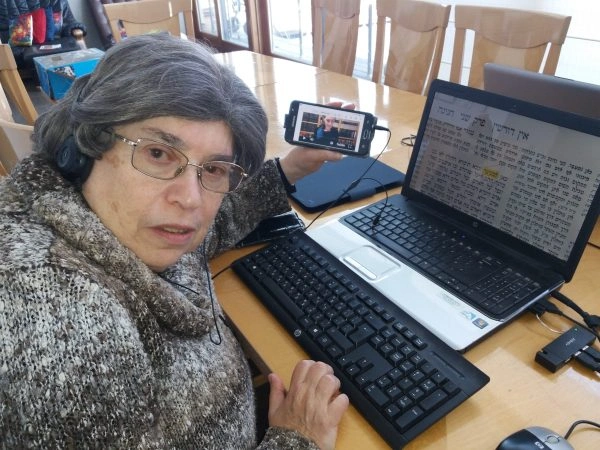
Madeline Cohen
London, United Kingdom
I started learning Jan 2020 when I heard the new cycle was starting. I had tried during the last cycle and didn’t make it past a few weeks. Learning online from old men didn’t speak to my soul and I knew Talmud had to be a soul journey for me. Enter Hadran! Talmud from Rabbanit Michelle Farber from a woman’s perspective, a mother’s perspective and a modern perspective. Motivated to continue!

Keren Carter
Brentwood, California, United States
After all the hype on the 2020 siyum I became inspired by a friend to begin learning as the new cycle began.with no background in studying Talmud it was a bit daunting in the beginning. my husband began at the same time so we decided to study on shabbat together. The reaction from my 3 daughters has been fantastic. They are very proud. It’s been a great challenge for my brain which is so healthy!

Stacey Goodstein Ashtamker
Modi’in, Israel
I started learning Talmud with R’ Haramati in Yeshivah of Flatbush. But after a respite of 60 years, Rabbanit Michelle lit my fire – after attending the last three world siyumim in Miami Beach, Meadowlands and Boca Raton, and now that I’m retired, I decided – “I can do this!” It has been an incredible journey so far, and I look forward to learning Daf everyday – Mazal Tov to everyone!

Roslyn Jaffe
Florida, United States
I was inspired to start learning after attending the 2020 siyum in Binyanei Hauma. It has been a great experience for me. It’s amazing to see the origins of stories I’ve heard and rituals I’ve participated in my whole life. Even when I don’t understand the daf itself, I believe that the commitment to learning every day is valuable and has multiple benefits. And there will be another daf tomorrow!

Khaya Eisenberg
Jerusalem, Israel
I started at the beginning of this cycle. No 1 reason, but here’s 5.
In 2019 I read about the upcoming siyum hashas.
There was a sermon at shul about how anyone can learn Talmud.
Talmud references come up when I am studying. I wanted to know more.
Yentl was on telly. Not a great movie but it’s about studying Talmud.
I went to the Hadran website: A new cycle is starting. I’m gonna do this

Denise Neapolitan
Cambridge, United Kingdom
When the new cycle began, I thought, If not now, when? I’d just turned 72. I feel like a tourist on a tour bus passing astonishing scenery each day. Rabbanit Michelle is my beloved tour guide. When the cycle ends, I’ll be 80. I pray that I’ll have strength and mind to continue the journey to glimpse a little more. My grandchildren think having a daf-learning savta is cool!

Wendy Dickstein
Jerusalem, Israel
I started learning Gemara at the Yeshivah of Flatbush. And I resumed ‘ברוך ה decades later with Rabbanit Michele at Hadran. I started from Brachot and have had an exciting, rewarding experience throughout seder Moed!

Anne Mirsky
Maale Adumim, Israel
I began my journey with Rabbanit Michelle more than five years ago. My friend came up with a great idea for about 15 of us to learn the daf and one of us would summarize weekly what we learned.
It was fun but after 2-3 months people began to leave. I have continued. Since the cycle began Again I have joined the Teaneck women.. I find it most rewarding in so many ways. Thank you

Dena Heller
New Jersey, United States
About a year into learning more about Judaism on a path to potential conversion, I saw an article about the upcoming Siyum HaShas in January of 2020. My curiosity was piqued and I immediately started investigating what learning the Daf actually meant. Daily learning? Just what I wanted. Seven and a half years? I love a challenge! So I dove in head first and I’ve enjoyed every moment!!

Nickie Matthews
Blacksburg, United States
I started my Daf Yomi journey at the beginning of the COVID19 pandemic.

Karena Perry
Los Angeles, United States
I began daf yomi in January 2020 with Brachot. I had made aliya 6 months before, and one of my post-aliya goals was to complete a full cycle. As a life-long Tanach teacher, I wanted to swim from one side of the Yam shel Torah to the other. Daf yomi was also my sanity through COVID. It was the way to marking the progression of time, and feel that I could grow and accomplish while time stopped.

Leah Herzog
Givat Zev, Israel
I heard about the syium in January 2020 & I was excited to start learning then the pandemic started. Learning Daf became something to focus on but also something stressful. As the world changed around me & my family I had to adjust my expectations for myself & the world. Daf Yomi & the Hadran podcast has been something I look forward to every day. It gives me a moment of centering & Judaism daily.

Talia Haykin
Denver, United States
I started learning Gemara at the Yeshivah of Flatbush. And I resumed ‘ברוך ה decades later with Rabbanit Michele at Hadran. I started from Brachot and have had an exciting, rewarding experience throughout seder Moed!
Anne Mirsky
Maale Adumim, Israel
I’ve been studying Talmud since the ’90s, and decided to take on Daf Yomi two years ago. I wanted to attempt the challenge of a day-to-day, very Jewish activity. Some days are so interesting and some days are so boring. But I’m still here.

Sarene Shanus
Mamaroneck, NY, United States
I had tried to start after being inspired by the hadran siyum, but did not manage to stick to it. However, just before masechet taanit, our rav wrote a message to the shul WhatsApp encouraging people to start with masechet taanit, so I did! And this time, I’m hooked! I listen to the shiur every day , and am also trying to improve my skills.

Laura Major
Yad Binyamin, Israel
See video

Susan Fisher
Raanana, Israel
After enthusing to my friend Ruth Kahan about how much I had enjoyed remote Jewish learning during the earlier part of the pandemic, she challenged me to join her in learning the daf yomi cycle. I had always wanted to do daf yomi but now had no excuse. The beginning was particularly hard as I had never studied Talmud but has become easier, as I have gained some familiarity with it.

Susan Vishner
Brookline, United States
I decided to learn one masechet, Brachot, but quickly fell in love and never stopped! It has been great, everyone is always asking how it’s going and chering me on, and my students are always making sure I did the day’s daf.

Yafit Fishbach
Memphis, Tennessee, United States
Shortly after the death of my father, David Malik z”l, I made the commitment to Daf Yomi. While riding to Ben Gurion airport in January, Siyum HaShas was playing on the radio; that was the nudge I needed to get started. The “everyday-ness” of the Daf has been a meaningful spiritual practice, especial after COVID began & I was temporarily unable to say Kaddish at daily in-person minyanim.

Lisa S. Malik
Wynnewood, United States
Niddah 2
מַתְנִי’ שַׁמַּאי אוֹמֵר: כׇּל הַנָּשִׁים דַּיָּין שְׁעָתָן. הִלֵּל אוֹמֵר: מִפְּקִידָה לִפְקִידָה, וַאֲפִילּוּ לְיָמִים הַרְבֵּה.
MISHNA: Shammai says: For all women who do not have a fixed menstrual cycle, their time is sufficient. Women who discern that menstrual blood emerged do not need to be concerned that perhaps the flow of blood began before they noticed it. Rather, they assume their ritual impurity status begins at that moment, in terms of rendering impure teruma and ritually pure items with which they come in contact. Hillel says: From examination [mipekida] to examination, i.e., she assumes ritual impurity status retroactive to the last time she examined herself and determined that she was ritually pure, and this is the halakha even if her examination took place several days earlier. Any ritually pure item with which she came in contact in the interim becomes ritually impure.
וַחֲכָמִים אוֹמְרִים: לֹא כְּדִבְרֵי זֶה, וְלֹא כְּדִבְרֵי זֶה, אֶלָּא מֵעֵת לְעֵת מְמַעֶטֶת עַל יָד מִפְּקִידָה לִפְקִידָה, וּמִפְּקִידָה לִפְקִידָה מְמַעֶטֶת עַל יָד מֵעֵת לְעֵת.
And the Rabbis say: The halakha is neither in accordance with the statement of this tanna nor in accordance with the statement of that tanna; rather, the principle is: A twenty-four-hour period reduces the time from examination to examination. In other words, if her final self-examination took place more than twenty-four hours earlier, she need only concern herself with ritual impurity for the twenty-four-hour period prior to discerning the blood. And from examination to examination reduces the time from a twenty-four-hour period. In other words, if she examined herself in the course of the previous day and discovered no blood, she was certainly ritually pure prior to the examination.
כׇּל אִשָּׁה שֶׁיֵּשׁ לָהּ וֶסֶת — דַּיָּה שְׁעָתָהּ, וְהַמְשַׁמֶּשֶׁת בְּעֵדִים — הֲרֵי זוֹ כִּפְקִידָה, וּמְמַעֶטֶת עַל יָד מֵעֵת לְעֵת וְעַל יָד מִפְּקִידָה לִפְקִידָה.
For any woman who has a fixed menstrual cycle [veset], and she examined herself at that time and discovered blood, her time is sufficient, and it is only from that time that she transmits ritual impurity. And with regard to a woman who engages in intercourse while using examination cloths [be’edim] before and after intercourse, with which she ascertains whether her menstrual flow began, the halakhic status of such an action is like that of an examination, and therefore it reduces the time from a twenty-four-hour period, and reduces the time from examination to examination.
כֵּיצַד דַּיָּה שְׁעָתָהּ? הָיְתָה יוֹשֶׁבֶת בַּמִּטָּה וַעֲסוּקָה בִּטְהָרוֹת, וּפָרְשָׁה וְרָאֲתָה — הִיא טְמֵאָה וְהֵן טְהוֹרוֹת.
Her time is sufficient, how so? If the woman was sitting in the bed and engaged in handling ritually pure items, and she left the bed and saw blood, she is ritually impure and those items are ritually pure.
אַף עַל פִּי שֶׁאָמְרוּ, מְטַמְּאָה מֵעֵת לְעֵת, אֵינָהּ מוֹנָה אֶלָּא מִשָּׁעָה שֶׁרָאֲתָה.
Although the Rabbis said that a woman without a fixed menstrual cycle transmits ritual impurity retroactively for a twenty-four-hour period, a woman with a fixed cycle counts her menstrual days only from the moment that she saw blood.
גְּמָ’ מַאי טַעְמֵיהּ דְּשַׁמַּאי? קָסָבַר: הַעֲמֵד אִשָּׁה עַל חֶזְקָתָהּ, וְאִשָּׁה בְּחֶזְקַת טְהוֹרָה עוֹמֶדֶת. וְהִלֵּל? כִּי אָמַר: הַעֲמֵד דָּבָר עַל חֶזְקָתוֹ — הֵיכָא דְּלֵית לֵיהּ רֵיעוּתָא מִגּוּפֵיהּ, אֲבָל אִיתְּתָא
GEMARA: The mishna teaches that when a woman discerns that her menstrual blood emerged, Shammai holds that her impurity status starts from that moment, while Hillel maintains that it begins from the time of her most recent self-examination. The Gemara asks: What is the reason for the opinion of Shammai? The Gemara answers: Shammai holds that as there is a principle that when the status of an item is uncertain it retains its presumptive status, here too: Establish the woman in her presumptive status, and a woman remains with the presumptive status of being ritually pure. And what is the reasoning of Hillel? He claims that when one states the principle: Establish an item in its presumptive status, that applies only where there is no weakening in the presumptive status that is a result of the item itself. But in the case of a woman,
כֵּיוָן דְּמִגּוּפַהּ קָחָזְיָא — לָא אָמְרִינַן אוֹקְמַהּ אַחֶזְקָתַהּ.
since it is her nature to see blood flow from her body at regular intervals, we do not say: Establish her in her presumptive status of ritual purity. Her body is constantly changing, and therefore she has no such presumptive status.
וּמַאי שְׁנָא מִמִּקְוֶה? דִּתְנַן: מִקְוֶה שֶׁנִּמְדַּד וְנִמְצָא חָסֵר — כׇּל טְהָרוֹת שֶׁנַּעֲשׂוּ עַל גַּבָּיו לְמַפְרֵעַ, בֵּין בִּרְשׁוּת הָרַבִּים בֵּין בִּרְשׁוּת הַיָּחִיד — טְמֵאוֹת.
With regard to the opinions of both Shammai and Hillel, the Gemara asks: And in what way is this case different from that of a ritual bath? As we learned in a mishna (Mikvaot 2:2): In the case of a ritual bath that was known to have contained the requisite forty se’a, which was then measured and found lacking in its quantity of water, all pure items that had been rendered pure in it, i.e., any impure items that had been purified through immersion in this ritual bath, retroactive to when the ritual bath was last measured, whether this ritual bath is found in the private domain or in the public domain, are impure.
לְשַׁמַּאי קַשְׁיָא לְמַפְרֵעַ.
The Gemara explains: According to the opinion of Shammai, the mishna poses a difficulty from its statement that the change in the ritual bath’s status is assumed retroactive to the time when it was last measured, as he maintains that a menstruating woman’s status changes only at the present moment, not retroactive to the last time she examined herself.
לְהִלֵּל קַשְׁיָא וַדַּאי, דְּאִילּוּ מֵעֵת לְעֵת שֶׁבְּנִדָּה תּוֹלִין — לֹא אוֹכְלִין וְלֹא שׂוֹרְפִין, וְאִילּוּ הָכָא טוּמְאָה וַדַּאי!
According to the opinion of Hillel, the mishna also poses a difficulty with regard to its ruling that the items purified in the ritual bath are deemed impure with certainty, whereas a menstruating women does not assume retroactive impurity with certainty. In other words, although according to the Rabbis there is a twenty-four-hour period of retroactive ritual impurity in the case of a menstruating woman, and according to Hillel the retroactive impurity extends back to her most recent examination, nevertheless any teruma that she touched during that period is not deemed definitely impure to the extent that it must be burned. Rather, the impure status of the items she touched is uncertain and the status of the teruma is suspended, i.e., one may neither eat it nor burn it. Whereas here, in the case of the ritual bath, any item purified in it is retroactively deemed definitely impure.
הָתָם, מִשּׁוּם דְּאִיכָּא לְמֵימַר: הַעֲמֵד טָמֵא עַל חֶזְקָתוֹ, וְאֵימָא לֹא טָבַל. אַדְּרַבָּה, הַעֲמֵד מִקְוֶה עַל חֶזְקָתוֹ, וְאֵימָא לֹא חָסַר! הֲרֵי חָסֵר לְפָנֶיךָ!
The Gemara answers: There, in the case of a ritual bath, it is different, since it can be said: Establish the impure item in its presumptive status and say that it was not properly immersed. In other words, the presumptive status of the item as ritually impure is in keeping with the current deficient state of the ritual bath. The Gemara raises a difficulty: On the contrary, one should establish the ritual bath in its presumptive state of validity and say that the ritual bath was not previously lacking the requisite measure of water. The Gemara responds: There is no presumptive state of validity, as the ritual bath is lacking before you, i.e., at present, and this offsets the presumptive status that it was full.
הָכָא נָמֵי, הֲרֵי דָּם לְפָנֶיךָ! הַשְׁתָּא הוּא דַּחֲזַאי. הָכָא נָמֵי, הַשְׁתָּא הוּא דַּחֲסַר!
The Gemara raises a difficulty: Here too, in the case of a menstruating woman, she is one who has experienced a discharge of blood before you, i.e., at present. Just as the ritual bath’s presumptive status of validity is offset by its present lack of the requisite measure of water, so too the woman’s previous presumptive status of ritual purity is offset by her present state of impurity due to menstruation. The Gemara answers: In the case of the menstruating woman, it is possible that it is only now that she saw the first emission of her menstrual blood. The Gemara retorts: One can say the same with regard to the ritual bath: Here too, it is only now that it became lacking in the requisite measure of water.
הָכִי הַשְׁתָּא? הָתָם אִיכָּא לְמֵימַר: חֲסַר וַאֲתָא, חֲסַר וַאֲתָא. הָכָא מִי אִיכָּא לְמֵימַר: חֲזַאי וַאֲתָא, חֲזַאי וַאֲתָא? וּמַאי קוּשְׁיָא?! דִּלְמָא הַגַּס הַגַּס חֲזֵיתֵיהּ!
The Gemara answers: How can these cases be compared? There, in the case of the ritual bath, it can be said that the water slowly trickled out and consequently the amount of water was continuously diminishing. Therefore, it is possible that the ritual bath lost its valid status long ago without anyone realizing. By contrast, here, with regard to a menstruating woman, can it be said that she was continuously seeing menstrual blood? The Gemara responds: And what is the difficulty? The same possibility does in fact exist in the case of a menstruating woman, as perhaps she saw the blood depart bit [hagas] by bit.
הָתָם אִיכָּא תַּרְתֵּי לְרֵיעוּתָא, הָכָא אִיכָּא חֲדָא לְרֵיעוּתָא.
The Gemara states a different answer: There, in the case of the ritual bath, there are two factors that weaken the suggestion that the items are ritually pure: First, the ritual bath is lacking at present; second, the item has a presumptive status of impurity. Here, by contrast, there is only one factor that weakens the possibility that the items touched by the currently menstruating woman were rendered ritually impure, i.e., that she is currently experiencing a menstrual flow. Therefore, according to Shammai she assumes impurity status only from that moment onward, and according to Hillel her retroactive impurity status applies only as an uncertainty.
וּמַאי שְׁנָא מֵחָבִית? דִּתְנַן: הָיָה בּוֹדֵק אֶת הֶחָבִית לִהְיוֹת מַפְרִישׁ עָלֶיהָ תְּרוּמָה וְהוֹלֵךְ, וְאַחַר כָּךְ נִמְצָא חוֹמֶץ — כׇּל שְׁלֹשָׁה יָמִים (הָרִאשׁוֹנִים) וַדַּאי,
§ The Gemara asks: And according to Shammai, who holds that her time is sufficient and there is no retroactive impurity, what is different in the case of a barrel? As it is taught in a baraita (Tosefta, Terumot 2:8): If someone would inspect the contents of a barrel to see if it still contained enough wine to continually mentally separate teruma from it, i.e., to exempt other untithed wine of his until all the wine in this barrel will be teruma, and afterward the contents of the barrel were found to have turned to vinegar, which cannot be set aside as teruma for untithed wine, then for all of the first three days following his most recent inspection, it is definitely considered to have been wine. Therefore, any of the untithed wine for which teruma was separated during those days is tithed.
מִכָּאן וְאֵילָךְ — סָפֵק. קַשְׁיָא לְשַׁמַּאי!
The baraita continues: From that point forward, i.e., more than three days after the most recent inspection, it is uncertain whether it had already turned to vinegar, and consequently any untithed wine for which teruma was separated during those days remains uncertainly tithed. This poses a difficulty for Shammai, who maintains that there is no such retroactive consideration in the case of a menstruating woman.
הָתָם, מִשּׁוּם דְּאִיכָּא לְמֵימַר: הַעֲמֵד טֶבֶל עַל חֶזְקָתוֹ, וְאֵימַר לֹא נִתְקַן. אַדְּרַבָּה, הַעֲמֵד יַיִן עַל חֶזְקָתוֹ, וְאֵימַר לֹא הֶחְמִיץ!
The Gemara answers: There, in the case of the barrel, it is different, since it can be said: Establish the untithed produce in its presumptive status, as when it first grew it was definitely untithed, and say it was not amended, i.e., exempted, and its status continues to be untithed produce. The Gemara asks: On the contrary, one should establish the wine in its presumptive status, and say that it had not turned to vinegar.
הֲרֵי הֶחְמִיץ לְפָנֶיךָ! הָכָא נָמֵי, הֲרֵי דָּם לְפָנֶיךָ! הַשְׁתָּא הוּא דַּחֲזַאי. הָתָם נָמֵי, הַשְׁתָּא הוּא דְּהֶחְמִיץ!
The Gemara rejects this suggestion: This is impossible, as it is turned to vinegar before you, i.e., at present. The Gemara replies: Here too, in the case of a menstruating woman, one who has experienced a discharge of blood is before you, at present, so what is the difference? The Gemara explains: With regard to the woman, it is possible that it is only now that she saw the beginning of her menstrual blood. The Gemara responds: There too, it is possible that it is only now that it turned to vinegar, but not earlier.
הָכִי הַשְׁתָּא? הָתָם אִיכָּא לְמֵימַר: הֶחְמִיץ וַאֲתָא, הֶחְמִיץ וַאֲתָא. הָכָא מִי אִיכָּא לְמֵימַר: חֲזַאי וַאֲתָא, חֲזַאי וַאֲתָא? וּמַאי קוּשְׁיָא?! דִּלְמָא הַגַּס הַגַּס חֲזֵיתֵיהּ!
The Gemara again answers: How can these cases be compared? There, in the case of the wine, it can be said that it was continuously turning to vinegar. Therefore, it is possible that the wine turned to vinegar much earlier without anyone realizing. By contrast, in the case of the menstruating woman, can it be said that she was continuously seeing menstrual blood? Once again, the Gemara responds: And what is the difficulty? The same possibility does in fact exist in the case of a menstruating woman, as perhaps she saw the blood depart bit by bit.
הָתָם אִיכָּא תַּרְתֵּי לְרֵיעוּתָא, הָכָא אִיכָּא חֲדָא לְרֵיעוּתָא.
The Gemara provides a different answer: There, in the case of the barrel, there are two factors that weaken the suggestion that the wine is tithed: First, it is vinegar at present; second, the wine has a presumptive status that it is untithed. Here, by contrast, there is only one factor that weakens the possibility that the items touched by the menstruating woman were rendered ritually impure, i.e., that she is currently experiencing a menstrual flow.
וּרְמִי חָבִית אַמִּקְוֶה: מַאי שְׁנָא הָכָא וַדַּאי, וּמַאי שְׁנָא הָכָא סָפֵק?
§ And the Gemara raises a contradiction between the halakha of the barrel and that of the ritual bath: What is different here, in the case of the ritual bath, where the items are definitely impure, and what is different there, with regard to the barrel, where it is only uncertain that the produce remains untithed? In both cases the current situation, that the ritual bath is deficient and the contents of the barrel have turned to vinegar, should lead to a definite status.
אָמַר רַבִּי חֲנִינָא מִסּוּרָא: מַאן תְּנָא חָבִית? רַבִּי שִׁמְעוֹן הִיא, דִּלְגַבֵּי מִקְוֶה נָמֵי סְפֵקָא מְשַׁוֵּי לֵיהּ.
The Gemara answers: Rabbi Ḥanina of Sura says: Who is the tanna who taught the halakha of the barrel? It is Rabbi Shimon, who, with regard to a ritual bath also considers it as a matter of uncertainty, rather than as definitely impure. Therefore, there is no contradiction between the two halakhot.
דִּתְנַן: מִקְוֶה שֶׁנִּמְדַּד וְנִמְצָא חָסֵר — כָּל הַטְּהָרוֹת שֶׁנַּעֲשׂוּ עַל גַּבָּיו לְמַפְרֵעַ, בֵּין בִּרְשׁוּת הָרַבִּים בֵּין בִּרְשׁוּת הַיָּחִיד, טְמֵאוֹת.
As we learned in a mishna (Mikvaot 2:2): In the case of a ritual bath that was known to have contained the requisite forty se’a, which was then measured and found lacking in its quantity of water, all pure items that had been rendered pure in it, i.e., any impure items that had been purified through immersion in this ritual bath, retroactive to when the ritual bath was last measured, whether this ritual bath is located in the private domain or in the public domain, are impure.
רַבִּי שִׁמְעוֹן אוֹמֵר: בִּרְשׁוּת הָרַבִּים טְהוֹרוֹת, בִּרְשׁוּת הַיָּחִיד תּוֹלִין.
The mishna continues: Rabbi Shimon says: If the impure items were immersed in a ritual bath that was in the public domain, they are deemed pure. But if they were immersed in a ritual bath that was in a private domain, the status of any teruma that touched them is suspended, i.e., it is neither consumed nor burned. Rabbi Shimon holds that even in the case of a ritual bath, the items are not retroactively deemed definitely impure. Rather the status is uncertain, just as in the case of the barrel.
Follow

