








The gemara talks about pieces that are discharged from a woman’s body -if there is no blood alongside them, are they impure? Is it possible for the uterus to open without blood coming out?
Niddah 21

11.13.2019 | ט״ו בחשון תש״פ
Share this shiur:
Want to dedicate learning? Get started here:
Niddah 21
הַשָּׁרוֹנִי נִידּוֹן כַּכַּרְמְלִי, חַי וְלֹא מָזוּג, חָדָשׁ וְלֹא יָשָׁן.
For the purposes of the examination of blood, the wine of the Sharon region in Eretz Yisrael has the same status as undiluted Carmelite wine and not diluted Carmelite wine, new Carmelite wine and not old Carmelite wine.
אָמַר רַב יִצְחָק בַּר אֲבוּדִימִי: וְכוּלָּן, אֵין בּוֹדְקִין אוֹתָן אֶלָּא בְּכוֹס טְבֶרְיָא פָּשׁוּט. מַאי טַעְמָא? אָמַר אַבָּיֵי: שֶׁל כׇּל הָעוֹלָם כּוּלּוֹ מַחְזִיק לוֹג — עוֹשִׂין אוֹתוֹ מִמָּנֶה, שְׁנֵי לוּגִּין — עוֹשִׂין אוֹתוֹ מִמָּאתַיִם. כּוֹס טְבֶרְיָא פָּשׁוּט, אֲפִילּוּ מַחֲזִיק שְׁנֵי לוּגִּין — עוֹשִׂין אוֹתוֹ מִמָּנֶה, וְאַיְּידֵי דִּקְלִישׁ — יְדִיעַ בֵּיהּ טְפֵי.
Rav Yitzḥak bar Avudimi says: And in all cases of blood that has the color of diluted wine, one examines blood only with a simple Tiberian cup. The Gemara asks: What is the reason? Abaye says: Containers are designed according to a universal standard, such that a cup that can contain a log of wine, one fashions it from material weighing one hundred dinars, whereas a cup that can contain two log, one fashions it from material weighing two hundred dinars. By contrast, in the case of a simple Tiberian cup, even one that can contain two log, one fashions it from material weighing one hundred dinars. And since the material from which the cup is made is weak, it is more transparent and therefore the redness of the wine inside is more noticeable. Consequently, one must compare the blood to wine in a cup of this kind.
הֲדַרַן עֲלָךְ כָּל הַיָּד.
מַתְנִי’ הַמַּפֶּלֶת חֲתִיכָה, אִם יֵשׁ עִמָּהּ דָּם — טְמֵאָה, וְאִם לָאו — טְהוֹרָה. רַבִּי יְהוּדָה אוֹמֵר: בֵּין כָּךְ וּבֵין כָּךְ — טְמֵאָה.
MISHNA: In the case of a woman who discharges an amorphous piece of tissue, if there is blood that emerges with it, the woman is ritually impure with the impurity of a menstruating woman. And if not, she is pure, as she is neither a menstruating woman nor a woman after childbirth. Rabbi Yehuda says: In both this case, where blood emerged, and that case, where no blood emerged, the woman is impure with the impurity of a menstruating woman, as there was certainly undetected blood that emerged with the flesh.
הַמַּפֶּלֶת כְּמִין קְלִיפָּה, כְּמִין שַׂעֲרָה, כְּמִין עָפָר, כְּמִין יַבְחוּשִׁין אֲדוּמִּים — תָּטִיל לַמַּיִם: אִם נִמּוֹחוּ — טְמֵאָה, וְאִם לָאו — טְהוֹרָה.
In the case of a woman who discharges an item similar to a shell, or similar to a hair, or similar to soil, or similar to mosquitoes, if such items are red, she should cast them into water to ascertain their nature: If they dissolved, it is blood, and the woman is impure with the impurity of a menstruating woman; and if not, she is pure.
הַמַּפֶּלֶת כְּמִין דָּגִים, חֲגָבִים, שְׁקָצִים וּרְמָשִׂים — אִם יֵשׁ עִמָּהֶם דָּם טְמֵאָה, וְאִם לָאו — טְהוֹרָה.
In the case of a woman who discharges an item similar to fish or to grasshoppers, repugnant creatures, or creeping animals, if there is blood that emerges with them, the woman is impure with the impurity of a menstruating woman. And if not, she is pure.
הַמַּפֶּלֶת מִין בְּהֵמָה, חַיָּה וָעוֹף, בֵּין טְמֵאִין בֵּין טְהוֹרִין — אִם זָכָר — תֵּשֵׁב לְזָכָר, וְאִם נְקֵבָה — תֵּשֵׁב לִנְקֵבָה.
With regard to a woman who discharges tissue in the form of a type of domesticated animal, undomesticated animal, or bird, whether it had the form of a non-kosher species or a kosher species, if it was a male fetus, then she observes the periods of impurity, seven days, and purity, thirty-three days, established in the Torah (see Leviticus 12:2–5) for a woman who gives birth to a male. And if the fetus was a female, the woman observes the periods of impurity, fourteen days, and purity, sixty-six days, established in the Torah for a woman who gives birth to a female.
וְאִם אֵין יָדוּעַ — תֵּשֵׁב לְזָכָר וְלַנְּקֵבָה, דִּבְרֵי רַבִּי מֵאִיר, וַחֲכָמִים אוֹמְרִים: כֹּל שֶׁאֵין בּוֹ מִצּוּרַת אָדָם אֵינוֹ וָלָד.
And if the sex of the fetus is unknown, she observes the strictures that apply to a woman who gave birth both to a male and to a female. Accordingly, she is prohibited from engaging in intercourse for fourteen days, but after that, she will be permitted to engage in intercourse despite a discharge of uterine blood until thirty-three days pass after the seven days she would have been prohibited if the fetus were male. The prohibition to enter the Temple will continue until eighty days have passed from the discharge of the fetus. This is the statement of Rabbi Meir. And the Rabbis say: Any fetus that is not of human form is not regarded as an offspring with regard to observance of these periods, and she is permitted to engage in intercourse provided that she does not experience a discharge of uterine blood.
גְּמָ’ אָמַר רַב יְהוּדָה, אָמַר שְׁמוּאֵל: לֹא טִימֵּא רַבִּי יְהוּדָה אֶלָּא בַּחֲתִיכָה שֶׁל אַרְבַּעַת מִינֵי דָמִים, אֲבָל שֶׁל שְׁאָר מִינֵי דָמִים — טְהוֹרָה.
GEMARA: The mishna teaches that if a woman discharges an amorphous piece of tissue and no blood emerges with it, the Rabbis say that she is pure, whereas Rabbi Yehuda says that she is impure. Rav Yehuda says that Shmuel says: Rabbi Yehuda deemed the woman impure, despite the fact that no blood emerged, only in the case of a piece of tissue that has the appearance of one of the four types of ritually impure blood, as in such a case the piece has the status of blood. But if it has the appearance of other types of blood, the woman is pure.
וְרַבִּי יוֹחָנָן אָמַר: שֶׁל אַרְבַּעַת מִינֵי דָמִים — דִּבְרֵי הַכֹּל טְמֵאָה, שֶׁל שְׁאָר מִינֵי דָמִים — דִּבְרֵי הַכֹּל טְהוֹרָה.
And Rabbi Yoḥanan says there is a different explanation of the dispute: If a woman discharges a piece of tissue that has the appearance of one of the four types of ritually impure blood, everyone, i.e., Rabbi Yehuda and the Rabbis, agrees that she is impure. Likewise, if it has the appearance of other types of blood, everyone agrees that she is pure.
לֹא נֶחְלְקוּ אֶלָּא שֶׁהִפִּילָה, וְאֵינָהּ יוֹדַעַת מָה הִפִּילָה. רַבִּי יְהוּדָה סָבַר: זִיל בָּתַר רוֹב חֲתִיכוֹת, וְרוֹב חֲתִיכוֹת שֶׁל (מִינֵי) אַרְבַּעַת מִינֵי דָמִים הָוְיָין. וְרַבָּנַן סָבְרִי: לָא אָמְרִינַן רוֹב חֲתִיכוֹת שֶׁל אַרְבַּעַת מִינֵי דָמִים.
They disagree only with regard to a case where the woman discharged an amorphous piece of tissue, and she herself does not know exactly what was the appearance of the piece of tissue that she discharged, e.g., if it was lost. Rabbi Yehuda holds: Follow the majority of discharges of amorphous pieces of tissue, and the majority of pieces of tissue are of the appearance of one of the four types of impure blood. And the Rabbis hold: We do not say that the majority of pieces of flesh have the appearance of one of the four types of impure blood.
אִינִי? וְהָא כִּי אֲתָא רַב הוֹשַׁעְיָא מִנְּהַרְדְּעָא, אֲתָא וְאַיְיתִי מַתְנִיתָא בִּידֵיהּ: הַמַּפֶּלֶת חֲתִיכָה אֲדוּמָּה, שְׁחוֹרָה, יְרוּקָּה, וּלְבָנָה — אִם יֵשׁ עִמָּהּ דָּם טְמֵאָה, וְאִם לָאו — טְהוֹרָה. רַבִּי יְהוּדָה אוֹמֵר: בֵּין כָּךְ וּבֵין כָּךְ טְמֵאָה. קַשְׁיָא לִשְׁמוּאֵל בַּחֲדָא, וּלְרַבִּי יוֹחָנָן בְּתַרְתֵּי.
The Gemara asks: Is that so? But when Rav Hoshaya came from Neharde’a, he came and brought a baraita with him that states: In the case of a woman who discharges a piece of tissue that is red, black, green, or white, if there is blood that emerges with it, the woman is impure, and if not, she is pure. Rabbi Yehuda says: Both in this case, where blood emerged, and in that case, where no blood emerged, the woman is impure. This baraita poses a difficulty to the statement of Shmuel with regard to one aspect of his opinion, and it poses a difficulty to the statement of Rabbi Yoḥanan with regard to two aspects of his opinion.
לִשְׁמוּאֵל בַּחֲדָא, דְּאָמַר שְׁמוּאֵל: לֹא טִימֵּא רַבִּי יְהוּדָה אֶלָּא בַּחֲתִיכָה שֶׁל אַרְבַּעַת מִינֵי דָמִים, וְהָא קָתָנֵי ״יְרוּקָּה וּלְבָנָה״, וּפְלִיג רַבִּי יְהוּדָה!
The Gemara elaborates: It poses a difficulty to the statement of Shmuel with regard to one aspect of his opinion, as Shmuel said that Rabbi Yehuda deemed the woman impure only in the case of a piece of tissue that has the appearance of one of the four types of impure blood, and yet the baraita teaches that according to the Rabbis the woman is pure if the piece of tissue is green or white, which are not among the four colors of ritually impure blood, and that Rabbi Yehuda disagrees with their opinion.
וְכִי תֵימָא, כִּי פְּלִיג רַבִּי יְהוּדָה אַאֲדוּמָּה וּשְׁחוֹרָה, וְאַיְּרוּקָּה וּלְבָנָה לָא, אֶלָּא יְרוּקָּה וּלְבָנָה לְמַאן קָתָנֵי לַהּ?
And if you would say that when Rabbi Yehuda disagrees with the Rabbis, it is with regard to the case of a red or black piece of tissue, as these are among the four colors of ritually impure blood, but with regard to the case of a green or white piece he does not disagree with them, i.e., he concedes that the woman is pure, this cannot be correct. The Gemara explains why that explanation of the baraita is not possible: But if so, for the sake of clarifying whose opinion does the baraita teach the case of a green or white piece of tissue?
אִילֵּימָא רַבָּנַן — הַשְׁתָּא אֲדוּמָּה וּשְׁחוֹרָה מְטַהֲרִי רַבָּנַן, יְרוּקָּה וּלְבָנָה מִיבַּעְיָא? אֶלָּא לָאו לְרַבִּי יְהוּדָה, וּפְלִיג!
If we say that it comes to clarify the opinion of the Rabbis, that is unnecessary: Now that in a case of a red or black piece of tissue, which are among the four colors of ritually impure blood, the Rabbis deem the woman pure, is it necessary to state that they deem her pure in a case of a green or white piece? Rather, is it not coming to clarify the opinion of Rabbi Yehuda, teaching that the Rabbis deem the woman pure in this case, but Rabbi Yehuda disagrees with them and deems her impure? This contradicts the explanation of Shmuel.
וְתוּ, לְרַבִּי יוֹחָנָן דְּאָמַר: שֶׁל אַרְבַּעַת מִינֵי דָמִים — דִּבְרֵי הַכֹּל טְמֵאָה, הָא קָתָנֵי: אֲדוּמָּה וּשְׁחוֹרָה, וּפְלִיגִי רַבָּנַן!
And furthermore, the baraita poses an additional difficulty to the opinion of Rabbi Yoḥanan, in addition to the first difficulty explained above, as he said that if the piece of tissue has the appearance of one of the four types of ritually impure blood then everyone agrees that the woman is impure, and yet the baraita teaches the case of a red or black piece and states that the Rabbis disagree with Rabbi Yehuda and deem the woman pure.
וְכִי תֵּימָא, כִּי פְּלִיגִי רַבָּנַן אַיְּרוּקָּה וּלְבָנָה, אֲבָל אַאֲדוּמָּה וּשְׁחוֹרָה לָא, אֶלָּא אֲדוּמָּה וּשְׁחוֹרָה לְמַאן קָתָנֵי לַהּ?
And if you would say that when the Rabbis disagree with Rabbi Yehuda, it is with regard to the case of a green or white piece of tissue, but in the case of a red or black piece they do not disagree with him, as they concede that the woman is impure; but if that is so, then for the sake of clarifying whose opinion does the baraita teach the case of a red or black piece?
אִילֵימָא רַבִּי יְהוּדָה — הַשְׁתָּא יְרוּקָּה וּלְבָנָה טְמֵאָה, אֲדוּמָּה וּשְׁחוֹרָה מִיבַּעְיָא? אֶלָּא לָאו רַבָּנַן, וּפְלִיגִי!
If we say that it comes to clarify the opinion of Rabbi Yehuda, this is unnecessary: Now that Rabbi Yehuda holds that in a case of a green or white piece the woman is impure, despite the fact that they are not among the four colors of ritually impure blood, is it necessary to state that she is impure in a case of a red or black piece? Rather, is it not coming to clarify the opinion of the Rabbis, teaching that Rabbi Yehuda deems the woman impure in this case, but the Rabbis disagree with him and maintain that she is pure?
אֶלָּא אָמַר רַב נַחְמָן בַּר יִצְחָק: בְּאֶפְשָׁר לִפְתִיחַת הַקֶּבֶר בְּלֹא דָּם קָמִיפַּלְגִי, וּבִפְלוּגְתָּא דְהָנֵי תַנָּאֵי, דְּתַנְיָא: קִשְּׁתָה שְׁנַיִם, וְלַשְּׁלִישִׁי הִפִּילָה, וְאֵינָהּ יוֹדַעַת מָה הִפִּילָה,
Rather, Rav Naḥman bar Yitzḥak says there is a different explanation of the dispute between the Rabbis and Rabbi Yehuda: They disagree with regard to whether or not opening of the womb is possible without a discharge of blood. And they disagree with regard to the issue that is the subject of the dispute between these tanna’im, as it is taught in a baraita: If a woman experienced difficulty in labor during which blood emerged on two consecutive days, and on the third day she discharged, but she does not know what she discharged, i.e., whether it was a stillborn human fetus, and whether blood emerged during the miscarriage,
הֲרֵי זוֹ סְפֵק לֵידָה סְפֵק זִיבָה, מְבִיאָה קׇרְבָּן וְאֵינוֹ נֶאֱכָל.
it is uncertain whether that woman has the status of one who gave birth, and it is uncertain whether she has the status of a woman who experiences an irregular discharge of blood from the uterus [ziva]. Therefore, she brings an offering, like any woman after childbirth or after ziva, but the offering is not eaten by the priests. The reason is that perhaps she neither gave birth nor experienced ziva, and is therefore exempt from bringing an offering. Consequently, her bird sin offering is disqualified, and is forbidden in consumption, as a bird offering is killed by pinching its neck, which is not the valid manner of slaughtering a non-sacred bird.
רַבִּי יְהוֹשֻׁעַ אוֹמֵר: מְבִיאָה קׇרְבָּן וְנֶאֱכָל, שֶׁאִי אֶפְשָׁר לִפְתִיחַת הַקֶּבֶר בְּלֹא דָּם.
Rabbi Yehoshua says: The woman brings an offering, and it is eaten. The reason is that she is certainly either a woman after childbirth or a zava, as opening of the womb is not possible without a discharge of blood. The tanna’im in the baraita disagree about whether opening of the womb is possible without a discharge of blood. Rav Naḥman bar Yitzḥak maintains that this is also the issue in dispute between Rabbi Yehuda and the Rabbis in the mishna.
לִישָּׁנָא אַחְרִינָא אָמְרִי לַהּ: אָמַר רַב יְהוּדָה אָמַר שְׁמוּאֵל: לֹא טִימֵּא רַבִּי יְהוּדָה אֶלָּא בַּחֲתִיכָה שֶׁל אַרְבָּעָה מִינֵי דָמִים, אֲבָל שֶׁל שְׁאָר מִינֵי דָמִים — טְהוֹרָה.
§ Some say another version of the above discussion. Rav Yehuda says that Shmuel says: Rabbi Yehuda deemed the woman impure, despite the fact that no blood emerged, only in the case of a piece of tissue that has the appearance of one of the four types of ritually impure blood, but if it has the appearance of other types of blood, the woman is pure.
אִינִי? וְהָא כִּי אֲתָא רַב הוֹשַׁעְיָא מִנְּהַרְדְּעָא, אֲתָא וְאַיְיתִי מַתְנִיתָא בִּידֵיהּ: הַמַּפֶּלֶת חֲתִיכָה אֲדוּמָּה, וּשְׁחוֹרָה, יְרוּקָּה, וּלְבָנָה — אִם יֵשׁ עִמָּהּ דָּם — טְמֵאָה, וְאִם לָאו — טְהוֹרָה. וְרַבִּי יְהוּדָה אוֹמֵר: בֵּין כָּךְ וּבֵין כָּךְ טְמֵאָה.
The Gemara asks: Is that so? But when Rav Hoshaya came from Neharde’a, he came and brought a baraita with him that states: In the case of a woman who discharges a piece of tissue that is red, or black, green, or white, if there is blood that emerges with it, the woman is impure, and if not, she is pure. And Rabbi Yehuda says: In both this case, where blood emerged, and that case, where no blood emerged, the woman is impure.
קָתָנֵי ״אֲדוּמָּה וּשְׁחוֹרָה, יְרוּקָּה וּלְבָנָה״, וּפְלִיג רַבִּי יְהוּדָה!
The Gemara concludes its challenge: The baraita teaches both a case where the piece of tissue is red or black, and a case where it is not one of the four types of impure blood but it is green or white, i.e., in all of these cases the Rabbis hold that the woman is pure, and yet Rabbi Yehuda disagrees with their opinion.
וְכִי תֵימָא, כִּי פְּלִיג רַבִּי יְהוּדָה אַאֲדוּמָּה וּשְׁחוֹרָה, אֲבָל יְרוּקָּה וּלְבָנָה לָא, אֶלָּא יְרוּקָּה וּלְבָנָה מַאן קָתָנֵי לַהּ?
And if you would say that when Rabbi Yehuda disagrees with the Rabbis, it is with regard to the case of a red or black piece of tissue, but with regard to the case of a green or white piece he does not disagree with them, as he concedes that the woman is pure; but if that is so, for the sake of clarifying whose opinion does the baraita teach the case of a green or white piece of tissue?
אִילֵּימָא לְרַבָּנַן — הַשְׁתָּא אֲדוּמָּה וּשְׁחוֹרָה קָא מְטַהֲרִי רַבָּנַן, יְרוּקָּה וּלְבָנָה מִיבַּעְיָא? אֶלָּא לָאו לְרַבִּי יְהוּדָה, וּפְלִיג!
If we say that it comes to clarify the opinion of the Rabbis, that is unnecessary: Now that in the case of a red or black piece of tissue the Rabbis deem the woman pure, is it necessary to state that they deem her pure in a case of a green or white piece? Rather, is it not coming to clarify the opinion of Rabbi Yehuda, teaching that the Rabbis deem the woman pure in this case, but Rabbi Yehuda disagrees with them and deems her impure? This contradicts the explanation of Shmuel.
אֶלָּא אָמַר רַב יְהוּדָה: בְּאֶפְשָׁר לִפְתִיחַת הַקֶּבֶר בְּלֹא דָּם קָמִיפַּלְגִי, וּבִפְלוּגְתָּא דְהָנֵי תַנָּאֵי, דְּתַנְיָא: קִשְּׁתָה שְׁנַיִם, וְלַשְּׁלִישִׁי הִפִּילָה, וְאֵינָהּ יוֹדַעַת מָה הִפִּילָה — הֲרֵי זוֹ סְפֵק לֵידָה סְפֵק זִיבָה, מְבִיאָה קׇרְבָּן וְאֵינוֹ נֶאֱכָל.
Rather, Rav Yehuda says there is a different explanation of the dispute between the Rabbis and Rabbi Yehuda: They disagree with regard to whether or not opening of the womb is possible without a discharge of blood. And they disagree with regard to the issue that is the subject of the dispute between these tanna’im, as it is taught in a baraita: If a woman experienced difficulty in labor during which blood emerged on two consecutive days, and on the third day she discharged, but she does not know what she discharged, it is uncertain whether she has the status of a woman who gave birth, and it is uncertain whether she has the status of a woman who experienced ziva. Therefore she brings an offering, but it is not eaten by the priests.
רַבִּי יְהוֹשֻׁעַ אוֹמֵר: מְבִיאָה קׇרְבָּן וְנֶאֱכָל, לְפִי שֶׁאִי אֶפְשָׁר לִפְתִיחַת הַקֶּבֶר בְּלֹא דָּם.
Rabbi Yehoshua says: The woman brings an offering, and it is eaten. The reason is that she is certainly either a woman after childbirth or a zava, as opening of the womb is not possible without a discharge of blood. This is also the matter in dispute between the Rabbis and Rabbi Yehuda.
תָּנוּ רַבָּנַן: הַמַּפֶּלֶת חֲתִיכָה, סוֹמְכוֹס אוֹמֵר מִשּׁוּם רַבִּי מֵאִיר, וְכֵן הָיָה רַבִּי שִׁמְעוֹן בֶּן מְנַסְיָא אוֹמֵר כִּדְבָרָיו: קוֹרְעָהּ, אִם יֵשׁ דָּם בְּתוֹכָהּ — טְמֵאָה, וְאִם לָאו — טְהוֹרָה.
§ The Sages taught in a baraita: In the case of a woman who discharges an amorphous piece of tissue, Sumakhos says in the name of Rabbi Meir, and likewise Rabbi Shimon ben Menasya would say in accordance with his statement: A Sage who is presented with this piece of tissue should tear it to examine it. If there is blood inside it, the woman is ritually impure, and if not, she is pure.
כְּרַבָּנַן, וַעֲדִיפָא מִדְּרַבָּנַן. כְּרַבָּנַן — דְּאָמְרִי: אֶפְשָׁר לִפְתִיחַת הַקֶּבֶר בְּלֹא דָּם. וַעֲדִיפָא מִדְּרַבָּנַן — דְּאִינְהוּ סָבְרִי: עִמָּהּ — אִין, בְּתוֹכָהּ — לָא, וְסוֹמְכוֹס סָבַר: אֲפִילּוּ בְּתוֹכָהּ.
The Gemara compares this baraita to the ruling of the mishna: This statement is basically in accordance with the opinion of the Rabbis in the mishna, but it is more far-reaching, i.e., more stringent, than that ruling of the Rabbis. It is in accordance with the opinion of the Rabbis, as they say that opening of the womb is possible without a discharge of blood, whereas Rabbi Yehuda maintains that opening of the womb is impossible without a discharge of blood. But the ruling of the baraita is more far-reaching than that ruling of the Rabbis, as they hold that if blood emerges with the piece of tissue, then yes, the woman is impure, but if blood is found inside the piece of tissue, she is not impure; and Sumakhos holds that even if blood is found inside the piece, the woman is impure.
וְתַנְיָא אִידַּךְ: הַמַּפֶּלֶת חֲתִיכָה, רַבִּי אַחָא אוֹמֵר: קוֹרְעָהּ, אִם תּוֹכָהּ מַאֲדִים — טְמֵאָה, וְאִם לָאו — טְהוֹרָה.
And it is taught in another baraita with regard to a woman who discharges an amorphous piece of tissue, that Rabbi Aḥa says: One tears it open, and if its interior looks red, even if it contains no blood, the woman is impure; and if it does not have a red appearance, she is pure.
כְּסוֹמְכוֹס, וַעֲדִיפָא מִסּוֹמְכוֹס.
The Gemara compares this baraita to the aforementioned opinion of Sumakhos: This ruling of Rabbi Aḥa is basically in accordance with the opinion of Sumakhos, as Rabbi Aḥa also requires that the interior of the piece of tissue must be examined to see if there is blood on the inside, but it is more far-reaching than the opinion of Sumakhos, as Rabbi Aḥa deems the woman impure even if the piece of tissue merely looks red on the inside but does not contain blood.
וְתַנְיָא אִידַּךְ: הַמַּפֶּלֶת חֲתִיכָה, רַבִּי בִּנְיָמִין אוֹמֵר: קוֹרְעָהּ, אִם יֵשׁ בָּהּ עֶצֶם — אִמּוֹ טְמֵאָה לֵידָה. אָמַר רַב חִסְדָּא: וּבַחֲתִיכָה לְבָנָה. וְכֵן כִּי אֲתָא זוּגָא דְּמִן חַדְיָיב, אֲתָא וְאַיְיתִי מַתְנִיתָא בִּידֵיהּ: הַמַּפֶּלֶת חֲתִיכָה לְבָנָה — קוֹרְעָהּ, אִם יֵשׁ בָּהּ עֶצֶם — אִמּוֹ טְמֵאָה לֵידָה.
And it is taught in another baraita with regard to a woman who discharges an amorphous piece of tissue, that Rabbi Binyamin says one tears it open to examine it. If it contains a bone, it is considered a fetus, and its mother is impure with the impurity of a woman who gave birth. Rav Ḥisda says: And this applies in the case of a white piece of flesh; only in such a situation does the existence of a bone render it a fetus. And likewise, when a pair of Torah scholars came from Ḥadyab, they came and brought a baraita with them: In the case of a woman who discharges a white piece of tissue, one tears it open to examine it, and if it contains a bone, its mother is impure with the impurity of a woman who gave birth.
אָמַר רַבִּי יוֹחָנָן מִשּׁוּם רַבִּי שִׁמְעוֹן בֶּן יוֹחַי: הַמַּפֶּלֶת חֲתִיכָה — קוֹרְעָהּ, אִם יֵשׁ בָּהּ דָּם אָגוּר — טְמֵאָה, וְאִם לָאו — טְהוֹרָה, כְּסוֹמְכוֹס, וְקִילָּא מִכּוּלְּהוּ.
Rabbi Yoḥanan says in the name of Rabbi Shimon ben Yoḥai: With regard to a woman who discharges an amorphous piece of tissue, one tears it open to examine it. If it contains a quantity of accumulated blood, the woman is impure; and if not, she is pure. The Gemara comments: This is basically in accordance with the opinion of Sumakhos, that blood found inside the piece of tissue renders the woman impure, but it is more lenient than all the previous opinions, i.e., Sumakhos and Rabbi Aḥa, as according to Rabbi Shimon ben Yoḥai the woman is rendered impure only if there is a quantity of accumulated blood.
בְּעָא מִינֵּיהּ רַבִּי יִרְמְיָה מֵרַבִּי זֵירָא: הָרוֹאָה דָּם בִּשְׁפוֹפֶרֶת מַהוּ? ״בִּבְשָׂרָהּ״ אֲמַר רַחֲמָנָא, וְלֹא בִּשְׁפוֹפֶרֶת, אוֹ דִלְמָא הַאי ״בִּבְשָׂרָהּ״ מִיבְּעֵי לֵיהּ שֶׁמְּטַמְּאָה מִבִּפְנִים כְּבַחוּץ?
§ Rabbi Yirmeya asked Rabbi Zeira: In the case of a woman who inserted a tube into her vagina and sees blood, i.e., she found blood in the tube, what is the halakha? Rabbi Yirmeya clarified his question: Since it is stated: “And if a woman has an issue, and her issue in her flesh is blood, she shall be in her impurity seven days” (Leviticus 15:19), perhaps the Merciful One states in this verse that the woman is impure only if the blood is discharged through “her flesh” and not through a tube. Or perhaps this term: “In her flesh,” is necessary to teach the halakha that a woman becomes impure by finding blood inside her vagina just as she becomes impure by experiencing bleeding outside her vagina, i.e., once the blood enters the vaginal canal from the uterus the woman is ritually impure.
אֲמַר לֵיהּ: ״בִּבְשָׂרָהּ״ אֲמַר רַחֲמָנָא וְלֹא בִּשְׁפוֹפֶרֶת, דְּאִי ״בִּבְשָׂרָהּ״ מִבָּעֵי לֵיהּ שֶׁמְּטַמְּאָה מִבִּפְנִים כְּבַחוּץ, אִם כֵּן נֵימָא קְרָא ״בַּבָּשָׂר״, מַאי ״בִּבְשָׂרָהּ״? שְׁמַע מִינָּה תַּרְתֵּי.
Rabbi Zeira said to Rabbi Yirmeya: The Merciful One states: “In her flesh,” meaning that the woman is impure only if the blood is discharged through “her flesh” and not through a tube. As, if the term “in her flesh” is necessary to teach that a woman becomes impure by finding blood inside her vagina just as by seeing blood outside her vagina, if so, let the verse say: In the flesh. What is the significance of the fact that the verse states: “In her flesh”? Conclude two conclusions from the term, both that a woman becomes impure by the presence of blood inside her vagina, and that a woman who experiences bleeding that emerged through a tube is ritually pure.
וְהָא אָמַר רַבִּי יוֹחָנָן מִשּׁוּם רַבִּי שִׁמְעוֹן בֶּן יוֹחַי: הַמַּפֶּלֶת חֲתִיכָה — קוֹרְעָהּ, אִם יֵשׁ בָּהּ דָּם אָגוּר — טְמֵאָה, וְאִם לָאו — טְהוֹרָה!
The Gemara asks: But doesn’t Rabbi Yoḥanan say in the name of Rabbi Shimon ben Yoḥai: With regard to a woman who discharges an amorphous piece of tissue, one tears it open to examine it; if it contains a quantity of accumulated blood, the woman is impure, and if not, she is pure? If a woman who sees blood that emerged inside a piece of tissue becomes impure, the same should apply to a woman who sees blood that emerged through a tube.
הָכִי הַשְׁתָּא? הָתָם דַּרְכָּהּ שֶׁל אִשָּׁה לִרְאוֹת דָּם בַּחֲתִיכָה, הָכָא אֵין דַּרְכָּהּ שֶׁל אִשָּׁה לִרְאוֹת דָּם בִּשְׁפוֹפֶרֶת.
The Gemara responds: How can these cases be compared? There, with regard to a piece of tissue, the woman is impure, as it is the manner of a woman to see blood inside such a piece of tissue. Therefore, this blood fulfills the condition stated in the verse: “In her flesh.” By contrast, here, in the case of a tube, the woman should not be impure, as it is not the manner of a woman to see blood that emerged through a tube.
לֵימָא שְׁפוֹפֶרֶת תַּנָּאֵי הִיא, דְּתַנְיָא: הַמַּפֶּלֶת חֲתִיכָה, אַף עַל פִּי שֶׁמְּלֵאָה דָּם, אִם יֵשׁ עִמָּהּ דָּם — טְמֵאָה, וְאִם לָאו — טְהוֹרָה. רַבִּי אֱלִיעֶזֶר אוֹמֵר: ״בִּבְשָׂרָהּ״ — וְלֹא בַּשָּׁפִיר וְלֹא בַּחֲתִיכָה.
The Gemara suggests: Shall we say that the halakha in the case of a tube is subject to a dispute between tanna’im? As it is taught in a baraita: With regard to a woman who discharges an amorphous piece of tissue, even though the piece is full of blood, if there is blood on the outside that emerges with it, the woman is impure; and if not, she is pure. Rabbi Eliezer says: The term “in her flesh” teaches that a woman is rendered impure only by blood that emerges through direct contact with her flesh, and not by blood that emerges in a gestational sac, nor by blood that emerges in an amorphous piece of tissue.
רַבִּי אֱלִיעֶזֶר — הַיְינוּ תַּנָּא קַמָּא! אֵימָא: שֶׁרַבִּי אֱלִיעֶזֶר אוֹמֵר ״בִּבְשָׂרָהּ״ — וְלֹא בַּשָּׁפִיר וְלֹא בַּחֲתִיכָה.
The Gemara interrupts its citation of the baraita and asks: Isn’t the opinion of Rabbi Eliezer identical to that of the first tanna? The first tanna also says that a woman does not become impure due to blood found in a piece of tissue. Rather, the entire baraita is the opinion of Rabbi Eliezer, and one must say that the baraita should read as follows: Even if the piece of tissue is full of blood the woman is pure, as Rabbi Eliezer says that the term “in her flesh” teaches that a woman is rendered impure only by blood that emerges through direct contact with her flesh, and not by blood that emerges in a gestational sac, nor by blood that emerges in a piece of tissue.
וַחֲכָמִים אוֹמְרִים: אֵין זֶה דַּם נִדָּה אֶלָּא דַּם חֲתִיכָה. תַּנָּא קַמָּא נָמֵי טַהוֹרֵי מְטַהֵר, אֶלָּא דְּפַלַּי פַּלּוֹיֵי אִיכָּא בֵינַיְיהוּ.
The baraita continues: And the Rabbis say: If there is blood in the piece of tissue, this is not menstrual blood, but rather the blood of the piece of tissue. The Gemara asks: Doesn’t the first tanna also deem the woman pure? What is the difference between the opinion of the Rabbis and that of the first tanna? The Gemara answers: Rather, the difference between the opinion of the first tanna and that of the Rabbis is with regard to a case where the piece of tissue is cracked, and its blood comes in direct contact with the woman’s body.
תַּנָּא קַמָּא סָבַר ״בִּבְשָׂרָהּ״ — וְלֹא בַּשָּׁפִיר וְלֹא בַּחֲתִיכָה, וְהוּא הַדִּין לִשְׁפוֹפֶרֶת. וְהָנֵי מִילֵּי הֵיכָא דְּשִׁיעָא, אֲבָל פַּלַּי פַּלּוֹיֵי — טְמֵאָה. מַאי טַעְמֵיהּ? ״בִּבְשָׂרָהּ״ קָרֵינָא בֵּיהּ.
The first tanna holds that the term “in her flesh” teaches that a woman is rendered impure only by blood that emerges through direct contact with her flesh, and not by blood that emerges in a gestational sac, nor by blood that emerges in a piece of tissue. And the same is true with regard to blood that emerges through a tube. But this statement applies only in a case where the piece of tissue is smooth, but if it is cracked, the woman is impure. What is the reason for this exception? Since the blood comes in direct contact with the woman’s flesh, we read the term “in her flesh” with regard to it, i.e., it fulfills that condition.
וְאָתוּ רַבָּנַן לְמֵימַר: אַף עַל גַּב דְּפַלַּי פַּלּוֹיֵי — אֵין זֶה דַּם נִדָּה אֶלָּא דַּם חֲתִיכָה. הָא דַּם נִדָּה וַדַּאי טָמֵא, וַאֲפִילּוּ בִּשְׁפוֹפֶרֶת נָמֵי!
And the Rabbis come to say: Even though the piece of tissue is cracked, the woman is pure, as this is not menstrual blood but rather the blood of the piece of tissue. It can be inferred from here that if the blood is menstrual blood, the woman is certainly impure, and this is true even if the blood emerges through a tube. Accordingly, the halakha in the case of a tube is subject to a dispute between tanna’im.
אָמַר אַבָּיֵי: בִּשְׁפוֹפֶרֶת כּוּלֵּי עָלְמָא לָא פְּלִיגִי דִּטְהוֹרָה,
Abaye says that this suggestion should be rejected: In the case of a tube, everyone agrees that the woman is pure, as derived from the term “in her flesh.”
Follow 
New to Talmud?
Check out our resources designed to help you navigate a page of Talmud – and study at the pace, level and style that fits you.
The Hadran Women’s Tapestry
Meet the diverse women learning Gemara at Hadran and hear their stories.
I’ve been studying Talmud since the ’90s, and decided to take on Daf Yomi two years ago. I wanted to attempt the challenge of a day-to-day, very Jewish activity. Some days are so interesting and some days are so boring. But I’m still here.
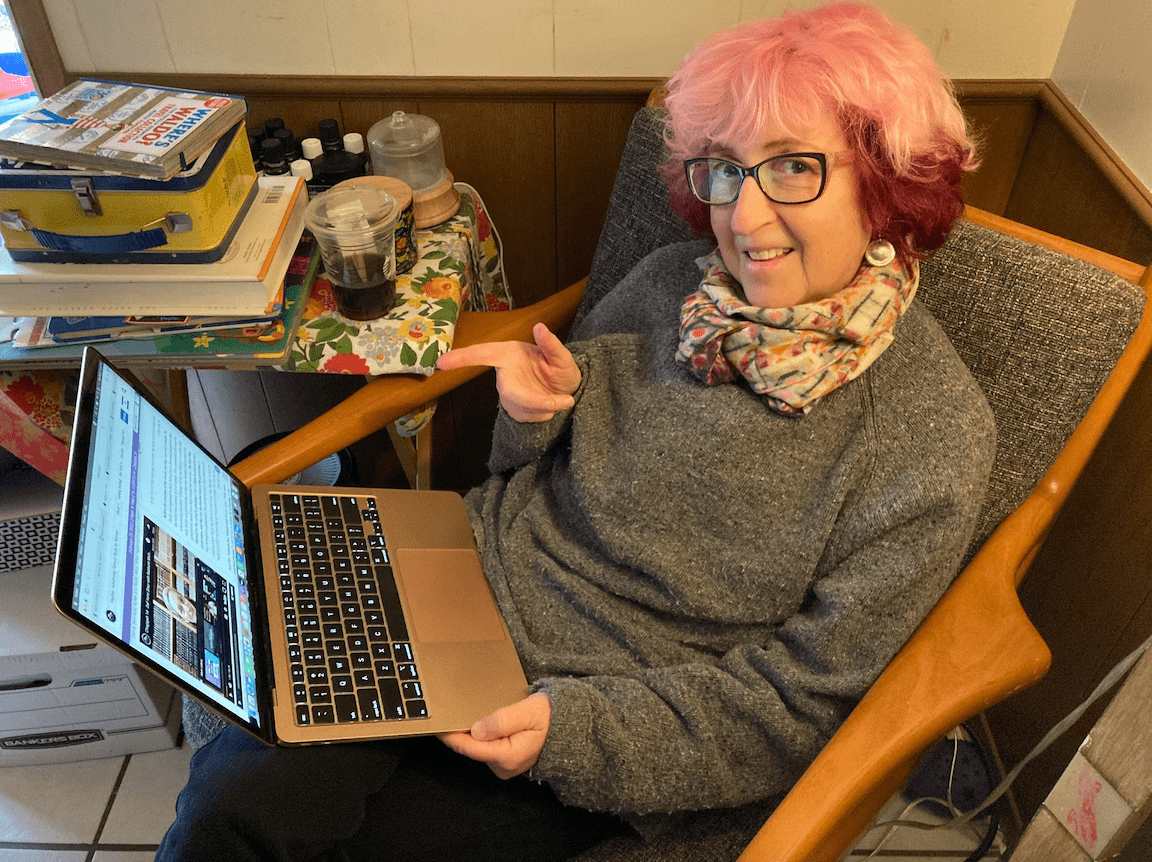
Wendy Rozov
Phoenix, AZ, United States
I started learning Daf in Jan 2020 with Brachot b/c I had never seen the Jewish people united around something so positive, and I wanted to be a part of it. Also, I wanted to broaden my background in Torah Shebal Peh- Maayanot gave me a great gemara education, but I knew that I could hold a conversation in most parts of tanach but almost no TSB. I’m so thankful for Daf and have gained immensely.

Meira Shapiro
NJ, United States
Geri Goldstein got me started learning daf yomi when I was in Israel 2 years ago. It’s been a challenge and I’ve learned a lot though I’m sure I miss a lot. I quilt as I listen and I want to share what I’ve been working on.

Rebecca Stulberg
Ottawa, Canada
Ive been learning Gmara since 5th grade and always loved it. Have always wanted to do Daf Yomi and now with Michelle Farber’s online classes it made it much easier to do! Really enjoying the experience thank you!!

Lisa Lawrence
Neve Daniel, Israel
I started learning daf yomi at the beginning of this cycle. As the pandemic evolved, it’s been so helpful to me to have this discipline every morning to listen to the daf podcast after I’ve read the daf; learning about the relationships between the rabbis and the ways they were constructing our Jewish religion after the destruction of the Temple. I’m grateful to be on this journey!

Mona Fishbane
Teaneck NJ, United States
My curiosity was peaked after seeing posts about the end of the last cycle. I am always looking for opportunities to increase my Jewish literacy & I am someone that is drawn to habit and consistency. Dinnertime includes a “Guess what I learned on the daf” segment for my husband and 18 year old twins. I also love the feelings of connection with my colleagues who are also learning.

Diana Bloom
Tampa, United States
I’ve been learning since January 2020, and in June I started drawing a phrase from each daf. Sometimes it’s easy (e.g. plants), sometimes it’s very hard (e.g. korbanot), and sometimes it’s loads of fun (e.g. bird racing) to find something to draw. I upload my pictures from each masechet to #DafYomiArt. I am enjoying every step of the journey.

Gila Loike
Ashdod, Israel
In July, 2012 I wrote for Tablet about the first all women’s siyum at Matan in Jerusalem, with 100 women. At the time, I thought, I would like to start with the next cycle – listening to a podcast at different times of day makes it possible. It is incredible that after 10 years, so many women are so engaged!

Beth Kissileff
Pittsburgh, United States
I decided to learn one masechet, Brachot, but quickly fell in love and never stopped! It has been great, everyone is always asking how it’s going and chering me on, and my students are always making sure I did the day’s daf.
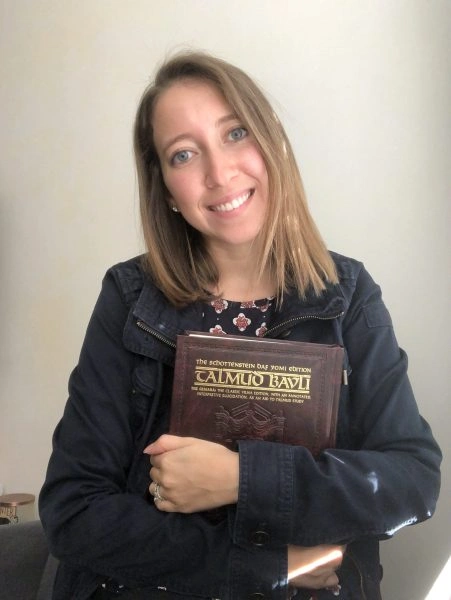
Yafit Fishbach
Memphis, Tennessee, United States
A few years back, after reading Ilana Kurshan’s book, “If All The Seas Were Ink,” I began pondering the crazy, outlandish idea of beginning the Daf Yomi cycle. Beginning in December, 2019, a month before the previous cycle ended, I “auditioned” 30 different podcasts in 30 days, and ultimately chose to take the plunge with Hadran and Rabbanit Michelle. Such joy!

Cindy Dolgin
HUNTINGTON, United States
I never thought I’d be able to do Daf Yomi till I saw the video of Hadran’s Siyum HaShas. Now, 2 years later, I’m about to participate in Siyum Seder Mo’ed with my Hadran community. It has been an incredible privilege to learn with Rabbanit Michelle and to get to know so many caring, talented and knowledgeable women. I look forward with great anticipation and excitement to learning Seder Nashim.
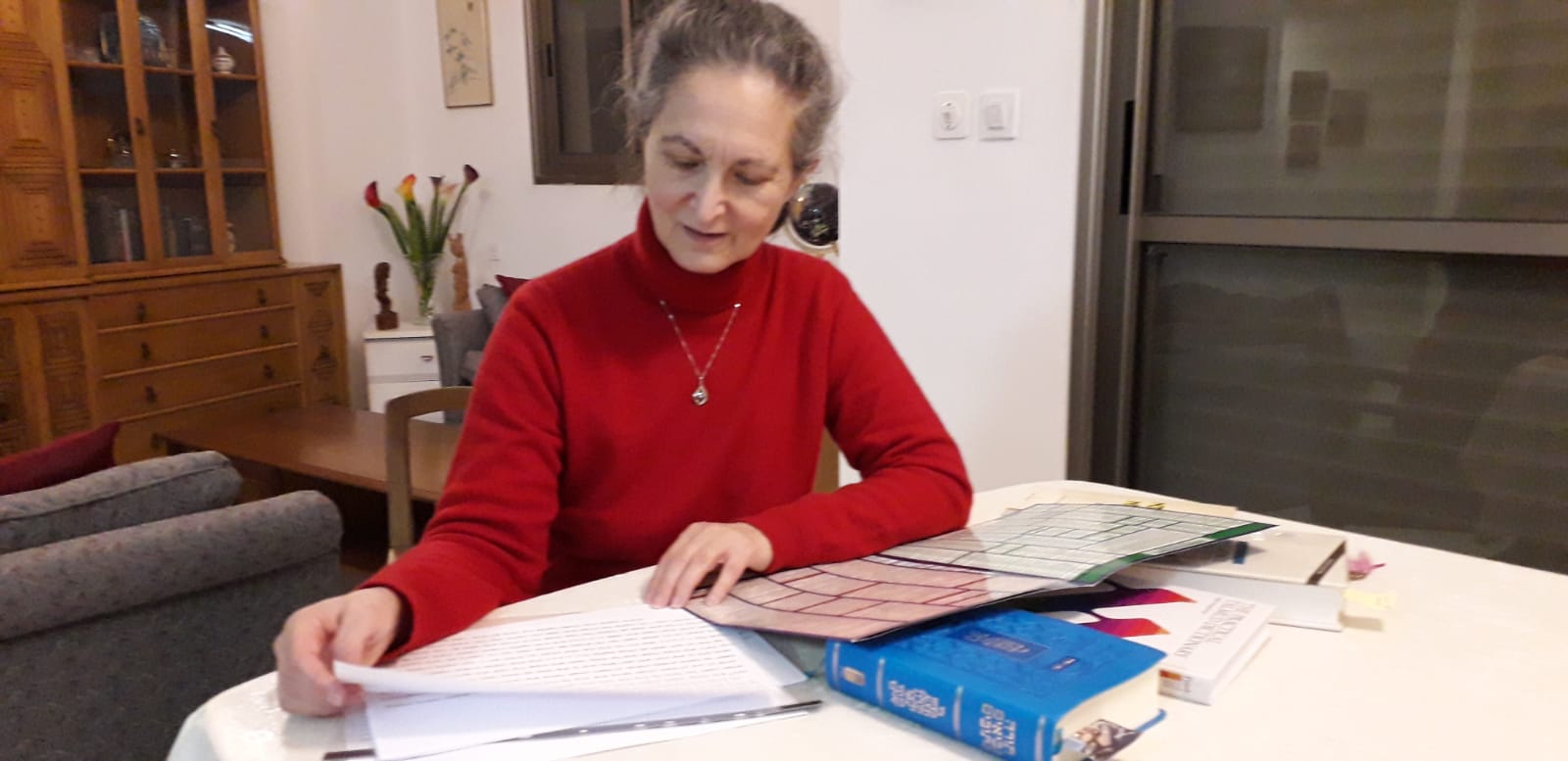
Caroline Ben-Ari
Karmiel, Israel
I was exposed to Talmud in high school, but I was truly inspired after my daughter and I decided to attend the Women’s Siyum Shas in 2020. We knew that this was a historic moment. We were blown away, overcome with emotion at the euphoria of the revolution. Right then, I knew I would continue. My commitment deepened with the every-morning Virtual Beit Midrash on Zoom with R. Michelle.

Adina Hagege
Zichron Yaakov, Israel
I have joined the community of daf yomi learners at the start of this cycle. I have studied in different ways – by reading the page, translating the page, attending a local shiur and listening to Rabbanit Farber’s podcasts, depending on circumstances and where I was at the time. The reactions have been positive throughout – with no exception!

Silke Goldberg
Guildford, United Kingdom
3 years ago, I joined Rabbanit Michelle to organize the unprecedented Siyum HaShas event in Jerusalem for thousands of women. The whole experience was so inspiring that I decided then to start learning the daf and see how I would go…. and I’m still at it. I often listen to the Daf on my bike in mornings, surrounded by both the external & the internal beauty of Eretz Yisrael & Am Yisrael!

Lisa Kolodny
Raanana, Israel
Studying has changed my life view on הלכה and יהדות and time. It has taught me bonudaries of the human nature and honesty of our sages in their discourse to try and build a nation of caring people .

Goldie Gilad
Kfar Saba, Israel
My family recently made Aliyah, because we believe the next chapter in the story of the Jewish people is being written here, and we want to be a part of it. Daf Yomi, on the other hand, connects me BACK, to those who wrote earlier chapters thousands of years ago. So, I feel like I’m living in the middle of this epic story. I’m learning how it all began, and looking ahead to see where it goes!

Tina Lamm
Jerusalem, Israel
I started learning Daf Yomi in January 2020 after watching my grandfather, Mayer Penstein z”l, finish shas with the previous cycle. My grandfather made learning so much fun was so proud that his grandchildren wanted to join him. I was also inspired by Ilana Kurshan’s book, If All the Seas Were Ink. Two years in, I can say that it has enriched my life in so many ways.

Leeza Hirt Wilner
New York, United States
I started learning when my brother sent me the news clip of the celebration of the last Daf Yomi cycle. I was so floored to see so many women celebrating that I wanted to be a part of it. It has been an enriching experience studying a text in a language I don’t speak, using background knowledge that I don’t have. It is stretching my learning in unexpected ways, bringing me joy and satisfaction.
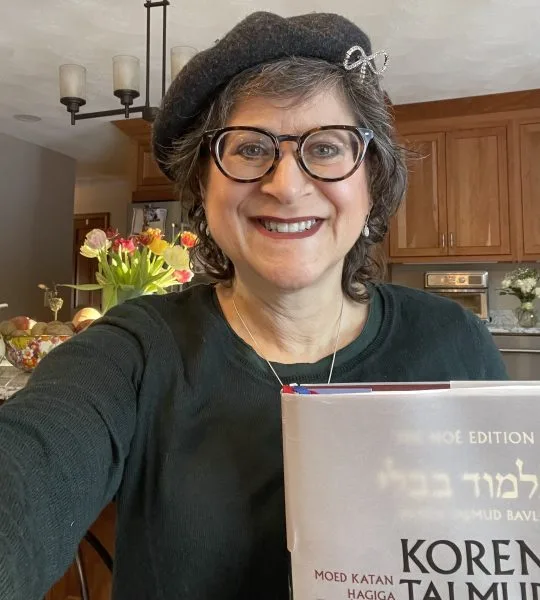
Jodi Gladstone
Warwick, Rhode Island, United States
See video

Susan Fisher
Raanana, Israel
I began my Daf Yomi journey on January 5, 2020. I had never learned Talmud before. Initially it struck me as a bunch of inane and arcane details with mind bending logic. I am now smitten. Rabbanit Farber brings the page to life and I am eager to learn with her every day!

Lori Stark
Highland Park, United States
Niddah 21
הַשָּׁרוֹנִי נִידּוֹן כַּכַּרְמְלִי, חַי וְלֹא מָזוּג, חָדָשׁ וְלֹא יָשָׁן.
For the purposes of the examination of blood, the wine of the Sharon region in Eretz Yisrael has the same status as undiluted Carmelite wine and not diluted Carmelite wine, new Carmelite wine and not old Carmelite wine.
אָמַר רַב יִצְחָק בַּר אֲבוּדִימִי: וְכוּלָּן, אֵין בּוֹדְקִין אוֹתָן אֶלָּא בְּכוֹס טְבֶרְיָא פָּשׁוּט. מַאי טַעְמָא? אָמַר אַבָּיֵי: שֶׁל כׇּל הָעוֹלָם כּוּלּוֹ מַחְזִיק לוֹג — עוֹשִׂין אוֹתוֹ מִמָּנֶה, שְׁנֵי לוּגִּין — עוֹשִׂין אוֹתוֹ מִמָּאתַיִם. כּוֹס טְבֶרְיָא פָּשׁוּט, אֲפִילּוּ מַחֲזִיק שְׁנֵי לוּגִּין — עוֹשִׂין אוֹתוֹ מִמָּנֶה, וְאַיְּידֵי דִּקְלִישׁ — יְדִיעַ בֵּיהּ טְפֵי.
Rav Yitzḥak bar Avudimi says: And in all cases of blood that has the color of diluted wine, one examines blood only with a simple Tiberian cup. The Gemara asks: What is the reason? Abaye says: Containers are designed according to a universal standard, such that a cup that can contain a log of wine, one fashions it from material weighing one hundred dinars, whereas a cup that can contain two log, one fashions it from material weighing two hundred dinars. By contrast, in the case of a simple Tiberian cup, even one that can contain two log, one fashions it from material weighing one hundred dinars. And since the material from which the cup is made is weak, it is more transparent and therefore the redness of the wine inside is more noticeable. Consequently, one must compare the blood to wine in a cup of this kind.
הֲדַרַן עֲלָךְ כָּל הַיָּד.
מַתְנִי’ הַמַּפֶּלֶת חֲתִיכָה, אִם יֵשׁ עִמָּהּ דָּם — טְמֵאָה, וְאִם לָאו — טְהוֹרָה. רַבִּי יְהוּדָה אוֹמֵר: בֵּין כָּךְ וּבֵין כָּךְ — טְמֵאָה.
MISHNA: In the case of a woman who discharges an amorphous piece of tissue, if there is blood that emerges with it, the woman is ritually impure with the impurity of a menstruating woman. And if not, she is pure, as she is neither a menstruating woman nor a woman after childbirth. Rabbi Yehuda says: In both this case, where blood emerged, and that case, where no blood emerged, the woman is impure with the impurity of a menstruating woman, as there was certainly undetected blood that emerged with the flesh.
הַמַּפֶּלֶת כְּמִין קְלִיפָּה, כְּמִין שַׂעֲרָה, כְּמִין עָפָר, כְּמִין יַבְחוּשִׁין אֲדוּמִּים — תָּטִיל לַמַּיִם: אִם נִמּוֹחוּ — טְמֵאָה, וְאִם לָאו — טְהוֹרָה.
In the case of a woman who discharges an item similar to a shell, or similar to a hair, or similar to soil, or similar to mosquitoes, if such items are red, she should cast them into water to ascertain their nature: If they dissolved, it is blood, and the woman is impure with the impurity of a menstruating woman; and if not, she is pure.
הַמַּפֶּלֶת כְּמִין דָּגִים, חֲגָבִים, שְׁקָצִים וּרְמָשִׂים — אִם יֵשׁ עִמָּהֶם דָּם טְמֵאָה, וְאִם לָאו — טְהוֹרָה.
In the case of a woman who discharges an item similar to fish or to grasshoppers, repugnant creatures, or creeping animals, if there is blood that emerges with them, the woman is impure with the impurity of a menstruating woman. And if not, she is pure.
הַמַּפֶּלֶת מִין בְּהֵמָה, חַיָּה וָעוֹף, בֵּין טְמֵאִין בֵּין טְהוֹרִין — אִם זָכָר — תֵּשֵׁב לְזָכָר, וְאִם נְקֵבָה — תֵּשֵׁב לִנְקֵבָה.
With regard to a woman who discharges tissue in the form of a type of domesticated animal, undomesticated animal, or bird, whether it had the form of a non-kosher species or a kosher species, if it was a male fetus, then she observes the periods of impurity, seven days, and purity, thirty-three days, established in the Torah (see Leviticus 12:2–5) for a woman who gives birth to a male. And if the fetus was a female, the woman observes the periods of impurity, fourteen days, and purity, sixty-six days, established in the Torah for a woman who gives birth to a female.
וְאִם אֵין יָדוּעַ — תֵּשֵׁב לְזָכָר וְלַנְּקֵבָה, דִּבְרֵי רַבִּי מֵאִיר, וַחֲכָמִים אוֹמְרִים: כֹּל שֶׁאֵין בּוֹ מִצּוּרַת אָדָם אֵינוֹ וָלָד.
And if the sex of the fetus is unknown, she observes the strictures that apply to a woman who gave birth both to a male and to a female. Accordingly, she is prohibited from engaging in intercourse for fourteen days, but after that, she will be permitted to engage in intercourse despite a discharge of uterine blood until thirty-three days pass after the seven days she would have been prohibited if the fetus were male. The prohibition to enter the Temple will continue until eighty days have passed from the discharge of the fetus. This is the statement of Rabbi Meir. And the Rabbis say: Any fetus that is not of human form is not regarded as an offspring with regard to observance of these periods, and she is permitted to engage in intercourse provided that she does not experience a discharge of uterine blood.
גְּמָ’ אָמַר רַב יְהוּדָה, אָמַר שְׁמוּאֵל: לֹא טִימֵּא רַבִּי יְהוּדָה אֶלָּא בַּחֲתִיכָה שֶׁל אַרְבַּעַת מִינֵי דָמִים, אֲבָל שֶׁל שְׁאָר מִינֵי דָמִים — טְהוֹרָה.
GEMARA: The mishna teaches that if a woman discharges an amorphous piece of tissue and no blood emerges with it, the Rabbis say that she is pure, whereas Rabbi Yehuda says that she is impure. Rav Yehuda says that Shmuel says: Rabbi Yehuda deemed the woman impure, despite the fact that no blood emerged, only in the case of a piece of tissue that has the appearance of one of the four types of ritually impure blood, as in such a case the piece has the status of blood. But if it has the appearance of other types of blood, the woman is pure.
וְרַבִּי יוֹחָנָן אָמַר: שֶׁל אַרְבַּעַת מִינֵי דָמִים — דִּבְרֵי הַכֹּל טְמֵאָה, שֶׁל שְׁאָר מִינֵי דָמִים — דִּבְרֵי הַכֹּל טְהוֹרָה.
And Rabbi Yoḥanan says there is a different explanation of the dispute: If a woman discharges a piece of tissue that has the appearance of one of the four types of ritually impure blood, everyone, i.e., Rabbi Yehuda and the Rabbis, agrees that she is impure. Likewise, if it has the appearance of other types of blood, everyone agrees that she is pure.
לֹא נֶחְלְקוּ אֶלָּא שֶׁהִפִּילָה, וְאֵינָהּ יוֹדַעַת מָה הִפִּילָה. רַבִּי יְהוּדָה סָבַר: זִיל בָּתַר רוֹב חֲתִיכוֹת, וְרוֹב חֲתִיכוֹת שֶׁל (מִינֵי) אַרְבַּעַת מִינֵי דָמִים הָוְיָין. וְרַבָּנַן סָבְרִי: לָא אָמְרִינַן רוֹב חֲתִיכוֹת שֶׁל אַרְבַּעַת מִינֵי דָמִים.
They disagree only with regard to a case where the woman discharged an amorphous piece of tissue, and she herself does not know exactly what was the appearance of the piece of tissue that she discharged, e.g., if it was lost. Rabbi Yehuda holds: Follow the majority of discharges of amorphous pieces of tissue, and the majority of pieces of tissue are of the appearance of one of the four types of impure blood. And the Rabbis hold: We do not say that the majority of pieces of flesh have the appearance of one of the four types of impure blood.
אִינִי? וְהָא כִּי אֲתָא רַב הוֹשַׁעְיָא מִנְּהַרְדְּעָא, אֲתָא וְאַיְיתִי מַתְנִיתָא בִּידֵיהּ: הַמַּפֶּלֶת חֲתִיכָה אֲדוּמָּה, שְׁחוֹרָה, יְרוּקָּה, וּלְבָנָה — אִם יֵשׁ עִמָּהּ דָּם טְמֵאָה, וְאִם לָאו — טְהוֹרָה. רַבִּי יְהוּדָה אוֹמֵר: בֵּין כָּךְ וּבֵין כָּךְ טְמֵאָה. קַשְׁיָא לִשְׁמוּאֵל בַּחֲדָא, וּלְרַבִּי יוֹחָנָן בְּתַרְתֵּי.
The Gemara asks: Is that so? But when Rav Hoshaya came from Neharde’a, he came and brought a baraita with him that states: In the case of a woman who discharges a piece of tissue that is red, black, green, or white, if there is blood that emerges with it, the woman is impure, and if not, she is pure. Rabbi Yehuda says: Both in this case, where blood emerged, and in that case, where no blood emerged, the woman is impure. This baraita poses a difficulty to the statement of Shmuel with regard to one aspect of his opinion, and it poses a difficulty to the statement of Rabbi Yoḥanan with regard to two aspects of his opinion.
לִשְׁמוּאֵל בַּחֲדָא, דְּאָמַר שְׁמוּאֵל: לֹא טִימֵּא רַבִּי יְהוּדָה אֶלָּא בַּחֲתִיכָה שֶׁל אַרְבַּעַת מִינֵי דָמִים, וְהָא קָתָנֵי ״יְרוּקָּה וּלְבָנָה״, וּפְלִיג רַבִּי יְהוּדָה!
The Gemara elaborates: It poses a difficulty to the statement of Shmuel with regard to one aspect of his opinion, as Shmuel said that Rabbi Yehuda deemed the woman impure only in the case of a piece of tissue that has the appearance of one of the four types of impure blood, and yet the baraita teaches that according to the Rabbis the woman is pure if the piece of tissue is green or white, which are not among the four colors of ritually impure blood, and that Rabbi Yehuda disagrees with their opinion.
וְכִי תֵימָא, כִּי פְּלִיג רַבִּי יְהוּדָה אַאֲדוּמָּה וּשְׁחוֹרָה, וְאַיְּרוּקָּה וּלְבָנָה לָא, אֶלָּא יְרוּקָּה וּלְבָנָה לְמַאן קָתָנֵי לַהּ?
And if you would say that when Rabbi Yehuda disagrees with the Rabbis, it is with regard to the case of a red or black piece of tissue, as these are among the four colors of ritually impure blood, but with regard to the case of a green or white piece he does not disagree with them, i.e., he concedes that the woman is pure, this cannot be correct. The Gemara explains why that explanation of the baraita is not possible: But if so, for the sake of clarifying whose opinion does the baraita teach the case of a green or white piece of tissue?
אִילֵּימָא רַבָּנַן — הַשְׁתָּא אֲדוּמָּה וּשְׁחוֹרָה מְטַהֲרִי רַבָּנַן, יְרוּקָּה וּלְבָנָה מִיבַּעְיָא? אֶלָּא לָאו לְרַבִּי יְהוּדָה, וּפְלִיג!
If we say that it comes to clarify the opinion of the Rabbis, that is unnecessary: Now that in a case of a red or black piece of tissue, which are among the four colors of ritually impure blood, the Rabbis deem the woman pure, is it necessary to state that they deem her pure in a case of a green or white piece? Rather, is it not coming to clarify the opinion of Rabbi Yehuda, teaching that the Rabbis deem the woman pure in this case, but Rabbi Yehuda disagrees with them and deems her impure? This contradicts the explanation of Shmuel.
וְתוּ, לְרַבִּי יוֹחָנָן דְּאָמַר: שֶׁל אַרְבַּעַת מִינֵי דָמִים — דִּבְרֵי הַכֹּל טְמֵאָה, הָא קָתָנֵי: אֲדוּמָּה וּשְׁחוֹרָה, וּפְלִיגִי רַבָּנַן!
And furthermore, the baraita poses an additional difficulty to the opinion of Rabbi Yoḥanan, in addition to the first difficulty explained above, as he said that if the piece of tissue has the appearance of one of the four types of ritually impure blood then everyone agrees that the woman is impure, and yet the baraita teaches the case of a red or black piece and states that the Rabbis disagree with Rabbi Yehuda and deem the woman pure.
וְכִי תֵּימָא, כִּי פְּלִיגִי רַבָּנַן אַיְּרוּקָּה וּלְבָנָה, אֲבָל אַאֲדוּמָּה וּשְׁחוֹרָה לָא, אֶלָּא אֲדוּמָּה וּשְׁחוֹרָה לְמַאן קָתָנֵי לַהּ?
And if you would say that when the Rabbis disagree with Rabbi Yehuda, it is with regard to the case of a green or white piece of tissue, but in the case of a red or black piece they do not disagree with him, as they concede that the woman is impure; but if that is so, then for the sake of clarifying whose opinion does the baraita teach the case of a red or black piece?
אִילֵימָא רַבִּי יְהוּדָה — הַשְׁתָּא יְרוּקָּה וּלְבָנָה טְמֵאָה, אֲדוּמָּה וּשְׁחוֹרָה מִיבַּעְיָא? אֶלָּא לָאו רַבָּנַן, וּפְלִיגִי!
If we say that it comes to clarify the opinion of Rabbi Yehuda, this is unnecessary: Now that Rabbi Yehuda holds that in a case of a green or white piece the woman is impure, despite the fact that they are not among the four colors of ritually impure blood, is it necessary to state that she is impure in a case of a red or black piece? Rather, is it not coming to clarify the opinion of the Rabbis, teaching that Rabbi Yehuda deems the woman impure in this case, but the Rabbis disagree with him and maintain that she is pure?
אֶלָּא אָמַר רַב נַחְמָן בַּר יִצְחָק: בְּאֶפְשָׁר לִפְתִיחַת הַקֶּבֶר בְּלֹא דָּם קָמִיפַּלְגִי, וּבִפְלוּגְתָּא דְהָנֵי תַנָּאֵי, דְּתַנְיָא: קִשְּׁתָה שְׁנַיִם, וְלַשְּׁלִישִׁי הִפִּילָה, וְאֵינָהּ יוֹדַעַת מָה הִפִּילָה,
Rather, Rav Naḥman bar Yitzḥak says there is a different explanation of the dispute between the Rabbis and Rabbi Yehuda: They disagree with regard to whether or not opening of the womb is possible without a discharge of blood. And they disagree with regard to the issue that is the subject of the dispute between these tanna’im, as it is taught in a baraita: If a woman experienced difficulty in labor during which blood emerged on two consecutive days, and on the third day she discharged, but she does not know what she discharged, i.e., whether it was a stillborn human fetus, and whether blood emerged during the miscarriage,
הֲרֵי זוֹ סְפֵק לֵידָה סְפֵק זִיבָה, מְבִיאָה קׇרְבָּן וְאֵינוֹ נֶאֱכָל.
it is uncertain whether that woman has the status of one who gave birth, and it is uncertain whether she has the status of a woman who experiences an irregular discharge of blood from the uterus [ziva]. Therefore, she brings an offering, like any woman after childbirth or after ziva, but the offering is not eaten by the priests. The reason is that perhaps she neither gave birth nor experienced ziva, and is therefore exempt from bringing an offering. Consequently, her bird sin offering is disqualified, and is forbidden in consumption, as a bird offering is killed by pinching its neck, which is not the valid manner of slaughtering a non-sacred bird.
רַבִּי יְהוֹשֻׁעַ אוֹמֵר: מְבִיאָה קׇרְבָּן וְנֶאֱכָל, שֶׁאִי אֶפְשָׁר לִפְתִיחַת הַקֶּבֶר בְּלֹא דָּם.
Rabbi Yehoshua says: The woman brings an offering, and it is eaten. The reason is that she is certainly either a woman after childbirth or a zava, as opening of the womb is not possible without a discharge of blood. The tanna’im in the baraita disagree about whether opening of the womb is possible without a discharge of blood. Rav Naḥman bar Yitzḥak maintains that this is also the issue in dispute between Rabbi Yehuda and the Rabbis in the mishna.
לִישָּׁנָא אַחְרִינָא אָמְרִי לַהּ: אָמַר רַב יְהוּדָה אָמַר שְׁמוּאֵל: לֹא טִימֵּא רַבִּי יְהוּדָה אֶלָּא בַּחֲתִיכָה שֶׁל אַרְבָּעָה מִינֵי דָמִים, אֲבָל שֶׁל שְׁאָר מִינֵי דָמִים — טְהוֹרָה.
§ Some say another version of the above discussion. Rav Yehuda says that Shmuel says: Rabbi Yehuda deemed the woman impure, despite the fact that no blood emerged, only in the case of a piece of tissue that has the appearance of one of the four types of ritually impure blood, but if it has the appearance of other types of blood, the woman is pure.
אִינִי? וְהָא כִּי אֲתָא רַב הוֹשַׁעְיָא מִנְּהַרְדְּעָא, אֲתָא וְאַיְיתִי מַתְנִיתָא בִּידֵיהּ: הַמַּפֶּלֶת חֲתִיכָה אֲדוּמָּה, וּשְׁחוֹרָה, יְרוּקָּה, וּלְבָנָה — אִם יֵשׁ עִמָּהּ דָּם — טְמֵאָה, וְאִם לָאו — טְהוֹרָה. וְרַבִּי יְהוּדָה אוֹמֵר: בֵּין כָּךְ וּבֵין כָּךְ טְמֵאָה.
The Gemara asks: Is that so? But when Rav Hoshaya came from Neharde’a, he came and brought a baraita with him that states: In the case of a woman who discharges a piece of tissue that is red, or black, green, or white, if there is blood that emerges with it, the woman is impure, and if not, she is pure. And Rabbi Yehuda says: In both this case, where blood emerged, and that case, where no blood emerged, the woman is impure.
קָתָנֵי ״אֲדוּמָּה וּשְׁחוֹרָה, יְרוּקָּה וּלְבָנָה״, וּפְלִיג רַבִּי יְהוּדָה!
The Gemara concludes its challenge: The baraita teaches both a case where the piece of tissue is red or black, and a case where it is not one of the four types of impure blood but it is green or white, i.e., in all of these cases the Rabbis hold that the woman is pure, and yet Rabbi Yehuda disagrees with their opinion.
וְכִי תֵימָא, כִּי פְּלִיג רַבִּי יְהוּדָה אַאֲדוּמָּה וּשְׁחוֹרָה, אֲבָל יְרוּקָּה וּלְבָנָה לָא, אֶלָּא יְרוּקָּה וּלְבָנָה מַאן קָתָנֵי לַהּ?
And if you would say that when Rabbi Yehuda disagrees with the Rabbis, it is with regard to the case of a red or black piece of tissue, but with regard to the case of a green or white piece he does not disagree with them, as he concedes that the woman is pure; but if that is so, for the sake of clarifying whose opinion does the baraita teach the case of a green or white piece of tissue?
אִילֵּימָא לְרַבָּנַן — הַשְׁתָּא אֲדוּמָּה וּשְׁחוֹרָה קָא מְטַהֲרִי רַבָּנַן, יְרוּקָּה וּלְבָנָה מִיבַּעְיָא? אֶלָּא לָאו לְרַבִּי יְהוּדָה, וּפְלִיג!
If we say that it comes to clarify the opinion of the Rabbis, that is unnecessary: Now that in the case of a red or black piece of tissue the Rabbis deem the woman pure, is it necessary to state that they deem her pure in a case of a green or white piece? Rather, is it not coming to clarify the opinion of Rabbi Yehuda, teaching that the Rabbis deem the woman pure in this case, but Rabbi Yehuda disagrees with them and deems her impure? This contradicts the explanation of Shmuel.
אֶלָּא אָמַר רַב יְהוּדָה: בְּאֶפְשָׁר לִפְתִיחַת הַקֶּבֶר בְּלֹא דָּם קָמִיפַּלְגִי, וּבִפְלוּגְתָּא דְהָנֵי תַנָּאֵי, דְּתַנְיָא: קִשְּׁתָה שְׁנַיִם, וְלַשְּׁלִישִׁי הִפִּילָה, וְאֵינָהּ יוֹדַעַת מָה הִפִּילָה — הֲרֵי זוֹ סְפֵק לֵידָה סְפֵק זִיבָה, מְבִיאָה קׇרְבָּן וְאֵינוֹ נֶאֱכָל.
Rather, Rav Yehuda says there is a different explanation of the dispute between the Rabbis and Rabbi Yehuda: They disagree with regard to whether or not opening of the womb is possible without a discharge of blood. And they disagree with regard to the issue that is the subject of the dispute between these tanna’im, as it is taught in a baraita: If a woman experienced difficulty in labor during which blood emerged on two consecutive days, and on the third day she discharged, but she does not know what she discharged, it is uncertain whether she has the status of a woman who gave birth, and it is uncertain whether she has the status of a woman who experienced ziva. Therefore she brings an offering, but it is not eaten by the priests.
רַבִּי יְהוֹשֻׁעַ אוֹמֵר: מְבִיאָה קׇרְבָּן וְנֶאֱכָל, לְפִי שֶׁאִי אֶפְשָׁר לִפְתִיחַת הַקֶּבֶר בְּלֹא דָּם.
Rabbi Yehoshua says: The woman brings an offering, and it is eaten. The reason is that she is certainly either a woman after childbirth or a zava, as opening of the womb is not possible without a discharge of blood. This is also the matter in dispute between the Rabbis and Rabbi Yehuda.
תָּנוּ רַבָּנַן: הַמַּפֶּלֶת חֲתִיכָה, סוֹמְכוֹס אוֹמֵר מִשּׁוּם רַבִּי מֵאִיר, וְכֵן הָיָה רַבִּי שִׁמְעוֹן בֶּן מְנַסְיָא אוֹמֵר כִּדְבָרָיו: קוֹרְעָהּ, אִם יֵשׁ דָּם בְּתוֹכָהּ — טְמֵאָה, וְאִם לָאו — טְהוֹרָה.
§ The Sages taught in a baraita: In the case of a woman who discharges an amorphous piece of tissue, Sumakhos says in the name of Rabbi Meir, and likewise Rabbi Shimon ben Menasya would say in accordance with his statement: A Sage who is presented with this piece of tissue should tear it to examine it. If there is blood inside it, the woman is ritually impure, and if not, she is pure.
כְּרַבָּנַן, וַעֲדִיפָא מִדְּרַבָּנַן. כְּרַבָּנַן — דְּאָמְרִי: אֶפְשָׁר לִפְתִיחַת הַקֶּבֶר בְּלֹא דָּם. וַעֲדִיפָא מִדְּרַבָּנַן — דְּאִינְהוּ סָבְרִי: עִמָּהּ — אִין, בְּתוֹכָהּ — לָא, וְסוֹמְכוֹס סָבַר: אֲפִילּוּ בְּתוֹכָהּ.
The Gemara compares this baraita to the ruling of the mishna: This statement is basically in accordance with the opinion of the Rabbis in the mishna, but it is more far-reaching, i.e., more stringent, than that ruling of the Rabbis. It is in accordance with the opinion of the Rabbis, as they say that opening of the womb is possible without a discharge of blood, whereas Rabbi Yehuda maintains that opening of the womb is impossible without a discharge of blood. But the ruling of the baraita is more far-reaching than that ruling of the Rabbis, as they hold that if blood emerges with the piece of tissue, then yes, the woman is impure, but if blood is found inside the piece of tissue, she is not impure; and Sumakhos holds that even if blood is found inside the piece, the woman is impure.
וְתַנְיָא אִידַּךְ: הַמַּפֶּלֶת חֲתִיכָה, רַבִּי אַחָא אוֹמֵר: קוֹרְעָהּ, אִם תּוֹכָהּ מַאֲדִים — טְמֵאָה, וְאִם לָאו — טְהוֹרָה.
And it is taught in another baraita with regard to a woman who discharges an amorphous piece of tissue, that Rabbi Aḥa says: One tears it open, and if its interior looks red, even if it contains no blood, the woman is impure; and if it does not have a red appearance, she is pure.
כְּסוֹמְכוֹס, וַעֲדִיפָא מִסּוֹמְכוֹס.
The Gemara compares this baraita to the aforementioned opinion of Sumakhos: This ruling of Rabbi Aḥa is basically in accordance with the opinion of Sumakhos, as Rabbi Aḥa also requires that the interior of the piece of tissue must be examined to see if there is blood on the inside, but it is more far-reaching than the opinion of Sumakhos, as Rabbi Aḥa deems the woman impure even if the piece of tissue merely looks red on the inside but does not contain blood.
וְתַנְיָא אִידַּךְ: הַמַּפֶּלֶת חֲתִיכָה, רַבִּי בִּנְיָמִין אוֹמֵר: קוֹרְעָהּ, אִם יֵשׁ בָּהּ עֶצֶם — אִמּוֹ טְמֵאָה לֵידָה. אָמַר רַב חִסְדָּא: וּבַחֲתִיכָה לְבָנָה. וְכֵן כִּי אֲתָא זוּגָא דְּמִן חַדְיָיב, אֲתָא וְאַיְיתִי מַתְנִיתָא בִּידֵיהּ: הַמַּפֶּלֶת חֲתִיכָה לְבָנָה — קוֹרְעָהּ, אִם יֵשׁ בָּהּ עֶצֶם — אִמּוֹ טְמֵאָה לֵידָה.
And it is taught in another baraita with regard to a woman who discharges an amorphous piece of tissue, that Rabbi Binyamin says one tears it open to examine it. If it contains a bone, it is considered a fetus, and its mother is impure with the impurity of a woman who gave birth. Rav Ḥisda says: And this applies in the case of a white piece of flesh; only in such a situation does the existence of a bone render it a fetus. And likewise, when a pair of Torah scholars came from Ḥadyab, they came and brought a baraita with them: In the case of a woman who discharges a white piece of tissue, one tears it open to examine it, and if it contains a bone, its mother is impure with the impurity of a woman who gave birth.
אָמַר רַבִּי יוֹחָנָן מִשּׁוּם רַבִּי שִׁמְעוֹן בֶּן יוֹחַי: הַמַּפֶּלֶת חֲתִיכָה — קוֹרְעָהּ, אִם יֵשׁ בָּהּ דָּם אָגוּר — טְמֵאָה, וְאִם לָאו — טְהוֹרָה, כְּסוֹמְכוֹס, וְקִילָּא מִכּוּלְּהוּ.
Rabbi Yoḥanan says in the name of Rabbi Shimon ben Yoḥai: With regard to a woman who discharges an amorphous piece of tissue, one tears it open to examine it. If it contains a quantity of accumulated blood, the woman is impure; and if not, she is pure. The Gemara comments: This is basically in accordance with the opinion of Sumakhos, that blood found inside the piece of tissue renders the woman impure, but it is more lenient than all the previous opinions, i.e., Sumakhos and Rabbi Aḥa, as according to Rabbi Shimon ben Yoḥai the woman is rendered impure only if there is a quantity of accumulated blood.
בְּעָא מִינֵּיהּ רַבִּי יִרְמְיָה מֵרַבִּי זֵירָא: הָרוֹאָה דָּם בִּשְׁפוֹפֶרֶת מַהוּ? ״בִּבְשָׂרָהּ״ אֲמַר רַחֲמָנָא, וְלֹא בִּשְׁפוֹפֶרֶת, אוֹ דִלְמָא הַאי ״בִּבְשָׂרָהּ״ מִיבְּעֵי לֵיהּ שֶׁמְּטַמְּאָה מִבִּפְנִים כְּבַחוּץ?
§ Rabbi Yirmeya asked Rabbi Zeira: In the case of a woman who inserted a tube into her vagina and sees blood, i.e., she found blood in the tube, what is the halakha? Rabbi Yirmeya clarified his question: Since it is stated: “And if a woman has an issue, and her issue in her flesh is blood, she shall be in her impurity seven days” (Leviticus 15:19), perhaps the Merciful One states in this verse that the woman is impure only if the blood is discharged through “her flesh” and not through a tube. Or perhaps this term: “In her flesh,” is necessary to teach the halakha that a woman becomes impure by finding blood inside her vagina just as she becomes impure by experiencing bleeding outside her vagina, i.e., once the blood enters the vaginal canal from the uterus the woman is ritually impure.
אֲמַר לֵיהּ: ״בִּבְשָׂרָהּ״ אֲמַר רַחֲמָנָא וְלֹא בִּשְׁפוֹפֶרֶת, דְּאִי ״בִּבְשָׂרָהּ״ מִבָּעֵי לֵיהּ שֶׁמְּטַמְּאָה מִבִּפְנִים כְּבַחוּץ, אִם כֵּן נֵימָא קְרָא ״בַּבָּשָׂר״, מַאי ״בִּבְשָׂרָהּ״? שְׁמַע מִינָּה תַּרְתֵּי.
Rabbi Zeira said to Rabbi Yirmeya: The Merciful One states: “In her flesh,” meaning that the woman is impure only if the blood is discharged through “her flesh” and not through a tube. As, if the term “in her flesh” is necessary to teach that a woman becomes impure by finding blood inside her vagina just as by seeing blood outside her vagina, if so, let the verse say: In the flesh. What is the significance of the fact that the verse states: “In her flesh”? Conclude two conclusions from the term, both that a woman becomes impure by the presence of blood inside her vagina, and that a woman who experiences bleeding that emerged through a tube is ritually pure.
וְהָא אָמַר רַבִּי יוֹחָנָן מִשּׁוּם רַבִּי שִׁמְעוֹן בֶּן יוֹחַי: הַמַּפֶּלֶת חֲתִיכָה — קוֹרְעָהּ, אִם יֵשׁ בָּהּ דָּם אָגוּר — טְמֵאָה, וְאִם לָאו — טְהוֹרָה!
The Gemara asks: But doesn’t Rabbi Yoḥanan say in the name of Rabbi Shimon ben Yoḥai: With regard to a woman who discharges an amorphous piece of tissue, one tears it open to examine it; if it contains a quantity of accumulated blood, the woman is impure, and if not, she is pure? If a woman who sees blood that emerged inside a piece of tissue becomes impure, the same should apply to a woman who sees blood that emerged through a tube.
הָכִי הַשְׁתָּא? הָתָם דַּרְכָּהּ שֶׁל אִשָּׁה לִרְאוֹת דָּם בַּחֲתִיכָה, הָכָא אֵין דַּרְכָּהּ שֶׁל אִשָּׁה לִרְאוֹת דָּם בִּשְׁפוֹפֶרֶת.
The Gemara responds: How can these cases be compared? There, with regard to a piece of tissue, the woman is impure, as it is the manner of a woman to see blood inside such a piece of tissue. Therefore, this blood fulfills the condition stated in the verse: “In her flesh.” By contrast, here, in the case of a tube, the woman should not be impure, as it is not the manner of a woman to see blood that emerged through a tube.
לֵימָא שְׁפוֹפֶרֶת תַּנָּאֵי הִיא, דְּתַנְיָא: הַמַּפֶּלֶת חֲתִיכָה, אַף עַל פִּי שֶׁמְּלֵאָה דָּם, אִם יֵשׁ עִמָּהּ דָּם — טְמֵאָה, וְאִם לָאו — טְהוֹרָה. רַבִּי אֱלִיעֶזֶר אוֹמֵר: ״בִּבְשָׂרָהּ״ — וְלֹא בַּשָּׁפִיר וְלֹא בַּחֲתִיכָה.
The Gemara suggests: Shall we say that the halakha in the case of a tube is subject to a dispute between tanna’im? As it is taught in a baraita: With regard to a woman who discharges an amorphous piece of tissue, even though the piece is full of blood, if there is blood on the outside that emerges with it, the woman is impure; and if not, she is pure. Rabbi Eliezer says: The term “in her flesh” teaches that a woman is rendered impure only by blood that emerges through direct contact with her flesh, and not by blood that emerges in a gestational sac, nor by blood that emerges in an amorphous piece of tissue.
רַבִּי אֱלִיעֶזֶר — הַיְינוּ תַּנָּא קַמָּא! אֵימָא: שֶׁרַבִּי אֱלִיעֶזֶר אוֹמֵר ״בִּבְשָׂרָהּ״ — וְלֹא בַּשָּׁפִיר וְלֹא בַּחֲתִיכָה.
The Gemara interrupts its citation of the baraita and asks: Isn’t the opinion of Rabbi Eliezer identical to that of the first tanna? The first tanna also says that a woman does not become impure due to blood found in a piece of tissue. Rather, the entire baraita is the opinion of Rabbi Eliezer, and one must say that the baraita should read as follows: Even if the piece of tissue is full of blood the woman is pure, as Rabbi Eliezer says that the term “in her flesh” teaches that a woman is rendered impure only by blood that emerges through direct contact with her flesh, and not by blood that emerges in a gestational sac, nor by blood that emerges in a piece of tissue.
וַחֲכָמִים אוֹמְרִים: אֵין זֶה דַּם נִדָּה אֶלָּא דַּם חֲתִיכָה. תַּנָּא קַמָּא נָמֵי טַהוֹרֵי מְטַהֵר, אֶלָּא דְּפַלַּי פַּלּוֹיֵי אִיכָּא בֵינַיְיהוּ.
The baraita continues: And the Rabbis say: If there is blood in the piece of tissue, this is not menstrual blood, but rather the blood of the piece of tissue. The Gemara asks: Doesn’t the first tanna also deem the woman pure? What is the difference between the opinion of the Rabbis and that of the first tanna? The Gemara answers: Rather, the difference between the opinion of the first tanna and that of the Rabbis is with regard to a case where the piece of tissue is cracked, and its blood comes in direct contact with the woman’s body.
תַּנָּא קַמָּא סָבַר ״בִּבְשָׂרָהּ״ — וְלֹא בַּשָּׁפִיר וְלֹא בַּחֲתִיכָה, וְהוּא הַדִּין לִשְׁפוֹפֶרֶת. וְהָנֵי מִילֵּי הֵיכָא דְּשִׁיעָא, אֲבָל פַּלַּי פַּלּוֹיֵי — טְמֵאָה. מַאי טַעְמֵיהּ? ״בִּבְשָׂרָהּ״ קָרֵינָא בֵּיהּ.
The first tanna holds that the term “in her flesh” teaches that a woman is rendered impure only by blood that emerges through direct contact with her flesh, and not by blood that emerges in a gestational sac, nor by blood that emerges in a piece of tissue. And the same is true with regard to blood that emerges through a tube. But this statement applies only in a case where the piece of tissue is smooth, but if it is cracked, the woman is impure. What is the reason for this exception? Since the blood comes in direct contact with the woman’s flesh, we read the term “in her flesh” with regard to it, i.e., it fulfills that condition.
וְאָתוּ רַבָּנַן לְמֵימַר: אַף עַל גַּב דְּפַלַּי פַּלּוֹיֵי — אֵין זֶה דַּם נִדָּה אֶלָּא דַּם חֲתִיכָה. הָא דַּם נִדָּה וַדַּאי טָמֵא, וַאֲפִילּוּ בִּשְׁפוֹפֶרֶת נָמֵי!
And the Rabbis come to say: Even though the piece of tissue is cracked, the woman is pure, as this is not menstrual blood but rather the blood of the piece of tissue. It can be inferred from here that if the blood is menstrual blood, the woman is certainly impure, and this is true even if the blood emerges through a tube. Accordingly, the halakha in the case of a tube is subject to a dispute between tanna’im.
אָמַר אַבָּיֵי: בִּשְׁפוֹפֶרֶת כּוּלֵּי עָלְמָא לָא פְּלִיגִי דִּטְהוֹרָה,
Abaye says that this suggestion should be rejected: In the case of a tube, everyone agrees that the woman is pure, as derived from the term “in her flesh.”
Follow

