Search

Pesachim 101

Want to dedicate learning? Get started here:

English
עברית
podcast placeholder

0:00
0:00


podcast placeholder

0:00
0:00


Summary

Today’s Daf is sponsored by Joanna Rom “in appreciation of Di Gittel for her leadership and creativity in putting together a wonderful Pesach cookbook with contributions from Daf Yomi students around the world! Yasher koach!”

There was a custom of making kiddush in synagogues – can one fulfill one’s obligation for kiddush in this manner? If one wants to drink more wine at home, does one need to make a new blessing of “boreh pri hagafen” on the wine at home? There is a dispute between Rav, Shmuel and Rabbi Yochanan. Shmuel rules that that one does not fulfill one’s obligation for kiddush because kiddush needs to be done in the place of a meal. What is considered a “place” – are there two places in the same house considered the same place? What is considered a “meal”? If they do not fulfill their obligation for kiddush, why did they make kiddush in the synagogue? And if so did why did they make kiddush at home also? The gemara brings stories from which you can see that Rabbi Huna and Rabba ruled like Shmuel. Rabbi Yochanan’s opinion is brought and the gemara raises a question from a braita against his opinion and cannot find a resolution.  In the braita is stated that would require one to make a new blessing on the wine. The gemara brings Rav Chisda’s statement in the name of Rav Huna and his own statement limiting this law and braises difficulties on both these statements.

Pesachim 101

אַף יְדֵי קִידּוּשׁ לֹא יָצְאוּ. אֶלָּא לְרַב, לְמָה לֵיהּ לְקַדּוֹשֵׁי בְּבֵיתֵיהּ? כְּדֵי לְהוֹצִיא בָּנָיו וּבְנֵי בֵיתוֹ.

Even the obligation of kiddush they have not fulfilled, and they must recite kiddush again at home. The Gemara asks: But according to the opinion of Rav, why should one have to recite kiddush a second time at home if he has already fulfilled his obligation in the synagogue? The Gemara answers: He must repeat kiddush to fulfill the obligations of his children and the members of his household, who did not come to the synagogue.

וּשְׁמוּאֵל, לְמָה לִי לְקַדּוֹשֵׁי בְּבֵי כְנִישְׁתָּא? לְאַפּוֹקֵי אוֹרְחִים יְדֵי חוֹבָתָן, דְּאָכְלוּ וְשָׁתוּ וְגָנוּ בְּבֵי כְנִישְׁתָּא.

The Gemara asks: But according to the opinion of Shmuel, why do I need to recite kiddush in the synagogue at all, if one does not fulfill his obligation with that kiddush? The Gemara answers: The purpose of kiddush in the synagogue is to fulfill the obligations of the guests who eat and drink and sleep in the synagogue. Since these visitors are staying in the synagogue for Shabbat, they must hear kiddush there.

וְאַזְדָּא שְׁמוּאֵל לְטַעְמֵיהּ, דְּאָמַר שְׁמוּאֵל: אֵין קִידּוּשׁ אֶלָּא בִּמְקוֹם סְעוּדָה. סְבוּר מִינַּהּ: הָנֵי מִילֵּי מִבַּיִת לְבַיִת, אֲבָל מִמָּקוֹם לְמָקוֹם בְּחַד בֵּיתָא — לָא.

And Shmuel follows his line of reasoning, as Shmuel said: There is no valid kiddush except in the place of one’s Shabbat meal. If one does not eat a meal in the location in which he recites kiddush, he has not fulfilled the mitzva of kiddush. The students understood from this statement that this halakha applies only when one goes from house to house and eats the Shabbat meal in a different house from the one in which he recited kiddush. But if one went from the place where he recited kiddush to another place in one house, no, there is no problem, and he has fulfilled the mitzva of kiddush.

אֲמַר לְהוּ רַב עָנָן בַּר תַּחְלִיפָא: זִימְנִין סַגִּיאִין הֲוָה קָאֵימְנָא קַמֵּיהּ דִּשְׁמוּאֵל, וְנָחֵית מֵאִיגָּרָא לְאַרְעָא וַהֲדַר מְקַדֵּשׁ.

However, Rav Anan bar Taḥalifa said to the students: Many times I stood before Shmuel, and he descended from the roof to the ground floor and recited kiddush again. This indicates that Shmuel maintains that even if one recites kiddush and eats the Shabbat meal in a different part of the same house, he must recite kiddush a second time.

וְאַף רַב הוּנָא סָבַר אֵין קִידּוּשׁ אֶלָּא בִּמְקוֹם סְעוּדָה. דְּרַב הוּנָא קַדֵּישׁ, וְאִיתְעֲקַרָא לֵיהּ שְׁרָגָא, וְעַיַּילִי לֵיהּ לְמָנֵיהּ לְבֵי גְנָנֵיהּ דְּרַבָּה בְּרֵיהּ דַּהֲוָה שְׁרָגָא וְקַדֵּישׁ וּטְעֵים מִידֵּי, אַלְמָא קָסָבַר: אֵין קִידּוּשׁ אֶלָּא בִּמְקוֹם סְעוּדָה.

With regard to this halakha, the Gemara notes: And Rav Huna also maintains that there is no kiddush except in the place of one’s Shabbat meal. The proof of this is that Rav Huna once recited kiddush and his lamp was extinguished. And as it was difficult to eat in the dark, he brought his belongings to the wedding home of his son Rabba, where there was a lamp, and he recited kiddush there and tasted some food. Apparently, Rav Huna maintains that there is no kiddush except in the place of one’s Shabbat meal.

וְאַף רַבָּה סָבַר אֵין קִידּוּשׁ אֶלָּא בִּמְקוֹם סְעוּדָה. דַּאֲמַר אַבָּיֵי: כִּי הֲוֵינָא בֵּי מָר, כִּי הֲוָה מְקַדֵּשׁ אֲמַר לַן: טְעִימוּ מִידֵּי, דִּילְמָא אַדְּאָזְלִיתוּ לְאוּשְׁפִּיזָא מִתְעַקְרָא לְכוּ שְׁרָגָא וְלָא מְקַדֵּשׁ לְכוּ בְּבֵית אֲכִילָה, וּבְקִידּוּשָׁא דְהָכָא לָא נָפְקִיתוּ, דְּאֵין קִידּוּשׁ אֶלָּא בִּמְקוֹם סְעוּדָה.

The Gemara further comments: And Rabba also maintains that there is no kiddush except in the place of one’s Shabbat meal, as Abaye said: When I was in the house of my Master, Rabba, when he would recite kiddush he would say to us: Taste some food here, lest by the time you get to your place of lodging your lamp be extinguished, and you will not be able to recite kiddush in the place where you will eat. And with the kiddush you heard here you do not fulfill the mitzva, as there is no kiddush except in the place of one’s Shabbat meal.

אִינִי?! וְהָאָמַר אַבָּיֵי: כֹּל מִילֵּי דְּמָר הֲוָה עָבֵיד כְּרַב, לְבַר מֵהָנֵי תְּלָת דְּעָבֵיד כִּשְׁמוּאֵל: מַתִּירִין מִבֶּגֶד לְבֶגֶד. וּמַדְלִיקִין מִנֵּר לְנֵר. וַהֲלָכָה כְּרַבִּי שִׁמְעוֹן בִּגְרִירָה.

The Gemara expresses surprise at this statement: Is that so? But didn’t Abaye say: With regard to all the customs of my Master, Rabba, he would act in accordance with the opinion of Rav, except for these three instances, in which he acted in accordance with the opinion of Shmuel: Rabba maintained that one may untie ritual fringes [tzitzit] from one garment and tie them to another garment, contrary to Rav’s opinion that this constitutes a disgrace of the mitzva. He also maintained that on Hanukkah one may light from one lamp to another lamp, despite Rav’s opinion that this is prohibited as a mundane usage of the lamp of the mitzva. In addition, Rabba maintained that the halakha is in accordance with the opinion of Rabbi Shimon in the case of dragging.

דְּתַנְיָא, רַבִּי שִׁמְעוֹן אוֹמֵר: גּוֹרֵר אָדָם מִטָּה כִּסֵּא וְסַפְסָל בַּשַּׁבָּת, וּבִלְבַד שֶׁלֹּא יִתְכַּוֵּין לַעֲשׂוֹת חָרִיץ.

As it was taught in a baraita that Rabbi Shimon says: A person may drag a bed, chair, or stool on Shabbat if it is difficult for him to lift them, provided that he does not intend to dig a furrow in the ground. In the event that he does create a furrow, he has not violated a prohibition, as an unintentional act does not constitute a prohibited act of labor on Shabbat. In light of Abaye’s statement that with the exception of those three rulings Rabba always acted in accordance with Rav, why didn’t Rabba follow the opinion of Rav with regard to kiddush, as Rav maintains that one fulfills the mitzva of kiddush even if he does not eat his Shabbat meal in the same location?

כְּחוּמְרֵי דְרַב הֲוָה עָבֵיד, כְּקוּלֵּי דְרַב לָא הֲוָה עֲבִיד.

The Gemara answers: He would act in accordance with Rav’s stringencies, but he would not act in accordance with Rav’s leniencies. In the three cases listed above, Rabba was lenient despite Rav’s stringent ruling. However, with regard to kiddush, Rabba did not follow Rav’s lenient opinion.

וְרַבִּי יוֹחָנָן אָמַר: אַף יְדֵי יַיִן נָמֵי יָצְאוּ. וְאַזְדָּא רַבִּי יוֹחָנָן לְטַעְמֵיהּ, דְּאָמַר רַבִּי חָנִין בַּר אַבָּיֵי אָמַר רַבִּי פְּדָת אָמַר רַבִּי יוֹחָנָן: אֶחָד שִׁינּוּי יַיִן,

And Rabbi Yoḥanan said: Not only do those who recite kiddush in the synagogue fulfill the mitzva of kiddush, they fulfill even their obligation to recite a blessing over the wine they will drink during their meal at home. Since they intend to eat the Shabbat meal and drink wine at home, they do not divert their attention from the blessing and need not recite another one. And Rabbi Yoḥanan follows his regular line of reasoning, as Rabbi Ḥanin bar Abaye said that Rabbi Pedat said that Rabbi Yoḥanan said: Both in a case of a change of wine during a meal to a new type,

וְאֶחָד שִׁינּוּי מָקוֹם — אֵין צָרִיךְ לְבָרֵךְ. מֵיתִיבִי: שִׁינּוּי מָקוֹם צָרִיךְ לְבָרֵךְ, שִׁינּוּי יַיִן אֵין צָרִיךְ לְבָרֵךְ, תְּיוּבְתָּא דְּרַבִּי יוֹחָנָן תְּיוּבְתָּא.

and a change of place, i.e., one moves to a different location in the middle of his meal, he need not recite a new blessing. The Gemara raises an objection from a baraita: In the case of a change of place one must recite a new blessing; however, in a case of a change of wine one need not recite another blessing. The Gemara concludes: The refutation of the opinion of Rabbi Yoḥanan is indeed a conclusive refutation.

יָתֵיב רַב אִידִי בַּר אָבִין קַמֵּיהּ דְּרַב חִסְדָּא, וְיָתֵיב רַב חִסְדָּא וְקָאָמַר מִשְּׁמֵיהּ דְּרַב הוּנָא: הָא דְּאָמְרַתְּ שִׁינּוּי מָקוֹם צָרִיךְ לְבָרֵךְ, לֹא שָׁנוּ אֶלָּא מִבַּיִת לְבַיִת, אֲבָל מִמָּקוֹם לְמָקוֹם — לָא.

The Gemara relates: Rav Idi bar Avin sat before Rav Ḥisda, and Rav Ḥisda sat and said in the name of Rav Huna: That which you said, that after a change of place following kiddush one must recite a new blessing, they only taught this halakha with regard to one who moves from house to house; however, with regard to one who moves from place to place within one house, no, he is not obligated to recite a new blessing.

אֲמַר לֵיהּ רַב אִידִי בַּר אָבִין: הָכִי תְּנֵינָא לֵיהּ בְּמַתְנִיתָא דְּבֵי רַב הֵינַק, וְאָמְרִי לֵיהּ בְּמַתְנִיתָא דְּבֵי בַּר הֵינַק כְּווֹתָיךְ. וְאֶלָּא רַב הוּנָא מַתְנִיתָא קָא מַשְׁמַע לַן? רַב הוּנָא מַתְנִיתָא לָא שְׁמִיעַ לֵיהּ.

Rav Idi bar Avin said to him: This is indeed what we learned in the baraita of the school of Rav Hinak, and some say in the baraita of the school of bar Hinak, in accordance with your ruling. The Gemara asks: But if there is a baraita that states the same halakha, does Rav Huna merely come to teach us a baraita? The Gemara answers: Rav Huna taught the halakha quoted in the baraita because he had not heard the baraita. Rav Huna independently issued the same ruling as that of the baraita.

וְתוּ, יָתֵיב רַב חִסְדָּא וְקָאָמַר מִשְּׁמֵיהּ דְּנַפְשֵׁיהּ: הָא דְּאָמְרַתְּ שִׁינּוּי מָקוֹם צָרִיךְ לְבָרֵךְ, לָא אֲמַרַן אֶלָּא בִּדְבָרִים שֶׁאֵין טְעוּנִין בְּרָכָה לְאַחֲרֵיהֶן בִּמְקוֹמָן,

And furthermore, Rav Ḥisda sat and said in his own name, not in the name of his teachers: That which you said, that after a change of place one must recite a new blessing, we only said so with regard to one who eats items of food that do not require a blessing after them in their original place, e.g., water or fruit. In a case of this kind, exiting one’s location indicates that he has concluded his meal, and when he begins to eat again, this is considered a new meal that requires a new blessing.

אֲבָל דְּבָרִים הַטְּעוּנִין בְּרָכָה לְאַחֲרֵיהֶן בִּמְקוֹמָן — אֵין צָרִיךְ לְבָרֵךְ. מַאי טַעְמָא, לְקִיבְעָא קַמָּא הָדַר. וְרַב שֵׁשֶׁת אָמַר: אֶחָד זֶה וְאֶחָד זֶה צָרִיךְ לְבָרֵךְ.

However, this is the ruling if one is eating items of food that require a blessing of significance, i.e., Grace after Meals and its abridged version, after them, e.g., one of the seven species: As this blessing must be recited in their original place, i.e., where one ate these foods, he has not completed his meal by exiting that location. Therefore, if he changes location and continues to eat, he need not recite a new blessing. What is the reason for this halakha? He returns to the originally established meal when he continues eating, as he certainly intended to continue that meal. And Rav Sheshet said: Both in this case and that case, whether or not one is eating food that requires a blessing afterward in the place where he ate, if he changes location and continues eating he must recite a new blessing.

מֵיתִיבִי: בְּנֵי חֲבוּרָה שֶׁהָיוּ מְסוּבִּין לִשְׁתּוֹת, וְעָקְרוּ רַגְלֵיהֶן לָצֵאת לִקְרַאת חָתָן אוֹ לִקְרַאת כַּלָּה, כְּשֶׁהֵן יוֹצְאִין — אֵין טְעוּנִין בְּרָכָה לְמַפְרֵעַ, כְּשֶׁהֵן חוֹזְרִין — אֵין טְעוּנִין בְּרָכָה לְכַתְּחִלָּה.

The Gemara raises an objection to Rav Ḥisda’s opinion from a baraita: With regard to members of a group who were reclining to drink, and they uprooted themselves from their place to go and greet a groom or greet a bride, when they exit, these foods do not require a blessing to be recited afterward, and when they return these foods do not require an introductory blessing.

בַּמֶּה דְּבָרִים אֲמוּרִים שֶׁהִנִּיחוּ שָׁם זָקֵן אוֹ חוֹלֶה, אֲבָל לֹא הִנִּיחוּ שָׁם לֹא זָקֵן וְלֹא חוֹלֶה, כְּשֶׁהֵן יוֹצְאִין — טְעוּנִין בְּרָכָה לְמַפְרֵעַ, כְּשֶׁהֵן חוֹזְרִין — טְעוּנִין בְּרָכָה לְכַתְּחִלָּה.

The baraita continues: In what case is this statement said? When they left there an elderly or a sick person who cannot go with them, and he remains in the place of the meal. In this case, the original meal is considered ongoing. However, if they did not leave there an elderly or sick person, when they exit, the foods that they have already eaten require a blessing; when they return, the foods that they will eat require an introductory blessing.

מִדְּקָתָנֵי עָקְרוּ רַגְלֵיהֶן, מִכְּלָל דְּבִדְבָרִים הַטְּעוּנִין בְּרָכָה לְאַחֲרֵיהֶן בִּמְקוֹמָן עָסְקִינַן, וְטַעְמָא דְּהִנִּיחוּ שָׁם זָקֵן אוֹ חוֹלֶה הוּא דִּכְשֶׁהֵן יוֹצְאִין אֵין טְעוּנִין בְּרָכָה לְמַפְרֵעַ וּכְשֶׁהֵן חוֹזְרִין אֵין טְעוּנִין בְּרָכָה לְכַתְּחִלָּה,

The Gemara infers from the baraita: From the fact that it is taught in the baraita: Uprooted themselves, this proves by inference that we are dealing with items of food that require a blessing after them in their original place. The word uprooted indicates that in the normal course of events, a blessing would have been required for this meal in its place, and for some reason the people left the meal early. And the reason is that they left there an elderly or sick person. That is why when they exit, these foods do not require a blessing to be recited afterward, and when they return, these foods do not require an introductory blessing.

אֲבָל לֹא הִנִּיחוּ שָׁם זָקֵן אוֹ חוֹלֶה, כְּשֶׁהֵן יוֹצְאִין — טְעוּנִין בְּרָכָה לְמַפְרֵעַ, וּכְשֶׁהֵן חוֹזְרִין — טְעוּנִין בְּרָכָה לְכַתְּחִלָּה, קַשְׁיָא לְרַב חִסְדָּא!

However, if they did not leave there an elderly or sick person, when they exit, the foods they have already eaten require a blessing to be recited afterward, and when they return, these foods require an introductory blessing before resuming eating. This is difficult according to the opinion of Rav Ḥisda, who maintains that even if one did not return to his original location at all but resumed eating elsewhere, he need not recite a new blessing.

אָמַר רַב נַחְמָן בַּר יִצְחָק:

Rav Naḥman bar Yitzḥak said:

New to Talmud?

Check out our resources designed to help you navigate a page of Talmud – and study at the pace, level and style that fits you. 

The Hadran Women’s Tapestry

Meet the diverse women learning Gemara at Hadran and hear their stories. 

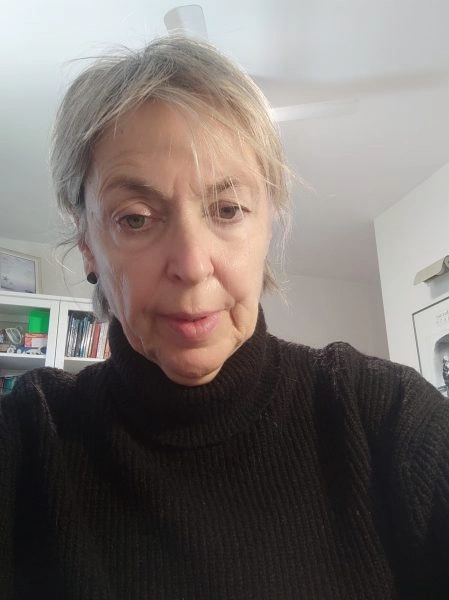
Studying has changed my life view on הלכה and יהדות and time. It has taught me bonudaries of the human nature and honesty of our sages in their discourse to try and build a nation of caring people .

Goldie Gilad
Goldie Gilad

Kfar Saba, Israel

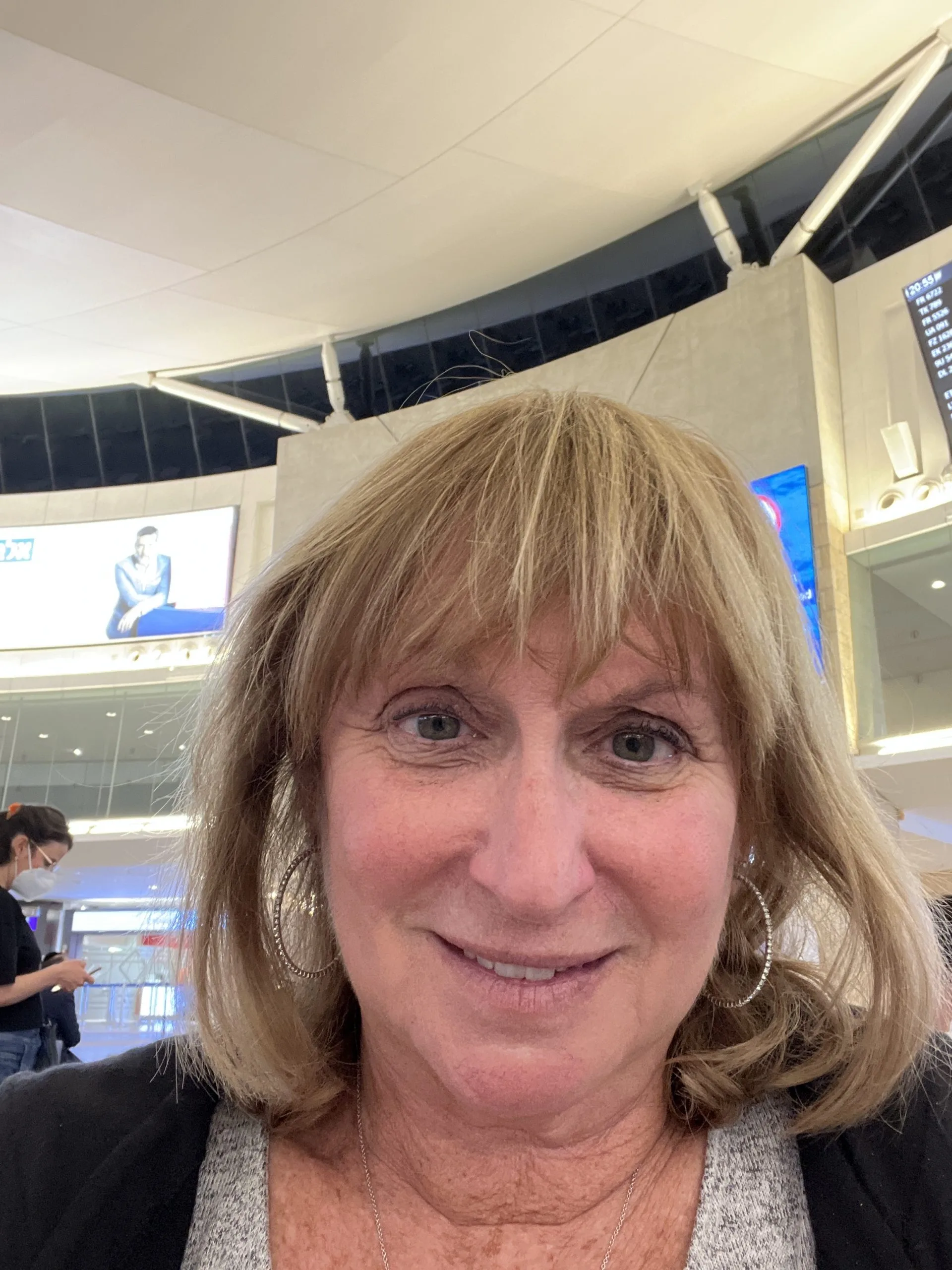
Last cycle, I listened to parts of various מסכתות. When the הדרן סיום was advertised, I listened to Michelle on נידה. I knew that בע”ה with the next cycle I was in (ב”נ). As I entered the סיום (early), I saw the signs and was overcome with emotion. I was randomly seated in the front row, and I cried many times that night. My choice to learn דף יומי was affirmed. It is one of the best I have made!

Miriam Tannenbaum
Miriam Tannenbaum

אפרת, Israel

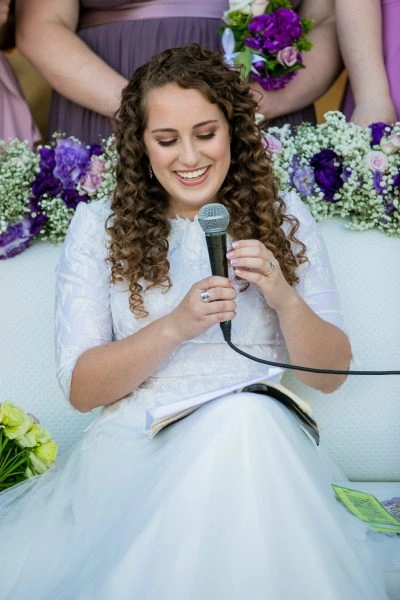
In my Shana bet at Migdal Oz I attended the Hadran siyum hash”as. Witnessing so many women so passionate about their Torah learning and connection to God, I knew I had to begin with the coming cycle. My wedding (June 24) was two weeks before the siyum of mesechet yoma so I went a little ahead and was able to make a speech and siyum at my kiseh kallah on my wedding day!

Sharona Guggenheim Plumb

Givat Shmuel, Israel

I began my journey with Rabbanit Michelle more than five years ago. My friend came up with a great idea for about 15 of us to learn the daf and one of us would summarize weekly what we learned.
It was fun but after 2-3 months people began to leave. I have continued. Since the cycle began Again I have joined the Teaneck women.. I find it most rewarding in so many ways. Thank you

Dena Heller
Dena Heller

New Jersey, United States

I started the daf at the beginning of this cycle in January 2020. My husband, my children, grandchildren and siblings have been very supportive. As someone who learned and taught Tanach and mefarshim for many years, it has been an amazing adventure to complete the six sedarim of Mishnah, and now to study Talmud on a daily basis along with Rabbanit Michelle and the wonderful women of Hadran.

Rookie Billet
Rookie Billet

Jerusalem, Israel

I started learning Daf Yomi because my sister, Ruth Leah Kahan, attended Michelle’s class in person and suggested I listen remotely. She always sat near Michelle and spoke up during class so that I could hear her voice. Our mom had just died unexpectedly and it made me feel connected to hear Ruth Leah’s voice, and now to know we are both listening to the same thing daily, continents apart.
Jessica Shklar
Jessica Shklar

Philadelphia, United States

The start of my journey is not so exceptional. I was between jobs and wanted to be sure to get out every day (this was before corona). Well, I was hooked after about a month and from then on only looked for work-from-home jobs so I could continue learning the Daf. Daf has been a constant in my life, though hurricanes, death, illness/injury, weddings. My new friends are Rav, Shmuel, Ruth, Joanna.
Judi Felber
Judi Felber

Raanana, Israel

I had dreamed of doing daf yomi since I had my first serious Talmud class 18 years ago at Pardes with Rahel Berkovitz, and then a couple of summers with Leah Rosenthal. There is no way I would be able to do it without another wonderful teacher, Michelle, and the Hadran organization. I wake up and am excited to start each day with the next daf.

Beth Elster
Beth Elster

Irvine, United States

I started learning on January 5, 2020. When I complete the 7+ year cycle I will be 70 years old. I had been intimidated by those who said that I needed to study Talmud in a traditional way with a chevruta, but I decided the learning was more important to me than the method. Thankful for Daf Yomi for Women helping me catch up when I fall behind, and also being able to celebrate with each Siyum!

Pamela Elisheva
Pamela Elisheva

Bakersfield, United States

I am grateful for the structure of the Daf Yomi. When I am freer to learn to my heart’s content, I learn other passages in addition. But even in times of difficulty, I always know that I can rely on the structure and social support of Daf Yomi learners all over the world.

I am also grateful for this forum. It is very helpful to learn with a group of enthusiastic and committed women.

Janice Block-2
Janice Block

Beit Shemesh, Israel

I am a Reform rabbi and took Talmud courses in rabbinical school, but I knew there was so much more to learn. It felt inauthentic to serve as a rabbi without having read the entire Talmud, so when the opportunity arose to start Daf Yomi in 2020, I dove in! Thanks to Hadran, Daf Yomi has enriched my understanding of rabbinic Judaism and deepened my love of Jewish text & tradition. Todah rabbah!

Rabbi Nicki Greninger

California, United States

I start learning Daf Yomi in January 2020. The daily learning with Rabbanit Michelle has kept me grounded in this very uncertain time. Despite everything going on – the Pandemic, my personal life, climate change, war, etc… I know I can count on Hadran’s podcast to bring a smile to my face.
Deb Engel
Deb Engel

Los Angeles, United States

I started last year after completing the Pesach Sugiyot class. Masechet Yoma might seem like a difficult set of topics, but for me made Yom Kippur and the Beit HaMikdash come alive. Liturgy I’d always had trouble connecting with took on new meaning as I gained a sense of real people moving through specific spaces in particular ways. It was the perfect introduction; I am so grateful for Hadran!

Debbie Engelen-Eigles

Minnesota, United States

Having never learned Talmud before, I started Daf Yomi in hopes of connecting to the Rabbinic tradition, sharing a daily idea on Instagram (@dafyomiadventures). With Hadran and Sefaria, I slowly gained confidence in my skills and understanding. Now, part of the Pardes Jewish Educators Program, I can’t wait to bring this love of learning with me as I continue to pass it on to my future students.

Hannah-G-pic
Hannah Greenberg

Pennsylvania, United States

I went to day school in Toronto but really began to learn when I attended Brovenders back in the early 1980’s. Last year after talking to my sister who was learning Daf Yomi, inspired, I looked on the computer and the Hadran site came up. I have been listening to each days shiur in the morning as I work. I emphasis listening since I am not sitting with a Gamara. I listen while I work in my studio.

Rachel Rotenberg
Rachel Rotenberg

Tekoa, Israel

Since I started in January of 2020, Daf Yomi has changed my life. It connects me to Jews all over the world, especially learned women. It makes cooking, gardening, and folding laundry into acts of Torah study. Daf Yomi enables me to participate in a conversation with and about our heritage that has been going on for more than 2000 years.

Shira Eliaser
Shira Eliaser

Skokie, IL, United States

I started with Ze Kollel in Berlin, directed by Jeremy Borowitz for Hillel Deutschland. We read Masechet Megillah chapter 4 and each participant wrote his commentary on a Sugia that particularly impressed him. I wrote six poems about different Sugiot! Fascinated by the discussions on Talmud I continued to learn with Rabanit Michelle Farber and am currently taking part in the Tikun Olam course.
Yael Merlini
Yael Merlini

Berlin, Germany

While vacationing in San Diego, Rabbi Leah Herz asked if I’d be interested in being in hevruta with her to learn Daf Yomi through Hadran. Why not? I had loved learning Gemara in college in 1971 but hadn’t returned. With the onset of covid, Daf Yomi and Rabbanit Michelle centered me each day. Thank-you for helping me grow and enter this amazing world of learning.
Meryll Page
Meryll Page

Minneapolis, MN, United States

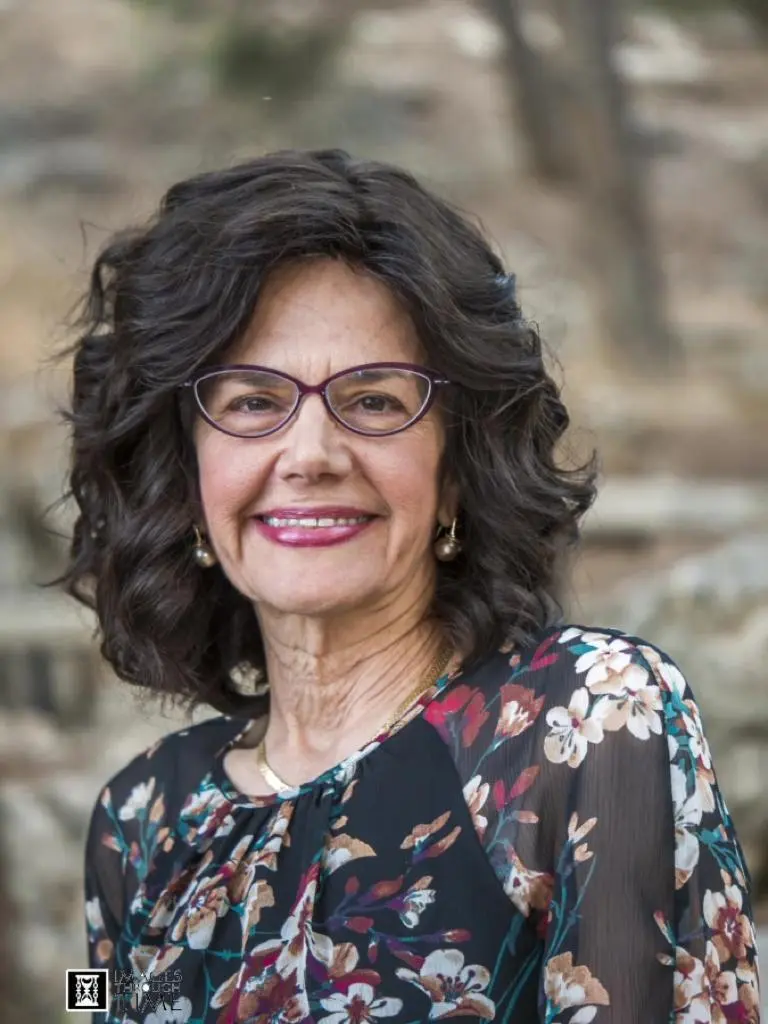
After enthusing to my friend Ruth Kahan about how much I had enjoyed remote Jewish learning during the earlier part of the pandemic, she challenged me to join her in learning the daf yomi cycle. I had always wanted to do daf yomi but now had no excuse. The beginning was particularly hard as I had never studied Talmud but has become easier, as I have gained some familiarity with it.

Susan-Vishner-Hadran-photo-scaled
Susan Vishner

Brookline, United States

When we heard that R. Michelle was starting daf yomi, my 11-year-old suggested that I go. Little did she know that she would lose me every morning from then on. I remember standing at the Farbers’ door, almost too shy to enter. After that first class, I said that I would come the next day but couldn’t commit to more. A decade later, I still look forward to learning from R. Michelle every morning.

Ruth Leah Kahan
Ruth Leah Kahan

Ra’anana, Israel

Pesachim 101

אַף יְדֵי קִידּוּשׁ לֹא יָצְאוּ. אֶלָּא לְרַב, לְמָה לֵיהּ לְקַדּוֹשֵׁי בְּבֵיתֵיהּ? כְּדֵי לְהוֹצִיא בָּנָיו וּבְנֵי בֵיתוֹ.

Even the obligation of kiddush they have not fulfilled, and they must recite kiddush again at home. The Gemara asks: But according to the opinion of Rav, why should one have to recite kiddush a second time at home if he has already fulfilled his obligation in the synagogue? The Gemara answers: He must repeat kiddush to fulfill the obligations of his children and the members of his household, who did not come to the synagogue.

וּשְׁמוּאֵל, לְמָה לִי לְקַדּוֹשֵׁי בְּבֵי כְנִישְׁתָּא? לְאַפּוֹקֵי אוֹרְחִים יְדֵי חוֹבָתָן, דְּאָכְלוּ וְשָׁתוּ וְגָנוּ בְּבֵי כְנִישְׁתָּא.

The Gemara asks: But according to the opinion of Shmuel, why do I need to recite kiddush in the synagogue at all, if one does not fulfill his obligation with that kiddush? The Gemara answers: The purpose of kiddush in the synagogue is to fulfill the obligations of the guests who eat and drink and sleep in the synagogue. Since these visitors are staying in the synagogue for Shabbat, they must hear kiddush there.

וְאַזְדָּא שְׁמוּאֵל לְטַעְמֵיהּ, דְּאָמַר שְׁמוּאֵל: אֵין קִידּוּשׁ אֶלָּא בִּמְקוֹם סְעוּדָה. סְבוּר מִינַּהּ: הָנֵי מִילֵּי מִבַּיִת לְבַיִת, אֲבָל מִמָּקוֹם לְמָקוֹם בְּחַד בֵּיתָא — לָא.

And Shmuel follows his line of reasoning, as Shmuel said: There is no valid kiddush except in the place of one’s Shabbat meal. If one does not eat a meal in the location in which he recites kiddush, he has not fulfilled the mitzva of kiddush. The students understood from this statement that this halakha applies only when one goes from house to house and eats the Shabbat meal in a different house from the one in which he recited kiddush. But if one went from the place where he recited kiddush to another place in one house, no, there is no problem, and he has fulfilled the mitzva of kiddush.

אֲמַר לְהוּ רַב עָנָן בַּר תַּחְלִיפָא: זִימְנִין סַגִּיאִין הֲוָה קָאֵימְנָא קַמֵּיהּ דִּשְׁמוּאֵל, וְנָחֵית מֵאִיגָּרָא לְאַרְעָא וַהֲדַר מְקַדֵּשׁ.

However, Rav Anan bar Taḥalifa said to the students: Many times I stood before Shmuel, and he descended from the roof to the ground floor and recited kiddush again. This indicates that Shmuel maintains that even if one recites kiddush and eats the Shabbat meal in a different part of the same house, he must recite kiddush a second time.

וְאַף רַב הוּנָא סָבַר אֵין קִידּוּשׁ אֶלָּא בִּמְקוֹם סְעוּדָה. דְּרַב הוּנָא קַדֵּישׁ, וְאִיתְעֲקַרָא לֵיהּ שְׁרָגָא, וְעַיַּילִי לֵיהּ לְמָנֵיהּ לְבֵי גְנָנֵיהּ דְּרַבָּה בְּרֵיהּ דַּהֲוָה שְׁרָגָא וְקַדֵּישׁ וּטְעֵים מִידֵּי, אַלְמָא קָסָבַר: אֵין קִידּוּשׁ אֶלָּא בִּמְקוֹם סְעוּדָה.

With regard to this halakha, the Gemara notes: And Rav Huna also maintains that there is no kiddush except in the place of one’s Shabbat meal. The proof of this is that Rav Huna once recited kiddush and his lamp was extinguished. And as it was difficult to eat in the dark, he brought his belongings to the wedding home of his son Rabba, where there was a lamp, and he recited kiddush there and tasted some food. Apparently, Rav Huna maintains that there is no kiddush except in the place of one’s Shabbat meal.

וְאַף רַבָּה סָבַר אֵין קִידּוּשׁ אֶלָּא בִּמְקוֹם סְעוּדָה. דַּאֲמַר אַבָּיֵי: כִּי הֲוֵינָא בֵּי מָר, כִּי הֲוָה מְקַדֵּשׁ אֲמַר לַן: טְעִימוּ מִידֵּי, דִּילְמָא אַדְּאָזְלִיתוּ לְאוּשְׁפִּיזָא מִתְעַקְרָא לְכוּ שְׁרָגָא וְלָא מְקַדֵּשׁ לְכוּ בְּבֵית אֲכִילָה, וּבְקִידּוּשָׁא דְהָכָא לָא נָפְקִיתוּ, דְּאֵין קִידּוּשׁ אֶלָּא בִּמְקוֹם סְעוּדָה.

The Gemara further comments: And Rabba also maintains that there is no kiddush except in the place of one’s Shabbat meal, as Abaye said: When I was in the house of my Master, Rabba, when he would recite kiddush he would say to us: Taste some food here, lest by the time you get to your place of lodging your lamp be extinguished, and you will not be able to recite kiddush in the place where you will eat. And with the kiddush you heard here you do not fulfill the mitzva, as there is no kiddush except in the place of one’s Shabbat meal.

אִינִי?! וְהָאָמַר אַבָּיֵי: כֹּל מִילֵּי דְּמָר הֲוָה עָבֵיד כְּרַב, לְבַר מֵהָנֵי תְּלָת דְּעָבֵיד כִּשְׁמוּאֵל: מַתִּירִין מִבֶּגֶד לְבֶגֶד. וּמַדְלִיקִין מִנֵּר לְנֵר. וַהֲלָכָה כְּרַבִּי שִׁמְעוֹן בִּגְרִירָה.

The Gemara expresses surprise at this statement: Is that so? But didn’t Abaye say: With regard to all the customs of my Master, Rabba, he would act in accordance with the opinion of Rav, except for these three instances, in which he acted in accordance with the opinion of Shmuel: Rabba maintained that one may untie ritual fringes [tzitzit] from one garment and tie them to another garment, contrary to Rav’s opinion that this constitutes a disgrace of the mitzva. He also maintained that on Hanukkah one may light from one lamp to another lamp, despite Rav’s opinion that this is prohibited as a mundane usage of the lamp of the mitzva. In addition, Rabba maintained that the halakha is in accordance with the opinion of Rabbi Shimon in the case of dragging.

דְּתַנְיָא, רַבִּי שִׁמְעוֹן אוֹמֵר: גּוֹרֵר אָדָם מִטָּה כִּסֵּא וְסַפְסָל בַּשַּׁבָּת, וּבִלְבַד שֶׁלֹּא יִתְכַּוֵּין לַעֲשׂוֹת חָרִיץ.

As it was taught in a baraita that Rabbi Shimon says: A person may drag a bed, chair, or stool on Shabbat if it is difficult for him to lift them, provided that he does not intend to dig a furrow in the ground. In the event that he does create a furrow, he has not violated a prohibition, as an unintentional act does not constitute a prohibited act of labor on Shabbat. In light of Abaye’s statement that with the exception of those three rulings Rabba always acted in accordance with Rav, why didn’t Rabba follow the opinion of Rav with regard to kiddush, as Rav maintains that one fulfills the mitzva of kiddush even if he does not eat his Shabbat meal in the same location?

כְּחוּמְרֵי דְרַב הֲוָה עָבֵיד, כְּקוּלֵּי דְרַב לָא הֲוָה עֲבִיד.

The Gemara answers: He would act in accordance with Rav’s stringencies, but he would not act in accordance with Rav’s leniencies. In the three cases listed above, Rabba was lenient despite Rav’s stringent ruling. However, with regard to kiddush, Rabba did not follow Rav’s lenient opinion.

וְרַבִּי יוֹחָנָן אָמַר: אַף יְדֵי יַיִן נָמֵי יָצְאוּ. וְאַזְדָּא רַבִּי יוֹחָנָן לְטַעְמֵיהּ, דְּאָמַר רַבִּי חָנִין בַּר אַבָּיֵי אָמַר רַבִּי פְּדָת אָמַר רַבִּי יוֹחָנָן: אֶחָד שִׁינּוּי יַיִן,

And Rabbi Yoḥanan said: Not only do those who recite kiddush in the synagogue fulfill the mitzva of kiddush, they fulfill even their obligation to recite a blessing over the wine they will drink during their meal at home. Since they intend to eat the Shabbat meal and drink wine at home, they do not divert their attention from the blessing and need not recite another one. And Rabbi Yoḥanan follows his regular line of reasoning, as Rabbi Ḥanin bar Abaye said that Rabbi Pedat said that Rabbi Yoḥanan said: Both in a case of a change of wine during a meal to a new type,

וְאֶחָד שִׁינּוּי מָקוֹם — אֵין צָרִיךְ לְבָרֵךְ. מֵיתִיבִי: שִׁינּוּי מָקוֹם צָרִיךְ לְבָרֵךְ, שִׁינּוּי יַיִן אֵין צָרִיךְ לְבָרֵךְ, תְּיוּבְתָּא דְּרַבִּי יוֹחָנָן תְּיוּבְתָּא.

and a change of place, i.e., one moves to a different location in the middle of his meal, he need not recite a new blessing. The Gemara raises an objection from a baraita: In the case of a change of place one must recite a new blessing; however, in a case of a change of wine one need not recite another blessing. The Gemara concludes: The refutation of the opinion of Rabbi Yoḥanan is indeed a conclusive refutation.

יָתֵיב רַב אִידִי בַּר אָבִין קַמֵּיהּ דְּרַב חִסְדָּא, וְיָתֵיב רַב חִסְדָּא וְקָאָמַר מִשְּׁמֵיהּ דְּרַב הוּנָא: הָא דְּאָמְרַתְּ שִׁינּוּי מָקוֹם צָרִיךְ לְבָרֵךְ, לֹא שָׁנוּ אֶלָּא מִבַּיִת לְבַיִת, אֲבָל מִמָּקוֹם לְמָקוֹם — לָא.

The Gemara relates: Rav Idi bar Avin sat before Rav Ḥisda, and Rav Ḥisda sat and said in the name of Rav Huna: That which you said, that after a change of place following kiddush one must recite a new blessing, they only taught this halakha with regard to one who moves from house to house; however, with regard to one who moves from place to place within one house, no, he is not obligated to recite a new blessing.

אֲמַר לֵיהּ רַב אִידִי בַּר אָבִין: הָכִי תְּנֵינָא לֵיהּ בְּמַתְנִיתָא דְּבֵי רַב הֵינַק, וְאָמְרִי לֵיהּ בְּמַתְנִיתָא דְּבֵי בַּר הֵינַק כְּווֹתָיךְ. וְאֶלָּא רַב הוּנָא מַתְנִיתָא קָא מַשְׁמַע לַן? רַב הוּנָא מַתְנִיתָא לָא שְׁמִיעַ לֵיהּ.

Rav Idi bar Avin said to him: This is indeed what we learned in the baraita of the school of Rav Hinak, and some say in the baraita of the school of bar Hinak, in accordance with your ruling. The Gemara asks: But if there is a baraita that states the same halakha, does Rav Huna merely come to teach us a baraita? The Gemara answers: Rav Huna taught the halakha quoted in the baraita because he had not heard the baraita. Rav Huna independently issued the same ruling as that of the baraita.

וְתוּ, יָתֵיב רַב חִסְדָּא וְקָאָמַר מִשְּׁמֵיהּ דְּנַפְשֵׁיהּ: הָא דְּאָמְרַתְּ שִׁינּוּי מָקוֹם צָרִיךְ לְבָרֵךְ, לָא אֲמַרַן אֶלָּא בִּדְבָרִים שֶׁאֵין טְעוּנִין בְּרָכָה לְאַחֲרֵיהֶן בִּמְקוֹמָן,

And furthermore, Rav Ḥisda sat and said in his own name, not in the name of his teachers: That which you said, that after a change of place one must recite a new blessing, we only said so with regard to one who eats items of food that do not require a blessing after them in their original place, e.g., water or fruit. In a case of this kind, exiting one’s location indicates that he has concluded his meal, and when he begins to eat again, this is considered a new meal that requires a new blessing.

אֲבָל דְּבָרִים הַטְּעוּנִין בְּרָכָה לְאַחֲרֵיהֶן בִּמְקוֹמָן — אֵין צָרִיךְ לְבָרֵךְ. מַאי טַעְמָא, לְקִיבְעָא קַמָּא הָדַר. וְרַב שֵׁשֶׁת אָמַר: אֶחָד זֶה וְאֶחָד זֶה צָרִיךְ לְבָרֵךְ.

However, this is the ruling if one is eating items of food that require a blessing of significance, i.e., Grace after Meals and its abridged version, after them, e.g., one of the seven species: As this blessing must be recited in their original place, i.e., where one ate these foods, he has not completed his meal by exiting that location. Therefore, if he changes location and continues to eat, he need not recite a new blessing. What is the reason for this halakha? He returns to the originally established meal when he continues eating, as he certainly intended to continue that meal. And Rav Sheshet said: Both in this case and that case, whether or not one is eating food that requires a blessing afterward in the place where he ate, if he changes location and continues eating he must recite a new blessing.

מֵיתִיבִי: בְּנֵי חֲבוּרָה שֶׁהָיוּ מְסוּבִּין לִשְׁתּוֹת, וְעָקְרוּ רַגְלֵיהֶן לָצֵאת לִקְרַאת חָתָן אוֹ לִקְרַאת כַּלָּה, כְּשֶׁהֵן יוֹצְאִין — אֵין טְעוּנִין בְּרָכָה לְמַפְרֵעַ, כְּשֶׁהֵן חוֹזְרִין — אֵין טְעוּנִין בְּרָכָה לְכַתְּחִלָּה.

The Gemara raises an objection to Rav Ḥisda’s opinion from a baraita: With regard to members of a group who were reclining to drink, and they uprooted themselves from their place to go and greet a groom or greet a bride, when they exit, these foods do not require a blessing to be recited afterward, and when they return these foods do not require an introductory blessing.

בַּמֶּה דְּבָרִים אֲמוּרִים שֶׁהִנִּיחוּ שָׁם זָקֵן אוֹ חוֹלֶה, אֲבָל לֹא הִנִּיחוּ שָׁם לֹא זָקֵן וְלֹא חוֹלֶה, כְּשֶׁהֵן יוֹצְאִין — טְעוּנִין בְּרָכָה לְמַפְרֵעַ, כְּשֶׁהֵן חוֹזְרִין — טְעוּנִין בְּרָכָה לְכַתְּחִלָּה.

The baraita continues: In what case is this statement said? When they left there an elderly or a sick person who cannot go with them, and he remains in the place of the meal. In this case, the original meal is considered ongoing. However, if they did not leave there an elderly or sick person, when they exit, the foods that they have already eaten require a blessing; when they return, the foods that they will eat require an introductory blessing.

מִדְּקָתָנֵי עָקְרוּ רַגְלֵיהֶן, מִכְּלָל דְּבִדְבָרִים הַטְּעוּנִין בְּרָכָה לְאַחֲרֵיהֶן בִּמְקוֹמָן עָסְקִינַן, וְטַעְמָא דְּהִנִּיחוּ שָׁם זָקֵן אוֹ חוֹלֶה הוּא דִּכְשֶׁהֵן יוֹצְאִין אֵין טְעוּנִין בְּרָכָה לְמַפְרֵעַ וּכְשֶׁהֵן חוֹזְרִין אֵין טְעוּנִין בְּרָכָה לְכַתְּחִלָּה,

The Gemara infers from the baraita: From the fact that it is taught in the baraita: Uprooted themselves, this proves by inference that we are dealing with items of food that require a blessing after them in their original place. The word uprooted indicates that in the normal course of events, a blessing would have been required for this meal in its place, and for some reason the people left the meal early. And the reason is that they left there an elderly or sick person. That is why when they exit, these foods do not require a blessing to be recited afterward, and when they return, these foods do not require an introductory blessing.

אֲבָל לֹא הִנִּיחוּ שָׁם זָקֵן אוֹ חוֹלֶה, כְּשֶׁהֵן יוֹצְאִין — טְעוּנִין בְּרָכָה לְמַפְרֵעַ, וּכְשֶׁהֵן חוֹזְרִין — טְעוּנִין בְּרָכָה לְכַתְּחִלָּה, קַשְׁיָא לְרַב חִסְדָּא!

However, if they did not leave there an elderly or sick person, when they exit, the foods they have already eaten require a blessing to be recited afterward, and when they return, these foods require an introductory blessing before resuming eating. This is difficult according to the opinion of Rav Ḥisda, who maintains that even if one did not return to his original location at all but resumed eating elsewhere, he need not recite a new blessing.

אָמַר רַב נַחְמָן בַּר יִצְחָק:

Rav Naḥman bar Yitzḥak said:

Want to follow content and continue where you left off?

Create an account today to track your progress, mark what you’ve learned, and follow the shiurim that speak to you.

Clear all items from this list?

This will remove ALL the items in this section. You will lose any progress or history connected to them. This is irreversible.

Cancel
Yes, clear all

Are you sure you want to delete this item?

You will lose any progress or history connected to this item.

Cancel
Yes, delete