Search

Pesachim 103

Want to dedicate learning? Get started here:

English
עברית
podcast placeholder

0:00
0:00


podcast placeholder

0:00
0:00


Summary

“Today’s Daf is sponsored by Natanya Slomowitz in memory of her grandfather (her mother’s father) Avraham ben Chanoch Meir and Esther Dembinski. He was a hero of the Revisionist effort in the Warsaw Ghetto uprising. Murdered 20 Adar bet 5703, March 27, 1943. יהי זכרו ברוך.”

What is the order of blessings for kiddush/havdala that one makes when Yom Tov falls out on Saturday night? The gemara brings seven opinions on the subject! Rava and Abaye disagree regarding the placement of the shehecheyanu blessing. The gemara brings several stories that took place from which we can derive halakhot. In the first, Rava explains why he made a blessing (in havdala on a regular Shabbat on the spices first and then the candle, even though that doesn’t seem to match either Beit Shamai or Beit Hillel’s position on the matter. He explained that there is a debate about how to understand the debate between them. The second story was about why Rava made a new blessing on the wine used for birkhat hamazon and as a result, the gemara brings a few other stories relating different opinions on that topic. In the continuation of the story with Rava, the servant lights a torch for havdala, and Rava is questioned about that, as well as why he used the particular wording that he used for the havdala blessing.

Pesachim 103

וְרַבָּה אָמַר: יַהְנֵ״ק. וְלֵוִי אָמַר: קְנִיָּ״ה. וְרַבָּנַן אָמְרִי: קִינָ״ה. מָר בְּרֵיהּ דְּרַבְנָא אָמַר: נְקִיָּ״ה. מָרְתָא אָמַר מִשְּׁמֵיהּ דְּרַבִּי יְהוֹשֻׁעַ: נִיהָ״ק.

And Rabba said that the correct order is yod, heh, nun, kuf: Wine [yayin], havdala, candle [ner], and kiddush. And Levi said the order is kuf, nun, yod, heh: Kiddush, candle [ner], wine [yayin], and havdala. And the Rabbis say the order is kuf, yod, nun, heh: kiddush, wine [yayin], candle [ner], and havdala. Mar, son of Rabbana, said the order is nun, kuf, yod, heh: Candle [ner], kiddush, wine [yayin], and havdala. The Sage named Marta said in the name of Rabbi Yehoshua that the proper order is nun, yod, heh, kuf: Candle [ner], wine [yayin], havdala, and kiddush.

שְׁלַח לֵיהּ אֲבוּהּ דִּשְׁמוּאֵל לְרַבִּי: יְלַמְּדֵנוּ רַבֵּינוּ, סֵדֶר הַבְדָּלוֹת הֵיאַךְ. שְׁלַח לֵיהּ: כָּךְ אָמַר רַבִּי יִשְׁמָעֵאל בַּר רַבִּי יוֹסֵי שֶׁאָמַר מִשּׁוּם אָבִיו שֶׁאָמַר מִשּׁוּם רַבִּי יְהוֹשֻׁעַ בֶּן חֲנַנְיָה: נְהִי״ק.

With regard to this issue, the father of Shmuel, Abba ben Abba, sent a letter to Rabbi Yehuda HaNasi: Teach us, our Rabbi. How should one recite the order of havdala when a Festival occurs after Shabbat? Rabbi sent him the following response: This is what Rabbi Yishmael, son of Rabbi Yosei, said, who said it in the name of his father, who himself said it in the name of Rabbi Yehoshua ben Ḥananya: The proper order of the blessings is nun, heh, yod, kuf: Candle [ner], havdala, wine [yayin], and kiddush.

אָמַר רַבִּי חֲנִינָא: מָשָׁל דְּרַבִּי יְהוֹשֻׁעַ בֶּן חֲנַנְיָה לְמֶלֶךְ שֶׁיּוֹצֵא וְאִפַּרְכוֹס נִכְנָס, מְלַוִּוין אֶת הַמֶּלֶךְ וְאַחַר כָּךְ יוֹצְאִים לִקְרַאת אִפַּרְכוֹס.

Rabbi Ḥanina said that the following parable serves to explain the opinion of Rabbi Yehoshua ben Ḥananya: This is comparable to a king who is exiting a city and a governor is entering. Etiquette dictates that the inhabitants of the city first escort the king out of the city to take leave of him in a dignified fashion, and afterward they go out to greet the governor. Similarly, one should first recite havdala, to take leave of Shabbat, and only then recite kiddush over the Festival, whose sanctity is lesser than that of Shabbat.

מַאי הָוֵי עֲלַהּ? אַבָּיֵי אָמַר: יַקְזְנָ״ה, וְרָבָא אָמַר: יַקְנְהָ״ז, וְהִילְכְתָא כְּרָבָא.

The Gemara asks: What halakhic conclusion was reached about this matter? What is the proper order of the blessings? The amora’im accept Rav’s opinion that one should recite kiddush before havdala; however, they disagree about the blessing of time, which is generally relevant in such cases and which Rav did not address. Abaye said that the proper order is yod, kuf, zayin, nun, heh: The blessing over wine [yayin], kiddush, the blessing for time [zeman], the blessing over the candle [ner], and havdala. And Rava said the order is yod, kuf, nun, heh, zayin: Wine [yayin], kiddush, candle [ner], havdala, and time [zeman]. The Gemara concludes: And the halakha is in accordance with the opinion of Rava.

רַב הוּנָא בַּר יְהוּדָה אִיקְּלַע לְבֵי רָבָא, אַיְיתוֹ לְקַמַּיְיהוּ מָאוֹר וּבְשָׂמִים. בָּרֵיךְ רָבָא אַבְּשָׂמִים בְּרֵישָׁא וַהֲדַר אַמָּאוֹר. אֲמַר לֵיהּ: וְהָא בֵּין בֵּית שַׁמַּאי וּבֵין בֵּית הִילֵּל — מָאוֹר בְּרֵישָׁא וַהֲדַר אַבְּשָׂמִים.

With regard to this issue of havdala, the Gemara relates that Rav Huna bar Yehuda happened to come to the house of Rava. After Shabbat, they brought before them a light and spices. Rava recited the blessing over the spices first and then the blessing over the light. Rav Huna bar Yehuda said to him: But both Beit Shammai and Beit Hillel, who dispute the order of the blessings at havdala, agree that the blessing over light is first, and only then comes the blessing over the spices.

וּמַאי הִיא? דִּתְנַן, בֵּית שַׁמַּאי אוֹמְרִים: נֵר וּמָזוֹן, בְּשָׂמִים וְהַבְדָּלָה. וּבֵית הִילֵּל אוֹמְרִים: נֵר וּבְשָׂמִים, וּמָזוֹן וְהַבְדָּלָה.

And what is this; what is the source that this is the dispute between Beit Shammai and Beit Hillel? As we learned in a mishna: Beit Shammai say that with regard to one who is required to say Grace after Meals and havdala, and he has only one cup of wine, the proper order of the blessings is: The blessing over the candle, and the blessing of Grace After Meals, followed by the blessing over the spices, and finally havdala. And Beit Hillel say: The blessing over the candle comes first, and then the blessing over the spices, and afterward the blessing of Grace After Meals, and last is havdala. Both Beit Shammai and Beit Hillel agree that the blessing over the candle is recited before blessing over the spices.

עָנֵי רָבָא בָּתְרֵיהּ וְאָמַר: זוֹ דִּבְרֵי רַבִּי מֵאִיר, אֲבָל רַבִּי יְהוּדָה אוֹמֵר: לֹא נֶחְלְקוּ בֵּית שַׁמַּאי וּבֵית הִילֵּל עַל הַמָּזוֹן שֶׁהוּא בַּתְּחִלָּה וְעַל הַבְדָּלָה שֶׁהִיא בַּסּוֹף,

Rava answered after him and said: This mishna is the statement of Rabbi Meir. However, Rabbi Yehuda says: Beit Shammai and Beit Hillel did not disagree over Grace After Meals, as everyone concurs that it is recited first, nor did they disagree over havdala, as it is recited last.

עַל מָה נֶחְלְקוּ? עַל הַמָּאוֹר וְעַל הַבְּשָׂמִים. בֵּית שַׁמַּאי אוֹמְרִים: מָאוֹר וְאַחַר כָּךְ בְּשָׂמִים, וּבֵית הִילֵּל אוֹמְרִים: בְּשָׂמִים וְאַחַר כָּךְ מָאוֹר. וְאָמַר רַבִּי יוֹחָנָן: נָהֲגוּ הָעָם כְּבֵית הִילֵּל וְאַלִּיבָּא דְּרַבִּי יְהוּדָה.

With regard to what did they disagree? They disagreed over the blessings recited in the middle of havdala, i.e., the blessings over light and over the spices. Beit Shammai say: Light first, and spices thereafter; and Beit Hillel say: Spices first, and light thereafter. And Rabbi Yoḥanan said: The people were accustomed to conduct themselves in accordance with the opinion of Beit Hillel, according to the interpretation of Rabbi Yehuda. Rava acted as dictated by this custom.

רַב יַעֲקֹב בַּר אַבָּא אִיקְּלַע לְבֵי רָבָא, חַזְיֵהּ דְּבָרֵיךְ ״בּוֹרֵא פְּרִי הַגֶּפֶן״ אַכָּסָא קַמָּא, וַהֲדַר בָּרֵיךְ אַכָּסָא דְבִרְכְּתָא, וְאִישְׁתִּי. אֲמַר לֵיהּ: לְמָה לָךְ כּוּלֵּי הַאי? הָא בָּרֵיךְ לַן מָר חֲדָא זִימְנָא! אֲמַר לֵיהּ: כִּי הֲוֵינַן בֵּי רֵישׁ גָּלוּתָא הָכִי עָבְדִינַן.

The Gemara relates another incident with regard to establishing meals and reciting blessings. Rav Ya’akov bar Abba happened to come to Rava’s house for a Shabbat meal. He saw that Rava recited the blessing: Who creates the fruit of the vine, over the first cup of wine he drank at the meal, and then he recited the same blessing upon the cup of wine he used for the blessing of Grace after Meals and drank it. He said to him: Why do you have to say all this, i.e., why is it necessary to recite a second blessing? The Master has recited a blessing for us once already, at the beginning of the meal, and thereby exempted us from a blessing on all the wine drunk during the meal. Rava said to him: When we were in the house of the Exilarch, this was our practice. It was the custom among the Sages to recite two blessings.

אֲמַר לֵיהּ: תִּינַח בֵּי רֵישׁ גָּלוּתָא דְּהָכִי עָבֵיד, דְּסָפֵק מַיְיתֵי לַן סָפֵק לָא מַיְיתֵי לַן. הָכָא, הָא מַנַּח כָּסָא קַמַּן וְדַעְתַּן עִילָּוֵיהּ? אֲמַר לֵיהּ: אֲנָא עֲבַדִי כְּתַלְמִידֵי דְרַב, דְּרַב בְּרוֹנָא וְרַב חֲנַנְאֵל תַּלְמִידֵי דְרַב הֲווֹ יָתְבִי בִּסְעוֹדְתָּא

He said to him: It works out well to act this way in the house of the Exilarch, as there is uncertainty as to whether he will bring us another cup of wine to drink, or whether he will not bring us another cup. Since we are dependent upon the host and cannot anticipate in advance whether we will drink more wine, each cup requires its own blessing. Here, however, the cup is resting before us and our attention is on it, i.e., we intend to drink this wine after Grace after Meals. What need is there to recite another blessing? He said to him: I acted in accordance with the opinion of the students of Rav, as Rav Beruna and Rav Ḥananel, the students of Rav, were sitting together at a meal,

קָאֵי עֲלַיְיהוּ רַב יֵיבָא סָבָא. אֲמַרוּ לֵיהּ: הַב לַן וְנִיבָרֵיךְ. לְסוֹף אֲמַרוּ לֵיהּ: הַב לַן וְנִישְׁתֵּי, אֲמַר לְהוּ: הָכִי אָמַר רַב, כֵּיוָן דְּאָמְרִיתוּ הַב לַן וְנִיבָרֵיךְ, אִיתַּסְרָא לְכוּ לְמִישְׁתֵּי. מַאי טַעְמָא, דְּאַסְחִיתוּ דַּעְתַּיְיכוּ.

and Rav Yeiva the Elder stood over them to serve them. They said to him: Give us a cup of wine and we will recite the blessings of Grace after Meals. Ultimately, they changed their mind and said to him: Give us a cup of wine and we will drink it. He said to them that Rav said as follows: Since you have said: Give us a cup and we will recite the blessings of Grace after Meals, it is prohibited for you to drink any more. What is the reason for this? The reason is that you have diverted your attention from drinking. Therefore, if you want to drink any more, you must recite the blessing over wine again.

אַמֵּימָר וּמָר זוּטְרָא וְרַב אָשֵׁי הֲווֹ יָתְבִי בִּסְעוּדָה, וְקָאֵי עֲלַיְיהוּ רַב אַחָא בְּרֵיהּ דְּרָבָא. אַמֵּימָר בָּרֵיךְ עַל כׇּל כָּסָא וְכָסָא, וּמָר זוּטְרָא בָּרֵיךְ אַכָּסָא קַמָּא וְאַכָּסָא בָּתְרָא, רַב אָשֵׁי בָּרֵיךְ אַכָּסָא קַמָּא, וְתוּ לָא בָּרֵיךְ.

The Gemara relates that Ameimar, Mar Zutra, and Rav Ashi were sitting at a meal, and Rav Aḥa, son of Rava, stood over them to serve them. Ameimar recited a blessing over each and every cup of wine he drank. And Mar Zutra recited a blessing over the first cup he drank during the meal and over the last cup he drank, upon concluding Grace after Meals. Rav Ashi recited a blessing over the first cup and did not recite any further blessings over the subsequent cups he drank.

אֲמַר לְהוּ רַב אַחָא בַּר רָבָא: אֲנַן כְּמַאן נַעֲבֵיד? אַמֵּימָר אָמַר: נִמְלָךְ אֲנָא. מָר זוּטְרָא אָמַר: אֲנָא דַּעֲבַדִי כְּתַלְמִידֵי דְרַב.

Rav Aḥa bar Rava said to them: In accordance with whose opinion should we act in this matter? We have witnessed three different courses of action. Ameimar said: I repeatedly changed my mind. In other words, the reason Ameimar recited a blessing over each cup was not because he maintains that it is always necessary to do so. Rather, he drank each cup with the intention that it should be his last. Consequently, he diverted his attention from drinking each time, and therefore he was required to recite a new blessing before he could drink again. Mar Zutra said: I acted in accordance with the opinion of the students of Rav. They maintain that one who prepares to recite Grace after Meals has completely diverted his attention from drinking, and therefore the blessing on wine that one recites during the meal does not include the wine he drinks after Grace after Meals.

וְרַב אָשֵׁי אָמַר: לֵית הִילְכְתָא כְּתַלְמִידֵי דְרַב, דְּהָא יוֹם טוֹב שֶׁחָל לִהְיוֹת אַחַר הַשַּׁבָּת, וְאָמַר רַב: יַקְנֶ״ה.

And Rav Ashi said: The halakha is not in accordance with the opinion of the students of Rav. This can be proven from a ruling of Rav himself, as with regard to a Festival that occurs after Shabbat, Rav said that the order of blessings is yod, kuf, nun, heh: Wine [yayin], kiddush, candle [ner], and havdala. This shows that although one recites kiddush between the blessing over wine and havdala, it is unnecessary to recite the blessing over wine again before havdala. The same should hold true in our case: Just as kiddush is not considered an interruption between the blessing over wine and its consumption, Grace after Meals should not be considered an interruption either.

וְלָא הִיא, הָתָם — עָקַר דַּעְתֵּיהּ מִמִּשְׁתְּיָא, הָכָא — לָא עָקַר דַּעְתֵּיהּ מִמִּשְׁתְּיָא.

The Gemara rejects this reasoning: And that is not so. There, when one is preparing himself to recite Grace after Meals, he has already uprooted his mind from drinking. Here, with regard to kiddush and havdala, he has not uprooted his mind from drinking.

כִּי מְטָא לְאַבְדּוֹלֵי, קָם שַׁמָּעֵיהּ וְאַדְלֵיק אֲבוּקָה מִשְּׁרָגָא. אֲמַר לֵיהּ: לְמָה לָךְ כּוּלֵּי הַאי, הָא מַנְחָא שְׁרָגָא! אֲמַר לֵיהּ: שַׁמָּעָא מִדַּעְתֵּיהּ דְּנַפְשֵׁיהּ קָא עָבֵיד. אֲמַר לֵיהּ: אִי לָא שְׁמִיעַ לֵיהּ מִינֵּיהּ דְּמָר, לָא הֲוָה עָבֵיד! אֲמַר לֵיהּ: לָא סָבַר לֵיהּ מָר אֲבוּקָה לְהַבְדָּלָה מִצְוָה מִן הַמּוּבְחָר.

After discussing the opinion of the students of Rav, the Gemara returns to the story of Rav Ya’akov bar Abba’s visit to Rava. When the time came to recite havdala, Rava’s attendant got up and lit a torch from a candle. Rav Ya’akov bar Abba said to him: Why do you need all this? The candle was present, and you could have recited the blessing over the light of the candle itself. Rava said to him: The attendant did this on his own accord, without consulting me. Rav Ya’akov bar Abba said to him: If he had not heard it from the Master he would not have done it on his own; he must have been following your opinion on this matter. Rava said to him: Does the Master not maintain that using a torch for havdala is the optimal manner in which to fulfill the mitzva? It is for this reason that the attendant lit a torch for havdala.

פָּתַח וְאָמַר: ״הַמַּבְדִּיל בֵּין קוֹדֶשׁ לְחוֹל בֵּין אוֹר לְחֹשֶׁךְ בֵּין יִשְׂרָאֵל לָעַמִּים בֵּין יוֹם הַשְּׁבִיעִי לְשֵׁשֶׁת יְמֵי הַמַּעֲשֶׂה״ אֲמַר לֵיהּ: לְמָה לָךְ כּוּלֵּי הַאי? וְהָאָמַר רַב יְהוּדָה אָמַר רַב: ״הַמַּבְדִּיל בֵּין קוֹדֶשׁ לְחוֹל״ זוֹ הִיא הַבְדָּלָתוֹ שֶׁל רַבִּי יְהוּדָה הַנָּשִׂיא?

Rava began his recitation of havdala and said: Who distinguishes between sacred and profane, between light and darkness, between Israel and the nations, between the seventh day and the six days of work. Rav Ya’akov bar Abba said to him: Why do you need all this? Didn’t Rav Yehuda say that Rav said with regard to the statement: Who distinguishes between sacred and profane, that this alone is the havdala of Rabbi Yehuda HaNasi? Why is this plain statement not enough for you?

אֲמַר לֵיהּ: אֲנָא כְּהָא סְבִירָא לִי, דְּאָמַר רַבִּי אֶלְעָזָר אָמַר רַבִּי אוֹשַׁעְיָא: הַפּוֹחֵת לֹא יִפְחוֹת מִשָּׁלֹשׁ, וְהַמּוֹסִיף לֹא יוֹסִיף עַל שֶׁבַע. אֲמַר לֵיהּ:

He said to him: I maintain in accordance with this statement that Rabbi Elazar said that Rabbi Oshaya said: One who decreases the number of distinctions in the text of the havdala should not decrease them to less than three, and one who increases the number of distinctions should not increase them to more than seven. Rav Ya’akov bar Abba said to him:

New to Talmud?

Check out our resources designed to help you navigate a page of Talmud – and study at the pace, level and style that fits you. 

The Hadran Women’s Tapestry

Meet the diverse women learning Gemara at Hadran and hear their stories. 

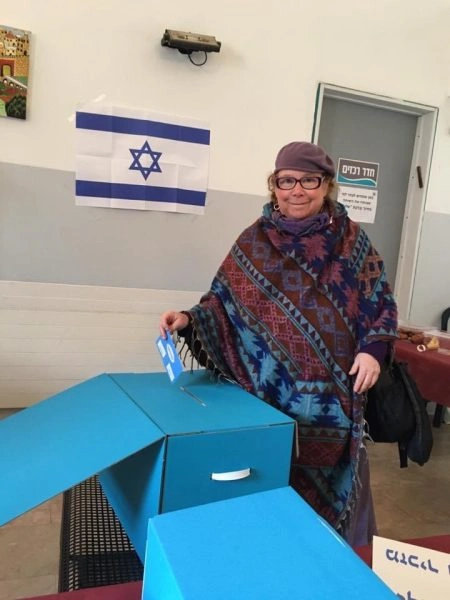
In early 2020, I began the process of a stem cell transplant. The required extreme isolation forced me to leave work and normal life but gave me time to delve into Jewish text study. I did not feel isolated. I began Daf Yomi at the start of this cycle, with family members joining me online from my hospital room. I’ve used my newly granted time to to engage, grow and connect through this learning.

Reena Slovin
Reena Slovin

Worcester, United States

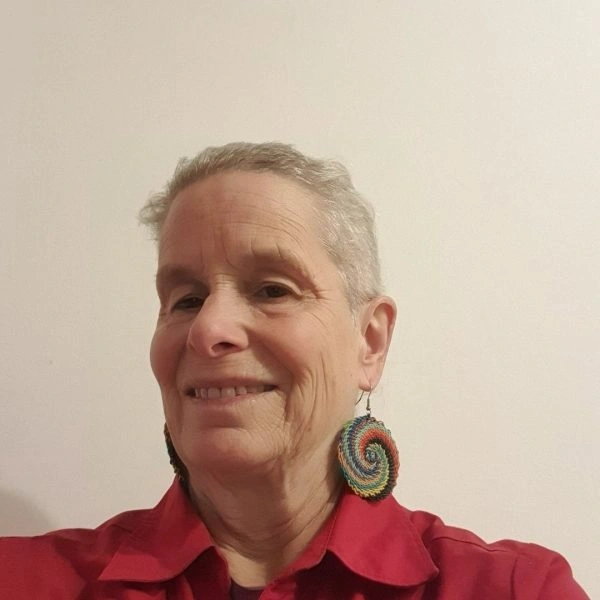
I started at the beginning of this cycle. No 1 reason, but here’s 5.
In 2019 I read about the upcoming siyum hashas.
There was a sermon at shul about how anyone can learn Talmud.
Talmud references come up when I am studying. I wanted to know more.
Yentl was on telly. Not a great movie but it’s about studying Talmud.
I went to the Hadran website: A new cycle is starting. I’m gonna do this

Denise Neapolitan
Denise Neapolitan

Cambridge, United Kingdom

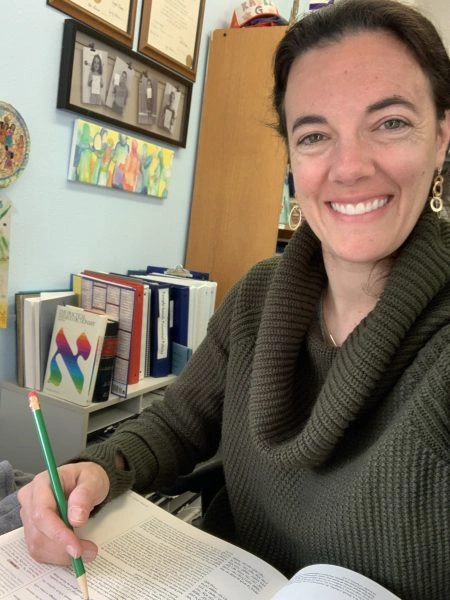
In January 2020, my teaching partner at IDC suggested we do daf yomi. Thanks to her challenge, I started learning daily from Rabbanit Michelle. It’s a joy to be part of the Hadran community. (It’s also a tikkun: in 7th grade, my best friend and I tied for first place in a citywide gemara exam, but we weren’t invited to the celebration because girls weren’t supposed to be learning gemara).

Sara-Averick-photo-scaled
Sara Averick

Jerusalem, Israel

A friend mentioned that she was starting Daf Yomi in January 2020. I had heard of it and thought, why not? I decided to try it – go day by day and not think about the seven plus year commitment. Fast forward today, over two years in and I can’t imagine my life without Daf Yomi. It’s part of my morning ritual. If I have a busy day ahead of me I set my alarm to get up early to finish the day’s daf
Debbie Fitzerman
Debbie Fitzerman

Ontario, Canada

I began learning with Rabbanit Michelle’s wonderful Talmud Skills class on Pesachim, which really enriched my Pesach seder, and I have been learning Daf Yomi off and on over the past year. Because I’m relatively new at this, there is a “chiddush” for me every time I learn, and the knowledge and insights of the group members add so much to my experience. I feel very lucky to be a part of this.

Julie-Landau-Photo
Julie Landau

Karmiel, Israel

I started learning Talmud with R’ Haramati in Yeshivah of Flatbush. But after a respite of 60 years, Rabbanit Michelle lit my fire – after attending the last three world siyumim in Miami Beach, Meadowlands and Boca Raton, and now that I’m retired, I decided – “I can do this!” It has been an incredible journey so far, and I look forward to learning Daf everyday – Mazal Tov to everyone!

Roslyn Jaffe
Roslyn Jaffe

Florida, United States

I started learning Daf Yomi to fill what I saw as a large gap in my Jewish education. I also hope to inspire my three daughters to ensure that they do not allow the same Talmud-sized gap to form in their own educations. I am so proud to be a part of the Hadran community, and I have loved learning so many of the stories and halachot that we have seen so far. I look forward to continuing!
Dora Chana Haar
Dora Chana Haar

Oceanside NY, United States

תמיד רציתי. למדתי גמרא בבית ספר בטורונטו קנדה. עליתי ארצה ולמדתי שזה לא מקובל. הופתעתי.
יצאתי לגימלאות לפני שנתיים וזה מאפשר את המחוייבות לדף יומי.
עבורי ההתמדה בלימוד מעגן אותי בקשר שלי ליהדות. אני תמיד מחפשת ותמיד. מוצאת מקור לקשר. ללימוד חדש ומחדש. קשר עם נשים לומדות מעמיק את החוויה ומשמעותית מאוד.

Vitti Kones
Vitti Kones

מיתר, ישראל

What a great experience to learn with Rabbanit Michelle Farber. I began with this cycle in January 2020 and have been comforted by the consistency and energy of this process throughout the isolation period of Covid. Week by week, I feel like I am exploring a treasure chest with sparkling gems and puzzling antiquities. The hunt is exhilarating.

Marian Frankston
Marian Frankston

Pennsylvania, United States

Ive been learning Gmara since 5th grade and always loved it. Have always wanted to do Daf Yomi and now with Michelle Farber’s online classes it made it much easier to do! Really enjoying the experience thank you!!

Lisa Lawrence
Lisa Lawrence

Neve Daniel, Israel

While vacationing in San Diego, Rabbi Leah Herz asked if I’d be interested in being in hevruta with her to learn Daf Yomi through Hadran. Why not? I had loved learning Gemara in college in 1971 but hadn’t returned. With the onset of covid, Daf Yomi and Rabbanit Michelle centered me each day. Thank-you for helping me grow and enter this amazing world of learning.
Meryll Page
Meryll Page

Minneapolis, MN, United States

I began learning the daf in January 2022. I initially “flew under the radar,” sharing my journey with my husband and a few close friends. I was apprehensive – who, me? Gemara? Now, 2 years in, I feel changed. The rigor of a daily commitment frames my days. The intellectual engagement enhances my knowledge. And the virtual community of learners has become a new family, weaving a glorious tapestry.

Gitta Jaroslawicz-Neufeld

Far Rockaway, United States

I had dreamed of doing daf yomi since I had my first serious Talmud class 18 years ago at Pardes with Rahel Berkovitz, and then a couple of summers with Leah Rosenthal. There is no way I would be able to do it without another wonderful teacher, Michelle, and the Hadran organization. I wake up and am excited to start each day with the next daf.

Beth Elster
Beth Elster

Irvine, United States

When I began the previous cycle, I promised myself that if I stuck with it, I would reward myself with a trip to Israel. Little did I know that the trip would involve attending the first ever women’s siyum and being inspired by so many learners. I am now over 2 years into my second cycle and being part of this large, diverse, fascinating learning family has enhanced my learning exponentially.

Shira Krebs
Shira Krebs

Minnesota, United States

Having never learned Talmud before, I started Daf Yomi in hopes of connecting to the Rabbinic tradition, sharing a daily idea on Instagram (@dafyomiadventures). With Hadran and Sefaria, I slowly gained confidence in my skills and understanding. Now, part of the Pardes Jewish Educators Program, I can’t wait to bring this love of learning with me as I continue to pass it on to my future students.

Hannah-G-pic
Hannah Greenberg

Pennsylvania, United States

Michelle has been an inspiration for years, but I only really started this cycle after the moving and uplifting siyum in Jerusalem. It’s been an wonderful to learn and relearn the tenets of our religion and to understand how the extraordinary efforts of a band of people to preserve Judaism after the fall of the beit hamikdash is still bearing fruits today. I’m proud to be part of the chain!

Judith Weil
Judith Weil

Raanana, Israel

I started learning at the beginning of this Daf Yomi cycle because I heard a lot about the previous cycle coming to an end and thought it would be a good thing to start doing. My husband had already bought several of the Koren Talmud Bavli books and they were just sitting on the shelf, not being used, so here was an opportunity to start using them and find out exactly what was in them. Loving it!

Caroline Levison
Caroline Levison

Borehamwood, United Kingdom

I started with Ze Kollel in Berlin, directed by Jeremy Borowitz for Hillel Deutschland. We read Masechet Megillah chapter 4 and each participant wrote his commentary on a Sugia that particularly impressed him. I wrote six poems about different Sugiot! Fascinated by the discussions on Talmud I continued to learn with Rabanit Michelle Farber and am currently taking part in the Tikun Olam course.
Yael Merlini
Yael Merlini

Berlin, Germany

In January 2020, my teaching partner at IDC suggested we do daf yomi. Thanks to her challenge, I started learning daily from Rabbanit Michelle. It’s a joy to be part of the Hadran community. (It’s also a tikkun: in 7th grade, my best friend and I tied for first place in a citywide gemara exam, but we weren’t invited to the celebration because girls weren’t supposed to be learning gemara).

Sara-Averick-photo-scaled
Sara Averick

Jerusalem, Israel

I started learning at the start of this cycle, and quickly fell in love. It has become such an important part of my day, enriching every part of my life.

Naomi Niederhoffer
Naomi Niederhoffer

Toronto, Canada

Pesachim 103

וְרַבָּה אָמַר: יַהְנֵ״ק. וְלֵוִי אָמַר: קְנִיָּ״ה. וְרַבָּנַן אָמְרִי: קִינָ״ה. מָר בְּרֵיהּ דְּרַבְנָא אָמַר: נְקִיָּ״ה. מָרְתָא אָמַר מִשְּׁמֵיהּ דְּרַבִּי יְהוֹשֻׁעַ: נִיהָ״ק.

And Rabba said that the correct order is yod, heh, nun, kuf: Wine [yayin], havdala, candle [ner], and kiddush. And Levi said the order is kuf, nun, yod, heh: Kiddush, candle [ner], wine [yayin], and havdala. And the Rabbis say the order is kuf, yod, nun, heh: kiddush, wine [yayin], candle [ner], and havdala. Mar, son of Rabbana, said the order is nun, kuf, yod, heh: Candle [ner], kiddush, wine [yayin], and havdala. The Sage named Marta said in the name of Rabbi Yehoshua that the proper order is nun, yod, heh, kuf: Candle [ner], wine [yayin], havdala, and kiddush.

שְׁלַח לֵיהּ אֲבוּהּ דִּשְׁמוּאֵל לְרַבִּי: יְלַמְּדֵנוּ רַבֵּינוּ, סֵדֶר הַבְדָּלוֹת הֵיאַךְ. שְׁלַח לֵיהּ: כָּךְ אָמַר רַבִּי יִשְׁמָעֵאל בַּר רַבִּי יוֹסֵי שֶׁאָמַר מִשּׁוּם אָבִיו שֶׁאָמַר מִשּׁוּם רַבִּי יְהוֹשֻׁעַ בֶּן חֲנַנְיָה: נְהִי״ק.

With regard to this issue, the father of Shmuel, Abba ben Abba, sent a letter to Rabbi Yehuda HaNasi: Teach us, our Rabbi. How should one recite the order of havdala when a Festival occurs after Shabbat? Rabbi sent him the following response: This is what Rabbi Yishmael, son of Rabbi Yosei, said, who said it in the name of his father, who himself said it in the name of Rabbi Yehoshua ben Ḥananya: The proper order of the blessings is nun, heh, yod, kuf: Candle [ner], havdala, wine [yayin], and kiddush.

אָמַר רַבִּי חֲנִינָא: מָשָׁל דְּרַבִּי יְהוֹשֻׁעַ בֶּן חֲנַנְיָה לְמֶלֶךְ שֶׁיּוֹצֵא וְאִפַּרְכוֹס נִכְנָס, מְלַוִּוין אֶת הַמֶּלֶךְ וְאַחַר כָּךְ יוֹצְאִים לִקְרַאת אִפַּרְכוֹס.

Rabbi Ḥanina said that the following parable serves to explain the opinion of Rabbi Yehoshua ben Ḥananya: This is comparable to a king who is exiting a city and a governor is entering. Etiquette dictates that the inhabitants of the city first escort the king out of the city to take leave of him in a dignified fashion, and afterward they go out to greet the governor. Similarly, one should first recite havdala, to take leave of Shabbat, and only then recite kiddush over the Festival, whose sanctity is lesser than that of Shabbat.

מַאי הָוֵי עֲלַהּ? אַבָּיֵי אָמַר: יַקְזְנָ״ה, וְרָבָא אָמַר: יַקְנְהָ״ז, וְהִילְכְתָא כְּרָבָא.

The Gemara asks: What halakhic conclusion was reached about this matter? What is the proper order of the blessings? The amora’im accept Rav’s opinion that one should recite kiddush before havdala; however, they disagree about the blessing of time, which is generally relevant in such cases and which Rav did not address. Abaye said that the proper order is yod, kuf, zayin, nun, heh: The blessing over wine [yayin], kiddush, the blessing for time [zeman], the blessing over the candle [ner], and havdala. And Rava said the order is yod, kuf, nun, heh, zayin: Wine [yayin], kiddush, candle [ner], havdala, and time [zeman]. The Gemara concludes: And the halakha is in accordance with the opinion of Rava.

רַב הוּנָא בַּר יְהוּדָה אִיקְּלַע לְבֵי רָבָא, אַיְיתוֹ לְקַמַּיְיהוּ מָאוֹר וּבְשָׂמִים. בָּרֵיךְ רָבָא אַבְּשָׂמִים בְּרֵישָׁא וַהֲדַר אַמָּאוֹר. אֲמַר לֵיהּ: וְהָא בֵּין בֵּית שַׁמַּאי וּבֵין בֵּית הִילֵּל — מָאוֹר בְּרֵישָׁא וַהֲדַר אַבְּשָׂמִים.

With regard to this issue of havdala, the Gemara relates that Rav Huna bar Yehuda happened to come to the house of Rava. After Shabbat, they brought before them a light and spices. Rava recited the blessing over the spices first and then the blessing over the light. Rav Huna bar Yehuda said to him: But both Beit Shammai and Beit Hillel, who dispute the order of the blessings at havdala, agree that the blessing over light is first, and only then comes the blessing over the spices.

וּמַאי הִיא? דִּתְנַן, בֵּית שַׁמַּאי אוֹמְרִים: נֵר וּמָזוֹן, בְּשָׂמִים וְהַבְדָּלָה. וּבֵית הִילֵּל אוֹמְרִים: נֵר וּבְשָׂמִים, וּמָזוֹן וְהַבְדָּלָה.

And what is this; what is the source that this is the dispute between Beit Shammai and Beit Hillel? As we learned in a mishna: Beit Shammai say that with regard to one who is required to say Grace after Meals and havdala, and he has only one cup of wine, the proper order of the blessings is: The blessing over the candle, and the blessing of Grace After Meals, followed by the blessing over the spices, and finally havdala. And Beit Hillel say: The blessing over the candle comes first, and then the blessing over the spices, and afterward the blessing of Grace After Meals, and last is havdala. Both Beit Shammai and Beit Hillel agree that the blessing over the candle is recited before blessing over the spices.

עָנֵי רָבָא בָּתְרֵיהּ וְאָמַר: זוֹ דִּבְרֵי רַבִּי מֵאִיר, אֲבָל רַבִּי יְהוּדָה אוֹמֵר: לֹא נֶחְלְקוּ בֵּית שַׁמַּאי וּבֵית הִילֵּל עַל הַמָּזוֹן שֶׁהוּא בַּתְּחִלָּה וְעַל הַבְדָּלָה שֶׁהִיא בַּסּוֹף,

Rava answered after him and said: This mishna is the statement of Rabbi Meir. However, Rabbi Yehuda says: Beit Shammai and Beit Hillel did not disagree over Grace After Meals, as everyone concurs that it is recited first, nor did they disagree over havdala, as it is recited last.

עַל מָה נֶחְלְקוּ? עַל הַמָּאוֹר וְעַל הַבְּשָׂמִים. בֵּית שַׁמַּאי אוֹמְרִים: מָאוֹר וְאַחַר כָּךְ בְּשָׂמִים, וּבֵית הִילֵּל אוֹמְרִים: בְּשָׂמִים וְאַחַר כָּךְ מָאוֹר. וְאָמַר רַבִּי יוֹחָנָן: נָהֲגוּ הָעָם כְּבֵית הִילֵּל וְאַלִּיבָּא דְּרַבִּי יְהוּדָה.

With regard to what did they disagree? They disagreed over the blessings recited in the middle of havdala, i.e., the blessings over light and over the spices. Beit Shammai say: Light first, and spices thereafter; and Beit Hillel say: Spices first, and light thereafter. And Rabbi Yoḥanan said: The people were accustomed to conduct themselves in accordance with the opinion of Beit Hillel, according to the interpretation of Rabbi Yehuda. Rava acted as dictated by this custom.

רַב יַעֲקֹב בַּר אַבָּא אִיקְּלַע לְבֵי רָבָא, חַזְיֵהּ דְּבָרֵיךְ ״בּוֹרֵא פְּרִי הַגֶּפֶן״ אַכָּסָא קַמָּא, וַהֲדַר בָּרֵיךְ אַכָּסָא דְבִרְכְּתָא, וְאִישְׁתִּי. אֲמַר לֵיהּ: לְמָה לָךְ כּוּלֵּי הַאי? הָא בָּרֵיךְ לַן מָר חֲדָא זִימְנָא! אֲמַר לֵיהּ: כִּי הֲוֵינַן בֵּי רֵישׁ גָּלוּתָא הָכִי עָבְדִינַן.

The Gemara relates another incident with regard to establishing meals and reciting blessings. Rav Ya’akov bar Abba happened to come to Rava’s house for a Shabbat meal. He saw that Rava recited the blessing: Who creates the fruit of the vine, over the first cup of wine he drank at the meal, and then he recited the same blessing upon the cup of wine he used for the blessing of Grace after Meals and drank it. He said to him: Why do you have to say all this, i.e., why is it necessary to recite a second blessing? The Master has recited a blessing for us once already, at the beginning of the meal, and thereby exempted us from a blessing on all the wine drunk during the meal. Rava said to him: When we were in the house of the Exilarch, this was our practice. It was the custom among the Sages to recite two blessings.

אֲמַר לֵיהּ: תִּינַח בֵּי רֵישׁ גָּלוּתָא דְּהָכִי עָבֵיד, דְּסָפֵק מַיְיתֵי לַן סָפֵק לָא מַיְיתֵי לַן. הָכָא, הָא מַנַּח כָּסָא קַמַּן וְדַעְתַּן עִילָּוֵיהּ? אֲמַר לֵיהּ: אֲנָא עֲבַדִי כְּתַלְמִידֵי דְרַב, דְּרַב בְּרוֹנָא וְרַב חֲנַנְאֵל תַּלְמִידֵי דְרַב הֲווֹ יָתְבִי בִּסְעוֹדְתָּא

He said to him: It works out well to act this way in the house of the Exilarch, as there is uncertainty as to whether he will bring us another cup of wine to drink, or whether he will not bring us another cup. Since we are dependent upon the host and cannot anticipate in advance whether we will drink more wine, each cup requires its own blessing. Here, however, the cup is resting before us and our attention is on it, i.e., we intend to drink this wine after Grace after Meals. What need is there to recite another blessing? He said to him: I acted in accordance with the opinion of the students of Rav, as Rav Beruna and Rav Ḥananel, the students of Rav, were sitting together at a meal,

קָאֵי עֲלַיְיהוּ רַב יֵיבָא סָבָא. אֲמַרוּ לֵיהּ: הַב לַן וְנִיבָרֵיךְ. לְסוֹף אֲמַרוּ לֵיהּ: הַב לַן וְנִישְׁתֵּי, אֲמַר לְהוּ: הָכִי אָמַר רַב, כֵּיוָן דְּאָמְרִיתוּ הַב לַן וְנִיבָרֵיךְ, אִיתַּסְרָא לְכוּ לְמִישְׁתֵּי. מַאי טַעְמָא, דְּאַסְחִיתוּ דַּעְתַּיְיכוּ.

and Rav Yeiva the Elder stood over them to serve them. They said to him: Give us a cup of wine and we will recite the blessings of Grace after Meals. Ultimately, they changed their mind and said to him: Give us a cup of wine and we will drink it. He said to them that Rav said as follows: Since you have said: Give us a cup and we will recite the blessings of Grace after Meals, it is prohibited for you to drink any more. What is the reason for this? The reason is that you have diverted your attention from drinking. Therefore, if you want to drink any more, you must recite the blessing over wine again.

אַמֵּימָר וּמָר זוּטְרָא וְרַב אָשֵׁי הֲווֹ יָתְבִי בִּסְעוּדָה, וְקָאֵי עֲלַיְיהוּ רַב אַחָא בְּרֵיהּ דְּרָבָא. אַמֵּימָר בָּרֵיךְ עַל כׇּל כָּסָא וְכָסָא, וּמָר זוּטְרָא בָּרֵיךְ אַכָּסָא קַמָּא וְאַכָּסָא בָּתְרָא, רַב אָשֵׁי בָּרֵיךְ אַכָּסָא קַמָּא, וְתוּ לָא בָּרֵיךְ.

The Gemara relates that Ameimar, Mar Zutra, and Rav Ashi were sitting at a meal, and Rav Aḥa, son of Rava, stood over them to serve them. Ameimar recited a blessing over each and every cup of wine he drank. And Mar Zutra recited a blessing over the first cup he drank during the meal and over the last cup he drank, upon concluding Grace after Meals. Rav Ashi recited a blessing over the first cup and did not recite any further blessings over the subsequent cups he drank.

אֲמַר לְהוּ רַב אַחָא בַּר רָבָא: אֲנַן כְּמַאן נַעֲבֵיד? אַמֵּימָר אָמַר: נִמְלָךְ אֲנָא. מָר זוּטְרָא אָמַר: אֲנָא דַּעֲבַדִי כְּתַלְמִידֵי דְרַב.

Rav Aḥa bar Rava said to them: In accordance with whose opinion should we act in this matter? We have witnessed three different courses of action. Ameimar said: I repeatedly changed my mind. In other words, the reason Ameimar recited a blessing over each cup was not because he maintains that it is always necessary to do so. Rather, he drank each cup with the intention that it should be his last. Consequently, he diverted his attention from drinking each time, and therefore he was required to recite a new blessing before he could drink again. Mar Zutra said: I acted in accordance with the opinion of the students of Rav. They maintain that one who prepares to recite Grace after Meals has completely diverted his attention from drinking, and therefore the blessing on wine that one recites during the meal does not include the wine he drinks after Grace after Meals.

וְרַב אָשֵׁי אָמַר: לֵית הִילְכְתָא כְּתַלְמִידֵי דְרַב, דְּהָא יוֹם טוֹב שֶׁחָל לִהְיוֹת אַחַר הַשַּׁבָּת, וְאָמַר רַב: יַקְנֶ״ה.

And Rav Ashi said: The halakha is not in accordance with the opinion of the students of Rav. This can be proven from a ruling of Rav himself, as with regard to a Festival that occurs after Shabbat, Rav said that the order of blessings is yod, kuf, nun, heh: Wine [yayin], kiddush, candle [ner], and havdala. This shows that although one recites kiddush between the blessing over wine and havdala, it is unnecessary to recite the blessing over wine again before havdala. The same should hold true in our case: Just as kiddush is not considered an interruption between the blessing over wine and its consumption, Grace after Meals should not be considered an interruption either.

וְלָא הִיא, הָתָם — עָקַר דַּעְתֵּיהּ מִמִּשְׁתְּיָא, הָכָא — לָא עָקַר דַּעְתֵּיהּ מִמִּשְׁתְּיָא.

The Gemara rejects this reasoning: And that is not so. There, when one is preparing himself to recite Grace after Meals, he has already uprooted his mind from drinking. Here, with regard to kiddush and havdala, he has not uprooted his mind from drinking.

כִּי מְטָא לְאַבְדּוֹלֵי, קָם שַׁמָּעֵיהּ וְאַדְלֵיק אֲבוּקָה מִשְּׁרָגָא. אֲמַר לֵיהּ: לְמָה לָךְ כּוּלֵּי הַאי, הָא מַנְחָא שְׁרָגָא! אֲמַר לֵיהּ: שַׁמָּעָא מִדַּעְתֵּיהּ דְּנַפְשֵׁיהּ קָא עָבֵיד. אֲמַר לֵיהּ: אִי לָא שְׁמִיעַ לֵיהּ מִינֵּיהּ דְּמָר, לָא הֲוָה עָבֵיד! אֲמַר לֵיהּ: לָא סָבַר לֵיהּ מָר אֲבוּקָה לְהַבְדָּלָה מִצְוָה מִן הַמּוּבְחָר.

After discussing the opinion of the students of Rav, the Gemara returns to the story of Rav Ya’akov bar Abba’s visit to Rava. When the time came to recite havdala, Rava’s attendant got up and lit a torch from a candle. Rav Ya’akov bar Abba said to him: Why do you need all this? The candle was present, and you could have recited the blessing over the light of the candle itself. Rava said to him: The attendant did this on his own accord, without consulting me. Rav Ya’akov bar Abba said to him: If he had not heard it from the Master he would not have done it on his own; he must have been following your opinion on this matter. Rava said to him: Does the Master not maintain that using a torch for havdala is the optimal manner in which to fulfill the mitzva? It is for this reason that the attendant lit a torch for havdala.

פָּתַח וְאָמַר: ״הַמַּבְדִּיל בֵּין קוֹדֶשׁ לְחוֹל בֵּין אוֹר לְחֹשֶׁךְ בֵּין יִשְׂרָאֵל לָעַמִּים בֵּין יוֹם הַשְּׁבִיעִי לְשֵׁשֶׁת יְמֵי הַמַּעֲשֶׂה״ אֲמַר לֵיהּ: לְמָה לָךְ כּוּלֵּי הַאי? וְהָאָמַר רַב יְהוּדָה אָמַר רַב: ״הַמַּבְדִּיל בֵּין קוֹדֶשׁ לְחוֹל״ זוֹ הִיא הַבְדָּלָתוֹ שֶׁל רַבִּי יְהוּדָה הַנָּשִׂיא?

Rava began his recitation of havdala and said: Who distinguishes between sacred and profane, between light and darkness, between Israel and the nations, between the seventh day and the six days of work. Rav Ya’akov bar Abba said to him: Why do you need all this? Didn’t Rav Yehuda say that Rav said with regard to the statement: Who distinguishes between sacred and profane, that this alone is the havdala of Rabbi Yehuda HaNasi? Why is this plain statement not enough for you?

אֲמַר לֵיהּ: אֲנָא כְּהָא סְבִירָא לִי, דְּאָמַר רַבִּי אֶלְעָזָר אָמַר רַבִּי אוֹשַׁעְיָא: הַפּוֹחֵת לֹא יִפְחוֹת מִשָּׁלֹשׁ, וְהַמּוֹסִיף לֹא יוֹסִיף עַל שֶׁבַע. אֲמַר לֵיהּ:

He said to him: I maintain in accordance with this statement that Rabbi Elazar said that Rabbi Oshaya said: One who decreases the number of distinctions in the text of the havdala should not decrease them to less than three, and one who increases the number of distinctions should not increase them to more than seven. Rav Ya’akov bar Abba said to him:

Want to follow content and continue where you left off?

Create an account today to track your progress, mark what you’ve learned, and follow the shiurim that speak to you.

Clear all items from this list?

This will remove ALL the items in this section. You will lose any progress or history connected to them. This is irreversible.

Cancel
Yes, clear all

Are you sure you want to delete this item?

You will lose any progress or history connected to this item.

Cancel
Yes, delete