Search

Pesachim 112

Want to dedicate learning? Get started here:

English
עברית
podcast placeholder

0:00
0:00


podcast placeholder

0:00
0:00


Summary


The gemara discusses the importance of washing one’s hands after particular activities such as cutting hair or nails. One should not drink water on particular nights or from streams and lakes as there are evil spirits. If one is thirsty, the gemara offers suggestions of what one can do. Why does the mishna tell us the obvious, that even poor people need to have four cups of wine, even if it means taking from charity? It is said according to Rabbi Akiva who thinks that poor people should eat on Shabbat as they would on a weekday rather than take charity. Even for Rabbi Akiva, because of the importance of publicizing the miracle, the poor need to take four cups of wine from charity. From here, the gemara diverges into statements made by Rabbi Akiva and others that they passed down to their sons or to their students about ways one should behave or ways to avoid evil spirits and other things.

Pesachim 112

דִּמְסוֹכַר וְלָא מָשֵׁי יְדֵיהּ — מְפַחֵיד שִׁבְעָה יוֹמֵי. דְּשָׁקֵיל מַזְיֵיהּ וְלָא מָשֵׁי יְדֵיהּ — מְפַחֵיד תְּלָתָא יוֹמֵי. דְּשָׁקֵיל טוּפְרֵיהּ וְלָא מָשֵׁי יְדֵיהּ — מְפַחֵיד חַד יוֹמָא, וְלָא יָדַע מַאי קָא מְפַחֵיד. יְדָא אַאוּסְיָא — דַּרְגָּא לְפַחְדָּא. יְדָא אַפּוּתָא — דַּרְגָּא לְשִׁינְתָּא.

One who lets blood and does not wash his hands will be afraid for seven days. One who cuts his hair and does not wash his hands will be afraid for three days. One who cuts his nails and does not wash his hands will be afraid for one day, and he will not know what is frightening him. Placing one’s hand on his nostrils is a way to become afraid. Placing one’s hand on his forehead is a way to fall asleep.

תָּנָא: אוֹכָלִין וּמַשְׁקִין תַּחַת הַמִּטָּה, אֲפִילּוּ מְחוּפִּין בִּכְלִי בַּרְזֶל — רוּחַ רָעָה שׁוֹרָה עֲלֵיהֶן. תָּנוּ רַבָּנַן: לֹא יִשְׁתֶּה אָדָם מַיִם לֹא בְּלֵילֵי רְבִיעִיּוֹת וְלֹא בְּלֵילֵי שַׁבָּתוֹת, וְאִם שָׁתָה — דָּמוֹ בְּרֹאשׁוֹ מִפְּנֵי סַכָּנָה. מַאי סַכָּנָה? רוּחַ רָעָה.

A Sage taught: If food and drink are under one’s bed, even if they are covered with iron vessels, an evil spirit rests upon them. The Sages taught: A person should not drink water on Tuesday nights or on Shabbat nights, i.e., Friday nights. And if he drinks water, his blood is upon his own head, due to the danger. The Gemara asks: What is this danger? The Gemara answers: The danger of the evil spirit that rules on these days.

וְאִם צָחֵי מַאי תַּקַּנְתֵּיהּ? (נֵימָא) שִׁבְעָה קוֹלוֹת שֶׁאָמַר דָּוִד עַל הַמַּיִם, וַהֲדַר נִישְׁתֵּי, שֶׁנֶּאֱמַר: ״קוֹל ה׳ עַל הַמָּיִם אֵל הַכָּבוֹד הִרְעִים ה׳ עַל מַיִם רַבִּים קוֹל ה׳ בַּכֹּחַ קוֹל ה׳ בֶּהָדָר קוֹל ה׳ שׁוֹבֵר אֲרָזִים וַיְשַׁבֵּר ה׳ אֶת אַרְזֵי הַלְּבָנוֹן קוֹל ה׳ חוֹצֵב לַהֲבוֹת אֵשׁ קוֹל ה׳ יָחִיל מִדְבָּר יָחִיל ה׳ מִדְבַּר קָדֵשׁ קוֹל ה׳ יְחוֹלֵל אַיָּלוֹת וַיֶּחֱשׂוֹף יְעָרוֹת וּבְהֵיכָלוֹ כּוּלּוֹ אוֹמֵר כָּבוֹד״.

The Gemara asks: And if he is thirsty, what is his remedy? What should he drink? The Gemara answers: He should say the seven voices that David said over the water, and afterward he may drink. As it is stated: “The voice of the Lord is upon the waters; God of glory thunders, even the Lord upon many waters. The voice of the Lord is powerful; the voice of the Lord is full of majesty. The voice of the Lord breaks the cedars; the Lord breaks in pieces the cedars of Lebanon. He makes them also skip like a calf; Lebanon and Sirion like a young wild ox. The voice of the Lord hews out flames of fire. The voice of the Lord shakes the wilderness; the Lord shakes the wilderness of Kadesh. The voice of the Lord makes the hinds to calve, and strips the forests bare; and in His temple all say: Glory” (Psalms 29:3–9).

וְאִי לָא, (נֵימָא) הָכִי: ״לוּל שָׁפָן אֲנִיגְרוֹן אֲנִירָדְפִין בֵּין כּוֹכְבֵי יָתֵיבְנָא, בֵּין בְּלִיעִי שַׁמִּינֵי אָזֵילְנָא״. וְאִי לָא, אִי אִיכָּא אִינִישׁ בַּהֲדֵיהּ — נַיתְעֲרֵיהּ וְלֵימָא לֵיהּ: ״פְּלָנְיָא בַּר פְּלָנִתָא צָחֵינָא מַיָּא״, וַהֲדַר נִישְׁתֵּי. וְאִי לָא — מְקַרְקֵשׁ נִכְתְּמָא אַחַצְבָּא וַהֲדַר נִישְׁתֵּי. וְאִי לָא — נִישְׁדֵּי בַּהּ מִידֵּי, וַהֲדַר נִישְׁתֵּי.

And if he does not remember that verse, he should say as follows: Lul, Shafan, Anigron, Anirdafin, which are names of demons, I sit between the stars, I walk between thin and fat people, take any of them if you wish but leave me alone. And if he does not recall this incantation, if there is another person with him, he should wake him and say to him: So-and-so, son of so-and-so, I thirst for water; and then he may drink. And if there is no other person with him, he should knock the cover on the cup and then drink. And if he is not able to do this, he should throw some object in it and then drink.

תָּנוּ רַבָּנַן: לֹא יִשְׁתֶּה אָדָם מַיִם לֹא מִן הַנְּהָרוֹת וְלֹא מִן הָאֲגַמִּים בַּלַּיְלָה, וְאִם שָׁתָה — דָּמוֹ בְּרֹאשׁוֹ, מִפְּנֵי הַסַּכָּנָה. מַאי סַכָּנָה? סַכָּנַת שַׁבְרִירֵי. וְאִי צַחֵי מַאי תַּקַּנְתֵּיהּ? אִי אִיכָּא אִינִישׁ בַּהֲדֵיהּ — לֵימָא לֵיהּ: ״פְּלָנְיָא בַּר פְּלָנִתָא, צָחֵינָא מַיָּא״. וְאִי לָא, (נֵימָא) אִיהוּ לְנַפְשֵׁיהּ: ״פְּלָנְיָא, אֲמַרָה לִי אִימִּי אִיזְדְּהַר מִשַּׁבְרִירֵי שַׁבְרִירֵי בְּרִירֵי רִירֵי יְרֵי רֵי — צָחֵינָא מַיָּא בְּכָסֵי חִיוָּרֵי״.

The Sages taught: A person should not drink water from rivers or from ponds at night. And if he drank, his blood is upon his own head due to the danger. The Gemara explains: What is this danger? The danger of blindness. The Gemara asks: And if he is thirsty, what is his remedy? If there is another person with him, he should say to him: So-and-so, son of so-and-so, I thirst for water. And if there is no one else with him, he should say to himself: So-and-so, my mother said to me to beware of shavrirei, the demon of blindness. He should continue to say the following incantation, in the first part of which the demon’s name gradually disappears: Shavrirei berirei rirei yiri ri; I thirst for water in white earthenware cups. This is an incantation against those demons.

וַאֲפִילּוּ מִן הַתַּמְחוּי וְכוּ׳. פְּשִׁיטָא!

The Gemara returns to the statement of the mishna that on Passover one must drink no less than four cups of wine: And this halakha applies even if the poor person accepts funds from the charity plate. The Gemara asks: It is obvious that this is the case. If there is a mitzva to drink these four cups, they must be provided for him.

לֹא נִצְרְכָא אֶלָּא אֲפִילּוּ לְרַבִּי עֲקִיבָא, דְּאָמַר: עֲשֵׂה שַׁבַּתְּךָ חוֹל וְאַל תִּצְטָרֵךְ לַבְּרִיּוֹת — הָכָא מִשּׁוּם פַּרְסוֹמֵי נִיסָּא (מוֹדֵי).

The Gemara answers: The mishna is necessary only to teach that this halakha applies even according to the opinion of Rabbi Akiva, who said: Make your Shabbat like an ordinary weekday and do not be beholden to other beings. If one is unable to honor Shabbat without financial help from others, it is better for him to save money and eat his Shabbat meals as he would on a weekday rather than rely on other people. Here, in the case of the four cups, Rabbi Akiva concedes that it is appropriate for a poor person to request assistance from the community, due to the obligation to publicize the miracle.

תָּנָא דְּבֵי אֵלִיָּהוּ, אַף עַל פִּי שֶׁאָמַר רַבִּי עֲקִיבָא: עֲשֵׂה שַׁבַּתְּךָ חוֹל וְאַל תִּצְטָרֵךְ לַבְּרִיּוֹת, אֲבָל עוֹשֶׂה הוּא דָּבָר מוּעָט בְּתוֹךְ בֵּיתוֹ. מַאי נִינְהוּ? אָמַר רַב פָּפָּא: כָּסָא דְהַרְסָנָא. כְּדִתְנַן, רַבִּי יְהוּדָה בֶּן תֵּימָא אוֹמֵר: הֱוֵי עַז כַּנָּמֵר וְקַל כַּנֶּשֶׁר, רָץ כַּצְּבִי וְגִבּוֹר כָּאֲרִי לַעֲשׂוֹת רְצוֹן אָבִיךָ שֶׁבַּשָּׁמַיִם.

With regard to this issue, the school of Eliyahu taught that although Rabbi Akiva said: Make your Shabbat like a weekday and do not be beholden to other beings; however, one should nevertheless perform some small alteration in his house to distinguish Shabbat from a weekday. The Gemara asks: What is this alteration? Rav Pappa said: For example, one should serve small, fried fish. As we learned in a mishna: Rabbi Yehuda ben Teima says: Be bold like a leopard, light like an eagle, run like a deer, and be strong like a lion to perform the will of your Father in Heaven. This statement teaches that one should exert every effort to perform a mitzva.

תָּנוּ רַבָּנַן, שִׁבְעָה דְּבָרִים צִוָּה רַבִּי עֲקִיבָא אֶת רַבִּי יְהוֹשֻׁעַ בְּנוֹ: בְּנִי, אַל תֵּשֵׁב בְּגוֹבְהָהּ שֶׁל עִיר וְתִשְׁנֶה, וְאַל תָּדוּר בְּעִיר שֶׁרָאשֶׁיהָ תַּלְמִידֵי חֲכָמִים.

The Gemara cites the full source of Rabbi’s Akiva statement with regard to Shabbat preparations. The Sages taught: Rabbi Akiva commanded Rabbi Yehoshua, his son, about seven matters: My son, do not sit at the high point of a city, where many people pass, and study there, as the passersby will interrupt you. And do not live in a city whose leaders are Torah scholars, as they are too busy studying to govern properly.

וְאַל תִּכָּנֵס לְבֵיתְךָ פִּתְאוֹם, כׇּל שֶׁכֵּן לְבֵית חֲבֵירְךָ. וְאַל תִּמְנַע מִנְעָלִים מֵרַגְלֶיךָ. הַשְׁכֵּם וֶאֱכוֹל, בַּקַּיִץ מִפְּנֵי הַחַמָּה, וּבַחוֹרֶף מִפְּנֵי הַצִּינָּה. וַעֲשֵׂה שַׁבַּתְּךָ חוֹל וְאַל תִּצְטָרֵךְ לַבְּרִיּוֹת. וֶהֱוֵי מִשְׁתַּדֵּל עִם אָדָם שֶׁהַשָּׁעָה מְשַׂחֶקֶת לוֹ.

Rabbi Akiva continued: And do not enter your house suddenly, without knocking first; all the more so do not enter the house of another, as he might not be ready to receive you. And do not withhold shoes from your feet, as it is disgraceful to go barefoot. Wake up and eat, in the summer due to the heat, as it is best to eat before it grows hot, and in the winter due to the strength you will need to tolerate the cold. And make your Shabbat like a weekday and do not be beholden to other beings. And exert yourself to join together with a person upon whom the hour smiles, i.e., a successful person.

אָמַר רַב פָּפָּא: לָא לְמִיזְבַּן מִינֵּיהּ וְלָא לְזַבּוֹנֵי לֵיהּ, אֶלָּא לְמֶעְבַּד שׁוּתָּפוּת בַּהֲדֵיהּ. וְהַשְׁתָּא דְּאָמַר רַב שְׁמוּאֵל בַּר יִצְחָק: מַאי דִּכְתִיב ״מַעֲשֵׂה יָדָיו בֵּרַכְתָּ״ — כׇּל הַנּוֹטֵל פְּרוּטָה מֵאִיּוֹב מִתְבָּרֵךְ, אֲפִילּוּ לְמִיזְבַּן מִינֵּיהּ וּלְזַבּוֹנֵי לֵיהּ שַׁפִּיר דָּמֵי.

Rav Pappa said in explanation of this last statement: Do not buy from him and do not sell to him. If he is the beneficiary of good fortune, he will profit from any business transaction and you will suffer from it. Rather, form a partnership with him. And now we have heard that Rav Shmuel bar Yitzḥak said: What is the meaning of that which is written: “You have blessed the work of his hands” (Job 1:10)? This means that anyone who took a peruta from Job would be blessed, even if he received it via a business transaction. This shows that one should engage in business with a person who is blessed, for even if he wishes to buy from him or to sell to him it is well, i.e., he will share in the good fortune of the other.

חֲמִשָּׁה דְּבָרִים צִוָּה רַבִּי עֲקִיבָא אֶת רַבִּי שִׁמְעוֹן בֶּן יוֹחַי כְּשֶׁהָיָה חָבוּשׁ בְּבֵית הָאֲסוּרִין. אָמַר לוֹ: רַבִּי, לַמְּדֵנִי תּוֹרָה, אָמַר: אֵינִי מְלַמְּדֶךָ. אָמַר לוֹ: אִם אֵין אַתָּה מְלַמְּדֵנִי אֲנִי אוֹמֵר לְיוֹחַי אַבָּא וּמוֹסֶרְךָ לַמַּלְכוּת. אָמַר לוֹ: בְּנִי, יוֹתֵר מִמַּה שֶּׁהָעֵגֶל רוֹצֶה לִינַק פָּרָה רוֹצֶה לְהָנִיק. אָמַר לוֹ: וּמִי בְּסַכָּנָה? וַהֲלֹא עֵגֶל בְּסַכָּנָה.

The Gemara continues to cite similar advice dispensed by Rabbi Akiva. Rabbi Akiva commanded Rabbi Shimon ben Yoḥai to do five matters when Rabbi Akiva was imprisoned. Beforehand, Rabbi Shimon said to him: Rabbi, teach me Torah. Rabbi Akiva said to him: I will not teach you, as it is dangerous to do so at the present time. Rabbi Shimon said to him in jest: If you will not teach me, I will tell Yoḥai my father, and he will turn you over to the government. In other words, I have no means of persuading you; you are already in prison. Rabbi Akiva said: My son, know that more than the calf wishes to suck, the cow wants to suckle, but I am afraid of the danger. Rabbi Shimon said to him: And who is in danger? Isn’t the calf in danger, as you are in jail and I am the one at risk?

אָמַר לוֹ: אִם בִּקַּשְׁתָּ לֵיחָנֵק — הִיתָּלֵה בְּאִילָן גָּדוֹל. וּכְשֶׁאַתָּה מְלַמֵּד אֶת בִּנְךָ — לַמְּדֵהוּ בְּסֵפֶר מוּגָּהּ. מַאי הִיא? אָמַר רָבָא, וְאִיתֵּימָא רַב מְשַׁרְשְׁיָא: בְּחַדְתָּא, שַׁבֶּשְׁתָּא כֵּיוָן דְּעָל — עָל.

Rabbi Akiva said to him: If so, I will tell you a few matters. First of all, if you wish to strangle yourself, hang yourself on a tall tree. This proverb means that if one wants others to accept what he has to say, he should attribute his statement to a great man. And when you teach your son, teach him from a corrected text. The Gemara asks: What is the meaning of that statement? Rava said, and some say Rav Mesharshiya said: Rabbi Akiva was referring to learning a new topic, for once a mistake enters one’s mind, it has entered there and is difficult to put right.

לֹא תְּבַשֵּׁל בִּקְדֵירָה שֶׁבִּישֵּׁל בָּהּ חֲבֵירֶךָ. מַאי נִיהוּ — גְּרוּשָׁה בְּחַיֵּי בַּעְלָהּ, דְּאָמַר מָר גָּרוּשׁ שֶׁנָּשָׂא גְּרוּשָׁהּ — אַרְבַּע דֵּעוֹת בַּמִּטָּה. וְאִי בָּעֵית אֵימָא: אֲפִילּוּ בְּאַלְמָנָה, לְפִי

Rabbi Akiva further told Rabbi Shimon ben Yoḥai: Do not cook in a pot in which your colleague cooked his food. The Gemara asks: What is the meaning of this statement? The Gemara explains: Rabbi Akiva is referring to marrying a divorced woman in the lifetime of her former husband. As the Master said: If a divorced man marries a divorced woman, there are four minds in the bed during intimacy. Each person thinks about his current and former spouse, which verges on illegitimacy. And if you wish, say instead that this advice holds true even with regard to marrying a widow, as

שֶׁאֵין כׇּל אֶצְבָּעוֹת שָׁווֹת.

not all fingers are equal. It is possible that intimate relations with her second husband might not be as pleasing as with the first, leading her to disparage and even hate him.

מִצְוָה וְגוּף גָּדוֹל — אוֹכֵל פֵּירוֹת וְלֹא שָׂכָר. מִצְוָה וְגוּף טָהוֹר — נוֹשֵׂא אִשָּׁה וְלוֹ בָּנִים.

Rabbi Akiva continued to offer instruction: It is a mitzva and a great material benefit to one’s body to eat fruits without payment. That is, when one lends money and takes land as collateral, deducting from the loan the value of the fruit he eats, both the borrower and the lender benefit from this practice. One who both performs a mitzva and retains a pure body is one who marries a woman, as his thoughts will remain pure and he will merit to have children.

אַרְבָּעָה דְּבָרִים צִוָּה רַבֵּינוּ הַקָּדוֹשׁ אֶת בָּנָיו: אַל תָּדוּר בְּשַׁכְנְצִיב מִשּׁוּם דְּלֵיצָנֵי הָווּ, וּמָשְׁכוּ לָךְ בְּלֵיצָנוּתָא.

The Gemara cites more instructions issued by a Sage to his heirs. Our holy rabbi, Rabbi Yehuda HaNasi, commanded his sons to do four matters: Do not live in Shekhantziv in Babylonia, because they are mockers. And they will draw you in to their mockery and lead you to abandon your Torah studies.

וְאַל תֵּשֵׁב עַל מִטַּת אֲרַמִּית. אִיכָּא דְאָמְרִי: דְּלָא תִּיגְנֵי בְּלָא קְרִיַּת שְׁמַע. וְאִיכָּא דְאָמְרִי: דְּלָא תִּינְסַב גִּיּוֹרְתָּא.

Rabbi Yehuda HaNasi further commanded his sons: Do not sit on the bed of an Aramean woman. This advice is explained in different ways. Some say it means that you should not go to sleep without reciting Shema, as a Jew who does this acts like a gentile. And some say it means that you should not marry a convert, i.e., a Jewish woman who was once an Aramean.

וְאִיכָּא דְאָמְרִי: אֲרַמָּאִית מַמָּשׁ, וּמִשּׁוּם מַעֲשֶׂה דְרַב פָּפָּא.

And some say that Rabbi Yehuda HaNasi meant the actual bed of an Aramean woman, and this is due to the concern for a similar outcome to the later incident involving Rav Pappa. The incident in question was as follows: Rav Pappa entered the house of a gentile woman to collect a debt. The woman asked him to sit on her bed until she brought the money. As it turned out, she had placed her dead baby under the bed. Rav Pappa was subsequently accused of killing the baby and was forced to flee the district.

וְאֶל תַּבְרִיחַ עַצְמְךָ מִן הַמֶּכֶס, דִּילְמָא מַשְׁכְּחוּ לָךְ וְשָׁקְלִי מִנָּךְ כׇּל דְּאִית לָךְ. וְאַל תַּעֲמוֹד בִּפְנֵי הַשּׁוֹר בְּשָׁעָה שֶׁעוֹלֶה מִן הָאֲגַם, מִפְּנֵי שֶׁהַשָּׂטָן מְרַקֵּד בֵּין קַרְנָיו. אָמַר רַבִּי שְׁמוּאֵל: בְּשׁוֹר שָׁחוֹר, וּבְיוֹמֵי נִיסָן.

Rabbi Yehuda HaNasi continued: And do not avoid paying taxes, lest they find you and confiscate everything you own. And do not stand before an ox when it emerges from the marsh because Satan dances between its horns, i.e., an ox is particularly menacing at that time. Rabbi Shmuel said: This is referring to a black ox, and specifically during the days of Nisan, when the ox is most dangerous.

תָּנֵי רַב אוֹשַׁעְיָא: מַרְחִיקִין מִשּׁוֹר תָּם — חֲמִשִּׁים אַמָּה, מִשּׁוֹר מוּעָד — כִּמְלֹא עֵינָיו.

Rav Oshaya teaches with regard to the same issue: One distances himself fifty cubits from an innocuous ox [shor tam], an ox with no consistent history of causing damage with the intent to injure. From a forewarned ox [shor muad], an ox whose owner was forewarned because his ox already gored a person three times, one distances himself until it is beyond eyeshot.

תָּנָא מִשְּׁמֵיהּ דְּרַבִּי מֵאִיר: רֵישׁ תּוֹרָא בְּדִיקּוּלָא — סַק לְאִיגָּרָא וּשְׁדִי דַּרְגָּא מִתּוּתָךְ. אָמַר רַב: נִיזְהָא דְתוֹרָא — ״הֵן הֵן״. נִיזְהָא דְאַרְיָה — ״זֶה זֶה״. נִיזְהָא דְגַמְלָא — ״דָּא דָּא״. נִיזְהָא דְאַרְבָּא — ״הֵילֵנִי הַיָּיא הִילָא וְהִילּוּק הוּלְיָא״.

A Sage taught citing the name of Rabbi Meir, in an exaggerated vein: Even if the head of the ox is in its food basket, go up to the roof and kick the ladder out from underneath you to escape from it. Rav said: The cry that one says to lead an ox is hen hen. The cry to lead a lion is zeh zeh. The cry to lead a camel is da da. The cry to laborers using ropes to pull a ship along a river is heleni, hayya, hela, vehilook, hulya.

אָמַר אַבָּיֵי: עוֹר, דָּג, וְכוֹס, חַמִּין, וּבֵיצִים, וְכִנִּים לְבָנִים — כּוּלָּן קָשִׁין לְדָבָר אַחֵר. עוֹר — מַאן דְּגָנֵי אַמַּשְׁכָּא דְצַלָּא. דָּג — שִׁיבּוּטָא בְּיוֹמֵי נִיסָן. כּוֹס — שִׁיּוּרֵי כָּסָא דְהַרְסָנָא. חַמִּין — חַמִּימֵי דְחַמִּימֵי מְשַׁדְּרוּ עִילָּוֵיהּ. בֵּיצִים — מַאן דִּמְדָרֵךְ אַקְּלִיפִּים. כִּינִּים לְבָנִים — מַאן דִּמְחַוַּור לְבוּשֵׁיהּ וְלָא נָטֵיר לֵיהּ תְּמָנְיָא יוֹמֵי וַהֲדַר לָבֵישׁ לֵהּ — בָּרְיָין הָנָךְ כִּינִּים, וְקַשְׁיָן לְדָבָר אַחֵר.

Abaye said: Hide, fish, and a cup, hot water, and eggs, and white lice all cause the other matter, i.e., leprosy. The Gemara elaborates: Hide is referring to one who sleeps on a tanner’s hide before it has been tanned. Fish is referring to the shibuta fish in the days of Nisan. The cup is referring to one who eats the leftovers of small fried fish. Hot water is referring to very hot water that one pours on himself. Eggs means one who steps on eggshells. White lice is referring to one who washes his garment but does not keep it for eight days before wearing it again, a habit which creates these lice. And all of these practices cause the other matter, leprosy.

אָמַר רַב פָּפָּא: בֵּיתָא דְּאִית בֵּיהּ שׁוּנָּרָא לָא נֵיעוּל בַּהּ אִינִישׁ בְּלָא מְסָנֵי. מַאי טַעְמָא — מִשּׁוּם דְּשׁוּנָּרָא קָטֵיל לְחִיוְיָא וְאָכֵיל לֵיהּ, וְאִית בֵּיהּ בְּחִיוְיָא גַּרְמֵי קַטִּינֵי, וְאִי יָתֵיב לֵהּ גַּרְמָא דְחִיוְיָא אַכַּרְעֵיהּ — לָא נָפֵיק וְאִסְתַּכַּן לֵיהּ. אִיכָּא דְאָמְרִי: בֵּיתָא דְּלֵית בֵּיהּ שׁוּנָּרָא — לָא נֵיעוּל בֵּיהּ אִינִישׁ בְּהַכְרָא, מַאי טַעְמָא — דִילְמָא מִיכְּרִיךְ בֵּיהּ חִוְיָא וְלָא יָדַע וּמִסְתַּכַּן.

Rav Pappa said: With regard to a house in which there is a cat, a person should not enter there barefoot. What is the reason? Because the cat might kill a snake and eat it, and the snake has small bones, and if a small bone gets into one’s foot it cannot be removed, and he will be in danger. Some say that Rav Pappa said: With regard to a house in which there is no cat, a person should not enter there in the dark. What is the reason? Since there is no cat to hunt snakes, perhaps a snake will wrap itself around him without him knowing and he will be in danger.

שְׁלֹשָׁה דְּבָרִים צִוָּה רַבִּי יִשְׁמָעֵאל בְּרַבִּי יוֹסֵי אֶת רַבִּי: (מק״ש סִימָן) אַל תַּעַשׂ מוּם בְּעַצְמְךָ. מַאי הִיא? לָא תֶּיהְוֵי לָךְ דִּינָא בַּהֲדֵי תְּלָתָא, דְּחַד הָוֵי בַּעַל דִּינָךְ וּתְרֵי סָהֲדֵי. וְאַל תַּעֲמוֹד עַל הַמִּקָּח בְּשָׁעָה שֶׁאֵין לְךָ דָּמִים.

Rabbi Yishmael, son of Rabbi Yosei, commanded Rabbi Yehuda HaNasi with regard to three matters. Parenthetically, the Gemara states that mem, kuf, shin is a mnemonic for the three statements, as it stands for mum, blemish, mekaḥ, a purchase, and ishtekha, your wife. The first matter is: Do not inflict a blemish upon yourself. The Gemara asks: What is the meaning of that statement? The Gemara explains: Do not have a court case against three people, as one will be your opponent and two will act as witnesses and testify against you whatever they wish. And do not stand over and display interest in a purchase when you do not have enough money even for the price you are offering, as this constitutes fraud.

אִשְׁתְּךָ טָבְלָה — אַל תִּזָּקֵק לָהּ לַיְלָה הָרִאשׁוֹנָה. אָמַר רַב: וּבְנִדָּה דְאוֹרָיְיתָא, הוֹאִיל וְהוּחְזַק מַעְיָן פָּתוּחַ, דִּילְמָא מָשְׁכָה זִיבָה.

The Gemara cites the third instruction that Rabbi Yishmael, son of Rabbi Yosei, commanded Rabbi Yehuda HaNasi. After your wife has immersed, do not engage in intimacy with her on the first night. Rather, wait an additional night. Rav said: And this is referring to a menstruating woman whose status applies by Torah law. According to Torah law, even if a woman experiences a continuous emission of blood for seven days, if the flow stops on the seventh day, she may immerse that night and engage in relations with her husband without delay. However, Rav maintains that one must act stringently in this case. His reasoning is: Since there is a presumption that the flow of blood is open, perhaps her zava blood will continue afterward, i.e., she will see more blood after engaging in intimacy.

שְׁלֹשָׁה דְּבָרִים צִוָּה רַבִּי יוֹסֵי בְּרַבִּי יְהוּדָה אֶת רַבִּי: אַל תֵּצֵא יְחִידִי בַּלַּיְלָה, וְאַל תַּעֲמוֹד בִּפְנֵי הַנֵּר עָרוֹם, וְאַל תִּכָּנֵס לְמֶרְחָץ חָדָשׁ, שֶׁמָּא תִּפָּחֵת. עַד כַּמָּה? אָמַר רַבִּי יְהוֹשֻׁעַ בֶּן לֵוִי: עַד שְׁנֵים עָשָׂר חֹדֶשׁ. וְאַל תַּעֲמוֹד בִּפְנֵי הַנֵּר עָרוֹם, דְּתַנְיָא: הָעוֹמֵד בִּפְנֵי הַנֵּר עָרוֹם — הָוֵי נִכְפֶּה. וְהַמְשַׁמֵּשׁ מִטָּתוֹ לְאוֹר הַנֵּר — הָוַיִין לוֹ בָּנִים נִכְפִּין.

The Gemara continues: Rabbi Yosei, son of Rabbi Yehuda, commanded Rabbi Yehuda HaNasi with regard to three matters: Do not go out alone at night; do not stand naked before a candle; and do not enter a new bathhouse, lest it collapse when they light the fire beneath it. The Gemara asks: Until when is a bathhouse considered new? Rabbi Yehoshua ben Levi said: Until twelve months have passed. With regard to the statement: And do not stand naked before a candle, the Gemara comments that this is as it was taught in a baraita: One who stands naked before a candle will become epileptic, and one who engages in intimacy by candlelight will have epileptic children.

תָּנוּ רַבָּנַן: הַמְשַׁמֵּשׁ מִטָּתוֹ עַל מִטָּה שֶׁתִּינוֹק יָשֵׁן עָלֶיהָ — אוֹתוֹ תִּינוֹק נִכְפֶּה. וְלָא אֲמַרַן אֶלָּא דְּלָא הָוֵי בַּר שַׁתָּא, אֲבָל הָוֵי בַּר שַׁתָּא — לֵית לַן בַּהּ. וְלָא אֲמַרַן אֶלָּא דְּגָנֵי לַהֲדֵי כַּרְעֵיהּ, אֲבָל גָּנֵי לַהֲדֵי רֵישֵׁיהּ — לֵית לַן בַּהּ. וְלָא אֲמַרַן אֶלָּא דְּלָא מַנַּח יְדֵיהּ עִילָּוֵיהּ, אֲבָל מַנַּח יְדֵיהּ עִילָּוֵיהּ — לֵית לַן בַּהּ.

Likewise, the Sages taught: One who engages in intimacy in a bed upon which a baby is sleeping, that child becomes epileptic. And we said that this will occur only if the child is not yet one year old; however, if he is one year old we have no problem with it, as he is old enough not to be affected. And furthermore, we said this only concerning a baby that is sleeping near the father’s feet; but if the baby is sleeping near his head he is sufficiently far away so that we have no problem with it. And we said this only if he does not place his hand on the baby at the time, but if he places his hands on the baby to serve as a barrier between them, we have no problem with it.

אֵל תֵּצֵא יְחִידִי בַּלַּיְלָה, דְּתַנְיָא: לֹא יֵצֵא יְחִידִי בַּלַּיְלָה, לֹא בְּלֵילֵי רְבִיעִיּוֹת וְלֹא בְּלֵילֵי שַׁבָּתוֹת, מִפְּנֵי שֶׁאָגְרַת בַּת מָחֲלַת, הִיא וּשְׁמוֹנֶה עֶשְׂרֵה רִבּוֹא שֶׁל מַלְאֲכֵי חַבָּלָה יוֹצְאִין, וְכׇל אֶחָד וְאֶחָד יֵשׁ לוֹ רְשׁוּת לְחַבֵּל בִּפְנֵי עַצְמוֹ.

With regard to the instruction: Do not go out alone at night, the Gemara states that this is as it was taught in a baraita: One should not go out alone at night, neither on Tuesday nights nor on Shabbat nights, i.e., Friday nights, because the demon Agrat, daughter of Maḥalat, she and 180,000 angels of destruction go out at these times. And as each and every one of them has permission to destroy by itself, they are all the more dangerous when they go forth together.

מֵעִיקָּרָא הֲווֹ שְׁכִיחִי כּוּלֵּי יוֹמָא. זִמְנָא חֲדָא פְּגַעָה בְּרַבִּי חֲנִינָא בֶּן דּוֹסָא, אֲמַרָה לֵיהּ: אִי לָאו דְּמַכְרְזִן עֲלָךְ בְּרָקִיעַ: ״הִזָּהֲרוּ בַּחֲנִינָא וּבְתוֹרָתוֹ״ — סַכַּנְתָּיךְ. אֲמַר לַהּ: אִי חֲשִׁיבְנָא בְּרָקִיעַ, גּוֹזֵר אֲנִי עָלַיִךְ שֶׁלֹּא תַּעֲבוֹרִי בַּיִּישּׁוּב לְעוֹלָם. אֲמַרָה לֵיהּ: בְּמָטוּתָא מִינָּךְ, שְׁבֹק לִי רַוְוחָא פּוּרְתָּא. שְׁבַק לַהּ לֵילֵי שַׁבָּתוֹת וְלֵילֵי רְבִיעִיּוֹת.

The Gemara states: Initially, these demons were present every day. Once Agrat, daughter of Maḥalat, met Rabbi Ḥanina ben Dosa and said to him: Had they not announced about you in the Heavens: Be careful of Ḥanina and his Torah, I would have placed you in danger. He said to her: If I am considered important in Heaven, I decree upon you that you should never travel through inhabited places. She said to him: I beg you, leave me a little space. He left for her Shabbat nights and Tuesday nights.

וְתוּ: חֲדָא זִמְנָא פְּגַעָה בֵּיהּ בְּאַבָּיֵי, אֲמַרָה לֵיהּ: אִי לָאו דְּמַכְרְזִי עֲלָךְ בְּרָקִיעַ: ״הִזָּהֲרוּ בְּנַחְמָנִי וּבְתוֹרָתוֹ״ — הֲוָה סַכַּנְתָּיךְ. אֲמַר לַהּ: אִי חֲשִׁיבְנָא בְּרָקִיעַ, גּוֹזְרַנִי עֲלַיְיכִי שֶׁלֹּא תַּעֲבוּרִי בַּיִּישּׁוּב לְעוֹלָם. הָא קָא חָזֵינַן דְּעָבְרָה?! אָמְרִי: הָנֵי

And furthermore, once Agrat, daughter of Maḥalat met Abaye and said to him: Had they not announced about you in the Heavens: Be careful of Naḥmani, Abaye, and his Torah, I would have placed you in danger. He said to her: If I am considered important in Heaven, I decree upon you that you should never pass through inhabited places. The Gemara asks: But we see that, notwithstanding these anecdotes, demons do pass through inhabited areas. The Sages say in explanation: These demons

New to Talmud?

Check out our resources designed to help you navigate a page of Talmud – and study at the pace, level and style that fits you. 

The Hadran Women’s Tapestry

Meet the diverse women learning Gemara at Hadran and hear their stories. 

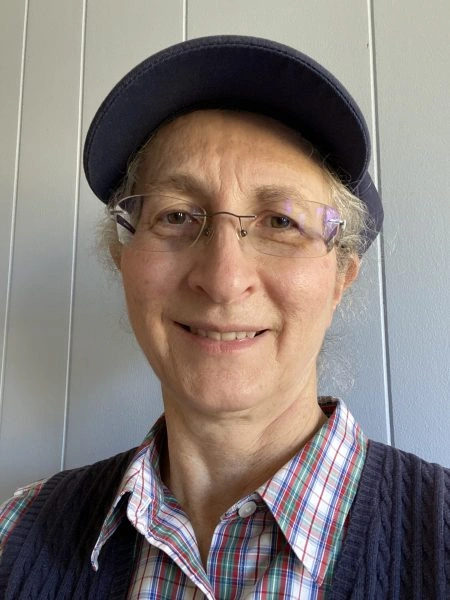
The first month I learned Daf Yomi by myself in secret, because I wasn’t sure how my husband would react, but after the siyyum on Masechet Brachot I discovered Hadran and now sometimes my husband listens to the daf with me. He and I also learn mishnayot together and are constantly finding connections between the different masechtot.

Laura Warshawsky
Laura Warshawsky

Silver Spring, Maryland, United States

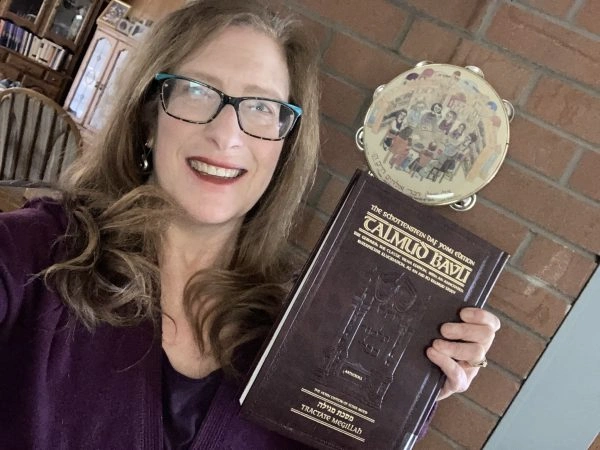
I saw an elderly man at the shul kiddush in early March 2020, celebrating the siyyum of masechet brachot which he had been learning with a young yeshiva student. I thought, if he can do it, I can do it! I began to learn masechet Shabbat the next day, Making up masechet brachot myself, which I had missed. I haven’t missed a day since, thanks to the ease of listening to Hadran’s podcast!
Judith Shapiro
Judith Shapiro

Minnesota, United States

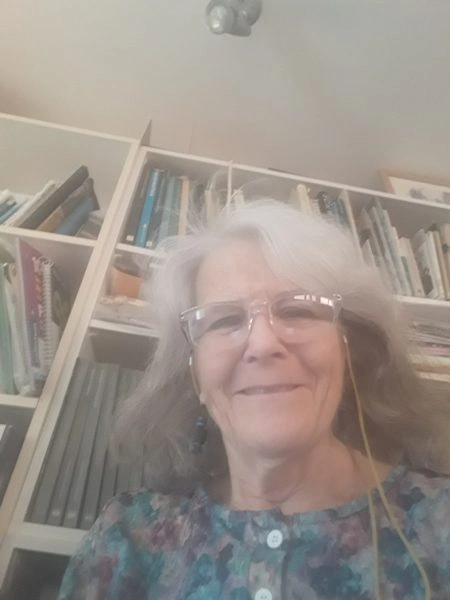
I LOVE learning the Daf. I started with Shabbat. I join the morning Zoom with Reb Michelle and it totally grounds my day. When Corona hit us in Israel, I decided that I would use the Daf to keep myself sane, especially during the days when we could not venture out more than 300 m from our home. Now my husband and I have so much new material to talk about! It really is the best part of my day!

Batsheva Pava
Batsheva Pava

Hashmonaim, Israel

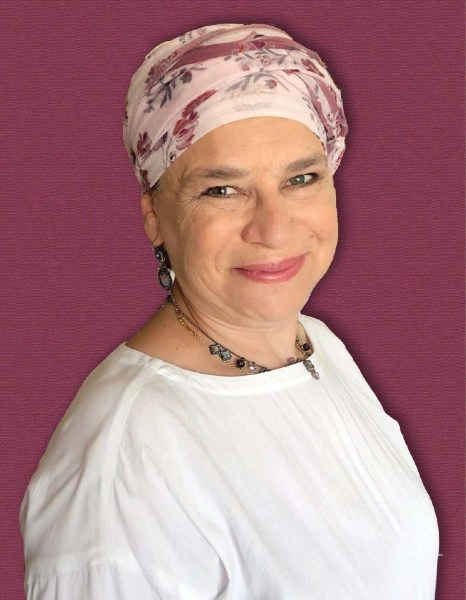
As Jewish educator and as a woman, I’m mindful that Talmud has been kept from women for many centuries. Now that we are privileged to learn, and learning is so accessible, it’s my intent to complete Daf Yomi. I am so excited to keep learning with my Hadran community.

Sue Parker Gerson
Sue Parker Gerson

Denver, United States

I am grateful for the structure of the Daf Yomi. When I am freer to learn to my heart’s content, I learn other passages in addition. But even in times of difficulty, I always know that I can rely on the structure and social support of Daf Yomi learners all over the world.

I am also grateful for this forum. It is very helpful to learn with a group of enthusiastic and committed women.

Janice Block-2
Janice Block

Beit Shemesh, Israel

Since I started in January of 2020, Daf Yomi has changed my life. It connects me to Jews all over the world, especially learned women. It makes cooking, gardening, and folding laundry into acts of Torah study. Daf Yomi enables me to participate in a conversation with and about our heritage that has been going on for more than 2000 years.

Shira Eliaser
Shira Eliaser

Skokie, IL, United States

תמיד רציתי. למדתי גמרא בבית ספר בטורונטו קנדה. עליתי ארצה ולמדתי שזה לא מקובל. הופתעתי.
יצאתי לגימלאות לפני שנתיים וזה מאפשר את המחוייבות לדף יומי.
עבורי ההתמדה בלימוד מעגן אותי בקשר שלי ליהדות. אני תמיד מחפשת ותמיד. מוצאת מקור לקשר. ללימוד חדש ומחדש. קשר עם נשים לומדות מעמיק את החוויה ומשמעותית מאוד.

Vitti Kones
Vitti Kones

מיתר, ישראל

I start learning Daf Yomi in January 2020. The daily learning with Rabbanit Michelle has kept me grounded in this very uncertain time. Despite everything going on – the Pandemic, my personal life, climate change, war, etc… I know I can count on Hadran’s podcast to bring a smile to my face.
Deb Engel
Deb Engel

Los Angeles, United States

I heard about the syium in January 2020 & I was excited to start learning then the pandemic started. Learning Daf became something to focus on but also something stressful. As the world changed around me & my family I had to adjust my expectations for myself & the world. Daf Yomi & the Hadran podcast has been something I look forward to every day. It gives me a moment of centering & Judaism daily.

Talia Haykin
Talia Haykin

Denver, United States

I’ve been wanting to do Daf Yomi for years, but always wanted to start at the beginning and not in the middle of things. When the opportunity came in 2020, I decided: “this is now the time!” I’ve been posting my journey daily on social media, tracking my progress (#DafYomi); now it’s fully integrated into my daily routines. I’ve also inspired my partner to join, too!

Joséphine Altzman
Joséphine Altzman

Teaneck, United States

Geri Goldstein got me started learning daf yomi when I was in Israel 2 years ago. It’s been a challenge and I’ve learned a lot though I’m sure I miss a lot. I quilt as I listen and I want to share what I’ve been working on.

Rebecca Stulberg
Rebecca Stulberg

Ottawa, Canada

I’ve been wanting to do Daf Yomi for years, but always wanted to start at the beginning and not in the middle of things. When the opportunity came in 2020, I decided: “this is now the time!” I’ve been posting my journey daily on social media, tracking my progress (#DafYomi); now it’s fully integrated into my daily routines. I’ve also inspired my partner to join, too!

Joséphine Altzman
Joséphine Altzman

Teaneck, United States

I had dreamed of doing daf yomi since I had my first serious Talmud class 18 years ago at Pardes with Rahel Berkovitz, and then a couple of summers with Leah Rosenthal. There is no way I would be able to do it without another wonderful teacher, Michelle, and the Hadran organization. I wake up and am excited to start each day with the next daf.

Beth Elster
Beth Elster

Irvine, United States

I started learning Daf Yomi in January 2020 after watching my grandfather, Mayer Penstein z”l, finish shas with the previous cycle. My grandfather made learning so much fun was so proud that his grandchildren wanted to join him. I was also inspired by Ilana Kurshan’s book, If All the Seas Were Ink. Two years in, I can say that it has enriched my life in so many ways.

Leeza Hirt Wilner
Leeza Hirt Wilner

New York, United States

I began daf yomi in January 2020 with Brachot. I had made aliya 6 months before, and one of my post-aliya goals was to complete a full cycle. As a life-long Tanach teacher, I wanted to swim from one side of the Yam shel Torah to the other. Daf yomi was also my sanity through COVID. It was the way to marking the progression of time, and feel that I could grow and accomplish while time stopped.

Leah Herzog
Leah Herzog

Givat Zev, Israel

A few years back, after reading Ilana Kurshan’s book, “If All The Seas Were Ink,” I began pondering the crazy, outlandish idea of beginning the Daf Yomi cycle. Beginning in December, 2019, a month before the previous cycle ended, I “auditioned” 30 different podcasts in 30 days, and ultimately chose to take the plunge with Hadran and Rabbanit Michelle. Such joy!

Cindy Dolgin
Cindy Dolgin

HUNTINGTON, United States

A beautiful world of Talmudic sages now fill my daily life with discussion and debate.
bringing alive our traditions and texts that has brought new meaning to my life.
I am a מגילת אסתר reader for women . the words in the Mishna of מסכת megillah 17a
הקורא את המגילה למפרע לא יצא were powerful to me.
I hope to have the zchut to complete the cycle for my 70th birthday.

Sheila Hauser
Sheila Hauser

Jerusalem, Israel

Last cycle, I listened to parts of various מסכתות. When the הדרן סיום was advertised, I listened to Michelle on נידה. I knew that בע”ה with the next cycle I was in (ב”נ). As I entered the סיום (early), I saw the signs and was overcome with emotion. I was randomly seated in the front row, and I cried many times that night. My choice to learn דף יומי was affirmed. It is one of the best I have made!

Miriam Tannenbaum
Miriam Tannenbaum

אפרת, Israel

I graduated college in December 2019 and received a set of shas as a present from my husband. With my long time dream of learning daf yomi, I had no idea that a new cycle was beginning just one month later, in January 2020. I have been learning the daf ever since with Michelle Farber… Through grad school, my first job, my first baby, and all the other incredible journeys over the past few years!
Sigal Spitzer Flamholz

Bronx, United States

When I began learning Daf Yomi at the beginning of the current cycle, I was preparing for an upcoming surgery and thought that learning the Daf would be something positive I could do each day during my recovery, even if I accomplished nothing else. I had no idea what a lifeline learning the Daf would turn out to be in so many ways.

Laura Shechter
Laura Shechter

Lexington, MA, United States

Pesachim 112

דִּמְסוֹכַר וְלָא מָשֵׁי יְדֵיהּ — מְפַחֵיד שִׁבְעָה יוֹמֵי. דְּשָׁקֵיל מַזְיֵיהּ וְלָא מָשֵׁי יְדֵיהּ — מְפַחֵיד תְּלָתָא יוֹמֵי. דְּשָׁקֵיל טוּפְרֵיהּ וְלָא מָשֵׁי יְדֵיהּ — מְפַחֵיד חַד יוֹמָא, וְלָא יָדַע מַאי קָא מְפַחֵיד. יְדָא אַאוּסְיָא — דַּרְגָּא לְפַחְדָּא. יְדָא אַפּוּתָא — דַּרְגָּא לְשִׁינְתָּא.

One who lets blood and does not wash his hands will be afraid for seven days. One who cuts his hair and does not wash his hands will be afraid for three days. One who cuts his nails and does not wash his hands will be afraid for one day, and he will not know what is frightening him. Placing one’s hand on his nostrils is a way to become afraid. Placing one’s hand on his forehead is a way to fall asleep.

תָּנָא: אוֹכָלִין וּמַשְׁקִין תַּחַת הַמִּטָּה, אֲפִילּוּ מְחוּפִּין בִּכְלִי בַּרְזֶל — רוּחַ רָעָה שׁוֹרָה עֲלֵיהֶן. תָּנוּ רַבָּנַן: לֹא יִשְׁתֶּה אָדָם מַיִם לֹא בְּלֵילֵי רְבִיעִיּוֹת וְלֹא בְּלֵילֵי שַׁבָּתוֹת, וְאִם שָׁתָה — דָּמוֹ בְּרֹאשׁוֹ מִפְּנֵי סַכָּנָה. מַאי סַכָּנָה? רוּחַ רָעָה.

A Sage taught: If food and drink are under one’s bed, even if they are covered with iron vessels, an evil spirit rests upon them. The Sages taught: A person should not drink water on Tuesday nights or on Shabbat nights, i.e., Friday nights. And if he drinks water, his blood is upon his own head, due to the danger. The Gemara asks: What is this danger? The Gemara answers: The danger of the evil spirit that rules on these days.

וְאִם צָחֵי מַאי תַּקַּנְתֵּיהּ? (נֵימָא) שִׁבְעָה קוֹלוֹת שֶׁאָמַר דָּוִד עַל הַמַּיִם, וַהֲדַר נִישְׁתֵּי, שֶׁנֶּאֱמַר: ״קוֹל ה׳ עַל הַמָּיִם אֵל הַכָּבוֹד הִרְעִים ה׳ עַל מַיִם רַבִּים קוֹל ה׳ בַּכֹּחַ קוֹל ה׳ בֶּהָדָר קוֹל ה׳ שׁוֹבֵר אֲרָזִים וַיְשַׁבֵּר ה׳ אֶת אַרְזֵי הַלְּבָנוֹן קוֹל ה׳ חוֹצֵב לַהֲבוֹת אֵשׁ קוֹל ה׳ יָחִיל מִדְבָּר יָחִיל ה׳ מִדְבַּר קָדֵשׁ קוֹל ה׳ יְחוֹלֵל אַיָּלוֹת וַיֶּחֱשׂוֹף יְעָרוֹת וּבְהֵיכָלוֹ כּוּלּוֹ אוֹמֵר כָּבוֹד״.

The Gemara asks: And if he is thirsty, what is his remedy? What should he drink? The Gemara answers: He should say the seven voices that David said over the water, and afterward he may drink. As it is stated: “The voice of the Lord is upon the waters; God of glory thunders, even the Lord upon many waters. The voice of the Lord is powerful; the voice of the Lord is full of majesty. The voice of the Lord breaks the cedars; the Lord breaks in pieces the cedars of Lebanon. He makes them also skip like a calf; Lebanon and Sirion like a young wild ox. The voice of the Lord hews out flames of fire. The voice of the Lord shakes the wilderness; the Lord shakes the wilderness of Kadesh. The voice of the Lord makes the hinds to calve, and strips the forests bare; and in His temple all say: Glory” (Psalms 29:3–9).

וְאִי לָא, (נֵימָא) הָכִי: ״לוּל שָׁפָן אֲנִיגְרוֹן אֲנִירָדְפִין בֵּין כּוֹכְבֵי יָתֵיבְנָא, בֵּין בְּלִיעִי שַׁמִּינֵי אָזֵילְנָא״. וְאִי לָא, אִי אִיכָּא אִינִישׁ בַּהֲדֵיהּ — נַיתְעֲרֵיהּ וְלֵימָא לֵיהּ: ״פְּלָנְיָא בַּר פְּלָנִתָא צָחֵינָא מַיָּא״, וַהֲדַר נִישְׁתֵּי. וְאִי לָא — מְקַרְקֵשׁ נִכְתְּמָא אַחַצְבָּא וַהֲדַר נִישְׁתֵּי. וְאִי לָא — נִישְׁדֵּי בַּהּ מִידֵּי, וַהֲדַר נִישְׁתֵּי.

And if he does not remember that verse, he should say as follows: Lul, Shafan, Anigron, Anirdafin, which are names of demons, I sit between the stars, I walk between thin and fat people, take any of them if you wish but leave me alone. And if he does not recall this incantation, if there is another person with him, he should wake him and say to him: So-and-so, son of so-and-so, I thirst for water; and then he may drink. And if there is no other person with him, he should knock the cover on the cup and then drink. And if he is not able to do this, he should throw some object in it and then drink.

תָּנוּ רַבָּנַן: לֹא יִשְׁתֶּה אָדָם מַיִם לֹא מִן הַנְּהָרוֹת וְלֹא מִן הָאֲגַמִּים בַּלַּיְלָה, וְאִם שָׁתָה — דָּמוֹ בְּרֹאשׁוֹ, מִפְּנֵי הַסַּכָּנָה. מַאי סַכָּנָה? סַכָּנַת שַׁבְרִירֵי. וְאִי צַחֵי מַאי תַּקַּנְתֵּיהּ? אִי אִיכָּא אִינִישׁ בַּהֲדֵיהּ — לֵימָא לֵיהּ: ״פְּלָנְיָא בַּר פְּלָנִתָא, צָחֵינָא מַיָּא״. וְאִי לָא, (נֵימָא) אִיהוּ לְנַפְשֵׁיהּ: ״פְּלָנְיָא, אֲמַרָה לִי אִימִּי אִיזְדְּהַר מִשַּׁבְרִירֵי שַׁבְרִירֵי בְּרִירֵי רִירֵי יְרֵי רֵי — צָחֵינָא מַיָּא בְּכָסֵי חִיוָּרֵי״.

The Sages taught: A person should not drink water from rivers or from ponds at night. And if he drank, his blood is upon his own head due to the danger. The Gemara explains: What is this danger? The danger of blindness. The Gemara asks: And if he is thirsty, what is his remedy? If there is another person with him, he should say to him: So-and-so, son of so-and-so, I thirst for water. And if there is no one else with him, he should say to himself: So-and-so, my mother said to me to beware of shavrirei, the demon of blindness. He should continue to say the following incantation, in the first part of which the demon’s name gradually disappears: Shavrirei berirei rirei yiri ri; I thirst for water in white earthenware cups. This is an incantation against those demons.

וַאֲפִילּוּ מִן הַתַּמְחוּי וְכוּ׳. פְּשִׁיטָא!

The Gemara returns to the statement of the mishna that on Passover one must drink no less than four cups of wine: And this halakha applies even if the poor person accepts funds from the charity plate. The Gemara asks: It is obvious that this is the case. If there is a mitzva to drink these four cups, they must be provided for him.

לֹא נִצְרְכָא אֶלָּא אֲפִילּוּ לְרַבִּי עֲקִיבָא, דְּאָמַר: עֲשֵׂה שַׁבַּתְּךָ חוֹל וְאַל תִּצְטָרֵךְ לַבְּרִיּוֹת — הָכָא מִשּׁוּם פַּרְסוֹמֵי נִיסָּא (מוֹדֵי).

The Gemara answers: The mishna is necessary only to teach that this halakha applies even according to the opinion of Rabbi Akiva, who said: Make your Shabbat like an ordinary weekday and do not be beholden to other beings. If one is unable to honor Shabbat without financial help from others, it is better for him to save money and eat his Shabbat meals as he would on a weekday rather than rely on other people. Here, in the case of the four cups, Rabbi Akiva concedes that it is appropriate for a poor person to request assistance from the community, due to the obligation to publicize the miracle.

תָּנָא דְּבֵי אֵלִיָּהוּ, אַף עַל פִּי שֶׁאָמַר רַבִּי עֲקִיבָא: עֲשֵׂה שַׁבַּתְּךָ חוֹל וְאַל תִּצְטָרֵךְ לַבְּרִיּוֹת, אֲבָל עוֹשֶׂה הוּא דָּבָר מוּעָט בְּתוֹךְ בֵּיתוֹ. מַאי נִינְהוּ? אָמַר רַב פָּפָּא: כָּסָא דְהַרְסָנָא. כְּדִתְנַן, רַבִּי יְהוּדָה בֶּן תֵּימָא אוֹמֵר: הֱוֵי עַז כַּנָּמֵר וְקַל כַּנֶּשֶׁר, רָץ כַּצְּבִי וְגִבּוֹר כָּאֲרִי לַעֲשׂוֹת רְצוֹן אָבִיךָ שֶׁבַּשָּׁמַיִם.

With regard to this issue, the school of Eliyahu taught that although Rabbi Akiva said: Make your Shabbat like a weekday and do not be beholden to other beings; however, one should nevertheless perform some small alteration in his house to distinguish Shabbat from a weekday. The Gemara asks: What is this alteration? Rav Pappa said: For example, one should serve small, fried fish. As we learned in a mishna: Rabbi Yehuda ben Teima says: Be bold like a leopard, light like an eagle, run like a deer, and be strong like a lion to perform the will of your Father in Heaven. This statement teaches that one should exert every effort to perform a mitzva.

תָּנוּ רַבָּנַן, שִׁבְעָה דְּבָרִים צִוָּה רַבִּי עֲקִיבָא אֶת רַבִּי יְהוֹשֻׁעַ בְּנוֹ: בְּנִי, אַל תֵּשֵׁב בְּגוֹבְהָהּ שֶׁל עִיר וְתִשְׁנֶה, וְאַל תָּדוּר בְּעִיר שֶׁרָאשֶׁיהָ תַּלְמִידֵי חֲכָמִים.

The Gemara cites the full source of Rabbi’s Akiva statement with regard to Shabbat preparations. The Sages taught: Rabbi Akiva commanded Rabbi Yehoshua, his son, about seven matters: My son, do not sit at the high point of a city, where many people pass, and study there, as the passersby will interrupt you. And do not live in a city whose leaders are Torah scholars, as they are too busy studying to govern properly.

וְאַל תִּכָּנֵס לְבֵיתְךָ פִּתְאוֹם, כׇּל שֶׁכֵּן לְבֵית חֲבֵירְךָ. וְאַל תִּמְנַע מִנְעָלִים מֵרַגְלֶיךָ. הַשְׁכֵּם וֶאֱכוֹל, בַּקַּיִץ מִפְּנֵי הַחַמָּה, וּבַחוֹרֶף מִפְּנֵי הַצִּינָּה. וַעֲשֵׂה שַׁבַּתְּךָ חוֹל וְאַל תִּצְטָרֵךְ לַבְּרִיּוֹת. וֶהֱוֵי מִשְׁתַּדֵּל עִם אָדָם שֶׁהַשָּׁעָה מְשַׂחֶקֶת לוֹ.

Rabbi Akiva continued: And do not enter your house suddenly, without knocking first; all the more so do not enter the house of another, as he might not be ready to receive you. And do not withhold shoes from your feet, as it is disgraceful to go barefoot. Wake up and eat, in the summer due to the heat, as it is best to eat before it grows hot, and in the winter due to the strength you will need to tolerate the cold. And make your Shabbat like a weekday and do not be beholden to other beings. And exert yourself to join together with a person upon whom the hour smiles, i.e., a successful person.

אָמַר רַב פָּפָּא: לָא לְמִיזְבַּן מִינֵּיהּ וְלָא לְזַבּוֹנֵי לֵיהּ, אֶלָּא לְמֶעְבַּד שׁוּתָּפוּת בַּהֲדֵיהּ. וְהַשְׁתָּא דְּאָמַר רַב שְׁמוּאֵל בַּר יִצְחָק: מַאי דִּכְתִיב ״מַעֲשֵׂה יָדָיו בֵּרַכְתָּ״ — כׇּל הַנּוֹטֵל פְּרוּטָה מֵאִיּוֹב מִתְבָּרֵךְ, אֲפִילּוּ לְמִיזְבַּן מִינֵּיהּ וּלְזַבּוֹנֵי לֵיהּ שַׁפִּיר דָּמֵי.

Rav Pappa said in explanation of this last statement: Do not buy from him and do not sell to him. If he is the beneficiary of good fortune, he will profit from any business transaction and you will suffer from it. Rather, form a partnership with him. And now we have heard that Rav Shmuel bar Yitzḥak said: What is the meaning of that which is written: “You have blessed the work of his hands” (Job 1:10)? This means that anyone who took a peruta from Job would be blessed, even if he received it via a business transaction. This shows that one should engage in business with a person who is blessed, for even if he wishes to buy from him or to sell to him it is well, i.e., he will share in the good fortune of the other.

חֲמִשָּׁה דְּבָרִים צִוָּה רַבִּי עֲקִיבָא אֶת רַבִּי שִׁמְעוֹן בֶּן יוֹחַי כְּשֶׁהָיָה חָבוּשׁ בְּבֵית הָאֲסוּרִין. אָמַר לוֹ: רַבִּי, לַמְּדֵנִי תּוֹרָה, אָמַר: אֵינִי מְלַמְּדֶךָ. אָמַר לוֹ: אִם אֵין אַתָּה מְלַמְּדֵנִי אֲנִי אוֹמֵר לְיוֹחַי אַבָּא וּמוֹסֶרְךָ לַמַּלְכוּת. אָמַר לוֹ: בְּנִי, יוֹתֵר מִמַּה שֶּׁהָעֵגֶל רוֹצֶה לִינַק פָּרָה רוֹצֶה לְהָנִיק. אָמַר לוֹ: וּמִי בְּסַכָּנָה? וַהֲלֹא עֵגֶל בְּסַכָּנָה.

The Gemara continues to cite similar advice dispensed by Rabbi Akiva. Rabbi Akiva commanded Rabbi Shimon ben Yoḥai to do five matters when Rabbi Akiva was imprisoned. Beforehand, Rabbi Shimon said to him: Rabbi, teach me Torah. Rabbi Akiva said to him: I will not teach you, as it is dangerous to do so at the present time. Rabbi Shimon said to him in jest: If you will not teach me, I will tell Yoḥai my father, and he will turn you over to the government. In other words, I have no means of persuading you; you are already in prison. Rabbi Akiva said: My son, know that more than the calf wishes to suck, the cow wants to suckle, but I am afraid of the danger. Rabbi Shimon said to him: And who is in danger? Isn’t the calf in danger, as you are in jail and I am the one at risk?

אָמַר לוֹ: אִם בִּקַּשְׁתָּ לֵיחָנֵק — הִיתָּלֵה בְּאִילָן גָּדוֹל. וּכְשֶׁאַתָּה מְלַמֵּד אֶת בִּנְךָ — לַמְּדֵהוּ בְּסֵפֶר מוּגָּהּ. מַאי הִיא? אָמַר רָבָא, וְאִיתֵּימָא רַב מְשַׁרְשְׁיָא: בְּחַדְתָּא, שַׁבֶּשְׁתָּא כֵּיוָן דְּעָל — עָל.

Rabbi Akiva said to him: If so, I will tell you a few matters. First of all, if you wish to strangle yourself, hang yourself on a tall tree. This proverb means that if one wants others to accept what he has to say, he should attribute his statement to a great man. And when you teach your son, teach him from a corrected text. The Gemara asks: What is the meaning of that statement? Rava said, and some say Rav Mesharshiya said: Rabbi Akiva was referring to learning a new topic, for once a mistake enters one’s mind, it has entered there and is difficult to put right.

לֹא תְּבַשֵּׁל בִּקְדֵירָה שֶׁבִּישֵּׁל בָּהּ חֲבֵירֶךָ. מַאי נִיהוּ — גְּרוּשָׁה בְּחַיֵּי בַּעְלָהּ, דְּאָמַר מָר גָּרוּשׁ שֶׁנָּשָׂא גְּרוּשָׁהּ — אַרְבַּע דֵּעוֹת בַּמִּטָּה. וְאִי בָּעֵית אֵימָא: אֲפִילּוּ בְּאַלְמָנָה, לְפִי

Rabbi Akiva further told Rabbi Shimon ben Yoḥai: Do not cook in a pot in which your colleague cooked his food. The Gemara asks: What is the meaning of this statement? The Gemara explains: Rabbi Akiva is referring to marrying a divorced woman in the lifetime of her former husband. As the Master said: If a divorced man marries a divorced woman, there are four minds in the bed during intimacy. Each person thinks about his current and former spouse, which verges on illegitimacy. And if you wish, say instead that this advice holds true even with regard to marrying a widow, as

שֶׁאֵין כׇּל אֶצְבָּעוֹת שָׁווֹת.

not all fingers are equal. It is possible that intimate relations with her second husband might not be as pleasing as with the first, leading her to disparage and even hate him.

מִצְוָה וְגוּף גָּדוֹל — אוֹכֵל פֵּירוֹת וְלֹא שָׂכָר. מִצְוָה וְגוּף טָהוֹר — נוֹשֵׂא אִשָּׁה וְלוֹ בָּנִים.

Rabbi Akiva continued to offer instruction: It is a mitzva and a great material benefit to one’s body to eat fruits without payment. That is, when one lends money and takes land as collateral, deducting from the loan the value of the fruit he eats, both the borrower and the lender benefit from this practice. One who both performs a mitzva and retains a pure body is one who marries a woman, as his thoughts will remain pure and he will merit to have children.

אַרְבָּעָה דְּבָרִים צִוָּה רַבֵּינוּ הַקָּדוֹשׁ אֶת בָּנָיו: אַל תָּדוּר בְּשַׁכְנְצִיב מִשּׁוּם דְּלֵיצָנֵי הָווּ, וּמָשְׁכוּ לָךְ בְּלֵיצָנוּתָא.

The Gemara cites more instructions issued by a Sage to his heirs. Our holy rabbi, Rabbi Yehuda HaNasi, commanded his sons to do four matters: Do not live in Shekhantziv in Babylonia, because they are mockers. And they will draw you in to their mockery and lead you to abandon your Torah studies.

וְאַל תֵּשֵׁב עַל מִטַּת אֲרַמִּית. אִיכָּא דְאָמְרִי: דְּלָא תִּיגְנֵי בְּלָא קְרִיַּת שְׁמַע. וְאִיכָּא דְאָמְרִי: דְּלָא תִּינְסַב גִּיּוֹרְתָּא.

Rabbi Yehuda HaNasi further commanded his sons: Do not sit on the bed of an Aramean woman. This advice is explained in different ways. Some say it means that you should not go to sleep without reciting Shema, as a Jew who does this acts like a gentile. And some say it means that you should not marry a convert, i.e., a Jewish woman who was once an Aramean.

וְאִיכָּא דְאָמְרִי: אֲרַמָּאִית מַמָּשׁ, וּמִשּׁוּם מַעֲשֶׂה דְרַב פָּפָּא.

And some say that Rabbi Yehuda HaNasi meant the actual bed of an Aramean woman, and this is due to the concern for a similar outcome to the later incident involving Rav Pappa. The incident in question was as follows: Rav Pappa entered the house of a gentile woman to collect a debt. The woman asked him to sit on her bed until she brought the money. As it turned out, she had placed her dead baby under the bed. Rav Pappa was subsequently accused of killing the baby and was forced to flee the district.

וְאֶל תַּבְרִיחַ עַצְמְךָ מִן הַמֶּכֶס, דִּילְמָא מַשְׁכְּחוּ לָךְ וְשָׁקְלִי מִנָּךְ כׇּל דְּאִית לָךְ. וְאַל תַּעֲמוֹד בִּפְנֵי הַשּׁוֹר בְּשָׁעָה שֶׁעוֹלֶה מִן הָאֲגַם, מִפְּנֵי שֶׁהַשָּׂטָן מְרַקֵּד בֵּין קַרְנָיו. אָמַר רַבִּי שְׁמוּאֵל: בְּשׁוֹר שָׁחוֹר, וּבְיוֹמֵי נִיסָן.

Rabbi Yehuda HaNasi continued: And do not avoid paying taxes, lest they find you and confiscate everything you own. And do not stand before an ox when it emerges from the marsh because Satan dances between its horns, i.e., an ox is particularly menacing at that time. Rabbi Shmuel said: This is referring to a black ox, and specifically during the days of Nisan, when the ox is most dangerous.

תָּנֵי רַב אוֹשַׁעְיָא: מַרְחִיקִין מִשּׁוֹר תָּם — חֲמִשִּׁים אַמָּה, מִשּׁוֹר מוּעָד — כִּמְלֹא עֵינָיו.

Rav Oshaya teaches with regard to the same issue: One distances himself fifty cubits from an innocuous ox [shor tam], an ox with no consistent history of causing damage with the intent to injure. From a forewarned ox [shor muad], an ox whose owner was forewarned because his ox already gored a person three times, one distances himself until it is beyond eyeshot.

תָּנָא מִשְּׁמֵיהּ דְּרַבִּי מֵאִיר: רֵישׁ תּוֹרָא בְּדִיקּוּלָא — סַק לְאִיגָּרָא וּשְׁדִי דַּרְגָּא מִתּוּתָךְ. אָמַר רַב: נִיזְהָא דְתוֹרָא — ״הֵן הֵן״. נִיזְהָא דְאַרְיָה — ״זֶה זֶה״. נִיזְהָא דְגַמְלָא — ״דָּא דָּא״. נִיזְהָא דְאַרְבָּא — ״הֵילֵנִי הַיָּיא הִילָא וְהִילּוּק הוּלְיָא״.

A Sage taught citing the name of Rabbi Meir, in an exaggerated vein: Even if the head of the ox is in its food basket, go up to the roof and kick the ladder out from underneath you to escape from it. Rav said: The cry that one says to lead an ox is hen hen. The cry to lead a lion is zeh zeh. The cry to lead a camel is da da. The cry to laborers using ropes to pull a ship along a river is heleni, hayya, hela, vehilook, hulya.

אָמַר אַבָּיֵי: עוֹר, דָּג, וְכוֹס, חַמִּין, וּבֵיצִים, וְכִנִּים לְבָנִים — כּוּלָּן קָשִׁין לְדָבָר אַחֵר. עוֹר — מַאן דְּגָנֵי אַמַּשְׁכָּא דְצַלָּא. דָּג — שִׁיבּוּטָא בְּיוֹמֵי נִיסָן. כּוֹס — שִׁיּוּרֵי כָּסָא דְהַרְסָנָא. חַמִּין — חַמִּימֵי דְחַמִּימֵי מְשַׁדְּרוּ עִילָּוֵיהּ. בֵּיצִים — מַאן דִּמְדָרֵךְ אַקְּלִיפִּים. כִּינִּים לְבָנִים — מַאן דִּמְחַוַּור לְבוּשֵׁיהּ וְלָא נָטֵיר לֵיהּ תְּמָנְיָא יוֹמֵי וַהֲדַר לָבֵישׁ לֵהּ — בָּרְיָין הָנָךְ כִּינִּים, וְקַשְׁיָן לְדָבָר אַחֵר.

Abaye said: Hide, fish, and a cup, hot water, and eggs, and white lice all cause the other matter, i.e., leprosy. The Gemara elaborates: Hide is referring to one who sleeps on a tanner’s hide before it has been tanned. Fish is referring to the shibuta fish in the days of Nisan. The cup is referring to one who eats the leftovers of small fried fish. Hot water is referring to very hot water that one pours on himself. Eggs means one who steps on eggshells. White lice is referring to one who washes his garment but does not keep it for eight days before wearing it again, a habit which creates these lice. And all of these practices cause the other matter, leprosy.

אָמַר רַב פָּפָּא: בֵּיתָא דְּאִית בֵּיהּ שׁוּנָּרָא לָא נֵיעוּל בַּהּ אִינִישׁ בְּלָא מְסָנֵי. מַאי טַעְמָא — מִשּׁוּם דְּשׁוּנָּרָא קָטֵיל לְחִיוְיָא וְאָכֵיל לֵיהּ, וְאִית בֵּיהּ בְּחִיוְיָא גַּרְמֵי קַטִּינֵי, וְאִי יָתֵיב לֵהּ גַּרְמָא דְחִיוְיָא אַכַּרְעֵיהּ — לָא נָפֵיק וְאִסְתַּכַּן לֵיהּ. אִיכָּא דְאָמְרִי: בֵּיתָא דְּלֵית בֵּיהּ שׁוּנָּרָא — לָא נֵיעוּל בֵּיהּ אִינִישׁ בְּהַכְרָא, מַאי טַעְמָא — דִילְמָא מִיכְּרִיךְ בֵּיהּ חִוְיָא וְלָא יָדַע וּמִסְתַּכַּן.

Rav Pappa said: With regard to a house in which there is a cat, a person should not enter there barefoot. What is the reason? Because the cat might kill a snake and eat it, and the snake has small bones, and if a small bone gets into one’s foot it cannot be removed, and he will be in danger. Some say that Rav Pappa said: With regard to a house in which there is no cat, a person should not enter there in the dark. What is the reason? Since there is no cat to hunt snakes, perhaps a snake will wrap itself around him without him knowing and he will be in danger.

שְׁלֹשָׁה דְּבָרִים צִוָּה רַבִּי יִשְׁמָעֵאל בְּרַבִּי יוֹסֵי אֶת רַבִּי: (מק״ש סִימָן) אַל תַּעַשׂ מוּם בְּעַצְמְךָ. מַאי הִיא? לָא תֶּיהְוֵי לָךְ דִּינָא בַּהֲדֵי תְּלָתָא, דְּחַד הָוֵי בַּעַל דִּינָךְ וּתְרֵי סָהֲדֵי. וְאַל תַּעֲמוֹד עַל הַמִּקָּח בְּשָׁעָה שֶׁאֵין לְךָ דָּמִים.

Rabbi Yishmael, son of Rabbi Yosei, commanded Rabbi Yehuda HaNasi with regard to three matters. Parenthetically, the Gemara states that mem, kuf, shin is a mnemonic for the three statements, as it stands for mum, blemish, mekaḥ, a purchase, and ishtekha, your wife. The first matter is: Do not inflict a blemish upon yourself. The Gemara asks: What is the meaning of that statement? The Gemara explains: Do not have a court case against three people, as one will be your opponent and two will act as witnesses and testify against you whatever they wish. And do not stand over and display interest in a purchase when you do not have enough money even for the price you are offering, as this constitutes fraud.

אִשְׁתְּךָ טָבְלָה — אַל תִּזָּקֵק לָהּ לַיְלָה הָרִאשׁוֹנָה. אָמַר רַב: וּבְנִדָּה דְאוֹרָיְיתָא, הוֹאִיל וְהוּחְזַק מַעְיָן פָּתוּחַ, דִּילְמָא מָשְׁכָה זִיבָה.

The Gemara cites the third instruction that Rabbi Yishmael, son of Rabbi Yosei, commanded Rabbi Yehuda HaNasi. After your wife has immersed, do not engage in intimacy with her on the first night. Rather, wait an additional night. Rav said: And this is referring to a menstruating woman whose status applies by Torah law. According to Torah law, even if a woman experiences a continuous emission of blood for seven days, if the flow stops on the seventh day, she may immerse that night and engage in relations with her husband without delay. However, Rav maintains that one must act stringently in this case. His reasoning is: Since there is a presumption that the flow of blood is open, perhaps her zava blood will continue afterward, i.e., she will see more blood after engaging in intimacy.

שְׁלֹשָׁה דְּבָרִים צִוָּה רַבִּי יוֹסֵי בְּרַבִּי יְהוּדָה אֶת רַבִּי: אַל תֵּצֵא יְחִידִי בַּלַּיְלָה, וְאַל תַּעֲמוֹד בִּפְנֵי הַנֵּר עָרוֹם, וְאַל תִּכָּנֵס לְמֶרְחָץ חָדָשׁ, שֶׁמָּא תִּפָּחֵת. עַד כַּמָּה? אָמַר רַבִּי יְהוֹשֻׁעַ בֶּן לֵוִי: עַד שְׁנֵים עָשָׂר חֹדֶשׁ. וְאַל תַּעֲמוֹד בִּפְנֵי הַנֵּר עָרוֹם, דְּתַנְיָא: הָעוֹמֵד בִּפְנֵי הַנֵּר עָרוֹם — הָוֵי נִכְפֶּה. וְהַמְשַׁמֵּשׁ מִטָּתוֹ לְאוֹר הַנֵּר — הָוַיִין לוֹ בָּנִים נִכְפִּין.

The Gemara continues: Rabbi Yosei, son of Rabbi Yehuda, commanded Rabbi Yehuda HaNasi with regard to three matters: Do not go out alone at night; do not stand naked before a candle; and do not enter a new bathhouse, lest it collapse when they light the fire beneath it. The Gemara asks: Until when is a bathhouse considered new? Rabbi Yehoshua ben Levi said: Until twelve months have passed. With regard to the statement: And do not stand naked before a candle, the Gemara comments that this is as it was taught in a baraita: One who stands naked before a candle will become epileptic, and one who engages in intimacy by candlelight will have epileptic children.

תָּנוּ רַבָּנַן: הַמְשַׁמֵּשׁ מִטָּתוֹ עַל מִטָּה שֶׁתִּינוֹק יָשֵׁן עָלֶיהָ — אוֹתוֹ תִּינוֹק נִכְפֶּה. וְלָא אֲמַרַן אֶלָּא דְּלָא הָוֵי בַּר שַׁתָּא, אֲבָל הָוֵי בַּר שַׁתָּא — לֵית לַן בַּהּ. וְלָא אֲמַרַן אֶלָּא דְּגָנֵי לַהֲדֵי כַּרְעֵיהּ, אֲבָל גָּנֵי לַהֲדֵי רֵישֵׁיהּ — לֵית לַן בַּהּ. וְלָא אֲמַרַן אֶלָּא דְּלָא מַנַּח יְדֵיהּ עִילָּוֵיהּ, אֲבָל מַנַּח יְדֵיהּ עִילָּוֵיהּ — לֵית לַן בַּהּ.

Likewise, the Sages taught: One who engages in intimacy in a bed upon which a baby is sleeping, that child becomes epileptic. And we said that this will occur only if the child is not yet one year old; however, if he is one year old we have no problem with it, as he is old enough not to be affected. And furthermore, we said this only concerning a baby that is sleeping near the father’s feet; but if the baby is sleeping near his head he is sufficiently far away so that we have no problem with it. And we said this only if he does not place his hand on the baby at the time, but if he places his hands on the baby to serve as a barrier between them, we have no problem with it.

אֵל תֵּצֵא יְחִידִי בַּלַּיְלָה, דְּתַנְיָא: לֹא יֵצֵא יְחִידִי בַּלַּיְלָה, לֹא בְּלֵילֵי רְבִיעִיּוֹת וְלֹא בְּלֵילֵי שַׁבָּתוֹת, מִפְּנֵי שֶׁאָגְרַת בַּת מָחֲלַת, הִיא וּשְׁמוֹנֶה עֶשְׂרֵה רִבּוֹא שֶׁל מַלְאֲכֵי חַבָּלָה יוֹצְאִין, וְכׇל אֶחָד וְאֶחָד יֵשׁ לוֹ רְשׁוּת לְחַבֵּל בִּפְנֵי עַצְמוֹ.

With regard to the instruction: Do not go out alone at night, the Gemara states that this is as it was taught in a baraita: One should not go out alone at night, neither on Tuesday nights nor on Shabbat nights, i.e., Friday nights, because the demon Agrat, daughter of Maḥalat, she and 180,000 angels of destruction go out at these times. And as each and every one of them has permission to destroy by itself, they are all the more dangerous when they go forth together.

מֵעִיקָּרָא הֲווֹ שְׁכִיחִי כּוּלֵּי יוֹמָא. זִמְנָא חֲדָא פְּגַעָה בְּרַבִּי חֲנִינָא בֶּן דּוֹסָא, אֲמַרָה לֵיהּ: אִי לָאו דְּמַכְרְזִן עֲלָךְ בְּרָקִיעַ: ״הִזָּהֲרוּ בַּחֲנִינָא וּבְתוֹרָתוֹ״ — סַכַּנְתָּיךְ. אֲמַר לַהּ: אִי חֲשִׁיבְנָא בְּרָקִיעַ, גּוֹזֵר אֲנִי עָלַיִךְ שֶׁלֹּא תַּעֲבוֹרִי בַּיִּישּׁוּב לְעוֹלָם. אֲמַרָה לֵיהּ: בְּמָטוּתָא מִינָּךְ, שְׁבֹק לִי רַוְוחָא פּוּרְתָּא. שְׁבַק לַהּ לֵילֵי שַׁבָּתוֹת וְלֵילֵי רְבִיעִיּוֹת.

The Gemara states: Initially, these demons were present every day. Once Agrat, daughter of Maḥalat, met Rabbi Ḥanina ben Dosa and said to him: Had they not announced about you in the Heavens: Be careful of Ḥanina and his Torah, I would have placed you in danger. He said to her: If I am considered important in Heaven, I decree upon you that you should never travel through inhabited places. She said to him: I beg you, leave me a little space. He left for her Shabbat nights and Tuesday nights.

וְתוּ: חֲדָא זִמְנָא פְּגַעָה בֵּיהּ בְּאַבָּיֵי, אֲמַרָה לֵיהּ: אִי לָאו דְּמַכְרְזִי עֲלָךְ בְּרָקִיעַ: ״הִזָּהֲרוּ בְּנַחְמָנִי וּבְתוֹרָתוֹ״ — הֲוָה סַכַּנְתָּיךְ. אֲמַר לַהּ: אִי חֲשִׁיבְנָא בְּרָקִיעַ, גּוֹזְרַנִי עֲלַיְיכִי שֶׁלֹּא תַּעֲבוּרִי בַּיִּישּׁוּב לְעוֹלָם. הָא קָא חָזֵינַן דְּעָבְרָה?! אָמְרִי: הָנֵי

And furthermore, once Agrat, daughter of Maḥalat met Abaye and said to him: Had they not announced about you in the Heavens: Be careful of Naḥmani, Abaye, and his Torah, I would have placed you in danger. He said to her: If I am considered important in Heaven, I decree upon you that you should never pass through inhabited places. The Gemara asks: But we see that, notwithstanding these anecdotes, demons do pass through inhabited areas. The Sages say in explanation: These demons

Want to follow content and continue where you left off?

Create an account today to track your progress, mark what you’ve learned, and follow the shiurim that speak to you.

Clear all items from this list?

This will remove ALL the items in this section. You will lose any progress or history connected to them. This is irreversible.

Cancel
Yes, clear all

Are you sure you want to delete this item?

You will lose any progress or history connected to this item.

Cancel
Yes, delete