Search

Pesachim 51

Want to dedicate learning? Get started here:

English
עברית
podcast placeholder

0:00
0:00


podcast placeholder

0:00
0:00


Summary

Today’s Daf is sponsored by Paula Winnig in memory of Rabbi Robert (Ruby) Davis, z”l father of Suri Davis Stern. “In memory of someone who took pride in his learning and his transmission of his learning to his family and his students, particularly my dear friend Suri Davis Stern.”

The gemara brings a few cases where people wanted to change the custom in their town and the rabbis reactions. When is this principle used “things that are permitted that people decided to be stringent about and forbid, one cannot permit in front of them”? Is it only referring to Kutim? Can one permit  a custom that is a mistake? Rabba bar Chana came from Israel to Babylonia and ate the fat on the stomach that was a subject of debate between the rabbis in Israel and Babylonia. When the rabbis came, he hid what he was doing. Abaye commented that he treated them as if they were Kutim. Why didn’t he keep the stringency of the place where he went? Abaye and Rava each bring a different answer. How do the words of the mishna “one should not do anything different so as not to create conflict” with the case of one who doesn’t work going to the place where people do work?

Pesachim 51

אִי אַתָּה רַשַּׁאי לְהַתִּירָן בִּפְנֵיהֶם. אָמַר לוֹ: וְלָאו מִי אִיתְּמַר עֲלַהּ, אָמַר רַב חִסְדָּא: בְּכוּתָאֵי! כּוּתָאֵי מַאי טַעְמָא — מִשּׁוּם דִּמְסָרְכִי מִילְּתָא, הָנָךְ אִינָשֵׁי נָמֵי סָרְכִי מִילְּתָא.

you are not allowed to permit these actions in their presence, lest they come to treat other prohibitions lightly, saying: If this previously prohibited activity was permitted, other prohibitions are not particularly stringent either. How did Rav Yosef permit the residents of Ḥozai to eat rice dough? Rav Yosef said to Abaye: And wasn’t it stated about this halakha concerning stringencies that Rav Ḥisda said: This was stated specifically with regard to Samaritans? The Gemara rejects this: What is the reason that this applies to Samaritans? It is due to the fact that they will extend this matter of leniency, and add to it additional, unjustified leniencies. These people of Ḥozai will also extend this matter of leniency, and come to practice additional leniencies in other cases, as they are ignoramuses.

אֶלָּא אָמַר רַב אָשֵׁי: חָזֵינַן אִי רוּבָּן אוֹרֶז אָכְלִי — לָא נֵיכְלַהּ זָר בְּאַפַּיְיהוּ, דִּילְמָא מִשְׁתַּכְחָא תּוֹרַת חַלָּה מִינַּיְיהוּ. וְאִי רוּבָּן דָּגָן אָכְלִי — נֵיכְלַהּ זָר בְּאַפַּיְיהוּ, דִּילְמָא אָתֵי לְאַפְרוֹשֵׁי מִן הַחִיּוּב עַל הַפְּטוּר, וּמִן הַפְּטוּר עַל הַחִיּוּב.

Rather, Rav Ashi said: We see, if the majority of people in that place eat rice, do not let a non-priest eat ḥalla in their presence, lest the halakhic category of ḥalla be forgotten from them. And if most of them eat grain, let a non-priest eat ḥalla separated from rice dough in their presence, lest they separate ḥalla from grain, from which separating ḥalla is a requirement, on behalf of rice from which separating ḥalla is an exemption, in which case the priest eating the ḥalla would be eating bread from which ḥalla was not separated; or from that which is an exemption on behalf of that which is a requirement, in which case the person eating the grain bread would be eating bread from which ḥalla was not separated.

גּוּפָא, דְּבָרִים הַמּוּתָּרִין וַאֲחֵרִים נָהֲגוּ בָּהֶן אִיסּוּר — אִי אַתָּה רַשַּׁאי לְהַתִּירָן בִּפְנֵיהֶן. אָמַר רַב חִסְדָּא: בְּכוּתָאֵי עָסְקִינַן. וְכוּלֵּי עָלְמָא לָא? וְהָתַנְיָא: רוֹחֲצִין שְׁנֵי אַחִין כְּאֶחָד, וְאֵין רוֹחֲצִין שְׁנֵי אַחִין בְּכָבוּל. וּמַעֲשֶׂה בִּיהוּדָה וְהִלֵּל בָּנָיו שֶׁל רַבָּן גַּמְלִיאֵל שֶׁרָחֲצוּ שְׁנֵיהֶם כְּאֶחָד בְּכָבוּל, וְלָעֲזָה עֲלֵיהֶן כׇּל הַמְּדִינָה, אָמְרוּ: מִיָּמֵינוּ לֹא רָאִינוּ כָּךְ. וְנִשְׁמַט הִלֵּל וְיָצָא לַבַּיִת הַחִיצוֹן, וְלֹא רָצָה לוֹמַר לָהֶן: מוּתָּרִין אַתֶּם.

After mentioning halakhot relating to customs, the Gemara returns to discuss the matter itself. If matters are permitted but others were accustomed to treat them as a prohibition, you are not allowed to permit these actions in their presence. Rav Ḥisda said: We are dealing with Samaritans, not with Jews. The Gemara is surprised at this: And doesn’t this apply to everyone? Wasn’t it taught in a baraita to the contrary? Two brothers may bathe together, and there is no concern that doing so is immodest or will lead to sinful thoughts. However, the custom was that two brothers do not bathe together in the city of Kabul (see I Kings 9:13). And there was an incident involving Yehuda and Hillel, sons of Rabban Gamliel, who bathed together in Kabul, and the entire city denounced them and said: In all our days we have never seen that type of conduct. Hillel stole away and went out to the outer chamber and did not want to tell them: You are permitted to do so. He preferred to obey the city residents rather than rule it permitted for two brothers to bathe together.

יוֹצְאִים בְּקוֹרְדָּקֵיסוֹן בַּשַּׁבָּת, וְאֵין יוֹצְאִין בְּקוֹרְדָּקֵיסוֹן בַּשַּׁבָּת בְּבֵירֵי. וּמַעֲשֶׂה בִּיהוּדָה וְהִלֵּל בָּנָיו שֶׁל רַבָּן גַּמְלִיאֵל שֶׁיָּצְאוּ בְּקוֹרְדָּקֵיסוֹן בַּשַּׁבָּת בְּבֵירֵי, וְלָעֲזָה עֲלֵיהֶן הַמְּדִינָה, וְאָמְרוּ: מִיָּמֵינוּ לֹא רָאִינוּ כָּךְ. וּשְׁמָטוּם וּנְתָנוּם לְעַבְדֵיהֶן, וְלֹא רָצוּ לוֹמַר לָהֶן: מוּתָּרִין אַתֶּם.

Similarly, one may go out with wide shoes that resemble slippers on Shabbat; however, one does not go out with wide shoes in the city of Birei. And there was an incident involving Yehuda and Hillel, sons of Rabban Gamliel, who went out with wide shoes in Birei, and the people of the city denounced them and said: In all our days we have never seen that type of conduct. And Yehuda and Hillel removed their shoes, and gave them to their gentile servants, and did not want to tell the residents of the city: You are permitted to go out with wide shoes on Shabbat.

וְיוֹשְׁבִין עַל סַפְסַלֵּי גּוֹיִם בַּשַּׁבָּת, וְאֵינָן יוֹשְׁבִין עַל סַפְסַלֵּי גוֹיִם בַּשַּׁבָּת בְּעַכּוֹ. וּמַעֲשֶׂה בְּרַבָּן שִׁמְעוֹן בֶּן גַּמְלִיאֵל שֶׁיָּשַׁב עַל סַפְסַלֵּי גוֹיִם בַּשַּׁבָּת בְּעַכּוֹ, וְלָעֲזָה עָלָיו כׇּל הַמְּדִינָה, אָמְרוּ: מִיָּמֵינוּ לֹא רָאִינוּ כָּךְ. נִשְׁמַט עַל גַּבֵּי קַרְקַע, וְלֹא רָצָה לוֹמַר לָהֶן: מוּתָּרִין אַתֶּם. בְּנֵי מְדִינַת הַיָּם נָמֵי, כֵּיוָן דְּלָא שְׁכִיחִי רַבָּנַן גַּבַּיְיהוּ — כְּכוּתִים דָּמוּ.

Similarly, one may sit on gentiles’ stools on Shabbat, even though these stools are typically used for displaying merchandise. But one may not sit on gentiles’ stools on Shabbat in the city of Akko. And there was an incident involving Rabban Shimon ben Gamliel who sat on gentiles’ stools on Shabbat in the city of Akko, and the entire city denounced him. They said: In all our days we have never seen that type of conduct. Rabban Shimon ben Gamliel moved onto the ground and did not want to tell them: You are permitted to sit on the stools. The Gemara answers: The legal status of people in the cities, since Sages are not found among them, is like that of the Samaritans. Therefore, it is prohibited to tell them that these activities are permitted.

בִּשְׁלָמָא סַפְסַלֵּי גוֹיִם, מִשּׁוּם דְּמִחֲזֵי כְּמִקָּח וּמִמְכָּר. בְּקוֹרְדָּקֵיסוֹן נָמֵי, דִּילְמָא מִשְׁתַּלְּפִין וְאָתֵי לְאֵיתוֹיִינְהוּ אַרְבַּע אַמּוֹת בִּרְשׁוּת הָרַבִּים.

The Gemara proceeds to clarify the reasons for the stringent customs in those communities. Granted, sitting on gentiles’ stools is prohibited because it appears like one is engaged in buying and selling on Shabbat. In the case of wide shoes as well, it is prohibited to wear them due to the concern lest they fall off one’s feet and he come to carry them in his hand four cubits in the public domain, thereby violating a Torah prohibition.

אֶלָּא רוֹחֲצִין מַאי טַעְמָא לָא? כִּדְתַנְיָא: עִם הַכֹּל אָדָם רוֹחֵץ, חוּץ מֵאָבִיו וְחָמִיו וּבַעַל אִמּוֹ וּבַעַל אֲחוֹתוֹ. וְרַבִּי יְהוּדָה מַתִּיר בְּאָבִיו מִפְּנֵי כְּבוֹד אָבִיו, וְהוּא הַדִּין לְבַעַל אִמּוֹ.

However, what is the reason that two brothers may not bathe together? The Gemara answers: The custom to prohibit doing so is based on that which was taught in a baraita: A person may bathe with anyone except for his father, and his father-in-law, and his mother’s husband, and his sister’s husband. Due to the nature of their relation, one might come to ponder how they came to be related and have prohibited thoughts about intimacy between men and women. And Rabbi Yehuda permits one to bathe with his father, due to the honor that he can accord his father by assisting his father while bathing. The same is true for one’s mother’s husband.

וַאֲתוֹ אִינְהוּ וּגְזוּר בִּשְׁנֵי אַחִין מִשּׁוּם בַּעַל אֲחוֹתוֹ. תָּנָא: תַּלְמִיד לֹא יִרְחַץ עִם רַבּוֹ, וְאִם רַבּוֹ צָרִיךְ לוֹ — מוּתָּר.

And the people of Kabul came and issued a decree to prohibit bathing together for two brothers, due to their concern that it is similar to bathing with one’s sister’s husband. It was taught in the Tosefta: A student may not bathe with his teacher, since it is disrespectful to see one’s teacher naked. But if his teacher requires his help when bathing, it is permitted.

כִּי אֲתָא רַבָּה בַּר בַּר חָנָה, אֲכַל דְּאַיִּיתְרָא. עוּל לְגַבֵּיהּ רַב עַוִּירָא סָבָא וְרַבָּה בְּרֵיהּ דְּרַב הוּנָא, כֵּיוָן דַּחֲזִינְהוּ כַּסְּיֵיהּ מִינַּיְיהוּ. אֲתוֹ וַאֲמַרוּ לֵיהּ לְאַבָּיֵי. אֲמַר לְהוּ: שַׁוִוינְכוּ כְּכוּתָאֵי.

The Gemara relates: When Rabba bar bar Ḥana came from Eretz Yisrael to Babylonia, he ate the fat found over the straight part of an animal’s stomach. The fat along the stomach consists of two parts: The inner, straight portion, which is shaped like a bowstring, and the outer, rounded portion, which is shaped like a bow. With regard to the fat surrounding the inner, straight portion, the custom in Eretz Yisrael was lenient, whereas in Babylonia it was stringent. Rav Avira the Elder and Rabba, son of Rav Huna, entered to see Rabba bar bar Ḥana. When he saw them coming, he concealed from them what he was eating. They came and told Abaye what had happened, and he said to them: Through his conduct, he rendered you Samaritans, as he could have told you that it is permitted but did not do so.

וְרַבָּה בַּר בַּר חָנָה לֵית לֵיהּ הָא דִּתְנַן נוֹתְנִין עָלָיו חוּמְרֵי הַמָּקוֹם שֶׁיָּצָא מִשָּׁם וְחוּמְרֵי הַמָּקוֹם שֶׁהָלַךְ לְשָׁם? אָמַר אַבָּיֵי: הָנֵי מִילֵּי מִבָּבֶל לְבָבֶל, וּמֵאֶרֶץ יִשְׂרָאֵל לְאֶרֶץ יִשְׂרָאֵל. אִי נָמֵי, מִבָּבֶל לְאֶרֶץ יִשְׂרָאֵל. אֲבָל מֵאֶרֶץ יִשְׂרָאֵל לְבָבֶל — לָא. כֵּיוָן דַּאֲנַן כַּיְיפִינַן לְהוּ, עָבְדִינַן כְּווֹתַיְיהוּ.

The Gemara asks: And is Rabba bar bar Ḥana, who was lenient with regard to a matter that is prohibited, not in agreement with that which we learned in the mishna: When one travels from one place to another, the Sages impose upon him the stringencies of the place from which he left and the stringencies of the place to which he went? Abaye said: That applies when one travels from one place in Babylonia to another place in Babylonia, or from one place in Eretz Yisrael to another place in Eretz Yisrael, or alternatively, from Babylonia to Eretz Yisrael. However, when traveling from Eretz Yisrael to Babylonia, no, this principle does not apply. Since we, the residents of Babylonia, are subordinate to them in terms of halakha, we act in accordance with their custom, but a resident of Eretz Yisrael is not required to follow the Babylonian custom.

רַב אָשֵׁי אָמַר: אֲפִילּוּ תֵּימָא מֵאֶרֶץ יִשְׂרָאֵל לְבָבֶל, הָנֵי מִילֵּי הֵיכָא דְּאֵין דַּעְתּוֹ לַחֲזוֹר, וְרַבָּה בַּר בַּר חָנָה דַּעְתּוֹ לַחֲזוֹר הֲוָה. אֲמַר לֵיהּ רַבָּה בַּר בַּר חָנָה לִבְנֵיהּ: בְּנִי, לֹא תֹּאכַל לֹא בְּפָנַי וְלֹא שֶׁלֹּא בְּפָנַי. אֲנִי שֶׁרָאִיתִי אֶת רַבִּי יוֹחָנָן שֶׁאָכַל — כְּדַי הוּא רַבִּי יוֹחָנָן לִסְמוֹךְ עָלָיו בְּפָנָיו וְשֶׁלֹּא בְּפָנָיו. אַתָּה לֹא רָאִיתָ אוֹתוֹ, לֹא תֹּאכַל בֵּין בְּפָנַי בֵּין שֶׁלֹּא בְּפָנַי.

Rav Ashi said: Even if you say that when one travels from Eretz Yisrael to Babylonia, he is required to act stringently in accordance with the local custom, this applies only when his intent is not to return. One is required to adopt the local customs when permanently settling in a new location. However, as Rabba bar bar Ḥana’s intent was to return to Eretz Yisrael, his point of origin, he continued to follow the custom of Eretz Yisrael. The Gemara relates that Rabba bar bar Ḥana said to his son: My son, you live in Babylonia. Therefore, do not eat this fat, neither when you are in my presence nor when you are not in my presence. I, who saw Rabbi Yoḥanan eat this fat, can say that Rabbi Yoḥanan is worthy for one to rely upon him both in his presence and not in his presence. You did not see him. Therefore, do not eat it, neither when you are in my presence nor when you are not in my presence, since you may not rely upon my opinion alone in this matter.

ופְלִיגָא דִּידֵיהּ אַדִּידֵיהּ. דְּאָמַר רַבָּה בַּר בַּר חָנָה, סָח לִי רַבִּי יוֹחָנָן בֶּן אֶלְעָזָר: פַּעַם אַחַת נִכְנַסְתִּי אַחַר רַבִּי שִׁמְעוֹן בֶּן רַבִּי יוֹסֵי בֶּן לָקוֹנְיָא לַגִּינָּה,

The Gemara comments: And this statement of his disagrees with another statement of his, as Rabba bar bar Ḥana said: Rabbi Yoḥanan ben Elazar told me: Once I followed Rabbi Shimon ben Rabbi Yosei ben Lakonya into the garden next to his house,

וְנָטַל סְפִיחֵי כְרוּב וְאָכַל וְנָתַן לִי, וְאָמַר לִי: בְּנִי, בְּפָנַי — אֱכוֹל, שֶׁלֹּא בְּפָנַי — לֹא תֹּאכַל. אֲנִי שֶׁרָאִיתִי אֶת רַבִּי שִׁמְעוֹן בֶּן יוֹחַי שֶׁאָכַל — כְּדַי הוּא רַבִּי שִׁמְעוֹן בֶּן יוֹחַי לִסְמוֹךְ עָלָיו בְּפָנָיו וְשֶׁלֹּא בְּפָנָיו. אַתָּה — בְּפָנַי אֱכוֹל, שֶׁלֹּא בְּפָנַי — לֹא תֹּאכַל.

and he took cabbage after-growths that had grown during the Sabbatical Year, and ate from them and gave some to me. And he said to me: My son, in my presence, you may eat this. But when you are not in my presence, you may not eat cabbage that grew as an after-growth. I, who saw Rabbi Shimon ben Yoḥai eat, can say that Rabbi Shimon ben Yoḥai is worthy for one to rely upon him both in his presence and not in his presence. You, who did not see him eat, in my presence, rely on what I saw and eat; however, not in my presence, do not rely on my testimony and do not eat. In this case, Rabba bar bar Ḥana maintained that one who saw a Sage act in a certain way may rely on what he saw, as may his students when they are in the presence of their teacher.

מַאי רַבִּי שִׁמְעוֹן? דְּתַנְיָא: רַבִּי שִׁמְעוֹן אוֹמֵר: כׇּל הַסְּפִיחִים אֲסוּרִין, חוּץ מִסְּפִיחֵי כְּרוּב, שֶׁאֵין כַּיּוֹצֵא בָּהֶן בְּיָרָק הַשָּׂדֶה. וַחֲכָמִים אוֹמְרִים: כׇּל הַסְּפִיחִין אֲסוּרִים.

The Gemara asks: What is that statement of Rabbi Shimon? As it was taught in a baraita that Rabbi Shimon says: All after-growths that grow on their own during the Sabbatical Year are prohibited and may not be eaten, except for the after-growths of cabbage, as there is nothing similar to them among the vegetables in the field. The Sages did not extend the decree prohibiting after-growths to cabbage, because it is unlike other vegetables. Rather, it is like fruit of a tree, which may be eaten if it grows wild during the Sabbatical Year. And the Rabbis say: All after-growths are prohibited, including the after-growths of cabbage.

וְתַרְוַיְיהוּ אַלִּיבָּא דְּרַבִּי עֲקִיבָא. דְּתַנְיָא: ״הֵן לֹא נִזְרָע וְלֹא נֶאֱסֹף אֶת תְּבוּאָתֵנוּ״, אָמַר רַבִּי עֲקִיבָא: וְכִי מֵאַחַר שֶׁאֵין זוֹרְעִין מֵהֵיכָא אוֹסְפִין? מִכָּאן לַסְּפִיחִין שֶׁהֵן אֲסוּרִין.

The Gemara comments: And both Rabbi Shimon and the Rabbis, who disagree in this case, hold in accordance with the opinion of Rabbi Akiva. As it was taught in a baraita: The verse states, “And if you shall say: What shall we eat in the seventh year? Behold, we may not sow, nor gather our crops” (Leviticus 25:20). Rabbi Akiva said: And since they cannot sow, from where would they gather? Why does the verse mention gathering? It is derived from here that gathering after-growths that were not planted but grew on their own is prohibited.

בְּמַאי קָא מִיפַּלְגִי? רַבָּנַן סָבְרִי: גָּזְרִינַן סְפִיחֵי כְרוּב אַטּוּ שְׁאָר סְפִיחֵי דְעָלְמָא, וְרַבִּי שִׁמְעוֹן סָבַר: לָא גָּזְרִינַן סְפִיחֵי כְרוּב אַטּוּ סְפִיחֵי דְעָלְמָא.

The Gemara asks: With regard to what principle then, do they disagree? The Gemara answers: The Rabbis, who prohibit all after-growths, hold: We issue a decree prohibiting cabbage after-growths due to other after-growths in general. And Rabbi Shimon holds: We do not issue a decree prohibiting cabbage after-growths due to other after-growths in general.

הַהוֹלֵךְ מִמָּקוֹם וְכוּ׳. בִּשְׁלָמָא הַהוֹלֵךְ מִמָּקוֹם שֶׁעוֹשִׂין לְמָקוֹם שֶׁאֵין עוֹשִׂין — נוֹתְנִין עָלָיו חוּמְרֵי מָקוֹם שֶׁהָלַךְ לְשָׁם, וְאַל יְשַׁנֶּה אָדָם מִפְּנֵי הַמַּחְלוֹקֶת וְלָא לֶיעְבֵּיד.

We learned in the mishna with regard to refraining from performance of labor on Passover eve: With regard to one who travels from a place where people perform labor on Passover eve to a place where people do not, or from a place where people do not perform labor on Passover eve to a place where people do, the Sages impose upon him the stringencies of the place from which he left and the stringencies of the place to which he went. The Gemara asks: Granted, in the case of one who travels from a place where people perform labor to a place where they do not perform labor, the Sages impose upon him the stringencies of the place to which he went, and a person should not deviate from the standard practice in that place due to potential dispute, and he should not perform labor.

אֶלָּא מִמָּקוֹם שֶׁאֵין עוֹשִׂין לְמָקוֹם שֶׁעוֹשִׂין, אַל יְשַׁנֶּה אָדָם מִפְּנֵי הַמַּחְלוֹקֶת וְנַעְבֵּיד? הָא אָמְרַתְּ: ״נוֹתְנִין עָלָיו חוּמְרֵי מָקוֹם שֶׁהָלַךְ לְשָׁם וְחוּמְרֵי מָקוֹם שֶׁיָּצָא מִשָּׁם״!

However, if one traveled from a place where people do not perform labor to a place where they do perform labor, is the ruling there too, that a person should not deviate from the standard practice in that place due to conflict, and perform labor? That cannot be. Didn’t you say: The Sages impose upon him the stringencies of the place to which he went and the stringencies of the place from which he left? He should not perform any labor.

אָמַר אַבָּיֵי: אַרֵישָׁא. רָבָא אָמַר: לְעוֹלָם אַסֵּיפָא, וְהָכִי קָאָמַר: אֵין בָּזוֹ מִפְּנֵי שִׁינּוּי הַמַּחְלוֹקֶת. מַאי קָא אָמְרַתְּ — הָרוֹאֶה אוֹמֵר מְלָאכָה אֲסוּרָה? מֵימָר אָמְרִי: כַּמָּה בַּטְלָנֵי הָוֵי בְּשׁוּקָא.

Abaye said: The principle that one should not deviate due to potential dispute is referring to the first clause, that one who arrives at a place where people do not perform labor adopts the local stringency. Rava said: Actually, it is possible to say this halakha is also referring to the latter clause of the mishna, and this is what it is saying: Refraining from labor does not constitute a deviation that causes dispute. What are you saying; one who sees him will say that he is not working because he believes that performing labor is prohibited, contrary to local practice? That is unlikely, as when people see him inactive that will not be their assumption. Instead, they will say: How many idle people there are in the market every day who do not work. In this case, people will assume that this individual was unable to find work that day.

אֲמַר לֵיהּ רַב סָפְרָא לְרַבִּי אַבָּא: כְּגוֹן אֲנַן דְּיָדְעִינַן בִּקְבִיעָא דְיַרְחָא,

After discussing stringencies resulting from customs, the Gemara elaborates on the second day of a Festival observed in the Diaspora. Rav Safra said to Rabbi Abba: Communities in a situation like us, who, based on calculations, already know the determination of the month and are no longer concerned lest the Festival be observed on the wrong day, clearly, on the second day of a Festival,

New to Talmud?

Check out our resources designed to help you navigate a page of Talmud – and study at the pace, level and style that fits you. 

The Hadran Women’s Tapestry

Meet the diverse women learning Gemara at Hadran and hear their stories. 

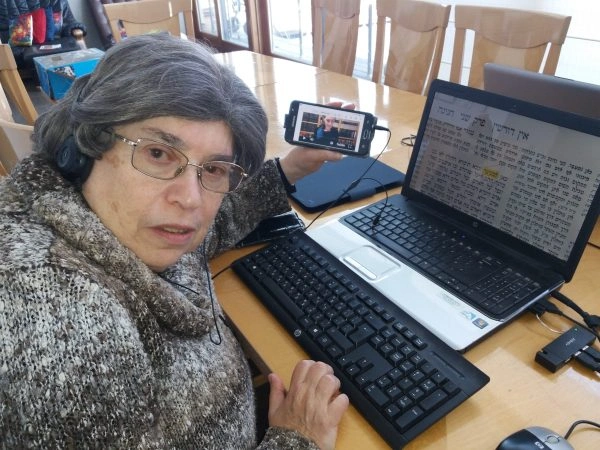
When the new cycle began, I thought, If not now, when? I’d just turned 72. I feel like a tourist on a tour bus passing astonishing scenery each day. Rabbanit Michelle is my beloved tour guide. When the cycle ends, I’ll be 80. I pray that I’ll have strength and mind to continue the journey to glimpse a little more. My grandchildren think having a daf-learning savta is cool!

Wendy Dickstein
Wendy Dickstein

Jerusalem, Israel

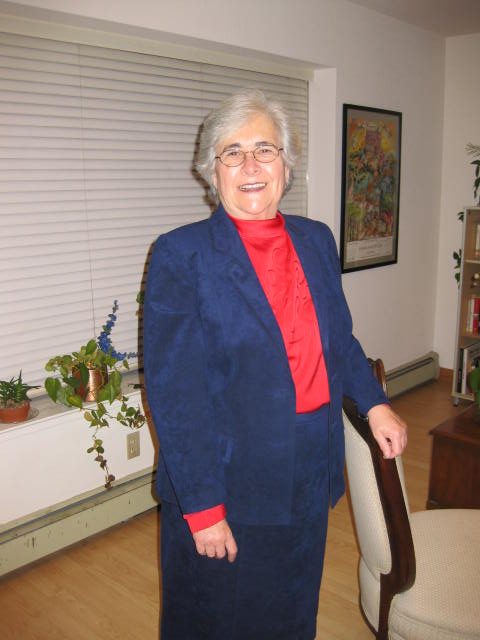
In January 2020, my teaching partner at IDC suggested we do daf yomi. Thanks to her challenge, I started learning daily from Rabbanit Michelle. It’s a joy to be part of the Hadran community. (It’s also a tikkun: in 7th grade, my best friend and I tied for first place in a citywide gemara exam, but we weren’t invited to the celebration because girls weren’t supposed to be learning gemara).

Sara-Averick-photo-scaled
Sara Averick

Jerusalem, Israel

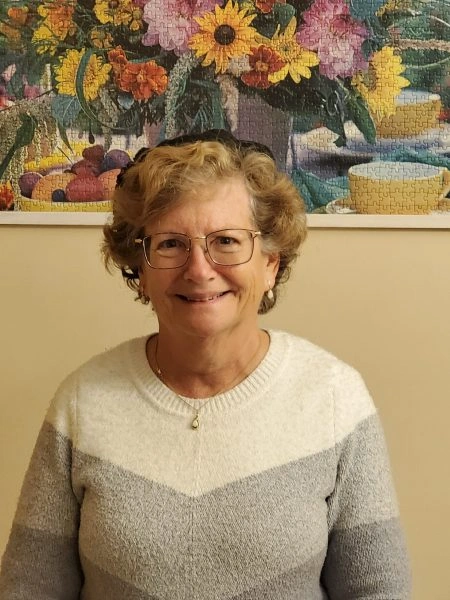
My husband learns Daf, my son learns Daf, my son-in-law learns Daf.
When I read about Hadran’s Siyyum HaShas 2 years ago, I thought- I can learn Daf too!
I had learned Gemara in Hillel HS in NJ, & I remembered loving it.
Rabbanit Michelle & Hadran have opened my eyes & expanding my learning so much in the past few years. We can now discuss Gemara as a family.
This was a life saver during Covid

Renee Braha
Renee Braha

Brooklyn, NY, United States

See video

Susan Fisher
Susan Fisher

Raanana, Israel

I started learning at the beginning of this Daf Yomi cycle because I heard a lot about the previous cycle coming to an end and thought it would be a good thing to start doing. My husband had already bought several of the Koren Talmud Bavli books and they were just sitting on the shelf, not being used, so here was an opportunity to start using them and find out exactly what was in them. Loving it!

Caroline Levison
Caroline Levison

Borehamwood, United Kingdom

I saw an elderly man at the shul kiddush in early March 2020, celebrating the siyyum of masechet brachot which he had been learning with a young yeshiva student. I thought, if he can do it, I can do it! I began to learn masechet Shabbat the next day, Making up masechet brachot myself, which I had missed. I haven’t missed a day since, thanks to the ease of listening to Hadran’s podcast!
Judith Shapiro
Judith Shapiro

Minnesota, United States

I started learning when my brother sent me the news clip of the celebration of the last Daf Yomi cycle. I was so floored to see so many women celebrating that I wanted to be a part of it. It has been an enriching experience studying a text in a language I don’t speak, using background knowledge that I don’t have. It is stretching my learning in unexpected ways, bringing me joy and satisfaction.

Jodi Gladstone
Jodi Gladstone

Warwick, Rhode Island, United States

The first month I learned Daf Yomi by myself in secret, because I wasn’t sure how my husband would react, but after the siyyum on Masechet Brachot I discovered Hadran and now sometimes my husband listens to the daf with me. He and I also learn mishnayot together and are constantly finding connections between the different masechtot.

Laura Warshawsky
Laura Warshawsky

Silver Spring, Maryland, United States

A friend mentioned that she was starting Daf Yomi in January 2020. I had heard of it and thought, why not? I decided to try it – go day by day and not think about the seven plus year commitment. Fast forward today, over two years in and I can’t imagine my life without Daf Yomi. It’s part of my morning ritual. If I have a busy day ahead of me I set my alarm to get up early to finish the day’s daf
Debbie Fitzerman
Debbie Fitzerman

Ontario, Canada

I heard about the syium in January 2020 & I was excited to start learning then the pandemic started. Learning Daf became something to focus on but also something stressful. As the world changed around me & my family I had to adjust my expectations for myself & the world. Daf Yomi & the Hadran podcast has been something I look forward to every day. It gives me a moment of centering & Judaism daily.

Talia Haykin
Talia Haykin

Denver, United States

I am a Reform rabbi and took Talmud courses in rabbinical school, but I knew there was so much more to learn. It felt inauthentic to serve as a rabbi without having read the entire Talmud, so when the opportunity arose to start Daf Yomi in 2020, I dove in! Thanks to Hadran, Daf Yomi has enriched my understanding of rabbinic Judaism and deepened my love of Jewish text & tradition. Todah rabbah!

Rabbi Nicki Greninger

California, United States

I heard the new Daf Yomi cycle was starting and I was curious, so I searched online for a women’s class and was pleasently surprised to find Rabanit Michelle’s great class reviews in many online articles. It has been a splendid journey. It is a way to fill my days with Torah, learning so many amazing things I have never heard before during my Tanach learning at High School. Thanks so much .

Martha Tarazi
Martha Tarazi

Panama, Panama

Hearing and reading about the siyumim at the completion of the 13 th cycle Daf Yomi asked our shul rabbi about starting the Daf – he directed me to another shiur in town he thought would allow a woman to join, and so I did! Love seeing the sources for the Divrei Torah I’ve been hearing for the past decades of living an observant life and raising 5 children .

Jill Felder
Jill Felder

Pittsburgh, Pennsylvania, United States

When I began learning Daf Yomi at the beginning of the current cycle, I was preparing for an upcoming surgery and thought that learning the Daf would be something positive I could do each day during my recovery, even if I accomplished nothing else. I had no idea what a lifeline learning the Daf would turn out to be in so many ways.

Laura Shechter
Laura Shechter

Lexington, MA, United States

I began daf yomi in January 2020 with Brachot. I had made aliya 6 months before, and one of my post-aliya goals was to complete a full cycle. As a life-long Tanach teacher, I wanted to swim from one side of the Yam shel Torah to the other. Daf yomi was also my sanity through COVID. It was the way to marking the progression of time, and feel that I could grow and accomplish while time stopped.

Leah Herzog
Leah Herzog

Givat Zev, Israel

I began learning the daf in January 2022. I initially “flew under the radar,” sharing my journey with my husband and a few close friends. I was apprehensive – who, me? Gemara? Now, 2 years in, I feel changed. The rigor of a daily commitment frames my days. The intellectual engagement enhances my knowledge. And the virtual community of learners has become a new family, weaving a glorious tapestry.

Gitta Jaroslawicz-Neufeld

Far Rockaway, United States

I went to day school in Toronto but really began to learn when I attended Brovenders back in the early 1980’s. Last year after talking to my sister who was learning Daf Yomi, inspired, I looked on the computer and the Hadran site came up. I have been listening to each days shiur in the morning as I work. I emphasis listening since I am not sitting with a Gamara. I listen while I work in my studio.

Rachel Rotenberg
Rachel Rotenberg

Tekoa, Israel

While vacationing in San Diego, Rabbi Leah Herz asked if I’d be interested in being in hevruta with her to learn Daf Yomi through Hadran. Why not? I had loved learning Gemara in college in 1971 but hadn’t returned. With the onset of covid, Daf Yomi and Rabbanit Michelle centered me each day. Thank-you for helping me grow and enter this amazing world of learning.
Meryll Page
Meryll Page

Minneapolis, MN, United States

I started learning at the beginning of the cycle after a friend persuaded me that it would be right up my alley. I was lucky enough to learn at Rabbanit Michelle’s house before it started on zoom and it was quickly part of my daily routine. I find it so important to see for myself where halachot were derived, where stories were told and to get more insight into how the Rabbis interacted.

Deborah Dickson
Deborah Dickson

Ra’anana, Israel

תמיד רציתי. למדתי גמרא בבית ספר בטורונטו קנדה. עליתי ארצה ולמדתי שזה לא מקובל. הופתעתי.
יצאתי לגימלאות לפני שנתיים וזה מאפשר את המחוייבות לדף יומי.
עבורי ההתמדה בלימוד מעגן אותי בקשר שלי ליהדות. אני תמיד מחפשת ותמיד. מוצאת מקור לקשר. ללימוד חדש ומחדש. קשר עם נשים לומדות מעמיק את החוויה ומשמעותית מאוד.

Vitti Kones
Vitti Kones

מיתר, ישראל

Pesachim 51

אִי אַתָּה רַשַּׁאי לְהַתִּירָן בִּפְנֵיהֶם. אָמַר לוֹ: וְלָאו מִי אִיתְּמַר עֲלַהּ, אָמַר רַב חִסְדָּא: בְּכוּתָאֵי! כּוּתָאֵי מַאי טַעְמָא — מִשּׁוּם דִּמְסָרְכִי מִילְּתָא, הָנָךְ אִינָשֵׁי נָמֵי סָרְכִי מִילְּתָא.

you are not allowed to permit these actions in their presence, lest they come to treat other prohibitions lightly, saying: If this previously prohibited activity was permitted, other prohibitions are not particularly stringent either. How did Rav Yosef permit the residents of Ḥozai to eat rice dough? Rav Yosef said to Abaye: And wasn’t it stated about this halakha concerning stringencies that Rav Ḥisda said: This was stated specifically with regard to Samaritans? The Gemara rejects this: What is the reason that this applies to Samaritans? It is due to the fact that they will extend this matter of leniency, and add to it additional, unjustified leniencies. These people of Ḥozai will also extend this matter of leniency, and come to practice additional leniencies in other cases, as they are ignoramuses.

אֶלָּא אָמַר רַב אָשֵׁי: חָזֵינַן אִי רוּבָּן אוֹרֶז אָכְלִי — לָא נֵיכְלַהּ זָר בְּאַפַּיְיהוּ, דִּילְמָא מִשְׁתַּכְחָא תּוֹרַת חַלָּה מִינַּיְיהוּ. וְאִי רוּבָּן דָּגָן אָכְלִי — נֵיכְלַהּ זָר בְּאַפַּיְיהוּ, דִּילְמָא אָתֵי לְאַפְרוֹשֵׁי מִן הַחִיּוּב עַל הַפְּטוּר, וּמִן הַפְּטוּר עַל הַחִיּוּב.

Rather, Rav Ashi said: We see, if the majority of people in that place eat rice, do not let a non-priest eat ḥalla in their presence, lest the halakhic category of ḥalla be forgotten from them. And if most of them eat grain, let a non-priest eat ḥalla separated from rice dough in their presence, lest they separate ḥalla from grain, from which separating ḥalla is a requirement, on behalf of rice from which separating ḥalla is an exemption, in which case the priest eating the ḥalla would be eating bread from which ḥalla was not separated; or from that which is an exemption on behalf of that which is a requirement, in which case the person eating the grain bread would be eating bread from which ḥalla was not separated.

גּוּפָא, דְּבָרִים הַמּוּתָּרִין וַאֲחֵרִים נָהֲגוּ בָּהֶן אִיסּוּר — אִי אַתָּה רַשַּׁאי לְהַתִּירָן בִּפְנֵיהֶן. אָמַר רַב חִסְדָּא: בְּכוּתָאֵי עָסְקִינַן. וְכוּלֵּי עָלְמָא לָא? וְהָתַנְיָא: רוֹחֲצִין שְׁנֵי אַחִין כְּאֶחָד, וְאֵין רוֹחֲצִין שְׁנֵי אַחִין בְּכָבוּל. וּמַעֲשֶׂה בִּיהוּדָה וְהִלֵּל בָּנָיו שֶׁל רַבָּן גַּמְלִיאֵל שֶׁרָחֲצוּ שְׁנֵיהֶם כְּאֶחָד בְּכָבוּל, וְלָעֲזָה עֲלֵיהֶן כׇּל הַמְּדִינָה, אָמְרוּ: מִיָּמֵינוּ לֹא רָאִינוּ כָּךְ. וְנִשְׁמַט הִלֵּל וְיָצָא לַבַּיִת הַחִיצוֹן, וְלֹא רָצָה לוֹמַר לָהֶן: מוּתָּרִין אַתֶּם.

After mentioning halakhot relating to customs, the Gemara returns to discuss the matter itself. If matters are permitted but others were accustomed to treat them as a prohibition, you are not allowed to permit these actions in their presence. Rav Ḥisda said: We are dealing with Samaritans, not with Jews. The Gemara is surprised at this: And doesn’t this apply to everyone? Wasn’t it taught in a baraita to the contrary? Two brothers may bathe together, and there is no concern that doing so is immodest or will lead to sinful thoughts. However, the custom was that two brothers do not bathe together in the city of Kabul (see I Kings 9:13). And there was an incident involving Yehuda and Hillel, sons of Rabban Gamliel, who bathed together in Kabul, and the entire city denounced them and said: In all our days we have never seen that type of conduct. Hillel stole away and went out to the outer chamber and did not want to tell them: You are permitted to do so. He preferred to obey the city residents rather than rule it permitted for two brothers to bathe together.

יוֹצְאִים בְּקוֹרְדָּקֵיסוֹן בַּשַּׁבָּת, וְאֵין יוֹצְאִין בְּקוֹרְדָּקֵיסוֹן בַּשַּׁבָּת בְּבֵירֵי. וּמַעֲשֶׂה בִּיהוּדָה וְהִלֵּל בָּנָיו שֶׁל רַבָּן גַּמְלִיאֵל שֶׁיָּצְאוּ בְּקוֹרְדָּקֵיסוֹן בַּשַּׁבָּת בְּבֵירֵי, וְלָעֲזָה עֲלֵיהֶן הַמְּדִינָה, וְאָמְרוּ: מִיָּמֵינוּ לֹא רָאִינוּ כָּךְ. וּשְׁמָטוּם וּנְתָנוּם לְעַבְדֵיהֶן, וְלֹא רָצוּ לוֹמַר לָהֶן: מוּתָּרִין אַתֶּם.

Similarly, one may go out with wide shoes that resemble slippers on Shabbat; however, one does not go out with wide shoes in the city of Birei. And there was an incident involving Yehuda and Hillel, sons of Rabban Gamliel, who went out with wide shoes in Birei, and the people of the city denounced them and said: In all our days we have never seen that type of conduct. And Yehuda and Hillel removed their shoes, and gave them to their gentile servants, and did not want to tell the residents of the city: You are permitted to go out with wide shoes on Shabbat.

וְיוֹשְׁבִין עַל סַפְסַלֵּי גּוֹיִם בַּשַּׁבָּת, וְאֵינָן יוֹשְׁבִין עַל סַפְסַלֵּי גוֹיִם בַּשַּׁבָּת בְּעַכּוֹ. וּמַעֲשֶׂה בְּרַבָּן שִׁמְעוֹן בֶּן גַּמְלִיאֵל שֶׁיָּשַׁב עַל סַפְסַלֵּי גוֹיִם בַּשַּׁבָּת בְּעַכּוֹ, וְלָעֲזָה עָלָיו כׇּל הַמְּדִינָה, אָמְרוּ: מִיָּמֵינוּ לֹא רָאִינוּ כָּךְ. נִשְׁמַט עַל גַּבֵּי קַרְקַע, וְלֹא רָצָה לוֹמַר לָהֶן: מוּתָּרִין אַתֶּם. בְּנֵי מְדִינַת הַיָּם נָמֵי, כֵּיוָן דְּלָא שְׁכִיחִי רַבָּנַן גַּבַּיְיהוּ — כְּכוּתִים דָּמוּ.

Similarly, one may sit on gentiles’ stools on Shabbat, even though these stools are typically used for displaying merchandise. But one may not sit on gentiles’ stools on Shabbat in the city of Akko. And there was an incident involving Rabban Shimon ben Gamliel who sat on gentiles’ stools on Shabbat in the city of Akko, and the entire city denounced him. They said: In all our days we have never seen that type of conduct. Rabban Shimon ben Gamliel moved onto the ground and did not want to tell them: You are permitted to sit on the stools. The Gemara answers: The legal status of people in the cities, since Sages are not found among them, is like that of the Samaritans. Therefore, it is prohibited to tell them that these activities are permitted.

בִּשְׁלָמָא סַפְסַלֵּי גוֹיִם, מִשּׁוּם דְּמִחֲזֵי כְּמִקָּח וּמִמְכָּר. בְּקוֹרְדָּקֵיסוֹן נָמֵי, דִּילְמָא מִשְׁתַּלְּפִין וְאָתֵי לְאֵיתוֹיִינְהוּ אַרְבַּע אַמּוֹת בִּרְשׁוּת הָרַבִּים.

The Gemara proceeds to clarify the reasons for the stringent customs in those communities. Granted, sitting on gentiles’ stools is prohibited because it appears like one is engaged in buying and selling on Shabbat. In the case of wide shoes as well, it is prohibited to wear them due to the concern lest they fall off one’s feet and he come to carry them in his hand four cubits in the public domain, thereby violating a Torah prohibition.

אֶלָּא רוֹחֲצִין מַאי טַעְמָא לָא? כִּדְתַנְיָא: עִם הַכֹּל אָדָם רוֹחֵץ, חוּץ מֵאָבִיו וְחָמִיו וּבַעַל אִמּוֹ וּבַעַל אֲחוֹתוֹ. וְרַבִּי יְהוּדָה מַתִּיר בְּאָבִיו מִפְּנֵי כְּבוֹד אָבִיו, וְהוּא הַדִּין לְבַעַל אִמּוֹ.

However, what is the reason that two brothers may not bathe together? The Gemara answers: The custom to prohibit doing so is based on that which was taught in a baraita: A person may bathe with anyone except for his father, and his father-in-law, and his mother’s husband, and his sister’s husband. Due to the nature of their relation, one might come to ponder how they came to be related and have prohibited thoughts about intimacy between men and women. And Rabbi Yehuda permits one to bathe with his father, due to the honor that he can accord his father by assisting his father while bathing. The same is true for one’s mother’s husband.

וַאֲתוֹ אִינְהוּ וּגְזוּר בִּשְׁנֵי אַחִין מִשּׁוּם בַּעַל אֲחוֹתוֹ. תָּנָא: תַּלְמִיד לֹא יִרְחַץ עִם רַבּוֹ, וְאִם רַבּוֹ צָרִיךְ לוֹ — מוּתָּר.

And the people of Kabul came and issued a decree to prohibit bathing together for two brothers, due to their concern that it is similar to bathing with one’s sister’s husband. It was taught in the Tosefta: A student may not bathe with his teacher, since it is disrespectful to see one’s teacher naked. But if his teacher requires his help when bathing, it is permitted.

כִּי אֲתָא רַבָּה בַּר בַּר חָנָה, אֲכַל דְּאַיִּיתְרָא. עוּל לְגַבֵּיהּ רַב עַוִּירָא סָבָא וְרַבָּה בְּרֵיהּ דְּרַב הוּנָא, כֵּיוָן דַּחֲזִינְהוּ כַּסְּיֵיהּ מִינַּיְיהוּ. אֲתוֹ וַאֲמַרוּ לֵיהּ לְאַבָּיֵי. אֲמַר לְהוּ: שַׁוִוינְכוּ כְּכוּתָאֵי.

The Gemara relates: When Rabba bar bar Ḥana came from Eretz Yisrael to Babylonia, he ate the fat found over the straight part of an animal’s stomach. The fat along the stomach consists of two parts: The inner, straight portion, which is shaped like a bowstring, and the outer, rounded portion, which is shaped like a bow. With regard to the fat surrounding the inner, straight portion, the custom in Eretz Yisrael was lenient, whereas in Babylonia it was stringent. Rav Avira the Elder and Rabba, son of Rav Huna, entered to see Rabba bar bar Ḥana. When he saw them coming, he concealed from them what he was eating. They came and told Abaye what had happened, and he said to them: Through his conduct, he rendered you Samaritans, as he could have told you that it is permitted but did not do so.

וְרַבָּה בַּר בַּר חָנָה לֵית לֵיהּ הָא דִּתְנַן נוֹתְנִין עָלָיו חוּמְרֵי הַמָּקוֹם שֶׁיָּצָא מִשָּׁם וְחוּמְרֵי הַמָּקוֹם שֶׁהָלַךְ לְשָׁם? אָמַר אַבָּיֵי: הָנֵי מִילֵּי מִבָּבֶל לְבָבֶל, וּמֵאֶרֶץ יִשְׂרָאֵל לְאֶרֶץ יִשְׂרָאֵל. אִי נָמֵי, מִבָּבֶל לְאֶרֶץ יִשְׂרָאֵל. אֲבָל מֵאֶרֶץ יִשְׂרָאֵל לְבָבֶל — לָא. כֵּיוָן דַּאֲנַן כַּיְיפִינַן לְהוּ, עָבְדִינַן כְּווֹתַיְיהוּ.

The Gemara asks: And is Rabba bar bar Ḥana, who was lenient with regard to a matter that is prohibited, not in agreement with that which we learned in the mishna: When one travels from one place to another, the Sages impose upon him the stringencies of the place from which he left and the stringencies of the place to which he went? Abaye said: That applies when one travels from one place in Babylonia to another place in Babylonia, or from one place in Eretz Yisrael to another place in Eretz Yisrael, or alternatively, from Babylonia to Eretz Yisrael. However, when traveling from Eretz Yisrael to Babylonia, no, this principle does not apply. Since we, the residents of Babylonia, are subordinate to them in terms of halakha, we act in accordance with their custom, but a resident of Eretz Yisrael is not required to follow the Babylonian custom.

רַב אָשֵׁי אָמַר: אֲפִילּוּ תֵּימָא מֵאֶרֶץ יִשְׂרָאֵל לְבָבֶל, הָנֵי מִילֵּי הֵיכָא דְּאֵין דַּעְתּוֹ לַחֲזוֹר, וְרַבָּה בַּר בַּר חָנָה דַּעְתּוֹ לַחֲזוֹר הֲוָה. אֲמַר לֵיהּ רַבָּה בַּר בַּר חָנָה לִבְנֵיהּ: בְּנִי, לֹא תֹּאכַל לֹא בְּפָנַי וְלֹא שֶׁלֹּא בְּפָנַי. אֲנִי שֶׁרָאִיתִי אֶת רַבִּי יוֹחָנָן שֶׁאָכַל — כְּדַי הוּא רַבִּי יוֹחָנָן לִסְמוֹךְ עָלָיו בְּפָנָיו וְשֶׁלֹּא בְּפָנָיו. אַתָּה לֹא רָאִיתָ אוֹתוֹ, לֹא תֹּאכַל בֵּין בְּפָנַי בֵּין שֶׁלֹּא בְּפָנַי.

Rav Ashi said: Even if you say that when one travels from Eretz Yisrael to Babylonia, he is required to act stringently in accordance with the local custom, this applies only when his intent is not to return. One is required to adopt the local customs when permanently settling in a new location. However, as Rabba bar bar Ḥana’s intent was to return to Eretz Yisrael, his point of origin, he continued to follow the custom of Eretz Yisrael. The Gemara relates that Rabba bar bar Ḥana said to his son: My son, you live in Babylonia. Therefore, do not eat this fat, neither when you are in my presence nor when you are not in my presence. I, who saw Rabbi Yoḥanan eat this fat, can say that Rabbi Yoḥanan is worthy for one to rely upon him both in his presence and not in his presence. You did not see him. Therefore, do not eat it, neither when you are in my presence nor when you are not in my presence, since you may not rely upon my opinion alone in this matter.

ופְלִיגָא דִּידֵיהּ אַדִּידֵיהּ. דְּאָמַר רַבָּה בַּר בַּר חָנָה, סָח לִי רַבִּי יוֹחָנָן בֶּן אֶלְעָזָר: פַּעַם אַחַת נִכְנַסְתִּי אַחַר רַבִּי שִׁמְעוֹן בֶּן רַבִּי יוֹסֵי בֶּן לָקוֹנְיָא לַגִּינָּה,

The Gemara comments: And this statement of his disagrees with another statement of his, as Rabba bar bar Ḥana said: Rabbi Yoḥanan ben Elazar told me: Once I followed Rabbi Shimon ben Rabbi Yosei ben Lakonya into the garden next to his house,

וְנָטַל סְפִיחֵי כְרוּב וְאָכַל וְנָתַן לִי, וְאָמַר לִי: בְּנִי, בְּפָנַי — אֱכוֹל, שֶׁלֹּא בְּפָנַי — לֹא תֹּאכַל. אֲנִי שֶׁרָאִיתִי אֶת רַבִּי שִׁמְעוֹן בֶּן יוֹחַי שֶׁאָכַל — כְּדַי הוּא רַבִּי שִׁמְעוֹן בֶּן יוֹחַי לִסְמוֹךְ עָלָיו בְּפָנָיו וְשֶׁלֹּא בְּפָנָיו. אַתָּה — בְּפָנַי אֱכוֹל, שֶׁלֹּא בְּפָנַי — לֹא תֹּאכַל.

and he took cabbage after-growths that had grown during the Sabbatical Year, and ate from them and gave some to me. And he said to me: My son, in my presence, you may eat this. But when you are not in my presence, you may not eat cabbage that grew as an after-growth. I, who saw Rabbi Shimon ben Yoḥai eat, can say that Rabbi Shimon ben Yoḥai is worthy for one to rely upon him both in his presence and not in his presence. You, who did not see him eat, in my presence, rely on what I saw and eat; however, not in my presence, do not rely on my testimony and do not eat. In this case, Rabba bar bar Ḥana maintained that one who saw a Sage act in a certain way may rely on what he saw, as may his students when they are in the presence of their teacher.

מַאי רַבִּי שִׁמְעוֹן? דְּתַנְיָא: רַבִּי שִׁמְעוֹן אוֹמֵר: כׇּל הַסְּפִיחִים אֲסוּרִין, חוּץ מִסְּפִיחֵי כְּרוּב, שֶׁאֵין כַּיּוֹצֵא בָּהֶן בְּיָרָק הַשָּׂדֶה. וַחֲכָמִים אוֹמְרִים: כׇּל הַסְּפִיחִין אֲסוּרִים.

The Gemara asks: What is that statement of Rabbi Shimon? As it was taught in a baraita that Rabbi Shimon says: All after-growths that grow on their own during the Sabbatical Year are prohibited and may not be eaten, except for the after-growths of cabbage, as there is nothing similar to them among the vegetables in the field. The Sages did not extend the decree prohibiting after-growths to cabbage, because it is unlike other vegetables. Rather, it is like fruit of a tree, which may be eaten if it grows wild during the Sabbatical Year. And the Rabbis say: All after-growths are prohibited, including the after-growths of cabbage.

וְתַרְוַיְיהוּ אַלִּיבָּא דְּרַבִּי עֲקִיבָא. דְּתַנְיָא: ״הֵן לֹא נִזְרָע וְלֹא נֶאֱסֹף אֶת תְּבוּאָתֵנוּ״, אָמַר רַבִּי עֲקִיבָא: וְכִי מֵאַחַר שֶׁאֵין זוֹרְעִין מֵהֵיכָא אוֹסְפִין? מִכָּאן לַסְּפִיחִין שֶׁהֵן אֲסוּרִין.

The Gemara comments: And both Rabbi Shimon and the Rabbis, who disagree in this case, hold in accordance with the opinion of Rabbi Akiva. As it was taught in a baraita: The verse states, “And if you shall say: What shall we eat in the seventh year? Behold, we may not sow, nor gather our crops” (Leviticus 25:20). Rabbi Akiva said: And since they cannot sow, from where would they gather? Why does the verse mention gathering? It is derived from here that gathering after-growths that were not planted but grew on their own is prohibited.

בְּמַאי קָא מִיפַּלְגִי? רַבָּנַן סָבְרִי: גָּזְרִינַן סְפִיחֵי כְרוּב אַטּוּ שְׁאָר סְפִיחֵי דְעָלְמָא, וְרַבִּי שִׁמְעוֹן סָבַר: לָא גָּזְרִינַן סְפִיחֵי כְרוּב אַטּוּ סְפִיחֵי דְעָלְמָא.

The Gemara asks: With regard to what principle then, do they disagree? The Gemara answers: The Rabbis, who prohibit all after-growths, hold: We issue a decree prohibiting cabbage after-growths due to other after-growths in general. And Rabbi Shimon holds: We do not issue a decree prohibiting cabbage after-growths due to other after-growths in general.

הַהוֹלֵךְ מִמָּקוֹם וְכוּ׳. בִּשְׁלָמָא הַהוֹלֵךְ מִמָּקוֹם שֶׁעוֹשִׂין לְמָקוֹם שֶׁאֵין עוֹשִׂין — נוֹתְנִין עָלָיו חוּמְרֵי מָקוֹם שֶׁהָלַךְ לְשָׁם, וְאַל יְשַׁנֶּה אָדָם מִפְּנֵי הַמַּחְלוֹקֶת וְלָא לֶיעְבֵּיד.

We learned in the mishna with regard to refraining from performance of labor on Passover eve: With regard to one who travels from a place where people perform labor on Passover eve to a place where people do not, or from a place where people do not perform labor on Passover eve to a place where people do, the Sages impose upon him the stringencies of the place from which he left and the stringencies of the place to which he went. The Gemara asks: Granted, in the case of one who travels from a place where people perform labor to a place where they do not perform labor, the Sages impose upon him the stringencies of the place to which he went, and a person should not deviate from the standard practice in that place due to potential dispute, and he should not perform labor.

אֶלָּא מִמָּקוֹם שֶׁאֵין עוֹשִׂין לְמָקוֹם שֶׁעוֹשִׂין, אַל יְשַׁנֶּה אָדָם מִפְּנֵי הַמַּחְלוֹקֶת וְנַעְבֵּיד? הָא אָמְרַתְּ: ״נוֹתְנִין עָלָיו חוּמְרֵי מָקוֹם שֶׁהָלַךְ לְשָׁם וְחוּמְרֵי מָקוֹם שֶׁיָּצָא מִשָּׁם״!

However, if one traveled from a place where people do not perform labor to a place where they do perform labor, is the ruling there too, that a person should not deviate from the standard practice in that place due to conflict, and perform labor? That cannot be. Didn’t you say: The Sages impose upon him the stringencies of the place to which he went and the stringencies of the place from which he left? He should not perform any labor.

אָמַר אַבָּיֵי: אַרֵישָׁא. רָבָא אָמַר: לְעוֹלָם אַסֵּיפָא, וְהָכִי קָאָמַר: אֵין בָּזוֹ מִפְּנֵי שִׁינּוּי הַמַּחְלוֹקֶת. מַאי קָא אָמְרַתְּ — הָרוֹאֶה אוֹמֵר מְלָאכָה אֲסוּרָה? מֵימָר אָמְרִי: כַּמָּה בַּטְלָנֵי הָוֵי בְּשׁוּקָא.

Abaye said: The principle that one should not deviate due to potential dispute is referring to the first clause, that one who arrives at a place where people do not perform labor adopts the local stringency. Rava said: Actually, it is possible to say this halakha is also referring to the latter clause of the mishna, and this is what it is saying: Refraining from labor does not constitute a deviation that causes dispute. What are you saying; one who sees him will say that he is not working because he believes that performing labor is prohibited, contrary to local practice? That is unlikely, as when people see him inactive that will not be their assumption. Instead, they will say: How many idle people there are in the market every day who do not work. In this case, people will assume that this individual was unable to find work that day.

אֲמַר לֵיהּ רַב סָפְרָא לְרַבִּי אַבָּא: כְּגוֹן אֲנַן דְּיָדְעִינַן בִּקְבִיעָא דְיַרְחָא,

After discussing stringencies resulting from customs, the Gemara elaborates on the second day of a Festival observed in the Diaspora. Rav Safra said to Rabbi Abba: Communities in a situation like us, who, based on calculations, already know the determination of the month and are no longer concerned lest the Festival be observed on the wrong day, clearly, on the second day of a Festival,

Want to follow content and continue where you left off?

Create an account today to track your progress, mark what you’ve learned, and follow the shiurim that speak to you.

Clear all items from this list?

This will remove ALL the items in this section. You will lose any progress or history connected to them. This is irreversible.

Cancel
Yes, clear all

Are you sure you want to delete this item?

You will lose any progress or history connected to this item.

Cancel
Yes, delete