Search

Pesachim 95

Want to dedicate learning? Get started here:

English
עברית
podcast placeholder

0:00
0:00


podcast placeholder

0:00
0:00


Summary

Today’s daf is sponsored by Anne Klausner in memory of her friend Jane Freedman z’l, Sheindel bat HaRav Pinchas and Edna Yenta whose 7th yahrzeit was Monday, the 10th of Adar. “Jane was an inspirational woman, her emunah in Hashem was awe-inspiring even in the face of tremendous health challenges. May she be a melitzat yosher for all of Am Yisrael.” And by Rochie Sommer in honor of her mother Meryl Sasnowitz, on her birthday. “Her dedication to education and Torah learning has inspired her family. May she continue to take pleasure in the Hadran Daf Yomi. With love from her children, grandchildren, and great-grandchildren.”

What are the differences between Pesach Rishon and Pesach Sheni? From where are these details derived? On what issues are there differences of opinion? If it was a year where the majority of the people were impure, and those impure from a dead person are permitted to sacrifice the Pesach sacrifice, how does this affect others who are impure who are not allowed to partake in the sacrifice. Do they still receive karet if they eat the meat from the Pesach sacrifice? Do they still receive karet if they enter the Temple?

Pesachim 95

מַתְנִי׳ מָה בֵּין פֶּסַח הָרִאשׁוֹן לַשֵּׁנִי? הָרִאשׁוֹן אָסוּר בְּ״בַל יֵרָאֶה״ וּ״בַל יִמָּצֵא״, וְהַשֵּׁנִי — חָמֵץ וּמַצָּה עִמּוֹ בַּבַּיִת. הָרִאשׁוֹן טָעוּן הַלֵּל בַּאֲכִילָתוֹ, וְהַשֵּׁנִי אֵינוֹ טָעוּן הַלֵּל בַּאֲכִילָתוֹ. זֶה וָזֶה טָעוּן הַלֵּל בַּעֲשִׂיָּיתָן, וְנֶאֱכָלִין צָלִי עַל מַצָּה וּמְרוֹרִים, וְדוֹחִין אֶת הַשַּׁבָּת.

MISHNA: What is the difference between the Paschal lamb offered on the first Pesaḥ and the Paschal lamb offered on the second Pesaḥ? On the first Pesaḥ, at the time of slaughtering the Paschal lamb, it is prohibited to own leavened bread due to the prohibitions: It shall not be seen, and: It shall not be found. And on the second Pesaḥ it is permissible for one to have both leavened bread and matza with him in the house. Another difference is that the Paschal lamb offered on the first Pesaḥ requires the recitation of hallel as it is eaten and the second does not require the recitation of hallel as it is eaten. However, they are the same in that the Paschal lambs sacrificed on both the first and second Pesaḥ require the recitation of hallel as they are prepared, i.e., as they are slaughtered, and they are both eaten roasted with matza and bitter herbs, and they override Shabbat in that they may be slaughtered and their blood sprinkled even on Shabbat.

גְּמָ׳ תָּנוּ רַבָּנַן: ״כְּכׇל חוּקַּת הַפֶּסַח יַעֲשׂוּ אוֹתוֹ״ — בְּמִצְוָה שֶׁבְּגוּפוֹ הַכָּתוּב מְדַבֵּר.

GEMARA: The Sages taught a halakhic midrash pertaining to the Paschal lamb offered on the second Pesaḥ. The verse states with regard to the second Pesaḥ: “They shall leave none of it to the morning, nor break a bone in it; according to all the entire statute of the Paschal lamb they shall offer it” (Numbers 9:12). The fact that the verse says “it” indicates that the verse is speaking of a mitzva applicable to the body of the Paschal lamb, meaning that halakhot pertaining to the actual Paschal lamb on the first Pesaḥ apply equally to the Paschal lamb on the second Pesaḥ.

מִצְוָה שֶׁעַל גּוּפוֹ, מִנַּיִן? תַּלְמוּד לוֹמַר: ״עַל מַצּוֹת וּמְרוֹרִים יֹאכְלוּהוּ״. יָכוֹל אֲפִילּוּ מִצְוֹת שֶׁלֹּא עַל גּוּפוֹ — תַּלְמוּד לוֹמַר: ״וְעֶצֶם לֹא יִשְׁבְּרוּ בוֹ״, מָה שְׁבִירַת הָעֶצֶם מְיוּחָד מִצְוָה שֶׁבְּגוּפוֹ — אַף כׇּל מִצְוָה שֶׁבְּגוּפוֹ.

The midrash continues: With regard to a mitzva related to the body of the Paschal lamb but not actually performed on the body of the offering, from where is it derived that it applies to the second Pesaḥ as well? The verse states: “They shall eat it with matzot and bitter herbs” (Numbers 9:11). One might have thought that one must fulfill all mitzvot related to the first Pesaḥ on the second Pesaḥ, even mitzvot not at all related to the body of the Paschal lamb, such as the requirement to destroy all one’s leaven. Therefore, the Torah states: “And they shall not break a bone in it” (Numbers 9:12), which teaches that just as the prohibition of breaking a bone is notable among the mitzvot related to the Paschal lamb in that it is a mitzva applicable to the Paschal lamb itself, so too, any mitzva applicable to the Paschal lamb itself must be fulfilled on the second Pesaḥ. However, other mitzvot pertaining to the first Pesaḥ need not be fulfilled on the second Pesaḥ.

אִיסִי בֶּן יְהוּדָה אוֹמֵר: ״יַעֲשׂוּ אוֹתוֹ״, בְּמִצְוֹת שֶׁבְּגוּפוֹ הַכָּתוּב מְדַבֵּר.

Isi ben Yehuda says: It is unnecessary to derive that halakha from the end of the verse quoted, as the phrase in the first half of the verse: “They shall perform it,” indicates that the verse is speaking only of mitzvot applicable to the body of the Paschal lamb itself.

אָמַר מָר: יָכוֹל אַף מִצְוָה שֶׁלֹּא עַל גּוּפוֹ. הָא אָמְרַתְּ בְּמִצְוָה שֶׁבְּגוּפוֹ הַכָּתוּב מְדַבֵּר?

The Gemara clarifies the details of the baraita. The Master said: One might have thought that one must fulfill even a mitzva not at all related to the body of the Paschal lamb on the second Pesaḥ. The Gemara expresses surprise: But you said that the verse is speaking only of a mitzva applicable to the body of the Paschal lamb, so why would one think that unrelated mitzvot are also included?

הָכִי קָאָמַר: הַשְׁתָּא דְּאָמְרַתְּ ״עַל מַצּוֹת וּמְרוֹרִים יֹאכְלוּהוּ״, אַלְמָא ״יַעֲשׂוּ אוֹתוֹ״ לָאו דַּוְקָא הוּא. אֵימָא הָוֵה לֵיהּ כִּפְרָט וּכְלָל, וְנַעֲשָׂה כְּלָל מוֹסִיף עַל הַפְּרָט, וַאֲפִילּוּ כֹּל מִילֵּי נָמֵי, קָא מַשְׁמַע לַן.

The Gemara explains that this is what the baraita is saying: Now that you said the additional halakha that they shall eat it with unleavened bread and bitter herbs, apparently the phrase: “They shall perform it,” is not specific and does not limit the halakhot of the second Pesaḥ to those applicable to the Paschal lamb itself, say that this verse is expounded according to the principle of a detail and a generalization, as it first said: “They shall eat it with unleavened bread and bitter herbs” and “They shall leave none of it to the morning,” and then it stated a generalization: “According to all the statute of the Paschal lamb they shall perform it.” The principles of halakhic midrash state that in that case, the generalization adds to the detail and even includes everything, such that all the mitzvot of the first Pesaḥ would apply equally to the second, including the removal of leaven. Therefore, the verse “They shall not break a bone in it” teaches us that mitzvot unrelated to the Paschal lamb do not apply to the second Pesaḥ.

אִיסִי בֶּן יְהוּדָה, הַאי ״עֶצֶם״ מַאי עָבֵיד לֵיהּ? מִיבְּעֵי לֵיהּ לְאֶחָד עֶצֶם שֶׁיֵּשׁ בּוֹ מוֹחַ, וְאֶחָד עֶצֶם שֶׁאֵין בּוֹ מוֹחַ.

The Gemara asks: What does Isi ben Yehuda do with the end of the verse: “And they shall not break a bone in it”? The Gemara answers: He needs it to teach that the prohibition of breaking a bone applies both to a bone that has marrow and to a bone that does not have marrow.

וְרַבָּנַן, הַאי ״יַעֲשׂוּ אֹתוֹ״ מַאי עָבְדִי לֵיהּ? מִיבְּעֵי לֵיהּ שֶׁאֵין שׁוֹחֲטִין אֶת הַפֶּסַח עַל הַיָּחִיד, דְּכַמָּה דְּאֶפְשָׁר לְאַהְדּוֹרֵי מַהְדְּרִינַן.

The Gemara asks: And the Rabbis, who expound differently than Isi ben Yehuda, what do they do with this phrase: “They shall perform it”? The Gemara answers: They need it to teach that one does not slaughter the Paschal lamb on the second Pesaḥ on behalf of a single individual. Since the verse speaks of people performing the second Pesaḥ in the plural, it is derived that as much as it is possible to search for more people to join this individual in his Paschal lamb, we search for them, even if it means causing another individual to become ritually impure to prevent him from performing the first Pesaḥ.

תָּנוּ רַבָּנַן: ״כְּכׇל חוּקַּת הַפֶּסַח יַעֲשׂוּ אוֹתוֹ״. יָכוֹל כְּשֵׁם שֶׁהָרִאשׁוֹן אָסוּר בְּ״בַל יֵרָאֶה״ וּ״בַל יִמָּצֵא״ כָּךְ שֵׁנִי אָסוּר בְּ״בַל יֵרָאֶה״ וּ״בַל יִמָּצֵא״ — תַּלְמוּד לוֹמַר: ״עַל מַצּוֹת וּמְרוֹרִים יֹאכְלוּהוּ״.

The Sages taught in a different baraita: The verse states: “According to the entire statute of the Paschal lamb they shall offer it” (Numbers 9:12). One might have thought that just as at the time of the sacrifice of the Paschal lamb on the first Pesaḥ it is prohibited to own leaven due to the prohibitions of: It shall not be seen, and: It shall not be found, so too, at the time of the sacrifice of the Paschal lamb on the second Pesaḥ it is prohibited to own leaven due to the prohibitions of: It shall not be seen, and: It shall not be found. Therefore, the Torah states: “They shall eat it with matzot and bitter herbs” (Numbers 9:11), which indicates that the other mitzvot pertaining to the first Pesaḥ do not apply on the second.

וְאֵין לִי אֶלָּא מִצְוַת עֲשֵׂה, מִצְוַת לֹא תַעֲשֶׂה מִנַּיִן? תַּלְמוּד לוֹמַר: ״לֹא יַשְׁאִירוּ מִמֶּנּוּ עַד בֹּקֶר״.

The baraita continues: And from here I have derived only that positive mitzvot related to the first Pesaḥ apply on the second Pesaḥ; from where do I derive that the same is true of negative mitzvot? The verse states: “They shall leave none of it to the morning, nor break a bone in it” (Numbers 9:12).

וְאֵין לִי אֶלָּא מִצְוַת לֹא תַעֲשֶׂה שֶׁנִּיתָּק לַעֲשֵׂה. מִצְוַת לֹא תַעֲשֶׂה גָּמוּר מִנַּיִן? תַּלְמוּד לוֹמַר: ״וְעֶצֶם לֹא יִשְׁבְּרוּ בוֹ״. מָה הַפְּרָט — מְפוֹרָשׁ: מִצְוַת עֲשֵׂה, וְלֹא תַעֲשֶׂה שֶׁנִּיתָּק לַעֲשֵׂה, וְלֹא תַעֲשֶׂה גָּמוּר — אַף כׇּל מִצְוַת עֲשֵׂה, וְלֹא תַעֲשֶׂה שֶׁנִּיתָּק לַעֲשֵׂה, וְלֹא תַעֲשֶׂה גָּמוּר.

The baraita continues: And from this verse I have derived only that a negative mitzva whose violation can be rectified by the fulfillment of a positive mitzva applies on the second Pesaḥ, e.g., the prohibition of leaving over meat from the Paschal lamb until morning, which can be rectified by the positive mitzva of burning the leftovers; from where is it derived that the same is true of a full-fledged negative mitzva? The verse states: “They shall not break a bone in it.” It may be concluded from these examples that just as the detail, i.e., the specific mitzvot mentioned in these verses, is explicit and includes a positive mitzva, a prohibition whose violation can be rectified by the fulfillment of a positive mitzva, and a full-fledged negative mitzva; so too, every positive mitzva, every prohibition whose violation can be rectified by the fulfillment of a positive mitzva, and every full-fledged negative mitzva is included.

בִּכְלָלֵיהּ דְּ״מַצּוֹת וּמְרוֹרִים״, מַאי קָא מְרַבֵּי? צְלִי אֵשׁ. בִּפְרָטֵיהּ מַאי מְמַעֵיט לֵיהּ? הַשְׁבָּתַת שְׂאוֹר. אֵיפוֹךְ אֲנָא! מִצְוָה דְגוּפֵיהּ עֲדִיף.

Now that the generalization has been interpreted as referring to the specific examples mentioned earlier, what is included through the generalization of unleavened bread and bitter herbs? The Gemara answers: It comes to teach that the mitzva of roasting in fire applies to the Paschal lamb on the second Pesaḥ as well as to the first. Given that unleavened bread and bitter herbs is also a qualifying detail, what does it exclude through its detail? It teaches that the mitzva of removal of leaven does not apply on the second Pesaḥ. The Gemara asks: Perhaps I can reverse it and say that on the second Pesaḥ one is not obligated to roast the offering by fire, but one is obligated to remove all leaven? The Gemara answers: A mitzva relating to the Paschal lamb itself is preferable, as it is more reasonable to assume that the first and second Pesaḥ are comparable with regard to halakhot pertaining to the offering itself.

בִּכְלָלֵיהּ דְּ״לֹא יַשְׁאִירוּ מִמֶּנּוּ עַד בֹּקֶר״ מַאי קָא מְרַבֵּה לֵיהּ? ״לֹא תוֹצִיא מִמֶּנּוּ״ (דְּדָמֵי לֵיהּ. דְּהַאי מִיפְּסַל בְּנוֹתָר, וְהַאי מִיפְּסַל בְּיוֹצֵא).

The Gemara asks further: What is included through the generalization of: They shall leave none of it to the morning? The Gemara answers that it includes the prohibition of: You shall not remove any of its meat from one group to another, which is similar to it, as through this prohibition mentioned in the verse it is disqualified as leftovers, and through this prohibition of removing the meat of the offering it is disqualified as sacrificial meat that has left its permitted boundary.

בִּפְרָטֵיהּ מַאי קָא מְמַעֵט לֵיהּ? ״לֹא יֵרָאֶה וְלֹא יִמָּצֵא״ (דְּדָמֵי לֵיהּ, דְּהַאי אֵינוֹ לוֹקֶה דְּהָוֵה לָאו שֶׁנִּיתָּק לַעֲשֵׂה. וְהַאי אֵינוֹ לוֹקָה דְּהָוֵה לֵיהּ לָאו שֶׁנִּיתָּק לַעֲשֵׂה). אֵיפוֹךְ אֲנָא! מִצְוָה דְגוּפֵיהּ עֲדִיף.

The Gemara asks further: What does it exclude through its detail? It excludes the prohibitions: It shall not be seen, and: It shall not be found, which are similar to it, as one who violates this prohibition of leaving over the meat of the offering until morning is not flogged because it is a prohibition whose violation can be rectified by fulfilling a positive mitzva by burning the leftovers; and one who violates this prohibition of owning leaven is not flogged because it is a prohibition whose violation can be rectified by fulfilling a positive mitzva of burning the leaven. The Gemara asks: Perhaps I can reverse it and say that the generalization is meant to include removal of leaven and the detail excludes the prohibition of leaving over the meat of the offering? The Gemara answers: In a comparison of the first Pesaḥ and the second, including a mitzva related to the Paschal lamb itself is preferable to including one that does not relate to the Paschal lamb.

בִּכְלָלֵיהּ דְּ״עֶצֶם לֹא יִשְׁבְּרוּ בוֹ״

The Gemara continues to ask: Through the generalization: They shall not break a bone in it,

מַאי קָא מְרַבֵּה? ״אַל תֹּאכְלוּ מִמֶּנּוּ נָא״. בִּפְרָטֵיהּ מַאי קָא מְמַעֲטִי? ״לֹא תִשְׁחַט עַל חָמֵץ דַּם זִבְחִי״. אֵיפוֹךְ אֲנָא! מִצְוָה דְגוּפֵיהּ עֲדִיף.

what is it including, beyond what is mentioned explicitly in the verse? The Gemara answers that it includes the mitzva: “Do not eat from it raw” (Exodus 12:9). The Gemara asks: What does it exclude through its detail? The Gemara answers that it excludes the mitzva: “You shall not offer the blood of My sacrifice with leavened bread” (Exodus 34:25). The Gemara asks: Perhaps I can reverse it and say the opposite, that the prohibition against eating the offering raw is excluded, and the prohibition against owning leaven is included. The Gemara answers: Including a mitzva related to the Paschal lamb itself is preferable to including one that does not relate as directly to the Paschal lamb. Therefore, the prohibition against eating the Paschal lamb raw is included, and the prohibition against slaughtering the Paschal lamb with leaven in one’s possession is excluded.

הָרִאשׁוֹן טָעוּן הַלֵּל בַּאֲכִילָתוֹ וְכוּ׳. מְנָא הָנֵי מִילֵּי? אָמַר רַבִּי יוֹחָנָן מִשּׁוּם רַבִּי שִׁמְעוֹן בֶּן יְהוֹצָדָק: אָמַר קְרָא ״הַשִּׁיר יִהְיֶה לָכֶם כְּלֵיל הִתְקַדֶּשׁ חָג״. לַיְלָה הַמְקוּדָּשׁ לֶחָג — טָעוּן הַלֵּל, לַיְלָה שֶׁאֵין מְקוּדָּשׁ לֶחָג — אֵין טָעוּן הַלֵּל.

It was taught in the mishna that the Paschal lamb on the first Pesaḥ requires the recitation of hallel as it is eaten, whereas on the second Pesaḥ it does not. The Gemara asks: From where are these matters derived? Rabbi Yoḥanan said, citing Rabbi Shimon ben Yehotzadak, that the verse states: “You shall have a song as in the night when a Festival is sanctified” (Isaiah 30:29). From here it may be derived that a night sanctified as a Festival, on which labor is prohibited, such as the first night of Passover, requires the recitation of hallel; however, a night which is not sanctified as a Festival, such as the night when the Paschal lamb is eaten following the second Pesaḥ, does not require the recitation of hallel.

זֶה וָזֶה טְעוּנִין הַלֵּל בַּעֲשִׂיָּיתָן כּוּ׳. מַאי טַעְמָא? אִיבָּעֵית אֵימָא: לַיְלָה קָא מְמַעֵט, יוֹם לָא קָא מְמַעֵט. וְאִיבָּעֵית אֵימָא: אֶפְשָׁר יִשְׂרָאֵל שׁוֹחֲטִין אֶת פִּסְחֵיהֶן וְנוֹטְלִין אֶת לוּלְבֵיהֶן, וְאֵין אוֹמְרִים הַלֵּל?!

It was stated in the mishna that the Paschal lambs sacrificed on both the first and second Pesaḥ require the recitation of hallel as they are prepared. The Gemara asks: What is the reason that hallel must be recited while one prepares the Paschal lamb on the second Pesaḥ? The Gemara answers: If you wish, say that the verse quoted above: “As in the night when a festival is sanctified,” excludes laws that apply at night, but it does not exclude laws that apply by day; therefore, the recitation of hallel is required while slaughtering the Paschal lamb on the second Pesaḥ just as it is required while slaughtering the Paschal lamb on the first Pesaḥ. And if you wish, say that this halakha simply makes logical sense: Is it possible that the Jewish people are slaughtering their Paschal lambs or taking their lulavim on Sukkot and not reciting hallel? It is inconceivable that they would not be reciting hallel and there is no need for an explicit biblical source for this halakha.

וְנֶאֱכָלִין צָלִי וְכוּ׳. שַׁבָּת אִין, טוּמְאָה לָא. מַתְנִיתִין דְּלָא כְּרַבִּי יְהוּדָה. דְּתַנְיָא: דּוֹחֶה אֶת הַשַּׁבָּת, וְאֵין דּוֹחֶה אֶת הַטּוּמְאָה. רַבִּי יְהוּדָה אוֹמֵר: אַף דּוֹחֶה אֶת הַטּוּמְאָה.

It was also taught in the mishna that the Paschal lambs on both the first and second Pesaḥ are eaten roasted and override Shabbat. It may be inferred from this that with regard to Shabbat, yes, it is overridden by the Paschal lamb on the second Pesaḥ, but with regard to ritual impurity, no, it is not overridden for the sake of the Paschal lamb on the second Pesaḥ. The Gemara points out that this understanding of the mishna is not in accordance with the opinion of Rabbi Yehuda, as it was taught in a baraita: The Paschal lamb on the second Pesaḥ overrides Shabbat and does not override ritual impurity. Rabbi Yehuda says: It overrides even ritual impurity.

מַאי טַעְמָא דְּתַנָּא קַמָּא: מִפְּנֵי טוּמְאָה דְּחִיתִיו יַחְזוֹר וְיֵעָשֶׂה בְּטוּמְאָה?! וְרַבִּי יְהוּדָה: הַתּוֹרָה חָזְרָה עָלָיו לַעֲשׂוֹתוֹ בְּטׇהֳרָה, לֹא זָכָה — יֵעָשֶׂה בְּטוּמְאָה.

The Gemara explains: What is the reason for the opinion of the first tanna? He holds that once this person was deferred from the first Pesaḥ due to ritual impurity, shall he now return and perform the offering of the Paschal lamb on the second Pesaḥ in ritual impurity? And Rabbi Yehuda reasoned: The Torah sought to allow this person the opportunity to perform the offering of the Paschal lamb in ritual purity; if it ultimately becomes clear that he did not merit doing so, let him at least perform the offering of the second Pesaḥ in a state of ritual impurity.

תָּנוּ רַבָּנַן: פֶּסַח רִאשׁוֹן דּוֹחֶה אֶת הַשַּׁבָּת, פֶּסַח שֵׁנִי דּוֹחֶה אֶת הַשַּׁבָּת. פֶּסַח רִאשׁוֹן דּוֹחֶה אֶת הַטּוּמְאָה, פֶּסַח שֵׁנִי דּוֹחֶה אֶת הַטּוּמְאָה. פֶּסַח רִאשׁוֹן טָעוּן לִינָה, פֶּסַח שֵׁנִי טָעוּן לִינָה.

The Sages taught in a different baraita: The offering of the Paschal lamb on the first Pesaḥ overrides Shabbat, and similarly, the offering of the Paschal lamb on the second Pesaḥ overrides Shabbat. The first Pesaḥ overrides ritual impurity, and similarly, the second Pesaḥ overrides ritual impurity. The first Pesaḥ requires remaining until morning, meaning that it is prohibited for people who have participated in the Paschal lamb to return that night to their homes outside Jerusalem, and similarly, the second Pesaḥ requires remaining until morning.

דּוֹחֶה אֶת הַטּוּמְאָה, כְּמַאן? כְּרַבִּי יְהוּדָה.

The Gemara clarifies: With regard to the statement that the second Pesaḥ overrides ritual impurity, in accordance with whose opinion is this? It is in accordance with the opinion of Rabbi Yehuda.

וּלְרַבִּי יְהוּדָה טָעוּן לִינָה? וְהָא תַּנְיָא, רַבִּי יְהוּדָה אוֹמֵר: מִנַּיִין לְפֶסַח שֵׁנִי שֶׁאֵין טָעוּן לִינָה, שֶׁנֶּאֱמַר: ״וּפָנִיתָ בַבֹּקֶר וְהָלַכְתָּ לְאֹהָלֶיךָ״, וּכְתִיב: ״שֵׁשֶׁת יָמִים תֹּאכַל מַצּוֹת״, הַנֶּאֱכָל לְשִׁשָּׁה טָעוּן לִינָה, שֶׁאֵין נֶאֱכָל לְשִׁשָּׁה — אֵין טָעוּן לִינָה!

But according to Rabbi Yehuda, does the second Pesaḥ require remaining until morning? Wasn’t it taught explicitly in a baraita that Rabbi Yehuda says: From where is it derived that the second Pesaḥ does not require remaining until morning? As it is stated with regard to the Paschal lamb: “And you shall roast and eat it in the place which the Lord your God shall choose; and you shall turn in the morning and go to your tents” (Deuteronomy 16:7), and it is written immediately after: “Six days you shall eat matzot; and on the seventh day shall be a solemn assembly to the Lord your God; you shall do no work on it” (Deuteronomy 16:8). From this juxtaposition it may be concluded that the first Pesaḥ, which is followed by the mitzvah to eat matza for six days, requires remaining until morning, whereas the second Pesaḥ, which is not followed by the mitzva to eat matza for six days, does not require remaining until morning. This contradicts what was previously stated citing Rabbi Yehuda.

תְּרֵי תַנָּאֵי וְאַלִּיבָּא דְּרַבִּי יְהוּדָה.

The Gemara answers: These statements were made by two tanna’im in accordance with the opinion of Rabbi Yehuda, but the two tanna’im disagreed about whether or not Rabbi Yehuda maintained that one is required to stay overnight on the second Pesaḥ.

מַתְנִי׳ הַפֶּסַח שֶׁבָּא בְּטוּמְאָה, לֹא יֹאכְלוּ מִמֶּנּוּ זָבִין וְזָבוֹת נִדּוֹת וְיוֹלְדוֹת. וְאִם אָכְלוּ — פְּטוּרִין מִכָּרֵת.

MISHNA: When the Paschal lamb is sacrificed in a state of ritual impurity due to the fact that the majority of the Jewish people are ritually impure, zavim, and zavot, and menstruating women, and women after childbirth may not eat it, because the Paschal lamb overrides only ritual impurity imparted by a corpse, but it does not override other forms of ritual impurity. However, if they violated the halakha and ate from the offering, they are exempt from karet. One who eats sacrificial food in a state of ritual impurity is generally liable to receive karet; however, since in this case the offering is sacrificed in a state of ritual impurity, there is no punishment of karet even for ritually impure individuals who are not permitted to eat it.

וְרַבִּי אֱלִיעֶזֶר פּוֹטֵר אַף עַל בִּיאַת מִקְדָּשׁ.

And Rabbi Eliezer exempts these individuals from karet even for entering the Temple in a state of ritual impurity, despite their not being permitted to enter, because people who are impure due to ritual impurity imparted by a corpse are permitted to enter the Temple in this situation despite their impurity.

גְּמָ׳ תָּנוּ רַבָּנַן: זָבִין וְזָבוֹת נִדּוֹת וְיוֹלְדוֹת שֶׁאָכְלוּ בְּפֶסַח שֶׁבָּא בְּטוּמְאָה, יָכוֹל יְהוּ חַיָּיבִין — תַּלְמוּד לוֹמַר: ״כׇּל טָהוֹר יֹאכַל בָּשָׂר. וְהַנֶּפֶשׁ אֲשֶׁר תֹּאכַל בָּשָׂר מִזֶּבַח הַשְּׁלָמִים אֲשֶׁר לַה׳ וְטוּמְאָתוֹ עָלָיו וְנִכְרְתָה״.

GEMARA: The Sages taught in a baraita: With regard to zavim, and zavot, and menstruating women, and women after childbirth who ate of the Paschal lamb that was sacrificed while the majority of the Jewish people were in a state of ritual impurity, one might have thought that they would be liable to receive karet; therefore, the verse states: “The meat that touches any impure thing shall not be eaten, it shall be burned in fire; and the meat, every one that is ritually pure may eat the meat. But the soul that eats of the meat of the sacrifice of peace-offerings, that belong to the Lord, having his impurity upon him, that soul shall be cut off [venikhreta] from his people” (Leviticus 7:19–20).

נֶאֱכַל לִטְהוֹרִים — חַיָּיבִים עָלָיו מִשּׁוּם טָמֵא, וְשֶׁאֵינוֹ נֶאֱכָל לִטְהוֹרִין — אֵין טְמֵאִין חַיָּיבִין עָלָיו מִשּׁוּם טָמֵא.

The baraita continues: The juxtaposition of these verses teaches that if the offering is eaten only by people who are ritually pure, ritually impure people are liable for eating it due to being ritually impure, but if it is not eaten only by people who are ritually pure, because it was offered when the majority of the Jewish people were impure, those who are ritually impure are not liable for eating it due to being impure.

רַבִּי אֱלִיעֶזֶר אוֹמֵר: יָכוֹל דָּחֲקוּ זָבִין וְנִכְנְסוּ לָעֲזָרָה בְּפֶסַח הַבָּא בְּטוּמְאָה, יָכוֹל יְהוּ חַיָּיבִין — תַּלְמוּד לוֹמַר: ״וִישַׁלְּחוּ מִן הַמַּחֲנֶה כׇּל צָרוּעַ וְכׇל זָב וְכֹל טָמֵא לָנָפֶשׁ״, בִּזְמַן שֶׁטְּמֵאֵי מֵתִים מִשְׁתַּלְּחִין — זָבִין וּמְצוֹרָעִין מִשְׁתַּלְּחִין, אֵין טְמֵאֵי מֵתִים מִשְׁתַּלְּחִין — אֵין זָבִין וּמְצוֹרָעִין מִשְׁתַּלְּחִין.

Rabbi Eliezer says: One might have thought that if zavim or lepers pushed their way in and entered the courtyard, which they are prohibited from entering, in order to sacrifice the Paschal lamb that is brought when the majority of the Jewish people are in a state of ritual impurity, one might have thought that they would be liable to receive karet for entering the Temple while ritually impure; therefore, the verse states: “That they send out from the camp any leper and any zav and anyone defiled by the dead” (Numbers 5:2). This teaches that at a time when those who are impure due to ritual impurity imparted by a corpse are sent out from the Temple, zavim and lepers are also sent out; when those who are impure due to ritual impurity imparted by a corpse are not sent out but are permitted to sacrifice the offering in a state of ritual impurity, zavim and lepers are also not sent out.

בָּעֵי רַב יוֹסֵף: דָּחֲקוּ טְמֵאֵי מֵתִים וְנִכְנְסוּ לַהֵיכָל בְּפֶסַח הַבָּא בְּטוּמְאָה, מַהוּ? מִדְּאִישְׁתְּרַי טוּמְאַת עֲזָרָה אִישְׁתְּרַי נָמֵי טוּמְאַת הֵיכָל, אוֹ דִילְמָא מַאי דְּאִישְׁתְּרַי — אִישְׁתְּרַי, מַאי דְּלָא אִישְׁתְּרַי — לָא אִישְׁתְּרַי!

Rav Yosef asked a question related to the halakhot discussed above: If those who are impure due to ritual impurity imparted by a corpse pushed their way in and entered the Sanctuary, which is an area in which no services are performed for the Paschal lamb and which only priests may enter ab initio, and this occurs in a case in which the Paschal lamb is brought when the majority of the Jewish people are in a state of ritual impurity, what is the halakha? Is the halakha that since ritual impurity was permitted in the courtyard for the sake of the Paschal lamb, ritual impurity in the Sanctuary was also permitted; or perhaps what was permitted was permitted and what was not permitted was not permitted, and consequently they are liable for entering the Sanctuary?

אָמַר רָבָא, אָמַר קְרָא: ״וִישַׁלְּחוּ מִן הַמַּחֲנֶה״, אֲפִילּוּ מִקְצָת מַחֲנֶה.

Rava said in answer to this question that the verse states: “They send out from the camp” (Numbers 5:2); the phrase “from the camp” indicates that the halakha applies even to a part of the camp. Therefore, when the majority of the Jewish people are ritually impure, even though people who are ritually impure are permitted to enter part of the Temple, as they must bring their offerings to the Temple courtyard, they are not permitted to enter everywhere inside the Temple, and the prohibition of entering the Sanctuary remains in place.

אִיכָּא דְּאָמְרִי: אָמַר רָבָא, אָמַר קְרָא: ״וִישַׁלְּחוּ מִן הַמַּחֲנֶה … אֶל מִחוּץ לַמַּחֲנֶה תְּשַׁלְּחוּם״, כׇּל הֵיכָא דְּקָרֵינַן בֵּיהּ ״אֶל מִחוּץ לַמַּחֲנֶה תְּשַׁלְּחוּם״ — קָרֵינַן בֵּיהּ ״וִישַׁלְּחוּ מִן הַמַּחֲנֶה״.

Some say that Rava said a different answer: The verse states: “That they send out from the camp any leper and any zav and anyone defiled by the dead…outside the camp you shall send them” (Numbers 5:2–3). This implies that anywhere that we apply the phrase: “Outside the camp you shall send them,” which is referring to a case in which the majority of the Jewish people are ritually pure and indicates that the impure people must be sent outside of the entire camp, we also apply the phrase: “They must send out from the camp,” meaning it is prohibited for people who are ritually impure to enter the Sanctuary. However, if the majority of the Jewish people are impure and the offering is sacrificed in a state of impurity, those who are impure are not liable if they enter the Sanctuary.

בָּעֵי רַב יוֹסֵף: דָּחֲקוּ טְמֵאֵי מֵתִים וְאָכְלוּ אֵימוּרֵי פֶּסַח הַבָּא בְּטוּמְאָה,

Rav Yosef asked a similar question: If people who are impure due to ritual impurity imparted by a corpse pushed their way in and ate portions that are supposed to be consumed on the altar, such as the fats, the kidneys, and the fat tail, from a Paschal lamb offered in ritual impurity,

New to Talmud?

Check out our resources designed to help you navigate a page of Talmud – and study at the pace, level and style that fits you. 

The Hadran Women’s Tapestry

Meet the diverse women learning Gemara at Hadran and hear their stories. 

I started learning Jan 2020 when I heard the new cycle was starting. I had tried during the last cycle and didn’t make it past a few weeks. Learning online from old men didn’t speak to my soul and I knew Talmud had to be a soul journey for me. Enter Hadran! Talmud from Rabbanit Michelle Farber from a woman’s perspective, a mother’s perspective and a modern perspective. Motivated to continue!

Keren Carter
Keren Carter

Brentwood, California, United States

I graduated college in December 2019 and received a set of shas as a present from my husband. With my long time dream of learning daf yomi, I had no idea that a new cycle was beginning just one month later, in January 2020. I have been learning the daf ever since with Michelle Farber… Through grad school, my first job, my first baby, and all the other incredible journeys over the past few years!
Sigal Spitzer Flamholz

Bronx, United States

My family recently made Aliyah, because we believe the next chapter in the story of the Jewish people is being written here, and we want to be a part of it. Daf Yomi, on the other hand, connects me BACK, to those who wrote earlier chapters thousands of years ago. So, I feel like I’m living in the middle of this epic story. I’m learning how it all began, and looking ahead to see where it goes!
Tina Lamm
Tina Lamm

Jerusalem, Israel

I started learning at the beginning of the cycle after a friend persuaded me that it would be right up my alley. I was lucky enough to learn at Rabbanit Michelle’s house before it started on zoom and it was quickly part of my daily routine. I find it so important to see for myself where halachot were derived, where stories were told and to get more insight into how the Rabbis interacted.

Deborah Dickson
Deborah Dickson

Ra’anana, Israel

I started learning at the start of this cycle, and quickly fell in love. It has become such an important part of my day, enriching every part of my life.

Naomi Niederhoffer
Naomi Niederhoffer

Toronto, Canada

I learned Mishnayot more than twenty years ago and started with Gemara much later in life. Although I never managed to learn Daf Yomi consistently, I am learning since some years Gemara in depth and with much joy. Since last year I am studying at the International Halakha Scholars Program at the WIHL. I often listen to Rabbanit Farbers Gemara shiurim to understand better a specific sugyiah. I am grateful for the help and inspiration!

Shoshana Ruerup
Shoshana Ruerup

Berlin, Germany

I began Daf Yomi with the last cycle. I was inspired by the Hadran Siyum in Yerushalayim to continue with this cycle. I have learned Daf Yomi with Rabanit Michelle in over 25 countries on 6 continents ( missing Australia)

Barbara-Goldschlag
Barbara Goldschlag

Silver Spring, MD, United States

I was inspired to start learning after attending the 2020 siyum in Binyanei Hauma. It has been a great experience for me. It’s amazing to see the origins of stories I’ve heard and rituals I’ve participated in my whole life. Even when I don’t understand the daf itself, I believe that the commitment to learning every day is valuable and has multiple benefits. And there will be another daf tomorrow!

Khaya Eisenberg
Khaya Eisenberg

Jerusalem, Israel

Studying has changed my life view on הלכה and יהדות and time. It has taught me bonudaries of the human nature and honesty of our sages in their discourse to try and build a nation of caring people .

Goldie Gilad
Goldie Gilad

Kfar Saba, Israel

I am a Reform rabbi and took Talmud courses in rabbinical school, but I knew there was so much more to learn. It felt inauthentic to serve as a rabbi without having read the entire Talmud, so when the opportunity arose to start Daf Yomi in 2020, I dove in! Thanks to Hadran, Daf Yomi has enriched my understanding of rabbinic Judaism and deepened my love of Jewish text & tradition. Todah rabbah!

Rabbi Nicki Greninger

California, United States

I heard the new Daf Yomi cycle was starting and I was curious, so I searched online for a women’s class and was pleasently surprised to find Rabanit Michelle’s great class reviews in many online articles. It has been a splendid journey. It is a way to fill my days with Torah, learning so many amazing things I have never heard before during my Tanach learning at High School. Thanks so much .

Martha Tarazi
Martha Tarazi

Panama, Panama

3 years ago, I joined Rabbanit Michelle to organize the unprecedented Siyum HaShas event in Jerusalem for thousands of women. The whole experience was so inspiring that I decided then to start learning the daf and see how I would go…. and I’m still at it. I often listen to the Daf on my bike in mornings, surrounded by both the external & the internal beauty of Eretz Yisrael & Am Yisrael!

Lisa Kolodny
Lisa Kolodny

Raanana, Israel

When we heard that R. Michelle was starting daf yomi, my 11-year-old suggested that I go. Little did she know that she would lose me every morning from then on. I remember standing at the Farbers’ door, almost too shy to enter. After that first class, I said that I would come the next day but couldn’t commit to more. A decade later, I still look forward to learning from R. Michelle every morning.

Ruth Leah Kahan
Ruth Leah Kahan

Ra’anana, Israel

I started Daf during the pandemic. I listened to a number of podcasts by various Rebbeim until one day, I discovered Rabbanit Farbers podcast. Subsequently I joined the Hadran family in Eruvin. Not the easiest place to begin, Rabbanit Farber made it all understandable and fun. The online live group has bonded together and have really become a supportive, encouraging family.

Leah Goldford
Leah Goldford

Edmonton, Alberta, Canada

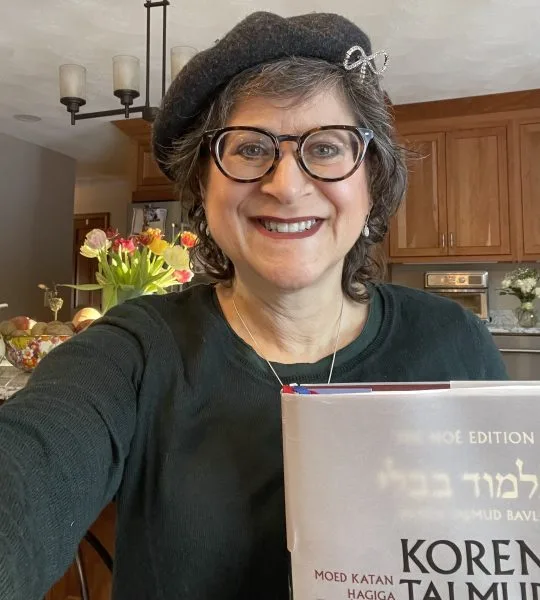
I decided to give daf yomi a try when I heard about the siyum hashas in 2020. Once the pandemic hit, the daily commitment gave my days some much-needed structure. There have been times when I’ve felt like quitting- especially when encountering very technical details in the text. But then I tell myself, “Look how much you’ve done. You can’t stop now!” So I keep going & my Koren bookshelf grows…

Miriam Eckstein-Koas

Huntington, United States

I learned Talmud as a student in Yeshivat Ramaz and felt at the time that Talmud wasn’t for me. After reading Ilana Kurshan’s book I was intrigued and after watching the great siyum in Yerushalayim it ignited the spark to begin this journey. It has been a transformative life experience for me as a wife, mother, Savta and member of Klal Yisrael.
Elana Storch
Elana Storch

Phoenix, Arizona, United States

I started learning Daf Yomi to fill what I saw as a large gap in my Jewish education. I also hope to inspire my three daughters to ensure that they do not allow the same Talmud-sized gap to form in their own educations. I am so proud to be a part of the Hadran community, and I have loved learning so many of the stories and halachot that we have seen so far. I look forward to continuing!
Dora Chana Haar
Dora Chana Haar

Oceanside NY, United States

I’ve been learning since January 2020, and in June I started drawing a phrase from each daf. Sometimes it’s easy (e.g. plants), sometimes it’s very hard (e.g. korbanot), and sometimes it’s loads of fun (e.g. bird racing) to find something to draw. I upload my pictures from each masechet to #DafYomiArt. I am enjoying every step of the journey.

Gila Loike
Gila Loike

Ashdod, Israel

I started learning when my brother sent me the news clip of the celebration of the last Daf Yomi cycle. I was so floored to see so many women celebrating that I wanted to be a part of it. It has been an enriching experience studying a text in a language I don’t speak, using background knowledge that I don’t have. It is stretching my learning in unexpected ways, bringing me joy and satisfaction.

Jodi Gladstone
Jodi Gladstone

Warwick, Rhode Island, United States

I started learning Dec 2019 after reading “If all the Seas Were Ink”. I found
Daily daf sessions of Rabbanit Michelle in her house teaching, I then heard about the siyum and a new cycle starting wow I am in! Afternoon here in Sydney, my family and friends know this is my sacred time to hide away to live zoom and learn. Often it’s hard to absorb and relate then a gem shines touching my heart.

Dianne Kuchar
Dianne Kuchar

Dover Heights, Australia

Pesachim 95

מַתְנִי׳ מָה בֵּין פֶּסַח הָרִאשׁוֹן לַשֵּׁנִי? הָרִאשׁוֹן אָסוּר בְּ״בַל יֵרָאֶה״ וּ״בַל יִמָּצֵא״, וְהַשֵּׁנִי — חָמֵץ וּמַצָּה עִמּוֹ בַּבַּיִת. הָרִאשׁוֹן טָעוּן הַלֵּל בַּאֲכִילָתוֹ, וְהַשֵּׁנִי אֵינוֹ טָעוּן הַלֵּל בַּאֲכִילָתוֹ. זֶה וָזֶה טָעוּן הַלֵּל בַּעֲשִׂיָּיתָן, וְנֶאֱכָלִין צָלִי עַל מַצָּה וּמְרוֹרִים, וְדוֹחִין אֶת הַשַּׁבָּת.

MISHNA: What is the difference between the Paschal lamb offered on the first Pesaḥ and the Paschal lamb offered on the second Pesaḥ? On the first Pesaḥ, at the time of slaughtering the Paschal lamb, it is prohibited to own leavened bread due to the prohibitions: It shall not be seen, and: It shall not be found. And on the second Pesaḥ it is permissible for one to have both leavened bread and matza with him in the house. Another difference is that the Paschal lamb offered on the first Pesaḥ requires the recitation of hallel as it is eaten and the second does not require the recitation of hallel as it is eaten. However, they are the same in that the Paschal lambs sacrificed on both the first and second Pesaḥ require the recitation of hallel as they are prepared, i.e., as they are slaughtered, and they are both eaten roasted with matza and bitter herbs, and they override Shabbat in that they may be slaughtered and their blood sprinkled even on Shabbat.

גְּמָ׳ תָּנוּ רַבָּנַן: ״כְּכׇל חוּקַּת הַפֶּסַח יַעֲשׂוּ אוֹתוֹ״ — בְּמִצְוָה שֶׁבְּגוּפוֹ הַכָּתוּב מְדַבֵּר.

GEMARA: The Sages taught a halakhic midrash pertaining to the Paschal lamb offered on the second Pesaḥ. The verse states with regard to the second Pesaḥ: “They shall leave none of it to the morning, nor break a bone in it; according to all the entire statute of the Paschal lamb they shall offer it” (Numbers 9:12). The fact that the verse says “it” indicates that the verse is speaking of a mitzva applicable to the body of the Paschal lamb, meaning that halakhot pertaining to the actual Paschal lamb on the first Pesaḥ apply equally to the Paschal lamb on the second Pesaḥ.

מִצְוָה שֶׁעַל גּוּפוֹ, מִנַּיִן? תַּלְמוּד לוֹמַר: ״עַל מַצּוֹת וּמְרוֹרִים יֹאכְלוּהוּ״. יָכוֹל אֲפִילּוּ מִצְוֹת שֶׁלֹּא עַל גּוּפוֹ — תַּלְמוּד לוֹמַר: ״וְעֶצֶם לֹא יִשְׁבְּרוּ בוֹ״, מָה שְׁבִירַת הָעֶצֶם מְיוּחָד מִצְוָה שֶׁבְּגוּפוֹ — אַף כׇּל מִצְוָה שֶׁבְּגוּפוֹ.

The midrash continues: With regard to a mitzva related to the body of the Paschal lamb but not actually performed on the body of the offering, from where is it derived that it applies to the second Pesaḥ as well? The verse states: “They shall eat it with matzot and bitter herbs” (Numbers 9:11). One might have thought that one must fulfill all mitzvot related to the first Pesaḥ on the second Pesaḥ, even mitzvot not at all related to the body of the Paschal lamb, such as the requirement to destroy all one’s leaven. Therefore, the Torah states: “And they shall not break a bone in it” (Numbers 9:12), which teaches that just as the prohibition of breaking a bone is notable among the mitzvot related to the Paschal lamb in that it is a mitzva applicable to the Paschal lamb itself, so too, any mitzva applicable to the Paschal lamb itself must be fulfilled on the second Pesaḥ. However, other mitzvot pertaining to the first Pesaḥ need not be fulfilled on the second Pesaḥ.

אִיסִי בֶּן יְהוּדָה אוֹמֵר: ״יַעֲשׂוּ אוֹתוֹ״, בְּמִצְוֹת שֶׁבְּגוּפוֹ הַכָּתוּב מְדַבֵּר.

Isi ben Yehuda says: It is unnecessary to derive that halakha from the end of the verse quoted, as the phrase in the first half of the verse: “They shall perform it,” indicates that the verse is speaking only of mitzvot applicable to the body of the Paschal lamb itself.

אָמַר מָר: יָכוֹל אַף מִצְוָה שֶׁלֹּא עַל גּוּפוֹ. הָא אָמְרַתְּ בְּמִצְוָה שֶׁבְּגוּפוֹ הַכָּתוּב מְדַבֵּר?

The Gemara clarifies the details of the baraita. The Master said: One might have thought that one must fulfill even a mitzva not at all related to the body of the Paschal lamb on the second Pesaḥ. The Gemara expresses surprise: But you said that the verse is speaking only of a mitzva applicable to the body of the Paschal lamb, so why would one think that unrelated mitzvot are also included?

הָכִי קָאָמַר: הַשְׁתָּא דְּאָמְרַתְּ ״עַל מַצּוֹת וּמְרוֹרִים יֹאכְלוּהוּ״, אַלְמָא ״יַעֲשׂוּ אוֹתוֹ״ לָאו דַּוְקָא הוּא. אֵימָא הָוֵה לֵיהּ כִּפְרָט וּכְלָל, וְנַעֲשָׂה כְּלָל מוֹסִיף עַל הַפְּרָט, וַאֲפִילּוּ כֹּל מִילֵּי נָמֵי, קָא מַשְׁמַע לַן.

The Gemara explains that this is what the baraita is saying: Now that you said the additional halakha that they shall eat it with unleavened bread and bitter herbs, apparently the phrase: “They shall perform it,” is not specific and does not limit the halakhot of the second Pesaḥ to those applicable to the Paschal lamb itself, say that this verse is expounded according to the principle of a detail and a generalization, as it first said: “They shall eat it with unleavened bread and bitter herbs” and “They shall leave none of it to the morning,” and then it stated a generalization: “According to all the statute of the Paschal lamb they shall perform it.” The principles of halakhic midrash state that in that case, the generalization adds to the detail and even includes everything, such that all the mitzvot of the first Pesaḥ would apply equally to the second, including the removal of leaven. Therefore, the verse “They shall not break a bone in it” teaches us that mitzvot unrelated to the Paschal lamb do not apply to the second Pesaḥ.

אִיסִי בֶּן יְהוּדָה, הַאי ״עֶצֶם״ מַאי עָבֵיד לֵיהּ? מִיבְּעֵי לֵיהּ לְאֶחָד עֶצֶם שֶׁיֵּשׁ בּוֹ מוֹחַ, וְאֶחָד עֶצֶם שֶׁאֵין בּוֹ מוֹחַ.

The Gemara asks: What does Isi ben Yehuda do with the end of the verse: “And they shall not break a bone in it”? The Gemara answers: He needs it to teach that the prohibition of breaking a bone applies both to a bone that has marrow and to a bone that does not have marrow.

וְרַבָּנַן, הַאי ״יַעֲשׂוּ אֹתוֹ״ מַאי עָבְדִי לֵיהּ? מִיבְּעֵי לֵיהּ שֶׁאֵין שׁוֹחֲטִין אֶת הַפֶּסַח עַל הַיָּחִיד, דְּכַמָּה דְּאֶפְשָׁר לְאַהְדּוֹרֵי מַהְדְּרִינַן.

The Gemara asks: And the Rabbis, who expound differently than Isi ben Yehuda, what do they do with this phrase: “They shall perform it”? The Gemara answers: They need it to teach that one does not slaughter the Paschal lamb on the second Pesaḥ on behalf of a single individual. Since the verse speaks of people performing the second Pesaḥ in the plural, it is derived that as much as it is possible to search for more people to join this individual in his Paschal lamb, we search for them, even if it means causing another individual to become ritually impure to prevent him from performing the first Pesaḥ.

תָּנוּ רַבָּנַן: ״כְּכׇל חוּקַּת הַפֶּסַח יַעֲשׂוּ אוֹתוֹ״. יָכוֹל כְּשֵׁם שֶׁהָרִאשׁוֹן אָסוּר בְּ״בַל יֵרָאֶה״ וּ״בַל יִמָּצֵא״ כָּךְ שֵׁנִי אָסוּר בְּ״בַל יֵרָאֶה״ וּ״בַל יִמָּצֵא״ — תַּלְמוּד לוֹמַר: ״עַל מַצּוֹת וּמְרוֹרִים יֹאכְלוּהוּ״.

The Sages taught in a different baraita: The verse states: “According to the entire statute of the Paschal lamb they shall offer it” (Numbers 9:12). One might have thought that just as at the time of the sacrifice of the Paschal lamb on the first Pesaḥ it is prohibited to own leaven due to the prohibitions of: It shall not be seen, and: It shall not be found, so too, at the time of the sacrifice of the Paschal lamb on the second Pesaḥ it is prohibited to own leaven due to the prohibitions of: It shall not be seen, and: It shall not be found. Therefore, the Torah states: “They shall eat it with matzot and bitter herbs” (Numbers 9:11), which indicates that the other mitzvot pertaining to the first Pesaḥ do not apply on the second.

וְאֵין לִי אֶלָּא מִצְוַת עֲשֵׂה, מִצְוַת לֹא תַעֲשֶׂה מִנַּיִן? תַּלְמוּד לוֹמַר: ״לֹא יַשְׁאִירוּ מִמֶּנּוּ עַד בֹּקֶר״.

The baraita continues: And from here I have derived only that positive mitzvot related to the first Pesaḥ apply on the second Pesaḥ; from where do I derive that the same is true of negative mitzvot? The verse states: “They shall leave none of it to the morning, nor break a bone in it” (Numbers 9:12).

וְאֵין לִי אֶלָּא מִצְוַת לֹא תַעֲשֶׂה שֶׁנִּיתָּק לַעֲשֵׂה. מִצְוַת לֹא תַעֲשֶׂה גָּמוּר מִנַּיִן? תַּלְמוּד לוֹמַר: ״וְעֶצֶם לֹא יִשְׁבְּרוּ בוֹ״. מָה הַפְּרָט — מְפוֹרָשׁ: מִצְוַת עֲשֵׂה, וְלֹא תַעֲשֶׂה שֶׁנִּיתָּק לַעֲשֵׂה, וְלֹא תַעֲשֶׂה גָּמוּר — אַף כׇּל מִצְוַת עֲשֵׂה, וְלֹא תַעֲשֶׂה שֶׁנִּיתָּק לַעֲשֵׂה, וְלֹא תַעֲשֶׂה גָּמוּר.

The baraita continues: And from this verse I have derived only that a negative mitzva whose violation can be rectified by the fulfillment of a positive mitzva applies on the second Pesaḥ, e.g., the prohibition of leaving over meat from the Paschal lamb until morning, which can be rectified by the positive mitzva of burning the leftovers; from where is it derived that the same is true of a full-fledged negative mitzva? The verse states: “They shall not break a bone in it.” It may be concluded from these examples that just as the detail, i.e., the specific mitzvot mentioned in these verses, is explicit and includes a positive mitzva, a prohibition whose violation can be rectified by the fulfillment of a positive mitzva, and a full-fledged negative mitzva; so too, every positive mitzva, every prohibition whose violation can be rectified by the fulfillment of a positive mitzva, and every full-fledged negative mitzva is included.

בִּכְלָלֵיהּ דְּ״מַצּוֹת וּמְרוֹרִים״, מַאי קָא מְרַבֵּי? צְלִי אֵשׁ. בִּפְרָטֵיהּ מַאי מְמַעֵיט לֵיהּ? הַשְׁבָּתַת שְׂאוֹר. אֵיפוֹךְ אֲנָא! מִצְוָה דְגוּפֵיהּ עֲדִיף.

Now that the generalization has been interpreted as referring to the specific examples mentioned earlier, what is included through the generalization of unleavened bread and bitter herbs? The Gemara answers: It comes to teach that the mitzva of roasting in fire applies to the Paschal lamb on the second Pesaḥ as well as to the first. Given that unleavened bread and bitter herbs is also a qualifying detail, what does it exclude through its detail? It teaches that the mitzva of removal of leaven does not apply on the second Pesaḥ. The Gemara asks: Perhaps I can reverse it and say that on the second Pesaḥ one is not obligated to roast the offering by fire, but one is obligated to remove all leaven? The Gemara answers: A mitzva relating to the Paschal lamb itself is preferable, as it is more reasonable to assume that the first and second Pesaḥ are comparable with regard to halakhot pertaining to the offering itself.

בִּכְלָלֵיהּ דְּ״לֹא יַשְׁאִירוּ מִמֶּנּוּ עַד בֹּקֶר״ מַאי קָא מְרַבֵּה לֵיהּ? ״לֹא תוֹצִיא מִמֶּנּוּ״ (דְּדָמֵי לֵיהּ. דְּהַאי מִיפְּסַל בְּנוֹתָר, וְהַאי מִיפְּסַל בְּיוֹצֵא).

The Gemara asks further: What is included through the generalization of: They shall leave none of it to the morning? The Gemara answers that it includes the prohibition of: You shall not remove any of its meat from one group to another, which is similar to it, as through this prohibition mentioned in the verse it is disqualified as leftovers, and through this prohibition of removing the meat of the offering it is disqualified as sacrificial meat that has left its permitted boundary.

בִּפְרָטֵיהּ מַאי קָא מְמַעֵט לֵיהּ? ״לֹא יֵרָאֶה וְלֹא יִמָּצֵא״ (דְּדָמֵי לֵיהּ, דְּהַאי אֵינוֹ לוֹקֶה דְּהָוֵה לָאו שֶׁנִּיתָּק לַעֲשֵׂה. וְהַאי אֵינוֹ לוֹקָה דְּהָוֵה לֵיהּ לָאו שֶׁנִּיתָּק לַעֲשֵׂה). אֵיפוֹךְ אֲנָא! מִצְוָה דְגוּפֵיהּ עֲדִיף.

The Gemara asks further: What does it exclude through its detail? It excludes the prohibitions: It shall not be seen, and: It shall not be found, which are similar to it, as one who violates this prohibition of leaving over the meat of the offering until morning is not flogged because it is a prohibition whose violation can be rectified by fulfilling a positive mitzva by burning the leftovers; and one who violates this prohibition of owning leaven is not flogged because it is a prohibition whose violation can be rectified by fulfilling a positive mitzva of burning the leaven. The Gemara asks: Perhaps I can reverse it and say that the generalization is meant to include removal of leaven and the detail excludes the prohibition of leaving over the meat of the offering? The Gemara answers: In a comparison of the first Pesaḥ and the second, including a mitzva related to the Paschal lamb itself is preferable to including one that does not relate to the Paschal lamb.

בִּכְלָלֵיהּ דְּ״עֶצֶם לֹא יִשְׁבְּרוּ בוֹ״

The Gemara continues to ask: Through the generalization: They shall not break a bone in it,

מַאי קָא מְרַבֵּה? ״אַל תֹּאכְלוּ מִמֶּנּוּ נָא״. בִּפְרָטֵיהּ מַאי קָא מְמַעֲטִי? ״לֹא תִשְׁחַט עַל חָמֵץ דַּם זִבְחִי״. אֵיפוֹךְ אֲנָא! מִצְוָה דְגוּפֵיהּ עֲדִיף.

what is it including, beyond what is mentioned explicitly in the verse? The Gemara answers that it includes the mitzva: “Do not eat from it raw” (Exodus 12:9). The Gemara asks: What does it exclude through its detail? The Gemara answers that it excludes the mitzva: “You shall not offer the blood of My sacrifice with leavened bread” (Exodus 34:25). The Gemara asks: Perhaps I can reverse it and say the opposite, that the prohibition against eating the offering raw is excluded, and the prohibition against owning leaven is included. The Gemara answers: Including a mitzva related to the Paschal lamb itself is preferable to including one that does not relate as directly to the Paschal lamb. Therefore, the prohibition against eating the Paschal lamb raw is included, and the prohibition against slaughtering the Paschal lamb with leaven in one’s possession is excluded.

הָרִאשׁוֹן טָעוּן הַלֵּל בַּאֲכִילָתוֹ וְכוּ׳. מְנָא הָנֵי מִילֵּי? אָמַר רַבִּי יוֹחָנָן מִשּׁוּם רַבִּי שִׁמְעוֹן בֶּן יְהוֹצָדָק: אָמַר קְרָא ״הַשִּׁיר יִהְיֶה לָכֶם כְּלֵיל הִתְקַדֶּשׁ חָג״. לַיְלָה הַמְקוּדָּשׁ לֶחָג — טָעוּן הַלֵּל, לַיְלָה שֶׁאֵין מְקוּדָּשׁ לֶחָג — אֵין טָעוּן הַלֵּל.

It was taught in the mishna that the Paschal lamb on the first Pesaḥ requires the recitation of hallel as it is eaten, whereas on the second Pesaḥ it does not. The Gemara asks: From where are these matters derived? Rabbi Yoḥanan said, citing Rabbi Shimon ben Yehotzadak, that the verse states: “You shall have a song as in the night when a Festival is sanctified” (Isaiah 30:29). From here it may be derived that a night sanctified as a Festival, on which labor is prohibited, such as the first night of Passover, requires the recitation of hallel; however, a night which is not sanctified as a Festival, such as the night when the Paschal lamb is eaten following the second Pesaḥ, does not require the recitation of hallel.

זֶה וָזֶה טְעוּנִין הַלֵּל בַּעֲשִׂיָּיתָן כּוּ׳. מַאי טַעְמָא? אִיבָּעֵית אֵימָא: לַיְלָה קָא מְמַעֵט, יוֹם לָא קָא מְמַעֵט. וְאִיבָּעֵית אֵימָא: אֶפְשָׁר יִשְׂרָאֵל שׁוֹחֲטִין אֶת פִּסְחֵיהֶן וְנוֹטְלִין אֶת לוּלְבֵיהֶן, וְאֵין אוֹמְרִים הַלֵּל?!

It was stated in the mishna that the Paschal lambs sacrificed on both the first and second Pesaḥ require the recitation of hallel as they are prepared. The Gemara asks: What is the reason that hallel must be recited while one prepares the Paschal lamb on the second Pesaḥ? The Gemara answers: If you wish, say that the verse quoted above: “As in the night when a festival is sanctified,” excludes laws that apply at night, but it does not exclude laws that apply by day; therefore, the recitation of hallel is required while slaughtering the Paschal lamb on the second Pesaḥ just as it is required while slaughtering the Paschal lamb on the first Pesaḥ. And if you wish, say that this halakha simply makes logical sense: Is it possible that the Jewish people are slaughtering their Paschal lambs or taking their lulavim on Sukkot and not reciting hallel? It is inconceivable that they would not be reciting hallel and there is no need for an explicit biblical source for this halakha.

וְנֶאֱכָלִין צָלִי וְכוּ׳. שַׁבָּת אִין, טוּמְאָה לָא. מַתְנִיתִין דְּלָא כְּרַבִּי יְהוּדָה. דְּתַנְיָא: דּוֹחֶה אֶת הַשַּׁבָּת, וְאֵין דּוֹחֶה אֶת הַטּוּמְאָה. רַבִּי יְהוּדָה אוֹמֵר: אַף דּוֹחֶה אֶת הַטּוּמְאָה.

It was also taught in the mishna that the Paschal lambs on both the first and second Pesaḥ are eaten roasted and override Shabbat. It may be inferred from this that with regard to Shabbat, yes, it is overridden by the Paschal lamb on the second Pesaḥ, but with regard to ritual impurity, no, it is not overridden for the sake of the Paschal lamb on the second Pesaḥ. The Gemara points out that this understanding of the mishna is not in accordance with the opinion of Rabbi Yehuda, as it was taught in a baraita: The Paschal lamb on the second Pesaḥ overrides Shabbat and does not override ritual impurity. Rabbi Yehuda says: It overrides even ritual impurity.

מַאי טַעְמָא דְּתַנָּא קַמָּא: מִפְּנֵי טוּמְאָה דְּחִיתִיו יַחְזוֹר וְיֵעָשֶׂה בְּטוּמְאָה?! וְרַבִּי יְהוּדָה: הַתּוֹרָה חָזְרָה עָלָיו לַעֲשׂוֹתוֹ בְּטׇהֳרָה, לֹא זָכָה — יֵעָשֶׂה בְּטוּמְאָה.

The Gemara explains: What is the reason for the opinion of the first tanna? He holds that once this person was deferred from the first Pesaḥ due to ritual impurity, shall he now return and perform the offering of the Paschal lamb on the second Pesaḥ in ritual impurity? And Rabbi Yehuda reasoned: The Torah sought to allow this person the opportunity to perform the offering of the Paschal lamb in ritual purity; if it ultimately becomes clear that he did not merit doing so, let him at least perform the offering of the second Pesaḥ in a state of ritual impurity.

תָּנוּ רַבָּנַן: פֶּסַח רִאשׁוֹן דּוֹחֶה אֶת הַשַּׁבָּת, פֶּסַח שֵׁנִי דּוֹחֶה אֶת הַשַּׁבָּת. פֶּסַח רִאשׁוֹן דּוֹחֶה אֶת הַטּוּמְאָה, פֶּסַח שֵׁנִי דּוֹחֶה אֶת הַטּוּמְאָה. פֶּסַח רִאשׁוֹן טָעוּן לִינָה, פֶּסַח שֵׁנִי טָעוּן לִינָה.

The Sages taught in a different baraita: The offering of the Paschal lamb on the first Pesaḥ overrides Shabbat, and similarly, the offering of the Paschal lamb on the second Pesaḥ overrides Shabbat. The first Pesaḥ overrides ritual impurity, and similarly, the second Pesaḥ overrides ritual impurity. The first Pesaḥ requires remaining until morning, meaning that it is prohibited for people who have participated in the Paschal lamb to return that night to their homes outside Jerusalem, and similarly, the second Pesaḥ requires remaining until morning.

דּוֹחֶה אֶת הַטּוּמְאָה, כְּמַאן? כְּרַבִּי יְהוּדָה.

The Gemara clarifies: With regard to the statement that the second Pesaḥ overrides ritual impurity, in accordance with whose opinion is this? It is in accordance with the opinion of Rabbi Yehuda.

וּלְרַבִּי יְהוּדָה טָעוּן לִינָה? וְהָא תַּנְיָא, רַבִּי יְהוּדָה אוֹמֵר: מִנַּיִין לְפֶסַח שֵׁנִי שֶׁאֵין טָעוּן לִינָה, שֶׁנֶּאֱמַר: ״וּפָנִיתָ בַבֹּקֶר וְהָלַכְתָּ לְאֹהָלֶיךָ״, וּכְתִיב: ״שֵׁשֶׁת יָמִים תֹּאכַל מַצּוֹת״, הַנֶּאֱכָל לְשִׁשָּׁה טָעוּן לִינָה, שֶׁאֵין נֶאֱכָל לְשִׁשָּׁה — אֵין טָעוּן לִינָה!

But according to Rabbi Yehuda, does the second Pesaḥ require remaining until morning? Wasn’t it taught explicitly in a baraita that Rabbi Yehuda says: From where is it derived that the second Pesaḥ does not require remaining until morning? As it is stated with regard to the Paschal lamb: “And you shall roast and eat it in the place which the Lord your God shall choose; and you shall turn in the morning and go to your tents” (Deuteronomy 16:7), and it is written immediately after: “Six days you shall eat matzot; and on the seventh day shall be a solemn assembly to the Lord your God; you shall do no work on it” (Deuteronomy 16:8). From this juxtaposition it may be concluded that the first Pesaḥ, which is followed by the mitzvah to eat matza for six days, requires remaining until morning, whereas the second Pesaḥ, which is not followed by the mitzva to eat matza for six days, does not require remaining until morning. This contradicts what was previously stated citing Rabbi Yehuda.

תְּרֵי תַנָּאֵי וְאַלִּיבָּא דְּרַבִּי יְהוּדָה.

The Gemara answers: These statements were made by two tanna’im in accordance with the opinion of Rabbi Yehuda, but the two tanna’im disagreed about whether or not Rabbi Yehuda maintained that one is required to stay overnight on the second Pesaḥ.

מַתְנִי׳ הַפֶּסַח שֶׁבָּא בְּטוּמְאָה, לֹא יֹאכְלוּ מִמֶּנּוּ זָבִין וְזָבוֹת נִדּוֹת וְיוֹלְדוֹת. וְאִם אָכְלוּ — פְּטוּרִין מִכָּרֵת.

MISHNA: When the Paschal lamb is sacrificed in a state of ritual impurity due to the fact that the majority of the Jewish people are ritually impure, zavim, and zavot, and menstruating women, and women after childbirth may not eat it, because the Paschal lamb overrides only ritual impurity imparted by a corpse, but it does not override other forms of ritual impurity. However, if they violated the halakha and ate from the offering, they are exempt from karet. One who eats sacrificial food in a state of ritual impurity is generally liable to receive karet; however, since in this case the offering is sacrificed in a state of ritual impurity, there is no punishment of karet even for ritually impure individuals who are not permitted to eat it.

וְרַבִּי אֱלִיעֶזֶר פּוֹטֵר אַף עַל בִּיאַת מִקְדָּשׁ.

And Rabbi Eliezer exempts these individuals from karet even for entering the Temple in a state of ritual impurity, despite their not being permitted to enter, because people who are impure due to ritual impurity imparted by a corpse are permitted to enter the Temple in this situation despite their impurity.

גְּמָ׳ תָּנוּ רַבָּנַן: זָבִין וְזָבוֹת נִדּוֹת וְיוֹלְדוֹת שֶׁאָכְלוּ בְּפֶסַח שֶׁבָּא בְּטוּמְאָה, יָכוֹל יְהוּ חַיָּיבִין — תַּלְמוּד לוֹמַר: ״כׇּל טָהוֹר יֹאכַל בָּשָׂר. וְהַנֶּפֶשׁ אֲשֶׁר תֹּאכַל בָּשָׂר מִזֶּבַח הַשְּׁלָמִים אֲשֶׁר לַה׳ וְטוּמְאָתוֹ עָלָיו וְנִכְרְתָה״.

GEMARA: The Sages taught in a baraita: With regard to zavim, and zavot, and menstruating women, and women after childbirth who ate of the Paschal lamb that was sacrificed while the majority of the Jewish people were in a state of ritual impurity, one might have thought that they would be liable to receive karet; therefore, the verse states: “The meat that touches any impure thing shall not be eaten, it shall be burned in fire; and the meat, every one that is ritually pure may eat the meat. But the soul that eats of the meat of the sacrifice of peace-offerings, that belong to the Lord, having his impurity upon him, that soul shall be cut off [venikhreta] from his people” (Leviticus 7:19–20).

נֶאֱכַל לִטְהוֹרִים — חַיָּיבִים עָלָיו מִשּׁוּם טָמֵא, וְשֶׁאֵינוֹ נֶאֱכָל לִטְהוֹרִין — אֵין טְמֵאִין חַיָּיבִין עָלָיו מִשּׁוּם טָמֵא.

The baraita continues: The juxtaposition of these verses teaches that if the offering is eaten only by people who are ritually pure, ritually impure people are liable for eating it due to being ritually impure, but if it is not eaten only by people who are ritually pure, because it was offered when the majority of the Jewish people were impure, those who are ritually impure are not liable for eating it due to being impure.

רַבִּי אֱלִיעֶזֶר אוֹמֵר: יָכוֹל דָּחֲקוּ זָבִין וְנִכְנְסוּ לָעֲזָרָה בְּפֶסַח הַבָּא בְּטוּמְאָה, יָכוֹל יְהוּ חַיָּיבִין — תַּלְמוּד לוֹמַר: ״וִישַׁלְּחוּ מִן הַמַּחֲנֶה כׇּל צָרוּעַ וְכׇל זָב וְכֹל טָמֵא לָנָפֶשׁ״, בִּזְמַן שֶׁטְּמֵאֵי מֵתִים מִשְׁתַּלְּחִין — זָבִין וּמְצוֹרָעִין מִשְׁתַּלְּחִין, אֵין טְמֵאֵי מֵתִים מִשְׁתַּלְּחִין — אֵין זָבִין וּמְצוֹרָעִין מִשְׁתַּלְּחִין.

Rabbi Eliezer says: One might have thought that if zavim or lepers pushed their way in and entered the courtyard, which they are prohibited from entering, in order to sacrifice the Paschal lamb that is brought when the majority of the Jewish people are in a state of ritual impurity, one might have thought that they would be liable to receive karet for entering the Temple while ritually impure; therefore, the verse states: “That they send out from the camp any leper and any zav and anyone defiled by the dead” (Numbers 5:2). This teaches that at a time when those who are impure due to ritual impurity imparted by a corpse are sent out from the Temple, zavim and lepers are also sent out; when those who are impure due to ritual impurity imparted by a corpse are not sent out but are permitted to sacrifice the offering in a state of ritual impurity, zavim and lepers are also not sent out.

בָּעֵי רַב יוֹסֵף: דָּחֲקוּ טְמֵאֵי מֵתִים וְנִכְנְסוּ לַהֵיכָל בְּפֶסַח הַבָּא בְּטוּמְאָה, מַהוּ? מִדְּאִישְׁתְּרַי טוּמְאַת עֲזָרָה אִישְׁתְּרַי נָמֵי טוּמְאַת הֵיכָל, אוֹ דִילְמָא מַאי דְּאִישְׁתְּרַי — אִישְׁתְּרַי, מַאי דְּלָא אִישְׁתְּרַי — לָא אִישְׁתְּרַי!

Rav Yosef asked a question related to the halakhot discussed above: If those who are impure due to ritual impurity imparted by a corpse pushed their way in and entered the Sanctuary, which is an area in which no services are performed for the Paschal lamb and which only priests may enter ab initio, and this occurs in a case in which the Paschal lamb is brought when the majority of the Jewish people are in a state of ritual impurity, what is the halakha? Is the halakha that since ritual impurity was permitted in the courtyard for the sake of the Paschal lamb, ritual impurity in the Sanctuary was also permitted; or perhaps what was permitted was permitted and what was not permitted was not permitted, and consequently they are liable for entering the Sanctuary?

אָמַר רָבָא, אָמַר קְרָא: ״וִישַׁלְּחוּ מִן הַמַּחֲנֶה״, אֲפִילּוּ מִקְצָת מַחֲנֶה.

Rava said in answer to this question that the verse states: “They send out from the camp” (Numbers 5:2); the phrase “from the camp” indicates that the halakha applies even to a part of the camp. Therefore, when the majority of the Jewish people are ritually impure, even though people who are ritually impure are permitted to enter part of the Temple, as they must bring their offerings to the Temple courtyard, they are not permitted to enter everywhere inside the Temple, and the prohibition of entering the Sanctuary remains in place.

אִיכָּא דְּאָמְרִי: אָמַר רָבָא, אָמַר קְרָא: ״וִישַׁלְּחוּ מִן הַמַּחֲנֶה … אֶל מִחוּץ לַמַּחֲנֶה תְּשַׁלְּחוּם״, כׇּל הֵיכָא דְּקָרֵינַן בֵּיהּ ״אֶל מִחוּץ לַמַּחֲנֶה תְּשַׁלְּחוּם״ — קָרֵינַן בֵּיהּ ״וִישַׁלְּחוּ מִן הַמַּחֲנֶה״.

Some say that Rava said a different answer: The verse states: “That they send out from the camp any leper and any zav and anyone defiled by the dead…outside the camp you shall send them” (Numbers 5:2–3). This implies that anywhere that we apply the phrase: “Outside the camp you shall send them,” which is referring to a case in which the majority of the Jewish people are ritually pure and indicates that the impure people must be sent outside of the entire camp, we also apply the phrase: “They must send out from the camp,” meaning it is prohibited for people who are ritually impure to enter the Sanctuary. However, if the majority of the Jewish people are impure and the offering is sacrificed in a state of impurity, those who are impure are not liable if they enter the Sanctuary.

בָּעֵי רַב יוֹסֵף: דָּחֲקוּ טְמֵאֵי מֵתִים וְאָכְלוּ אֵימוּרֵי פֶּסַח הַבָּא בְּטוּמְאָה,

Rav Yosef asked a similar question: If people who are impure due to ritual impurity imparted by a corpse pushed their way in and ate portions that are supposed to be consumed on the altar, such as the fats, the kidneys, and the fat tail, from a Paschal lamb offered in ritual impurity,

Want to follow content and continue where you left off?

Create an account today to track your progress, mark what you’ve learned, and follow the shiurim that speak to you.

Clear all items from this list?

This will remove ALL the items in this section. You will lose any progress or history connected to them. This is irreversible.

Cancel
Yes, clear all

Are you sure you want to delete this item?

You will lose any progress or history connected to this item.

Cancel
Yes, delete