Search

Rosh Hashanah 21

Want to dedicate learning? Get started here:

English
עברית
podcast placeholder

0:00
0:00


podcast placeholder

0:00
0:00


Summary

Whether or not one needs to keep two days of chag depends on whether or not messengers could reach there both in Nissan and in Tishrei. If in Tishrei there was not enough time to come, but in Nissan there was (due to many days in Tishrei where one cannot travel), even in Nissan one needs to keep two days of Pesach. Several stories/practices are told regarding Yom Kippur – what happens if they find out after Yom Kippur that they fasted on the wrong day? Rava would hold two days of fasting just to make sure, however, this was not the prevalent custom. On a year when the winter season will end by (or on) the 16th of Nissan, a leap year must be declared. How do those living on the sea determine when the holidays will be? Witnesses can desecrate Shabbat to testify about the new moon only on Nissan and Tishrei because of the holidays, so as not to delay the messengers. Messengers, however, cannot desecrate the Shabbat. From where is all this derived? In the time of the Temple, they could desecrate Shabbat every month because of the sacrifices for Rosh Chodesh. This was changed by Rabban Yochanan ben Zakai after the destruction. Witnesses can come on Shabbat even if the new moon was seen clearly. although some disagree and only permit them to come if it was not so clear.


Rosh Hashanah 21

תְּרֵי יַרְחֵי חַסִּירֵי קָלָא אִית לְהוּ.

The Gemara answers: It is a rare occurrence that two consecutive months are made short, and this would generate publicity, so that everyone would know about it.

לֵוִי אִקְּלַע לְבָבֶל בְּחַדְסַר בְּתִשְׁרִי. אֲמַר: בְּסִים תַּבְשִׁילָא דְבַבְלָאֵי בְּיוֹמָא רַבָּה דְּמַעְרְבָא. אָמְרִי לֵיהּ: אַסְהֵיד! אֲמַר לְהוּ: לֹא שָׁמַעְתִּי מִפִּי בֵּית דִּין ״מְקוּדָּשׁ״.

§ It was related that Levi once arrived in Babylonia on what was observed there as the eleventh of Tishrei. He said: How tasty is the dish of the Babylonians on the great day of Yom Kippur, as they are observing Yom Kippur in the West, Eretz Yisrael. The month of Elul had been declared full in Eretz Yisrael, and according to the calendar there, it was only the tenth of Tishrei. They said to him: Testify that today is Yom Kippur and we shall observe it. He said to them: I myself did not hear the court proclaim: It is sanctified. Although I know that the month had been declared full, since I did not personally hear the proclamation, I cannot offer direct testimony such that you should change your calculations.

מַכְרִיז רַבִּי יוֹחָנָן: כׇּל הֵיכָא דְּמָטוּ שְׁלוּחֵי נִיסָן, וְלָא מָטוּ שְׁלוּחֵי תִּשְׁרֵי — לִיעְבְּדוּ תְּרֵי יוֹמֵי. גְּזֵירָה נִיסָן אַטּוּ תִּשְׁרֵי.

It was further related that Rabbi Yoḥanan used to proclaim: Anywhere that can be reached by the messengers who go out in Nisan in time to inform the people when to observe Passover, but cannot be reached by the messengers sent out in Tishrei, let them also observe the festival of Passover for two days. The messengers did not travel on Rosh HaShana or Yom Kippur, and therefore they could travel three days further in Nisan than in Tishrei. The Sages instituted that two days must be observed in Nisan as a rabbinic decree due to Tishrei, for if they observe Passover for only one day, they will come to observe Sukkot for one day as well, and this they are not permitted to do.

רַבִּי אַיְיבוּ בַּר נַגָּרֵי וְרַבִּי חִיָּיא בַּר אַבָּא אִיקְּלַעוּ לְהָהוּא אַתְרָא דַּהֲוָה מָטוּ שְׁלוּחֵי נִיסָן וְלָא מָטוּ שְׁלוּחֵי תִּשְׁרֵי, וְעָבְדִי חַד יוֹמָא, וְלָא אֲמַרוּ לְהוּ וְלָא מִידֵּי. שְׁמַע רַבִּי יוֹחָנָן וְאִיקְּפַד. אֲמַר לְהוּ: לָאו אֲמַרִי לְכוּ הֵיכָא דְּמָטוּ שְׁלוּחֵי נִיסָן וְלָא מָטוּ שְׁלוּחֵי תִּשְׁרֵי לִיעְבְּדוּ תְּרֵי יוֹמֵי, גְּזֵירָה נִיסָן אַטּוּ תִּשְׁרֵי!

It was reported that Rabbi Aivu bar Naggarei and Rabbi Ḥiyya bar Abba, two disciples of Rabbi Yoḥanan, once arrived in a certain place that could be reached by the messengers who go out in Nisan, but could not be reached by the messengers who go out in Tishrei. And they saw that the locals observed only one day of Passover. They said nothing to them to correct their practice. Rabbi Yoḥanan heard this and he became angry with Rabbi Aivu and Rabbi Ḥiyya, for they had failed to rebuke the people who were acting contrary to Rabbi Yoḥanan’s explicit ruling. He said to them: Did I not say to you that anywhere that can be reached by the messengers sent out in Nisan but not by those sent out in Tishrei must observe two days of Passover, for the Sages instituted a rabbinic decree in Nisan due to Tishrei?

רָבָא הֲוָה רְגִיל דַּהֲוָה יָתֵיב בְּתַעֲנִיתָא תְּרֵי יוֹמֵי. זִימְנָא חֲדָא אִשְׁתְּכַח כְּווֹתֵיהּ.

§ The Gemara relates that Rava would regularly sit in observance of the fast of Yom Kippur for two days, in case Elul had been declared a thirty-day month and Yom Kippur should be observed on what was observed in Babylonia as the eleventh of Tishrei. It once happened in accordance with his opinion. Elul had been declared a thirty-day month, and he was the only one who observed Yom Kippur on the correct day.

רַב נַחְמָן יְתֵיב בְּתַעֲנִיתָא כּוּלֵּיהּ יוֹמֵי דְּכִיפּוּרֵי. לְאוּרְתָּא אֲתָא הָהוּא גַּבְרָא, אֲמַר לֵיהּ: לִמְחַר יוֹמָא רַבָּה בְּמַעְרְבָא.

It was related that Rav Naḥman had once fasted the entire day of Yom Kippur as usual. In the evening, toward the end of his fast, a certain man came and said to him: Tomorrow is the great day, Yom Kippur, in the West, Eretz Yisrael, and it is therefore necessary to fast tomorrow.

אֲמַר לֵיהּ: מֵהֵיכָא אַתְּ? אֲמַר לֵיהּ: מִדִּמְהַרְיָא. אֲמַר לֵיהּ: דָּם תְּהֵא אַחֲרִיתוֹ. קָרֵי עֲלֵיהּ: ״קַלִּים הָיוּ רוֹדְפֵינוּ״.

Rav Naḥman said to him: From where do you come? He said to him: From a place called Damihareya. He said to him, playing on the name of his place: Blood will be his end, meaning Rav Naḥman’s own end. Due to this information, Rav Naḥman would have to fast two successive days, and thereby suffer greatly, as if his blood were being shed. He read the verse about him: “Our pursuers were swifter than vultures in the sky” (Lamentations 4:19), for had this messenger arrived just a little bit later, they would have eaten and drunk in the meantime.

שְׁלַח לֵיהּ רַב הוּנָא בַּר אָבִין לְרָבָא: כַּד חָזֵית דְּמָשְׁכָה תְּקוּפַת טֵבֵת עַד שִׁיתְּסַר בְּנִיסָן — עַבְּרַהּ לְהַהִיא שַׁתָּא וְלָא תְּחוּשׁ לַהּ, דִּכְתִיב: ״שָׁמוֹר אֶת חֹדֶשׁ הָאָבִיב״, שְׁמוֹר אָבִיב שֶׁל תְּקוּפָה שֶׁיְּהֵא בְּחֹדֶשׁ נִיסָן.

§ Rav Huna bar Avin sent this instruction to Rava: When you see that, according to your calculations, the season of Tevet, i.e., winter, will extend to the sixteenth of Nisan, and the spring equinox will occur after the sixteenth of Nisan, add an extra month to that year, making it a leap year. And do not worry about finding an additional reason to justify making it a leap year, as it is written: “Observe the month of spring” (Deuteronomy 16:1). That is to say, see to it that the spring of the season, i.e., the spring equinox, is in the new part of Nisan, i.e., the first half, before Passover.

אֲמַר לְהוּ רַב נַחְמָן לְהָנְהוּ נָחוֹתֵי יַמָּא: אַתּוּן דְּלָא יָדְעִיתוּ בִּקְבִיעָא דְיַרְחָא, כִּי חָזֵיתוּ סֵיהֲרָא דְּמַשְׁלֵים לְיוֹמָא — בַּעִירוּ חֲמִירָא.

It was related that Rav Naḥman said to those setting out to sea before Nisan: Since you will not know the determination of the first day of the new month, this is what you should do: When you see that the moon sets at daybreak, i.e., that it is visible all night from sundown to sunrise, know that it is the middle of the month of Nisan and burn your leaven.

אֵימַת מַשְׁלֵים — בַּחֲמֵיסַר. וְהָא אֲנַן מֵאַרְבֵּיסַר מְבַעֲרִינַן! לְדִידְהוּ דִּמְגַלּוּ לְהוּ עָלְמָא, מֵאַרְבֵּיסַר מַשְׁלֵים.

The Gemara asks: When does the moon set at daybreak? On the fifteenth of the month. But on the fourteenth of Nisan we burn leaven. The Gemara answers: For those out at sea, to whom the world is revealed, to whom the horizon is wide open and clearly visible, the moon completes its course at sunrise already on the fourteenth of the month. They can therefore rely on this sign to establish the date of Passover and the time for burning leaven.

מַתְנִי׳ עַל שְׁנֵי חֳדָשִׁים מְחַלְּלִין אֶת הַשַּׁבָּת — עַל נִיסָן וְעַל תִּשְׁרִי, שֶׁבָּהֶן שְׁלוּחִין יוֹצְאִין לְסוּרְיָא, וּבָהֶן מְתַקְּנִין אֶת הַמּוֹעֲדוֹת. וּכְשֶׁהָיָה בֵּית הַמִּקְדָּשׁ קַיָּים — מְחַלְּלִין אַף עַל כּוּלָּן, מִפְּנֵי תַּקָּנַת הַקׇּרְבָּן.

MISHNA: Only for the sake of two months may witnesses who saw the new moon desecrate Shabbat, should that be necessary in order for them to offer testimony before the court: For the month of Nisan and for the month of Tishrei, for in these months messengers are sent out to Syria, and by them, i.e., these months, the dates of the major Festivals are set: Yom Kippur, Sukkot, Passover, and Shavuot. And when the Temple was standing, the witnesses desecrated Shabbat for the fixing of the New Moon of all the months, due to the imperative of fixing the proper offering of the New Moon at the correct time.

גְּמָ׳ עַל שְׁנֵי חֳדָשִׁים וְתוּ לָא?! וּרְמִינְהוּ: עַל שִׁשָּׁה חֳדָשִׁים הַשְּׁלוּחִין יוֹצְאִין!

GEMARA: The mishna taught that messengers were sent out for two months. The Gemara asks: For only two months and no more? And the Gemara raises a contradiction from the previous mishna, which teaches: For six months of the year messengers go out, not only for two months.

אָמַר אַבָּיֵי, הָכִי קָאָמַר: עַל כּוּלָּן שְׁלוּחִין יוֹצְאִין מִבָּעֶרֶב — עַל נִיסָן וְעַל תִּשְׁרִי, עַד שֶׁיִּשְׁמְעוּ מִפִּי בֵּית דִּין: ״מְקוּדָּשׁ״.

Abaye said: This is what the mishna is saying: For all the other months the messengers go out already in the evening, if the new moon was clearly seen and if it is certain that the court will proclaim the day as the New Moon. But for Nisan and for Tishrei the messengers do not go out until they hear from the court that the day is declared as the New Moon, by saying: It is sanctified, so that they can offer proper testimony. The court convenes only during the daytime.

תַּנְיָא נָמֵי הָכִי: עַל כּוּלָּן יוֹצְאִין מִבָּעֶרֶב — עַל נִיסָן וְעַל תִּשְׁרִי, עַד שֶׁיִּשְׁמְעוּ מִפִּי בֵּית דִּין: ״מְקוּדָּשׁ״.

This is also taught in a baraita: For all the other months the messengers go out already in the evening, but for the month of Nisan and for the month of Tishrei they do not go out until they have heard the court formally proclaim the day as the New Moon, by saying: It is sanctified.

תָּנוּ רַבָּנַן: מִנַּיִן שֶׁמְּחַלְּלִין עֲלֵיהֶן אֶת הַשַּׁבָּת? תַּלְמוּד לוֹמַר: ״אֵלֶּה מוֹעֲדֵי ה׳ אֲשֶׁר תִּקְרְאוּ אוֹתָם בְּמוֹעֲדָם״.

The Sages taught in a baraita: From where is it derived that the witnesses who saw the new moon may desecrate Shabbat in order to testify before the court? The verse states: “These are the Festivals of the Lord, sacred gatherings, which you shall declare in their seasons” (Leviticus 23:4), thereby emphasizing that the Festivals must be set at their proper times. To ensure that they occur at the proper times, it is even permitted to desecrate Shabbat.

יָכוֹל כְּשֵׁם שֶׁמְּחַלְּלִין עַד שֶׁיִּתְקַדְּשׁוּ, כָּךְ מְחַלְּלִין עַד שֶׁיִּתְקַיְּימוּ — תַּלְמוּד לוֹמַר: ״אֲשֶׁר תִּקְרְאוּ אוֹתָם״, עַל קְרִיאָתָם אַתָּה מְחַלֵּל, וְאִי אַתָּה מְחַלֵּל עַל קִיּוּמָן.

One might have thought that just as Shabbat may be desecrated by the witnesses so that the months may be sanctified at the proper time, so too, Shabbat may be desecrated by the messengers who go to inform the people in Eretz Yisrael and the Diaspora which day was sanctified as the New Moon, so that the Festivals may be observed at the proper time. Therefore, the verse states: “Which you shall declare,” from which is derived that for the declaration of the New Moon you may desecrate Shabbat, but you may not desecrate Shabbat for the observance of the Festivals in their proper time.

וּכְשֶׁהָיָה בֵּית הַמִּקְדָּשׁ קַיָּים — מְחַלְּלִין אַף עַל כּוּלָּן, מִפְּנֵי תַּקָּנַת הַקׇּרְבָּן. תָּנוּ רַבָּנַן: בָּרִאשׁוֹנָה הָיוּ מְחַלְּלִין אַף עַל כּוּלָּן. מִשֶּׁחָרַב בֵּית הַמִּקְדָּשׁ, אָמַר לָהֶן רַבָּן יוֹחָנָן בֶּן זַכַּאי: וְכִי יֵשׁ קׇרְבָּן? הִתְקִינוּ שֶׁלֹּא יְהוּ מְחַלְּלִין אֶלָּא עַל נִיסָן וְעַל תִּשְׁרִי בִּלְבַד.

§ It was taught in the mishna: And when the Temple was standing, the witnesses desecrated Shabbat for the fixing of the New Moon of all the months, due to the imperative of fixing the proper offering of the New Moon at the correct time. The Sages taught in a baraita: At first, they would desecrate Shabbat for all of the months. When the Temple was destroyed, Rabban Yoḥanan ben Zakkai said to the Sages: Is there now some offering due, for which it is necessary to desecrate Shabbat? Consequently, they instituted that the witnesses may desecrate Shabbat only for the months of Nisan and Tishrei.

מַתְנִי׳ בֵּין שֶׁנִּרְאָה בַּעֲלִיל, בֵּין שֶׁלֹּא נִרְאָה בַּעֲלִיל — מְחַלְּלִין עָלָיו אֶת הַשַּׁבָּת. רַבִּי יוֹסֵי אוֹמֵר: אִם נִרְאָה בַּעֲלִיל — אֵין מְחַלְּלִין עָלָיו אֶת הַשַּׁבָּת.

MISHNA: Whether the new moon was seen clearly [ba’alil] by everyone or whether it was not clearly seen, one may desecrate Shabbat in order to testify before the court. Rabbi Yosei says: If the moon was clearly seen, they may not desecrate Shabbat for it, since other witnesses, located nearer to the court, will certainly testify. If these distant witnesses go to court to testify, they will desecrate Shabbat unnecessarily.

מַעֲשֶׂה שֶׁעָבְרוּ יוֹתֵר מֵאַרְבָּעִים זוּג, וְעִיכְּבָם רַבִּי עֲקִיבָא בְּלוֹד. שָׁלַח לוֹ רַבָּן גַּמְלִיאֵל: אִם מְעַכֵּב אַתָּה אֶת הָרַבִּים — נִמְצֵאתָ מַכְשִׁילָן לֶעָתִיד לָבֹא.

There was once an incident where more than forty pairs of witnesses were passing through on their way to Jerusalem to testify about the new moon, and Rabbi Akiva detained them in Lod, telling them that there was no need for them to desecrate Shabbat for this purpose. Rabban Gamliel sent a message to him: If you detain the many people who wish to testify about the new moon, you will cause them to stumble in the future. They will say: Why should we go, seeing that our testimony is unnecessary? At some point they will be needed, and no witnesses will come to the court.

גְּמָ׳ מַאי מַשְׁמַע דְּהַאי ״עֲלִיל״ לִישָּׁנָא דְּמִיגַּלֵּי הוּא? אָמַר רַבִּי אֲבָהוּ, אָמַר קְרָא: ״אִמְרוֹת ה׳ אֲמָרוֹת טְהוֹרוֹת כֶּסֶף צָרוּף בַּעֲלִיל לָאָרֶץ מְזוּקָּק שִׁבְעָתָיִם״.

GEMARA: From where may it be inferred that the term alil denotes that the new moon is clearly revealed? Rabbi Abbahu said: The verse states: “The words of the Lord are pure words; silver refined in the clear sight [ba’alil] of the earth, purified seven times” (Psalms 12:7).

רַב וּשְׁמוּאֵל. חַד אָמַר: חֲמִשִּׁים שַׁעֲרֵי בִינָה נִבְרְאוּ בָּעוֹלָם, וְכוּלָּן נִיתְּנוּ לְמֹשֶׁה, חָסֵר אֶחָד, שֶׁנֶּאֱמַר: ״וַתְּחַסְּרֵהוּ מְעַט מֵאֱלֹהִים״.

The aforementioned verse states: “The words of the Lord are pure words…purified seven times [shivatayim].” Rav and Shmuel disagreed about a matter relating to this verse: One of them said: Fifty gates of understanding were created in the world, and all of them were given to Moses, except for one gate, for it is stated: “The words of the Lord are purified shivatayim,” which he understands to mean seven times seven, i.e., forty-nine, and it is stated: “And You have made him a little less than God” (Psalms 8:6). God created fifty gates of understanding, but He made man a little lower than God, giving him only forty-nine of them.

״בִּקֵּשׁ קֹהֶלֶת לִמְצוֹא דִּבְרֵי חֵפֶץ״ — בִּקֵּשׁ קֹהֶלֶת לִהְיוֹת כְּמֹשֶׁה, יָצְתָה בַּת קוֹל וְאָמְרָה לוֹ: ״וְכָתוּב יוֹשֶׁר דִּבְרֵי אֱמֶת״ — ״וְלֹא קָם נָבִיא עוֹד בְּיִשְׂרָאֵל כְּמֹשֶׁה״.

“Kohelet sought to find out words of delight” (Ecclesiastes 12:10), which indicates that he sought to find the fiftieth gate but failed to do so. Kohelet, King Solomon, sought to be like Moses, but a Divine Voice issued forth and said to him: “And that which was written uprightly, even words of truth” (Ecclesiastes 12:10). This is referring to the words of the Torah; and what is written there? “And there has not arisen a prophet since in Israel like Moses, whom the Lord knew face-to-face” (Deuteronomy 34:10).

וְחַד אָמַר: בַּנְּבִיאִים לֹא קָם, בִּמְלָכִים קָם. אֶלָּא מָה אֲנִי מְקַיֵּים ״בִּקֵּשׁ קֹהֶלֶת לִמְצוֹא דִּבְרֵי חֵפֶץ״ — בִּקֵּשׁ קֹהֶלֶת לָדוּן דִּינִין שֶׁבַּלֵּב, שֶׁלֹּא בְּעֵדִים וְשֶׁלֹּא בְּהַתְרָאָה. יָצְתָה בַּת קוֹל וְאָמְרָה לוֹ: ״וְכָתוּב יוֹשֶׁר דִּבְרֵי אֱמֶת״ — ״עַל פִּי שְׁנַיִם עֵדִים וְגוֹ׳״.

And the other one said: Among the prophets there has not arisen one like Moses, but among the kings, one did arise, Solomon, who was as wise as Moses. How do I uphold the words “Kohelet sought to find words of delight”? Kohelet, King Solomon, sought to issue judgments of the heart, based solely on his intuition, without witnesses and without warning. But a Divine Voice issued forth and said to him: “And that which was written uprightly, even words of truth.” Which words is this referring to? “At the mouth of two witnesses, or three witnesses, shall he that is worthy of death be put to death; but at the mouth of one witness he shall not be put to death” (Deuteronomy 17:6). Punishment can be administered only based on the testimony of two witnesses.

New to Talmud?

Check out our resources designed to help you navigate a page of Talmud – and study at the pace, level and style that fits you. 

The Hadran Women’s Tapestry

Meet the diverse women learning Gemara at Hadran and hear their stories. 

My curiosity was peaked after seeing posts about the end of the last cycle. I am always looking for opportunities to increase my Jewish literacy & I am someone that is drawn to habit and consistency. Dinnertime includes a “Guess what I learned on the daf” segment for my husband and 18 year old twins. I also love the feelings of connection with my colleagues who are also learning.

Diana Bloom
Diana Bloom

Tampa, United States

About a year into learning more about Judaism on a path to potential conversion, I saw an article about the upcoming Siyum HaShas in January of 2020. My curiosity was piqued and I immediately started investigating what learning the Daf actually meant. Daily learning? Just what I wanted. Seven and a half years? I love a challenge! So I dove in head first and I’ve enjoyed every moment!!
Nickie Matthews
Nickie Matthews

Blacksburg, United States

Having never learned Talmud before, I started Daf Yomi in hopes of connecting to the Rabbinic tradition, sharing a daily idea on Instagram (@dafyomiadventures). With Hadran and Sefaria, I slowly gained confidence in my skills and understanding. Now, part of the Pardes Jewish Educators Program, I can’t wait to bring this love of learning with me as I continue to pass it on to my future students.

Hannah-G-pic
Hannah Greenberg

Pennsylvania, United States

I was exposed to Talmud in high school, but I was truly inspired after my daughter and I decided to attend the Women’s Siyum Shas in 2020. We knew that this was a historic moment. We were blown away, overcome with emotion at the euphoria of the revolution. Right then, I knew I would continue. My commitment deepened with the every-morning Virtual Beit Midrash on Zoom with R. Michelle.

Adina Hagege
Adina Hagege

Zichron Yaakov, Israel

I learned Mishnayot more than twenty years ago and started with Gemara much later in life. Although I never managed to learn Daf Yomi consistently, I am learning since some years Gemara in depth and with much joy. Since last year I am studying at the International Halakha Scholars Program at the WIHL. I often listen to Rabbanit Farbers Gemara shiurim to understand better a specific sugyiah. I am grateful for the help and inspiration!

Shoshana Ruerup
Shoshana Ruerup

Berlin, Germany

I attended the Siyum so that I could tell my granddaughter that I had been there. Then I decided to listen on Spotify and after the siyum of Brachot, Covid and zoom began. It gave structure to my day. I learn with people from all over the world who are now my friends – yet most of us have never met. I can’t imagine life without it. Thank you Rabbanit Michelle.

Emma Rinberg
Emma Rinberg

Raanana, Israel

I am grateful for the structure of the Daf Yomi. When I am freer to learn to my heart’s content, I learn other passages in addition. But even in times of difficulty, I always know that I can rely on the structure and social support of Daf Yomi learners all over the world.

I am also grateful for this forum. It is very helpful to learn with a group of enthusiastic and committed women.

Janice Block-2
Janice Block

Beit Shemesh, Israel

I started with Ze Kollel in Berlin, directed by Jeremy Borowitz for Hillel Deutschland. We read Masechet Megillah chapter 4 and each participant wrote his commentary on a Sugia that particularly impressed him. I wrote six poems about different Sugiot! Fascinated by the discussions on Talmud I continued to learn with Rabanit Michelle Farber and am currently taking part in the Tikun Olam course.
Yael Merlini
Yael Merlini

Berlin, Germany

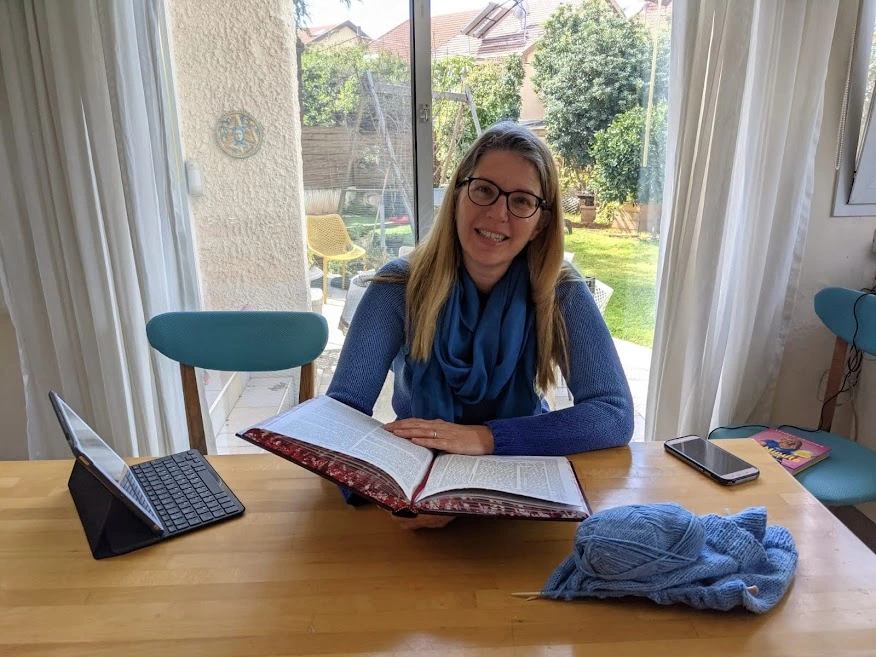
Geri Goldstein got me started learning daf yomi when I was in Israel 2 years ago. It’s been a challenge and I’ve learned a lot though I’m sure I miss a lot. I quilt as I listen and I want to share what I’ve been working on.

Rebecca Stulberg
Rebecca Stulberg

Ottawa, Canada

When I began learning Daf Yomi at the beginning of the current cycle, I was preparing for an upcoming surgery and thought that learning the Daf would be something positive I could do each day during my recovery, even if I accomplished nothing else. I had no idea what a lifeline learning the Daf would turn out to be in so many ways.

Laura Shechter
Laura Shechter

Lexington, MA, United States

After reading the book, “ If All The Seas Were Ink “ by Ileana Kurshan I started studying Talmud. I searched and studied with several teachers until I found Michelle Farber. I have been studying with her for two years. I look forward every day to learn from her.

Janine Rubens
Janine Rubens

Virginia, United States

I was exposed to Talmud in high school, but I was truly inspired after my daughter and I decided to attend the Women’s Siyum Shas in 2020. We knew that this was a historic moment. We were blown away, overcome with emotion at the euphoria of the revolution. Right then, I knew I would continue. My commitment deepened with the every-morning Virtual Beit Midrash on Zoom with R. Michelle.

Adina Hagege
Adina Hagege

Zichron Yaakov, Israel

Hearing and reading about the siyumim at the completion of the 13 th cycle Daf Yomi asked our shul rabbi about starting the Daf – he directed me to another shiur in town he thought would allow a woman to join, and so I did! Love seeing the sources for the Divrei Torah I’ve been hearing for the past decades of living an observant life and raising 5 children .

Jill Felder
Jill Felder

Pittsburgh, Pennsylvania, United States

I started learning Dec 2019 after reading “If all the Seas Were Ink”. I found
Daily daf sessions of Rabbanit Michelle in her house teaching, I then heard about the siyum and a new cycle starting wow I am in! Afternoon here in Sydney, my family and friends know this is my sacred time to hide away to live zoom and learn. Often it’s hard to absorb and relate then a gem shines touching my heart.

Dianne Kuchar
Dianne Kuchar

Dover Heights, Australia

After being so inspired by the siyum shas two years ago, I began tentatively learning daf yomi, like Rabbanut Michelle kept saying – taking one daf at a time. I’m still taking it one daf at a time, one masechet at a time, but I’m loving it and am still so inspired by Rabbanit Michelle and the Hadran community, and yes – I am proud to be finishing Seder Mo’ed.

Caroline Graham-Ofstein

Bet Shemesh, Israel

I started learning Daf in Jan 2020 with Brachot b/c I had never seen the Jewish people united around something so positive, and I wanted to be a part of it. Also, I wanted to broaden my background in Torah Shebal Peh- Maayanot gave me a great gemara education, but I knew that I could hold a conversation in most parts of tanach but almost no TSB. I’m so thankful for Daf and have gained immensely.

Meira Shapiro
Meira Shapiro

NJ, United States

At almost 70 I am just beginning my journey with Talmud and Hadran. I began not late, but right when I was called to learn. It is never too late to begin! The understanding patience of staff and participants with more experience and knowledge has been fabulous. The joy of learning never stops and for me. It is a new life, a new light, a new depth of love of The Holy One, Blessed be He.
Deborah Hoffman-Wade

Richmond, CA, United States

I have joined the community of daf yomi learners at the start of this cycle. I have studied in different ways – by reading the page, translating the page, attending a local shiur and listening to Rabbanit Farber’s podcasts, depending on circumstances and where I was at the time. The reactions have been positive throughout – with no exception!

Silke Goldberg
Silke Goldberg

Guildford, United Kingdom

With Rabbanit Dr. Naomi Cohen in the Women’s Talmud class, over 30 years ago. It was a “known” class and it was accepted, because of who taught. Since then I have also studied with Avigail Gross-Gelman and Dr. Gabriel Hazut for about a year). Years ago, in a shiur in my shul, I did know about Persians doing 3 things with their clothes on. They opened the shiur to woman after that!

Sharon Mink
Sharon Mink

Haifa, Israel

Years ago, I attended the local Siyum HaShas with my high school class. It was inspiring! Through that cycle and the next one, I studied masekhtot on my own and then did “daf yomi practice.” The amazing Hadran Siyum HaShas event firmed my resolve to “really do” Daf Yomi this time. It has become a family goal. We’ve supported each other through challenges, and now we’re at the Siyum of Seder Moed!

Elisheva Brauner
Elisheva Brauner

Jerusalem, Israel

Rosh Hashanah 21

תְּרֵי יַרְחֵי חַסִּירֵי קָלָא אִית לְהוּ.

The Gemara answers: It is a rare occurrence that two consecutive months are made short, and this would generate publicity, so that everyone would know about it.

לֵוִי אִקְּלַע לְבָבֶל בְּחַדְסַר בְּתִשְׁרִי. אֲמַר: בְּסִים תַּבְשִׁילָא דְבַבְלָאֵי בְּיוֹמָא רַבָּה דְּמַעְרְבָא. אָמְרִי לֵיהּ: אַסְהֵיד! אֲמַר לְהוּ: לֹא שָׁמַעְתִּי מִפִּי בֵּית דִּין ״מְקוּדָּשׁ״.

§ It was related that Levi once arrived in Babylonia on what was observed there as the eleventh of Tishrei. He said: How tasty is the dish of the Babylonians on the great day of Yom Kippur, as they are observing Yom Kippur in the West, Eretz Yisrael. The month of Elul had been declared full in Eretz Yisrael, and according to the calendar there, it was only the tenth of Tishrei. They said to him: Testify that today is Yom Kippur and we shall observe it. He said to them: I myself did not hear the court proclaim: It is sanctified. Although I know that the month had been declared full, since I did not personally hear the proclamation, I cannot offer direct testimony such that you should change your calculations.

מַכְרִיז רַבִּי יוֹחָנָן: כׇּל הֵיכָא דְּמָטוּ שְׁלוּחֵי נִיסָן, וְלָא מָטוּ שְׁלוּחֵי תִּשְׁרֵי — לִיעְבְּדוּ תְּרֵי יוֹמֵי. גְּזֵירָה נִיסָן אַטּוּ תִּשְׁרֵי.

It was further related that Rabbi Yoḥanan used to proclaim: Anywhere that can be reached by the messengers who go out in Nisan in time to inform the people when to observe Passover, but cannot be reached by the messengers sent out in Tishrei, let them also observe the festival of Passover for two days. The messengers did not travel on Rosh HaShana or Yom Kippur, and therefore they could travel three days further in Nisan than in Tishrei. The Sages instituted that two days must be observed in Nisan as a rabbinic decree due to Tishrei, for if they observe Passover for only one day, they will come to observe Sukkot for one day as well, and this they are not permitted to do.

רַבִּי אַיְיבוּ בַּר נַגָּרֵי וְרַבִּי חִיָּיא בַּר אַבָּא אִיקְּלַעוּ לְהָהוּא אַתְרָא דַּהֲוָה מָטוּ שְׁלוּחֵי נִיסָן וְלָא מָטוּ שְׁלוּחֵי תִּשְׁרֵי, וְעָבְדִי חַד יוֹמָא, וְלָא אֲמַרוּ לְהוּ וְלָא מִידֵּי. שְׁמַע רַבִּי יוֹחָנָן וְאִיקְּפַד. אֲמַר לְהוּ: לָאו אֲמַרִי לְכוּ הֵיכָא דְּמָטוּ שְׁלוּחֵי נִיסָן וְלָא מָטוּ שְׁלוּחֵי תִּשְׁרֵי לִיעְבְּדוּ תְּרֵי יוֹמֵי, גְּזֵירָה נִיסָן אַטּוּ תִּשְׁרֵי!

It was reported that Rabbi Aivu bar Naggarei and Rabbi Ḥiyya bar Abba, two disciples of Rabbi Yoḥanan, once arrived in a certain place that could be reached by the messengers who go out in Nisan, but could not be reached by the messengers who go out in Tishrei. And they saw that the locals observed only one day of Passover. They said nothing to them to correct their practice. Rabbi Yoḥanan heard this and he became angry with Rabbi Aivu and Rabbi Ḥiyya, for they had failed to rebuke the people who were acting contrary to Rabbi Yoḥanan’s explicit ruling. He said to them: Did I not say to you that anywhere that can be reached by the messengers sent out in Nisan but not by those sent out in Tishrei must observe two days of Passover, for the Sages instituted a rabbinic decree in Nisan due to Tishrei?

רָבָא הֲוָה רְגִיל דַּהֲוָה יָתֵיב בְּתַעֲנִיתָא תְּרֵי יוֹמֵי. זִימְנָא חֲדָא אִשְׁתְּכַח כְּווֹתֵיהּ.

§ The Gemara relates that Rava would regularly sit in observance of the fast of Yom Kippur for two days, in case Elul had been declared a thirty-day month and Yom Kippur should be observed on what was observed in Babylonia as the eleventh of Tishrei. It once happened in accordance with his opinion. Elul had been declared a thirty-day month, and he was the only one who observed Yom Kippur on the correct day.

רַב נַחְמָן יְתֵיב בְּתַעֲנִיתָא כּוּלֵּיהּ יוֹמֵי דְּכִיפּוּרֵי. לְאוּרְתָּא אֲתָא הָהוּא גַּבְרָא, אֲמַר לֵיהּ: לִמְחַר יוֹמָא רַבָּה בְּמַעְרְבָא.

It was related that Rav Naḥman had once fasted the entire day of Yom Kippur as usual. In the evening, toward the end of his fast, a certain man came and said to him: Tomorrow is the great day, Yom Kippur, in the West, Eretz Yisrael, and it is therefore necessary to fast tomorrow.

אֲמַר לֵיהּ: מֵהֵיכָא אַתְּ? אֲמַר לֵיהּ: מִדִּמְהַרְיָא. אֲמַר לֵיהּ: דָּם תְּהֵא אַחֲרִיתוֹ. קָרֵי עֲלֵיהּ: ״קַלִּים הָיוּ רוֹדְפֵינוּ״.

Rav Naḥman said to him: From where do you come? He said to him: From a place called Damihareya. He said to him, playing on the name of his place: Blood will be his end, meaning Rav Naḥman’s own end. Due to this information, Rav Naḥman would have to fast two successive days, and thereby suffer greatly, as if his blood were being shed. He read the verse about him: “Our pursuers were swifter than vultures in the sky” (Lamentations 4:19), for had this messenger arrived just a little bit later, they would have eaten and drunk in the meantime.

שְׁלַח לֵיהּ רַב הוּנָא בַּר אָבִין לְרָבָא: כַּד חָזֵית דְּמָשְׁכָה תְּקוּפַת טֵבֵת עַד שִׁיתְּסַר בְּנִיסָן — עַבְּרַהּ לְהַהִיא שַׁתָּא וְלָא תְּחוּשׁ לַהּ, דִּכְתִיב: ״שָׁמוֹר אֶת חֹדֶשׁ הָאָבִיב״, שְׁמוֹר אָבִיב שֶׁל תְּקוּפָה שֶׁיְּהֵא בְּחֹדֶשׁ נִיסָן.

§ Rav Huna bar Avin sent this instruction to Rava: When you see that, according to your calculations, the season of Tevet, i.e., winter, will extend to the sixteenth of Nisan, and the spring equinox will occur after the sixteenth of Nisan, add an extra month to that year, making it a leap year. And do not worry about finding an additional reason to justify making it a leap year, as it is written: “Observe the month of spring” (Deuteronomy 16:1). That is to say, see to it that the spring of the season, i.e., the spring equinox, is in the new part of Nisan, i.e., the first half, before Passover.

אֲמַר לְהוּ רַב נַחְמָן לְהָנְהוּ נָחוֹתֵי יַמָּא: אַתּוּן דְּלָא יָדְעִיתוּ בִּקְבִיעָא דְיַרְחָא, כִּי חָזֵיתוּ סֵיהֲרָא דְּמַשְׁלֵים לְיוֹמָא — בַּעִירוּ חֲמִירָא.

It was related that Rav Naḥman said to those setting out to sea before Nisan: Since you will not know the determination of the first day of the new month, this is what you should do: When you see that the moon sets at daybreak, i.e., that it is visible all night from sundown to sunrise, know that it is the middle of the month of Nisan and burn your leaven.

אֵימַת מַשְׁלֵים — בַּחֲמֵיסַר. וְהָא אֲנַן מֵאַרְבֵּיסַר מְבַעֲרִינַן! לְדִידְהוּ דִּמְגַלּוּ לְהוּ עָלְמָא, מֵאַרְבֵּיסַר מַשְׁלֵים.

The Gemara asks: When does the moon set at daybreak? On the fifteenth of the month. But on the fourteenth of Nisan we burn leaven. The Gemara answers: For those out at sea, to whom the world is revealed, to whom the horizon is wide open and clearly visible, the moon completes its course at sunrise already on the fourteenth of the month. They can therefore rely on this sign to establish the date of Passover and the time for burning leaven.

מַתְנִי׳ עַל שְׁנֵי חֳדָשִׁים מְחַלְּלִין אֶת הַשַּׁבָּת — עַל נִיסָן וְעַל תִּשְׁרִי, שֶׁבָּהֶן שְׁלוּחִין יוֹצְאִין לְסוּרְיָא, וּבָהֶן מְתַקְּנִין אֶת הַמּוֹעֲדוֹת. וּכְשֶׁהָיָה בֵּית הַמִּקְדָּשׁ קַיָּים — מְחַלְּלִין אַף עַל כּוּלָּן, מִפְּנֵי תַּקָּנַת הַקׇּרְבָּן.

MISHNA: Only for the sake of two months may witnesses who saw the new moon desecrate Shabbat, should that be necessary in order for them to offer testimony before the court: For the month of Nisan and for the month of Tishrei, for in these months messengers are sent out to Syria, and by them, i.e., these months, the dates of the major Festivals are set: Yom Kippur, Sukkot, Passover, and Shavuot. And when the Temple was standing, the witnesses desecrated Shabbat for the fixing of the New Moon of all the months, due to the imperative of fixing the proper offering of the New Moon at the correct time.

גְּמָ׳ עַל שְׁנֵי חֳדָשִׁים וְתוּ לָא?! וּרְמִינְהוּ: עַל שִׁשָּׁה חֳדָשִׁים הַשְּׁלוּחִין יוֹצְאִין!

GEMARA: The mishna taught that messengers were sent out for two months. The Gemara asks: For only two months and no more? And the Gemara raises a contradiction from the previous mishna, which teaches: For six months of the year messengers go out, not only for two months.

אָמַר אַבָּיֵי, הָכִי קָאָמַר: עַל כּוּלָּן שְׁלוּחִין יוֹצְאִין מִבָּעֶרֶב — עַל נִיסָן וְעַל תִּשְׁרִי, עַד שֶׁיִּשְׁמְעוּ מִפִּי בֵּית דִּין: ״מְקוּדָּשׁ״.

Abaye said: This is what the mishna is saying: For all the other months the messengers go out already in the evening, if the new moon was clearly seen and if it is certain that the court will proclaim the day as the New Moon. But for Nisan and for Tishrei the messengers do not go out until they hear from the court that the day is declared as the New Moon, by saying: It is sanctified, so that they can offer proper testimony. The court convenes only during the daytime.

תַּנְיָא נָמֵי הָכִי: עַל כּוּלָּן יוֹצְאִין מִבָּעֶרֶב — עַל נִיסָן וְעַל תִּשְׁרִי, עַד שֶׁיִּשְׁמְעוּ מִפִּי בֵּית דִּין: ״מְקוּדָּשׁ״.

This is also taught in a baraita: For all the other months the messengers go out already in the evening, but for the month of Nisan and for the month of Tishrei they do not go out until they have heard the court formally proclaim the day as the New Moon, by saying: It is sanctified.

תָּנוּ רַבָּנַן: מִנַּיִן שֶׁמְּחַלְּלִין עֲלֵיהֶן אֶת הַשַּׁבָּת? תַּלְמוּד לוֹמַר: ״אֵלֶּה מוֹעֲדֵי ה׳ אֲשֶׁר תִּקְרְאוּ אוֹתָם בְּמוֹעֲדָם״.

The Sages taught in a baraita: From where is it derived that the witnesses who saw the new moon may desecrate Shabbat in order to testify before the court? The verse states: “These are the Festivals of the Lord, sacred gatherings, which you shall declare in their seasons” (Leviticus 23:4), thereby emphasizing that the Festivals must be set at their proper times. To ensure that they occur at the proper times, it is even permitted to desecrate Shabbat.

יָכוֹל כְּשֵׁם שֶׁמְּחַלְּלִין עַד שֶׁיִּתְקַדְּשׁוּ, כָּךְ מְחַלְּלִין עַד שֶׁיִּתְקַיְּימוּ — תַּלְמוּד לוֹמַר: ״אֲשֶׁר תִּקְרְאוּ אוֹתָם״, עַל קְרִיאָתָם אַתָּה מְחַלֵּל, וְאִי אַתָּה מְחַלֵּל עַל קִיּוּמָן.

One might have thought that just as Shabbat may be desecrated by the witnesses so that the months may be sanctified at the proper time, so too, Shabbat may be desecrated by the messengers who go to inform the people in Eretz Yisrael and the Diaspora which day was sanctified as the New Moon, so that the Festivals may be observed at the proper time. Therefore, the verse states: “Which you shall declare,” from which is derived that for the declaration of the New Moon you may desecrate Shabbat, but you may not desecrate Shabbat for the observance of the Festivals in their proper time.

וּכְשֶׁהָיָה בֵּית הַמִּקְדָּשׁ קַיָּים — מְחַלְּלִין אַף עַל כּוּלָּן, מִפְּנֵי תַּקָּנַת הַקׇּרְבָּן. תָּנוּ רַבָּנַן: בָּרִאשׁוֹנָה הָיוּ מְחַלְּלִין אַף עַל כּוּלָּן. מִשֶּׁחָרַב בֵּית הַמִּקְדָּשׁ, אָמַר לָהֶן רַבָּן יוֹחָנָן בֶּן זַכַּאי: וְכִי יֵשׁ קׇרְבָּן? הִתְקִינוּ שֶׁלֹּא יְהוּ מְחַלְּלִין אֶלָּא עַל נִיסָן וְעַל תִּשְׁרִי בִּלְבַד.

§ It was taught in the mishna: And when the Temple was standing, the witnesses desecrated Shabbat for the fixing of the New Moon of all the months, due to the imperative of fixing the proper offering of the New Moon at the correct time. The Sages taught in a baraita: At first, they would desecrate Shabbat for all of the months. When the Temple was destroyed, Rabban Yoḥanan ben Zakkai said to the Sages: Is there now some offering due, for which it is necessary to desecrate Shabbat? Consequently, they instituted that the witnesses may desecrate Shabbat only for the months of Nisan and Tishrei.

מַתְנִי׳ בֵּין שֶׁנִּרְאָה בַּעֲלִיל, בֵּין שֶׁלֹּא נִרְאָה בַּעֲלִיל — מְחַלְּלִין עָלָיו אֶת הַשַּׁבָּת. רַבִּי יוֹסֵי אוֹמֵר: אִם נִרְאָה בַּעֲלִיל — אֵין מְחַלְּלִין עָלָיו אֶת הַשַּׁבָּת.

MISHNA: Whether the new moon was seen clearly [ba’alil] by everyone or whether it was not clearly seen, one may desecrate Shabbat in order to testify before the court. Rabbi Yosei says: If the moon was clearly seen, they may not desecrate Shabbat for it, since other witnesses, located nearer to the court, will certainly testify. If these distant witnesses go to court to testify, they will desecrate Shabbat unnecessarily.

מַעֲשֶׂה שֶׁעָבְרוּ יוֹתֵר מֵאַרְבָּעִים זוּג, וְעִיכְּבָם רַבִּי עֲקִיבָא בְּלוֹד. שָׁלַח לוֹ רַבָּן גַּמְלִיאֵל: אִם מְעַכֵּב אַתָּה אֶת הָרַבִּים — נִמְצֵאתָ מַכְשִׁילָן לֶעָתִיד לָבֹא.

There was once an incident where more than forty pairs of witnesses were passing through on their way to Jerusalem to testify about the new moon, and Rabbi Akiva detained them in Lod, telling them that there was no need for them to desecrate Shabbat for this purpose. Rabban Gamliel sent a message to him: If you detain the many people who wish to testify about the new moon, you will cause them to stumble in the future. They will say: Why should we go, seeing that our testimony is unnecessary? At some point they will be needed, and no witnesses will come to the court.

גְּמָ׳ מַאי מַשְׁמַע דְּהַאי ״עֲלִיל״ לִישָּׁנָא דְּמִיגַּלֵּי הוּא? אָמַר רַבִּי אֲבָהוּ, אָמַר קְרָא: ״אִמְרוֹת ה׳ אֲמָרוֹת טְהוֹרוֹת כֶּסֶף צָרוּף בַּעֲלִיל לָאָרֶץ מְזוּקָּק שִׁבְעָתָיִם״.

GEMARA: From where may it be inferred that the term alil denotes that the new moon is clearly revealed? Rabbi Abbahu said: The verse states: “The words of the Lord are pure words; silver refined in the clear sight [ba’alil] of the earth, purified seven times” (Psalms 12:7).

רַב וּשְׁמוּאֵל. חַד אָמַר: חֲמִשִּׁים שַׁעֲרֵי בִינָה נִבְרְאוּ בָּעוֹלָם, וְכוּלָּן נִיתְּנוּ לְמֹשֶׁה, חָסֵר אֶחָד, שֶׁנֶּאֱמַר: ״וַתְּחַסְּרֵהוּ מְעַט מֵאֱלֹהִים״.

The aforementioned verse states: “The words of the Lord are pure words…purified seven times [shivatayim].” Rav and Shmuel disagreed about a matter relating to this verse: One of them said: Fifty gates of understanding were created in the world, and all of them were given to Moses, except for one gate, for it is stated: “The words of the Lord are purified shivatayim,” which he understands to mean seven times seven, i.e., forty-nine, and it is stated: “And You have made him a little less than God” (Psalms 8:6). God created fifty gates of understanding, but He made man a little lower than God, giving him only forty-nine of them.

״בִּקֵּשׁ קֹהֶלֶת לִמְצוֹא דִּבְרֵי חֵפֶץ״ — בִּקֵּשׁ קֹהֶלֶת לִהְיוֹת כְּמֹשֶׁה, יָצְתָה בַּת קוֹל וְאָמְרָה לוֹ: ״וְכָתוּב יוֹשֶׁר דִּבְרֵי אֱמֶת״ — ״וְלֹא קָם נָבִיא עוֹד בְּיִשְׂרָאֵל כְּמֹשֶׁה״.

“Kohelet sought to find out words of delight” (Ecclesiastes 12:10), which indicates that he sought to find the fiftieth gate but failed to do so. Kohelet, King Solomon, sought to be like Moses, but a Divine Voice issued forth and said to him: “And that which was written uprightly, even words of truth” (Ecclesiastes 12:10). This is referring to the words of the Torah; and what is written there? “And there has not arisen a prophet since in Israel like Moses, whom the Lord knew face-to-face” (Deuteronomy 34:10).

וְחַד אָמַר: בַּנְּבִיאִים לֹא קָם, בִּמְלָכִים קָם. אֶלָּא מָה אֲנִי מְקַיֵּים ״בִּקֵּשׁ קֹהֶלֶת לִמְצוֹא דִּבְרֵי חֵפֶץ״ — בִּקֵּשׁ קֹהֶלֶת לָדוּן דִּינִין שֶׁבַּלֵּב, שֶׁלֹּא בְּעֵדִים וְשֶׁלֹּא בְּהַתְרָאָה. יָצְתָה בַּת קוֹל וְאָמְרָה לוֹ: ״וְכָתוּב יוֹשֶׁר דִּבְרֵי אֱמֶת״ — ״עַל פִּי שְׁנַיִם עֵדִים וְגוֹ׳״.

And the other one said: Among the prophets there has not arisen one like Moses, but among the kings, one did arise, Solomon, who was as wise as Moses. How do I uphold the words “Kohelet sought to find words of delight”? Kohelet, King Solomon, sought to issue judgments of the heart, based solely on his intuition, without witnesses and without warning. But a Divine Voice issued forth and said to him: “And that which was written uprightly, even words of truth.” Which words is this referring to? “At the mouth of two witnesses, or three witnesses, shall he that is worthy of death be put to death; but at the mouth of one witness he shall not be put to death” (Deuteronomy 17:6). Punishment can be administered only based on the testimony of two witnesses.

Want to follow content and continue where you left off?

Create an account today to track your progress, mark what you’ve learned, and follow the shiurim that speak to you.

Clear all items from this list?

This will remove ALL the items in this section. You will lose any progress or history connected to them. This is irreversible.

Cancel
Yes, clear all

Are you sure you want to delete this item?

You will lose any progress or history connected to this item.

Cancel
Yes, delete