Search

Rosh Hashanah 35

Want to dedicate learning? Get started here:

English
עברית
podcast placeholder

0:00
0:00


podcast placeholder

0:00
0:00


Summary

The Siyum is sponsored by Valerie Adler to honor her niece Dr. Ayelet Libson “who we all admire and to Rabbanit Michelle for all the inspiring dapim so far. Mazal tov to all.”

Rabban Gamliel and the rabbis disagreed as to whether a chazzan can fulfill one’s personal duty to pray (Rabban Gamliel) or does each and every individual need to pray? It is said that Rabbi Yochanan said that rabbis, in the end, agreed with Rabban Gamliel, even though Rav thought they still disagreed. Also, Reish Lakish held that they continued to disagree. The Gemara questions the statement in the name of Rabbi Yochanan – from a different quote in his name, he says that we hold like Rabban Gamliel, which would indicate that they still disagree. Can one distinguish between Rosh Hashanah and other days in order to resolve the issue? Apparently not, as another source makes it clear that they disagree in both. The resolution is to say that “the rabbis” who agree with Rabban Gamliel was Rabbi Meir as is found in a braita that he in fact holds like Rabban Gamliel. Rosh Hashanah is different as there are many blessings, and not because you have to mention many verses in every blessing because you can say only “and in your Torah it is written” without mentioning the actual verses. Everyone should arrange their prayers before praying. But it is said that these are just prayers that are not prayed daily, such as holiday prayers. So why did Rav Yehuda arrange his prayers on a weekday? Rabbi Shimon Chasida said that Rabban Gamliel would say that the chazzan can fulfill the obligation even for those who are in the fields and cannot get to a synagogue. But the Gemara questions shouldn’t it be the opposite – the people in the city who can come to the synagogue, but don’t, should not be included and only those in the fields who can’t come to the synagogue because of circumstances beyond their control, should be included in the chazan’s prayers? In the end, they bring the statement in the name of Rabbi Shimon Chasida corrected – that Rabban Gamliel said that it only refers to the people in the fields who cannot get to the synagogue, but those in the city who can get to the synagogue and do not come, do not fulfill their obligation to pray by the chazan’s prayer.

For the text of the Siyum ceremony, click here

Watch the full Siyum here:

Today’s daily daf tools:

Rosh Hashanah 35

כִּי סְלֵיק רַבִּי אַבָּא מִיַּמֵּי, פֵּירְשַׁהּ: מוֹדִים חֲכָמִים לְרַבָּן גַּמְלִיאֵל בִּבְרָכוֹת שֶׁל רֹאשׁ הַשָּׁנָה וְשֶׁל יוֹם הַכִּפּוּרִים, וַהֲלָכָה מִכְּלָל דִּפְלִיגִי בִּבְרָכוֹת דְּכׇל הַשָּׁנָה.

The Gemara answers: When Rabbi Abba returned from his travels at sea, he explained the matter as follows: The Sages concede to the opinion of Rabban Gamliel with regard to the blessings of Rosh HaShana and of Yom Kippur, that in these cases the prayer leader fulfills the obligation on behalf of the many. And Rabbi Yoḥanan’s statement that the halakha is in accordance with Rabban Gamliel, which, by inference, indicates that the tanna’im still disagree, is referring to the blessings of the entire year.

אִינִי?! וְהָאָמַר רַבִּי חָנָה צִיפּוֹרָאָה אָמַר רַבִּי יוֹחָנָן: הֲלָכָה כְּרַבָּן גַּמְלִיאֵל בִּבְרָכוֹת שֶׁל רֹאשׁ הַשָּׁנָה וְשֶׁל יוֹם הַכִּפּוּרִים!

The Gemara raises a difficulty. Is that so? Didn’t Rabbi Ḥana from the city of Tzippori say that Rabbi Yoḥanan said: The halakha is in accordance with the opinion of Rabban Gamliel with regard to the blessings of Rosh HaShana and of Yom Kippur? Apparently, he holds that the tanna’im remain in dispute even with regard to these blessings.

אֶלָּא אָמַר רַב נַחְמָן בַּר יִצְחָק: מַאן מוֹדִים — רַבִּי מֵאִיר, וַהֲלָכָה מִכְּלָל דִּפְלִיגִי — רַבָּנַן.

Rather, Rabbi Yoḥanan’s statements must be attributed to different Sages, as Rav Naḥman bar Yitzḥak said: Who concedes to the opinion of Rabban Gamliel? Rabbi Meir. And with regard to Rabbi Yoḥanan’s ruling that the halakha is in accordance with Rabban Gamliel, which, by inference, indicates that the tanna’im still disagree, this is referring to the Rabbis, who disagree with Rabbi Meir.

דְּתַנְיָא: בְּרָכוֹת שֶׁל רֹאשׁ הַשָּׁנָה וְשֶׁל יוֹם הַכִּפּוּרִים — שְׁלִיחַ צִבּוּר מוֹצִיא הָרַבִּים יְדֵי חוֹבָתָן, דִּבְרֵי רַבִּי מֵאִיר. וַחֲכָמִים אוֹמְרִים: כְּשֵׁם שֶׁשְּׁלִיחַ צִבּוּר חַיָּיב — כָּךְ כָּל יָחִיד וְיָחִיד חַיָּיב.

The Gemara explains: As it is taught in a baraita: With regard to the blessings of Rosh HaShana and of Yom Kippur, the prayer leader fulfills the obligation on behalf of the many. This is the statement of Rabbi Meir. And the Rabbis say: Just as the prayer leader is obligated in these prayers, so too, every individual is obligated to recite them on his own. Clearly, Rabbi Meir agrees with Rabban Gamliel with regard to the blessings of Rosh HaShana and Yom Kippur, while the Rabbis dispute this ruling.

מַאי שְׁנָא הָנֵי? אִילֵּימָא מִשּׁוּם דִּנְפִישִׁי קְרָאֵי — וְהָאָמַר רַב חֲנַנְאֵל אָמַר רַב: כֵּיוָן שֶׁאָמַר ״וּבְתוֹרָתְךָ כָּתוּב לֵאמֹר״ שׁוּב אֵינוֹ צָרִיךְ! אֶלָּא מִשּׁוּם דְּאָוְושִׁי בְּרָכוֹת.

The Gemara asks: What is different about these blessings of Rosh HaShana and Yom Kippur, that Rabbi Meir concedes to the opinion of Rabban Gamliel only with regard to them, but not about the blessings recited the rest of the year? If we say that it is due to the many verses that are included in these blessings, this is difficult. Didn’t Rav Ḥananel say that Rav said: Once one has recited the line of the prayer: And in Your Torah it is written, saying, it is no longer necessary to recite the verses themselves. Rather, it is because there are many blessings, and as the blessings are long, not everyone is capable of learning them by heart.

גּוּפָא, אָמַר רַב חֲנַנְאֵל אָמַר רַב: כֵּיוָן שֶׁאָמַר ״וּבְתוֹרָתְךָ כָּתוּב לֵאמֹר״ — שׁוּב אֵינוֹ צָרִיךְ. סְבוּר מִינַּהּ: הָנֵי מִילֵּי בְּיָחִיד, אֲבָל בְּצִבּוּר לָא. אִתְּמַר, אָמַר רַבִּי יְהוֹשֻׁעַ בֶּן לֵוִי: אֶחָד יָחִיד אֶחָד צִבּוּר, כֵּיוָן שֶׁאָמַר ״וּבְתוֹרָתְךָ כָּתוּב לֵאמֹר״ — שׁוּב אֵינוֹ צָרִיךְ.

The Gemara discusses the matter itself. Rav Ḥananel said that Rav said: Once one has recited the line of the prayer: And in Your Torah it is written, saying, it is no longer necessary to recite the verses themselves. The Gemara clarifies the scope of this ruling: Some understood from this that it applies only to an individual; however, with regard to a congregation, no, this is not the case. Nevertheless, it is stated that Rabbi Yehoshua ben Levi said: Both with regard to an individual and a congregation, once one has recited: And in Your Torah it is written, saying, it is no longer necessary to recite the verses.

אָמַר רַבִּי אֶלְעָזָר: לְעוֹלָם יַסְדִּיר אָדָם תְּפִלָּתוֹ, וְאַחַר כָּךְ יִתְפַּלֵּל. אָמַר רַבִּי אַבָּא: מִסְתַּבְּרָא מִילְּתֵיהּ דְּרַבִּי אֶלְעָזָר בִּבְרָכוֹת שֶׁל רֹאשׁ הַשָּׁנָה וְשֶׁל יוֹם הַכִּפּוּרִים וְשֶׁל פְּרָקִים, אֲבָל דְּכׇל הַשָּׁנָה — לָא.

§ Rabbi Elazar said: A person should always arrange his prayer in his mind and only then pray. Rabbi Abba said: Rabbi Elazar’s statement is reasonable with regard to the blessings of Rosh HaShana and Yom Kippur and in the case of prayers that are recited only intermittently. However, with regard to blessings recited all year, no, this practice is not necessary.

אִינִי?! וְהָא רַב יְהוּדָה מְסַדַּר צְלוֹתֵיהּ וּמְצַלֵּי! שָׁאנֵי רַב יְהוּדָה, כֵּיוָן דְּמִתְּלָתִין יוֹמִין לִתְלָתִין יוֹמִין הֲוָה מְצַלֵּי, כִּפְרָקִים דָּמֵי.

The Gemara asks: Is that so? Didn’t Rav Yehuda first arrange his prayer in his mind and only then pray, even on an ordinary day? The Gemara answers: Rav Yehuda was different, since he would pray only once every thirty days. During the rest of the month he would not engage in prayer, as he was busy with Torah study. Therefore, for him even regular weekdays prayers were like prayers recited intermittently.

אָמַר רַב אַחָא בַּר עַוִּירָא אָמַר רַבִּי שִׁמְעוֹן חֲסִידָא: פּוֹטֵר הָיָה רַבָּן גַּמְלִיאֵל אֲפִילּוּ עַם שֶׁבַּשָּׂדוֹת. וְלָא מִיבַּעְיָא הָנֵי דְּקָיְימִי הָכָא?!

Rav Aḥa bar Avira said that Rabbi Shimon Ḥasida said: Rabban Gamliel would allow the prayer leader to exempt even the people who were in the fields and away from the synagogue. The Gemara challenges: This statement implies that the prayer leader exempts even the people in the fields, and needless to say, he exempts those who are here in the city but did not attend the prayer service in the synagogue.

אַדְּרַבָּה: הָנֵי אֲנִיסִי, הָנֵי לָא אֲנִיסִי,

The Gemara questions this conclusion: On the contrary, the opposite is more reasonable: Those in the fields did not come to the synagogue due to circumstances beyond their control, and therefore they should be allowed to fulfill their obligation through the prayer leader. By contrast, those in the city were not prevented from coming to the synagogue due to circumstances beyond their control. Consequently, they should not fulfill their obligation through the prayer leader.

דְּתָנֵי אַבָּא בְּרֵיהּ דְּרַב בִּנְיָמִין בַּר חִיָּיא: עַם שֶׁאֲחוֹרֵי כֹּהֲנִים — אֵינָן בִּכְלַל בְּרָכָה.

As Abba, son of Rav Binyamin bar Ḥiyya, taught in a baraita: Those people standing in the synagogue behind the priests during the Priestly Blessing, who are not positioned in front of them, face-to-face, are not included in the blessing. They are expected to make the minimal effort to stand in front of the priests. However, those in the fields are included in the Priestly Blessing.

אֶלָּא, כִּי אֲתָא רָבִין: אָמַר רַבִּי יַעֲקֹב בַּר אִידֵּי אָמַר רַבִּי שִׁמְעוֹן חֲסִידָא: לֹא פָּטַר רַבָּן גַּמְלִיאֵל אֶלָּא עַם שֶׁבַּשָּׂדוֹת, מַאי טַעְמָא — מִשּׁוּם דַּאֲנִיסִי בִּמְלָאכָה, אֲבָל בָּעִיר — לֹא.

Rather, Rabban Gamliel’s statement should be understood differently: When Ravin came from Eretz Yisrael to Babylonia, he reported that Rabbi Ya’akov bar Idi said that Rabbi Shimon bar Ḥasida said: Rabban Gamliel allowed the prayer leader to exempt only the people in the fields. What is the reason for this? Because the people in the fields are unable to come to the synagogue due to work circumstances beyond their control, and do not have time to prepare their prayers. However, Rabban Gamliel did not exempt those in the city who do not come to the synagogue, as they are able to prepare their prayers and pray by themselves.


הַדְרָן עֲלָךְ יוֹם טוֹב וּסְלִיקָא לַהּ מַסֶּכֶת רֹאשׁ הַשָּׁנָה

Today’s daily daf tools:

New to Talmud?

Check out our resources designed to help you navigate a page of Talmud – and study at the pace, level and style that fits you. 

The Hadran Women’s Tapestry

Meet the diverse women learning Gemara at Hadran and hear their stories. 

A beautiful world of Talmudic sages now fill my daily life with discussion and debate.
bringing alive our traditions and texts that has brought new meaning to my life.
I am a מגילת אסתר reader for women . the words in the Mishna of מסכת megillah 17a
הקורא את המגילה למפרע לא יצא were powerful to me.
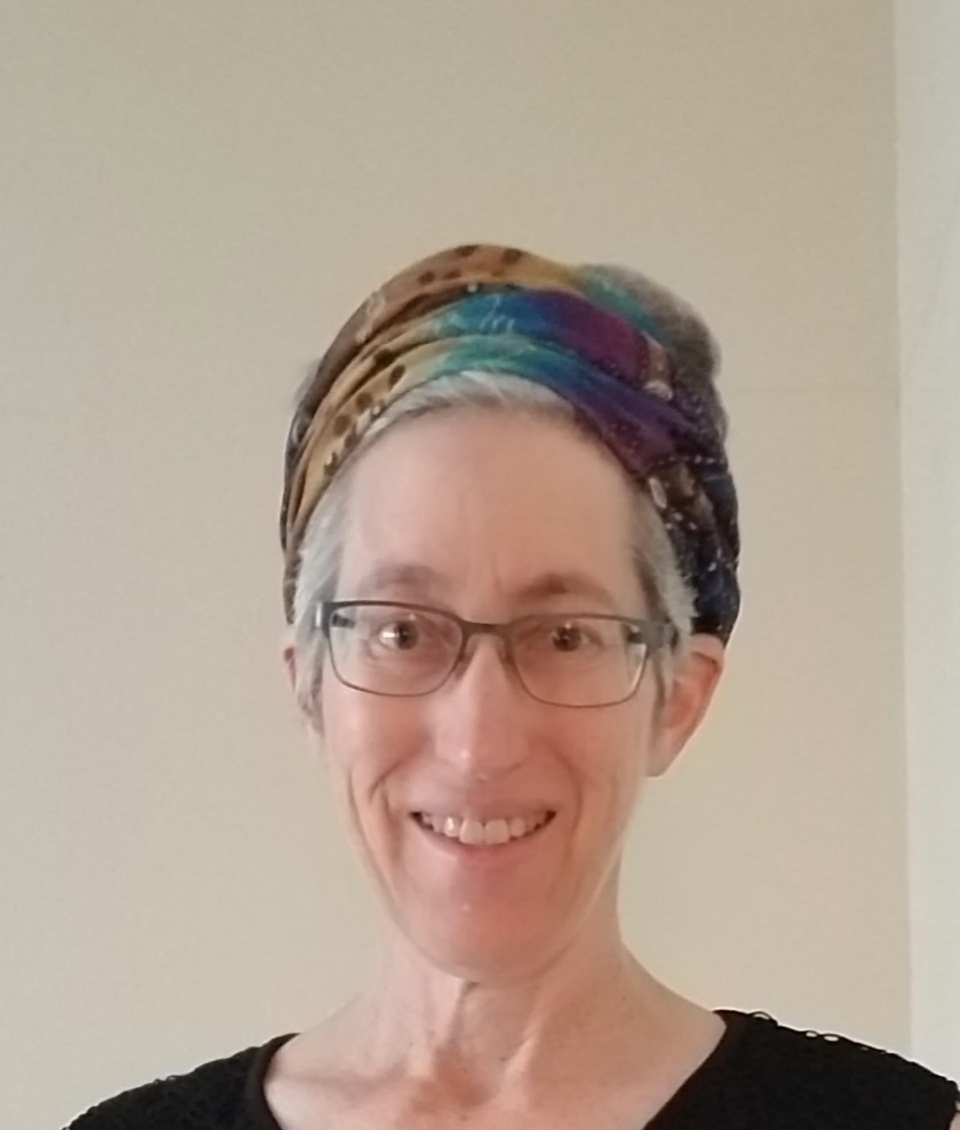
I hope to have the zchut to complete the cycle for my 70th birthday.

Sheila Hauser
Sheila Hauser

Jerusalem, Israel

I started Daf during the pandemic. I listened to a number of podcasts by various Rebbeim until one day, I discovered Rabbanit Farbers podcast. Subsequently I joined the Hadran family in Eruvin. Not the easiest place to begin, Rabbanit Farber made it all understandable and fun. The online live group has bonded together and have really become a supportive, encouraging family.

Leah Goldford
Leah Goldford

Edmonton, Alberta, Canada

After experiences over the years of asking to join gemara shiurim for men and either being refused by the maggid shiur or being the only women there, sometimes behind a mechitza, I found out about Hadran sometime during the tail end of Masechet Shabbat, I think. Life has been much better since then.

Madeline Cohen
Madeline Cohen

London, United Kingdom

I began my Daf Yomi journey on January 5, 2020. I had never learned Talmud before. Initially it struck me as a bunch of inane and arcane details with mind bending logic. I am now smitten. Rabbanit Farber brings the page to life and I am eager to learn with her every day!

Lori Stark
Lori Stark

Highland Park, United States

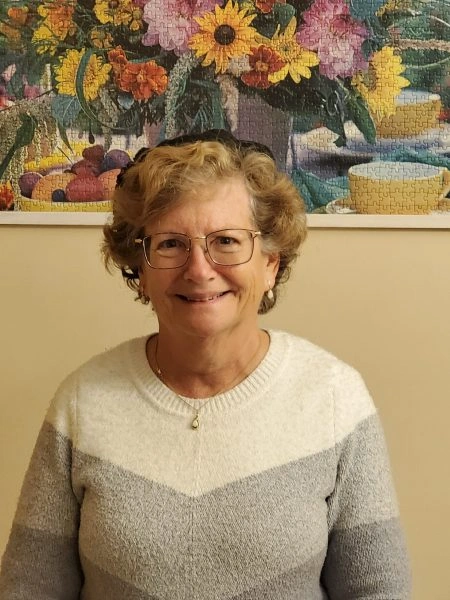
I started learning Daf Yomi inspired by תָּפַסְתָּ מְרוּבֶּה לֹא תָּפַסְתָּ, תָּפַסְתָּ מוּעָט תָּפַסְתָּ. I thought I’d start the first page, and then see. I was swept up into the enthusiasm of the Hadran Siyum, and from there the momentum kept building. Rabbanit Michelle’s shiur gives me an anchor, a connection to an incredible virtual community, and an energy to face whatever the day brings.

Medinah Korn
Medinah Korn

בית שמש, Israel

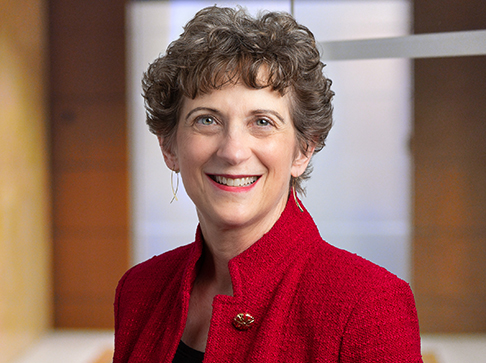
I had no formal learning in Talmud until I began my studies in the Joint Program where in 1976 I was one of the few, if not the only, woman talmud major. It was superior training for law school and enabled me to approach my legal studies with a foundation . In 2018, I began daf yomi listening to Rabbanit MIchelle’s pod cast and my daily talmud studies are one of the highlights of my life.

Krivosha_Terri_Bio
Terri Krivosha

Minneapolis, United States

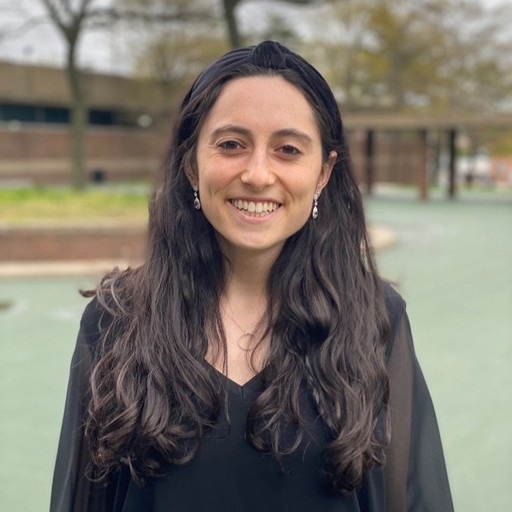
I was inspired to start learning after attending the 2020 siyum in Binyanei Hauma. It has been a great experience for me. It’s amazing to see the origins of stories I’ve heard and rituals I’ve participated in my whole life. Even when I don’t understand the daf itself, I believe that the commitment to learning every day is valuable and has multiple benefits. And there will be another daf tomorrow!

Khaya Eisenberg
Khaya Eisenberg

Jerusalem, Israel

I started learning when my brother sent me the news clip of the celebration of the last Daf Yomi cycle. I was so floored to see so many women celebrating that I wanted to be a part of it. It has been an enriching experience studying a text in a language I don’t speak, using background knowledge that I don’t have. It is stretching my learning in unexpected ways, bringing me joy and satisfaction.

Jodi Gladstone
Jodi Gladstone

Warwick, Rhode Island, United States

It has been a pleasure keeping pace with this wonderful and scholarly group of women.

Janice Block
Janice Block

Beit Shemesh, Israel

Studying has changed my life view on הלכה and יהדות and time. It has taught me bonudaries of the human nature and honesty of our sages in their discourse to try and build a nation of caring people .

Goldie Gilad
Goldie Gilad

Kfar Saba, Israel

Jill Shames
Jill Shames

Jerusalem, Israel

I started learning Daf in Jan 2020 with Brachot b/c I had never seen the Jewish people united around something so positive, and I wanted to be a part of it. Also, I wanted to broaden my background in Torah Shebal Peh- Maayanot gave me a great gemara education, but I knew that I could hold a conversation in most parts of tanach but almost no TSB. I’m so thankful for Daf and have gained immensely.

Meira Shapiro
Meira Shapiro

NJ, United States

I heard the new Daf Yomi cycle was starting and I was curious, so I searched online for a women’s class and was pleasently surprised to find Rabanit Michelle’s great class reviews in many online articles. It has been a splendid journey. It is a way to fill my days with Torah, learning so many amazing things I have never heard before during my Tanach learning at High School. Thanks so much .

Martha Tarazi
Martha Tarazi

Panama, Panama

After being so inspired by the siyum shas two years ago, I began tentatively learning daf yomi, like Rabbanut Michelle kept saying – taking one daf at a time. I’m still taking it one daf at a time, one masechet at a time, but I’m loving it and am still so inspired by Rabbanit Michelle and the Hadran community, and yes – I am proud to be finishing Seder Mo’ed.

Caroline Graham-Ofstein

Bet Shemesh, Israel

I started learning Jan 2020 when I heard the new cycle was starting. I had tried during the last cycle and didn’t make it past a few weeks. Learning online from old men didn’t speak to my soul and I knew Talmud had to be a soul journey for me. Enter Hadran! Talmud from Rabbanit Michelle Farber from a woman’s perspective, a mother’s perspective and a modern perspective. Motivated to continue!

Keren Carter
Keren Carter

Brentwood, California, United States

I started learning Daf Yomi inspired by תָּפַסְתָּ מְרוּבֶּה לֹא תָּפַסְתָּ, תָּפַסְתָּ מוּעָט תָּפַסְתָּ. I thought I’d start the first page, and then see. I was swept up into the enthusiasm of the Hadran Siyum, and from there the momentum kept building. Rabbanit Michelle’s shiur gives me an anchor, a connection to an incredible virtual community, and an energy to face whatever the day brings.

Medinah Korn
Medinah Korn

בית שמש, Israel

I started learning Dec 2019 after reading “If all the Seas Were Ink”. I found
Daily daf sessions of Rabbanit Michelle in her house teaching, I then heard about the siyum and a new cycle starting wow I am in! Afternoon here in Sydney, my family and friends know this is my sacred time to hide away to live zoom and learn. Often it’s hard to absorb and relate then a gem shines touching my heart.

Dianne Kuchar
Dianne Kuchar

Dover Heights, Australia

Years ago, I attended the local Siyum HaShas with my high school class. It was inspiring! Through that cycle and the next one, I studied masekhtot on my own and then did “daf yomi practice.” The amazing Hadran Siyum HaShas event firmed my resolve to “really do” Daf Yomi this time. It has become a family goal. We’ve supported each other through challenges, and now we’re at the Siyum of Seder Moed!

Elisheva Brauner
Elisheva Brauner

Jerusalem, Israel

In July, 2012 I wrote for Tablet about the first all women’s siyum at Matan in Jerusalem, with 100 women. At the time, I thought, I would like to start with the next cycle – listening to a podcast at different times of day makes it possible. It is incredible that after 10 years, so many women are so engaged!

Beth Kissileff
Beth Kissileff

Pittsburgh, United States

My family recently made Aliyah, because we believe the next chapter in the story of the Jewish people is being written here, and we want to be a part of it. Daf Yomi, on the other hand, connects me BACK, to those who wrote earlier chapters thousands of years ago. So, I feel like I’m living in the middle of this epic story. I’m learning how it all began, and looking ahead to see where it goes!
Tina Lamm
Tina Lamm

Jerusalem, Israel

Rosh Hashanah 35

כִּי סְלֵיק רַבִּי אַבָּא מִיַּמֵּי, פֵּירְשַׁהּ: מוֹדִים חֲכָמִים לְרַבָּן גַּמְלִיאֵל בִּבְרָכוֹת שֶׁל רֹאשׁ הַשָּׁנָה וְשֶׁל יוֹם הַכִּפּוּרִים, וַהֲלָכָה מִכְּלָל דִּפְלִיגִי בִּבְרָכוֹת דְּכׇל הַשָּׁנָה.

The Gemara answers: When Rabbi Abba returned from his travels at sea, he explained the matter as follows: The Sages concede to the opinion of Rabban Gamliel with regard to the blessings of Rosh HaShana and of Yom Kippur, that in these cases the prayer leader fulfills the obligation on behalf of the many. And Rabbi Yoḥanan’s statement that the halakha is in accordance with Rabban Gamliel, which, by inference, indicates that the tanna’im still disagree, is referring to the blessings of the entire year.

אִינִי?! וְהָאָמַר רַבִּי חָנָה צִיפּוֹרָאָה אָמַר רַבִּי יוֹחָנָן: הֲלָכָה כְּרַבָּן גַּמְלִיאֵל בִּבְרָכוֹת שֶׁל רֹאשׁ הַשָּׁנָה וְשֶׁל יוֹם הַכִּפּוּרִים!

The Gemara raises a difficulty. Is that so? Didn’t Rabbi Ḥana from the city of Tzippori say that Rabbi Yoḥanan said: The halakha is in accordance with the opinion of Rabban Gamliel with regard to the blessings of Rosh HaShana and of Yom Kippur? Apparently, he holds that the tanna’im remain in dispute even with regard to these blessings.

אֶלָּא אָמַר רַב נַחְמָן בַּר יִצְחָק: מַאן מוֹדִים — רַבִּי מֵאִיר, וַהֲלָכָה מִכְּלָל דִּפְלִיגִי — רַבָּנַן.

Rather, Rabbi Yoḥanan’s statements must be attributed to different Sages, as Rav Naḥman bar Yitzḥak said: Who concedes to the opinion of Rabban Gamliel? Rabbi Meir. And with regard to Rabbi Yoḥanan’s ruling that the halakha is in accordance with Rabban Gamliel, which, by inference, indicates that the tanna’im still disagree, this is referring to the Rabbis, who disagree with Rabbi Meir.

דְּתַנְיָא: בְּרָכוֹת שֶׁל רֹאשׁ הַשָּׁנָה וְשֶׁל יוֹם הַכִּפּוּרִים — שְׁלִיחַ צִבּוּר מוֹצִיא הָרַבִּים יְדֵי חוֹבָתָן, דִּבְרֵי רַבִּי מֵאִיר. וַחֲכָמִים אוֹמְרִים: כְּשֵׁם שֶׁשְּׁלִיחַ צִבּוּר חַיָּיב — כָּךְ כָּל יָחִיד וְיָחִיד חַיָּיב.

The Gemara explains: As it is taught in a baraita: With regard to the blessings of Rosh HaShana and of Yom Kippur, the prayer leader fulfills the obligation on behalf of the many. This is the statement of Rabbi Meir. And the Rabbis say: Just as the prayer leader is obligated in these prayers, so too, every individual is obligated to recite them on his own. Clearly, Rabbi Meir agrees with Rabban Gamliel with regard to the blessings of Rosh HaShana and Yom Kippur, while the Rabbis dispute this ruling.

מַאי שְׁנָא הָנֵי? אִילֵּימָא מִשּׁוּם דִּנְפִישִׁי קְרָאֵי — וְהָאָמַר רַב חֲנַנְאֵל אָמַר רַב: כֵּיוָן שֶׁאָמַר ״וּבְתוֹרָתְךָ כָּתוּב לֵאמֹר״ שׁוּב אֵינוֹ צָרִיךְ! אֶלָּא מִשּׁוּם דְּאָוְושִׁי בְּרָכוֹת.

The Gemara asks: What is different about these blessings of Rosh HaShana and Yom Kippur, that Rabbi Meir concedes to the opinion of Rabban Gamliel only with regard to them, but not about the blessings recited the rest of the year? If we say that it is due to the many verses that are included in these blessings, this is difficult. Didn’t Rav Ḥananel say that Rav said: Once one has recited the line of the prayer: And in Your Torah it is written, saying, it is no longer necessary to recite the verses themselves. Rather, it is because there are many blessings, and as the blessings are long, not everyone is capable of learning them by heart.

גּוּפָא, אָמַר רַב חֲנַנְאֵל אָמַר רַב: כֵּיוָן שֶׁאָמַר ״וּבְתוֹרָתְךָ כָּתוּב לֵאמֹר״ — שׁוּב אֵינוֹ צָרִיךְ. סְבוּר מִינַּהּ: הָנֵי מִילֵּי בְּיָחִיד, אֲבָל בְּצִבּוּר לָא. אִתְּמַר, אָמַר רַבִּי יְהוֹשֻׁעַ בֶּן לֵוִי: אֶחָד יָחִיד אֶחָד צִבּוּר, כֵּיוָן שֶׁאָמַר ״וּבְתוֹרָתְךָ כָּתוּב לֵאמֹר״ — שׁוּב אֵינוֹ צָרִיךְ.

The Gemara discusses the matter itself. Rav Ḥananel said that Rav said: Once one has recited the line of the prayer: And in Your Torah it is written, saying, it is no longer necessary to recite the verses themselves. The Gemara clarifies the scope of this ruling: Some understood from this that it applies only to an individual; however, with regard to a congregation, no, this is not the case. Nevertheless, it is stated that Rabbi Yehoshua ben Levi said: Both with regard to an individual and a congregation, once one has recited: And in Your Torah it is written, saying, it is no longer necessary to recite the verses.

אָמַר רַבִּי אֶלְעָזָר: לְעוֹלָם יַסְדִּיר אָדָם תְּפִלָּתוֹ, וְאַחַר כָּךְ יִתְפַּלֵּל. אָמַר רַבִּי אַבָּא: מִסְתַּבְּרָא מִילְּתֵיהּ דְּרַבִּי אֶלְעָזָר בִּבְרָכוֹת שֶׁל רֹאשׁ הַשָּׁנָה וְשֶׁל יוֹם הַכִּפּוּרִים וְשֶׁל פְּרָקִים, אֲבָל דְּכׇל הַשָּׁנָה — לָא.

§ Rabbi Elazar said: A person should always arrange his prayer in his mind and only then pray. Rabbi Abba said: Rabbi Elazar’s statement is reasonable with regard to the blessings of Rosh HaShana and Yom Kippur and in the case of prayers that are recited only intermittently. However, with regard to blessings recited all year, no, this practice is not necessary.

אִינִי?! וְהָא רַב יְהוּדָה מְסַדַּר צְלוֹתֵיהּ וּמְצַלֵּי! שָׁאנֵי רַב יְהוּדָה, כֵּיוָן דְּמִתְּלָתִין יוֹמִין לִתְלָתִין יוֹמִין הֲוָה מְצַלֵּי, כִּפְרָקִים דָּמֵי.

The Gemara asks: Is that so? Didn’t Rav Yehuda first arrange his prayer in his mind and only then pray, even on an ordinary day? The Gemara answers: Rav Yehuda was different, since he would pray only once every thirty days. During the rest of the month he would not engage in prayer, as he was busy with Torah study. Therefore, for him even regular weekdays prayers were like prayers recited intermittently.

אָמַר רַב אַחָא בַּר עַוִּירָא אָמַר רַבִּי שִׁמְעוֹן חֲסִידָא: פּוֹטֵר הָיָה רַבָּן גַּמְלִיאֵל אֲפִילּוּ עַם שֶׁבַּשָּׂדוֹת. וְלָא מִיבַּעְיָא הָנֵי דְּקָיְימִי הָכָא?!

Rav Aḥa bar Avira said that Rabbi Shimon Ḥasida said: Rabban Gamliel would allow the prayer leader to exempt even the people who were in the fields and away from the synagogue. The Gemara challenges: This statement implies that the prayer leader exempts even the people in the fields, and needless to say, he exempts those who are here in the city but did not attend the prayer service in the synagogue.

אַדְּרַבָּה: הָנֵי אֲנִיסִי, הָנֵי לָא אֲנִיסִי,

The Gemara questions this conclusion: On the contrary, the opposite is more reasonable: Those in the fields did not come to the synagogue due to circumstances beyond their control, and therefore they should be allowed to fulfill their obligation through the prayer leader. By contrast, those in the city were not prevented from coming to the synagogue due to circumstances beyond their control. Consequently, they should not fulfill their obligation through the prayer leader.

דְּתָנֵי אַבָּא בְּרֵיהּ דְּרַב בִּנְיָמִין בַּר חִיָּיא: עַם שֶׁאֲחוֹרֵי כֹּהֲנִים — אֵינָן בִּכְלַל בְּרָכָה.

As Abba, son of Rav Binyamin bar Ḥiyya, taught in a baraita: Those people standing in the synagogue behind the priests during the Priestly Blessing, who are not positioned in front of them, face-to-face, are not included in the blessing. They are expected to make the minimal effort to stand in front of the priests. However, those in the fields are included in the Priestly Blessing.

אֶלָּא, כִּי אֲתָא רָבִין: אָמַר רַבִּי יַעֲקֹב בַּר אִידֵּי אָמַר רַבִּי שִׁמְעוֹן חֲסִידָא: לֹא פָּטַר רַבָּן גַּמְלִיאֵל אֶלָּא עַם שֶׁבַּשָּׂדוֹת, מַאי טַעְמָא — מִשּׁוּם דַּאֲנִיסִי בִּמְלָאכָה, אֲבָל בָּעִיר — לֹא.

Rather, Rabban Gamliel’s statement should be understood differently: When Ravin came from Eretz Yisrael to Babylonia, he reported that Rabbi Ya’akov bar Idi said that Rabbi Shimon bar Ḥasida said: Rabban Gamliel allowed the prayer leader to exempt only the people in the fields. What is the reason for this? Because the people in the fields are unable to come to the synagogue due to work circumstances beyond their control, and do not have time to prepare their prayers. However, Rabban Gamliel did not exempt those in the city who do not come to the synagogue, as they are able to prepare their prayers and pray by themselves.

הַדְרָן עֲלָךְ יוֹם טוֹב וּסְלִיקָא לַהּ מַסֶּכֶת רֹאשׁ הַשָּׁנָה

Want to follow content and continue where you left off?

Create an account today to track your progress, mark what you’ve learned, and follow the shiurim that speak to you.

Clear all items from this list?

This will remove ALL the items in this section. You will lose any progress or history connected to them. This is irreversible.

Cancel
Yes, clear all

Are you sure you want to delete this item?

You will lose any progress or history connected to this item.

Cancel
Yes, delete