Search

Shabbat 11

Want to dedicate learning? Get started here:

English
עברית
podcast placeholder

0:00
0:00


podcast placeholder

0:00
0:00


Summary

Today’s shiur is dedicated in memory of Sima bat Alter Avraham and Rachel z”l by her niece Debbie Schreiber. 

The gemara continues to bring a number of different statements made by Rava bar Mechasia in the name of Rav. The gemara then goes back to our mishna – does someone who learns Torah need to stop learning for prayer? For Shema? The mishna lists things that one can’t do before Shabbat, like a tailor carrying his needles, lest he come to also do it after Shabbat. The gemara brings the mishna in Eruvin regarding domains and asks if it also relates to a karmelit – Abaye says yes and Rava says no – since a karmelit is already only rabbinic and the rabbis wouldn’t make a rabbinic decree on a rabbinic decree. Several questions including one from our mishna are brought to question Rava.


Shabbat 11

עֶשְׂרִים וָשֵׁשׁ, דִּכְתִיב: ״שְׁתֵּים עֶשְׂרֵה שָׁנָה עָבְדוּ אֶת כְּדׇרְלָעוֹמֶר וּשְׁלֹשׁ עֶשְׂרֵה שָׁנָה מָרָדוּ. וּבְאַרְבַּע עֶשְׂרֵה שָׁנָה וְגוֹ׳״

during which they committed their sins was altogether twenty-six years, as it is written: “Twelve years they served Chedorlaomer and thirteen years they rebelled, and in the fourteenth year Chedorlaomer came” (Genesis 14:4–5). The twelve years plus the fourteen years during which they were enslaved were not years of tranquility, leaving only twenty-six tranquil years when they were sinful.

וְאָמַר רָבָא בַּר מַחְסֵיָא אָמַר רַב חָמָא בַּר גּוּרְיָא אָמַר רַב: כׇּל עִיר שֶׁגַּגּוֹתֶיהָ גְּבוֹהִין מִבֵּית הַכְּנֶסֶת לְסוֹף חֲרֵבָה. שֶׁנֶּאֱמַר: ״לְרוֹמֵם אֶת בֵּית אֱלֹהֵינוּ וּלְהַעֲמִיד אֶת חׇרְבוֹתָיו״. וְהָנֵי מִילֵּי בְּבָתִּים, אֲבָל בְּקִשְׁקוּשֵׁי וַאֲבַרְוָרֵי לֵית לַן בַּהּ. אָמַר רַב אָשֵׁי: אֲנָא עֲבַדִי לְמָתָא מַחְסֵיָא דְּלָא חֲרַבָה. וְהָא חֲרַבָה! מֵאוֹתוֹ עָוֹן לֹא חָרְבָה.

And Rava bar Meḥasseya said that Rav Ḥama bar Gurya said that Rav said: Any city whose roofs are higher than the synagogue will ultimately be destroyed because of the contempt shown the synagogue. Allusion to this is from that which is stated: “To uplift the house of our God and restore its ruins” (Ezra 9:9). The house that is devoted to God needs to be elevated above the other houses of the city. The Gemara adds: And this applies only to the height of the houses themselves. However, if the poles [kashkushei] and the towers [abrurei] that extend from the house are higher than the synagogue, we have no problem with it. Rav Ashi said: I caused the city of Mata Meḥasseya to not be destroyed by building the synagogue higher than the other houses. The Gemara asks: Wasn’t Mata Meḥasseya ultimately destroyed? The Gemara answers: It was not destroyed because of that sin; other sins caused its destruction.

וְאָמַר רָבָא בַּר מַחְסֵיָא אָמַר רַב חָמָא בַּר גּוּרְיָא אָמַר רַב: תַּחַת יִשְׁמָעֵאל וְלֹא תַּחַת נׇכְרִי. תַּחַת נׇכְרִי וְלֹא תַּחַת חַבָּר. תַּחַת חַבָּר וְלֹא תַּחַת תַּלְמִיד חָכָם. תַּחַת תַּלְמִיד חָכָם וְלֹא תַּחַת יָתוֹם וְאַלְמָנָה.

And Rava bar Meḥasseya said that Rav Ḥama bar Gurya said that Rav said: It is preferable to be under the yoke of Ishmael and not under the yoke of a stranger, the Romans; under a stranger and not under a Ḥabar, a Persian Zoroastrian fire priest; under a Ḥabar and not under a Torah scholar, as if one offends a Torah scholar who is greater than he, the scholar will be exacting with him and he will be punished at the hand of Heaven; under a Torah scholar and not under an orphan or a widow, as they are easily insulted and God promised to hear their cries and punish those who offend them.

וְאָמַר רָבָא בַּר מַחְסֵיָא אָמַר רַב חָמָא בַּר גּוּרְיָא אָמַר רַב: כׇּל חוֹלִי, וְלֹא חוֹלִי מֵעַיִם. כׇּל כְּאֵב, וְלֹא כְּאֵב לֵב. כׇּל מֵיחוֹשׁ, וְלֹא מֵיחוֹשׁ רֹאשׁ. כׇּל רָעָה, וְלֹא אִשָּׁה רָעָה.

And Rava bar Meḥasseya said that Rav Ḥama bar Gurya said that Rav said: It is preferable to suffer from any extended illness and not from an intestinal illness. Similarly, it is preferable to suffer any pain, even if it is sharp and excruciating, and not heart pain; any slight ache and not a headache; any evil and not an evil wife.

וְאָמַר רָבָא בַּר מַחְסֵיָא אָמַר רַב חָמָא בַּר גּוּרְיָא אָמַר רַב: אִם יִהְיוּ כׇּל הַיָּמִים דְּיוֹ, וַאֲגַמִּים קוּלְמוֹסִים, וְשָׁמַיִם יְרִיעוֹת, וְכׇל בְּנֵי אָדָם לַבְלָרִין — אֵין מַסְפִּיקִים לִכְתּוֹב חֲלָלָהּ שֶׁל רְשׁוּת. מַאי קְרָאָה אָמַר רַב מְשַׁרְשְׁיָא: ״שָׁמַיִם לָרוּם וָאָרֶץ לָעוֹמֶק וְלֵב מְלָכִים אֵין חֵקֶר״.

And Rava bar Meḥasseya said that Rav Ḥama bar Gurya said that Rav said: Even if all the seas would be ink, and the reeds that grow near swamps would be quills, and the heavens would be parchment upon which the words would be written, and all the people would be scribes; all of these are insufficient to write the unquantifiable space of governmental authority, i.e., all the considerations with which a government must concern itself and deal. Rav Mesharshiya said: What is the verse that alludes to this? “The Heavens on High and the land to the depth and the heart of kings are unsearchable” (Proverbs 25:3).

וְאָמַר רָבָא בַּר מַחְסֵיָא אָמַר רַב חָמָא בַּר גּוּרְיָא אָמַר רַב: יָפָה תַּעֲנִית לַחֲלוֹם כְּאֵשׁ לִנְעוֹרֶת. אָמַר רַב חִסְדָּא: וּבוֹ בַּיּוֹם. וְאָמַר רַב יוֹסֵף: אֲפִילּוּ בְּשַׁבָּת.

And Rava bar Meḥasseya said that Rav Ḥama bar Gurya said that Rav said: A fast is effective to neutralize a bad dream like fire burns chaff. Rav Ḥisda said: And a fast is effective specifically on that day that he dreamed. And Rav Yosef said: One suffering from a bad dream that he dreamed is permitted to fast even on Shabbat.

רַב יְהוֹשֻׁעַ בְּרֵיהּ דְּרַב אִידֵּי אִיקְּלַע לְבֵי רַב אָשֵׁי. עָבְדִי לֵיהּ עִיגְלָא תִּילְתָּא. אֲמַרוּ לֵיהּ: לִטְעוֹם מָר מִידֵּי. אֲמַר לְהוּ: בְּתַעֲנִית יָתֵיבְנָא. אֲמַרוּ לֵיהּ: וְלָא סָבַר לֵיהּ מָר לְהָא דְּרַב יְהוּדָה? דְּאָמַר רַב יְהוּדָה: לֹוֶה אָדָם תַּעֲנִיתוֹ וּפוֹרֵעַ! אֲמַר לְהוּ: תַּעֲנִית חֲלוֹם הוּא. וְאָמַר רָבָא בַּר מַחְסֵיָא אָמַר רַב חָמָא בַּר גּוּרְיָא אָמַר רַב: יָפָה תַּעֲנִית לַחֲלוֹם כְּאֵשׁ לִנְעוֹרֶת. וְאָמַר רַב חִסְדָּא: וּבוֹ בַּיּוֹם. וְאָמַר רַב יוֹסֵף: אֲפִילּוּ בְּשַׁבָּת.

The Gemara relates: Rav Yehoshua, son of Rav Idi, happened to come to the house of Rav Ashi. They prepared a third-born calf, whose meat is high quality, for him. They said to him: Let the Master taste something. He said to them: I am sitting in the midst of a fast. They said to him: And does the Master not hold in accordance with this halakha of Rav Yehuda, as Rav Yehuda said: A person can borrow his fast and not fast on the day that he originally designated, and repay it by fasting on another day? You can postpone your fast to another day. He said to them: It is a fast for a dream. And Rava bar Meḥasseya said that Rav Ḥama bar Gurya said that Rav said: A fast is effective to neutralize a bad dream like fire burns chaff. And Rav Ḥisda said that the fast is effective specifically on that day that he dreamed. And Rav Yosef said that a person suffering due to a bad dream is permitted to fast even on Shabbat.

וְאִם הִתְחִילוּ אֵין מַפְסִיקִין, מַפְסִיקִין לִקְרִיאַת שְׁמַע. הָא תְּנָא לֵיהּ רֵישָׁא אֵין מַפְסִיקִין? סֵיפָא אֲתָאן לְדִבְרֵי תוֹרָה. דְּתַנְיָא: חֲבֵרִים שֶׁהָיוּ עוֹסְקִין בַּתּוֹרָה — מַפְסִיקִין לִקְרִיאַת שְׁמַע, וְאֵין מַפְסִיקִין לִתְפִלָּה. אָמַר רַבִּי יוֹחָנָן: לֹא שָׁנוּ אֶלָּא כְּגוֹן רַבִּי שִׁמְעוֹן בֶּן יוֹחַי וַחֲבֵירָיו שֶׁתּוֹרָתָן אוּמָּנוּתָן. אֲבָל כְּגוֹן אָנוּ, מַפְסִיקִין לִקְרִיאַת שְׁמַע וְלִתְפִלָּה.

We learned in the mishna that if they already began any one of the activities mentioned in the mishna they need not stop to recite the Amida prayer; however, they stop to recite Shema. The Gemara asks: Didn’t the first clause of the mishna already teach that they need not stop? Why does the mishna repeat it? The Gemara answers: In the latter clause of the mishna, we came to discuss matters of Torah. With regard to those engaged in Torah study, they need not stop for prayer, but they are required to stop to recite Shema. As it was taught in a baraita: Torah scholars, who were engaged in the study of Torah, stop their Torah study for Shema, and they do not stop for prayer. Rabbi Yoḥanan said a caveat to this statement: They only taught that they need not stop for prayer with regard to the likes of Rabbi Shimon ben Yoḥai and his colleagues, whose Torah is their vocation and they never interrupt their Torah study. However, for the likes of us, who also engage in other activities, we stop both for Shema and for prayer.

וְהָתַנְיָא: כְּשֵׁם שֶׁאֵין מַפְסִיקִין לִתְפִלָּה, כָּךְ אֵין מַפְסִיקִין לִקְרִיאַת שְׁמַע! כִּי תָּנֵי הַהִיא — בְּעִיבּוּר שָׁנָה. דְּאָמַר רַב אַדָּא בַּר אַהֲבָה, וְכֵן תָּנוּ סָבֵי דְהַגְרוֹנְיָא אָמַר רַבִּי אֶלְעָזָר בַּר צָדוֹק: כְּשֶׁהָיִינוּ עוֹסְקִין בְּעִיבּוּר הַשָּׁנָה בְּיַבְנֶה לֹא הָיִינוּ מַפְסִיקִין לֹא לִקְרִיאַת שְׁמַע וְלֹא לִתְפִלָּה.

With regard to the essence of the statement the Gemara asks: Didn’t we learn in a different baraita: Just as they do not stop for prayer, they do not stop for Shema? The Gemara answers: When that baraita was taught, it was taught with regard to those engaged in the intercalation of the year. Since their activity is crucial and all the Festivals of the year are determined through that activity, the Sages allowed them to continue and not stop to recite Shema. As Rav Adda bar Ahava said, and the Elders of the city of Hagronya also taught that Rabbi Elazar, son of Rabbi Tzadok, said: When we were engaged in the intercalation of the year in Yavne, we would stop neither for Shema nor for prayer.

מַתְנִי׳ לֹא יֵצֵא הַחַיָּיט בְּמַחֲטוֹ סָמוּךְ לַחֲשֵׁכָה, שֶׁמָּא יִשְׁכַּח וְיֵצֵא. וְלֹא הַלַּבְלָר בְּקוּלְמוֹסוֹ. וְלֹא יְפַלֶּה אֶת כֵּלָיו, וְלֹא יִקְרָא לְאוֹר הַנֵּר. בֶּאֱמֶת אָמְרוּ, הַחַזָּן רוֹאֶה הֵיכָן תִּינוֹקוֹת קוֹרְאִין, אֲבָל הוּא לֹא יִקְרָא. כַּיּוֹצֵא בוֹ: לֹא יֹאכַל הַזָּב עִם הַזָּבָה, מִפְּנֵי הֶרְגֵּל עֲבֵירָה.

MISHNA: This mishna deals with various decrees, especially with regard to the halakhot of Shabbat, which were issued in order to distance a person from transgressions that he is liable to commit through habit and routine. The mishna said: The tailor may not go out with his needle adjacent to nightfall on Shabbat eve, lest he forget that he is carrying the needle and go out with it to the public domain even after Shabbat begins. And, similarly, the scribe [lavlar] may not go out with his quill[kulmos] for the same reason. And one may not shake his clothes on Shabbat to rid them of lice; and one may not read a book by candlelight, so that he will not come to adjust the wick of the lamp. However, in truth they said an established halakha: The attendant sees where in the book the children under his supervision are reading in the Torah, even by candlelight on Shabbat. However, he himself may not read. Similarly, the Sages issued a similar decree with regard to other halakhot, as they said: The zav may not eat even with his wife the zava, despite the fact that they are both ritually impure, because, by eating together, they will come to excessive intimacy and become accustomed to sin.

גְּמָ׳ תְּנַן הָתָם: לֹא יַעֲמוֹד אָדָם בִּרְשׁוּת הַיָּחִיד וְיִשְׁתֶּה בִּרְשׁוּת הָרַבִּים, בִּרְשׁוּת הָרַבִּים וְיִשְׁתֶּה בִּרְשׁוּת הַיָּחִיד. אֲבָל אִם הִכְנִיס רֹאשׁוֹ וְרוּבּוֹ לִמְקוֹם שֶׁהוּא שׁוֹתֶה — מוּתָּר.

GEMARA: Among the halakhot concerning decrees that were issued lest one come to commit a transgression, we learned in a mishna there: A person may not stand in the private domain and drink water located in the public domain, or vice versa, stand in the public domain and drink water located in the private domain, lest he transfer the vessel from which he is drinking the water to the place where he is standing and become liable to bring a sin-offering. However, if he introduced his head and most of his body into the place where the water that he is drinking is located, there is no longer room for concern, and it is permitted,

וְכֵן בַּגַּת.

and the same is true in the wine press.

אִיבַּעְיָא לְהוּ: כַּרְמְלִית מַאי? אָמַר אַבָּיֵי: הִיא הִיא. רָבָא אָמַר: הִיא גוּפָהּ גְּזֵירָה, וַאֲנַן נֵיקוּם וְנִגְזוֹר גְּזֵירָה לִגְזֵירָה?

In light of the halakha that was taught in this mishna a dilemma was raised before the Sages: What is the legal status of a karmelit in this matter? Is it permissible to stand in one domain and drink from a karmelit or not? Abaye said: That case is equal to that case, i.e., the same way that the Sages prohibited drinking from the private domain to the public domain and vice versa, so too, they prohibited drinking from the karmelit to another domain. Rava said: It is not prohibited. It, the prohibition to carry between a karmelit and another domain, itself is merely a rabbinic decree. And will we arise and issue one decree to prevent violation of another decree? Although the Sages prohibited doing so in one of the domains by Torah law, i.e., the public and the private domains, a similar decree was not issued in a karmelit, which is a domain by rabbinic law.

אָמַר אַבָּיֵי: מְנָא אָמֵינָא לַהּ — דְּקָתָנֵי: ״וְכֵן בַּגַּת״. מַאי גַּת? אִי רְשׁוּת הַיָּחִיד — תְּנֵינָא! אִי רְשׁוּת הָרַבִּים — תְּנֵינָא. אֶלָּא לָאו כַּרְמְלִית.

Abaye said: From where do I say that halakha, i.e., that the decree applies to a karmelit? From that which we learned at the end of the mishna in tractate Eiruvin: And the same is true in the wine press. The question arises: What is the status of the wine press in terms of the domains of Shabbat? If you say that it is the private domain, we already learned that in the mishna. If it is the public domain, we already learned that as well. Rather, isn’t this press a karmelit? Apparently, a karmelit was also prohibited in the mishna.

רָבָא אָמַר: ״וְכֵן בַּגַּת״, לְעִנְיַן מַעֲשֵׂר. וְכֵן אָמַר רַב שֵׁשֶׁת: ״וְכֵן בַּגַּת״ — לְעִנְיַן מַעֲשֵׂר. דִּתְנַן: שׁוֹתִין עַל הַגַּת, בֵּין עַל הַחַמִּין, בֵּין עַל הַצּוֹנֵן, וּפָטוּר. דִּבְרֵי רַבִּי מֵאִיר. רַבִּי אֶלְעָזָר בְּרַבִּי צָדוֹק מְחַיֵּיב. וַחֲכָמִים אוֹמְרִים: עַל הַחַמִּין, חַיָּיב. עַל הַצּוֹנֵן — פָּטוּר, מִפְּנֵי שֶׁהוּא מַחֲזִיר אֶת הַמּוֹתָר.

Rava said: That which we learned in the mishna: And the same is true in the wine press, is not relevant to the halakhot of Shabbat. It refers to the matter of the halakhot of tithes. And Rav Sheshet also said: That which we learned in the mishna: And the same is true in the wine press, refers to the matter of tithes, as we learned in a mishna: One may ab initio drink grape juice directly on the press without tithing, whether the juice was diluted with hot water, even though he will then be unable to return the leftover wine to the press, as it would ruin all the wine in the press, or whether the juice was diluted with cold water, in which case he could return the leftover wine without ruining the rest, and he is exempt. Drinking that way is considered incidental drinking, and anything that is not a fixed meal is exempt from tithing. That is the statement of Rabbi Meir. Rabbi Elazar, son of Rabbi Tzadok, obligates one to separate the tithe in both cases. And the Rabbis say: There is a distinction between these two cases; when the wine was diluted with hot water, since he cannot return what is left of the wine to the press, he is obligated to tithe, as it is like fixed drinking for which one is obligated to tithe. However, when the wine was diluted with cold water, he is exempt, because he returns the leftover wine to the press, and it is incidental drinking, which is exempt from tithing. Our mishna, which says: And the same is true in the press, means that only if his head and most of his body was in the press is he permitted to drink without separating the tithe, and that halakha is not at all related to matters of Shabbat (Rabbeinu Ḥananel).

תְּנַן: לֹא יֵצֵא הַחַיָּיט בְּמַחֲטוֹ סָמוּךְ לַחֲשֵׁיכָה שֶׁמָּא יִשְׁכַּח וְיֵצֵא. מַאי לָאו דִּתְחוּבָה לוֹ בְּבִגְדוֹ? לָא, דְּנָקֵיט לֵיהּ בִּידֵיהּ.

As proof for Abaye’s opinion, the Gemara states that which we learned in our mishna: The tailor may not go out with his needle adjacent to nightfall on Shabbat eve, lest he forget that he is carrying the needle and go out with it to the public domain even after Shabbat begins. Is it not speaking here in a case where the needle was stuck in his clothing? In that case, even if he was to go out into the public domain with the needle, he would not be liable by Torah law, since that is not the typical manner of carrying out; carrying out an object in that manner is prohibited only by rabbinic decree [shevut]. Nevertheless, not only did the Rabbis issue a decree to prohibit going out with the needle on Shabbat, they issued a decree to prevent violation of another decree and prohibited the tailor from going out with his needle adjacent to nightfall. Apparently, the Sages institute a decree to prevent violation of another decree with regard to the halakhot of carrying out on Shabbat (Tosafot). Consequently, with regard to the halakhot of karmelit, the Sages issued a decree as well, and this is proof for Abaye’s opinion. The Gemara rejects this: No, the mishna is referring to a case where he is holding the needle in his hand, which constitutes performance of the full-fledged prohibited labor of carrying out.

תָּא שְׁמַע: לֹא יֵצֵא הַחַיָּיט בְּמַחֲטוֹ הַתְּחוּבָה לוֹ בְּבִגְדוֹ. מַאי לָאו בְּעֶרֶב שַׁבָּת? לָא, כִּי תַּנְיָא הַהִיא בְּשַׁבָּת. וְהָתַנְיָא: לֹא יֵצֵא הַחַיָּיט בְּמַחֲטוֹ הַתְּחוּבָה בְּבִגְדוֹ בְּעֶרֶב שַׁבָּת עִם חֲשֵׁיכָה. הָא מַנִּי? — רַבִּי יְהוּדָה הִיא, דְּאָמַר אוּמָּן דֶּרֶךְ אוּמָּנֻתוֹ, חַיָּיב.

Come and hear another proof from that which was taught explicitly in the baraita: The tailor may not go out with his needle stuck in his clothing. Is it not speaking of a case where he goes out on Shabbat eve, and the Sages issued a decree to prevent violation of another decree, just as Abaye said? The Gemara rejects this: No, when that was taught in the baraita, it was only with regard to carrying out on Shabbat itself. The Gemara asks further: Wasn’t it taught explicitly in a baraita: The tailor may not go out with his needle stuck in his clothing on Shabbat eve at nightfall, and the Sages issued a decree to prevent violation of another decree, just as Abaye said? The Gemara rejects this: Whose opinion is cited in this baraita? It is the opinion of Rabbi Yehuda, who said: A craftsman who carries out an object in the manner common to his craft, even if others do not generally carry it out in that manner, the craftsman is liable, because he carried the object out in a manner standard for him.

דְּתַנְיָא: לֹא יֵצֵא הַחַיָּיט בְּמַחֲטוֹ הַתְּחוּבָה לוֹ בְּבִגְדוֹ, וְלֹא נַגָּר בְּקֵיסָם שֶׁבְּאׇזְנוֹ, וְלֹא סוֹרֵק בִּמְשִׁיחָה שֶׁבְּאׇזְנוֹ וְלֹא גַּרְדִּי בְּאִירָא שֶׁבְּאׇזְנוֹ, וְלֹא צַבָּע בְּדוּגְמָא שֶׁבְּצַוָּארוֹ, וְלֹא שׁוּלְחָנִי בְּדִינָר שֶׁבְּאׇזְנוֹ. וְאִם יָצָא — פָּטוּר אֲבָל אָסוּר, דִּבְרֵי רַבִּי מֵאִיר. רַבִּי יְהוּדָה אוֹמֵר: אוּמָּן דֶּרֶךְ אוּמָּנֻתוֹ — חַיָּיב, וּשְׁאָר כׇּל אָדָם — פָּטוּר.

As it was taught in a baraita: The tailor may not go out with his needle that is stuck in his clothing, and a carpenter may not go out with the wood chip that is behind his ear for use as a measuring stick, and a comber of wool may not go out with a cord with which he ties bundles of wool and which is usually placed that is on his ear, and a weaver [gardi] may not go out with a bit of wool [ira] that is on his ear which he uses for the purpose of his work, and the painter may not go out with the sample of dyed wool that is on his neck, and a money changer may not go out with the dinar that is in his ear. In all of these cases the halakha is that if he went out, he is exempt by Torah law, but it is prohibited for him to do so by rabbinic decree. This is the statement of Rabbi Meir. Rabbi Yehuda says: A craftsman who carries out an object in the manner common to his craft on Shabbat is liable by Torah law; any other person who carries it out in that manner is exempt, but it is prohibited for him to do so.

תָּנֵי חֲדָא: לֹא יֵצֵא הַזָּב בְּכִיסוֹ, וְאִם יָצָא — פָּטוּר אֲבָל אָסוּר. וְתַנְיָא אִידַּךְ: לֹא יֵצֵא, וְאִם יָצָא — חַיָּיב חַטָּאת.

Since the dispute between Rabbi Meir and Rabbi Yehuda with regard to the legal status of one who carries out an object in an atypical manner was mentioned, the Gemara discusses a contradiction between two related baraitot. It was taught in one baraita: The zav may not go out on Shabbat with his pouch that he ties to his organ in order to absorb his emission. And if he went out, he is exempt by Torah law but it is prohibited for him to do so by rabbinic law. And it was taught in another baraita: The zav may not go out on Shabbat with his pouch. And if he went out unwittingly, he is liable to bring a sin-offering.

אָמַר רַב יוֹסֵף, לָא קַשְׁיָא: הָא רַבִּי מֵאִיר, הָא רַבִּי יְהוּדָה.

Rav Yosef said: This is not difficult. There is no contradiction between the baraitot, as this baraita, which deems him exempt, is in accordance with the opinion of Rabbi Meir; that, the other baraita, which deems him liable, is in accordance with the opinion of Rabbi Yehuda.

אֲמַר לֵיהּ אַבָּיֵי: אֵימוֹר דְּשָׁמְעַתְּ לֵיהּ לְרַבִּי מֵאִיר בְּמִידֵּי דְּלָאו הַיְינוּ אוֹרְחֵיהּ, בְּמִידֵּי דְּהַיְינוּ אוֹרְחֵיהּ מִי שָׁמְעַתְּ לֵיהּ? דְּאִי לָא תֵּימָא הָכִי, אֶלָּא מֵעַתָּה הֶדְיוֹט שֶׁחָקַק קַב בִּבְקַעַת בְּשַׁבָּת לְרַבִּי מֵאִיר הָכִי נָמֵי דְּלָא מְחַיַּיב?

Abaye said to Rav Yosef: Say that you heard that Rabbi Meir deems him exempt with regard to an object that is not carried out in its typical manner. However, with regard to a matter that is carried out in its typical manner, did you hear that he deems him exempt? In general, one carries out a needle in his hand. Rabbi Meir exempts one who carries it out in his clothing, even if he is a craftsman. However, this pouch of a zav, even though it is not held in his hand, is always carried out in that manner, and, even according to Rabbi Meir, that constitutes a bona fide act of carrying out. As, if you do not say so, that the specifics of various prohibited labors can be performed in different manners, in the case of a layman [hedyot], who carved out a vessel the size of a kav in a piece of wood on Shabbat, would you say that Rabbi Meir also does not deem him liable for performing a prohibited labor on Shabbat because he is not a craftsman and he did not craft the vessel according to the standards of a craftsman? Certainly, the layman performed a full-fledged labor to the best of his ability and he is liable.

אֶלָּא אָמַר רַב הַמְנוּנָא, לָא קַשְׁיָא: כָּאן בְּזָב בַּעַל שְׁתֵּי רְאִיּוֹת, כָּאן בְּזָב בַּעַל שָׁלֹשׁ רְאִיּוֹת.

Rather, Rav Hamnuna said: This is not difficult, as the two baraitot are referring to two different cases. Here, in the baraita that deemed him liable by Torah law, it is referring to a zav who experienced two sightings of an emission. Liability to bring an offering as part of the purification process is only after he sees three emissions. Therefore, the zav requires the pouch in order to ascertain whether or not he experienced a third emission. However, there, in the baraita that deems him exempt, it is referring to a zav who already experienced three sightings. For him there is no significance whether or not he experiences an additional emission. Therefore, the pouch is insignificant and he has no interest in carrying it out.

מַאי שְׁנָא זָב בַּעַל שְׁתֵּי רְאִיּוֹת דְּחַיָּיב, דְּמִיבְּעֵי לֵיהּ לִבְדִיקָה, זָב בַּעַל שָׁלֹשׁ נָמֵי מִיבְּעֵי לֵיהּ לִסְפִירָה? לֹא נִצְרְכָא אֶלָּא לְבוֹ בַּיּוֹם.

The Gemara asks: What is different about a zav who had two sightings, who is liable, as he requires the pouch for the purpose of examination to ascertain whether or not he experienced a third sighting, and a zav who already experienced three sightings and requires the pouch for the purpose of counting clean days? In order to become ritually pure, he must count seven clean days without experiencing an emission. If so, even a zav who had three sightings requires the pouch, in order to ascertain whether or not he experienced another emission. The Gemara answers: That baraita was only needed for that day when he already saw his third emission. In any case, that day will not be a clean day.

וְהָא מִיבְּעֵי לֵיהּ כְּדֵי שֶׁלֹּא יִטַּנְּפוּ כֵּלָיו! אָמַר רַבִּי זֵירָא: הַאי תַּנָּא הוּא דְּאָמַר כׇּל אַצּוֹלֵי טִינּוּף לָא קָא חָשֵׁיב. דִּתְנַן: הַכּוֹפֶה קְעָרָה עַל הַכּוֹתֶל, אִם בִּשְׁבִיל שֶׁתּוּדַח הַקְּעָרָה, הֲרֵי זֶה בְּ״כִי יוּתַּן״. אִם בִּשְׁבִיל

The Gemara asks: Doesn’t even that zav need the pouch so that his clothes will not get soiled by the emission? Although he does not need the pouch for a halakhic determination, he needs it for practical considerations. Rabbi Zeira said: This tanna is the one who said that any usage intended to prevent filth is not considered a special purpose that will render a certain object an actual vessel. As we learned in a mishna: One who places a bowl on the wall while it is raining, if he did that so that the bowl would be rinsed with the rainwater, that is under the rubric of the verse: “If water be placed.” The water has the legal status of a liquid that he poured of his own volition on fruit and seeds. It renders them liable to become ritually impure, as it is written: “If water be placed upon seed and any of their carcass fell on it, it is impure to you” (Leviticus 11:38). However, if he placed the bowl so

New to Talmud?

Check out our resources designed to help you navigate a page of Talmud – and study at the pace, level and style that fits you. 

The Hadran Women’s Tapestry

Meet the diverse women learning Gemara at Hadran and hear their stories. 

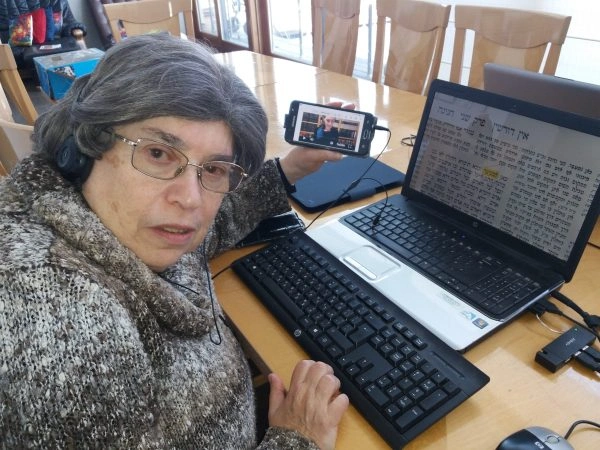
I decided to give daf yomi a try when I heard about the siyum hashas in 2020. Once the pandemic hit, the daily commitment gave my days some much-needed structure. There have been times when I’ve felt like quitting- especially when encountering very technical details in the text. But then I tell myself, “Look how much you’ve done. You can’t stop now!” So I keep going & my Koren bookshelf grows…

Miriam Eckstein-Koas

Huntington, United States

After experiences over the years of asking to join gemara shiurim for men and either being refused by the maggid shiur or being the only women there, sometimes behind a mechitza, I found out about Hadran sometime during the tail end of Masechet Shabbat, I think. Life has been much better since then.

Madeline Cohen
Madeline Cohen

London, United Kingdom

Geri Goldstein got me started learning daf yomi when I was in Israel 2 years ago. It’s been a challenge and I’ve learned a lot though I’m sure I miss a lot. I quilt as I listen and I want to share what I’ve been working on.

Rebecca Stulberg
Rebecca Stulberg

Ottawa, Canada

Last cycle, I listened to parts of various מסכתות. When the הדרן סיום was advertised, I listened to Michelle on נידה. I knew that בע”ה with the next cycle I was in (ב”נ). As I entered the סיום (early), I saw the signs and was overcome with emotion. I was randomly seated in the front row, and I cried many times that night. My choice to learn דף יומי was affirmed. It is one of the best I have made!

Miriam Tannenbaum
Miriam Tannenbaum

אפרת, Israel

I graduated college in December 2019 and received a set of shas as a present from my husband. With my long time dream of learning daf yomi, I had no idea that a new cycle was beginning just one month later, in January 2020. I have been learning the daf ever since with Michelle Farber… Through grad school, my first job, my first baby, and all the other incredible journeys over the past few years!
Sigal Spitzer Flamholz

Bronx, United States

My Daf journey began in August 2012 after participating in the Siyum Hashas where I was blessed as an “enabler” of others.  Galvanized into my own learning I recited the Hadran on Shas in January 2020 with Rabbanit Michelle. That Siyum was a highlight in my life.  Now, on round two, Daf has become my spiritual anchor to which I attribute manifold blessings.

Rina Goldberg
Rina Goldberg

Englewood NJ, United States

I began my journey with Rabbanit Michelle more than five years ago. My friend came up with a great idea for about 15 of us to learn the daf and one of us would summarize weekly what we learned.
It was fun but after 2-3 months people began to leave. I have continued. Since the cycle began Again I have joined the Teaneck women.. I find it most rewarding in so many ways. Thank you

Dena Heller
Dena Heller

New Jersey, United States

I started learning daf in January, 2020, being inspired by watching the Siyyum Hashas in Binyanei Haumah. I wasn’t sure I would be able to keep up with the task. When I went to school, Gemara was not an option. Fast forward to March, 2022, and each day starts with the daf. The challenge is now learning the intricacies of delving into the actual learning. Hadran community, thank you!

Rochel Cheifetz
Rochel Cheifetz

Riverdale, NY, United States

In January 2020, my chevruta suggested that we “up our game. Let’s do Daf Yomi” – and she sent me the Hadran link. I lost my job (and went freelance), there was a pandemic, and I am still opening the podcast with my breakfast coffee, or after Shabbat with popcorn. My Aramaic is improving. I will need a new bookcase, though.

Rhondda May
Rhondda May

Atlanta, Georgia, United States

Studying has changed my life view on הלכה and יהדות and time. It has taught me bonudaries of the human nature and honesty of our sages in their discourse to try and build a nation of caring people .

Goldie Gilad
Goldie Gilad

Kfar Saba, Israel

I started learning Daf in Jan 2020 with Brachot b/c I had never seen the Jewish people united around something so positive, and I wanted to be a part of it. Also, I wanted to broaden my background in Torah Shebal Peh- Maayanot gave me a great gemara education, but I knew that I could hold a conversation in most parts of tanach but almost no TSB. I’m so thankful for Daf and have gained immensely.

Meira Shapiro
Meira Shapiro

NJ, United States

I decided to learn one masechet, Brachot, but quickly fell in love and never stopped! It has been great, everyone is always asking how it’s going and chering me on, and my students are always making sure I did the day’s daf.

Yafit Fishbach
Yafit Fishbach

Memphis, Tennessee, United States

I saw an elderly man at the shul kiddush in early March 2020, celebrating the siyyum of masechet brachot which he had been learning with a young yeshiva student. I thought, if he can do it, I can do it! I began to learn masechet Shabbat the next day, Making up masechet brachot myself, which I had missed. I haven’t missed a day since, thanks to the ease of listening to Hadran’s podcast!
Judith Shapiro
Judith Shapiro

Minnesota, United States

In early 2020, I began the process of a stem cell transplant. The required extreme isolation forced me to leave work and normal life but gave me time to delve into Jewish text study. I did not feel isolated. I began Daf Yomi at the start of this cycle, with family members joining me online from my hospital room. I’ve used my newly granted time to to engage, grow and connect through this learning.

Reena Slovin
Reena Slovin

Worcester, United States

I learned Mishnayot more than twenty years ago and started with Gemara much later in life. Although I never managed to learn Daf Yomi consistently, I am learning since some years Gemara in depth and with much joy. Since last year I am studying at the International Halakha Scholars Program at the WIHL. I often listen to Rabbanit Farbers Gemara shiurim to understand better a specific sugyiah. I am grateful for the help and inspiration!

Shoshana Ruerup
Shoshana Ruerup

Berlin, Germany

I started learning after the siyum hashas for women and my daily learning has been a constant over the last two years. It grounded me during the chaos of Corona while providing me with a community of fellow learners. The Daf can be challenging but it’s filled with life’s lessons, struggles and hope for a better world. It’s not about the destination but rather about the journey. Thank you Hadran!

Dena Lehrman
Dena Lehrman

אפרת, Israel

After enthusing to my friend Ruth Kahan about how much I had enjoyed remote Jewish learning during the earlier part of the pandemic, she challenged me to join her in learning the daf yomi cycle. I had always wanted to do daf yomi but now had no excuse. The beginning was particularly hard as I had never studied Talmud but has become easier, as I have gained some familiarity with it.

Susan-Vishner-Hadran-photo-scaled
Susan Vishner

Brookline, United States

I heard about the syium in January 2020 & I was excited to start learning then the pandemic started. Learning Daf became something to focus on but also something stressful. As the world changed around me & my family I had to adjust my expectations for myself & the world. Daf Yomi & the Hadran podcast has been something I look forward to every day. It gives me a moment of centering & Judaism daily.

Talia Haykin
Talia Haykin

Denver, United States

I started learning at the start of this cycle, and quickly fell in love. It has become such an important part of my day, enriching every part of my life.

Naomi Niederhoffer
Naomi Niederhoffer

Toronto, Canada

I started learning Daf Yomi to fill what I saw as a large gap in my Jewish education. I also hope to inspire my three daughters to ensure that they do not allow the same Talmud-sized gap to form in their own educations. I am so proud to be a part of the Hadran community, and I have loved learning so many of the stories and halachot that we have seen so far. I look forward to continuing!
Dora Chana Haar
Dora Chana Haar

Oceanside NY, United States

Shabbat 11

עֶשְׂרִים וָשֵׁשׁ, דִּכְתִיב: ״שְׁתֵּים עֶשְׂרֵה שָׁנָה עָבְדוּ אֶת כְּדׇרְלָעוֹמֶר וּשְׁלֹשׁ עֶשְׂרֵה שָׁנָה מָרָדוּ. וּבְאַרְבַּע עֶשְׂרֵה שָׁנָה וְגוֹ׳״

during which they committed their sins was altogether twenty-six years, as it is written: “Twelve years they served Chedorlaomer and thirteen years they rebelled, and in the fourteenth year Chedorlaomer came” (Genesis 14:4–5). The twelve years plus the fourteen years during which they were enslaved were not years of tranquility, leaving only twenty-six tranquil years when they were sinful.

וְאָמַר רָבָא בַּר מַחְסֵיָא אָמַר רַב חָמָא בַּר גּוּרְיָא אָמַר רַב: כׇּל עִיר שֶׁגַּגּוֹתֶיהָ גְּבוֹהִין מִבֵּית הַכְּנֶסֶת לְסוֹף חֲרֵבָה. שֶׁנֶּאֱמַר: ״לְרוֹמֵם אֶת בֵּית אֱלֹהֵינוּ וּלְהַעֲמִיד אֶת חׇרְבוֹתָיו״. וְהָנֵי מִילֵּי בְּבָתִּים, אֲבָל בְּקִשְׁקוּשֵׁי וַאֲבַרְוָרֵי לֵית לַן בַּהּ. אָמַר רַב אָשֵׁי: אֲנָא עֲבַדִי לְמָתָא מַחְסֵיָא דְּלָא חֲרַבָה. וְהָא חֲרַבָה! מֵאוֹתוֹ עָוֹן לֹא חָרְבָה.

And Rava bar Meḥasseya said that Rav Ḥama bar Gurya said that Rav said: Any city whose roofs are higher than the synagogue will ultimately be destroyed because of the contempt shown the synagogue. Allusion to this is from that which is stated: “To uplift the house of our God and restore its ruins” (Ezra 9:9). The house that is devoted to God needs to be elevated above the other houses of the city. The Gemara adds: And this applies only to the height of the houses themselves. However, if the poles [kashkushei] and the towers [abrurei] that extend from the house are higher than the synagogue, we have no problem with it. Rav Ashi said: I caused the city of Mata Meḥasseya to not be destroyed by building the synagogue higher than the other houses. The Gemara asks: Wasn’t Mata Meḥasseya ultimately destroyed? The Gemara answers: It was not destroyed because of that sin; other sins caused its destruction.

וְאָמַר רָבָא בַּר מַחְסֵיָא אָמַר רַב חָמָא בַּר גּוּרְיָא אָמַר רַב: תַּחַת יִשְׁמָעֵאל וְלֹא תַּחַת נׇכְרִי. תַּחַת נׇכְרִי וְלֹא תַּחַת חַבָּר. תַּחַת חַבָּר וְלֹא תַּחַת תַּלְמִיד חָכָם. תַּחַת תַּלְמִיד חָכָם וְלֹא תַּחַת יָתוֹם וְאַלְמָנָה.

And Rava bar Meḥasseya said that Rav Ḥama bar Gurya said that Rav said: It is preferable to be under the yoke of Ishmael and not under the yoke of a stranger, the Romans; under a stranger and not under a Ḥabar, a Persian Zoroastrian fire priest; under a Ḥabar and not under a Torah scholar, as if one offends a Torah scholar who is greater than he, the scholar will be exacting with him and he will be punished at the hand of Heaven; under a Torah scholar and not under an orphan or a widow, as they are easily insulted and God promised to hear their cries and punish those who offend them.

וְאָמַר רָבָא בַּר מַחְסֵיָא אָמַר רַב חָמָא בַּר גּוּרְיָא אָמַר רַב: כׇּל חוֹלִי, וְלֹא חוֹלִי מֵעַיִם. כׇּל כְּאֵב, וְלֹא כְּאֵב לֵב. כׇּל מֵיחוֹשׁ, וְלֹא מֵיחוֹשׁ רֹאשׁ. כׇּל רָעָה, וְלֹא אִשָּׁה רָעָה.

And Rava bar Meḥasseya said that Rav Ḥama bar Gurya said that Rav said: It is preferable to suffer from any extended illness and not from an intestinal illness. Similarly, it is preferable to suffer any pain, even if it is sharp and excruciating, and not heart pain; any slight ache and not a headache; any evil and not an evil wife.

וְאָמַר רָבָא בַּר מַחְסֵיָא אָמַר רַב חָמָא בַּר גּוּרְיָא אָמַר רַב: אִם יִהְיוּ כׇּל הַיָּמִים דְּיוֹ, וַאֲגַמִּים קוּלְמוֹסִים, וְשָׁמַיִם יְרִיעוֹת, וְכׇל בְּנֵי אָדָם לַבְלָרִין — אֵין מַסְפִּיקִים לִכְתּוֹב חֲלָלָהּ שֶׁל רְשׁוּת. מַאי קְרָאָה אָמַר רַב מְשַׁרְשְׁיָא: ״שָׁמַיִם לָרוּם וָאָרֶץ לָעוֹמֶק וְלֵב מְלָכִים אֵין חֵקֶר״.

And Rava bar Meḥasseya said that Rav Ḥama bar Gurya said that Rav said: Even if all the seas would be ink, and the reeds that grow near swamps would be quills, and the heavens would be parchment upon which the words would be written, and all the people would be scribes; all of these are insufficient to write the unquantifiable space of governmental authority, i.e., all the considerations with which a government must concern itself and deal. Rav Mesharshiya said: What is the verse that alludes to this? “The Heavens on High and the land to the depth and the heart of kings are unsearchable” (Proverbs 25:3).

וְאָמַר רָבָא בַּר מַחְסֵיָא אָמַר רַב חָמָא בַּר גּוּרְיָא אָמַר רַב: יָפָה תַּעֲנִית לַחֲלוֹם כְּאֵשׁ לִנְעוֹרֶת. אָמַר רַב חִסְדָּא: וּבוֹ בַּיּוֹם. וְאָמַר רַב יוֹסֵף: אֲפִילּוּ בְּשַׁבָּת.

And Rava bar Meḥasseya said that Rav Ḥama bar Gurya said that Rav said: A fast is effective to neutralize a bad dream like fire burns chaff. Rav Ḥisda said: And a fast is effective specifically on that day that he dreamed. And Rav Yosef said: One suffering from a bad dream that he dreamed is permitted to fast even on Shabbat.

רַב יְהוֹשֻׁעַ בְּרֵיהּ דְּרַב אִידֵּי אִיקְּלַע לְבֵי רַב אָשֵׁי. עָבְדִי לֵיהּ עִיגְלָא תִּילְתָּא. אֲמַרוּ לֵיהּ: לִטְעוֹם מָר מִידֵּי. אֲמַר לְהוּ: בְּתַעֲנִית יָתֵיבְנָא. אֲמַרוּ לֵיהּ: וְלָא סָבַר לֵיהּ מָר לְהָא דְּרַב יְהוּדָה? דְּאָמַר רַב יְהוּדָה: לֹוֶה אָדָם תַּעֲנִיתוֹ וּפוֹרֵעַ! אֲמַר לְהוּ: תַּעֲנִית חֲלוֹם הוּא. וְאָמַר רָבָא בַּר מַחְסֵיָא אָמַר רַב חָמָא בַּר גּוּרְיָא אָמַר רַב: יָפָה תַּעֲנִית לַחֲלוֹם כְּאֵשׁ לִנְעוֹרֶת. וְאָמַר רַב חִסְדָּא: וּבוֹ בַּיּוֹם. וְאָמַר רַב יוֹסֵף: אֲפִילּוּ בְּשַׁבָּת.

The Gemara relates: Rav Yehoshua, son of Rav Idi, happened to come to the house of Rav Ashi. They prepared a third-born calf, whose meat is high quality, for him. They said to him: Let the Master taste something. He said to them: I am sitting in the midst of a fast. They said to him: And does the Master not hold in accordance with this halakha of Rav Yehuda, as Rav Yehuda said: A person can borrow his fast and not fast on the day that he originally designated, and repay it by fasting on another day? You can postpone your fast to another day. He said to them: It is a fast for a dream. And Rava bar Meḥasseya said that Rav Ḥama bar Gurya said that Rav said: A fast is effective to neutralize a bad dream like fire burns chaff. And Rav Ḥisda said that the fast is effective specifically on that day that he dreamed. And Rav Yosef said that a person suffering due to a bad dream is permitted to fast even on Shabbat.

וְאִם הִתְחִילוּ אֵין מַפְסִיקִין, מַפְסִיקִין לִקְרִיאַת שְׁמַע. הָא תְּנָא לֵיהּ רֵישָׁא אֵין מַפְסִיקִין? סֵיפָא אֲתָאן לְדִבְרֵי תוֹרָה. דְּתַנְיָא: חֲבֵרִים שֶׁהָיוּ עוֹסְקִין בַּתּוֹרָה — מַפְסִיקִין לִקְרִיאַת שְׁמַע, וְאֵין מַפְסִיקִין לִתְפִלָּה. אָמַר רַבִּי יוֹחָנָן: לֹא שָׁנוּ אֶלָּא כְּגוֹן רַבִּי שִׁמְעוֹן בֶּן יוֹחַי וַחֲבֵירָיו שֶׁתּוֹרָתָן אוּמָּנוּתָן. אֲבָל כְּגוֹן אָנוּ, מַפְסִיקִין לִקְרִיאַת שְׁמַע וְלִתְפִלָּה.

We learned in the mishna that if they already began any one of the activities mentioned in the mishna they need not stop to recite the Amida prayer; however, they stop to recite Shema. The Gemara asks: Didn’t the first clause of the mishna already teach that they need not stop? Why does the mishna repeat it? The Gemara answers: In the latter clause of the mishna, we came to discuss matters of Torah. With regard to those engaged in Torah study, they need not stop for prayer, but they are required to stop to recite Shema. As it was taught in a baraita: Torah scholars, who were engaged in the study of Torah, stop their Torah study for Shema, and they do not stop for prayer. Rabbi Yoḥanan said a caveat to this statement: They only taught that they need not stop for prayer with regard to the likes of Rabbi Shimon ben Yoḥai and his colleagues, whose Torah is their vocation and they never interrupt their Torah study. However, for the likes of us, who also engage in other activities, we stop both for Shema and for prayer.

וְהָתַנְיָא: כְּשֵׁם שֶׁאֵין מַפְסִיקִין לִתְפִלָּה, כָּךְ אֵין מַפְסִיקִין לִקְרִיאַת שְׁמַע! כִּי תָּנֵי הַהִיא — בְּעִיבּוּר שָׁנָה. דְּאָמַר רַב אַדָּא בַּר אַהֲבָה, וְכֵן תָּנוּ סָבֵי דְהַגְרוֹנְיָא אָמַר רַבִּי אֶלְעָזָר בַּר צָדוֹק: כְּשֶׁהָיִינוּ עוֹסְקִין בְּעִיבּוּר הַשָּׁנָה בְּיַבְנֶה לֹא הָיִינוּ מַפְסִיקִין לֹא לִקְרִיאַת שְׁמַע וְלֹא לִתְפִלָּה.

With regard to the essence of the statement the Gemara asks: Didn’t we learn in a different baraita: Just as they do not stop for prayer, they do not stop for Shema? The Gemara answers: When that baraita was taught, it was taught with regard to those engaged in the intercalation of the year. Since their activity is crucial and all the Festivals of the year are determined through that activity, the Sages allowed them to continue and not stop to recite Shema. As Rav Adda bar Ahava said, and the Elders of the city of Hagronya also taught that Rabbi Elazar, son of Rabbi Tzadok, said: When we were engaged in the intercalation of the year in Yavne, we would stop neither for Shema nor for prayer.

מַתְנִי׳ לֹא יֵצֵא הַחַיָּיט בְּמַחֲטוֹ סָמוּךְ לַחֲשֵׁכָה, שֶׁמָּא יִשְׁכַּח וְיֵצֵא. וְלֹא הַלַּבְלָר בְּקוּלְמוֹסוֹ. וְלֹא יְפַלֶּה אֶת כֵּלָיו, וְלֹא יִקְרָא לְאוֹר הַנֵּר. בֶּאֱמֶת אָמְרוּ, הַחַזָּן רוֹאֶה הֵיכָן תִּינוֹקוֹת קוֹרְאִין, אֲבָל הוּא לֹא יִקְרָא. כַּיּוֹצֵא בוֹ: לֹא יֹאכַל הַזָּב עִם הַזָּבָה, מִפְּנֵי הֶרְגֵּל עֲבֵירָה.

MISHNA: This mishna deals with various decrees, especially with regard to the halakhot of Shabbat, which were issued in order to distance a person from transgressions that he is liable to commit through habit and routine. The mishna said: The tailor may not go out with his needle adjacent to nightfall on Shabbat eve, lest he forget that he is carrying the needle and go out with it to the public domain even after Shabbat begins. And, similarly, the scribe [lavlar] may not go out with his quill[kulmos] for the same reason. And one may not shake his clothes on Shabbat to rid them of lice; and one may not read a book by candlelight, so that he will not come to adjust the wick of the lamp. However, in truth they said an established halakha: The attendant sees where in the book the children under his supervision are reading in the Torah, even by candlelight on Shabbat. However, he himself may not read. Similarly, the Sages issued a similar decree with regard to other halakhot, as they said: The zav may not eat even with his wife the zava, despite the fact that they are both ritually impure, because, by eating together, they will come to excessive intimacy and become accustomed to sin.

גְּמָ׳ תְּנַן הָתָם: לֹא יַעֲמוֹד אָדָם בִּרְשׁוּת הַיָּחִיד וְיִשְׁתֶּה בִּרְשׁוּת הָרַבִּים, בִּרְשׁוּת הָרַבִּים וְיִשְׁתֶּה בִּרְשׁוּת הַיָּחִיד. אֲבָל אִם הִכְנִיס רֹאשׁוֹ וְרוּבּוֹ לִמְקוֹם שֶׁהוּא שׁוֹתֶה — מוּתָּר.

GEMARA: Among the halakhot concerning decrees that were issued lest one come to commit a transgression, we learned in a mishna there: A person may not stand in the private domain and drink water located in the public domain, or vice versa, stand in the public domain and drink water located in the private domain, lest he transfer the vessel from which he is drinking the water to the place where he is standing and become liable to bring a sin-offering. However, if he introduced his head and most of his body into the place where the water that he is drinking is located, there is no longer room for concern, and it is permitted,

וְכֵן בַּגַּת.

and the same is true in the wine press.

אִיבַּעְיָא לְהוּ: כַּרְמְלִית מַאי? אָמַר אַבָּיֵי: הִיא הִיא. רָבָא אָמַר: הִיא גוּפָהּ גְּזֵירָה, וַאֲנַן נֵיקוּם וְנִגְזוֹר גְּזֵירָה לִגְזֵירָה?

In light of the halakha that was taught in this mishna a dilemma was raised before the Sages: What is the legal status of a karmelit in this matter? Is it permissible to stand in one domain and drink from a karmelit or not? Abaye said: That case is equal to that case, i.e., the same way that the Sages prohibited drinking from the private domain to the public domain and vice versa, so too, they prohibited drinking from the karmelit to another domain. Rava said: It is not prohibited. It, the prohibition to carry between a karmelit and another domain, itself is merely a rabbinic decree. And will we arise and issue one decree to prevent violation of another decree? Although the Sages prohibited doing so in one of the domains by Torah law, i.e., the public and the private domains, a similar decree was not issued in a karmelit, which is a domain by rabbinic law.

אָמַר אַבָּיֵי: מְנָא אָמֵינָא לַהּ — דְּקָתָנֵי: ״וְכֵן בַּגַּת״. מַאי גַּת? אִי רְשׁוּת הַיָּחִיד — תְּנֵינָא! אִי רְשׁוּת הָרַבִּים — תְּנֵינָא. אֶלָּא לָאו כַּרְמְלִית.

Abaye said: From where do I say that halakha, i.e., that the decree applies to a karmelit? From that which we learned at the end of the mishna in tractate Eiruvin: And the same is true in the wine press. The question arises: What is the status of the wine press in terms of the domains of Shabbat? If you say that it is the private domain, we already learned that in the mishna. If it is the public domain, we already learned that as well. Rather, isn’t this press a karmelit? Apparently, a karmelit was also prohibited in the mishna.

רָבָא אָמַר: ״וְכֵן בַּגַּת״, לְעִנְיַן מַעֲשֵׂר. וְכֵן אָמַר רַב שֵׁשֶׁת: ״וְכֵן בַּגַּת״ — לְעִנְיַן מַעֲשֵׂר. דִּתְנַן: שׁוֹתִין עַל הַגַּת, בֵּין עַל הַחַמִּין, בֵּין עַל הַצּוֹנֵן, וּפָטוּר. דִּבְרֵי רַבִּי מֵאִיר. רַבִּי אֶלְעָזָר בְּרַבִּי צָדוֹק מְחַיֵּיב. וַחֲכָמִים אוֹמְרִים: עַל הַחַמִּין, חַיָּיב. עַל הַצּוֹנֵן — פָּטוּר, מִפְּנֵי שֶׁהוּא מַחֲזִיר אֶת הַמּוֹתָר.

Rava said: That which we learned in the mishna: And the same is true in the wine press, is not relevant to the halakhot of Shabbat. It refers to the matter of the halakhot of tithes. And Rav Sheshet also said: That which we learned in the mishna: And the same is true in the wine press, refers to the matter of tithes, as we learned in a mishna: One may ab initio drink grape juice directly on the press without tithing, whether the juice was diluted with hot water, even though he will then be unable to return the leftover wine to the press, as it would ruin all the wine in the press, or whether the juice was diluted with cold water, in which case he could return the leftover wine without ruining the rest, and he is exempt. Drinking that way is considered incidental drinking, and anything that is not a fixed meal is exempt from tithing. That is the statement of Rabbi Meir. Rabbi Elazar, son of Rabbi Tzadok, obligates one to separate the tithe in both cases. And the Rabbis say: There is a distinction between these two cases; when the wine was diluted with hot water, since he cannot return what is left of the wine to the press, he is obligated to tithe, as it is like fixed drinking for which one is obligated to tithe. However, when the wine was diluted with cold water, he is exempt, because he returns the leftover wine to the press, and it is incidental drinking, which is exempt from tithing. Our mishna, which says: And the same is true in the press, means that only if his head and most of his body was in the press is he permitted to drink without separating the tithe, and that halakha is not at all related to matters of Shabbat (Rabbeinu Ḥananel).

תְּנַן: לֹא יֵצֵא הַחַיָּיט בְּמַחֲטוֹ סָמוּךְ לַחֲשֵׁיכָה שֶׁמָּא יִשְׁכַּח וְיֵצֵא. מַאי לָאו דִּתְחוּבָה לוֹ בְּבִגְדוֹ? לָא, דְּנָקֵיט לֵיהּ בִּידֵיהּ.

As proof for Abaye’s opinion, the Gemara states that which we learned in our mishna: The tailor may not go out with his needle adjacent to nightfall on Shabbat eve, lest he forget that he is carrying the needle and go out with it to the public domain even after Shabbat begins. Is it not speaking here in a case where the needle was stuck in his clothing? In that case, even if he was to go out into the public domain with the needle, he would not be liable by Torah law, since that is not the typical manner of carrying out; carrying out an object in that manner is prohibited only by rabbinic decree [shevut]. Nevertheless, not only did the Rabbis issue a decree to prohibit going out with the needle on Shabbat, they issued a decree to prevent violation of another decree and prohibited the tailor from going out with his needle adjacent to nightfall. Apparently, the Sages institute a decree to prevent violation of another decree with regard to the halakhot of carrying out on Shabbat (Tosafot). Consequently, with regard to the halakhot of karmelit, the Sages issued a decree as well, and this is proof for Abaye’s opinion. The Gemara rejects this: No, the mishna is referring to a case where he is holding the needle in his hand, which constitutes performance of the full-fledged prohibited labor of carrying out.

תָּא שְׁמַע: לֹא יֵצֵא הַחַיָּיט בְּמַחֲטוֹ הַתְּחוּבָה לוֹ בְּבִגְדוֹ. מַאי לָאו בְּעֶרֶב שַׁבָּת? לָא, כִּי תַּנְיָא הַהִיא בְּשַׁבָּת. וְהָתַנְיָא: לֹא יֵצֵא הַחַיָּיט בְּמַחֲטוֹ הַתְּחוּבָה בְּבִגְדוֹ בְּעֶרֶב שַׁבָּת עִם חֲשֵׁיכָה. הָא מַנִּי? — רַבִּי יְהוּדָה הִיא, דְּאָמַר אוּמָּן דֶּרֶךְ אוּמָּנֻתוֹ, חַיָּיב.

Come and hear another proof from that which was taught explicitly in the baraita: The tailor may not go out with his needle stuck in his clothing. Is it not speaking of a case where he goes out on Shabbat eve, and the Sages issued a decree to prevent violation of another decree, just as Abaye said? The Gemara rejects this: No, when that was taught in the baraita, it was only with regard to carrying out on Shabbat itself. The Gemara asks further: Wasn’t it taught explicitly in a baraita: The tailor may not go out with his needle stuck in his clothing on Shabbat eve at nightfall, and the Sages issued a decree to prevent violation of another decree, just as Abaye said? The Gemara rejects this: Whose opinion is cited in this baraita? It is the opinion of Rabbi Yehuda, who said: A craftsman who carries out an object in the manner common to his craft, even if others do not generally carry it out in that manner, the craftsman is liable, because he carried the object out in a manner standard for him.

דְּתַנְיָא: לֹא יֵצֵא הַחַיָּיט בְּמַחֲטוֹ הַתְּחוּבָה לוֹ בְּבִגְדוֹ, וְלֹא נַגָּר בְּקֵיסָם שֶׁבְּאׇזְנוֹ, וְלֹא סוֹרֵק בִּמְשִׁיחָה שֶׁבְּאׇזְנוֹ וְלֹא גַּרְדִּי בְּאִירָא שֶׁבְּאׇזְנוֹ, וְלֹא צַבָּע בְּדוּגְמָא שֶׁבְּצַוָּארוֹ, וְלֹא שׁוּלְחָנִי בְּדִינָר שֶׁבְּאׇזְנוֹ. וְאִם יָצָא — פָּטוּר אֲבָל אָסוּר, דִּבְרֵי רַבִּי מֵאִיר. רַבִּי יְהוּדָה אוֹמֵר: אוּמָּן דֶּרֶךְ אוּמָּנֻתוֹ — חַיָּיב, וּשְׁאָר כׇּל אָדָם — פָּטוּר.

As it was taught in a baraita: The tailor may not go out with his needle that is stuck in his clothing, and a carpenter may not go out with the wood chip that is behind his ear for use as a measuring stick, and a comber of wool may not go out with a cord with which he ties bundles of wool and which is usually placed that is on his ear, and a weaver [gardi] may not go out with a bit of wool [ira] that is on his ear which he uses for the purpose of his work, and the painter may not go out with the sample of dyed wool that is on his neck, and a money changer may not go out with the dinar that is in his ear. In all of these cases the halakha is that if he went out, he is exempt by Torah law, but it is prohibited for him to do so by rabbinic decree. This is the statement of Rabbi Meir. Rabbi Yehuda says: A craftsman who carries out an object in the manner common to his craft on Shabbat is liable by Torah law; any other person who carries it out in that manner is exempt, but it is prohibited for him to do so.

תָּנֵי חֲדָא: לֹא יֵצֵא הַזָּב בְּכִיסוֹ, וְאִם יָצָא — פָּטוּר אֲבָל אָסוּר. וְתַנְיָא אִידַּךְ: לֹא יֵצֵא, וְאִם יָצָא — חַיָּיב חַטָּאת.

Since the dispute between Rabbi Meir and Rabbi Yehuda with regard to the legal status of one who carries out an object in an atypical manner was mentioned, the Gemara discusses a contradiction between two related baraitot. It was taught in one baraita: The zav may not go out on Shabbat with his pouch that he ties to his organ in order to absorb his emission. And if he went out, he is exempt by Torah law but it is prohibited for him to do so by rabbinic law. And it was taught in another baraita: The zav may not go out on Shabbat with his pouch. And if he went out unwittingly, he is liable to bring a sin-offering.

אָמַר רַב יוֹסֵף, לָא קַשְׁיָא: הָא רַבִּי מֵאִיר, הָא רַבִּי יְהוּדָה.

Rav Yosef said: This is not difficult. There is no contradiction between the baraitot, as this baraita, which deems him exempt, is in accordance with the opinion of Rabbi Meir; that, the other baraita, which deems him liable, is in accordance with the opinion of Rabbi Yehuda.

אֲמַר לֵיהּ אַבָּיֵי: אֵימוֹר דְּשָׁמְעַתְּ לֵיהּ לְרַבִּי מֵאִיר בְּמִידֵּי דְּלָאו הַיְינוּ אוֹרְחֵיהּ, בְּמִידֵּי דְּהַיְינוּ אוֹרְחֵיהּ מִי שָׁמְעַתְּ לֵיהּ? דְּאִי לָא תֵּימָא הָכִי, אֶלָּא מֵעַתָּה הֶדְיוֹט שֶׁחָקַק קַב בִּבְקַעַת בְּשַׁבָּת לְרַבִּי מֵאִיר הָכִי נָמֵי דְּלָא מְחַיַּיב?

Abaye said to Rav Yosef: Say that you heard that Rabbi Meir deems him exempt with regard to an object that is not carried out in its typical manner. However, with regard to a matter that is carried out in its typical manner, did you hear that he deems him exempt? In general, one carries out a needle in his hand. Rabbi Meir exempts one who carries it out in his clothing, even if he is a craftsman. However, this pouch of a zav, even though it is not held in his hand, is always carried out in that manner, and, even according to Rabbi Meir, that constitutes a bona fide act of carrying out. As, if you do not say so, that the specifics of various prohibited labors can be performed in different manners, in the case of a layman [hedyot], who carved out a vessel the size of a kav in a piece of wood on Shabbat, would you say that Rabbi Meir also does not deem him liable for performing a prohibited labor on Shabbat because he is not a craftsman and he did not craft the vessel according to the standards of a craftsman? Certainly, the layman performed a full-fledged labor to the best of his ability and he is liable.

אֶלָּא אָמַר רַב הַמְנוּנָא, לָא קַשְׁיָא: כָּאן בְּזָב בַּעַל שְׁתֵּי רְאִיּוֹת, כָּאן בְּזָב בַּעַל שָׁלֹשׁ רְאִיּוֹת.

Rather, Rav Hamnuna said: This is not difficult, as the two baraitot are referring to two different cases. Here, in the baraita that deemed him liable by Torah law, it is referring to a zav who experienced two sightings of an emission. Liability to bring an offering as part of the purification process is only after he sees three emissions. Therefore, the zav requires the pouch in order to ascertain whether or not he experienced a third emission. However, there, in the baraita that deems him exempt, it is referring to a zav who already experienced three sightings. For him there is no significance whether or not he experiences an additional emission. Therefore, the pouch is insignificant and he has no interest in carrying it out.

מַאי שְׁנָא זָב בַּעַל שְׁתֵּי רְאִיּוֹת דְּחַיָּיב, דְּמִיבְּעֵי לֵיהּ לִבְדִיקָה, זָב בַּעַל שָׁלֹשׁ נָמֵי מִיבְּעֵי לֵיהּ לִסְפִירָה? לֹא נִצְרְכָא אֶלָּא לְבוֹ בַּיּוֹם.

The Gemara asks: What is different about a zav who had two sightings, who is liable, as he requires the pouch for the purpose of examination to ascertain whether or not he experienced a third sighting, and a zav who already experienced three sightings and requires the pouch for the purpose of counting clean days? In order to become ritually pure, he must count seven clean days without experiencing an emission. If so, even a zav who had three sightings requires the pouch, in order to ascertain whether or not he experienced another emission. The Gemara answers: That baraita was only needed for that day when he already saw his third emission. In any case, that day will not be a clean day.

וְהָא מִיבְּעֵי לֵיהּ כְּדֵי שֶׁלֹּא יִטַּנְּפוּ כֵּלָיו! אָמַר רַבִּי זֵירָא: הַאי תַּנָּא הוּא דְּאָמַר כׇּל אַצּוֹלֵי טִינּוּף לָא קָא חָשֵׁיב. דִּתְנַן: הַכּוֹפֶה קְעָרָה עַל הַכּוֹתֶל, אִם בִּשְׁבִיל שֶׁתּוּדַח הַקְּעָרָה, הֲרֵי זֶה בְּ״כִי יוּתַּן״. אִם בִּשְׁבִיל

The Gemara asks: Doesn’t even that zav need the pouch so that his clothes will not get soiled by the emission? Although he does not need the pouch for a halakhic determination, he needs it for practical considerations. Rabbi Zeira said: This tanna is the one who said that any usage intended to prevent filth is not considered a special purpose that will render a certain object an actual vessel. As we learned in a mishna: One who places a bowl on the wall while it is raining, if he did that so that the bowl would be rinsed with the rainwater, that is under the rubric of the verse: “If water be placed.” The water has the legal status of a liquid that he poured of his own volition on fruit and seeds. It renders them liable to become ritually impure, as it is written: “If water be placed upon seed and any of their carcass fell on it, it is impure to you” (Leviticus 11:38). However, if he placed the bowl so

Want to follow content and continue where you left off?

Create an account today to track your progress, mark what you’ve learned, and follow the shiurim that speak to you.

Clear all items from this list?

This will remove ALL the items in this section. You will lose any progress or history connected to them. This is irreversible.

Cancel
Yes, clear all

Are you sure you want to delete this item?

You will lose any progress or history connected to this item.

Cancel
Yes, delete