








Is the opinion in the mishna to allow putting a shutter in a window “in any case” allowing it even if it is not tied, as long as it is designated before Shabbat or does it also need to be tied? Rabbi Abba and Rabbi Yirmia debate this issue and each brings a tannaitic source to support their claim – one about a bolt dragging on the floor and one about a reed used as a bolt. Rabbi Yochanan holds like Rabban Shimon ben Gamliel about the reed used to lock the door and the gemara questions that based on another statement of Rabbi Yochanan that seems to disagree with Rabban Shimon ben Gamliel. Do we hold like Rabbi Eliezer or the rabbis in the mishna. Two approaches are brought. Does a cover of a utensil need a handle for it not to be considered muktze? Does it depend on what it is covering? The 18th chapter starts with a case of taking items out of a storage house in order to make space. How many can one remove? Under what conditions. Two different understandings of the mishna are brought.
Shabbat 126

Share this shiur:
Want to dedicate learning? Get started here:
Shabbat 126
בֵּין קָשׁוּר בֵּין שֶׁאֵינוֹ קָשׁוּר, וְהוּא שֶׁמְּתוּקָּן.
Both if it is tied and if it is not tied it is permitted, and that is only if it is prepared for this purpose beforehand.
אֲמַר לֵיהּ רַבִּי יִרְמְיָה, וְלֵימָא מָר: בֵּין תָּלוּי וּבֵין שֶׁאֵינוֹ תָּלוּי, וְהוּא שֶׁקָּשׁוּר! דְּאָמַר רַבָּה בַּר בַּר חָנָה אָמַר רַבִּי יוֹחָנָן: כְּמַחֲלוֹקֶת כָּאן, כָּךְ מַחֲלוֹקֶת בַּנֶּגֶר הַנִּגְרָר. דִּתְנַן: נֶגֶר הַנִּגְרָר, נוֹעֲלִין בּוֹ בַּמִּקְדָּשׁ, אֲבָל לֹא בִּמְדִינָה. וְהַמּוּנָּח, כָּאן וְכָאן, אָסוּר. רַבִּי יְהוּדָה אוֹמֵר: הַמּוּנָּח בְּמִקְדָּשׁ וְהַנִּגְרָר בַּמְּדִינָה.
Rabbi Yirmeya said to Rabbi Abba: And let the Master say it in this way: Both if it is hanging and if it is not hanging, and that is only if it is tied, as Rabba bar bar Ḥana said that Rabbi Yoḥanan said: Like the dispute here with regard to the window shutter, so too is the dispute with regard to a bolt that was dragged, which refers to a pole that was stuck through a hole in the door and into the ground in order to hold the door in place. As we learned in a mishna: With regard to a bolt that is dragged, which is not a part of the door itself but is attached to it and is dragged on the ground, one locks with it in the Temple on Shabbat, because the rabbinic decrees are not in effect in the Temple, but not in the rest of the country outside the Temple. And a bolt that is placed alongside the door and not attached, here, in the Temple, and there, outside the Temple, it is prohibited to lock with it on Shabbat. Rabbi Yehuda says: One that was placed is permitted in the Temple and one that is dragged is permitted even in the rest of the country.
וְתַנְיָא: אֵיזֶהוּ נֶגֶר הַנִּגְרָר שֶׁנּוֹעֲלִין בּוֹ בַּמִּקְדָּשׁ אֲבָל לֹא בִּמְדִינָה? כׇּל שֶׁקָּשׁוּר וְתָלוּי וְרֹאשׁוֹ מַגִּיעַ לָאָרֶץ. רַבִּי יְהוּדָה אוֹמֵר: זֶה אַף בַּמְּדִינָה מוּתָּר. אֶלָּא אֵיזֶהוּ שֶׁבַּמְּדִינָה אָסוּר — כֹּל שֶׁאֵינוֹ לֹא קָשׁוּר וְלָא תָּלוּי, וְשׁוֹמְטוֹ וּמַנִּיחוֹ בְּקֶרֶן זָוִית.
And it was taught in a baraita: What is a bolt that is dragged that one locks with it in the Temple but not in the rest of the country? Any bolt that is tied and hangs from the door and one of its edges reaches the ground. Rabbi Yehuda says: That is permitted even in the rest of the country. Rather, what is prohibited in the rest of the country? Any bolt that is neither tied nor hung, and one removes it from the door and places it in a corner.
וְאָמַר רַבִּי יְהוֹשֻׁעַ בַּר אַבָּא מִשְּׁמֵיהּ דְּעוּלָּא: מַאן תַּנָּא נֶגֶר הַנִּגְרָר — רַבִּי אֱלִיעֶזֶר הִיא!
And Rabbi Yehoshua bar Abba said in the name of Ulla: Who is the tanna who taught the halakha of a bolt that is dragged? The tanna is Rabbi Eliezer, whose opinion in this case is identical to his opinion in the mishna with regard to the window shutter. It is certainly referring to a shutter that is attached. If it is not attached, Rabbi Eliezer holds that it is prohibited for use even in the Temple.
אֲמַר לֵיהּ: אֲנָא דַּאֲמַרִי כִּי הַאי תַּנָּא דְּתַנְיָא: קָנֶה שֶׁהִתְקִינוֹ בַּעַל הַבַּיִת לִהְיוֹת פּוֹתֵחַ וְנוֹעֵל בּוֹ, בִּזְמַן שֶׁקָּשׁוּר וְתָלוּי בַּפֶּתַח — פּוֹתֵחַ וְנוֹעֵל בּוֹ, אֵין קָשׁוּר וְתָלוּי — אֵין פּוֹתֵחַ וְנוֹעֵל בּוֹ. רַבָּן שִׁמְעוֹן בֶּן גַּמְלִיאֵל אוֹמֵר: מְתוּקָּן, אַף עַל פִּי שֶׁאֵינוֹ קָשׁוּר.
Rabbi Abba said to Rabbi Yirmeya: It is I who say that this case is in accordance with the opinion of this tanna, as it was taught in the Tosefta: With regard to a reed that the homeowner installed to open and lock the door with it like a bolt, when it is tied and hanging in the entrance, one may open and lock the door with it on Shabbat, and when it is not tied and hanging, one may not open and lock the door with it. Rabban Shimon ben Gamliel says: If it was prepared for that use, it is permitted to use it even if it is not tied. There is an opinion that holds that a bolt need not be attached, and preparation is sufficient to permit its use.
אָמַר רַב יְהוּדָה בַּר שִׁילַת אָמַר רַב אַסִּי אָמַר רַבִּי יוֹחָנָן: הֲלָכָה כְּרַבָּן שִׁמְעוֹן בֶּן גַּמְלִיאֵל.
Rav Yehuda bar Sheilat said that Rav Asi said that Rabbi Yoḥanan said: The halakha in this case is in accordance with the opinion of Rabban Shimon ben Gamliel.
וּמִי אָמַר רַבִּי יוֹחָנָן הָכִי? וְהָתְנַן: כׇּל כִּסּוּיֵי הַכֵּלִים
The Gemara asks: Did Rabbi Yoḥanan really say this? Didn’t we learn in the mishna: All covers of vessels
שֶׁיֵּשׁ לָהֶם בֵּית אֲחִיזָה נִיטָּלִין בַּשַּׁבָּת. וְאָמַר רַב יְהוּדָה בַּר שֵׁילָא אָמַר רַב אַסִּי אָמַר רַבִּי יוֹחָנָן: וְהוּא שֶׁיֵּשׁ תּוֹרַת כְּלִי עֲלֵיהֶן.
that have a handle may be moved on Shabbat. And Rav Yehuda bar Sheila said that Rav Asi said that Rabbi Yoḥanan said: And that is specifically when the status of a vessel applies to them, i.e., when the cover itself is suited for use as a vessel. This is contrary to the opinion of Rabban Shimon ben Gamliel, who holds that preparation alone is sufficient.
וְכִי תֵּימָא: הָכָא נָמֵי דְּאִיכָּא תּוֹרַת כְּלִי עָלָיו, וּמִי בָּעֵי רַבָּן שִׁמְעוֹן בֶּן גַּמְלִיאֵל תּוֹרַת כְּלִי עָלָיו? וְהָתַנְיָא: חֲרִיּוֹת שֶׁל דֶּקֶל שֶׁגְּדָרָן לְשֵׁם עֵצִים, וְנִמְלַךְ עֲלֵיהֶן לִישִׁיבָה — צָרִיךְ לְקַשֵּׁר. רַבָּן שִׁמְעוֹן בֶּן גַּמְלִיאֵל אוֹמֵר: אֵין צָרִיךְ לְקַשֵּׁר.
And if you say: Here, too, Rabban Shimon ben Gamliel is referring to a case where the status of a vessel applies to the reed, does Rabban Shimon ben Gamliel require that the status of a vessel apply to it? Wasn’t it taught in a baraita: With regard to hard branches of a palm tree that one cut for firewood or for construction and then he reconsidered their designation and decided to use them for sitting, he must tie the branches together on Shabbat eve so that they will not be set-aside. Rabban Shimon ben Gamliel says: He need not tie them together, and nevertheless, it is permitted to move them. Rabban Shimon ben Gamliel does not require that one render it a vessel. Thought is sufficient.
רַבִּי יוֹחָנָן סְבִירָא לֵיהּ כְּווֹתֵיהּ בַּחֲדָא וּפְלִיג עֲלֵיהּ בַּחֲדָא.
The Gemara answers: Rabbi Yoḥanan holds in accordance with the opinion of Rabban Shimon ben Gamliel in one matter and disagrees with him in one matter.
דְּרַשׁ רַבִּי יִצְחָק נַפָּחָא אַפִּתְחָא דְרֵישׁ גָּלוּתָא: הֲלָכָה כְּרַבִּי אֱלִיעֶזֶר. מֵתִיב רַב עַמְרָם: וּמִדִּבְרֵיהֶם לָמַדְנוּ שֶׁפּוֹקְקִין וּמוֹדְדִין וְקוֹשְׁרִין בְּשַׁבָּת!
Rabbi Yitzḥak taught at the entrance of the house of the Exilarch: The halakha is in accordance with the opinion of Rabbi Eliezer in the matter of a window shutter. Rav Amram raised an objection from that we learned explicitly in a mishna: And from their statements and their actions, we derived that one may seal a window, and measure, and tie a knot on Shabbat. Apparently, one may shutter the window under any circumstances, not only when the shutter was prepared for use, as Rabbi Eliezer said.
אֲמַר לֵיהּ [אַבָּיֵי]: מַאי דַּעְתָּיךְ — מִשּׁוּם דְּקָתָנֵי סְתָמָא, נֶגֶר הַנִּגְרָר נָמֵי סְתָמָא הִיא. וַאֲפִילּוּ הָכִי — מַעֲשֶׂה רַב.
Abaye said to Rav Amram: What is your opinion, that the proof is decisive because it was taught in the mishna unattributed and the halakha is in accordance with an unattributed mishna? The mishna with regard to a bolt that is dragged is also an unattributed mishna. The halakha should be in accordance with that mishna as well. The Gemara concludes: And even so, an action is greater. Even though the two mishnayot are of equal weight, since one of them not only cites an unattributed opinion but also relates an incident where the Sages shuttered a window, that source is decisive.
מַתְנִי׳ כׇּל כִּיסּוּיֵי הַכֵּלִים שֶׁיֵּשׁ לָהֶם בֵּית אֲחִיזָה — נִיטָּלִין בַּשַּׁבָּת. אָמַר רַבִּי יוֹסֵי: בַּמֶּה דְּבָרִים אֲמוּרִים — בְּכִיסּוּי קַרְקָעוֹת, אֲבָל בְּכִיסּוּי הַכֵּלִים — בֵּין כָּךְ וּבֵין כָּךְ נִיטָּלִין בַּשַּׁבָּת.
MISHNA: All covers of vessels that have a handle may be moved on Shabbat. Rabbi Yosei said: In what case is this statement said? In the case of a cover for the ground, i.e., the cover of a pit; however, with regard to covers of vessels, both in this case and in that case, even if they do not have handles, they may be moved on Shabbat.
גְּמָ׳ אָמַר רַב יְהוּדָה בַּר שֵׁילָא אָמַר רַבִּי אַסִּי אָמַר רַבִּי יוֹחָנָן: וְהוּא שֶׁיֵּשׁ תּוֹרַת כְּלִי עֲלֵיהֶן. דְּכוּלֵּי עָלְמָא כִּסּוּי קַרְקָעוֹת, אִם יֵשׁ לָהֶן בֵּית אֲחִיזָה — אִין, אִי לָא — לָא. כִּסּוּי הַכֵּלִים, אַף עַל גַּב דְּאֵין לָהֶם בֵּית אֲחִיזָה.
GEMARA: Rav Yehuda bar Sheila said that Rabbi Asi said that Rabbi Yoḥanan said: And this applies specifically when the status of a vessel applies to them and they are suited for some use. The Gemara adds: Everyone holds that with regard to a cover for the ground, if it has a handle, yes, it is permitted to move it, and if not, no, it is prohibited to move it; with regard to a cover of a vessel, even if it does not have a handle, it is permitted to move it.
כִּי פְּלִיגִי בְּכֵלִים דְּחַבְּרִינְהוּ בְּאַרְעָא. מָר סָבַר גָּזְרִינַן, וּמָר סָבַר לָא גָּזְרִינַן.
When they disagree in the mishna, it is with regard to vessels that one attached to the ground. This Sage, the first tanna, holds that we issue a decree according to which it is prohibited to move the cover of a vessel attached to the ground due to the concern that one will move a cover for the ground itself, and that Sage, Rabbi Yosei, holds that we do not issue a decree.
לִישָּׁנָא אַחֲרִינָא: כִּי פְּלִיגִי בְּכִיסּוּי תַּנּוּר, מָר מְדַמֵּי לֵיהּ לְכִיסּוּי קַרְקַע, וּמָר מְדַמֵּי לֵיהּ לְכִיסּוּי כֵּלִים.
Another version of this statement: When they disagree in the mishna, it is with regard to the cover of an oven; this Sage likens it to a cover for the ground, and this Sage likens it to a cover of a vessel.
הדרן עלך כל הכלים
מַתְנִי׳ מְפַנִּין אֲפִילּוּ אַרְבַּע וְחָמֵשׁ קוּפּוֹת שֶׁל תֶּבֶן וְשֶׁל תְּבוּאָה מִפְּנֵי הָאוֹרְחִים, וּמִפְּנֵי בִּטּוּל בֵּית הַמִּדְרָשׁ. אֲבָל לֹא אֶת הָאוֹצָר.
MISHNA: On Shabbat, one may move even four or five baskets of straw and baskets of produce, due to the guests, who require that place to sit, and due to suspension of Torah study in the study hall, where space is required to seat the students. However, one may not move these items to create space in the storeroom.
מְפַנִּין תְּרוּמָה טְהוֹרָה, וּדְמַאי, וּמַעֲשֵׂר רִאשׁוֹן שֶׁנִּיטְלָהּ תְּרוּמָתוֹ, וּמַעֲשֵׂר שֵׁנִי וְהֶקְדֵּשׁ שֶׁנִּפְדּוּ, וְהַתּוֹרְמוֹס הַיָּבֵשׁ מִפְּנֵי שֶׁהוּא מַאֲכָל לְעִזִּים.
One may move ritually pure teruma, although it may only be eaten by a priest; and doubtfully tithed produce [demai], which may not be eaten until tithes are separated from it due to concern that an am ha’aretz did not separate its tithes; and first tithe whose teruma of the tithe has already been taken and given to priests; and second tithe and consecrated items that were redeemed; and even dry lupine, which is not fit for consumption by a person, because it is goat food.
אֲבָל לֹא אֶת הַטֶּבֶל, וְלֹא אֶת מַעֲשֵׂר [רִאשׁוֹן] שֶׁלֹּא נִטְּלָה תְּרוּמָתוֹ, וְלֹא אֶת מַעֲשֵׂר שֵׁנִי וְהֶקְדֵּשׁ שֶׁלֹּא נִפְדּוּ, וְלֹא אֶת הַלּוּף, וְלָא אֶת הַחַרְדָּל. רַבִּי שִׁמְעוֹן בֶּן גַּמְלִיאֵל מַתִּיר בַּלּוּף, מִפְּנֵי שֶׁהוּא מַאֲכַל עוֹרְבִין.
However, one may neither move untithed produce, nor first tithe whose teruma has not been taken, nor second tithe and consecrated items that were not redeemed, nor raw arum and raw mustard, as all of these items are not fit for consumption and are therefore set aside. Rabban Shimon ben Gamliel permits moving in the case of arum because it is food for ravens.
חֲבִילֵי קַשׁ וַחֲבִילֵי עֵצִים וַחֲבִילֵי זְרָדִים, אִם הִתְקִינָן לְמַאֲכַל בְּהֵמָה — מְטַלְטְלִין אוֹתָן. וְאִם לָאו — אֵין מְטַלְטְלִין אוֹתָן.
With regard to bundles of straw, and bundles of wood, and bundles of twigs, if one prepared them on Shabbat eve for animal food, one may move them. And if not, one may not move them.
גְּמָ׳ הַשְׁתָּא חָמֵשׁ מְפַנִּין, אַרְבַּע מִיבַּעְיָא?!
GEMARA: The Gemara asks: Now that the mishna stated that one may move five baskets, is mentioning four baskets necessary?
אָמַר רַב חִסְדָּא: אַרְבַּע מֵחָמֵשׁ, (אִיכָּא דְאָמְרִי: אַרְבַּע מֵאוֹצָר קָטָן) וְחָמֵשׁ מֵאוֹצָר גָּדוֹל.
Rav Ḥisda said: The mishna means that one may move four out of five baskets, but not all of them. Some say: It is permitted to move four baskets from a small storeroom and five baskets from a large storeroom.
וּמַאי ״אֲבָל לֹא אֶת הָאוֹצָר״ — שֶׁלֹּא יַתְחִיל בָּאוֹצָר תְּחִלָּה, וּמַנִּי — רַבִּי יְהוּדָה הִיא, דְּאִית לֵיהּ מוּקְצֶה.
The Gemara asks: And what then is the meaning of: However, one may not move these items to create space in the storeroom? It means that one may not use the storeroom for the first time. If he has never taken supplies from this storeroom, he may not begin moving baskets from it. And whose opinion is cited in this mishna? It is the opinion of Rabbi Yehuda, who is of the opinion that this constitutes a prohibition of set-aside. The contents of a storeroom that was never used are set-aside.
וּשְׁמוּאֵל אָמַר: אַרְבַּע וְחָמֵשׁ
And Shmuel says: The difficulty in the mishna should be explained as a figure of speech: Four and five,

New to Talmud?
Check out our resources designed to help you navigate a page of Talmud – and study at the pace, level and style that fits you.
The Hadran Women’s Tapestry
Meet the diverse women learning Gemara at Hadran and hear their stories.
I never thought I’d be able to do Daf Yomi till I saw the video of Hadran’s Siyum HaShas. Now, 2 years later, I’m about to participate in Siyum Seder Mo’ed with my Hadran community. It has been an incredible privilege to learn with Rabbanit Michelle and to get to know so many caring, talented and knowledgeable women. I look forward with great anticipation and excitement to learning Seder Nashim.
Karmiel, Israel
Inspired by Hadran’s first Siyum ha Shas L’Nashim two years ago, I began daf yomi right after for the next cycle. As to this extraordinary journey together with Hadran..as TS Eliot wrote “We must not cease from exploration and the end of all our exploring will be to arrive where we began and to know the place for the first time.

Jerusalem, Israel
Attending the Siyyum in Jerusalem 26 months ago inspired me to become part of this community of learners. So many aspects of Jewish life have been illuminated by what we have learned in Seder Moed. My day is not complete without daf Yomi. I am so grateful to Rabbanit Michelle and the Hadran Community.

Newton, United States
I started at the beginning of this cycle. No 1 reason, but here’s 5.
In 2019 I read about the upcoming siyum hashas.
There was a sermon at shul about how anyone can learn Talmud.
Talmud references come up when I am studying. I wanted to know more.
Yentl was on telly. Not a great movie but it’s about studying Talmud.
I went to the Hadran website: A new cycle is starting. I’m gonna do this
Cambridge, United Kingdom
I began learning the daf in January 2022. I initially “flew under the radar,” sharing my journey with my husband and a few close friends. I was apprehensive – who, me? Gemara? Now, 2 years in, I feel changed. The rigor of a daily commitment frames my days. The intellectual engagement enhances my knowledge. And the virtual community of learners has become a new family, weaving a glorious tapestry.

Far Rockaway, United States
I started learning on January 5, 2020. When I complete the 7+ year cycle I will be 70 years old. I had been intimidated by those who said that I needed to study Talmud in a traditional way with a chevruta, but I decided the learning was more important to me than the method. Thankful for Daf Yomi for Women helping me catch up when I fall behind, and also being able to celebrate with each Siyum!

Bakersfield, United States
Geri Goldstein got me started learning daf yomi when I was in Israel 2 years ago. It’s been a challenge and I’ve learned a lot though I’m sure I miss a lot. I quilt as I listen and I want to share what I’ve been working on.

Ottawa, Canada
I started my journey on the day I realized that the Siyum was happening in Yerushalayim and I was missing out. What? I told myself. How could I have not known about this? How can I have missed out on this opportunity? I decided that moment, I would start Daf Yomi and Nach Yomi the very next day. I am so grateful to Hadran. I am changed forever because I learn Gemara with women. Thank you.
Mitspe, Israel
I started learning Daf in Jan 2020 with Brachot b/c I had never seen the Jewish people united around something so positive, and I wanted to be a part of it. Also, I wanted to broaden my background in Torah Shebal Peh- Maayanot gave me a great gemara education, but I knew that I could hold a conversation in most parts of tanach but almost no TSB. I’m so thankful for Daf and have gained immensely.

NJ, United States
My husband learns Daf, my son learns Daf, my son-in-law learns Daf.
When I read about Hadran’s Siyyum HaShas 2 years ago, I thought- I can learn Daf too!
I had learned Gemara in Hillel HS in NJ, & I remembered loving it.
Rabbanit Michelle & Hadran have opened my eyes & expanding my learning so much in the past few years. We can now discuss Gemara as a family.
This was a life saver during Covid

Brooklyn, NY, United States
I LOVE learning the Daf. I started with Shabbat. I join the morning Zoom with Reb Michelle and it totally grounds my day. When Corona hit us in Israel, I decided that I would use the Daf to keep myself sane, especially during the days when we could not venture out more than 300 m from our home. Now my husband and I have so much new material to talk about! It really is the best part of my day!

Hashmonaim, Israel
I was exposed to Talmud in high school, but I was truly inspired after my daughter and I decided to attend the Women’s Siyum Shas in 2020. We knew that this was a historic moment. We were blown away, overcome with emotion at the euphoria of the revolution. Right then, I knew I would continue. My commitment deepened with the every-morning Virtual Beit Midrash on Zoom with R. Michelle.

Zichron Yaakov, Israel
My husband learns Daf, my son learns Daf, my son-in-law learns Daf.
When I read about Hadran’s Siyyum HaShas 2 years ago, I thought- I can learn Daf too!
I had learned Gemara in Hillel HS in NJ, & I remembered loving it.
Rabbanit Michelle & Hadran have opened my eyes & expanding my learning so much in the past few years. We can now discuss Gemara as a family.
This was a life saver during Covid
Brooklyn, NY, United States
I heard about the syium in January 2020 & I was excited to start learning then the pandemic started. Learning Daf became something to focus on but also something stressful. As the world changed around me & my family I had to adjust my expectations for myself & the world. Daf Yomi & the Hadran podcast has been something I look forward to every day. It gives me a moment of centering & Judaism daily.

Denver, United States
Hearing and reading about the siyumim at the completion of the 13 th cycle Daf Yomi asked our shul rabbi about starting the Daf – he directed me to another shiur in town he thought would allow a woman to join, and so I did! Love seeing the sources for the Divrei Torah I’ve been hearing for the past decades of living an observant life and raising 5 children .

Pittsburgh, Pennsylvania, United States
As Jewish educator and as a woman, I’m mindful that Talmud has been kept from women for many centuries. Now that we are privileged to learn, and learning is so accessible, it’s my intent to complete Daf Yomi. I am so excited to keep learning with my Hadran community.
Denver, United States
Margo
I started my Talmud journey in 7th grade at Akiba Jewish Day School in Chicago. I started my Daf Yomi journey after hearing Erica Brown speak at the Hadran Siyum about marking the passage of time through Daf Yomi.
Carolyn
I started my Talmud journey post-college in NY with a few classes. I started my Daf Yomi journey after the Hadran Siyum, which inspired both my son and myself.

Merion Station, USA
Beit Shemesh, Israel
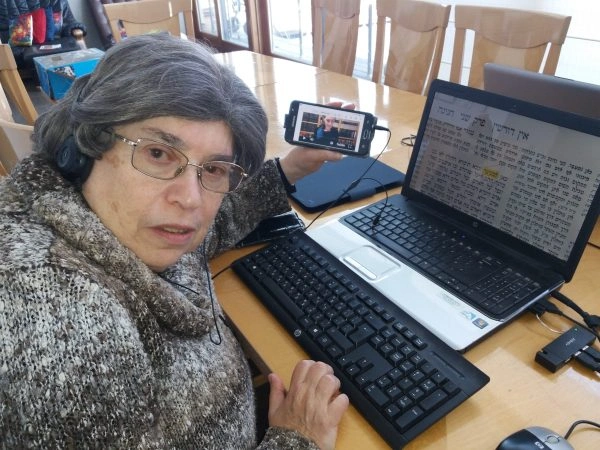
After experiences over the years of asking to join gemara shiurim for men and either being refused by the maggid shiur or being the only women there, sometimes behind a mechitza, I found out about Hadran sometime during the tail end of Masechet Shabbat, I think. Life has been much better since then.
London, United Kingdom
I have joined the community of daf yomi learners at the start of this cycle. I have studied in different ways – by reading the page, translating the page, attending a local shiur and listening to Rabbanit Farber’s podcasts, depending on circumstances and where I was at the time. The reactions have been positive throughout – with no exception!

Guildford, United Kingdom

Los Angeles, United States
Shabbat 126
בֵּין קָשׁוּר בֵּין שֶׁאֵינוֹ קָשׁוּר, וְהוּא שֶׁמְּתוּקָּן.
Both if it is tied and if it is not tied it is permitted, and that is only if it is prepared for this purpose beforehand.
אֲמַר לֵיהּ רַבִּי יִרְמְיָה, וְלֵימָא מָר: בֵּין תָּלוּי וּבֵין שֶׁאֵינוֹ תָּלוּי, וְהוּא שֶׁקָּשׁוּר! דְּאָמַר רַבָּה בַּר בַּר חָנָה אָמַר רַבִּי יוֹחָנָן: כְּמַחֲלוֹקֶת כָּאן, כָּךְ מַחֲלוֹקֶת בַּנֶּגֶר הַנִּגְרָר. דִּתְנַן: נֶגֶר הַנִּגְרָר, נוֹעֲלִין בּוֹ בַּמִּקְדָּשׁ, אֲבָל לֹא בִּמְדִינָה. וְהַמּוּנָּח, כָּאן וְכָאן, אָסוּר. רַבִּי יְהוּדָה אוֹמֵר: הַמּוּנָּח בְּמִקְדָּשׁ וְהַנִּגְרָר בַּמְּדִינָה.
Rabbi Yirmeya said to Rabbi Abba: And let the Master say it in this way: Both if it is hanging and if it is not hanging, and that is only if it is tied, as Rabba bar bar Ḥana said that Rabbi Yoḥanan said: Like the dispute here with regard to the window shutter, so too is the dispute with regard to a bolt that was dragged, which refers to a pole that was stuck through a hole in the door and into the ground in order to hold the door in place. As we learned in a mishna: With regard to a bolt that is dragged, which is not a part of the door itself but is attached to it and is dragged on the ground, one locks with it in the Temple on Shabbat, because the rabbinic decrees are not in effect in the Temple, but not in the rest of the country outside the Temple. And a bolt that is placed alongside the door and not attached, here, in the Temple, and there, outside the Temple, it is prohibited to lock with it on Shabbat. Rabbi Yehuda says: One that was placed is permitted in the Temple and one that is dragged is permitted even in the rest of the country.
וְתַנְיָא: אֵיזֶהוּ נֶגֶר הַנִּגְרָר שֶׁנּוֹעֲלִין בּוֹ בַּמִּקְדָּשׁ אֲבָל לֹא בִּמְדִינָה? כׇּל שֶׁקָּשׁוּר וְתָלוּי וְרֹאשׁוֹ מַגִּיעַ לָאָרֶץ. רַבִּי יְהוּדָה אוֹמֵר: זֶה אַף בַּמְּדִינָה מוּתָּר. אֶלָּא אֵיזֶהוּ שֶׁבַּמְּדִינָה אָסוּר — כֹּל שֶׁאֵינוֹ לֹא קָשׁוּר וְלָא תָּלוּי, וְשׁוֹמְטוֹ וּמַנִּיחוֹ בְּקֶרֶן זָוִית.
And it was taught in a baraita: What is a bolt that is dragged that one locks with it in the Temple but not in the rest of the country? Any bolt that is tied and hangs from the door and one of its edges reaches the ground. Rabbi Yehuda says: That is permitted even in the rest of the country. Rather, what is prohibited in the rest of the country? Any bolt that is neither tied nor hung, and one removes it from the door and places it in a corner.
וְאָמַר רַבִּי יְהוֹשֻׁעַ בַּר אַבָּא מִשְּׁמֵיהּ דְּעוּלָּא: מַאן תַּנָּא נֶגֶר הַנִּגְרָר — רַבִּי אֱלִיעֶזֶר הִיא!
And Rabbi Yehoshua bar Abba said in the name of Ulla: Who is the tanna who taught the halakha of a bolt that is dragged? The tanna is Rabbi Eliezer, whose opinion in this case is identical to his opinion in the mishna with regard to the window shutter. It is certainly referring to a shutter that is attached. If it is not attached, Rabbi Eliezer holds that it is prohibited for use even in the Temple.
אֲמַר לֵיהּ: אֲנָא דַּאֲמַרִי כִּי הַאי תַּנָּא דְּתַנְיָא: קָנֶה שֶׁהִתְקִינוֹ בַּעַל הַבַּיִת לִהְיוֹת פּוֹתֵחַ וְנוֹעֵל בּוֹ, בִּזְמַן שֶׁקָּשׁוּר וְתָלוּי בַּפֶּתַח — פּוֹתֵחַ וְנוֹעֵל בּוֹ, אֵין קָשׁוּר וְתָלוּי — אֵין פּוֹתֵחַ וְנוֹעֵל בּוֹ. רַבָּן שִׁמְעוֹן בֶּן גַּמְלִיאֵל אוֹמֵר: מְתוּקָּן, אַף עַל פִּי שֶׁאֵינוֹ קָשׁוּר.
Rabbi Abba said to Rabbi Yirmeya: It is I who say that this case is in accordance with the opinion of this tanna, as it was taught in the Tosefta: With regard to a reed that the homeowner installed to open and lock the door with it like a bolt, when it is tied and hanging in the entrance, one may open and lock the door with it on Shabbat, and when it is not tied and hanging, one may not open and lock the door with it. Rabban Shimon ben Gamliel says: If it was prepared for that use, it is permitted to use it even if it is not tied. There is an opinion that holds that a bolt need not be attached, and preparation is sufficient to permit its use.
אָמַר רַב יְהוּדָה בַּר שִׁילַת אָמַר רַב אַסִּי אָמַר רַבִּי יוֹחָנָן: הֲלָכָה כְּרַבָּן שִׁמְעוֹן בֶּן גַּמְלִיאֵל.
Rav Yehuda bar Sheilat said that Rav Asi said that Rabbi Yoḥanan said: The halakha in this case is in accordance with the opinion of Rabban Shimon ben Gamliel.
וּמִי אָמַר רַבִּי יוֹחָנָן הָכִי? וְהָתְנַן: כׇּל כִּסּוּיֵי הַכֵּלִים
The Gemara asks: Did Rabbi Yoḥanan really say this? Didn’t we learn in the mishna: All covers of vessels
שֶׁיֵּשׁ לָהֶם בֵּית אֲחִיזָה נִיטָּלִין בַּשַּׁבָּת. וְאָמַר רַב יְהוּדָה בַּר שֵׁילָא אָמַר רַב אַסִּי אָמַר רַבִּי יוֹחָנָן: וְהוּא שֶׁיֵּשׁ תּוֹרַת כְּלִי עֲלֵיהֶן.
that have a handle may be moved on Shabbat. And Rav Yehuda bar Sheila said that Rav Asi said that Rabbi Yoḥanan said: And that is specifically when the status of a vessel applies to them, i.e., when the cover itself is suited for use as a vessel. This is contrary to the opinion of Rabban Shimon ben Gamliel, who holds that preparation alone is sufficient.
וְכִי תֵּימָא: הָכָא נָמֵי דְּאִיכָּא תּוֹרַת כְּלִי עָלָיו, וּמִי בָּעֵי רַבָּן שִׁמְעוֹן בֶּן גַּמְלִיאֵל תּוֹרַת כְּלִי עָלָיו? וְהָתַנְיָא: חֲרִיּוֹת שֶׁל דֶּקֶל שֶׁגְּדָרָן לְשֵׁם עֵצִים, וְנִמְלַךְ עֲלֵיהֶן לִישִׁיבָה — צָרִיךְ לְקַשֵּׁר. רַבָּן שִׁמְעוֹן בֶּן גַּמְלִיאֵל אוֹמֵר: אֵין צָרִיךְ לְקַשֵּׁר.
And if you say: Here, too, Rabban Shimon ben Gamliel is referring to a case where the status of a vessel applies to the reed, does Rabban Shimon ben Gamliel require that the status of a vessel apply to it? Wasn’t it taught in a baraita: With regard to hard branches of a palm tree that one cut for firewood or for construction and then he reconsidered their designation and decided to use them for sitting, he must tie the branches together on Shabbat eve so that they will not be set-aside. Rabban Shimon ben Gamliel says: He need not tie them together, and nevertheless, it is permitted to move them. Rabban Shimon ben Gamliel does not require that one render it a vessel. Thought is sufficient.
רַבִּי יוֹחָנָן סְבִירָא לֵיהּ כְּווֹתֵיהּ בַּחֲדָא וּפְלִיג עֲלֵיהּ בַּחֲדָא.
The Gemara answers: Rabbi Yoḥanan holds in accordance with the opinion of Rabban Shimon ben Gamliel in one matter and disagrees with him in one matter.
דְּרַשׁ רַבִּי יִצְחָק נַפָּחָא אַפִּתְחָא דְרֵישׁ גָּלוּתָא: הֲלָכָה כְּרַבִּי אֱלִיעֶזֶר. מֵתִיב רַב עַמְרָם: וּמִדִּבְרֵיהֶם לָמַדְנוּ שֶׁפּוֹקְקִין וּמוֹדְדִין וְקוֹשְׁרִין בְּשַׁבָּת!
Rabbi Yitzḥak taught at the entrance of the house of the Exilarch: The halakha is in accordance with the opinion of Rabbi Eliezer in the matter of a window shutter. Rav Amram raised an objection from that we learned explicitly in a mishna: And from their statements and their actions, we derived that one may seal a window, and measure, and tie a knot on Shabbat. Apparently, one may shutter the window under any circumstances, not only when the shutter was prepared for use, as Rabbi Eliezer said.
אֲמַר לֵיהּ [אַבָּיֵי]: מַאי דַּעְתָּיךְ — מִשּׁוּם דְּקָתָנֵי סְתָמָא, נֶגֶר הַנִּגְרָר נָמֵי סְתָמָא הִיא. וַאֲפִילּוּ הָכִי — מַעֲשֶׂה רַב.
Abaye said to Rav Amram: What is your opinion, that the proof is decisive because it was taught in the mishna unattributed and the halakha is in accordance with an unattributed mishna? The mishna with regard to a bolt that is dragged is also an unattributed mishna. The halakha should be in accordance with that mishna as well. The Gemara concludes: And even so, an action is greater. Even though the two mishnayot are of equal weight, since one of them not only cites an unattributed opinion but also relates an incident where the Sages shuttered a window, that source is decisive.
מַתְנִי׳ כׇּל כִּיסּוּיֵי הַכֵּלִים שֶׁיֵּשׁ לָהֶם בֵּית אֲחִיזָה — נִיטָּלִין בַּשַּׁבָּת. אָמַר רַבִּי יוֹסֵי: בַּמֶּה דְּבָרִים אֲמוּרִים — בְּכִיסּוּי קַרְקָעוֹת, אֲבָל בְּכִיסּוּי הַכֵּלִים — בֵּין כָּךְ וּבֵין כָּךְ נִיטָּלִין בַּשַּׁבָּת.
MISHNA: All covers of vessels that have a handle may be moved on Shabbat. Rabbi Yosei said: In what case is this statement said? In the case of a cover for the ground, i.e., the cover of a pit; however, with regard to covers of vessels, both in this case and in that case, even if they do not have handles, they may be moved on Shabbat.
גְּמָ׳ אָמַר רַב יְהוּדָה בַּר שֵׁילָא אָמַר רַבִּי אַסִּי אָמַר רַבִּי יוֹחָנָן: וְהוּא שֶׁיֵּשׁ תּוֹרַת כְּלִי עֲלֵיהֶן. דְּכוּלֵּי עָלְמָא כִּסּוּי קַרְקָעוֹת, אִם יֵשׁ לָהֶן בֵּית אֲחִיזָה — אִין, אִי לָא — לָא. כִּסּוּי הַכֵּלִים, אַף עַל גַּב דְּאֵין לָהֶם בֵּית אֲחִיזָה.
GEMARA: Rav Yehuda bar Sheila said that Rabbi Asi said that Rabbi Yoḥanan said: And this applies specifically when the status of a vessel applies to them and they are suited for some use. The Gemara adds: Everyone holds that with regard to a cover for the ground, if it has a handle, yes, it is permitted to move it, and if not, no, it is prohibited to move it; with regard to a cover of a vessel, even if it does not have a handle, it is permitted to move it.
כִּי פְּלִיגִי בְּכֵלִים דְּחַבְּרִינְהוּ בְּאַרְעָא. מָר סָבַר גָּזְרִינַן, וּמָר סָבַר לָא גָּזְרִינַן.
When they disagree in the mishna, it is with regard to vessels that one attached to the ground. This Sage, the first tanna, holds that we issue a decree according to which it is prohibited to move the cover of a vessel attached to the ground due to the concern that one will move a cover for the ground itself, and that Sage, Rabbi Yosei, holds that we do not issue a decree.
לִישָּׁנָא אַחֲרִינָא: כִּי פְּלִיגִי בְּכִיסּוּי תַּנּוּר, מָר מְדַמֵּי לֵיהּ לְכִיסּוּי קַרְקַע, וּמָר מְדַמֵּי לֵיהּ לְכִיסּוּי כֵּלִים.
Another version of this statement: When they disagree in the mishna, it is with regard to the cover of an oven; this Sage likens it to a cover for the ground, and this Sage likens it to a cover of a vessel.
הדרן עלך כל הכלים
מַתְנִי׳ מְפַנִּין אֲפִילּוּ אַרְבַּע וְחָמֵשׁ קוּפּוֹת שֶׁל תֶּבֶן וְשֶׁל תְּבוּאָה מִפְּנֵי הָאוֹרְחִים, וּמִפְּנֵי בִּטּוּל בֵּית הַמִּדְרָשׁ. אֲבָל לֹא אֶת הָאוֹצָר.
MISHNA: On Shabbat, one may move even four or five baskets of straw and baskets of produce, due to the guests, who require that place to sit, and due to suspension of Torah study in the study hall, where space is required to seat the students. However, one may not move these items to create space in the storeroom.
מְפַנִּין תְּרוּמָה טְהוֹרָה, וּדְמַאי, וּמַעֲשֵׂר רִאשׁוֹן שֶׁנִּיטְלָהּ תְּרוּמָתוֹ, וּמַעֲשֵׂר שֵׁנִי וְהֶקְדֵּשׁ שֶׁנִּפְדּוּ, וְהַתּוֹרְמוֹס הַיָּבֵשׁ מִפְּנֵי שֶׁהוּא מַאֲכָל לְעִזִּים.
One may move ritually pure teruma, although it may only be eaten by a priest; and doubtfully tithed produce [demai], which may not be eaten until tithes are separated from it due to concern that an am ha’aretz did not separate its tithes; and first tithe whose teruma of the tithe has already been taken and given to priests; and second tithe and consecrated items that were redeemed; and even dry lupine, which is not fit for consumption by a person, because it is goat food.
אֲבָל לֹא אֶת הַטֶּבֶל, וְלֹא אֶת מַעֲשֵׂר [רִאשׁוֹן] שֶׁלֹּא נִטְּלָה תְּרוּמָתוֹ, וְלֹא אֶת מַעֲשֵׂר שֵׁנִי וְהֶקְדֵּשׁ שֶׁלֹּא נִפְדּוּ, וְלֹא אֶת הַלּוּף, וְלָא אֶת הַחַרְדָּל. רַבִּי שִׁמְעוֹן בֶּן גַּמְלִיאֵל מַתִּיר בַּלּוּף, מִפְּנֵי שֶׁהוּא מַאֲכַל עוֹרְבִין.
However, one may neither move untithed produce, nor first tithe whose teruma has not been taken, nor second tithe and consecrated items that were not redeemed, nor raw arum and raw mustard, as all of these items are not fit for consumption and are therefore set aside. Rabban Shimon ben Gamliel permits moving in the case of arum because it is food for ravens.
חֲבִילֵי קַשׁ וַחֲבִילֵי עֵצִים וַחֲבִילֵי זְרָדִים, אִם הִתְקִינָן לְמַאֲכַל בְּהֵמָה — מְטַלְטְלִין אוֹתָן. וְאִם לָאו — אֵין מְטַלְטְלִין אוֹתָן.
With regard to bundles of straw, and bundles of wood, and bundles of twigs, if one prepared them on Shabbat eve for animal food, one may move them. And if not, one may not move them.
גְּמָ׳ הַשְׁתָּא חָמֵשׁ מְפַנִּין, אַרְבַּע מִיבַּעְיָא?!
GEMARA: The Gemara asks: Now that the mishna stated that one may move five baskets, is mentioning four baskets necessary?
אָמַר רַב חִסְדָּא: אַרְבַּע מֵחָמֵשׁ, (אִיכָּא דְאָמְרִי: אַרְבַּע מֵאוֹצָר קָטָן) וְחָמֵשׁ מֵאוֹצָר גָּדוֹל.
Rav Ḥisda said: The mishna means that one may move four out of five baskets, but not all of them. Some say: It is permitted to move four baskets from a small storeroom and five baskets from a large storeroom.
וּמַאי ״אֲבָל לֹא אֶת הָאוֹצָר״ — שֶׁלֹּא יַתְחִיל בָּאוֹצָר תְּחִלָּה, וּמַנִּי — רַבִּי יְהוּדָה הִיא, דְּאִית לֵיהּ מוּקְצֶה.
The Gemara asks: And what then is the meaning of: However, one may not move these items to create space in the storeroom? It means that one may not use the storeroom for the first time. If he has never taken supplies from this storeroom, he may not begin moving baskets from it. And whose opinion is cited in this mishna? It is the opinion of Rabbi Yehuda, who is of the opinion that this constitutes a prohibition of set-aside. The contents of a storeroom that was never used are set-aside.
וּשְׁמוּאֵל אָמַר: אַרְבַּע וְחָמֵשׁ
And Shmuel says: The difficulty in the mishna should be explained as a figure of speech: Four and five,

