








The gemara goes through all the cases in the mishna regarding items in the storehouse that are considered muktze that one is not allowed to move. All of the cases seem obvious that they are muktze so what is the mishna trying to tell us? If there are food items that are worthy for animals that only rich people have, can one carry them or not? Do we view all of us as if we are like “sons of kings”? Can one carry meat that is unsalted on Shabbat? What about unsalted fish? What actions are allowed to be performed for animals if it is to prevent financial loss or prevent the animal from suffering? How can one help an animal (who is considered muktze) to return home – what type of help is allowed – pushing only or actually helping to walk? Why are the rules for hens different than for other animals/birds? What about a child? Preventing animals from suffering, tzaar baalei chayim, is a Torah law – what is the source? And because if that, is can override a rabbinic law. What can be done to help an animal giving birth on Shabbat? What can be done to help a woman giving birth? A midwife is allowed to travel from far to help with the birth? How else can one desecrate Shabbat on her behalf?
Shabbat 128

Share this shiur:
Want to dedicate learning? Get started here:
Shabbat 128
אֲבָל לֹא אֶת הַטֶּבֶל וְכוּ׳. פְּשִׁיטָא! לָא צְרִיכָא בְּטֶבֶל טָבוּל מִדְּרַבָּנַן, שֶׁזְּרָעוֹ בְּעָצִיץ שֶׁאֵינוֹ נָקוּב.
We learned in the mishna: However, one may not move untithed produce on Shabbat. The Gemara asks: This is obvious. The Gemara answers: It was only necessary to teach this halakha with regard to a case in which the produce is permitted by Torah law, but is considered untithed produce only by rabbinic law. What are the circumstances? It is referring to a case where the produce grew in an unperforated flowerpot. The legal status of produce that grows in an unperforated flowerpot is not like that of produce that grows in the ground.
וְלֹא מַעֲשֵׂר רִאשׁוֹן וְכוּ׳. פְּשִׁיטָא! לָא צְרִיכָא, שֶׁהִקְדִּימוֹ בִּכְרִי, שֶׁנָּטַל מִמֶּנּוּ מַעֲשֵׂר וְלֹא נִטְּלָה מִמֶּנּוּ תְּרוּמָה גְּדוֹלָה. מַהוּ דְתֵימָא כְּדַאֲמַר לֵיהּ רַב פָּפָּא לְאַבָּיֵי, קָא מַשְׁמַע לַן כִּדְשַׁנִּי לֵיהּ אַבָּיֵי.
We learned in the mishna: Nor may one move first tithe from which teruma has not been taken. The Gemara asks: This is obvious. The Gemara answers: It was only necessary for the mishna to teach this halakha for a case in which the Levite preceded the priest after the kernels of grain were placed in a pile, where first tithe was taken and teruma gedola was not taken. Lest you say concerning this case, as Rav Pappa said to Abaye, here too, the produce should be exempt from the obligation to separate teruma gedola, the tanna of the mishna teaches us as Abaye responded to Rav Pappa: There is a difference between the case in which the grain was on the stalks and the case in which the grain was in a pile.
וְלֹא אֶת מַעֲשֵׂר שֵׁנִי וְכוּ׳. פְּשִׁיטָא! לָא צְרִיכָא דְּנִפְדּוּ וְלֹא נִפְדּוּ כְּהִלְכָתָן. מַעֲשֵׂר — שֶׁפְּדָאוֹ עַל גַּבֵּי אֲסִימוֹן, דְּרַחֲמָנָא אָמַר ״וְצַרְתָּ הַכֶּסֶף בְּיָדְךָ״, דָּבָר שֶׁיֵּשׁ בּוֹ צוּרָה. הֶקְדֵּשׁ — שֶׁחִילְּלוֹ עַל גַּבֵּי קַרְקַע, דְּרַחֲמָנָא אָמַר ״וְנָתַן הַכֶּסֶף וְקָם לוֹ״.
We learned in the mishna: Nor may one move second tithe and consecrated items that were not redeemed. The Gemara asks: This is obvious. It was only necessary for the mishna to teach this halakha with regard to a case where they were redeemed but not redeemed properly. When the mishna lists the second tithe, it is referring to that which was redeemed with an unminted coin [asimon], i.e., a silver bullion that had not been engraved. And God, in the Torah, states in the case of second tithe: “And bind up [vetzarta] the money in your hand” (Deuteronomy 14:25). The Sages interpreted this as follows: Vetzarta is money that has a form [tzura] engraved upon it. When the mishna lists consecrated property, it is referring to that which was redeemed by exchanging it for land instead of money. And God, in the Torah, states with regard to this: He will give the money “and it will be assured to him” (Leviticus 27:19). Money and not land may be used in redeeming consecrated property.
וְלֹא אֶת הַלּוּף. תָּנוּ רַבָּנַן: מְטַלְטְלִין אֶת הֶחָצָב מִפְּנֵי שֶׁהוּא מַאֲכָל לִצְבָיִים, וְאֶת הַחַרְדָּל מִפְּנֵי שֶׁהוּא מַאֲכָל לְיוֹנִים. רַבָּן שִׁמְעוֹן בֶּן גַּמְלִיאֵל אוֹמֵר: אַף מְטַלְטְלִין שִׁבְרֵי זְכוּכִית מִפְּנֵי שֶׁהוּא מַאֲכָל לְנַעֲמִיּוֹת.
We learned in the mishna: Nor may one move arum on Shabbat. The Sages taught in a Tosefta: One may move squill on Shabbat because it is food for deer and mustard because it is food for doves. Rabban Shimon ben Gamliel says: One may even move glass shards because they are food for ostriches.
אֲמַר לֵיהּ רַבִּי נָתָן: אֶלָּא מֵעַתָּה חֲבִילֵי זְמוֹרוֹת יְטַלְטְלוּ מִפְּנֵי שֶׁהוּא מַאֲכָל לְפִילִין! וְרַבָּן שִׁמְעוֹן בֶּן גַּמְלִיאֵל: נַעֲמִיּוֹת — שְׁכִיחִי, פִּילִין — לָא שְׁכִיחִי.
Rabbi Natan said to Rabban Shimon ben Gamliel: If that is so, even bundles of grapevines one should be permitted to move because they are food for elephants. The Gemara answers that Rabban Shimon ben Gamliel responded: Ostriches are common, whereas elephants are not common.
אָמַר אַמֵּימָר: וְהוּא דְּאִית לֵיהּ נַעֲמִיּוֹת. אָמַר רַב אָשֵׁי לְאַמֵּימָר: אֶלָּא דְּקָאֲמַר לֵיהּ רַבִּי נָתָן לְרַבָּן שִׁמְעוֹן בֶּן גַּמְלִיאֵל חֲבִילֵי זְמוֹרוֹת יְטַלְטֵל מִפְּנֵי שֶׁהוּא מַאֲכָל לְפִילִין, אִי אִית לֵיהּ פִּילִין — אַמַּאי לָא? אֶלָּא רָאוּי, הָכָא נָמֵי רָאוּי.
Ameimar said: And Rabban Shimon ben Gamliel permits moving glass shards only in a case where one has ostriches. Rav Ashi said to Ameimar: However, with regard to that which Rabbi Natan said to Rabban Shimon ben Gamliel: If that is so, even bundles of grapevines one should be permitted to move because they are food for elephants. If one has elephants, why would he not feed them? The relevant criterion to permit moving the animal food is not whether or not one owns an elephant, but rather whether or not the food is suitable as food for elephants. Here too, in the case of glass shards, the criterion is whether or not they are suitable as food for ostriches, not whether or not one owns an ostrich.
אָמַר אַבָּיֵי: רַבָּן שִׁמְעוֹן בֶּן גַּמְלִיאֵל וְרַבִּי שִׁמְעוֹן וְרַבִּי יִשְׁמָעֵאל וְרַבִּי עֲקִיבָא כּוּלְּהוּ סְבִירָא לְהוּ כׇּל יִשְׂרָאֵל בְּנֵי מְלָכִים הֵם.
Abaye said: Rabban Shimon ben Gamliel, Rabbi Shimon, Rabbi Yishmael, and Rabbi Akiva all hold that all Jewish people are princes. There is nothing that is unsuitable for them due to its extravagance. How do we know that all of them hold this position?
רַבָּן שִׁמְעוֹן בֶּן גַּמְלִיאֵל — הָא דַּאֲמַרַן.
Rabban Shimon ben Gamliel: From that which we said in the mishna, that it is permitted to move arum, this is because arum is food for ravens, and it is as if every Jew owns ravens.
רַבִּי שִׁמְעוֹן — דִּתְנַן: בְּנֵי מְלָכִים סָכִין עַל גַּבֵּי מַכּוֹתֵיהֶן שֶׁמֶן וֶורֶד, שֶׁכֵּן דַּרְכָּן שֶׁל בְּנֵי מְלָכִים לָסוּךְ בַּחוֹל. רַבִּי שִׁמְעוֹן אוֹמֵר: כׇּל יִשְׂרָאֵל בְּנֵי מְלָכִים הֵם.
Rabbi Shimon: As we learned in a mishna: Princes may smear rose oil on their wounds on Shabbat, as it is the way of princes to smear it on during the week, even without the purpose of healing a wound. Rabbi Shimon says: All the Jewish people are princes, and it is permitted for them to smear themselves with rose oil on Shabbat.
רַבִּי יִשְׁמָעֵאל וְרַבִּי עֲקִיבָא — דְּתַנְיָא: הֲרֵי שֶׁהָיוּ נוֹשִׁין בּוֹ אֶלֶף מָנֶה וְלָבוּשׁ אִיצְטְלָא בַּת מֵאָה מָנֶה — מַפְשִׁיטִין אוֹתוֹ, וּמַלְבִּישִׁין אוֹתוֹ אִיצְטְלָא הָרְאוּיָה לוֹ. תָּנָא מִשּׁוּם רַבִּי יִשְׁמָעֵאל וּמִשּׁוּם רַבִּי עֲקִיבָא: כׇּל יִשְׂרָאֵל רְאוּיִן לְאוֹתָהּ אִיצְטְלָא.
Rabbi Yishmael and Rabbi Akiva: From that which was taught in a baraita: One from whom his creditors were demanding repayment of a debt of a thousand times one hundred dinar [maneh] and he was wearing a cloak [itztela] worth one hundred times one hundred dinar, they strip him of that cloak and sell it, and dress him with a cloak worthy of him based on his wealth. It was taught in the name of Rabbi Yishmael, and it was taught in the name of Rabbi Akiva: All the Jewish people are worthy of that more expensive cloak, and it cannot be said that one is unworthy of it. Rather, the coat is treated like any other vital garment. The principle that one need not sell his vital garments to pay off a debt applies to it.
חֲבִילֵי קַשׁ וַחֲבִילֵי כּוּ׳. תָּנוּ רַבָּנַן: חֲבִילֵי קַשׁ וַחֲבִילֵי עֵצִים וַחֲבִילֵי זְרָדִים, אִם הִתְקִינָן לְמַאֲכַל בְּהֵמָה — מְטַלְטְלִין אוֹתָן, וְאִם לָאו — אֵין מְטַלְטְלִין אוֹתָן. רַבָּן שִׁמְעוֹן בֶּן גַּמְלִיאֵל אוֹמֵר: חֲבִילִין הַנִּיטָּלִין בְּיָד אַחַת — מוּתָּר לְטַלְטְלָן, בִּשְׁתֵּי יָדַיִם — אָסוּר לְטַלְטְלָן.
We learned in the mishna: With regard to bundles of straw, and bundles of wood, and bundles of twigs, if one prepared them on Shabbat eve for animal food, one may move them. If not, one may not move them. The Sages taught in a Tosefta: With regard to bundles of straw, and bundles of wood, and bundles of twigs, if one prepared them on Shabbat eve for animal food, one may move them. And if not, one may not move them. Rabban Shimon ben Gamliel says: Bundles that are taken in one hand, it is permitted to move them, as no exertion is involved. However, if they can only be taken in two hands, it is prohibited to move them.
חֲבִילֵי סִיאָה אֵזוֹב וְקוֹרָנִית, הִכְנִיסָן לְעֵצִים — אֵין מִסְתַּפֵּק מֵהֶן בְּשַׁבָּת, לְמַאֲכַל בְּהֵמָה — מִסְתַּפֵּק מֵהֶן בְּשַׁבָּת.
With regard to bundles of savory, hyssop, and thyme, fragrant plants suitable as food for people, if one brought them in for use as firewood, he may not supply himself from them on Shabbat for food. If he brought them in for use as food for animals, he too may supply himself from them on Shabbat.
וְקוֹטֵם בַּיָּד וְאוֹכֵל, וּבִלְבַד שֶׁלֹּא יִקְטוֹם בִּכְלִי. וּמוֹלֵל וְאוֹכֵל, וּבִלְבַד שֶׁלֹּא יִמְלוֹל בִּכְלִי הַרְבֵּה, דִּבְרֵי רַבִּי יְהוּדָה. וַחֲכָמִים אוֹמְרִים: מוֹלֵל בְּרָאשֵׁי אֶצְבְּעוֹתָיו וְאוֹכֵל, וּבִלְבַד שֶׁלֹּא יִמְלוֹל בְּיָדוֹ הַרְבֵּה כְּדֶרֶךְ שֶׁהוּא עוֹשֶׂה בַּחוֹל.
And one may pick them with his hand and eat, as long as he does not pick them with a vessel. And one may crush and remove the seeds with his hand and eat them, as long as he does not crush a lot with a vessel; this is the statement of Rabbi Yehuda. And the Rabbis say: One may crush them only with the ends of his fingers, in an atypical manner, as long as he does not crush a lot with his hand in the manner that he does during the week.
וְכֵן בְּאַמִּיתָא וְכֵן בְּפֵיגָם וְכֵן בִּשְׁאָר מִינֵי תַּבְלִין. מַאי אַמִּיתָא? ״נִינְיָא״. סִיאָה? אָמַר רַב יְהוּדָה: (סִיאָה) ״צִתְרִי״. אֵזוֹב — ״אַבְרָתָא״. קוֹרָנִית — ״קוֹרָנִיתָא״ שְׁמָהּ.
And that too is the halakha with regard to amita, and with regard to rue [peigam], and with regard to all the other types of spices. The Sages asked: What is amita? They answered: It is mint [ninya]. What is sia? Rav Yehuda says: Sia is savory. Ezov is hyssop. Koranit is called koranita, i.e., it is not known to us by any other name.
וְהָא הָהוּא דַּאֲמַר לְהוּ: מַאן בָּעֵי קוֹרָנִיתָא? וְאִישְׁתְּכַח חָשֵׁי! אֶלָּא: סִיאָה צִתְרִי, אֵזוֹב אַבְרָתָא, קוֹרָנִיתָא חָשֵׁי.
The Gemara asks: The one who came to sell and said to them: Who wants koranita? And he was found to be selling thyme. Therefore, we see that koranita is in fact a plant that is known to us. Rather, it should be explained: Sia is savory, ezov is hyssop, and koranita is thyme.
אִיתְּמַר: בָּשָׂר מָלִיחַ מוּתָּר לְטַלְטְלוֹ בְּשַׁבָּת. בָּשָׂר תָּפֵל, רַב הוּנָא אָמַר: מוּתָּר לְטַלְטְלוֹ, רַב חִסְדָּא אָמַר: אָסוּר לְטַלְטְלוֹ.
It was stated: It is permitted to move salted meat on Shabbat, as it is fit for consumption. With regard to unsalted meat, Rav Huna said: It is permitted to move it. Rav Ḥisda said: It is prohibited to move it.
רַב הוּנָא אָמַר מוּתָּר לְטַלְטְלוֹ? וְהָא רַב הוּנָא תַּלְמִיד דְּרַב הֲוָה, וְרַב כְּרַבִּי יְהוּדָה סְבִירָא לֵיהּ דְּאִית לֵיהּ מוּקְצֶה?!
The Gemara asks: Did Rav Huna say that it is permitted to move it? Wasn’t Rav Huna a student of Rav, and Rav holds in accordance with the opinion of Rabbi Yehuda, who is of the opinion that there is a prohibition of set-aside for salted meat? How could Rav Huna disagree with the opinion of his teacher?
בְּמוּקְצֶה לַאֲכִילָה — סָבַר לַהּ כְּרַבִּי יְהוּדָה, בְּמוּקְצֶה לְטַלְטֵל — סָבַר לַהּ כְּרַבִּי שִׁמְעוֹן.
The Gemara answers: With regard to a food item set aside from eating, Rav holds in accordance with the opinion of Rabbi Yehuda, that it may not be eaten. With regard to an item set aside from moving, he holds in accordance with the opinion of Rabbi Shimon, who is not of the opinion that there is a prohibition of set-aside, and moving it is permitted.
רַב חִסְדָּא אָמַר אָסוּר לְטַלְטְלוֹ. וְהָא רַב יִצְחָק בַּר אַמֵּי אִיקְּלַע לְבֵי רַב חִסְדָּא, וַחֲזָא הָהוּא בַּר אֲווֹזָא דַּהֲווֹ קָא מְטַלְטְלוּ לֵיהּ מִשִּׁמְשָׁא לְטוּלָּא, וְאָמַר רַב חִסְדָּא: חֶסְרוֹן כִּיס קָא חָזֵינַן הָכָא! שָׁאנֵי בַּר אֲווֹזָא, דַּחֲזֵי לְאוּמְצָא.
Rav Ḥisda said: It is prohibited to move unsalted meat on Shabbat. The Gemara asks: Didn’t Rav Yitzḥak bar Ami happen to come to Rav Ḥisda’s house, and he saw the meat of that duck? He saw that they were moving it from the sun to the shade so that it would not spoil. And Rav Ḥisda said to the members of his household: We see a case of monetary loss here. One must make certain that the meat does not stay in the sun and spoil. Apparently, Rav Ḥisda holds that it is permitted to move inedible meat. The Gemara answers: The meat of a duck is different, as it is fit to be eaten as raw meat.
תָּנוּ רַבָּנַן: דָּג מָלִיחַ — מוּתָּר לְטַלְטְלוֹ, דָּג תָּפֵל — אָסוּר לְטַלְטְלוֹ. בָּשָׂר, בֵּין תָּפֵל וּבֵין מָלִיחַ — מוּתָּר לְטַלְטְלוֹ, וּסְתָמָא כְּרַבִּי שִׁמְעוֹן.
The Sages taught in a baraita: With regard to salted fish, it is permitted to move it on Shabbat. With regard to unsalted fish, it is prohibited to move it. Meat, both unsalted meat and salted meat, it is permitted to carry it. And this unattributed baraita is in accordance with the opinion of Rabbi Shimon.
תָּנוּ רַבָּנַן: מְטַלְטְלִין אֶת הָעֲצָמוֹת מִפְּנֵי שֶׁהוּא מַאֲכָל לִכְלָבִים.
The Sages taught: One may move bones on Shabbat, because they are food for dogs.
בָּשָׂר תָּפוּחַ — מִפְּנֵי שֶׁהוּא מַאֲכָל לְחַיָּה, מַיִם מְגוּלִּין — מִפְּנֵי שֶׁהֵן רְאוּיִין לְחָתוּל. רַבָּן שִׁמְעוֹן בֶּן גַּמְלִיאֵל אוֹמֵר: כׇּל עַצְמָן אָסוּר לְשַׁהוֹתָן מִפְּנֵי הַסַּכָּנָה.
With regard to swollen meat that began to putrefy, it is permitted to move it because it is food for non-domesticated animals. With regard to exposed water, from which a snake might have drunk and into which it injected its venom, it is permitted to move it because it is suitable for a cat, which is somewhat immune to snake venom. Rabban Shimon ben Gamliel says: Exposed water itself may not be kept due to the danger that one may inadvertently drink it.
מַתְנִי׳ כּוֹפִין אֶת הַסַּל לִפְנֵי הָאֶפְרוֹחִים כְּדֵי שֶׁיַּעֲלוּ וְיֵרְדוּ. תַּרְנְגוֹלֶת שֶׁבָּרְחָה — דּוֹחִין אוֹתָהּ עַד שֶׁתִּכָּנֵס.
MISHNA: One may overturn a basket in front of the chicks so that they can climb on and climb off of it. Likewise, with regard to a hen that fled that one seeks to retrieve, one may push it even with his hands until it reenters the house.
מְדַדִּין עֲגָלִין וּסְיָיחִין. אִשָּׁה מְדַדָּה אֶת בְּנָהּ. אָמַר רַבִּי יְהוּדָה: אֵימָתַי — בִּזְמַן שֶׁהוּא נוֹטֵל אַחַת וּמַנִּיחַ אַחַת, אֲבָל אִם הָיָה גּוֹרֵר — אָסוּר.
One may help calves and foals to walk, and likewise a woman may help her son to walk. Rabbi Yehuda said: When is it permitted? When her son picks one foot up and puts one foot down by himself. However, if her son were dragging both his feet, it would be prohibited because it would be like carrying him in the public domain.
גְּמָ׳ אָמַר רַב יְהוּדָה אָמַר רַב: בְּהֵמָה שֶׁנָּפְלָה לְאַמַּת הַמַּיִם — מֵבִיא כָּרִים וּכְסָתוֹת וּמַנִּיחַ תַּחְתֶּיהָ, וְאִם עָלְתָה — עָלְתָה.
GEMARA: Rav Yehuda said that Rav said: With regard to an animal that fell into an aqueduct, one brings cushions and blankets, and throws them into the water ditch, and places them beneath the animal in the aqueduct. And if the animal thereby emerges, it emerges.
מֵיתִיבִי: בְּהֵמָה שֶׁנָּפְלָה לְאַמַּת הַמַּיִם — עוֹשֶׂה לָהּ פַּרְנָסָה בִּמְקוֹמָהּ בִּשְׁבִיל שֶׁלֹּא תָּמוּת. פַּרְנָסָה — אִין, כָּרִים וּכְסָתוֹת — לָא!
The Gemara raises an objection from a Tosefta: With regard to an animal that fell into an aqueduct on Shabbat, one provides it with sustenance in its place so that it will not die. This implies that providing it with sustenance, yes, that is permitted, providing it with cushions and blankets, no, that it is prohibited.
לָא קַשְׁיָא, הָא — דְּאֶפְשָׁר בְּפַרְנָסָה, הָא — דְּאִי אֶפְשָׁר בְּפַרְנָסָה. אֶפְשָׁר בְּפַרְנָסָה — אִין, וְאִי לָא — מֵבִיא כָּרִים וּכְסָתוֹת וּמַנִּיחַ תַּחְתֶּיהָ.
The Gemara answers: This is not difficult, as there is room to distinguish between the cases. This, the Tosefta in which it was taught that one provides the animal with sustenance, is referring to a case where it is possible to provide it with sustenance. That, the mishna in which Rav said that one brings cushions and blankets, is referring to a case where it is impossible to provide it with sustenance. Where it is possible to provide it with sustenance, yes, he does so. And if it is not possible to provide it with sustenance, he brings cushions and blankets and places them beneath the animal.
וְהָא קָא מְבַטֵּל כְּלִי מֵהֵיכֵנוֹ! סָבַר מְבַטֵּל כְּלִי מֵהֵיכֵנוֹ דְּרַבָּנַן, צַעַר בַּעֲלֵי חַיִּים דְּאוֹרָיְיתָא, וְאָתֵי דְּאוֹרָיְיתָא וְדָחֵי דְּרַבָּנַן.
The Gemara asks: Does he not, by placing the cushions and blankets, negate a vessel’s preparedness? The cushions and blankets are no longer fit for their designated use on Shabbat, and this negation of their designated use is similar to the prohibited labor of dismantling. The Gemara answers: Rav holds that negating a vessel’s preparedness is prohibited by rabbinic law. Causing a living creature to suffer is a Torah prohibition. And a matter prohibited by Torah law comes and overrides a matter prohibited by rabbinic law.
תַּרְנְגוֹלֶת שֶׁבָּרְחָה וְכוּ׳. דּוֹחִין — אִין, מְדַדִּין — לָא. תְּנֵינָא לְהָא, דְתָנוּ רַבָּנַן: מְדַדִּין בְּהֵמָה חַיָּה וָעוֹף בֶּחָצֵר, אֲבָל לֹא אֶת הַתַּרְנְגוֹלֶת.
We learned in the mishna: With regard to a hen that fled that one seeks to retrieve, he may push it back to its place. By inference: Push the hen, yes, it is permitted, help it to walk, no, it is prohibited. The Gemara comments: We already learned this, as the Sages taught: One may help domesticated animals, non-domesticated animals, and fowl walk in the courtyard on Shabbat, but not hens.
תַּרְנְגוֹלֶת מַאי טַעְמָא לָא? אָמַר אַבָּיֵי: מִשּׁוּם דְּמַקְפְּיָא נַפְשָׁהּ.
The Gemara asks: With regard to a hen, what is the reason that one may not help it walk? Abaye says: It is prohibited because the hen lifts itself off the ground. As a result, one actually carries it.
תָּנֵי חֲדָא: מְדַדִּין בְּהֵמָה וְחַיָּה וָעוֹף בֶּחָצֵר אֲבָל לֹא בִּרְשׁוּת הָרַבִּים, וְהָאִשָּׁה מְדַדָּה אֶת בְּנָהּ בִּרְשׁוּת הָרַבִּים, וְאֵין צָרִיךְ לוֹמַר בֶּחָצֵר. וְתַנְיָא אִידַּךְ: אֵין עוֹקְרִין בְּהֵמָה וְחַיָּה וָעוֹף בֶּחָצֵר, אֲבָל דּוֹחִין בָּהֶן שֶׁיִּכָּנְסוּ.
It was taught in one baraita: One may help domesticated animals, non-domesticated animals, and fowl walk in the courtyard, but not in the public domain. And a woman may help her son walk in the public domain, and, needless to say, it is permitted in the courtyard. And it was taught in another baraita: One may not lift domesticated animals, non-domesticated animals, and fowl off the ground in the courtyard, but one may push them so that they will enter.
הָא גוּפָא קַשְׁיָא: אָמְרַתְּ אֵין עוֹקְרִין, אֲבָל דַּדּוֹיֵי — מְדַדִּינַן, הֲדַר אָמְרַתְּ: דּוֹחִין אִין, מְדַדִּין — לָא! אָמַר אַבָּיֵי: סֵיפָא אֲתָאן לְתַרְנְגוֹלֶת.
The Gemara first seeks to clarify the second baraita. This baraita itself is difficult. On the one hand, you said that one may not lift, from which it may be inferred, however, that one may help it walk. Then you said: Push, yes, it is permitted, help walk, no, it is prohibited. Abaye said: The latter clause, which states that one may not help it walk, we came to the halakha of a hen, which, as mentioned above, one may not help it walk.
אָמַר אַבָּיֵי: הַאי מַאן דְּשָׁחֵיט תַּרְנְגוֹלְתָּא — לִכְבְּשִׁינְהוּ לְכַרְעֵיהּ בְּאַרְעָא, אִי נָמֵי נֵידֵל לְהוּ מֵידֵל, דְּדִילְמָא מַנַּח לְהוּ לְטוּפְרֵיהּ בְּאַרְעָא, וְעָקַר לְהוּ לְסִימָנִים.
Having mentioned moving the hen, the Gemara cites that which Abaye said: One who slaughters a hen should force its legs into the ground, or alternatively lift it entirely into the air. Failure to do so leads to the concern lest the hen place its claws into the ground and convulse during the slaughter and dislocate the signs, the trachea and gullet. This would invalidate the slaughter and render the hen an unslaughtered animal carcass.
מַתְנִי׳ אֵין מְיַלְּדִין אֶת הַבְּהֵמָה בְּיוֹם טוֹב, אֲבָל מְסַעֲדִין. וּמְיַלְּדִין אֶת הָאִשָּׁה בְּשַׁבָּת, וְקוֹרִין לָהּ חֲכָמָה מִמָּקוֹם לְמָקוֹם, וּמְחַלְּלִין עָלֶיהָ אֶת הַשַּׁבָּת, וְקוֹשְׁרִין אֶת הַטִּיבּוּר. רַבִּי יוֹסֵי אוֹמֵר: אַף חוֹתְכִין. וְכׇל צׇרְכֵי מִילָּה עוֹשִׂין בְּשַׁבָּת.
MISHNA: One may not birth an animal on a Festival, and all the more one may not birth it on Shabbat. However, one may assist it to give birth. And one may birth a woman even on Shabbat, and call a midwife for her to travel from place to place, even when the midwife’s travel involves the desecration of Shabbat. And one may desecrate Shabbat for a woman giving birth. And one may tie the umbilical cord of a child born on Shabbat. Rabbi Yosei says: One may even cut the umbilical cord. And all the requirements of circumcision may be performed for a baby whose eighth day of life occurs on Shabbat.
גְּמָ׳ כֵּיצַד מְסַעֲדִין? רַב יְהוּדָה אָמַר: אוֹחֵז אֶת הַוָּלָד שֶׁלֹּא יִפּוֹל לָאָרֶץ, רַב נַחְמָן אָמַר: דּוֹחֵק בַּבָּשָׂר כְּדֵי שֶׁיֵּצֵא הַוָּלָד.
GEMARA: The Gemara asks: How may one assist in the birth of an animal? Rav Yehuda said: One holds the newborn so that it will not fall to the ground. Rav Naḥman says: One presses the flesh around the womb so that the newborn will emerge.
תַּנְיָא כְּווֹתֵיהּ דְּרַב יְהוּדָה: כֵּיצַד מְסַעֲדִין? אוֹחֲזִין אֶת הַוָּלָד שֶׁלֹּא יִפּוֹל לָאָרֶץ, וְנוֹפֵחַ לוֹ בְּחוֹטְמוֹ, וְנוֹתֵן לוֹ דַּד לְתוֹךְ פִּיו כְּדֵי שֶׁיִּינַק.
It was taught in a baraita in accordance with the opinion of Rav Yehuda: How may one assist in the birth of an animal? One holds the newborn so that it will not fall to the ground, and he blows into its nostrils to remove mucus obstructing the air passages, enabling the offspring to breathe, and he places the mother’s teat into its mouth so that it will suckle.
אָמַר רַבָּן שִׁמְעוֹן בֶּן גַּמְלִיאֵל: מְרַחֲמִין הָיִינוּ עַל בְּהֵמָה טְהוֹרָה בְּיוֹם טוֹב. הֵיכִי עָבֵיד? אָמַר אַבָּיֵי: מֵבִיא בּוּל שֶׁל מֶלַח וּמַנִּיחַ לָהּ בְּתוֹךְ הָרֶחֶם, כְּדֵי שֶׁתִּזְכּוֹר צַעֲרָהּ וּתְרַחֵם עָלָיו. וּמְזַלְּפִין מֵי שִׁלְיָא עַל גַּבֵּי וָלָד, כְּדֵי שֶׁתָּרִיחַ רֵיחוֹ וּתְרַחֵם עָלָיו. וְדַוְקָא טְהוֹרָה, אֲבָל טְמֵאָה — לָא.
Rabban Shimon ben Gamliel says: We would have mercy on kosher animals on a Festival, to help the offspring. The Gemara asks: How does one have mercy? Abaye said: If the mother does not draw her offspring near and tend to it, one may bring a lump of salt and place it in the animal’s womb, so that it will suffer, remember its suffering while giving birth, and have mercy on the offspring. And one may pour fluids of the afterbirth on the offspring so that the mother will smell it and have mercy on it, her offspring. And this may be done specifically for a kosher animal, but for a non-kosher animal, no, it may not be done.
מַאי טַעְמָא? טְמֵאָה לָא מְרַחֲקָא וְלָדָא, וְאִי מְרַחֲקָא וְלָדָא — לָא מְקָרְבָא.
The Gemara asks: What is the reason one may not do so for a non-kosher animal? The Gemara answers: A non-kosher animal does not distance its offspring, and if it does distance its offspring, it will not draw it near again. No purpose is served by taking these steps with a non-kosher animal.
מְיַלְּדִין אֶת הָאִשָּׁה וְכוּ׳. מִכְּדֵי תְּנָא לֵיהּ: מְיַלְּדִין אֶת הָאִשָּׁה וְקוֹרִין לָהּ חֲכָמָה מִמָּקוֹם לְמָקוֹם, ״וּמְחַלְּלִין עָלֶיהָ אֶת הַשַּׁבָּת״ לְאֵתוֹיֵי מַאי?
We learned in the mishna: And one may birth a woman even when that involves the desecration of Shabbat The Gemara asks: After all, it was taught explicitly in the mishna: And one may birth a woman even on Shabbat, and call a midwife for her to travel from place to place. The phrase: And one may desecrate Shabbat for a woman giving birth, what does it come to include? All the possible acts of desecrating Shabbat for the birthing woman were already listed.
לְאֵתוֹיֵי הָא דְּתָנוּ רַבָּנַן: אִם הָיְתָה צְרִיכָה לְנֵר — חֲבֶירְתָּהּ מַדְלֶקֶת לָהּ אֶת הַנֵּר. וְאִם הָיְתָה צְרִיכָה לְשֶׁמֶן — חֲבֶירְתָּהּ מְבִיאָה לָהּ שֶׁמֶן בַּיָּד, וְאִם אֵינוֹ סֹפֵק בַּיָּד — מְבִיאָה בִּשְׂעָרָהּ, וְאִם אֵינוֹ סֹפֵק בִּשְׂעָרָהּ — מְבִיאָה לָהּ בִּכְלִי.
The Gemara answers: It comes to include that which the Sages taught with regard to this issue: If a woman giving birth were to need a lamp, her friend lights the lamp for her on Shabbat. And if she were to need oil, her friend brings her oil via the public domain in an atypical manner, carrying it in the palm of her hand but not in a vessel. And if the oil that her friend brings in her hand is not enough, she brings oil in her hair. And if oil that she brings in her hair is not enough, she brings oil for her in the typical manner, in a vessel.
אָמַר מָר: אִם הָיְתָה צְרִיכָה לְנֵר — חֲבֶירְתָּהּ מַדְלֶקֶת לָהּ אֶת הַנֵּר. פְּשִׁיטָא! לָא צְרִיכָא בְּסוּמָא, מַהוּ דְּתֵימָא: כֵּיוָן דְּלָא חַזְיָא — אֲסִיר, קָא מַשְׁמַע לַן אִיַּתּוֹבֵי מִיַּתְּבָא דַּעְתַּהּ, סָבְרָא: אִי אִיכָּא מִידֵּי — חַזְיָא חֲבִירְתַּאי וְעָבְדָה לִי.
The Master said in the baraita: If a woman giving birth were to need a lamp, her friend would light the lamp for her on Shabbat. The Gemara asks: This is obvious. The Gemara answers: It is necessary to teach this halakha only in the case of a blind woman giving birth. Lest you say: Since she cannot see even with the light it is prohibited to bring a lamp for her, it teaches us that lighting the lamp is permitted to settle her mind. The blind woman thinks: If there is something that needs to be done in the course of childbirth, the lamp will enable my friend to see and she will do it for me.
אִם הָיְתָה צְרִיכָה לְשֶׁמֶן וְכוּ׳. תִּיפּוֹק לֵיהּ מִשּׁוּם סְחִיטָה!
We learned in the mishna: And if she needed oil, her friend brings her oil in her hair. The Gemara asks: What good is this advice? Derive that it is prohibited due to the prohibited labor of wringing. The friend will need to wring her hair in order to extract the oil for the birthing woman.
רַבָּה וְרַב יוֹסֵף דְּאָמְרִי תַּרְוַויְיהוּ: אֵין סְחִיטָה בְּשֵׂיעָר. רַב אָשֵׁי אָמַר: אֲפִילּוּ תֵּימָא יֵשׁ סְחִיטָה בְּשֵׂיעָר, מְבִיאָה לָהּ בִּכְלִי דֶּרֶךְ שְׂעָרָהּ, דְּכַמָּה דְּאֶפְשָׁר לְשַׁנּוֹיֵי — מְשַׁנִּינַן.
It was Rabba and Rav Yosef who both said: There is no prohibition of wringing with regard to hair, since hair does not absorb liquids like other materials. Rav Ashi said: Even if you say that there is a prohibition of wringing with regard to hair, here the friend does not actually bring the oil in her hair. Rather, she brings it in a vessel tied through her hair. She does this because as much as it is possible to change the manner in which one performs a labor that is being done to save a life, we change it.
אָמַר רַב יְהוּדָה אָמַר שְׁמוּאֵל: חַיָּה כׇּל זְמַן שֶׁהַקֶּבֶר פָּתוּחַ, בֵּין אָמְרָה ״צְרִיכָה אֲנִי״, בֵּין לֹא אָמְרָה ״צְרִיכָה אֲנִי״ — מְחַלְּלִין עָלֶיהָ אֶת הַשַּׁבָּת.
Rav Yehuda said that Shmuel said: With regard to a woman in childbirth, as long as the womb is open, whether she said: I need Shabbat to be desecrated, or whether she did not say: I need Shabbat to be desecrated, one desecrates Shabbat for her. Generally, a woman in childbirth is in danger, and prohibited labors may be performed in life-threatening circumstances.
נִסְתַּם הַקֶּבֶר, בֵּין אָמְרָה
Once the womb closed after birth, whether the woman who gave birth said:

New to Talmud?
Check out our resources designed to help you navigate a page of Talmud – and study at the pace, level and style that fits you.
The Hadran Women’s Tapestry
Meet the diverse women learning Gemara at Hadran and hear their stories.
I started to listen to Michelle’s podcasts four years ago. The minute I started I was hooked. I’m so excited to learn the entire Talmud, and think I will continue always. I chose the quote “while a woman is engaged in conversation she also holds the spindle”. (Megillah 14b). It reminds me of all of the amazing women I learn with every day who multi-task, think ahead and accomplish so much.

Zichron Yakov, Israel
Michelle has been an inspiration for years, but I only really started this cycle after the moving and uplifting siyum in Jerusalem. It’s been an wonderful to learn and relearn the tenets of our religion and to understand how the extraordinary efforts of a band of people to preserve Judaism after the fall of the beit hamikdash is still bearing fruits today. I’m proud to be part of the chain!

Raanana, Israel
After being so inspired by the siyum shas two years ago, I began tentatively learning daf yomi, like Rabbanut Michelle kept saying – taking one daf at a time. I’m still taking it one daf at a time, one masechet at a time, but I’m loving it and am still so inspired by Rabbanit Michelle and the Hadran community, and yes – I am proud to be finishing Seder Mo’ed.

Bet Shemesh, Israel
I had dreamed of doing daf yomi since I had my first serious Talmud class 18 years ago at Pardes with Rahel Berkovitz, and then a couple of summers with Leah Rosenthal. There is no way I would be able to do it without another wonderful teacher, Michelle, and the Hadran organization. I wake up and am excited to start each day with the next daf.

Irvine, United States
I started learning Talmud with R’ Haramati in Yeshivah of Flatbush. But after a respite of 60 years, Rabbanit Michelle lit my fire – after attending the last three world siyumim in Miami Beach, Meadowlands and Boca Raton, and now that I’m retired, I decided – “I can do this!” It has been an incredible journey so far, and I look forward to learning Daf everyday – Mazal Tov to everyone!

Florida, United States
My husband learns Daf, my son learns Daf, my son-in-law learns Daf.
When I read about Hadran’s Siyyum HaShas 2 years ago, I thought- I can learn Daf too!
I had learned Gemara in Hillel HS in NJ, & I remembered loving it.
Rabbanit Michelle & Hadran have opened my eyes & expanding my learning so much in the past few years. We can now discuss Gemara as a family.
This was a life saver during Covid

Brooklyn, NY, United States
I started learning at the beginning of the cycle after a friend persuaded me that it would be right up my alley. I was lucky enough to learn at Rabbanit Michelle’s house before it started on zoom and it was quickly part of my daily routine. I find it so important to see for myself where halachot were derived, where stories were told and to get more insight into how the Rabbis interacted.

Ra’anana, Israel
I started learning after the siyum hashas for women and my daily learning has been a constant over the last two years. It grounded me during the chaos of Corona while providing me with a community of fellow learners. The Daf can be challenging but it’s filled with life’s lessons, struggles and hope for a better world. It’s not about the destination but rather about the journey. Thank you Hadran!

אפרת, Israel
I started learning when my brother sent me the news clip of the celebration of the last Daf Yomi cycle. I was so floored to see so many women celebrating that I wanted to be a part of it. It has been an enriching experience studying a text in a language I don’t speak, using background knowledge that I don’t have. It is stretching my learning in unexpected ways, bringing me joy and satisfaction.

Warwick, Rhode Island, United States
It has been a pleasure keeping pace with this wonderful and scholarly group of women.

Beit Shemesh, Israel
The first month I learned Daf Yomi by myself in secret, because I wasn’t sure how my husband would react, but after the siyyum on Masechet Brachot I discovered Hadran and now sometimes my husband listens to the daf with me. He and I also learn mishnayot together and are constantly finding connections between the different masechtot.

Silver Spring, Maryland, United States
I started my Daf Yomi journey at the beginning of the COVID19 pandemic.

Los Angeles, United States
As Jewish educator and as a woman, I’m mindful that Talmud has been kept from women for many centuries. Now that we are privileged to learn, and learning is so accessible, it’s my intent to complete Daf Yomi. I am so excited to keep learning with my Hadran community.
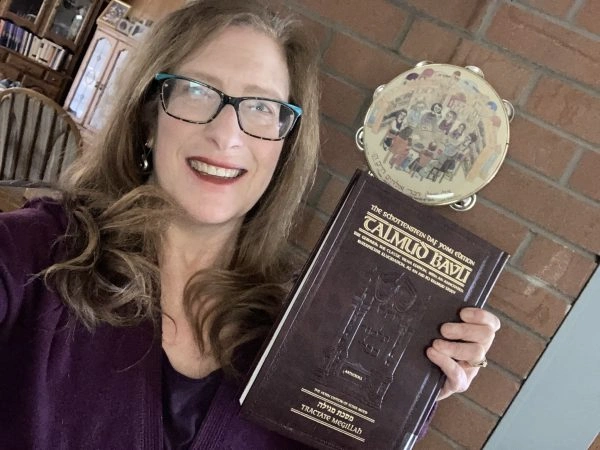
Denver, United States
Geri Goldstein got me started learning daf yomi when I was in Israel 2 years ago. It’s been a challenge and I’ve learned a lot though I’m sure I miss a lot. I quilt as I listen and I want to share what I’ve been working on.

Ottawa, Canada
I started Daf during the pandemic. I listened to a number of podcasts by various Rebbeim until one day, I discovered Rabbanit Farbers podcast. Subsequently I joined the Hadran family in Eruvin. Not the easiest place to begin, Rabbanit Farber made it all understandable and fun. The online live group has bonded together and have really become a supportive, encouraging family.

Edmonton, Alberta, Canada
I began daf yomi in January 2020 with Brachot. I had made aliya 6 months before, and one of my post-aliya goals was to complete a full cycle. As a life-long Tanach teacher, I wanted to swim from one side of the Yam shel Torah to the other. Daf yomi was also my sanity through COVID. It was the way to marking the progression of time, and feel that I could grow and accomplish while time stopped.

Givat Zev, Israel
Shortly after the death of my father, David Malik z”l, I made the commitment to Daf Yomi. While riding to Ben Gurion airport in January, Siyum HaShas was playing on the radio; that was the nudge I needed to get started. The “everyday-ness” of the Daf has been a meaningful spiritual practice, especial after COVID began & I was temporarily unable to say Kaddish at daily in-person minyanim.

Wynnewood, United States
In early 2020, I began the process of a stem cell transplant. The required extreme isolation forced me to leave work and normal life but gave me time to delve into Jewish text study. I did not feel isolated. I began Daf Yomi at the start of this cycle, with family members joining me online from my hospital room. I’ve used my newly granted time to to engage, grow and connect through this learning.

Worcester, United States
I started learning Daf Yomi inspired by תָּפַסְתָּ מְרוּבֶּה לֹא תָּפַסְתָּ, תָּפַסְתָּ מוּעָט תָּפַסְתָּ. I thought I’d start the first page, and then see. I was swept up into the enthusiasm of the Hadran Siyum, and from there the momentum kept building. Rabbanit Michelle’s shiur gives me an anchor, a connection to an incredible virtual community, and an energy to face whatever the day brings.

בית שמש, Israel
I read Ilana Kurshan’s “If All the Seas Were Ink” which inspired me. Then the Women’s Siyum in Jerusalem in 2020 convinced me, I knew I had to join! I have loved it- it’s been a constant in my life daily, many of the sugiyot connect to our lives. My family and friends all are so supportive. It’s incredible being part of this community and love how diverse it is! I am so excited to learn more!

Jerusalem, Israel
Shabbat 128
אֲבָל לֹא אֶת הַטֶּבֶל וְכוּ׳. פְּשִׁיטָא! לָא צְרִיכָא בְּטֶבֶל טָבוּל מִדְּרַבָּנַן, שֶׁזְּרָעוֹ בְּעָצִיץ שֶׁאֵינוֹ נָקוּב.
We learned in the mishna: However, one may not move untithed produce on Shabbat. The Gemara asks: This is obvious. The Gemara answers: It was only necessary to teach this halakha with regard to a case in which the produce is permitted by Torah law, but is considered untithed produce only by rabbinic law. What are the circumstances? It is referring to a case where the produce grew in an unperforated flowerpot. The legal status of produce that grows in an unperforated flowerpot is not like that of produce that grows in the ground.
וְלֹא מַעֲשֵׂר רִאשׁוֹן וְכוּ׳. פְּשִׁיטָא! לָא צְרִיכָא, שֶׁהִקְדִּימוֹ בִּכְרִי, שֶׁנָּטַל מִמֶּנּוּ מַעֲשֵׂר וְלֹא נִטְּלָה מִמֶּנּוּ תְּרוּמָה גְּדוֹלָה. מַהוּ דְתֵימָא כְּדַאֲמַר לֵיהּ רַב פָּפָּא לְאַבָּיֵי, קָא מַשְׁמַע לַן כִּדְשַׁנִּי לֵיהּ אַבָּיֵי.
We learned in the mishna: Nor may one move first tithe from which teruma has not been taken. The Gemara asks: This is obvious. The Gemara answers: It was only necessary for the mishna to teach this halakha for a case in which the Levite preceded the priest after the kernels of grain were placed in a pile, where first tithe was taken and teruma gedola was not taken. Lest you say concerning this case, as Rav Pappa said to Abaye, here too, the produce should be exempt from the obligation to separate teruma gedola, the tanna of the mishna teaches us as Abaye responded to Rav Pappa: There is a difference between the case in which the grain was on the stalks and the case in which the grain was in a pile.
וְלֹא אֶת מַעֲשֵׂר שֵׁנִי וְכוּ׳. פְּשִׁיטָא! לָא צְרִיכָא דְּנִפְדּוּ וְלֹא נִפְדּוּ כְּהִלְכָתָן. מַעֲשֵׂר — שֶׁפְּדָאוֹ עַל גַּבֵּי אֲסִימוֹן, דְּרַחֲמָנָא אָמַר ״וְצַרְתָּ הַכֶּסֶף בְּיָדְךָ״, דָּבָר שֶׁיֵּשׁ בּוֹ צוּרָה. הֶקְדֵּשׁ — שֶׁחִילְּלוֹ עַל גַּבֵּי קַרְקַע, דְּרַחֲמָנָא אָמַר ״וְנָתַן הַכֶּסֶף וְקָם לוֹ״.
We learned in the mishna: Nor may one move second tithe and consecrated items that were not redeemed. The Gemara asks: This is obvious. It was only necessary for the mishna to teach this halakha with regard to a case where they were redeemed but not redeemed properly. When the mishna lists the second tithe, it is referring to that which was redeemed with an unminted coin [asimon], i.e., a silver bullion that had not been engraved. And God, in the Torah, states in the case of second tithe: “And bind up [vetzarta] the money in your hand” (Deuteronomy 14:25). The Sages interpreted this as follows: Vetzarta is money that has a form [tzura] engraved upon it. When the mishna lists consecrated property, it is referring to that which was redeemed by exchanging it for land instead of money. And God, in the Torah, states with regard to this: He will give the money “and it will be assured to him” (Leviticus 27:19). Money and not land may be used in redeeming consecrated property.
וְלֹא אֶת הַלּוּף. תָּנוּ רַבָּנַן: מְטַלְטְלִין אֶת הֶחָצָב מִפְּנֵי שֶׁהוּא מַאֲכָל לִצְבָיִים, וְאֶת הַחַרְדָּל מִפְּנֵי שֶׁהוּא מַאֲכָל לְיוֹנִים. רַבָּן שִׁמְעוֹן בֶּן גַּמְלִיאֵל אוֹמֵר: אַף מְטַלְטְלִין שִׁבְרֵי זְכוּכִית מִפְּנֵי שֶׁהוּא מַאֲכָל לְנַעֲמִיּוֹת.
We learned in the mishna: Nor may one move arum on Shabbat. The Sages taught in a Tosefta: One may move squill on Shabbat because it is food for deer and mustard because it is food for doves. Rabban Shimon ben Gamliel says: One may even move glass shards because they are food for ostriches.
אֲמַר לֵיהּ רַבִּי נָתָן: אֶלָּא מֵעַתָּה חֲבִילֵי זְמוֹרוֹת יְטַלְטְלוּ מִפְּנֵי שֶׁהוּא מַאֲכָל לְפִילִין! וְרַבָּן שִׁמְעוֹן בֶּן גַּמְלִיאֵל: נַעֲמִיּוֹת — שְׁכִיחִי, פִּילִין — לָא שְׁכִיחִי.
Rabbi Natan said to Rabban Shimon ben Gamliel: If that is so, even bundles of grapevines one should be permitted to move because they are food for elephants. The Gemara answers that Rabban Shimon ben Gamliel responded: Ostriches are common, whereas elephants are not common.
אָמַר אַמֵּימָר: וְהוּא דְּאִית לֵיהּ נַעֲמִיּוֹת. אָמַר רַב אָשֵׁי לְאַמֵּימָר: אֶלָּא דְּקָאֲמַר לֵיהּ רַבִּי נָתָן לְרַבָּן שִׁמְעוֹן בֶּן גַּמְלִיאֵל חֲבִילֵי זְמוֹרוֹת יְטַלְטֵל מִפְּנֵי שֶׁהוּא מַאֲכָל לְפִילִין, אִי אִית לֵיהּ פִּילִין — אַמַּאי לָא? אֶלָּא רָאוּי, הָכָא נָמֵי רָאוּי.
Ameimar said: And Rabban Shimon ben Gamliel permits moving glass shards only in a case where one has ostriches. Rav Ashi said to Ameimar: However, with regard to that which Rabbi Natan said to Rabban Shimon ben Gamliel: If that is so, even bundles of grapevines one should be permitted to move because they are food for elephants. If one has elephants, why would he not feed them? The relevant criterion to permit moving the animal food is not whether or not one owns an elephant, but rather whether or not the food is suitable as food for elephants. Here too, in the case of glass shards, the criterion is whether or not they are suitable as food for ostriches, not whether or not one owns an ostrich.
אָמַר אַבָּיֵי: רַבָּן שִׁמְעוֹן בֶּן גַּמְלִיאֵל וְרַבִּי שִׁמְעוֹן וְרַבִּי יִשְׁמָעֵאל וְרַבִּי עֲקִיבָא כּוּלְּהוּ סְבִירָא לְהוּ כׇּל יִשְׂרָאֵל בְּנֵי מְלָכִים הֵם.
Abaye said: Rabban Shimon ben Gamliel, Rabbi Shimon, Rabbi Yishmael, and Rabbi Akiva all hold that all Jewish people are princes. There is nothing that is unsuitable for them due to its extravagance. How do we know that all of them hold this position?
רַבָּן שִׁמְעוֹן בֶּן גַּמְלִיאֵל — הָא דַּאֲמַרַן.
Rabban Shimon ben Gamliel: From that which we said in the mishna, that it is permitted to move arum, this is because arum is food for ravens, and it is as if every Jew owns ravens.
רַבִּי שִׁמְעוֹן — דִּתְנַן: בְּנֵי מְלָכִים סָכִין עַל גַּבֵּי מַכּוֹתֵיהֶן שֶׁמֶן וֶורֶד, שֶׁכֵּן דַּרְכָּן שֶׁל בְּנֵי מְלָכִים לָסוּךְ בַּחוֹל. רַבִּי שִׁמְעוֹן אוֹמֵר: כׇּל יִשְׂרָאֵל בְּנֵי מְלָכִים הֵם.
Rabbi Shimon: As we learned in a mishna: Princes may smear rose oil on their wounds on Shabbat, as it is the way of princes to smear it on during the week, even without the purpose of healing a wound. Rabbi Shimon says: All the Jewish people are princes, and it is permitted for them to smear themselves with rose oil on Shabbat.
רַבִּי יִשְׁמָעֵאל וְרַבִּי עֲקִיבָא — דְּתַנְיָא: הֲרֵי שֶׁהָיוּ נוֹשִׁין בּוֹ אֶלֶף מָנֶה וְלָבוּשׁ אִיצְטְלָא בַּת מֵאָה מָנֶה — מַפְשִׁיטִין אוֹתוֹ, וּמַלְבִּישִׁין אוֹתוֹ אִיצְטְלָא הָרְאוּיָה לוֹ. תָּנָא מִשּׁוּם רַבִּי יִשְׁמָעֵאל וּמִשּׁוּם רַבִּי עֲקִיבָא: כׇּל יִשְׂרָאֵל רְאוּיִן לְאוֹתָהּ אִיצְטְלָא.
Rabbi Yishmael and Rabbi Akiva: From that which was taught in a baraita: One from whom his creditors were demanding repayment of a debt of a thousand times one hundred dinar [maneh] and he was wearing a cloak [itztela] worth one hundred times one hundred dinar, they strip him of that cloak and sell it, and dress him with a cloak worthy of him based on his wealth. It was taught in the name of Rabbi Yishmael, and it was taught in the name of Rabbi Akiva: All the Jewish people are worthy of that more expensive cloak, and it cannot be said that one is unworthy of it. Rather, the coat is treated like any other vital garment. The principle that one need not sell his vital garments to pay off a debt applies to it.
חֲבִילֵי קַשׁ וַחֲבִילֵי כּוּ׳. תָּנוּ רַבָּנַן: חֲבִילֵי קַשׁ וַחֲבִילֵי עֵצִים וַחֲבִילֵי זְרָדִים, אִם הִתְקִינָן לְמַאֲכַל בְּהֵמָה — מְטַלְטְלִין אוֹתָן, וְאִם לָאו — אֵין מְטַלְטְלִין אוֹתָן. רַבָּן שִׁמְעוֹן בֶּן גַּמְלִיאֵל אוֹמֵר: חֲבִילִין הַנִּיטָּלִין בְּיָד אַחַת — מוּתָּר לְטַלְטְלָן, בִּשְׁתֵּי יָדַיִם — אָסוּר לְטַלְטְלָן.
We learned in the mishna: With regard to bundles of straw, and bundles of wood, and bundles of twigs, if one prepared them on Shabbat eve for animal food, one may move them. If not, one may not move them. The Sages taught in a Tosefta: With regard to bundles of straw, and bundles of wood, and bundles of twigs, if one prepared them on Shabbat eve for animal food, one may move them. And if not, one may not move them. Rabban Shimon ben Gamliel says: Bundles that are taken in one hand, it is permitted to move them, as no exertion is involved. However, if they can only be taken in two hands, it is prohibited to move them.
חֲבִילֵי סִיאָה אֵזוֹב וְקוֹרָנִית, הִכְנִיסָן לְעֵצִים — אֵין מִסְתַּפֵּק מֵהֶן בְּשַׁבָּת, לְמַאֲכַל בְּהֵמָה — מִסְתַּפֵּק מֵהֶן בְּשַׁבָּת.
With regard to bundles of savory, hyssop, and thyme, fragrant plants suitable as food for people, if one brought them in for use as firewood, he may not supply himself from them on Shabbat for food. If he brought them in for use as food for animals, he too may supply himself from them on Shabbat.
וְקוֹטֵם בַּיָּד וְאוֹכֵל, וּבִלְבַד שֶׁלֹּא יִקְטוֹם בִּכְלִי. וּמוֹלֵל וְאוֹכֵל, וּבִלְבַד שֶׁלֹּא יִמְלוֹל בִּכְלִי הַרְבֵּה, דִּבְרֵי רַבִּי יְהוּדָה. וַחֲכָמִים אוֹמְרִים: מוֹלֵל בְּרָאשֵׁי אֶצְבְּעוֹתָיו וְאוֹכֵל, וּבִלְבַד שֶׁלֹּא יִמְלוֹל בְּיָדוֹ הַרְבֵּה כְּדֶרֶךְ שֶׁהוּא עוֹשֶׂה בַּחוֹל.
And one may pick them with his hand and eat, as long as he does not pick them with a vessel. And one may crush and remove the seeds with his hand and eat them, as long as he does not crush a lot with a vessel; this is the statement of Rabbi Yehuda. And the Rabbis say: One may crush them only with the ends of his fingers, in an atypical manner, as long as he does not crush a lot with his hand in the manner that he does during the week.
וְכֵן בְּאַמִּיתָא וְכֵן בְּפֵיגָם וְכֵן בִּשְׁאָר מִינֵי תַּבְלִין. מַאי אַמִּיתָא? ״נִינְיָא״. סִיאָה? אָמַר רַב יְהוּדָה: (סִיאָה) ״צִתְרִי״. אֵזוֹב — ״אַבְרָתָא״. קוֹרָנִית — ״קוֹרָנִיתָא״ שְׁמָהּ.
And that too is the halakha with regard to amita, and with regard to rue [peigam], and with regard to all the other types of spices. The Sages asked: What is amita? They answered: It is mint [ninya]. What is sia? Rav Yehuda says: Sia is savory. Ezov is hyssop. Koranit is called koranita, i.e., it is not known to us by any other name.
וְהָא הָהוּא דַּאֲמַר לְהוּ: מַאן בָּעֵי קוֹרָנִיתָא? וְאִישְׁתְּכַח חָשֵׁי! אֶלָּא: סִיאָה צִתְרִי, אֵזוֹב אַבְרָתָא, קוֹרָנִיתָא חָשֵׁי.
The Gemara asks: The one who came to sell and said to them: Who wants koranita? And he was found to be selling thyme. Therefore, we see that koranita is in fact a plant that is known to us. Rather, it should be explained: Sia is savory, ezov is hyssop, and koranita is thyme.
אִיתְּמַר: בָּשָׂר מָלִיחַ מוּתָּר לְטַלְטְלוֹ בְּשַׁבָּת. בָּשָׂר תָּפֵל, רַב הוּנָא אָמַר: מוּתָּר לְטַלְטְלוֹ, רַב חִסְדָּא אָמַר: אָסוּר לְטַלְטְלוֹ.
It was stated: It is permitted to move salted meat on Shabbat, as it is fit for consumption. With regard to unsalted meat, Rav Huna said: It is permitted to move it. Rav Ḥisda said: It is prohibited to move it.
רַב הוּנָא אָמַר מוּתָּר לְטַלְטְלוֹ? וְהָא רַב הוּנָא תַּלְמִיד דְּרַב הֲוָה, וְרַב כְּרַבִּי יְהוּדָה סְבִירָא לֵיהּ דְּאִית לֵיהּ מוּקְצֶה?!
The Gemara asks: Did Rav Huna say that it is permitted to move it? Wasn’t Rav Huna a student of Rav, and Rav holds in accordance with the opinion of Rabbi Yehuda, who is of the opinion that there is a prohibition of set-aside for salted meat? How could Rav Huna disagree with the opinion of his teacher?
בְּמוּקְצֶה לַאֲכִילָה — סָבַר לַהּ כְּרַבִּי יְהוּדָה, בְּמוּקְצֶה לְטַלְטֵל — סָבַר לַהּ כְּרַבִּי שִׁמְעוֹן.
The Gemara answers: With regard to a food item set aside from eating, Rav holds in accordance with the opinion of Rabbi Yehuda, that it may not be eaten. With regard to an item set aside from moving, he holds in accordance with the opinion of Rabbi Shimon, who is not of the opinion that there is a prohibition of set-aside, and moving it is permitted.
רַב חִסְדָּא אָמַר אָסוּר לְטַלְטְלוֹ. וְהָא רַב יִצְחָק בַּר אַמֵּי אִיקְּלַע לְבֵי רַב חִסְדָּא, וַחֲזָא הָהוּא בַּר אֲווֹזָא דַּהֲווֹ קָא מְטַלְטְלוּ לֵיהּ מִשִּׁמְשָׁא לְטוּלָּא, וְאָמַר רַב חִסְדָּא: חֶסְרוֹן כִּיס קָא חָזֵינַן הָכָא! שָׁאנֵי בַּר אֲווֹזָא, דַּחֲזֵי לְאוּמְצָא.
Rav Ḥisda said: It is prohibited to move unsalted meat on Shabbat. The Gemara asks: Didn’t Rav Yitzḥak bar Ami happen to come to Rav Ḥisda’s house, and he saw the meat of that duck? He saw that they were moving it from the sun to the shade so that it would not spoil. And Rav Ḥisda said to the members of his household: We see a case of monetary loss here. One must make certain that the meat does not stay in the sun and spoil. Apparently, Rav Ḥisda holds that it is permitted to move inedible meat. The Gemara answers: The meat of a duck is different, as it is fit to be eaten as raw meat.
תָּנוּ רַבָּנַן: דָּג מָלִיחַ — מוּתָּר לְטַלְטְלוֹ, דָּג תָּפֵל — אָסוּר לְטַלְטְלוֹ. בָּשָׂר, בֵּין תָּפֵל וּבֵין מָלִיחַ — מוּתָּר לְטַלְטְלוֹ, וּסְתָמָא כְּרַבִּי שִׁמְעוֹן.
The Sages taught in a baraita: With regard to salted fish, it is permitted to move it on Shabbat. With regard to unsalted fish, it is prohibited to move it. Meat, both unsalted meat and salted meat, it is permitted to carry it. And this unattributed baraita is in accordance with the opinion of Rabbi Shimon.
תָּנוּ רַבָּנַן: מְטַלְטְלִין אֶת הָעֲצָמוֹת מִפְּנֵי שֶׁהוּא מַאֲכָל לִכְלָבִים.
The Sages taught: One may move bones on Shabbat, because they are food for dogs.
בָּשָׂר תָּפוּחַ — מִפְּנֵי שֶׁהוּא מַאֲכָל לְחַיָּה, מַיִם מְגוּלִּין — מִפְּנֵי שֶׁהֵן רְאוּיִין לְחָתוּל. רַבָּן שִׁמְעוֹן בֶּן גַּמְלִיאֵל אוֹמֵר: כׇּל עַצְמָן אָסוּר לְשַׁהוֹתָן מִפְּנֵי הַסַּכָּנָה.
With regard to swollen meat that began to putrefy, it is permitted to move it because it is food for non-domesticated animals. With regard to exposed water, from which a snake might have drunk and into which it injected its venom, it is permitted to move it because it is suitable for a cat, which is somewhat immune to snake venom. Rabban Shimon ben Gamliel says: Exposed water itself may not be kept due to the danger that one may inadvertently drink it.
מַתְנִי׳ כּוֹפִין אֶת הַסַּל לִפְנֵי הָאֶפְרוֹחִים כְּדֵי שֶׁיַּעֲלוּ וְיֵרְדוּ. תַּרְנְגוֹלֶת שֶׁבָּרְחָה — דּוֹחִין אוֹתָהּ עַד שֶׁתִּכָּנֵס.
MISHNA: One may overturn a basket in front of the chicks so that they can climb on and climb off of it. Likewise, with regard to a hen that fled that one seeks to retrieve, one may push it even with his hands until it reenters the house.
מְדַדִּין עֲגָלִין וּסְיָיחִין. אִשָּׁה מְדַדָּה אֶת בְּנָהּ. אָמַר רַבִּי יְהוּדָה: אֵימָתַי — בִּזְמַן שֶׁהוּא נוֹטֵל אַחַת וּמַנִּיחַ אַחַת, אֲבָל אִם הָיָה גּוֹרֵר — אָסוּר.
One may help calves and foals to walk, and likewise a woman may help her son to walk. Rabbi Yehuda said: When is it permitted? When her son picks one foot up and puts one foot down by himself. However, if her son were dragging both his feet, it would be prohibited because it would be like carrying him in the public domain.
גְּמָ׳ אָמַר רַב יְהוּדָה אָמַר רַב: בְּהֵמָה שֶׁנָּפְלָה לְאַמַּת הַמַּיִם — מֵבִיא כָּרִים וּכְסָתוֹת וּמַנִּיחַ תַּחְתֶּיהָ, וְאִם עָלְתָה — עָלְתָה.
GEMARA: Rav Yehuda said that Rav said: With regard to an animal that fell into an aqueduct, one brings cushions and blankets, and throws them into the water ditch, and places them beneath the animal in the aqueduct. And if the animal thereby emerges, it emerges.
מֵיתִיבִי: בְּהֵמָה שֶׁנָּפְלָה לְאַמַּת הַמַּיִם — עוֹשֶׂה לָהּ פַּרְנָסָה בִּמְקוֹמָהּ בִּשְׁבִיל שֶׁלֹּא תָּמוּת. פַּרְנָסָה — אִין, כָּרִים וּכְסָתוֹת — לָא!
The Gemara raises an objection from a Tosefta: With regard to an animal that fell into an aqueduct on Shabbat, one provides it with sustenance in its place so that it will not die. This implies that providing it with sustenance, yes, that is permitted, providing it with cushions and blankets, no, that it is prohibited.
לָא קַשְׁיָא, הָא — דְּאֶפְשָׁר בְּפַרְנָסָה, הָא — דְּאִי אֶפְשָׁר בְּפַרְנָסָה. אֶפְשָׁר בְּפַרְנָסָה — אִין, וְאִי לָא — מֵבִיא כָּרִים וּכְסָתוֹת וּמַנִּיחַ תַּחְתֶּיהָ.
The Gemara answers: This is not difficult, as there is room to distinguish between the cases. This, the Tosefta in which it was taught that one provides the animal with sustenance, is referring to a case where it is possible to provide it with sustenance. That, the mishna in which Rav said that one brings cushions and blankets, is referring to a case where it is impossible to provide it with sustenance. Where it is possible to provide it with sustenance, yes, he does so. And if it is not possible to provide it with sustenance, he brings cushions and blankets and places them beneath the animal.
וְהָא קָא מְבַטֵּל כְּלִי מֵהֵיכֵנוֹ! סָבַר מְבַטֵּל כְּלִי מֵהֵיכֵנוֹ דְּרַבָּנַן, צַעַר בַּעֲלֵי חַיִּים דְּאוֹרָיְיתָא, וְאָתֵי דְּאוֹרָיְיתָא וְדָחֵי דְּרַבָּנַן.
The Gemara asks: Does he not, by placing the cushions and blankets, negate a vessel’s preparedness? The cushions and blankets are no longer fit for their designated use on Shabbat, and this negation of their designated use is similar to the prohibited labor of dismantling. The Gemara answers: Rav holds that negating a vessel’s preparedness is prohibited by rabbinic law. Causing a living creature to suffer is a Torah prohibition. And a matter prohibited by Torah law comes and overrides a matter prohibited by rabbinic law.
תַּרְנְגוֹלֶת שֶׁבָּרְחָה וְכוּ׳. דּוֹחִין — אִין, מְדַדִּין — לָא. תְּנֵינָא לְהָא, דְתָנוּ רַבָּנַן: מְדַדִּין בְּהֵמָה חַיָּה וָעוֹף בֶּחָצֵר, אֲבָל לֹא אֶת הַתַּרְנְגוֹלֶת.
We learned in the mishna: With regard to a hen that fled that one seeks to retrieve, he may push it back to its place. By inference: Push the hen, yes, it is permitted, help it to walk, no, it is prohibited. The Gemara comments: We already learned this, as the Sages taught: One may help domesticated animals, non-domesticated animals, and fowl walk in the courtyard on Shabbat, but not hens.
תַּרְנְגוֹלֶת מַאי טַעְמָא לָא? אָמַר אַבָּיֵי: מִשּׁוּם דְּמַקְפְּיָא נַפְשָׁהּ.
The Gemara asks: With regard to a hen, what is the reason that one may not help it walk? Abaye says: It is prohibited because the hen lifts itself off the ground. As a result, one actually carries it.
תָּנֵי חֲדָא: מְדַדִּין בְּהֵמָה וְחַיָּה וָעוֹף בֶּחָצֵר אֲבָל לֹא בִּרְשׁוּת הָרַבִּים, וְהָאִשָּׁה מְדַדָּה אֶת בְּנָהּ בִּרְשׁוּת הָרַבִּים, וְאֵין צָרִיךְ לוֹמַר בֶּחָצֵר. וְתַנְיָא אִידַּךְ: אֵין עוֹקְרִין בְּהֵמָה וְחַיָּה וָעוֹף בֶּחָצֵר, אֲבָל דּוֹחִין בָּהֶן שֶׁיִּכָּנְסוּ.
It was taught in one baraita: One may help domesticated animals, non-domesticated animals, and fowl walk in the courtyard, but not in the public domain. And a woman may help her son walk in the public domain, and, needless to say, it is permitted in the courtyard. And it was taught in another baraita: One may not lift domesticated animals, non-domesticated animals, and fowl off the ground in the courtyard, but one may push them so that they will enter.
הָא גוּפָא קַשְׁיָא: אָמְרַתְּ אֵין עוֹקְרִין, אֲבָל דַּדּוֹיֵי — מְדַדִּינַן, הֲדַר אָמְרַתְּ: דּוֹחִין אִין, מְדַדִּין — לָא! אָמַר אַבָּיֵי: סֵיפָא אֲתָאן לְתַרְנְגוֹלֶת.
The Gemara first seeks to clarify the second baraita. This baraita itself is difficult. On the one hand, you said that one may not lift, from which it may be inferred, however, that one may help it walk. Then you said: Push, yes, it is permitted, help walk, no, it is prohibited. Abaye said: The latter clause, which states that one may not help it walk, we came to the halakha of a hen, which, as mentioned above, one may not help it walk.
אָמַר אַבָּיֵי: הַאי מַאן דְּשָׁחֵיט תַּרְנְגוֹלְתָּא — לִכְבְּשִׁינְהוּ לְכַרְעֵיהּ בְּאַרְעָא, אִי נָמֵי נֵידֵל לְהוּ מֵידֵל, דְּדִילְמָא מַנַּח לְהוּ לְטוּפְרֵיהּ בְּאַרְעָא, וְעָקַר לְהוּ לְסִימָנִים.
Having mentioned moving the hen, the Gemara cites that which Abaye said: One who slaughters a hen should force its legs into the ground, or alternatively lift it entirely into the air. Failure to do so leads to the concern lest the hen place its claws into the ground and convulse during the slaughter and dislocate the signs, the trachea and gullet. This would invalidate the slaughter and render the hen an unslaughtered animal carcass.
מַתְנִי׳ אֵין מְיַלְּדִין אֶת הַבְּהֵמָה בְּיוֹם טוֹב, אֲבָל מְסַעֲדִין. וּמְיַלְּדִין אֶת הָאִשָּׁה בְּשַׁבָּת, וְקוֹרִין לָהּ חֲכָמָה מִמָּקוֹם לְמָקוֹם, וּמְחַלְּלִין עָלֶיהָ אֶת הַשַּׁבָּת, וְקוֹשְׁרִין אֶת הַטִּיבּוּר. רַבִּי יוֹסֵי אוֹמֵר: אַף חוֹתְכִין. וְכׇל צׇרְכֵי מִילָּה עוֹשִׂין בְּשַׁבָּת.
MISHNA: One may not birth an animal on a Festival, and all the more one may not birth it on Shabbat. However, one may assist it to give birth. And one may birth a woman even on Shabbat, and call a midwife for her to travel from place to place, even when the midwife’s travel involves the desecration of Shabbat. And one may desecrate Shabbat for a woman giving birth. And one may tie the umbilical cord of a child born on Shabbat. Rabbi Yosei says: One may even cut the umbilical cord. And all the requirements of circumcision may be performed for a baby whose eighth day of life occurs on Shabbat.
גְּמָ׳ כֵּיצַד מְסַעֲדִין? רַב יְהוּדָה אָמַר: אוֹחֵז אֶת הַוָּלָד שֶׁלֹּא יִפּוֹל לָאָרֶץ, רַב נַחְמָן אָמַר: דּוֹחֵק בַּבָּשָׂר כְּדֵי שֶׁיֵּצֵא הַוָּלָד.
GEMARA: The Gemara asks: How may one assist in the birth of an animal? Rav Yehuda said: One holds the newborn so that it will not fall to the ground. Rav Naḥman says: One presses the flesh around the womb so that the newborn will emerge.
תַּנְיָא כְּווֹתֵיהּ דְּרַב יְהוּדָה: כֵּיצַד מְסַעֲדִין? אוֹחֲזִין אֶת הַוָּלָד שֶׁלֹּא יִפּוֹל לָאָרֶץ, וְנוֹפֵחַ לוֹ בְּחוֹטְמוֹ, וְנוֹתֵן לוֹ דַּד לְתוֹךְ פִּיו כְּדֵי שֶׁיִּינַק.
It was taught in a baraita in accordance with the opinion of Rav Yehuda: How may one assist in the birth of an animal? One holds the newborn so that it will not fall to the ground, and he blows into its nostrils to remove mucus obstructing the air passages, enabling the offspring to breathe, and he places the mother’s teat into its mouth so that it will suckle.
אָמַר רַבָּן שִׁמְעוֹן בֶּן גַּמְלִיאֵל: מְרַחֲמִין הָיִינוּ עַל בְּהֵמָה טְהוֹרָה בְּיוֹם טוֹב. הֵיכִי עָבֵיד? אָמַר אַבָּיֵי: מֵבִיא בּוּל שֶׁל מֶלַח וּמַנִּיחַ לָהּ בְּתוֹךְ הָרֶחֶם, כְּדֵי שֶׁתִּזְכּוֹר צַעֲרָהּ וּתְרַחֵם עָלָיו. וּמְזַלְּפִין מֵי שִׁלְיָא עַל גַּבֵּי וָלָד, כְּדֵי שֶׁתָּרִיחַ רֵיחוֹ וּתְרַחֵם עָלָיו. וְדַוְקָא טְהוֹרָה, אֲבָל טְמֵאָה — לָא.
Rabban Shimon ben Gamliel says: We would have mercy on kosher animals on a Festival, to help the offspring. The Gemara asks: How does one have mercy? Abaye said: If the mother does not draw her offspring near and tend to it, one may bring a lump of salt and place it in the animal’s womb, so that it will suffer, remember its suffering while giving birth, and have mercy on the offspring. And one may pour fluids of the afterbirth on the offspring so that the mother will smell it and have mercy on it, her offspring. And this may be done specifically for a kosher animal, but for a non-kosher animal, no, it may not be done.
מַאי טַעְמָא? טְמֵאָה לָא מְרַחֲקָא וְלָדָא, וְאִי מְרַחֲקָא וְלָדָא — לָא מְקָרְבָא.
The Gemara asks: What is the reason one may not do so for a non-kosher animal? The Gemara answers: A non-kosher animal does not distance its offspring, and if it does distance its offspring, it will not draw it near again. No purpose is served by taking these steps with a non-kosher animal.
מְיַלְּדִין אֶת הָאִשָּׁה וְכוּ׳. מִכְּדֵי תְּנָא לֵיהּ: מְיַלְּדִין אֶת הָאִשָּׁה וְקוֹרִין לָהּ חֲכָמָה מִמָּקוֹם לְמָקוֹם, ״וּמְחַלְּלִין עָלֶיהָ אֶת הַשַּׁבָּת״ לְאֵתוֹיֵי מַאי?
We learned in the mishna: And one may birth a woman even when that involves the desecration of Shabbat The Gemara asks: After all, it was taught explicitly in the mishna: And one may birth a woman even on Shabbat, and call a midwife for her to travel from place to place. The phrase: And one may desecrate Shabbat for a woman giving birth, what does it come to include? All the possible acts of desecrating Shabbat for the birthing woman were already listed.
לְאֵתוֹיֵי הָא דְּתָנוּ רַבָּנַן: אִם הָיְתָה צְרִיכָה לְנֵר — חֲבֶירְתָּהּ מַדְלֶקֶת לָהּ אֶת הַנֵּר. וְאִם הָיְתָה צְרִיכָה לְשֶׁמֶן — חֲבֶירְתָּהּ מְבִיאָה לָהּ שֶׁמֶן בַּיָּד, וְאִם אֵינוֹ סֹפֵק בַּיָּד — מְבִיאָה בִּשְׂעָרָהּ, וְאִם אֵינוֹ סֹפֵק בִּשְׂעָרָהּ — מְבִיאָה לָהּ בִּכְלִי.
The Gemara answers: It comes to include that which the Sages taught with regard to this issue: If a woman giving birth were to need a lamp, her friend lights the lamp for her on Shabbat. And if she were to need oil, her friend brings her oil via the public domain in an atypical manner, carrying it in the palm of her hand but not in a vessel. And if the oil that her friend brings in her hand is not enough, she brings oil in her hair. And if oil that she brings in her hair is not enough, she brings oil for her in the typical manner, in a vessel.
אָמַר מָר: אִם הָיְתָה צְרִיכָה לְנֵר — חֲבֶירְתָּהּ מַדְלֶקֶת לָהּ אֶת הַנֵּר. פְּשִׁיטָא! לָא צְרִיכָא בְּסוּמָא, מַהוּ דְּתֵימָא: כֵּיוָן דְּלָא חַזְיָא — אֲסִיר, קָא מַשְׁמַע לַן אִיַּתּוֹבֵי מִיַּתְּבָא דַּעְתַּהּ, סָבְרָא: אִי אִיכָּא מִידֵּי — חַזְיָא חֲבִירְתַּאי וְעָבְדָה לִי.
The Master said in the baraita: If a woman giving birth were to need a lamp, her friend would light the lamp for her on Shabbat. The Gemara asks: This is obvious. The Gemara answers: It is necessary to teach this halakha only in the case of a blind woman giving birth. Lest you say: Since she cannot see even with the light it is prohibited to bring a lamp for her, it teaches us that lighting the lamp is permitted to settle her mind. The blind woman thinks: If there is something that needs to be done in the course of childbirth, the lamp will enable my friend to see and she will do it for me.
אִם הָיְתָה צְרִיכָה לְשֶׁמֶן וְכוּ׳. תִּיפּוֹק לֵיהּ מִשּׁוּם סְחִיטָה!
We learned in the mishna: And if she needed oil, her friend brings her oil in her hair. The Gemara asks: What good is this advice? Derive that it is prohibited due to the prohibited labor of wringing. The friend will need to wring her hair in order to extract the oil for the birthing woman.
רַבָּה וְרַב יוֹסֵף דְּאָמְרִי תַּרְוַויְיהוּ: אֵין סְחִיטָה בְּשֵׂיעָר. רַב אָשֵׁי אָמַר: אֲפִילּוּ תֵּימָא יֵשׁ סְחִיטָה בְּשֵׂיעָר, מְבִיאָה לָהּ בִּכְלִי דֶּרֶךְ שְׂעָרָהּ, דְּכַמָּה דְּאֶפְשָׁר לְשַׁנּוֹיֵי — מְשַׁנִּינַן.
It was Rabba and Rav Yosef who both said: There is no prohibition of wringing with regard to hair, since hair does not absorb liquids like other materials. Rav Ashi said: Even if you say that there is a prohibition of wringing with regard to hair, here the friend does not actually bring the oil in her hair. Rather, she brings it in a vessel tied through her hair. She does this because as much as it is possible to change the manner in which one performs a labor that is being done to save a life, we change it.
אָמַר רַב יְהוּדָה אָמַר שְׁמוּאֵל: חַיָּה כׇּל זְמַן שֶׁהַקֶּבֶר פָּתוּחַ, בֵּין אָמְרָה ״צְרִיכָה אֲנִי״, בֵּין לֹא אָמְרָה ״צְרִיכָה אֲנִי״ — מְחַלְּלִין עָלֶיהָ אֶת הַשַּׁבָּת.
Rav Yehuda said that Shmuel said: With regard to a woman in childbirth, as long as the womb is open, whether she said: I need Shabbat to be desecrated, or whether she did not say: I need Shabbat to be desecrated, one desecrates Shabbat for her. Generally, a woman in childbirth is in danger, and prohibited labors may be performed in life-threatening circumstances.
נִסְתַּם הַקֶּבֶר, בֵּין אָמְרָה
Once the womb closed after birth, whether the woman who gave birth said:

