Search

Shabbat 131

Want to dedicate learning? Get started here:

English
עברית
podcast placeholder

0:00
0:00


podcast placeholder

0:00
0:00


Summary

Today’s daf is sponsored by Idana Goldberg and Michael Kellman in celebration of Idana’s grandfather, Meyer Weitz’s 100th birthday. Mr. Weitz loves studying Talmud and has always been a strong proponent of women’s advanced Talmud study. And by Susan Fisher in memory of her father, Eliezer ben Shraga Pharvish Allweis z”l on his yahrzeit. “He loved learning and filled our home with sifrei kodesh and the books which made limmud Torah a joy.” And by Vicki Gordon in memory of her father Yisroel (Izzy) Herzog z”l, a giant in Chesed – “I miss him every day.”

The gemara brings two explanations of Rav’s statement where he distinguishes between carrying in an alley without a proper eiruv (just one beam either horizontal or vertical) when 1. there was an eiruv done between the houses and the courtyard – in that case one is not permitted to carry in the alley more than 4 cubits in a case without a proper eiruv in the alley – and when 2. there was no eiruv between the houses and the courtyard – one is then not permitted to move items that are in the alley more than 4 cubits. Why does he distinguish between those two cases? Rabbi Eliezer holds that preparations for a brit milah are permitted. However, he doesn’t hold this for every mitzva. For which mitzvot does he hold this way and for which does he not? From where is each derived from and why can’t we learn from one to the other – why does each need its own drasha?

Shabbat 131

בָּתִּים וַחֲצֵרוֹת פְּתוּחִין לְתוֹכוֹ, וְהָכָא בָּתִּים — אִיכָּא, חֲצֵרוֹת — לֵיכָּא. כִּי לֹא עֵירְבוּ נָמֵי, לֶיחְזִינְהוּ לְהָנֵי בָּתִּים כְּמַאן דִּסְתִימִי דָּמוּ, וַחֲצֵרוֹת אִיכָּא וּבָתִּים — לֵיכָּא!

houses and courtyards open to it, and each courtyard contains at least two houses, and there are at least two courtyards. And here, there are houses but there are no courtyards, and therefore the standard halakhot of a closed alleyway do not apply. However, if that is the case, when they did not join the courtyards with the houses too, let us consider these houses as though they were sealed, because their residents may not carry from their houses into the courtyards, and the houses should be considered irrelevant. Therefore, in that case too, there are courtyards but there are no houses.

אֶפְשָׁר דִּמְבַטְּלֵי לֵיהּ רְשׁוּתָא דְּכוּלְּהוּ לְגַבֵּי חַד. סוֹף סוֹף בַּיִת אִיכָּא בָּתִּים לֵיכָּא!

The Gemara answers: In that case it is possible for them to renounce all of their property rights and transfer them to one person. Just as the residents of a courtyard can join together, thereby rendering it permitted to carry in the courtyard, they can also relinquish their property rights to a single resident. In that way, it is considered as though there is only one inhabited house in the courtyard, and it is therefore permitted to carry within the courtyard as well as between that particular house and the courtyard. The Gemara rejects this answer: Ultimately, even in that case, there is one house, yet there are not multiple houses, as it is possible to relinquish one’s privileges to only one homeowner and not to two. This would fail to meet the minimum requirement of two houses for the area to be considered a courtyard.

אֶפְשָׁר דְּמִצַּפְרָא וְעַד פַּלְגָא דְּיוֹמָא לְגַבֵּי חַד, מִפַּלְגֵיהּ דְּיוֹמָא וּלְפַנְיָא לְגַבֵּי חַד. סוֹף סוֹף בְּעִידָּנָא דְּאִיתֵיהּ לְהַאי, לֵיתֵיהּ לְהַאי? אֶלָּא אָמַר רַב אָשֵׁי: מִי גָּרַם לַחֲצֵרוֹת שֶׁיֵּאָסְרוּ — בָּתִּים, וְלֵיכָּא.

The Gemara answers: It is possible to resolve this: From morning until midday they can relinquish their rights to one, and from midday until evening they can relinquish their rights to another, and as a result there will be two houses. The Gemara rejects this answer: Ultimately, at the time when this house has the ownership rights, that house does not have them, as at any point in time there is only one house from which it is permitted to carry into the courtyard. Rather, Rav Ashi said: The explanation that there are no houses and courtyards here is rejected, and the explanation is: What caused the courtyards to be prohibited? It is the presence of the houses. Had there been no houses, it would have been permitted to carry from the courtyards into the alleyway, since they are one domain according to Rabbi Shimon. And here, it is considered as though there are no houses. Therefore, it is permitted to carry in the alleyway.

אָמַר רַבִּי חִיָּיא בַּר אַבָּא אָמַר רַבִּי יוֹחָנָן: לֹא לַכֹּל אָמַר רַבִּי אֱלִיעֶזֶר מַכְשִׁירֵי מִצְוָה דּוֹחִין אֶת הַשַּׁבָּת. שֶׁהֲרֵי שְׁתֵּי הַלֶּחֶם חוֹבַת הַיּוֹם הֵן, וְלֹא לְמָדָן רַבִּי אֱלִיעֶזֶר אֶלָּא מִגְּזֵירָה שָׁוָה. דְּתַנְיָא, רַבִּי אֱלִיעֶזֶר אוֹמֵר: מִנַּיִין לְמַכְשִׁירֵי שְׁתֵּי הַלֶּחֶם שֶׁדּוֹחִין אֶת הַשַּׁבָּת? — נֶאֶמְרָה הֲבָאָה בָּעוֹמֶר, וְנֶאֶמְרָה הֲבָאָה בִּשְׁתֵּי הַלֶּחֶם. מָה הֲבָאָה הָאֲמוּרָה בָּעוֹמֶר — מַכְשִׁירִין דּוֹחִין אֶת הַשַּׁבָּת. אַף הֲבָאָה הָאֲמוּרָה בִּשְׁתֵּי הַלֶּחֶם — מַכְשִׁירִין דּוֹחִין אֶת הַשַּׁבָּת.

Rabbi Ḥiyya bar Abba said that Rabbi Yoḥanan said: Rabbi Eliezer did not say with regard to all mitzvot that actions that facilitate performance of a mitzva override Shabbat. This is not a fixed principle with regard to preparations for all mitzvot. Rather, each case must be considered on its own merits, and proof must be cited that this principle applies to a specific mitzva. As the two loaves offered on the festival of Shavuot are an obligation of that day, and Rabbi Eliezer only learned that the activities that facilitate their sacrifice override Shabbat from a special verbal analogy. As it was taught in a baraita, Rabbi Eliezer says: From where is it derived that the actions that facilitate the offering of the two loaves override Shabbat? The term bringing is stated in the verse with regard to the omer offering, and the term bringing is stated with regard to the two loaves. Just as in the case of the bringing stated with regard to the omer, all the actions that facilitate its offering override Shabbat, as the reaping of the omer, which facilitates its offering, overrides Shabbat, so too, in the case of the bringing stated with regard to the two loaves, actions that facilitate its offering override Shabbat.

מוּפְנֵי. דְּאִי לָא מוּפְנֵי, אִיכָּא לְמִיפְרַךְ: מָה לָעוֹמֶר, שֶׁכֵּן אִם מָצָא קָצוּר — קוֹצֵר, תֹּאמַר בִּשְׁתֵּי הַלֶּחֶם, שֶׁאִם מָצָא קָצוּר — אֵינוֹ קוֹצֵר. לָאיֵי אִפְּנוֹיֵי מוּפְנֵי: מִכְּדֵי כְּתִיב ״וַהֲבֵאתֶם אֶת עוֹמֶר רֵאשִׁית קְצִירְכֶם אֶל הַכֹּהֵן״, ״מִיּוֹם הֲבִיאֲכֶם״ לְמָה לִי? שְׁמַע מִינַּהּ לְאַפְנוֹיֵי.

With regard to this verbal analogy the Gemara comments: It must be that those terms are free, i.e., they are superfluous in their context and therefore available for the purpose of establishing a verbal analogy. As, if they are not free, the verbal analogy can be logically refuted, as it is possible to say: What is unique to the omer? That if one found reaped barley one must nevertheless reap more barley for the sake of the mitzva. Can you say the same with regard to the halakhot of the two loaves, where it is taught that if one found reaped grain one need not reap additional grain for the sacrifice? Apparently, the halakhot of the offering of the two loaves are not parallel to those of the omer. The same might be true with regard to actions that facilitate the performance of the mitzva. In truth, the verse is free for establishing the verbal analogy. The Gemara explains: Since the verse already states: “When you come to the land that I am giving to you, and you reap its harvest, then you shall bring the sheaf [omer], the first of your harvest to the priest” (Leviticus 23:10), when the verse restates, “And you shall count for yourselves from the morrow after the day of rest, from the day you have brought the sheaf of the waving, seven whole weeks they shall be” (Leviticus 23:15), why do I need this repetition? Conclude from this that the additional statement is there to render the term “bringing” free for establishing a verbal analogy.

וְאַכַּתִּי: מוּפְנֶה מִצַּד אֶחָד הוּא, וְשָׁמְעִינַן לֵיהּ לְרַבִּי אֱלִיעֶזֶר דְּאָמַר מוּפְנֶה מִצַּד אֶחָד לְמֵידִין וּמְשִׁיבִין! ״תָּבִיאוּ״ רִבּוּיָא הוּא.

And yet there is still a difficulty: The verbal analogy is free only from one side, as only the verse that mentions bringing in the context of the omer offering is superfluous in its context, and we heard Rabbi Eliezer, who said with regard to a verbal analogy that it is only free from one side, that one can derive from it, and one can also refute it logically. The Gemara answers: There is a superfluous usage of the term with regard to the two loaves as well, as in the verse: “From your dwelling places you shall bring the loaves of waving of two tenth parts of an ephah; they shall be of fine flour, they shall be baked with leaven for first-fruits unto the Lord” (Leviticus 23:17) the phrase: “You shall bring” is an amplification. Since it was mentioned in the previous verse it is superfluous in its context. Consequently, the verbal analogy is available from both sides.

לְמַעוֹטֵי מַאי, אִילֵּימָא לְמַעוֹטֵי לוּלָב — וְהָתַנְיָא: לוּלָב וְכׇל מַכְשִׁירָיו דּוֹחִין אֶת הַשַּׁבָּת, דִּבְרֵי רַבִּי אֱלִיעֶזֶר. וְאֶלָּא לְמַעוֹטֵי סוּכָּה — וְהָתַנְיָא: סוּכָּה וְכׇל מַכְשִׁירֶיהָ דּוֹחִין אֶת הַשַּׁבָּת, דִּבְרֵי רַבִּי אֱלִיעֶזֶר. וְאֶלָּא לְמַעוֹטֵי מַצָּה — וְהָתַנְיָא: מַצָּה וְכׇל מַכְשִׁירֶיהָ דּוֹחִין אֶת הַשַּׁבָּת, דִּבְרֵי רַבִּי אֱלִיעֶזֶר. וְאֶלָּא לְמַעוֹטֵי שׁוֹפָר — וְהָתַנְיָא: שׁוֹפָר וְכׇל מַכְשִׁירָיו דּוֹחִין אֶת הַשַּׁבָּת, דִּבְרֵי רַבִּי אֱלִיעֶזֶר!

The Gemara poses a question with regard to Rabbi Yoḥanan’s statement: Rabbi Eliezer did not say with regard to all mitzvot that actions that facilitate performance of a mitzva override Shabbat; to exclude actions that facilitate the performance of what mitzva was he referring?
If you say that it was to exclude actions that facilitate the performance of the mitzva of taking the palm branch [lulav] and the other three species on the festival of Sukkot, wasn’t it taught in a baraita: The mitzva of lulav and all its facilitators override Shabbat; this is the statement of Rabbi Eliezer?
Rather, say that it comes to exclude the mitzva to dwell in a sukka on Sukkot. Wasn’t it taught in a baraita: The mitzva of sukka and all its facilitators override Shabbat; this is the statement of Rabbi Eliezer?
Rather, say that it comes to exclude the mitzva to eat matza on Passover. Wasn’t it taught in a baraita: The mitzva of matza and all its facilitators override Shabbat; this is the statement of Rabbi Eliezer?
Rather, say that it comes to exclude the mitzva to sound the shofar on Rosh HaShana. But wasn’t it taught in a baraita: The mitzva of shofar and all its facilitators override Shabbat; this is the statement of Rabbi Eliezer?

אָמַר רַב אַדָּא בַּר אַהֲבָה: לְמַעוֹטֵי צִיצִית לְטַלִּיתוֹ וּמְזוּזָה לְפִתְחוֹ. תַּנְיָא נָמֵי הָכִי: וְשָׁוִין שֶׁאִם צִיֵּיץ טַלִּיתוֹ וְעָשָׂה מְזוּזָה לְפִתְחוֹ שֶׁהוּא חַיָּיב.

Rav Adda bar Ahava said: The statement of Rabbi Yoḥanan comes to exclude attaching ritual fringes to his garment and affixing a mezuza to the doorway, which do not override Shabbat. The Gemara notes that that was also taught in a baraita: And they, Rabbi Eliezer and the Rabbis, agree that if one attached ritual fringes to his garment on Shabbat, and similarly, if one affixed a mezuza to his doorway on Shabbat, that he is liable.

מַאי טַעְמָא? אָמַר רַב יוֹסֵף: לְפִי שֶׁאֵין קָבוּעַ לָהֶם זְמַן. אֲמַר לֵיהּ אַבָּיֵי: אַדְּרַבָּה, מִדְּאֵין קָבוּעַ לָהֶם זְמַן,

The Gemara asks: What is the reason that Rabbi Eliezer concedes that actions that facilitate the performance of these mitzvot do not override Shabbat? Rav Yosef said: Because they have no fixed time and these mitzvot need not be performed on Shabbat. Abaye said to him: On the contrary, from the fact that they have no fixed time,

כֹּל שַׁעְתָּא וְשַׁעְתָּא זִמְנֵיהּ הוּא? אֶלָּא אָמַר רַב נַחְמָן אָמַר רַבִּי יִצְחָק, וְאִיתֵּימָא רַב הוּנָא בְּרֵיהּ דְּרַב יְהוֹשֻׁעַ: הוֹאִיל וּבְיָדוֹ לְהַפְקִירָן.

it can be said that each and every moment is its proper time. The obligation to fulfill the mitzva is perpetual and one may not neglect it. Why should it be prohibited for him to perform actions that facilitate the performance of the mitzva on Shabbat? Rather, Rav Naḥman said that Rav Yitzḥak said, and some say that he said that Rav Huna, son of Rav Yehoshua, said: The actions that facilitate the performance of these mitzvot do not override Shabbat, since one can render the relevant objects ownerless. One is only required to perform these mitzvot if the objects, i.e., the garment and the house, belong to him. If he renders them ownerless, he is no longer obligated to perform these mitzvot.

אָמַר מָר: לוּלָב וְכׇל מַכְשִׁירָיו דּוֹחִין אֶת הַשַּׁבָּת דִּבְרֵי רַבִּי אֱלִיעֶזֶר. מְנָא לֵיהּ לְרַבִּי אֱלִיעֶזֶר הָא? אִי מֵעוֹמֶר וּשְׁתֵּי הַלֶּחֶם, שֶׁכֵּן צוֹרֶךְ גָּבוֹהַּ! אֶלָּא אָמַר קְרָא: ״בַּיּוֹם״. ״בַּיּוֹם״ — אֲפִילּוּ בְּשַׁבָּת.

It was taught that the Master said in a baraita: The mitzva of lulav and all its facilitators override Shabbat; this is the statement of Rabbi Eliezer. The Gemara poses a question: From where does Rabbi Eliezer derive this halakha? If you say he derives it from the mitzvot of the omer and the two loaves, whose facilitators override Shabbat, this can be refuted by saying that the performance of facilitating actions is permitted on Shabbat in these cases because they are for the necessities of Temple service to God on High, as they are connected to the sacrificial service, which proceeds even on Shabbat. Rather, we can say that he derives it from the fact that the verse states: “And you shall take for yourselves on the first day, the fruit of goodly trees, branches of palm trees, boughs of thick-leaved trees, and willows of the river, and you shall rejoice before the Lord your God seven days” (Leviticus 23:40), from which he infers: “On the first day,” meaning that one is obligated to take it on the first day even if it occurs on Shabbat.

וּלְמַאי הִלְכְתָא? אִילֵּימָא לְטִלְטוּל — אִיצְטְרִיךְ קְרָא לְמִישְׁרֵי טִלְטוּל?! אֶלָּא לְמַכְשִׁירָיו.

The Gemara clarifies: And with regard to what halakha is this emphasis stated? In what way would the laws of Shabbat have prohibited fulfilling the mitzva of lulav? If you say that it comes to permit moving the lulav despite the prohibition against moving set-aside items, is a verse required in order to permit moving the lulav? The prohibition to move items that are set-aside is not a Torah prohibition. The Torah would not come to permit an action prohibited by the Sages. Rather, it must be that the verse is coming to permit violation of Shabbat prohibitions for the facilitators of the lulav.

וְרַבָּנַן? הַהוּא מִיבְּעֵי לֵיהּ בַּיּוֹם וְלֹא בַּלַּיְלָה.

The Gemara asks: And how do the Rabbis who disagree with Rabbi Eliezer understand the verse’s emphasis that the mitzva must be performed on that day? The Gemara answers: According to the Rabbis, that expression in the verse is necessary to teach that this mitzva must be performed by day and not by night.

וְרַבִּי אֱלִיעֶזֶר, בַּיּוֹם וְלֹא בַּלַּיְלָה מְנָא לֵיהּ? נָפְקָא לֵיהּ מִ״וּשְׂמַחְתֶּם לִפְנֵי ה׳ אֱלֹהֵיכֶם שִׁבְעַת יָמִים״ — יָמִים וְלֹא לֵילוֹת.

The Gemara asks: And from where does Rabbi Eliezer derive that this mitzva must be performed by day and not by night? The Gemara answers: He derives this halakha from the phrase: “And you shall rejoice before the Lord your God seven days,” as this indicates that the mitzva applies during the days and not the nights.

וְרַבָּנַן — אִיצְטְרִיךְ, סָלְקָא דַּעְתָּךְ אָמֵינָא נֵילַף שִׁבְעַת יָמִים מִסּוּכָּה: מָה לְהַלָּן יָמִים וַאֲפִילּוּ לֵילוֹת, אַף כָּאן יָמִים וַאֲפִילּוּ לֵילוֹת — קָא מַשְׁמַע לַן.

The Gemara asks: And how do the Rabbis respond to this? The Gemara answers: The previous derivation was necessary because it might have entered your mind to say that we should derive the seven days stated here from the seven days stated with regard to sukka, and say: Just as there, the mitzva of sukka applies not only during the days but even the nights, so too here, the mitzva of lulav applies not only during the days but even the nights. Therefore, the derivation teaches us that the mitzva only applies during the day based upon the original expression: “On the first day.”

וְלִיכְתּוֹב רַחֲמָנָא בְּלוּלָב, וְנֵיתוֹ הָנָךְ וְנֵילְפוּ מִינֵּיהּ! מִשּׁוּם דְּאִיכָּא לְמִיפְרַךְ: מָה לְלוּלָב, שֶׁכֵּן טָעוּן אַרְבָּעָה מִינִים.

The Gemara asks: And according to Rabbi Eliezer’s approach, let the Torah write this principle only with regard to lulav, and let these, the mitzva of the omer and similar cases, be derived from it. The Gemara answers: Because the analogy can be refuted. What is unique about lulav? That it requires four species, as the Torah demands that three other species be taken along with the lulav. Therefore, lulav cannot serve as a paradigm for other mitzvot that do not share this characteristic.

סוּכָּה וְכׇל מַכְשִׁירֶיהָ דּוֹחִין אֶת הַשַּׁבָּת, דִּבְרֵי רַבִּי אֱלִיעֶזֶר. מְנָא לֵיהּ לְרַבִּי אֱלִיעֶזֶר הָא? אִי מֵעוֹמֶר וּשְׁתֵּי הַלֶּחֶם — שֶׁכֵּן צוֹרֶךְ גָּבוֹהַּ הוּא. אִי מִלּוּלָב — שֶׁכֵּן טָעוּן אַרְבָּעָה מִינִים.

Earlier, it was taught in a baraita: The mitzva of sukka and all its facilitators override Shabbat; this is the statement of Rabbi Eliezer. The Gemara asks: From where does Rabbi Eliezer derive this matter? If you say he derives it from the halakha with regard to the omer and the two loaves, this can be refuted by saying that the performance of facilitators is permitted on Shabbat in these cases as these are the necessities of Temple service to God on High. If you say he derives it from the halakha with regard to lulav, this too can be refuted, as lulav requires four species and therefore has special significance.

אֶלָּא גָּמַר ״שִׁבְעַת יָמִים״ מִלּוּלָב: מַה לְּהַלָּן מַכְשִׁירָיו דּוֹחִין אֶת הַשַּׁבָּת, אַף כָּאן נָמֵי מַכְשִׁירָיו דּוֹחִין אֶת הַשַּׁבָּת.

Rather, he derived it through the following verbal analogy based upon the expression “seven days,” which is stated with regard to both the mitzva of sukka and the mitzva of lulav. Just as below, with regard to the mitzva of lulav, its facilitators override Shabbat, so too here, with regard to the mitzva of sukka, its facilitators override Shabbat.

וְלִיכְתּוֹב רַחֲמָנָא בְּסוּכָּה, וְנֵיתֵי הָנָךְ וְלִיגְמְרוּ מִינֵּיהּ! מִשּׁוּם דְּאִיכָּא לְמִיפְרַךְ: מָה לְסוּכָּה שֶׁכֵּן נוֹהֶגֶת בַּלֵּילוֹת כְּבַיָּמִים.

The Gemara asks: And let the Torah write only that actions that facilitate the performance of the mitzva override the halakhot of Shabbat, and let us bring these other mitzvot and derive their halakhot from sukka. The Gemara answers: Because this suggestion can be refuted: What is unique about the mitzva of sukka? That it applies during the nights just as it applies during the days, whereas the others apply only during the day.

מַצָּה וְכׇל מַכְשִׁירֶיהָ דּוֹחִין אֶת הַשַּׁבָּת, דִּבְרֵי רַבִּי אֱלִיעֶזֶר. מְנָא לֵיהּ לְרַבִּי אֱלִיעֶזֶר הָא? אִי מֵעוֹמֶר וּשְׁתֵּי הַלֶּחֶם — שֶׁכֵּן צוֹרֶךְ גָּבוֹהַּ. אִי מִלּוּלָב — שֶׁכֵּן טָעוּן אַרְבָּעָה מִינִים. אִי מִסּוּכָּה — שֶׁכֵּן נוֹהֶגֶת בַּלֵּילוֹת כְּבַיָּמִים.

Earlier it was taught in a baraita: The mitzva of matza and all its facilitators override Shabbat; this is the statement of Rabbi Eliezer. The Gemara asks: From where does Rabbi Eliezer derive this matter? If you say he derives it from the halakha with regard to the omer and the two loaves, this can be refuted, as these are the necessities of Temple service to God on High. If you say he derives it from the halakha with regard to lulav, this too can be refuted, as it requires four species. If you say he derives it from the precedent of sukka, this too can be refuted, as it applies during the nights just as it applies during the days.

אֶלָּא גָּמַר ״חֲמִשָּׁה עָשָׂר״ ״חֲמִשָּׁה עָשָׂר״ מֵחַג הַסּוּכּוֹת: מַה לְּהַלָּן, מַכְשִׁירֶיהָ דּוֹחִין אֶת הַשַּׁבָּת, אַף כָּאן מַכְשִׁירֶיהָ דּוֹחִין אֶת הַשַּׁבָּת.

Rather, Rabbi Eliezer derived it by means of a verbal analogy based upon the word fifteenth stated with regard to the mitzva of matza, and the word fifteenth stated with regard to the festival of Sukkot: Just as below, with regard to the mitzva to dwell in a sukka on the festival of Sukkot, which is on the fifteenth of the month, its facilitators override Shabbat, so too here, with regard to the mitzva to eat matza on the fifteenth of the month, its facilitators override Shabbat.

וְלִיכְתּוֹב רַחֲמָנָא בְּמַצָּה, וְנֵיתוֹ הָנָךְ וְלִיגְמְרוּ מִינֵּיהּ! מִשּׁוּם דְּאִיכָּא לְמִיפְרַךְ: מָה לְמַצָּה שֶׁכֵּן נוֹהֶגֶת בְּנָשִׁים כְּבַאֲנָשִׁים.

The Gemara asks: And let the Torah write this principle with regard to matza, and let us bring these other mitzvot and derive their halakhot from matza. The Gemara answers: Because this suggestion can be refuted: What is unique about the mitzva of matza? That it applies to women as it does to men. It is therefore different from the other mitzvot under discussion, which only apply to men.

שׁוֹפָר וְכׇל מַכְשִׁירָיו דּוֹחִין אֶת הַשַּׁבָּת, דִּבְרֵי רַבִּי אֱלִיעֶזֶר. מְנָא לֵיהּ לְרַבִּי אֱלִיעֶזֶר הָא? אִי מֵעוֹמֶר וּשְׁתֵּי הַלֶּחֶם — שֶׁכֵּן צוֹרֶךְ גָּבוֹהַּ. אִי מִלּוּלָב — שֶׁכֵּן טָעוּן אַרְבָּעָה מִינִים. אִי מִסּוּכָּה — שֶׁכֵּן נוֹהֶגֶת בַּלֵּילוֹת כְּבַיָּמִים. אִי מִמַּצָּה — שֶׁכֵּן נוֹהֶגֶת בַּנָּשִׁים כְּבָאֲנָשִׁים. אֶלָּא אָמַר קְרָא: ״יוֹם תְּרוּעָה יִהְיֶה לָכֶם״. ״יוֹם״ — אֲפִילּוּ בְּשַׁבָּת.

It was also taught in the baraita: The mitzva of shofar and all its facilitators override Shabbat; this is the statement of Rabbi Eliezer. The Gemara asks: From where does Rabbi Eliezer derive this matter? If you say he derives it from the halakha with regard to the omer and the two loaves, this can be refuted, as these are the necessities of Temple service to God on High. If you say he derives it from the halakha with regard to lulav, this too can be refuted, as it requires four species. If you say he derives it from the precedent of sukka, this too can be refuted, as it applies during the nights just as it applies during the days. If you say he derives it from matza, this too can be refuted, as it applies to women just as it applies to men. Rather, Rabbi Eliezer derives it from the fact that the verse stated: “And in the seventh month, on the first of the month, a holy calling it shall be to you; any prohibited labor of work you shall not perform; a day of sounding the shofar it shall be for you” (Numbers 29:1). The verse’s emphasis that the shofar must be sounded on that day teaches us that it applies even on Shabbat.

וּלְמַאי? אִילֵימָא לִתְקִיעָה, הָא תָּנָא דְּבֵי שְׁמוּאֵל ״כׇּל מְלֶאכֶת עֲבוֹדָה לֹא תַעֲשׂוּ״ — יָצְתָה תְּקִיעַת שׁוֹפָר וּרְדִיַּית הַפַּת שֶׁהִיא חָכְמָה וְאֵינָהּ מְלָאכָה. אֶלָּא לְמַכְשִׁירִין.

And for what purpose was this emphasized? If you say it is in order to permit sounding the shofar, this has already been taught by one of the Sages of the school of Shmuel with regard to the verse that prohibits performing prohibited labor on Festivals: “Any prohibited labor of work you shall not perform” (Numbers 29:1), which comes to exclude from the category of prohibited labors the sounding of the shofar and the removal of bread from the oven, which are skills and not labors. Rather, it is necessary to teach with regard to actions that facilitate the performance of the mitzva.

וְרַבָּנַן? הַהוּא מִיבְּעֵי לֵיהּ בַּיּוֹם וְלֹא בַּלַּיְלָה. וְרַבִּי אֱלִיעֶזֶר בַּיּוֹם וְלֹא בַּלַּיְלָה מְנָא לֵיהּ? נָפְקָא לֵיהּ מִ״בְּיוֹם הַכִּפּוּרִים תַּעֲבִירוּ שׁוֹפָר בְּכׇל אַרְצְכֶם״, וְגָמְרִי מֵהֲדָדֵי.

The Gemara asks: And how do the Rabbis understand the verse’s emphasis that the mitzva must be performed on that day? The Gemara answers: That expression in the verse is necessary according to the Rabbis in order to teach that this mitzva must be performed by day and not by night. The Gemara asks: And from where does Rabbi Eliezer derive that this mitzva must be performed by day and not by night? The Gemara answers: He derives this halakha from the verse with regard to the laws of the Jubilee Year: “And you shall pass a shofar of sounding in the seventh month, on the tenth of the month, on the Day of Atonement you shall pass a shofar throughout your land” (Leviticus 25:9), and the laws of all instances of sounding the shofar during the seventh month are derived from each other. Therefore, just as on Yom Kippur the shofar is sounded during the day, as emphasized by the fact that the verse uses the phrase Day of Atonement, the same applies on Rosh HaShana.

וְלִיכְתּוֹב רַחֲמָנָא בְּשׁוֹפָר וְלֵיתוֹ הָנָךְ וְלִיגְמְרוּ מִינֵּיהּ! מִתְּקִיעַת שׁוֹפָר דְּרֹאשׁ הַשָּׁנָה לֵיכָּא לְמִיגְמַר — שֶׁכֵּן מַכְנֶסֶת זִכְרוֹנוֹת שֶׁל יִשְׂרָאֵל לַאֲבִיהֶן שֶׁבַּשָּׁמַיִם. מִתְּקִיעָה דְּיוֹם הַכִּפּוּרִים לֵיכָּא לְמִיגְמַר — דְּאָמַר מָר: תָּקְעוּ בֵּית דִּין שׁוֹפָר, נִפְטְרוּ עֲבָדִים לְבָתֵּיהֶם וְשָׂדוֹת חוֹזְרוֹת לְבַעֲלֵיהֶן.

The Gemara asks: And according to Rabbi Eliezer’s approach, let the Torah write this principle only with regard to shofar, and let us bring these other mitzvot and derive their halakhot from shofar. The Gemara answers: From the sounding of the shofar of Rosh HaShana, the principle that actions that facilitate the performance of a mitzva override Shabbat cannot be derived, because it has special significance in that it introduces the remembrances of the Jewish people before their Father in heaven. From the sounding of the shofar of Yom Kippur, the principle that actions that facilitate the performance of a mitzva override Shabbat cannot be derived, as this shofar sounding also has special significance, as the Master said: Once the court sounds the shofar on Yom Kippur in the Jubilee Year, the declaration of freedom applies at once. Slaves may take leave of their masters and go to their homes, and fields that had been sold return to their ancestral owners. Therefore, other mitzvot cannot be derived from the sounding of the shofar of Yom Kippur.

אָמַר מָר: מִילָה וְכׇל מַכְשִׁירֶיהָ דּוֹחִין אֶת הַשַּׁבָּת, דִּבְרֵי רַבִּי אֱלִיעֶזֶר. מְנָא לֵיהּ לְרַבִּי אֱלִיעֶזֶר הָא? אִי מִכּוּלְּהוּ גָּמַר — כִּדְאָמְרִינַן. וְעוֹד: מָה לְהָנָךְ

Earlier it was taught that the Master said in the baraita: The mitzva of circumcision and all its facilitators override Shabbat; this is the statement of Rabbi Eliezer. The Gemara asks: From where does Rabbi Eliezer derive this halakha? If he derives it from all of the other mitzvot cited above, we can refute it, as we have already said that each one of them includes a unique aspect of severity or significance. And furthermore, there is another difficulty: What is unique about these mitzvot

New to Talmud?

Check out our resources designed to help you navigate a page of Talmud – and study at the pace, level and style that fits you. 

The Hadran Women’s Tapestry

Meet the diverse women learning Gemara at Hadran and hear their stories. 

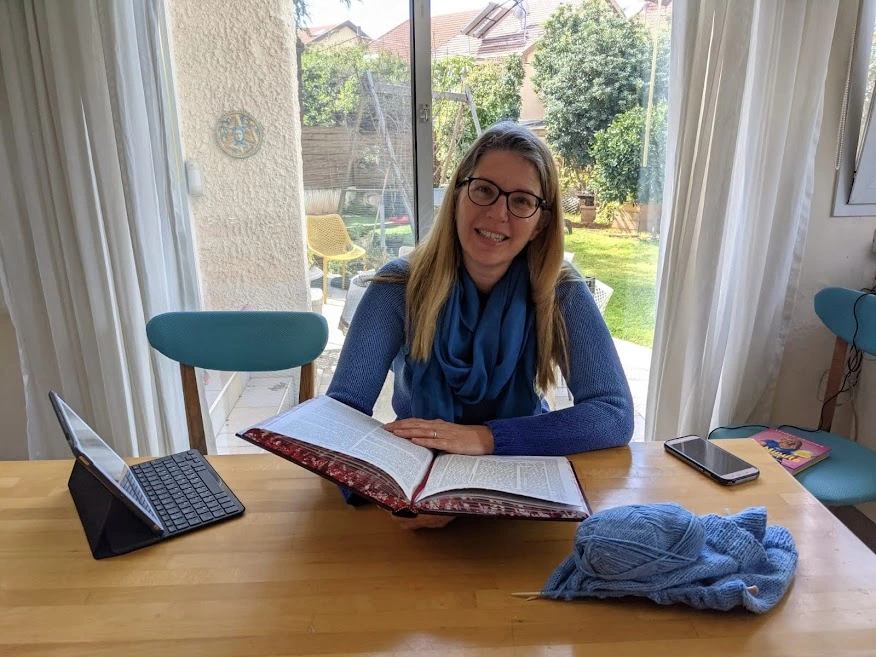
When we heard that R. Michelle was starting daf yomi, my 11-year-old suggested that I go. Little did she know that she would lose me every morning from then on. I remember standing at the Farbers’ door, almost too shy to enter. After that first class, I said that I would come the next day but couldn’t commit to more. A decade later, I still look forward to learning from R. Michelle every morning.

Ruth Leah Kahan
Ruth Leah Kahan

Ra’anana, Israel

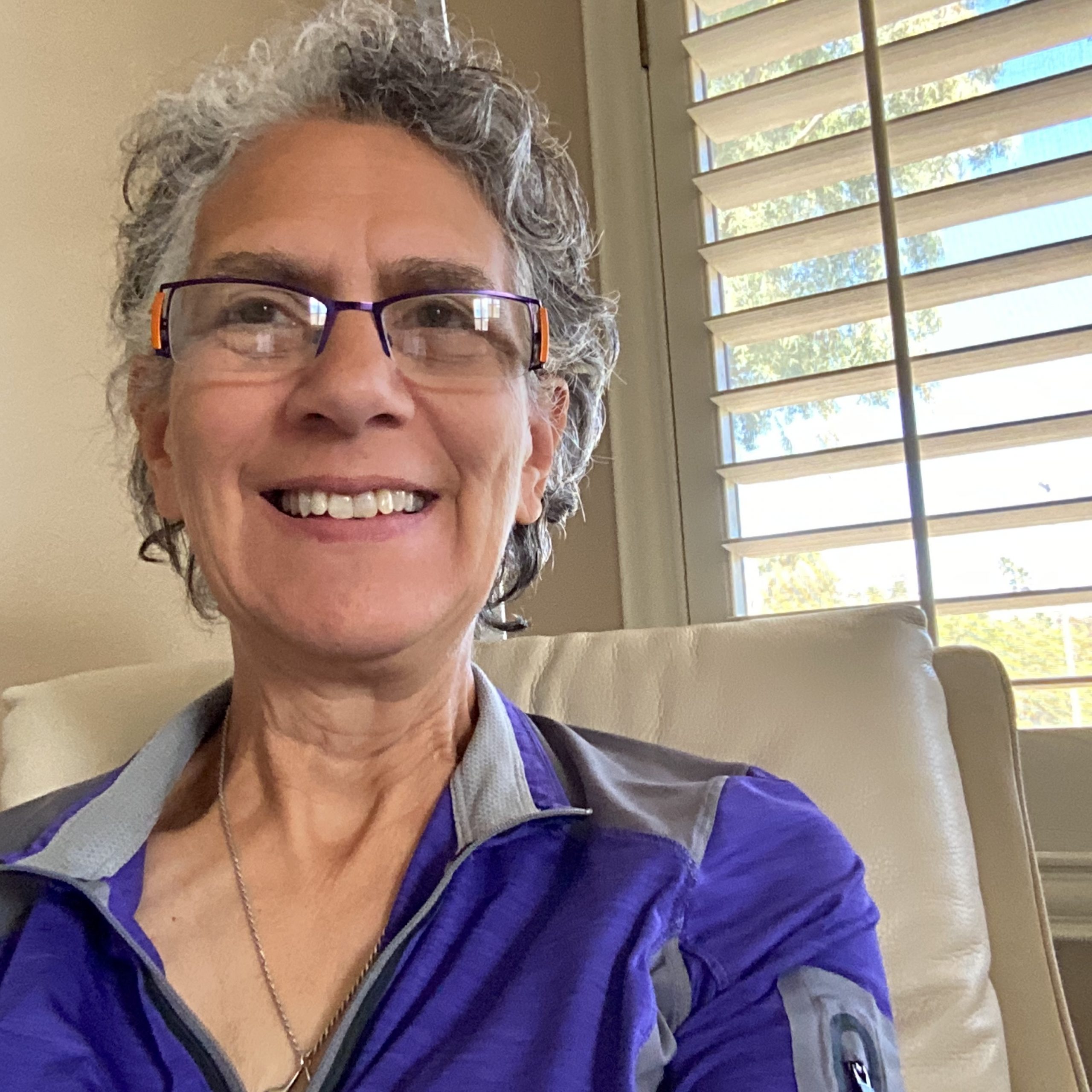
I began learning with Rabbanit Michelle’s wonderful Talmud Skills class on Pesachim, which really enriched my Pesach seder, and I have been learning Daf Yomi off and on over the past year. Because I’m relatively new at this, there is a “chiddush” for me every time I learn, and the knowledge and insights of the group members add so much to my experience. I feel very lucky to be a part of this.

Julie-Landau-Photo
Julie Landau

Karmiel, Israel

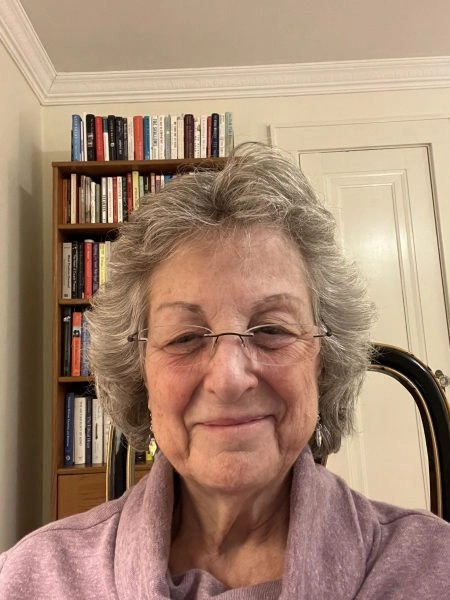
I attended the Siyum so that I could tell my granddaughter that I had been there. Then I decided to listen on Spotify and after the siyum of Brachot, Covid and zoom began. It gave structure to my day. I learn with people from all over the world who are now my friends – yet most of us have never met. I can’t imagine life without it. Thank you Rabbanit Michelle.

Emma Rinberg
Emma Rinberg

Raanana, Israel

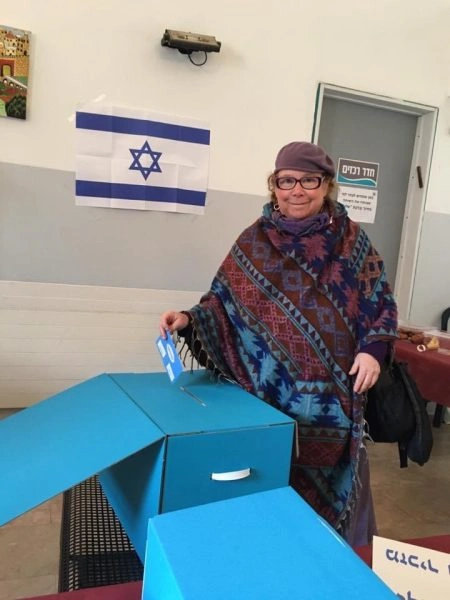
It has been a pleasure keeping pace with this wonderful and scholarly group of women.

Janice Block
Janice Block

Beit Shemesh, Israel

3 years ago, I joined Rabbanit Michelle to organize the unprecedented Siyum HaShas event in Jerusalem for thousands of women. The whole experience was so inspiring that I decided then to start learning the daf and see how I would go…. and I’m still at it. I often listen to the Daf on my bike in mornings, surrounded by both the external & the internal beauty of Eretz Yisrael & Am Yisrael!

Lisa Kolodny
Lisa Kolodny

Raanana, Israel

I saw an elderly man at the shul kiddush in early March 2020, celebrating the siyyum of masechet brachot which he had been learning with a young yeshiva student. I thought, if he can do it, I can do it! I began to learn masechet Shabbat the next day, Making up masechet brachot myself, which I had missed. I haven’t missed a day since, thanks to the ease of listening to Hadran’s podcast!
Judith Shapiro
Judith Shapiro

Minnesota, United States

I started learning daf yomi at the beginning of this cycle. As the pandemic evolved, it’s been so helpful to me to have this discipline every morning to listen to the daf podcast after I’ve read the daf; learning about the relationships between the rabbis and the ways they were constructing our Jewish religion after the destruction of the Temple. I’m grateful to be on this journey!

Mona Fishbane
Mona Fishbane

Teaneck NJ, United States

Margo
I started my Talmud journey in 7th grade at Akiba Jewish Day School in Chicago. I started my Daf Yomi journey after hearing Erica Brown speak at the Hadran Siyum about marking the passage of time through Daf Yomi.

Carolyn
I started my Talmud journey post-college in NY with a few classes. I started my Daf Yomi journey after the Hadran Siyum, which inspired both my son and myself.

Carolyn Hochstadter and Margo Kossoff Shizgal

Merion Station,  USA

Beit Shemesh, Israel

I started my journey on the day I realized that the Siyum was happening in Yerushalayim and I was missing out. What? I told myself. How could I have not known about this? How can I have missed out on this opportunity? I decided that moment, I would start Daf Yomi and Nach Yomi the very next day. I am so grateful to Hadran. I am changed forever because I learn Gemara with women. Thank you.

Linda Brownstein
Linda Brownstein

Mitspe, Israel

In July, 2012 I wrote for Tablet about the first all women’s siyum at Matan in Jerusalem, with 100 women. At the time, I thought, I would like to start with the next cycle – listening to a podcast at different times of day makes it possible. It is incredible that after 10 years, so many women are so engaged!

Beth Kissileff
Beth Kissileff

Pittsburgh, United States

I learned Talmud as a student in Yeshivat Ramaz and felt at the time that Talmud wasn’t for me. After reading Ilana Kurshan’s book I was intrigued and after watching the great siyum in Yerushalayim it ignited the spark to begin this journey. It has been a transformative life experience for me as a wife, mother, Savta and member of Klal Yisrael.
Elana Storch
Elana Storch

Phoenix, Arizona, United States

In July, 2012 I wrote for Tablet about the first all women’s siyum at Matan in Jerusalem, with 100 women. At the time, I thought, I would like to start with the next cycle – listening to a podcast at different times of day makes it possible. It is incredible that after 10 years, so many women are so engaged!

Beth Kissileff
Beth Kissileff

Pittsburgh, United States

I heard about the syium in January 2020 & I was excited to start learning then the pandemic started. Learning Daf became something to focus on but also something stressful. As the world changed around me & my family I had to adjust my expectations for myself & the world. Daf Yomi & the Hadran podcast has been something I look forward to every day. It gives me a moment of centering & Judaism daily.

Talia Haykin
Talia Haykin

Denver, United States

I started learning with rabbis. I needed to know more than the stories. My first teacher to show me “the way of the Talmud” as well as the stories was Samara Schwartz.
Michelle Farber started the new cycle 2 yrs ago and I jumped on for the ride.
I do not look back.

Jenifer Nech
Jenifer Nech

Houston, United States

I heard the new Daf Yomi cycle was starting and I was curious, so I searched online for a women’s class and was pleasently surprised to find Rabanit Michelle’s great class reviews in many online articles. It has been a splendid journey. It is a way to fill my days with Torah, learning so many amazing things I have never heard before during my Tanach learning at High School. Thanks so much .

Martha Tarazi
Martha Tarazi

Panama, Panama

I started learning at the start of this cycle, and quickly fell in love. It has become such an important part of my day, enriching every part of my life.

Naomi Niederhoffer
Naomi Niederhoffer

Toronto, Canada

I am grateful for the structure of the Daf Yomi. When I am freer to learn to my heart’s content, I learn other passages in addition. But even in times of difficulty, I always know that I can rely on the structure and social support of Daf Yomi learners all over the world.

I am also grateful for this forum. It is very helpful to learn with a group of enthusiastic and committed women.

Janice Block-2
Janice Block

Beit Shemesh, Israel

Ive been learning Gmara since 5th grade and always loved it. Have always wanted to do Daf Yomi and now with Michelle Farber’s online classes it made it much easier to do! Really enjoying the experience thank you!!

Lisa Lawrence
Lisa Lawrence

Neve Daniel, Israel

I have joined the community of daf yomi learners at the start of this cycle. I have studied in different ways – by reading the page, translating the page, attending a local shiur and listening to Rabbanit Farber’s podcasts, depending on circumstances and where I was at the time. The reactions have been positive throughout – with no exception!

Silke Goldberg
Silke Goldberg

Guildford, United Kingdom

When I began learning Daf Yomi at the beginning of the current cycle, I was preparing for an upcoming surgery and thought that learning the Daf would be something positive I could do each day during my recovery, even if I accomplished nothing else. I had no idea what a lifeline learning the Daf would turn out to be in so many ways.

Laura Shechter
Laura Shechter

Lexington, MA, United States

Shabbat 131

בָּתִּים וַחֲצֵרוֹת פְּתוּחִין לְתוֹכוֹ, וְהָכָא בָּתִּים — אִיכָּא, חֲצֵרוֹת — לֵיכָּא. כִּי לֹא עֵירְבוּ נָמֵי, לֶיחְזִינְהוּ לְהָנֵי בָּתִּים כְּמַאן דִּסְתִימִי דָּמוּ, וַחֲצֵרוֹת אִיכָּא וּבָתִּים — לֵיכָּא!

houses and courtyards open to it, and each courtyard contains at least two houses, and there are at least two courtyards. And here, there are houses but there are no courtyards, and therefore the standard halakhot of a closed alleyway do not apply. However, if that is the case, when they did not join the courtyards with the houses too, let us consider these houses as though they were sealed, because their residents may not carry from their houses into the courtyards, and the houses should be considered irrelevant. Therefore, in that case too, there are courtyards but there are no houses.

אֶפְשָׁר דִּמְבַטְּלֵי לֵיהּ רְשׁוּתָא דְּכוּלְּהוּ לְגַבֵּי חַד. סוֹף סוֹף בַּיִת אִיכָּא בָּתִּים לֵיכָּא!

The Gemara answers: In that case it is possible for them to renounce all of their property rights and transfer them to one person. Just as the residents of a courtyard can join together, thereby rendering it permitted to carry in the courtyard, they can also relinquish their property rights to a single resident. In that way, it is considered as though there is only one inhabited house in the courtyard, and it is therefore permitted to carry within the courtyard as well as between that particular house and the courtyard. The Gemara rejects this answer: Ultimately, even in that case, there is one house, yet there are not multiple houses, as it is possible to relinquish one’s privileges to only one homeowner and not to two. This would fail to meet the minimum requirement of two houses for the area to be considered a courtyard.

אֶפְשָׁר דְּמִצַּפְרָא וְעַד פַּלְגָא דְּיוֹמָא לְגַבֵּי חַד, מִפַּלְגֵיהּ דְּיוֹמָא וּלְפַנְיָא לְגַבֵּי חַד. סוֹף סוֹף בְּעִידָּנָא דְּאִיתֵיהּ לְהַאי, לֵיתֵיהּ לְהַאי? אֶלָּא אָמַר רַב אָשֵׁי: מִי גָּרַם לַחֲצֵרוֹת שֶׁיֵּאָסְרוּ — בָּתִּים, וְלֵיכָּא.

The Gemara answers: It is possible to resolve this: From morning until midday they can relinquish their rights to one, and from midday until evening they can relinquish their rights to another, and as a result there will be two houses. The Gemara rejects this answer: Ultimately, at the time when this house has the ownership rights, that house does not have them, as at any point in time there is only one house from which it is permitted to carry into the courtyard. Rather, Rav Ashi said: The explanation that there are no houses and courtyards here is rejected, and the explanation is: What caused the courtyards to be prohibited? It is the presence of the houses. Had there been no houses, it would have been permitted to carry from the courtyards into the alleyway, since they are one domain according to Rabbi Shimon. And here, it is considered as though there are no houses. Therefore, it is permitted to carry in the alleyway.

אָמַר רַבִּי חִיָּיא בַּר אַבָּא אָמַר רַבִּי יוֹחָנָן: לֹא לַכֹּל אָמַר רַבִּי אֱלִיעֶזֶר מַכְשִׁירֵי מִצְוָה דּוֹחִין אֶת הַשַּׁבָּת. שֶׁהֲרֵי שְׁתֵּי הַלֶּחֶם חוֹבַת הַיּוֹם הֵן, וְלֹא לְמָדָן רַבִּי אֱלִיעֶזֶר אֶלָּא מִגְּזֵירָה שָׁוָה. דְּתַנְיָא, רַבִּי אֱלִיעֶזֶר אוֹמֵר: מִנַּיִין לְמַכְשִׁירֵי שְׁתֵּי הַלֶּחֶם שֶׁדּוֹחִין אֶת הַשַּׁבָּת? — נֶאֶמְרָה הֲבָאָה בָּעוֹמֶר, וְנֶאֶמְרָה הֲבָאָה בִּשְׁתֵּי הַלֶּחֶם. מָה הֲבָאָה הָאֲמוּרָה בָּעוֹמֶר — מַכְשִׁירִין דּוֹחִין אֶת הַשַּׁבָּת. אַף הֲבָאָה הָאֲמוּרָה בִּשְׁתֵּי הַלֶּחֶם — מַכְשִׁירִין דּוֹחִין אֶת הַשַּׁבָּת.

Rabbi Ḥiyya bar Abba said that Rabbi Yoḥanan said: Rabbi Eliezer did not say with regard to all mitzvot that actions that facilitate performance of a mitzva override Shabbat. This is not a fixed principle with regard to preparations for all mitzvot. Rather, each case must be considered on its own merits, and proof must be cited that this principle applies to a specific mitzva. As the two loaves offered on the festival of Shavuot are an obligation of that day, and Rabbi Eliezer only learned that the activities that facilitate their sacrifice override Shabbat from a special verbal analogy. As it was taught in a baraita, Rabbi Eliezer says: From where is it derived that the actions that facilitate the offering of the two loaves override Shabbat? The term bringing is stated in the verse with regard to the omer offering, and the term bringing is stated with regard to the two loaves. Just as in the case of the bringing stated with regard to the omer, all the actions that facilitate its offering override Shabbat, as the reaping of the omer, which facilitates its offering, overrides Shabbat, so too, in the case of the bringing stated with regard to the two loaves, actions that facilitate its offering override Shabbat.

מוּפְנֵי. דְּאִי לָא מוּפְנֵי, אִיכָּא לְמִיפְרַךְ: מָה לָעוֹמֶר, שֶׁכֵּן אִם מָצָא קָצוּר — קוֹצֵר, תֹּאמַר בִּשְׁתֵּי הַלֶּחֶם, שֶׁאִם מָצָא קָצוּר — אֵינוֹ קוֹצֵר. לָאיֵי אִפְּנוֹיֵי מוּפְנֵי: מִכְּדֵי כְּתִיב ״וַהֲבֵאתֶם אֶת עוֹמֶר רֵאשִׁית קְצִירְכֶם אֶל הַכֹּהֵן״, ״מִיּוֹם הֲבִיאֲכֶם״ לְמָה לִי? שְׁמַע מִינַּהּ לְאַפְנוֹיֵי.

With regard to this verbal analogy the Gemara comments: It must be that those terms are free, i.e., they are superfluous in their context and therefore available for the purpose of establishing a verbal analogy. As, if they are not free, the verbal analogy can be logically refuted, as it is possible to say: What is unique to the omer? That if one found reaped barley one must nevertheless reap more barley for the sake of the mitzva. Can you say the same with regard to the halakhot of the two loaves, where it is taught that if one found reaped grain one need not reap additional grain for the sacrifice? Apparently, the halakhot of the offering of the two loaves are not parallel to those of the omer. The same might be true with regard to actions that facilitate the performance of the mitzva. In truth, the verse is free for establishing the verbal analogy. The Gemara explains: Since the verse already states: “When you come to the land that I am giving to you, and you reap its harvest, then you shall bring the sheaf [omer], the first of your harvest to the priest” (Leviticus 23:10), when the verse restates, “And you shall count for yourselves from the morrow after the day of rest, from the day you have brought the sheaf of the waving, seven whole weeks they shall be” (Leviticus 23:15), why do I need this repetition? Conclude from this that the additional statement is there to render the term “bringing” free for establishing a verbal analogy.

וְאַכַּתִּי: מוּפְנֶה מִצַּד אֶחָד הוּא, וְשָׁמְעִינַן לֵיהּ לְרַבִּי אֱלִיעֶזֶר דְּאָמַר מוּפְנֶה מִצַּד אֶחָד לְמֵידִין וּמְשִׁיבִין! ״תָּבִיאוּ״ רִבּוּיָא הוּא.

And yet there is still a difficulty: The verbal analogy is free only from one side, as only the verse that mentions bringing in the context of the omer offering is superfluous in its context, and we heard Rabbi Eliezer, who said with regard to a verbal analogy that it is only free from one side, that one can derive from it, and one can also refute it logically. The Gemara answers: There is a superfluous usage of the term with regard to the two loaves as well, as in the verse: “From your dwelling places you shall bring the loaves of waving of two tenth parts of an ephah; they shall be of fine flour, they shall be baked with leaven for first-fruits unto the Lord” (Leviticus 23:17) the phrase: “You shall bring” is an amplification. Since it was mentioned in the previous verse it is superfluous in its context. Consequently, the verbal analogy is available from both sides.

לְמַעוֹטֵי מַאי, אִילֵּימָא לְמַעוֹטֵי לוּלָב — וְהָתַנְיָא: לוּלָב וְכׇל מַכְשִׁירָיו דּוֹחִין אֶת הַשַּׁבָּת, דִּבְרֵי רַבִּי אֱלִיעֶזֶר. וְאֶלָּא לְמַעוֹטֵי סוּכָּה — וְהָתַנְיָא: סוּכָּה וְכׇל מַכְשִׁירֶיהָ דּוֹחִין אֶת הַשַּׁבָּת, דִּבְרֵי רַבִּי אֱלִיעֶזֶר. וְאֶלָּא לְמַעוֹטֵי מַצָּה — וְהָתַנְיָא: מַצָּה וְכׇל מַכְשִׁירֶיהָ דּוֹחִין אֶת הַשַּׁבָּת, דִּבְרֵי רַבִּי אֱלִיעֶזֶר. וְאֶלָּא לְמַעוֹטֵי שׁוֹפָר — וְהָתַנְיָא: שׁוֹפָר וְכׇל מַכְשִׁירָיו דּוֹחִין אֶת הַשַּׁבָּת, דִּבְרֵי רַבִּי אֱלִיעֶזֶר!

The Gemara poses a question with regard to Rabbi Yoḥanan’s statement: Rabbi Eliezer did not say with regard to all mitzvot that actions that facilitate performance of a mitzva override Shabbat; to exclude actions that facilitate the performance of what mitzva was he referring?
If you say that it was to exclude actions that facilitate the performance of the mitzva of taking the palm branch [lulav] and the other three species on the festival of Sukkot, wasn’t it taught in a baraita: The mitzva of lulav and all its facilitators override Shabbat; this is the statement of Rabbi Eliezer?
Rather, say that it comes to exclude the mitzva to dwell in a sukka on Sukkot. Wasn’t it taught in a baraita: The mitzva of sukka and all its facilitators override Shabbat; this is the statement of Rabbi Eliezer?
Rather, say that it comes to exclude the mitzva to eat matza on Passover. Wasn’t it taught in a baraita: The mitzva of matza and all its facilitators override Shabbat; this is the statement of Rabbi Eliezer?
Rather, say that it comes to exclude the mitzva to sound the shofar on Rosh HaShana. But wasn’t it taught in a baraita: The mitzva of shofar and all its facilitators override Shabbat; this is the statement of Rabbi Eliezer?

אָמַר רַב אַדָּא בַּר אַהֲבָה: לְמַעוֹטֵי צִיצִית לְטַלִּיתוֹ וּמְזוּזָה לְפִתְחוֹ. תַּנְיָא נָמֵי הָכִי: וְשָׁוִין שֶׁאִם צִיֵּיץ טַלִּיתוֹ וְעָשָׂה מְזוּזָה לְפִתְחוֹ שֶׁהוּא חַיָּיב.

Rav Adda bar Ahava said: The statement of Rabbi Yoḥanan comes to exclude attaching ritual fringes to his garment and affixing a mezuza to the doorway, which do not override Shabbat. The Gemara notes that that was also taught in a baraita: And they, Rabbi Eliezer and the Rabbis, agree that if one attached ritual fringes to his garment on Shabbat, and similarly, if one affixed a mezuza to his doorway on Shabbat, that he is liable.

מַאי טַעְמָא? אָמַר רַב יוֹסֵף: לְפִי שֶׁאֵין קָבוּעַ לָהֶם זְמַן. אֲמַר לֵיהּ אַבָּיֵי: אַדְּרַבָּה, מִדְּאֵין קָבוּעַ לָהֶם זְמַן,

The Gemara asks: What is the reason that Rabbi Eliezer concedes that actions that facilitate the performance of these mitzvot do not override Shabbat? Rav Yosef said: Because they have no fixed time and these mitzvot need not be performed on Shabbat. Abaye said to him: On the contrary, from the fact that they have no fixed time,

כֹּל שַׁעְתָּא וְשַׁעְתָּא זִמְנֵיהּ הוּא? אֶלָּא אָמַר רַב נַחְמָן אָמַר רַבִּי יִצְחָק, וְאִיתֵּימָא רַב הוּנָא בְּרֵיהּ דְּרַב יְהוֹשֻׁעַ: הוֹאִיל וּבְיָדוֹ לְהַפְקִירָן.

it can be said that each and every moment is its proper time. The obligation to fulfill the mitzva is perpetual and one may not neglect it. Why should it be prohibited for him to perform actions that facilitate the performance of the mitzva on Shabbat? Rather, Rav Naḥman said that Rav Yitzḥak said, and some say that he said that Rav Huna, son of Rav Yehoshua, said: The actions that facilitate the performance of these mitzvot do not override Shabbat, since one can render the relevant objects ownerless. One is only required to perform these mitzvot if the objects, i.e., the garment and the house, belong to him. If he renders them ownerless, he is no longer obligated to perform these mitzvot.

אָמַר מָר: לוּלָב וְכׇל מַכְשִׁירָיו דּוֹחִין אֶת הַשַּׁבָּת דִּבְרֵי רַבִּי אֱלִיעֶזֶר. מְנָא לֵיהּ לְרַבִּי אֱלִיעֶזֶר הָא? אִי מֵעוֹמֶר וּשְׁתֵּי הַלֶּחֶם, שֶׁכֵּן צוֹרֶךְ גָּבוֹהַּ! אֶלָּא אָמַר קְרָא: ״בַּיּוֹם״. ״בַּיּוֹם״ — אֲפִילּוּ בְּשַׁבָּת.

It was taught that the Master said in a baraita: The mitzva of lulav and all its facilitators override Shabbat; this is the statement of Rabbi Eliezer. The Gemara poses a question: From where does Rabbi Eliezer derive this halakha? If you say he derives it from the mitzvot of the omer and the two loaves, whose facilitators override Shabbat, this can be refuted by saying that the performance of facilitating actions is permitted on Shabbat in these cases because they are for the necessities of Temple service to God on High, as they are connected to the sacrificial service, which proceeds even on Shabbat. Rather, we can say that he derives it from the fact that the verse states: “And you shall take for yourselves on the first day, the fruit of goodly trees, branches of palm trees, boughs of thick-leaved trees, and willows of the river, and you shall rejoice before the Lord your God seven days” (Leviticus 23:40), from which he infers: “On the first day,” meaning that one is obligated to take it on the first day even if it occurs on Shabbat.

וּלְמַאי הִלְכְתָא? אִילֵּימָא לְטִלְטוּל — אִיצְטְרִיךְ קְרָא לְמִישְׁרֵי טִלְטוּל?! אֶלָּא לְמַכְשִׁירָיו.

The Gemara clarifies: And with regard to what halakha is this emphasis stated? In what way would the laws of Shabbat have prohibited fulfilling the mitzva of lulav? If you say that it comes to permit moving the lulav despite the prohibition against moving set-aside items, is a verse required in order to permit moving the lulav? The prohibition to move items that are set-aside is not a Torah prohibition. The Torah would not come to permit an action prohibited by the Sages. Rather, it must be that the verse is coming to permit violation of Shabbat prohibitions for the facilitators of the lulav.

וְרַבָּנַן? הַהוּא מִיבְּעֵי לֵיהּ בַּיּוֹם וְלֹא בַּלַּיְלָה.

The Gemara asks: And how do the Rabbis who disagree with Rabbi Eliezer understand the verse’s emphasis that the mitzva must be performed on that day? The Gemara answers: According to the Rabbis, that expression in the verse is necessary to teach that this mitzva must be performed by day and not by night.

וְרַבִּי אֱלִיעֶזֶר, בַּיּוֹם וְלֹא בַּלַּיְלָה מְנָא לֵיהּ? נָפְקָא לֵיהּ מִ״וּשְׂמַחְתֶּם לִפְנֵי ה׳ אֱלֹהֵיכֶם שִׁבְעַת יָמִים״ — יָמִים וְלֹא לֵילוֹת.

The Gemara asks: And from where does Rabbi Eliezer derive that this mitzva must be performed by day and not by night? The Gemara answers: He derives this halakha from the phrase: “And you shall rejoice before the Lord your God seven days,” as this indicates that the mitzva applies during the days and not the nights.

וְרַבָּנַן — אִיצְטְרִיךְ, סָלְקָא דַּעְתָּךְ אָמֵינָא נֵילַף שִׁבְעַת יָמִים מִסּוּכָּה: מָה לְהַלָּן יָמִים וַאֲפִילּוּ לֵילוֹת, אַף כָּאן יָמִים וַאֲפִילּוּ לֵילוֹת — קָא מַשְׁמַע לַן.

The Gemara asks: And how do the Rabbis respond to this? The Gemara answers: The previous derivation was necessary because it might have entered your mind to say that we should derive the seven days stated here from the seven days stated with regard to sukka, and say: Just as there, the mitzva of sukka applies not only during the days but even the nights, so too here, the mitzva of lulav applies not only during the days but even the nights. Therefore, the derivation teaches us that the mitzva only applies during the day based upon the original expression: “On the first day.”

וְלִיכְתּוֹב רַחֲמָנָא בְּלוּלָב, וְנֵיתוֹ הָנָךְ וְנֵילְפוּ מִינֵּיהּ! מִשּׁוּם דְּאִיכָּא לְמִיפְרַךְ: מָה לְלוּלָב, שֶׁכֵּן טָעוּן אַרְבָּעָה מִינִים.

The Gemara asks: And according to Rabbi Eliezer’s approach, let the Torah write this principle only with regard to lulav, and let these, the mitzva of the omer and similar cases, be derived from it. The Gemara answers: Because the analogy can be refuted. What is unique about lulav? That it requires four species, as the Torah demands that three other species be taken along with the lulav. Therefore, lulav cannot serve as a paradigm for other mitzvot that do not share this characteristic.

סוּכָּה וְכׇל מַכְשִׁירֶיהָ דּוֹחִין אֶת הַשַּׁבָּת, דִּבְרֵי רַבִּי אֱלִיעֶזֶר. מְנָא לֵיהּ לְרַבִּי אֱלִיעֶזֶר הָא? אִי מֵעוֹמֶר וּשְׁתֵּי הַלֶּחֶם — שֶׁכֵּן צוֹרֶךְ גָּבוֹהַּ הוּא. אִי מִלּוּלָב — שֶׁכֵּן טָעוּן אַרְבָּעָה מִינִים.

Earlier, it was taught in a baraita: The mitzva of sukka and all its facilitators override Shabbat; this is the statement of Rabbi Eliezer. The Gemara asks: From where does Rabbi Eliezer derive this matter? If you say he derives it from the halakha with regard to the omer and the two loaves, this can be refuted by saying that the performance of facilitators is permitted on Shabbat in these cases as these are the necessities of Temple service to God on High. If you say he derives it from the halakha with regard to lulav, this too can be refuted, as lulav requires four species and therefore has special significance.

אֶלָּא גָּמַר ״שִׁבְעַת יָמִים״ מִלּוּלָב: מַה לְּהַלָּן מַכְשִׁירָיו דּוֹחִין אֶת הַשַּׁבָּת, אַף כָּאן נָמֵי מַכְשִׁירָיו דּוֹחִין אֶת הַשַּׁבָּת.

Rather, he derived it through the following verbal analogy based upon the expression “seven days,” which is stated with regard to both the mitzva of sukka and the mitzva of lulav. Just as below, with regard to the mitzva of lulav, its facilitators override Shabbat, so too here, with regard to the mitzva of sukka, its facilitators override Shabbat.

וְלִיכְתּוֹב רַחֲמָנָא בְּסוּכָּה, וְנֵיתֵי הָנָךְ וְלִיגְמְרוּ מִינֵּיהּ! מִשּׁוּם דְּאִיכָּא לְמִיפְרַךְ: מָה לְסוּכָּה שֶׁכֵּן נוֹהֶגֶת בַּלֵּילוֹת כְּבַיָּמִים.

The Gemara asks: And let the Torah write only that actions that facilitate the performance of the mitzva override the halakhot of Shabbat, and let us bring these other mitzvot and derive their halakhot from sukka. The Gemara answers: Because this suggestion can be refuted: What is unique about the mitzva of sukka? That it applies during the nights just as it applies during the days, whereas the others apply only during the day.

מַצָּה וְכׇל מַכְשִׁירֶיהָ דּוֹחִין אֶת הַשַּׁבָּת, דִּבְרֵי רַבִּי אֱלִיעֶזֶר. מְנָא לֵיהּ לְרַבִּי אֱלִיעֶזֶר הָא? אִי מֵעוֹמֶר וּשְׁתֵּי הַלֶּחֶם — שֶׁכֵּן צוֹרֶךְ גָּבוֹהַּ. אִי מִלּוּלָב — שֶׁכֵּן טָעוּן אַרְבָּעָה מִינִים. אִי מִסּוּכָּה — שֶׁכֵּן נוֹהֶגֶת בַּלֵּילוֹת כְּבַיָּמִים.

Earlier it was taught in a baraita: The mitzva of matza and all its facilitators override Shabbat; this is the statement of Rabbi Eliezer. The Gemara asks: From where does Rabbi Eliezer derive this matter? If you say he derives it from the halakha with regard to the omer and the two loaves, this can be refuted, as these are the necessities of Temple service to God on High. If you say he derives it from the halakha with regard to lulav, this too can be refuted, as it requires four species. If you say he derives it from the precedent of sukka, this too can be refuted, as it applies during the nights just as it applies during the days.

אֶלָּא גָּמַר ״חֲמִשָּׁה עָשָׂר״ ״חֲמִשָּׁה עָשָׂר״ מֵחַג הַסּוּכּוֹת: מַה לְּהַלָּן, מַכְשִׁירֶיהָ דּוֹחִין אֶת הַשַּׁבָּת, אַף כָּאן מַכְשִׁירֶיהָ דּוֹחִין אֶת הַשַּׁבָּת.

Rather, Rabbi Eliezer derived it by means of a verbal analogy based upon the word fifteenth stated with regard to the mitzva of matza, and the word fifteenth stated with regard to the festival of Sukkot: Just as below, with regard to the mitzva to dwell in a sukka on the festival of Sukkot, which is on the fifteenth of the month, its facilitators override Shabbat, so too here, with regard to the mitzva to eat matza on the fifteenth of the month, its facilitators override Shabbat.

וְלִיכְתּוֹב רַחֲמָנָא בְּמַצָּה, וְנֵיתוֹ הָנָךְ וְלִיגְמְרוּ מִינֵּיהּ! מִשּׁוּם דְּאִיכָּא לְמִיפְרַךְ: מָה לְמַצָּה שֶׁכֵּן נוֹהֶגֶת בְּנָשִׁים כְּבַאֲנָשִׁים.

The Gemara asks: And let the Torah write this principle with regard to matza, and let us bring these other mitzvot and derive their halakhot from matza. The Gemara answers: Because this suggestion can be refuted: What is unique about the mitzva of matza? That it applies to women as it does to men. It is therefore different from the other mitzvot under discussion, which only apply to men.

שׁוֹפָר וְכׇל מַכְשִׁירָיו דּוֹחִין אֶת הַשַּׁבָּת, דִּבְרֵי רַבִּי אֱלִיעֶזֶר. מְנָא לֵיהּ לְרַבִּי אֱלִיעֶזֶר הָא? אִי מֵעוֹמֶר וּשְׁתֵּי הַלֶּחֶם — שֶׁכֵּן צוֹרֶךְ גָּבוֹהַּ. אִי מִלּוּלָב — שֶׁכֵּן טָעוּן אַרְבָּעָה מִינִים. אִי מִסּוּכָּה — שֶׁכֵּן נוֹהֶגֶת בַּלֵּילוֹת כְּבַיָּמִים. אִי מִמַּצָּה — שֶׁכֵּן נוֹהֶגֶת בַּנָּשִׁים כְּבָאֲנָשִׁים. אֶלָּא אָמַר קְרָא: ״יוֹם תְּרוּעָה יִהְיֶה לָכֶם״. ״יוֹם״ — אֲפִילּוּ בְּשַׁבָּת.

It was also taught in the baraita: The mitzva of shofar and all its facilitators override Shabbat; this is the statement of Rabbi Eliezer. The Gemara asks: From where does Rabbi Eliezer derive this matter? If you say he derives it from the halakha with regard to the omer and the two loaves, this can be refuted, as these are the necessities of Temple service to God on High. If you say he derives it from the halakha with regard to lulav, this too can be refuted, as it requires four species. If you say he derives it from the precedent of sukka, this too can be refuted, as it applies during the nights just as it applies during the days. If you say he derives it from matza, this too can be refuted, as it applies to women just as it applies to men. Rather, Rabbi Eliezer derives it from the fact that the verse stated: “And in the seventh month, on the first of the month, a holy calling it shall be to you; any prohibited labor of work you shall not perform; a day of sounding the shofar it shall be for you” (Numbers 29:1). The verse’s emphasis that the shofar must be sounded on that day teaches us that it applies even on Shabbat.

וּלְמַאי? אִילֵימָא לִתְקִיעָה, הָא תָּנָא דְּבֵי שְׁמוּאֵל ״כׇּל מְלֶאכֶת עֲבוֹדָה לֹא תַעֲשׂוּ״ — יָצְתָה תְּקִיעַת שׁוֹפָר וּרְדִיַּית הַפַּת שֶׁהִיא חָכְמָה וְאֵינָהּ מְלָאכָה. אֶלָּא לְמַכְשִׁירִין.

And for what purpose was this emphasized? If you say it is in order to permit sounding the shofar, this has already been taught by one of the Sages of the school of Shmuel with regard to the verse that prohibits performing prohibited labor on Festivals: “Any prohibited labor of work you shall not perform” (Numbers 29:1), which comes to exclude from the category of prohibited labors the sounding of the shofar and the removal of bread from the oven, which are skills and not labors. Rather, it is necessary to teach with regard to actions that facilitate the performance of the mitzva.

וְרַבָּנַן? הַהוּא מִיבְּעֵי לֵיהּ בַּיּוֹם וְלֹא בַּלַּיְלָה. וְרַבִּי אֱלִיעֶזֶר בַּיּוֹם וְלֹא בַּלַּיְלָה מְנָא לֵיהּ? נָפְקָא לֵיהּ מִ״בְּיוֹם הַכִּפּוּרִים תַּעֲבִירוּ שׁוֹפָר בְּכׇל אַרְצְכֶם״, וְגָמְרִי מֵהֲדָדֵי.

The Gemara asks: And how do the Rabbis understand the verse’s emphasis that the mitzva must be performed on that day? The Gemara answers: That expression in the verse is necessary according to the Rabbis in order to teach that this mitzva must be performed by day and not by night. The Gemara asks: And from where does Rabbi Eliezer derive that this mitzva must be performed by day and not by night? The Gemara answers: He derives this halakha from the verse with regard to the laws of the Jubilee Year: “And you shall pass a shofar of sounding in the seventh month, on the tenth of the month, on the Day of Atonement you shall pass a shofar throughout your land” (Leviticus 25:9), and the laws of all instances of sounding the shofar during the seventh month are derived from each other. Therefore, just as on Yom Kippur the shofar is sounded during the day, as emphasized by the fact that the verse uses the phrase Day of Atonement, the same applies on Rosh HaShana.

וְלִיכְתּוֹב רַחֲמָנָא בְּשׁוֹפָר וְלֵיתוֹ הָנָךְ וְלִיגְמְרוּ מִינֵּיהּ! מִתְּקִיעַת שׁוֹפָר דְּרֹאשׁ הַשָּׁנָה לֵיכָּא לְמִיגְמַר — שֶׁכֵּן מַכְנֶסֶת זִכְרוֹנוֹת שֶׁל יִשְׂרָאֵל לַאֲבִיהֶן שֶׁבַּשָּׁמַיִם. מִתְּקִיעָה דְּיוֹם הַכִּפּוּרִים לֵיכָּא לְמִיגְמַר — דְּאָמַר מָר: תָּקְעוּ בֵּית דִּין שׁוֹפָר, נִפְטְרוּ עֲבָדִים לְבָתֵּיהֶם וְשָׂדוֹת חוֹזְרוֹת לְבַעֲלֵיהֶן.

The Gemara asks: And according to Rabbi Eliezer’s approach, let the Torah write this principle only with regard to shofar, and let us bring these other mitzvot and derive their halakhot from shofar. The Gemara answers: From the sounding of the shofar of Rosh HaShana, the principle that actions that facilitate the performance of a mitzva override Shabbat cannot be derived, because it has special significance in that it introduces the remembrances of the Jewish people before their Father in heaven. From the sounding of the shofar of Yom Kippur, the principle that actions that facilitate the performance of a mitzva override Shabbat cannot be derived, as this shofar sounding also has special significance, as the Master said: Once the court sounds the shofar on Yom Kippur in the Jubilee Year, the declaration of freedom applies at once. Slaves may take leave of their masters and go to their homes, and fields that had been sold return to their ancestral owners. Therefore, other mitzvot cannot be derived from the sounding of the shofar of Yom Kippur.

אָמַר מָר: מִילָה וְכׇל מַכְשִׁירֶיהָ דּוֹחִין אֶת הַשַּׁבָּת, דִּבְרֵי רַבִּי אֱלִיעֶזֶר. מְנָא לֵיהּ לְרַבִּי אֱלִיעֶזֶר הָא? אִי מִכּוּלְּהוּ גָּמַר — כִּדְאָמְרִינַן. וְעוֹד: מָה לְהָנָךְ

Earlier it was taught that the Master said in the baraita: The mitzva of circumcision and all its facilitators override Shabbat; this is the statement of Rabbi Eliezer. The Gemara asks: From where does Rabbi Eliezer derive this halakha? If he derives it from all of the other mitzvot cited above, we can refute it, as we have already said that each one of them includes a unique aspect of severity or significance. And furthermore, there is another difficulty: What is unique about these mitzvot

Want to follow content and continue where you left off?

Create an account today to track your progress, mark what you’ve learned, and follow the shiurim that speak to you.

Clear all items from this list?

This will remove ALL the items in this section. You will lose any progress or history connected to them. This is irreversible.

Cancel
Yes, clear all

Are you sure you want to delete this item?

You will lose any progress or history connected to this item.

Cancel
Yes, delete